
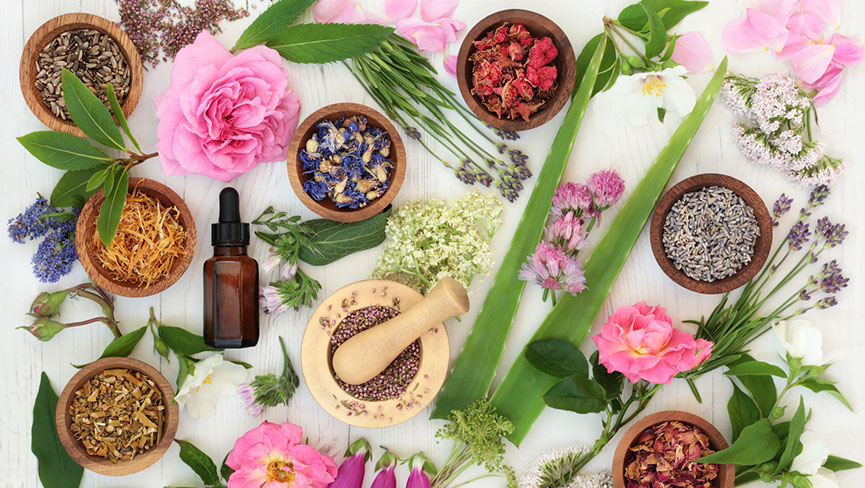
In previous articles, we discussed the importance of formulating biocompatible homemade cosmetic products. In Ayurvedic medicine, the rule is even stricter: “Don’t put anything on your skin that you can’t ingest.” Therefore, in our homemade cosmetic formulations, we avoid synthetic ingredients derived from petroleum and broad-spectrum preservatives, as they are not necessary if we are not going to put our products on the market.
Formulating homemade cosmetics with natural butters and oils, without the need to add synthetic preservatives (although organic preservatives are fine, of course), is a luxury that those of us who make natural homemade cosmetics allow ourselves.
In this article, and on our blog in general, we try to demystify the scientific jargon so beloved by the beauty industry. Our homemade product recipes really make a difference and are free from retinols, acids, and peptides synthesized in a laboratory. If you prefer not to use 35 different products on your face every morning or watch tutorial videos on TikTok, or if you’ve ever looked in the mirror and thought, “Who is that?”, then this blog on natural homemade cosmetics is for you. Because women shouldn’t aspire to look younger, but to look better. Makeup or BB cream that hides our wrinkles under a thick layer of preservatives is not the best choice in the long run. All these touch-ups and aggressive treatments tend to leave our skin looking dull over time. What we want is for our skin to look fresher, without the need for so much makeup.
An example that illustrates these principles of natural cosmetics that we are trying to explain is the difference between treatments with Bakuchiol*, which is considered a substitute for commercial retinol*, and the use of more aggressive retinoids.
*RETINOL is a form of vitamin A belonging to the carotenoid group. It stimulates fibroblasts to produce elastin and collagen, improving skin density and firmness. However, retinol has some side effects, including skin irritation and redness, so high concentrations of this substance are not recommended in the initial phase of treatment. In addition, retinol has photosensitizing properties and a teratogenic effect. That’s nothing, and all to achieve fewer wrinkles!
*BAKUCHIOL: Bakuchiol is a natural compound extracted from the seeds and leaves of the Psoralea corylifolia plant, known as babchi. Its action is very similar to that of retinol. It accelerates the keratinization of the epidermis and has antioxidant, anti-inflammatory, and anti-acne properties by inhibiting the growth of Streptococcus aureus bacteria. It normalizes sebum secretion and lightens pigment spots on the skin. Bakuchiol alleviates the negative effects of UV radiation. It normalizes sebum secretion and stimulates the production of elastin and collagen.
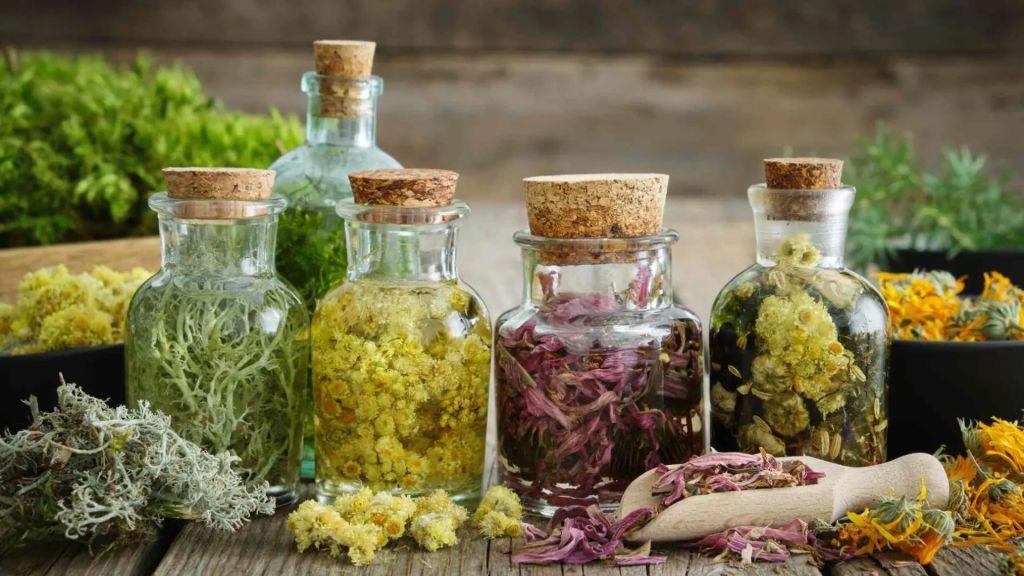
As we said, to keep our face looking good over the years, the best option is natural treatments that are minimally invasive and free from artificial preservatives and synthetic ingredients. A few simple vitamins applied to our skin in a natural vegetable oil base can work wonders.
BIOCOMPATIBLE SKINCARE
For all these reasons, we also want to highlight the difference between antiseptic and bactericidal formulations in the treatments we recommend on this blog. This difference is based on the difference between antiseptic and bactericidal products.
Antiseptics and bactericides aim to reduce the risk of infection, but they differ in their scope and application. Antiseptics are substances applied to living tissue, such as skin, to prevent or inhibit the growth of microorganisms, including bacteria, fungi, and viruses. Bactericidal agents, on the other hand, are substances that kill bacteria. Although some antiseptics may be bactericidal, their primary function is to inhibit microbial growth rather than actively kill all bacteria.
In the context of creams and natural cosmetic products, biocompatibility means that the product is designed to work in harmony with the body’s natural systems, minimizing the risk of adverse reactions and promoting skin health. Basically, it means that the product is well tolerated by the skin and does not cause irritation, allergic reactions, or other harmful effects. In other words, biocompatible products are formulated to avoid disrupting the skin’s natural processes and barrier function, and are therefore less likely to cause redness, itching, or other forms of irritation that can occur with harsh chemicals or allergens.
Broad-spectrum preservatives (panacea), so widespread in homemade cosmetic recipes, are very effective bactericides that not only kill bacteria but also molds and yeasts, completely sterilizing our product. You can deduce from this that, when applied, they also sterilize the skin surface, destroying its natural microbiota.
And for this reason, the above distinction is so important. In this blog, we create antiseptic synergies that keep our creams and products in good condition for as long as they need to be used. We therefore do not use commercial broad-spectrum preservatives designed to kill all bacteria, fungi, and molds that may develop. In other words, we do not create sterile products, but products that respect the natural microbiome of our skin.
This is possible because homemade natural cosmetics are not intended to be sold commercially. Logically, if we needed to create a product that would remain in good condition for months on the shelves of a drugstore or perfume shop, then we would undoubtedly have to comply with ISO standards and legal requirements.
But since this is not our case, we can afford to create homemade natural cosmetics that are completely biocompatible and respectful of our skin’s microbiome.
Difference from “commercial” cosmetics: Regular commercial cosmetics sometimes contain substances that are not always well tolerated by the skin, such as synthetic fragrances, colorants, or preservatives. These substances can cause irritation or allergic reactions in some people.
Biocompatible cosmetics try to avoid these substances by respecting the biology of the skin and formulating with ingredients that are compatible with the skin’s natural composition and function to promote a healthy skin barrier. Choosing biocompatible cosmetics can contribute to healthy, radiant skin, as it reduces the likelihood of skin problems and allows the skin to function naturally. In this sense, products from some brands aimed at the treatment and biocompatibility of sensitive and atopic skin, which today corresponds to a large percentage of the population, or products from brands that have traditionally produced “organic” cosmetics such as Welleda or Dr. Hauschka, or any other that you may know, are more respectful of the skin microbiome and, therefore, “more biocompatible,” if we can put it that way.
A tip for choosing well is to look at the labels detailing the composition and whether the product or brand is advertised as environmentally friendly.
The shorter the list of ingredients and the higher the content of certified organic components, the more natural and better the product will undoubtedly be.
As we always say, what is good for the environment and animal life is generally also better for us.
Or, as the ancient emperor and Stoic philosopher Marcus Aurelius said: “Everything that is good for the bee is good for the honeycomb, and everything that is good for the honeycomb is good for the bee.”
And we are “absolute fans of bees.” Bee products are the basis of natural homemade cosmetics. We use beeswax as the best known natural emulsifier, honey as a moisturizer, propolis tincture as an antiseptic, etc.
BIOCOMPATIBILITY IN NATURAL HOME-MADE COSMETICS
This involves various strategies:
1. Avoid preservatives by formulating creams and products without an aqueous phase. It is perfectly possible to use water-based products such as hydrosols, toners, and facial serums before applying a 100% oil-based cream. This way, we also moisturize our skin intelligently, without having to come up with complex homemade cosmetic formulations to which we would inevitably have to add broad-spectrum preservatives to keep them from spoiling on our bathroom shelves.
And it is always possible to formulate a fatty cream using only oils or butters, beeswax, and a teaspoon of honey. The percentages would be 90% oils/butters and 10% beeswax emulsifier.
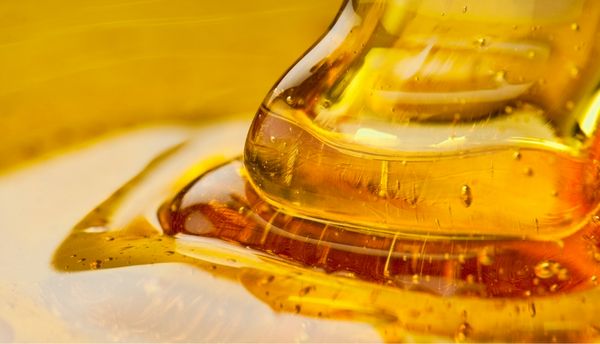
Honey is optional, but certainly very interesting because the synergy of honey with the emulsifier in beeswax creates a much creamier and more moisturizing texture than without this addition. Honey is moisturizing and combines very well with beeswax and oil, which is not the case if we use a synthetic emulsifier.
In addition, when mixed with coconut betaine, it becomes the most gentle cleansing gel (for the body, vagina, etc.) for atopic and sensitive skin. And don’t think that using honey makes it sticky—not at all! Coconut betaine, which is a natural surfactant, the most natural one that exists, takes care of that. *We will talk about it in a future article.
2. Formulate creams using self-preserving synergies. For example, it is known that a cream with a small percentage of water, if emulsified with beeswax and borax, preserves its ly, as the synergy between borax and beeswax chemically emulsifies the mixture, as well as preserving it.
3. We will avoid the use of synthetic self-emulsifying waxes because they are less likely to create self-preserving synergies, as is the case with beeswax, borax, and propolis tincture. Furthermore, due to the low affinity of synthetic self-emulsifying waxes with the skin, a “wash-off effect” may occur, which refers to the ability of the wax to be easily removed from the skin by water or sweat, dragging away the protective surface layer of the skin, resulting in a greater feeling of dryness and lack of hydration. If we need to use a synthetic self-emulsifying wax, it is important to use a biocompatible and biodegradable wax, such as “lamecreme” (glycerin stearate citrate) or “emulsan” or emulcare (methyl glucose sesquistearate).
4. If preservatives must be used, only organic and biocompatible preservatives should be used. To this end, it is generally advisable to treat the water that will be used in the preparation beforehand. Therefore, when formulating homemade cosmetics, it is also very important to bear in mind these concepts of biocompatibility and to use only organic and biocompatible preservatives, if necessary.
THE IDEA OF TREATING THE WATER
With this idea in mind, we have started to create creams with an aqueous phase in which we pre-treat the liquid component of the formulation.
We start with a distilled water base that we can treat in various ways:
1. By pre-ozonating (both water and oils) the distilled water or oil that we will use in the preparation of our homemade cream. In this way, we can emulsify our cream with beeswax, ozonated water, and borax, with the assurance that we will obtain a highly biocompatible product that will not spoil.
2. By treating our distilled water with borax* and a few drops of propolis tincture*, which reinforce the incorruptibility of our formulation as well as providing properties for the skin. Propolis acts synergistically with beeswax and borax and helps to reinforce and preserve the emulsion of water and oils.
3. It is possible to emulsify a cream with beeswax and borax by adding other biocompatible preservatives, such as: medicinal grapefruit seed extract (GSE), the natural cosmetic preservative Leucidal simple*, whose INCI is Leuconostoc Kimchii, propolis tincture, or colloidal silver.
*Leucidal simple is a preservative derived from radishes fermented with Leuconostoc Kimchii, which provides antimicrobial benefits. It is best to avoid Leucidal complete, as it is too strong.
4. In the case of serums and facial toners with a higher water content, it is important to use combined synergistic strategies to preserve our product, such as using a base of distilled salt water*, an ozonated distilled water or ozonated sea water base, adding a few drops of colloidal silver to the distilled water in the formulation, or propolis tincture, using distilled water in which we have dissolved 0.5 grams of borax, adding some essential oils to the distilled water, or using hydrosols as the base for our facial toner, etc.
*Salt is already a good natural preservative for organic substances. Let’s not forget the curing process of ham or some cheeses such as Parmesan, which remain in good condition for a very long time without the need for additional synthetic preservatives. Or, similarly, pickles fermented in brine, which have many probiotic properties when eaten.
5. Freeze natural aloe vera gel by dissolving half a teaspoon of citric acid per 100 grams/ml of fresh aloe vera gel. This will keep it in good condition until you defrost it. For example, you can defrost an aloe cube to prepare a serum base, and the rest of the aloe will remain frozen in good condition. If you do not freeze it, keep it in an airtight bowl in the refrigerator or in a cool place. In any case, store it in a glass bowl and protect it from sunlight.
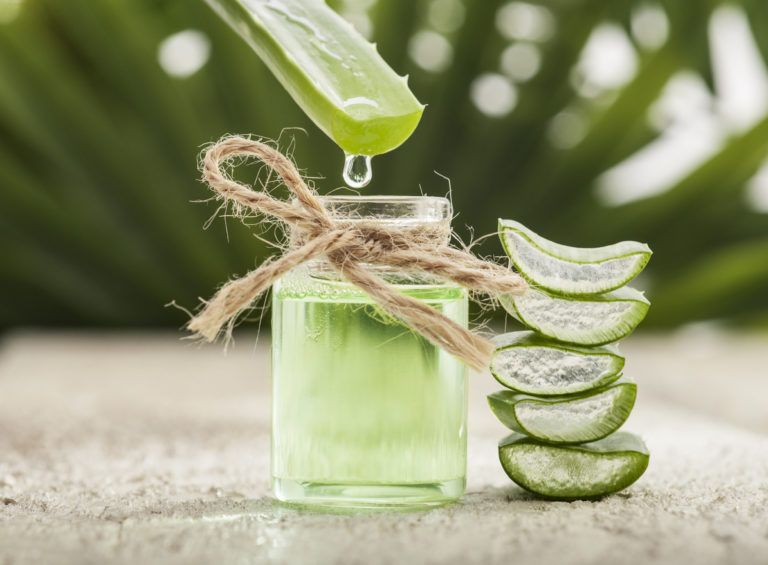
In principle, this aloe serum base will keep well because it has been frozen with citric acid, which is a very mild preservative. If in doubt, you can always add a few drops of another mild preservative such as medicinal grapefruit seed extract or simple Leucidal. You can even add a few drops of essential oils, such as lemon essential oil, or a preservative tincture such as myrrh tincture, which is a natural preservative, or even benzoin tincture. All of these will give the aloe serum a very pleasant aroma, as well as helping to preserve it.
In this way, we use a synergy of several mild preservatives that reinforce each other without harming the whole. Our serum will continue to have a low biocide level, so when applied to the skin, it will not harm our skin flora. This way, we will be able to benefit from the properties of aloe vera with complete assurance.
6. It is also possible to use natural aloe vera juice without preservatives as a base for serums and facial toners. In this case, it will not be necessary to freeze it, and we can use it directly in our toners and serums as a base, with the addition of glycerin and xanthan gum to thicken it, (ratio 2:1; i.e., 2 parts glycerin to 1 part xanthan gum, normally) and a biocompatible preservative such as 1% borax or any of the biocompatible preservatives listed in the following section.
7. In the case of herbal infusions, adding a minimum of 20% ethanol will preserve them for several days in the refrigerator without any problems, and we will be able to enjoy natural infused lavender tonics, or other herbs, until they run out.
BIOCOMPATIBLE PRESERVATIVES
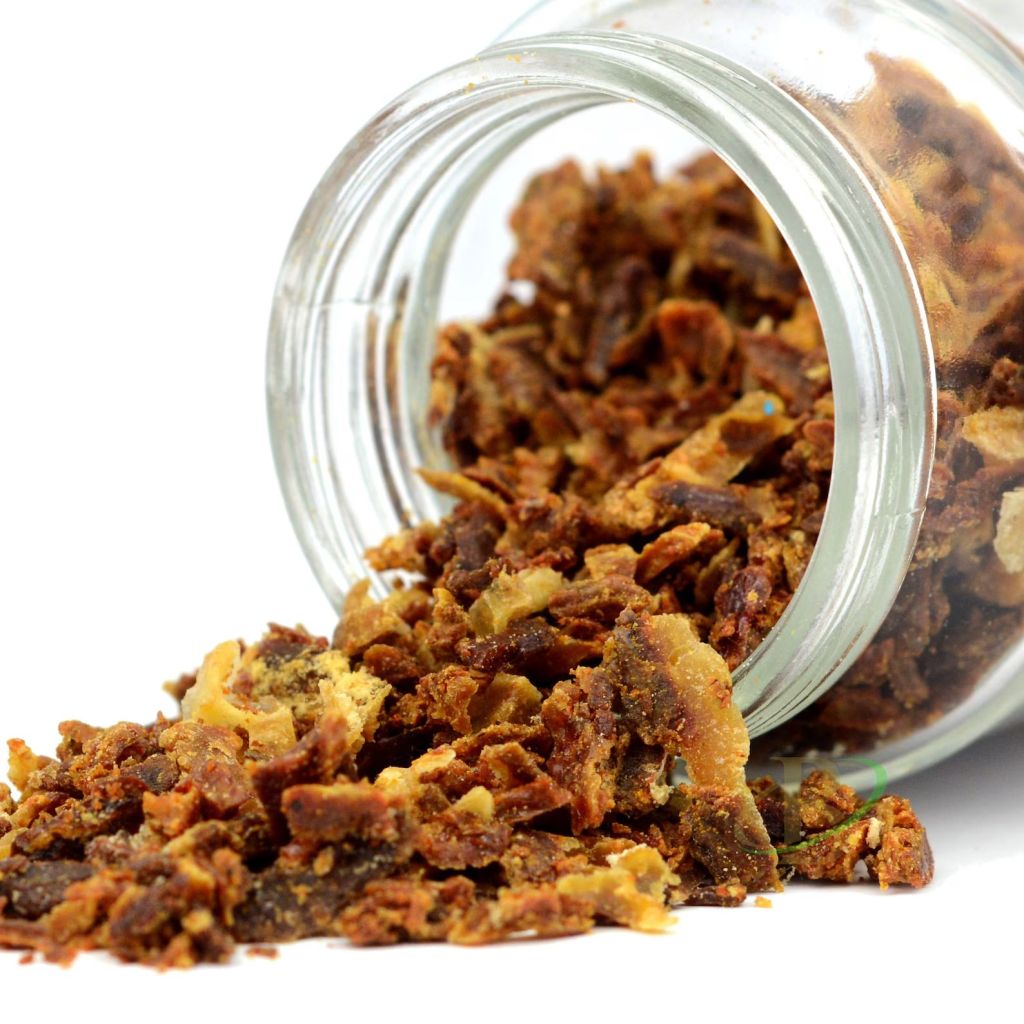
Propolis tincture: Propolis extract or tincture is a natural healing ingredient that has antioxidant, anti-inflammatory, and antifungal properties. Although produced by bees, propolis extract is not the same as honey, but rather the glue that bees use to hold the hive together and repair damage. In skin care, propolis extract offers great benefits in healing acne scars, hyperpigmentation, and inflammation. It also firms the surface and rejuvenates the skin. This extract is commonly found in commercial cosmetics in products such as moisturizers and toners.
Borax: Since ancient times, considerable amounts of this element have been mined on the shores of salt lakes in Asia Minor. The deposits in Tibet were the first to be exploited. Borax is also found as efflorescence in desert soils, hence its name “white gold of the desert.” Borax acts as a very mild preservative when emulsified with beeswax, yet it is widely compatible with the nature of our skin. In fact, boron has been used as a medicine in the natural medicine market.
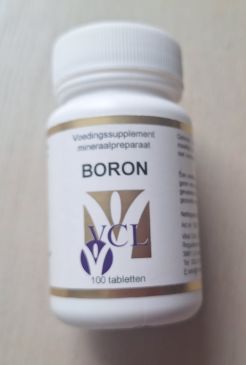
Despite its recent demonization, it is used as a food additive under the code E285, as it acts as an antimicrobial preservative. This same property, combined with its pH-regulating and emulsifying effect, makes it very useful in cosmetics. In Eastern cuisine, its texturizing effect is used to make foods firm and chewy. At an industrial level, it is used in detergents, cosmetics, soaps, insecticides, pesticides, and enamels.
Sea celtic salt: This is another great natural preservative, used since ancient times to preserve a wide variety of foods. Its ability to extract moisture from food hinders the growth of bacteria and other microorganisms that cause decomposition, helping to preserve food for longer. In addition, salt affects the structure and function of microbial cells, inhibiting their growth and reproduction, which helps prevent spoilage. We recommend using gray Celtic salt with a moist texture, as it is the only type that retains all the mineral richness of seawater.

Ozone: It is possible to ozonize both the water in our preparation and the oil. Never both in the same preparation because it is too much. Ozonizing water is more interesting in aqueous products such as tonics and facial serums.
If we want to create a cream, it is better to ozonate the oil, which emulsifies better than ozonated water and helps our cream acquire the right thickness.
If you have a cheap ozonator (you can find them on Amazon for $40 to $50), it will be enough to keep your water or oil immersed in ozone for about 30 minutes. Any longer is too much, and both the water and oil will take on a strong ozone smell.
If you want to buy ozonated oil from a cosmetics store, always remember to choose a food-grade product so that the aroma is not too strong and can be pleasantly incorporated into your homemade cosmetic preparations. Stronger oils are best used as treatment oils for joint and rheumatic pain and, above all, in treatments for hemorrhoids and vascular problems.
Colloidal silver: We know it in naturopathy as a very useful medicine, but colloidal silver can also act as a preservative, especially in cosmetic and personal hygiene products. Its antimicrobial capacity helps prevent the growth of bacteria, fungi, and mold, which in turn prolongs the product’s shelf life.
As with ozonated water, anyone with the right equipment can make it themselves at home. These devices are usually a little more expensive than ozonizers, as they require silver rods. However, nowadays, they can also be found in many online stores, as can ozonizers, which are not only used to ozonize water, but also to obtain ozonized oils that are very useful for treating skin problems.
Benzoin tincture: Benzoin tincture is used as a natural preservative and antiseptic in cosmetics, as well as a fragrance fixative. It is obtained from the resin of the Styrax tree and dissolved in alcohol, forming a liquid extract that helps preserve cosmetic products, especially those containing natural ingredients or essential oils, by preventing the growth of bacteria and fungi.

Myrrh tincture: Thanks to its antiseptic and soothing properties, it is widely used in skin creams, leaving the skin smooth and soft. It has great preservative power, making it an ideal substitute for commercial chemical preservatives. It is an excellent disinfectant and has healing and regenerative properties for the skin.
You can find an online store selling natural myrrh tincture at this link:
https://maeselab.com/extracto-de-mirra-tintura
Ethanol: It is not a preservative in itself but acts as one when added to our product in proportions of 30% or more. This is why it is not used frequently, as a high percentage of ethanol is required to benefit from its preservative properties. However, in some cases it can be a very interesting additive, such as in facial tonics made from herbal infusions, where it adds freshness to the mixture.
Or in some cases of spray deodorants, perfumes, or even in its isopropyl alcohol form, it can be used in rosemary distillations for topical rubs, such as rubs to activate circulation in tired legs, etc.
Isopropyl alcohol: Also known as isopropanol or 2-propanol, it is a colorless, flammable liquid with a characteristic odor. It is widely used as a solvent, antiseptic, and cleaning agent in various applications. It is a key ingredient in rubbing alcohol and hand sanitizer , and is also used in industrial and pharmaceutical settings, such as the “rosemary alcohol” sold in pharmacies. As mentioned above, it does not pose any problems when used topically, as it acts as a base for the active ingredient rosemary and evaporates on contact with the skin. If we infuse natural rosemary in this type of alcohol, we obtain a maceration that does not require any other type of preservative and can be applied topically for rubbing.
Potassium sorbate or sodium benzoate salts: With great caution and never both at the same time in the same product, we can use minimal doses of edible preservative salts (widely used in the food industry) such as potassium sorbate salts or sodium benzoate salt.
These synthetic powdered salts are widely used in the food industry. Both are mainly used as preservatives to extend the shelf life of various products, especially in food and cosmetics. They work by inhibiting the growth of fungi, yeast, and bacteria, which helps prevent spoilage and decomposition.

Potassium sorbate is more useful in creamy textures and sodium benzoate in tonics, serums, and more acidic aqueous textures. In any case, it is best to use them only when absolutely necessary, and always separately, as together they become what is called a broad-spectrum preservative and their biocidal effects are enhanced.
Taking all these ideas into consideration, we have formulated a moisturizing base cream that can be used perfectly as a body milk for the entire body, given its light and fresh texture.
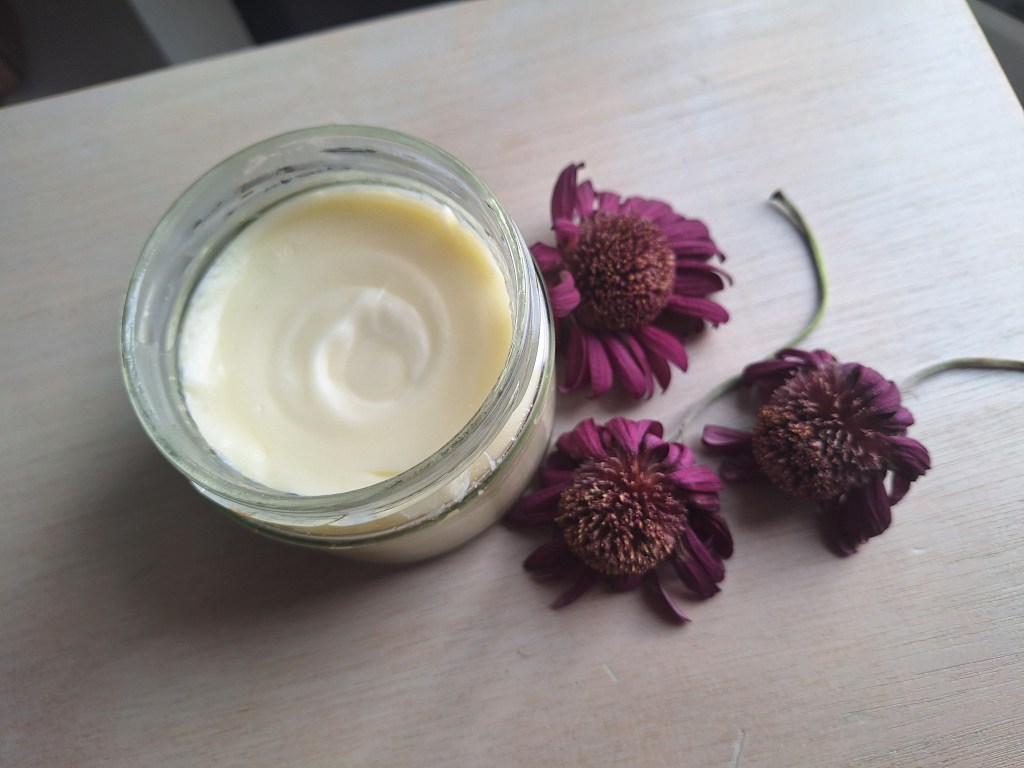
RECTIFICATION OF THE CREAM RECIPE with wax and ozonated water
PROPORTIONS WITH BEESWAX AND OIL
The amount of beeswax should be 15% of the oil, and the proportion of borax should be 5% of the amount of water used in the recipe.
THE BASIC CREAM RECIPE WITH GENERAL PERCENTAGES
Percentages for 100 g of base cream:
40% water … approx. 5% of the amount of water in borax
60% oil … 15% of the amount of oil in natural unbleached beeswax
Optional: One tablespoon of glycerin (between 10-15 g).
Preservative: 1 ml natural propolis tincture preservative per 100 g. The preservative is not necessary in principle if the borax is completely amalgamated with the beeswax.
For this, two conditions are necessary:
– A sufficient percentage of borax in relation to the total product.
– The beeswax must be natural (yellow) and not bleached, at least part of it, since bleached wax cannot chemically amalgamate efficiently with borax.
Some people use proportions of 50% water and 50% oils or fats to make the cream more moisturizing. However, in this case, to produce the emulsion of beeswax with water and oils, it is necessary to use a larger amount of borax, and, as always with preservatives, our maxim is “the minimum necessary” to obtain the product we want.
This is the recipe for EMULSIFIED BASE CREAM WITH BEESWAX
40 ml of ozonated distilled water … and about 2 g of borax
60 ml of virgin olive oil … and about 10 g of natural beeswax
10 g of glycerin, and nothing else because we have ozonated the water.
PREPARATION PROCEDURE:
The preparation system is “one pot.”
Previously, we ozonated the water for approximately 30 minutes in a homemade ozonator and then dissolved the 2 grams of borax in it.
We start by placing the beeswax in a heat-resistant container in a double boiler. Once melted, we add the oil to the same container and, when it is fully incorporated and the mixture is melted, we add the mixture of ozonated distilled water and borax.
When we see that it has been incorporated, we can start beating with an electric whisk. A chemical emulsion of beeswax with borax-treated water is produced, but in this case, our water is also ozonated, so the emulsion is very light.
In this case, after removing from the heat, we will see that we have obtained an emulsion in which the water sometimes seems to float a little. This is not a problem because the water has been treated, and the mixture does not spoil. We can therefore take advantage of this light and fresh texture to use it as a moisturizing body milk all over the body.
A totally natural BASE CREAM
We would also like to show you a base cream that can be enriched with natural active ingredients. The best “active ingredients” we can add to our products are of plant or even animal origin, such as silk proteins from silkworms or allantoin from snail slime… But don’t worry, although they are based on natural molecules, these components are now obtained synthetically in a laboratory. No one squeezes silkworms or snails to obtain them. However, they are still very interesting because they are molecules of organic origin. And nature knows what it’s doing.
ACTIVE INGREDIENTS OF ORGANIC ORIGIN
Silk proteins: Formed by naturally occurring macromolecular filaments consisting of silk proteins, which, although they break down (hydrolysis), give rise to amino acids very similar to those found in the collagen and elastin proteins of the skin. They have a much greater softening power than other products, promoting the formation of young, healthy skin cells and a silky, youthful complexion.
Allantoin: Allantoin is a chemical compound with healing, soothing, and anti-inflammatory properties. It is also moisturizing as it helps the skin retain moisture, leaving it soft and smooth. It is a crystalline, colorless powder, soluble in water and alcohol, derived from uric acid. It is found naturally in some plants such as comfrey, aloe vera, and snail slime, and can also be synthesized artificially.
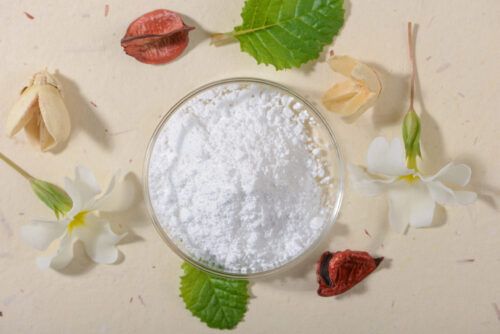
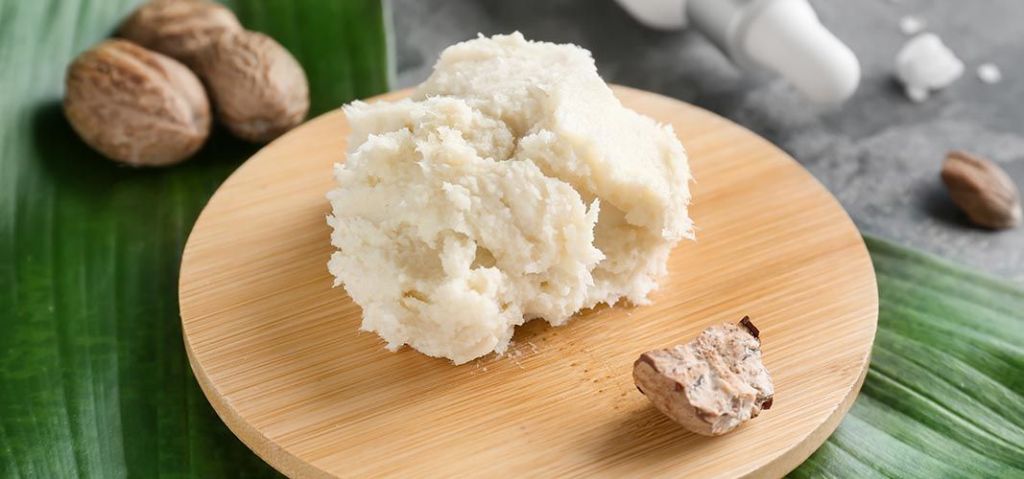
Natural aloe vera gel, vegetable butters such as shea or cocoa butter, honey, and even zinc oxide, which, in addition to providing sun protection to our products, gives them emollient properties and protection against external aggressions such as humidity or friction. Hence its use in diaper creams.
And, of course, the active ingredients provided by cold-pressed virgin oils, loaded with fat-soluble vitamins, or oleates of balsamic resins and plant extracts such as oat, calendula, or chamomile.
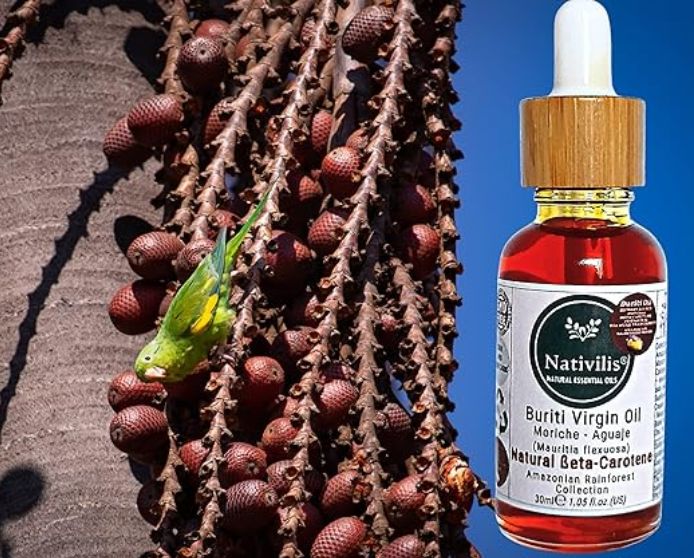
Simply a high-quality oil, such as buriti oil, will provide you with carotenoids (vitamin A), as will an extract of urucum (achiote) seeds in powder form or macerated in glycerin. Or, for example, bakuchiol oil, which is said to be a natural substitute for retinol, but unlike retinol, it alleviates the negative effects of UV radiation and does not cause photosensitivity. In fact, it mitigates the harmful effects of the sun and makes the skin more resistant to sunlight.
RECIPE FOR EMULSIFIED CREAM BASE WITH BEESWAX
In this recipe, we have played with the proportions of beeswax, combining natural wax and bleached wax with the intention of obtaining a lighter and more pleasant colored product. Certainly, this cream is less yellow than the previous one. As you know, it is not possible to use only bleached wax because it does not chemically blend with borax as well as natural wax.
40 ml of distilled water … and 2 g of borax
60 ml of virgin olive oil …
and about 6 g of natural beeswax, combined with 4 g of bleached beeswax.
10 g of glycerin and 1 ml of propolis tincture.
PRODUCTION PROCESS:
The production system is “one pot.”
Previously, we have treated the distilled water by dissolving about 20 drops of propolis tincture in it.

We start by placing the beeswax in a heat-resistant container in a double boiler. Once melted, we add the oil to the same container and, when it is fully incorporated and the mixture is melted, we add the mixture of distilled water with the preservative tincture and borax to produce a chemical amalgam with the beeswax.
When everything is incorporated, we can start beating with an electric whisk. This produces a chemical emulsion of beeswax, borax, and water treated with propolis tincture, resulting in a very pleasant, creamy emulsion.
USE: This cream can be used as is, or you can add any other natural active ingredient from among those mentioned.
Some of these can simply be added at the end of the process, such as zinc oxide to provide sun protection…
Others, such as vitamin-rich oils or natural aloe gel, are best added during the mixing of the oil and water phases.
For example, SUN CREAM with SPF 20 made from this base cream
Take 50 g of the base cream and add a mixture of 2 tablespoons of zinc oxide (10 g), previously sifted, and, optionally, a tablespoon of cocoa powder to prevent a white film from forming on the skin.
In this simple way, we obtain a cream with sun protection factor. With 10 grams of zinc oxide, protection of 20 is guaranteed, but if you add a little more, you will surely obtain greater protection.
KNOW HOW TO CHOOSE THE INGREDIENTS FOR OUR FORMULATIONS WITH CRITERIA
Everything we put on our skin is absorbed—creams, shampoos, colognes—and does not remain on the surface.
Many everyday products contain parabens, phthalates, phenoxyethanol, and other compounds that act as endocrine disruptors. As you know, endocrine disruptors alter the hormonal system, interfere with neurological development, and may be linked to long-term health problems such as early puberty or brain development deficits.
There is little we can do about this, but there is something we can do: reduce our exposure to these types of products and choose less toxic products wisely, which also tend to be the most eco-friendly and least harmful to the environment.
If we can’t make them ourselves.

Because it’s not about living in fear, but with awareness.
Therefore, don’t let yourself be fooled by products invented by cosmetic supply stores to sell us “expensive active ingredients” that are actually cheap for them because they are not natural, but synthesized in a laboratory.
We are not going to mention specific online stores, just a few examples of “cosmetic active ingredients,” theoretically natural, that they try to sell to those of us who make homemade natural cosmetics.
For example: “Encapsulated retinol palmitate.” This is supposed to be a form of retinol, which is ultimately nothing more than vitamin A, that sensitive skin can tolerate better.
And its INCI is: Aqua, Polycaprolactone, Xanthan gum, Retinyl palmitate, Polyvinyl alcohol, Sorbitan stearate, Propanediol, 1,2-Hexanediol, Caprylyl glycol
Does this INCI sound like natural vitamin A to you?
Or, for example, this anti-wrinkle peptide compound with INCI: Dimethyl Isosorbide (and) Polysorbate 20 (and) Aqua (and) Acetyl Tetrapeptide-11 (and) Acetyl Tetrapeptide-9.
However, the same supply store may sell you very good oils and active ingredients, such as food-grade ozonated oils, vegetable oils loaded with fat-soluble vitamins (which our skin absorbs completely) such as the buriti oil we mentioned earlier, natural cupuaçu butter, or unprocessed shea butter, which are real treasures for the skin.
It’s all about knowing how to choose.
 Naturamatters blog