HOW TO MAKE HERBAL CREAMS AT HOME

The easiest way to prepare creams with an herbal base is to make an herbal oil and then incorporate this oil into our formulation.

HOW A MACERATED OIL IS MADE

Here is a link to a previous blog post that explains how to make an “oleado” from wild rose hips.

Also this other link:

https://naturamatters.blog/2021/03/05/how-to-make-infused-oil-2/

However, you can also visualise the procedure in this video of the Gingko Education school: https://www.youtube.com/watch?v=BINGTb3ouqo
HOW TO MAKE A CREAM OR OINTMENT FROM HERBAL OIL

Once we know the method (either hot or cold) to macerate our herbs and prepare an oleado, we have two options:

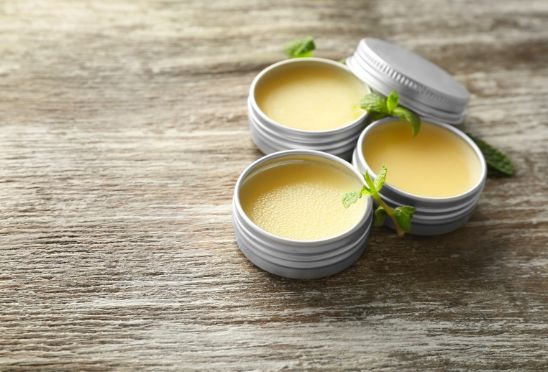
1.- Use our oleado to prepare the balm or ointment, in this case we only need to add a certain amount of beeswax to thicken our ointment and it will be ready.

2.- We can choose to prepare our cream or ointment in situ by macerating our oil with an herbal extract of our choice. In this case, the process of preparing the oil occurs at the same time as we prepare our balm or ointment.

This video shows this second way of making our cream based on herbal extracts, in this case, calendula.

Balms or ointments require, as a general rule, an oil (or ointment if infused with herbal extracts) and a certain amount of beeswax to emulsify it.

General rule: The amount of beeswax used is always about a quarter of the oil or oil used. This is also known as the 10% rule, in which we would use 90% oil and 10% beeswax to emulsify the oil.

So, for example, to fill a container of about 100 grams, we would use about 90 grams of oil and about 10 grams of wax. This consistency is ideal for use on the face, hands, etc.

If we are looking to make an ointment that spreads almost like wax, then we can increase the amount of wax up to 15 grams. It depends on the consistency we are looking for.

In our opinion, 10 grams (1/4 wax) is an excellent consistency, but, for example, if we are looking to create an ointment with a high concentration of active ingredients, in order to spread it on small areas (for example, an ointment to treat haemorrhoids), it may be more interesting to use a higher proportion of wax so that the active ingredients are better concentrated.

WHY PREPARE A BALM-LIKE CREAM WITHOUT AN AQUEOUS PHASE?

Very simple. These creams do not require preservatives.

Only antioxidants such as vitamin E or rosemary extract CO2 are usually added to extend the life of the product, as these antioxidants prevent the rancidity of fats and oils.

By avoiding the use of preservatives and added synthetic actives, we obtain a product that is much gentler and more tolerable for all skin types.

This is especially important if our homemade DIY product is to be used by people with sensitive or atopic skin. In these cases, such products can be used on a daily basis to safely moisturise and nourish our skin.

The balms whose recipes are detailed below are totally suitable for treating sensitive or atopic skin and skin affected by dermatitis.

Of course, each has its own specific characteristics. For example, the oatmeal balm whose recipe is described below is particularly suitable for daily use on skin affected by itchy dermatitis, as oatmeal has an anti-inflammatory, itch-soothing effect on irritation.

It would be very interesting to use a calendula oil as a base oil for this balm, for example. By adding the ground oatmeal to it, we would enrich our balm even more, giving it very good properties for treating this type of sensitive skin.

In any case, with this type of skin, we must above avoid creams loaded with preservatives and synthetic active ingredients, even if they are homemade, as they have an irritating effect on this type of skin.

As well as minimising the use of essential oils (just a couple of drops, or none at all) and avoiding chemical fragrances as much as possible.
HOW TO PREPARE MACERATED HERBAL EXTRACTS

Very simple, grinding the dried herbs with a coffee grinder.

This is how we have made our oatmeal powder, from grinding the oat flakes from breakfast. Or aloe vera, from grinding the dried aloe bark left over from emptying the aloe stalks.

You can also use other powdered extracts such as orange, which also smells very good.
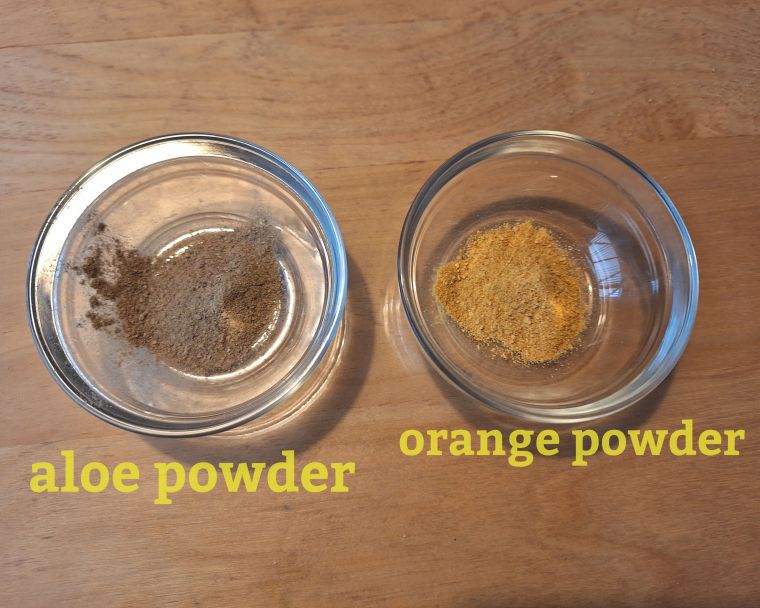
PROCEDURE:

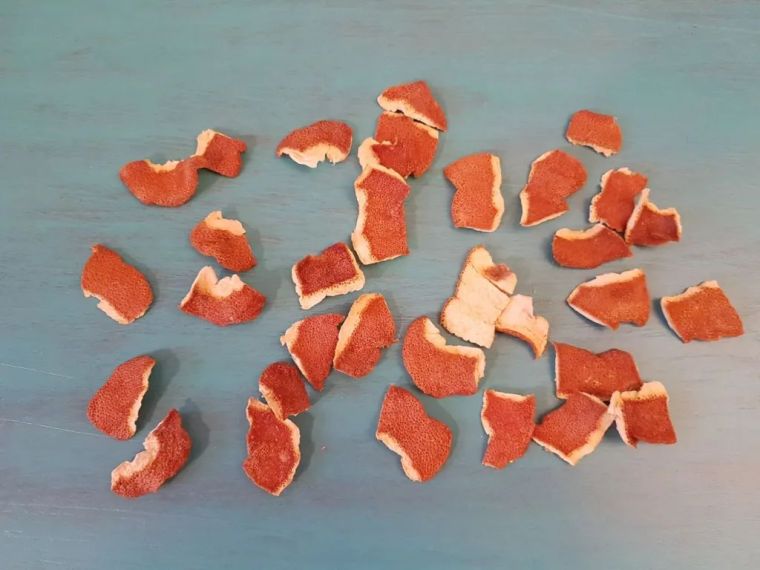
To obtain the orange extract powder, follow the same procedure as above. Dry the orange peels, and when they are very dry, grind them in a coffee grinder.

This powder will be placed in a recycled glass jar, so that it will last much longer and can be used in future cosmetic preparations.
PROPERTIES OF DIFFERENT FLOURS AND HERBAL EXTRACTS

Herbal extracts to enrich our cream or balm with their therapeutic properties can be of many different types:

These can be flours such as oat or baobab flour, yeast such as brewer’s yeast, powdered vitamin extracts such as Niacinamide or astaxanthin, ground herbs such as bearberry, or even ground rinds of different fruits such as oranges, tangerines or lemons.

ORANGE PEEL POWDER

INCI: Citrus aurantium powder

Orange extract powder can be macerated in oil, glycerine and also water. It is a plant-based ingredient used in cosmetics to formulate a wide range of products, such as creams, gels, soaps, shampoos, conditioners, hair fixatives…

Orange extract has anti-wrinkle, circulation-activating, anti-inflammatory, exfoliating, depigmenting, antiseptic, moisturising properties… The recommended dosage of orange extract in cosmetics ranges from 0.5 to 5%.

The cosmetic powder of orange peel, contains among other nutrients vitamin C that helps us to fight acne and has antioxidant properties, calcium that renews dead skin, potassium that moisturizes and regenerates the skin, magnesium that helps to give shine and youth to your skin. It is toning and astringent and it leaves hair soft, supple and shiny, improving also circulation in the scalp.

With dehydrated orange peel powder, you can make a facial mask to cleanse the skin or revitalizing baths, for oily skin and pimples, tired and dull skin, for all hair types.

Applications: masks, soaps, exfoliating creams, solid shampoo, etc…

Dosage: 0 to 5%. In conjunction with other powders up to 15%.

GROUND OATMEAL

INCI: Avena Sativa

Oats contain manganese, selenium, phosphorus, magnesium and zinc. It has moisturising and nourishing elements and hypoallergenic, emollient, and protective properties.

Oatmeal soothes skin irritations, both allergic and non-allergic, as well as itching. It improves itching caused by psoriasis, scabies, or itching caused by other types of dermatitis.

Because it moisturises and softens the skin, it is recommended for all skin types, extremely dry or flaky skin, also for sensitive skin and children.

It is also widely used in facial masks, as it is an excellent skin cleanser. Its particles absorb dirt and cellular residues while respecting and caring for the skin structure.

ALKANET ROOT POWDER

INCI: Alkanna Tinctoria

Alkanna tinctoria is a plant native to the Mediterranean part of the Boraginaceae family. Its roots contain a red dye that has been used as a dye since ancient times. It also has great medicinal properties.

The Greek physician, Hippocrates, recorded the use of this root for the treatment of skin ulcers. Because the plant contains pyrrolizidine alkaloids (which can cause liver toxicity), it is now almost exclusively used as a cosmetic dye and as a medicinal plant for topical use.

Traditionally, it has been used to treat wounds and skin diseases due to its antimicrobial and skin regenerating activity. The use of this root is therefore highly recommended in treatments for skin affected by dermatitis and eczema. It is also thought to have antiviral action against the herpes simplex virus. 

In addition to being antibacterial, it is very effective in improving inflammation, is suitable for sunburn and is able to act as a natural sunscreen. In fact, it is combined with ghee to treat burns and infected wounds.

Cosmetics: It has been used as a colouring agent for lipstick and in powder blusher.
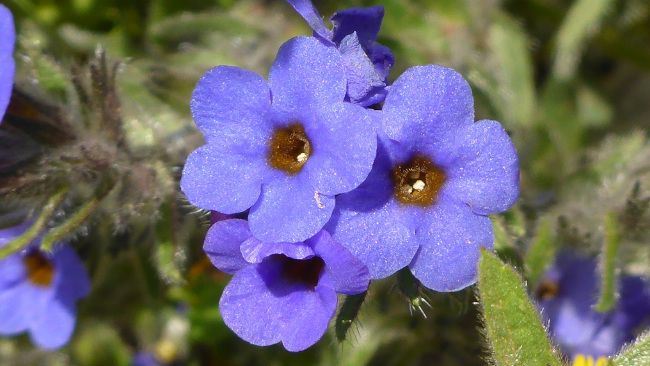
HIBISCUS FLOWER

INCI: Hibiscus Sabdariffa Flower Powder

Hibiscus flower stimulates cell renewal, helps eliminate blemishes and reduces wrinkles caused by the signs of ageing as well as providing other skin benefits.

Its richness in vitamin E, essential fatty acids and natural antioxidants helps to fight against skin ageing and the harmful effects of UV rays. This is why it is added to a wide range of cosmetics such as: facial masks, creams and lotions, serums and soothing after-sun treatments.
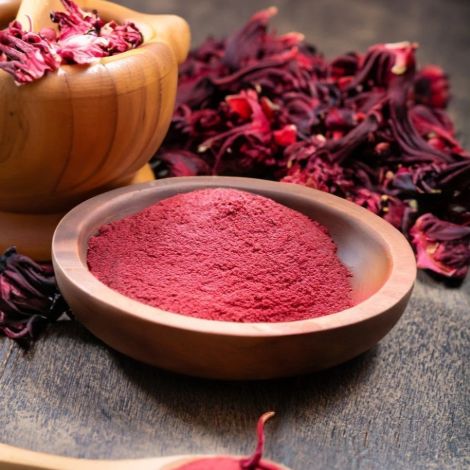
BAOBAB FLOUR

INCI: Adansonia Digitata

Contains: triterpenoids, flavonoids and phenolic compounds, sterols and saponins. Vitamins A, B, C and E so that it nourishes the epidermis, hair and nails. It is ideal for the treatment of dry skin, predisposed to the formation of wrinkles.

Thanks to its polyunsaturated fatty acids, it ensures optimal hydration and tissue protection. Its vitamin components and organic acids slow down skin ageing, keeping the skin elastic and glowing.

Its properties allow the skin to regenerate quickly; it also acts as a natural antibacterial, cleanses deeply and leaves a feeling of freshness, delaying skin ageing.

BREWER’S YEAST EXTRACT POWDER

INCI: Yeast Saccharomyces cereviciae Extract

The most important cosmetic properties of brewer’s yeast are to promote the production of collagen, elastin, to rebuild the extracellular matrix and to be refreshing to the skin. Its good results in post-solar products are particularly striking, which has generated innovative combinations for a new class of cosmetics with anti-inflammatory and rehydrating action on damaged and water-deficient skin.

It can be considered a unique internal moisturiser, swelling the skin surface by increasing hydration and incorporating nascent proteins into the skin cells to help the skin oxygenate and appear more luminous.

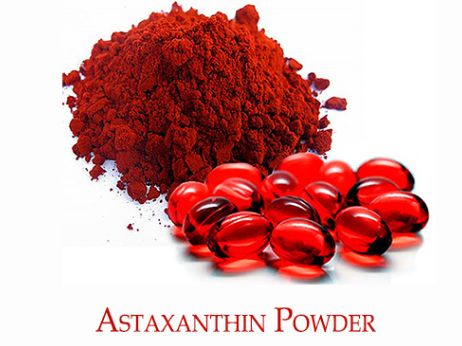
ASTAXANTHIN EXTRACT

INCI: ASTAXANTHIN

Astaxanthin is a natural antioxidant derived from microalgae. It supports joint, skin and eye health and provides a wide range of health benefits.

A study on the role of astaxanthin in UV-induced skin damage in healthy people suggested that it offered some sun protection. Skin is damaged by daily exposure to the sun, so the skin-protective effects of astaxanthin may be particularly important.

In addition, several data show that astaxanthin has important nutraceutical applications and health benefits, especially in healthy ageing processes as it prevents oxidative stress.
ALOE VERA POWDER

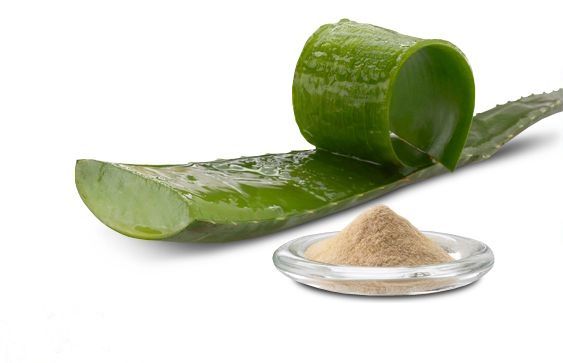
INCI: ALOE BARBADENSIS

Aloe vera powder is made from dried aloe vera leaves ground to a powder consistency. It can be used in many ways in different products and offers multiple benefits to the body due to its high content of antioxidants and vitamin C, which strengthen the immune system by repairing and soothing the digestive tract.

For the skin: Aloe vera powder heals the skin and improves its elasticity.  It has moisturising and soothing properties that relieve scars and marks, as well as minor burns, eczema, psoriasis and acne.

It is anti-inflammatory and increases collagen production in the skin, as well as acting as an antiseptic to help reduce any pain, swelling or itching related to mosquito bites, sunburn or allergic reactions.
OATMEAL BALM RECIPE

As mentioned above, this balm is particularly suitable for treating atopic skin and skin affected by dermatitis or eczema with itching, as oatmeal has an anti-inflammatory effect, soothing itching and softening irritation.

It would be very interesting to use a calendula oil as a base oil for this balm, for example. By adding the ground oatmeal to it, we would enrich our balm even more, giving it very good properties for treating this type of sensitive skin.
In any case, with this type of skin we must avoid, above all, creams loaded with preservatives and synthetic active ingredients, even if they are homemade, as they have an irritating effect on this type of skin.

As well as minimising the use of essential oils (just a couple of drops, or none at all) and avoiding chemical fragrances as much as possible.

Below we describe the properties of some of the essential oils most suitable for the treatment of atopic skin and skin affected by dermatitis. These include blue chamomile and Roman chamomile, which are anti-inflammatory, sandalwood, which is a regulator, geranium, which is regenerative, rosewood, carrot seed extract and, above all, patchouli to treat itching.
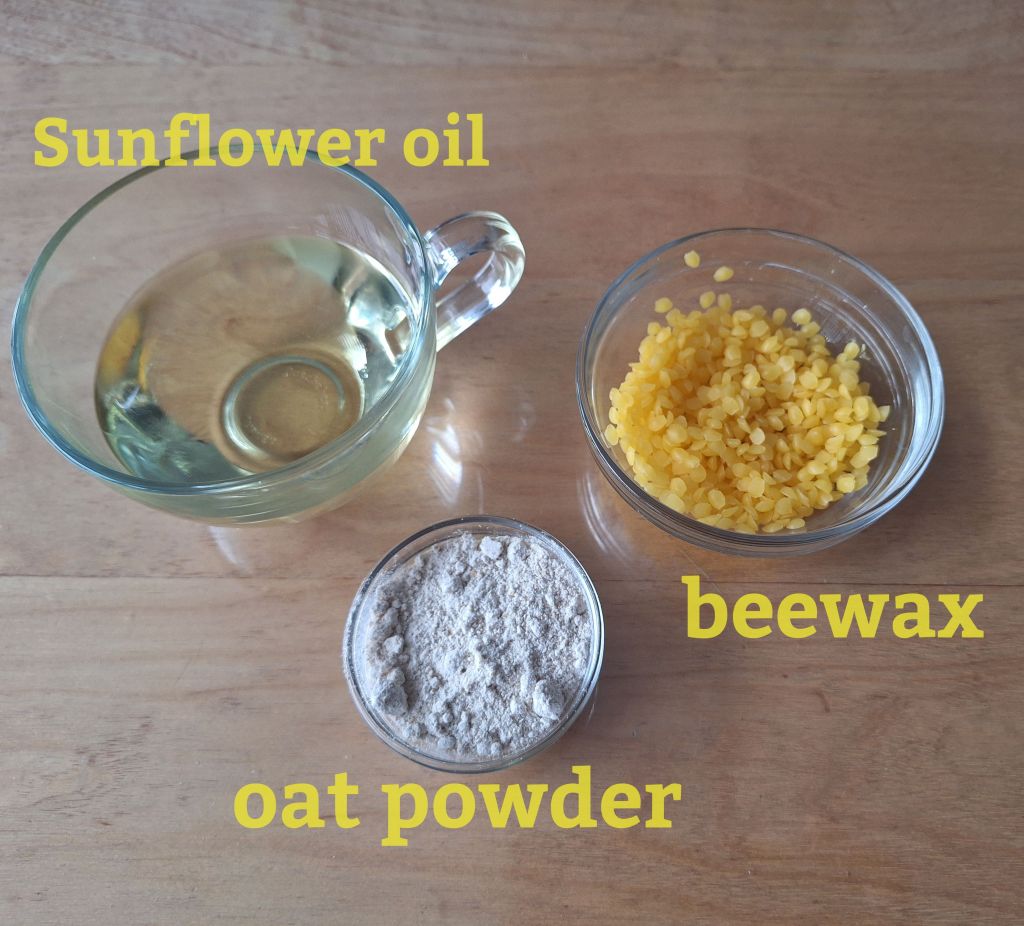
Ingredients for about 100 grams of product:

About 70 ml of calendula oil, if available, or almond oil.

About 10 grams of oatmeal* powder, and

About 15 grams of beeswax.

Optionally, a few drops, no more than 5, of carrot seed EO or chamomile. Both have very good properties for treating the most delicate skins.

As this balm does not contain water, it does not require the addition of preservatives. Only, if we want to extend its life by preventing rancidity, we can add a few drops of vitamin E.

*Some people go to the trouble of buying colloidal oatmeal to incorporate into creams and balms like this one. We have found that you get much the same result by grinding the oat flakes from the supermarket in a coffee grinder to a fine powder that dissolves easily in the oil since, after all, what we are doing is sort of macerating the oats in the oil as if they were a hot oleate. Finally, the properties of the powdered oatmeal will pass into our oil and thus into our balm.

PROCEDURE:

Place a heat-resistant container in a bain-marie and start by melting the beeswax.

When it is completely melted, add the calendula oil or, in its place, the almond oil and, finally, the oat powder, stirring constantly until everything is perfectly integrated.

Remove from the heat and, if we have decided to do so, this would be the moment to add the drops of EO, as they are thermolabile substances.

As you can see, with balms and ointments based on oil and wax, the proportion used is more or less 90% oil to 10% beeswax. The percentages, as you will understand, can be flexible depending on how hard we want our balm to be. If we like it to have a softer consistency, then, for example, instead of 15 grams of wax for 70 grams of oil, we will add only 10 grams of wax.

PROPERTIES OF ESSENTIAL OILS:

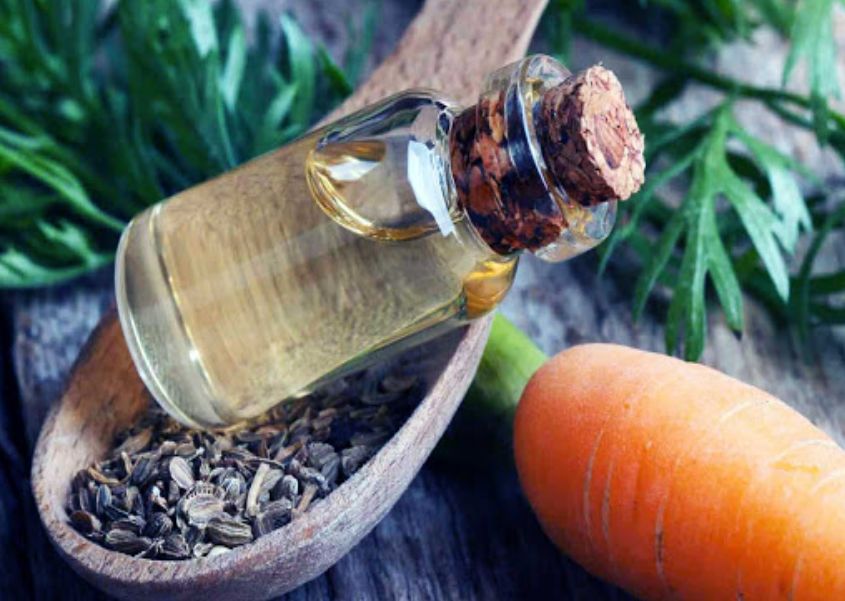
Carrot seed essential oil: This oil is moisturising, anti-inflammatory, antifungal, and sunscreen. It also adds a mild and special aroma to the recipe.
Blue chamomile essential oil: Blue chamomile oil owes its blue colour to the chamazulenic acid contained in this essential oil. Chamazulenic acid is anti-inflammatory and promotes skin healing. This oil can therefore be used diluted in a carrier oil to disinfect wounds.

*With essential oils, less is more, as a few drops can add good properties to our balm, while too much can cause irritation with daily use. We should also bear in mind that this is a balm for sensitive skin, which often cannot even tolerate essential oils topically.

THERE ARE VARIOUS TYPES OF CHAMOMILE OILS AND EXTRACTS:

BLUE CHAMOMILE ESSENTIAL OIL: Blue chamomile essential oil, which is the one we have chosen, is specially selected for the treatment of atopic skin.

ROMAN CAMOMILE ESSENTIAL OIL: But, it would be equally possible to use Roman chamomile EO, which also has anti-inflammatory and analgesic properties. It is also used topically to treat allergies, skin irritations, etc. ….
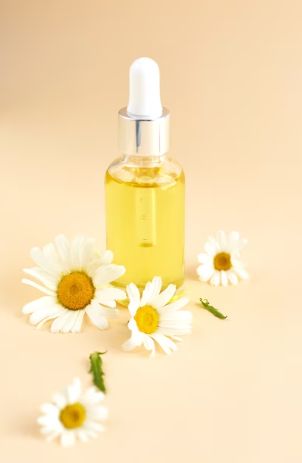
CAMOMILE OIL EXTRACT: In this case, we are not talking about an essential oil, but a macerate of chamomile flowers in virgin sunflower oil.

INCI: Helianthus Annuus Seed Oil, Chamomilla Recutita Flower Extract.

The difference is that this oily extract could be incorporated in larger quantities in our recipes for sensitive skin as it lacks the highly biocidal capabilities of all essential oils.

In this way, just as we would do by adding a marigold oil, we would be using the softening, protective and regenerating qualities of chamomile or marigold to treat this type of skin without the disadvantages of the biocidal effect that these same plants would have if we used them in the form of essential oil.
PATCHOULI ESSENTIAL OIL:

Thanks to the potent analgesic, anti-inflammatory and pain-relieving properties of its bioactive component, patchoulen, this oil is widely used to relieve pain and inflammation in cases of arthritis and joint pain. As a natural vasodilator, it is also used to treat painful muscle spasms, muscle pain, arthritic conditions and other inflammatory conditions.

And it is because of these same analgesic and anti-inflammatory properties that it is so effective in treating atopic skin with pruritus.
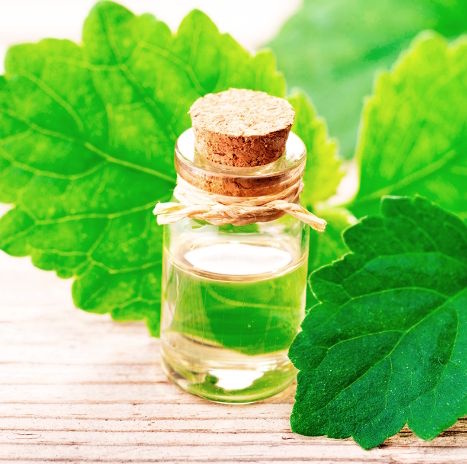
Patchouli essential oil is renowned for its use in skin cell regeneration. Endowed with countless active ingredients and antibacterial properties, it facilitates wound healing and effectively reduces wrinkles, scars, blemishes and other signs of ageing. This aromatic oil also plays a key role in the fight against bacteria and germs that ultimately cause pimples, acne and other skin infections, giving us radiant, impurity-free skin.

ROSEWOOD ESSENTIAL OIL

Rosewood Essential Oil (Aniba rosaeodora) is obtained by steam distilling the wood of a tree. It is noted for its skin regenerating and mind calming properties.

It is analgesic, antidepressant and stimulant, antiseptic, tonic and aphrodisiac. Therefore, it is also soothing for this type of skin.

HOMEMADE ALOE VERA BALM RECIPE

This balm, like all the balms we show you in this article, could also be used on atopic and sensitive skin. However, it is more suitable for all skin types that we want to purify and moisturise on a daily basis.
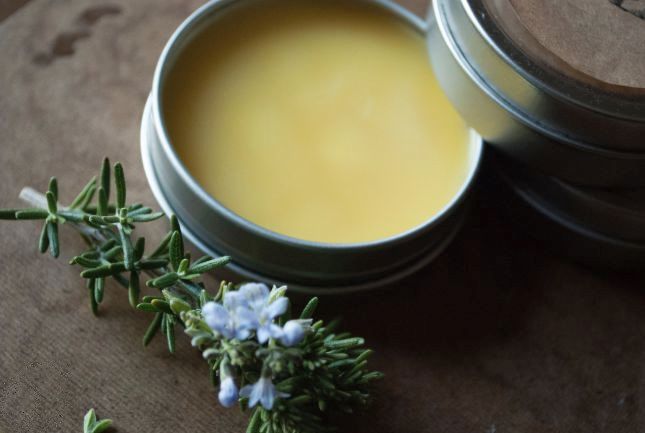
Ingredients for about 100 grams of product:

About 70 ml of cold-pressed virgin olive oil.

About 10 grams of powdered aloe vera*, and

About 15 grams of beeswax.

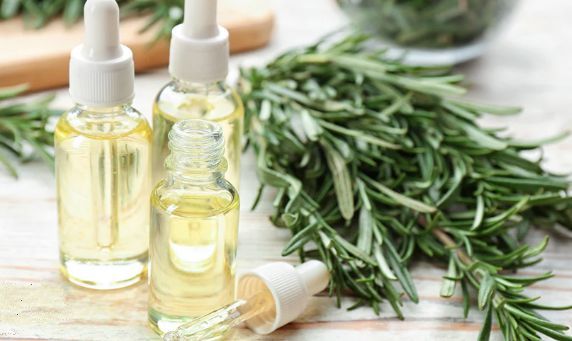
Optionally, a few drops of antioxidant to extend its shelf life, no more than 10 drops of critical CO2 rosemary extract.

Rosemary extract CO2 critical: CO2 critical extracts are not exactly the same as essential oils. The technology with which they are obtained is far more sophisticated and a much better result is achieved with them. Thus, this type of extract optimally preserves the original aroma and properties of the plant from which it is extracted.

In the case of rosemary, this extract has antioxidant properties as well as antimicrobial properties. This is why we can use it instead of vitamin E to prevent rancidity in our aloe vera balm.

Rosemary EO is particularly beneficial for those suffering from conditions such as rosacea or dermatitis, helping to reduce associated inflammation and discomfort.

As the balm also contains no water, it does not require the addition of preservatives.
PROCEDURE:

Place a heat-resistant container in a bain-marie and start by melting the beeswax.

When it is completely melted, add the olive oil and, finally, the aloe vera powder, stirring constantly until everything is perfectly integrated.

Remove from the heat and, if we have decided to do so, this is the moment to add the droplets of rosemary extract CO2, which is a thermolabile substance.
HOW TO PROCESS PLANT EXTRACTS FOR USE IN OUR HOMEMADE COSMETIC PREPARATIONS

Ayurvedic medicine gives priority to natural foods that are fundamentally nourishing for the body, mind and soul. In addition to healthy skin, Ayurvedic diets have been proven to lower cholesterol levels, reduce the risk of cancer, protect against diabetes, promote weight loss and promote a calming effect on the mind, thus reducing anxiety.

Beauty is not only superficial. Any suffering our body undergoes is reflected in its outward appearance. Therefore, the use of Ayurvedic lifestyle practices is essential to sustainably maintain a healthy and glowing skin.

Ayurveda advises very natural products based on virgin oils and herbal extracts to take care of our skin, and that is why in these articles of our blog we try to find recipes and ways to create a natural cosmetic adapted to our modern life.

In this post, in particular, we want to explain how we can process the plants in our garden to make all kinds of extracts from them, such as tinctures, oleomacerates and hydroglycerine extracts.

What does the skin NEED to stay balanced?

First of all, it needs to absorb the nutrients it needs to stay in balance and that, as with almost everything else, according to Ayurvedic medicine and naturopathy, starts with a healthy diet.

Stress, lack of sleep, poor hydration and inactivity are detrimental to health and therefore to the skin. With its holistic approach, Ayurveda recommends stress management, simple physical activity, regular meditation, sufficient water and sleep to complement and enhance the effects of other Ayurvedic beauty rituals we may follow. In addition, these practices balance the body’s hormone levels, calm the mind and even boost immunity.

In addition to a healthy diet and lifestyle, it is equally necessary to follow healthy daily hygiene rituals; because certain practices, even if we follow the perfect diet for our body, can clearly worsen the condition of our skin.

WHAT YOU NEED TO DO, HYGIENICALLY, TO KEEP YOUR SKIN MOISTURISED

1.- Limit daily showers to 5 or 10 minutes. If we shower daily, it is better to use a salt stone to wash ourselves. Soap should only be left for when we come back from the gym.

2.- Use mild soaps, detergents and cosmetics. Glycerine soaps in bars are highly recommended, as well as cold saponified soaps with a high rate of overgreasing, of course.

If you do not know how to make them and need to buy a commercial soap, try to avoid gels that do not respect the skin’s microbiota. New generation shower gels, such as Sanex shower gels, are already designed to respect the skin’s bacterial flora.

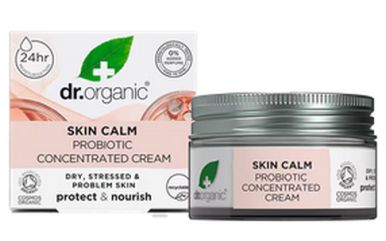
3.- The same applies to commercial creams. There are already creams on the market such as those from Dr. Organic that have probiotics added to respect the skin’s microbiome. Specifically, in this Dr. Organic cream we were telling you about, you can see in its composition the addition of active ferments (*LACTOBACILLUS FERMENT LYSATE, LACTOBACILLUS FERMENT, KEY ACTIVE: Probiotic).

Without a doubt, these new generation creams are much more tolerable for all skin types, especially the most sensitive or problematic ones.

4.- Use a humidifier during the winter when the heating is on to prevent the room from drying out.

5.- Drink more water throughout the day, always without forcing ourselves because this also has negative consequences. A good tip is to drink herbal teas or juices that we like (some people add small pieces of lime, fruit or cinnamon to water to make it more palatable), because this way we end up drinking fluids without forcing ourselves and causing an electrolyte imbalance in our body.

WHAT THE SKIN NEEDS AT A COSMETIC LEVEL TO STAY HYDRATED

If our skin is still dry and flaky, it is a good idea to apply a moisturising cream or a moisturising mask. Before buying any skin care product, it is a good idea to know your skin type in order to adapt the product, whether it is commercial or homemade. Homemade cosmetics are the best, as you know 😊

In any case, you should avoid products that can clog your pores and cause acne, as the products you will then have to use to treat it can sometimes dry out your skin even more.

The key, as always, is diet.

Basically, very few natural ingredients are needed to keep our skin hydrated and nourished. If you make natural cosmetics, make them minimalist. Why? What does your skin need on a cosmetic level to stay hydrated: fats, butters, oils, herbal extracts containing nutrients, vitamins, and little else. And natural vegetable oils and fats, as well as herbal extracts, already contain all those vitamins and antioxidants the skin needs, the fresher they are, the less preservatives and synthetic ingredients they contain.

There is no need to add silk proteins, urea, allantoin, hydrolysed marine collagen, hydrolysed elastin, vegetable squalene, essential oils in quantities of 1 gram, trehalose, chamomile oil or borage Bio, which cost a fortune, etc, etc, etc … Oh, and let’s not forget the addition of 1 gram of organic preservative, always, but at the same time synthetic.

All you are doing is adding to the coffers of the suppliers of cosmetic raw materials without achieving what you intended from the beginning, which is to learn how to take care of your skin independently and without depending on dozens of synthetically processed commercial products.

That’s like going to the supermarket and, instead of buying the vegetable ingredients to prepare a natural soup yourself, i.e. (celery, potatoes, leek, etc.), you are advised that you have to buy these bouillon cubes to enrich your soup with vitamins, that you have to add glutamate to give it a more intense flavour, or this or that flavouring to make it more appetising.

Doesn’t it seem absurd if someone suggests something like that when you go to buy the ingredients to prepare your own natural soup? Well, that’s what natural cosmetics suppliers do with the recipes for creams and other products that they propose on their websites and blogs.

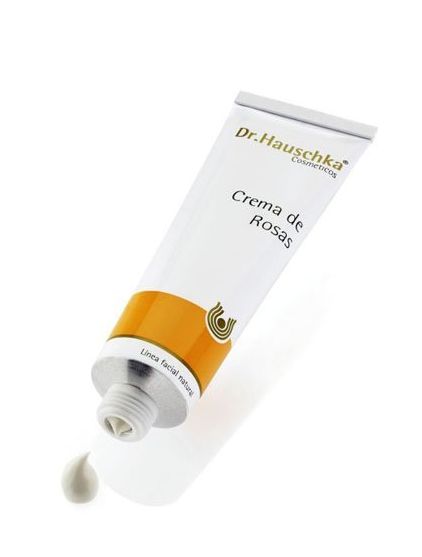
For that, you can buy a commercial cream such as Dr. Organic, or Dr. Hauschka’s Rose Cream, which will be cheaper, don’t you think?

*Dr. Hauschka’s Rose Cream: This cream, although it does not contain probiotics like Dr. Organic’s previous one, has a simpler and more natural composition of ingredients than many of the recipes advocated by home cosmetics blogs. That’s why it feels so good on the skin!

WHAT WE DO WANT TO ADD TO OUR HOMEMADE COSMETIC RECIPES IS

Cold-pressed vegetable oils, beeswax (the best known emulsifier), natural fats and butters, herbal extracts, tinctures and vegetable oils, which we can also prepare ourselves with dried plants from our garden.

Now, that’s environmentally friendly!

And we can even add orange or oat powder extracts to our recipes, which are very easy to obtain from orange peels or oat flakes from the supermarket.

And what do you need for this, almost nothing, dry your plants, and then grind them with a coffee grinder to incorporate them in the form of a powdered extract into your preparations. The same goes for oat flakes, or orange or lemon peels, once they have been dried.

And, if you want to prepare an oleate, the same dried plants are left to macerate in oil. And if what you want is a tincture or a hydroglycerinated extract, then in alcohol and vegetable glycerine.

In any case, and this is the golden rule, the best and most effective treatment is to try to ingest the nutrients and vitamins the skin needs by following the healthy diet that best suits our metabolism and rhythm of life. Don’t you think this is much more logical than trying to deliver those vitamins topically with the addition of preservatives and other ingredients synthesised in a laboratory?

KINDS OF NATURAL COSMETICS

Moisturising or hydrating products are based on vegetable glycerin derived from saponified vegetable fats, which draws water from the air and deeper layers of the skin into the stratum corneum to provide hydration.

Occlusives, such as beeswax, soybean oil and lanolin, form a barrier that prevents water from evaporating. It is possible to make vegetable lanolin, to add to our cosmetic preparations, with shea butter and rosin. This recipe is still pending.

Emollients such as coconut oil, shea butter and colloidal oatmeal make the skin soft.

Regenerators, which are a combination of hydration and regeneration, are mainly based on natural or powdered aloe vera.

Hydration goes beneath the skin barrier. It infuses water into the cells to “replenish” them, and this is perfectly possible with all-natural products such as Ayurvedic masks and creams. And it is not only possible, but also very interesting when you consider that at least 60% of the substances that come into contact with the skin end up in the body. Some of the toxic compounds are eliminated via the liver and kidneys, but others accumulate in organs and tissues and can cause long-term hormonal disorders and various diseases.

This is why Ayurveda always advises not to put anything on our skin that is not edible at the same time.

HOW TO MAKE OLEOMACERATES, TINCTURES AND HYDROGLYCERINE EXTRACTS

There are various types of extracts, such as tinctures, where we use ethanol (organic alcohol) or vodka as solvents; or hydroglycerinated extracts, where we use water and vegetable glycerine as solvents; or hydroalcoglycerinated extracts, which use water, ethanol and glycerine, and which are more complete. And, of course, oleomacerates, in which we extract the fat-soluble components of plants. We are going to talk about all of them and how to process them below.

Because, you should know that we prefer to use oleomacerate extracts in ointments and hydroglyceric extracts in tonics and shampoos. In creams, both types can be added.

HOW TO MAKE OLEOMACERATES

An OLEADO is the result of macerating a medicinal or aromatic plant rich in fat-soluble components in a vegetable oil. It can also be called OLEOMACERATE. Thus, the vegetable oil dissolves the fat-soluble ingredients of the plant and the properties of the plant are transferred to the oil. Different types of oil are often used, such as olive, sunflower or coconut oil, the important thing is that they are cold-pressed virgin oils.

In the case of oleomacerates, the compounds to be extracted are those that are soluble and related to fats. By macerating the plant in the oil, we are therefore extracting the fat-soluble compounds from the plant so that we can easily introduce them into our preparations or use them directly on the skin or hair. In this way, we can easily and effectively take advantage of the active principles of the plants and benefit from their properties.

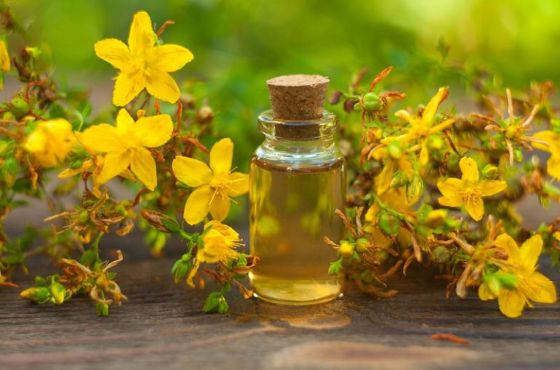
Some oleomacerates widely used in natural cosmetics are: calendula oil, rosemary oil, arnica oil, hypericum oil or chamomile oil, for example …

We often have plants in the garden, or even in pots, that we do not know that if we dry them, they can be very useful for making many types of extracts which, depending on the solvent we use, will become oleomacerates, tinctures or hydroglycerine extracts.

WHY MAKE AN OLEOMACERATE

If anyone wonders why it is interesting to prepare oleomacerates, when we have essential oils, which are much more potent; it is important to know that not all components of a plant enter into the steam distillation of essential oils. Only the smallest molecules are extracted by this method, so the full essence of the plant is never captured. In this sense, if you can buy a C02 extract from a plant, know that it is much more complete because its distillation process is simply better and more capable of extracting the distilled essence of the plant.

In the case of oleomacerates, the maceration process captures the heavier and larger molecules. Other extraction techniques capture different chemical substances, as mentioned in the case of critical C02 extracts.

Thus, for example, when making a lavender-based cream, the therapeutic effect can be enhanced by also including macerated lavender oil and even fluid extracts or hydrosols.

Another advantage of macerated oils is that they add properties to our recipes in a gentler way than essential oils. Essential oils sometimes cause rashes on sensitive skin and irritation with daily use, even on normal skin.

We may also have access to a plant that does not have a corresponding essential oil, such as lilac or elderflower, for example, or we may want to use a plant whose essential oil is very expensive, such as jasmine or rose, for example. Through maceration, we can access the healing fat-soluble chemical compounds of these plants and use them in our skin care.

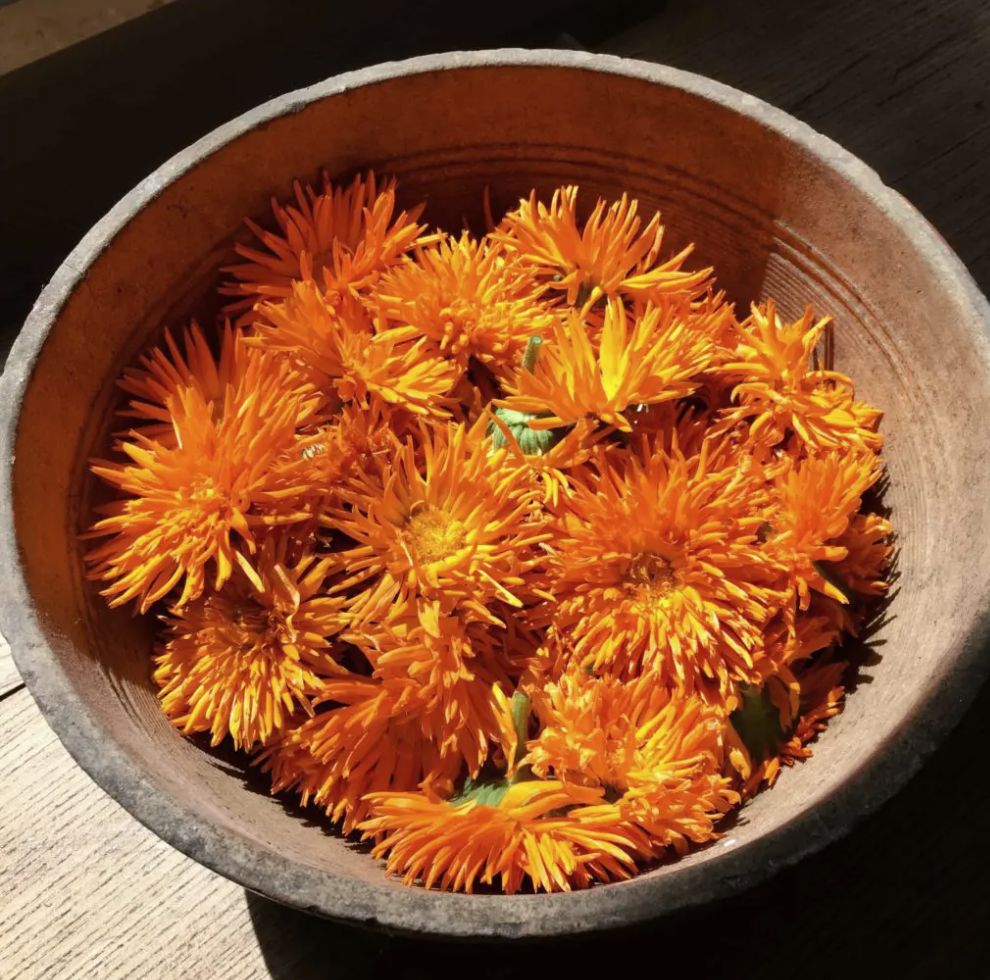
As we said before, we often have plants in the garden that we don’t know that if we dry them they can be very useful. This is the case of the humble marigolds. I am sure that many of us have them in the garden without knowing it. However, marigold or immortelle flowers have a great therapeutic value if we pick them and dry them.

The marigold is a plant with great therapeutic potential for the skin. It regenerates, combats possible germs and fights inflammation. It is a restorative par excellence for irritated, itchy skin, eczema, chilblains caused by the cold, etc.

Another use of calendula oil is to treat earaches. We put 2 to 3 drops in the ear and hold a bag or warm cloth over it. However, if the symptoms persist or if there is an infection, it is best to consult a doctor.

By infusing the flowers in oil, we can extract many of these properties and incorporate them into easy-to-use products such as: recipes for balms, lip balms, soaps, creams and lotions.

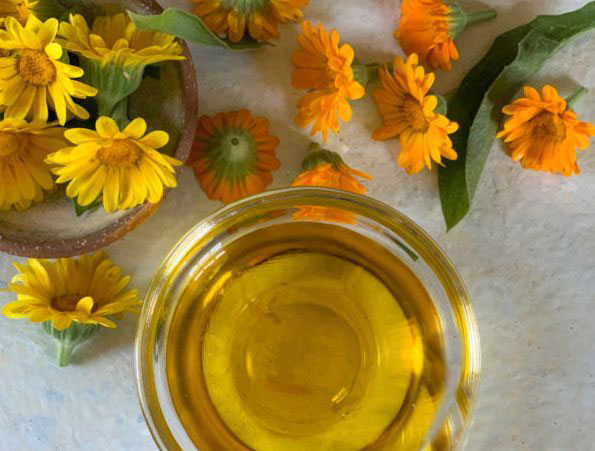
That is why we are going to explain below the two known methods to prepare an oleate, that is, to infuse or macerate a vegetable oil with the properties of an herb or plant. In this case, we are going to explain how to prepare a marigold oil macerate, although it would be perfectly possible with any other dried plant or flower.

MARIGOLD MACERATED OIL

For this we will need dried marigold flowers. Fresh herbs can also be used to prepare the infused oils, but this is not a good idea because the water content of fresh flowers and herbs tends to create mould and spoil the oils.

Simply spread the previously harvested flowers on a paper towel in a dry place or in the sun and turn them daily for one or two weeks until they are completely dry.

When they are dry, fill a glass jar 1/3 full with your dried flowers and fill it with an oil that does not rancid easily. The best oils are olive and coconut, because they do not go rancid as quickly as sunflower or soybean oil. It is also possible with jojoba oil, which does not rancid easily, although it is more expensive. Or almond oil. If you live in an area where it is cold in winter and coconut oil solidifies, you can mix it with another oil to keep it liquid.

After maceration, strain it and add 0.2% vitamin E as an antioxidant. This will extend the shelf life to a year or more. In this way you will have a pure marigold extract.

As the “natural freak” website says: “Jojoba and coconut oils are also often used or added, while sweet almond oil is better suited to smaller batches as it rancidifies faster than the other oils”

https://freakofnatural.com

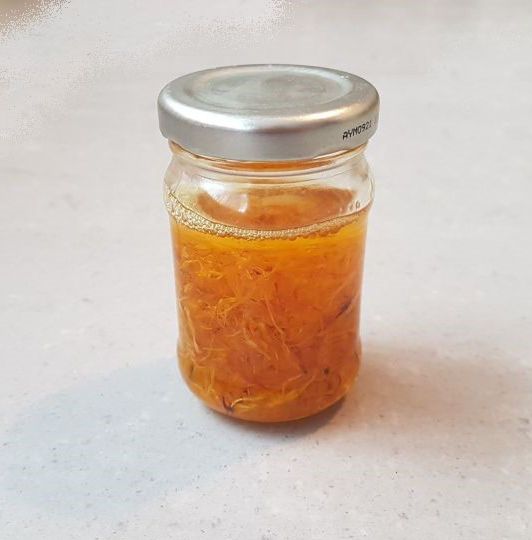
Cover the jar tightly and store in a cool, dark place for a minimum of four weeks (40 days is ideal). Shake it periodically. There are even “schools” that say that you should give it the light of the sun and the moon, because of the energy issue. However, don’t worry if you don’t, the result will also be acceptable.

After 40 days, strain the flowers and our macerated oil is ready. To strain the herbs, you can use a cotton filter or a fine cloth, or even a paper coffee filter. In some cases, you will have to repeat the operation so that the oil is free of residues.

The oil, now infused, should be kept in a jar, preferably a dark glass jar so that it has a longer shelf life. Store the bottle in a dry, dark place, protected from heat sources. If we think that our oil may go rancid, we can add a little wheat germ oil or a few drops of vitamin E to prevent oxidation and rancidity.

As we said, to prepare a homemade oleado, it is enough to leave the dried plant to macerate in oil for a few days.

THE HOT INFUSION METHOD

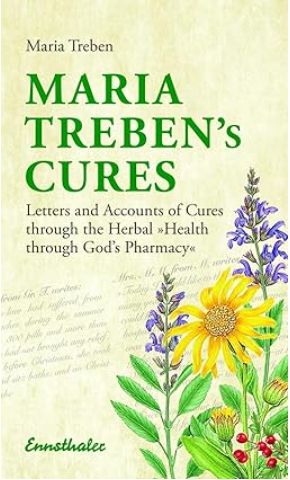
The second method of infusion is a hot infusion method, which has been detailed for centuries in traditional herbal remedy manuals such as “Maria Treben’s Cures”.

This form of hot maceration is the most suitable for harder parts of the plant, such as the roots. The temperature should never exceed 40 ºC and, logically, we will need a container resistant to the temperature, such as a pyrex, etc.

Put the flask with the herbs in a bain-marie for 2 hours on a low heat. The time is relative, some people leave it for less time and with a little more temperature, it also depends on the hardness of the roots of the plant, etc. …

HOW TO MAKE TINCTURES AND HYDROGLYCERINE EXTRACTS

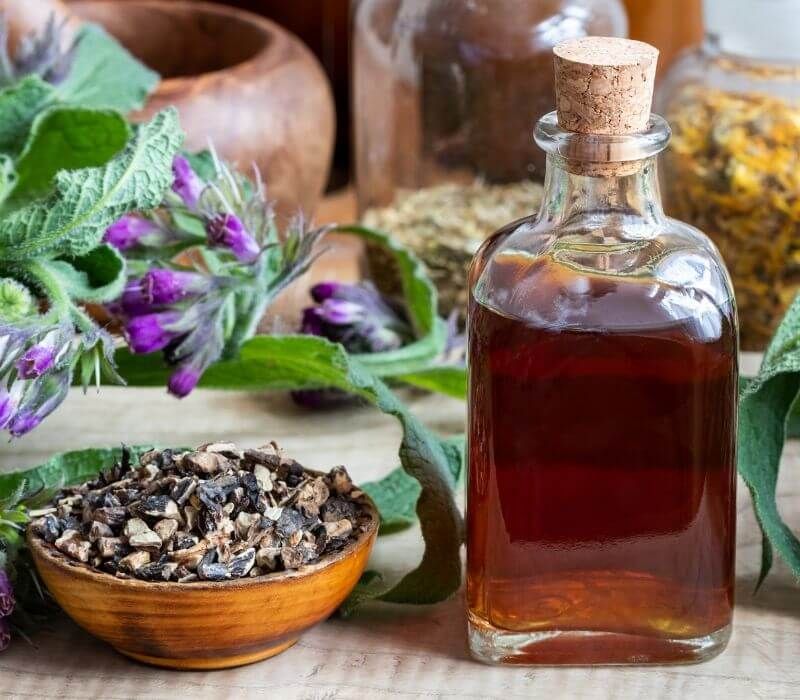
Tinctures consist of macerating a plant in ethanol (organic alcohol, or even vodka) to extract its active principles. Although they are widely used in natural medicine, as they can be directly ingested to take advantage of their medicinal properties, they can also be used in natural cosmetics to enrich our treatment creams. For example, comfrey tincture can be used to make an ointment with healing and soothing properties to treat haemorrhoids. However, oleates are much more commonly used because of their ease of incorporation into our oily preparations.

When preparing a tincture, we must use an organic alcohol (ethanol) with the appropriate alcohol content. For example, when we say that an alcohol is 96º, what we mean is that, out of every 100 grams of alcohol, 96 grams are alcohol and 4 grams are water.

The alcohol content to be used and the maceration time depend on the type of plant. In general terms, we can be guided by the following data:

1.-Flowers, leaves and delicate parts of a dried plant: use alcohol of about 70º, and leave them to macerate for 48 hours to a week.

2.-The hard stems, bark and roots need 80º alcohol and are left to macerate for 2-3 weeks.

3.-The resins, which are even harder, will need alcohol with a minimum alcohol content of 90º and we will leave them to macerate for 8-10 days.

This table explains the amount of water that needs to be added to 96° alcohol to dilute it:

I want 100 gr alcohol ofGrams I need of 96º alcoholGrams I need of water
70º73,526,5
80º8416
90º94,55,5

IMPORTANT: Never use normal pharmacy alcohol to make tinctures for internal use, as it contains toxic additives. In the case of external or topical use, for example to rub rosemary alcohol on the legs, we can use pharmacy alcohol without any problem, and for this, the table above will be very useful.

PREPARATION OF THE TINCTURES:

In general terms, to make the tinctures we will use ground dried plants, which will allow us to reduce their volume considerably so that we can cover them well with the alcohol.

The usual plant/alcohol ratio according to traditional pharmacopoeia is 1:5, what does this mean?  It means that for each part of plant we put 5 parts of alcohol (of the grade that suits each plant).

For example: Suppose we want to make a rosemary tincture. To do this, we weigh 20 g (one part) of ground rosemary and add 100 g (5 parts) of 70º alcohol, which is suitable for leaves and stems. If we do not have 70º alcohol, we prepare it with 73.5 g of 96º alcohol and 26.5 g of distilled or mineral water, as indicated in the table.

PREPARATION: Start by weighing the dried plant to be used and placing it in a clean, sterilised glass bottle that closes tightly.

Weigh the alcohol of the recommended strength according to the part of the plant to be used and add it to the bottle. The plant must be well covered.

Close the bottle tightly and keep it away from light and heat for the time necessary for maceration. Try to shake it at least once a day.

Once the maceration time has elapsed, it is filtered through a cloth strainer, or gauze, or paper filter. It is very important that it is well filtered and that no plant remains so that it does not become mouldy and spoil the preparation.

Finally, store the tincture in a dark glass container protected from light and heat, well labelled and with the date of preparation.

*Many people simply use raw vodka to make herbal tinctures and, we have to say, it works very well too. So if you are not making a commercial tincture, but for your own and your family’s use, know that vodka is also a great option.

Even Maria Treben’s famous Swedish herbs* are often macerated in brandy or eau-de-vie. *Maria Treben’s Swedish Herbs are a mixture of 11 medicinal plants, including bitter and digestive plants.

CONSERVATION: Tinctures do not need a preservative because of their high alcohol content. If they are well made and well filtered, they can be perfectly preserved for 3 to 5 years.

TIPS: When incorporating them into our cosmetic preparations, remember that they contain alcohol and therefore dry out the skin. We should also ensure that our tincture does not exceed 5% of the total formula for body use and 2% for facial use, always avoiding the eye contour area. Nor should they be applied to dry or chapped skin, which is better suited to other types of extracts.

PREPARATION OF HYDROGLYCERINATED and HYDROALCOGLYCERINATED EXTRACTS

Extracts can be prepared from glycerine in a variety of ways. The two most common types of extracts are HG (containing water and glycerine) and HAG (containing water, glycerine and alcohol).

HYDROGLYCERIN OR HG

For this type of maceration we will use a mixture of distilled water and liquid glycerine as a solvent. Depending on the plant used, the plant/solvent proportions, the water/glycerine proportions and the maceration times may vary.

Hydro-glycerine macerates are very good to add to our face creams. They are added in the aqueous phase, instead of glycerine. To make these macerates, we will normally use 70% vegetable glycerine and 30% water. This is known as the 30:70 ratio.

Quantities to be used:

As in the case of tinctures, we will use ground dried plants to reduce their volume and to be able to cover them well. Normally, we will use a glass container in which we will put our dried plant (more or less up to 1/3 of the container) and cover the rest with the solvent (glycerine – distilled water) in a ratio of 30:70, as we said, i.e. 30 grams of water for 70 grams of glycerine.

Example of mallow HG 30:70

We weigh 20 g of dried and ground malva sylvestris and pour it into a glass bottle. We prepare our solvent in a ratio of 30 % water and 70 % glycerine. To fill the glass bottle, at least three times as much solvent as dried plant should be added. That is, a plant/solvent ratio of 1:3.

As we had 20 grams of dried mallow flowers, we will add a minimum of 60 grams of solvent (20 grams x 3 parts = 60 grams). Of these 60 grams, 30% will be water and 70% glycerine. According to the rule of three, we will need approximately 18 grams of water and 42 grams of glycerine.

Now we pour the solvent into the bottle, stir well and close it. Store the bottle in a place away from light and heat. The maceration time will be between 8 and 20 days. During this time, shake the bottle from time to time. After the maceration time, filter the macerate through a coffee filter or a very tightly woven cotton cloth so that no traces of the marigold remain.

Our HG should preferably be packaged in a dark bottle, protected from light and heat, with its production date and name. This preparation does not require a preservative, just be careful to put it in the fridge in summer. With this precaution, you can keep it from one year to the next.

Also if you make it in a 50:50 ratio, i.e. half water, half glycerine. However, if we incorporate it immediately into one of our preparations, we will avoid all this. That is why it is better to prepare only a certain amount of product, the amount you are going to use soon.

HYDROALKYLGLYCERINATE OR HAG

Now we are going to prepare extracts with a mixture of water, ethanol and glycerine. With this type of macerates we will be able to extract more active principles than with only glycerine and water. The plant/solvent ratio will also be 1:3 in most cases.

As we said, these types of extracts are preferably added to our facial tonics, serums, masks and facial creams. To do this, add 1% to 5% to these types of preparations.

And we will add up to 15% by weight of our product for preparations such as creams or body washes, as well as hair treatment shampoos.

Example of the amount of solvent for 25 g of plant according to the table above:

21 grams of 96º pharmacy alcohol

29 g water

25 g glycerine

In total, the 75 grams of solvent we have to add to our 25 grams of plant, according to the 1:3 rule

A simpler way to prepare our HAG is to use vodka (40 proof alcohol). In this case, the solvent mixture will consist of 2 parts vodka and 1 part glycerine.

Example of the amount of solvent for 25 g of plant:

50 g vodka

25 g glycerine.

And, of course, you don’t need to add water, so the preparation keeps even better.

The steps to follow to elaborate the HAG are the same as for the hydroglycerine, the only difference is that in this case the maceration time is 8 to 10 days, also trying to shake it several times a day. The HAGs can be incorporated into our cosmetic preparations without any problem, in a proportion of up to 15% for body preparations and between 1-5% for facial preparations.

AN EXAMPLE OF HYDRO-GLYCERINATED MALLOW EXTRACT

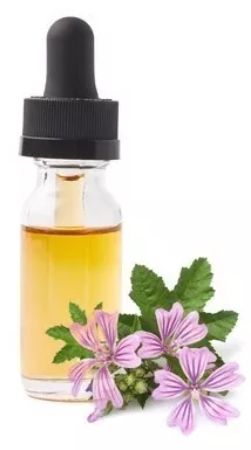
Mallow has hydrophilic compounds, so it is best to make a hydro-glycerine extract with water and glycerine to get the most active ingredients out of this soft, protective flower.

Ingredients:

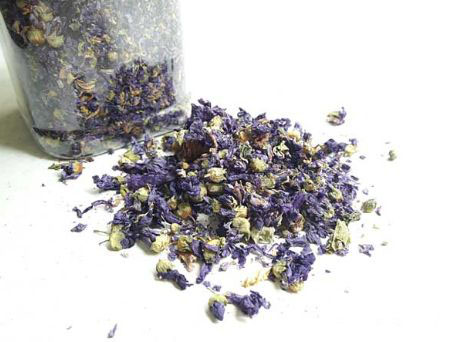
10 g dried mallow flowers in a small glass container (to which we add 30 g of solvent)

9 g distilled water

21 g vegetable glycerine

PROCEDURE:

Crush the flowers well and add the water and glycerine solution. Leave to macerate for 2 weeks, protected from light and heat and shaking from time to time. Then filter and store in the refrigerator.

Mallow Flower Extract is recognised for its moisturising, soothing, emollient and natural collagen-activating properties, as well as its ability to regulate trans-epidermal water loss in the skin. This is due to the mucilage content of its flowers. It also has a healing and anti-inflammatory action.

Mallow is also used in products to treat tired legs due to its content of venoactive flavonoids, i.e. being able to decrease the permeability of blood capillaries and increase their resistance.

 It is also used in eye drops to decongest inflamed eyes, as it tones up the microcirculation in the eye.

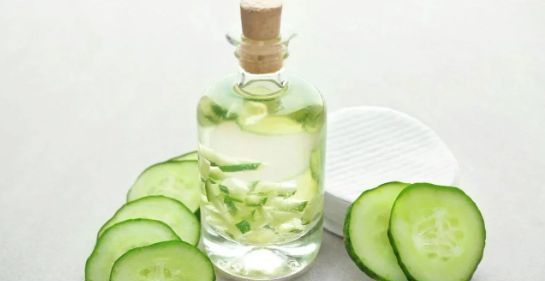
HYDROALCOGLYCERINATED CUCUMBER EXTRACT

The best-known benefit of cucumbers is their soothing, calming effects. People often use cucumber extract for the skin to soothe morning puffiness or any irritation.  This is partially due to cucumbers’ powerful hydration content.  But cucumbers also contain Vitamin K, A, and C, which not only act as antioxidants but also have anti-inflammatory and moisturizing effects on the skin.  Cucumber extract skin benefits also include reducing dark circles and slightly smoothing out wrinkles.

Recently, researchers found that cucumber fruit extract contains rutin and ascorbic acid oxidase, both free radical scavengers that can help protect against skin damage. 

The plant/solvent ratio shall be 1:2, i.e. two parts solvent to one part plant.

And the ratio of water, glycerine, alcohol shall be 30:40:30.

In this case, as we have used 15 grams of fresh crushed cucumber, we will add the quantities, according to the proportion 30:40:30, in which we include a proportion of double the solvent than the crushed cucumber, because 9+12+9 is equivalent to 30 grams of solvent, which is double the plant we had, in this case, double the crushed cucumber.

9 grams of distilled water, which is 30% of the total 30 grams of solvent.

12 grams of vegetable glycerine, which is 40% of 30 grams.

9 grams of alcohol, which is 30% of 30 grams.

PROCEDURE:

After cutting the cucumber into very small pieces, about half a centimetre in size, i.e. almost crushed, place it in a wide-mouthed glass container with an airtight lid.

Add the solvent of water, glycerine and alcohol and leave it covered for a week or so.

Filter it through a dense cotton cloth.

After 8 to 10 days, our macerate will be ready to be incorporated into our cosmetic preparations. We will keep it in the refrigerator while we are not going to use it, although thanks to the mixture of glycerine and alcohol, it does not require the addition of synthetic preservatives.