
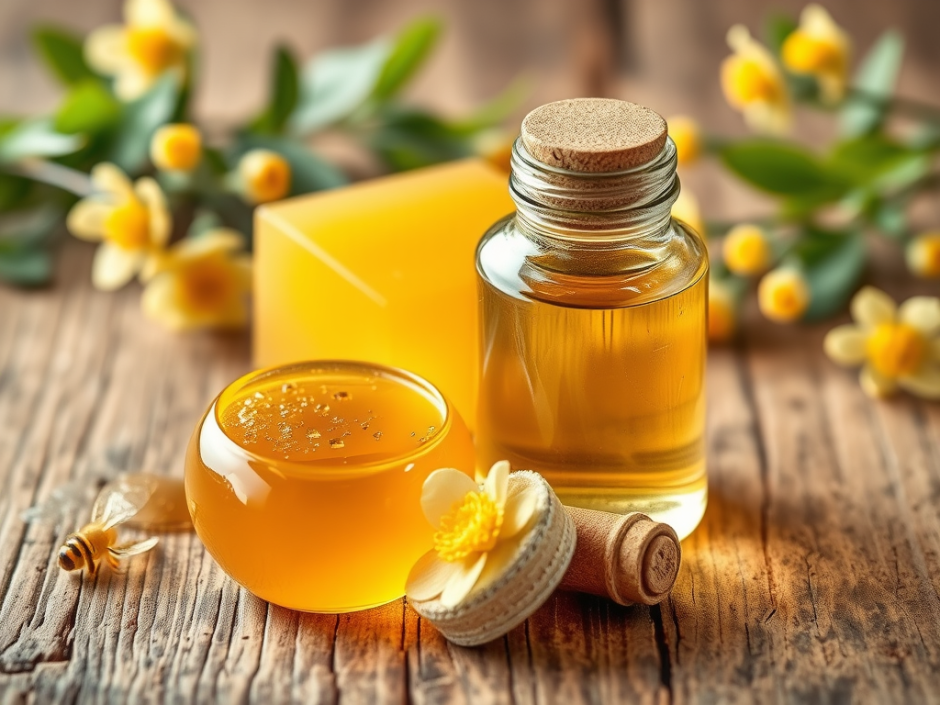
In this blog on natural cosmetics, we aim to provide our readers with enjoyable and informal recipes for natural cosmetics for face and body skin care that are as simple and free of synthetic preservatives as possible.
Today, we know that many migraines, swellings, allergies and atopic dermatitis are often caused by ‘dysbiosis‘ (an imbalance in the microbiota), which can be oral, intestinal and even cutaneous, as we know that microorganisms are everywhere: in our intestines, in our mouth, on our skin, in our mucous membranes… and we know the importance of the “eubiosis” (balance) of all this microbiota that is part of us. This microbiota is responsible for making us feel good after eating, for our skin looking beautiful and free of eczema, and even for us not feeling tired and stressed and for our memory working accurately.
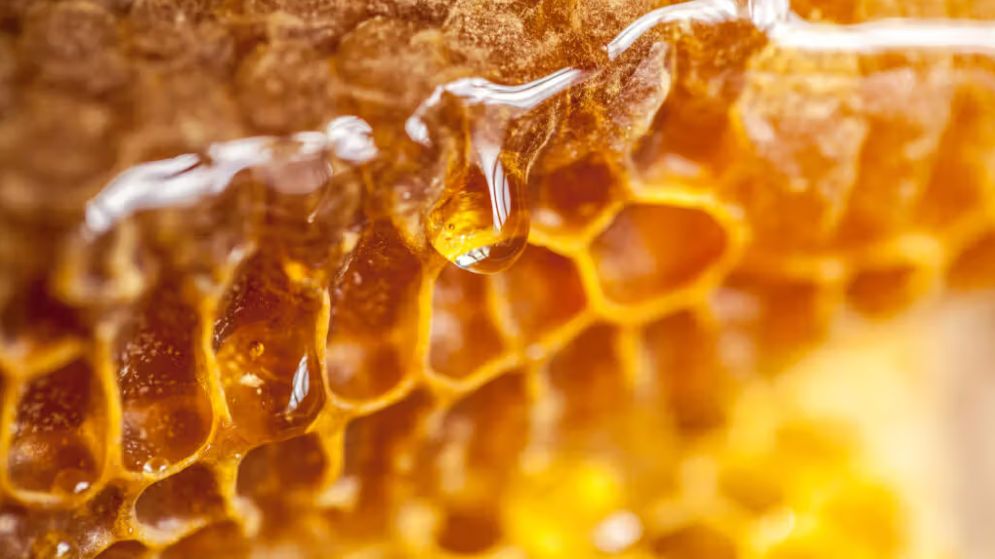
You may have noticed that honey has been grabbing all the attention in natural skin care lately. This is because honey, in addition to being a highly bioavailable natural product, has the ability to regulate our skin microflora , facilitating its natural balance or “eubiosis” as it combats harmful microorganisms by regulating and respecting the eubiotic microflora. This is the opposite of what happens with preservatives and synthetic antibiotics. And that is what it is all about: finding substances with “regulating” rather than biocidal properties to treat health problems in general and skin problems in particular.
Honey has a special place in any skincare routine thanks to its healing properties and its ability to soften, brighten, nourish and regulate the skin’s microflora.
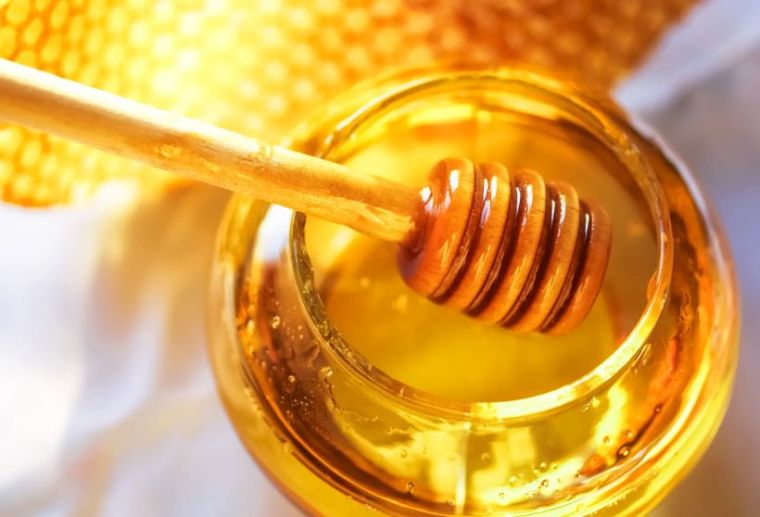
The same is true of vegetable glycerine, another product widely used in natural cosmetics because it allows us to obtain plant extracts that do not degrade, and because when added to a formulation it contributes to the preservation of the whole and has an important moisturising effect on the skin. This organic and bioavailable substance helps to maintain the hydration of the epidermis and mitigate dermatological problems such as acne or dermatitis.
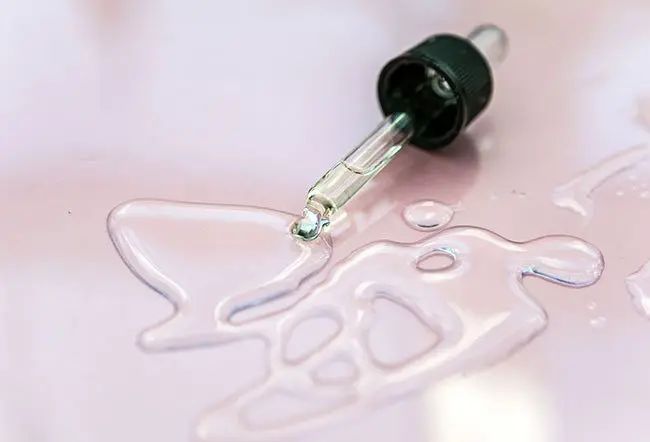
HONEY: A valuable ingredient in homemade natural cosmetics
If you’ve never thought about including honey in your skincare routine, you’re in for a surprise. In this article, we explore why honey is good for the skin, six benefits of honey for the skin that you may not know about, and how to incorporate honey into your daily skincare routine.
BEES BEAUTIFY OUR LIVES
Bees are crucial in natural cosmetics thanks to ingredients such as wax, honey, propolis, and venom, which offer benefits such as hydration, protection, and regeneration. Beeswax forms a protective barrier, honey is a natural moisturiser and antioxidant, propolis has antibacterial properties, and bee venom is used for its Botox-like tightening effect. These ingredients are used in a wide range of products, from creams and balms to shampoos and make-up.
Therefore, from the beeswax we use to emulsify our creams and balms, to the propolis tincture or honey we use in our homemade cosmetic preparations, all these natural active ingredients come from bees.
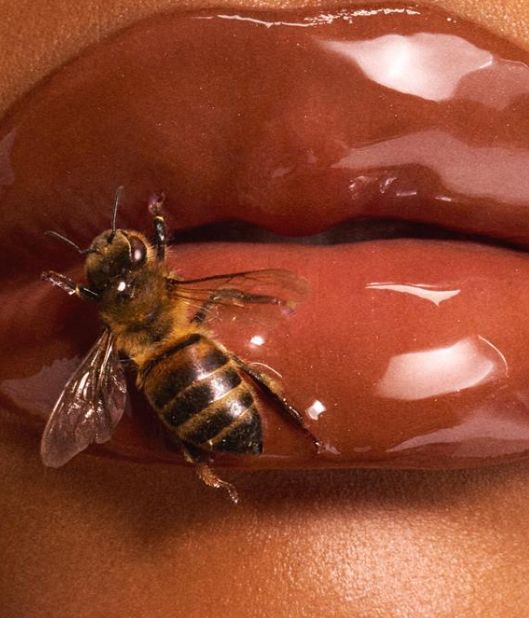
And why is this so and not otherwise?
It is because honey and its derivatives are organic products with high bioavailability. There is a reason why bees are said to come from the planet Venus. Without them and their products, it would be unthinkable to conceive of homemade cosmetics for moisturising and beautifying.
KEY INGREDIENTS FROM THE HIVE AND THEIR BENEFITS:
- Beeswax:
- Protection: Creates a natural barrier that retains moisture and protects the skin from external aggressors such as wind and cold, without clogging the pores.
- Hydration: It is an excellent moisturiser, leaving the skin supple and soft.
- Uses: Found in creams, lip balms, lipsticks and hand lotions.
- Honey:
- Hydration and shine: A natural moisturiser that hydrates and adds shine to hair and skin.
- Antioxidant and antibacterial: Protects against free radicals and is useful for treating acne and inflammation.
- Uses: Found in creams, masks, conditioners, and exfoliants.
- Propolis:
- Antibacterial and antifungal: Helps fight acne and promotes a healthy complexion.
- Uses: Found in cleansers, serums and spot treatments.
- Bee venom:
- Lifting effect: Stimulates collagen and elastin production for firmer skin, with a tightening effect similar to Botox.
- Uses: Used in anti-ageing creams and treatments.

WHY IS HONEY GOOD FOR THE SKIN?
Studies such as this one from the link: https://pubmed.ncbi.nlm.nih.gov/24305429/ confirm that honey has numerous components that promote skin health. Manuka honey in particular. Below is an overview of its therapeutic properties:
Anti-inflammatory properties: Honey has a strong anti-inflammatory effect when applied topically, making it useful for a variety of inflammatory skin conditions, such as eczema, psoriasis, and atopic dermatitis.
Antimicrobial and antibacterial properties: Honey has the ability to fight skin infections thanks to its powerful antimicrobial, antibacterial and antifungal properties.
Promotes healing and cell regeneration: Due to Manuka honey’s unique ability to promote healing and cell regeneration, it is widely used by medical professionals for wound and burn care. Honey is also an effective remedy for chapped and dry lips.
Natural moisturiser and hydrator: Honey is a natural moisturiser and hydrator. It draws moisture into the skin, making it useful for treating dry skin and combating ageing.
Beneficial nutrients: Honey contains amino acids, antioxidants, vitamins, and minerals that are beneficial for fighting free radicals and improving overall skin health.
SIX BENEFITS OF HONEY FOR THE SKIN THAT WILL SURPRISE YOU
Now that you know why honey is good for your skin, let’s explore six benefits of honey for your skin that you may not be aware of.
1. Honey deeply hydrates and moisturises the skin.
The natural moisturising properties of honey make it an effective moisturiser. The enzymatic activity of honey allows it to penetrate deep into the skin and provide hydration to the underlying layers. The result is smoother, softer skin with a natural, radiant glow.
2. Honey reduces the signs of premature ageing.
Honey attracts moisture from the air and retains it in the skin. This extra hydration gives the skin a fresh, youthful glow and greater suppleness, making fine lines and wrinkles less visible. Honey also contains natural antioxidants that fight free radicals, one of the main causes of premature ageing.
3. Honey is an effective pore cleanser and gentle exfoliant.
Honey is naturally antibacterial and exfoliating. These properties make it an effective natural pore cleanser to remove deep dirt and debris that can clog pores and contribute to skin problems.
4. Honey lightens scars and hyperpigmentation.
Honey contains a small amount of hydrogen peroxide. This gives it gentle lightening properties, which help reduce acne scars and hyperpigmentation over time. These same properties also make honey an effective choice for brightening a dull complexion.
5. Honey fights acne and breakouts.
The antibacterial and anti-inflammatory effects of honey play an important role in reducing acne and breakouts. These properties reduce the bacteria that cause pimples and blackheads. It also treats the redness and inflammation associated with breakouts.
6. Honey soothes sunburn.
Honey is commonly used in medical settings for the treatment of burns due to its ability to promote healing of damaged tissue and reduce inflammation. These same benefits can be useful for soothing and healing sunburn at home.
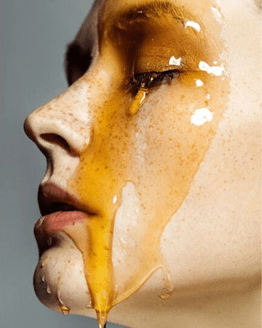
HOW TO USE HONEY FOR YOUR SKIN
There are many ways to reap the benefits of honey for your skin. Here are a few that you can easily incorporate into your daily skincare routine.
OUR HOME RECIPES WITH HONEY
Honey has the unique ability to promote skin cell regeneration and healing, while softening, brightening and lightening the skin. Incorporating honey into our daily routine promotes skin health naturally, making it an essential part of any skincare regimen.
REGENERATING FACE MASK WITH NATURAL HONEY
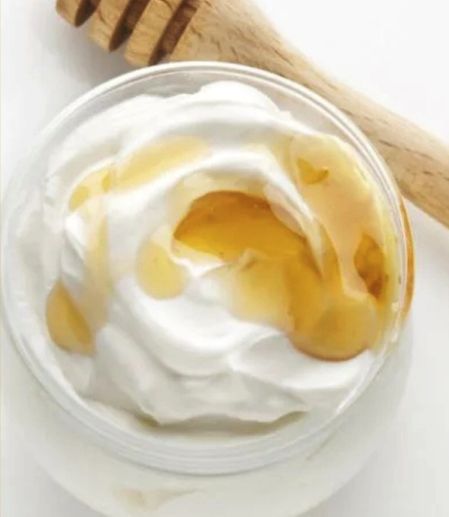
You won’t find more natural and nourishing ingredients for your skin than honey and yoghurt. This homemade mask consists of a simple mixture of both. A simple formula for a luxurious treatment at home.
You only need two ingredients, preferably organic:
One tablespoon of organic honey, such as orange blossom honey, manuka honey, etc.
One tablespoon of natural yoghurt (unsweetened).
Mix both ingredients in a bowl until you obtain a smooth paste. Apply to a clean face, avoiding the eye area, and leave on for 15-20 minutes. Remove with warm water and feel the results.
You will notice your skin is incredibly soft and radiant. The secret is to use pure honey so that all its nutrients penetrate the skin.
HAIR TREATMENT FOR “Split Ends”
Formulas from the hive are also a gift for your hair. To restore its life and shine, you can prepare this nourishing treatment.
Mix a couple of tablespoons of honey with a few drops of olive oil. Apply the mixture from the middle to the ends, wrap your hair in a warm towel and let the magic work for 30 minutes. Then rinse thoroughly with water.
Your hair will be stronger, shinier and silkier. Honey nourishes the hair follicle and helps seal in moisture, protecting it from external aggressions. For optimal results, the key is to use honey that retains all its properties. For example, raw, unfiltered honey.
Oh, and if you have a little of this mixture left over, don’t hesitate to apply it wherever you notice your skin is dry or tight. You’ll see that it works wonders there too.
TWO EXPRESS FORMULAS: EXFOLIANT AND LIP BALM
Sometimes the best solutions are the quickest. Here are two ideas for instant care:
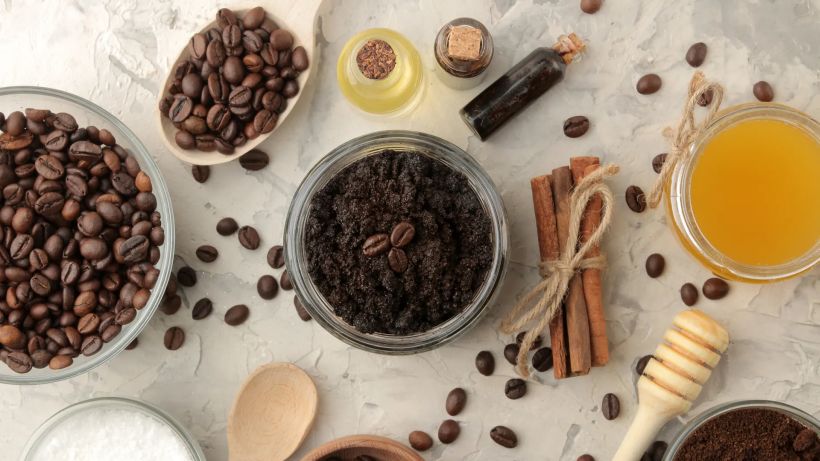
Gentle body and lip scrub: Mix a tablespoon of honey with a little sugar or coffee grounds. Gently massage onto damp skin using circular movements and rinse off. Instantly renewed skin!
Repairing lip balm: If your lips feel dry or chapped, apply a thin layer of honey to them before going to bed. You’ll wake up with soft, repaired lips.
HONEY AND LEMON MASK for winter hands
In cold weather, our hands are constantly exposed to external aggressions that can significantly worsen their appearance. The result? They become rough and . That’s why it’s important to treat yourself to a moisturising mask from time to time.
Ingredients:
Two tablespoons of olive oil to protect and moisturise dry skin
Two tablespoons of honey to soften and nourish the skin
Optional: a few drops of lemon essential oil.
Mix all the ingredients in a bowl. Apply generously to your hands and nails and massage for a few minutes. For greater effectiveness, you can wear latex gloves. Leave the treatment on for 30 minutes before rinsing with warm water.
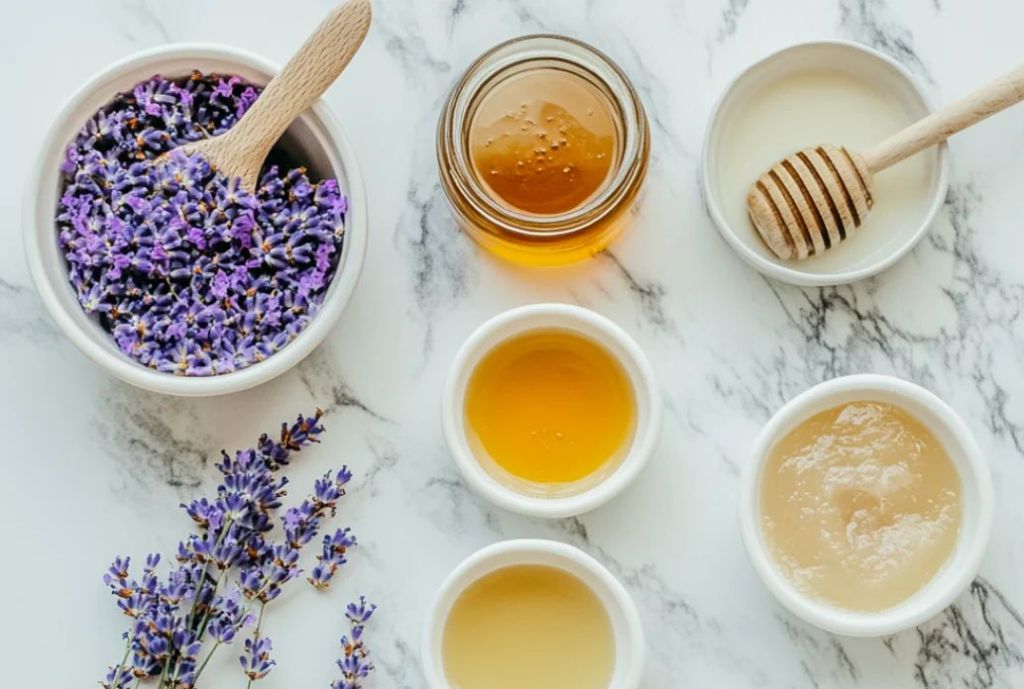
HONEY, COCONUT OIL AND LAVENDER SCRUB
This is a luxurious exfoliant recipe designed to relax you as if you were at a spa, as it not only exfoliates but also leaves your skin pampered and smelling divine.
Ingredients:
½ cup granulated sugar
¼ cup raw honey
¼ cup coconut oil
A few drops of lavender essential oil, which promotes relaxation
How to create this luxurious scrub:
Melt: Gently heat the coconut oil until it melts, then allow it to cool slightly.
Mix: Combine the cooled coconut oil with the honey and sugar in a bowl. Add a few drops of lavender essential oil for a relaxing aroma.
Apply: Use this aromatic mixture to gently exfoliate your body, focusing on rough areas such as elbows and knees.
Rinse: Rinse with warm water and enjoy skin that is not only smooth, but also luxuriously moisturised and delicately scented.
Why you should try it: Coconut oil is a fantastic moisturiser that works in harmony with the soothing properties of honey. Lavender adds a relaxing and therapeutic dimension to the scrub, making your skincare routine a luxurious and serene experience.
ANTI-INFLAMMATORY HONEY AND TURMERIC MASK for acne-prone skin
The anti-inflammatory and antimicrobial properties of turmeric, combined with the soothing effects of honey, make this mask a miracle worker for reducing acne and skin redness.
How to prepare:
Preparation: Mix 1 tablespoon of raw honey with 1 teaspoon of turmeric powder.
Application: Spread the paste evenly over your face.
Wait: Leave on for 20 minutes.
Rinsing: Wash with cold water and use a mild cleanser to remove any colour residue.
Why it works: Raw honey is a natural moisturiser, its antibacterial properties make it an excellent choice for acne-prone skin, while its soothing effect can relieve irritated and sensitive skin. When combined with ingredients such as turmeric, its anti-inflammatory benefits are enhanced.

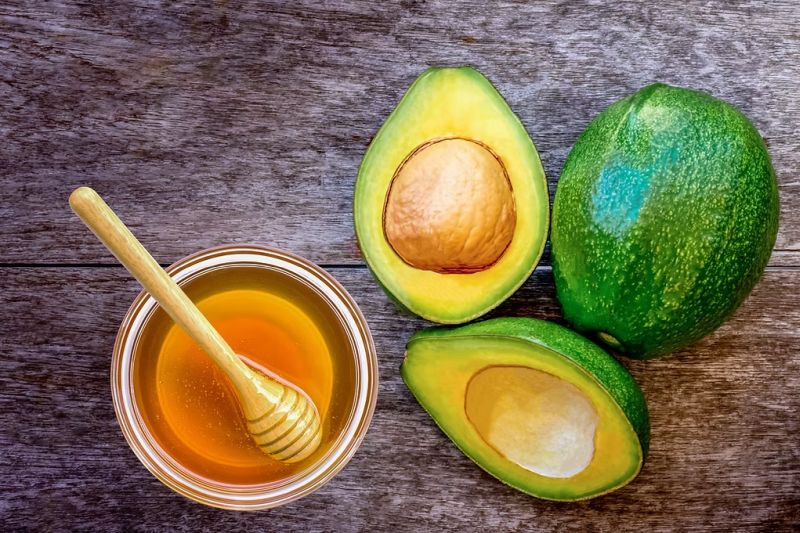
HONEY AND AVOCADO MOISTURISING MASK for dry skin
For an intense dose of hydration, this creamy mask combines the moisturising properties of honey and avocado, leaving the skin soft and supple.
How to make it:
Mash: Mix 1 tablespoon of raw honey with 1/4 of a ripe avocado in a bowl.
Mix: stir until smooth.
Apply: Spread the mixture all over your face.
Relax: wait 20 minutes.
Rinse: Wash off with warm water.
Why it works: Raw honey is a natural moisturiser, its antibacterial properties make it an excellent choice for acne-prone skin, while its soothing effect can relieve irritated and sensitive skin. When combined with ingredients such as turmeric, its anti-inflammatory benefits are enhanced.
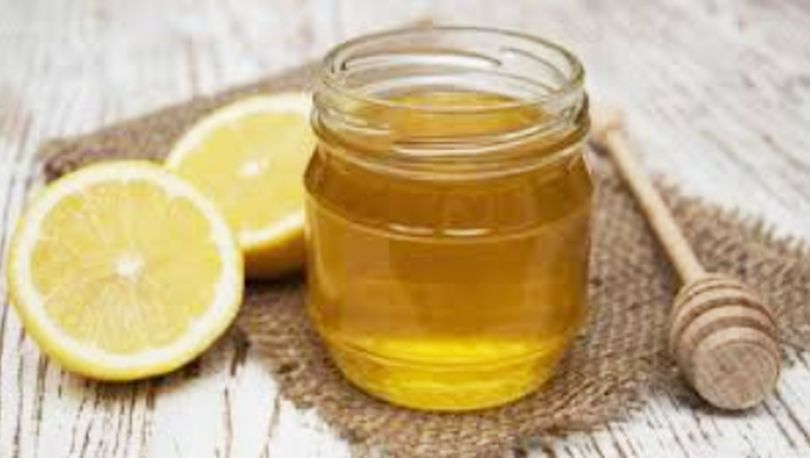
HONEY FACIAL CLEANSER
Incorporate lemon into your skincare routine with this brightening facial cleanser. The astringent properties of lemon complement the moisturising touch of honey for a clean and luminous complexion.
Ingredients:
2 tablespoons of raw honey
1 tablespoon of fresh lemon juice
How to prepare:
Mix: Mix the honey and lemon juice in a bowl until well combined.
Brighten: Gently massage the mixture onto your face, avoiding the eye area.
Rinse: Rinse with cold water to reveal fresh, glowing skin.
Why it works: Lemon juice, rich in vitamin C, works wonders to reduce dark spots and even out skin tone, while honey ensures that skin stays hydrated.
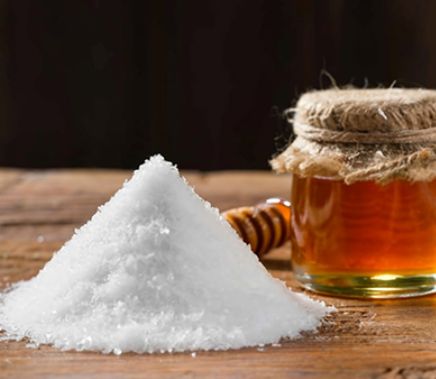
HONEY and SUGAR SCRAB
This exfoliator we have designed combines the natural antibacterial properties of honey with the exfoliating power of granulated sugar to offer a simple yet luxurious skincare treatment.
Sugar is an excellent natural exfoliant that helps remove dead skin cells. Its fine grains allow for gentle yet effective exfoliation. In addition, sugar contains natural glycolic acids that promote cell renewal and help keep skin young and healthy.
Honey has exceptional antibacterial and moisturising properties. It acts as a humectant, helping the skin to retain moisture. It is also rich in antioxidants, which protect the skin from damage caused by free radicals.
Therefore, with this recipe combining honey and sugar, and a squeeze of lemon, mechanical exfoliation occurs thanks to the granulated sugar, as well as chemical exfoliation due to the synergistic combination of the antioxidants in honey, the brightening lemon juice and the natural glycolic acid contained in sugars.
Ingredients:
½ cup granulated sugar (white or brown, whichever you prefer!)
¼ cup raw honey
A splash of fresh lemon juice (optional, for extra shine)
How to prepare it:
Mix: In a bowl, mix the sugar and honey. If you are using lemon juice, add it now. Stir until you have a sticky, golden mixture.
Exfoliate: Apply this sweet mixture to damp skin using gentle circular motions. The sugar granules will remove dead skin cells, while the honey will moisturise and soothe.
Rinse: Rinse with warm water and pat your skin dry.
Why it works so well: This scrub has a triple effect: it exfoliates, brightens and moisturises. Sugar acts as a natural exfoliant, removing dead skin without harsh chemicals, while honey is a humectant that draws moisture to the skin and ensures it stays hydrated and supple.
OUR MINIMALIST RECIPES WITH HONEY AND GLYCERINE
DAY CREAM WITH SPF AND HONEY to prevent pigmentation spots
In this cream, the amount of zinc oxide we add will determine its ability to protect us from solar radiation. We must consider that zinc oxide has an SPF of approximately 15. Therefore, if you do the math, you will see how much you should add according to your needs. We have added 2 grams as standard.
Ingredients for a container of approximately 100 grams of cream:
70 g copal oil or bakuchiol oil*
6 g beeswax
1 teaspoon of zinc oxide and 1 teaspoon of cocoa powder, which we will mix and pulverise beforehand in a ceramic mortar.
1 teaspoon of honey
1 tablespoon of shea butter and
2 vitamin E capsules*
*Vitamin E makes the skin less prone to sunburn by limiting the cellular damage caused by the sun.
*Both balsamic resin oils (copal, frankincense, myrrh, etc.) and bakuchiol oil have a similar effect on the skin to retinol or vitamin A.
Bakuchiol, in particular, is a natural alternative to retinol that offers similar benefits for the skin, but with less irritation. It stimulates collagen production, reduces fine lines and wrinkles, improves elasticity and firmness, and protects against environmental damage. It is also a powerful antioxidant and can help soothe sensitive skin.
Resins, whether copal, frankincense, myrrh, etc., provide so many natural antioxidants that they prevent the fats with which they are macerated from oxidising easily. Similarly, the antioxidants they provide to the skin stimulate collagen production and protect against environmental damage.
Other oils to consider for stimulating collagen production, promoting skin regeneration and preventing the appearance of spots and sun lentigines are: ginseng, turmeric, liquorice, arbutin or uva ursi, cranberries, chamomile + green tea, etc.
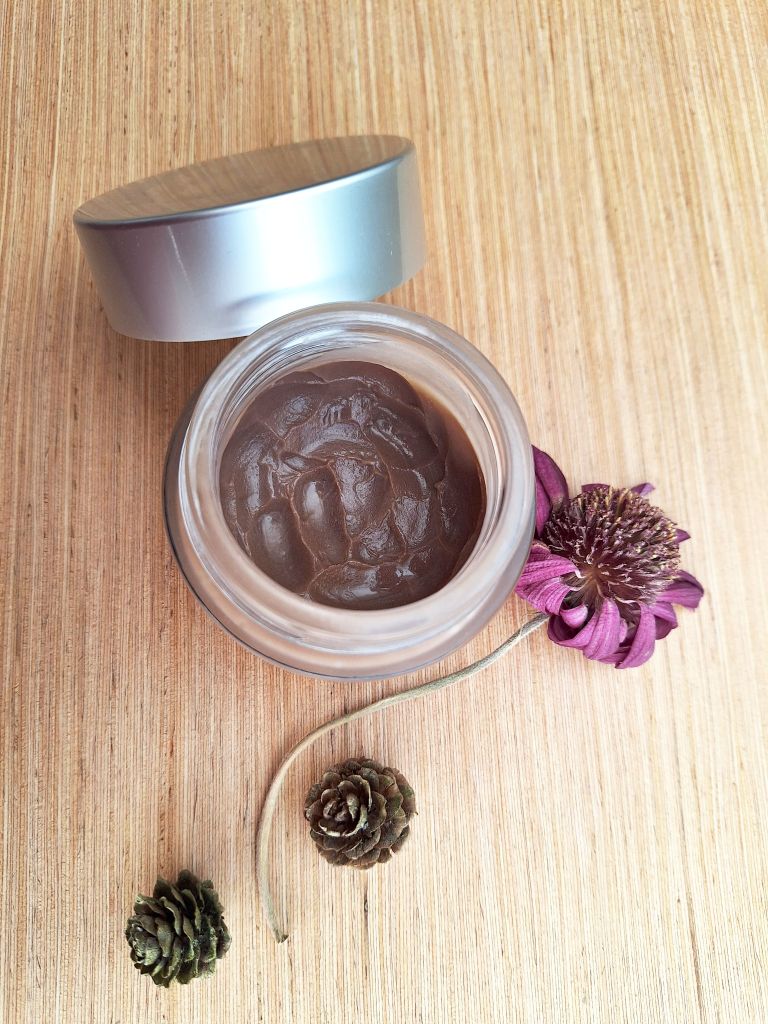
PREPARATION:
As mentioned above, first pulverise and mix the zinc oxide and cocoa powder in a ceramic mortar so that both can be fully incorporated into the mixture with the oils.
Next, place the beeswax and copal oil in a double boiler and, once melted, add the shea butter and the zinc oxide and cocoa mixture.
Stirring continuously, finally add the honey and vitamin E capsules, which are heat-sensitive substances. Remove from the heat.
We will store it in a small glass jar so that it is preserved in the best possible way. As this cream does not contain any water, it does not need any preservatives, only vitamin E to prevent oxidation. This means that it has a fairly long shelf life.
The addition of honey gives this cream a unique moisturising sensation when applied to the skin. The effect is such that we will not miss a cream with an aqueous phase. However, we will avoid having to add synthetic preservatives.

STORAGE: We will undoubtedly finish it long before any of its components can go rancid. In any case, this type of cream without an aqueous phase does not, in principle, have an expiry date. This is even more so with the addition of honey, which, due to its intrinsic slightly antimicrobial nature, keeps it in perfect condition.
In addition, we would like to add that we have used a copal oil, that is, copal resin infused in olive oil, and this type of oil does not even go rancid. Virgin olive oil is also slightly antimicrobial in itself, and this, combined with the antioxidant properties of the resin, makes it a very durable oil/macerate.

THE OPTION with SPF 15: If you really want to protect your skin from the sun on a daily basis, this option will provide you with a stronger protective screen. To do this, we will add 2 g of zinc oxide + 1 g of cocoa powder, which we will mix and pulverise beforehand in the ceramic mortar.
THE BLEMISH BALM SUNSCREEN OPTION
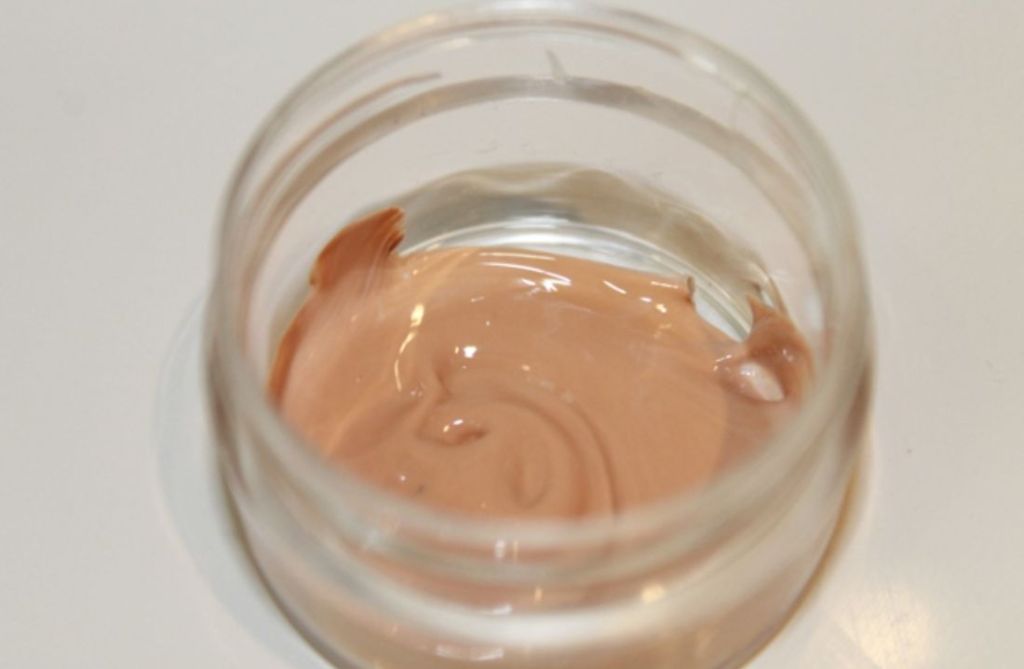
As zinc oxide has a covering effect on the skin, leaving a white veil without the addition of cocoa powder, another idea is to add a “skin-coloured” mica instead of cocoa powder to create a blemish balm-type cream with sun protection factor. This cream would serve not only as a sunscreen but also as a mattifying base cream to cover skin imperfections.
BATH GEL for intimate areas
This simple and easy-to-prepare recipe is, however, indispensable for use as: a wash gel for intimate areas, a very gentle shower gel for problem skin, and a wonderful bath gel for babies’ sensitive skin.
Ingredients:
Two parts coconut betaine surfactant
One part honey
Or, if you prefer, for a 100 ml container, you will need:
Approximately 60 g of coconut betaine x
Approximately 40 g of honey
We have already discussed HONEY and its properties at length.
We would just like to add that COCONUT BETAINE is the mildest and most natural surfactant we can use on our skin. Betaine is a natural amino acid and osmolite, commonly derived from sugar beet, which plays a crucial role in maintaining skin hydration.
The gentle cleansing properties of betaine make it an excellent choice for sensitive skin, effectively removing impurities without stripping the skin of its natural moisture.
OLIVE OIL AND HONEY-BASED BATH OIL
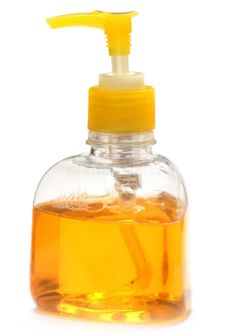
35 g Turkey Red oil*, i.e. sulphated castor oil
30 g olive oil (pomace oil)
One tablespoon of honey (between 10-15 g)
One tablespoon of glycerine
Optionally, a mixture of geranium, lemon and petitgrain essential oils.
PREPARATION PROCEDURE:
Mix all the ingredients in a bottle and shake well to combine.
USE: Prepare a hot bath and add a few tablespoons of oil while the tap is still running. Due to the lemon essential oil, be sure to rinse thoroughly if you are going to be outdoors a few hours after your bath to avoid getting sunburned. However, if you are going to bed, don’t worry.
*Turkey Red Oil is also known as Sulphated Castor Oil. A process known as sulphation is used to manufacture Turkey Red Oil in which pure castor oil is exposed to sulphuric acid. This process has been known for more than a hundred years. Through this process, castor oil becomes miscible with water while still retaining its moisturising properties. Turkey Red Oil dissolves easily in water. This is especially suitable for the production of water-dispersible bath oils and personal care products. Other lipids and essential oils are also soluble in Turkey Red Oil.
SHOWER GEL FOR ATOPIC SKIN based on honey and coconut oil
Adding raw honey to the bath is known to moisturise and cleanse the skin at the same time. With the addition of coconut oil, it becomes a shower gel.
That is why we have created this recipe for homemade honey-based shower gel, which is suitable for all skin types, even the most sensitive, such as babies’ skin or skin affected by dermatitis.
Ingredients for approximately 150 ml of product:
50 g coconut oil
50 g liquid honey
50 ml of coconut betaine
A few drops of your favourite essential oil, such as grapefruit, orange or even rosemary…
STORAGE: It will keep for about 3 months in optimal conditions, although the idea is that you use it up before then. Naturally!
PREPARATION:
Slowly heat the coconut oil in a bain-marie until it becomes liquid.
Add the honey and mix well.
Gradually add the liquid soap. Mix carefully to prevent foaming.
Finally, add the essential oils.
Stir well and pour into a pretty jar.
You may notice that the cleansing gel tends to separate, simply shake it before each use.
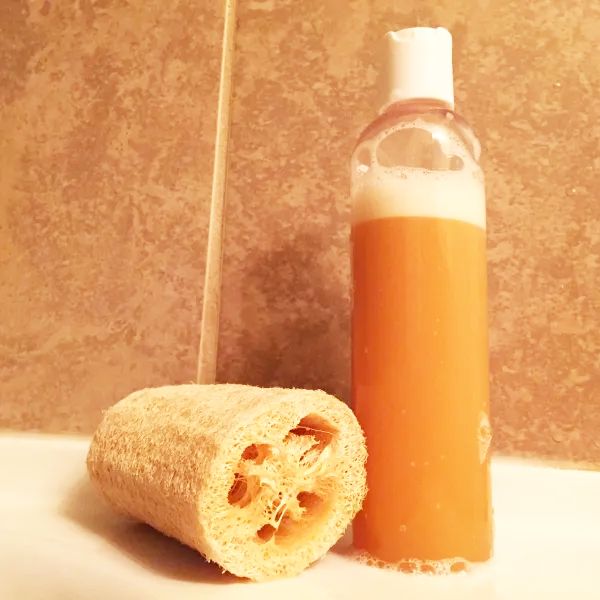
HONEY-BASED SHOWER GEL FOR ATOPIC SKIN
Adding raw honey to your bath is known to moisturise and cleanse the skin at the same time. That’s why we’ve created this homemade honey-based shower gel recipe, which is suitable for all skin types, even the most sensitive, such as babies’ skin or skin affected by dermatitis.
Ingredients for approximately 100 grams of product:
25 g distilled water
5 g SCS surfactant
9.5 g liquid surfactant, such as coco glucoside (creates more lather) or simply coconut betaine, which is gentler on the skin.
3.5 g vegetable glycerine
50 g honey
About 10 drops of lactic acid, to compensate for the alkaline pH produced by the surfactants.
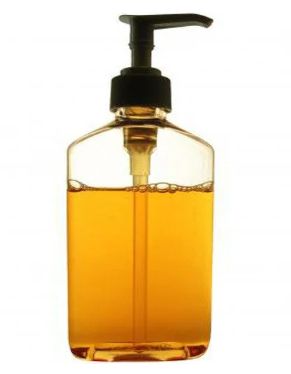
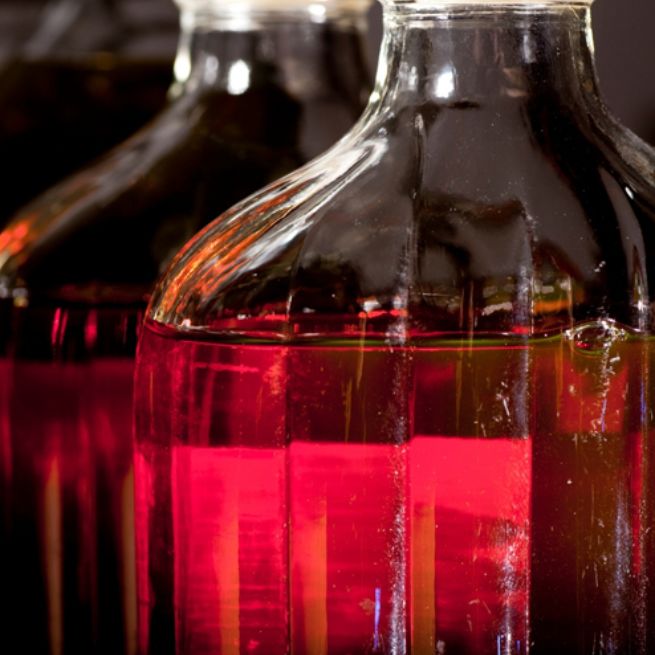
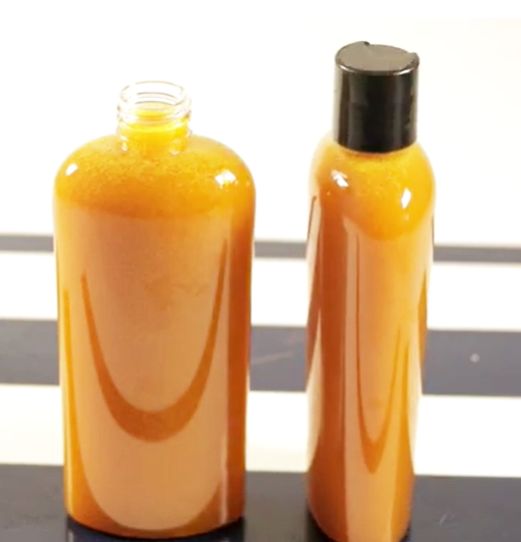
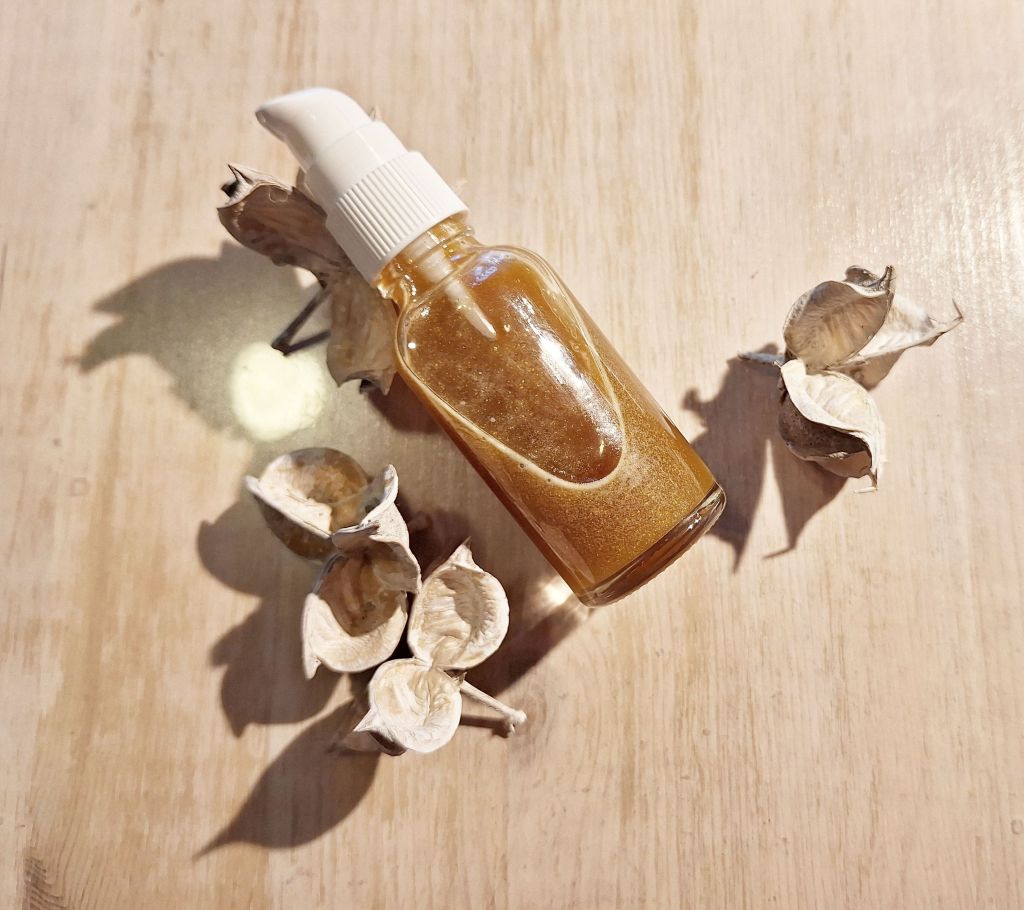
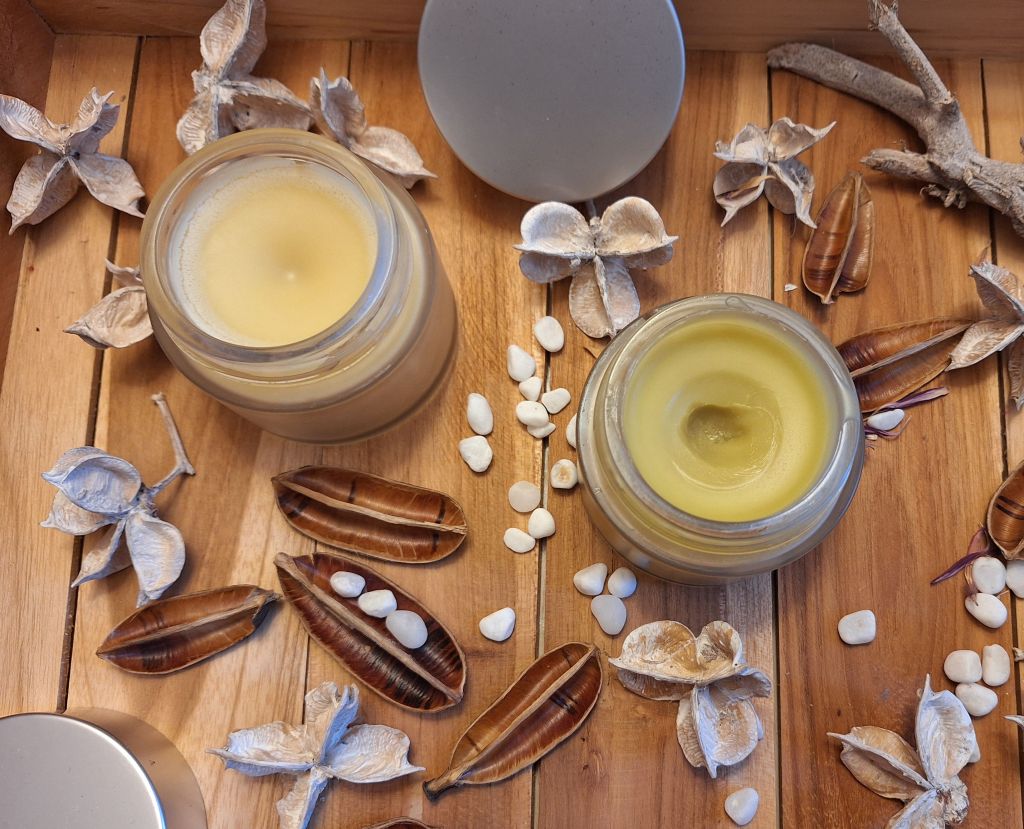
Optionally, if you want to achieve the orange colour of the shower gel in our photo, add a tablespoon of turmeric at the end, which is also excellent for detoxifying the skin.
PREPARATION:
Start by heating the distilled water, then begin to dissolve the SCS powdered surfactant in it, stirring gently until it is completely dissolved and integrated. If you see too many bubbles forming, you can spray a little alcohol on them to reduce them.
Add the liquid surfactant to the mixture, followed by the vegetable glycerine.
Finally, add the honey, stirring well, and the drops of lactic acid.
In the end, it’s just between us and the bees. 😊
VEGETABLE GLYCERINE
Glycerine is a clear, viscous liquid which, as we said, has moisturising and skin-protecting properties. It is an organic compound based on sugar alcohol with a viscous consistency and no colour, which is present in all natural fats, whether of animal or vegetable origin. This substance has the peculiarity that it must always be used diluted in water or mixed with other ingredients and oils, as this softens the skin. On the other hand, if we use it in its pure form, it dehydrates the epidermis.
Glycerine appears in the INCI of many commercial cosmetic formulations under the name “glycerol”. The word “glycerol” comes from the Greek Glykos (meaning sweet) and dates back to the 6th century BC, as the Phoenicians are credited with the alchemical knowledge of making glycerine soap.
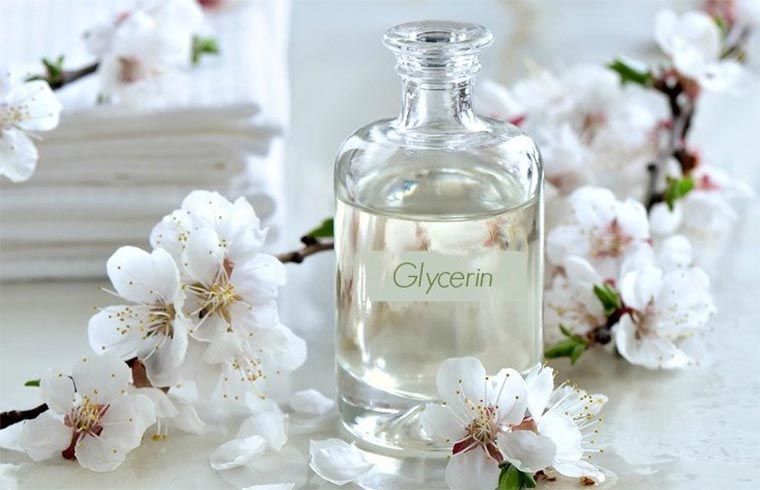
GLYCERINE IS HIGHLY BIOAVAILABLE
Glycerine is even found in our own skin, which is why this ingredient is bioavailable, meaning it is compatible with the skin and easily absorbed by it. It is a substance that the skin needs when it is deficient. For all these reasons, it is very common to find it in the formulation of many cosmetic products, including soaps and emollient products.
Liquid glycerine of vegetable origin is a highly emollient (prevents water loss or dehydration) and hygroscopic product, therefore moisturising for the skin and hair, making it a staple in homemade cosmetics.
It is a powerful moisturiser that absorbs and retains moisture, making it ideal for all skin types, especially dry and dehydrated skin.
Finally, it is an excellent solvent for integrating both organic and mineral ingredients into preparations, as well as an extractor of active ingredients in herbal macerations.
APPLICATIONS IN HOME-MADE NATURAL COSMETICS
One of the main qualities of vegetable glycerine is that it helps to restructure the lipids found in the stratum corneum. This results in an improvement and increase in skin elasticity.
This ingredient also helps to reduce the time it takes for wounds to heal. In fact, it has been proven to reduce this time by up to 25%. Therefore, it is a perfect ally for helping the skin recover more quickly. That is why many products for dry and damaged skin include it. As we said, glycerine is a great moisturiser. In other words, it is able to retain moisture in our skin. In this way, it can become the best remedy for dry skin in need of emollient compounds.
*A cream with emollient properties softens, smoothes and protects the skin by creating a barrier that prevents moisture loss. Emollients help keep the skin hydrated, supple and healthy, and are used to treat or prevent dryness, roughness, flaking, itching and conditions such as atopic dermatitis.
These moisturising and emollient qualities of glycerine give it anti-ageing and anti-sagging properties that are used in cream recipes for mature skin.
In addition, glycerine defends the skin from environmental aggressions by helping to create a protective layer, thereby accelerating wound healing and even soothing sunburn. For this reason, it has also earned a place in the formulation of many sunscreen products.
It is even used in hair care products to treat dry, brittle hair. Glycerine moisturises the hair from the inside out, stimulating growth and preventing dandruff.
It is a key ingredient in products used for the well-known curly method. This is due to its ability to soften, protect and define the hair fibre. It makes curls more hydrated, less frizzy and healthier.

IN GENERAL: in all types of recipes for making body and facial creams and lotions.
In recipes for natural serums, such as those provided below.
In recipes for natural shampoos and hair masks…
It will add a touch of softness when added to emulsions, shower gels, and solid and liquid soaps. In soaps, it is recommended not to use more than one teaspoon per kilo of soap, as too much will soften it considerably.
CAUTION: The only precaution with glycerine is that, as it is hygroscopic and tends to absorb moisture from its surroundings, it is important that the product we design contains enough water to retain the glycerine; otherwise, it would not moisturise, but could cause some dehydration.
How is glycerine obtained?
The method used to obtain this natural component consists of the saponification of fatty acids, which make up its triglyceride. This saponification is carried out through a reaction with an alkali, causing the glycerine to be released.
GLYCERINE AS AN EXTRACTOR OF PRINCIPLES
Glycerine is good for the skin, but it is also used in countless areas that have little to do with cosmetics. In fact, it also has certain properties that make it particularly suitable for use as a preservative and thickening agent in the food industry.
One of the main uses of glycerine in natural cosmetics is as an excellent solvent, which means we can also use it to create hydroglycerine extracts (water and glycerine) for any cosmetic recipe.
Personally, we prefer glycerites to hydroglycerinated extracts because they greatly facilitate preservation. A dry plant extract in glycerine has a very long shelf life, whereas if we add water, we may have to add some kind of preservative.
Furthermore, when combining glycerine extract or glycerine in any of our formulations (serum, cream, etc.), we can always add an aqueous phase if necessary. This means that we can have prepared our extract two months in advance and it will still be fine.
*According to the IA: The main difference between a hydroglycerine extract and a glycerite is that a hydroglycerine extract is obtained by macerating a plant in a mixture of water and glycerine, while a glycerite is a type of extract that uses only glycerine as a solvent. Both extract the active ingredients from plants, but they use different solvents, which affects their properties and applications.
MACERATIONS IN VEGETABLE GLYCERINE
It is important to know that vegetable glycerine (or glycerol) is a colourless, odourless alcohol, viscous at room temperature, which is soluble in both water and ethanol, although it is insoluble in oils.
As mentioned above, one of the most common uses of glycerine is in macerations with plants to extract their active ingredients and produce hydroglycerine extracts.
CONVENTIONAL PROCEDURE: Fill about 3/4 of the jar with dried plant material, then pour in a 50/50 solution of liquid glycerine and distilled water until most of the jar is covered. As we said, we never do it this way because we prefer not to use water, which forces us to use a preservative and limits the shelf life of our extract.
What we do is grind the dried plant beforehand, so that it becomes a fine powder, making it very easy to extract its qualities in the glycerine.
Next, we put our dried plant powder into a glass jar with glycerine, in a ratio of one part powder to 3-5 parts glycerine, so that the plant is well covered. In a few weeks, our extract will be ready. It is advisable to stir it every other day to facilitate extraction.
HOW TO PREPARE A GLYCERIN EXTRACT WITH HERBAL ACTIVE INGREDIENTS?
To prepare a glycerine herbal extract (a glycerite), it is advisable to ensure that the plant we are going to use is completely dry, thus avoiding the added problems of mould and bacteria. Once dry, it is advisable to grind it into a fine powder.

You can use a ceramic mortar, but a coffee grinder is quicker and works very well.
We will use a glass jar, which we will have previously sterilised with alcohol, to macerate the plant in natural vegetable glycerine and thus obtain our extract.
In general, use 1 part powdered plant to 3 to 5 parts glycerine, depending on the size of the jar and the amount of extract you want to obtain. The plant must always be well covered by the glycerine.
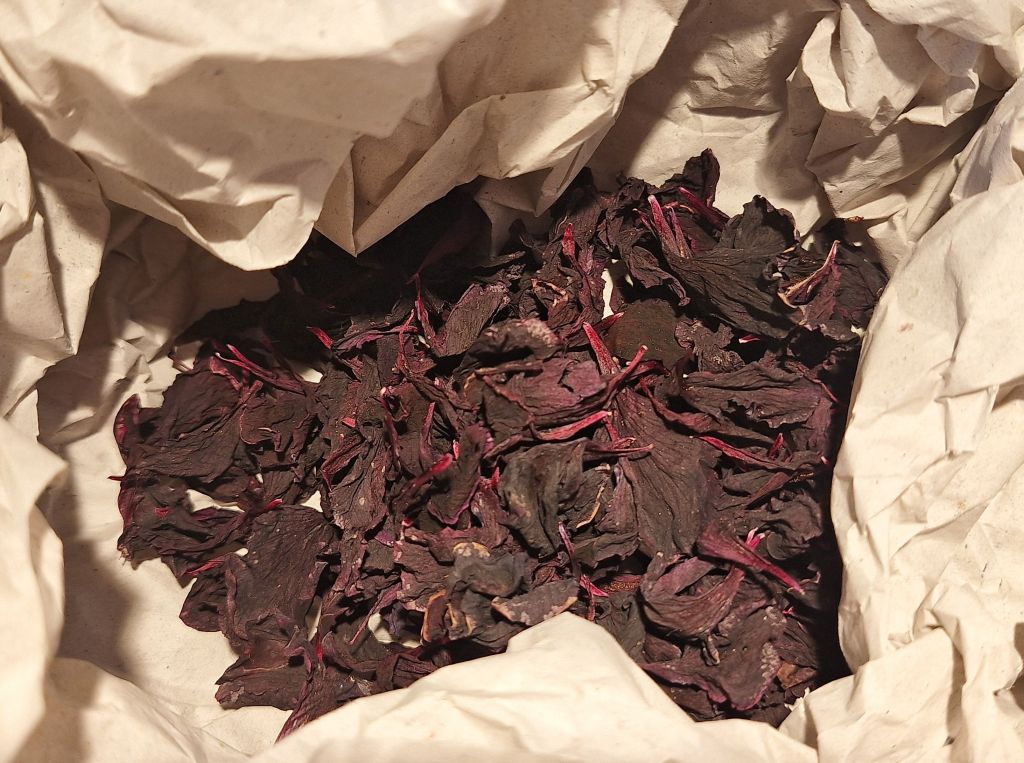
HOW TO PREPARE glycerine extract of geranium
You will need:
2 grams of powdered geranium petals
And between 40 and 60 grams of vegetable glycerine
PREPARATION:
Place 2 grams of geranium powder in an airtight glass container and add about 50 grams of vegetable glycerine.
Close the container and store it in a place with a stable temperature. Stir it daily.
After approximately one week, the extract will be ready.
We will then filter it with gauze or a fine mesh sieve and we can now pour it into the glass container we have chosen for this purpose.
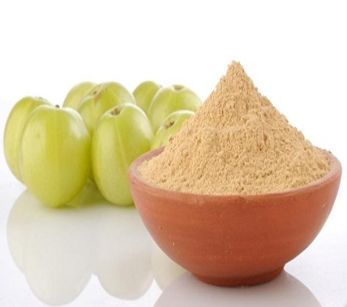
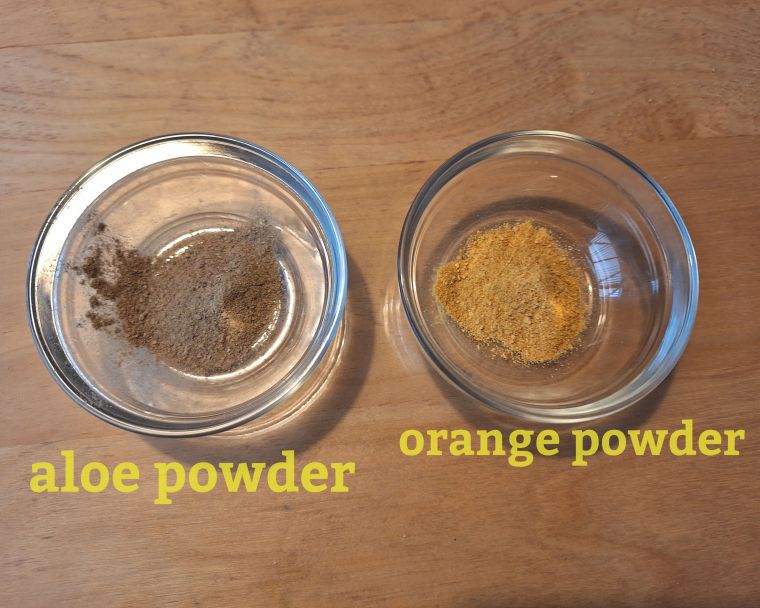
With AMLA, which usually comes in powder form, follow exactly the same procedure.
We then filter our extract through a paper coffee filter or a fine stainless steel sieve.
With the coffee filter, it takes all day, but with the sieve, we can obtain our filtered extract in less time.
We then store it in an airtight glass container and label it with the date of manufacture.
STORAGE: Once prepared, we can leave it for a year, protected from heat and direct light, and it will remain in perfect condition.
And, of course, we will take it out of the jar to add our extract to our natural cosmetic formulations.
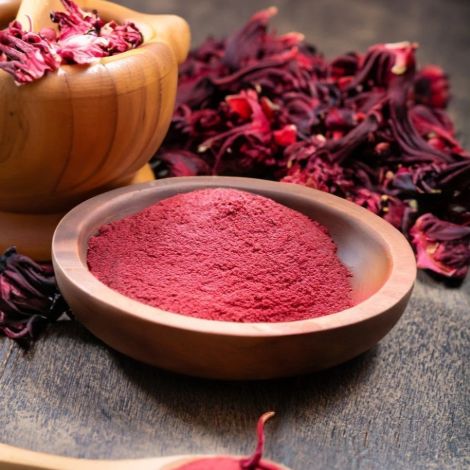
Below is a video example of the process of extracting glycerine extracts according to Cecil Vig. This video clearly shows the process to follow to prepare all types of extracts. In this case, she uses beetroot powder, but the same applies to any other plant or herb, such as geranium powder, amla powder, etc.
1. The first step is to obtain a powdered herbal extract from the chosen plant. To do this, first dry it, then grind it in an electric coffee grinder until you obtain a fine powder.
2. The second step is to add 3 to 5 times the amount of glycerine needed to cover this powdered extract. It is best to do this in a sterile glass container with an airtight lid, which we can stir daily for a few days until we obtain our glycerine extract.
3. The third step is to filter it through a very fine sieve or gauze cloth to remove the plant debris and leave us with the glycerine macerate. This macerated extract can now be used directly in our cosmetic preparations, as shown in the photograph.
AMLA GLYCERINE EXTRACT
Although extraction in distilled water is more common, it is possible to extract the components of amla powder using glycerine. Glycerine can act as a solvent for many of the beneficial properties of amla. Personally, we really like the final result which, once filtered, can be applied directly to the skin to appreciate the fantastic moisturising properties it provides.

How to perform glycerine extraction (basic method)
Mix: Combine the amla powder with vegetable glycerine in a container. You can use a ratio of 1 part powder to 5 parts glycerine, adjusting according to the desired consistency. Our advice is not to use too much amla powder because it expands and thickens a lot when glycerine is added.
Resting: Leave the mixture to rest for a while, at least a couple of days, so that the compounds in the amla are transferred to the glycerine.
Filtering: Pass the mixture through a fine filter or gauze to separate the liquid from the solids.
Additional considerations:
Solvents: Glycerine is a solvent, but water can also be used to extract nutrients from amla, as the powder is water-soluble.
Use of glycerine: Glycerine is a thick liquid, so the result will be a more concentrated mixture with a different texture than a simple water infusion.
Applications:
This glycerine extract can be used in many different homemade cosmetic preparations. For example, it is very useful in the production of creams for mature skin due to its richness in natural polyphenols and stable vitamin C.
Yes, you read that right, the vitamin C in amla is more stable and degrades much less than ascorbic acid (a synthetic active ingredient isolated from plants that contain it), which also requires complex formulations to ensure its stability.
VITAMIN C IN AMLA:
Like any vitamin C, the high vitamin C content in AMLA degrades with prolonged exposure to air, light, and heat. However, it is known that: “The vitamin C in amla is significantly more stable than isolated ascorbic acid, as it is bound to polyphenols and tannins, a class of antioxidants. Stability also depends on the drying method, as freeze-dried powder retains more vitamin C, and proper packaging is essential to maintaining quality.”
Therefore, although some vitamin C loss during processing is inevitable, amla powder is considered a good and relatively stable source of vitamin C, as the vitamin is naturally protected by its other components. For maximum benefits, choose a well-packaged amla powder.
In addition to anti-ageing creams and serums, it is used in anti-acne cosmetic preparations, face and hair masks, anti-hair loss shampoo recipes, toothpastes, massage oils and natural soaps.
PROPERTIES OF AYURVEDIC AMLA POWDER
Amla powder is rich in vitamin C and polyphenols and has antibacterial, anti-inflammatory, tonic and skin regenerating properties.
Its high vitamin C and polyphenol content makes it an excellent antioxidant and regenerator for the skin and hair. It is highly recommended for dull, devitalised skin prone to acne.
OTHER AYURVEDIC PLANTS WITH REGENERATIVE PROPERTIES for the skin
In addition to amla powder , which have antibacterial and anti-inflammatory properties, neem powder is also worth considering. Although its bactericidal and fungicidal effects are well known for the ecological treatment of pests, its beneficial effects in other areas, such as skin care, are less well known. Neem is particularly beneficial for skin affected by acne, dermatitis, eczema or psoriasis. It is also a powerful natural anti-inflammatory and moisturiser that soothes dry skin, helps heal wounds and burns, and has anti-ageing properties. In addition, it can improve pigmentation, relieve sunburn and irritation, and act as an insect repellent.
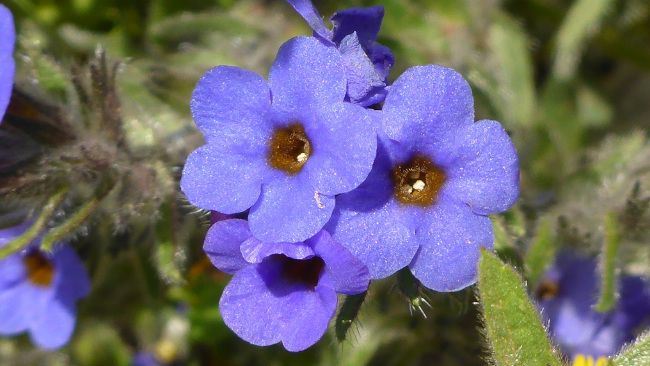
Alkanet root is used for hair growth or on the skin to heal wounds and nourish it. This root is insoluble in water, so it is prepared in oil. A popular recipe: Soak the alkanet root in warm coconut or sesame oil for a few hours until the oil turns a deep red colour. Use: Apply to the scalp to en te hair growth or to the skin to heal wounds and nourish it. It is even said that by using ratanjot powder regularly, grey hair will naturally darken, restoring its original colour over time.
Walnut extract powder. Walnut tincture is known to be antifungal and antibacterial, hence its use in natural medicine. Walnut extract powder also has antioxidant, anti-inflammatory, astringent and healing properties that benefit the skin. It is useful for reducing acne and excess oil, soothing irritations such as eczema, exfoliating the skin, and combating signs of ageing by protecting cells. It also aids wound healing and lightens blemishes. This powder can be macerated in either glycerine or a high-quality oil. In both cases, it is a valuable addition to our homemade cosmetic preparations.
Black clay is also regenerating, healing, nourishing, and toning
Ashgawandha powder is another plant with antioxidant and regenerative properties, making it an excellent product for pro-ageing and healing cosmetics.
Rosehip powder keeps the skin healthy and promotes the healing of wounds and burns. It is rich in vitamins such as A, C, E and D.
NIACINAMIDE SERUM with 3 INGREDIENTS
This facial serum recipe is particularly suitable for sensitive skin affected by pigmentation spots because it evens out skin tone and moisturises the skin, as glycerine is a great moisturiser. Geranium also has interesting regenerative properties.

INGREDIENTS:
Geranium extract macerated in glycerine.
One capsule* of niacinamide for a 30 ml dropper bottle.
A hydrolate or mineral salt water or ozonated distilled water or simply distilled water.
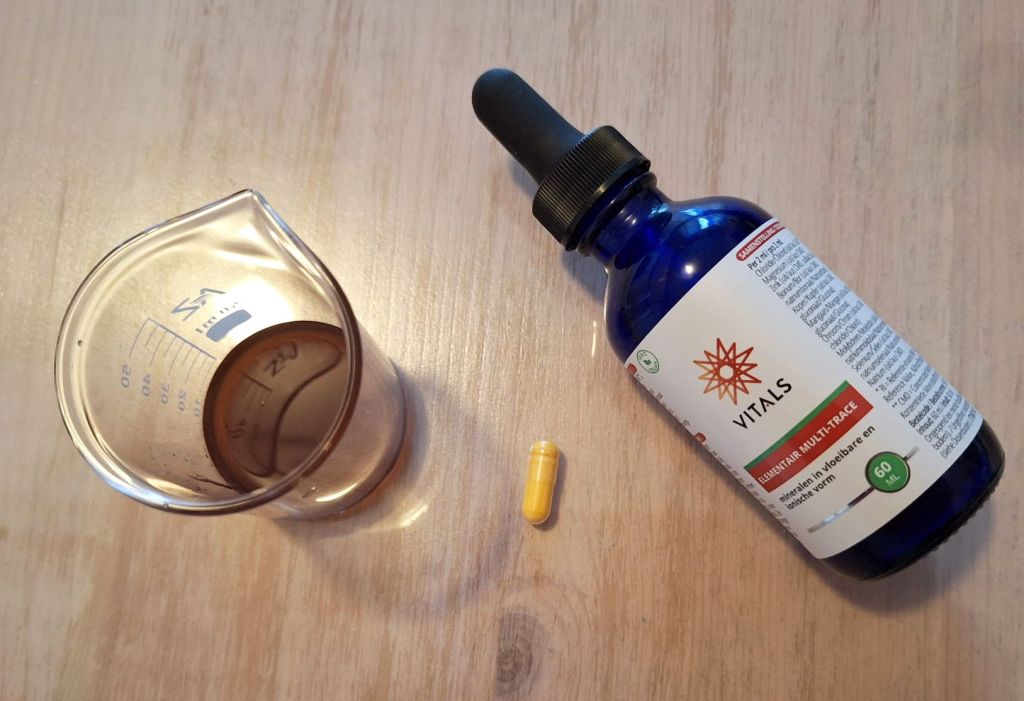
*Personally, we usually use water with trace elements from VITAL, which is intrinsically preserved and contains trace elements that are very beneficial for the skin, such as zinc and copper.
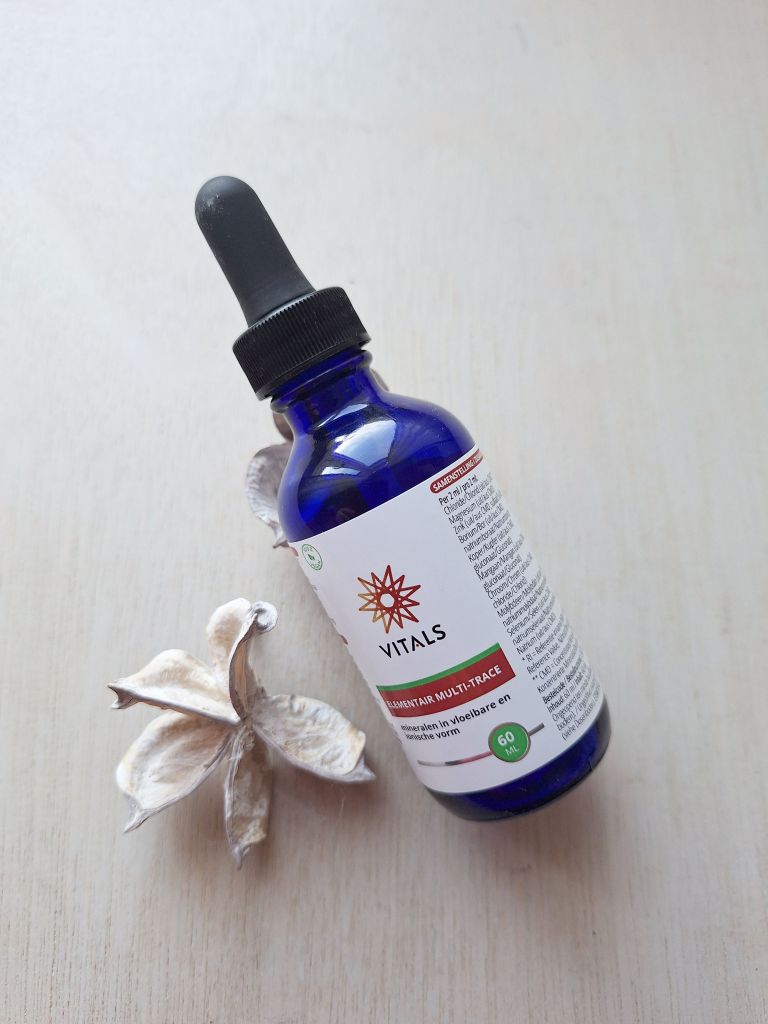
*This water with trace elements is marketed, in principle, as an ionic mineral supplement based on “Concentrated Mineral Drops” (CMD) from the Great Salt Lake, Utah (USA). It contains a full spectrum of minerals and trace elements with additional additions of zinc, copper, boron, selenium, chromium, manganese and molybdenum, which are very easy to absorb thanks to their dissolved ionic form.
It is not that we are dedicated to promoting certain supplements in this blog, we only recommend them sometimes if, after trying them, we find them useful for our readers interested in cosmetics and natural medicine.
In any case, as we said, it is possible to simply use distilled water, ozonated distilled water or a hydrolate of your choice.
PREPARATION:
First, macerate the powdered geranium petals in a small glass jar with 3 parts glycerine to 1 part geranium powder. Leave it closed for a couple of weeks, stirring frequently.
Now extract about 15 ml of this macerate and mix it with about 15 ml of hydrolate. Add the niacinamide capsule (food grade is always best) to the mixture, stirring continuously. Once the 3 components are well mixed, pour into a small glass dispenser bottle for easy application.
USE: The facial serum recipes we have designed on this page can be used daily without any problems, as they do not alter the skin on our face. However, it is always a good idea to combine them with other serums or creams to enhance the effects of the treatments.
Both the niacinamide capsule and the coenzyme Q10/hyaluronic acid and astaxanthin capsule that we will use in the following facial serum recipes are all “food grade”, which can be found in natural medicine shops. This is because, although it is possible to find these components in cosmetic supply shops, we personally believe that the more bioavailable an ingredient is, the more effective it will be in our product.
We believe that bioavailability equals effectiveness.
* If we are going to make more serum, we will need to add more niacinamide, but this is never a good idea with this type of totally natural, preservative-free product, as you know. The idea is to consume them quickly and frequently.
We cannot guarantee this product because we do not sell it, hehehe, but we do guarantee the recipe. If you want to have skin like a baby’s bottom, use this serum 2 to 3 times a week, preferably at night.
Oh, and don’t add any preservatives because this serum doesn’t need them. Preservatives, in general, even the mild ones (otherwise they wouldn’t be effective), alter our skin microbiome. The famous microbiota that everyone is talking about nowadays, so the results you get will not be the same, I’m sorry to say. ☹
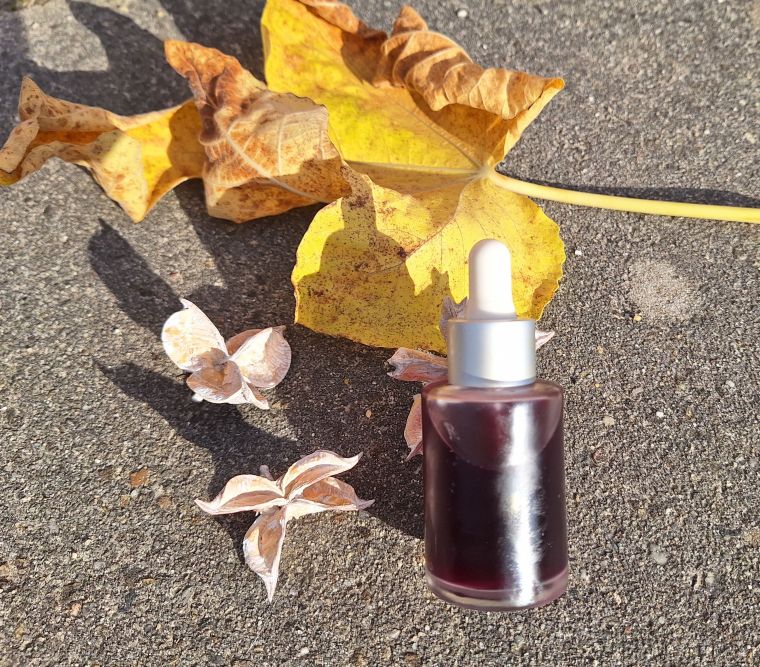
WHY A NIACINAMIDE SERUM?
Simply because it is a vitamin (vitamin B3) that cares for our skin and is suitable for all skin types: dry, oily or sensitive…
It has numerous properties, such as:
Reduces blemishes (even melasma*) and evens out skin tone
It regulates sebum in oily or combination skin and improves the texture of this type of skin by helping to close pores.
It soothes inflammation and improves redness and sensitivity in sensitive, dry or damaged skin.
It strengthens the skin barrier, which is important for skin affected by rosacea or even acne scars.
And, in general, it boosts hydration when combined with other active ingredients, such as panthenol (pro-vitamin B5)*, aloe vera or hyaluronic acid…
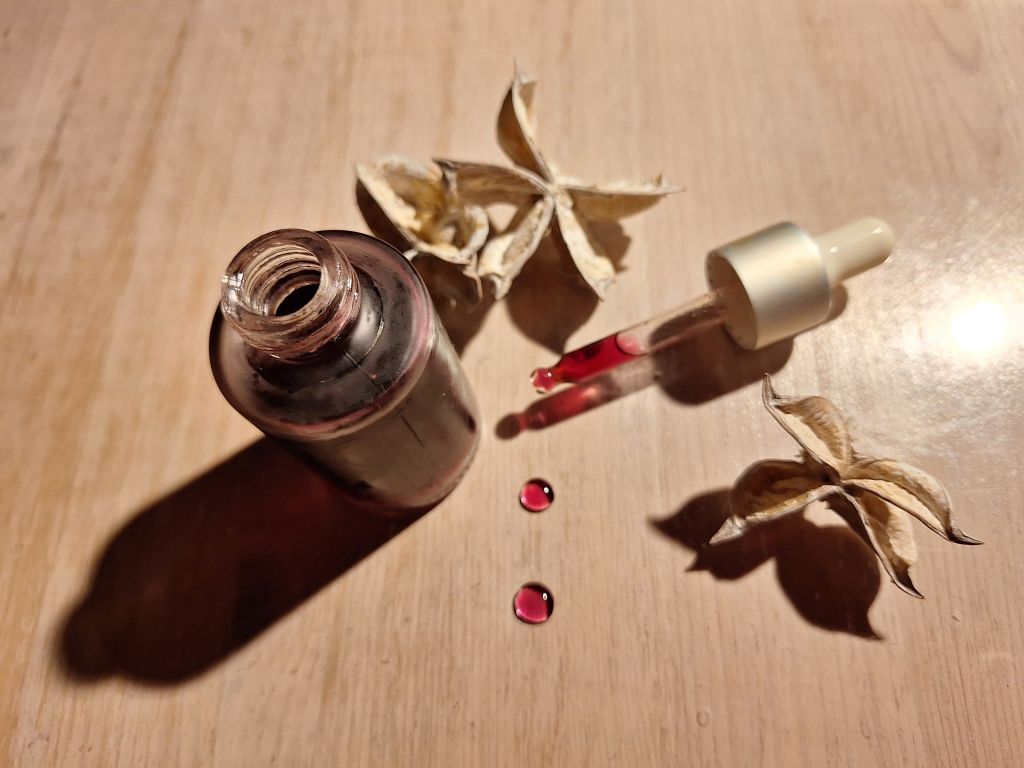
*Melasma is a specific type of hyperpigmentation characterised by dark, symmetrical patches, mainly on the face, and is strongly influenced by hormonal factors and sun exposure. In contrast, “pigment spots” is a general term for any darkening of the skin, which can be caused by a variety of factors such as sun exposure (solar lentigines), acne (post-inflammatory hyperpigmentation) or ageing, and can appear anywhere on the body.
*Panthenol is a stable form of vitamin B5 (pantothenic acid) that converts to vitamin B5 when it penetrates the skin. It is used in skin, hair and nail care products for its moisturising, soothing and repairing properties.
WHY USE AN OZONATED OIL OR AN OZONATED WATER BASE in our homemade serum?
As we know, ozonated oils help prevent skin blemishes by reducing existing hyperpigmentation and promoting cell renewal. Their action is based on their antioxidant and regenerative properties and their ability to remove dead cells and treat infections that can cause blemishes.
Ozonated water also helps prevent skin blemishes. Its action is due to the removal of dead cells, the disinfection of pores, cell revitalisation and improved blood circulation, which contributes to a more luminous and even skin tone. In addition, the antioxidant properties of ozone help protect the skin.
AMLA SERUM with 3 INGREDIENTS
This facial serum recipe is particularly suitable for mature and dull skin that needs vitality and hydration, as glycerine is a great moisturiser. Amla extract provides organic, bioavailable vitamin C and coenzyme Q10, which stimulates collagen and elastin production, reducing wrinkles and combating the negative effects of exposure to solar radiation, which is otherwise unavoidable. The use of hyaluronic acid, instead of coenzyme Q10, also has a moisturising, tightening and regenerating effect on this type of skin.
VITAMIN C IN AMLA:
Like any vitamin C, the high vitamin C content of AMLA degrades with prolonged exposure to air, light and heat. However, it is known that: “Vitamin C from amla is significantly more stable than isolated ascorbic acid, as it is bound to polyphenols and tannins, a class of antioxidants. Stability also depends on the drying method, as freeze-dried powder retains more vitamin C, and proper packaging is essential to maintain quality.”
Therefore, although some vitamin C loss during processing is inevitable, amla powder is considered a good and relatively stable source of vitamin C, as the vitamin is naturally protected by its other components. For maximum benefits, choose a well-packaged amla powder.
COENZYME Q10 has multiple beneficial effects, such as:
-Antioxidant protection: It acts as a powerful antioxidant that neutralises free radicals, protecting the skin from damage caused by the sun (UVA and UVB radiation) and pollution, helping to prevent premature ageing.
-Stimulates collagen and elastin: By stimulating the production of these proteins, it helps maintain skin elasticity and firmness, resulting in a younger, firmer complexion. This makes it particularly suitable for mature or sun-damaged skin.
-Reduces wrinkles and improves hydration: The combination of its antioxidant properties and its ability to increase collagen helps smooth existing fine lines and wrinkles by contributing to the formation of a natural moisture barrier in the skin that helps it look smoother and softer.
-Provides luminosity, just like the vitamin C in amla: This means that both act synergistically. The skin looks brighter, revitalised and more even-toned. And the skin’s lipid barrier is strengthened, protecting it from external and internal aggressions.
THE BENEFICIAL EFFECTS OF HYALURONIC ACID:
Hyaluronic acid is taken orally and is available in tablets and nutritional supplements. There is even a liquid form available, which can be mixed with water and consumed. In our case, we can easily add it to our serum, although it is also possible to do so with the powder version that comes in capsules, as hyaluronic acid is water-soluble. Oral administration also has many advantages, including reducing the discomfort caused by arthritis and improving skin health, as it is a powerful moisturising agent that strengthens the skin barrier.
Basically, it provides intense hydration to the tissues (when taken orally) and to the skin when applied topically. Its filling effect (it increases volume by retaining water) makes the skin look smoother and firmer. As it strengthens the skin’s lipid barrier, the skin looks more elastic and hydrated.
INGREDIENTS:
Amla macerated extract in glycerine.
One capsule* of coenzyme Q10 or hyaluronic acid for a 30 ml dropper bottle.
A hydrolate or mineral salt water or ozonated distilled water or simply distilled water.
PREPARATION:
First, macerate the amla powder in a small glass jar with 5 parts glycerine to 1 part amla, because amla expands considerably. Leave it closed for a couple of weeks, stirring frequently.
Now extract about 15 ml of this macerate and mix it with about 15 ml of hydrolate. Add the capsule of coenzyme Q10 or hyaluronic acid, according to your preference, to the mixture, stirring continuously. Once the three components are well mixed, pour into a small glass dispenser bottle for easy application.
USE: The facial serum recipes we have designed on this page can be used daily without any problems, as they do not alter the skin on our face. However, it is always a good idea to combine them with other serums or creams to enhance the effects of the treatment.
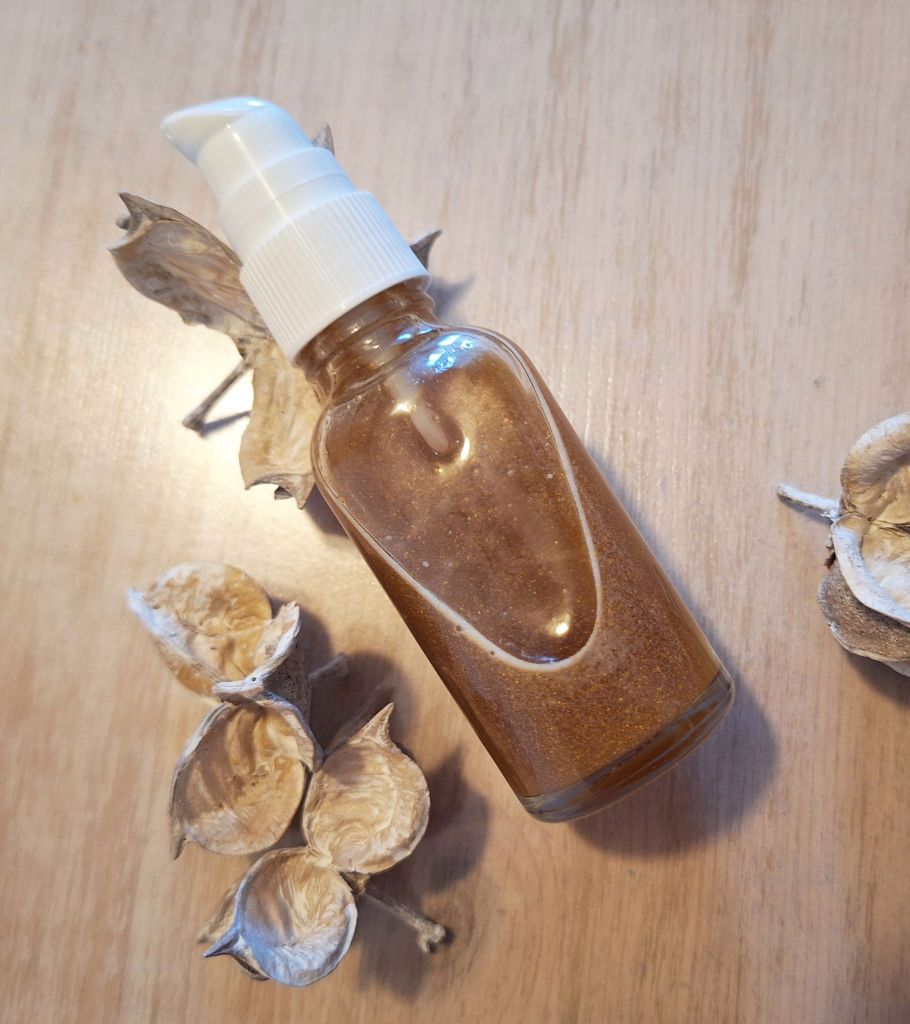
ALKANET+AMLA SERUM with 3 INGREDIENTS
This serum is particularly useful for soothing itching, irritation and redness, regenerating and accelerating wound healing and, in general, softening and nourishing the skin.
INGREDIENTS:
One part macerated alkanet root extract together with amla in glycerine.
Two parts of a quality virgin oil, such as sea buckthorn oil, or a combination of several oils.
Optional: add a capsule of astaxanthin, which is also fat-soluble.
*This serum cannot be prepared with water or hydrolates because alkanet root is fat-soluble and does not mix with water, only with oil or glycerine, of course.
*Sea buckthorn oil is obtained from sea buckthorn berries. It is a very interesting oil for skin care because it is rich in unsaturated fatty acids that have a stabilising and regenerating effect on the skin barrier. It is known to be a natural source of antioxidants, essential fatty acids (omega 3, 6, 7 and 9), carotenoids, vitamins (A, C, E) and minerals. All these nutrients combine to deeply nourish the skin, stimulate cell regeneration and maintain its elasticity.
PREPARATION:
First, macerate equal parts of powdered alkanet root and powdered amla in a small glass jar with 3 parts glycerine for every 1 part of the powder mixture. Leave it closed for a couple of weeks, stirring frequently.
Now extract about 10 ml of this macerated mixture and mix it with about 20 ml of high-quality cold-pressed oil. If you are going to add the astaxanthin capsule, now is the time to do so, stirring continuously so that all the ingredients are thoroughly mixed. Once the ingredients are well mixed, pour the mixture into a small glass dispenser bottle for easy application.
USE: The facial serum recipes we have designed on this page can be used daily without any problems, as they do not alter the skin on our face. However, it is always a good idea to combine them with other serums or creams to enhance the effects of the treatment.

THE ASTAXANTHIN OPTION
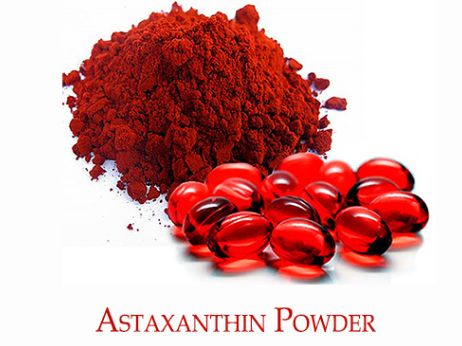
Astaxanthin is known as the most powerful antioxidant in the world, much more so than vitamin C, beta-carotene or vitamin E. According to comparative studies, astaxanthin is (for example) 6,000 times more powerful than vitamin C, 770 times more powerful than coenzyme Q10 and 100 times more powerful than vitamin E.
Today we also know that it prevents collagen degradation.
It is produced by microalgae that form the basis of the diet of salmon, prawns, flamingos, etc. This is why these animals have a reddish colour (their pigment is fat-soluble and settles in the cell membranes). However, it has been shown that, in addition to its well-known antioxidant power and ability to protect the skin from sun damage, it even protects the eyes from cataracts.
In summer, the skin loses collagen due to the action of solar radiation, which accelerates its loss of firmness. The study we mentioned has shown that astaxanthin inhibits the action of the enzymes that degrade this collagen, protecting the skin from within. We could summarise the benefits of astaxanthin intake as follows:
–A powerful antioxidant, it inhibits the formation of free radicals, accelerated by the sun’s action, preserving collagen from degradation.
–Due to its ability to protect the skin from sun damage, it softens wrinkles and fades skin blemishes while also promoting hydration.
–It is considered a natural anti-inflammatory that, internally, improves immune function and cardiovascular health.
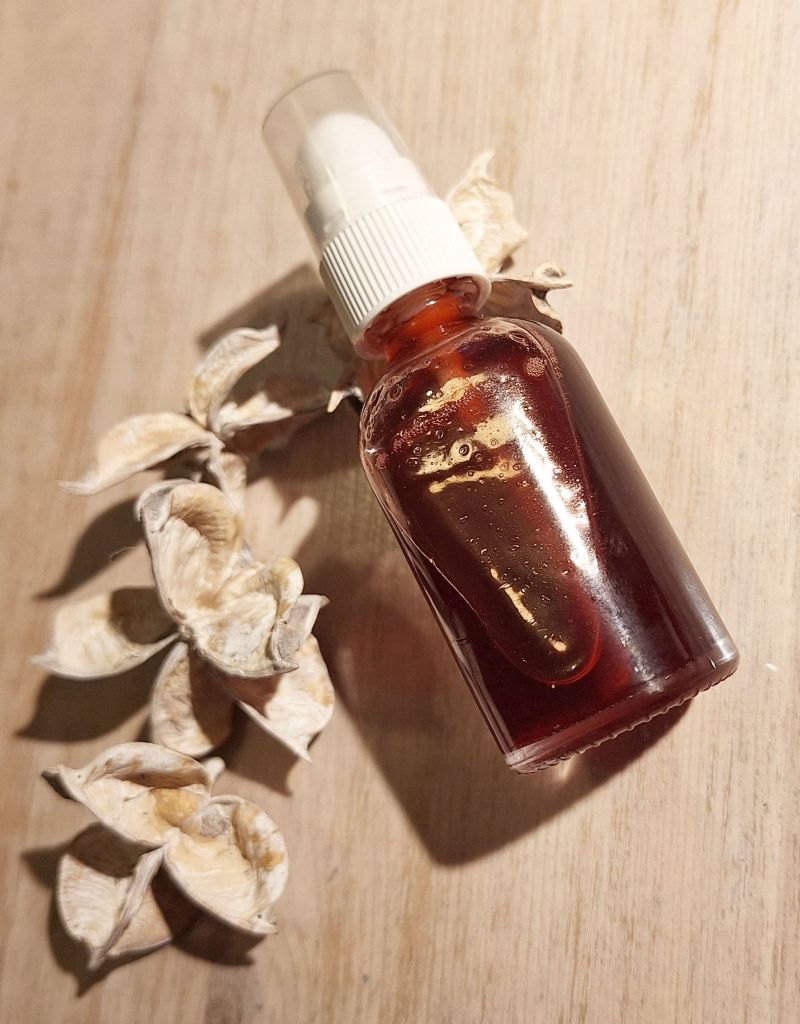
For all these reasons, it is particularly beneficial to use it in a serum to treat the skin during the summer. And, without a doubt, it is best to apply it at night, which is when the skin prepares and repairs itself for the day ahead.
PROPERTIES OF ALKANET ROOT FOR THE SKIN
This root, which is insoluble in water, can be infused in oils to extract its properties and colour. In fact, alkanet root has cosmetic properties and benefits for the skin, such as its use as a natural colourant (red and purple- ), its antioxidant capacity that helps fight free radicals and premature ageing, and its soothing and healing effects. It is useful for soothing itching, accelerating wound healing, and softening the skin.
Skin properties
- Antioxidant: It contains antioxidants that help protect cells from damage caused by free radicals, which can delay premature ageing of the skin.
- Heals wounds: Traditionally used to aid wound healing and relieve itching and inflammation of the skin.
- Emollient: It helps to soothe and soften the skin, acting as a natural emollient.
- Natural colouring: Its main use is as a natural dye for cosmetic products such as soaps, lip balms, lotions and ointments, giving them a reddish colour.
- Detoxification and general health: It is considered to support skin health and aid in detoxification.
- Potential for skin conditions: It has been used to help with conditions such as dermatitis, eczema and warts, although this should be discussed with a professional.
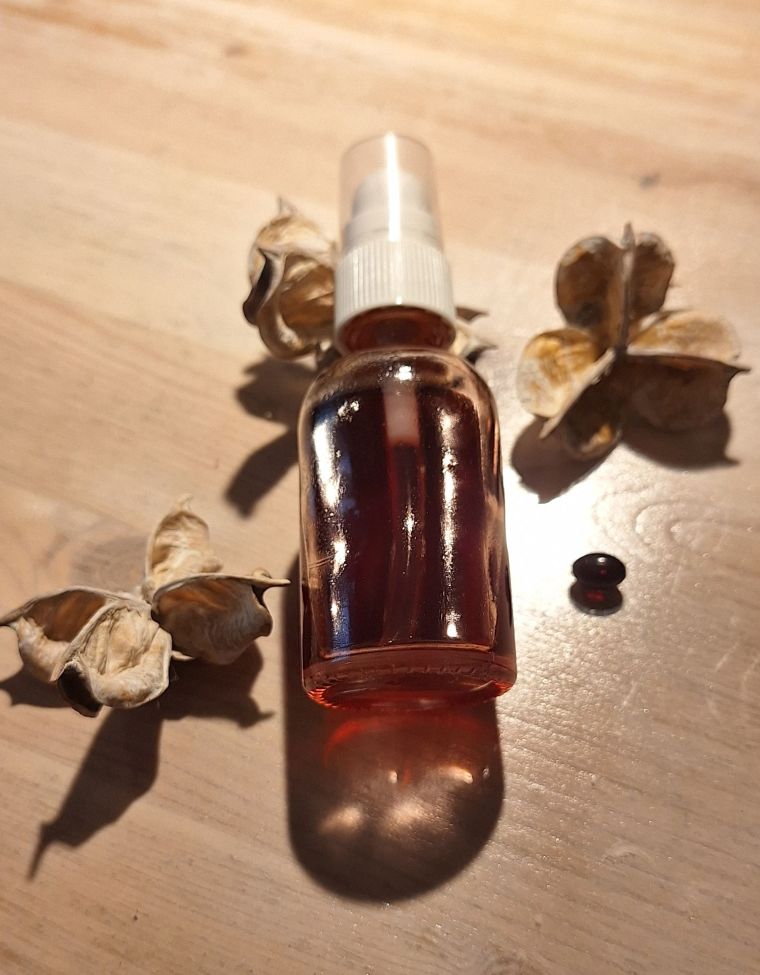
MOISTURISING ACTIVE INGREDIENTS IN NATURAL COSMETICS
Moisturising is the quality of an active ingredient that is capable of absorbing and retaining moisture in both the skin and hair; in other words, it hydrates and retains hydration. Ingredients such as glycerine, sorbitol (sugar alcohol), butylene glycol and, of course, hyaluronic acid are examples of moisturisers used in skin care products.
That said, other moisturising active ingredients, apart from glycerine extracts, that we can consider for our natural cosmetic preparations are:
- Honey, which we discussed at length at the beginning of the article. There is no more natural and simple way to add moisturising properties to our cream or natural product than by adding a teaspoon of organic honey. Honey attracts moisture into the skin, making it useful for treating dry skin and combating ageing.
- Betaine is valued in skincare for its ability to help the skin retain moisture, making it a popular ingredient in moisturising and soothing formulas. Also as a surfactant, betaine cleanses and moisturises the skin by drawing moisture from the environment and retaining it, helping to maintain a healthy and smooth complexion. In addition, betaine works synergistically with other ingredients such as niacinamide and hyaluronic acid, improving the overall effectiveness of skin care.
- Hyaluronic acid is a type of sugar (polysaccharide) that we all have naturally in our skin. When obtained from plant sources, its properties seem magical. Plant-based hyaluronic acid is obtained from the fermentation of starchy vegetables (such as corn or potatoes) and has a unique ability to retain water up to 1,000 times its weight. Well-formulated, plant-based hyaluronic acid is one of the most effective ingredients available for moisturising, smoothing and protecting the skin. It has the ability to fill in wrinkles and rejuvenate the appearance. Furthermore, as hyaluronic acid is already naturally present, our skin tolerates it very well.
- Panthenol or pro-vitamin B5, which moisturises and hydrates. This is another very special vitamin that deeply hydrates without saturating, while also repairing and soothing. As it is a natural vitamin, it is highly bioavailable and is not perceived as something external, only its amazing results. It increases the skin’s ability to retain water and strengthens the skin barrier. It also promotes the regeneration of damaged areas by reducing redness, itching and sensitivity, as it is anti-inflammatory.
- Lactic acid: Lactic acid is a type of alpha hydroxy acid (AHA) that occurs naturally in fermented dairy products and is also produced in the human body during metabolism. It is therefore an active ingredient with high bioavailability. It is used to adjust the pH of creams and natural cosmetic products, but above all, it is mainly used as a gentle exfoliant and moisturising agent. Unlike other exfoliants that can leave the skin dry and tight, lactic acid has moisturising properties and acts as a humectant that attracts moisture to the outer layer of the skin, leaving it softer, smoother and more hydrated. This can help improve skin texture, reduce the appearance of enlarged pores and smooth fine lines and wrinkles. In addition to its ability to exfoliate and moisturise, it can also improve the appearance of hyperpigmentation and dark spots, leading to a more even skin tone. Its high bioavailability and moisturising capacity make it an excellent choice for people with sensitive skin.
- Sodium lactate is the sodium salt of lactic acid. It is a bioavailable active ingredient, as it is a salt of lactic acid that occurs naturally in the human body and is produced by the fermentation of sugars. It belongs to the group of moisturising/humectant substances produced by the skin to maintain its own moisture content and the slightly acidic physiological pH of the skin. In natural cosmetics, sodium lactate is used in combination with lactic acid as an effective, physiological and skin-tolerable moisturiser. Sodium lactate is highly soluble in water. As it prevents the proliferation of fungi and yeasts, it is also sometimes used as a food preservative and, in natural cosmetics, we can also benefit from its ability to extend the shelf life of our products. In handmade soap making, it is used to help soaps cure faster and to give them greater hardness. This active ingredient is a favourite for dry skin due to its great moisturising capacity, which is only surpassed by hyaluronic acid.
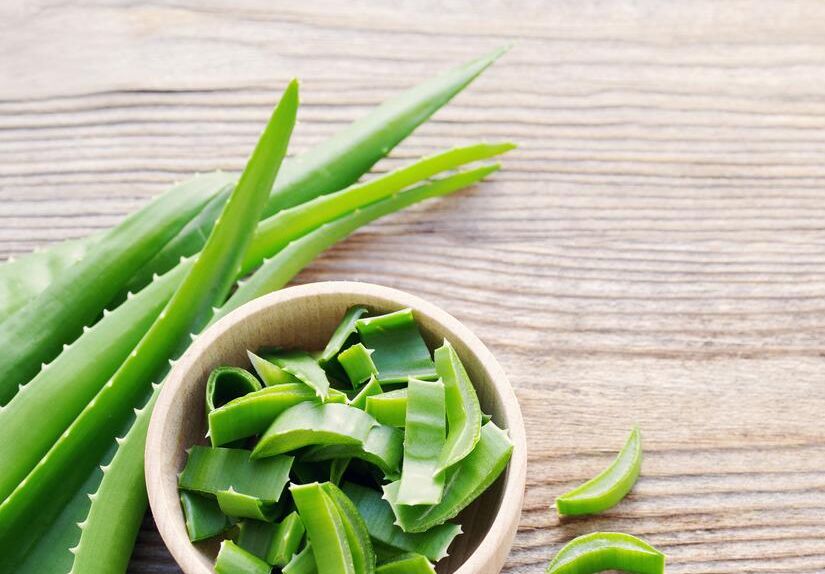
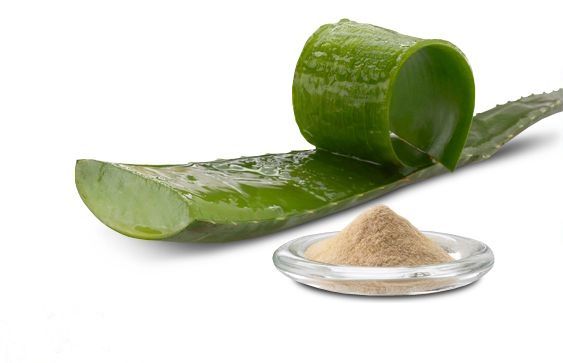
- Aloe vera, which moisturises and regenerates. Its natural pulp is rich in water, anti-inflammatory and provides intense hydration, restoring the skin’s moisture levels.
- Goat’s milk powder. Milk serum stimulates natural collagen production, bioproteins help retain moisture, and biotin acts as a protector against external aggressions.
- And, of course, shea butter, which moisturises, nourishes and heals. It is also a natural source of vitamins A, D, E and F, making it one of the most complete natural products we can use to protect ourselves against external aggressions. Shea butter has powerful regenerative and healing properties for wounds and burns. It is worth mentioning its effect on improving skin elasticity, effectively smoothing wrinkles in the dermis.
BIBLIOGRAPHY:
McLoone, P., Oluwadun, A., Warnock, M., & Fyfe, L. (2016). Honey: A Therapeutic Agent for Disorders of the Skin. Central Asian Journal Of Global Health, 5(1). https://doi.org/10.5195/cajgh.2016.241
Click to access VILLERS%20Agathe.pdf
Tashkandi, H. (2021). Honey in wound healing: An updated review. Open Life Sciences, 16(1), 1091–1100. https://doi.org/10.1515/biol-2021-0084
McLoone, P., Oluwadun, A., Warnock, M., & Fyfe, L. (2016b). Honey: A Therapeutic Agent for Disorders of the Skin. Central Asian Journal Of Global Health, 5(1). https://doi.org/10.5195/cajgh.2016.241
Jungermann, E., & Sonntag, N. O. V. (1991). Glycerin: A Key Cosmetic Ingredient.
This is a comprehensive book that covers the properties, manufacturing, and use of glycerine in cosmetics and other industries.
Baumann, L. (2015). Cosmeceuticals and Cosmetic Ingredients.
A chapter in this book discusses glycerine in the context of cosmeceuticals and cosmetic ingredients.
Sage Journals: “Safety Assessment of Glycerine as Used in Cosmetics” by Rothe et al. (2019). This article details the frequency of use, concentration ranges, and safety profile of glycerine in cosmetic products based on a 2014 survey.
ResearchGate: “Functions of Glycerine in Cosmetics” by Filipe Smith Buarque, Silas Arandas Monteiro E Silva, and Bernardo Dias Ribeiro (2025). This paper delves into the functional properties of glycerine in skincare, such as its effects on moisturisation and skin desquamation.
Other journals: Articles from Cosmetics & Toiletries and SpecialChem often cover the properties and uses of ingredients like glycerine.










 Naturamatters blog