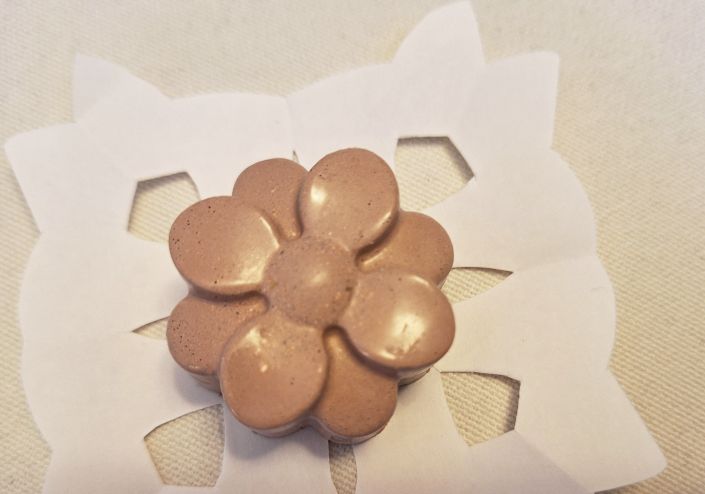
HOW TO MAKE HERBAL CREAMS AT HOME

The easiest way to prepare creams with an herbal base is to make an herbal oil and then incorporate this oil into our formulation.

HOW A MACERATED OIL IS MADE

Here is a link to a previous blog post that explains how to make an “oleado” from wild rose hips.

Also this other link:

https://naturamatters.blog/2021/03/05/how-to-make-infused-oil-2/

However, you can also visualise the procedure in this video of the Gingko Education school: https://www.youtube.com/watch?v=BINGTb3ouqo
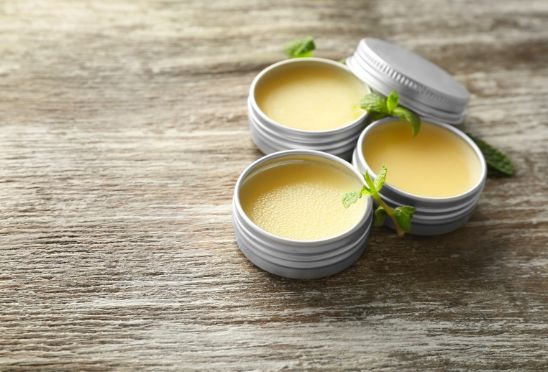
HOW TO MAKE A CREAM OR OINTMENT FROM HERBAL OIL

Once we know the method (either hot or cold) to macerate our herbs and prepare an oleado, we have two options:

1.- Use our oleado to prepare the balm or ointment, in this case we only need to add a certain amount of beeswax to thicken our ointment and it will be ready.

2.- We can choose to prepare our cream or ointment in situ by macerating our oil with an herbal extract of our choice. In this case, the process of preparing the oil occurs at the same time as we prepare our balm or ointment.

This video shows this second way of making our cream based on herbal extracts, in this case, calendula.

Balms or ointments require, as a general rule, an oil (or ointment if infused with herbal extracts) and a certain amount of beeswax to emulsify it.

General rule: The amount of beeswax used is always about a quarter of the oil or oil used. This is also known as the 10% rule, in which we would use 90% oil and 10% beeswax to emulsify the oil.

So, for example, to fill a container of about 100 grams, we would use about 90 grams of oil and about 10 grams of wax. This consistency is ideal for use on the face, hands, etc.

If we are looking to make an ointment that spreads almost like wax, then we can increase the amount of wax up to 15 grams. It depends on the consistency we are looking for.

In our opinion, 10 grams (1/4 wax) is an excellent consistency, but, for example, if we are looking to create an ointment with a high concentration of active ingredients, in order to spread it on small areas (for example, an ointment to treat haemorrhoids), it may be more interesting to use a higher proportion of wax so that the active ingredients are better concentrated.

WHY PREPARE A BALM-LIKE CREAM WITHOUT AN AQUEOUS PHASE?

Very simple. These creams do not require preservatives.

Only antioxidants such as vitamin E or rosemary extract CO2 are usually added to extend the life of the product, as these antioxidants prevent the rancidity of fats and oils.

By avoiding the use of preservatives and added synthetic actives, we obtain a product that is much gentler and more tolerable for all skin types.

This is especially important if our homemade DIY product is to be used by people with sensitive or atopic skin. In these cases, such products can be used on a daily basis to safely moisturise and nourish our skin.

The balms whose recipes are detailed below are totally suitable for treating sensitive or atopic skin and skin affected by dermatitis.

Of course, each has its own specific characteristics. For example, the oatmeal balm whose recipe is described below is particularly suitable for daily use on skin affected by itchy dermatitis, as oatmeal has an anti-inflammatory, itch-soothing effect on irritation.

It would be very interesting to use a calendula oil as a base oil for this balm, for example. By adding the ground oatmeal to it, we would enrich our balm even more, giving it very good properties for treating this type of sensitive skin.

In any case, with this type of skin, we must above avoid creams loaded with preservatives and synthetic active ingredients, even if they are homemade, as they have an irritating effect on this type of skin.

As well as minimising the use of essential oils (just a couple of drops, or none at all) and avoiding chemical fragrances as much as possible.
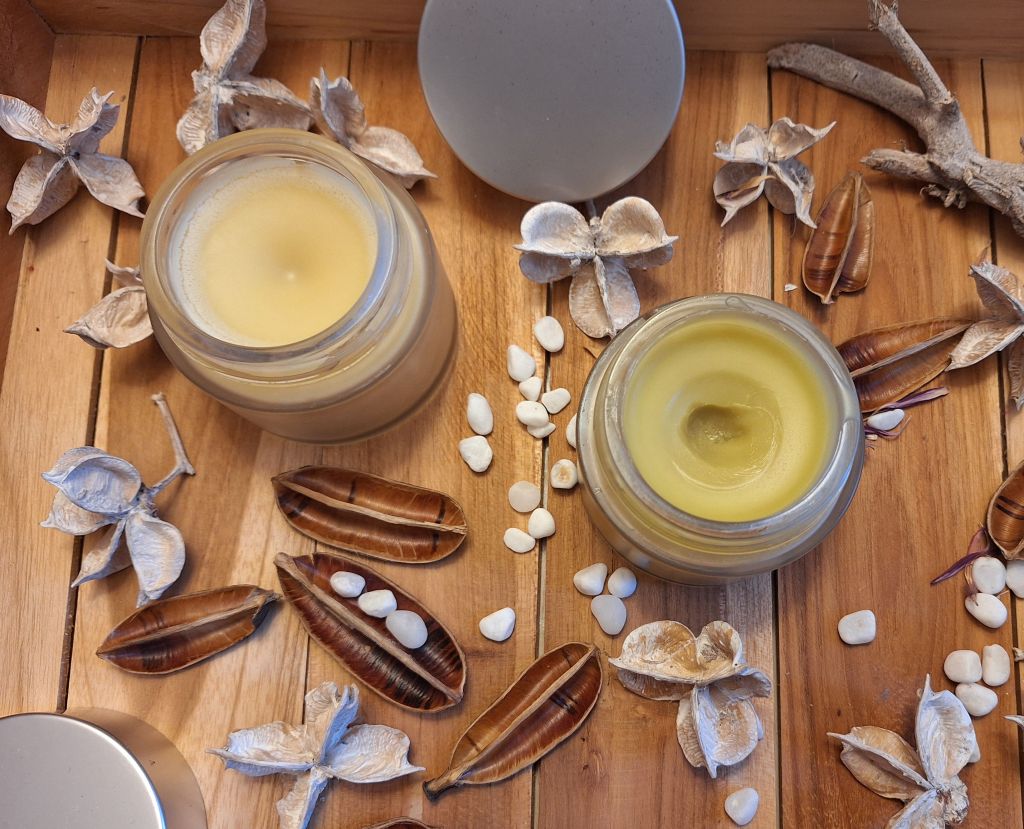
HOW TO PREPARE MACERATED HERBAL EXTRACTS

Very simple, grinding the dried herbs with a coffee grinder.

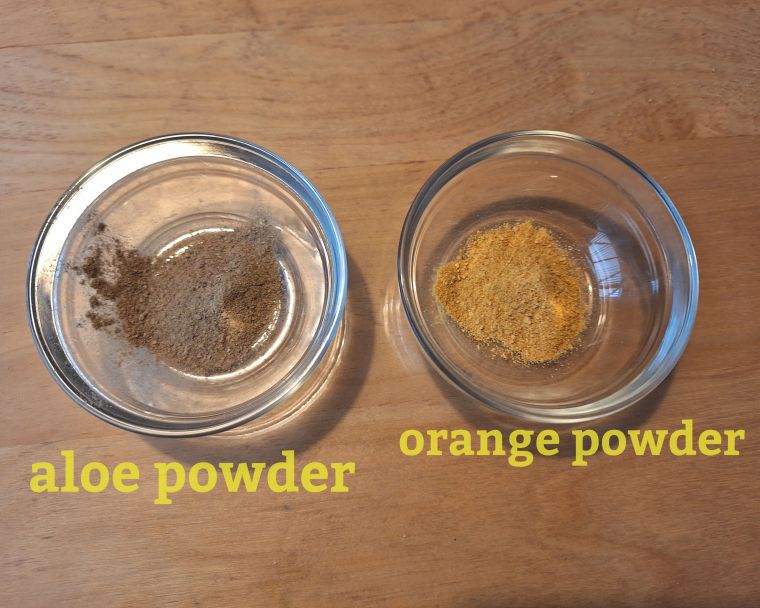
This is how we have made our oatmeal powder, from grinding the oat flakes from breakfast. Or aloe vera, from grinding the dried aloe bark left over from emptying the aloe stalks.

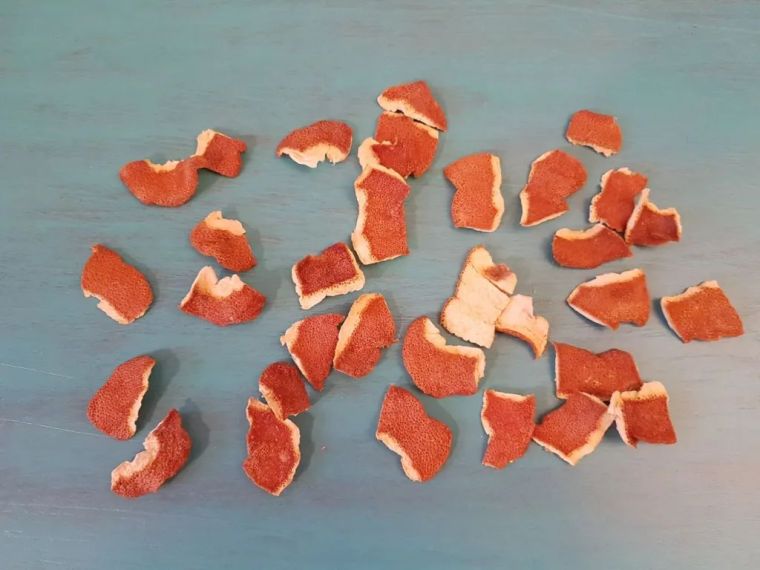
You can also use other powdered extracts such as orange, which also smells very good.
PROCEDURE:

To obtain the orange extract powder, follow the same procedure as above. Dry the orange peels, and when they are very dry, grind them in a coffee grinder.

This powder will be placed in a recycled glass jar, so that it will last much longer and can be used in future cosmetic preparations.
PROPERTIES OF DIFFERENT FLOURS AND HERBAL EXTRACTS

Herbal extracts to enrich our cream or balm with their therapeutic properties can be of many different types:

These can be flours such as oat or baobab flour, yeast such as brewer’s yeast, powdered vitamin extracts such as Niacinamide or astaxanthin, ground herbs such as bearberry, or even ground rinds of different fruits such as oranges, tangerines or lemons.

ORANGE PEEL POWDER

INCI: Citrus aurantium powder

Orange extract powder can be macerated in oil, glycerine and also water. It is a plant-based ingredient used in cosmetics to formulate a wide range of products, such as creams, gels, soaps, shampoos, conditioners, hair fixatives…

Orange extract has anti-wrinkle, circulation-activating, anti-inflammatory, exfoliating, depigmenting, antiseptic, moisturising properties… The recommended dosage of orange extract in cosmetics ranges from 0.5 to 5%.

The cosmetic powder of orange peel, contains among other nutrients vitamin C that helps us to fight acne and has antioxidant properties, calcium that renews dead skin, potassium that moisturizes and regenerates the skin, magnesium that helps to give shine and youth to your skin. It is toning and astringent and it leaves hair soft, supple and shiny, improving also circulation in the scalp.

With dehydrated orange peel powder, you can make a facial mask to cleanse the skin or revitalizing baths, for oily skin and pimples, tired and dull skin, for all hair types.

Applications: masks, soaps, exfoliating creams, solid shampoo, etc…

Dosage: 0 to 5%. In conjunction with other powders up to 15%.

GROUND OATMEAL

INCI: Avena Sativa

Oats contain manganese, selenium, phosphorus, magnesium and zinc. It has moisturising and nourishing elements and hypoallergenic, emollient, and protective properties.

Oatmeal soothes skin irritations, both allergic and non-allergic, as well as itching. It improves itching caused by psoriasis, scabies, or itching caused by other types of dermatitis.

Because it moisturises and softens the skin, it is recommended for all skin types, extremely dry or flaky skin, also for sensitive skin and children.

It is also widely used in facial masks, as it is an excellent skin cleanser. Its particles absorb dirt and cellular residues while respecting and caring for the skin structure.

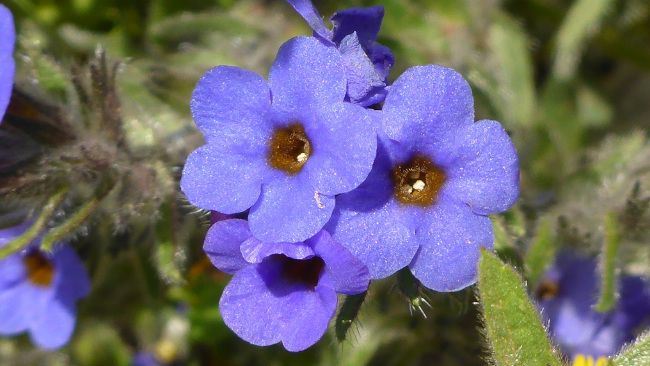
ALKANET ROOT POWDER

INCI: Alkanna Tinctoria

Alkanna tinctoria is a plant native to the Mediterranean part of the Boraginaceae family. Its roots contain a red dye that has been used as a dye since ancient times. It also has great medicinal properties.

The Greek physician, Hippocrates, recorded the use of this root for the treatment of skin ulcers. Because the plant contains pyrrolizidine alkaloids (which can cause liver toxicity), it is now almost exclusively used as a cosmetic dye and as a medicinal plant for topical use.

Traditionally, it has been used to treat wounds and skin diseases due to its antimicrobial and skin regenerating activity. The use of this root is therefore highly recommended in treatments for skin affected by dermatitis and eczema. It is also thought to have antiviral action against the herpes simplex virus. 

In addition to being antibacterial, it is very effective in improving inflammation, is suitable for sunburn and is able to act as a natural sunscreen. In fact, it is combined with ghee to treat burns and infected wounds.

Cosmetics: It has been used as a colouring agent for lipstick and in powder blusher.
HIBISCUS FLOWER

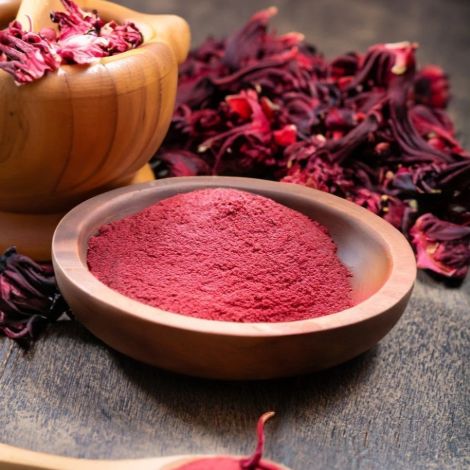
INCI: Hibiscus Sabdariffa Flower Powder

Hibiscus flower stimulates cell renewal, helps eliminate blemishes and reduces wrinkles caused by the signs of ageing as well as providing other skin benefits.

Its richness in vitamin E, essential fatty acids and natural antioxidants helps to fight against skin ageing and the harmful effects of UV rays. This is why it is added to a wide range of cosmetics such as: facial masks, creams and lotions, serums and soothing after-sun treatments.
BAOBAB FLOUR

INCI: Adansonia Digitata

Contains: triterpenoids, flavonoids and phenolic compounds, sterols and saponins. Vitamins A, B, C and E so that it nourishes the epidermis, hair and nails. It is ideal for the treatment of dry skin, predisposed to the formation of wrinkles.

Thanks to its polyunsaturated fatty acids, it ensures optimal hydration and tissue protection. Its vitamin components and organic acids slow down skin ageing, keeping the skin elastic and glowing.

Its properties allow the skin to regenerate quickly; it also acts as a natural antibacterial, cleanses deeply and leaves a feeling of freshness, delaying skin ageing.

BREWER’S YEAST EXTRACT POWDER

INCI: Yeast Saccharomyces cereviciae Extract

The most important cosmetic properties of brewer’s yeast are to promote the production of collagen, elastin, to rebuild the extracellular matrix and to be refreshing to the skin. Its good results in post-solar products are particularly striking, which has generated innovative combinations for a new class of cosmetics with anti-inflammatory and rehydrating action on damaged and water-deficient skin.

It can be considered a unique internal moisturiser, swelling the skin surface by increasing hydration and incorporating nascent proteins into the skin cells to help the skin oxygenate and appear more luminous.

ASTAXANTHIN EXTRACT

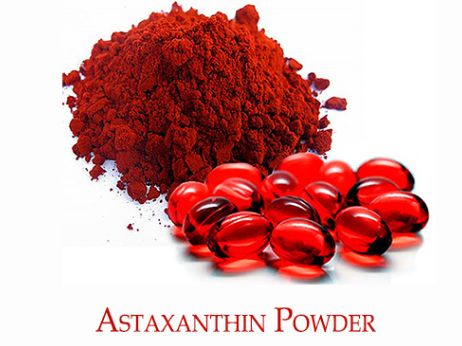
INCI: ASTAXANTHIN

Astaxanthin is a natural antioxidant derived from microalgae. It supports joint, skin and eye health and provides a wide range of health benefits.

A study on the role of astaxanthin in UV-induced skin damage in healthy people suggested that it offered some sun protection. Skin is damaged by daily exposure to the sun, so the skin-protective effects of astaxanthin may be particularly important.

In addition, several data show that astaxanthin has important nutraceutical applications and health benefits, especially in healthy ageing processes as it prevents oxidative stress.
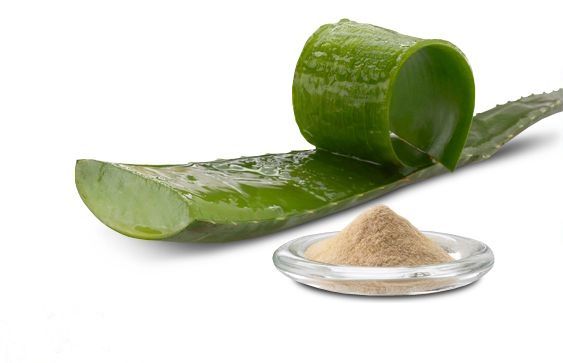
ALOE VERA POWDER

INCI: ALOE BARBADENSIS

Aloe vera powder is made from dried aloe vera leaves ground to a powder consistency. It can be used in many ways in different products and offers multiple benefits to the body due to its high content of antioxidants and vitamin C, which strengthen the immune system by repairing and soothing the digestive tract.

For the skin: Aloe vera powder heals the skin and improves its elasticity.  It has moisturising and soothing properties that relieve scars and marks, as well as minor burns, eczema, psoriasis and acne.

It is anti-inflammatory and increases collagen production in the skin, as well as acting as an antiseptic to help reduce any pain, swelling or itching related to mosquito bites, sunburn or allergic reactions.
OATMEAL BALM RECIPE

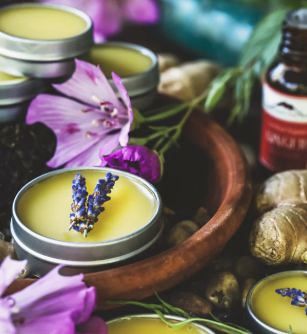
As mentioned above, this balm is particularly suitable for treating atopic skin and skin affected by dermatitis or eczema with itching, as oatmeal has an anti-inflammatory effect, soothing itching and softening irritation.

It would be very interesting to use a calendula oil as a base oil for this balm, for example. By adding the ground oatmeal to it, we would enrich our balm even more, giving it very good properties for treating this type of sensitive skin.
In any case, with this type of skin we must avoid, above all, creams loaded with preservatives and synthetic active ingredients, even if they are homemade, as they have an irritating effect on this type of skin.

As well as minimising the use of essential oils (just a couple of drops, or none at all) and avoiding chemical fragrances as much as possible.

Below we describe the properties of some of the essential oils most suitable for the treatment of atopic skin and skin affected by dermatitis. These include blue chamomile and Roman chamomile, which are anti-inflammatory, sandalwood, which is a regulator, geranium, which is regenerative, rosewood, carrot seed extract and, above all, patchouli to treat itching.
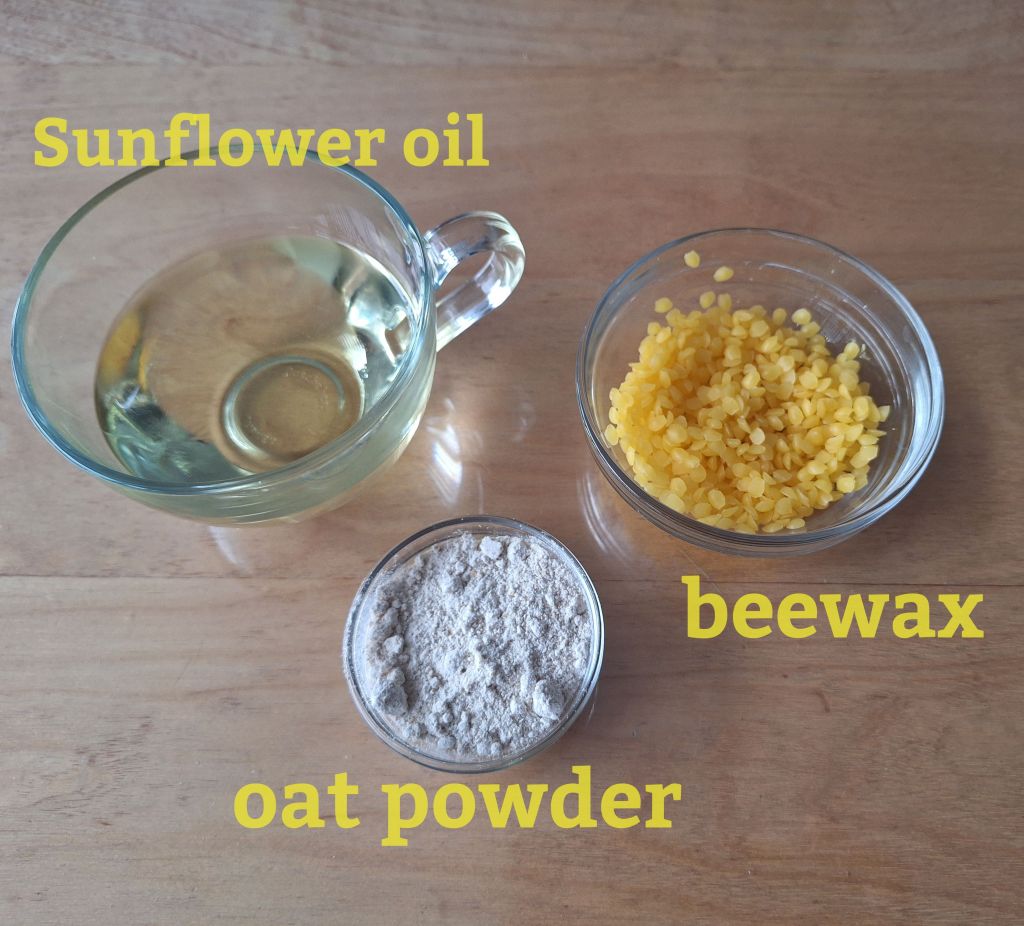
Ingredients for about 100 grams of product:

About 70 ml of calendula oil, if available, or almond oil.

About 10 grams of oatmeal* powder, and

About 15 grams of beeswax.

Optionally, a few drops, no more than 5, of carrot seed EO or chamomile. Both have very good properties for treating the most delicate skins.

As this balm does not contain water, it does not require the addition of preservatives. Only, if we want to extend its life by preventing rancidity, we can add a few drops of vitamin E.

*Some people go to the trouble of buying colloidal oatmeal to incorporate into creams and balms like this one. We have found that you get much the same result by grinding the oat flakes from the supermarket in a coffee grinder to a fine powder that dissolves easily in the oil since, after all, what we are doing is sort of macerating the oats in the oil as if they were a hot oleate. Finally, the properties of the powdered oatmeal will pass into our oil and thus into our balm.

PROCEDURE:

Place a heat-resistant container in a bain-marie and start by melting the beeswax.

When it is completely melted, add the calendula oil or, in its place, the almond oil and, finally, the oat powder, stirring constantly until everything is perfectly integrated.

Remove from the heat and, if we have decided to do so, this would be the moment to add the drops of EO, as they are thermolabile substances.

As you can see, with balms and ointments based on oil and wax, the proportion used is more or less 90% oil to 10% beeswax. The percentages, as you will understand, can be flexible depending on how hard we want our balm to be. If we like it to have a softer consistency, then, for example, instead of 15 grams of wax for 70 grams of oil, we will add only 10 grams of wax.

PROPERTIES OF ESSENTIAL OILS:

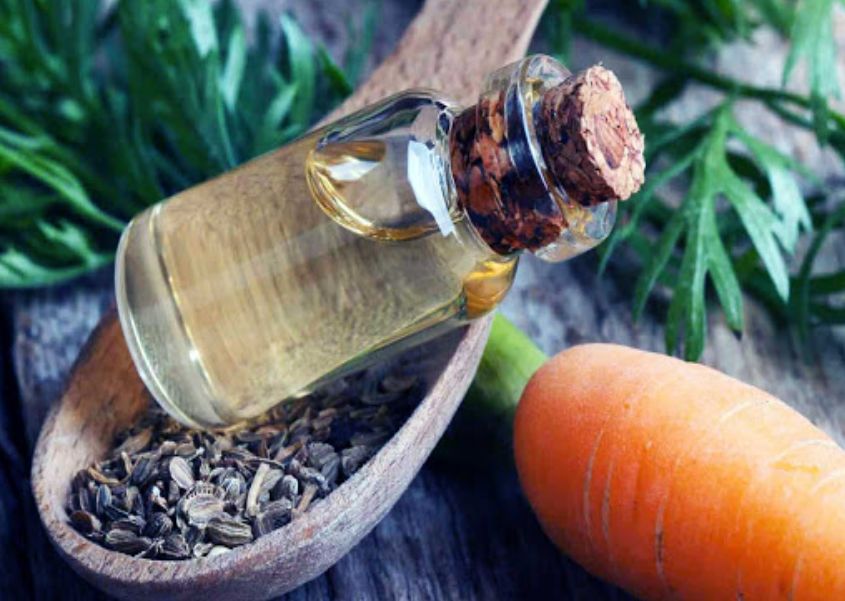
Carrot seed essential oil: This oil is moisturising, anti-inflammatory, antifungal, and sunscreen. It also adds a mild and special aroma to the recipe.
Blue chamomile essential oil: Blue chamomile oil owes its blue colour to the chamazulenic acid contained in this essential oil. Chamazulenic acid is anti-inflammatory and promotes skin healing. This oil can therefore be used diluted in a carrier oil to disinfect wounds.

*With essential oils, less is more, as a few drops can add good properties to our balm, while too much can cause irritation with daily use. We should also bear in mind that this is a balm for sensitive skin, which often cannot even tolerate essential oils topically.

THERE ARE VARIOUS TYPES OF CHAMOMILE OILS AND EXTRACTS:

BLUE CHAMOMILE ESSENTIAL OIL: Blue chamomile essential oil, which is the one we have chosen, is specially selected for the treatment of atopic skin.

ROMAN CAMOMILE ESSENTIAL OIL: But, it would be equally possible to use Roman chamomile EO, which also has anti-inflammatory and analgesic properties. It is also used topically to treat allergies, skin irritations, etc. ….
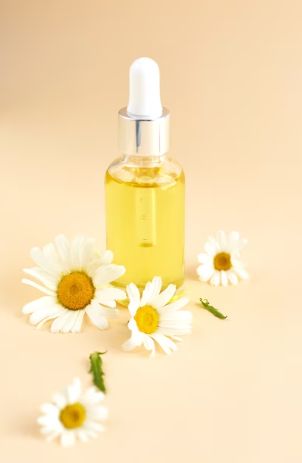
CAMOMILE OIL EXTRACT: In this case, we are not talking about an essential oil, but a macerate of chamomile flowers in virgin sunflower oil.

INCI: Helianthus Annuus Seed Oil, Chamomilla Recutita Flower Extract.

The difference is that this oily extract could be incorporated in larger quantities in our recipes for sensitive skin as it lacks the highly biocidal capabilities of all essential oils.

In this way, just as we would do by adding a marigold oil, we would be using the softening, protective and regenerating qualities of chamomile or marigold to treat this type of skin without the disadvantages of the biocidal effect that these same plants would have if we used them in the form of essential oil.
PATCHOULI ESSENTIAL OIL:

Thanks to the potent analgesic, anti-inflammatory and pain-relieving properties of its bioactive component, patchoulen, this oil is widely used to relieve pain and inflammation in cases of arthritis and joint pain. As a natural vasodilator, it is also used to treat painful muscle spasms, muscle pain, arthritic conditions and other inflammatory conditions.

And it is because of these same analgesic and anti-inflammatory properties that it is so effective in treating atopic skin with pruritus.
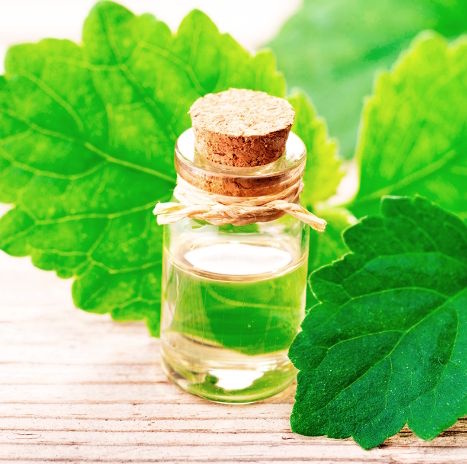
Patchouli essential oil is renowned for its use in skin cell regeneration. Endowed with countless active ingredients and antibacterial properties, it facilitates wound healing and effectively reduces wrinkles, scars, blemishes and other signs of ageing. This aromatic oil also plays a key role in the fight against bacteria and germs that ultimately cause pimples, acne and other skin infections, giving us radiant, impurity-free skin.

ROSEWOOD ESSENTIAL OIL

Rosewood Essential Oil (Aniba rosaeodora) is obtained by steam distilling the wood of a tree. It is noted for its skin regenerating and mind calming properties.

It is analgesic, antidepressant and stimulant, antiseptic, tonic and aphrodisiac. Therefore, it is also soothing for this type of skin.

HOMEMADE ALOE VERA BALM RECIPE

This balm, like all the balms we show you in this article, could also be used on atopic and sensitive skin. However, it is more suitable for all skin types that we want to purify and moisturise on a daily basis.
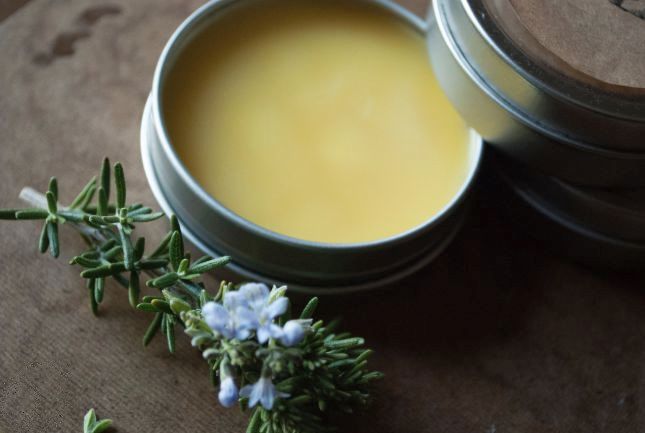
Ingredients for about 100 grams of product:

About 70 ml of cold-pressed virgin olive oil.

About 10 grams of powdered aloe vera*, and

About 15 grams of beeswax.

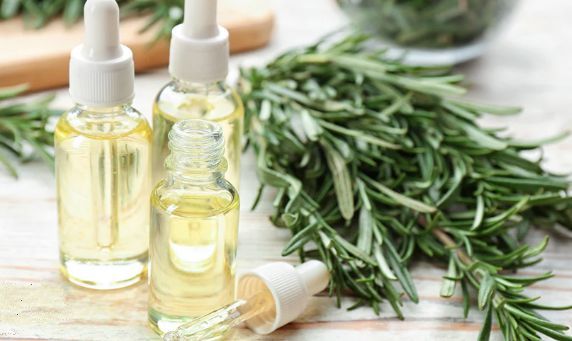
Optionally, a few drops of antioxidant to extend its shelf life, no more than 10 drops of critical CO2 rosemary extract.

Rosemary extract CO2 critical: CO2 critical extracts are not exactly the same as essential oils. The technology with which they are obtained is far more sophisticated and a much better result is achieved with them. Thus, this type of extract optimally preserves the original aroma and properties of the plant from which it is extracted.

In the case of rosemary, this extract has antioxidant properties as well as antimicrobial properties. This is why we can use it instead of vitamin E to prevent rancidity in our aloe vera balm.

Rosemary EO is particularly beneficial for those suffering from conditions such as rosacea or dermatitis, helping to reduce associated inflammation and discomfort.

As the balm also contains no water, it does not require the addition of preservatives.
PROCEDURE:

Place a heat-resistant container in a bain-marie and start by melting the beeswax.

When it is completely melted, add the olive oil and, finally, the aloe vera powder, stirring constantly until everything is perfectly integrated.

Remove from the heat and, if we have decided to do so, this is the moment to add the droplets of rosemary extract CO2, which is a thermolabile substance.
MARSEILLE SOAP FOR THE LAUNDRY

Do you want your clothes, in addition to washing them in the most environmentally friendly way possible, to be white, stain-free and smelling clean?

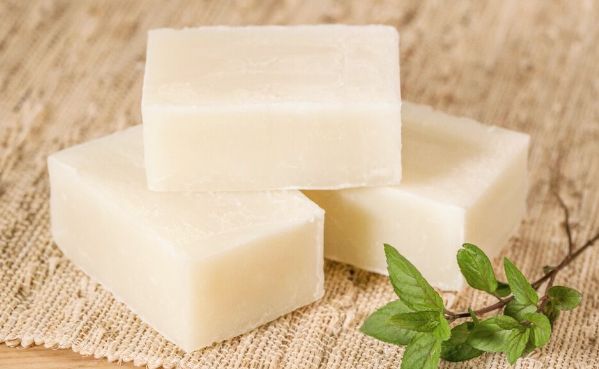
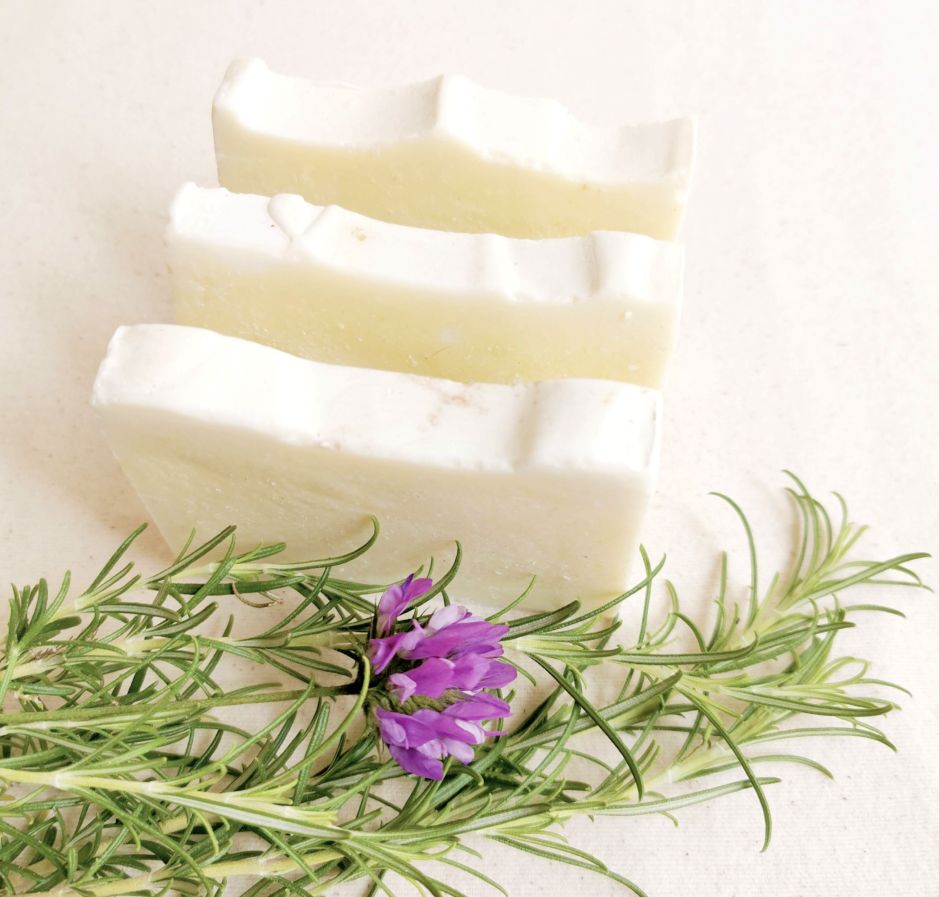
Do you want a very stable recipe to prepare a cold saponified laundry soap? With this recipe you will be left with a beautiful white soap that will leave your clothes perfect.

Apply this recipe for Marseille soap with 2% overgreasing:

MARSEILLE SOAP FOR THE LAUNDRY
Palm shortening750 grs
Coconut oil200 grs
Borax powder110 grs
Caustic soda140 grams
Water328 grams
TOTAL:1518 grs of soap

*Palm fat is often found in some supermarkets for use in frying and is often called hydrogenated vegetable palm fat.

  1. Weigh components.
  2. Mix the soda into the water (not the other way around) in a heat-resistant container, like Pyrex. It’s best to do this outside (on a terrace or balcony) to avoid inhaling fumes. Once the mixture cools below 40 degrees, it’s safe to add it to the melted oils.
  3. At the same time, melt the palm shortening and coconut oil on low heat.
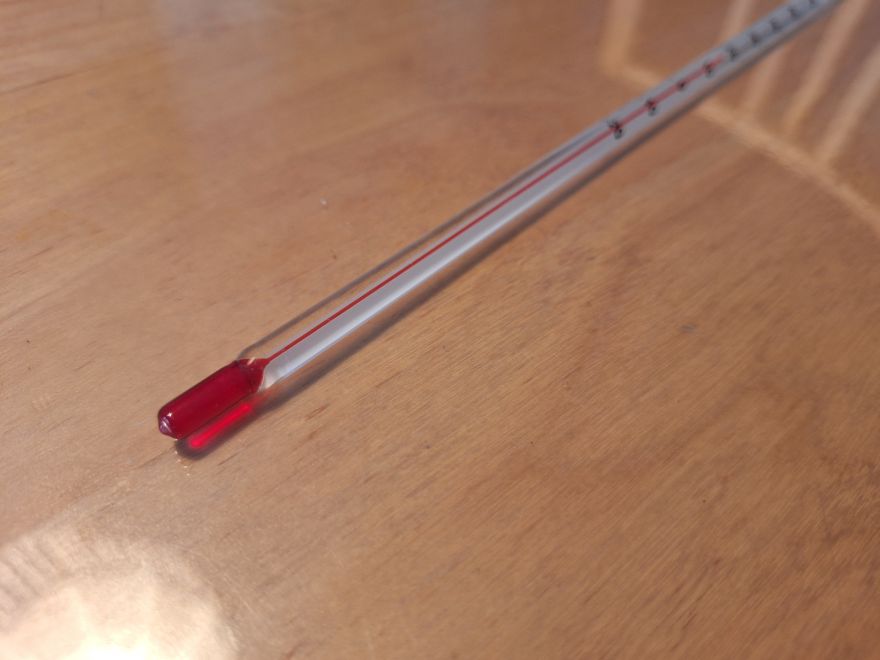
  4. Check that both the lye (water and soda mix) and the melted oils are below 40 degrees using a soap thermometer.
  5. Now, add the lye to the melted oils and mix gently with an electric mixer.
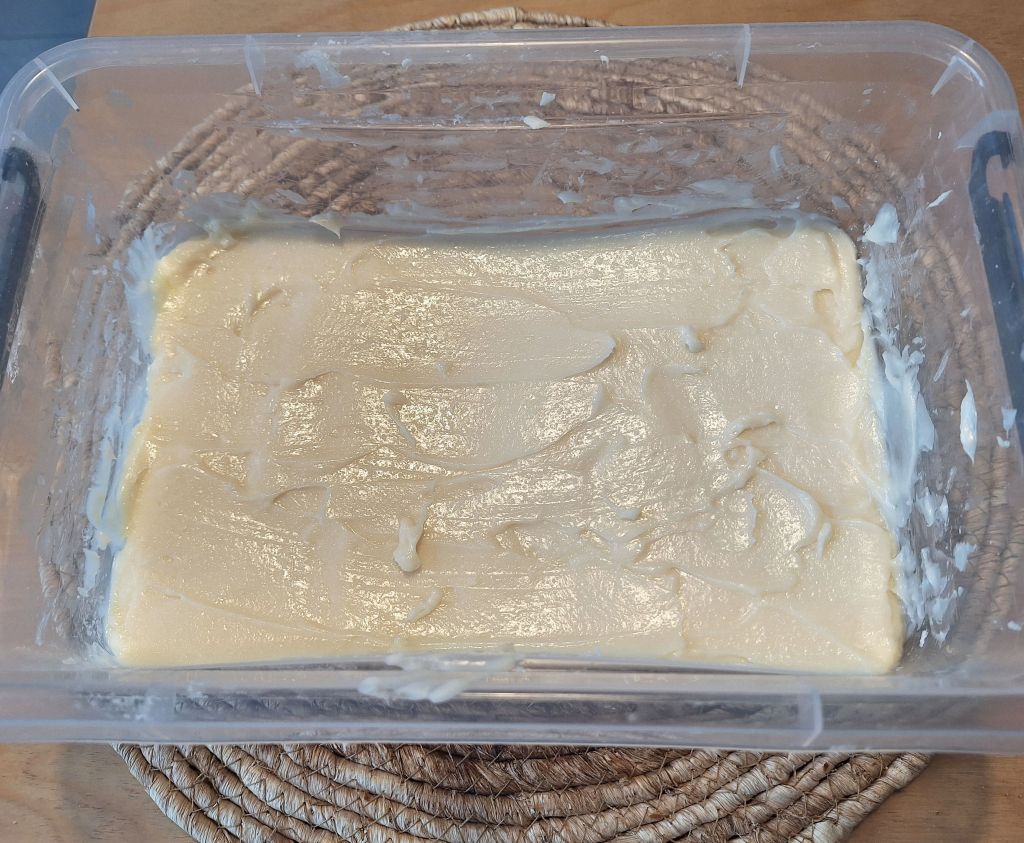
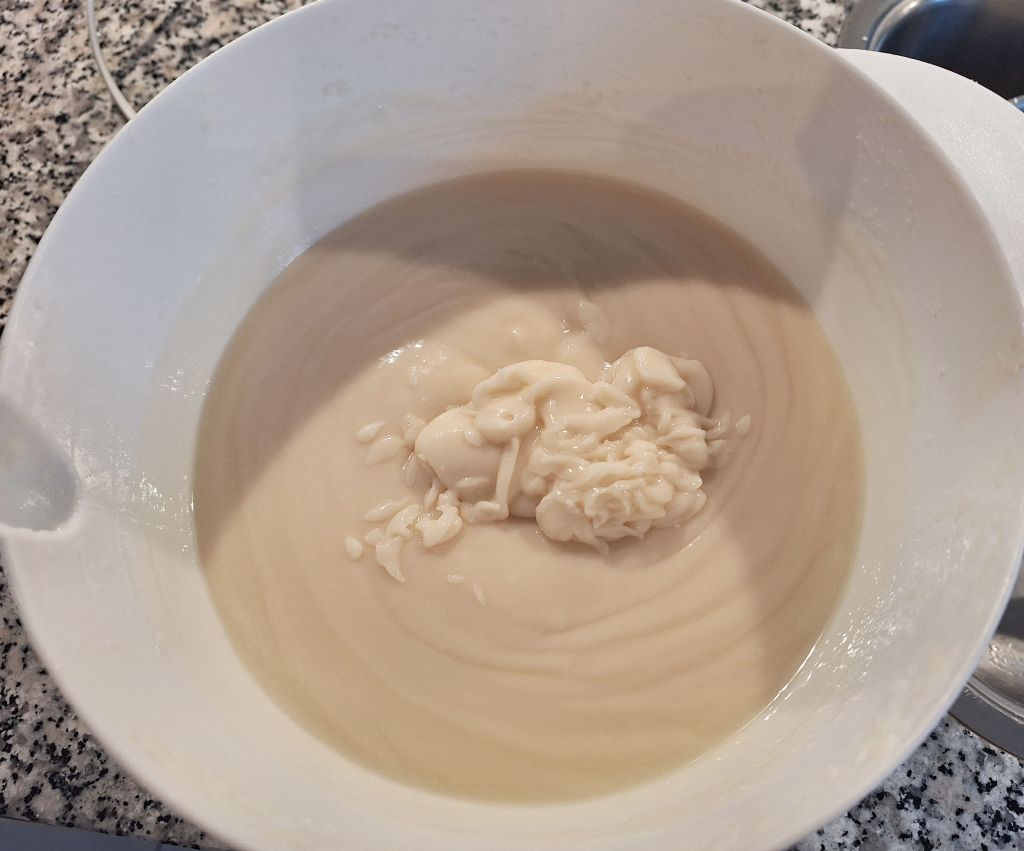
  6. When the soap starts to thicken, known as “trace,” stop mixing and pour it into a plastic or silicone mold for easier removal. Work quickly because it thickens and hardens fast.
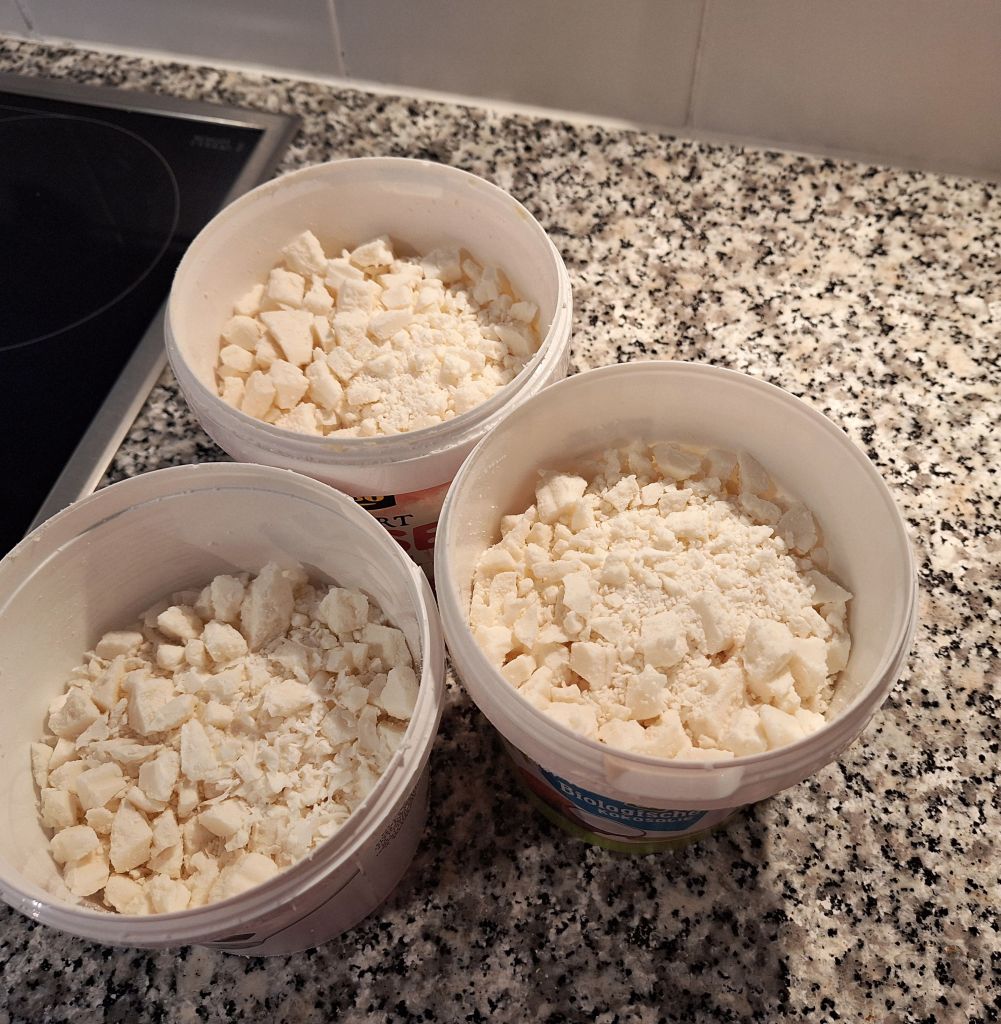
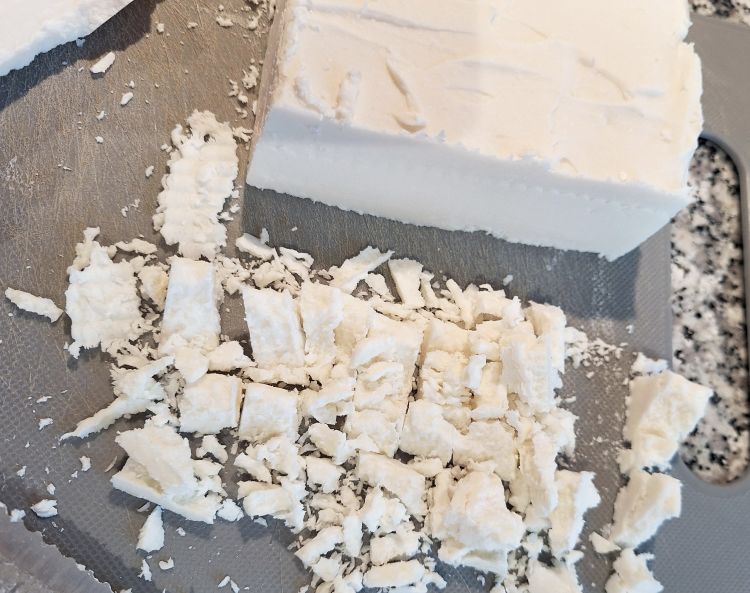
  7. Let it harden for a few hours or overnight. The next day, it will be ready to remove from the mold and grate. If you wait too long, it will be harder to grate.
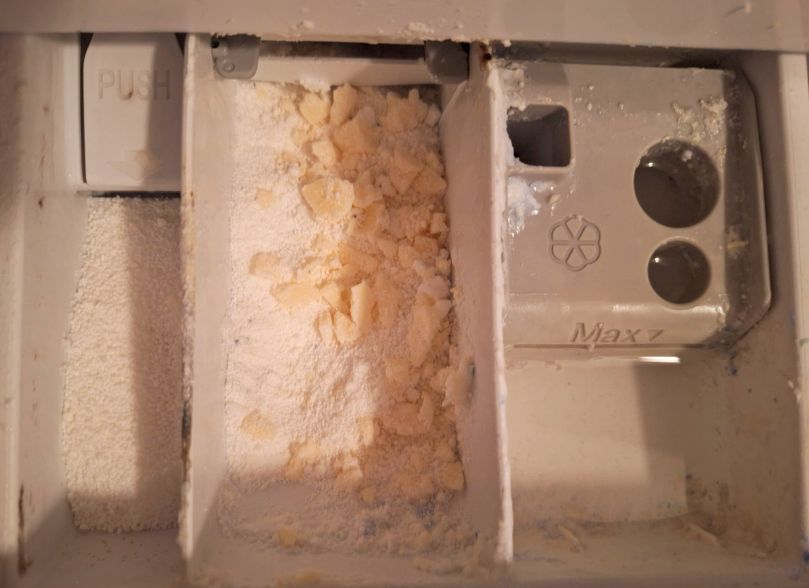
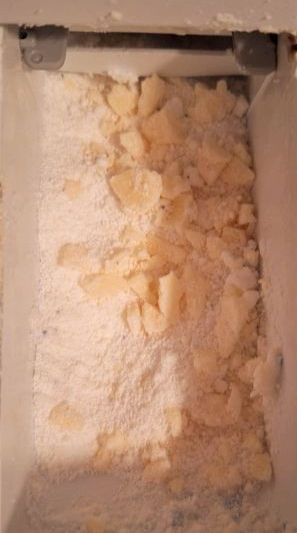
  8. After grating, use this soap in your laundry at a rate of one tablespoon of flakes per load of phosphate-free detergent, as shown in the washing box image.

With this amount of Marseille soap that we have prepared in the recipe, when we reduce it to flakes, we will obtain several containers (jars) of approximately 1 liter capacity, to use for months in the weekly laundry.

And with these soap flakes, and a few additives detailed below, your laundry will be unbeatably clean.

HOW TO ORGANIZE THE ECOLOGICAL WASHING BOX

When doing the laundry, if you use this Marseille soap, or any other cold saponified soap based on natural oils and fats, you can organize the drawer of your washing machine in this way:

Current washing machine drawers usually have 3 sub-drawers:

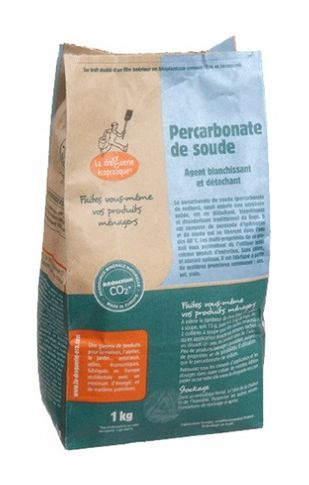
1.- A small box in which oxygen is introduced to whiten the laundry and remove blood stains, etc… If you use oxygen, it is quite ecological and biodegradable. In any case case, you can always use an even more environmentally friendly bleaching solution that is already on sale in many supermarkets, sodium percarbonate, which performs the same functions while being even more biodegradable and cheaper.😊

2.- In the center drawer, more spacious, we can add a phosphate-free and ecological detergent powder and, mixed with it, our Marseille soap flakes, which we will have obtained after grating the cold saponified soap. In this way, our laundry, especially cotton and natural fibers, will be much better.

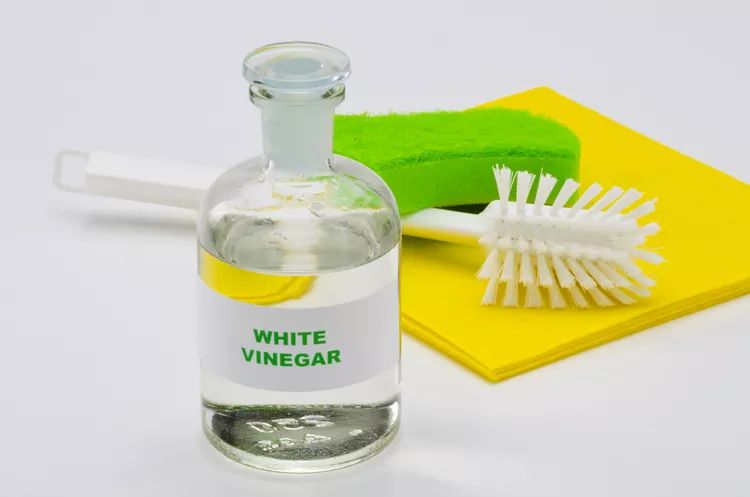
And in the third drawer, where the softener is usually added, it is possible to replace the commercial softener with white cleaning vinegar, which leaves a totally neutral aroma in the laundry, and also takes care of the machine. Thus, not only do we reduce the limescale in the washing machine, but we also take care of the environment, since natural vinegar is a much less harmful product.

THE ABOVE RECIPE HAS MANY ADVANTAGES AND SOME DISADVANTAGES

The advantages of this recipe is that this soap remains in perfect condition for months when crushed into flakes, which is not the case with all homemade cold saponified soaps.

Another great advantage is that, immediately after unmolding, it can be easily broken into smaller pieces that also grate very easily to become flakes, which we can then add to an ecological powder detergent with which to wash our clothes, especially white and cotton clothes.

The third major advantage is that, due to the addition of borax, it leaves white and cotton linen particularly well. Much better than soaps made from recycled olive oils that tend to leave a rancid greasy smell if not processed properly. And, all this, while still being a fairly inexpensive recipe.

And the only disadvantage is that it is largely made with palm oil, which, as we know, is a monoculture produced in Indonesia and other tropical places for which large tracts of rainforest are cut down. But without this butter, we have found that the soap is not as stable. In fact, this type of oil is widely used industrially because of its high saponification rate, especially in soap making.

OILS THAT HARDEN OUR BARS OF SOAP AND GIVE THEM CONSISTENCY

There are a number of oils that accelerate the trace and result in harder and more stable soaps. This is the case, for example, with palm oil, castor oil, almond oil or shea butter.

Palm oil (in this case palm shortening) curdles easily and accelerates the trace, so you have to work fast with it or the soap will harden quickly. The same thing happens with castor oil, which is why it results in very hard, stable and creamy-looking soaps with lots of lather.

These characteristics are also present in the bars that include almond oil or shea butter among their ingredients. Shea butter is a solid vegetable shortening that can also be used to make hard soap.

These oils can be combined with others (such as coconut oil, olive kernel oil…), but it is not advisable to use only one of them because the soap will not have the consistency and foam qualities we are looking for.

For example, one of the oils that provide our soap with a high lathering capacity is coconut oil, which is  essential oil when making washing soaps.

In general, certain percentages of these oils are always included in washing soaps:

Palm oil: at least 10% to 30%, depending on how thick we want it.

Castor oil: 10% to 20%.

Coconut oil: 20% to 30%.

Olive oil (pomace oil): 20% to 30%.

*What is clear is that when we try to substitute palm shortening with a cheap and soft oil such as commercial sunflower or corn oil for frying, the soap is not hard and consistent enough and tends to go rancid in a short time. Therefore, it is not interesting for washing, since it takes months from the time we prepare a batch of soap and grind it into flakes until it is fully used.

ALTERNATIVES BY ADDING ROSIN OR STEARIC ACID

Another possibility to obtain a more environmentally friendly recipe could be to replace the palm shortening with a mixture of coconut oil and olive kernel oil, which also provides hardness and washability, and also add a few grams of rosin to the recipe. 

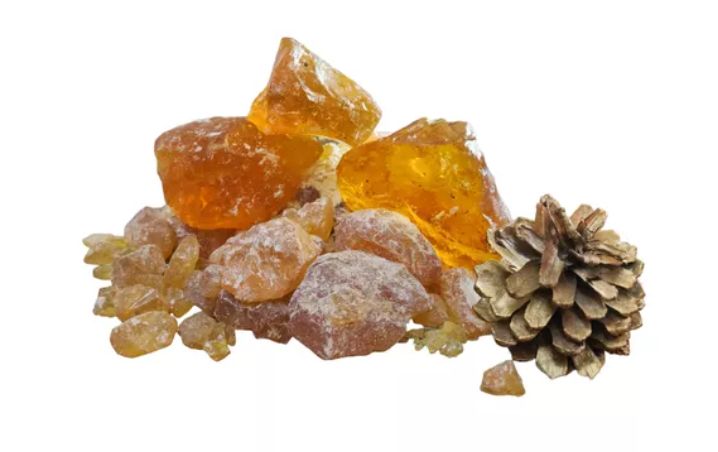
Rosin, also known as pece greca, rosin or Pez de Castilla, is a yellow vegetable resin, a kind of solid, transparent amber crystal obtained from the exudation of growing coniferous type trees.

This “pez”, which was used in the past to waterproof wineskins and wine skins, as well as the hulls of wooden ships to seal them and, even today, in northern Europe, traditional wooden huts, is used today to make high quality industrial and handmade soaps, or even to make ointments and salves to which it provides emollient and preservative properties.

Therefore, we know that rosin is insoluble in water, although it does dissolve in most organic solvents. So it will be important if we are going to prepare some kind of recipe with rosin, that we provide us with the appropriate solvent. The best solvent for pine rosin is alcohol or ethanol. In this way we will avoid possible complications in clothes or other type of utensils because rosin, once dissolved, is extremely sticky.

THE ADDITION OF ROSIN OR PINE RESIN IN COLD SAPONIFIED SOAP

As we were saying, it is used in the elaboration of natural soaps for laundry since it improves the cleaning properties, favors the saponification of fats and prevents oils from becoming rancid. It is also used as a hardener, helping the soap to take longer to break down with use.

However, if we want to make homemade soap with rosin, it is essential to respect the percentages. At most, the addition of rosin should be 1% of the total amount of oils and butters used. If we exceed this amount, our soap will curdle so quickly that it may not be able to be molded, as rosin greatly accelerates the trace.

Rosin is a resin that is commercialized in small stones of different sizes. When incorporating it into our homemade soap recipe, it is better if we can crush it and pulverize it as much as possible because it will be easier to melt it with the rest of the oils and shortenings. The saponification index of rosin is approximately 123 for caustic soda.

THE OPTION OF STEARIC ACID TO HARDEN OUR SOAPS

Another option is to use stearic acid to obtain harder soap bars. In this case, the recommended percentage is 5% of total oils and shortenings. Stearic acid should be combined with less saturated oils, such as olive oil (better olive pomace) or coconut oil, otherwise the resulting soap will be too hard and brittle. Its saponification value, when calculating the recipe, is approximately 147 for caustic soda. And it is put into the calculator like any other fat or oil.

A THIRD ALTERNATIVE WITH TALLOW/FAT FROM ANIMAL ORIGIN

Another alternative would be to use animal tallow, which is a fat that also provides great consistency and stability to the soap. But this alternative, as with palm shortening, is not a very environmentally friendly alternative either.

THE ADDITION OF SALT OR SUGAR TO THE LYE

Lye is the name given to the mixture of water and soda (sodium hydroxide). Salt or sugar is added to the lye water and dissolved before the soda is added. The salt adds consistency and hardness to the soap and the sugar adds a little more bubbles.

We haven’t worked on the formulation of this new recipe yet, perhaps because the previous one works so well. Can you readers think of a more environmentally friendly formulation for this laundry soap including olive kernel oil, coconut oil and pine resin?

Let me know in the comments.

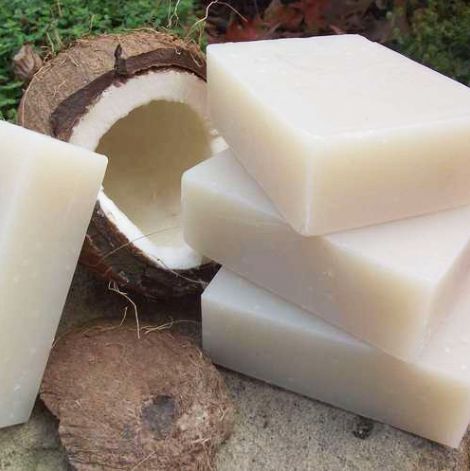
However, we bring you a coconut soap recipe to make organic and biodegradable washing butter that you will love.

COCONUT SOAP FOR LAUNDRY

This is a recipe for laundry soap based on coconut oil. The reason we wanted to introduce this recipe is because it makes it easier to make the washing butter that we will talk about next.

In general, coconut oil is used to a greater or lesser extent in all cold saponified laundry soap recipes, and this is mainly due to the enormous cleaning capacity that this oil provides and also because it produces more foam than other oils.

On the other hand, coconut oil soap is one of the easiest soaps to make, mainly because it hardens and sets very quickly. In addition, it is very easy to grate once we have unmolded it, which facilitates its quick incorporation into our washing recipes.

As you can see, this soap is even whiter than the previous palm butter soap.

Special coconut soap recipe for laundry:

COCONUT SOAP FOR LAUNDRY
Coconut oil225 grs
Caustic soda45 grs
Water75 ml
TOTAL:350 grs of soap

This recipe is to prepare 350 grams of coconut soap, exactly enough for a full recipe of washing butter.

It is convenient to remember that the handling of caustic soda requires certain precautions, so do not forget to use eye protection and polypropylene gloves to weigh and mix the water with the caustic soda, which is the mixture known as lye in the soap industry.

PROCEDURE:

  1. Weigh the ingredients.
  2. Mix the soda with water (never the other way) in a heat-resistant container, like Pyrex. It’s best to do this outside (on a terrace or balcony) to avoid breathing in fumes. Once the mixture cools below 40 degrees, you can safely add it to the melted oils.
  3. Meanwhile, melt the coconut oil over low heat.
  4. Use a soap thermometer to check that both the lye (water and soda mixture) and melted coconut oil are below 40 degrees.

5. Add the lye to the melted coconut oil and stir gently with an electric mixer.

6. When the soap starts to thicken, known as “trace,” stop mixing and pour it into a plastic or silicone mold to make it easier to remove later.

7. Let it harden for a few hours or overnight. If you wait longer, it will be harder to grate.

Since this soap hasn’t saponified for long, wear gloves to remove and grate it in case there are leftover active lye traces that could irritate your skin.

Once grated, this soap can be used right away to make the washing butter recipe that follows.

WASHING BUTTER

Here is a recipe for a homemade, biodegradable laundry butter made from natural ingredients such as soap, borax and soda.

In principle, the coconut soap recipe we have just described would be the ideal recipe for preparing this butter because we have also calculated the recipe based on the 350 grams of coconut soap we need to make our washing butter.

However, if you have prepared the previous Marseille soap, you can also use 350 grams of it to prepare this washing butter.

https://youtu.be/aNbjjuHyzOQ

Washing butter recipe for laundry:

WASHING BUTTER
Coconut soap350 grs
Borax2 cups, about 500 grs
Washing soda2 cups
Water3 liters

INSTRUCTIONS:

1. Bring 3 liters of water to a boil, and remove from heat.

2. Pour the grated soap into the hot water and stir to dissolve completely.

3. Slowly add (avoiding excess foam) the 2 cups of borax and stir until dissolved.

4. Add the 2 cups of washing soda (sodium carbonate, usually called natron or washing soda) and stir to integrate the whole mixture.

*It is important not to confuse the soda we use in this recipe, based on sodium carbonate, with some types of washing soda that are based on calcium carbonate.

5. The grated soap, borax and washing soda now dissolve in the hot water. The step now is to cover the pot with the lid and let the mixture sit at room temperature for about 8 hours (overnight works well) until it cools and settles completely.

If we lift the lid to take a look after a couple of hours, we will see that the liquid in the pot has become almost completely transparent, it almost looks like a pot full of water. However, after the mixture has rested at room temperature for a few hours, a major transformation takes place, the mixture gels.

6. When the mixture is completely cold and gelled, we can beat it with an electric mixer so that all the mixture is well integrated, even the remains of borax that may have been more at the bottom.

7. Optionally, now is the time to add some type of aroma to the mixture. We can add some combination of essential oils that we like, or it is also possible to add fragrances. For example, by crushing some of the commercial fragrance bars for the laundry, which in this way will be better integrated into our soap butter base.

8. Now, with the addition of the 3 liters of water, we will have about 3000 grams of soap butter ready to use in our washing machine, even with the most delicate clothes. We will place it in a storage container such as plastic containers or buckets.

We will only need from two to four tablespoons of butter to wash, depending on the size of the load and the soiling of the clothes.

Some people like to add a little white vinegar to the rinse cycle, this not only conditions the clothes, especially natural fibers such as cotton, but also removes any soap residue that may remain and keeps our washing machine in good condition by preventing limescale build-up.

If you have never used white vinegar in the washing machine you might think that the clothes are left with a vinegar scent, but this is not the case at all. Even if we don’t add fragrances to our laundry butters, the result is that the laundry comes out of the washer smelling completely clean.

In addition, if you have this washing butter, you do not need to add much more to your ecological box because the borax and the soda it contains take care of the rest.

Happy eco-washing!

LIQUID SOAP without micro plastics

Plastic is a huge environmental problem because, firstly, it is produced mainly from the increasingly scarce raw material of crude oil and; second, it is not biodegradable.

Plastic waste of all kinds, including micro-plastics, reaches the environment and the oceans in quantities that can hardly be estimated and enters the food chain. Small marine organisms such as worms, mussels, small fish, mistake them for food. And this is the reason why they are also present in our blood.

And it is that, until now, wastewater treatment plants have not been able to completely filter the particles, sometimes microscopic, from wastewater. In this way, the microplastics in our household hygiene products pass practically without obstacles into the water, and with the sewage sludge, also into the fields and into the air.

Plastic also remains in the environment for hundreds of years. This is especially a problem in lakes, rivers and seas. There are already incredible amounts of tiny plastic particles floating in them. Highly toxic pollutants, such as pesticides and other environmental toxins, accumulate on plastic particles.

Source: https://www.greenpeople.co.uk/blogs/the-beauty-hub/are-there-microplastics-in-your-cosmetics

The findings of recent years on the issue of microplastics and NGO protests have already made a difference. Many mainstream companies have announced that they will ban plastic particles from their products, including industry giants like Unilever and Procter & Gamble.

Unfortunately, many of these promises are vague and most manufacturers only promise to replace or have replaced very specific (solid) plastics like PE.

Did you know that most commercial shower gels also contain microplastics?

Some of the names hidden among this class of products that are of plastic origin:

Acrylates / C10-30 Alkyl Acrylate Crosspolymer; Ceteareth-12; Ceteareth-20; Carbomer; PEG-7 Glyceryl Cocoate; Styrene / Acrylates Copolymer; Laureth-2, Cyclohexasiloxan; Cyclopentasiloxan; PEG-40 Stearate; Polysorbate 20; PPG-14 Butyl Ether; Dimethicone; Polyacrylamid; Laureth-7; Dimethiconol; PVM / MA Decadiene Crosspolymer; PEG-40 Hydrogenated Castor Oil; Polysorbate 60; Steareth-2; Ceteareth-12; Ceteareth-20; Sodium Polyacrylate; PEG-200 Hydrogenated Glyceryl Palmate; PEG-3 Distearate; PEG-7 Glyceryl Cocoate; Ethylene / Acrylic Acid Copolymer; Polyacrylate-13; Polyisobutene; Polymethyl Methacrylate; Steareth-2; Steareth-21; Polyquaternium-10; Laureth-4; PEG-120 Methyl Glucose Dioleate; Polysorbate 20; PEG-100 Stearate… ..

And the list is so long that it will be enough for us to stick with some expressive and easy-to-remember names that appear everywhere such as dimethicone, copolymer, carbomer, cetearates, polyethylenes, polypropylenes and acrylates in their different variants.

Try to look only at the latter and you will see that they appear on almost all the labels of the hygiene and cosmetic products that we use regularly.

In fact, it is estimated that some of the following hygiene products: deodorant, shampoo, conditioner, shower gel, lipstick, hair dye, shaving cream, sunscreen, insect repellent, anti-wrinkle cream, moisturizers, hair spray hair, face masks, baby care products, eye shadows, mascara, etc. they contain plastic polymers, in some cases, in a percentage higher than 90% of the content.

Source: United Nations Environment Organization.

https://www.unenvironment.org/news-and-stories/story/whats-your-bathroom-hidden-plastics-your-beauty-products

That is why we have decided to propose a totally biodegradable natural liquid soap recipe.

“Soap is an ancient cleaning agent whose main ingredients come from plant material that, after saponification by means of an alkali, mainly sodium hydroxide (soda) or potassium hydroxide (potash), generate a 100% biodegradable soap salt with excellent cleaning properties. of clothes. Depending on the alkali used, solid soap forms can be obtained (by using caustic soda) or liquid soap forms (by using caustic potash). “

Source: https://www.bioecoactual.com/2018/05/21/jabon-o-detergente/

“Despite what many people may think, the fact of using soda or potash in the composition of a soap does not make it dangerous or “unnatural”, quite the opposite. It is an indispensable compound in traditional soap without which no soap would be produced in any way. Vegetable fatty acids and alkali are completely transformed and are no longer present in the final result to give rise to the salt of vegetable fatty acids (soap) together with vegetable glycerin which has a great moisturizing power that prevents the degradation of the fabrics, among others. However, conventional detergent is made up of compounds of petrochemical origin that generate a greater environmental footprint on ecosystems”.

WHAT CAN WE DO? Alternatives to cosmetics with micro plastics.

Use natural cosmetics. Manufacturers of natural cosmetics do not use synthetic polymers in their products, so microplastics are not a problem in this case. At present, there is an increasing offer of organic natural cosmetics that you can also find on many online pages.

Make our own hygiene products, which is the alternative to our blog.

Avoid synthetic fibers, as they not only prevent us from perspiring correctly, which in many cases causes problems of dermatitis and itching due to the inability of the excretory system of our skin, sweat, to eliminate toxins. But they also use micro plastics in their manufacture that also go to wastewater. And it is that what hurts us is the same that hurts our planet. Although it may seem like a bombastic and presumptuous phrase, as Pocahontas sang, “We are all united in the great chain of life.”

-And, without a doubt, always use ecological and fabric bags when we go to the supermarket.


BOOKS TO FIND OUT MORE about the toxins in our hygiene products. We recommend these two books on natural cosmetics:

Toxic Beauty: How Cosmetics and Personal-Care Products Endanger Your Health… and What You Can Do About It.

Less Toxic Living: How to Reduce Your Everyday Exposure to Toxic Chemicals—An Introduction For Families. Also in kindle version.

And from our blog we want to collaborate in this task by showing you a way to make your home hygiene products.

For this reason, in this post, we are going to make homemade potassium soap paste. With this paste, making liquid soaps and shower gels is very easy.

LET’S GO WITH THE RECIPE TO PREPARE our own gels and liquid soaps based on natural potash soap.

This soap is made using a hot process, the ideal is to have an electric pot to make it, but it is also possible to do it with a conventional pot.

To make this soap we will use potash instead of soda. At the beginning, we will proceed in the same way as with cold saponification.

That is, once we reach the trace (the mixture thickens achieving a texture similar to that of custard), instead of moulding it, we will heat it until it becomes saponified (it is the reaction from fats, alkali and water resulting in soap).

As with cold saponified soap, it is necessary to take into account basic safety rules, such as: mixing potash with water in a ventilated place and wearing gloves and protective goggles to avoid possible splashes that could burn us. Also use stainless steel, glass, plastic or wooden utensils that do not react with potash, as it happens with other metals.

INGREDIENTS:

490 g olive oil

140 g castor oil

70 g coconut oil

In total, 700 grams of fat that we will mix with a 1% greased envelope because, unlike with cold saponified soaps, a very low greased envelope will prevent unsaponified fat from remaining and will make our liquid gel look better and more quality.

597 g of distilled water, or, at least boiled, this is important if we want to obtain transparency. If we do not care that our gel is misty, we can simply add normal water. We recommend distilled water because then the soap is clear and very beautiful.

149 g of caustic potash (be careful, it is not the same as caustic soda to make solid bar soaps). In fact, the method with potash is not the same either, because what we will do is cook the soap “hot method” and we will obtain a soap paste.

The procedure is not as complicated as some say. It is advisable to do it in an electric pot to keep the temperature constant, but if you do not have an electric pot, as we do not, it will be enough for you to use a large pot and try to maintain a constant medium heat without the temperature rising excessively.

LET’S GO WITH IT

After weighing the butters and melting them previously, we will add the “bleach” (a mixture of water and potash) that we will have prepared separately in a high temperature resistant pyrex glass container. It is also convenient that to stir and mix it we use a wooden spoon because the bleach reacts with metals. In addition, as you already know from bar soaps, these kinds of things must be done in a well-ventilated place so as not to breathe the toxic fumes that are released from the reaction.

WE GO ON …

With the oils already heavy and melted in our pot, we can start adding the bleach without stopping stirring with the wooden spoon.

Now we are going to start cooking our mixture, and this requires, as we already said, a constant medium heat and not stop beating. We will have to use the electric mixer often, every 5 or 10 minutes, while the cooking process lasts, which will take us (with this formulation) between 20 and 30 minutes.

There are formulations that need an hour to cook, but it is not the one we have chosen here to begin with. This is a very easy formulation with very good results. You will see.

The cooking process will be over when we see that our mixture begins to thicken and turns into a paste similar to mashed potatoes or applesauce. At that time, we can turn off the fire without stopping to stir our pasta.
 

 Now our pasta is ready to move on to the next phase: making gels and liquid soaps with all kinds of uses. From shower gels, hand soaps, ecological pesticides for our garden, etc. which, in case you didn’t know, are also prepared with potassium soap.

Don’t miss our next post in which we will show you how to prepare a homemade shower gel from the potassium soap paste that we have just cooked!

Natural Preservatives for Homemade Skincare

Are you worried about the problem of synthetic preservatives in your homemade preparations, but fear that if you leave them out of the refrigerator they will spoil in a short time?

Believe it or not, we have a natural solution for this that won’t leave your complexion looking stiff and won’t cause irritation or dermatitis.

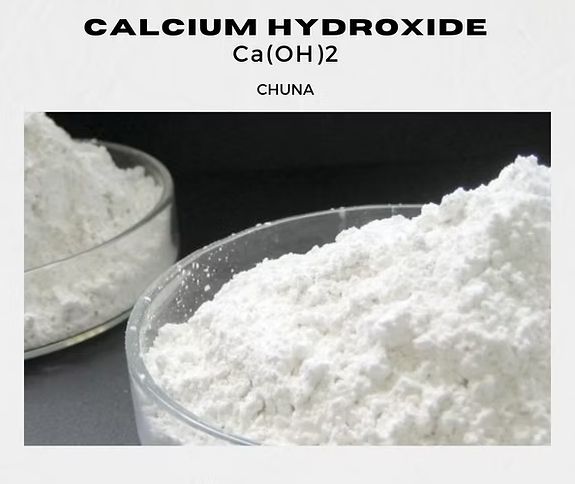
And it’s super cheap too. Forget about buying preservatives other than simple Leucidal, which is the only commercial preservative that is natural enough not to cause any problems, and which you will need to add to this moisturizing colour cream. Otherwise, all you need is mineral water, optionally dried herbs, and a small packet of calcium hydroxide.
https://www.healthline.com/health/calcium-hydroxide

If you read the linked article, you will see that calcium hydroxide is so safe that it has been widely used in the food industry and traditionally in food preparation since time immemorial, for example in Central America, where calcium hydroxide has been used for thousands of years to process maize.

AROMATIC LAVENDER WATER WITH PRESERVATIVE PROPERTIES

We had set out to make a tinted moisturiser with a sun protection factor for daily use and we needed a preservative that wouldn’t give us any problems.

And as we had already seen that creams with lime water in the aqueous phase are like good wine, which over time ferments and improves instead of spoiling, we decided to prepare an herbal infusion to which we would later add the lime. It is possible to do this with just mineral water, as you know, but with herbs it has a better aroma.

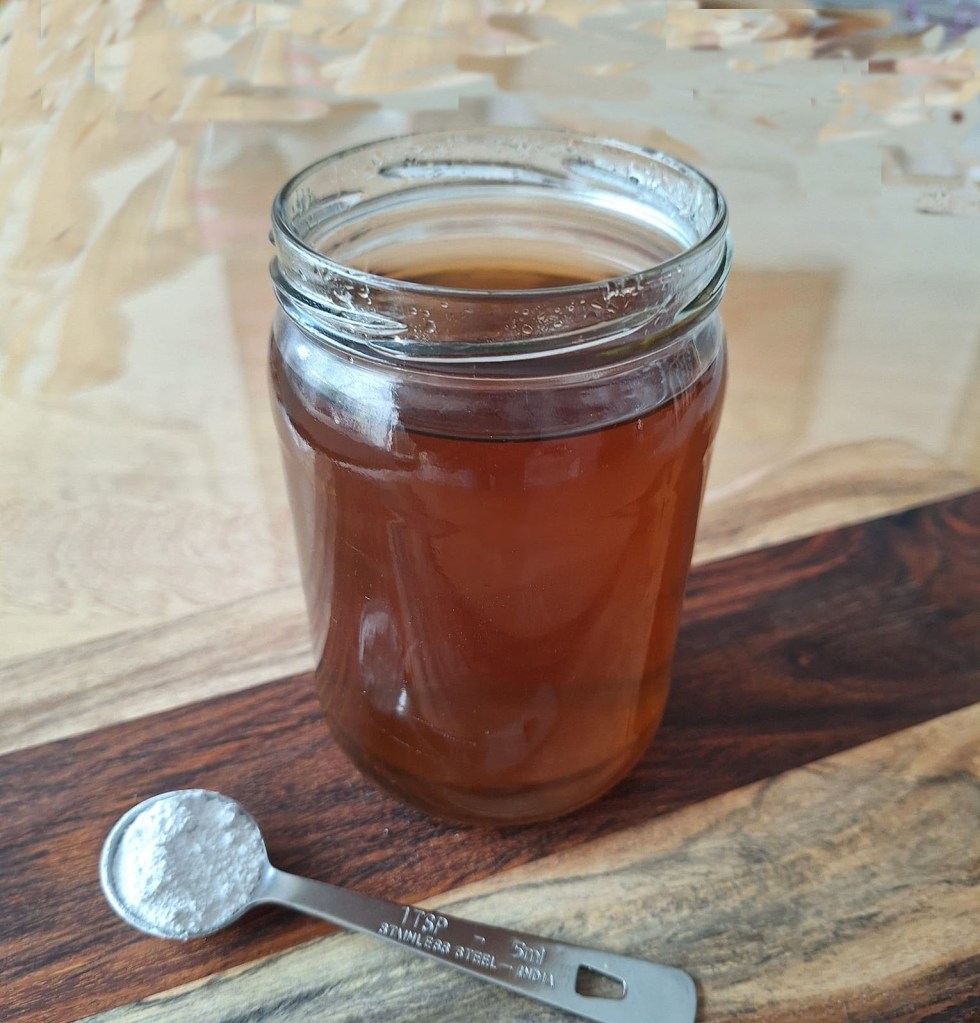
So we start by making an infusion of dried lavender to which, after cooling, we add a teaspoon of food-grade calcium hydroxide.

The ratio is about 5 grams of calcium hydroxide per half litre of demineralised water, or in this case cold herbal tea.

After filtering the lavender water, we add a few drops of lavender essential oil to enhance its aroma.

After an hour’s rest, during which the lime remained at the bottom of the container, we used a coffee filter to filter the lime from our infusion and thus obtain our lavender water with the properties of the dead lime.

TINTED MOISTURISING FPS CREAM

As we said, the recipe below is, as we like in this blog, a minimalist and simple recipe to make a colour cream with sun protection factor.

INGREDIENTS to make about 100 ml of cream:

About 20 grams of quality cold pressed oil, such as sesame oil, grape seed oil, etc …

About 5 grams of oat powder, which, in addition to providing properties, will fluff up the final result, as creams with zinc oxide tend to become caked.

About 70 grams of our aromatic lavender water

8 grams of emulsan, a new ecological emulsifier that is very natural.

8 g zinc oxide

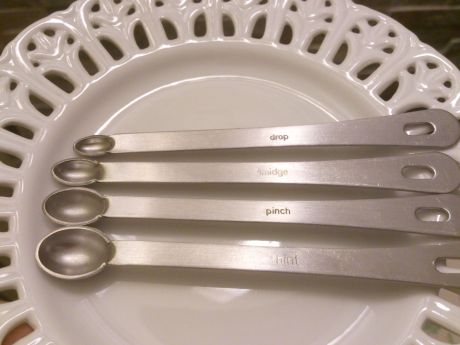
For pigment, we used 5 DASH teaspoons of light brown oxide and one DASH teaspoon of pink oxide, the DASH measure is also known as PINCH.

And finally, 15 to 20 drops of plain Leucidal*.

*This is a precaution because when the lime water, in a recipe like this one, is completely absorbed and fully integrated into the emulsion, it can happen that our cream, with use, when we run our fingers over it, becomes contaminated. It is also possible to use a small plastic spatula to avoid this problem.

In any case, if our cream is emulsified with beeswax, as is the case with the calcareous bio-liniment, and the water is out of phase, this problem does not occur. We have more than proved this.

This is a picture of our BIO-LINIMENT, after months of frequent use, as it is a product that we highly recommend, especially for the most sensitive and dry skins.

We remind you of the recipe of the BIO-LINIMENT calcareous

To prepare about 200 ml of this liniment, we will need:

100 ml of lime water

100 ml olive oil

And about 4 grams of beeswax

And you don’t need to add anything else at all to get a very moisturising and natural face and body balm that will never give you any problems.

*Just remember not to leave the calcium hydroxide in the distilled water for more than an hour so that the water does not take on too much aroma and your liniment smells good.

THE STEP-BY-STEP PREPARATION OF THE COLOUR CREAM RECIPE:

Weigh the ingredients.

In a heat-resistant container, such as a pyrex, etc., place the emulsifying wax (Emulsan), the 20 grams of grape seed oil, the 8 grams of zinc oxide and the 5 grams of oat powder in a bain-marie, in that order, adding each component once the previous one is dissolved and integrated into the mixture.

In another container, we will warm our aromatic lavender water.

When both phases are hot, add the aqueous phase, i.e. the lavender water, to the oily phase, whisking vigorously so that everything is integrated. It is advisable to use a small cosmetic mixer, such as a coffee skimmer, etc…

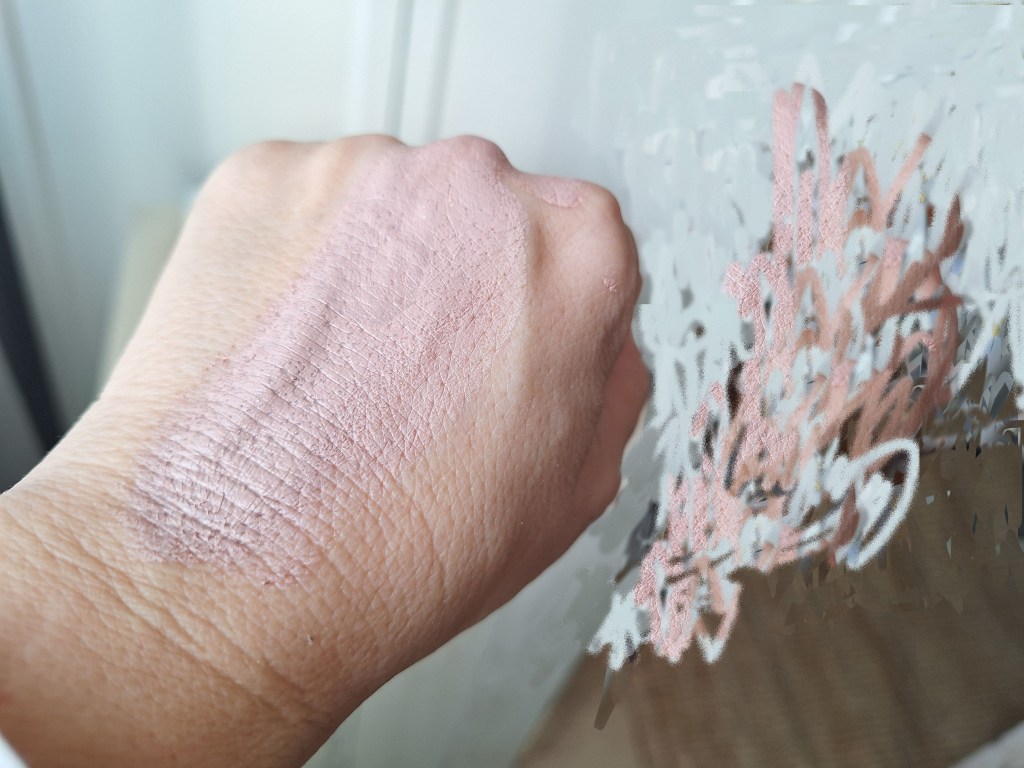
Finally, add the pigments, stirring well and checking each time on the back of your hand to see if the colour you obtain matches your skin tone.

And, if we have so decided, 15-20 drops of simple Leucidal, which is the INCI: Leuconostoc/Radish Root Ferment. It is the most skin-friendly, effective and ecological preservative that we know of.

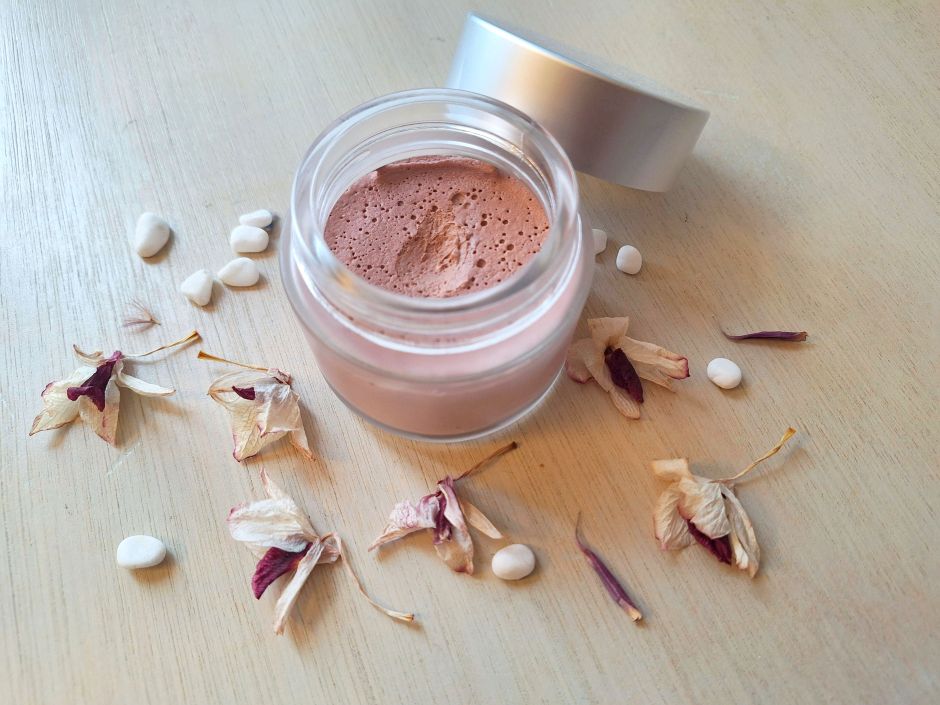
And this was the result.

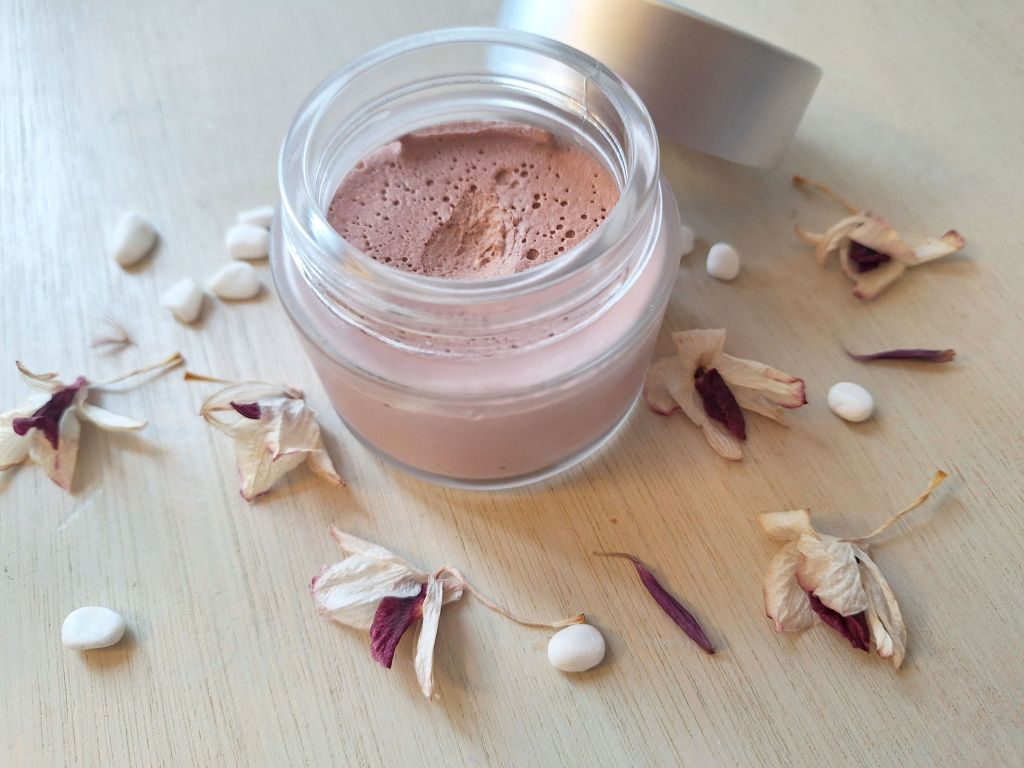
A tinted cream with a sun protection factor adapted for daily use to prevent facial skin blemishes.

We have prepared our moisturising colour cream without adding essential oils, just a few drops of lavender water, before preparing our cream, to give it a little more aroma and properties.

But if you want to add essential oils, it is advisable to take into account the advice of the experts:

According to the blog of the French Institution Robert Tisserand:

“But if you are going to use essential oils orally following the recommendations you saw on social networks, with a 99% probability I assure you that those recommendations will not be correct. If you don’t believe me, let’s take a look at a few:

  • Add one or two drops of essential oil in a glass of water and then drink it: essential oils do not mix with water! This is the same as ingesting them undiluted, with a high risk of irritation or burning of your digestive mucosa, gastric ulcers, etc.
  • Take essential oils every morning as a self-care routine: Essential oils taken orally have the highest bioavailability and should only be used for a short time to reduce the risk of internal toxicity and liver overload.
  • Adding essential oils to a shotglass because you think it’s cool: you will only be giving your liver even more work!”

 What Robert Tisserand is saying is that essential oils, like any other chemical substance, whether of natural origin or not, whether intended for medicinal use or not, produce their effects when administered.

Tisserand, in his blog, would ratify the maxim of Paracelsus, the great physician of antiquity: “Everything is poison and nothing is without poison; only the dose makes a thing not poison”.

Paracelsus (1493-1541) was one of the many physicians who used distillation to separate essential oils from plants. It was he who coined the famous phrase “Everything is poison and nothing is without poison; only the dose makes a thing not poison”, meaning that a substance containing toxic properties can only cause harm if it is present in a sufficiently high concentration. In other words, any chemical – even water – can be toxic if the body ingests or absorbs too much of it.

And we could continue with the same recommendations taken from the blogs of some influencers who offer recipes for natural cosmetics in which large doses of essential oils abound in products designed to be absorbed by our skin and which, if we follow them to the letter, are potentially very irritating. Such as, for example, those recipes with doses of essential oils and synthetic preservatives of one gram, etc. …

Antonia Jover, who also quotes Tisserand in her blog on scientific aromatherapy, discusses the proper use of essential oils which, as we have commented on other occasions, are a medicine and not a cosmetic product, and should therefore be used as such.

https://aromaterapiafamiliar.wordpress.com/category/aromaterapia-cientifica/

In this blog you can find extensive information of great value on essential oils and their uses in the field of health, which is not the same field as that of natural cosmetics, which is why the doses must be different. Cosmetics, as we always say, are not a medicine, unless we design them for that purpose, for example, balms, treatment shampoos, etc…

NEW GENERATION COMMERCIAL CREAMS

On the other hand, if you look at the composition of new-generation commercial natural creams, when essential oils are used, they appear at the end of the INCI because they are used in very small doses and with the precaution of not overloading the recipe with other potentially irritating elements, such as synthetic preservatives. In addition, in this recipe, lactobacillus ferments have been added to improve the overall tolerance of the product.

All these improvements make today’s synthetic creams much more tolerable than the old recipes were. For example, WELLEDA is also making use of such recipes with very low doses of essential oils and without the addition of extra synthetic preservatives to improve tolerability.

The INCI listed below is for a new serum from the Purèz brand, which is advertised, however, from 40 euros: Phytotherapy Revitalizing Face & Eye Serum/Cream BIO € 41,28 – € 82,60 Excl. BTW

Ingrediënten

Algae extract*, Dicaprylyl Carbonate, Aqua (Water), Ricinus communis* (Castor oil), Hyaluronic acid, Hydrolyzed Oat Protein, Glyceryl oleate, Cetearyl alcohol, Glyceryl stearate (Olive Oil*), Silica, CI77019 , Lactobacillus Ferment, Tocopherol (Natural Vitamin E*). Contains the essential oils of Citrus sinensis* (Sweet Orange), Pelargonium graveolens* (Rose Geranium), Rosa damascena* (Rose) Immortelle* (Helichrysum italicum).

*** In certified natural cosmetics – such as Purèz – the term perfume means ‘mixture of various natural essential oils’. In conventional cosmetics, the same term means “any possible mixture of fragrances, including chemicals and/or synthetic and even toxic fragrances”.

Such a composition would be comparable to the composition of Dr. Hauschka’s ROSE CREAM, which is included below:

Rose Cream, INCI: Aqua, Arachis Hypogaea Oil, Cera Alba, Althaea Officinalis Root Extract, Rosa Damascena Flower Water, Hypericum Perforatum Flower/Leaf/Stem Extract, Butyrospermum Parkii Butter, Sorbitan Olivate, Persea Gratissima Oil, Polyglyceryl-3 Polyricinoleate, Parfum*, Citronellol*, Geraniol*, Linalool*, Limonene*, Citral*, Farnesol*, Benzyl Alcohol*, Eugenol*, Rosa Damascena Flower Extract, Rosa Canina Fruit Extract, Copernicia Cerifera Cera, Zinc Sulfate, Lecithin, Rosa Damascena Flower Wax

In this image it is clear that the ingredients are natural, only a couple of strange names are emulsifiers, such as Sorbitol Olivate, which is also usually part of OLIVEM 1000, or Polyglyceryl-3 Polyricinoleate.

The following composition of the otherwise very popular OLAY REGENERIST cream shows a considerable difference in its composition:

INGREDIENTS: Water, Glycerin, Isohexadecane, Niacinamide*, Distarch Phosphate, Isopropyl Isostearate, Dimethicone, Panthenol**, Palmitoyl Pentapeptide-4***, Sodium Hyaluronate, Caprylic/Capric Triglyceride, Ethylhexylglycerin, Hydroxyacetophenone, Dimethiconol, Cetearyl Glucoside, Cetearyl Alcohol, Stearic Acid, Palmitic Acid, Stearyl Alcohol, Cetyl Alcohol, Behenyl Alcohol, Disodium EDTA, Sodium Acrylates Copolymer, PEG-100 Stearate, Titanium Dioxide, Mica, Phenoxyethanol, Fragrance, *Vitamin B3, **Pro-Vitamin B5, ***Peptide

Because, what is the point of making homemade natural cosmetics if not to create our own products for everyday use, adapted to our skin type, ecological, cheap, and that do not give us problems in frequent use because they only contain ingredients of vegetable origin and natural emulsifiers?

SOLID NATURAL MAKE-UP

We also wanted to contribute a recipe for solid make-up, which we think is a great idea because, as it is solid, it does not require packaging or a water phase, which is the one that always causes conservation problems, given that water is the one that corrupts in the composition of any product that we are going to make by hand.

We have solved this, to a large extent, with our idea of using lime water in our compositions with aqueous phase, as it prevents the recipes from becoming corrupted. However, whenever we can prepare a recipe without using an aqueous phase, all the better, because we avoid the problem from the start.

In this case, we only need to add a little vitamin E, which will act as an antioxidant to extend the durability of the fats we use in our composition and prevent them from going rancid.

As we said, as it is a solid make-up base, it does not require preservatives😊.

And its second great advantage is that it already contains mineral sunscreen filters (zinc oxide), which means that it is no longer necessary to use other day creams with protection factors.

INGREDIENTS:

Beeswax, 10 g

Shea butter, 20 grs.

Zinc oxide, 15 g

Cosmetic grade iron oxide pigment, usually a ratio of 4 teaspoons Pinch brown oxide to 1 teaspoon pink oxide, and always testing and adapting to your natural skin tone.

And a few drops of vitamin E

PROCEDURE:

First, put the beeswax, shea butter and zinc oxide in a heat-resistant container, in this order. Place this container in a bain-marie until everything is melted and liquid.

When the base ingredients are melted, turn down the heat and it is time to add the pigments while whisking with a mini electric mixer so that the pigments are well integrated.

Now that we have our pigment well integrated, you will see that the mixture has risen in colour, remove from the heat and add the vitamin E (not before because the vitamin is thermosensitive).

Now we can pour our mixture into a silicone mould, and wait until it cools and solidifies before unmoulding.

It’s that simple and, with this mixture, you get a spectacular foundation that covers all the imperfections of the face, even dark circles under the eyes. As it is super-covering, we advise you to use it sparingly.

We like to use it on holidays, and the previous, gentler one, can be used every day as it is also photoprotective!