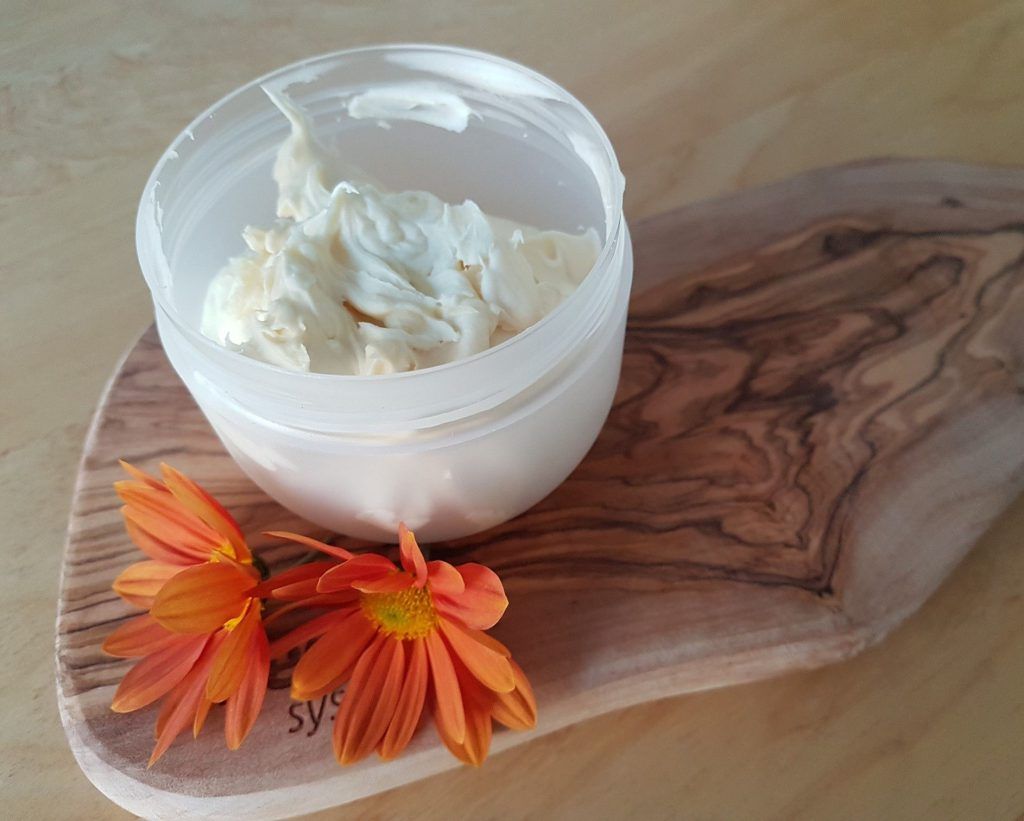
WHIPPED BUTTER MOUSSE

With no micro plastics or synthetic ingredients!
INGREDIENTS:

50 grams of shea butter
25 grams of coconut oil
25 g of rosehip oil (regenerating)

PROCESS:

When the butter and coconut oil are melted, we remove them from the heat and add the rosehip oil so that it does not lose its properties.

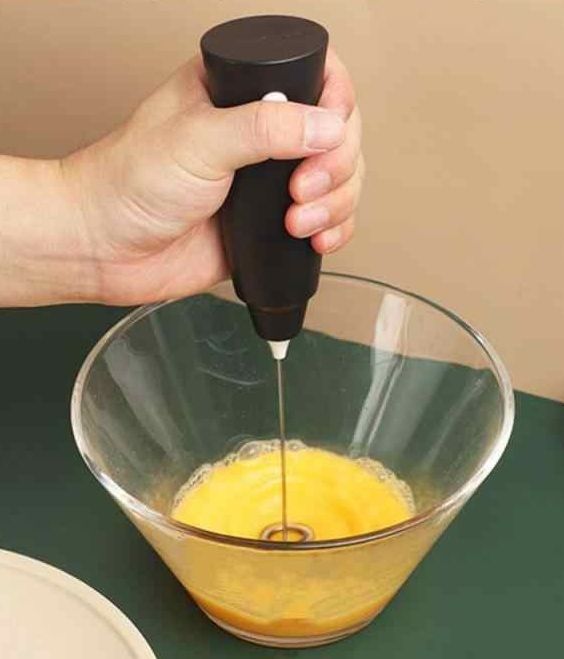
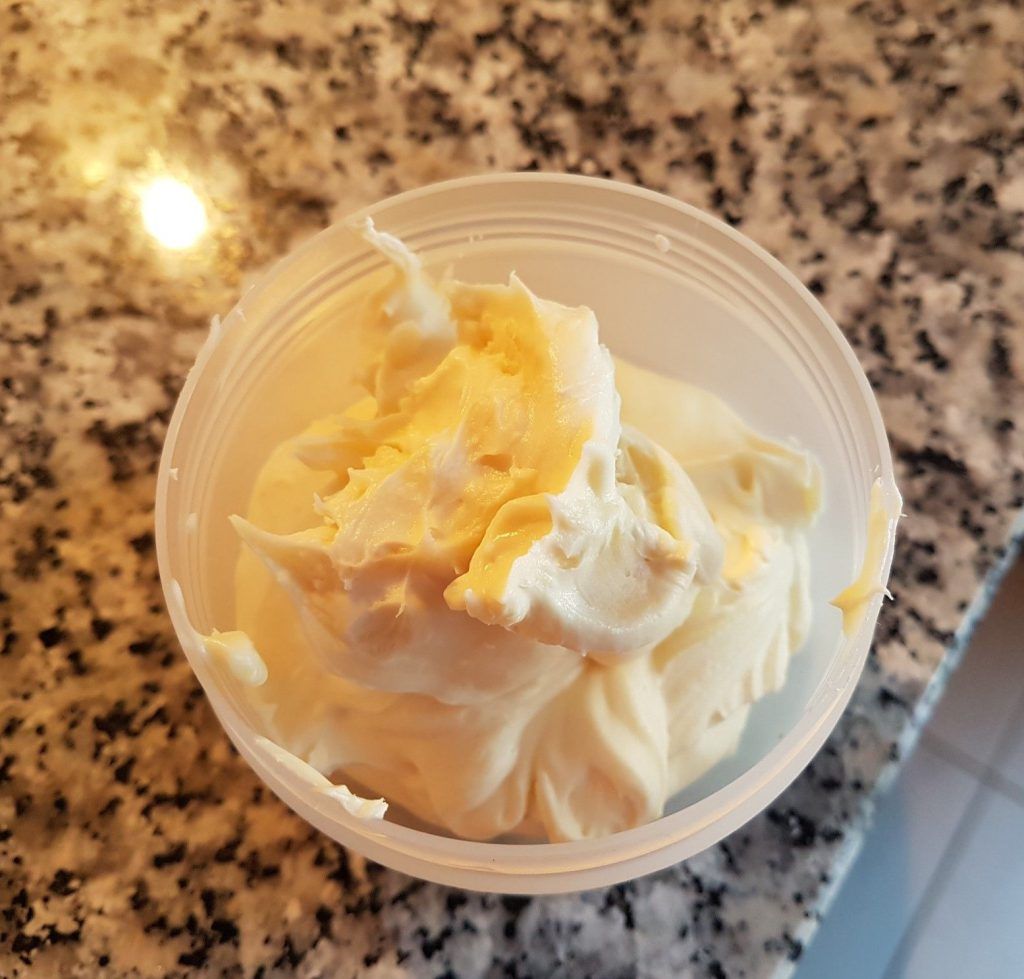
When the mixture begins to warm and the cream begins to thicken again, then we begin to beat with a whisk to whip cream for about 10 minutes or until we appreciate that our mixture adopts a consistency like “mousse”.

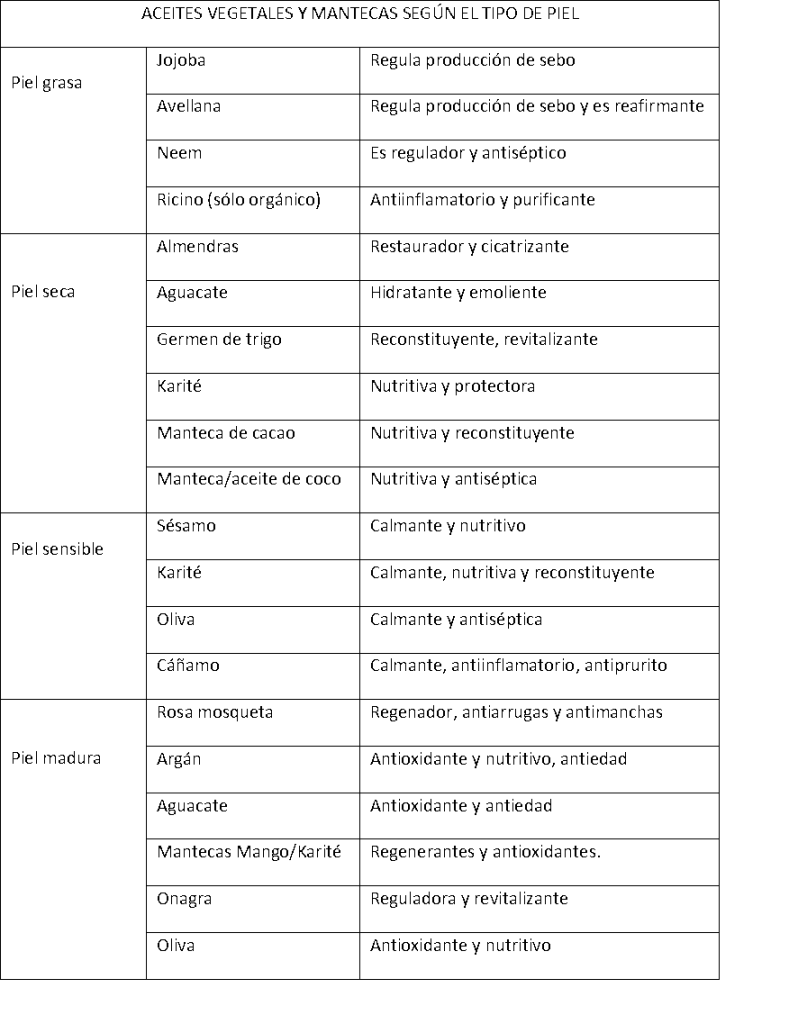
Alternatively, it is possible to substitute rosehip oil for any other whose properties are interesting to treat our skin. For example, avocado oil to treat very dry skin, argan oil for mature and worn skin, hemp oil to treat the most sensitive / or affected skin with dermatitis, jojoba or castor oil to regulate oily skin, macadamia oil for flabby and devitalized skin, evening primrose oil to regulate mixed skin, etc.

And it is also possible to vary the quantities of the recipe and simplify it:
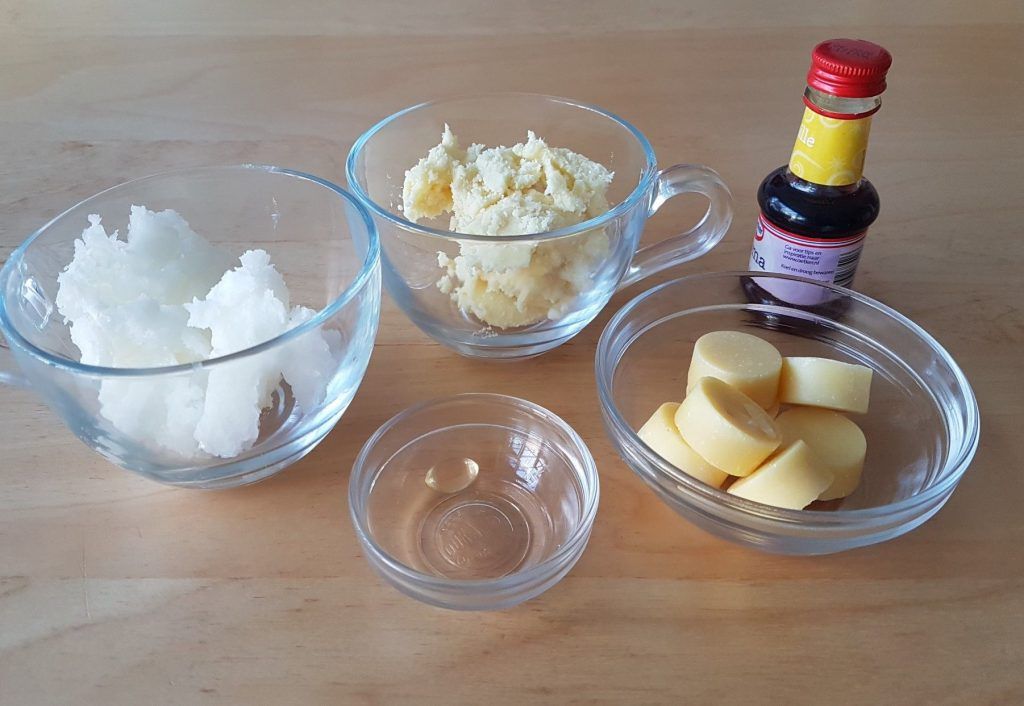
LIKE THIS:

50 grams of coconut oil
35 grams of shea butter
30 grams of cocoa butter
1 capsule of vitamin E to preserve butters from oxidation.
And a few drops of vanilla essence that will give a special aroma to your mousse.
Why these ingredients and not others?

The various butters and oils have different properties that can be more interesting for treating one type or another of skin.
We have therefore chosen shea butter in our formulation for its versatility and its ability to treat all skin types, as well as coconut oil, and we decided to add vanilla essence because we wanted to give our mousse a “glamorous” aroma.

OIL GEL MOUSSE SENSITIVE SKINS

Another way to prepare a butter mousse is by adding natural aloe vera to it. In this case, in addition to a moisturizing and nourishing mousse, we will also have an ideal treatment cream for atopic skin with itching or psoriasis. Also, of course, ideal for taking care of the delicate skin of babies.

Its duration is longer (and also it thickens more) if we use a commercial aloe gel that has its own preservatives; but, without a doubt, with much greater regeneration capacity if we use natural aloe gel, even if we have to add a few drops of GSE as a preservative. We will also try, as always, to keep it in a glass container away from light and high temperatures.

Ingredients:

50 gr of shea / cocoa butter
25 gr of hemp oil.
20 gr of aloe vera gel, and if the aloe is natural, then with about 10 drops of GSE preservative
1 gr of patchouli essential oil

PROCEDURE:

Once the butter is melted in a bain-marie, we will mix and beat all the ingredients with a whisk.
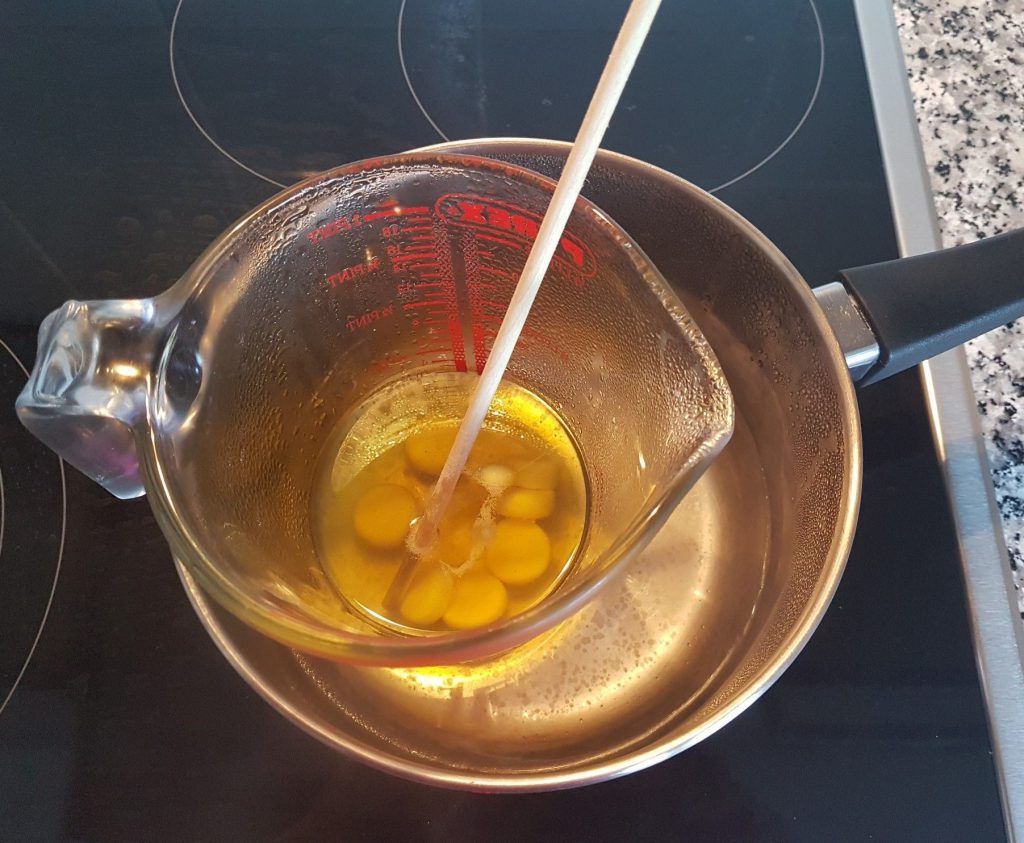
When the mixture begins to cool and thicken then it is convenient that we use the electric whisk to whip the cream if we want to achieve the consistency of a mousse.
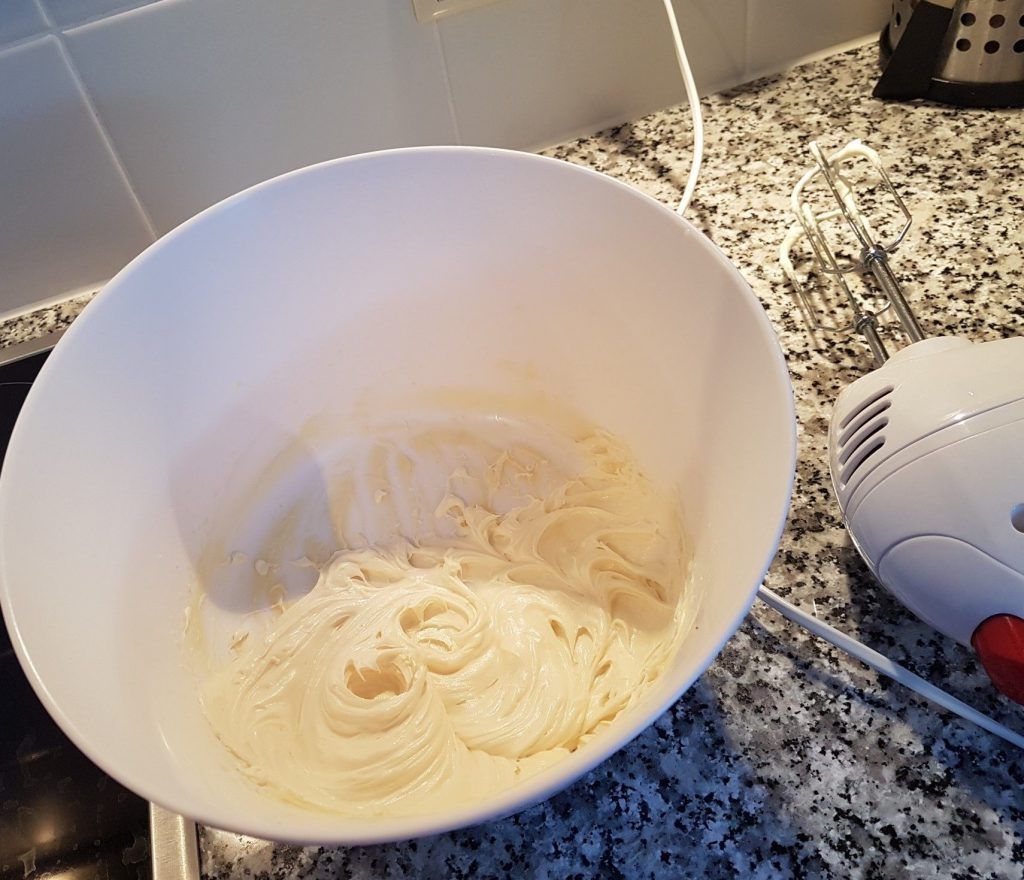
And it is a luxury to spread the butter in this way!

INGREDIENTS

Shea butter: Shea butter is well known for its moisturizing, nourishing and protective properties (from temperatures and UV rays). It has great regenerating and restructuring power, preventing premature aging and stimulating cell regeneration, helping to reduce wrinkles, stretch marks and blemishes. It is a great emollient and anti-inflammatory ideal to apply in skin disorders such as dermatitis, rosacea, rashes, stings, etc. It is therefore an efficient protector, protecting the skin from the sun and the cold (ideal for sunscreen and balms for winter).

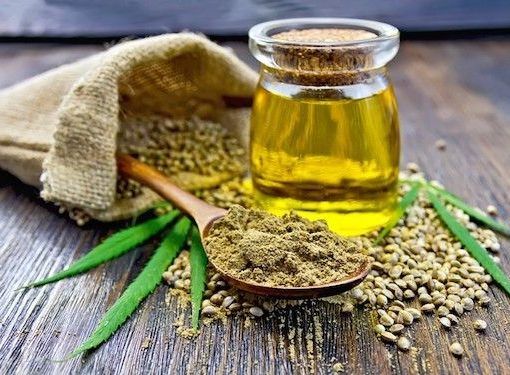
Hemp oil: It is special to treat the most delicate and affected skins, perhaps dermatitis. In antipruritic and treats skin eczema.

Natural Aloe Vera: Nothing is better than the pulp of aloe to treat and regenerate the skin.

Patchouli / Cedar Essential Oil: Patchouli is antipruritic and soothing just like cedar.

WHERE TO BUY THE INGREDIENTS:

All the ingredients of this recipe can be easily found in any herbalist or online store that we include in our page of “interesting links“

I leave you a link to some very good “online” stores, to make it easier for you to find hemp oil, since I do not take any commission for it.
https://www.cremas-caseras.es/aceites-vegetales/380-aceite-de-canamo-virgen-bio.html?search_query=canamo&results=3

https://www.jabonariumshop.com/aceite-de-ca-amo-cannabis-sativa

This store is in French, but if like me you live outside of Spain, they transport the products to all of Europe at very competitive prices.

https://www.aroma-zone.com/info/fiche-technique/huile-vegetale-chanvre-bio-aroma-zone

And nothing more for today.

I hope you like the entry and that you leave us a comment.
PROPERTIES OF THE DIFFERENT VEGETABLE OILS for use in natural cosmetics

The selection criteria depends not only on the type of cosmetic or product that we are going to prepare but, above all, on the type of skin and the problem we want to treat.

The skins are generally classified as dry or oily. Combination skin, many times, is normal or sensitive skin that is not totally uniform and whose treatment must be, in many cases, an intermediate treatment. Sensitive skins are usually the ones that suffer the most dermatological affectations such as couperose, dermatitis, spider veins and facial blemishes, etc.

When we formulate a cream to hydrate and nourish the skin, we must take these characteristics into account, and include the appropriate vegetable and essential oils to treat it.

Thus, for example, if we want to make a facial cream with a sun protection factor, it will be convenient for us to choose carrier oils with biological protection filters.
Among the best base oils for this need, we will have those of: karanja, buriti, macerated urucum oil, and monoï oil, and, to a lesser extent, sesame, coconut and olive oil. To help us avoid stains and prepare our skin for the sun, we have oils with a high content of carotenoids such as carrot or apricot.

If, in turn, we use the appropriate essential oils synergistically, we will be able to increase the biological photoprotection factor exponentially. For example, if we combine carrot carrier oil with an EA of raspberry seeds whose photoprotection index is quite high, then we will have a mixture or “synergy” with interesting photoprotection properties.

COSMETIC PROPERTIES OF BASE OILS

The best oils to treat mature skin are argan, damask rose, wheat germ, evening primrose, borage, perilla, camelina, rosehip and carrot.

With avocado, argan and almond oils we will treat, above all, dry skin.

If, on the other hand, our skin is oily, the best treatment oils will be those of jojoba, hazelnut, babassu, safflower and evening primrose (the latter due to its hormone-regulating capacity).

If we have sensitive skin, perhaps also with problems with couperose or dermatitis, it would be better to use nigella oil, calendula oil or hemp oil.

And if we suffer from psoriasis, neem oil will be our best ally.

If what we want is to make a treatment cream for tired legs, orange peel, or even to improve the microcirculation of our face and reduce the visibility of our dark circles, then it would be better to use the recognized calophyll or tamanu oil because of its circulatory properties, or also calendula oil.

The action of these base oils will be reinforced if we include in our recipe the essential oils that reinforce the action we intend to achieve.

For example, to treat sensitive skin, we will use oils such as calendula, hemp or nigella that we can combine with essential oils such as feverfew or noble chamomile, mint, cedar, patchouli or ylang ylang. We know that these essential oils, combined with the appropriate butters and vegetable oils, reinforce their action by calming and softening sensitive skin or those affected by dermatitis and itching.

In a synergy to treat oily skin we will use, for example, a serum with jojoba oil and essential oil of rosemary, lemon, tea tree or lavender.

OLEOGELES in which natural aloe vera gel is combined with vegetable oils and essential oils are also of great help to treat oily skin and to regenerate unsightly scars, blemishes and small wounds.

If to prepare our Oleogel we also use rosehip oil, which is known to all for its regenerative capacity for spots and skin scars, then we will reinforce the repairing effect of aloe vera gel. Together with an essential oil of rockrose, sandalwood, Egyptian geranium, or even lavender, the effect we are looking for will be enhanced.


THE PROPERTIES OF THE DIFFERENT ESSENTIAL OILS IN NATURAL COSMETICS

The main EO for treating couperose, spider veins, and facial flushing are Helichrysum, Cedar, Cypress, Patchouli, Carrot, and Rockrose (Cistus ladaniferus). These EOs are both firming and anti-wrinkle due to the elasticity they confer on the skin.

Eucalyptus radiata is an effective anti-dandruff in shampoo preparations.

Black spruce (picea mariana) soothes dermatitis, as do feverfew and mint.

Cedar is especially effective in treating wet eczema.

Atopic dermatitis is usually accompanied by itching. When it comes to antipruriginosis treatments, patchouli and mint, as well as feverfew and noble chamomile (which is also antihistamine and anti-inflammatory) are the best. Ylang ylang also soothes dermatitis and fights associated itching, as well as strengthening hair.

The mint also fights the heaviness of the legs, as well as the cypress, which has a clear circulatory effect.

Lavender, (Spica and Angustifolia), is more indicated to soothe the bites of insects. Lavender in general calms and relaxes the nervous system, and is both healing (the best remedy against both accidental and sunburns).
Lavender, and also lavandin, are generally good for cleansing the skin and fighting acne and pimples.

For psoriasis, myrrh EO, combined with a carrier oil, is also a good choice.

Egyptian geranium (pelargonium asperum) is a good skin astringent, detoxifier and regulator that acne-prone skin also appreciates. With it, facial and purifying masks are prepared.

Rockrose (cistus ladaniferus) is also used in firming and anti-wrinkle treatments with remarkable success.

In the case of mycosis and toenail fungus or vaginal and oral candidiasis (fungi), etc. the best EOs for treating these problems are tea tree and niauli. They also treat cold sores and cold sores and skin acne. Niaouli works in much the same way as tea tree.

With toenail fungus, oregano EO is also especially effective.

Grapefruit and lemon EOs are used to combat cellulite as they eliminate subcutaneous fat, detoxify and give firmness and elasticity to the skin.

Lemon also whiten teeth. Lemon is a good treatment for oily hair and skin, as is rosemary, and also lavender. You just have to be careful with exposure to the sun as both are photosensitive.

Rosemary verbenone is especially effective against oily dandruff and cellulite.

Laurel is a basic remedy to purify and treat oily and abscessed skin as it has antiseptic and anti-inflammatory properties. Its aroma is also delicious.

Jasmine can be used on all skin types, also the most delicate as it helps soothe irritations. In addition to being moisturizing, it provides elasticity to the skin. It is used to improve the appearance of stretch marks and scars, as well as acne and rashes or eczema.

Damascene rose, although expensive, is the best EO for treating mature skin.

Carrot (daucus carota) lightens blemishes and blemishes on the face and evens out the complexion.

In case of hair loss, the best AE are those of ylang ylang, spruce, rosemary and cinnamon.

Cellulite, orange peel skin and dark circles due to poor circulation are treated with the base oil of calophyll and the essential oils of helichrysum, rosemary, sage, lemon and grapefruit.

In general:

To regulate sebaceous secretions – Geranium, lavender and palmarosa

With anti-aging and toning properties – Orange blossom, incense and bitter orange

For oily and acne skin – Tea tree, cedar and rosemary


We hope you liked our entry, and that you leave us a comment.

RUNNING IS THE ULTIMATE ANTI-AGING PILL

In line with the type of information on natural health that we want to publish on this blog, we have borrowed an article from the kinesiologist David Liira that appears on his blog https://www.davidliira.com

Look up ‘Anti-Aging Pills’ on the internet. You’ll quickly discover that the pill that could change the future of aging is “right around the corner”. While it’s clear that the legitimacy of these medications is gravely in question, that’s not the point here. What we should be questioning, is why this market has gotten so huge in the first place.

People are craving solutions to healthy aging, but are they looking in the right places?

In the 21st century, it’s common knowledge that running can improve one’s health and overall wellbeing. What’s less associated with aerobic exercise, however, is its salient role in numerous aspects of healthy aging. Other modalities, such as pharmaceuticals and beauty products, are frequently prioritized in this field, despite their alarming side effects and high price tags.

It’s no secret that we’re a pill-dependent society. In America, the average senior takes four medications per day. This has more than double since 1988. A major reason for this trend has to do with the rise of chronic disease among older adults. Here are a few alarming facts from the National Council on Aging:

Approximately 80% of older adults have at least one chronic disease, and 77% have at least two. Four chronic diseases — heart disease, cancer, stroke, and diabetes — cause almost two-thirds of all deaths each year.

And worst of all…

Chronic diseases account for 75% of the money our nation spends on health care, yet only 1% of health dollars are spent on public efforts to improve overall health.

Our approach to healthy aging is completely backward. We’re trying to combat poor lifestyle choices with pills and treatments as opposed to educating adults (and youth) on primary prevention.

Exercise should be the number one building block to starting that wall, yet it’s still greatly underutilized as a health care modality. Aerobic activity goes far beyond ‘anti-aging’ (preventing the appearance of getting older), allowing an individual to improve a plethora of health indicators, from insulin control to emotional regulation.

1) It Prevents Chronic Disease.

Chronic illnesses such as cardiovascular diseases, type 2 diabetes, and cancer, are the leading killers in Westernized society. Fortunately, exercise can play both a prevention and recovery role in these areas.

First off, aerobic activity helps to strengthen immunity. Bogdanis et al. prove that those who are of a ‘fit’ status demonstrate lower levels of inflammation and respond better to infection. This is due to exercise’s role in boosting the first and second lines of defense.

Exercise improves the antipathogen activity of tissue macrophages in parallel with an enhanced recirculation of immunoglobulins, anti-inflammatory cytokines, neutrophils, NK cells, cytotoxic T cells, and immature B cells. — Nieman & Wentz

Aerobic activity will also enhance insulin control, reducing the risk for diabetes, and improving the clinical outcomes of those already diagnosed. This is a win-win as diabetes is associated with a 65% higher risk for developing dementia.

From a cardiovascular standpoint, exercise will greatly reduce the prevalence of heart disease. It can lower body weight, blood pressure, and bad (LDL) cholesterol, all while increasing good (HDL) cholesterol and insulin sensitivity. Aerobic activity can also boost the signaling protein VEGF, building new blood vessels that will further reduce disease risk.

Exercise can be an effective primary prevention method for healthy individuals, and a potent tertiary prevention method for those with chronic disease.

2) It Maintains Activities of Daily Living (ADLs).

Achieving functional activity is an essential part of maintaining independence in the elder years. Dependence on others to complete ADLs is a top risk factor of long-term nursing home placement, leading to a spiral of sedentary behavior and the acquisition of disease.

By participating in consistent aerobic activity, older adults can improve cardiopulmonary endurance and vigor, preserving their ability to walk to the grocery store, or play with the grandkids. Other benefits include a healthier range of motion, maintenance of bone mineral density, and balance.

This goes far beyond the ability to complete daily tasks too. A major link to sedentary behavior and disease within the elderly is apathy. In retirement, older adults will naturally begin to move less due to reduced accountability and structure in life. Physical activity can form a daily routine and social outlet to ameliorate these issues.

3) It Boosts Mental Health and Acuity.

Many older adults report feeling of loneliness and depression due to adjustments to new living situations, and poor health. Physical activity can be a powerful outlet to rally dopamine which in turn boosts the reward and motivation systems — restoring purpose and verve to life. Additionally, exercise increases blood circulation to the brain, improves the function of the HPA axis (stress pathway), and calms the amygdala, the fear center of the brain.

“Exercise is better than Zoloft at keeping people from relapsing from depression.” — John Ratey, M.D.

Furthermore, ‘happy brain chemicals’ such as serotonin, dopamine, and oxytocin have all been proven to increase after a bout of physical activity. This will enhance emotional regulation and improve one’s wellbeing.

Exercise keeps older adults smart too. Moderate to vigorous activity boosts the release of brain-derived neurotrophic factor. Not only does BDNF help neurons mature and survive, but it has a primary role in neuroplasticity and the enhancement of learning and memory.

There are few corners of the human body that exercise cannot aid. Due to the overwhelming evidence of its key role in the maintenance of health with aging, it should be the number one prescribed ‘medication’ in every hospital, clinic, and gym.

We’ve been culturally wired to seek pills and treatment. With the statistics soaring around chronic disease prevalence and health care costs, it’s time to question the efficacy of our current health model.

Aerobic exercise (of any kind) is the key ingredient to building a culture of primary prevention. One that achieves longevity and wellbeing, deep into the later years of life. Pair it with proper nutrition, sleep hygiene, and mindfulness, and we can start to release our shackles on the health care system and foster an environment of robust, active living.

Exercise is medicine, my friends.

This is a copy from an article by David Liira, Kinesiologist from British Columbia. He also has a blog about health issues:  https://www.davidliira.com

TWO INFALIBLE REMEDIES AGAINST THE FALL DUE TO THE EXCESS OF CAPILLARY FAT

We will first offer a universal formulation for making solid shampoos. Solid shampoos are great for different reasons:

-They last a long time because you only need a small amount to wash your hair.
-They are easily storable for at least 6 months and have a long life without the use of preservatives.
-They produce less waste, since they do not come in a plastic bottle that will be discarded after use.
-They are very easy to transport, especially when we have to travel by plane.

BASE RECIPE FOR SOLID SHAMPOO:


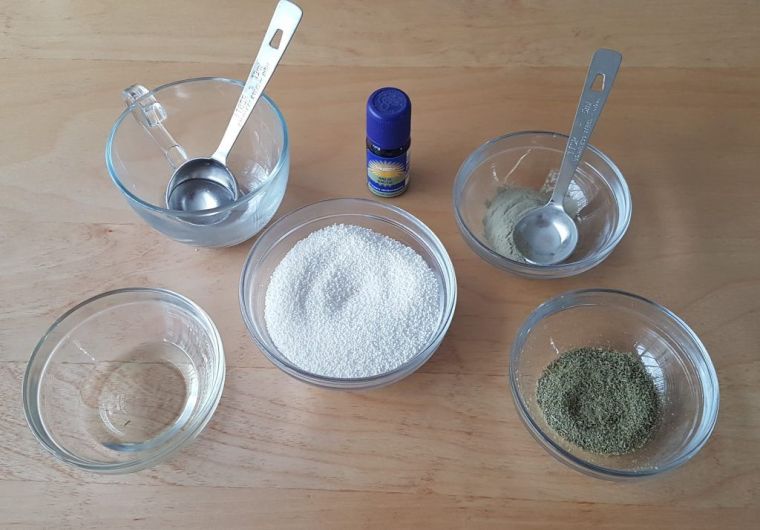
Ingredients: Preparation for about 100 grams of final product.

60 gr of surfactants SCI, SCS, or both combined. Example: 40 gr SCI, 20 gr SCS
15 gr (1Tbsp) of vegetable oils or butters
15 gr of herbal powdered extracts (clay, henna, nettle powder, lavender, rosemary)
5 gr (1tsp) of assets adapted to your needs (it can be simply clay, bicarbonate, aloe vera, etc).
2 tablespoons of hydrolate, herbal tea or water
Between 15 and 20 drops of AE appropriate to the problem you want to treat.

You will find all these ingredients easily in organic stores or online. Think that once you have them you can prepare various shampoos. It is not necessary to use many grams of each ingredient and, in addition, the solid shampoos last a long time, so you will have paid off your investment very well.

Regarding surfactants, say that SCI or Sodium Cocoyl Isethionate is a mild surfactant derived from coconut oil. It can be combined with another solid surfactant called Sodium Coco Sulfate that offers an even more generous foam. This second surfactant is more suitable for oily hair. The first surfactant is best indicated for dry and damaged hair. Of course, a combination of both is always possible.

Procedure:

We will weigh all the ingredients and start by melting the chosen surfactant with the two tablespoons of hydrolate, herbal infusion or water in a water bath. We will heat gently and crush with the back of a tablespoon until the mixture forms a homogeneous paste.
Then we will add the vegetable oil or butter and we will continue mixing and crushing the pasta. Already separated from the fire, we will add the vegetable extract. We will continue to mix and integrate it.
Finally, we will add the 5 grams of active ingredients, which can be the essential treatment oils combined with glycerin, aloe, etc., depending on the type of problem we want to treat.
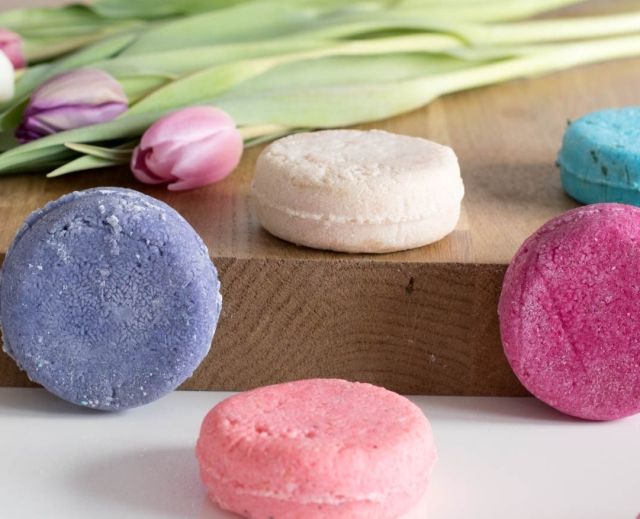
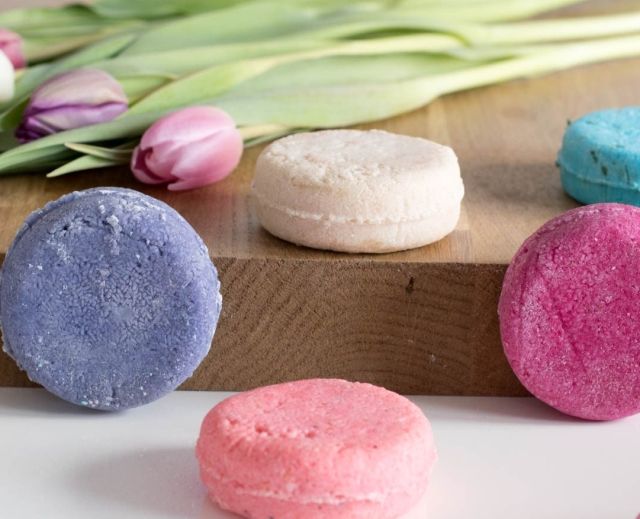
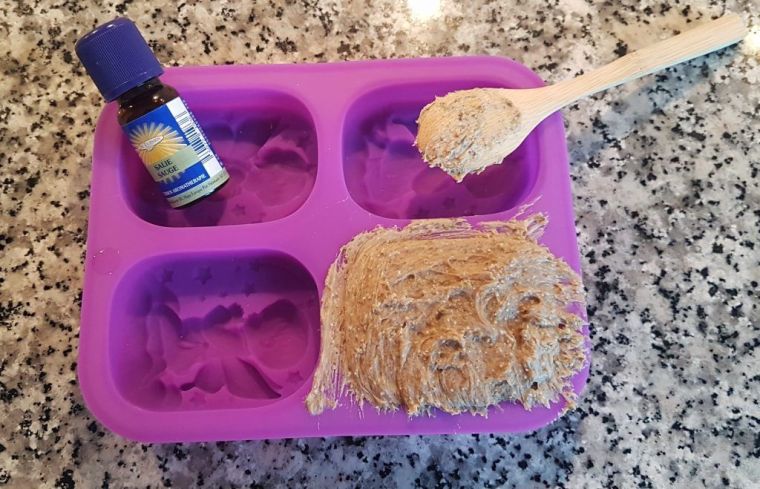
Then we will place the mixture in a silicone mold and let it rest for two hours in the fridge. When it is hard, we will unmold and wrap in a paper napkin to dry well for 72 hours before using it.

As we want our shampoo to treat excess hair fat, we will opt for the following composition:

60 gr of SCS surfactant
15 gr (1Tbsp) of jojoba oil (which is the best to regulate excess sebum, substitutable for hazelnut, almond or even virgin olive)
1Tbsp of dry extract of rosemary powder
1 tsp (5grs) of rassoul clay or green clay
2 tablespoons of water
Between 15-20 drops of AE from Salvia Sclarea

Procedure:

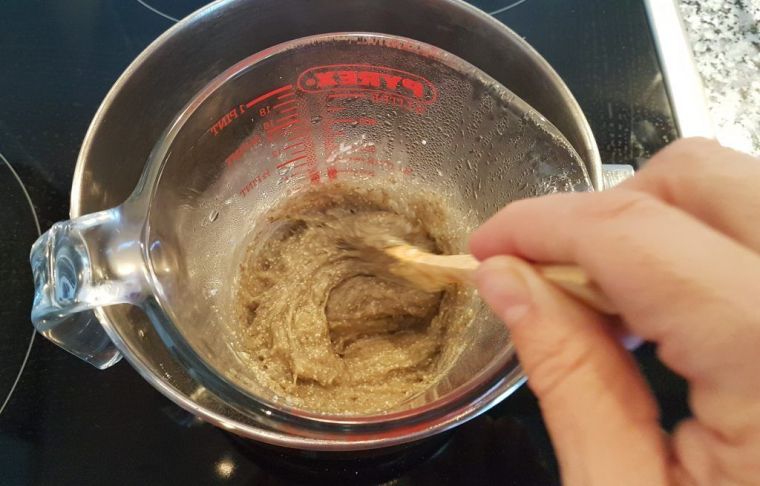
We will start by melting the SCS with the two tablespoons of water in a water bath. We will heat gently and we will be stirring until the mixture forms a homogeneous paste.

Then we will add the vegetable oil and we will continue mixing and crushing the pasta. Already separated from the fire, we will add the rosemary extract and the clay. We will continue mixing and crushing everything well so that it is integrated.

Finally, we will add our last ingredient, the 15 drops of essential oil of Salvia Sclarea since the EA of sage fulfills the function of regulating hair fat, just like rosemary and jojoba extract.

After unmolding it a few hours later, this will be our final result.

Our second recipe, not because it is liquid, is less effective.

SULFUR-BASED GEL SHAMPOO to regulate hair fat

Sulfur also acts as a regulator of the fat layer of the scalp as well as extracts of rosemary, jojoba oil or sage. This recipe is very simple to elaborate, practically, the only complication it has, is to find the surfactants based in coconut oil.

In our links section we indicate some online stores where you can find them.

Ingredients:

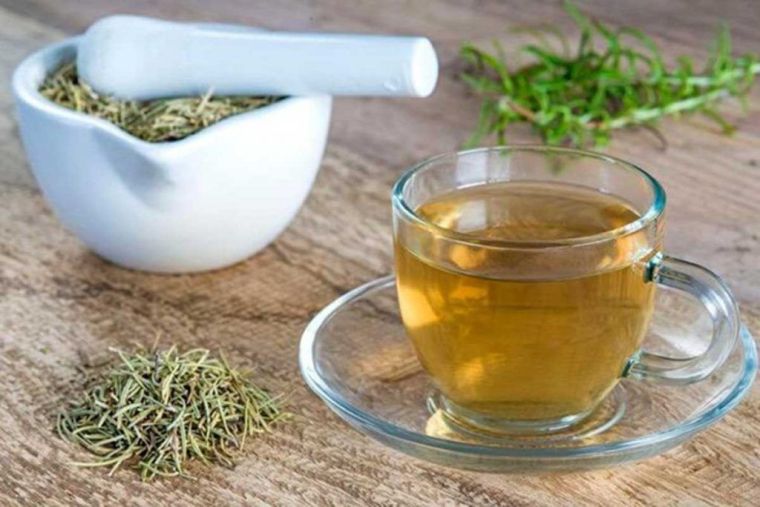
300 ml of rosemary tea
5 grs (1tsp) of xantana
1tsp of liquid soy lecithin
2 Tbsp of jojoba oil, hazelnut, macerated oil of borage, burdock, nettle, evening primrose …
1 Tbsp of vegetable glycerin
20 drops of preservative (Cosgard if possible because it less destabilizes emulsions)

15 grams (one Tbsp) of sulfur powder
30 drops EA of Salvia Sclarea, or rosemary or tea tree in this order.
50 grams of coconut tegobetaine (it is liquid)
30 g of SCS (it is a granulated surfactant)

Modus operandi:

We will start with the infusion of rosemary still hot in which we will dissolve the soy lecithin.

Now we will add the xanthan gum always whisking very well to integrate everything, thicken it and emulsify it.

Now we will add the glycerin and the oil and we will continue beating.

It is time to add the 20 drops of our preservative and the 30 drops of the essential oil of our choice. Also our tablespoon of sulfur flower, stirring everything very well.

Finally, we will dissolve our SCS granulated surfactant in coconut betaine and integrate by stirring in our emulsion taking care not to beat excessively because we could not run out of foam.

We can now bottle our shampoo and let it rest for a few hours before using it.

We really hope you liked these recipes and that you leave us a comment on our page.

ABOUT SUN PROTECTION

WHY WE NEED TO TAKE CARE OF OUR SKIN

The skin is our most voluminous organ and, at the same time, a double entry barrier. On the one hand, it isolates us from the environment, but, on the other, it is the organ that keeps us in contact with our environment and therefore needs special care.

It is a living organ with the capacity to regenerate, it is waterproof, resistant and flexible, it breathes and remains active 24 hours a day, performing all kinds of fundamental actions for our body. The skin is a vital organ for the human body that works as a protective barrier against the outside thanks to its complex cellular and immunological mechanisms, it takes care of us of diseases, extreme temperatures and injuries such as blows and burns. She selects and filters what is harmful to our body and takes what is beneficial. Regulates our body temperature and synthesizes vitamin D through exposure to sunlight.

As you know, this vitamin, which is so necessary to keep our bones and tissues healthy, is not abundant in food, hence the importance of using adequate sunscreen. We wanted to start on the blog with this topic of sunscreens and therefore we include a recipe for sunscreen cream without chemical filters or endocrine disruptors.

ABOUT SUN PROTECTION

Summer is coming and the sun is shining in all its intensity. However, we all want to go to the beach and the mountains to enjoy life outdoors. So, we have decided to write some tips on sun protection.

The sun creams that we usually find in the market usually contain a high percentage of sun protection filters, mostly chemical filters. These chemical filters have the advantage that our skin absorbs them relatively well and that they are easy to apply, but they also have many drawbacks, as we will see below:

-They damage the skin: There seems to be more and more controversy regarding conventional sunscreen creams. There has been an increase in skin and lip cancers in recent years, which are associated with the use of sunscreen with chemical filters. Apparently, these sunscreens do not form a protective barrier between our skin and the sun as we might think, but that ultraviolet rays penetrate the skin and protection is done thanks to reactions that take place in our skin. The danger is that since we don’t have the sensation of burning, we can stay in the sun for hours, but since ultraviolet rays do penetrate our skin, they end up damaging our cells. And of course, the sun is cumulative and the cells of our skin have a memory effect.

-They work as hormonal disruptors: Many of you already know what endocrine disruptors are, but for those who don’t, we will tell you that they are substances that have the ability to alter our hormones. This is a very serious issue and one that deserves our full attention. For example, there is a study linking a type of sunscreen, called benzophenone, to an increase in women with endometriosis problems. Retinol palmitate and oxybenzone are also apparently disruptive.

-They harm the environment: Chemical filters are not biodegradable, in fact, it is estimated that 4,000 tons of these chemical filters are deposited and accumulate on the seabed every year. According to a study by the EHP (Environmental Health Perpectives) carried out by Professor Donovaro in different parts of the world; It was concluded that sunscreens with chemical filters have a negative impact on coral reefs. Today it is estimated that more than 60% of coral reefs are in poor condition. Many marine animals live and depend on these reefs, so they too would be affected. In some marine reserves, such as the Tulum Biosphere Reserve in Mexico, the use of sunscreens with chemical filters is prohibited. And let’s not lose sight of the fact that these sun creams, apart from sunscreens, contain other substances (parabens, phenoxyethanol, silicones …) that should also be avoided.

In our experience, if we really want to take advantage of the time of solar exposure to synthesize vitamin D, it is best not to wear anything that prevents the synthesis of vitamin D. Of course, you have to take precautions such as avoiding the central hours of the day, wearing clothes cotton and straw hats to protect our face and eyes, maybe use some natural oil to hydrate the skin. The massive use of sunscreens is perhaps the reason why today everyone is deficient in vitamin D and this is not only the case in countries that receive few hours of sunshine per year, by the way. What is clear is that, if we cannot respect these rules and we have to expose ourselves dangerously to solar radiation, it is important, if we want to get away from the dangers of skin cancer, that we use a natural sunscreen cream whose possible formulation we detail below.

And there is an alternative to chemical filters that are physical filters, also called mineral filters. They are zinc and titanium oxides. Unlike chemical filters that interact with the skin to protect us, these filters make a reflective protective layer on the surface of the skin like a mirror or screen. We are only going to use zinc oxide in our formulations because there are also studies carried out on rats in titanium dioxide that the nanoparticles of titanium dioxide are able to cross the skin and reach the nervous system with the risk of damaging the brain. Therefore, we think, it is better to be cautious and use only the protectors based on zinc oxide and, in any case, natural bronzers based on biological filters of vegetable photoprotective oils, which, although they will not be able to protect us for a long time, neither will they do us any harm.

These biological filters, although their level of protection is lower than that of mineral filters, have the advantage of nourishing and hydrating our skin, favoring a soft tan. They are vegetable oils and extracts that protect the skin avoiding cellular oxidative stress and the alteration of our skin immune cells.

Among the biological filters are: vitamins A, C and E, flavonoids, ferulic and caffeic acids, vegetable oils such as carrot, jojoba, argan, coconut, avocado and shea butter, aloe juice, coffee, buriti (which is an oil with a protection factor as high as that of raspberry oil that we will talk about later), pomegranate, known for its high antioxidant power.

SOME RECIPES:

As prevention, the simplest measure that we can implement to protect ourselves from the sun’s rays is a simple water spray spray in which we will dilute the mint and lavender EAs. These essential oils have a sunburn prevention effect and refresh the skin. Peppermint is not only refreshing; it also prevents the skin from itching. Lavender, in synergy with mint, prevents our skin from burning.

We can, for example, dilute 20 drops of each essential oil in a spray spray with a content of about 250 ml of water. Simply, it will be enough to spray ourselves in the exposed areas when we go for a walk in the summer sun, to prevent us from burning ourselves.

And we can make a very simple cream with a mineral filter such as zinc oxide, the protection factor of which will be somewhat higher, thus preventing us from burning ourselves when we go to the beach or the country. Of course, it will be necessary to always avoid the central hours of the day and long exposures, as we already know. With the sun, prudence will be the most appropriate measure to take care of our skin and maintain adequate levels of vitamin D.

Basic sun protection cream with SPF of approximately 30:

A simple sunscreen recipe whose effectiveness is due to the physical mineral protection action of zinc oxide is this that we detail below. When smearing this cream on the skin it will leave it a little white, but that is normal because it is the protective screen effect of zinc oxide. As long as our skin remains white, we will not burn. In addition, this cream is in itself quite waterproofing and does not usually go when bathing in the beach or the pool.

Ingredients:

40 gr of sesame oil

15 grams of beeswax

15 grams of zinc oxide

We will melt the beeswax in a bain-marie and add the oil and zinc oxide. It is important to beat very well with a rod so that the ingredients mix well.

https://youtu.be/4cmE5SX1W-w

I you like this article leave us a like.