
INTIMATE HYGIENE HONEY GEL

“Each woman is home to several types of lactobacillus, which evolve throughout her cycle and life based on hormonal variations, environment, intimate hygiene, sex life, etc. In the menopause period, the pH is naturally 7 while in a normal state the pH of the vagina varies between 4 and 5”.

So, as our partner of bcncosmetics (https://www.instagram.com/bcncosmeticss/);

https://bienestarintimofemenino.com/2021/01/24/414/

comments; it is important at any stage of life to ensure that our vaginal flora remains in good condition, but during menopause and premenopause (which begins a few years before we stop having definitive periods) it is even more important because of the vaginal dryness that is generated and also because the natural ph of the vagina is alkalized being less effective when it comes to protecting us from candida and possible infections.

We have been thinking about the right recipe for formulating an intimate hygiene gel for daily use.

A soap for daily intimate hygiene, in our view, must have very soft and natural surfactants* that respect the vaginal flora. *Surfactants are organic molecules that help dissolve or emulsify insoluble substances in water; oils, greases, dirt…

However, soaps and natural surfactants attack the micro-organisms of our skin and mucous membranes by breaking the balance of the skin’s healthy dermal barrier. This is totally logical because if they were not able to remove the traces of grease, dirt and microorganisms they would not have a cleaning effect either.

If surfactants are not of natural origin, of course they have a much more aggressive effect on the skin and mucous membranes. Hence the importance of using natural soaps derived from vegetable oils (such as Castile soap) and plant surfactants derived from coconut oil such as coconut betaine, for example.

It is for this reason that a second component that nourishes and restores our vaginal mucosa becomes necessary, and this second component must, in our view, have a probiotic character.   And that’s why we’ve chosen honey as the second component of our intimate hygiene gel. Honey is full of probiotics and antioxidants.

Honey, for thousands of years, has been used internally to treat digestive disorders and also for topical use to heal infectious wounds and burns. According to the fermentation guru, Sandor Katz, in his book, The Art of Fermentation, katz writes that raw honey contains “an abundance of yeasts”. In honey we find:  16 genus of bacteria, 13 genus of yeast, and 12 genus of molds. It is for this reason that “most bacteria and microorganisms cannot grow or reproduce in honey.”

Honey, therefore, has many properties as a probiotic and as a mild natural antibiotic that preserves the bacterial flora of our skin and mucous membranes. That’s why this intimate hygiene gel recipe will help us keep the natural bacterial flora of our vagina in perfect condition.

This gel can also be used as a shower gel in case of delicate skin.

Ingredients for about 120 ml approx. of preparation:

-60% surfactant/ 72g castile liquid soap

-35% honey/ 42g honey

-A tsp (5gr) vegetable oil (grape seed oil, jojoba oil, sweet almond oil, sesame oil or olive oil) …

We will not use essential oils in our daily intimate hygiene soap formula because, as we have repeated many other times, antibiotics, even if they are natural, are not a good idea as preventive medicine.

EO are a blunt solution that should be used when there is a real imbalance, not as a preventive agent of imbalance. To do this, we will use, in this case, a probiotic such as honey.
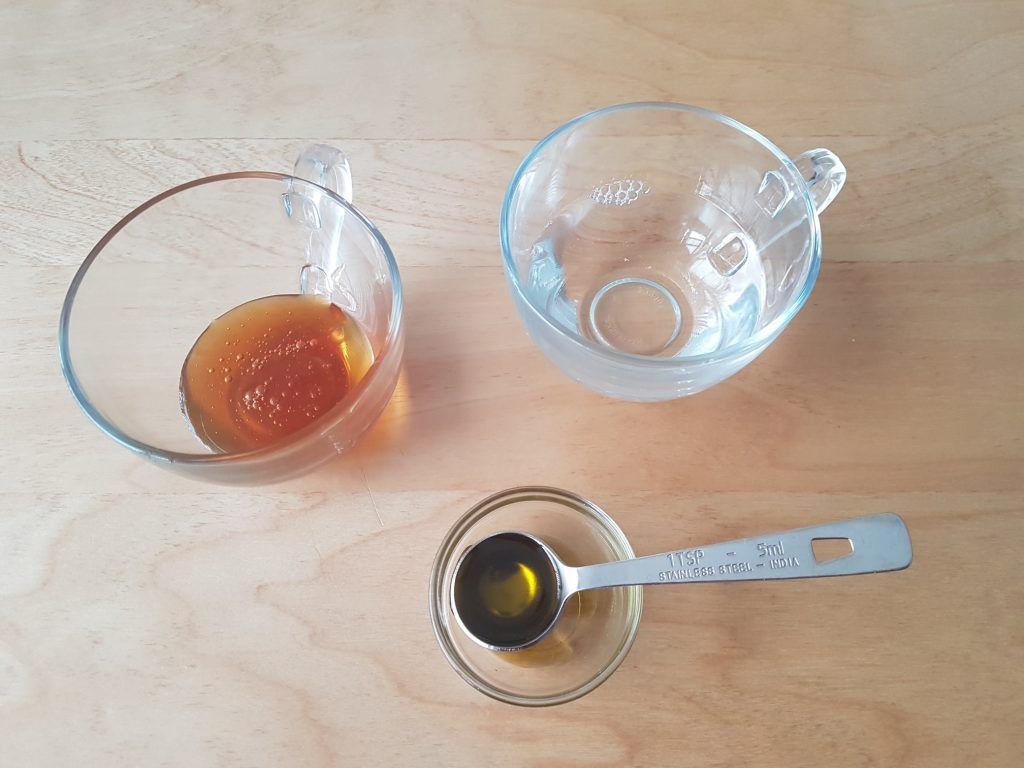
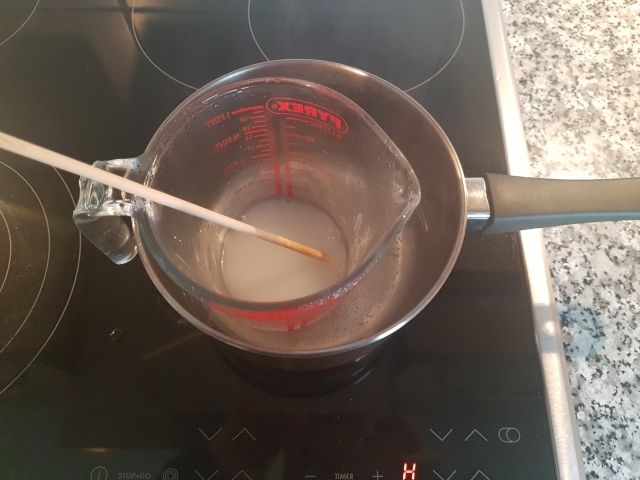
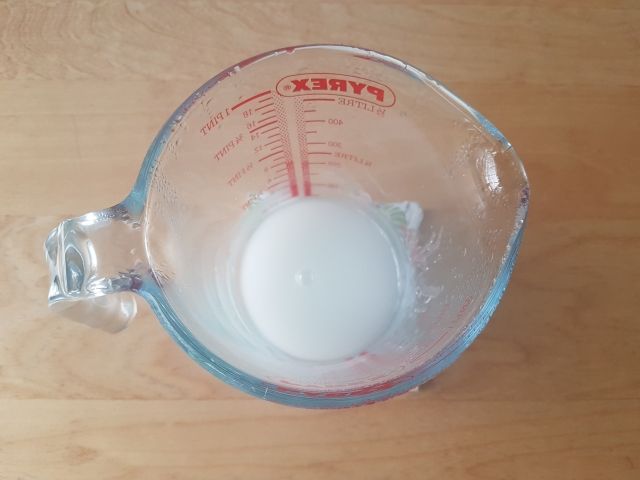
PROCEDURE: Simply combine the honey with the surfactant you have chosen and add the vegetable oil. Shake well and bottle.
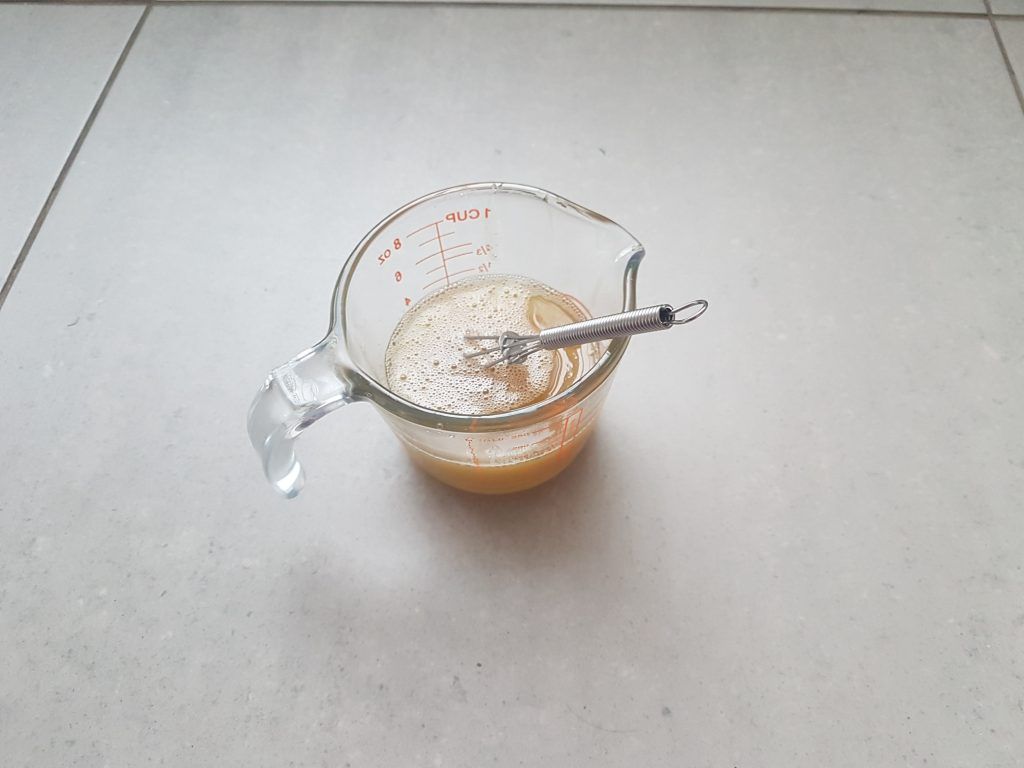
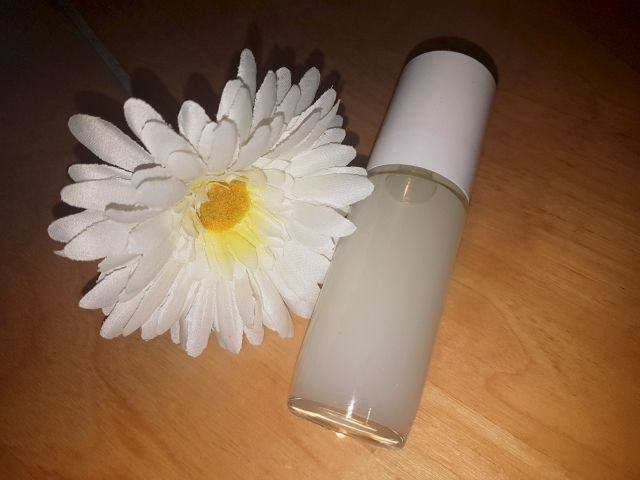
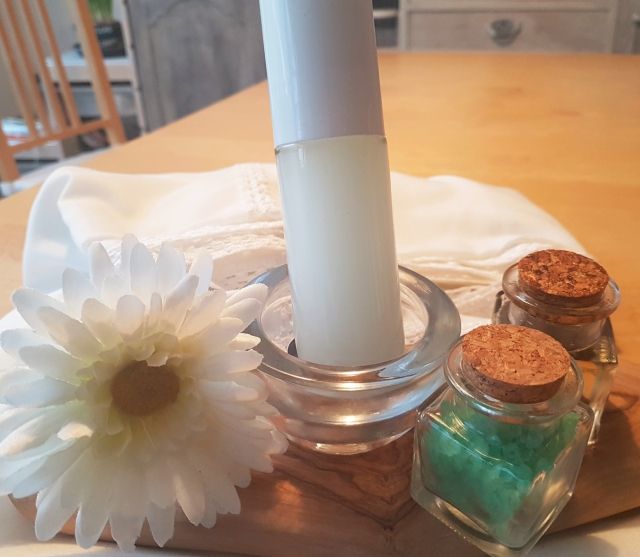
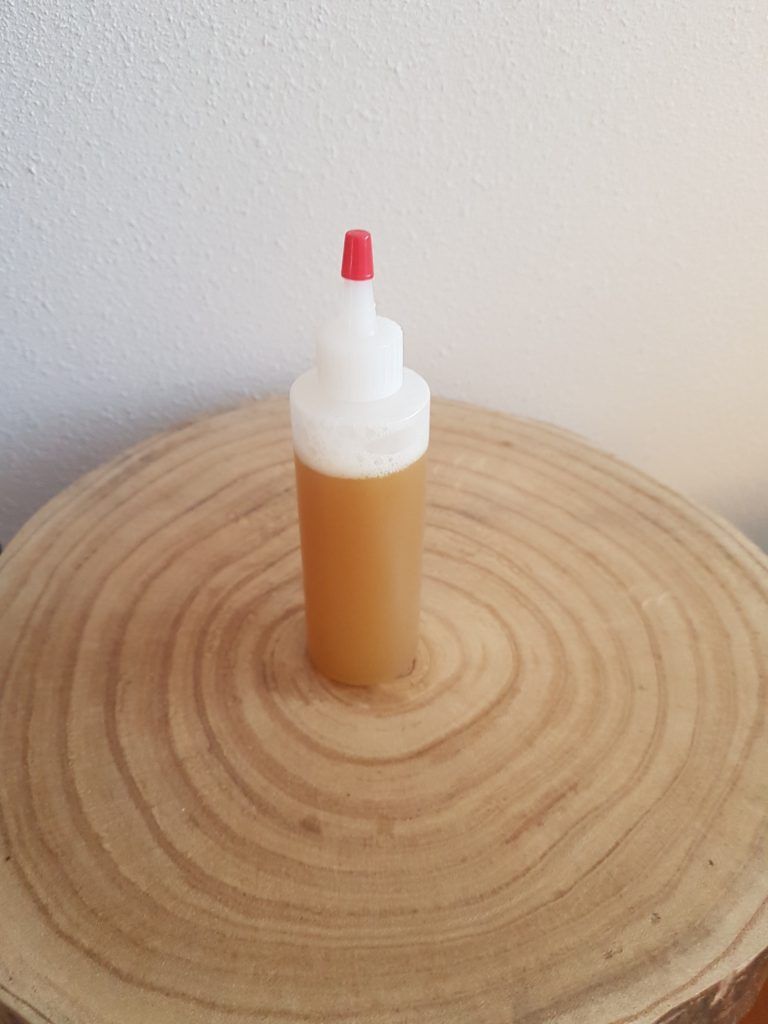
And we’ll have our intimate hygiene gel ready. As you can see the soap and honey mix perfectly. With a few drops in the water of the bidet or in the basin that you use to wash yourself, it will be enough.
However, essential oils are known for their benefits against skin disorders. Essential oils can soothe, cure, disinfect and deodorize the skin.

ESSENTIAL OILS AS A TREATMENT

Tea tree essential oil has a broad spectrum of antibacterial properties, as well as having the ability to be gentle with the skin. It is effective against acne, oily skin, irritated skin and inflammation. It is also the EO of choice when it comes to combating vaginal candida and it is for this reason that if you suffer from vaginal itching and suspect that you may be incubating this type of imbalance, you can use a few drops of this oil in the form of serum, that is, diluted in a carrier vegetable oil.

Or, even more effectively, pour a few drops over your panties and let it perform overnight. You will see how the next morning the problem will be gone and you will most likely not have to resort to other more aggressive remedies.

Ylang-ylang essential oil is also a great ally of female sexual health. It is perfect for the care of irritated skin and to regulate oily skin but it is also a great support in case of sexual asthenia or lack of libido, especially for women. We can prepare an oil with 2 drops of Ceylon cinnamon EO and 8 drops of ylang-ylang in 15 ml of sesame vegetable oil or hazelnut. We will apply 3 – 4 drops by performing a massage on the lower part of the spine, 2 times a day, for 2 weeks.

TO USE IT LIKE A SHOWER GEL FOR SENSITIVE SKIN

If you are going to use it as a shower gel for babies or to treat sensitive skin, you can do so directly according to the above proportions, or you can also slightly modify the recipe to achieve greater washing power.

Quantities to prepare about 250 ml of shower gel:

150 gr of liquid Castile soap without perfume: it is made with olive oil and is very soft for the skin; as an alternative we would use coconut betaine.

88 gr of honey: ideal for its softening properties;

1 TBSP (15 gr) vegetable oil of macadamia, argan, jojoba, almonds, olive, etc. Macadamia oil, in particular, has soothing, nourishing and soothing properties and leaves skin soft and silky;

4 drops of vitamin E that will serve us as antioxidant.

Optionally, a few drops of aromatic extract.

PROCEDURE:

We will weigh the ingredients and mix the soap and honey. We will  add the vegetable oil and, optionally, the aroma. We will pour this mixture into a bottle of recycled shower gel, for example.

We will use an aromatic extract, preferably, rather than an essential oil because as we have repeated on other occasions, essential oils have natural antibiotic properties and their use in daily hygiene can lead to irritation of our skin.

If you’re going to use shower gel with your baby, it’s best not to use essential oils at all. At most, add only 1-2 drops of chamomile essential oil or lavender essential oil.

If you’re using this homemade shower gel with your kids, cut the amounts of essential oil in half.

If you are going to use it in people with healthy skin it is possible to use some drops of soft essential oils with properties for the skin such as ylang-ylang, sandalwood or even myrrh. Although the latter is better for people with real skin disorders such as dermatitis or psoriasis and we will never use it in a daily hygiene gel.

We cannot assure you, as we mentioned in an earlier article, that the fragrancesof stores other than the aroma zone are not of synthetic origin. Those of this French store, as detailed in its description, are of natural origin and Ecocert certified. If we don’t have access to this store it is better to read first the composition of the fragrances and to avoid the synthetic ones.

We leave you several links to different floral and fresh fragrances from the aroma zone store that you can choose to give aroma to your shower gel:

https://www.aroma-zone.com/info/fiche-technique/fragrance-cosmetique-naturelle-lilas-blanc-aroma-zone

Or muguet with fresh floral notes:

https://www.aroma-zone.com/info/fiche-technique/fragrance-cosmetique-naturelle-la-fee-muguet-aroma-zone

Those who like the most classic aromas:

https://www.aroma-zone.com/info/fiche-technique/extrait-aromatique-naturel-vanille-bio-aroma-zone

https://www.aroma-zone.com/info/fiche-technique/extrait-aromatique-naturel-framboise-bio-aroma-zone

Here are also some essential oil suggestions and their benefits. Remember that using them in a timely manner is always more beneficial:

Chamomile essential oil: perfect for dry and sensitive skin. For use against acne, eczema and dermatitis.

Geranium essential oil: ideal for oily skin. For use against acne, skin aging, dermatitis and other skin disorders. Geranium essential oil brightens and revitalizes dull skin.

Grapefruit essential oil: this essential oil firms the skin. It is extremely effective for deeply cleansing oily skin. If you do not use more than 15 drops in the mixture, this oil is not at risk of photosensibilization.

Lavender essential oil: especially soft and beneficial for all skin types, including very sensitive ones. Perfect against skin aging, acne, eczema and psoriasis. Soothes irritated skin that itches.

Palma rose: also called Indian geranium, stimulates cell growth, moisturizes the skin and regulates sebaceous secretions. An essential essential oil for skin care.

Patchouli essential oil: has antipruriginous, astringent, fungicide and antiseptic properties. Excellent against acne, cracks, cracked skin, oily skin and aged skin.

Mint essential oil: because it is particularly potent, we will use only half or less (25-30 drops maximum) of the amounts normally used. Refreshes and stimulates the skin. Perfect against acne because it has astringent properties.  It is also advisable to avoid the use of mint essential oil during the first 4 months of pregnancy.

Rosemary essential oil: stimulates and revitalizes the skin. It’s a great anti-aging EO. It is  also effective against acne, eczema and dermatitis. We will try to avoid it during pregnancy and also if we have epilepsy or high blood pressure.

Sandalwood essential oil: used against acne, dry skin, cracks and cracked skin. Also effective in fighting wrinkles and skin aging.

Sweet Orange Essential Oil: It is a great sebum regulatory EO. It is also soothing and lightens the skin. Ideal for oily or dull skin.

If you liked the information we share here, subscribe to our mailing list and touch the bell to receive our notifications.
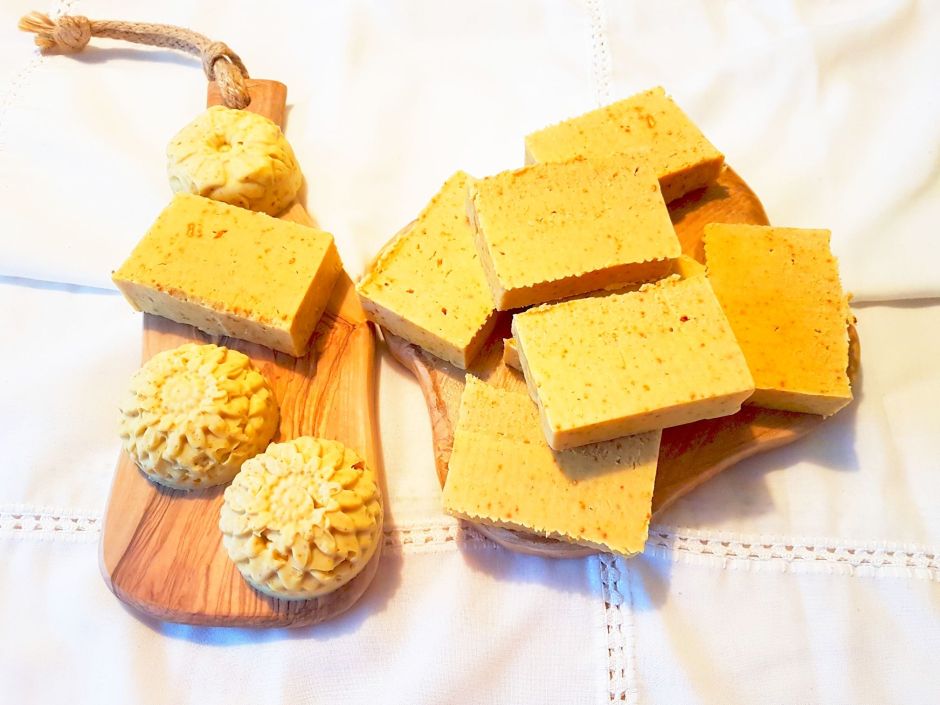
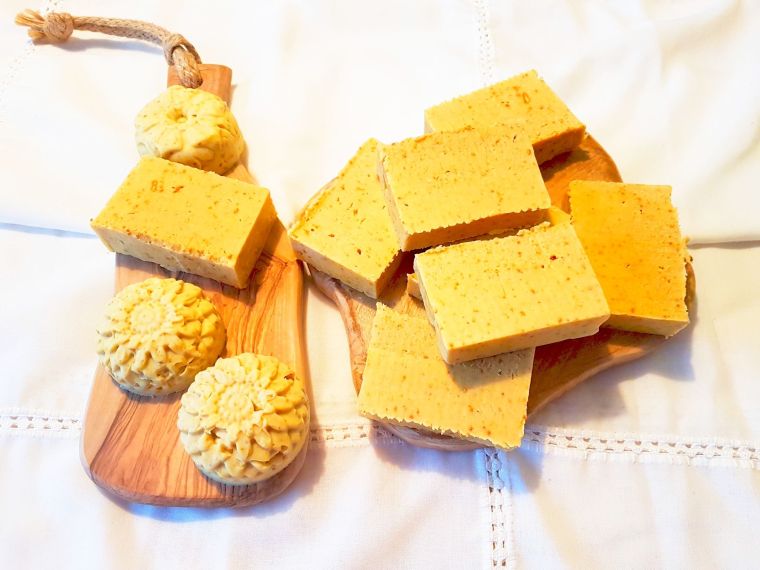
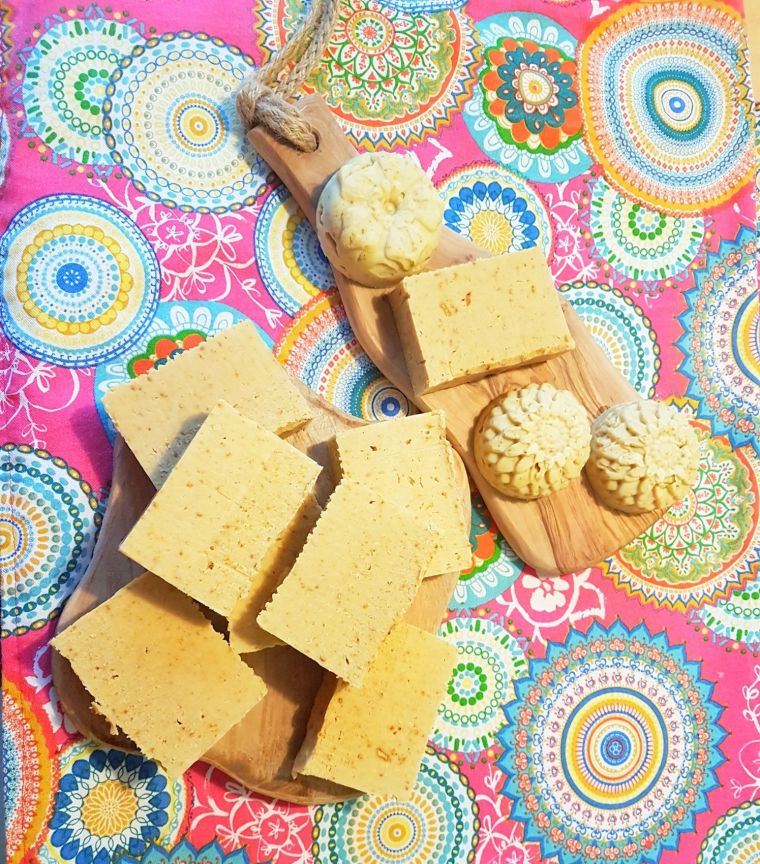
COLD PROCESS SOAP WITH orange zest powder.

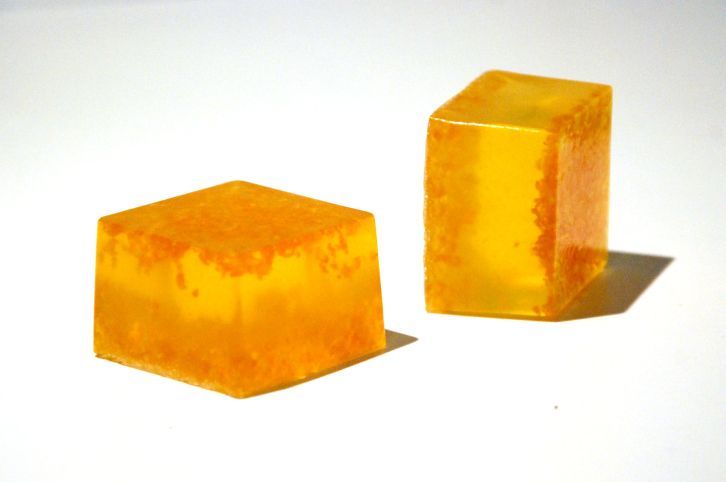
Many people believe that glycerin soaps are better and softer, but while this may seem like this in principle, glycerin soaps do not have the moisturizing capacity of good cold process soaps. Cold processed soaps contain quality butters and vegetable oils that, when broken down and converted into soap, provide glycerin to the final composition in an entirely natural way. In contrast, glycerin soaps, as the name suggests, are composed of glycerin that has been extracted from cold processed natural soaps.

They look much prettier, but glycerin, in the use of daily hygiene, is very likely to end up drying our skin because natural glycerin has hygroscopic properties that attract water and retain it. That’s why it’s initially moisturizing, but used daily it can end up drying out our skin.

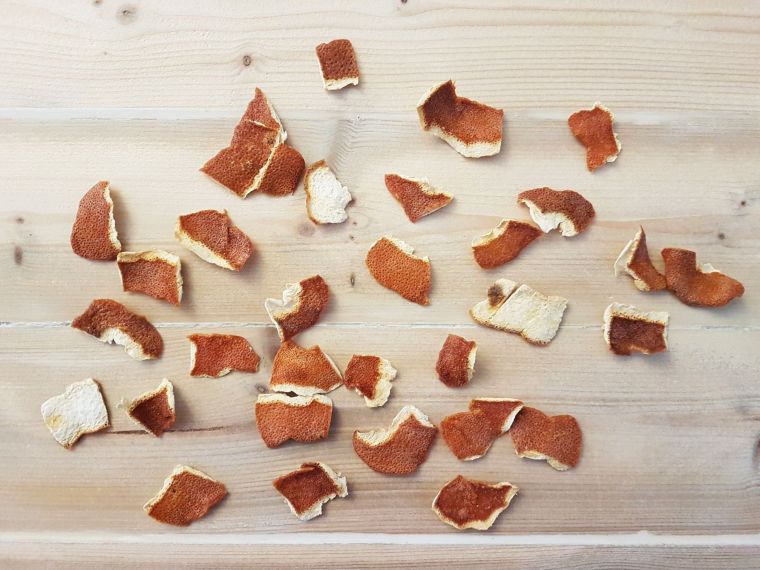
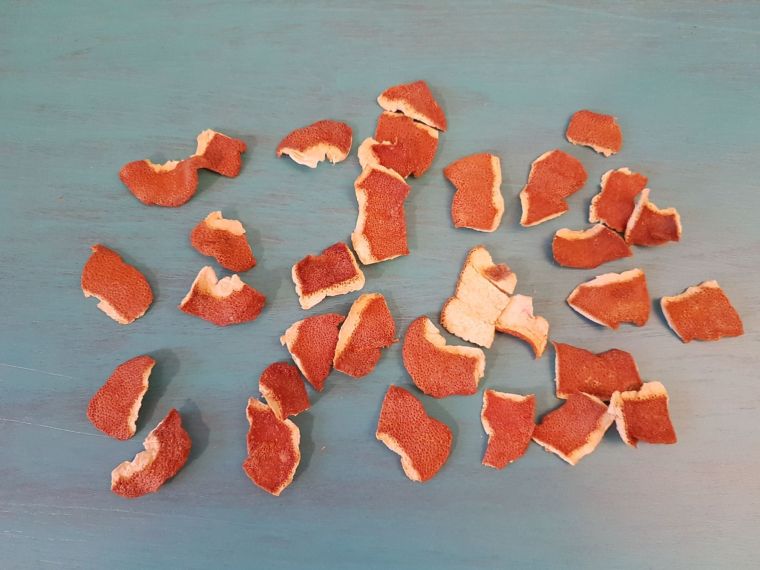
We wanted to formulate this cold process soap with vegetable oils and orange zest because orange (and orange essential oils are contained in its bark) it has sebum regulatory properties and suits all skin types very well.

Previously (read article on how to prepare powder from herbs and extracts) in section of natural ingredients to see the process of home preparation of orange zest powder.

NOW LET’S GO WITH THE SOAP

To make this soap with a 12% over greased * we will need:

800g olive oil

100g coconut oil

50g castor oil.

273g water and

117g caustic soda

WITH ADDITIONS OF

50g orange zest powder

15g (1TBSP) honey

15g white clay and

15g zinc oxide

*If you do not know what over greasing is and how to calculate it we recommend that you read the post on how to make soaps  by the cold process method.

PROCEDURE:

We’ll melt the butters first, in case there are. In our present recipe, we will melt the coconut oil because in the winter stays in its solid condition. And also, previously, we will prepare the lye, that is, the mixture of caustic soda with water.

Let’s always try to follow some minimum safety measures with caustic soda such as wearing gloves and making our mixture in a well-ventilated place so as not to breathe the toxic fumes that come off when mixing the soda with water.

We will need a large container to start with, preferably temperature-resistant plastic, or glass. We will add the oils and gradually the lye and start beating gently until we see that it starts to trace. Theoretically, at this time, we will add the additions of honey, clay and orange zest and continue whisking until everything is well traced.

In the video we have advanced too much and added the honey and the clay’s before the trace. In principle, this would not be done because honey, clay and zinc oxide are considered to be able to better provide its emollient properties at the end of the trace.

If you’re wrong, how it’s happened to me with the nerves of the video, you’ll see that soap is also traced smoothly, although maybe there will be a small difference in the soap’s ultimate emollient and hydration capacity.

In any case, you’ll see that they’re beautiful. We will have to wait, however, a couple of months before using them to give them time to mature well and to lose water. Also, to get a better ph, more like  the ph of our skin.

If you liked this video, and you’ve tried the recipe, let us know in the comments.

HOW TO PREPARE HERBS AND EXTRACTS IN POWDER

HOW TO MAKE POWDERED COLORS WITH VEGETABLES

The idea of this entry is to explain how we can very easily make our own dyes and pigments from vegetables and plants that we can easily dispose of to color our natural soaps and cosmetic preparations.
However, just because something is natural doesn’t mean it has “cosmetic grade.” In order to use something on the skin you have to go through irritability studies. For example, natural pigments such as paprika, which has a matte red color, or turmeric, which has a faint yellow color, are not recommended to use them on the face, even if they are natural, due to their high irritability.

In this case, some mica and mineral pigments are successfully used. Think of some eye shadows and lipsticks. And also, of course, it is possible to use clays and plant pigments to prepare colored makeup foundations, such as red clay, zinc oxide, cinnamon, or cocoa, which are much less likely to cause us skin irritation.

Mineral micas or pigments are a type of highly fragile silicate minerals with a diverse chemical composition; are typically used as dyes in natural and commercial cosmetics. Its use on the skin is considered safe.

In any case, for the production of soaps and natural cosmetics, synthetic pigments are not the best option.

-First because using synthetic pigments is less environmentally friendly to the planet since they are less biodegradable and often even toxic like the synthetic oil-derived pigments that are produced today. These have been linked  to allergic reactions,  skin  irritation and  toxicity  after prolonged exposure. Incthe past, dyes were of organic origin as they were obtained from coal or coal tar (the so-called cosmetic anilines), but these are now deprecated as their potential to cause cancer was demonstrated. This was the reason for the onset of synthetic inorganic dyes that unfortunately have not turned out to be much better.

-Second, because many times they try to sell us this type of colorants for soaps and bath bombs on pages of ingredients for natural cosmetics, guaranteeing their safety when they are not even safe. Take a look to their INCI:

Pistachio green liquid dye to color bath bombs and aromatic salts. INCI: Aqua, CI 19140, 42051

Pink liquid pigment to dye bath bombs and aromatic salts. INCI: Aqua, CI 45100

Egg yellow liquid pigment to dye bath bombs and aromatic salts. INCI: Aqua, CI 19140, 16255

Ultramarine violet powder pigment. INCI: Ultramarine (CI 77007)

Bubble gum pink powder pigment. INCI: Polyester 3, Red 28, Manganese Violet.

I don’t know about you, but none of them sound very natural to me.

With the drawback that if you also do not add to your bath bombs Polysorbate  80, which is a non-ionic surfactant (HLB 15) and emulsifier that contributes to the fixation of these dyes, it may occur that the pigments of the bath bombs dissolve completely in your bathtub and color your skin.

https://incibeauty.com/es/ingredients/10197-polysorbate-80

With this, the product that was originally designed to provide you with a more pleasant and moisturizing bathing experience, ends up becoming something unpleasant that also adds toxicity to your bath.

I have taken INCI samples from different suppliers of ingredients for natural cosmetics. In the case of Bramble Berry’s famous American page of ingredients for artisan soaps and bath pumps, this lack of scruples is very noticeable, because although they recommend micas to color bath pumps, then they suggest the famous Polysorbate 80 whose use is not even allowed in natural cosmetics in our European legislation.

https://www.brambleberry.com/articles/how-to/art0140-color-bath-bombs.html

But if you look at the fragrances, almost always synthetic, that this store sells for use in natural soaps and bath pumps; the thing does not improve.

Look at the recommendations for the fragrance “Pink Mimosa“: The fragrance, in principle, is for use in the production of soaps and bath pumps, but they warn us to avoid the contact with eyes and lips and their direct application without diluting on the skin.

Some Spanish online stores are not spared either, believe it or not, despite the strictest regulations of the European Union.

Previous INCIs for liquid bath bomb dyes were from Gran Velada website.

https://www.granvelada.com/es/371-tintes-para-sales-y-bombas-de-bano

Or look at the safety sheet for synthetic soap fragrances sold on the Jabonarium page:

https://www.jabonariumshop.com/fragancias-jabones/

However, in this case, and thanks to the strict regulations of the European Union, they are obliged to provide a safety sheet. Look for it. You’re going to freak out.

Personally, we stay with the French house AROMA ZONE among whose policies are not to sell polluting synthetic fragrances.

“Qualité et sécurité des fragrances: Rien de commun avec les fragrances synthétiques anglo-saxonnes qui inondent le marché (ces dernières sont de véritables cocktails chimiques et, pour certaines fragrances en provenance des Etats-Unis, elles ne sont pas conformes à la règlementation cosmétique européenne). Au contraire, toutes nos fragrances sont constituées uniquement de composés aromatiques d’origine naturelle”.

TRANSLATION: Quality and safety of fragrances: Nothing in common with the Anglo-Saxon synthetic fragrances that flood the market (these are real chemical cocktails and, for some fragrances from the United States, they do not comply with European cosmetic regulations). On the contrary, all our fragrances are made up only of aromatic compounds of natural origin.


AND LET’S GO NOW WITH THE THIRD ARGUMENT

And it is that, although we consider it a nice idea to want to add color to our soaps, gels, and bath pumps; is it really necessary to add color, especially if providing color means providing toxic compounds, that do nothing to contribute to the benefit of our skin?

Once I made the mistake of adding purple mica to a lavender soap to give it a more authentic look and what happened is that, after a few months (and it is necessary always to wait a few months for a natural soap to mature before starting to use it), the soap turned a dirty, sticky gray color.

Logically, although mica is a relatively harmless mineral pigment, the reaction that occurred when mixed with soda and vegetable oils was not exactly appropriate. Finally, I decided to cut this natural soap into small pieces for use it with the laundry.

On the other hand, if you use vegetable dyes and clays for this type of thing, you will not only achieve greater stability in the final product, but you will also provide properties as is the case with many herbs and spices. Or, for example, if you add clays, these will also help you fix the aroma of the essential oils in the soap.

AND NOW LET’S CUT TO THE CHASE. HOW TO MAKE POWDERED COLORS WITH VEGETABLES  AND HERBS?

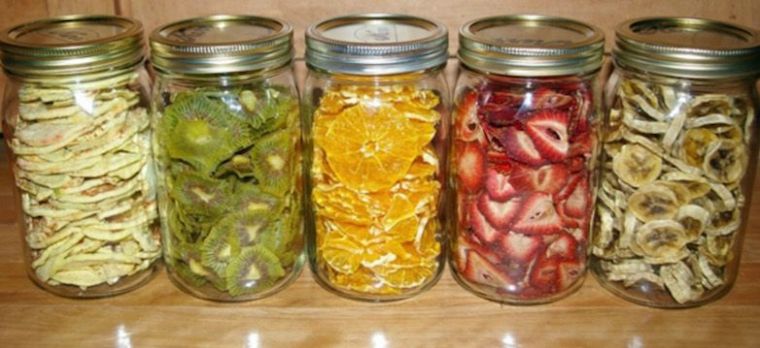
The first thing we have to do is dry or dehydrate the plants so that we can then grind them. You can let vegetables dry in the sun or outdoors, as has been done for centuries.

Or use the kitchen oven. To dehydrate food or plants in the oven, you must remove the shell if necessary, cut into thin pieces or slices and arrange them on an oven plate.

We will bake them at a minimum temperature, with the oven door open, moving them from time to time, until when we touch them we will feel them completely dry (when pressed they should crack, not bend).

Once you have the dry plants, the next step is to grind them. To pulverize the plants it is best to use a coffee grinder, you get a very fine powder. You just have to introduce the plants into the grinder and grind them until they are completely turned into powder.

The powder can be stored in glass jars for months without problems and you can add it directly to your preparations to give them a tonality. The intensity of the color will depend on the amount of powder you add.
Some pigments are water-soluble, such as beet or pitaya, so you can add them to preparations that contain water.

Plants rich in pigments:

Yellow: saffron, marigold, common chamomile,  mustard, curry, turmeric.

Violet – lilac: lavender, violet.

Purple: beetroot, purple cabbage, blackberries.

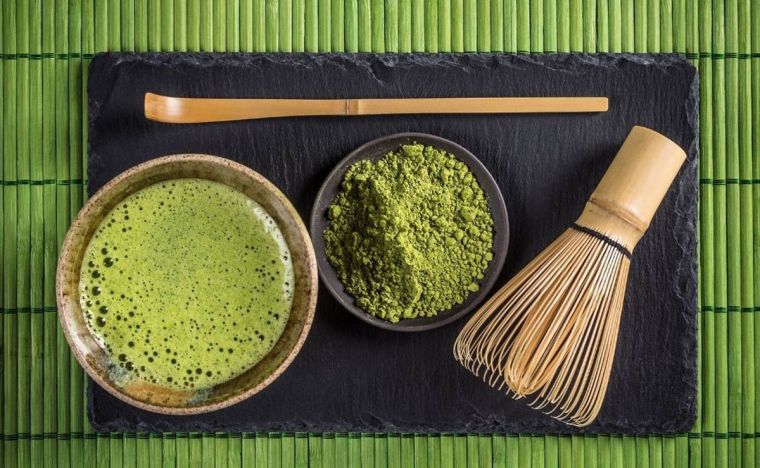
Green: mint, unfermented green tea, nettle, rosemary, chard, spinachs,  parsley, mint, algae.

Pink: beetroot, pink, raspberry, pitaya, cherries.

Red: Red pepper, tomato, paprika, chili.

Brown: cocoa, coffee, cinnamon, fermented tea (camellia sinensis).

Blue: Roman chamomile, cypress berries, blueberries, indigo plant (tinctoria indigofera , with which the jeans were dyed in the past).

SOME VEGETABLE DYES FOR SOAPS, BOMBS AND BATH SALTS

Clays and some powdered spices like turmeric or curry are especially stable if we want to color our soaps.

If we want to color bombs or bath salts, we’d better use vegetables and herbs powder in most of the cases. However, it is also possible to add clays to the composition of bath bombs.Cclays can also be a natural choice.

EXAMPLES:

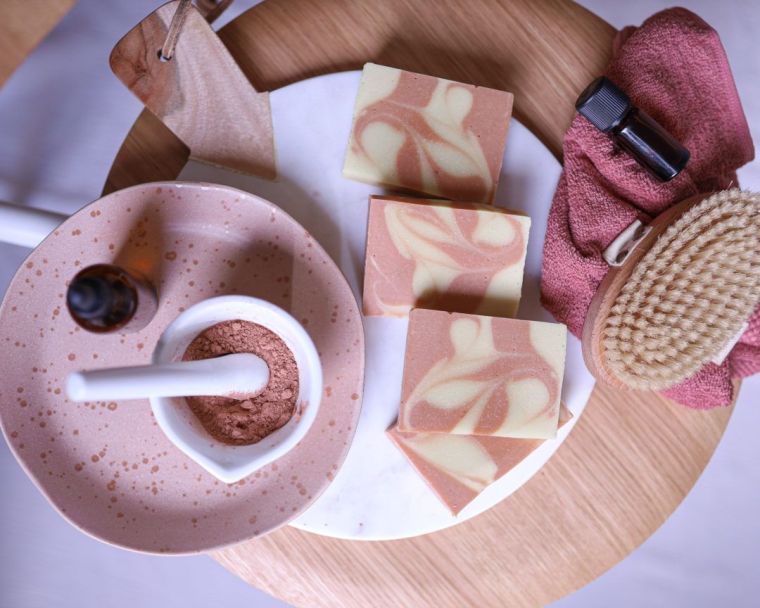
To give them pink tones: Pink Clay

To lighten the color of our soap: White clay, zinc oxide.

Orange: With carrot juice and achiote seeds powder (Annatto)

Fuchsia: with beetroot powder, or pitaya (fruit of the cactus “Stenocereus queretaroensis”, dragon fruit also called).

Lilac: With alkanna tinctoria.

Bluish grey: With active charcoal  or  indigo plant. With active charcoal the soap look very nice in addition to the purifying properties it provides them.

Reddish: With the plant “rubia tinctorum” or with red clay that contains a significant amount of iron oxide naturally.

Anyway, there are surely many more plants and herbs that can bring a natural color to our recipes, and that I do not know, but if you know them I will be delighted that you let me know in the comments.

WHY IS IT IMPORTANT TO MAKE OUR OWN NATURAL DEODORANT?

The report acknowledges the fact that certain substances (parabens, phthalates, aquiphenols, nonylphenols, perfluorinated…) act as endocrine disruptors and that combined intervene in chronic diseases affecting not only humans but animals, in particular reproductive abnormalities. * The EU itself ensures through the REACH report (a list of 138 suspicious substances) that 99% of chemicals barely have data on their uses, characteristics and how they should be managed to be safe. So we don’t understand why they put them into circulation. Or do you understand it?

However, it happens that it is very difficult to establish a causal relationship between exposure to these substances and a hormonal alteration that poses a health risk.

That is, a person can be all his life putting on creams with parabens, painting his nails (and eating the enamel because he also bites them), eating heated food in bad quality plastic tuppers and being in contact with endless more toxics and reaching 90 so richly. And Gwyneth Paltrow (known as eco celebrity) may develop a disease linked to these endocrine disruptors tomorrow when at home everything comes from certified and sustainable organic products. Yes, life is that unfair. No, it’s not that. It’s got an explanation.

My grandfather was one of those men of an ancient era when the only existing contamination was the smoke of cigarettes that he smoked and, of course, he reached 91.

This is possible because the human body has a system of emuntorial or excretion organs such as the kidneys, liver, skin or lungs that are responsible for ridding us of toxic substances that end up in our bloodstream; either through the diet, either through the air we breathe, or through the substances (deodorants, creams, nail polishes, hair dyes, etc.) that we get on the skin.

All this makes it difficult to establish a relationship between these diseases and certain chemical compounds, as it is not a cause-and-effect relationship.

The EU also introduces in this text something that scientists, and in particular Dr Olea, have long denounced and is the so-called “cocktail effect“, since humans are exposed to these combined substances in our day-to-day life.

To find out more: book by Professor Nicolas Olea, Free yourself from toxics. Guide to avoid endocrine disruptors.

And that is also what we from this blog have insisted on highlighting and we have called a “toxic crisis” because we consider that the amount of chemicals susceptible of toxicity that surround us today everywhere is not comparable with the environmental situation that could have been in the past century in which my grandfather lived.

And that is why we wanted to dedicate this post to deodorants, since within the infinite range of toxic products that surround us everywhere, deodorants and antiperspirants are particularly undesirable because of the suspicions that, for years, have been had on their influence on breast cancer and Alzheimer’s, among other ailments.

In principle, it is important that we understand that “sweating” is an essential physiological need for our body to eliminate toxins and maintain good levels of hydration, body temperature and PH.

WHAT’S IN CONVENTIONAL DEODORANT?

Commercial antiperspirants and deodorants contain substances such as parabens, triclosan and artificial fragrances that can be endocrine disruptors, alter our metabolism, affect brain development, weaken muscles, decrease sperm count and act as allergens, among other things.

If we take a closer look at the labelsof our commercial deodorant, we will find the following type of harmful chemicals:

Parabens: Parabens are preservatives that are included in hygiene and cosmetic products, which have micro plastic balls. They are so small and common that they spread through water and end up directly at sea.

At first it seems to be a small amount, but if we think of all the people who use cosmetic products on a daily basis, it is a lot of pollution. On this page you can find more information about it and identify the parabens and silicones hidden in conventional creams and hygiene products.

https://www.ewg.org/

Some of them are already beginning to be banned in the legislation of some countries and that is why new substitutes such as phenoxyethanol, which, unfortunately, are not much more benign, are being used.

We need to analyze what we consume and investigate to know what we eat and use, because we are the result of what we consume.

Fragrances: Of course, we all want to smell good, something fresh and / or floral, for example. But this term is nothing more and nothing less than a whole cover-up for a cocktail of up to 3,000 chemicals that are related to numerous serious health problems. These synthetic aromas are some of the most toxic ingredients included in skin care products (even in the many options disguised as “natural”!) And the American FDA (but also European laws) allow companies to keep these formulations secret. Smell good after a shower thanks to fake fragrances that cause damage to our skin and to aquatic life? No, thank you.

Phthalates: They are fixators of synthetic fragrances that guarantee that we smell good for longer. These substances have been found to be endocrine disruptors that also cause teratogeny, i.e., birth defects and that is why the EU banned in 2004 some of the most aggressive in toys and baby products: Diethyl Hexyl Phthalate (DEHP), Dibutyl Phthalate (DBT) and Benzyl Buthyl Phthalate (BBP).

These substances have also been removed from cosmetics (Regulation 1223/2009), but phthalates such as Dimethyl Phthalate/Dimethyl Phthalate (DMP) or Dietyl Phthalate/Diathyl Phthalate (DEP) are still authorised. They can be found in gels, shampoos, soaps, lotions, cosmetics, perfumes, air fresheners…

THE DEP, for example, is used as a solvent and as a vehicle for aromas or other cosmetic ingredients. Perfumes  are one of the products in which higherconcentrations of this chemical have been identified. We note thecontroversial ‘Eau de Tóxicos’ report that was presented by Greenpeace in 2005 with the results obtained from the analysis of 36 perfume waters and colonies, including some well known. Phthalates (DEPs) were present in 34 of the 36 perfumes sometimes studied at fairly high concentrations (somewhere reaching a concentration of 2.2% of the total weight).

For its part, DMP is used for example in hairsprays, anti-mosque remedies or perfumes, to make them more persistent. Sometimes, they don’t even appear on the label.

Aluminum: Unfortunately, perspiration still has a bad reputation. That’s why  most of us are looking for  anti-sweat odorants. And any antiperspirant deodorant contains aluminum. Aluminum prevents    sweating/perspiration by blocking pores, that is, totally at the expense of the health of  our  body and brain. Research has linked aluminum to harmful diseases and toxicity due to continuous exposure to heavy metals. In addition, it interferes with the body’s natural and necessary cleansing function as it prevents sweating, preventing the body from detoxing properly.

Unfortunately, some people try the natural deodorant and feel that they smell worse (which is actually just the detoxification of their body) and end up throwing in the towel before their body adapts not to use antiperspirant. With a simple trick, such as avoiding synthetic fiber underwear, this problem is minimized.

However, many other people have also discovered solid natural deodorants and bicarbonate-based ones that work very well and are very effective.

That’s why these deodorants have become hugely popular in recent times and there are many natural cosmetic brands that sell them.

Like: https://www.threehillssoap.ie/  in Ireland. The brand itself specifies the content of its deodorants: arrowroot powder, shea butter, coconut oil, baking soda, zinc oxide, allantoin and essential oils.

Or https://thehappysoaps.com/product-categorie/natuurlijke-deodorant/  with natural soaps and natural cream deodorants produced in Holland, etc…

Or this one in Spanish, https://www.luffashop.com/producto/desodorante-solido-natural  who has a physical store in Barcelona.

And also, many of us are learning to prepare them at home in a very simple manner:

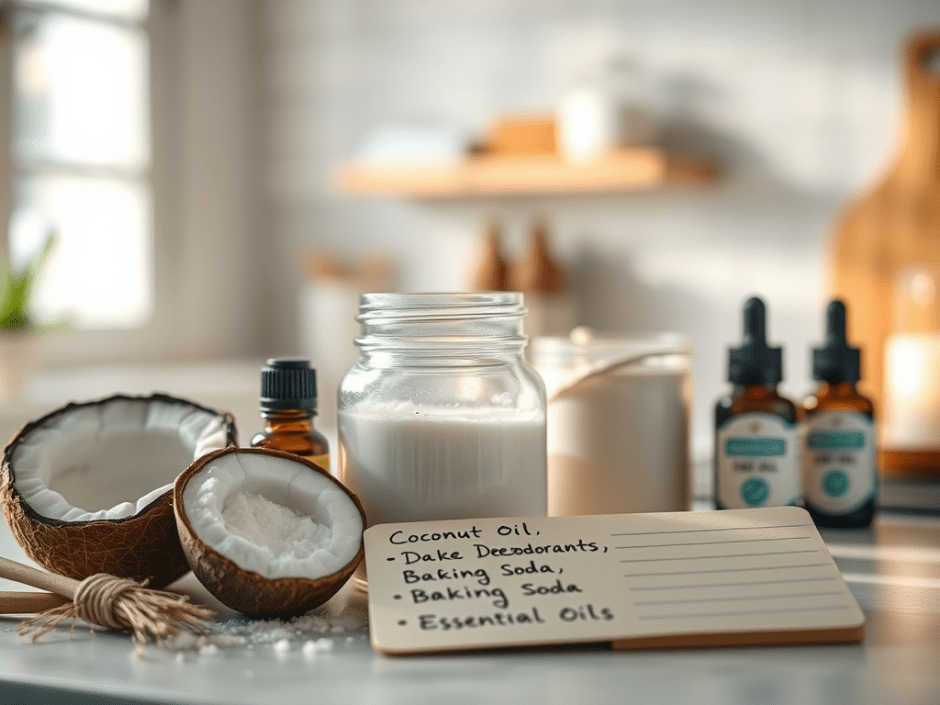
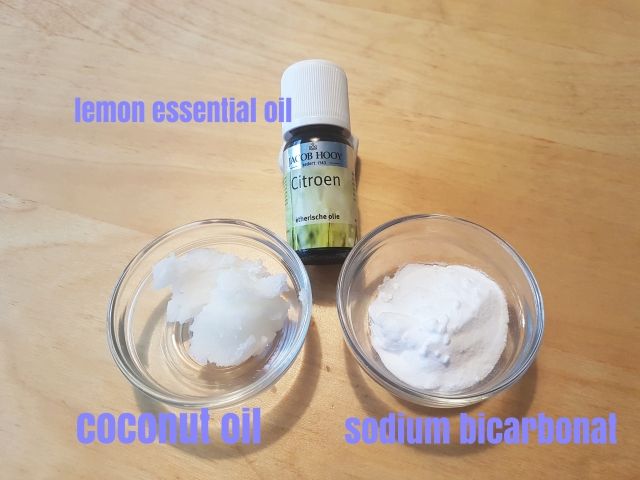
And it is possible to prepare an effective deodorant ready for use with three ingredients: Bicarbonate, coconut oil, and a few drops of lemon EO.

For the sophisticated ones, and to facilitate its duration and transport, we certainly have recipes a little more elaborated.

CREAM DEODORANT with Palm rose EO

INGREDIENTS, for a box of about 50g

20g shea butter

15g baking soda

10 g maizena

5g cocoa butter (if winter, even less)

Optionally, 5 drops of Palm rose EO or Tea Tree, which are the most effective EO when it comes to controlling body odor, and provided that EOs do not cause irritation to your skin.

If you don’t have sensitive skin you can even put a little more amount, EO will make your deodorant even more effective. But, as I always say, with EO, that they are genuine natural antibiotics, it is always better to be cautious and not to overdo it. Especially since deodorant is a product that we use in our daily hygiene.

In any case, if, like me, you have very sensitive skin with a tendency to eczema and hives, it is better that you do not use deodorant usually. (Natural deodorants, even if they are toxic-free, also interfere with your skin’s bacterial barrier, other ways they would have no effectiveness.)

You can, for example, wear it when you go to physical exercise or when it’s too hot and you anticipate that you’re going to sweat too much. Nobody likes to smell bad, of course. If you do this,  you’ll see how many rash attacks you avoid just by letting your skin breathe freely. Don’t forget, sweat doesn’t happen by chance. Sweat has an important body function of removing toxins and in skins whose lipid barrier is altered this is especially important.

NOW WE GO WITH THE ELABORATION PROCESS, which is very easy.

Instructions: Put the shea butter and cocoa butter in the water bath until completely melted. Remove from heat and add baking soda and  maizena. When the mixture starts to cool and thicken, we can add a few drops of essential oil and pack in a container of about 50 grams.

Bicarbonate, due to its alkaline ph, also causes redness and irritation to some people because, as you know, the ph of our skin is rather acidic.

To avoid this, some formulations contain plant allantoin, such as that of the three-hill-soap store, and other recipes, are prepared with less baking soda and more corn starch. Like for example this formulation, it contains only half a teaspoon of baking soda.

For a 50 grs aluminum case.

2TBSP shea butter

1 tsp coconut oil

Melt everything well and add the 3 TBSP of corn starch. And 1/2 tsp of baking soda

Mix well and optionally put a few drops of essential oil. I put a few drops of EO of litsea cubeba and it has a fantastic citrus aroma. Now we can let it cool down a little in the fridge until it hardens and it’s ready.

Other recipes, what they do is avoid baking soda and use other substances with less irritating deodorant capacity such as alum powder or zinc oxide.

ALUMBRE STONE DEODORANT in cream

We’ll need 2 tablespoons (TBSP) of natural alum stone powder

4 tablespoons (TBSP) coconut oil

1 teaspoon white clay

4 drops of palm rose or tea tree essential oil

We will melt the coconut oil in a container in the water bath. Next, we’ll add the alum stone powder and baking soda to the coconut oil that’s in the water bath. Mix well for a smooth, homogeneous texture and remove from the heat.

Finally, once thickened, we will add the essential oils and pack. Coconut oil melts in summer at a temperature of 25ºC, in this case, we can add some cocoa butter to the composition or keep it in the fridge if it stays too soft.

IN STICK: If you want a completely solid version of this deodorant recipe, add 5 grams of beeswax to the recipe (take it to the Maria bath along with coconut oil). Then you can transfer the mixture to a rechargeable stick bar.

ZINC OXIDE DEODORANT in cream:

This recipe is suitable for sensitive skin thanks to the absence of essential oils, but also bicarbonate, which can be irritating to some people.

We need: 25 grams coconut oil

10 grams cornstarch

10 grams kaolin clay

3 grams zinc oxide

0.5 grams of wax

Optionally, a few drops of AE of Palm Rose, lemongrass, litsea cubeba or the aroma that we like the most. (Lemongrass and Litsea Cubeba give it citrus and refreshing aromas).

PROCEDURE:

We’ll melt the coconut oil and wax in the water bath. Turn off the heat and add the powders (i.e. cornstarch, zinc oxide and clay). We mix well. If you have lumps, we will use a small blender or foamer to make the mixture completely homogenic.

We’ll pour into a container of about 50 grs. The mixture will harden slightly with the wax and will have a pleasant creamy effect. Just take it a little with your fingertip and spread it into your armpits by massaging for a few seconds. There are no white or fatty effects that can stain clothes or disturb!

If you add more wax to this recipe, you can turn it into a solid bar deodorant and pour it into a stick container for ease of use.

And you, still don’t make your own deodorant?

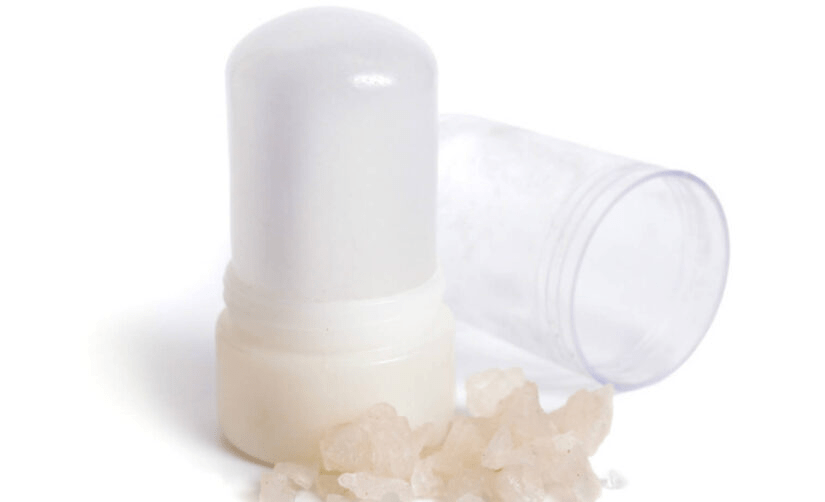
If you’re lazy to make your own deodorant, move on to the alum stone.

About the alum stone we spoke in an earlier post for its many advantages:

-It is skin friendly and does not irritate it despite being astringent, antiseptic and antibacterial.

-Do not stain clothing. It leaves no trace of use, so wear the darkest clothes, it will not turn yellow or white on contact.

-It has no chemicals, no additives, no artificial dyes.

-And also take care of the environment because you can use a recycled bottle or buy one and reuse it so as not to generate waste, a rechargeable deodorant!

MODES OF USE

1.- Solid method: It is possible to use the stone directly by rubbing it into the armpits with a little water.

2.-Spray method: Many stores sell alum powder, or even chunks of alum stone. In this case, we can simply crush the stone to include it, with a little water, in our deodorant spray with atomizer. If you have it powdered, or the pieces are small, put them directly into the atomizer bottle because the next day will be completely melted and you will be able to use the atomizer.

3.-Roll-on method: This method is a little more sophisticated and requires a little more elaboration, but it is the method that gets a more comfortable application in its use.

For about 50ml:

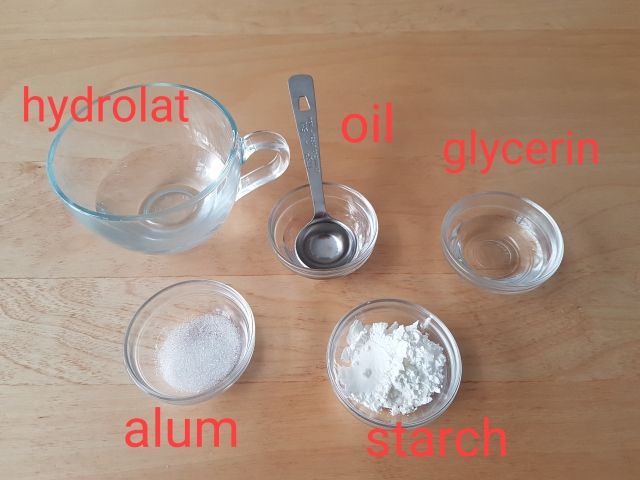
50ml hydrolat or distilled water

1 tsp corn starch

3gs alum powder

1 tsp vegetable oil (we have chosen fractionated coconut oil, but almond oil would also be very suitable)

10 ml vegetable glycerin

And a few drops of ylang ylang essential oil, which is very mild and does not cause irritation, and GSP (grapefruit seed extract) which is also a very mild preservative that provides a citrus aroma.

PROCEDURE:

Put our hydrolat in the water bath and add the teaspoon of corn starch. The heat will cause the mixture to start gelling a little. We don’t want it to completely thicken, just gelled a little and then we will remove it from the heat.

In this mixture of hot water and starch (arrowroot, corn, wheat…) we will integrate the alum powder until completely dissolved.

Now add the teaspoon of vegetable glycerin and vegetable oil without stirring. It is important that the mixture is kept warm so that glycerin and vegetable oil are fully integrated.

And finally, a few drops of essential oil (optionally) and ESP to preserve our deodorant for longer.

As you can see, it has a spectacular appearance and emollient texture. If you do not like to pass the alum stone through the armpits and want a little more softness and aroma, this recipe of deodorant in roll-on is comfortable to apply, simple to make, irritates very little and is very effective because alum is and our formulation contains 3 grams of powdered alum dissolved in hydrolat or distilled water.

We hope you liked this entry, if so leave us your comments and subscribe to the bell to receive notifications of our upcoming posts.

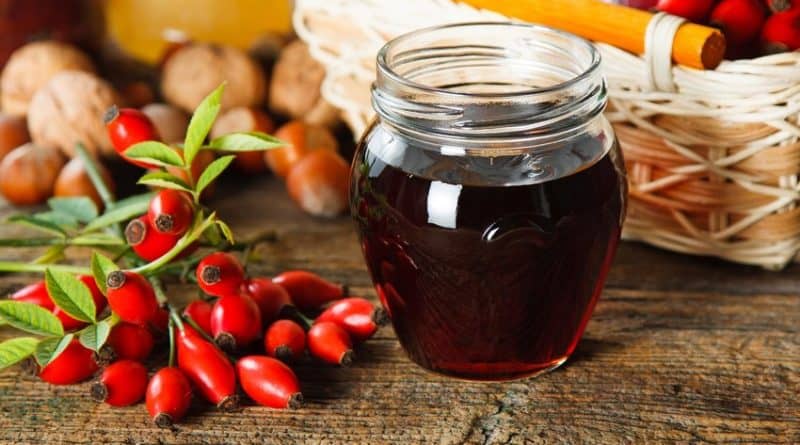
INFUSED OIL OF WILD ROSE HIPS

If you live in the countryside or have the opportunity to find wild rose hips nearby, something very interesting you can do is collect them to prepare an infused oil with innumerable vitamins for the skin.

Most wild rose bushes, when autumn arrives, offer us these edible berries that are very rich in vitamin C, antioxidants (that’s why there are people who prepare syrups with them) and countless wonderful properties to strengthen our defenses and take care of our skin.

We are going to prepare an infused oil with them, which we can use to enrich the formulations of our homemade creams.

From this infused oil you can enrich your homemade creams in a spectacular way and without the need to acquire the famous, but expensive, rosehip oil.

And is that this homemade maceration, if you choose a quality oil, has practically the same properties as a commercial rosehip oil.

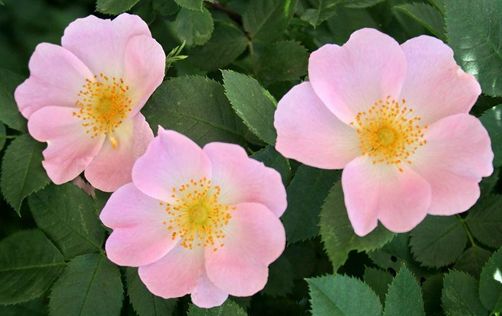
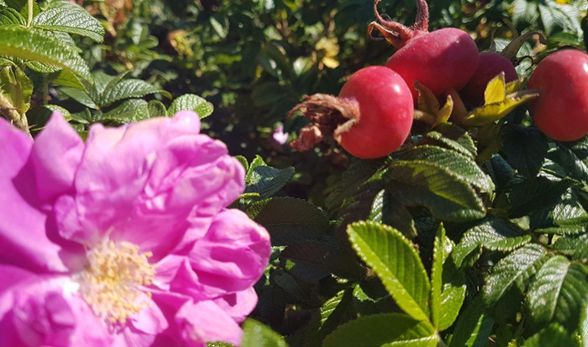
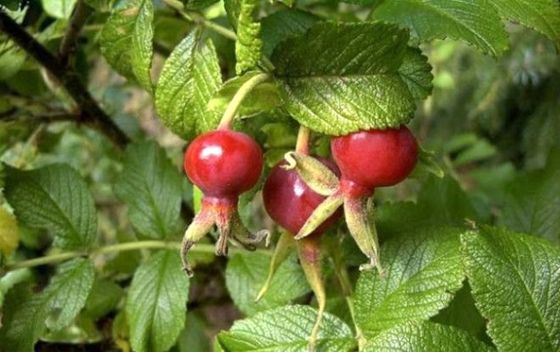
Take a good look at the photos, and you will see that you are going to find rose hips in your natural environment easily, that’s for sure!

Properties of wild rose hips:

Rose hips are packed with vitamins and minerals. In principle, they have 10 times more vitamin C than oranges, in addition to vitamins A, B1 and B2. Hence its ability to strengthen our defenses.

Rose hips are also known for their purifying ability and anti-inflammatory power. They also contain selenium, something the average person is deficient in.

The polyphenols they contain fight cardiovascular disease by regulating better blood pressure.

Regarding the skin, in addition to providing vitamins and illuminating it, they have a powerful firming effect that prevents skin wrinkles. Thus, this natural infused oil is liquid gold for the skin and makes it easier for us to enrich our creams and ointments.

PROCESS:

The procedure to follow is the same as with any other infused oils.

The herb or fruit is placed in quality oil and left covered and out of direct light for a minimum of 40 days.

Wild rose hips are typically harvested in the fall. After collecting a good quantity, we will proceed to wash them and put them to dry for a couple of days. When they are clean and dry, we will cut them in half so that their seeds are exposed.

That’s the best way in order to extract all the vitamins and properties for the skin that they possess.

Always choose a cold-pressed virgin oil that you can have in a certain quantity since the rose hips must be completely covered with the oil and reserved in a glass jar with a lid, away from direct light for 30- 40 days. It is convenient to shake it from time to time.

After 40 days, the properties of the rose hips will have remained in the oil and we can now remove them and strain the oil.

We will add some capsules of vitamin E to avoid rancidity and to extend the useful life of our infused oil.

And that’s it, it’s that simple to make homemade rosehip oil.

We hope you find it very useful and that you can make numerous cosmetic preparations with this oil!

FLUID MAKE-UP without microplastics or parabens

With this post we wanted to make a twink to the coming Christmas. If you need to prepare a last minute gift, this can be a great recipe.


It is a completely natural fluid facial makeup, made with vegetable oils, vegetable BTMS, natural pigments and zinc oxide (the same that is used in ointments for baby’s buttocks), and the most ecological and tolerable preservative that exists , the Leucidal, which is made from the fermentation of radishes by the bacteria Leuconostoc Kimchii.

Thus, a totally organic make-up for these holidays and 100% tolerable for all skin types.


FLUID MAKEUP BASE

In a previous post we had prepared a BB facial cream as a day base. This cream had the function of covering imperfections while providing sun protection.

You may be wondering now, why then a fluid makeup base?

Our fluid makeup base is lighter, while still providing sun protection. Its application is more comfortable and, perhaps, it may be, given its lightness, that it is more interesting when using it in summer.

On the other hand, now that we know the possibility of vegetal BTMS, we can use it to create other types of compositions as is the case.


PROCEDURE FOR THE FLUID MAKEUP BASE

We will start by putting the vegetable BTMS and the oil in the water bath. Next, we will add the zinc oxide trying to mix everything very well without stopping to stir with the rod and, finally, we will add the distilled water.

First phase

15 g of jojoba oil / replaceable with argan or almonds

2.5 grs of BTMS vegetable emulsifying wax

3 g of zinc oxide (not only acts as an emollient and sunscreen, but also helps to fix the pigments in our makeup)

70 grs of distilled water

Second phase

Color rectification with natural pigments

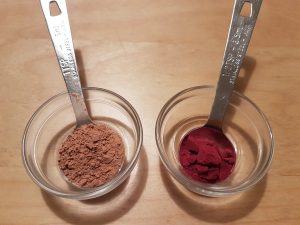
1TBSP (15grs) of red clay

1 tsp (5grs) beet powder

Final phase

Between 15-20 drops of Leucidal preservative

1 gram or one vitamin E capsule


PROCEDURE:

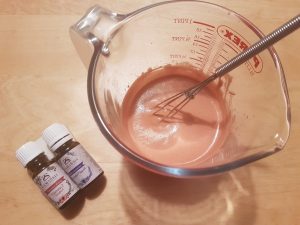
Our base must be more or less fluid.


Now, let’s proceed to color our fluid makeup base.

We will add a tablespoon of TBSP (about 15 grs) of red clay to our base mixture. If we have clear skin, it is possible that red clay is enough, but if we want to give it a slightly more vivid and rosy tone, we will also add a teaspoon (tsp = 5grs) of beet powder.

We remove and obtain approximately this result. It’s time to add the vitamin E capsule and the Leucidal preservative droplets.

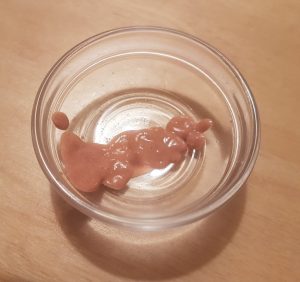
What we like most about this makeup is its fluid texture that prevents our face from being covered when applied. It is completely absorbed and evens out the face without producing a “trace effect” as other commercial makeups do.

In this image you can appreciate how fluid it is.

If you need a more opaque makeup, I suggest you prepare the BB facial cream that we advanced in a previous post because it is a much more compact cream.

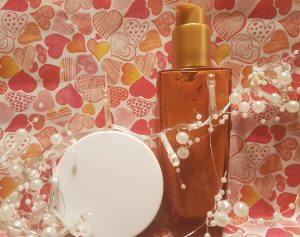
We have packaged it in a glass container to prolong its expir.

Isn’t it a good gift idea?

WHY WE SAY YES TO NATURAL ALUMINIUM STONES AS DEODORANTS?

Sweating is an essential physiological need so that our body can eliminate toxins and maintain good levels of hydration, body temperature and PH.

However, finding a good deodorant nowadays that does not contain aluminium or other toxins has become a true epic for most of us.

Both, deodorants and antiperspirants, are designed to camouflage and prevent sweat and odour. The bad smell of sweat is produced when bacteria ferment it, and to avoid this process, deodorants, as well as antiperspirants, contain two types of common substances: bactericidal substances and synthetic perfumes. And antiperspirant deodorants, in addition, aluminium salts.

–Bactericidal substances: They prevent the proliferation of bacteria so that the fermentation of sweat does not occur. This, in principle, seems like a good idea. The problem, as always, when altering the natural mechanisms of life, is that it ends up taking its toll. As we will see later, synthetic substances used for bactericidal purposes also have their effects on health.

–Synthetic perfumes: The perfumes serve, obviously, to camouflage the smell. Again, there is nothing wrong with smelling good, if that fragrance were natural and harmless. The problem is that the synthetic perfumes that are usually used in industrial products (much cheaper to produce than natural essential oils) are suspected of producing allergies of all kinds, dermatitis, eczema and other major ailments.

–Aluminium salts: Aluminium is known to be neurotoxic. Large amounts of aluminium are found in the brain tissue of people with Alzheimer’s. Likewise, numerous studies, such as that of the University of Reading in the United Kingdom, indicate the highest incidence of cancer in the area near the armpit and a much higher concentration (25%) of aluminium in that area.

The aluminium in antiperspirant deodorant is used to clog the pore and prevent sweating. A real aberration! To begin with and as we said before, sweating is a physiological necessity. Clogging the pore causes toxins to be trapped inside the body.

Another common component of commercial deodorants, due to its bactericidal capacity, is triclosan. Triclosan is one of the most commonly used chemicals in deodorants and antiperspirants. A study published by the journal Environmental Health Perspectives and conducted by the University of California Davis, confirms the negative effects of Triclosan on brain development. Another study published by the journal Proceedings of the National Academy of Sciences ensures that its use can cause serious long-term problems and associates it with liver damage and a higher incidence of cancer.

Also, parabens, due to their bactericidal capacity and as preservatives, are another of the common elements used to extend the life of hundreds of cosmetic, hygiene or even food products. The alarm sounded when a study carried out in England and published by the Journal of Applied Toxicology with women affected by breast cancer, revealed traces of parabens from deodorants and antiperspirants in 90% of biopsies. This substance has been linked to all kinds of hormonal dysfunctions.

Phthalates are also used in deodorants and antiperspirants for their role as solvents. They are called “environmental poisons” and their use has been linked to hormonal dysfunctions, damage to male reproductive DNA, and malformations in the foetus.

PEGs are used as emulsifiers, and the American College of Toxicology claims that these ingredients accumulate in the tissues of the heart, liver, kidneys, and brain.

In response to all this, more or less natural alternatives have emerged, as well as countless natural cosmetics blogs (like ours, for example: http://www.naturamatters.com) that try to respond to this need to smell good that we all have without intoxicating ourselves and harming our health.

One of these alternatives, cheap and easy to apply, is the controversial alum stone. And the controversy with this natural deodorant stem from its composition.

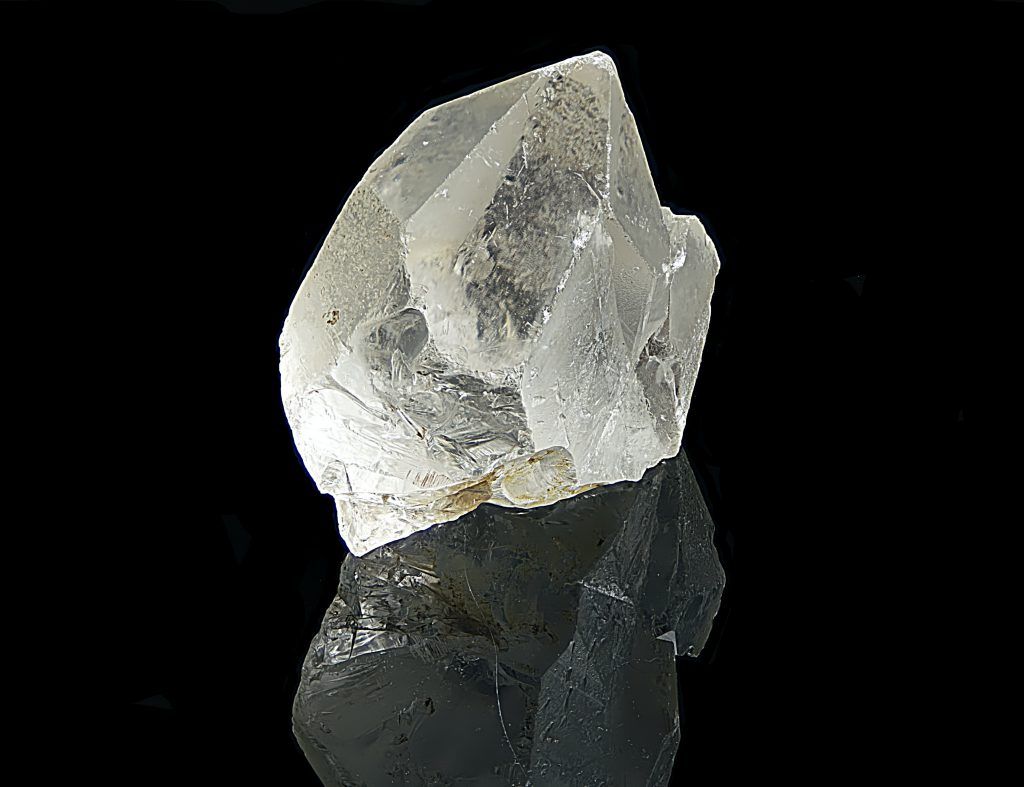
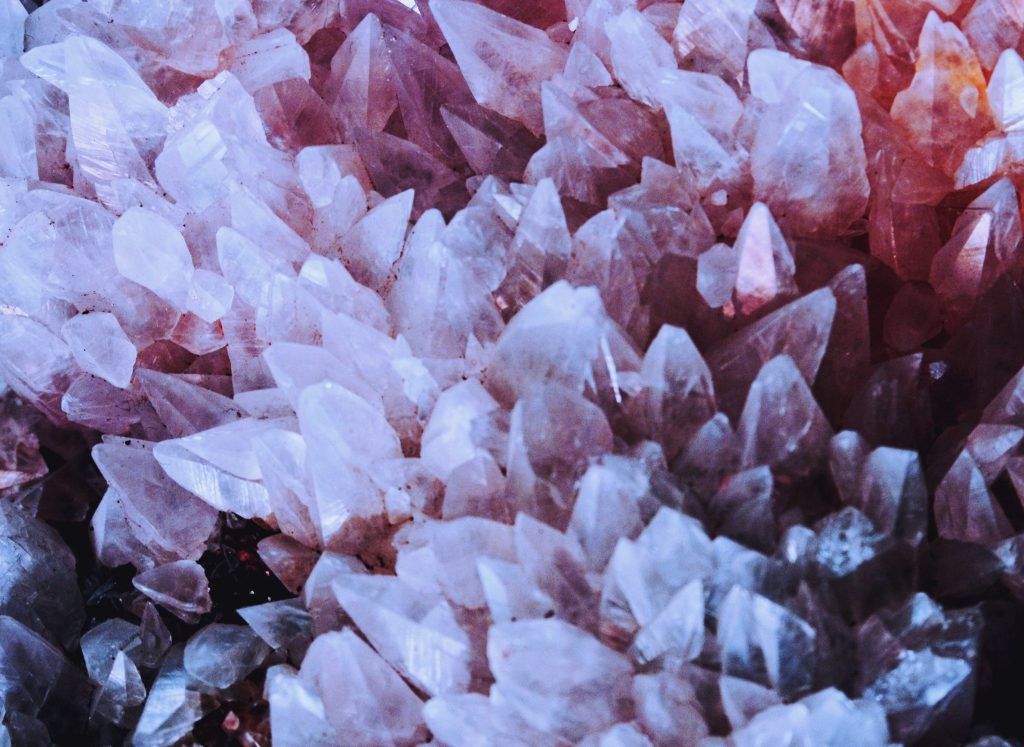
Potassium alum or potassium alum (also called Neapolitan Alum or Alum) is a double salt of aluminium and hydrated potassium (with 12 water molecules) whose formula is KAl (SO4) 2. … This salt is presented in the form crystal naturally in nature and corresponds to the category of alums, being the most common of them. It is obtained from a magmatic rock, of volcanic origin, called Trachyte Alunifera. This crystal is the result of alterations in rocks rich in potassium feldspar such as Trachyte, which are usually produced by circulating waters rich in sulphates. Alum crystals, naturally, can have variations in appearance, colour or texture, although they all maintain their properties”. Wikipedia source.

This composition based in aluminium salt has given “alum stone” today a bad reputation. According to some sources and distributors of alum stone as a natural deodorant, Potassium alum is not the same thing as potassium aluminium.

When an antiperspirant claim to be “aluminium-free,” they are saying it does not contain aluminium chloralhydrate, aluminium chloride, aluminium hydroxy bromide or aluminium zirconium — all forms of aluminium commonly used in antiperspirants and deodorants.

To stop the flow of sweat to your skin’s surface, the aluminium plugs sweat ducts in the top layer of your skin stopping the natural flow of sweat to your skin’s surface.

This aluminium can also be absorbed into your body where it can then build up as part of your body burden. Alzheimer’s disease and cancer are two illnesses known to be associated with aluminium exposure.

The aluminium in crystal deodorant stones is a different type of aluminium, called alum. The most common form is potassium alum, also known as potassium aluminium sulphate.

Potassium alum (and other alums) is a natural mineral salt made up of molecules that are too large to be absorbed by your skin. They form a protective layer on your skin that inhibits the growth of odour-causing bacteria.

WHY CANNOT WE INCLUDE THE ALUM STONE WITHIN THE SAME GROUP? WHY IS POTASSIUM ALUM DIFFERENT?

Potassium Alum is a natural mineral salt used as an alternative to Aluminium Chloride and Chloralhydrate. Its antimicrobial properties have been celebrated in traditional Chinese medicine for hundreds of years, used as a topical astringent, an antiseptic for wounds, acne and tonsillitis and a toner to tighten the pores. Potassium Alum (also known more commonly as ‘alum’ or ‘ming fan’ in Chinese medicine) was also taken as a decoction dissolved in water to alleviate stomach problems or in its powder form to remedy bleeding gums and mouth ulcers.

Potassium Alum is comprised of large molecules that sit on the surface of the skin, creating a barrier that prevents the odour-causing underarm bacteria from multiplying. Its alternative, Aluminium Chloride, is comprised of much smaller molecules than Potassium Alum, meaning that it is absorbed by the skin and plugs the sweat glands, preventing the release of unwanted chemicals in the body.

The only precaution that must be taken is that the stone that we buy says in its composition Potassium alum and not Ammonium alum, since it is a synthetic copy and with components that are harmful to health.

DE FACTO; NATURAL ALUMBER (potassium alum) not only has deodorizing properties, it is also an effective bactericide that controls the growth and proliferation of bacteria, both in our body and in our environment, in spaces such as water and on surfaces of all kinds such as floors, fabrics, etc. And that is why the Egyptians used these stones to purify water.

It is also a good healing agent, which helps to rapidly regenerate skin tissue that has been affected by some type of wound or by skin irritation. In the case of wounds, it produces a thin crust that comes off in less time and without the risk of leaving marks on the skin. This is the reason why in the past this stone was known as a barbers’ stone or a shaving stone because it was used to heal minor irritations in the beard of their clients.

Haemostatic: Its composition makes it effective to stop bleeding from external wounds, since it acts directly on the skin pore to close it. This haemostatic action is what helps to avoid the appearance of red rash on the skin after depilatory processes.

Reaffirming: It has the ability to firm the skin and tone it with continuous use.

Antifungal: As with bacteria, Alum also helps fight fungi that appear on the skin or on other types of surfaces. Of course, it is only effective in the initial phase of appearance of these microorganisms.

For all this, the great ancient civilizations such as Chinese, Egyptian, Roman, Indian, Greek and Arab, recognized the benefits of the alum stone and its use for different purposes was common and popular.

The Romans, for example, used it for its healing, antibacterial and deodorant properties. The popular use that confirmed the efficacy of these benefits, even led them to introduce their use in practices with medical effects. Between 77 and 79 BC, the author, naturalist and Roman philosopher Gaius Plinii Secundi (Cayo Plinio Segundo) recorded the characteristics and properties of Alum in a rigorous study on various areas of nature, written as an encyclopaedia, called Naturalis History.

In ancient Greece, around 50 or 70 BC, documentation on this mineral was also produced, in the encyclopaedic work De Materia Medica, written by the physicist, pharmacologist and botanist Pedanius Dioscorides.

In India and China, they have used it since ancient times to respond to organic needs externally and internally. In these two cultures they have commonly used Alum stone in solution for gargling and vaginal baths for antiseptic purposes.

In the Middle East, Alum has been well known and used, since numerous deposits of this mineral have been found in Syria. The Alum stone has been an active part of the ancient beauty rituals in Arab culture for its firming and astringent properties.

In ancient Egypt, women also used Alum as a skin firmer and as a soothing and healing agent after waxing.

At present, this astringent salt is used to clarify cloudy waters by placing it in the filters where the currents pass; also serving as mordant in dry cleaners and caustic in medicine, leather tanning, plaster hardener …

And due to its bactericidal action, it is still used today in some cultures as a preservative, for example, in Morocco they put some crystals of Potassium Alum inside the container where they keep the seeds of Pergamum harmala, and in this way they avoid contamination by bacteria.

Our own argumentation or defence of the use of natural alum stone begins by trying to distinguish between bioavailability and toxicity.

“Bioavailability” is the ability of a food, drug, or other substance to be absorbed and used by the body.

“Toxicity”: A toxic substance is one that produces serious effects, alterations or disorders in the functioning of a living organism, and that can even cause death.

Aluminium is the third most present element in the earth’s crust, along with oxygen and silica. It is a very abundant metal in the earth, which often combines with other elements and forms frequent chemical compounds in soils, rocks or in the composition of minerals. However, this metal can also reach the human body through diet, since, being an element so present in the environment, it is found in vegetables, grasses or running water. Its effects are toxic to health and, therefore, the European Food Safety Authority (EFSA) has studied its intake limit on several occasions to ensure its safety.

According to this study by the (EFSA), this metal is absorbed through the stomach and intestines and is excreted by the kidneys. According to the study, it is estimated that less than 1% of ingested aluminium is absorbed and represents 0.01% in relation to the other constituents present in the global daily food intake. Experts estimate that its consumption through food does not pose any health risk.

Diet is the main aluminium gateway into the human body. Most foods contain it, as it is a ubiquitous metal in the environment. Vegetables, tea or spices have the highest level of aluminium, while meat contains hardly any residues.

What does this mean? Well, surely, as the EFSA affirms, the aluminium that we consume through the ingestion of natural foods is degraded and eliminated from our body through the natural elimination routes of the kidneys and liver (intestines).

The World Health Organization (WHO) adds, for its part, that a high consumption of analgesics and antacids can increase the intake of aluminium up to five grams a day, since they are also a source of this metal.

And here comes the problem. When an element is not found naturally in the food chain its degree of bioavailability, no matter how much they assure us that the medicines are perfect chemical elements, it is not the same and, in many cases, it becomes a toxic that we end up accumulating in our tissues with the consequent injuries and diseases that may derive from it.

For example, large amounts of aluminium have been found in the brain tissue of people with Alzheimer’s. Likewise, numerous studies such as that of the University of Reading in the United Kingdom (among many others), point out the higher incidence of aluminium (25%) in the area near the armpits of patients with breast cancer.

And is that the accumulation of heavy metals in the body can be the cause of several diseases. Among the most dangerous are mercury, arsenic, lead, chromium or cadmium. They are considered toxic because of the concentrations in which they can be found and not because of their essential characteristics, since all living beings need many of these elements to function properly. Of course, in bioavailable concentrations.

The relationship of these heavy metals to some serious health conditions has been extensively studied. Various types of cancer, kidney damage, delays in brain development, alterations in the immune system, or even death can be the result of prolonged exposure to these elements.

According to experts, the metal-disease relationship is not 100% proven, but there is a great probability: Arsenic can trigger bronchitis, cancer of the oesophagus, lung, or vascular diseases. Cadmium is associated with prostate cancer, nephrotoxicity, neurological disorders, or hypertension. Chromium, for its part, is related to lung cancer and liver disorders, and mercury affects mainly the respiratory system. Aluminium is not only suspected, therefore, of producing Alzheimer’s or autism, but also endocrine alterations that can lead to breast or other cancers depending on the area where the toxin accumulates.

On this subject, we want to add that something similar happens with the levels of toxicity / bioavailability of other types of substances such as, for example, fluorine.

It is known to all that in the United States fluoride is added to drinking water, probably as a prevention mechanism for dental cavities. Increased levels of fluoride in drinking water have not only failed to prevent the American population from suffering from cavities, but have also triggered hypothyroidism problems across the country. Anyone who asks you which country has the fattest people in the world will answer you without much hesitation: The United States.

Our suspicion is that fluoride added to drinking water is a synthetic laboratory substance with a low level of bioavailability and that, therefore, it becomes a toxic that affects the functioning of the thyroid gland.

However, it is known to all that green tea is a drink that contains a large amount of bioavailable fluoride and that it prevents the attack of cavities in populations that consume it daily.

We could continue talking about a lot of other examples such as commercial toothpastes whose levels of synthetic fluoride prevent, with their regular use, the synthesis of melatonin and the normal functioning of the pineal gland that regulates sleep / wake cycles.

This altered gland and the toxicity derived from fluoride, is one more reason for the generalized insomnia that we suffer in developed societies. “I was one of those people with a history of insomnia that changed after a few months of using pastes without added synthetic fluoride.”

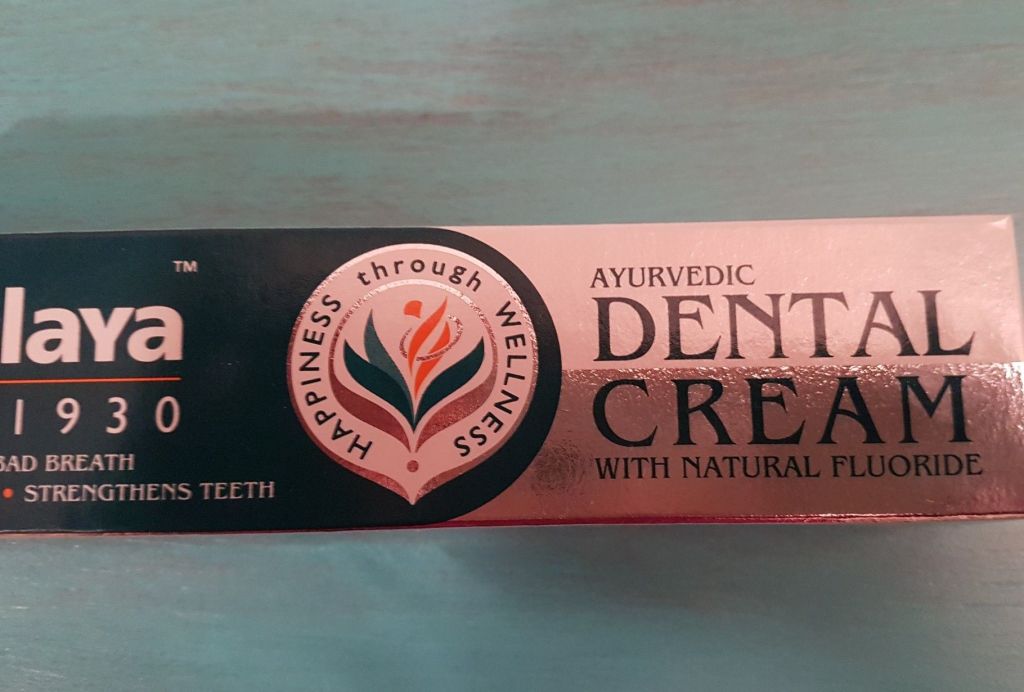
However, the paste that I use today, and that does not cause me any problem, is a paste with natural fluoride.

Thus, synthetic fluoride in commercial water and toothpaste becomes a disruptive toxic that, when accumulated, alters the functioning of the body’s glands and systems.

However, natural fluoride, given its bioavailability, is a healthy resource that promotes dental hygiene and strengthens enamel. The true cavities preventative we were looking for.

Is not this analogy then the same that could be happening with the alum stone?

If all these arguments do not seem sufficient to support the “non-toxicity” of alum stone (potassium alum, which is not the same as potassium aluminium) as a natural deodorant, I encourage you to visit our natural cosmetics blog and take a look at the wide variety of recipes for natural deodorants that are very easy to prepare, without aluminium, without parabens and without microplastics, and that will avoid you this dilemma.

SOLID SHAMPOO FOR DRY AND LOW VOLUME HAIR

In this post we are going to reformulate our recipe for solid shampoo for oily hair and we are going to rethink it to treat dry, weak, and, perhaps, damaged hair.

First of all, we want to talk about the plant extracts that we can use to make this solid treatment shampoo.

VEGETABLE EXTRACTS from the Ayurvedic tradition to care for hair:

“Bhringaraj is one of the most specific plants for hair care, especially to prevent hair loss and the appearance of gray hair. It is native to India. Strengthens hair and thickens it. Calms irritation of the scalp. It is more appropriate for dark hair.

Nagarmotha is a plant native to India (there is an essential oil). It is used in a mask to purify and regulate excess sebum and to stimulate hair growth. Prevents the appearance of gray hair.

Amla is another exceptional plant for hair care, also native to India. It is used to strengthen and regenerate hair, as well as to prevent hair loss and the appearance of gray hair. It favors vegetable colors. Amla is more appropriate for dark hair. It is used in masks, you can also make aqueous or oil macerates.

Kachur sugandhi (galangal) root powder is used in Indian tradition in hair treatments. Strengthens the hair. It densifies it and stimulates its growth. It is ideal for fine hair without volume.

There are many other very interesting Ayurvedic plants for hair: brahmi (dandruff), kapoor kachli (alopecia, fine hair), reetha and shikakai (natural shampoos), sidr (color fixative, natural shampoo) ”.

Source: Antonia Jover, scientific and family aromatherapy blog.

http://aromaterapiafamiliar.wordpress.com

As we have always been saying from our blog, it is not always the most “sustainable” idea to try to get a plant or extract that is found on the other side of the globe, simply because we have heard very well about it. If we have it at our disposal it is perfect, if not, it is better that we try to find the herbal extracts that our natural environment provides us, because in many cases it is possible to find similar plants nearby that will perform the same function.

For example, the plant extract of rosemary belongs to our Mediterranean environment and its qualities to strengthen hair, add shine and stimulate its growth have nothing to envy those of Ayurvedic Amla or Bhringaraj.

Studies from various universities such as Osaka in Japan, or Sao Paulo in Brazil highlight their ability to:

-Activate the circulation and irrigation of the hair.

-Strengthen the hair fiber and fragile and fine hair.

-To restore shine, flexibility and vitality to hair, thanks to its antifungal action.

We also know that rosemary, like lavender, act by regulating the hair sebum and, therefore, the fat that accumulates in it. Thus, they prevent the scalp from drying out and becoming irritated, thus preventing the appearance of premature gray hair. The rosemary extract, therefore, has nothing to envy to the famous Ayurvedic Nagarmotha.

In turn, the peppermint extract can be of great help when it comes to strengthening our scalp and preventing hair loss.

A study from “Christian Albrechts University” found that the menthol in peppermint oil increases blood flow and provides a cooling sensation. This can help with dryness, itching, and other scalp problems like dandruff and hair loss.

And if your hair is light and weak, then the combined action of calendula and chamomile can replace the Kachur sugandhi (galangal) root powder of the Ayurvedic tradition.

The most important property of calendula is its ability to hydrate the skin and scalp and therefore add volume. Calendula also promotes hair growth avoiding dandruff and dryness, which are both factors that prevent hair growth.

On the other hand, chamomile is known worldwide for its ability to lighten hair. This is due to the yellow and bluish pigments that chamomile contains. In combination, both pigments achieve a natural lightening effect. However, another of the properties of chamomile is that it removes itchy scalp and dandruff and adds shine. Chamomile thus prevents irritations and contributes to the feeling of serenity and well-being of the user, being the ideal treatment for delicate hair.

The combination of both (calendula and chamomile) thus encourages the growth of a strong, healthy and shiny mane.

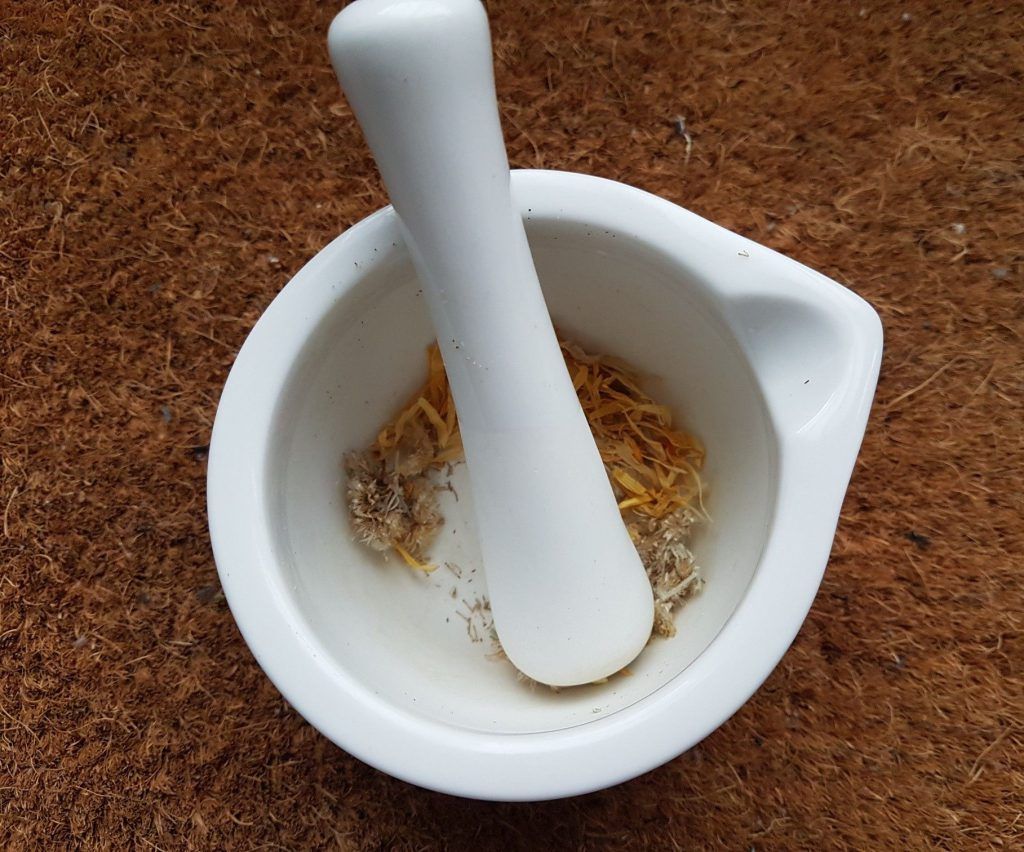
If you have difficulties finding powdered extracts, remember that many of the powdered extracts can be obtained yourself with the help of a small mortar or even a coffee grinder.


On the other hand, aloe vera gel is ideal for hydrating all types of hair, nourishing it and adding shine. At the same time, it purifies the scalp and soothes irritations and itching.

Dry and damaged hair can best benefit from the moisturizing properties of honey, as it soothes irritated scalp, purifies and revitalizes it.

Its antibacterial and healing properties make it, together with Neem vegetable oil, the hair treatment of choice in case of psoriasis of the scalp.

After all this introduction, let’s go with the recipe:

INGREDIENTS

Normally, I use SCS as the main surfactant because my scalp problem is usually excess oil and SCS, in my case, works exceptionally well at regulating this problem and keeping my hair clean for longer. However, as we are preparing this formulation for the treatment of rather weak, dry hair, and without volume, it is better that we use a milder surfactant, such as SCI.

LET’S GO WITH THE RECIPE

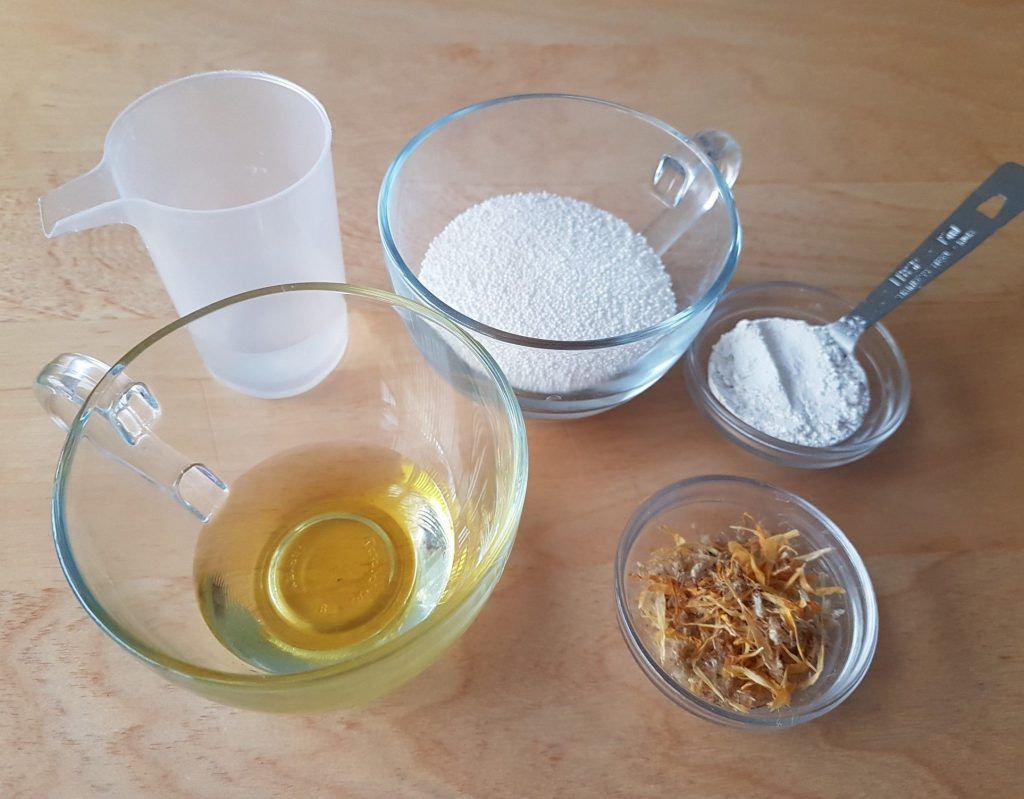
So, 50 g of SCI surfactant (try not to breathe the vapors)

15 gr (1Tbsp) of argan oil or wheat germ oil (to combat dryness and moisturize)

1 TBSP (15grs) rassoul clay or kaolin

1 tsp (5grs) of dry extract of calendula and chamomile powder

1.5 tablespoons of water (about 25 grams of water as the SCI needs less water than the SCS)

Between 15-20 drops of ylang ylang EO.


PROCEDURE:

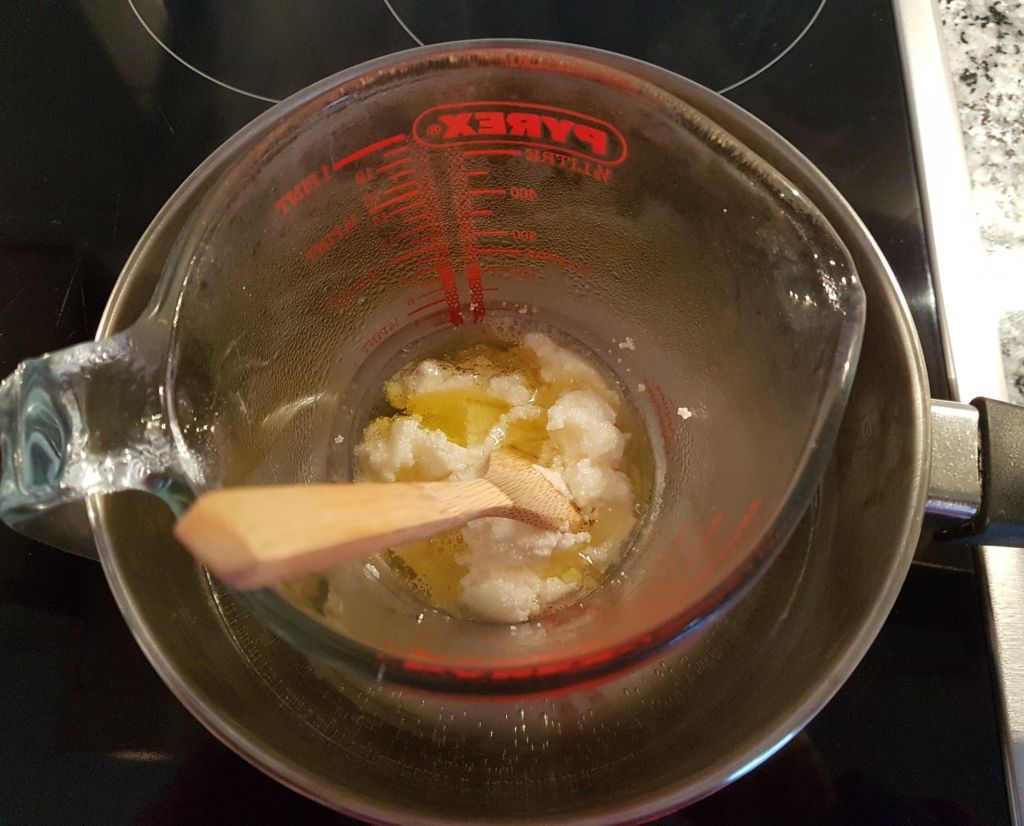
We will start by melting the SCI with the two tablespoons of water in a water bath. We will heat gently and crush with the back of a tablespoon until the mixture forms a homogeneous paste.

Then we will add the vegetable oil and continue to mix and crush the pasta. Apart from the heat, we will add the extract of calendula and chamomile together with the clay. We will continue mixing it and squashing it all well so that it integrates.

Finally, we will add our last ingredient, the 20 drops of ylang ylang essential oil that will fulfill the function of strengthening the scalp and regulating its lipid layer, with which, we will obtain our volume and hydration goal.

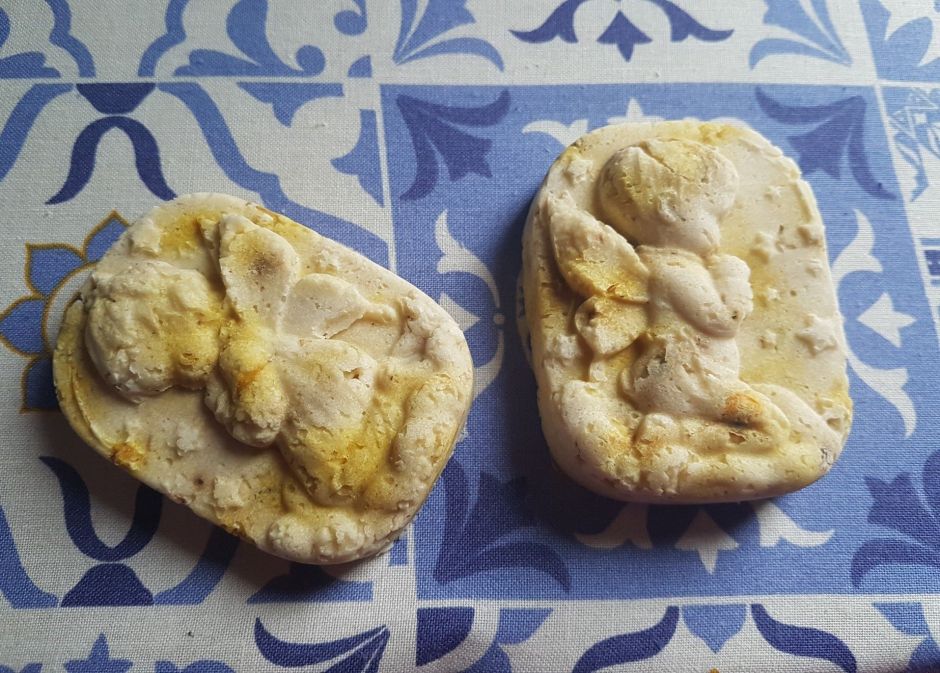
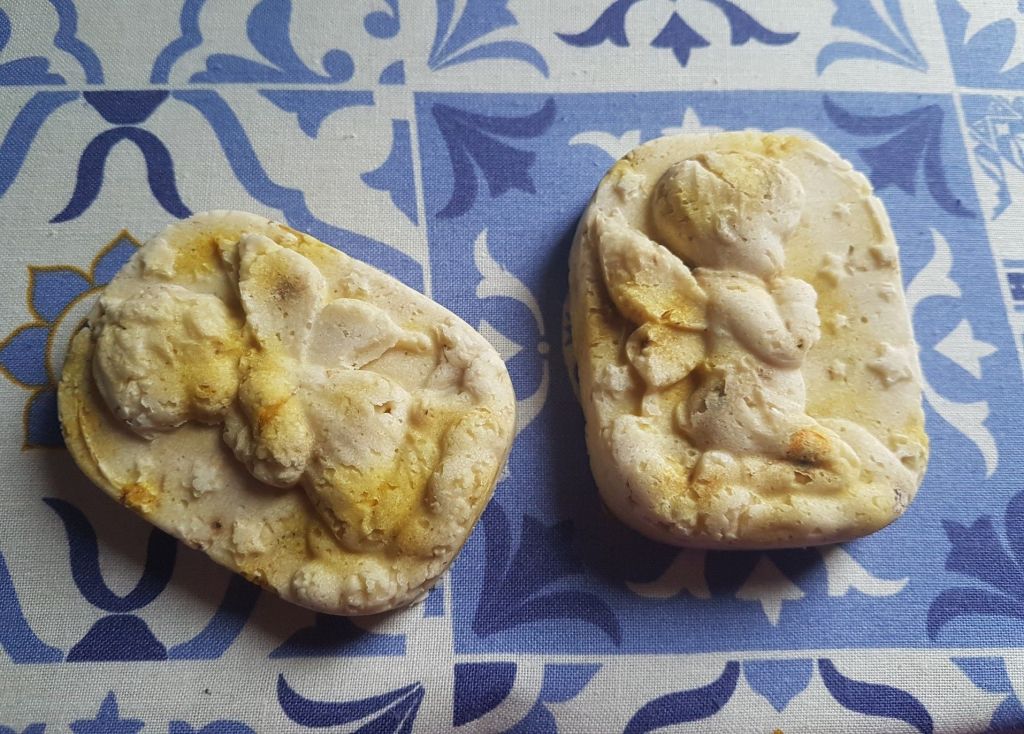
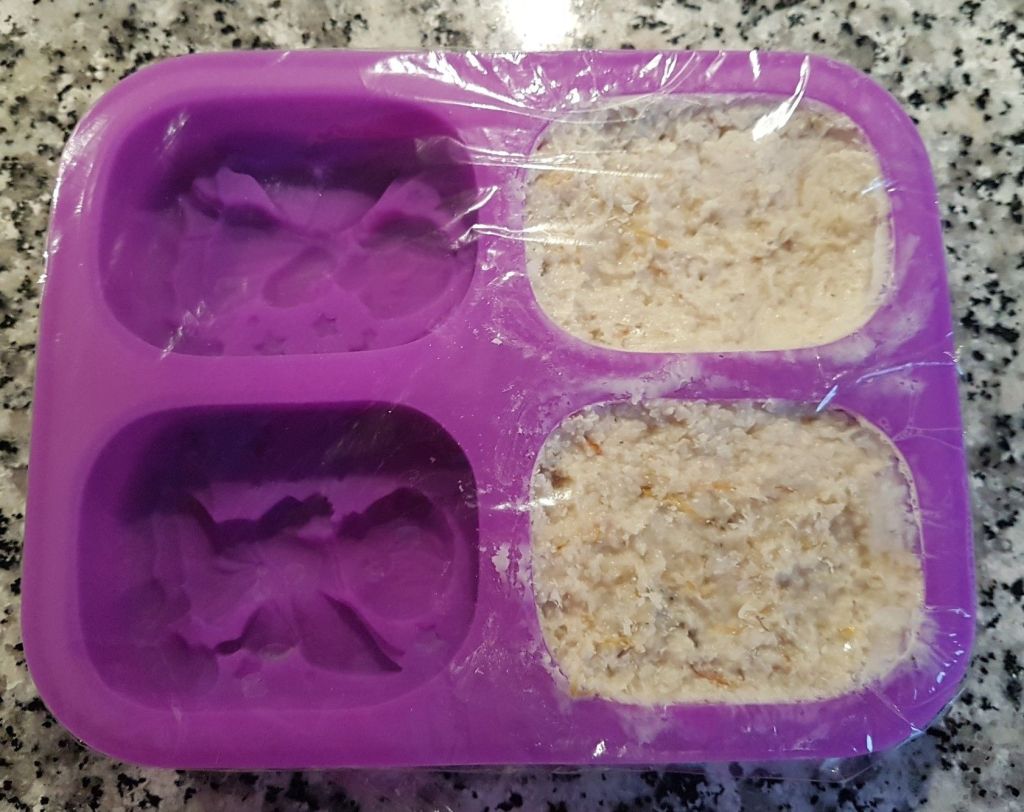
As these molds of my are a bit small, in the end I have almost two tablets, but the ideal situation is that the dough is well compacted (using a spatula) in a single mold so that there are no air bubbles and it hardens better.

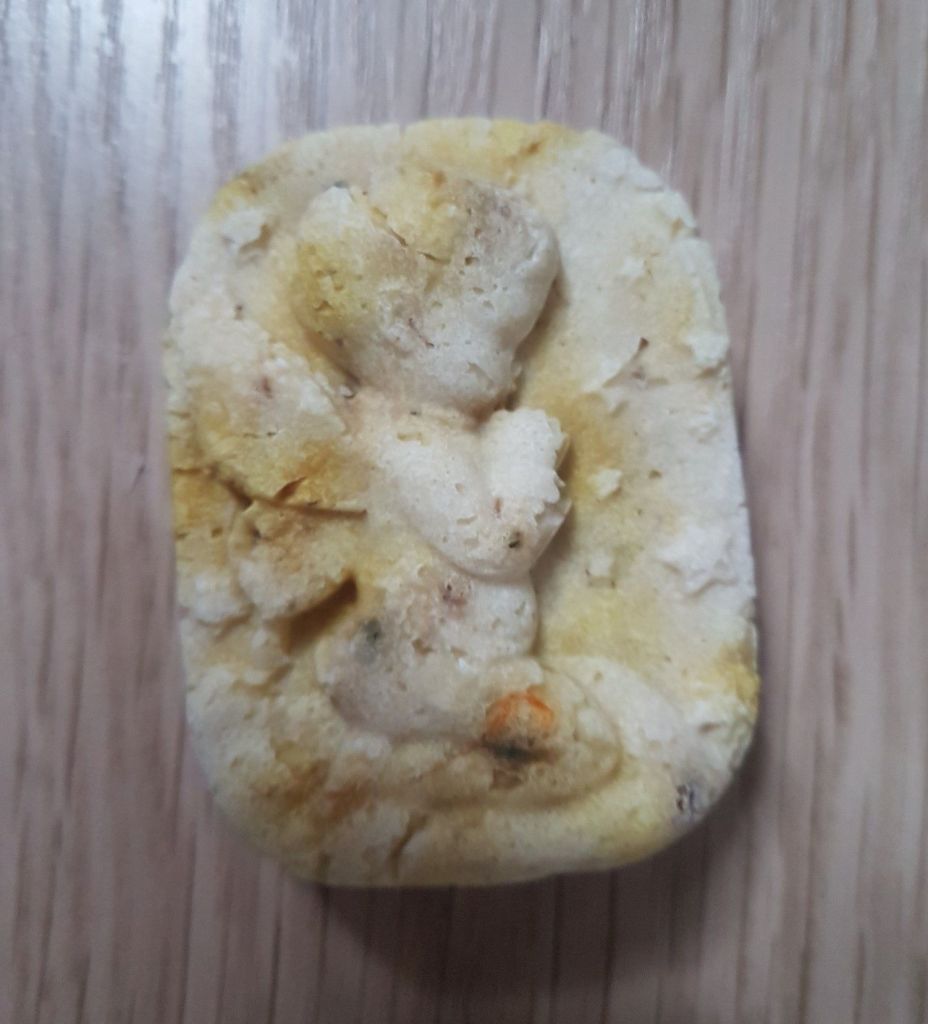
After unmolding it a few hours later (48 hours is ideal because it has to dry well), this will be our final result.


I would like to add the recipe that Maria from https://bcncosmetics.com posted in the previous entry about solid shampoo because I find it very correct to treat fine hair without volume:

The recipe was:

60 gr of SCI surfactant

15 g of avocado oil

15 g of kapoor kachli powder extract

5grs of honey

2 tablespoons of chamomile infusion

Between 15-20 drops of Lemon Grass EO

It is also possible to make a combination of SCS and SCI if we want it to have more foam.

We would put, for example:

35 grs of SCS

25 grams of SCI

15 grams of avocado oil

15 g of Kapoor kachli extract powder

5 grams of honey (if we do not want more volume we can ignore it and put instead of 15 grams of oil twenty grams)

2 tablespoons chamomile infusion

Between 15-20 drops of Lemon Grass EO


I hope you like these recipes 🙂

THE NATURAL COSMETICS MOVEMENT

The natural cosmetics movement, also called “slow”, was started in 2012 by the Belgian Julien Kaibeck, in imitation of the “slow” food movement, and tries to respond to the “greenwashing” and the avalanche of “miraculous” products that, often “green” companies try to sell us without actually considering them as organic products as they are made with petrochemicals and synthetic ingredients, despite the “green” advertising they promote.

* Greenwashing: This concept was called by David Bellamy, on the occasion of the celebration of Earth Day in 1990. At that time he highlighted the hypocrisy of some companies, which placed their products accompanied by wonderful and beautiful images of nature, highlighting a commitment to the environment that was truly questionable.

These are companies that offer products that clean perfectly for their effectiveness with green colors and images of nature and “freshness”, but which, in their production, seriously pollute the waters of nearby rivers. Or they offer a perfect health image (Cosmetics), but in reality they contain large amounts of chemical components that obviously contaminate and harm health as well. 

Unfortunately, there are also brands of natural cosmetics that are not as “organic” as advertised, which is why it is very important to know how to read the labels and compositions of the products we consume.

“Slow” cosmetics therefore encourage more sensitive consumption and more reasonable beauty products. Fewer products, more organic, simple homemade recipes, and especially, gestures and cosmetic ingredients that respect the environment.

THE 4 PILLARS OF THE “SLOW” COSMETICS MOVEMENT ARE SUMMARIZED IN: Source; (https://www.slow-cosmetique.com)

1. IT IS ECOLOGICAL:

A cosmetic without petrochemicals (vaselines), plastics, toxicity or contaminants. No pollution and with natural organic ingredients. A cosmetic based on local products and assets (with plants and oils originating from the area where it is produced). A cosmetic that recycles packaging and materials whenever possible and respects the environment in which it is produced.

2. IT IS HEALTHY:

Respectful of human, plant and animal living things. And it prevents substances that are endocrine disruptors or that accumulate and intoxicate our body such as parabens.

3. IT’S SMART:

It tries to take care of the real needs of the skin and provide the really necessary active ingredients. Because consuming more is not always consuming better.

4. IT IS REASONABLE:

It is a cosmetic that makes realistic and feasible promises and does not seek to sell impossible or fraudulent solutions. Also offering a fair and ethical price so that the pleasure can also be reasonable. And because simplicity is the greatest of luxuries.
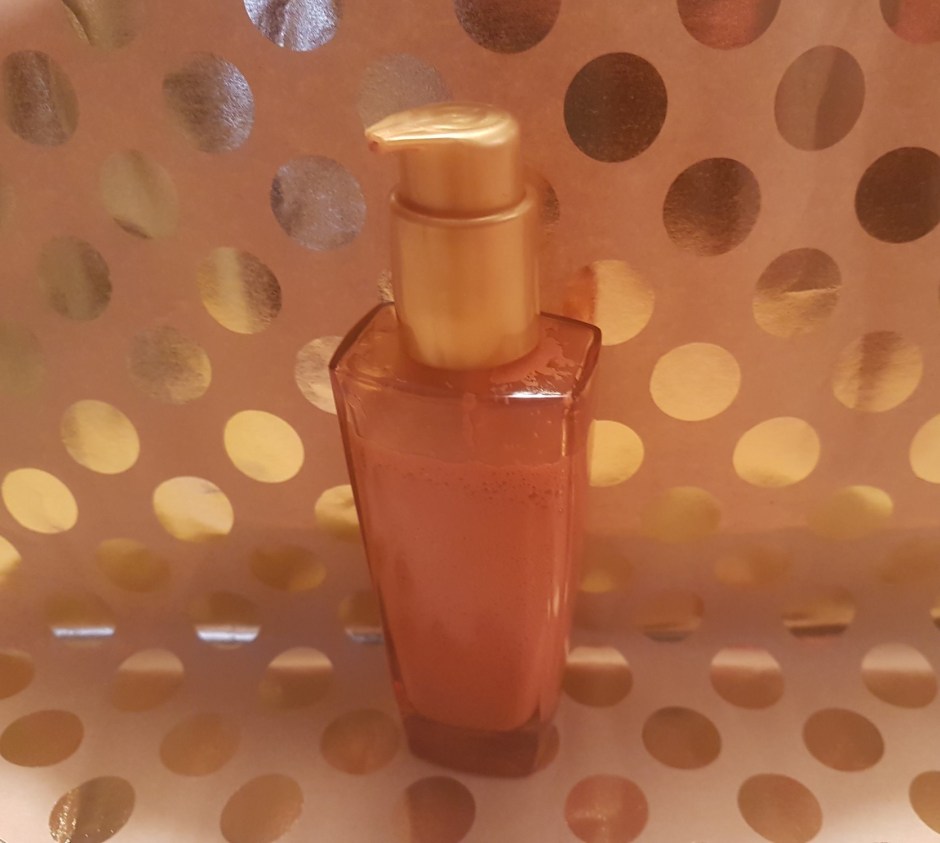
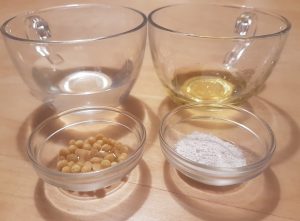
THE FIFTH PILLAR IS OF OWN CONTRIBUTION and is part of the philosophy I will share through this page.
For us, from naturamatters, natural cosmetics must also be minimalist.

And why minimalist ?: Because if a cosmetic product or “solution” works with three natural and healthy ingredients we do not need to spend more money or resources to make it and, moreover, according to certain mixtures and synergies of components, it can be even counterproductive. Not always more is better.

Feeling good about yourself @ is important, so we are not against the idea of ​​wanting to correct facial imperfections with makeup or wanting to avoid blemishes and wrinkles. However, within our minimalist concept of cosmetics, our maxim is: no, it’s more.

The skin, to preserve its lipid barrier and the layer of saprophytic bacteria that protect it only needs three components: a good soap that cleanses but does not destroy the beneficial bacteria that protect our skin, water to hydrate and natural fats to nourish. And this is achieved with three basic ingredients: natural soap, water, and natural vegetable oils that provide us with quality fats.

We know of the amount of literature and websites that formulate complicated recipes for creams with aqueous phase and fat phase. Making a cream with an aqueous phase, although interesting, greatly complicates any recipe because where there is water you need to add a preservative, more or less natural. And here we come into conflict with the issue of preservatives which are always, to a greater or lesser extent, biocides. Logically, synthetic preservatives are even more problematic than can be used by the natural cosmetics industry. However, formulating a cream with vegetable fats is very simple, and only requires a little vitamin E to prevent the rancidity of the fats. This is what we did not mean when we talked about the minimalist attitude that we propose to you from here.

Many times, less is more and if we do not need to formulate a cream with complicated ingredients, our attitude will be to make our lives simpler and simpler.

This will not be an obstacle because sometimes we offer some more complicated recipes for people with free time and desire, but in any case, you should know that true skin hydration is internal and that much more important than formulating a cream that contain water, is to drink it daily. With skin, this is the best solution. On the other hand, oils and fats are important to nourish and keep it beautiful for longer.