WHY WE NEED TO TAKE CARE OF OUR SKIN

The skin is our most voluminous organ and, at the same time, a double entry barrier. On the one hand, it isolates us from the environment, but, on the other, it is the organ that keeps us in contact with our environment and therefore needs special care.

It is a living organ with the capacity to regenerate, it is waterproof, resistant and flexible, it breathes and remains active 24 hours a day, performing all kinds of fundamental actions for our body. The skin is a vital organ for the human body that works as a protective barrier against the outside thanks to its complex cellular and immunological mechanisms, it takes care of us of diseases, extreme temperatures and injuries such as blows and burns. She selects and filters what is harmful to our body and takes what is beneficial. Regulates our body temperature and synthesizes vitamin D through exposure to sunlight.

As you know, this vitamin, which is so necessary to keep our bones and tissues healthy, is not abundant in food, hence the importance of using adequate sunscreen. We wanted to start on the blog with this topic of sunscreens and therefore we include a recipe for sunscreen cream without chemical filters or endocrine disruptors.

ABOUT SUN PROTECTION

Summer is coming and the sun is shining in all its intensity. However, we all want to go to the beach and the mountains to enjoy life outdoors. So, we have decided to write some tips on sun protection.

The sun creams that we usually find in the market usually contain a high percentage of sun protection filters, mostly chemical filters. These chemical filters have the advantage that our skin absorbs them relatively well and that they are easy to apply, but they also have many drawbacks, as we will see below:

-They damage the skin: There seems to be more and more controversy regarding conventional sunscreen creams. There has been an increase in skin and lip cancers in recent years, which are associated with the use of sunscreen with chemical filters. Apparently, these sunscreens do not form a protective barrier between our skin and the sun as we might think, but that ultraviolet rays penetrate the skin and protection is done thanks to reactions that take place in our skin. The danger is that since we don’t have the sensation of burning, we can stay in the sun for hours, but since ultraviolet rays do penetrate our skin, they end up damaging our cells. And of course, the sun is cumulative and the cells of our skin have a memory effect.

-They work as hormonal disruptors: Many of you already know what endocrine disruptors are, but for those who don’t, we will tell you that they are substances that have the ability to alter our hormones. This is a very serious issue and one that deserves our full attention. For example, there is a study linking a type of sunscreen, called benzophenone, to an increase in women with endometriosis problems. Retinol palmitate and oxybenzone are also apparently disruptive.

-They harm the environment: Chemical filters are not biodegradable, in fact, it is estimated that 4,000 tons of these chemical filters are deposited and accumulate on the seabed every year. According to a study by the EHP (Environmental Health Perpectives) carried out by Professor Donovaro in different parts of the world; It was concluded that sunscreens with chemical filters have a negative impact on coral reefs. Today it is estimated that more than 60% of coral reefs are in poor condition. Many marine animals live and depend on these reefs, so they too would be affected. In some marine reserves, such as the Tulum Biosphere Reserve in Mexico, the use of sunscreens with chemical filters is prohibited. And let’s not lose sight of the fact that these sun creams, apart from sunscreens, contain other substances (parabens, phenoxyethanol, silicones …) that should also be avoided.

In our experience, if we really want to take advantage of the time of solar exposure to synthesize vitamin D, it is best not to wear anything that prevents the synthesis of vitamin D. Of course, you have to take precautions such as avoiding the central hours of the day, wearing clothes cotton and straw hats to protect our face and eyes, maybe use some natural oil to hydrate the skin. The massive use of sunscreens is perhaps the reason why today everyone is deficient in vitamin D and this is not only the case in countries that receive few hours of sunshine per year, by the way. What is clear is that, if we cannot respect these rules and we have to expose ourselves dangerously to solar radiation, it is important, if we want to get away from the dangers of skin cancer, that we use a natural sunscreen cream whose possible formulation we detail below.

And there is an alternative to chemical filters that are physical filters, also called mineral filters. They are zinc and titanium oxides. Unlike chemical filters that interact with the skin to protect us, these filters make a reflective protective layer on the surface of the skin like a mirror or screen. We are only going to use zinc oxide in our formulations because there are also studies carried out on rats in titanium dioxide that the nanoparticles of titanium dioxide are able to cross the skin and reach the nervous system with the risk of damaging the brain. Therefore, we think, it is better to be cautious and use only the protectors based on zinc oxide and, in any case, natural bronzers based on biological filters of vegetable photoprotective oils, which, although they will not be able to protect us for a long time, neither will they do us any harm.

These biological filters, although their level of protection is lower than that of mineral filters, have the advantage of nourishing and hydrating our skin, favoring a soft tan. They are vegetable oils and extracts that protect the skin avoiding cellular oxidative stress and the alteration of our skin immune cells.

Among the biological filters are: vitamins A, C and E, flavonoids, ferulic and caffeic acids, vegetable oils such as carrot, jojoba, argan, coconut, avocado and shea butter, aloe juice, coffee, buriti (which is an oil with a protection factor as high as that of raspberry oil that we will talk about later), pomegranate, known for its high antioxidant power.

SOME RECIPES:

As prevention, the simplest measure that we can implement to protect ourselves from the sun’s rays is a simple water spray spray in which we will dilute the mint and lavender EAs. These essential oils have a sunburn prevention effect and refresh the skin. Peppermint is not only refreshing; it also prevents the skin from itching. Lavender, in synergy with mint, prevents our skin from burning.

We can, for example, dilute 20 drops of each essential oil in a spray spray with a content of about 250 ml of water. Simply, it will be enough to spray ourselves in the exposed areas when we go for a walk in the summer sun, to prevent us from burning ourselves.

And we can make a very simple cream with a mineral filter such as zinc oxide, the protection factor of which will be somewhat higher, thus preventing us from burning ourselves when we go to the beach or the country. Of course, it will be necessary to always avoid the central hours of the day and long exposures, as we already know. With the sun, prudence will be the most appropriate measure to take care of our skin and maintain adequate levels of vitamin D.

Basic sun protection cream with SPF of approximately 30:

A simple sunscreen recipe whose effectiveness is due to the physical mineral protection action of zinc oxide is this that we detail below. When smearing this cream on the skin it will leave it a little white, but that is normal because it is the protective screen effect of zinc oxide. As long as our skin remains white, we will not burn. In addition, this cream is in itself quite waterproofing and does not usually go when bathing in the beach or the pool.

Ingredients:

40 gr of sesame oil

15 grams of beeswax

15 grams of zinc oxide

We will melt the beeswax in a bain-marie and add the oil and zinc oxide. It is important to beat very well with a rod so that the ingredients mix well.
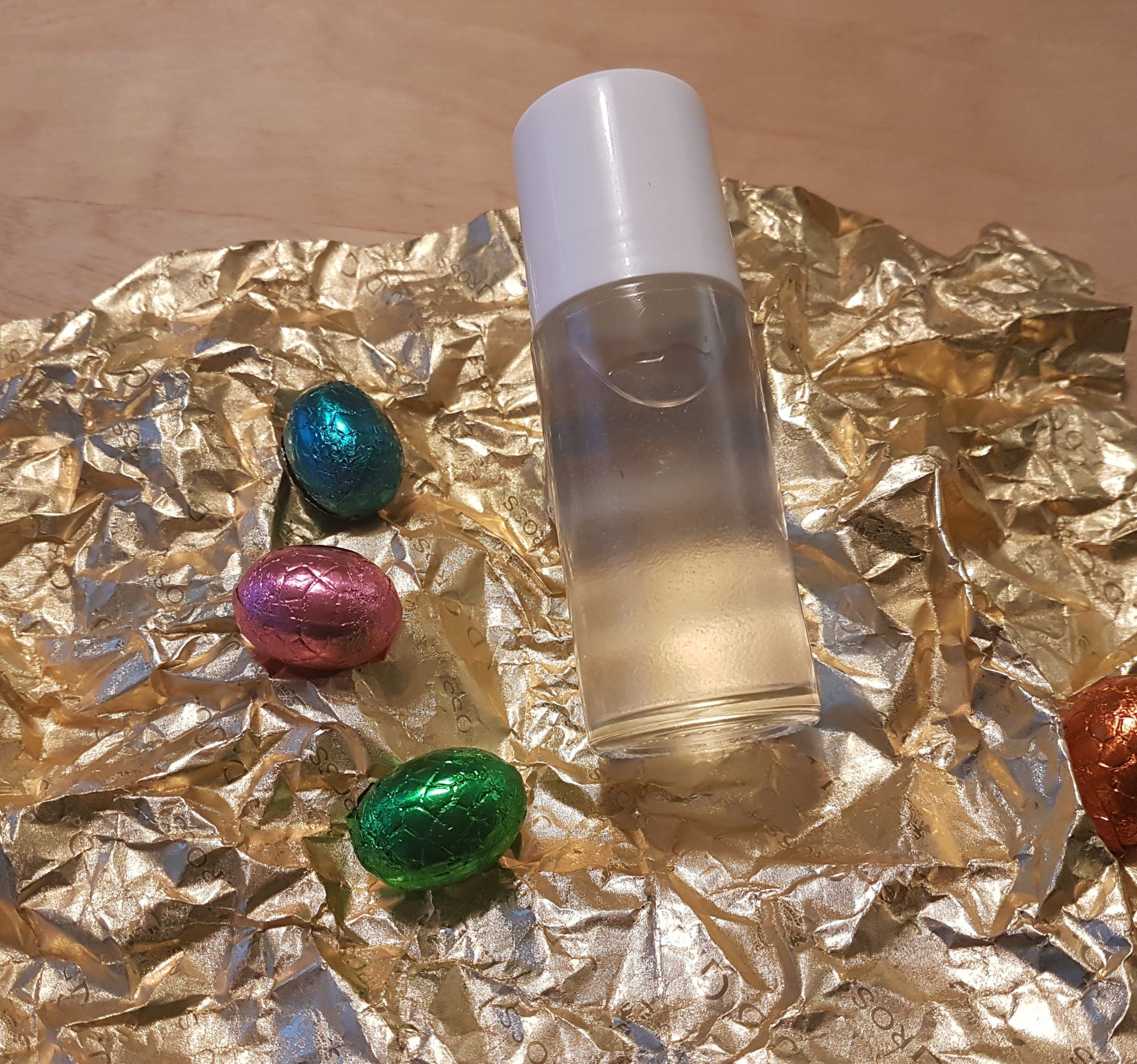
IT IS POSSIBLE TO REGULATE THE EXCESS OF TRANSPIRATION with a natural deodorant based on alum powder.

We have designed this deodorant recipe specially to treat the hyperhidrosis problems of some people because we have known that the alum stone, together with some essential oils that we will detail below, is a treatment for body odour problems (which have not been able to solve with commercial antiperspirants) and in situations of hyperhidrosis or excessive sweating.


The knowledge of the medicinal properties of the natural stone of alum dates back to ancient times: The great ancient civilizations such as the Chinese, Egyptian, Roman, Indian, Greek and Arab, recognized the benefits of the stone of alum and its use for different purposes it was common and popular.

The Romans, for example, used it for its healing, antibacterial, and deodorant properties. The popular use that confirmed the effectiveness of these benefits, even led them to introduce their use in practices with medical effects. Between 77 and 79 BC, the Roman author, naturalist and philosopher Gaius Plinii Secundi (Gaius Pliny Segundo) recorded the characteristics and properties of alum in a rigorous study of various areas of nature, written like an encyclopaedia, called Historia Naturalis.

In ancient Greece, around 50 or 70 BC. C., also produced documentation on this mineral, in the encyclopaedic work De Materia Medica, of the physicist, pharmacologist and botanist Pedanius Dioscorides.

In India and China, it has been used since ancient times to respond to organic needs externally and internally. These two cultures have commonly used Alum in solution for gargling and vaginal baths for antiseptic purposes.

In the Middle East, alum has been widely known and used, as numerous deposits of this mineral have been found in Syria. Alum stone has been an active part of ancient beauty rituals in Arab culture for its firming and astringent properties.

NATURAL ALUMBER (potassium alum) not only has deodorizing properties, it is also an effective bactericide that controls the growth and proliferation of bacteria, both in our body and in our environment, in spaces such as water and on surfaces of all kinds such as floors. , fabrics, etc. And that is why the Egyptians used these stones to purify water.

–It is also a good healing agent, which helps to rapidly regenerate skin tissue that has been affected by some type of wound or skin irritation. In the case of wounds, it produces a thin crust that comes off in less time and without the risk of leaving marks on the skin. This is the reason why in the past this stone was known as a barber’s stone or shaving stone because it was used to heal minor irritations on the beard of its clients.

–Haemostatic: Its composition makes it effective in stopping bleeding from external wounds, since it acts directly on the skin pore to close it. This haemostatic action is what helps prevent the appearance of red rashes on the skin after depilatory processes.

–Firming: It has the ability to firm the skin and tone it with continuous use.

–Antifungal: Like bacteria, alum also helps fight fungi that appear on the skin or on other types of surfaces. Of course, it is only effective in the initial phase of appearance of these microorganisms.

This is what they say about on the page “Better with Health” (https://mejorconsalud.as.com/acabando-con-el-sudor-excesivo/): “The stone of alum is a very effective mineral considered the best natural deodorant. It does not leave any residue and it works even in the most difficult cases. To use it, you must wet the stone and apply it as a roll-on deodorant”.

The possibility of wetting the natural stone with water exists, without a doubt, but we wanted to facilitate its application by preparing this convenient roll-on deodorant recipe that also has the added effectiveness of essential oils that regulate sweat.

Basically, you will need 4 ingredients to prepare this recipe:

Distilled water or a hydrolat of your choice. It is also possible to use an herbal infusion, but with an infusion there are more chances that your product will be more easily corrupted and you would have to add some other stronger preservative, which we do not think is appropriate.

Therefore, distilled water

Glycerine,

Transparent xanthan gum

And alum powder, along with the essential oils.


WHAT DOES HYPERHIDROSIS CONSIST OF?

According to the Mayo Clinic, “Hyperhidrosis is abnormal and excessive sweating that is not necessarily related to heat or exercise. You can sweat so much that your clothes get soaked or dripping from your hands. In addition to disrupting normal daily activities, this type of heavy sweating can lead to social anxiety and embarrassment. “

The conventional treatment of hyperhidrosis involves using strong prescription antiperspirants. However, some people find antiperspirants not working for them. In severe cases, the doctor may recommend surgery to remove the sweat glands or disconnect the nerves responsible for the overproduction of sweat.

According to the Mayo Clinic, “The most common type of hyperhidrosis is called ‘primary focal hyperhidrosis’ (essential). In this type of hyperhidrosis, the nerves responsible for sending signals to the sweat glands become hyperactive, despite not having been triggered by physical activity or increased temperature. Being stressed or nervous makes the problem even worse. This type generally affects the palms of the hands, the soles of the feet, and sometimes the face. There is no medical cause for this type of hyperhidrosis. It is possible that it has a hereditary component, since, sometimes, it runs in several members of the family.

Secondary hyperhidrosis occurs when excessive sweating is due to illness. It is the least frequent type. It is more likely to cause sweating all over the body. Disorders that can cause severe sweating include the following: diabetes, hot flashes in menopause, thyroid problems, nervous system disorders” …

https://www.mayoclinic.org/es-es/diseases-conditions/hyperhidrosis/symptoms-causes/syc-20367152

This recipe has worked for some well-known people to improve their situation and that is why we propose it. If you don’t want to prepare the roll-on deodorant recipe, be aware that rubbing the wet alum stone under your armpits also works. Likewise, the deodorant, as well as the stone, also work in other areas of the body where the problem may exist.

And not only that, this deodorant is formulated with a luxurious base that we have thickened with transparent cosmetic-grade xanthan gum * so that no stains are produced when using this deodorant.

Take a good look at acquiring xanthan gum that is transparent and cosmetic grade. And I tell you this from my own experience, because that is how I learned that there was a difference between the xanthan gum that we can use, for example, to thicken our homemade recipes for bread or cakes, and the transparent xanthan that is used in natural cosmetics.

I leave you some links where you can find the xanthan gum:

Tallernatural: https://www.tutallernatural.com/varios/484-goma-xantana.html

Jojoli.nl (Nederland): https://www.jojoli.nl/xanthaan-transparant.html

Cremascaseras.es:https://www.cremas-caseras.es/gelificantes-y-espesantes-naturales/144-xantana-transparente.html#

Naturallythinking: https://naturallythinking.com/xanthan-gum-clear#

Another reason why we especially like this recipe is because of its stability. Once prepared, you can forget about its expiration since it is always kept in the same conditions. Something not always easy to achieve when we talk about cosmetics and we also want to use the minimum preservatives as is our case and the “slow” philosophy that we share with you from this blog.

A very important question when dealing with the issue of the regulation of excess body sweat, or hyperhidrosis, is that we see what EO we can use as regulators and, in this case, adjuvants of the action of powdered alum salts. We are not going to use synthetic preservatives such as Cosgard, Geogard, Sharomix, etc., therefore, it is important that we carefully choose the essential oils that will act as preservatives in this recipe.

The essential oils known for their ability to control excess sweating are, above all, those of sage, cypress and palmarosa. Also, rosemary, tea tree and rockrose are a good help. If you do not have Palma Rosa EO you can, perhaps, use some of the above combined essential oils. If you have a Palma Rosa EO, it will be enough by itself to solve the problem. In addition, this oil is suitable to combat body odour in all skin types.

Sweat-regulating essential oils:

Sage: Sage Sclarea fights stress, often a trigger for excessive sweating, and also limits sweating.

Cypress: Like Palma Rosa, it is very effective against excessive perspiration.

Rockrose: This oil is strongly astringent and has the ability to close the sweat pores of the eccrine glands, mainly present on the palms of the hands, the soles of the feet and the forehead. Thanks to this, the amount of sweat secreted will decrease, since the eccrine glands are connected to these pores by an excretory channel.

Palma Rosa: This essential oil is effective against excessive perspiration and fights bacteria and bad odours, leaving us a pleasant and floral aroma that reminds us of the rose.


LET’S GO WITH THE RECIPE

Ingredients for about 50 ml:

50 ml of hydrolat or distilled water

4 grs alum powder

10 ml of vegetable glycerine or glycerinated extract

0.4 g of clear xanthan gum.

And a few drops (a maximum of 20 drops) of essential oil of sage, palmarosa, cypress, rockrose or rosemary (a combination of all of them is also possible) since we want the deodorant to regulate hyper-perspiration.

As you know from other posts, we are not very fond of using essential oils in daily use products such as deodorants. In this case, the EOs that we have used would rather fulfil a “treatment” function given their effectiveness in regulating the problem of hyper-sweating that we want to treat.

In the event that you do not suffer from hyper-perspiration, and you want to prepare this deodorant recipe, it would also be possible to use less amount of softer EO such as ylang ylang, lavender, palmarosa, or bergamot, without furocoumarins, to avoid the effect of photosensitization …

Or, better yet, substituting the 10 ml of vegetable glycerine for 10 ml of glycerinated rosemary extract, for example.


The glycerinated extract of rosemary is also a good way to add aroma to your deodorant and preservative and deodorizing qualities.

In a future article we will explain better how to prepare the hydro glycerol extracts.

PROCEDURE:

The base of our deodorant will be the mixture of water, xanthan and glycerine that will make up a kind of gel. In this gel base that will facilitate the application of our deodorant in roll-on format, we will introduce the salts of alum that will be our main active principle.

Previously, we will undo the xanthan gum in the glycerine and the alum salts in the distilled water until they are perfectly dissolved.

Now we will gradually incorporate the mixture of alum salts and water to the mixture of glycerine and xanthan gum.

This is necessary to do so because xanthan gum does not dissolve well directly in water and lumps will form.

Finally, we will add our essential oil, or a combination of them with a maximum of 15 drops of oil.

We have our deodorant ready!


We hope you liked this post, if so, leave us your comments 🙂


THE RANCIDITY OR OXIDATION OF VEGETABLE OILS

Why is it important to know the degree of oxidation of an oil or vegetable butter?

Oils are basically composed of diglycerides and triglycerides of fatty acids. Each oil has different properties depending on its composition and we can combine them to get the best out of each of them.

Thus, for example, castor oil, which alone has a low absorption capacity, combined with other more absorbent oils brings interesting fatty acids to our skin and a great capacity for hydration.

Likewise, if we want to make natural soaps, it is important to bear in mind that some oils, although they provide a good level of foam and have a great cleaning capacity, such as coconut oil; tend to dry out the skin in a daily use.

However, the combination of coconut oil with olive oil, which has a greater emollient capacity and a low rancidity index, provides us with a natural soap with greater washing and skin protection qualities.

A generic distinction is usually made between hard oils and soft oils:

-Hard oils, are those in which saturated fatty acids predominate and usually remain in a solid state at room temperature (20ºC). When heated, they melt and turn into a liquid state. Most butters are considered hard oils.

-Soft oils have a predominance of unsaturated fatty acids and remain in a liquid state at room temperature. In addition, soft oils tend to be more vulnerable to rancidity, which is the ability of oils to react with oxygen and other elements, causing them to deteriorate and smell bad. That is why it is advisable to keep in mind its expiration date.

Depending on the type of skin our cosmetic product is aimed at, we can select one oil or another. For example, oils high in palmitic acid may be interesting for the formulation of cosmetics for dry skin. Oils high in oleic acid, such as olive oil or almond oil, may interest us to improve the penetration of other assets of our formulation.

The iodine index can also help us in this decision, as oils with a higher iodine index will have an increased risk of oxidation. Thus, for example, the low iodine index of baobab oil, makes it very resistant to oxidation, and therefore very resistant to rancidity.

As we said, over time the oils become rancid due to oxidation. Unsaturated soft oils (sunflower, corn) oxidize more easily than saturated oils or butters (such as coconut, palm …) The more unsaturated an oil is, the greater the probability of oxidation. Oils high in polyunsaturated fats, Omega 3 and Omega 6, are very sensitive to heat, light and oxygen. When exposed to these elements for too long, the fatty acids in the oil oxidize and turn rancid.

Certain factors accelerate the oxidation process (oxygen, light, contact with oxidizing metals such as iron and copper, etc.) and also heat, which accelerates chemical reactions. On the contrary, other factors slow down oxidation, such as the contribution or natural richness of the oil in vitamin E. That is why oils naturally rich in vitamin E such as wheat germ oil are used in combination with other oils to protect them from oxidation.

Or vitamin E supplements, in the form of drops or capsules, are added to our formulations in order to protect them from oxidation.

On the other hand, there are oils or substances that are very resistant to oxidation and that do not need us to add any vitamins. This is the case, as we mentioned, of wheat germ oil.

Or, also, castor oil, which is more like a vegetable lanolin than a conventional oil.

The same happens with jojoba oil, which also looks more like a very fine wax than an oil and whose resistance to oxidation is also well known. Or baobab oil, which we mentioned earlier, whose low iodine value makes it very resistant to oxidation.

As we said, depending on the cosmetic formulation that we want to make and the type of skin to which it is directed, we can consider using some oils or others.

Since these oils oxidize less, they are also preserved better and for longer and, therefore, they can be very useful in the preparation of creams and products for sensitive and reactive skin with low tolerance to added preservatives.

Substances such as natural beeswax, which we can add when emulsifying our oils and natural soaps, also protect them to a certain extent from oxidation and extend their useful life.

And resins, such as rosin (colophony), which we can include in the formulation of our soaps, also prevent rancidity. Benzoin resin, for example, not only prevents rancidity, but is also used as a preservative in natural cosmetic formulations.

In an upcoming entry we will explain the procedure for making a natural preservative from benzoin balsamic resin.

Other natural ingredients that can act as antioxidants in our cosmetic preparations are: beta-carotenes, including vitamin C, astaxanthin (a very powerful antioxidant of plant origin), alum salts, which, like benzoin, would act as antioxidants and as preservatives at the same time, the Co2 extract of rosemary (oleoresin), the ESP (extract of grapefruit seeds), as well as the addition of essential oils and natural alcohols such as ethanol.

It is therefore important to keep all this in mind when formulating our products, since those that contain these ingredients, to a greater or lesser extent, may not require the addition of other types of antioxidants or more aggressive preservatives.

As we have been commenting, the oxidative potential of a vegetable oil depends above all on the type of fatty acids that compose it, so that the oils can be more or less sensitive to oxidation depending on the composition of their fatty acids and, without a doubt, according to also its process of obtaining and its conditions of conservation since vegetable oils are very sensitive to heat and temperature.

Thus, for example, cold-pressed virgin oils not only have greater emollient properties and capacities, but also tend to become less rancid. The same occurs with oils stored in glass containers and away from sources of light and heat. A good idea is to keep them in the fridge and take them out a few hours before we are going to use them.

Among the oils that are not very sensitive to oxidation, we have those of: castor oil, jojoba, baobab, wheat germ, olive, flax, apricot, almonds, avocado, hazelnut, coconut, cocoa butter, shea butter …

Among the oils moderately sensitive to oxidation, we have those of: argan, borage, grape seeds, chia, perilla, sesame…

Some oils are, however, very sensitive to oxidation, such as: sunflower, corn or rosehip …

If unfortunately, any of our oils becomes rancid before we use it, remember that it is not necessary to throw it away as it can always be used to make soap. In the soap it is not noticeable if the oil has become a little rancid, besides, the addition of essential oils and aromas will finish correcting the mess.

Talking about the oxidation of oils forces us to talk about antioxidants, which are the substances that prevent oxidation, as we have been saying.

Antioxidants are molecules capable of protecting cells from the harmful effect of external factors such as free radicals, which are highly reactive molecules capable of unleashing a very harmful chain reaction on our body, as it causes damage to many cells.

Just as antioxidants are important in the internal processes of our body, they are also important and necessary in the care of our skin, which is the largest organ we have and that fulfills numerous functions: Like the regulation of our body temperature, the balance of the passage of water both inside and outside our body, elimination of external factors that are harmful protecting the body from negative effects such as pollution or solar radiation, among others.

One of the best alternatives to meet these goals is the use of natural antioxidants in our cosmetic formulations, able to help us counteract important damages such as skin aging.

THE MOST EFFECTIVE ANTIOXIDANTS TO INCLUDE IN OUR NATURAL RECIPES

The most recent research indicates that those antioxidants that are essential nutrients for our body are also the most effective antioxidants. Among them, vitamin E, vitamin C and flavonoids.

As we always say, it is better to use the very rich oils and natural compounds that the natural oil or substance contains, than to add vitamin capsules or other types of laboratory preparations, synthetic to a greater or lesser extent.

Thus, it is possible, as we said, to add wheat germ oil to our preparations to avoid rancidity and to also provide anti-aging properties. And, likewise, it is possible to add the very rich raspberry seed oils, which contain high levels of vitamins A and E, or a grape seed oil, with high levels of polyphenols and vitamins E and K, or even avocado, which it is rich in vitamins A, D and E …

Resveratrol is widely known for its antioxidant properties that enhance collagen fibers. It provides firmness to the skin and delays the appearance of wrinkles. In addition, it has other anti-inflammatory and sun protection properties. Among its components are polyphenols, powerful active ingredients with great antioxidant properties that help fight free radicals and slow down premature aging. Oils rich in resveratrol and polyphenols would be those of grape seeds, as we mentioned before, and açai oil.

And it is also always possible to complement our preparation with green tea, mallow, oat or pomegranate plant extracts, which have a large number of natural antioxidants.

Retinol, for its part, is an active derived from vitamin A with the ability to reach the deepest layers of the skin, thus stimulating collagen and elastin. Thanks to its properties, it greatly improves the external appearance of the skin. Organic rosehip and aloe vera oils contain large amounts of natural retinol.

Recently, oligomeric proanthocyanins, which are one of the most abundant polyphenolic substances in the plant kingdom, have been added to this list. These polyphenols can be found in fruits like apples, pears, and grapes, and also in foods like chocolate and beverages like red wine and tea.

A study presented at the Society for Free Radical Biology and Medicine in Indianapolis, United States, has shown that the antioxidant capacity of oligomeric proanthocyanins can protect blood vessels from aging that is associated with a decrease in cell damage, which suggests that these substances have an anti-aging effect because they protect DNA.

Thus, it is possible to obtain this antioxidant reinforcement of proanthocyanins by adding, for example, dragon’s blood to our preparations. Dragon’s blood is a substance used for millennia for its important medicinal, anti-inflammatory, healing and disinfectant properties. It acts as a powerful antioxidant with a rejuvenating effect that acts both in the superficial layers of the skin and in the deeper layers. The high dose of proanthocyanins found in dragon’s blood helps maintain the natural collagen fibers and greatly reduces wrinkles, which are the most visible expression of tissue deterioration.

WE REVIEW NOW ANTIOXIDANTS COMMONLY USED IN NATURAL COSMETICS

-Vitamin E (tocopherol), either in the form of drops, or in the form of gelatin capsules to take from which we can puncture and pour the vitamin E into our product; It is usually the most used antioxidant when it comes to preserving the oils and fats that our creams, soaps, and other home-made products contain. It is a powerful antioxidant that also helps the skin defend itself against free radicals and protect itself from UV rays. It also stimulates circulation, improves skin elasticity, helps prevent wrinkles, improves healing, and helps heal sores. Dosage to delay rancidity: 0.1% -0.2% of the total weight of the oils in the formula (4-8 drops per 100 g of oil).

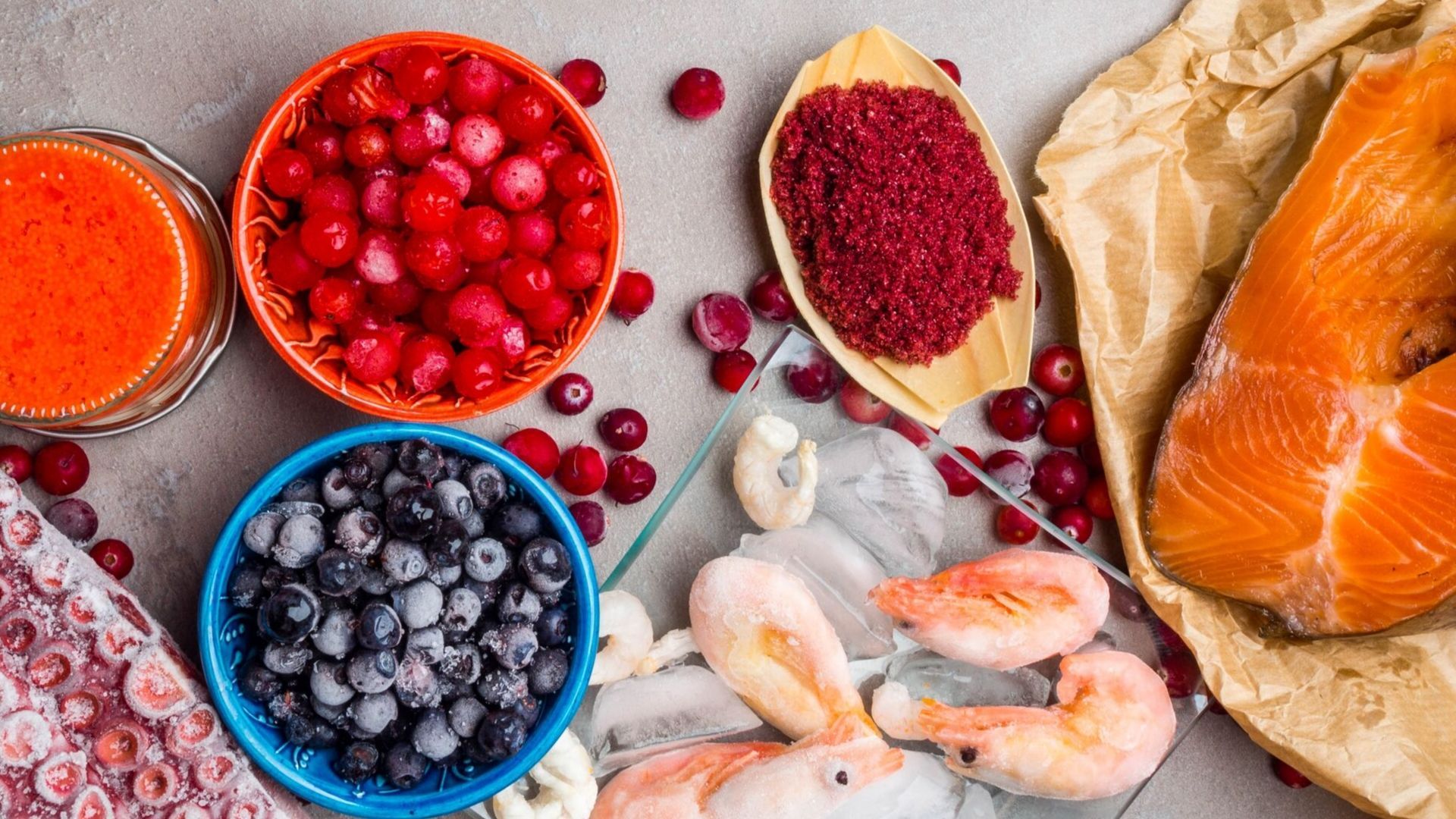
-Astaxanthin: It is one of the largest antioxidants in the world, so the capture of free radicals is its strength. It is ten times more powerful than vitamin C, fourteen times more powerful than vitamin E, and fifty-four times more powerful than any other beta-carotene. Salmon, an animal that needs (literally) all its energy to swim for days and days against the current, has a high concentration of this component in its muscles. In fact, that is why it has that pinkish-reddish color that we all know.

Coming from a marine microalga, called haematococcus pluvialis, astaxanthin is a natural substance that provides the skin with micronutrients and manages to prevent, slow down and even improve the effects of photoaging, such as spots, small wrinkles, flaccidity (elastosis) and spider veins. Astaxanthin is a fantastic antiaging, as it reduces wrinkles and improves the elasticity of the skin. On the other hand, it minimizes the damage that free radicals can cause in the dermis and improves blood flow in the area where it is applied. Also noteworthy is the anti-inflammatory power of this compound, as well as its ability to prevent premature aging by protecting the skin from harmful UVA radiation.

In natural cosmetics it is interesting to use it (by pouring a capsule of the substance astaxanthin) in cosmetic preparations especially aimed at blurring facial blemishes and protecting us from solar radiation.

If you have this possibility, you can add it to your sunscreen formulations, since it acts as a powerful natural biological filter, and also in anti-blemish and anti-aging cream formulations.

However, it is a cumulative pigment whose overdose can cause yellowing of the skin. It is therefore important not to exceed a small capsule in our cosmetic preparations. Likewise, if we decide to ingest it to protect ourselves from solar radiation, it is important that we do not take more than the prescribed dose.

-The Co2 extract of rosemary (oleoresin). The antioxidant properties of this extract are mainly due to the presence of carnosinic acid, which can help stabilize mixtures of oils and products that contain oils. It also has anti-inflammatory effects on the skin and can help fight free radicals (a good choice for ‘anti-aging’ soaps). Dosage: 0.1 – 0.4% of the total weight of the oils (2-8 drops per 100 g of oil).

-Benzoin resin, which, as we have said,not only prevents rancidity, but is also used as a preservative in natural cosmetic formulations. Dosage: 0.5- 1% of the total weight of the oils.

-Wheat germ oil: It is an oil with a high content of vitamin E, which transfers great preservative properties to the products to which it is added.

-Other frequently used antioxidants are: Grapefruit seed extract* (GSE* Grapefruit seed extract is a powerful antioxidant thanks to its high content of vitamin C and flavonoids), essential oils (all of them have antioxidant capacities to a greater or lesser extent), Vitamin A, Vitamin C (ascorbic acid), beta-carotene, etc …

THE WONDERS OF OZONE

Ultimately, if you have a quality vegetable oil that is starting to go rancid and you have an ozonator, such as those found on amazon, our advice is to ozonate it lightly, for about 30 minutes, as ozone prevents the rancidity to a large extent.

Clipboard_11-09-2024_01

And, in any case, if you don’t want to use it ozonated in these conditions in a treatment cream that you are preparing, think that you can always use it without problems in your cold saponified soaps.

If you liked this article, leave us your comments 🙂

SHOWER GEL WITHOUT MICROPLASTICS

Are you a bar soap or a liquid soap type?

If you are one of the second, you will like this recipe with which you can prepare a liquid hand soap or a shower gel with the same properties as the best cold saponified natural soaps.


We will need the potassium soap paste that, previously (in our entry about potassium soap paste), we have prepared.

IT’S THE TIME TO TAKE OUR SOAP PASTE TO THE MARÍA BATHROOM and dilute it with water to prepare our shower gel, hand soap, etc …

Normally, for one part of pasta, we will add three of water. As always, the ratio is based on tastes and will depend on how thick we want our gel or soap to be.

Now, with our pasta already cold, it is time for us to add the essential oils, if we prefer. In principle, a few drops will be enough to give it a good aroma.

Keep in mind that we are not preparing a treatment gel or shampoo, but a product for daily use and that, as you know, EOs have strong biocidal capacities that, personally, we believe that we should restrict them to the needs of a treatment. The daily use of biocidal agents can lead to irritation of our skin.

For example, we use only a few drops of laurel or lavender essential oils, which give it a good aroma and are quite soft.

In the video that we show you below, we have used GSP (grapefruit seed extract) instead of essential oils because, in addition to acting as a natural preservative, it adds a citrus aroma to the shower gel that we love.

If you have very sensitive skin, it is also possible, if you want, not to add any type of essential oils and leave it only with the aroma of natural soap, which is usually quite good. In any case, natural potash soap, if well cooked, keeps very well for a long time.

NOW LET’S GO WITH THE PROCESS

A good ratio to prepare our shower gel would be, for example:

One part soap paste (for example, 115 grams)

For three parts of distilled water * (345 g)

And a few teaspoons of vegetable glycerin, or quality vegetable oil, to make it more emollient for your skin.

* (In this recipe that we show you in the photos, we only put 1.5 parts (173 g of water) and it has remained a little thick, but if that is your taste it is also possible).

And finally, optionally, a few drops of essential oil, or grapefruit seed extract *, as in this case. * I imagine that you all know that GSP (grapefruit seed extract) is taken diluted in an infusion, for example, to help fight infections.

If you add distilled water instead of plain water, your soap will remain transparent and beautiful. If, as it happens to me, this does not matter much to you, a good idea is that you add sea water because it has innumerable properties for the skin.

IT IS POSSIBLE TO FILL IT WITH SEA WATER

In this case, you will have to add 3.5 parts of water to one of soap paste because the salt contained in seawater tends to thicken your potassium soap gel naturally.

You will have noticed, without a doubt, that when you leave the sea your skin feels smoother and more stretched, the small scars and marks disappear and your skin is firmed. Sea water acts as a healing agent, helps to close wounds and at the same time deeply cleanses the skin. All this is due to the amount of minerals that seawater contains and that increase the elasticity and flexibility of drier and dehydrated skin. It also contributes to the natural formation of collagen, hyaluronic acid and elastin. In truth few natural products you will find so full of properties.

For all these reasons, use homemade soap with seawater to treat skin with acne, psoriasis, skin problems, itching, etc. it’s a very good idea. Trace elements in seawater, such as iodine, zinc, potassium, etc. Among others, they contribute to cell renewal and to avoid the problems of skin affected by dermatitis.

Also if you are going to use it as a shampoo, it is possible that you add sea water and your hair will be full, healthy and beautiful. In principle, potassium soap is not very interesting as a shampoo because it makes little foam, but if you are one of those who wash your hair daily, this shampoo does not punish your hair at all and, with the addition of seawater, it gives it high volume.

ANOTHER OPTION

Would be to use a ready-made potassium soap paste, like the pastes sold by firms such as Jabones Beltrán in Spain. This soap paste can be found in supermarkets, even like Mercadona.


From a few tablespoons of this natural potassium soap paste and water you can now prepare your shower gel following the ratio indicated above.

You can even prepare homemade sea water if you do not have natural sea water but you do have a good unrefined sea salt that preserves all its trace elements:

Homemade seawater: we would need 3.5% salt. Then to about 500 grams of water would correspond to about 18 grams of sea salt.

ANOTHER POSSIBLE SOLUTION to make ecological liquid soap.

It is not the perfect solution because by not using caustic potash, but caustic soda in its preparation, these gels tend to gel and you have to shake them before each use, but if you do not dare with the caustic potash recipe, it is also quite a solution. good.

From a bar of grated natural soap (never toilet soap).

Ingredients:

Natural soap with natural oils in bars.

Distilled water or seawater (three cups for each of grated soap)

A couple of teaspoons of liquid glycerin or olive oil

Steps to make liquid soap:

We grate the bar of soap. If you don’t have a grater, you can cut the tablet into small and fine pieces that also works.

We heat water in a pot. Three times as much water as grams of grated soap, more or less.

We introduce the grated soap in the water and dissolve it over low heat.

Once we turn off the heat and take out our liquid soap, we can start adding the AE of our choice, or not, and also a few teaspoons of glycerin or quality vegetable oil to make your shower gel more emollient.

You can already pack it in a measuring bottle for gels, we recommend that you shake the soap from time to time if you see that it begins to gel, because, as you know, soaps made with caustic soda have a tendency to solidify, contrary to what happens with gels made with potash.


If you have prepared it, leave us your ideas about it in comments:)


DIETS & HEALTH

We all want to be thin to look better, no doubt, but also for health reasons.


How many people we haven’t heard of who need to lose weight in order to walk better or avoid the pains of their knees. And of how many others who after losing weight manage to regulate their metabolism problems and even control their sugar and cholesterol levels.

As Dr. Josep Mercola, another of the drivers of paleo* diets (high-fat, low-carb diets), states in his books (such as “Heal effortlessly”.  Ed. Grijalbo); losing weight is one of the fundamental pillars to achieve our goal of staying healthy and disease-free. *Below, we will describe this type of diet better.

If you’re one of those people who’s really worried about being overweight, going veg@n is a very interesting option.

In a recent article of “Medium”, according to Margie Zable Fisher, it was noted that:  

According to the American Academy of Nutrition and Dietetics, well-planned vegan diets are healthy for people at all stages of life, including children and pregnant women.

“I recommend vegan or plant-based diets for anyone who wants to prevent or control lifestyle-related diseases or who wants to optimize health,” says Sujatha Rajaram, PhD, a professor at Loma Linda University’s Center for Nutrition, Healthy Lifestyle and Disease Prevention.

Without a doubt, the best way to consume fiber for weight loss is with foods such as fruits, vegetables and whole grains. This does not mean that simply adding more fiber foods to our diet will serve to lose weight. Nothing further from reality.

To lose weight you should also eliminate harmful products such as those that contain an excess of saturated fats (fries, industrial pastries) as well as refined products, and in turn add fitness routines to improve health and thus lose weight.

According to Rajaram and also Dr. Sharon Palmer, dietitian and author of “The Plant Powered Diet”, a plant-based diet can improve health.

The main health benefits of a plant-based diet include:

Weight management: The types of foods vegans eat, including fruits, vegetables, whole grains, nuts, seeds and legumes, are high in fiber and phytonutrients that protect health. Rajaram  says eating nutrient-rich plant foods can help increase satiety or fullness and can even lead to weight loss. A 2013 study found that a group that followed a vegan diet for 18 weeks lost about 9.5 pounds, while the control group lost less than a pound. Research also shows that plant-based diets help prevent and help control type 2 diabetes.

Lower cholesterol and blood pressure: If your cholesterol or blood pressure is too high, you may be at risk for heart disease. Studies show that a vegan diet could help. A 2017 review analyzed 49 studies that compared plant-based diets with omnivorous diets to test their effects on blood cholesterol. While vegetarian diets reduced levels of total cholesterol, LDL and HDL compared to omnivorous diets, those who followed vegan diets saw the greatest reduction in lipid levels. In addition, an analysis of 2020 studies found that plant-based diets lower blood pressure.

Longevity: All the health benefits of a vegan diet, including weight management and cholesterol and blood pressure reduction, also lead to a lower risk of dying from heart disease, according to a 2019 study. Research has also shown that vegan diets can even reduce your risk of cancer.

“If you’re not ready to become vegan, it’s beneficial to take even small steps toward feeding whole-grain plant foods,” Rajaram says. “Even simply deciding not to eat red or processed meat will help you start seeing more health benefits.”


THE DETRACTORS OF THIS DIETETIC MODEL continue to emphasize the issue of vitamin B12 deficiency *Problems associated with this deficiency include: tiredness, exhaustion, tingling, numbness, reduced sensitivity to pain or pressure, cloudy eyesight, poor memory, confusion, depression, hallucinations and personality changes.

Vitamin B12 is not found in a bioavailable form in any plant-based food. All is made by bacteria, including those of the earth and intestinal tract of animals and humans. This might make you think you don’t need to ingest B12 as our bacteria can produce it. However, absorption is in the small intestine and synthesis (if any) occurs in the large intestine. Water and soil contaminated with bacteria often contain B12, which might explain that some low-hygiene vegan rural populations are not lacking in it.

More and more people suffer from this deficiency, regardless of whether they are vegan or not. According to FESNAD (Spanish Federation of Societies of Nutrition, Food and Dietetics. 2010), “non-vegans” can have a deficiency of this vitamin and, in fact, it is very common today when the person does not have good intestinal absorption. Either due to atrophy of the gastric or intestinal mucosa, due to alteration of gastric secretion (gastritis, advanced age, hypochlorhydria …), chronic diarrhea, or habitual use of antacids, alcohol or tobacco.

In January 2019, The Lancet (online medical journal) published an article (Food in the Anthropocene: the EAT – Lancet Commission on healthy diets from sustainable food systems; https://www.thelancet.com/journals/lancet/article/ PIIS0140-6736 (18) 31788-4 / fulltext) on sustainable diet.

This article proposes a sustainable healthy diet for the planet in order to be able to comply with the Paris agreements and the claims of our youngest activist Greta Thunberg.

This article basically concluded that the healthy diet consists mainly of vegetables, fruits, whole grains, legumes, nuts and unsaturated oils, includes a low to moderate amount of seafood and poultry, and includes little or no amount of red meat, processed meat, added sugar, flours and refined grains.

“Using several approaches, we find a high level of certainty that global adoption of the reference dietary pattern would provide important health benefits, including a large reduction in total mortality.  This inextricably links human health and environmental sustainability. Scientific objectives for healthy diets and sustainable food systems are integrated into a common framework, the safe operating space for food systems, so that diets beneficial to all (i.e., healthy and environmentally sustainable) can be identified.”

We estimate that after the impact of the COVID-19 pandemic in 2020 and the enormous impact it is having throughout the different global health systems, new scientific articles will be announced next 2021 and 2022 with even more comprehensive and more focused analyses on dietary and environmental changes needed to prevent new pandemics like this in the future.


And it is that the great variety of “fad diets” that currently exist go by naming the ketogenic diet * or keto diet, intermittent fasting, the Mediterranean diet, the DASH diet, the raw food diet, and we cannot forget the popular Paleolithic diet or, more abbreviated, the “paleo diet”.

–The ketogenic diet is a low-carbohydrate, high-fat eating plan that shares many similarities with the Atkins diets and those low in carbohydrates. This diet involves drastically reducing carbohydrates and replacing them with fat. The objective of this diet is to cause a state of ketogenesis, that is, a state in which our body works in an environment with low blood glucose levels and begins to burn fat for energy.

It is effective, but it can also lead to impaired glucose tolerance. Going to a keto diet will bring us benefits, it is true. We will surely lose weight, improve our energy, lower cholesterol and improve glucose levels. But, although everything seems positive, if we do a broader analysis, we discover that not everything is. Although it is true that people who follow a keto diet see their blood glucose levels lower, a certain glucose intolerance also occurs, which limits their ability to tolerate foods rich in carbohydrates such as fruits, tubers, legumes and whole grains. And, because it is not a very sustainable lifestyle (neither privately nor environmentally), the moment carbohydrate consumption increases – a banana, quinoa or French fries – then the liver loses it. It takes longer to efficiently metabolize glucose for energy, resulting in a spike in blood glucose or insulin. Leading to insulin resistance, which could develop into type 2 diabetes and other chronic conditions like heart or kidney disease.

–Intermittent fasting: Rather than a diet, it is a health guideline that consists of abstaining completely or partially from eating for a certain time, before re-eating on a regular basis.

Some studies suggest that this way of eating may offer benefits such as fat loss, better health and longevity. Its advocates claim that an intermittent fasting program is easier to maintain than traditional calorie-controlled diets. The easiest way to fast for 12 hours is to include sleep time in the fast window. For example, a person might choose to fast between 7:00 p.m and 7:00 a.m. He’d have to finish his dinner before 7:00 p.m. and not have breakfast until 7:00 a.m., but most of this time he’d spend it sleeping. This type of daily fasting can be difficult to maintain in the long run.

That’s why, in many cases, complete fasting has become popular for 1 or 2 days a week, known as eat-stop-eat, which involves not eating food for 24 hours at a time. Many people fast from breakfast to breakfast or lunch to lunch.

People who follow this diet plan can drink water, tea, and other calorie-free drinks during the fasting period, but they should return to their normal eating patterns on non-fast days. Eating in this way reduces a person’s total calorie intake, but does not limit the specific foods they can eat.

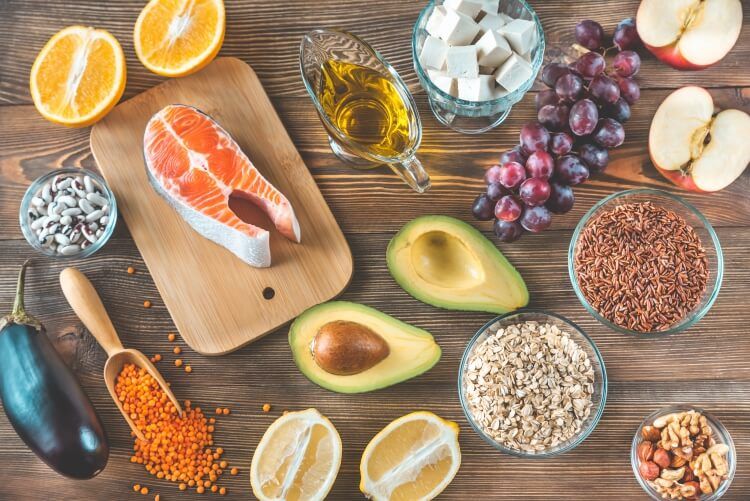
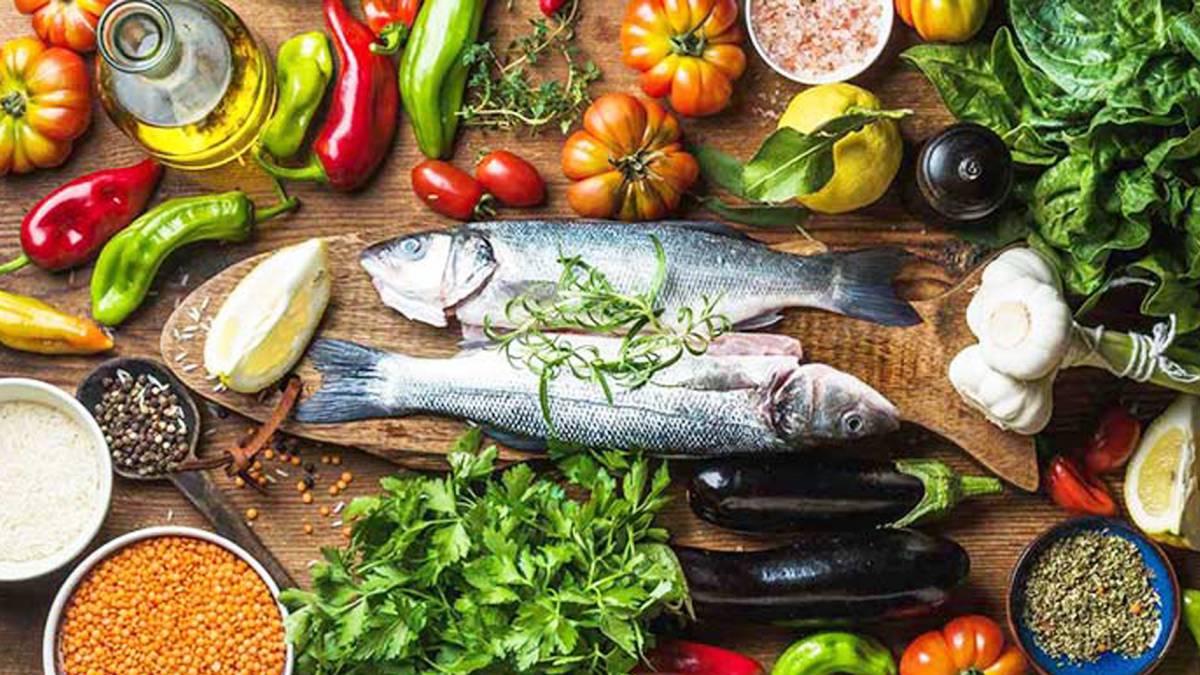
–The Mediterranean diet: The Mediterranean diet is a type of diet based on the traditional cuisine of the coastal countries of the Mediterranean Sea. Although there is no single definition of the Mediterranean diet, it is usually rich in vegetables, fruits, whole grains, beans, nuts and seeds, and olive oil. Meals are prepared around these plant-based foods. Moderate amounts of dairy, poultry and eggs are also critical in the Mediterranean diet, as are shellfish. In contrast, red meat is only eaten occasionally.


More than a weight loss diet, it’s a healthy style of eating backed by institutions like who (World Health Organization) or the Dietary Guidelines for Americans. In fact, the “new sustainable diet design” to which the previous Lancet article referred is based on this type of diet.

–The DASH diet, which is a diet designed to prevent cardiovascular disease and is low in saturated fat and processed foods with added salt but allows you to eat meat and dairy.

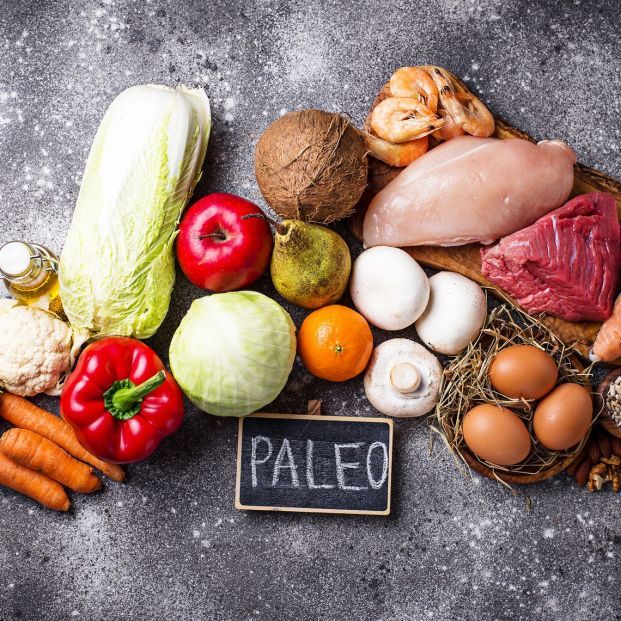
–The “paleo” diet: According to the creators of the paleo diet, popularized by gastroenterologist Walter L. Voegtlin and by the writings of Loren Cordain, an American scientist expert in nutrition and exercise physiology; the paleo diet would be a type of diet based on the idea of ​​resembling as much as possible the way of eating of our ancestors of the Stone Age, before the development of agriculture. These authors postulate that in the Paleolithic our ancestors obtained 55% of their daily calories from animal protein, 15% from fruits, vegetables and seeds, and the rest from fats, especially saturated ones.

The paleo diet shares with philosophies such as raw veganism the idea that our digestive system and our genetics have not had time to adapt to the changes that have occurred since the generalization of agriculture and, more recently, sedentarism.

Thus, this diet would be based on ingesting “large amounts of protein and fat”, from foods such as meat and fish, and to a lesser extent carbohydrates. According to this dietary philosophy, it is better to avoid dairy, legumes and cereals since the diet of our ancestors was based on meat, fruit, vegetables, fish and shellfish. The main difference between the paleo diet and other healthy diets is the absence of whole grains and legumes, which are considered a good source of fiber, vitamins, and other nutrients. The diet also does not include dairy products, which are good sources of protein and calcium.

This is an example of what you could eat on a typical day if you follow a paleo diet, according to the Mayo Clinic: https://www.mayoclinic.org/healthy-lifestyle/nutrition-and-healthy-eating/in-depth/paleo-diet/art-20111182

Breakfast. Roasted salmon and cantaloupe melon.

Lunch. Roasted lean pork tenderloin and salad (romaine lettuce, carrot, cucumber, tomatoes, walnuts and lemon juice dressing).

Dinner. Baked lean beef tenderloin, steamed broccoli, salad (mixed green leafy vegetables, tomato, avocado, onions, almonds, and lemon juice dressing), and strawberries for dessert.

Snacks An orange, carrot sticks, or celery sticks.

I don’t know about you, but this menu reminds me a lot of the low-calorie diets that doctors prescribed to my mother in the 80s.

On the other hand, the detractors of the paleo diet, affirm that it has its weak points, especially in regard to the consumption of animal protein, since it is recommended to include it in all snacks, between 3 and 5 a day. And this does not agree with the evolutionary logic of the initial proposal since our ancestors could not eat animal protein on a daily basis because they did not have the logistics or the technology to hunt animals so easily. Nor did they have the cooling systems that we have today to preserve it. -Article by Consol Rodríguez in the spanish magazine “Body Mind” –

Other studies suggest that our ancestors, after spending the day collecting and hunting, met at the end of the day to share the food found among all. That is, they practiced prolonged fasts daily during which they made physical effort and only ate once at the end of the day.

–Raw paleo or “pegan”: In the paleo diet, there are trends that defend that food should be eaten raw. It is raw paleo diet, a meeting point with non-vegan raw food.

This trend “pegan”, which comes from paleo + vegan, proposes a much more plant-based paleo diet. For ethical or sustainability reasons, they refuse to consume large amounts of animal protein, although they do include it in small doses, so its name is debatable.

Aside from the fact that these diets may work for weight loss, our question is: Are these diets rich in saturated fat and animal protein the healthiest option?

The big question is: Do these diets really work, being also healthy and ecologically sustainable for the planet?

With regard to the issue of carbohydrates, there are very divergent criteria among research groups.

–There is one sector that argues that they should be avoided.

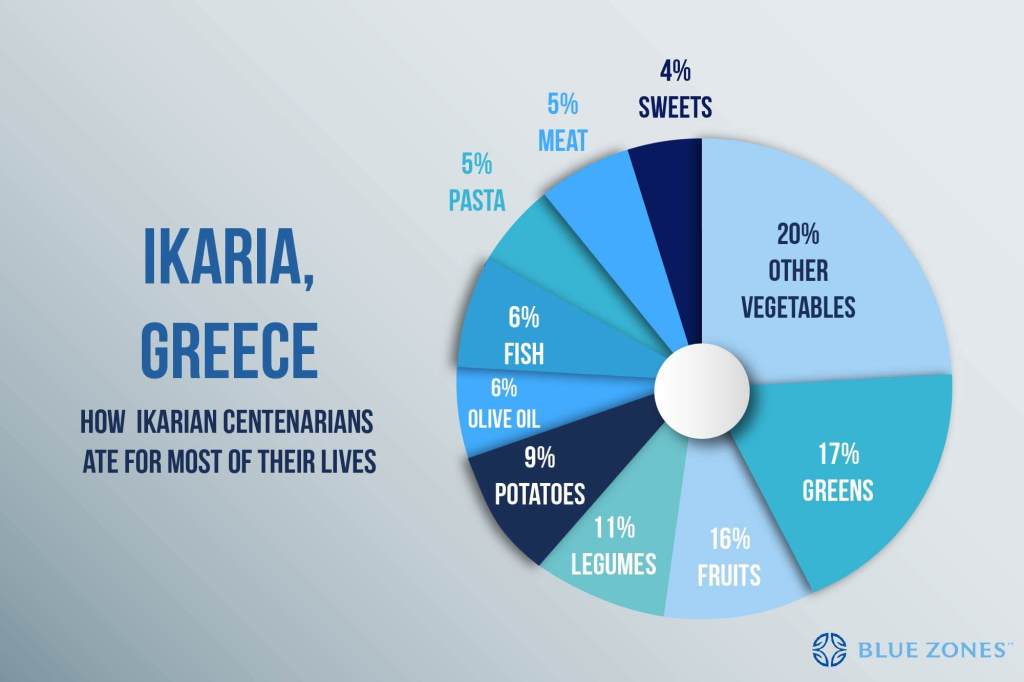
But if we take into account that in the “Blue Zones” (the areas or countries with the longest population in the world), they do not follow low-carbohydrate diets, perhaps we should increasingly question this sector of researchers.


In fact, long-lived populations with low rates of chronic diseases eat a diet rich in carbohydrates, and low in fat and animal products. -CuerpoMente, article according to dietitian Carla Zaplana.-

In 2017, in a study published in the Lancet, researchers performed coronary calcification tests on more than 750 indigenous Tsimane from South America, in Bolivia. All the subjects were over 40 years old and ate a diet composed of 72% of the calories from carbohydrates, 14% from fat, and 14% from protein (mostly from rice, corn, cassava, and bananas). The results were shocking since 97% of the people studied did not show signs of arteriosclerosis (accumulation of fat and cholesterol in the arterial walls). In addition, they also had extremely low total cholesterol and LDL (bad cholesterol) levels.


Although a single study cannot be conclusive, we do need to pay attention to it. What is certain is that it is consistent with many populations around the world that feed on ingredients of plant origin and have low rates of heart disease, such as the Bantus of Central and South America, the natives of New Guinea, some populations of Ecuador and Native Americans of Mexico, as well as the afore mentioned blue zones.

–Among the other researchers, as confirmed in this Reuters study, there are even important detractors of Atkins-type diets rich in fats and proteins of animal origin (today, better known as paleo diets or ketogenic diets); since, according to these authors, they not only overload the elimination organs such as kidneys and liver, but are not even effective in reducing overweight.

“High protein diets were associated with higher body weight.” A national study involving more than 4,000 men and women between the ages of 40 and 59 produced a surprising conclusion in our Atkins-fed society: the thinnest people on earth consume the most carbohydrates. Even more alarming, the people who ate the most protein in their diet were actually the heaviest.

“Without exception, a diet high in complex carbohydrates and plant protein is associated with low body mass,” study leader Linda Van Horn of Northwestern University reported in a conference.

Of course, this does not mean that donuts, French fries, pasta, and white bread will make us lose weight. These refined carbohydrates do not provide the complex sugars that our body needs as a primary source of energy. Only complex carbohydrates found in grains, fruits, vegetables, nuts, seeds, and beans are adequate to meet the body’s energy needs. Most notable is this finding: the more animal protein a person consumed, the greater their weight.

Obviously, muscles are heavy, but don’t think that on a vegan diet, muscles weaken. On the contrary, they become thinner but also more fibrous and with greater resistance.


As famous oncologist at Beth Israel Medical Center in New York and author of “The Wonder Enzyme,” Hiromi Shinya relates in his book: The German doctor Von Bertz, a student of nutritional science, conducted an experiment in Japan where he found that “rickshaw” drivers who ate the traditional Japanese diet of rice, barley, millet, roots of lilies and hardly any food of animal origin could pull these vehicles for four times longer than drivers fed a diet of beef.

In the end, the interesting thing about this whole matter is that we keep the good of all these dietary contributions that, in any case, affect the importance of choosing the best foods for health.

Many people who have opted for a vegan lifestyle out of ideology neglect such an essential aspect as taking care of yourself. They consume products without animal suffering, but nothing natural or healthy, with colorants, flavorings, preservatives and other highly recommended additives.

These diets defend points that are also important to claim, such as:

-Incorporate a good amount of healthy fats.

-Avoid refined and processed foods.

-Choose organic food, not very altered by the methods of agriculture and, if possible, local.

-Eat legume sprouts, tubers and sprouts, an irreplaceable source of healthy energy.

-Physical exercise, especially on an empty stomach, is also one of the keys.

Beyond all these diets, we must not forget that we are not only what we eat, but also what we think, what we feel, how we act, where we live and with what beings we share it.

The meat intake proposed by the paleo diet, if we all carried it out, is unsustainable worldwide, and no matter how much it insists that it comes from animals raised in the open air and with grass, the ethical position before animal exploitation is irrelevant.


SOME IDEAS FOR A PLANT-BASED DIET

MENU Day 1

Breakfast: natural yogurt with red fruits and nuts.

Lunch: Tofu-kale-quinoa salad with vinaigrette.

Dinner: Vegetable and chickpea stew with whole wheat bread.

Mid-morning snack: fruits and nuts.

Mid-afternoon snack: vegetable-based smoothie, such as pumpkin or cucumber.

MENU Day 2

Breakfast: whole wheat toast with avocado puree and tempeh slices.

Lunch: Greek vegetable salad with white beans and vinaigrette.

Dinner: sautéed vegetables with seitan and brown rice.

Mid-morning snack: Whole wheat bread with nut butter.

Mid-afternoon snack: Fruit slices with nuts.

MENU Day 3

Breakfast: scrambled tofu with spinach, tomato and whole wheat bread

Lunch: Pasta cooked with beans, artichokes, kalamata olives, garlic, tomatoes, olive oil and herbs.

Dinner: brown rice with mushrooms.

Mid-morning snack: yogurt of vegetable origin and fruit.

Mid-afternoon snack: Fruit with nuts

MENU Day 4

Breakfast: whole wheat toast with peanut butter and orange wedges.

Lunch: Green sprout salad with quinoa, vegetables, edamame and almonds.

Dinner: Vegetarian burger with whole wheat bread, lettuce, tomatoes, avocado, condiments.

Mid-morning snack: Hummus with vegetables

Mid-afternoon snack: fruit slices with nuts

MENU Day 5

Breakfast: vegetable yogurt with banana and sliced ​​almonds

Lunch: roast vegetables with whole grain crackers.

Dinner: Vegan paella with chickpeas and vegetables

Mid-morning snack: fruit and nut smoothie

Mid-afternoon snack: apple slices with tahini

MENU Day 6

Breakfast: Breakfast burrito with corn tortilla, black beans and sauteed vegetables.

Lunch: Greek pita with white beans and cucumber and tomato salad.

Dinner: Sauteed vegetables with tofu and brown rice

Mid-morning snack: peanut butter with banana

Mid-afternoon snack: whole wheat bread and pumpkin or sunflower seeds

MENU Day 7

Breakfast: oatmeal cereals with fruits, plant-based milk and nuts

Lunch: black bean tacos with roasted broccoli

Dinner: Polenta topped with roasted eggplant, mushrooms, beans, and red pepper ragout.

Mid-morning snack: fruit smoothie and nut butter

Mid-afternoon snack: mixed nuts


If you liked this article, spread it😊on the networks.


MOISTURIZING FACIAL CREAM

If you try this cream you will love the fluidity of its texture and its ability to hydrate.

INGREDIENTS:

¼ cup of almond oil

2 tablespoons of aloe vera gel

5 grams of beeswax

1 vitamin E capsule


PROCEDURE:

We prepare and weigh the ingredients that we are going to need.

Previously we melt the wax in a bain-marie. With the fire off, but still hot, add the almond oil and the vitamin E capsule, stirring very well.
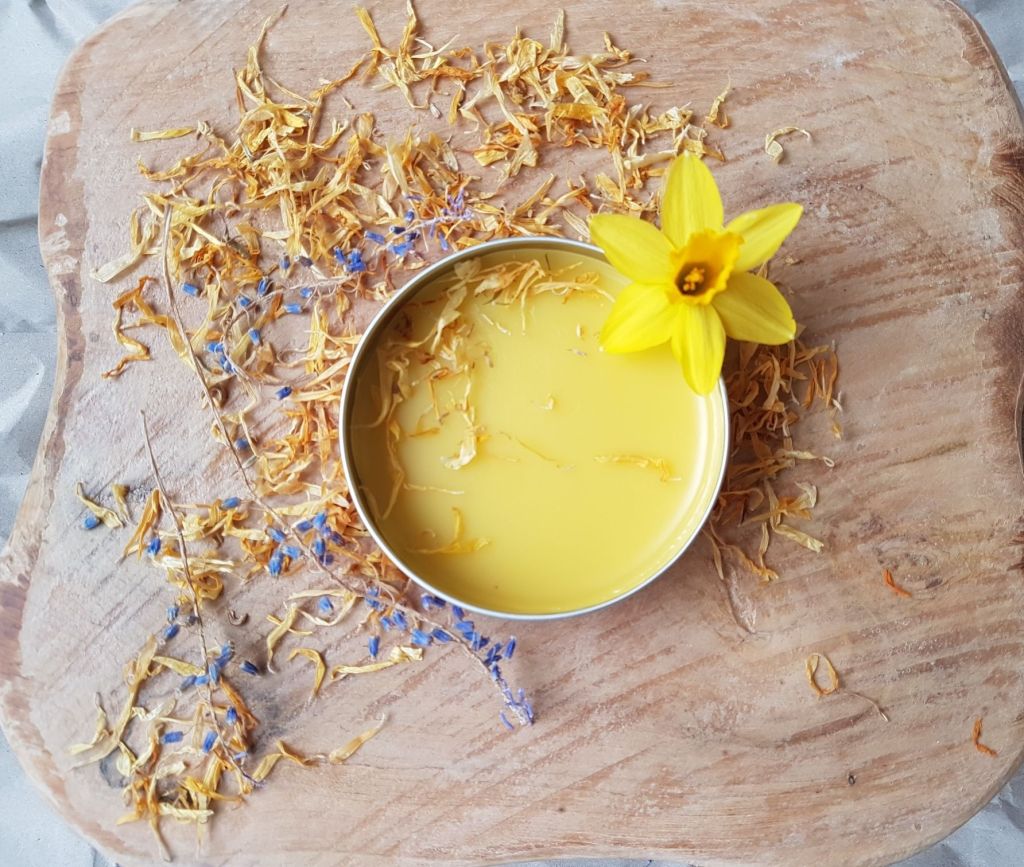
While stirring, add the aloe gel and, lastly, a few drops of preservative (ESP or Leucidal), if necessary, and also a few drops of an essential oil of our choice such as lavender, ylang ylang, geranium , or jasmine, if its intense aroma does not bother us.

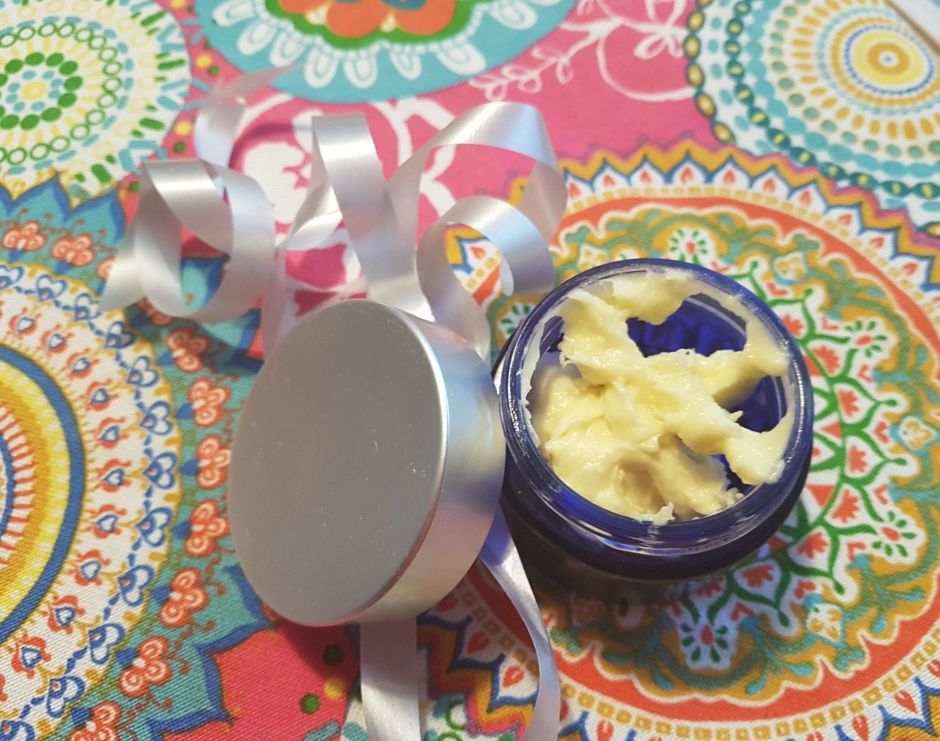
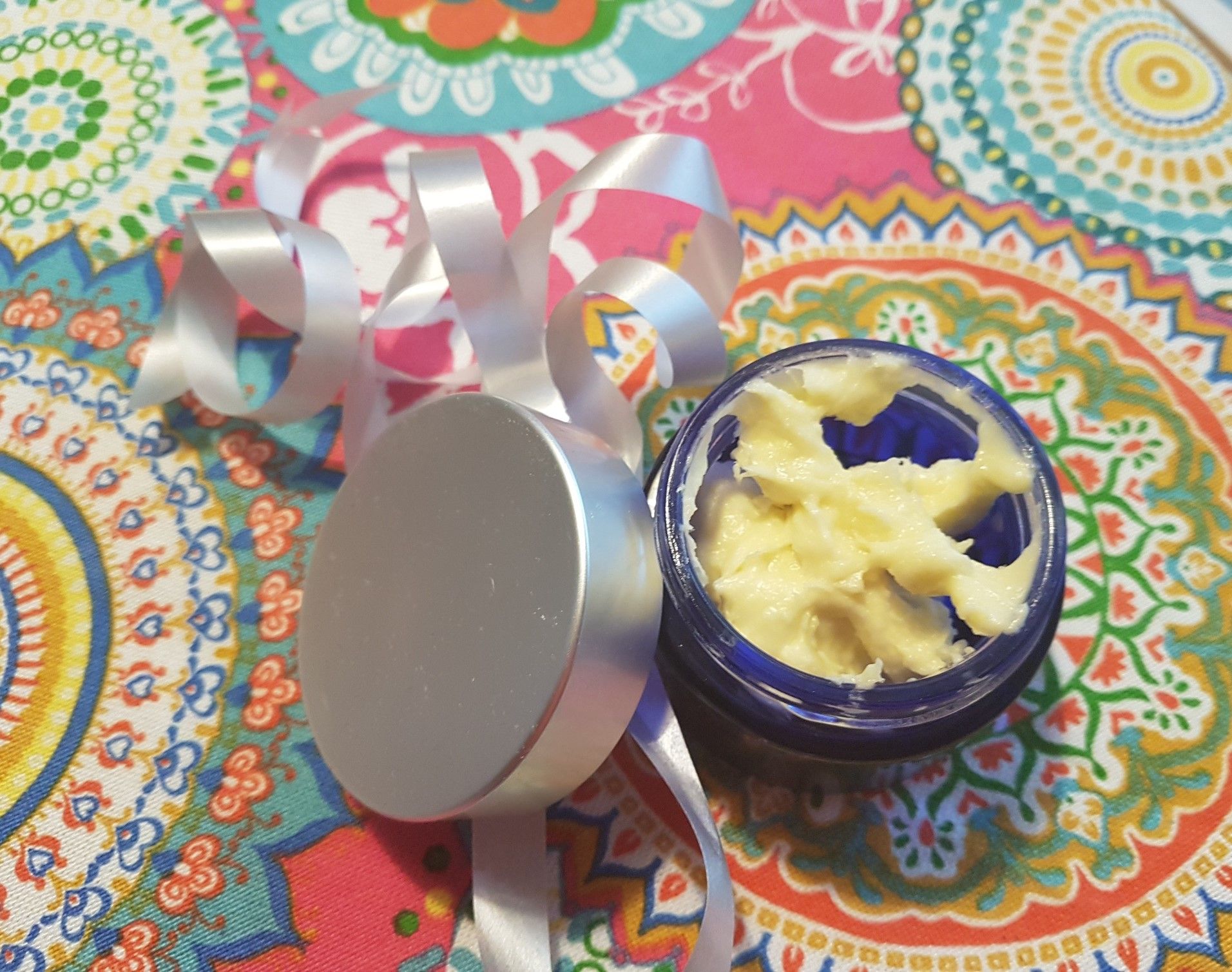
This will be the final aspect of our cream that we will proceed to pack in a glass container so that it better preserves its properties. 

Depending on our skin type or the problem we want to treat, some oils will favor us more than others. Maybe we will talk about this in a future post.

CALENDULA AND HONEY BALM

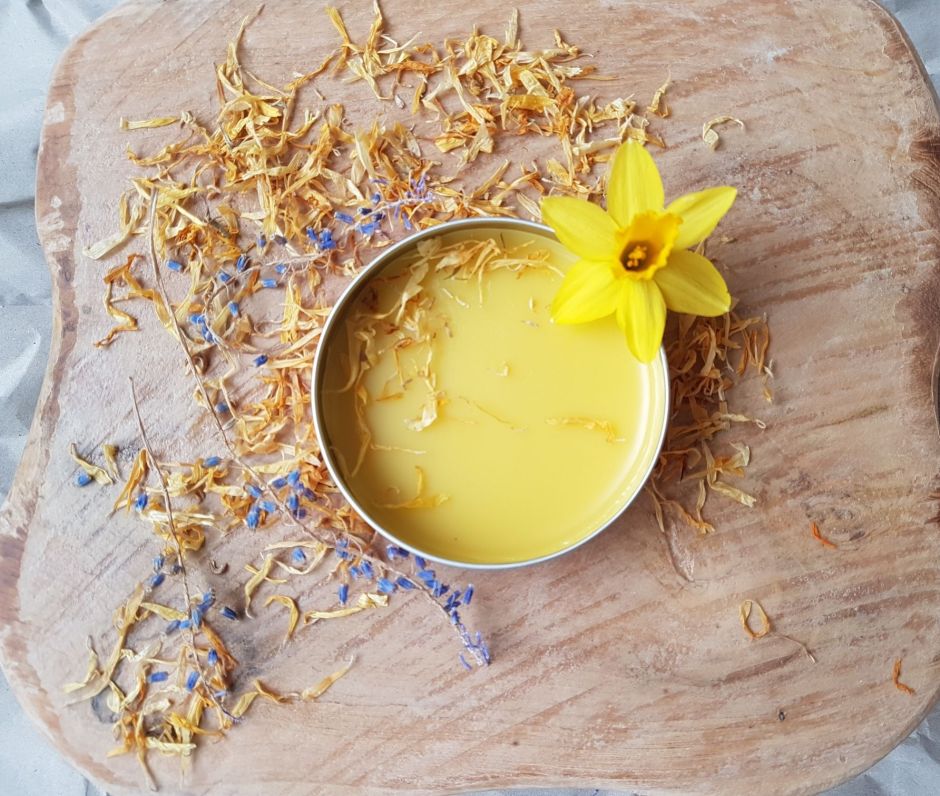
CALENDULA OINTMENT

Calendula is a kind of panacea that can be applied to almost all kinds of problems that we may have at the skin level. It is also safe for use in: dogs, cats, horses, cows, rabbits, goats, chickens and ducks as well.

As stated in the Instagram account of “le.boutique.natural” this ointment serves everything:

-To hydrate and protect the skin

-Hydrate hands and face

-Healing

-Regenerating

-Anti-inflammatory properties

-Bites

-Burns

-Scrapings

-Dry

-Diaper scratches

-Elbows and heels

-Tattoos

-Small cuts

-Stretch marks


In summary, this ointment is suitable to treat: diaper rash, scrapes, scratches, rashes, sores, chilblains, blisters, bruises (as calendula is anti-inflammatory), minor burns (also sunburns), insect bites, skin areas dry …

In short, an easy-to-prepare ointment that is perfect to have on hand in our emergency kit.

All you have to do is prepare a calendula macerated oil and add a little beeswax to thicken it. Approximately a ratio of one third of wax to three parts of oil.

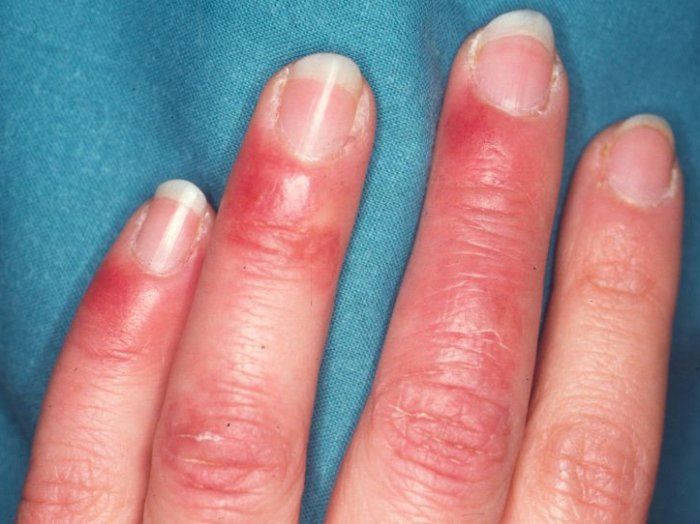
However, we have wanted to add a little honey to our recipe to use it expressly with ulcerations caused by chilblains or even to treat possible skin burns since honey, together with aloe, is the best natural treatment for this kind of problem.

If we have chilblains and cold lesions, calendula, together with honey, will help us greatly to soften our skin.

LET’S GO WITH THE RECIPE …

To prepare about 50 gr, we will need:

50 gr of calendula oleate (or infused oil)

1 tablespoon of honey

12 gr of beeswax

PROCEDURE:

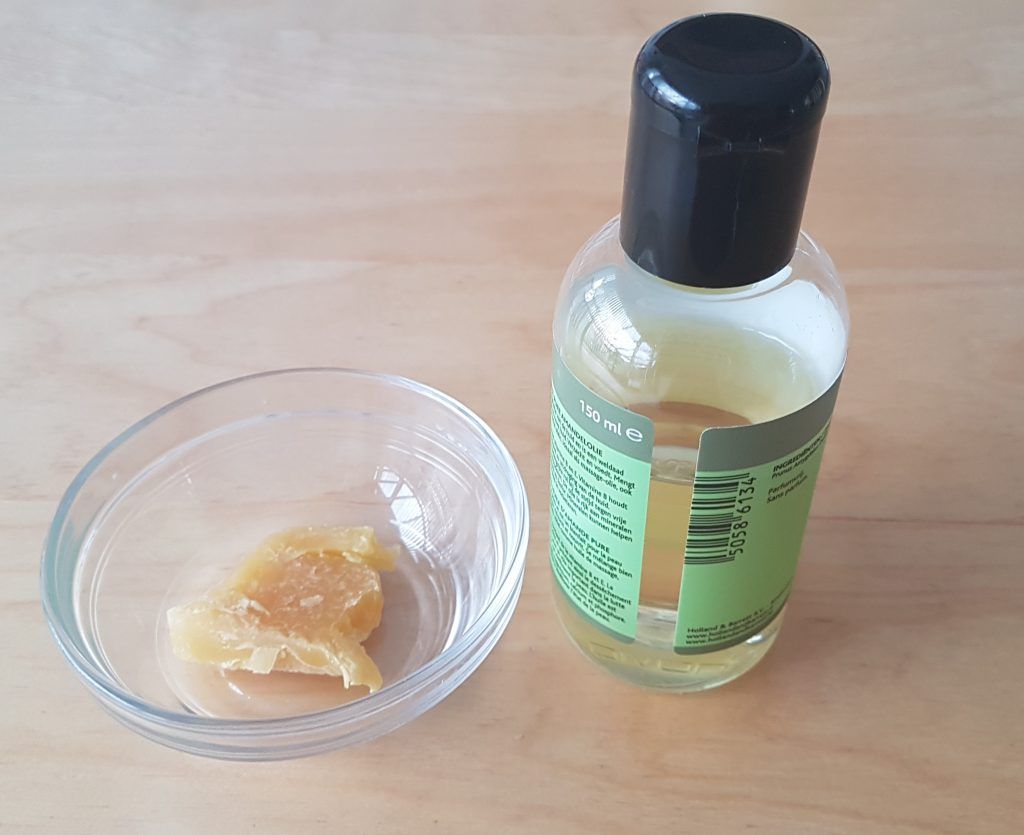
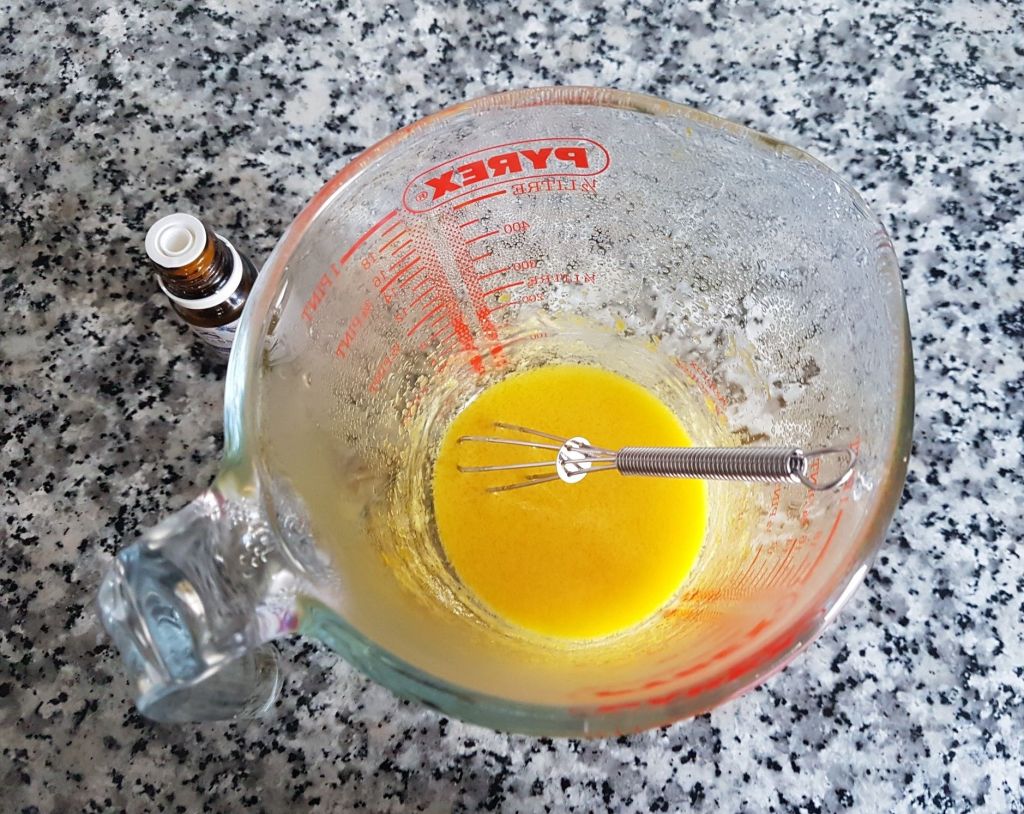
We will put the oil and beeswax in a heat-resistant container. We will take it to the water bath, over medium-low heat, until the wax melts. We will remove from the heat and pour into a can or jar.


CALENDULA AND ROSEHIP BALM

This balm would be more properly the rescue balm that we talked about at the beginning of our article due to its suitability when treating all kinds of skin problems.

Calendula, as we have seen, has multiple properties to treat all kinds of skin problems. In this case, the action of calendula is enhanced by rosehip oil, which is an anti-stretch, anti-blemish oil and, above all, an exceptional cell regenerator.

Ingredients:

15 gr of calendula oil

8 gr of beeswax

15 gr of rosehip oil

A few drops (2-3) of vitamin E

And a few drops of immortelle EO that helps regulate microcirculation and acts as an anti-inflammatory compound. Or, also possible, noble chamomile, which is another EO that treats all kinds of skin problems, from eczema to itching and small erythema or inflammation.

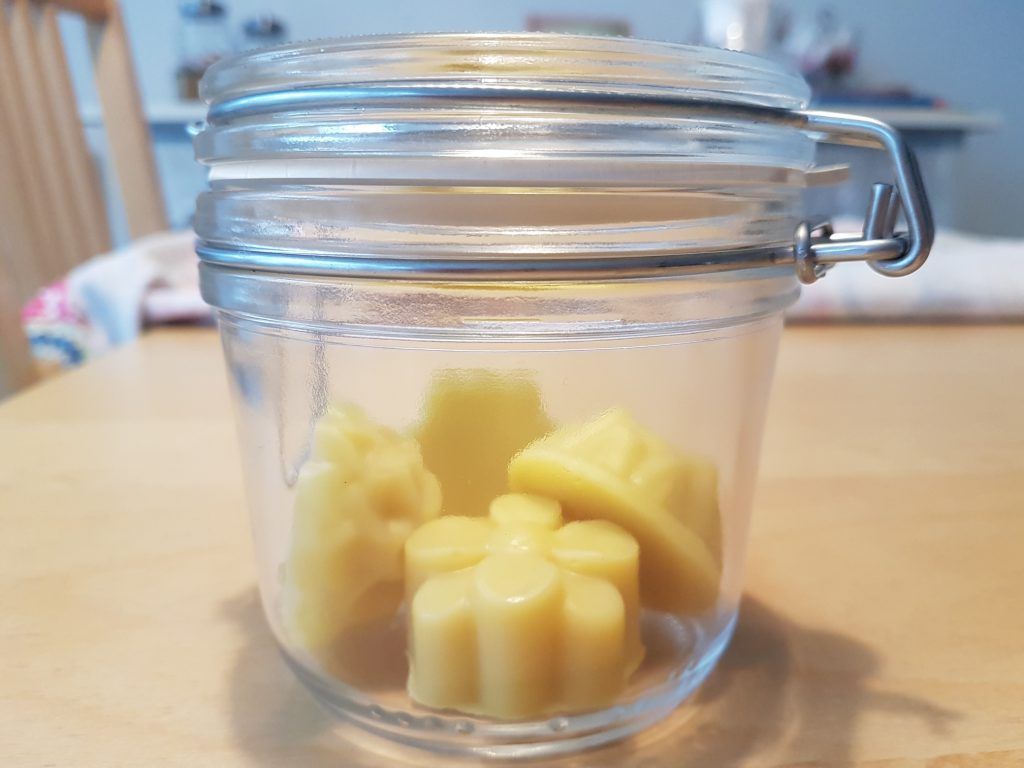
If instead of an ointment, you are a fan of solid cosmetics, it is also possible to prepare these solid marigold balm tablets.


CALENDULA LOTION BARS

Ingredients:

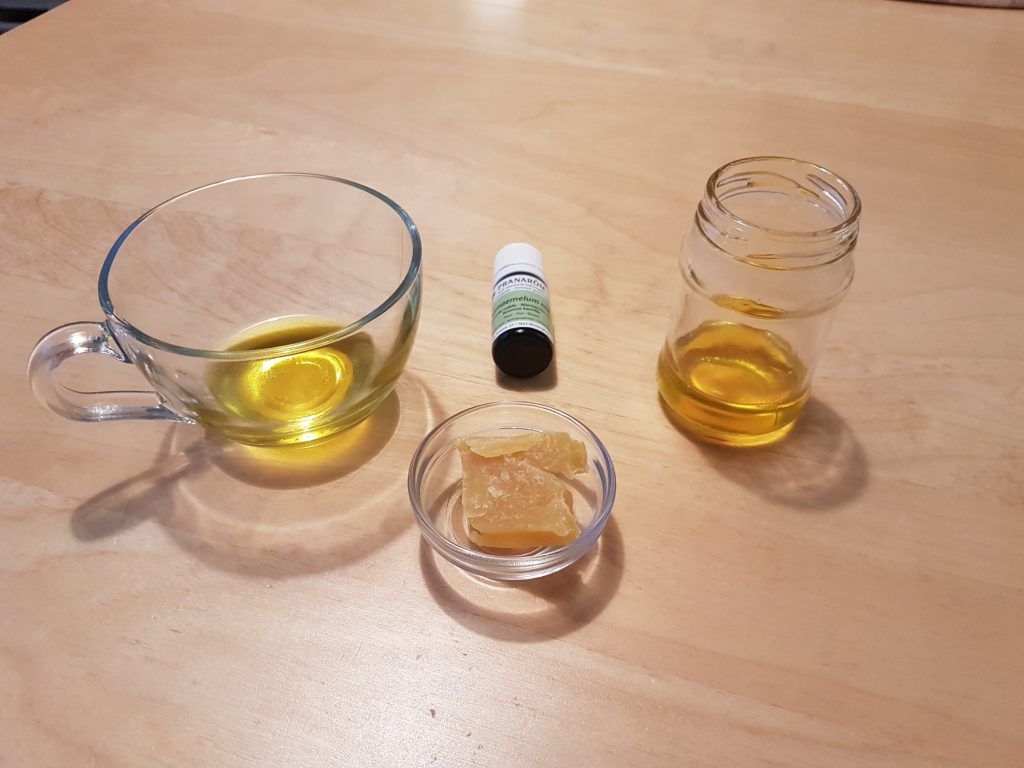
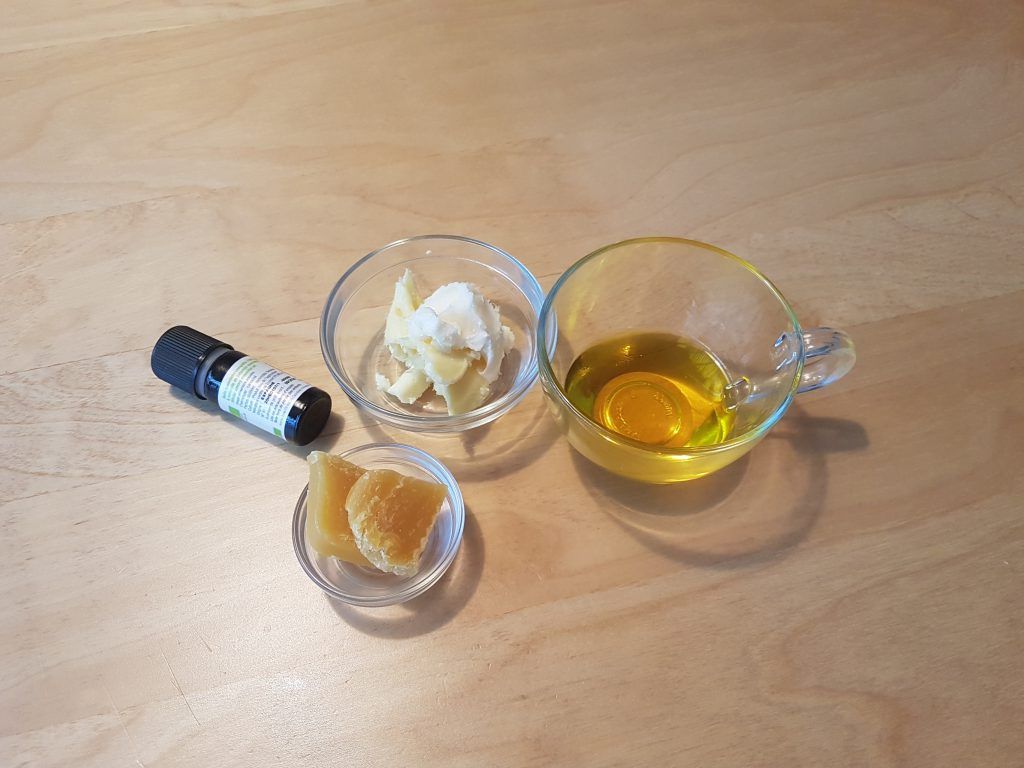
2 tablespoons (29 g) shea butter (or mango or cocoa butter)

2 tablespoons (17 g) flaked beeswax

2 tablespoons (22 g) of infused calendula oil (calendula oleate).

Optional: A few drops of Carrot EO, which is exceptionally good for skin care.

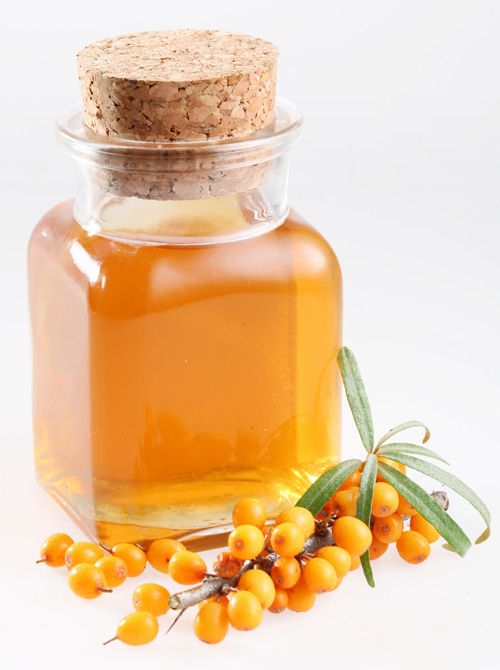
Optional, but very interesting: A few drops (maximum 5 drops, as both the oil and the extract are very powerful) of sea buckthorn oil * to obtain benefits of skin regeneration and circulation activation.

* Sea buckthorn oil (Hippophae Rhamnoides) regenerates, strengthens and soothes the skin. It contains a lot of vitamin E and A, which is why it reinforces the skin’s natural protective barrier. It is recommended for mature skin and to soothe dry and cracked skin. Homemade creams with sea buckthorn pulp oil have an orange colour as this sea buckthorn pulp oil stains the preparations a bit.

You can get it at a good price, as it is usually quite expensive, in:

https://www.cremas-caseras.es/oils-vegetales/190-aceite-de-espino-amarillo-pulp-virgen-10ml.html

PROCESS:

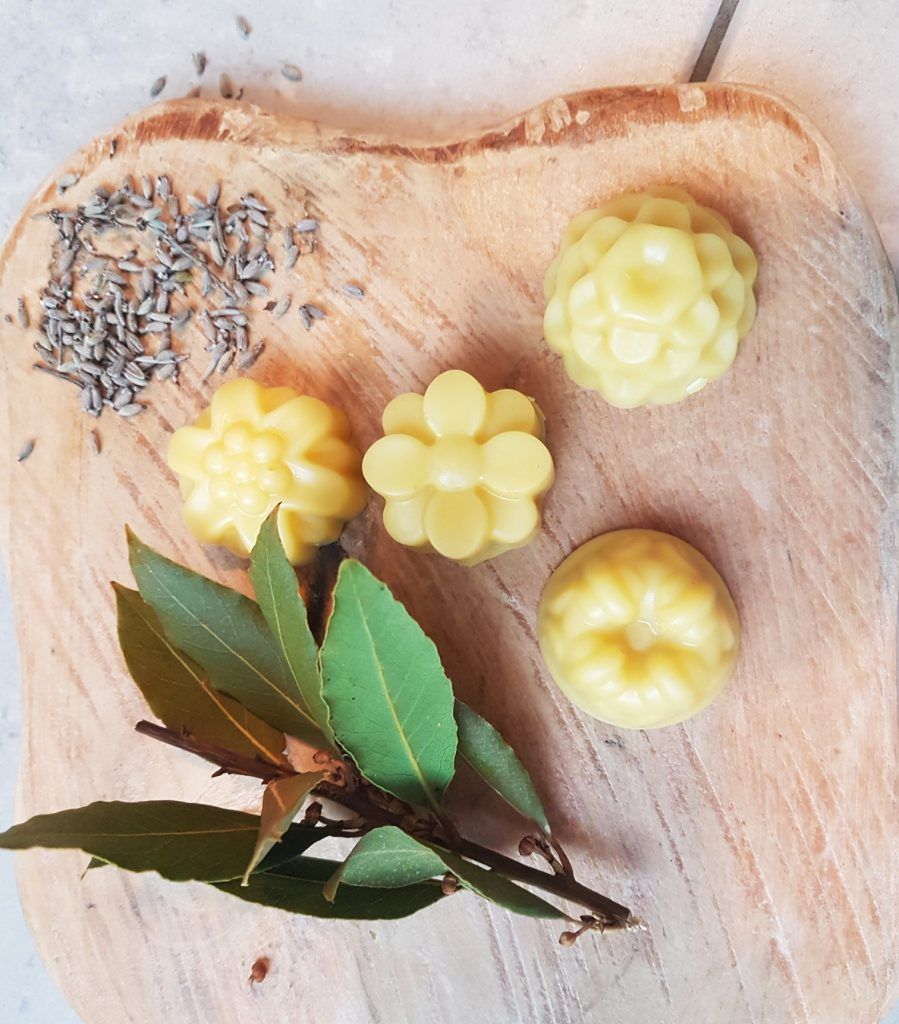
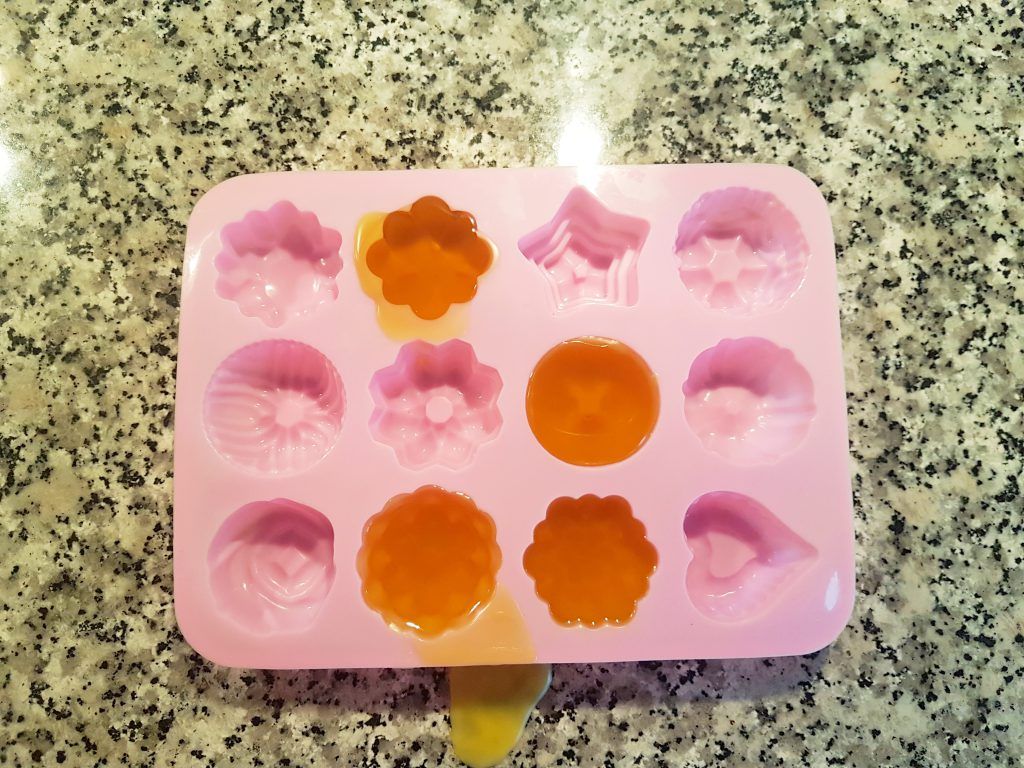
We will start by melting the beeswax in a water bath and we will add the butter and oil until everything is perfectly melted. Once melted, we will remove it from the heat and add the sea buckthorn oil, optionally, and pour the mixture into the silicone molds that we have chosen for this purpose.

We will leave a few hours for the tablets to harden well and can easily come out of the molds. If they resist, it is possible to put them in the freezer for a few minutes to facilitate unmolding.

When using them, it will be enough to rub them over the skin so that they melt and provide us with a thin moisturizing film. We can store them in glass jars away from temperature changes to prevent them from melting.

If you liked it, leave us your comments:)

HOW TO MAKE INFUSED OIL

Many times we have in the garden, or even in pots, plants that we do not know that if we dry them they can be very useful. In this article we want to explain to you how we can prepare infused oil with the dried flowers of our garden to obtain their properties and be able to use them in creams and ointments.

A MACERATED OIL is nothing more than oil infused with the essence and therapeutic properties of a plant that we let macerate in the oil.

Some examples of macerated oils and their properties:

Arnica (flowers): Contusions, bumps, bruises, oedema, heavy legs. Arnica, St. John’s wort and Calendula are 3 plants against muscle pain with anti-inflammatory and analgesic properties that, when used externally, can help relieve injuries and inflammations. They prevent and help muscle and ligament recovery.

St. John’s Flower (flowers): Although many people know this herb for its antidepressant properties, it is tremendously useful, at the same time, to treat muscle pain due to its analgesic and anti-inflammatory properties.

Daisy (daisy flowers): Skin toner, repairer, tightener, neck, bust and décolleté shaper. Restructuring and nourishing.

Calendula (marigold flowers): Powerful anti-inflammatory, healing and disinfectant, which treats fragile, dry, rough, tight and reactive skin. Calendula calms irritations, cracks, frostbite, small wounds, razor burns, psoriasis, eczema, ulcers, sunburns, hives, insect bites … And even the pain of bruises and neuralgias.

Chamomile (flowers): Inflammation of the face, itching, rosacea (redness).

Sea Buckthorn (berries): These berries have a lot of vitamin C that make of this macerated oil a very good anti-aging oil to give glow to our skin.

Mallow (flowers): mature skin, dry and sensitive skin, rosacea. Softening.

Carrot (roots): The carrot macerate produces an orange oil very rich in carotenes. This infused oil promotes tanning and allows the skin to maintain an even tone after sun. Softening, regenerating and soothing.

Plantain (leaves): Plantain stands out for its healing and calming power; hence it is ideal for treating small wounds or bites. To this must be added its emollient properties that help hydrate the skin. It is also anti-inflammatory and detoxifying.

Laurel (leaves): Treatment of acne, oily skin, sores and ulcerations, in case of cooling, in massages and to relieve rheumatism.

Rosemary (leaves): Oily, mixed skin. Firming and draining, in addition to improving microcirculation.

Rose (flowers): Wrinkles, aging, age spots. Rose is a great rebalancing agent that treats dehydrated, devitalized, dry skin, with cracks, scars, acne, rosacea, eczema, psoriasis.

Green tea (leaves): Decreases the production and storage of fat. Powerful antioxidant.

Vanilla (pods): Skin tonic, protective, softening and nourishing. Softens face and body skin and is a mild scrub with a delicious scent for use in massage oils. Also, in our culinary preparations of cakes or vinaigrettes (in addition, if it is for cooking, it is not necessary to filter it).

Red vine (leaves): Improves blood circulation. Heavy leg care.


WHY TO MAKE A MACERATED OIL

If you’re wondering why to bother making macerated oils when we have essential oil, it is important to know that not every constituent of a plant comes over in distillation. Only the smaller molecules come over using that method and so we never quite capture the essence of the whole plant.

Maceration captures the heavier larger molecules. Other extraction techniques will capture other chemicals too. Water extracts will harness the water-based compounds, for example. So, the more ways you have to extract the properties of a plant, the closer you get to accessing everything that plant has to offer.

When making a cream that is based on lavender, for example, then you can augment the therapeutic effect by also including macerated lavender oil and even the fluid extracts or hydrosols too.

In addition, another advantage of macerated oils is that they add properties to our recipes in a milder way than essential oils. These can sometimes cause rashes on sensitive skin.

Also, you may have access to a plant that doesn’t have a corresponding essential oil, like Lilac or Elderflower for example, or perhaps you wish to use a plant where the essential oil is very expensive, Jasmine (distilled) or Lemon Balm, for example. By using maceration, you can access the healing chemical compounds in these plants and use them in your skincare.

As we said before, many times we have plants in the garden that we do not know that if we dry them, they can be very useful. This is the case with the humble marigolds. Surely many of us have them in the garden without knowing it. However, calendula flowers have great therapeutic value if we collect and dry them.


CALENDULA is a plant with great therapeutic potential for the skin. Regenerates, fights possible germs and fights against inflammation. It is a restorer par excellence of irritated skin, with itching, eczema, chilblains caused by cold, etc.

Another use for calendula oil is to treat earaches. We will place 2 to 3 drops in our ear and hold a hot bag or cloth over it. However, if the symptoms persist or there is an infection, it will be better to consult with our doctor.

By letting the flowers infuse in oil, we can extract many of those properties and incorporate them into easy-to-use products such as: recipes for salves, lip balms, soaps, creams and lotions.

That is why we are going to explain below the two known methods to prepare an oleate, that is, to infuse a vegetable oil with the properties of an herb or plant.

In this case, we are going to explain how to prepare a calendula macerated oil, although it would be perfectly possible with any other dried plant or flower.

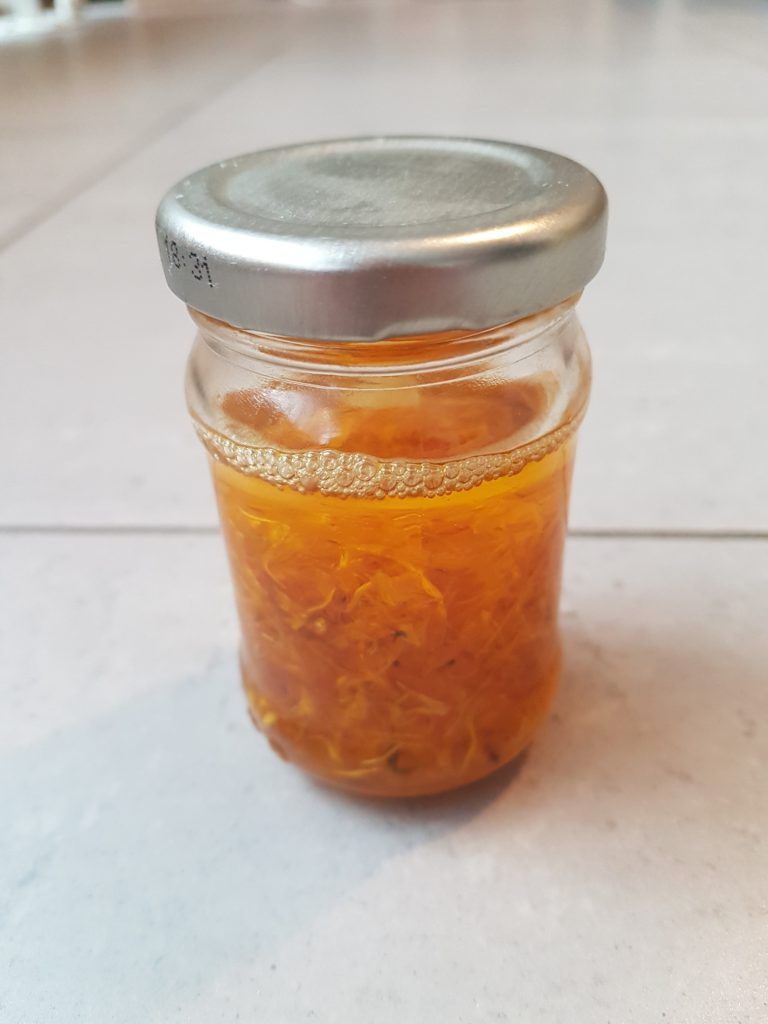
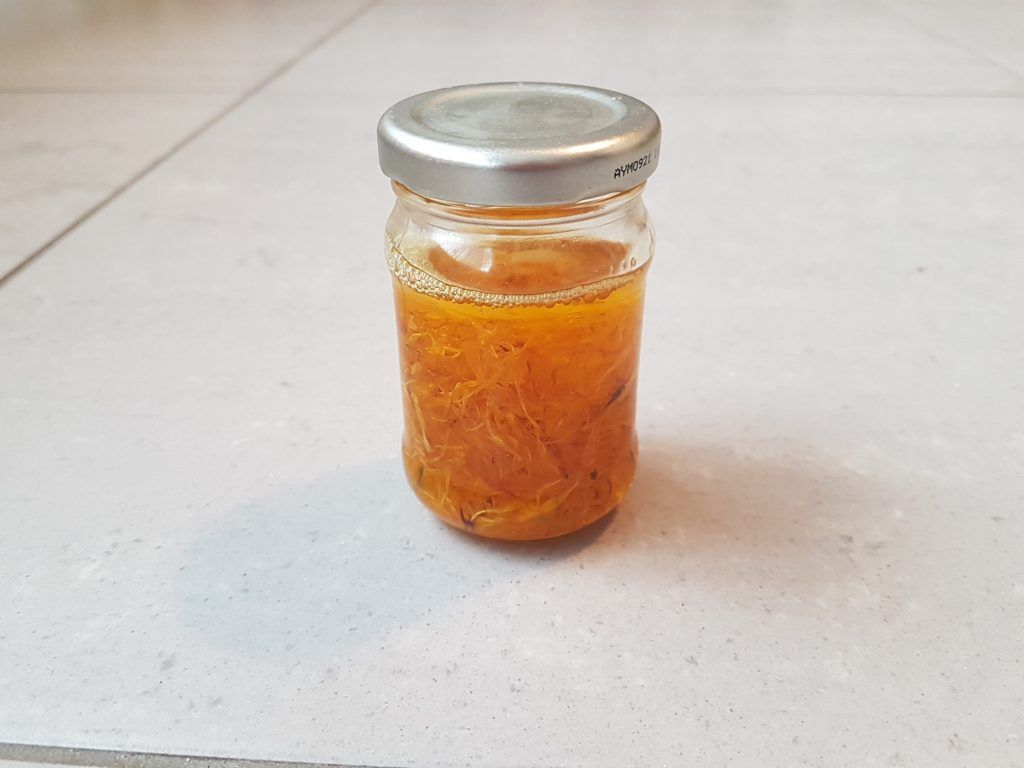
CALENDULA INFUSED OIL

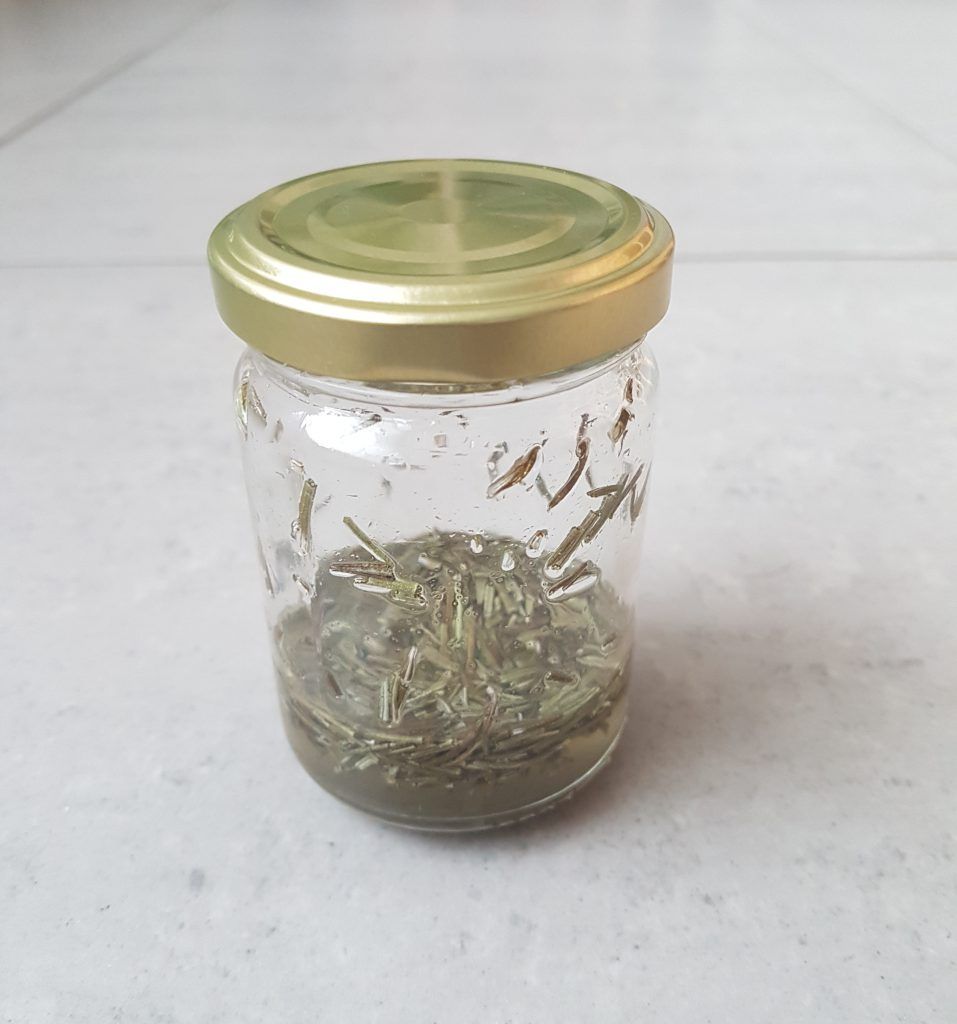
We will need dried calendula flowers for this. Fresh herbs can also be used to prepare the infused oils, but this is not a good idea because the water content of fresh flowers and herbs tends to create moulds and spoil the oleates.

Simply, we will spread the previously collected flowers on a paper towel in a dry place or in the sun and we will turn them daily for a week or two until they are completely dry.

When we have them dry, we will fill 1/3 of a glass jar with our dried flowers and we will refill it with some oil that does not easily rancid like those of jojoba, apricot, coconut, almonds or even olive. (See entry about rancidity of oils).

As in the “freak of natural” website is said: “Jojoba and coconut oils are also often used or added, while sweet almond oil suit best the making of smaller batches as it goes rancid faster then the other oils”.

https://freakofnatural.com

We will cover the jar well and store it in a cool, dark place, for a minimum of four weeks (40 days is usually ideal). We will shake it periodically. There are even “schools” that affirm that it should be given the light of the sun and the moon for that question of the energies. Anyway, don’t worry if you don’t, the result will also be acceptable.

After 40 days, we will strain the flowers and we will have our macerated oil ready. To strain the herbs, you can use a cotton filter or a fine cloth. In some cases, you will have to repeat the operation so that the oil is clean of residues.

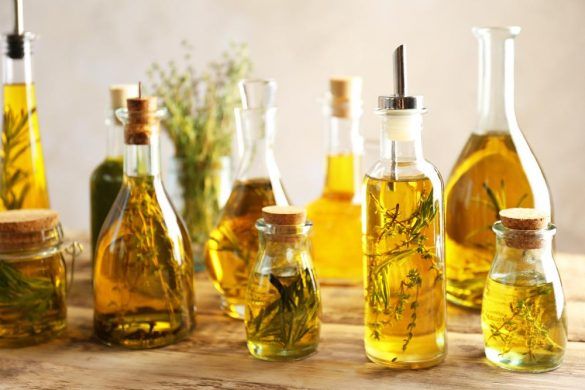
The oil, now infused oil, we will reserve it in a bottle, if possible, in dark glass so that it has a longer expiration date. We will keep the jar in a dry and dark place, protected from heat sources. And if we think that our oil can become rancid, we can add a little wheat germ oil or a few drops of vitamin E to prevent oxidation and rancidity.


IT IS POSSIBLE TO MAKE A FASTER PROCESS WITH A HOT METHOD like the one detailed by Maria Treben in her books.

In this case, we would place our oil, with the flowers or dried plants, in a glass container (temperature resistant) to the water bath. And we would keep it on a very soft heat for several hours (1 to 3 hours according to various sources). It is important that the temperature of the assembly does not exceed 50º degrees Celsius so that the oil does not become harmful and the oleate does not lose properties.

This hot method is best suited for harder parts of the plant such as roots.

After this time, we will filter well and package as in the previous case.

With this method, it is possible to use the infused oil immediately. Although it is also possible, after infusing it, to reinforce the process and obtain a better infused oil by letting it macerate a few more days in a dark place.

If you have tried it, leave us your comments:)

SUPER HYDRATING HAND CREAM with castor oil

Many times, we may realize too late that they are irritated or dry. This irritation occurs when we cannot hydrate our hands optimally. If we are not careful enough, we can increase our sensitivity to aggressions, which can often be painful and cause skin cracks or chilblains*.

*Chilblains are alterations that occur on the skin due to sudden changes in temperature. This exposure causes blood vessels in the area to become constricted (vasoconstriction), causing blood supply to decrease in this particular region of the body. The painful inflammation of these small blood vessels occurs in response to this sudden temperature contrast. Chilblains or erythema can cause itching, red spots, swelling and blisters on the hands and feet. When the cold ends, the inflammation usually goes away without any treatment in about three weeks.

In the event that the lesions do not disappear in a few days, it may be necessary to go to the doctor or to seek an herbal remedy * to improve our venous circulation, as this is mostly the cause of the problem.

*You can read more about this topic in our entry on herbal treatments to treat chilblains.

If the lesions are not severe, it is important to keep your hands and feet well hydrated to prevent them. In this sense, a hand cream like this, of which we offer formulation, can be of great use to us. And also, without a doubt, a calendula ointment,which we will talk about in a future entry.

HOUSEHOLD CLEANING PRODUCTS

On many occasions, household cleaning products can be extremely damaging to the beauty of the hands. These products irritate, destroy the protective film of the skin and make it sensitive. To the extent possible, we will avoid direct contact with these products, including liquid detergent or dishwasher detergent.

Some people are particularly affected by cold and moisture, causing their hands to turn red, dry and irritated. But, if we think about it, it’s not really the cold and humidity that’s causing it, instead, it is the lack of skin’s hydration. When it’s cold, we cover up more, but often we forget that the hands are exposed and, if they are not well hydrated, we will soon notice the dryness and effects of cold on our skin.

On the other hand, if we make sure to use a mild natural soap whose composition is respectful of fragile, dry and sensitive skin and we use a balm or moisturizer with natural butters and oils; we will see that this inclement weather affect us much less.

It is also very important to avoid washing dishes without gloves. Likewise, with other types of cleanings that require contact with detergents and aggressive products.

In this blog we want to provide a hand cream recipe based on castor oil for its multiple properties when it comes to moisturizing the skin of the hands and the strengthening of the nails.

Cold-pressure castor oil is composed of Omega-3 fatty acids that help the skin stay hydrated and also stimulate cells that repair skin discoloration, tending to match tone and reduce skin hyperpigmentations. It is also a natural moisturizer that prevents the skin from being affected by free radicals by stimulating collagen and elastin synthesis.

It contains ricin oleic acid, which is a rare fatty acid that makes up 90 percent of the composition of castor oil. This fatty acid is known to act as a natural anti-inflammatory agent. In the event that we have swollen bags under the eyes, it therefore helps to drain and deflate them.

Castor oil therefore has many potential benefits for the skin. These include:

–Prevent wrinkles: Castor oil contains antioxidants that fight free radicals. Free radicals are responsible for accelerating the aging process, causing wrinkles to appear earlier.

–Reduce swelling: Castor oil has anti-inflammatory properties that can help reduce swelling of bags under the eyes or swollen pimples. Also due to its anti-inflammatory properties, castor oil can relieve pain associated with sunburn and redness and erythema caused by cold.

–Moisturize: It is highly moisturizing and therefore prevents wrinkles. Moisture keeps skin looking young, shiny and healthy. Its moisturizing qualities can also reduce flaking.

It is for this reason that castor oil, in the form of homemade vegetable lanolin, like the one we have formulated below, contributes greatly to repairing dry and cracked lips.

In general, this oil, if it is ecological and cold pressed, promotes the general health of the skin as it is full of healthy fatty acids and fatty acids are essential to maintain good skin health.

Castor oil is best used mixed with other oils such as coconut, almond, jojoba, or even olive oil as it has a very thick texture and a strong aroma. It can also be added to shea butter for an extra moisturizing effect.

As we said before, we will formulate homemade vegetable lanolin because it will be of great use to us to prepare many other recipes of creams, balms and lip ointments.

Homemade vegetable lanolin

90% castor oil

10% beeswax (if we want vaseline to remain transparent we will use white beeswax)

What we do to get this wax is to put the normal yellow wax (from which it comes in pearls or flakes) in the sun for a couple of weeks to bleach. For example, on the windowsill. Through the glass, it will be more difficult than an excess of temperature melts it than if we expose it directly to the sun’s rays.
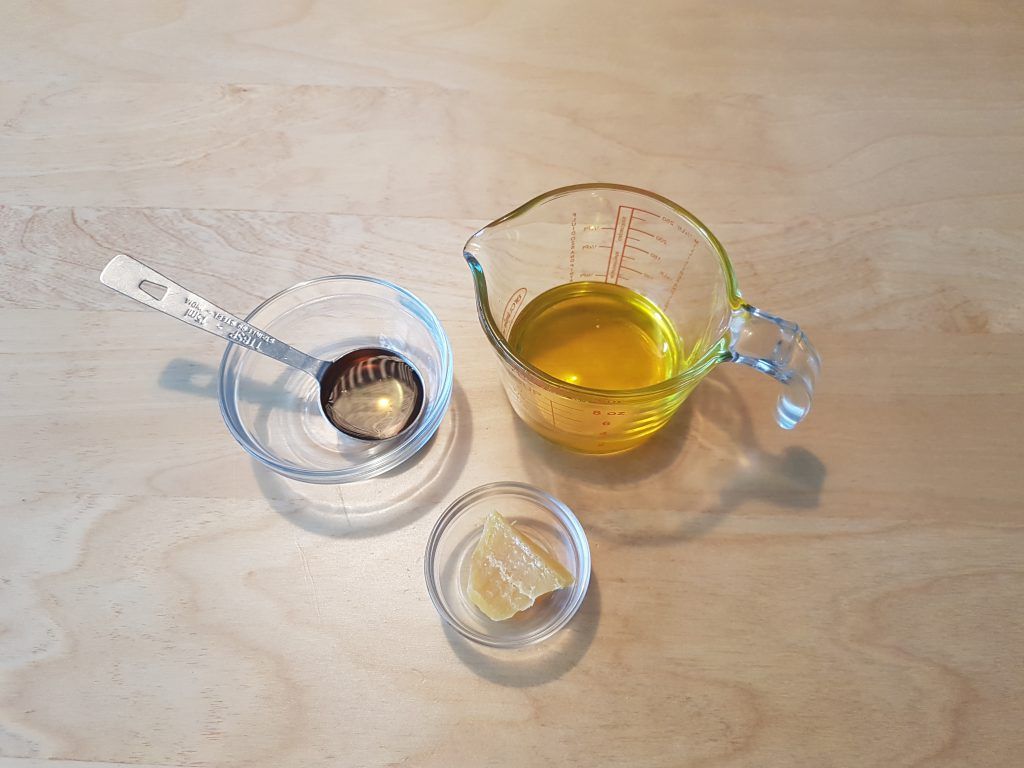
In principle, we do not advise you to use a commercial white wax because they all follow a chemical bleaching process that makes them more fragile. The problem with bleached beeswax is that in Europe it is at the moment IMPOSSIBLE to buy beeswax that has not been treated with chemicals (chlorine/peroxide). These products affect the quality of the wax as their viscosity and natural melting point are altered. You will observe in your cosmetic preparations with commercial bleached wax that, over time, they do not have the same durability and stability as with natural wax and tend to produce lumps and flaking.

PROCEDURE:

We put the beeswax in the water bath, when it has melted, then we add the oil, we mix it well and remove it from the heat. We will remove it until mixture cools completely.

It is possible to prepare a homemade ointment (recipe that we will save for a future entry) very similar to the traditional vaporub with essential oils to treat muscle aches and our vegetable lanolin as a base. The absorption of the EO will be much better than with the commercial vaporub that has a base of mineral vaseline which, as you know, is a derivative of petroleum that, therefore, our skin cannot absorb.

Vegetal lanolin in most moisturizers is used as an emollient because it helps maintain skin hydration and gives greater stability to our natural cosmetic preparation. This homemade vegetable lanolin can replace beeswax as its composition is very similar and its expiration is also quite extensive, as in the case of beeswax.

It is for these reasons that we will use vegetable lanolin in the composition of these two hand cream recipes.

Hand cream is a preparation that many of us use daily, whenever it is hot or cold, and that is why it is so important that it be very stable and also have a good hydration capacity.

RECIPE of a hand cream for a container of about 50 grs.

– Cocoa butter 20 gr.

– Almond oil 17.5 gr.

– Natural beeswax 3 gr.

– Homemade vegetable lanolin 5 gr.

This recipe does not require preservatives or antioxidants. Beeswax is an exceptional preservative and, on the other hand, castor oil barely oxidizes. The combination of beeswax, cocoa butter and vegetable lanolin based on castor oil, makes this formulation a very stable product.

– Optionally, a few drops of an essential oil that you like. I have opted for laurel, but sandalwood, geranium, chamomile, lavender or incense would also be very suitable for this type of product.

Precautions to take: We will always remember that essential oils are real medicines that cannot be used happily. Essential oils should be used with great care, in small doses, and never in everyday products. Also think that there are even dermo caustic essential oils. Of course, not the ones we are discussing here. In general, this factor of the potency of EOs should be taken into account, especially in the case of sensitive skin which, as it does not tolerate them well, tends to become irritated.

This second recipe we wanted to simplify it to make it accessible to everyone and we have also included a higher dose of castor oil to make it more emollient and moisturizing.

RECIPE of a hand cream for a container of about 100 grs.

– Shea butter 35 gr.

– Castor oil 40 gr.

– Natural unbleached beeswax 5 gr. (If you live in a very hot climate, you can put 9 grams in it so that the cream has a more solid consistency).

This recipe also does not require preservatives or antioxidants. Natural beeswax is an exceptional preservative and, on the other hand, castor oil barely oxidizes. The combination of beeswax with castor oil makes this formulation a very stable product with a wide shelf life.

PROCEDURE:

We will melt the exact amount of yellow beeswax in a water bath over low heat, then we will add the vegetable castor oil and, finally, the shea butter.

We will remove it from the heat and optionally add a few drops of essential oil. We will bottle it and allow to cool to room temperature.
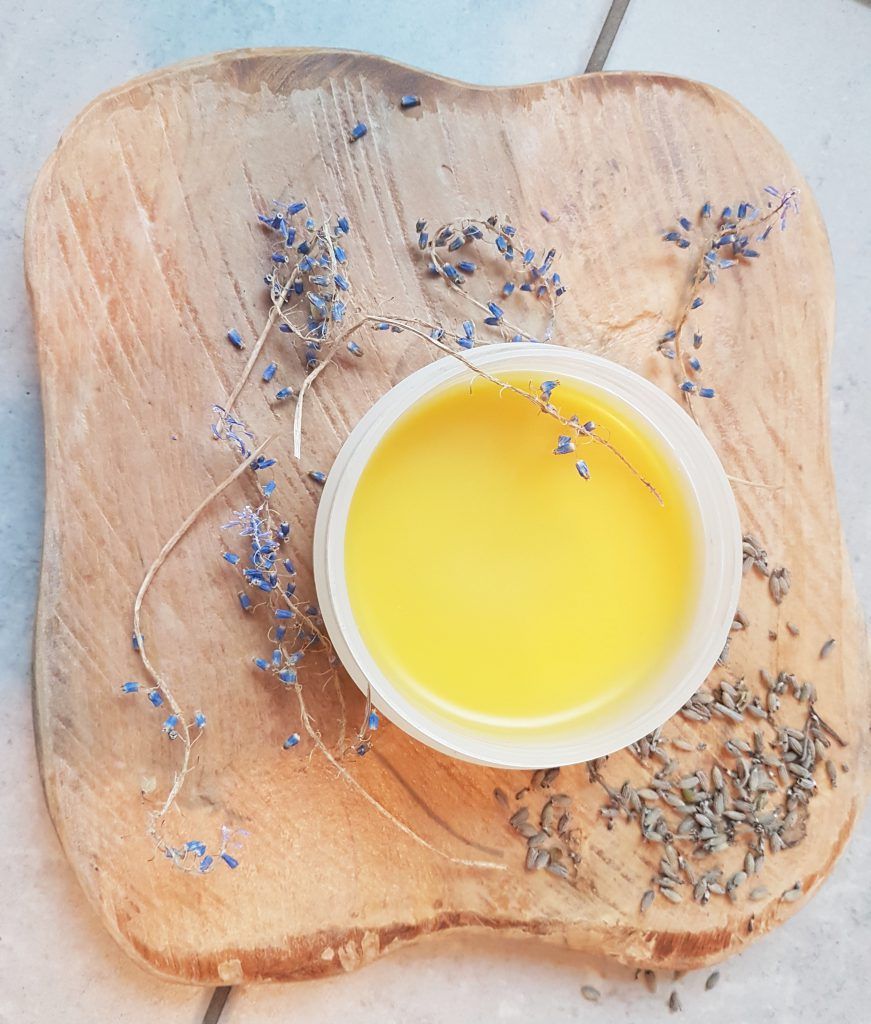
We hope that these recipes will be of great use to you. If you try them, leave us your comments.

NATURAL REMEDIES AGAINST SKIN CHILBLAINS AND ERYTHEMA

In addition to pain, there are several other symptoms that are characteristic to chilblains. We are referencing these symptoms as follows:

-The affected area usually takes a red and bluish color.

-There is inflammation.

-There is itching of the affected region.

-In addition, it is possible to have stinging.

But sometimes the chilblains can get complicated and can be lengthened over time. In these more severe cases, we may experience blisters and ulcers on the skin of the area where the problem is located. In the event of such complications, it is very important to pay attention to them because these injuries can become infected and cause further damage.

The chilblains usually last approximately 3 to 7 days, as long as some of the complications we mentioned above (blisters and ulcers on the skin or infection) have not appeared. If this occurs, they can last in time about three weeks.

Causes of the chilblains:

As mentioned above, the main cause of a chilblain is prolonged exposure of an area of our body to cold and subsequent abrupt change in temperature in that region of the body. But we must say that there are certain aspects that make a person more sensitive to suffering this type of injury.

These causes to which we are mentioning are, for example:

-When there is a precarious blood circulation. When this happens, the person is more vulnerable to sudden changes in temperature. We have previously mentioned that young women are more sensitive to chilblains, due to their hormonal changes and also because they usually have the lowest blood pressure.

-Another reason you may develop chilblains is continued alcohol intake. But people who smoke are also prone to this pathology. This is because these substances will inhibit or decrease blood supply. El tobacco, for example, produces a vasoconstriction (contraction) effect on blood vessels.

-Also, the fact that many of us lead a sedentary life, it does not improve our blood circulation, but rather causes its stagnation. That’s why it’s so important to do some physical exercise. With physical exercise we will avoid sedentary lifestyle and we will also improve our blood circulation.

-And, although it seems very obvious, plastic shoes or not wearing the right clothes to be able to withstand the low temperatures to which we are going to expose, can also favor the chilblains.

TREATMENT OF CHILBLAINS

Initially, we will try to keep the injured areas, which are usually hands and feet, always dry and warm. For this it is advisable to wear winter gloves and cotton socks, since cotton is a breathable fabric that does not retain moisture from our feet. It is also important to avoid aggressive soaps and also keep our hands and feet always well hydrated with vegetable oils and butters that facilitate blood micro-circulation.

Physical exercise and diet are very important. As the maxim says, “may your food be your medicine.” Eating a healthy diet that activates our circulation will be the first step to implement.

Through the diet it is possible to promote blood circulation. According to Traditional Chinese Medicine, proper blood circulation depends on “chi” or spleen and liver energy. There has to be enough spleen energy for blood to circulate well through the blood vessels, and in turn, if there is accumulated toxicity (removing it is a liver task), the veins may lose elasticity.

Taking care of the lymphatic system is also essential to prevent poor circulation, as lymph collects much of the waste circulating in the blood; then this fluid is transported back into the bloodstream. This is an essential immune process.

Food is decisive. It is advisable to avoid refined sugars and flours, toxic ones, moisturize well and avoid drinks with gas. Hot foods, according to Eastern medicine, such as meat, alcohol or coffee, also promote clogging.

We propose a series of foods rich in substances that will improve your blood circulation.

-It is important to include in the diet species such as cayenne, cinnamon or pepper. Cooking with these seasonings helps improve circulation, as they are vasodilator foods. Garlic is a natural anticoagulant that helps blood circulate better in vessels. Along with the onion, it stimulates blood circulation and decreases blood viscosity.

The “Equisetum arvense” plant improves the condition of the vessels. It is rich in silicon, necessary for collagen formation and, therefore, for the maintenance of vascular walls. Each day you can take two cups in infusion, better with the ground plant. Or toast a little and add it to salads and vegetable creams.

Ginger is known to fluidify blood. Frequent and regular consumption of ginger helps mobilize energy and activates blood circulation by fluidizing it.

Consuming buckwheat reinforces the action of vitamin C. This pseudo-cereal is rich in a flavonoid that acts in synergy with vitamin C protecting the wall of vessels and capillaries. Its usual consumption thus contributes to the protection of blood vessels.

Vitamin C of lemon is essential, because it is involved in the formation of collagen and elastin, proteins that influence the capillary wall and improve its elasticity. Drinking the juice of a lemon in a glass of water in the morning is an ancient remedy to solve a lot of problems, from poor circulation to anemia and overweight.

Vitamin C-rich foods protect and strengthen blood capillaries by also preventing blood clots. Some foods rich in this vitamin that we can propose are kiwi, orange, lemon, strawberries, mango, pumpkin, pepper or broccoli. And vitamin E-rich foods widen the capillaries and dilate them. We find them in: vegetable oils, almonds, nuts, as well as tomatoes, avocados, broccoli or spinach.

Vitamin K-rich foods are vital for blood clotting, as significant bleeding may result in internal bleeding if a major deficiency occurs. In addition, this vitamin prevents arterial calcification, the onset of varicose veins and the development of other diseases related to circulatory problems. Olive oil is one of the most common foods with a high amount of vitamin K, but we can also find it in soybean oil, lettuce or spinach. In general, vitamin K is found in most green leafy vegetables.

But above all, foods that contain vitamin B3, called niacin. This vitamin has been shown to strengthen blood vessels and increase blood flow so it reaches the limbs without problem. In addition, it involves the process of forming blood cells and prevents hardening of the arteries. We can find it in many types of foods: nuts, sunflower seeds, beetroot or lentils, among others.

Nuts generally have vitamins A, B, C and E that exert a protective vessel action, as well as providing antioxidants.

As we always say, it is much better to make sure you eat quality organic food that contains all the necessary vitamins and nutrients than to acquire synthetic vitamin complexes that not only will not exert the same benefit, but in many cases will be an overload for our emunctories organs that will have to get rid of surpluses. Many vitamins, such as vitamin D from the sun or niacin itself, are synthesized by our body from the sun or from food. Its inclusion, therefore, in this sort of vitamin complexes is always a controversial issue that, we personally believe, is counterproductive.

A very different matter is that we provide ourselves with essential fatty acids * that are difficult to obtain from the diet and that our body cannot synthesize by itself.

* Essential fatty acids are those fatty acids that the body cannot synthesize, so they have to be obtained through the diet. There are two families of essential fatty acids: omega-3 and omega-6, which are also called polyunsaturated fatty acids. Most of these fatty acids come from fatty fish and plants.

HERBAL TREATMENT

But if dietary prevention is not enough to prevent and treat chilblains, then we should treat them internally. It is always possible to go to the doctor or podiatrist, and, in any case, it is also possible to use the natural herbalist at our fingertips.

If we want to improve our circulation with herbal remedies, there are a lot of them that we use and that are also very effective:

RED VINE LEAF INFUSIONS

Although it is also possible to make a decoction of red vine leaves and apply it topically, the red vine is also a great internal remedy. If you take it as a tisana internally the red vine will improve circulation, which is finally the problem that causes the chilblains.

Ingredients:

1 teaspoon red vine leaves (5 g)

1 cup water (250 ml)

Preparation: We will heat the water and, when it comes to boil, we will add the teaspoon of red vine leaves. We let the decoction take place for 5 minutes and allow another ten to rest. After the indicated time, we filter the infusion and can take it or apply it topically for 5 minutes.

INFUSIONS OF EQUISETUM ARVENSE PLANT, GINGKO BILOBA, etc…

As with the red vine, we can prepare a tisana of these herbs that activate blood circulation, and take it several times a day in order to improve our circulation.

And we can also perform decoctions of some other plants in order to give us baths in the area to be treated. Topical application of these decoctions is also an effective remedy.

CELERY DECOCTION

In addition to being useful in the treatment of external wounds, celery is one of the best home remedies for chilblains. Externally used minimizes swelling and stimulates circulation by providing rapid relief.

Ingredients:

1 cup celery (250 g)

4 cups water (1 liter)

Preparation: For each liter of water, we will put 250 g of celery. We will bring the water to the boil with the celery and let it boil for an hour.

With the resulting solution we will take baths in the affected areas. Once the decoction is applied, we will leave it on for 10 minutes. After 10 minutes, the affected area will have to dry and protect the affected area from the air. If you do it every day, in a few days the chilblains will be gone.


CALENDULA DECOCTION

Calendula is a great ally in the treatment of chilblains. Applied in the form of decoction, serum or ointment is a very effective remedy to treat them.

Ingredients:

3 tablespoons dried calendula (30 g)

4 cups water (1 liter)

Preparation: Heat the water and, when it boils, add the three tablespoons of the calendula plant. We allow decoction to take place for 10 minutes. Once this time has passed, we remove from the fire.

We add water in a tub and then the resulting infusion. We can give ourselves small baths in the parts affected by the chilblains twice a day.

ROSEMARY OLEATE

Rosemary oil massages are relaxing, anti-inflammatory and activate blood microcirculation. For this reason, many categorize them as one of the most effective home remedies to treat chilblains. While oil can be purchased from herbal shops, it can also be made at home.

Ingredients:

1 handful rosemary

2 cups oil (500 ml)

Preparation: In a glass bowl, we will mix a handful of rosemary with three cups of cooking oil. Cover and let stand for a few days, shaking it daily. It is a quick way to prepare a rosemary oleate, as an herb that is easy to transmit its qualities to a quality vegetable oil.

After a few days, we’ll strain it in a glass jar. After giving us a hot bath, we’ll use some of our oleate to massage our feet.

Hot method: It is possible to put the oil and the rosemary to heat within a minimum temperature and leave it for a couple of hours without the oil ever reaching a temperature above 70 degrees. It is a faster method to get the properties of the rosemary plant transmitted to the carrier oil.

This can be done also very easily by adding a few drops of rosemary essential oil to a carrier vegetable oil. It is what is known as rosemary essential oil serum.

SERUM WITH ESSENTIAL OILS

In a tablespoon of carrier vegetable oil (jojoba, apricot, almonds) we will dilute two drops of the following essential oils:

Niaouli (2 drops), which is disinfectant (replaceable by camphor or ravintsara)

Helichrysum (2 drops), anti-inflammatory

Cypress (2 drops), activates blood microcirculation

With the oil we will rub the injured areas. The combination of these oils will make the chilblains disappear. It is not a good idea to try to apply EO directly to the skin without diluting them in a vegetable carrier oil because some essential oils are dermo caustic.

One of the complications of the chilblains is the appearance of blisters and ulcers on the skin and therefore you may run the risk of infection in them. In the event of this happening, we can use a honey and calendula-based ointment to disinfect them and speed up their healing. There is no better remedy against ulcers and burns than to be applied topically a little honey that will also prevent infection.

Another interesting proposal to alleviate the problem is to perform gentle massages on the feet and legs with an essential oil serum like the one mentioned above. In this way it is possible to activate circulation, minimize the problem, and avoid the appearance of more complications.

If you liked this entry, sign up for notifications on our page to stay informed.