OILS AND OILS: SCALES OF OXIDATION AND COMEDOGENY OF NATURAL OILS

In this article we want to explain two very important characteristics of vegetable oils that will help us decide if choosing one or the other when we want to develop a cosmetic formulation.

These characteristics tell us about the different degree of oxidation of oils and their degree of comedogeny, which is very important to know when formulating cosmetics for oily skin.

OXIDATION OF OILS

A vegetable oil can lose its properties if the fatty acids it contains are broken down. Some fatty acids are more fragile than others. Under certain conditions they degrade and the vegetable oil loses its properties.

Among the main sources of degradation are: oxidation and heat. However, the oxidative potential of a vegetable oil or butter depends on the nature and concentration of fatty acids in it. In general, the more double bonds the fatty acid has, the faster its oxidation rate will be.

That is, saturated fatty acids: Stearic acid (cocoa butter), palmitic (palm fat), myristic, lauric (coconut butter) … have fewer of these bonds, mono-unsaturated fatty acids such as oleic acid (shea butter) are at greater risk, and polyunsaturated fatty acids, such as linoleic acid (safflower oil, evening primrose), are most likely to oxidize and degrade rapidly.

    OILS WITH HIGH       CONCENTRATION OF         LINOLEIC ACID     OILS WITH HIGH     CONCENTRATION OF       OLEIC ACID  OILS WITH A BALANCE     IN OLEIC AND LINOLEIC     ACIDS
Safflower Sunflower Sesame
Evening primrose Camellia Argan
Grape seed Hazelnut Baobab
Wheat germ Shea butter Jojoba
Pumpkin Apricot Coco
Soy Sweet almond
Hemp Avocado
Rosehip Carrot seed
Kukui Olive
Borage Macadamia nut

Here you can see in more detail the concentration of fatty acids of some oils:

Safflower oil: 68-85% linoleic, 8-30% oleic, 4-10% palmitic

Evening primrose oil: 73% linoleic, 9% γ-linoleic, 8% oleic, 6% palmitic

Grape seed oil: 71% linoleic, 16% oleic, 7% palmitic

Wheat germ oil: 58% linoleic, 17% palmitic, 12% oleic

Hemp oil: 52% linoleic, 10% linolenic, 10% oleic, 6% palmitic

Rosehip oil: 44% linoleic, 34% linolenic, 14% oleic

Borage oil: 39% linoleic, 20% γ-linoleic, 18% oleic, 10% palmitic

Sunflower oil: 70-88% oleic, 3-20% linoleic, 3-6% palmitic

Camellia oil: 79% oleic, 7% linoleic

Hazelnut oil: 79% oleic, 12% linoleic

Shea butter: 73% oleic, 14% linoleic, 9% stearic

Apricot seed oil: 69% oleic, 22% linoleic

Sweet almond oil: 67% oleic, 25% linoleic, 6% palmitic

Avocado oil: 63% oleic, 16% palmitic, 10% linoleic

Carrot seed oil: 68% oleic, 11% linoleic

Olive oil: 55% oleic, 20% palmitic, 18% linoleic

Macadamia nut oil: 54% oleic, 21% palmitoleic, 8% palmitic

Sesame oil: 46% linoleic, 39% oleic, 9% palmitic

Argan oil: 42-48% oleic, 30-38% linoleic

Jojoba oil: 5-15% oleic, 5% linoleic

Coconut oil: 4-10% oleic, 0.95-12% linoleic
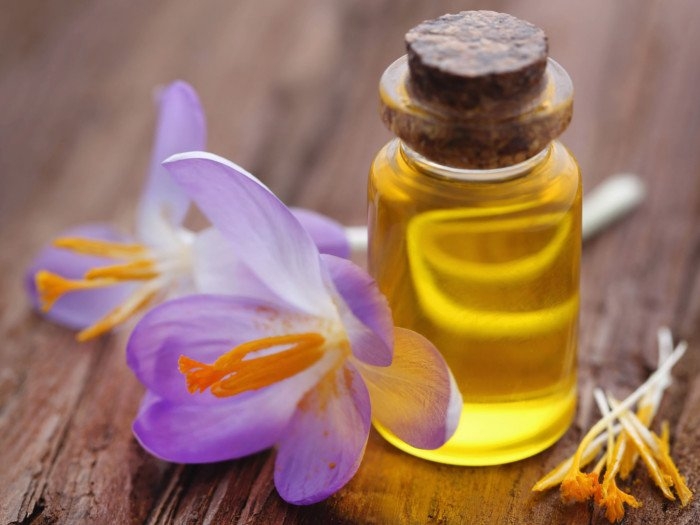
PROPERTIES OF THE DIFFERENT FATTY ACIDS THAT MAKE UP THE OILS

Oleic acid: It is very moisturizing, well absorbed, regenerative and anti-inflammatory.

Linoleic acid: Improves the skin’s barrier function, softens itchy skin and dry skin, retains moisture, and is anti-inflammatory.

Linolenic acid: Helps reduce acne, retains moisture, strengthens the skin’s barrier function, and is anti-inflammatory.

Gamma linolenic acid: Improves the skin’s barrier function, softens itchy skin and dry skin, retains moisture, helps acne-prone skin, absorbs quickly, improves skin flexibility and is anti-inflammatory.

Palmitic acid: Forms an occlusive barrier on the skin and protects it.

Palmitoleic acid: Prevents burns, heals the skin with wounds, scratches and is antimicrobial

Stearic acid: Improves moisture retention, increases flexibility and repairs skin damage.

SENSITIVITY TO OXIDATION OF DIFFERENT OILS OF VEGETABLE ORIGIN

In practice, this oxidation phenomenon is easily detected because it is responsible for changes in the appearance of vegetable oil (rancid odor, color change).

Certain factors accelerate this oxidation: oxygen, light (UV), contact with pro-oxidant metals and, above all, heat, which will act as a catalyst for these oxidative reactions.

Other factors will curb this phenomenon, in particular the contribution or natural wealth of the oil in vitamin E.

To stop the oxidation phenomenon as much as possible, it is essential to store vegetable oils in good condition. It is therefore recommended that “very sensitive” oils be kept in a cool place, preferably in the refrigerator, in a tightly closed bottle, protected from air and light or add vitamin E when receiving them.

When incorporating these oils into an emulsion, it is required to incorporate vitamin E or organic rosemary CO2 extract into the vegetable oil before heating them to prevent the resulting product from oxidizing quickly.

According to estimates, the following vegetable oils can be considered very sensitive to oxidation:  Camelina, blackcurrant, knob, safflower, hemp, raspberry, evening primrose, rosehip, kukui.

We can consider as sensitive the oils of: Borage, cotton, nopal, gardenia of the Incas, wheat germ, Kalahari melon, nigella, grape seeds, passion fruit, sunflower, cucumber seed, rice …

And we can consider as insensient the oils of: Apricot, Abyssinia, almonds, argan, sea buckthorn, avocado, babassu, bayberries, baobab, burití, cocoa butter, calófilo, camellia, cupuaçú butter, jojoba, shea butter, coconut butter, mango butter, macadamia, neem, hazelnuts, Brazil nut, olive, castor, salt butter, or sesame oil …

OXIDATION SENSITIVITY OF DIFFERENT VEGETABLE OILS AND BUTTERS
VERY SENSITIVE OILS SENSITIVE OILS INSENT OILS
Camelina Borage Apricot
Blackcurrant Cotton Abyssinia
Knob Nopal or prickly pear fig Almonds
Safflower Gardenia Inca Argan
Hemp Wheat germ Sea buckthorn
Raspberry Kalahari melon Avocado
Evening primrose Nigella Babassu
Rosehip Grape seeds Bay berries
kukui Maracuya Baobab
Sunflower Buriti
Cucumber seed Cocoa butter
Rice Tamanu
Camellia
Cupuaçu butter
Jojoba
Shea butter
Coconut butter
Mango butter
Macadamia
Take
Hazelnuts
Brazil nut
Olive
Castor
Sesame
Salt butter

VEGETABLE OILS WITH SPECIAL TREATING PROPERTIES ACCORDING TO SKIN TYPE

Depending on the type of skin to which our cosmetic product is directed, we can select one or another type of oil. For example, oils with a high palmitic acid content can be interesting for the formulation of cosmetics for dry skin.

Oils with a high content of oleic acid, such as almond oil, may interest us to improve the penetration of other active ingredients of a cosmetic formulation.

The iodine index can also help us in this decision, since oils with a higher iodine index will have a higher risk of oxidation.

OILS AND OILS: THE DEGREE OF COMEDOGENY OF THE DIFFERENT OILS

As we announced at the beginning of our entry, another factor that can make us decide on one oil or another when preparing our formulations is the degree of comedogeny.

Logically, if we want to formulate a product  to treat oily skin or skin affected by acne, we will try to avoid oils whose degree of comedogeny is high.

However, the term “oily” is not directly linked to comedogenesis per se. Not because something is oily means that we will have an oily face and excess in sebum, since there are non-greasy products that are comedogenic (especially those formulated with mineral oils derived from petroleum that cause occlusion of the pores of the skin), while there are numerous vegetable oils that do not cause these unwanted effects.

On the contrary, these vegetable oils are recommended for facial cleansing or to counteract acne problems. And although vegetable oils, in principle, are suitable for nourishing all skin types, we will avoid those more comedogenic (pore clogging) in oily and acne-prone skin. Among them, we will avoid: Coconut oil, avocado oil, sesame oil, evening primrose oil, cocoa butter and also wheat germ oil …

There is a scale that measures the degree of comedogenicity of the oils. It is known as the Comedogenic Scale. The comedogenic scale includes a gradation of zero to five in which oils with the lowest gradations (0 to 2) are considered non-comedogenic and oils with the highest gradations (3 to 5) are considered oils with the highest possibilities to clog pores and leave a greasy feeling on the skin, which, on the other hand, is highly recommended in the case of dry or dehydrated skin.

https://misaceititos.com/lista-de-aceites-comedogenicos-y-no-comedogenicos/

On the “cosmetics to test” page they offer a slightly different list:

https://cosmeticaaprueba.com/aceites-comedogenicos-y-no-comedogenicos/

Argan, safflower and hemp oils would be classified at level O for comedogeneity. This list also includes petroleum jelly and paraffin which, as you know, are mineral oils derived from petroleum and whose use we strongly discourage since they clog skin pores.

Classified at level 1 would be the oils of babassu, camellia, castor, grapeseed, abyssinian, rosehip, sea buckthorn, shea butter and mango butter, squalene (this popular oil composed of fatty acids derived from olive oil) , sunflower (be careful, not the kitchen one, but a cosmetic quality bio oil), and calendula oil, which is not an oil but a marigold macerate of calendula flowers in sunflower oil, normally.

Classified in level 2 would be the oils of almonds, apricot, evening primrose, borage, jojoba, olive, tamanu or calophyll, baobab and hazelnuts.

Classified at level 3 would be avocado, macadamia, cottonseed, corn and sesame oils.

Classified at level 4 would be coconut, palm, linseed, soybean and cocoa butter oils.

Classified at level 5 (very comedogenic) would be wheat germ oil.

In general, it is proposed to avoid the following oils classified as “very comedogenic” or grade 4 to 5 in cosmetic formulations intended to treat oily skin: Wheat germ oil, of course, but also coconut, palm, flaxseed, soybeans, avocado, sesame, corn, evening primrose and cocoa butter.

The following oils are also proposed as the most suitable for all types of face par excellence:

JOJOBA oil: Also called “liquid gold”. It is a type of liquid, non-greasy wax, which is identical to the sebum that we produce naturally, which makes it the ideal oil for all skin types.

ARGAN oil: This oil is ideal since its value on the comedogenic scale is 0. It repairs the skin, regulates sebum, prevents and improves acne and is excellent for scars.

 Considering the different types of skins and their needs, the following types of oils are proposed:

Vegetable oils to care for sensitive skin: Sesame (soothing, nourishing, antioxidant), Shea (Nourishing, restorative, soothing), olive oil (soothing).

Vegetable oils to regulate mixed and oily skin: Jojoba (regulates sebum production and is antioxidant), hazelnut (Regulates sebum production and is firming), neem (is antibacterial, regulator and antiseptic) …

Vegetable oils to treat dry skin: Almonds, avocado (protective, restorative, moisturizing and antioxidant), wheat germ (restorative, revitalizing), shea butter (nourishing, protective), cocoa butter (nourishing, restorative, protective), mango butter (moisturizer, emollient, softener).

Vegetable oils for mature skin: Rosehip (regenerating, anti-wrinkle, anti-blemish, tonic and revitalizing), argan (antioxidant and anti-aging), shea butter (regenerating), evening primrose (activates circulation), avocado butter (antioxidant and anti-aging), olive oil and cocoa butter.
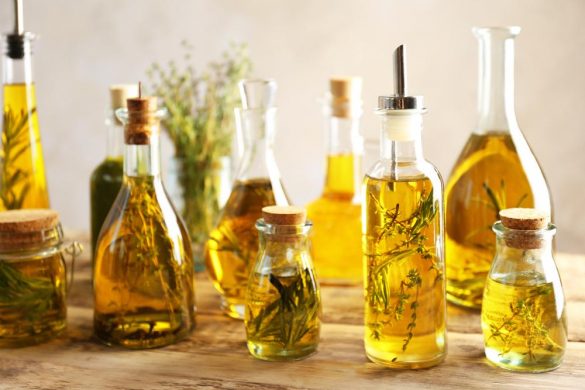
NON-COMEDOGENIC OILS SUITABLE IF YOUR SKIN IS ACNEIC

The oils that we classified as suitable are those of: Abyssinia, jojoba, grape seeds, hemp, rice bran, apricot, hazelnut and almonds.

https://biosakure.com/blogs/news/acne-aceites-comedogenicos-a-evitar

As you can see in this list, we include almond oil and hazelnut oil, because, depending on the literature, they appear as suitable and with a level of comedogenicity of 2 that is always indicative because “each skin” is a different world and what works for one does not automatically mean that will do for another person.

In this way, and taking into account the factors detailed above, we can define some of the oils we use most commonly:

Almonds: Oil suitable for its composition in fatty acids (high oleic) to treat and hydrate dry skin, with a low sensitivity to oxidation and rancidity and with a low degree of comedogenicity that makes it a versatile oil suitable for almost everything type of preparations.

Argan: Oil suitable for treating mature, sensitive and oily skin due to its balanced composition of oleic and linoleic fatty acids and its low comedogenic degree. It is also not very sensitive to oxidation, which makes it a very useful multipurpose oil.

Hazelnuts: Oil with a high level of oleic acid that gives it great hydration capacity. Its low comedogenic level, however, makes it suitable for hydrating oily skin. On the other hand, it is an oil that is not very sensitive to oxidation, which gives it greater long-term stability.
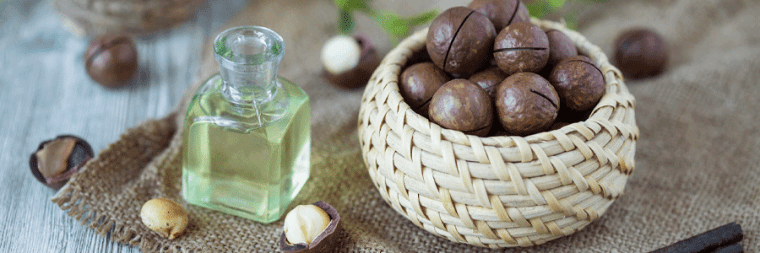
And we would continue like this with the oils most frequently used in natural cosmetics such as: Avocado, borage, coconut, black cumin, camellia, sea buckthorn, raspberry seeds or wheat germ that we already know that, in principle, would only be suitable for treating mature and dry skin due to its high degree of comedogenicity.

However, the amount of vitamin E that this oil naturally contains makes it a widely used oil mixed with other vegetable oils in all kinds of formulations to which it provides vitamin E, avoiding rancidity and enriching cosmetic compositions.


HOW TO PREPARE OUR SKIN FOR THE SUMMER SUN

Although it is true that the sun’s rays in excess and at certain hours can be harmful to our body, sunbathing also has some benefits, the main one, generate vitamin D in our body, a vitamin that helps strengthen bones, provides energy to the muscular system, activates the immune system defenses, helps keep blood pressure low, reduces skin conditions such as psoriasis or acne, and helps you sleep.

In recent years, oral cosmetics have developed a lot, based on food supplements that help take care of the skin from within. Some of them favor tanning and neutralize the oxidizing processes of solar radiation.

They are usually beta-carotenes, the antioxidant pigment of orange fruits and vegetables, such as carrots, pumpkins or apricots, although they can carry other carotenoids and vitamins C and E. They cannot be used as a substitute for sunscreen, but they contribute to photoprotection and increase antioxidant levels in the skin and blood.

https://www.cuerpomente.com/salud-natural/belleza-natural/filtros-minerales-piel-sol_8637

To prepare our skin for the summer and protect it from the oxidative damage of UV rays also favoring that our complexion adopts a uniform tan tone it is important, therefore, to try to provide vitamins (especially vitamins A, C, E and selenium) as well as antioxidants and omega 3 fatty acids.

 However, as we always say on our page, what better option if we are looking for an extra protection than to start consuming foods rich in beta-carotenes that are also those that come in the summer season?

The reality is that we can achieve the same effect by consuming daily foods rich in these vitamins, very abundant in tomatoes, apricots, melon, carrots, broccoli, spinach, mango or pumpkin and in many other orange, red and green foods. As well as foods rich in omega 3 unsaturated fatty acids (nuts, oily fish, salmon …) that will be very beneficial to prepare our skin and hydrate us with enough water. Also consider that all these foods provide fiber and many other micronutrients, which capsules do not.

Mother Nature is a great foresight and just as in winter she provides us with vitamin C from oranges to deal with colds, in summer she provides us with fruits rich in beta-carotene such as: apricots, peaches, cherries, strawberries, berries … It is nature’s way of preparing us for the greatest influx of sunlight.

The main function of vitamin E in the body is to help protect cells and tissues from oxidative damage. Today, we are all exposed to unwanted oxidative influences (such as excessive ultraviolet radiation from sunlight and environmental pollution). Vitamin E thus contributes to the maintenance of healthy cells and tissues by  eliminating free radicals. Therefore, it is also important to make sure that we ingest the necessary amount of vitamin E. Sources of vitamin E include vegetable oils, nuts, seeds, fatty fish, eggs, whole grains, vegetables (including spinach), and fruits.

In short, a diet rich in fresh fruits and vegetables and essential fatty acids will undoubtedly help us moisturize our skin in summer and strengthen our skin’s defenses.

At a cosmetic level, we can prepare an oily serum rich in beta-carotenes that will prepare our skin for the sun giving it an even tone and avoiding excesses of harmful rays and burns.

BIOLOGICAL SUNSCREENS AND NATURAL PHOTO PROTECTIVE OILS

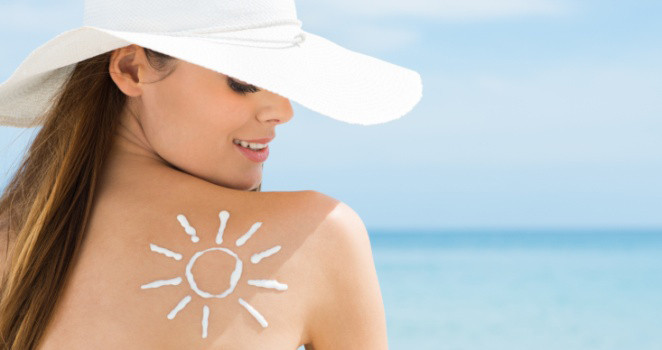
Sunbathing is highly recommended, but there is a growing awareness of the importance of protecting the skin from solar radiation and also from chemicals that can be harmful. Hence, the search for natural alternatives in different facets of life also affects sun protection.

Conventional commercial sunscreens use very powerful chemical filters that absorb photons from solar radiation by altering their molecular structure. These filters are the ones that carry most sunscreens on the market and their use is very common, because they are transparent, easy to apply and do not stain on clothes. On the other hand, it has been seen that the skin absorbs them, sometimes producing allergic reactions and a photo-cumulative phenomenon that can end up causing alterations in the cells of the epidermis.

The natural alternative is mineral and biological filters based on plant extracts, which ensure a high dermatological tolerance avoiding allergic reactions sometimes caused by chemical filters with their perfumes, preservatives, dyes and synthetic emulsifiers.

Within these, we find mineral filters, which are also known as “physical filters” and are composed of minerals that reflect solar radiation forming an opaque barrier and acting as if they were small mirrors. The most common mineral filters are titanium dioxide, magnesium dioxide, zinc oxide, calcium carbonate and talc. Although everything may seem like advantages, it happens that these filters that are not absorbed form a whitish film on the skin that displeases many consumers.

And purely biological filters based on plant extracts, butters and oils that, although they have a lower photo protection factor than the mineral filters detailed above, have the advantage of not leaving stains and, at the same time, moisturizing the skin. These vegetal substances or seed-oils filter part of the radiation while providing regenerative and restructuring substances to our skin.

THE APPLICATION OF SOLAR OILS

Within this category of “biological filters”, we would find vegetable solar oils that, sometimes, we can macerate ourselves. This is the case of carrot oil that we present below.

These solar oils have the great advantage that we can apply them before exposure to the sun’s rays, during and after always trying to sunbathe progressively and avoiding the central hours of the day.

After sun exposure it is important to calm and hydrate the skin, therefore, we will reapply our sun oil and, if necessary, aloe vera gel to prevent irritation.

There is a great variety of solar oils and vegetable macerates that we can use, such as apricot oil, rich in beta-carotenes that contribute to sun tanning, raspberry seed oil, with a high biological photoprotection factor, macerated oil of seeds of urucum, or even Tahitian monoï oil.

IN A SIMPLE MANNER

As we said, in a simple way, we can prepare ourselves a carrot oil macerated in a vegetable oil rich in antioxidants that we all have easily at our disposal. For example, an apricot, linseed or sesame oil.

Spreading ourselves with this macerate rich in beta-carotene and biological solar filters before and after exposing ourselves to the sun’s rays will help us to hydrate our skin and protect it from the sun.

Our carrot oil macerate (Daucus carota) will contain a significant amount of beta-carotenes. We can, therefore, use it as a tanning enhancing solar oil, since it will favour the formation of melanin. In addition, because it is rich in vitamins A and E, which makes it beneficial for dry skin, with wrinkles and lack of firmness, it will be regenerating and we can also use it as an after-sun oil.

We have used linseed oil for its richness in omega 3 and 6 fatty acids, but using apricot oil as a base would also be an excellent idea because apricot oil is also rich in beta-carotene and enhances the effects of the carrot’s macerated, or, even sesame oil whose biological photo protection factor is also interesting. A simple virgin olive oil, if we don’t have anything better, has a good number of natural antioxidants.

And, finally, we have added vitamin E and raspberry CO2 extract, which is a super antioxidant that will extend the life of our oil avoiding its run off and providing it with protective properties against the incidence of the sun’s rays.

PREPARATION:

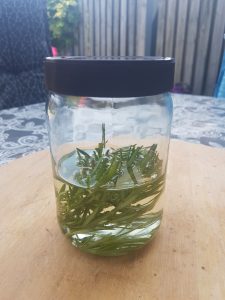
Preparing a macerated carrot oil is within anyone’s reach. It will be enough to chop and grate a carrot and dehydrate it (letting the zests dry in the open air, oven or dehydrator) to avoid that when introducing them into the base oil of our choice molds can occur.

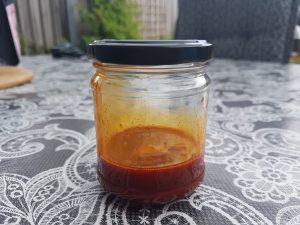
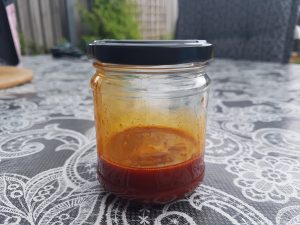
Once well dried, we will let them macerate in oil in a glass container with a lid (a recycled jam jar, for example) for a period of 2 weeks in which we will frequently remove our maceration.

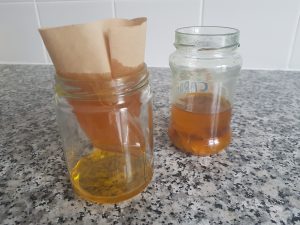
Now we will use a paper coffee filter to filter our oleate very well and extend its shelf life. Also, for this reason we are going to add a few drops of vitamin E that will prevent rancidity and provide it with properties and a few drops of C02 raspberry extract.

Below, we show you some of the best natural sun protection oils that you can use to protect your skin from the sun, both in winter and summer. Just keep in mind that the SPF indicated is always approximate.

Raspberry seed oil: SPF 28-45

Wheat germ oil: SPF 20-22

    Tamanu or calophyll oil: SPF 18-22

Avocado oil: SPF 10-15

Coconut butter: SPF 6-8

Macadamia oil: SPF 5-6

Shea butter: SPF 5

Jojoba oil: SPF: 4-5

Almond oil: SPF 4-5

Grape seed oil: SPF 4

Sesame oil: SPF 4

SOLAR OIL RECIPE WITH OLEO-MACERATED URUCUM EXTRACT

We will make this serum from a macerate of powdered urucum extract. This plant is native to tropical America, and its seeds are very rich in minerals, trace elements and beta-carotene (100 times more than carrots), which acts as a powerful antioxidant but also stimulates the production of melanin, responsible for tanning, and protects the skin against ultraviolet rays.

We are going to prepare the maceration with sesame oil, which already has a biological protection factor against UVA rays. Also, some other vegetable oils have the ability to give us a light sun protection (SPF between 2 and 8) as we mentioned before. These would be the oils of avocado, coconut, monoï, sesame, jojoba, apricot, olive, castor, almond, shea butter …

Or, in greater proportion, due to its high amount of carotenoids, karanja oils, carrot seeds, raspberries, burití and, of course, the maceration of urucum that, next, we will show you how to prepare. 


How to make urucum macerated:

50 ml. sesame oil

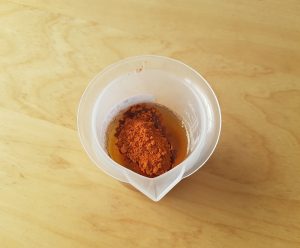
5 gr. of urucum powder

It is left to macerate for a week stirring from time to time and filtered, preferably, with a paper coffee filter because urucum extract stains the fabrics.

And with our oily macerated urucum, we are going to prepare the bronzer. The recipe is for a container of about 50 ml:

Ingredients:

48 ml. of macerated urucum oil

20 drops of CO2 extract from pomegranate or raspberry

Optionally: 4-5 drops of ylang ylang essential oil (it can also be geranium, carrot, or rosewood…)

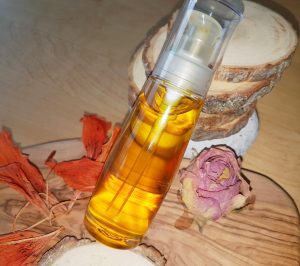
How to proceed: Add the ingredients one by one mixing well with the rod and ready. We can already bottle it in a glass container with dispenser.

As you can see, it is not difficult and leaves the skin luminous and with a beautiful tone. Be very careful with clothes because they can leave stains. It can also be used to soothe the skin after sun exposure.

ANOTHER POSSIBILITY WITH NATURAL MACERATED MONOÏ

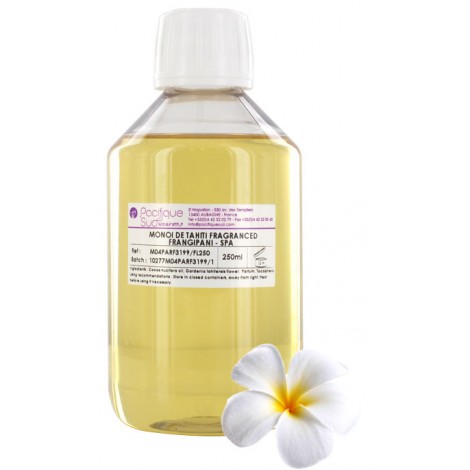
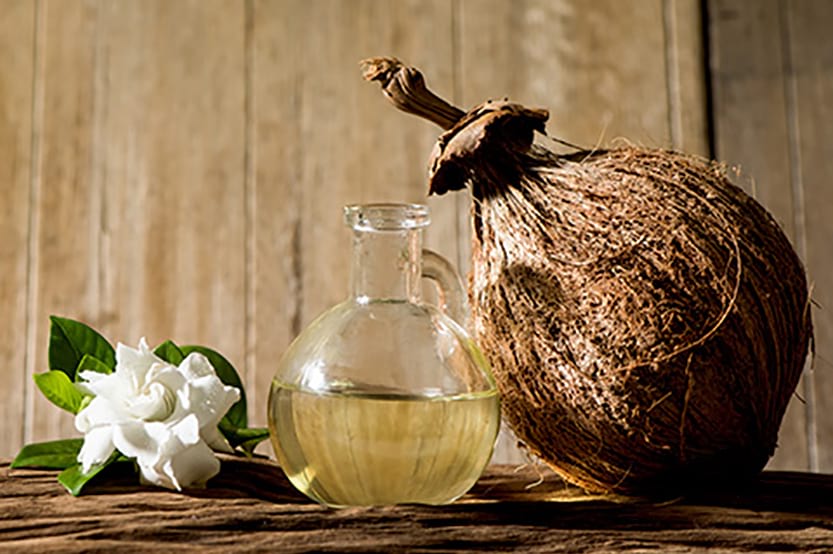
We will use natural macerated monoï oil whose INCI we detail below:  Cocos Nucifera Oil, Gardenia Tahitensis Flower, Tocopherol, Natural Parfum…

The Monoï of Tahiti has its origins in French Polynesia. Monoï oil has been manufactured for 2000 years due to its special characteristics. In French Polynesia, the oil is sacred and is used for both skin and hair. It is a very popular oil because it has a wonderful aroma and an intense care effect. Tahitian Monoï oil is made using a complex method, “Enfleurage”, by soaking the native Tiaré flower (Gardenia Tahitensis) in locally sourced coconut oil.

At the cutaneous level, monoï oil has a soothing and emollient effect that provides lasting hydration. It is possible to use monoï oil as an oil for the skin, oil for massage and as care for after the sun. The oil leaves a wonderful tropical floral aroma on the skin.

At hair level, it is said that it is a highly moisturizing oil that can improve its elasticity and prevent its breakage in a great way.

The only consideration is that most macerated oils have a shelf life of about twelve months, including Monoï from Tahiti. To keep the oil as long as possible, it is important to keep it cool and dry. Preferably in a dark place. It is not necessary to keep the oil in the refrigerator. Keep in mind that at a temperature below 20 degrees this oil solidifies.


Ingredients for a 50 ml container:

30 ml. of macerated monoï oil

1 ml. raspberry CO2 extract (can be replaced by Sea buckthorn)

10 drops ylang ylang essential oil

4 drops of vitamin E

Fill with apricot oil up to 50 ml.

How to proceed:

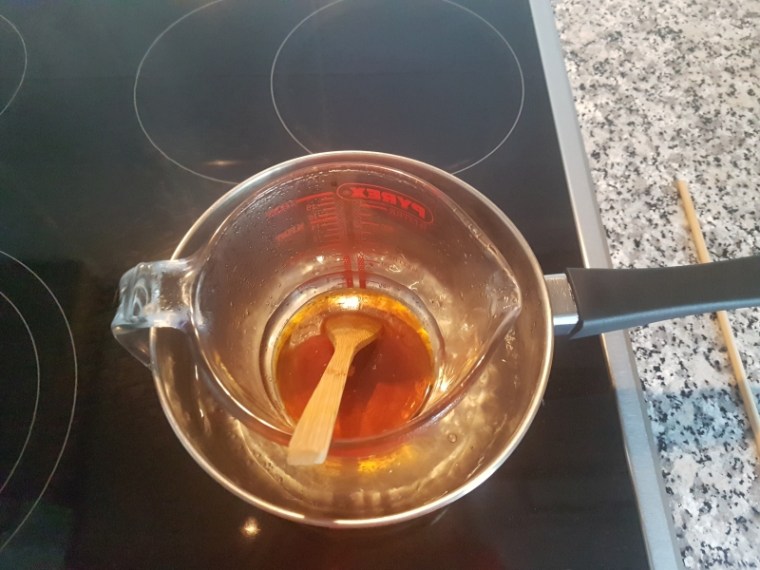
First add the monoï oil  to the beaker until it reaches 30 ml. (You may have to undo it beforehand in a bain-marie).

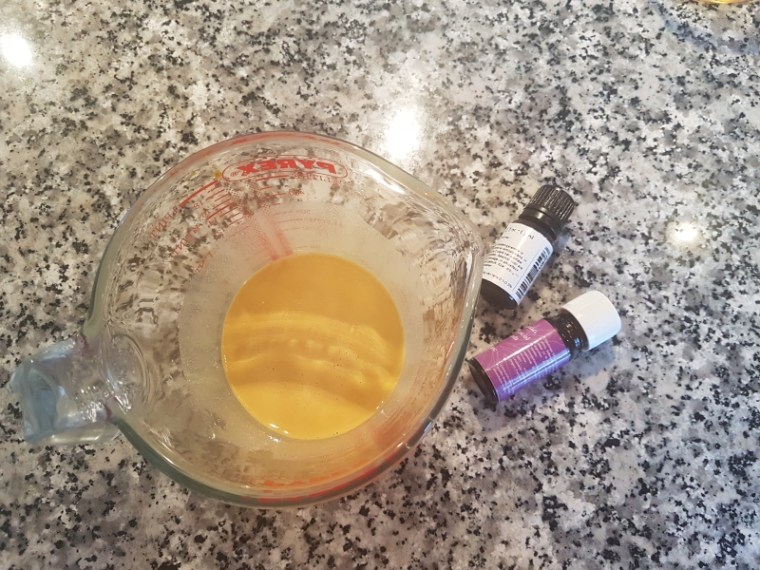
Then the essential oil, vitamin E and raspberry extract are added.

Finally, the apricot oil is added until it reaches 50 ml and mixes well to go to the dosing container.

If we use any of these solar oils: Macerated carrot oil, macerated Urucum oil, Monoï oil or apricot oil rich in beta-carotene; normally, we will not have irritation skin problems after moderate exposure to sunlight and always avoiding the central hours of the day.

HOMEMADE NATURAL COSMETICS AND ORGANIC COSMETICS

Proposal of two creams emulsified with natural emulsifiers of vegetable origin

Homemade cosmetics is something different from cosmetics that a company dedicated to natural cosmetics can make to sell to its potential customers.

Fundamentally, in home cosmetics we make cosmetic products in very small quantity and as a solution to our personal needs. It does not make much sense, in this case, to use preservatives that are not totally natural or, sometimes, even to insist on using them when it is not necessary since, for example, we are going to use our cream or cosmetic product in a short space of time.

And it is that in homemade cosmetics it is possible to prepare a very small dose of the product to ensure that it does not spoil and, even, that we can keep it in the fridge of our house.

Logically, this is not possible when we intend to sell our product in a store and we have to go through a series of cosmetic requirements and regulations stipulated according to the law of the country in which we want to market it. Natural cosmetics also have a series of seals of ecological production (COSMOS, ECO-CERT, etc …) with a series of requirements that our product must also meet.

Likewise, it also does not make sense to use ingredients and emulsifiers that can be aggressive with our skin in everyday use.


ADVANTAGES OF NATURAL AND ECOLOGICAL COSMETICS:

It connects us with nature and drives us to return to simpler formulas, such as those used by our grandmothers.

It is a cosmetic loaded with natural ingredients. It is not the same to use a cream with argan oil, rich in nutrients, than one with petroleum derivatives and other inert substances.

Bet on biodegradable natural ingredients that ensure environmental sustainability with substances that are not toxic to the life of the planet.

Avoid toxicity that comes from heavy metals, hydrocarbons, pesticides, dioxins, radioactivity, mycotoxins, drug residues, nitrates or nitrosamines and use packaging that is as respectful as possible with the environment, prioritizing recyclables.

It does not allow ingredients of petrochemical origin, nanoparticles or ingredients that have been genetically modified. Nor does animal testing, in accordance with European regulations.

HOMEMADE NATURAL COSMETICS

All this that applies to organic cosmetics also applies to homemade cosmetics in a simpler way.

Homemade cosmetics, more than a cosmetic loaded with natural assets, is and must be a “living” cosmetic because many of our cosmetic formulations can be made with ingredients that we all have in the pantry at home.

And, of course, if we use edible products, as the Ayurvedic tradition says, it is a naturally organic cosmetic without toxics and, often, even without preservatives.

HOMEMADE NATURAL COSMETICS AND EMULSIONS

In natural cosmetics it is possible to make two different types of creams:

1.-Anhydrous creams based on butters and oils that do not contain water and to which beeswax is added to integrate them. Those creams “do not emulsify” because, by definition, if they do not have water, it would not be an emulsion.

Those creams, more properly called balms or ointments, as we said, are not actually emulsions. Ointments and ointments consist of butters or vegetable oils that are “melted” with natural beeswax. Since they do not carry water, they do not need preservatives, just a few drops of vitamin E to avoid the rancidity of the butters and lengthen their durability.

2.-The creams, properly, consist of an aqueous phase and an oily phase and require, therefore, a self-emulsifying wax such as lanette wax, polywax, montanov, olivem, etc. to perform the emulsifying process. In addition, they need, normally, preservatives that prevent molds and bacteria that can form from the water contained in our cream.


COMPOSITION SCHEME OF AN EMULSION

Emulsifying wax is necessary so that both phases can be integrated in a stable way, that is, so that water and oil are not separated.


     Aqueous phase + Oil phase + Emulsifier


So easy, you don’t really need more to make a simple basic cream if you choose the components well.

And, very importantly, in homemade natural cosmetics, we will try to choose as natural emulsifying waxes and preservatives as possible to make our creams, as this is what will make the difference in terms of the better absorption and tolerance of our products.

The secret of a cream that hydrates the skin is not to add a dozen vitamins and active ingredients. That is not going to work, especially if they are synthetic. The secret of a moisturizing cream is its compatibility with the dermis because then the skin is capable of absorbing and assimilating it. And that is achieved with emulsifiers and preservatives that are as natural as possible.

The skin cannot assimilate well the chemical components that it does not recognize. Then it is said that this or that substance lacks bioavailability * when what is meant is that the body does not recognize it and rejects it. For our body, such a substance becomes toxic. As you can see, this process does not only occur with food at the level of digestion. It also happens with the nutrients that we smear on our skin.

* Bioavailable: The ability of a drug or other substance to be absorbed and used by the body.


ACTIVE INGREDIENTS IN HOMEMADE NATURAL COSMETICS

To elaborate a little more our cream and provide it with the specificity that each specific problem requires, we have a final phase in which we add the so-called active ingredients.

The active ingredients are almost always added at the end of our preparation since the emulsifying process normally needs heat to be carried out and the active ingredients are usually thermosensitive elements.

As you know, our philosophy of homemade cosmetics prioritizes naturally occurring ingredients and minimalist cosmetic compositions: “We believe less is more” if the combination of ingredients is well formulated and works.

Thus, after extracting from the water bath the emulsion of the oily and aqueous phases and removing them well, we will proceed to add the active ingredients chosen according to the problem we want to treat, and that range from:

For a calming effect: A small dose of vegetable oils of raspberry, blueberry, camelina, CO2 extracts of calendula or German chamomile, vegetable bisabol or a concentrate of phytosterols …

For a moisturizing and softening effect: Vegetable glycerin, turmeric oleate, vegetable elastin extracted from wheat protein, jasmine essential oil, comfrey extract, containing natural vegetable allantoin…

For a purifying effect: Organic propolis extract, the essentials oils of tea tree or lemon, rosemary CO2 extract, vegetable salicylic acid extract from the bark of the willow…

For a repairing effect: Skin repairing actives such as concentrated dragon blood extract, honey, Kiwi CO2 extract, niacinamide, gotu kola extract*, aloe extract powdered or in gel form …

*Gotu kola is a powerful skin healer that blurs acne marks. It is also soothing, moisturizing and nourishing so it improves the elasticity of the skin and renews the tissues and therefore it is included in many anti-aging treatments.

For an anti-aging effect: The vegetable oils of rosehip, argan, borage, cherry, blueberry, babchi, nopal, turmeric oleate, seaweed extract, vitamin C, bakuchi extract (bakuchiol), essential oils of linaloe *, Ho wood, rockrose, lavender, pink geranium, incense …

*Linaloe essential oil: Due to its high percentage of linalool it is similar in its uses to the essential oil of rosewood, today protected by its overexploitation. Skin tonic and astringent, regenerating and firming.

* Palo de Ho essential oil (twin brother of Palo de Rosa) has excellent efficacy and optimal skin tolerance. It is used a lot on mature skin to combat the effects of time.

For the care of atopic-prone skin: Camelina * and chaulmoogra * vegetable oils, black seed oil*, oat infused oil, calendula infused oil, colloidal oatmeal powder, German chamomile, patchouli and peppermint essential oils …

* Camelina sativa oil is rich in omega-3 acids, vitamin E, and antioxidants, compounds that can suppress biological reactions that lead to inflammation in the body.

* Chaulmoogra is a “medicinal” oil of Indian and Chinese tradition, used for the treatment of leprosy since ancient times, it has excellent properties against eczema, acne and atopic dermatitis. It is also used against excessive dryness and roughness of the skin due to psoriasis and as a carrier oil as it also has a homogenizing action on skin pigmentation.

* Black seed oil (nigella sativa) acts as a moisturizer that hydrates the hair and softens the skin. It is beneficial for people with eczema as it reduces its severity; for people with acne because the antimicrobial and anti-inflammatory effects of black seed oil enhance it, and also to treat psoriasis.

https://www.sciencedirect.com/science/article/pii/S2352241015000286

Even, simply, a vitamin E antioxidant that we all know and use or the eventual addition of some essential oils.

We propose in this post the elaboration of two creams emulsified with natural emulsifiers. In the first instance, a cerate based on oat’s infused oil and natural rice emulsifying wax and that is specially formulated to moisturize the most delicate skins.

We have all heard about the multiple properties of calendula when it comes to treating sensitive skin affected by dermatitis and eczema.

In a previous post we elaborated a calendula ointment and a few more recipes with the idea of dealing with these problems.

However, oats, without being as well-known as calendula, also has a lot of properties to treat this type of skin.

Galen’s cerate, which is how this formulation is known, is an ancient cosmetic and pharmaceutical preparation, traditionally made from sweet almond oil, rose hydrosol, beeswax and borax. It is a cream of the type “water in oil” with a creamy and rich texture and nutritional and protective properties very popular with sensitive and dry skin. Beeswax, in combination with borax, produces the emulsion of water in the oil. However, the use of borax in cosmetic products can be potentially irritating, as well as complicated to handle.

With this vegetable rice wax it is relatively easy to produce this emulsion of distilled water in oat oleate. Rice wax brings a less thick texture to our preparation without detracting from creaminess. As it is a totally natural wax it can happen, as with soy lecithin (another natural emulsifier), that our emulsion loses some stability. In that case, we should know that it is possible to add a co-emulsifier such as cetyl alcohol.  Or, in some cases, as with lecithin, a thickening factor such as xanthan gum.

Cetyl alcohol (INCI: Cetyl Alcohol) is nothing more than a fatty and solid alcohol of vegetable origin that gives more consistency and texture to creams and lotions. It has a very interesting property: it is able to attract moisture getting a much softer skin. It is thus highly moisturizing like vegetable glycerine. As a co-emulsifier we will dose it at 0.5 – 1%, and to give consistency we can add up to 5% alcohol.

To make this cream of relatively light texture (the ointments based on butters usually have a heavier texture and that is why they are used at night or in winter that is less hot) you will need a small container of about 50 ml, rice wax and oat infused oil.

As a cosmetic ingredient, vegetable oat infused oil is recognized for its nutritional, restorative and restructuring properties, thanks to omega-6 essential fatty acids, which favour the natural repair process of the skin. Oats are also rich in ceramides and phospholipids, close to the natural lipids of the skin, which give it excellent skin compatibility. By strengthening the hydrolipidic film of the skin, it protects the skin from dehydration and softens it by also avoiding pruritus. These soothing and regenerating qualities make it perfect for the care of sensitive and reactive skin.

As an asset we have added at the end a few drops of vegetable bisabol. Organic bisabol or vegetable bisabol comes from the distillation of the essential oil of Candeia, a tree native to Brazil. The leaves and flowers of this tree are known for their medicinal properties, as is the essential oil that is obtained from the distillation of its bark.

Unlike synthetic bisabol, vegetable bisabol is most effective even at lower doses. Oily and translucent, bisabol is a colourless to pale yellow liquid with a vegetable and sweet smell. It is neither toxic nor irritating and is a very effective ingredient for soothing irritated skin. Recognized for its anti-inflammatory and healing properties, it is an asset of choice in the care of sensitive and damaged skin. It is also interesting its antifungal and antibacterial action and that is why it is used a lot in the preparation of repairing creams, creams for after the sun, creams for sensitive and damaged skin, and even in deodorants.


OATMEAL CERATE WITH RICE WAX

Ingredients for 50 ml:

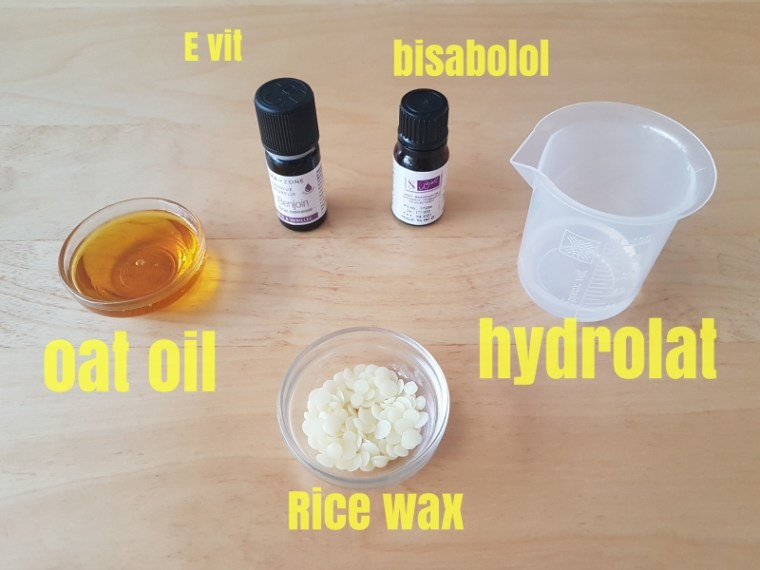
Rice wax 3’5 grs

Oat oleate 18 grs

Mineral water 26 grams or 26 ml, as you prefer.

Four drops of vitamin E

Optional: 8 drops of vegetable bisabol that will also facilitate the conservation of our cream.

As you can see, in homemade natural cosmetics, and especially to treat sensitive skin, we recommend always using preservatives of totally natural origin or prepare, as in this case, small amounts of product that we are going to consume for sure before they can spoil.

Operative mode:

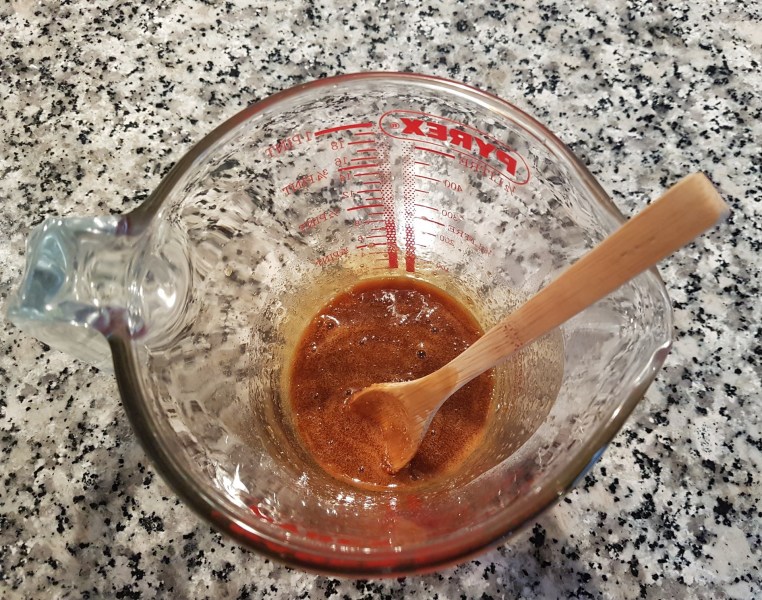
Prepare the oily phase (rice wax and oat oil in a bowl) and put it in the water bath.

At the same time, we put the watery phase to the water bath in another separate bowl.

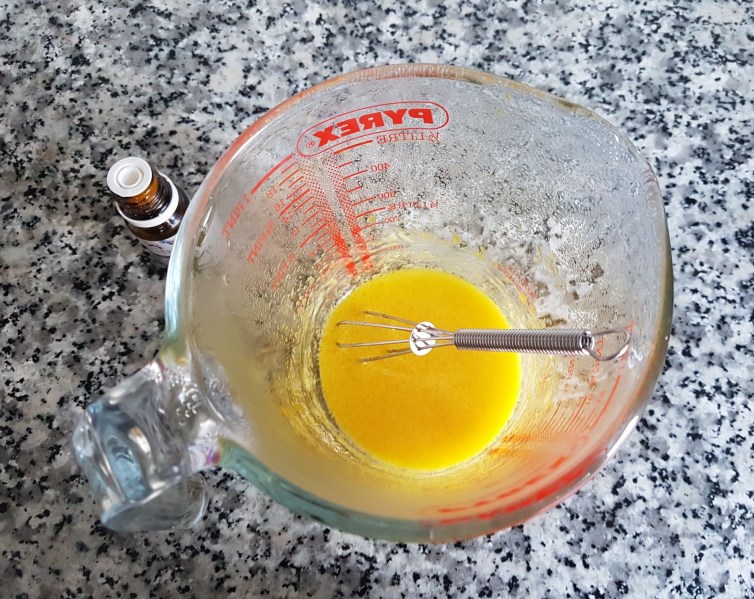
When both phases are hot (about 70ºC) and the wax melted, we can gradually add the aqueous phase to the oily phase by removing vigorously with a mini-blender.

Now we can take the bowl out of the water bath without stopping to stir for 5 minutes. It’s time for us to add the drops of vitamin E and, optionally, the droplets of vegetable bisabol.

We can already package in a glass container, if possible, to extend its expiration.

Note: Cerates are very creamy. Its penetration and emollience capacity are very good.


HOT MACERATION METHOD TO PREPARE OUR OAT INFUSED OIL

With the cold method it is easier for the properties of the vegetable oil to remain intact and for the oil to absorb more active ingredient of the plant.

However, the hot method is more suitable for the hard parts of the plant such as the roots, or, in this case, to make an oleate from a cereal such as oatmeal. We will try, of course, that it is in flakes as crushed as possible so that the active ingredients of the cereal are better transmitted to our oil.

The easiest way to do this is to the water bath. We put in a bowl of thermo-resistant glass the oats powder and the oil over medium-low heat, let heat for about 45 minutes, approximately, over low heat so that the temperature remains constant and does not exceed 40°C degrees in which our oil could deteriorate. It is important to remove from time to time with a wooden spoon. After this time, we filter well and package as in the previous case.

It is advisable, if you can, to leave the oil and the plant in maceration a day or two at least before filtering and bottling it.


OUR SECOND PROPOSAL OF EMULSIFIED CREAM WITH VEGETABLE EMULSIFIER

We have chosen turmeric oleate, which we will prepare by the cold method if we have turmeric powder extract. This cream is very effective because the active substance contained in turmeric (curcumin) has on the skin an action similar to cortisone. Turmeric, which also lacks side effects, treats and softens dermatitis, psoriasis, inflammation, and excessive skin reactivity that some sensitive skin present.

At a cosmetic level, it adds shine to the skin and makes it radiant, treats hyperpigmentation with regular use and even delays the aging process.

https://www.sciencedirect.com/science/article/abs/pii/S0378874118305221?via%3Dihub

“Anti-aging properties of Curcuma heyneana Valeton & Zipj: A scientific approach to its use in Javanese tradition”

Its antibacterial effects also endow it with capabilities to treat acne, and its anti-inflammatory effects, to soften the affected skins of rosacea.

Emulsified in this way with natural soy lecithin, which we can also prepare in a homemade way, it has a great compatibility and skin absorbency.

It is possible to prepare more amount of soy lecithin than we need because soy lecithin is preserved very well, up to a year, if we preserve it in a glass container and sheltered from light and sudden changes in temperature.

To prepare soy lecithin at home, it will be enough to put in a container in the water bath about 30 grams of soy lecithin for 20 grams of sunflower oil and heat them until a paste has been formed. It is necessary to stir very well so that the lecithin powder is completely melted in the oil and no lumps remain. Then we will take it out of the fire and introduce it in a recent glass to be able to reuse it in our future cosmetic preparations.


TURMERIC BUTTER AND LECITHIN

To prepare 100 grams of product, we would put:

50 grams of shea butter or mango (if we prefer a lighter texture)

25 ml turmeric oleate

25 ml of incense hydrolat

1 tablespoon of 10 grams of soy lecithin

15 drops of turmeric EO

15 drops of GSE (grapefruit seed extract)

Notes: GSE or Leucidal are the most natural preservatives that we can use in this recipe, because, as we know, this type of recipes that contain water are at risk of moulding fast without the preservative. If we have benzoin tincture*, it is also possible to use it because it also has a mild depigmenting effect.

*Benzoin resin is anti-inflammatory, antiseptic, antifungal and healing. And it is also depigmenting and rejuvenating. Due to its calming effect, it is used above all for skin problems such as eczema, dermatitis and psoriasis.

PROCEDURE:

Put the butter first in the water bath and light heat and when it is melted add turmeric oleate and lecithin and remove until everything is perfectly integrated. At this point, and over minimum heat, we will add the hydrolat while still stirring.

Put out the fire and stir well. Everything must now be a homogeneous mass that we will leave warm to add the preservative Leucidal and the turmeric essential oil.

If you prefer a more fluid cream, you can increase the amounts of turmeric oleate or incense hydrolat.

When the mixture has thickened, remove it from the heat and let it stand at room temperature. We will bottle it in a container if possible of glass so that it is better preserved. If we have not added any preservatives, we will need to keep it in the refrigerator.

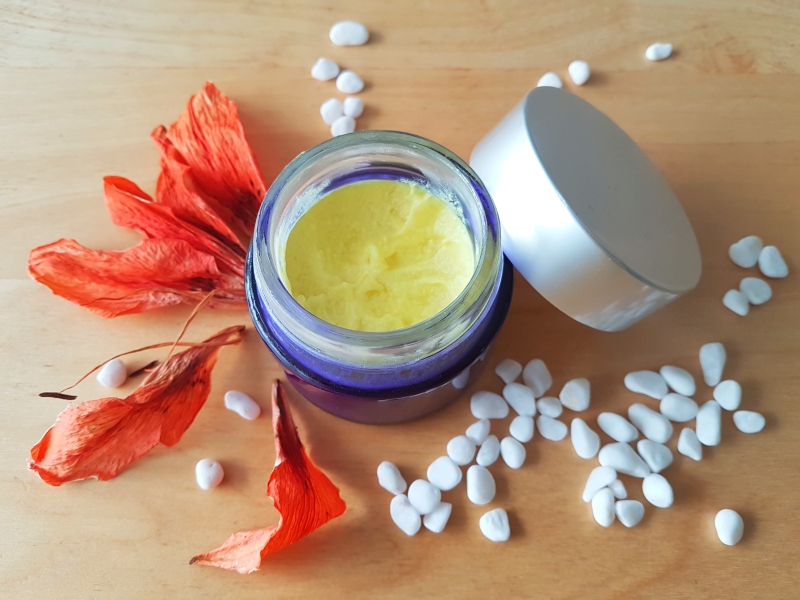
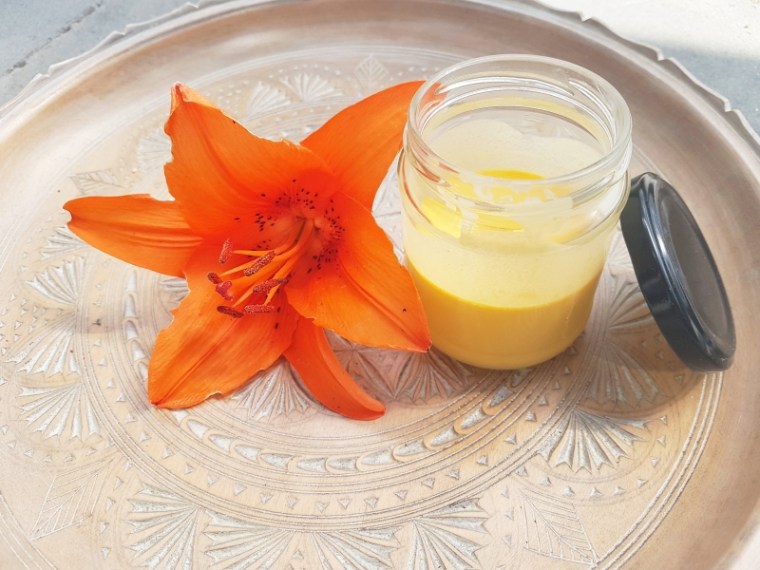
As you will see, the oleate, and our cream, therefore, have a light-yellow colour. Turmeric’s properties have passed to oil, but the pigments that stain the skin and hair have disappeared. However, it is still necessary to take precautions with light clothing in contact with our skin.

For the rest, it is an emulsified butter with a very pleasant texture and a great penetration capacity.


METHOD “No Poo”, CO-WASHING and NATURAL SHAMPOO BARS

Hair contains a natural oil called sebum in its follicles that is essential for keeping it healthy. Frequent washing, combined with some of the harsh chemicals in the shampoo, removes the natural oils from the hair leaving it in poor condition.

The problem is that, today, many of us are convinced that our daily shampoo ritual is vital to keep the grease and oil on our scalp at bay and that without this ritual our hair will look gross. The sebaceous glands of the hair are activated to release extra sebum when they feel that the hair is drying. Over-washing removes the natural conditioning of the hair and sends signals to the sebaceous glands that it is necessary to replace the sebum that was lost in the wash. This often leads to an overproduction of sebum, which gives the hair that “fat ball” look which in turn makes people want to shampoo again creating a vicious cycle that is difficult to break out of.

That is why trends have emerged that react to this modern lifestyle. These trends are known in English as the “no poo” or “co-washing” methods.
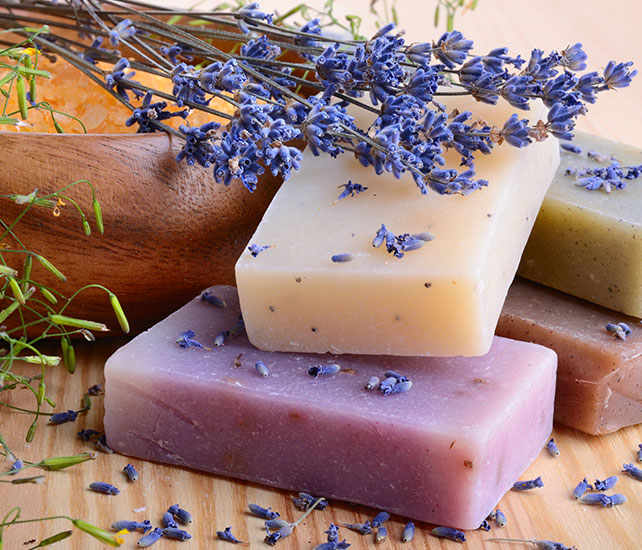

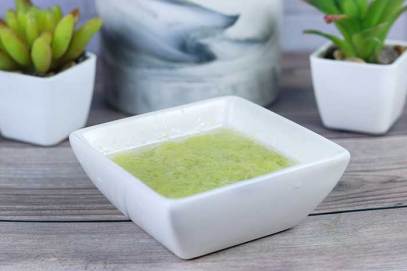
The theory of the “No Poo” method is as follows: by washing your hair with a gentle alternative to shampoo, such as baking soda and apple cider vinegar or even just water, you will achieve clean hair without the damage or dependence of daily shampoo. So, in short, instead of allowing the chemicals in the shampoo to spoil your hair, remove the chemicals and stop using shampoo altogether.

Experts in “co-washing” recommend “washing your hair weekly or biweekly, especially if you are prone to scalp problems. If you do not have any scalp problem, it is likely that the days of washing can be lengthened for a longer time according to these specialists”.

And for this they endorse a special type of natural shampoo bars that respect the natural sebum of the hair fiber and do not dry it out. These shampoo bars and the co-washing method have been creating a stir within the natural hair community.

Washing our hair with a specific co-wash shampoo helps to remove all the accumulation of residues from our scalp. Once our hair is clean, the co-washing technique creates a new space for moisture to enter our hair fiber again in order to strengthen it until our next wash.

This is not possible with commercial sulfate-based shampoos. Sulfates are those elements that are used in the manufacturing process and that usually create the “sud” or  extra layer of soap that produces a lot of foam and gives us the feeling that we are effectively cleaning our hair. However, sulfates are an economic element that helps manufacturers create more product without making the final price of shampoo more expensive.

It has been proven that sulfates are harmful to our hair, especially to the health of our scalp since they eliminate the natural oils also called “sebum” that our scalp produces naturally. This sebum is necessary to nourish our new hair fibers with the moisture and strength necessary for them to have a lasting life.

American women have known the technique of co-washing for decades and that is why they use natural solid shampoo bars, such as the ones we prepare on this page, to wash their hair.

You can spend a lot of money on organic shampoos or you can just make your own shampoo bars”; says this American blogger:

https://simplelifemom.com/2014/07/23/video-tutorial-shampoo-soap-step-step/

According to this blogger, “The difference between these bars and other soap bar recipes is that they are made with a series of more nutritious and healing oils for the hair, in addition to being made with a higher overfat level that releases a large number of oils and a high hydration power during washing

It is a technique very similar to the one we use to make facial soap bars, with which it is also possible to use these soap bars at body level. As we said, the high levels of over-greasing with which they are made release a large amount of emollient fatty acids that are great for cleansing the body and face.

It is a fact that one can wash with these tablets from hair to feet without the need to use more products and in a sustainable and totally ecological way since natural soap is biodegradable and the oils with which it is made are very rich for the care of the skin, including the scalp.

Those of you who have never used this type of shampoo tablets for hair washing, you should know that it will not feel like your usual shampoo when you use them for the first time.

Your hair is used to being stripped of its natural oils and then soaked with synthetic oils and silicones, usually not so healthy. Therefore, it will take your hair a week or two to break this cycle. Once you do, the scalp will produce enough oils to create a beautiful glow, without you having those fatty problems like you used to have.


HOW TO USE IT:

1.-We will use the shampoo bar like any other soap bar moistening it and rubbing it along the entire hair until we obtain a soft foam.

2.-Next, it is important to rinse thoroughly and apply a sprayer with natural apple cider vinegar all over the hair because this will untangle it and contribute to leave it loose and bright when it is dry.

3.-If you can dry it outdoors much better. And if it is not possible, leave it wrapped half an hour with a towel because then it will be enough with a couple of dryer passes to make it dry. With this, you save that the hair fiber suffers in excess with the temperature of the dryer.

4.-Obviously, the result is not the same if you have dyed hair. As you may know, dyes spoil hair fiber a lot, apart from being toxic. If you can avoid dyeing your hair it will look much healthier.

If you have a lot of gray hair, then you can try dyeing with henna * or with a semi-permanent dye that goes away with washing and does not contain ammonia or other types of aggressive fixing compounds with the hair fiber.

* If you have never tried henna, you will not know that in addition to providing great reflections to the hair, it manages to cover gray hair if applied together with indigo (Indigofera tinctoria) with a double procedure that normally consists of applying the henna first, rinsing, and then the indigo. With this “Light Mountain, color the gray” dye what is achieved is to speed up the procedure with very good results. It is completely natural and it is the only dye that we know of that, after application, leaves hair better than it was, looser and healthier. (Surely there will be other brands of natural herbal dyes on the market that achieve the same, but we do not know them, so we will appreciate if you know any other that you tell us in the comments).


OUR PROPOSAL TO REPLACE SHAMPOO WITH NATURAL CLEANSING AGENTS

First option: Make an herbal shampoo. You’ll need some of these powdered herbs:

  • Shikakai powder
  • Amla powder
  • Retha powder
  1. Mix all the powders in equal proportion in warm water and prepare a semi-smooth paste (neither too thick nor too liquid).
  2. Massage the hair and scalp with this mixture for 3-4 minutes and let it act for 5 minutes (if the hair is very oily).
  3. Wash the hair thoroughly with water and then rinse with lemon/vinegar.


Second option: Make a shampoo based on natural ingredients

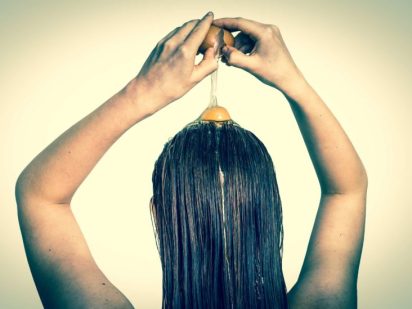
We suggest that you use items from the pantry such as cucumbers, lemons, honey, eggs, etc …

Cucumber shampoo

2 cucumbers

Juice of 2 lemons

Water

Procedure:

Blend the cucumbers and lemon juice in a blender with 1 ½ cups of water.

Wash your hair as usual with this cucumber shampoo.

Wash the hair thoroughly with water and then rinse with lemon/vinegar.

Note: Be sure to use a wide-toothed comb to comb your hair gently and slowly to prevent it from breaking. Do this at the end of the shower to remove all cucumber flakes.


Egg and lemon shampoo

2 eggs

Juice of 2 lemons

1 tablespoon apple cider vinegar

Procedure:

Mix all ingredients correctly.

Wash the hair with this solution followed by a wash with lemon / vinegar.


Natural honey shampoo

It is the easiest way to thoroughly cleanse the scalp and hair. To make this shampoo, you would need 2 tablespoons of raw honey, 4 tablespoons of water. Mix and apply thoroughly on the scalp and hair. Rinse after 10 minutes with water.


Third option: Vegetable or glycerin shampoos.

Shampoos based on vegetable oils and also those based on glycerin bases (Melt & Pour) are much gentler on the hair fiber.

Recipe for vegetable shampoo without sulfates

Ingredients:

15 g of jojoba pearls

20 g carnauba wax

15 g apple cider vinegar

10 g of liquid soap from Castile.

30 drops of essential oil mixture: 5 drops of cinnamon, 5 of cloves, 5 of nutmeg, 5 of ginger, and 10 of orange.

INSTRUCTIONS: Melt the carnauba wax in a water bath.

Once melted, let it cool a little and add the apple cider vinegar, the jojoba pearls, the essential oils and the Castile soap. Stir thoroughly.

Pour the mixture into the soap mold of your choice. We will let it solidify in the fridge.


Homemade shampoo bar for sensitive scalps and dandruff:
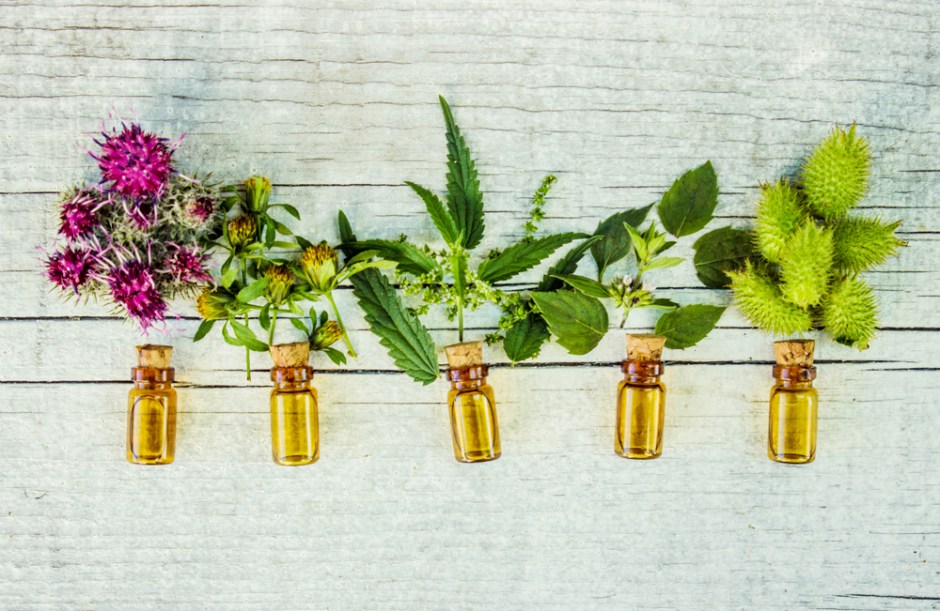
Babassu oil is used for medicinal purposes in South America to treat skin conditions, wounds, inflammation and even stomach problems. The exclusion of bleach (we use a glycerin base) in this shampoo makes this recipe less irritating for those with scalp conditions.

Ingredients:

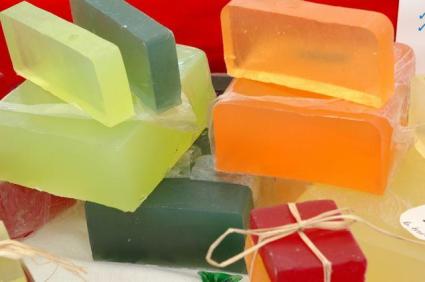
30 g mild glycerin soap

2 g babassu oil or coconut oil

15 drops of argan oil

10 drops of essential oil

Optional: A pinch of dried nettle if our problem is dandruff. If our scalp is very sensitive it is better that we do not put dried herbs.

Instructions: Cut the bar of glycerin soap into thirds and melt it into the water bath. Then add the oils and, optionally, the herbs. Finally, remove from the heat and add the essential oils.

This glycerin solid shampoo should mature for a few hours. It will harden and can be stored in a container in the bathroom. We can start using it the next day because glycerin soap does not need a maturation process like cold saponified soaps.


OUR CO-WASHING PROPOSAL

Make a solid bar of cold saponified natural shampoo and forget about the stories!

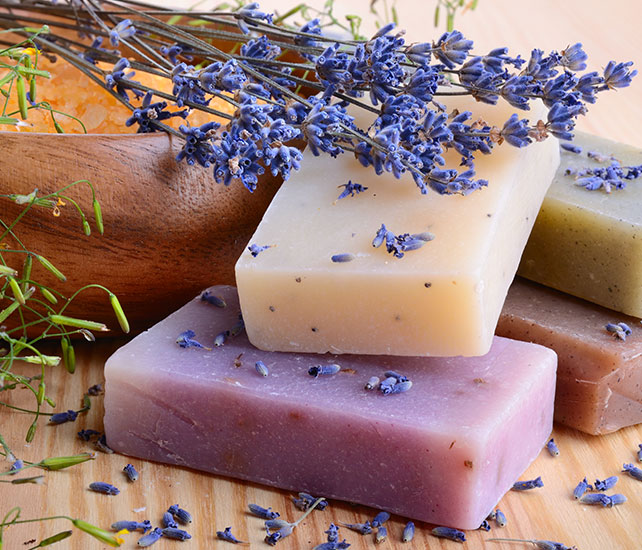
A solid shampoo bar like this thoroughly cleanses the scalp and hair without leaving the hair dry, stiff or stripped of its natural fat. These natural soap bars are free of sulfates, silicones or mineral oils that strip the hair of its “sebum” and its natural moisture leaving it dry and dull. In addition, these solid shampoo bars last up to 60 washes in many cases.


DIY hair shampoo bar

Many people also use their cold process soap as a shampoo bar. But hair is different from the skin, so it is advisable to formulate them differently so that they make enough foam.

The first and most important thing is to formulate them with a high level of over-greasing (between 10 and 12%) so that they release a large number of oils during washing and better condition the hair fiber.

The second requirement of a shampoo bar is that it contains coconut oil, which is responsible for producing a greater amount of foam.

Third, including castor oil will also contribute to a better washing experience.

It is also interesting to include a teaspoon of salt (5 grs) to harden our shampoo bar and a teaspoon of sugar (10 grs) to enhance its foam. Both will be added with the bleach.


Ingredients for a 10% of over-greasing.

280 grams of coconut oil

280 grams of palm oil

280 grams of olive oil

170 grams of castor oil

One tablespoon of clay*

Salt (5 grams) and sugar (10grs) that we will dissolve in the bleach.

318 grams of water

136 grams of caustic soda

About 30 grams of essential oils of our choice.


The clay contributes to drag the silicones and chemical residues that the hair can accumulate from previous washes in addition to providing hardness and hydration capacity.

The combined coconut, palm, castor and olive oils provide the shampoo with a high capacity for emollience and hydration.


PROCEDURE:

Previously we will take the necessary precautionary measures (gloves, ventilation, wooden spoon) to prepare the bleach which, as we know, consists of mixing the caustic soda with water and stirring well until it dissolves. At this point we will add the salt and sugar and let the reaction cool at room temperature.

In the meantime, we will melt the oils if necessary (surely the fat from palm and coconut) and mix them. We will let them cool to room temperature.

When the temperatures of the bleach and oils are close (between 30 and 40 degrees), we will slowly add the mixture of water and soda (bleach) to the previously heated oils.

We will use a hand mixer to start mixing until the point of “trace” or custard consistency is achieved. At this point we will stop beating and add the essential oils.

We can already pour the mixture into a soap mold. It is advisable to cover the mold and shelter it so that the saponification continues.

A couple of days later it will be dry and we can unmold it and cut it into bars that we will let cure for a minimum of a month and a half before starting to use them.

Notes:

Essential oils have different properties and we choose to include those that address the concerns of our hair. Rosemary, for example, is capillary anti-fall especially if the problem is due to excess fat. The tea tree is anti-inflammatory and anti-dandruff, mint also prevents fall and strengthens the hair fiber. And it is also possible to include a mixture of various oils.

Due to the alkaline pH of cold process soap, most people use a slightly acidic rinse on the hair after using the shampoo bar because it helps to detangle the hair better and gives it shine. Apple cider vinegar helps to balance the pH of the scalp and increase its brightness.

It is possible to prepare a rinse with:

One cup of apple cider vinegar for 2 cups of water or half a lemon juice for two cups of water.


The many medicinal uses of rosemary

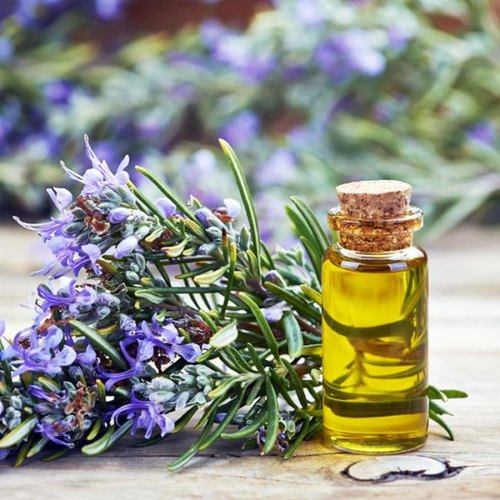
Rosemary (Rosmarinus officinalis) is a very aromatic evergreen shrub. Its leaves are intense green and its flowers are usually pale violet, but we will find them on occasion of intense blue, pink or white.

It grows in arid, rocky and calcareous places, and can flourish throughout the year if the climate is warm. The plant is native to the Mediterranean area, but is mostly found in southern Europe, north Africa and southwest Asia.

Rosemary was highly prized in ancient times. Its use as medicine was not frequent, but was mainly used in religious and purification rites (replacing incense), in public events or intimate celebrations. It was a symbol of love, fidelity, prosperity and immortality.

Rosemary essential oil is obtained from the flowering stems usually. According to the sources consulted, it could have been extracted for the first time in the twelfth century, probably by the Arabs. It is the main ingredient of the famous water of the Queen of Hungary, created around the year 1370. Legend has it that the queen received from an angel or a monk the formula of a rejuvenating liquor at the age of 72. It later became a perfume.


ITS ANTI-AGING EFFECT

This essential oil should be taken into account to prepare simple and effective anti-aging treatments. Its anti-aging effect can not only be used in the care of the skin, but also in the care of joints and muscles and to promote memory.

Although it is also effective when it comes to treating respiratory pathologies, venous congestions and to take care of the liver.


ITS USE IN THE FORM OF A SERUM

In case of pain of contractures and joints we will dilute a couple of drops of the essential oil in a tablespoon of arnica oil that is in itself an excellent anti-inflammatory and we will apply it in the affected area.

In case of hair loss, we can add a few drops to our dose of shampoo by letting it rest for a few minutes before rinsing. It is also possible to add it to the content of the shampoo bottle in greater quantity.

It is also possible to add it to a black cumin oil * hair mask (for example) with which we can massage the scalp once a week.

Rosemary essential oil is also a good liver detoxifier that we can accompany in a cleansing detox diet. For example, adding 2 drops to a little black cumin vegetable oil that we will ingest twice a day for 15 days.

*Black cumin oil stands out for its anti-inflammatory, antioxidant, antifungal and antibacterial properties. Black cumin also has skin benefits and is recommended for the care of sensitive, allergic or itchy skin.


IN THE FORM OF ROSEMARY ALCOHOL to combat tired legs and arthritic pains:

Since it promotes blood circulation, it is of great help with tired and heavy legs, sore muscles and cellulite.  

The grandmothers were rightly the main defenders of the benefits of scrubbing with rosemary alcohol. This type of scrubbing has been carried out since time immemorial. Rheumatic pains (arthritis and osteoarthritis) in the knees, shoulders or hands are usually very limiting. Scrubbing with alcohol in affected areas can help mitigate pain and improve mobility.


For this purpose, it is possible to make a preparation of rosemary alcohol:

HOW TO PREPARE ROSEMARY ALCOHOL FOR EXTERNAL USE

Rosemary macerated in alcohol is usually used to combat cellulite, to rub sore muscles and also to promote blood circulation in tired legs and /or those affected by varicose veins.

Ingredients:

250 ml denatured* (SD alcohol) alcohol of 96º from pharmacy. (Also, perfumery alcohol, or 96º denatured ethyl alcohol like the one we use to make cosmetic grade tinctures).

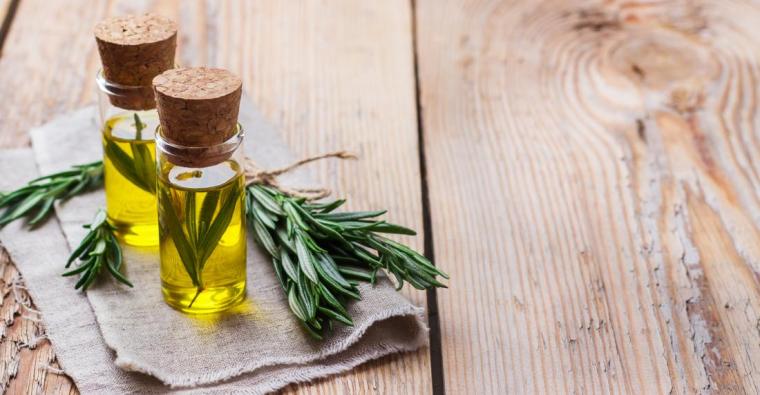
50 grams of fresh rosemary leaves (it is important that the leaves are fresh to take full advantage of its active ingredients).

An opaque glass bottle.

ELABORATION:

We put the rosemary leaves in the bottle and then we cover them with the alcohol.

We cover the bottle, place it in a dark place and let it macerate for 15 days.

After time, we pass the mixture through a filter or fine strainer to an opaque glass bottle.

We will keep it in a place away from any source of heat, as it is easily flammable.

Optionally, after the 15 days of maceration, we can add a couple of drops of rosemary EO to your alcohol to reinforce its effects.

*Denatured alcohol is ethanol (ethyl alcohol) made unfit for human consumption by adding one or more chemicals (denaturants) to it. Denaturing refers to removing a property from the alcohol (being able to drink it), not to chemically altering or decomposing it, so denatured alcohol contains ordinary ethyl alcohol.


How is rosemary alcohol applied?

A small amount is taken, which fits in the hollow of the palm of the hand, and gently extends over the affected area. Then pass your hands, making frictions from bottom to top (i.e., from the feet up) so that heat is felt in the area. We can repeat the procedure three or four times a day or until we find relief.

This alcohol should not be used by people with psoriasis, dermatitis or eczema problems, because it could make these conditions worse. As we know, alcohol is not generally absorbed, but evaporates very quickly on contact with the skin. However, it tends to dry out the skin, so it’s best to be careful and not use it for other uses than those indicated. It should also not be used by pregnant or lactating women due to the tonic and stimulating properties of rosemary.


ROSEMARY FOR THE SKIN

For the skin it is possible to add it to an anti-aging serum formulation. One proposal would be to put 10 ml of rosemary essential oil in a base of 40 ml of jojoba oil, 20 ml of black cumin vegetable oil and 20 ml of argan vegetable oil to which we will add a few drops of vitamin E.

This combination of vegetable oils is highly emollient and firming. Together with the rosemary essential oil it becomes also a combination with antioxidant and anti-aging skin properties.


ROSEMARY AS A TONIC AND STIMULANT

Rosemary is a typically Mediterranean medicinal plant very energizing that awakens you and promotes concentration and physical and mental resistance to stressful situations, that is why it is defined as Mediterranean ginseng.

If you have difficulty concentrating or poor memory, it may be useful to use rosemary essential oil by olfactory route to optimize its diffusion at the brain level. If we have a diffuser or vaporizer, it is very easy to add about 10 to 15 drops to the container for diffusion.


ROSEMARY SYRUP to fight migraines, the first symptoms of flu and fever:

Instead of fighting headaches and flu with pills that have a long list of side effects (such as acetaminophen or ibuprofen), it’s a good idea to turn to natural herbal medicinal ingredients that help gently. The combination of rosemary, ginger and honey provide relief to many people. In addition, it is a pleasure to take them in the form of syrup both cold and hot.

To extract the healing powers of rosemary and ginger, a concentrated infusion is prepared, which is then mixed with honey and lemon to make a syrup. For this we will need:

Ingredients:

3-4 twigs of fresh rosemary

1 piece of ginger about 4 cm long, the thickness of a thumb

100 ml of water

The juice of a lemon

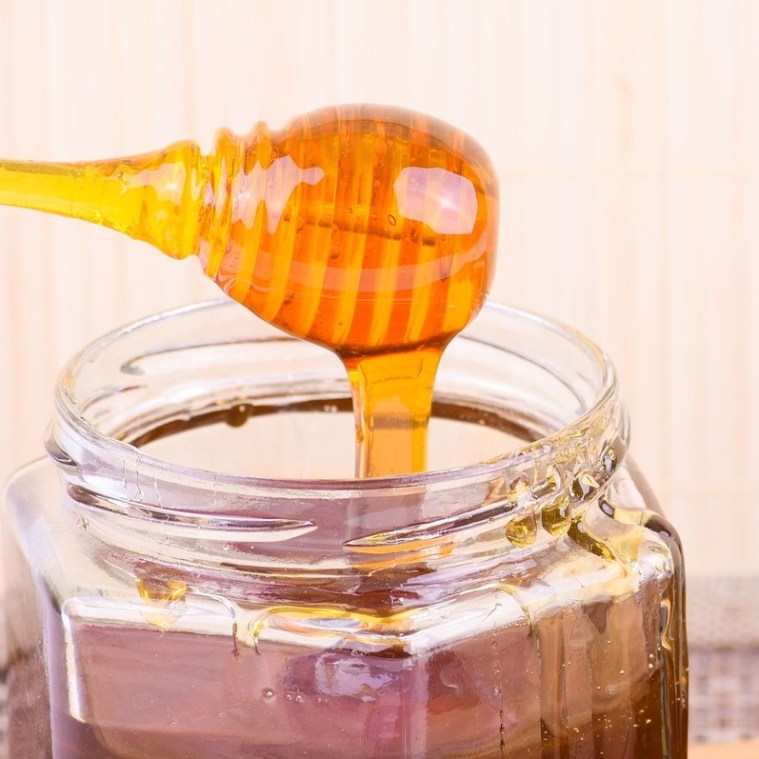
250 g of natural honey

Preparation:

Remove the rosemary needles from the branches and chop them with a knife.

After peeling it, cut or grate the ginger into very thin slices.

Put the rosemary, ginger and water in a small saucepan, bring to a boil and let it rest for 10 minutes.

Strain through a thin mesh and let it warm.

Put the honey, lemon juice and concentrated infusion in a bottle with a screw cap and shake it until you get a uniform syrup.

Close the bottle tightly and hold it in the fridge. This syrup is preserved without problems for several weeks due to its high sugar content.


How to take rosemary syrup

Dilute three or four tablespoons of the concentrated syrup in a glass of cold water, in an infusion (a mint, for example) or in hot water to relieve headache and fever. To preserve the active ingredients of honey and lemon, it is advisable to let the tea cool to the consumption temperature before adding the syrup. If necessary, we can take several cups of infusion throughout the day.

In addition to its mitigating effect of headaches and fever, this spicy rosemary syrup has a delicious taste, so well-being is achieved on the one hand by its ingredients, and additionally through enjoyment.

Although no side effects have been demonstrated so far or with large amounts of rosemary, it is recommended not to take more than six grams a day. In particular, pregnant women are advised to consume only small amounts of rosemary.

The active ingredients of the syrup act against different types of headaches and the first symptoms of infections because:

Rosemary dilates blood vessels and stimulates circulation. In this way, it quickly eliminates headaches caused by low blood pressure and poor circulation. In addition, it also relieves digestive problems. Ginger also promotes blood circulation and stimulates metabolism so that toxins are eliminated more quickly.

Honey has anti-inflammatory, antibacterial and antispasmodic properties. It mainly helps against headaches associated with colds and fever.

Lemon contains vitamin C, which reduces sensitivity to pain and lowers fever and purifies the blood by eliminating toxins and viruses.


For these same reasons, it is possible to add a few twigs of rosemary to a hot bath if we are cold to help decongest ourselves and eventually lower the fever.

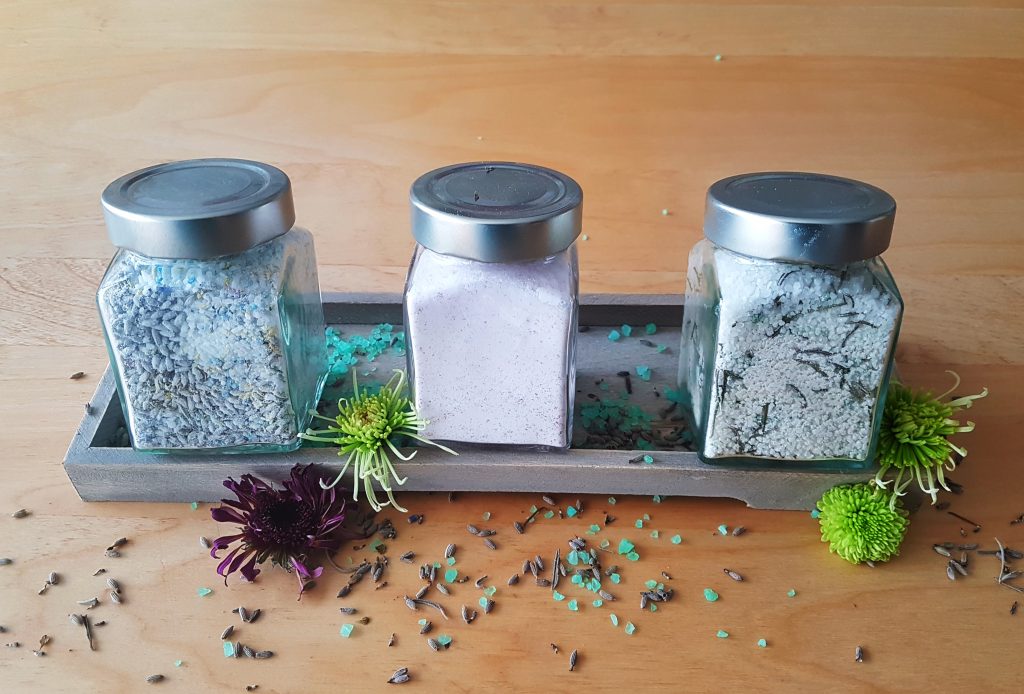
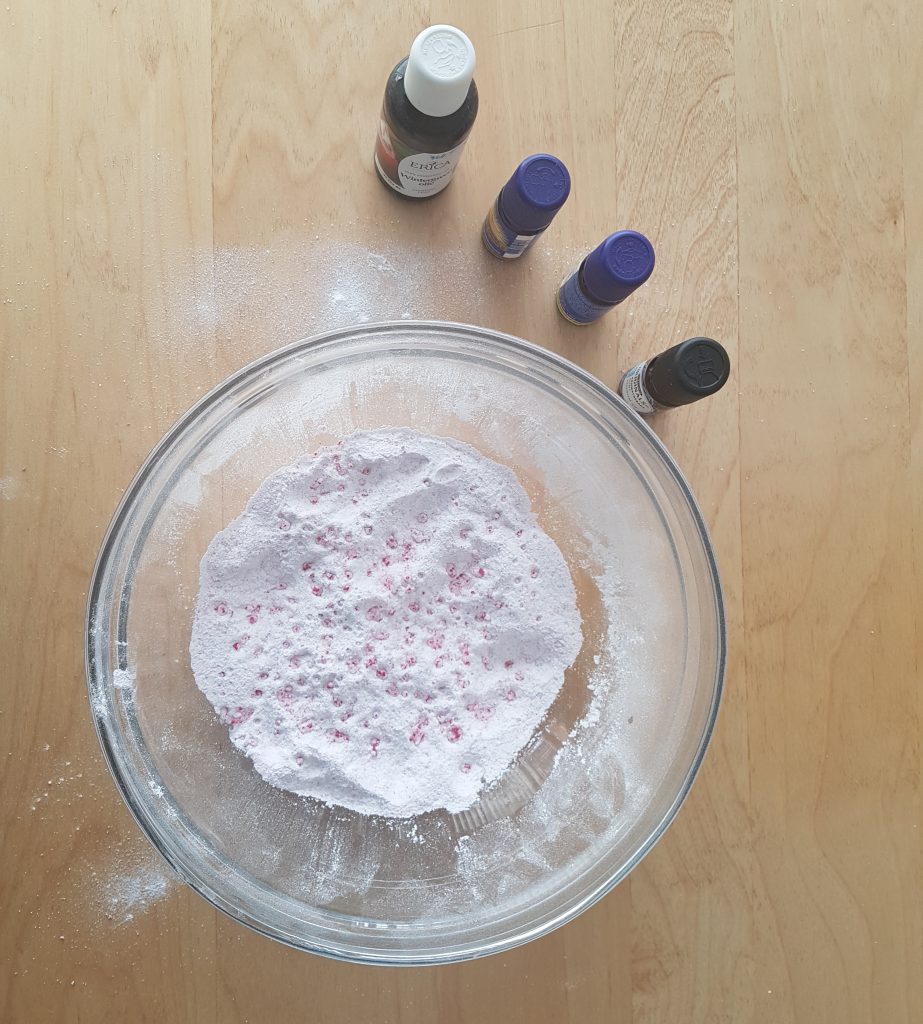
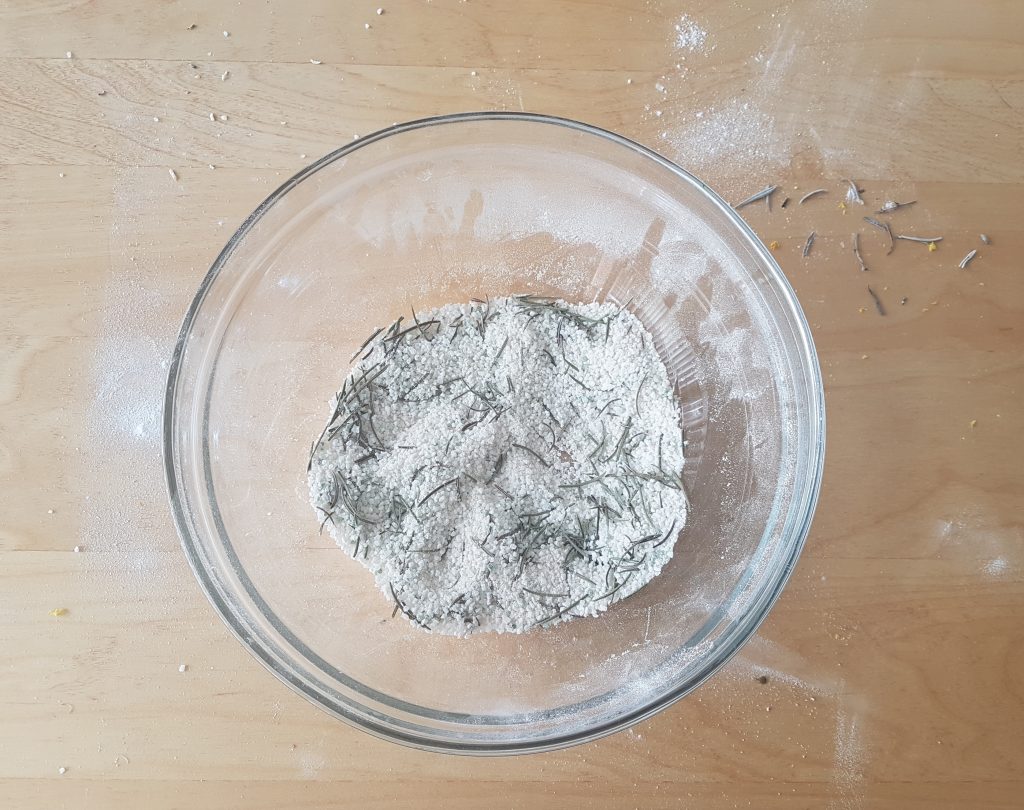
It is also possible to add the bath salts of rosemary and ginger that we elaborated in a previous post:

Let us also remember that rosemary must be stored in an airtight container away from direct light and in a cool place so that it retains its active ingredients. Fresh rosemary must be used quickly, however, the dry one is preserved much longer.


THE PARADOX OF THE SUN

The Sun gives life to the Earth, but our relationship with it must be one of sustained balance. Although it is true that our skin needs it to synthesize the vitamin D responsible for very important functions in the body, it is also true that an excess of sun exposure, especially in the central hours of the day, can have serious repercussions on our skin and not only of an aesthetic nature.

In an article by Marta Beltrà García-Calvo and Ana Belén Ropero Lara, professors of Nutrition and Bromatology* at the Miguel Hernández University of Alicante; an analysis is made about the need for the vitamin of the sun in order to strengthen our defenses and the prevention of infectious diseases among other multiple functions.

*Bromatology is, along with nutrition, an academic discipline that deals with studying the chemical composition of foods, as well as the calories and nutrients they contain, their physical properties and their toxicology.

WE NEED THE SUN TO SYNTHESIZE VITAMIN D

Our skin produces this micronutrient thanks to the sun’s UVB rays, but we can also get vitamin D through food. In both cases, in order to function properly in the body, you must first go through a chemical process that is developed in the liver and kidneys.

Among the few foods that contain vitamin D we find butter, eggs or oily fish. However, the Spanish Agency for Food Safety and Nutrition recommends avoiding or limiting the consumption of large fish with high mercury content, including swordfish, bluefin tuna, shark and pike.

Functions of this vitamin

1) The role of vitamin D in bone health has been known for years. It promotes the absorption of calcium in the intestine and is used for many biological processes. In addition, this micronutrient is necessary for the growth and development of bones in children. It also helps, along with calcium, to reduce the loss of bone mineralization in postmenopausal women and prevents osteoporosis.

When there is vitamin D deficiency, the bones are the main affected. In children it manifests itself in the form of rickets, which can lead to bone fractures and poor tooth development. In adults it causes osteomalacia (weak bones, bone pain and muscle weakness) and osteoporosis in older people.

2) Vitamin D is also involved in other biological functions. Muscles, the immune system, phosphorus metabolism and teeth are some of its targets.

Studies show that vitamin D deficiencies are associated with increased risk of several diseases: upper respiratory tract infections, autoimmune diseases or allergies, cardiovascular problems and even higher mortality. Lower levels of vitamin D have also been linked to obesity, type 2 diabetes and metabolic syndrome.

The World Cancer Research Foundation is the international institution of reference in the field of cancer. In its 2018 report, it indicates that an adequate intake of vitamin D could be related to a lower incidence of colorectal cancer. Despite all the information we have, there is considerable controversy regarding the optimal doses to achieve clear benefits with vitamin D. The clinical efficacy of supplements does not meet expectations. Even worse: it is difficult to find an appropriate method to detect deficiencies in vitamin D.


So how much sun do we need to take according to the experts?

Apparently, the ideal is to do outdoor activities in winter and autumn, since the intensity of solar radiation is low and we are more covered.

In summer and spring, when the sun’s rays fall perpendicular, it is enough to sunbathe on legs, arms and face for 15 minutes, at least 3 times a week.

Despite the sun’s benefits in vitamin D synthesis, UVB rays can cause skin cancer. For this reason, we must take many precautions. In summer, even on cloudy days, you should not be exposed to the sun between 12 and 17 hours and it is advisable to use a sunscreen.

With regard to this issue of sun protection is where more controversies arise about natural or “homemade” sunscreen products. The main complaint is that how is it possible to know the degree of photo protection of a homemade sunscreen.

But is this really that important? If we are not supposed to be exposed to the sun in the central hours of the day, do we really need a protective factor of 50 as some experts publish? And what is actually a protection factor of 50?

The photoprotection of 50 does not really exist, there are approximations that are formulated based on endocrine disrupting chemicals such as oxybenzone.

The sunscreens that we normally find on the market, usually contain a high percentage of sunscreen filters, which are mostly chemical filters. These chemical filters have the advantage that our skin absorbs them well and that they are easy to apply, but they also have several drawbacks, as we will see below:

https://www.abc.es/salud/noticias/20140715/abci-mellanoma-nature-cremas-solares-201407150928.html

According to the researcher Berta López Sánchez-Laorden, from the Institute of Neurosciences of the Miguel Hernández University (UMH) of Elche and the Spanish National Research Council (CSIC).

“Using sunscreen creams protects against immediate radiation damage such as sunburn, but radiation can still penetrate, as well as damage cell DNA and cause cancer.”

The FDA (an organization that authorizes or bans medical products in the United States) has recognized that sunscreens do not serve to prevent skin cancer and argue as follows:

Damage the skin:  There has been an increase in skin and lip cancers in recent years which are associated with the use of sunscreens with chemical filters, and you may wonder… why? Well, these sunscreens do not form a protective barrier between our skin and the sun as we might think… No,  it is not. The latest studies show that ultraviolet rays penetrate the skin and protection is done thanks to reactions that take place in our skin. And as we told you before, since we do not burn, we allow us to spend more hours in the sun. The most negative part is that, since chemical filters do not prevent ultraviolet rays from entering our skin, they end up damaging our cells. And of course, the sun is cumulative and our skin has memory, so, many days a year, for years sunbathing…

They act as hormonal disruptors:  Many of us already know what endocrine disruptors are. These  substances have the capacity to alter our hormones, this is a very serious issue and one that deserves our full attention. One study links a type of sunscreen, called benzophenone, to an increase in women with endometriosis.

And, in any case, they damage the environment: Chemical filters are not biodegradable, in fact, it is estimated that every year 4000 tons of these chemical filters are deposited and accumulate on the seabed. According to a study of the EHP (Environmental Health Perpectives) carried out by Professor Donovaro in different parts of the world, they concluded that sunscreens with chemical filters have a negative impact on coral reefs. Today it is estimated that more than 60% of coral reefs are in poor condition. Many marine animals live and depend on these reefs so, they too would be affected. In some marine reserves, such as the Tulum biosphere reserve in Mexico, the use of sunscreens with chemical filters is prohibited.

Unfortunately, many of the ecologically certified creams also have an impact on marine life. The best solution is therefore to make or buy photoprotective creams based on physical filters that leave the skin white (since they are not “nano” and are not absorbed). These filters are the best for our skin and also, therefore, for marine life.

And let’s not lose sight of the fact that these commercial sunscreens, apart from “chemical” filters, contain other substances (parabens, phenoxyethanol, silicones, …) that should also be avoided.


TIPS FOR COPING WITH THE SUMMER SUN

-Clothing also serves to protect us from the sun. In fact, our grandparents used it to protect themselves from the sun without chemicals or sunscreen. We may want to wear loose-fitting garments of light fabrics such as cotton muslin and linen. Hats and sunglasses are also very helpful accessories.

-The second golden standard is to avoid the direct exposure to the sun at noon, especially in summer days when the sun’s rays have a much greater incidence.

-And the third rule is to be prepared for the summer with an antioxidant diet since our skin is our first line of defense. Eating lots of summer vegetables and fruits minimizes the chance that free radicals can damage our skin. Nature is very wise, and the foods of the summer season are the ones that contain the greatest amount of antioxidants: apricots, peaches,  strawberries, blueberries, raspberries, cherries …

Thus, provide your body with vitamins and antioxidant compounds, such as vitamin C (fresh fruits and vegetables), vitamin E (nuts, seeds, avocados) and carotenes (red, orange, yellow and green vegetables), which increase the resistance of the skin to solar radiation; it is a great idea to protect ourselves from the impact of rays on our skin and keep it beautiful.

At the same time, consuming foods rich in omega 3 (oily fish, legumes and nuts…) and enough water is also very important. These foods are what our bodies need to have healthy skin and natural protection from the sun.

And, if we have to stay in the sun between 11 in the morning and 5 in the afternoon in the summer, it is advisable to resort to a natural or ecological certified sunscreen that is free of chemical filters and other potentially harmful synthetic ingredients. Certified sunscreens use only harmless physical mineral filters like the ones we promote in our homemade cosmetic recipes.

When we talk about physical filters, also known as mineral filters, we are talking about zinc oxide and titanium dioxide. As the name suggests they are of mineral origin and are those used in natural and BIO cosmetics. Unlike chemical filters that interact with the skin to protect us, these filters make a reflective protective layer on the surface of the skin as a mirror. And this is achieved by leaving a white layer on the skin, which is why they are usually more difficult to extend. These are safe and biodegradable, as long as they do not contain nanoparticles. And this can always be verified very easily. The protectors that leave us white skin do not contain nanoparticles and are not absorbed, that is why our skin is whitish.

Don’t be fooled, a cream that is translucent or almost translucent actually always uses nanoparticles, even if the manufacturer says not to.

In addition, these mineral filters, if we have sensitive skin, rarely cause an allergic reaction. They are called broad-spectrum filters because they protect against UV-B and UV-A radiation. In addition, zinc oxide is superior to titanium dioxide; the latter lacks a small part of the UVA spectrum in its protection.


OUR NATURAL PROPOSAL FOR THE SUMMER

Look at the ingredients of Maison Shea’s mineral screen protective cream with SPF of 20 and based on organic certified natural extracts.

INCI: Butyrospermum Parkii Butter*, Sesamum Indicum Seed Oil*, Mauritius Flexuosa Seed Oil, Zinc Oxide, Bixa Orellana Seed Extract*

This outdoor butter with mineral screen (Zinc Oxide) also contains natural biological filters for an extra protection such as shea butter, urucum extract, and sesame and buriti vegetable oils.

We could summarize the ingredients it contains as follows:

Shea Butter (Butyrospermum Parkii Butter*)

Sesamum Indicum Seed Oil*.

Buriti Vegetable Oil (Mauritius Flexuosa Seed Oil)

Zinc oxide and

Urucum powder (Bixa Orellana Seed Extract*)


Tell me if we can’t formulate a similar cream in a homemade way that will automatically have a similar protection factor?

PHOTOPROTECTIVE BUTTER; WE HAVE FORMULATED IT AS FOLLOWS:

Ingredients:

45 gr. of shea butter

25 gr. of sesame or apricot oil, which provides beta-carotene

Optional: 5 grams  of  buriti  or  karanja oil (act as powerful biological filters)

10 gr. of urucum infused oil, replaceable by carrot infused oil (also bio filters)

10 gr. of zinc oxide (mineral filter)

5 grams of edible grade diatomaceous earth (we like to add this component so that the recipe has a less oily texture since diatomaceous earth is a good absorbent that provides consistency and dermoprotective substances such as silica). Failing that, it would be substitutable for kaolin clay, although not exactly the same.

5 drops of vitamin E

Optionally: a few drops of lavender essential oil

The essential oils that protect us from the sun are mainly the following: essential oil of lavender, myrrh, carrot seeds, and mint.

*It is very important that zinc oxide is without nanoparticles because these are the ones that can be absorbed and cause toxicity problems. The whiter our skin is, the more protection our mineral filter will offer.

PROCEDURE:

The shea butter is weighed and undone in a water bath until melted.

We lower the heat to a minimum to maintain the quality of the ingredients.

Next, we are adding the rest of the oils, mixing everything very well with the rod.

We continue adding the zinc oxide and the urucum infused oil, mixing well with the rod.

It is time to add vitamin E and lavender essential oil.

We bottle it and leave it in the fridge for a while so that the ointment takes on consistency.


HOW TO MAKE URUCUM INFUSED OIL:

50 ml. of coconut or sesame oil, which are photoprotective in themselves

5 gr. of urucum  powder

It is allowed to macerate a week stirring from time to time

It is filtered, preferably with an unbleached coffee filter because the urucum stains the fabrics.

This infused urucum oil will be added to our solar photoprotective butter recipe, and we can also take advantage of it to make a tanning serum. The following recipe is for a container of about 50 ml:

TANNING SERUM

Ingredients:

48 ml. of infused urucum oil

20 drops of pomegranate or raspberry CO2 extract

5 drops of vitamin E

Optionally: 4-5 drops of ylang ylang essential oil (can be also geranium, carrot, rosewood…)

PROCEDURE: The ingredients are added one by one, mixing well with the rod and that’s it.

As you can see, it is not difficult at all and leaves the skin luminous and with a beautiful tone. Be very careful with clothing because it can leave stains.

However, it has the great advantage of leaving the skin with a tanned tone without having to worry about sunbathing when you have winter white skin. In addition, it can also be used to soothe the skin after sun exposure.


THE ZERO WASTE MOVEMENT

WHAT IS THE ZERO WASTE MOVEMENT?

It is a new change in economic mindset brought about by the ecological revolution of our century. “Zero waste” is a concept, a trend and social movement that seeks to end the generation of waste that does not decompose and must be stored or incinerated.

This concept has been matured for a long time, but it came to the political fore when some cities and their respective municipalities proposed to delve into the issue and make it part of their political agenda. Some cities, such as Canberra or San Francisco were pioneers in applying this concept at the urban level.

The Australian capital was avant-garde in this regard, but it was San Francisco, in California, a city with 7 million inhabitants, who most successfully implemented this goal of reducing garbage. It was only in 10 years that they managed to reduce it to 50 %. Quite an achievement for such a large city and in one of the countries that consume the most and produce the most garbage in the world.


ALL THIS ON A GLOBAL LEVEL, BUT, ON A PERSONAL LEVEL?

Have you ever heard this litany? My printer has broken down, where can I take it for repair? And then, automatically, your partner, your parents, your friends, your neighbor, they tell you: if you repair it, it will cost you more than buying a new one.

Consumer capitalist society includes a feature of programmed obsolescence in the products it manufactures to force us to continue consuming and keep the wheel turning.

Source Wikipedia: “In economics and industrial design, planned obsolescence (also called built-in obsolescence or premature obsolescence) is a policy of planning or designing a product with an artificially limited useful life or a purposely frail design, so that it becomes obsolete after a certain pre-determined period of time upon which it decrementally functions or suddenly ceases to function, or might be perceived as unfashionable. The rationale behind this strategy is to generate long-term sales volume by reducing the time between repeat purchases (referred to as “shortening the replacement cycle”). It is the deliberate shortening of a lifespan of a product to force people to purchase functional replacements”.

The aim of obsolescence is not to create quality products, but exclusively economic profit, taking into account the needs of consumers, nor the environmental repercussions on production, much less the consequences that are generated from the point of view of the accumulation of waste and the pollution that they entail.

For industry, this attitude positively stimulates demand by encouraging consumers to buy new products in an artificially accelerated way if they wish to continue using them.


A BIT OF HISTORY

The first product affected by programmed obsolescence was the incandescent lamp. One of the first prototypes has been in operation since 1901. Thomas Alva Edison, created a prototype with duration of 1500 hours. The success was resounding and several companies dedicated to its manufacture appeared. At first the goal was to create more durable bulbs; however, everything changed when they teamed up to create the Phoebus Cartel which established a maximum duration of 1000 hours of use and penalized manufacturers who violated the new rule.

At that time, consumer awareness and ecological awareness of rights was practically non-existent among the population and businesses, so society at the time ended up tolerating this practice.

The initial stage of planned obsolescence developed between 1920 and 1930, when mass production began to forge a new market model in which the detailed analysis of each sector becomes the fundamental factor to achieve a good success. The origin is believed to date back to 1932, when Bernard London proposed ending the Great Depression through planned and law-bound obsolescence (even if it never took place). However, the term was first popularized in 1954 by American industrial designer Brooks Stevens. Stevens was scheduled to give a talk at an advertising conference in Minneapolis in 1954. Without much thought, he used the term as the title for his talk.

Another product that was affected was Nylon. In its introduction in 1938 it was presented as a strong and practically indestructible fiber. But sales subsequently fell because no one needed to replace the stockings, so Du Pont was forced to redesign the material to make it more fragile and retain sales.

Later in the sixties, new design and advertising techniques were devised to boost the consumption of new products. Thus, people were not forced, but convinced with avant-garde designs, novel features and new technologies. Gradually the concept of planned obsolescence was spreading among manufacturers, which was affecting the quality and durability of the products since then.

With the start of the new century, Apple’s iPod device caused controversy due to its irreplaceable short battery life. Another notable scandal involved the iPod digital audio player made by Apple Computers.

Using stencil signs that read “The iPod’s irreplaceable battery lasts only 18 months,” a warning was painted about iPod advertisements on the streets of Manhattan. The film was published on the Internet on September 20, 2003 and in six days it was viewed more than a million times. It quickly attracted media attention and the controversy was covered worldwide by more than 130 media outlets, including The Washington Post, Rolling Stone, Fox News, CBS News and BBC News.

Apple officially announced a battery replacement policy on November 14, 2003 and also an extension of the warranty on November 21.

On January 8, 2018, the French Public Prosecutor’s Office opened an investigation against Apple for alleged programmed obsolescence of certain older iPhones, subjected to periodic updates of the iOS operating system. The judicial action had its origin in a complaint of the organization of users and consumers “Stop the scheduled slowdown”.

Two documentaries by Cosima Dannoritzer have reflected in Spanish the aspects derived from the planned obsolescence: Comprar, tirar, comprar (2010) and La tragedia electrónica (2014). Source Wikipedia.

Biological obsolescence

Companies like Monsanto produced genetically altered seeds that become sterile and useless once they have given the first harvest, the so-called Terminator seeds14 produced using GURT technology (English acronym for Group of Use Restriction Technologies), meeting a rejection by authorities and farmers.

Drug obsolescence

Most drugs contain chemical components whose shelf life is limited; however, some laboratories reduce the expiration date of the drugs they produce in order to obtain greater profits in the health business, causing patients to discard supposedly expired drugs to acquire new ones.

Despite being true that after the expiration date, there are drugs which could develop some type of degradation of the product into toxic and harmful agents, most really only develop a loss in the efficacy of the drug without seriously damaging the health of the person. In addition to this, the expiration date of all drugs is made under accelerated physical-chemical stability studies, that is, under conditions unfavorable for the consistency of the drug (high temperature, humidity, lighting) which helps to decontextualize the time of study. The Medical Letter ensures that most of the drugs sold retain their potency by 70% –80% in the first ten years after they are produced.

On the other hand, the pharmaceutical industry prefers to investigate palliative drugs or drugs that make a disease chronic to those that simply cure it. Molecular biologist and Nobel laureate in physiology and medicine Richard J. Roberts stated that: “The best example is Helicobacter pylori. Barry Marshall and Robin Warren discovered that these bacteria caused ulcers, not just acid. The industry tried to eliminate the investigation. If there were drugs that killed cancer cells by immunotherapy, they would be very difficult to market: if you stopped cancer altogether by taking it two or three times, where would the money be?”

Another different case is the, for the pharmaceutical industry, very lucrative addiction to opiates under the cloak of painkillers. In the US, opioids related to heroin have been legally prescribed as dangerous pain relievers to combat the pain of some conditions (OxyContin, introduced in 1995, is composed of thebaine, three times stronger than morphine; sales were already in sales (2001) by 1.6 billion dollars, higher than that of Viagra, and represented 80% of the company’s profit), creating, first, a lucrative drug addiction, and, later, drug addiction to other psychotropic substances, to the point that the United States They had to declare a public health emergency in October 2017 due to the deaths that occurred, more than those in the Vietnam and Afghanistan wars combined.

In 2019, 500 cities in the United States had to publicly sue the powerful pharmaceutical company Purdue Pharma, owned by eight members of the billionaire Sackler family. And a similar case is that of other pharmaceutical companies with Vicodin, Percocet and Fentanyl. In 2016, more than 60,000 people died in the United States from opioid overdoses.

Obsolescence of electrical and electronic components

The procedure is usually as follows: one of the commonly used electronic devices fails. When the owner takes it to repair, the technical service tells you that it is more profitable to buy a new one than to fix it. Occasionally the price of labor, damaged parts and assembly often cost a little more than buying a new one. Therefore, the user usually discards the damaged product and buys a new one. This occurs in some digital components of the computer such as the printer, optical disc drives, LCD or LED monitors, motherboard or the microprocessor itself.

Obsolescence of household appliances

Sometimes the older is more resistant than the modern. It should be mandatory to standardise parts and to be able to cut machines, which would solve many problems. Now (2021), the mid-range car is made to last about 200,000 kilometers, which can extend its lifespan to 400,000 if you pass periodic reviews and take care of yourself. Stockings, socks and other textile products are often conditioned on their duration by seams and other textile treatments. The average duration of a refrigerator is twelve years, but there are those that only last eight or that reach fourteen; the average duration of a dishwasher is 11 years; the microwave has an average duration of nine years, but there are those that last twelve or thirteen; a washing machine has an average duration of ten years, but a Miele lasts 16. The average of the dryers is eleven years, but again the Miele extend to 17. The half-life of an iron is six years. The average lifespan of a Smartphone and laptop is between 3 and 4 years. In the case of a washing machine, its longevity is around 11 years and if we talk about vacuum cleaners, most of them end up obsolete when they turn 8, although there are those that do not reach 5. Italy’s Competition and Market Authority fined Samsung 5 million euros and Apple 10 million euros for shortening the life of the products. According to independent studies by the OCU, Miele is the company whose appliances stand up for the most years in operation.

According to a report by the association Halte à l’obsolescence programmée and Murfy, a company specialized in the repair of appliances, the useful life of washing machines has decreased by 30% in eight years. In 2010, washing machines of all brands operated an average of 10 years. In 2018, his life span was of only 7 years. Furthermore, the report points out that manufacturers make spare parts for repairing these appliances inaccessible and very expensive. Especially parts that are known to be more susceptible to wear and require frequent replacement, such as the electronic plate of devices.

Software obsolescence

The programmed obsolescence in the software starts from the moment the manufacturer urges consumers to renew/update their version of the computer programs because it will not continue with their updates and the respective technical support (renewal of printer drivers, compatibility with other programs, solutions to unforeseen problems, security patches, update of the defense against malware, recognition of new applications, etc.). In this way, every ten years at most, the same product will be purchased again, adding capital gains to the manufacturer.

A software that does not enjoy regular updates will eventually suffer from obsolescence because it lagged behind digital technology by ceasing to develop applications for the program. Many times, these discontinued computer programs are called abandonware because their programmers purposely “stall” their own software in order to motivate the consumer to buy the new version because, although the new programs they introduce will be able to read the content of the previous versions, an old version will not be able to read the files of the new system. An example of this was the discontinuation of the Windows XP operating system by Microsoft which leaves the operating system on the road to obsolescence since as Microsoft communicates, continuing to use Windows XP could present vulnerabilities in the security of the computer to threats such as viruses despite the fact that at that time, 30% of the PCs in the world were still using it and the replacement program did not contribute anything really substantial. Even so, it is still used in devices such as ATMs and medical devices.

Food obsolescence

It has to do with expiry dates and with the use of addictive additives or food drugs. As for the former, it is common to find a ‘best before date’ in packaged foods instead of the expiry date. And it is because food continues to preserve over time the majority or integrity of its nutritional and sanitary virtues, but not its appearance, texture, aroma or color. However, this is enough for food to be thrown away and others to be bought.

The economist of the theory of degrowth Serge Latouche points out that it is also a strategy of programmed obsolescence frequent in the consumption of dairy and yogurts, but also in that of any other packaged food. The use of preservatives, dyes and other short-cycle excipients in packaging also has this function. Tons of food end up in the trash because of poor quality guidelines, overly strict aesthetic standards or bad habits and planning.

On the other hand, some beverages and foods have among their components slightly addictive substances (addictive additives) that create an additional commercial need for the product, especially among genetically predisposed people. A study by the University of Michigan indicates that there are specifically foods that cause dependence or mild addiction, and the first three are pizza, chocolate and bag fries. The causative substances are refined sugars and sweeteners and flours, mainly; also, products too salty. They create neurological changes similar to drug addiction circuits, related to the reward system and also to incretin hormones, especially in childhood, programming routines of necessity that in adulthood remain more difficult to correct and are more profitable. Dairy breads (including whole grains, pizza, biscuits, hamburger bread), light yogurts (with fruit pulp, with cereals), the same breakfast cereals, coffee, industrially made meals.

Coca-Cola had at first in its composition tiny amounts of cocaine that guaranteed a mild psychological dependence from 1886 until it began to eliminate it from its formula in 1903 and definitively in 1929.

PLANNED OBSOLESCENCE CAUSES MULTIPLE WASTE AND POLLUTION

One of the serious problems caused by this practice is the overproduction of e-waste. The goal of planned obsolescence is economic profit. That is why other objectives such as the conservation of the environment take second place to priorities and serious damage can be done to it.

The lack of proper management of manufactured products that become obsolete is a source of pollution. A vast number of these are not biodegradable, and the time that elapses until decomposition is considered to have occurred, at least partially, can be very long. In addition, waste is often highly polluting. This has a negative impact on both the integrity of the environment and the health of its inhabitants when it is known that waste electrical and electronic equipment (WEEE) contains recoverable materials, which would prevent the exploitation of new natural resources.

Planned obsolescence is a consequence of the contemporary economic production system, which promotes growing consumption. Therefore, the long-term sustainability of this model is disputed. In addition, developing countries are being used as a dumping ground for all these unusable products; this is leading to considerable pollution and destruction of the landscape in thesecountries.

Source Wikipedia.


BUT FOR HOW LONG WILL THE WHEEL OF CAPITALISM CONTINUE TO TURN?

Climate change brought about by our industrial society is drowning our forests, burning them and causing floods and other weather disturbances that are hitting all of us.

Recall the words of ecological activist Greta Thunberg three years ago: “People are suffering. People are dying. Entire ecosystems are collapsing.”

And the ecological footprint that we developed countries endure is increasing every year that comes in.

“The ecological footprint is a method promoted by the Global Footprint Network to measure human demand on natural capital, i.e. the quantity of nature it takes to support people or an economy. It tracks this demand through an ecological accounting system. The accounts contrast the biologically productive area people use for their consumption to the biologically productive area available within a region or the world (biocapacity, the productive area that can regenerate what people demand from nature). In short, it is a measure of human impact on the environment” Wikipedia

The concept was created by William Rees and his then student Mathis Wackernagel in 1996, which analyzes the patterns of resource consumption and waste production of a given population.

It measures the area needed (calculated in hectares) to produce the resources consumed by a citizen, an activity, country, city or region, etc., as well as the area needed to absorb the waste it generates, regardless of where these areas are located.

It is an indicator to know the sustainability of human activities. It determines how much land and marine space is needed to produce all the resources and goods that are consumed, as well as the surface to absorb the debris that is generated, using current technology. The advantage it has is the possibility of making comparisons.

For example, the subsistence economy is known to weigh little in terms of ecological footprint. And it is not that we all return to this subsistence economy, but it is that we manage to limit the unstoppable increase in the ecological footprint that our industrial society is producing.

Currently, the ecological footprint of each human being is 2.7 hectares. However, our planet is only able to grant each of its inhabitants about 1.8 hectares (WWF2012).  This difference indicates that each of us uses more space to meet our needs than the planet can give us.

The activities that have had the most impact on the growth of the world’s ecological footprint are the burning of fossil fuels, agriculture and livestock.

In a basically well-organized agrarian life without extensive monocultures, it is estimated that between 1 and 2 ha are approximately the necessary land to meet the needs of a family in a self-sufficient way. We are therefore over-consuming with regard to the capacity of the planet: we are destroying resources at a rate higher than their natural rate of regeneration.

It has been concluded that it would take two more planets like this for today’s 6,000 million human beings to be able to live all the way that, for example, the average French citizen lives, that is, in an industrial society based on the availability of fossil fuels. Source Wikipedia.

These conclusions make it necessary to distinguish between two fundamental elements:

-In today’s industrial world, impacts are produced on a planetary level.

-The ecological footprint has little to do with the physical space occupied by a human group. In this way, the ecological footprint of most developed countries far exceeds their own surface, since they extract resources and dump waste in places far away from their territory.

The didactic value of the ecological footprint concept resides in that it makes evident two linked realities that are beyond the reach of intuition. First, that the characteristic way of life of the richest countries on the planet cannot be extended to all its inhabitants.

Second, that a sustainable planetary economy demands from that same wealthy minority a reduction in their consumption; and also, their standard of living, to the extent that it cannot be compensated with an equivalent increase in the efficiency of production processes.

Against this background, it is necessary to make a more sustainable use of the planet’s natural resources and natural environment, among many other actions.

And the “zero waste” movement is one of these many necessary actions.


ZERO WASTE LIFE STYLE

The fight against planned obsolescence at the social level:

One of the ways to hinder it is through the creation of guarantee seals for products without programmed obsolescence, such as the ISSOP (Sustainable Innovation Without Programmed Obsolescence) seal, created by the FENISS Foundation (Sustainable Energy and Innovation Foundation without Programmed Obsolescence); whose products and production strategies meet the following requirements:

  1. Prioritize the purchase of raw materials and the contracting of services that are respectful with the environment, manufactured without planned obsolescence, and if you are a manufacturer of a product, manufacture it without planned obsolescence. Using preferably local and Fair-Trade products.
  2. Promote and disseminate the commitments adopted towards a more sustainable and responsible management model. Include clauses in contracts with third parties that prevent corruption. The ISSOP seal not only seeks the absence of programmed obsolescence, but also to protect the environment and the sustainable development of products.
  3. Contribute to energy improvement and emissions reduction, in order to reduce corporate ecological carbon footprints.
  4. Carry out the correct waste management.
  5. Promote the culture of socially and environmentally responsible consumption.
  6. Bet on an environmental responsibility for the preservation of the local environment.
  7. Promote equality and social integration and facilitate work, family and personal conciliation.


These proposals go through a change in the habits of everyone, from the production companies and governments themselves, to the consumers themselves; so that together we can find a balance that does not generate so much waste.

It is about developing products with greater recycling capacity, such as some brands that already opt for products with replaceable and reusable parts, or companies that invest in the research and development of formulas that avoid waste, such as the latest advances regarding bacteria that consume residual plastic.

Finally, different environmental groups have devised new alternatives to extend the useful life of products, such as Friends of the Earth who have devised “lengthening”, which is a directory of repair, rental, and exchange establishments. and buying and selling of second-hand items, in order to avoid this massive increase in waste.

POLITICAL AND LEGISLATION MEASURES

Ecuador approved in 2016 a law to verify that the products purchased by the State do not suffer from programmed obsolescence, which provides administrative and criminal sanctions for non-compliance. It is not clear, however, whether the legislation also applies to private individuals.

In France, the law on the energy transition and green growth (Law 2015-992) created the crime of “planned obsolescence”, which is punishable by two years in prison, a fine of 300,000 euros or 5% of sales annual company.


WHAT CAN WE DO AT A PARTICULAR LEVEL?

1.-Reduce consumption. Do you really need everything you buy? Reduce consumption and every time you go to buy something ask yourself: do I really need it?
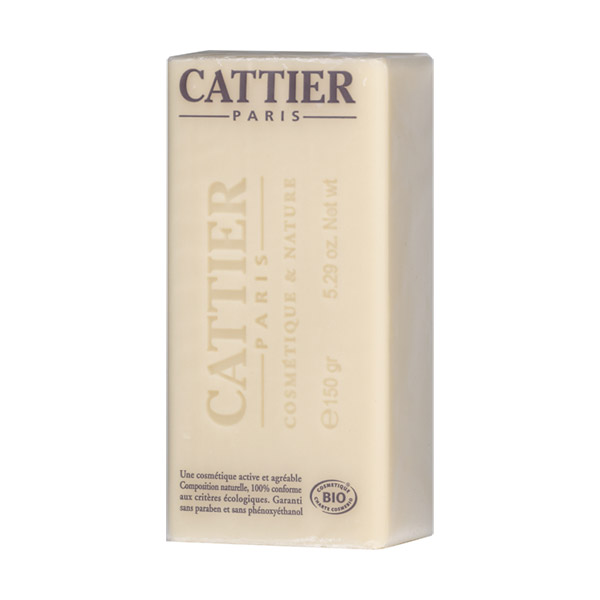
2.-Avoid packaging and use recyclable cloth bags. When you go shopping, always carry a cloth bag. They fold easily. In order not to forget you, you can always carry a folded cloth bag in your purse, purse or backpack. You can also use a shopping cart. And by the way, your back will thank you. Avoid packaged products. Buy in bulk if you have the possibility to do so.

3.-Use natural products for domestic cleaning. You can clean the house, clothes and more with vinegar and other natural products. And you can make your own bars of soap, as we show you on our blog, and thus avoid the use of containers, taking care of the environment as well as natural soap is biodegradable and not only useful for your personal hygiene, but also for the domestic cleaning and laundry. It is also much more efficient in washing natural fibers of cotton, linen, etc …

4.– Avoid bottled water. And the thing is that many times, especially if we live in cities with chlorinated and bad-tasting water, we buy bottled water. In these cases, we recommend using filters to purify the water, as well as any similar method that serves to decontaminate or improve the taste of tap water. Also, we can use this same water when we are away from home by using a reusable bottle.

5.- And, of course, the three RRRs: Reuse, Repair and Recycle.

Many things, like books, clothes, and appliances, have a second life. Buy second-hand products. You can buy second-hand clothes at street markets which are very easy to repair with a sewing machine. So, before throwing away a piece of clothing, furniture or an appliance, ask yourself if there is a possibility of giving it a second life and recycling it.

Recycle and not just trash. Anything that does not serve us, can serve another person. Do not throw it away. Find out who you can give it to first. Ask your contacts or on second-hand sales platforms, which often have the possibility of putting up gift announcements. There are also Facebook groups, WhatsApp and other social networks to give things away in your area. Get informed!

6.– “Do it yourself”, which is the new philosophy and lifestyle of what is known as the American DIY movement.

The DIY movement is a re-introduction (often to urban and suburban dwellers) of the old pattern of personal involvement and use of skills in the upkeep of a house or apartment, making clothes; maintenance of cars, computers, websites; or any material aspect of living.

DIY has been described as a “self-made-culture”; one of designing, creating, customizing and repairing items or things without any special training. DIY has grown to become a social concept with people sharing ideas, designs, techniques, methods and finished projects with one another either online or in person.

DIY can be seen as a cultural reaction in modern technological society to increasing academic specialization and economic specialization which brings people into contact with only a tiny focus area within the larger context, positioning DIY as a venue for holistic engagement. DIY ethic is the ethic of self-sufficiency through completing tasks without the aid of a paid expert. The DIY ethic promotes the idea that anyone is capable of performing a variety of tasks rather than relying on paid specialists.

We think this blog is a good example of a page that we have created ourselves where we provide recipes so that other people can also make it.

And we hope you found this article interesting. If you can think of more things, let us know in the comments so we can post them 😊


DEPIGMENTING SUBSTANCES VERSUS ANTIOXIDANT SUBSTANCES

When looking for a natural depigmenting cream with the right ingredients it is difficult to know if antioxidants will fulfill their function as well as specifically depigmenting substances.

And to advise oneself to prepare one’s own cream or depigmenting serum, research can become an important task given the wide range of theoretically clarifying substances that flood us everywhere.

And it is that, although preparing a cream to moisturize our skin daily with natural elements is something relatively easy, it is not the same to try to prepare a depigmenting cream that is natural and that also works without attacking the skin.

Even out the tone of our skin face is something demanded, and increasingly in a more sustainable and less aggressive way. Everybody wants to wear a beautiful skin without spots that age our appearance.

THE ORIGIN OF SKIN SPOTS

-Most pigment spots are caused by excessive exposure to the sun (solar lentigos). So they tend to appear in greater numbers in the parts of the body that are most often exposed to the sun such as the hands, face and arms. They are usually small and with a dark tone.

-We will highlight a very common pigmentary spot in pregnant women and in women who take contraceptive pills. These spots are called melasma or chloasma and are caused by a hormonal change.

-They can also be caused by some type of trauma, either by a cosmetic procedure, laser type, chemical peels, even a juvenile acne can cause a dark spot on the skin that can last over time and produce an injury and is when post-inflammatory lesions appear, by healing the injury.

AND ITS MANIFESTATIONS

Whether they are age-related spots such as solar lentigos, or spots caused by acne inflammations, or spots due to hormonal changes (melasmas) that all women go through in their lives; hyperpigmentation manifests itself in the skin due to an excess of melanin production, which is a natural pigment found in the skin, hair and iris of the eyes, and which is formed from the oxidation of tyrosine.

This production can be altered for several reasons. Normally, melanin is produced naturally in our body as a defense mechanism against UV rays produced by the sun, and acts as a natural sunscreen. Therefore, depending on our skin color, eyes and hair, we have a skin phototype I, II, III, IV, V and VI, from the lightest to the darkest.

As we said, there are several types of hyperpigmentations originated by different reasons:

1.-FRECKLES, for example, are in most cases of genetic origin and usually appear on light skin on the parts of the body most exposed to the sun.

2-SOLAR LENTIGO: They are hyperpigmentations with a round and flat shape, of small size. They are spots of shade between yellowish brown and dark brown, reaching black. They are produced by an excess of production in the synthesis of melanin. They are located in areas exposed to the sun and stimulated by UV radiation.

3-MELASMA: It is usually located on the forehead-nose, cheeks and nose and lower jaw. It is usually due to a hormonal factor such as pregnancy (second month), estrogens and progestogens, ovarian dysfunction and thyroid dysfunction, together with solar radiation. Melasma is aggravated by sun exposure. When there is an increase in the number of melanocytes, we call them nevi or moles, which are of variable size and shape and have a dark, even black color. If they appear with a very exaggerated growth, exudation, itching, pain or inflammatory signs, it is necessary to consult directly with the doctor, to rule out other diseases or that they worsen.

In this blog we are dedicated to natural cosmetics and from this theoretical framework we want to analyze all the possibilities that “slow” natural cosmetics offer. To do this, we will start by clarifying the possibilities that conventional cosmetics offer.

Conventional cosmetics use many types of substances to lighten facial blemishes and even out the tone of our skin.

CONVENTIONAL TREATMENT OF HYPERPIGMENTATION

Conventional cosmetics treat hyperpigmentation with depigmenting substances that attenuate or make disappear the spots produced on the skin by melanin.

Depending on the type of blemish on the skin and the depth of that spot, one type of depigmentant or another is chosen. If the stain is more superficial, it is easier to remove, in these types of spots are used depigmenting hydroquinone type, kojic acid, tretinoin and glycolic acid.

In deeper spots a mixture of these acids plus glycolic acid is used. All these acids are contraindicated in times of pregnancy and lactation.

TYPES OF DEPIGMENTANTES according to Ferrer pharmacy in Valencia (Spain):

https://www.farmaferrer.com/blog/c/consejos/como-podemos-eliminar-nuestras-manchas-en-la-piel

HYDROQUINONE and derivatives: Hydroquinone acts by inhibiting tyrosinase whose usual concentration as a depigmenting agent is usually used at 2 and 6%. At higher concentrations it can cause many adverse reactions. Care should also be taken to apply the product only in dark areas, since, if applied in other areas, the depigmenting would also lighten them leaving the skin of the whitish contour.

A chemical peel with glycolic acid is usually associated with hydroquinone treatment to enhance the effect of hydroquinone. The treatment is slow and you have to spend at least three months, it is easier to treat light skin than dark, and the results are seen earlier, you also have to protect the skin with a sunscreen since that skin is more unprotected, for This is usually done in winter.

Once the treatment is finished, the use of hydroquinone depigmenting will continue with a discontinuous use pattern, but sun protection will continue to reduce the risk of possible recurrences. Sometimes 0.025% tretinoin is also used concurrently with hydroquinone.

ASCORBIC ACID OR VITAMIN C: Ascorbic acid, despite its low stability, since it oxidizes very easily, has a good depigmenting activity. It also works by inhibiting tyrosinase, which decreases the formation of melanin. Apart from having many benefits for the skin such as: tissue healing, fibroblast synthesis, reorganization of collagen fibers, providing luminosity, increasing the resistance capacity of blood vessels, reducing expression wrinkles, as well as the ability to promote gentle exfoliation and cell renewal.

AZELAIC ACID: Azelaic acid also has a depigmenting action since it inhibits the synthesis of tyrosinase. This acid is always more indicated in skin with rosacea and acne, therefore recommended in depigmentation caused by inflammation and infection of the hair follicles in oily skin affected by acne or in skin prone to seborrheic dermatitis.

KOJIC ACID: Its main action is the inhibition of tyrosinase. Other acids to highlight for their depigmenting action that we can find in the market are creams based on phytic acid, lipoic acid, ellagic acid, lactic acid, salicylic acid, azelaic acid, together with vegetable extracts derived from bearberry, licorice or mulberry. All of them in association with glycolic acid.

MELATONIN: Melatonin works by preventing melanin accumulations from forming, and unifies its distribution, reducing the formation of spots in the future. It is a powerful antioxidant, which reduces free radicals formed in the skin due to stress, pollution, etc.

GLUTATHION: Inhibits tyrosinase and melanin synthesis, as well as its deposits. It reduces free radicals, like melatonin, favoring the activation of tyrosinase with the subsequent increase in melanin.

FERULIC ACID: With a particular depigmenting value since it offers a photoprotective effect that prevents harmful UVA rays and harmful free radicals from penetrating the skin. In addition to reducing blemishes by inhibiting the production of melanin.

ARBUTIN: Action on melanin blocking tyrosinase. All skin types, especially skin with acne and sensitive skin or dermatitis such as rosacea, couperose, eczema and psoriasis.

TRANEXAMIC ACID: Inhibits melanin by blocking tyrosinase. It has lower range and potency than hydroquinone when used topically.

LICORICE: Prevents sun pigmentation and inhibits tyrosinase activity. The glycine it contains evens the tone through a better distribution of melanin in the skin. It is especially effective when combined with Glutathione, Melatonin, Arbutin or Kojic acid.

GIGAWHITE: Inhibits melanin by blocking tyrosinase, it is the substitute for hydroquinone in very sensitive skin that has little tolerance to hydroquinone in medium-high concentrations.

NIACINAMIDE (Vitamin B-3): Cellularly interferes with the activity between keratinocytes and melanocytes, reducing melanogenesis and thus the risk of spots. It does not inhibit melanin, but if the mechanism of action of melanocytes-keratinocytes so associated with other depigmenting, enhances its action and that of its associates.

ALPHAHYDROXY ACIDS (AHA): They are formulated at low concentrations since they promote light exfoliation by reducing the cohesion of the corneocytes and stimulating new growth in the basal layer. If they are formulated at high concentrations, they can cause very aggressive exfoliations.

The most commonly used AHAs are Glycolic Acid, Lactic Acid, Mandelic Acid and Ferulic Acid. They are usually combined in terms of their peeling power.

Mandelic Acid: It comes from bitter almonds and is an antibacterial depigmenting agent.

Glycolic acid: It is extracted from sugar cane. It is the most comedogenic alpha hydroxy acid and least compatible with dark skin. Not recommended for dark skin or with high phototypes. It is recommended to combine it with an antibacterial acid (alpha or beta hydroxy acid, such as salicylic or mandelic).

Lactic Acid: It comes from sour milk and other dairy derivatives. It is depigmenting especially at the level of chemical peels.

Malic Acid: Coming from apples, it is a light depigmenting agent that requires to be accompanied by another AHA and Magnesium to enhance its action.

According to this pharmacy, it is always recommended that the skin be protected with sunscreen throughout the year, but especially while undergoing a depigmentation treatment. In this case, it is necessary to use a sunscreen with a high protection index (SPF 50+), since in these treatments the skin is more sensitive to solar radiation.

THE LATEST RESEARCH IN VEGETABLE DEPIGMENTANT MOLECULES

https://www.ncbi.nlm.nih.gov/pmc/articles/PMC4623628/

“As tyrosinase inhibition is still the most sought-after mechanism of skin lightening, herbs having such property will show promise as depigmenting agents. Hence, they can be potentially employed as effective skin-whitening agents as well as for treating hyper pigmentation disorders.

The primary determinant of variability in human skin color is the density, amount as well as the distribution of Melanin pigment secreted by melanocyte cells in basal layer of the epidermis by a process known as Melanogenesis.

According to Ayurveda, skin whitening plants are the kind of herbs that interfere in the melanogenesis pathway through tyrosinase inhibition as per biomedicine. This shows their potential to act as good skin whitening agents.

Skin-lightening agents interfere in the melanogenesis pathway, melanin transfer or desquamation for lowering pigmentation on the surface of the skin, which generally acts by any of the ways such as Tyrosinase inhibition.

Apart from Tyrosinase inhibitors, Anti-oxidants and Vitamins such as A, B, C, E either directly or indirectly serve as skin lightening ingredients.

Some of the best known tyrosinase inhibitors are hydroquinone and kojic acid which interact with copper at the active site of the enzyme tyrosinase, thus decreasing its activity”.


 We, from our “slow” framework of natural cosmetics, will always try to use the vegetable substitutes of molecules with depigmenting active ingredients when making our homemade cosmetic products.


FOR VARIOUS REASONS:

Health reasons, if you have read the side effects derived from hydroquinone treatments are quite aggressive. Apart from requiring creams with high levels of photoprotection that, today, are based on endocrine disrupting chemicals. In other words, the use of these aggressive synthetic molecules such as hydroquinone, demands that to avoid greater damage we use other aggressive solar photoprotection formulas on a daily basis.

This is precisely the same situation that occurs with the aggressive drugs of conventional medicine, which require us to use other drugs to alleviate the damage and side effects of the former.

Reasons of environmental sustainability, since throughout our numerous posts and articles we have tried to show that drugs and products that cause environmental damage (such as sunscreen creams that damage marine corals or other chemical substances and synthetic fragrances that also cause damage for aquatic life and become pollutants difficult to break down) are the same ones that also cause damage to the body and numerous side effects.

And, of course, reasons of efficacy because if you have read carefully, hydroquinone not only needs long and prolonged treatments to produce an effect, but there are also darker-skinned people to whom hydroquinone ends up producing more spots on instead of clarifying the ones they already have.


REASONS THAT WE COULD SUMMARIZE LIKE THIS, in the words of Joel Yong, Ph.D. in biochemical engineering and researcher:

Because we don’t want to be suckered into paying for the costs of band-aid treatments that don’t deal with the root cause of what we’re facing. After all, the health sciences are heavily manipulated by human greed these days. Being careful of what we eat and what we put on our skin is highly necessary”.

So, for example, why do we need to use retinoic acid (or retinoids) with all its adverse effects of inflammation, erythema, itching and skin peeling if we can use a bakuchiol serum? or; better yet, daily use bakuchi oil (from which the active principle of bakuchiol is extracted) and which was traditionally used in India to treat the most serious skin diseases, such as leprosy.

In a 2014 study where the structure of both assets is compared, it is concluded that with different structures the same functionality is achieved.

https://onlinelibrary.wiley.com/doi/abs/10.1111/ics.12117

Subsequently, in a 2018 study conducted by the Department of Dermatology at the University of California, it was concluded that both bakuchiol and retinol significantly decreased wrinkles and hyperpigmentation, without many differences between them.

https://onlinelibrary.wiley.com/doi/full/10.1111/bjd.16918

The only difference found was the presence of more flaking or itching on the faces of people who used retinol.

And, why use malic acid as a depigmenting agent if we can use a cotton ball smeared with apple cider vinegar several times a day on our spots? As you know, apple cider vinegar contains malic acid in quantity, in addition to other alpha hydroxy acids.

Or better yet, a cotton ball smeared in lemon juice, which contains ascorbic acid (another AHA) …

Or, why resort to complicated and aggressive facials with glycolic acid (another alpha hydroxy acid, AHA, which is extracted from sugar cane) if we can very easily exfoliate our skin with cane sugar and oil?

In a previous post, we even described how to prepare a facial serum with ascorbic acid, that is, with a vitamin C capsule, and in a tremendously simple way.


cosmetic cream, oil, orange on a gray background


And not only that, conventional cosmetics makes little or no distinction between depigmenting substances and anti-aging antioxidant substances (anti-aging), which is rather the effect produced by antioxidant molecules. Probably for marketing reasons, since antioxidants seem to be more fashionable.

Logically, along with the skin rejuvenation effects, there are also effects of regeneration of the epidermis and uniformity of the tone. But, in the case of antioxidant substances, we would say that these are effects associated with the general skin rejuvenation effect, which is what makes these antioxidant substances so fashionable: vitamin C, vitamin E, vitamin B3 or niacinamide, vegetable antioxidants such as blueberry extracts or resveratrol …

And it is that substances such as ascorbic acid and vitamin E, antioxidants par excellence, manage to increase the photoprotection and barrier function of the skin itself …

https://scielo.isciii.es/pdf/ars/v59n2/2340-9894-ars-59-2-77.pdf

According to Celia Castaño Amores and Pablo José Hernández Benavides from the Department of Pharmacy and Pharmaceutical Technology of the University of Granada.

The antioxidant cosmetic active ingredients reveal their effectiveness in the course of cellular senescence, thanks to their ability to neutralize the harmful products that are generated. The joint action of ascorbic acid and vitamin E stands out. Others, such as retinol derivatives, carotenoids, vitamin B3 and flavonoids have been shown to have a beneficial effect”. Concluding these researchers: In order to treat and prevent skin aging, the application of active antioxidants is essential”.

BIBLIOGRAPHY:

Addor FAS. Antioxidants in dermatology. A Bras Dermatol. 2017; 92 (3): 356-362

Burke K. Mechanisms of aging and development: A new understanding of environmental damage to the skin and prevention with topical antioxidants, Mech Aging Dev. 2017

Poljšak B, Dahmane RG, Godić A. Intrinsic skin aging: the role of oxidative stress. Acta Dermatovenerol Alp Pannonica Adriat. 2012; 21: 33–36 to treat and prevent skin aging, the application of antioxidant active ingredients is essential.


However, depigmenting substances, in principle, are not anti-aging substances. Although, as we know, especially if they are of plant origin, they have many other associated properties, including rejuvenating properties, since plant molecules act synergistically, enhancing their effects between them.

Depigmenting substances of plant origin are molecules that inhibit the action of tyrosinase, such as the glabridin contained in licorice, and that have skin lightening properties that inhibit the production of the enzyme tyrosinase. As we know, this enzyme is the one that synthesizes the melanin that makes our skin darken after exposure to the sun. This substance is also known to prevent pigmentation that occurs due to UVB rays from the sun.

Or the arbutin derived from the leaves of bearberry or uva ursi, which is a natural depigmenting molecule that also acts by inhibiting the synthesis of melanin and which breaks down into hydroquinone when it comes into contact with our intestinal flora. However, it does not have the cytotoxic effects of synthetic hydroquinone, which makes it possible to use it regularly. It also has sebum-regulating, antiseptic and anti-inflammatory properties.

The liquorice extract can be obtained very easily by preparing an infusion in oil (or oleate) or, also, a hydro glycerinated extract. And, likewise, it is possible to obtain the active principle of arbutin from the leaves of the bearberry (or uva ursi), to make our own facial creams and serums.


This is the reason why knowing how to prepare extracts in natural cosmetics is so interesting. We can prepare an extract from almost any plant with cosmetic properties, only in some cases we will use the flowers, in others the leaves, as in this case, and in others perhaps the roots or seeds.

 If we want an extract to integrate into the oily phase of our cream or cosmetic preparation, then we will prepare an oleate with the plant in question as we have done, then with the leaves of the bearberry.

If we want to integrate it into the aqueous phase, we can prepare a hydroalcoholic tincture or a glycerinated extract. This example that we have taken from the internet is interesting because it shows us a special combination of hydroalcoholic glycerinated extract for natural cosmetics that we can easily integrate into the aqueous phase of our creams and serums.


EXAMPLE OF HYDROALCOHOLIC GLYCERINATED EXTRACT OF GAYUBA (uva-ursi):

We will use the following ingredients:

Gayuba: 20gr

Mineral or distilled water:33gr

Alcohol of 70º:33gr

Vegetable glycerin:33gr


The ratio will then be 1: 5 in a hydroalcoholic glycerinated extract, that is, an extract composed of plant, in this case gayuba, and solvent formed by water, alcohol and vegetable glycerin.

Just pour the ingredients into a glass jar and leave them for about 10-15 days in a cool, dry place, sheltered from light. We will shake from time to time to check that the solvent covers the entire plant. Then we will filter and you are ready to add in our cosmetic formulas.

We will add it around 7% in a cream of depigmenting effect.

As we said, we can also prepare an infused oil very easily with the dried leaves of the gayuba and a quality vegetable oil, and include it in our preparations.


EXAMPLE OF DEPIGMENTING FACIAL LOTION BASED ON GAYUBA OLEATE and cold infused because the sucre ester emulsifier allows it.

Ingredients to prepare about 100 ml of lotion:

5 tablespoons (10 grams) of hydrosol

4 tablespoons bearberry oleate

3 tablespoons of sucre ester

And a few drops of preservative and, optionally, some AE with depigmenting properties.

As you know, we like minimalist recipes with quality natural ingredients and selected active ingredients. Not by adding more ingredients the recipe will work better if the ingredients are not well combined or are natural.

We have seen many recipes for lotions, even formulated with sucre ester, that make life very complicated by adding a co-emulsifier to the sucre ester, or xanthan gum to thicken the solution, etc. It is not necessary if we add enough sucre ester. With this we simplify the recipe without reducing quality and make it accessible to everyone who wants to make easy and effective homemade cosmetics.

PROCESS:

1.-We will pour the oil into a bowl and then we will add the sugar ester, stirring very well with the rod. (If you see that it does not finish curdling, simply heat it a little in a water bath and you will see that it thickens very quickly).

2.-Now we will pour the hydrolate (we have chosen rockrose hydrolate, which combines very well in this anti-aging cream) and we will mix it vigorously for 2 minutes until the mixture begins to thicken and whiten.

3.-Finally, we will add the preservative, if we wish, to preserve our cream from microorganisms and, optionally, vitamin E or some treatment AE. Now we can bottle our moisturizing lotion.

We have chosen benzoin tincture as a preservative because we want it to also serve as an active principle to help unify facial tone.

We are going to use the tincture of benzoin, which we have previously prepared following Virginia’s guidelines, from natural tricks, in our facial lotion. And we are going to add it to 2%, which will mean about 20 drops of tincture, since the lotion that we are going to make has a total of approximately 100 ml.

Here we leave you the link to Virginia’s entrance in “trucos naturales” website, where she explains the clarifying and preservative properties of the tincture of benzoin:

https://escuelaherbal.com/benjui-que-es-y-para-que-sirve/

Plus, thanks to the benzoin tincture, our cream now smells delicious!


In a future post we will prepare a serum with niacinamide which, as we explained before, is a vitamin with very interesting antioxidant, anti-aging and facial tone properties.


Dihydroquercetin is also a depigmenting substance discovered in recent times and which has great potential since, in addition to being depigmenting, it is a powerful antioxidant.

This plant substance is an exception with great potential in the world of antioxidant substances and active principles for natural cosmetics. Dihydroquercetin extract, also known as taxifolin, is extracted from Russian dahurian larch (Larix dahurica) and is being used in natural cosmetics with great success given its comprehensive facial rejuvenation properties.

The molecule inhibits melanin synthesis measured in vitro more effectively than arbutin and kojic acid and is also a powerful protector against skin photoaging given its high antioxidant capacity, which in tests shows superior efficacy to vitamin E and resveratrol.

We, at the level of molecules of plant origin with depigmenting as well as antioxidant capacity, want to highlight the powerful effects of turmeric, available to everyone, and whose bioactive component, curcumin, has been recently proven (Ayurvedic cosmetics know this for millennia) that has anti-inflammatory and antioxidant properties that attenuate acne scars and dark spots.


BIBLIOGRAPHY:

A recent study found that turmeric essential oil can brighten the skin in three weeks. These brilliant benefits are likely the result of powerful antioxidants and anti-inflammatory compounds that work together to heal and enhance skin’s natural health.

https://www.sciencedirect.com/science/article/abs/pii/S0944711316302549?via%3Dihub

We know that the sun’s rays are the skin’s worst enemy, causing burns, skin cancer, hyperpigmentation and wrinkles. However, it has been seen that the powerful antioxidant effects of turmeric can help delay damage, thus acting as a potent anti-aging molecule.

https://www.sciencedirect.com/science/article/abs/pii/S0378874118305221?via%3Dihub

Anti-aging properties of Curcuma heyneana Valeton & Zipj: a scientific approach to its use in the Javanese tradition.


BATH AS MEDITATION

And a way to learn to love and take care of ourselves.

As our world goes global and cultures collide, there is a growing focus on happiness practices. Yoga, sound baths, drum circles, meditations, the list goes on. These practices can be life changing. But it is important that we treat daily tasks that we may consider “mundane” as an opportunity to grow as well. Taking a bath is one of those tasks that, if done with intention, can prepare us to experience greater happiness, self-love, and connection.

Meditation has been shown to promote happiness in those who practice it. However, there are many forms of flow that can be treated as a meditation. Taking a bath with salts is one of them.

Water, since ancient times has been highly valued for being the vital liquid necessary for the biological processes that make life on our planet, and speaking specifically of human beings, we need it to be able to carry out many activities. Without it, we simply could not survive. Water is vital for the processes at the cellular level that take place in our body and, it is well known, that our cells are made up of a significant percentage of this liquid.

This relaxing effect that water has on our body helps us fight stress and sleep better, in addition to reducing some discomfort that we may have at the muscular level, such as back and leg pain and it can also provide us with relief from joint pain. Although, when we take a shower we can feel these effects, there is nothing like immersing ourselves in a bathtub to feel them to the fullest.

This is due to the fact that by being able to submerge our entire body in water, the temperature acts globally and because of the position we can be more comfortable for longer. This type of hydrotherapy bath is called an immersion bath and many people like to use bath salts that also have specific effects on the body acting from the skin.


HOW TO TAKE A BATH WITH THERAPEUTIC SALTS PROMOTES A BETTER SLEEP

Lack of sleep and insomnia can cause a lot of negative symptoms including impatience, anger, depression, weight gain, decreased brain capacity and higher risk behaviors.

One way the bathroom can help us sleep better is through thermoregulation. Body temperature  can affect our energy levels throughout the day. Studies have shown that a hot bath or shower between 30 and 90 minutes before bedtime raises the core temperature, triggering a drastic cooling afterwards and promoting better sleep.

The lighting of the bathing area is also important for the quality of sleep. According to the National Sleep Foundation, artificial light after dark can suppress the production of melatonin, the sleep-inducing hormone, and make it harder to fall asleep and stay asleep.

Also, the magazine “CuerpoMente” collects this idea:  “An excess of light in the hours before the rest or during the night, the emissions of the mobiles and the electromagnetic fields, can also affect the production of the hormone. The color of light influences the secretion of melatonin. Blue light, which corresponds to a wave with short length, is able to suppress melatonin at low intensities. This type of light dominates the LED screens of mobile phones, tablets and TVs”.

https://www.cuerpomente.com/salud-natural/tratamientos/como-producir-tener-mas-melatonina_1676

It is therefore necessary for us to make sure that we use soft lights and that we stay away from mobile phones and screens a few hours before going to bed.


THERAPEUTIC BATH ROUTINE

Before starting our night bath, we will prepare everything necessary to go to bed immediately afterwards. For example, towels, skin care products, socks, slippers, and pajamas. We will charge and silence the phone. We will brush our teeth. In short, everything you need to leave the bathroom relaxed and ready to sleep better.

Even during the bath, it is possible to recite mantras that help us relax and empower ourselves:

I give myself permission to live more slowly.

I passionately indulge in this moment of supreme relaxation.

Everything I need to be happy is in me.

I deserve the love that I give to everyone else.

Finishing the bath with a self-massage is one more way to promote a positive message of self-esteem towards ourselves.


THE PREPARATION OF BATH SALTS

Nowadays it is possible to find different centers specialized in the sale of bath salts that have a wide variety of them; so, we can choose those indicated to treat different conditions, from skin fungus and irritation, to joint inflammation and other types of discomforts.

And we can also prepare our own bath salts as we like to do on our blog😊

To prepare a bath with salts, it is recommended that we fill the bathtub three-quarters with hot water and that we add one or two cups of salts to dissolve them. Next, we can add a little cold water to regulate the water temperature before we dive.

These salts can be prepared with essential oils that have different relaxing and stimulating properties, such as lavender, rosemary, roses, jasmine, chamomile, almond, mint, among others.

We suggest that to prevent your skin from drying out excessively, do not take baths with salts more than twice a week. Of course, you can also prepare salts and bath bombs with added delicious oils that will avoid this problem. Better yet, you can slather on your favorite body oil right out of the bathroom, before you dry off. The water will help your oil spread very quickly, providing you with a high level of hydration that will counteract the dryness that bath salts may have caused.


Sometimes, just a little extra virgin olive oil, if it’s what you have at home, can already solve the question since olive oil is emollient and softening and, due to its high level of antioxidants, turns out to be a good anti-aging oil.

To make basic bath salts we will only need:

1kg of coarse sea salt (it must be coarse), salts from the dead sea, etc, or it is also possible with a slightly lower amount of pink Himalayan salts.

Optional: * Food coloring (we can choose the color we want but we will have to add enough drops of it if we want it to have a little color).

Essential oils (they are the ones that will give smell to our mineral salts and provide therapeutic qualities. We will choose those that we consider appropriate to the situation we want to treat; it is always advisable that we do not exceed 10 to 12 drops).

Optional: * About 10 grams of dried flowers (for example rose petals) or other herbs such as dried lavender flowers, lemon or orange zest, etc …


Homemade bath salts step by step:

The first thing to look for is a suitable container for the process of making the salts. You can serve any glass container, typical of any kitchen, but always with a lid.

In this container we will add the coarse salt and little by little the drops of coloring. These drops will be responsible for giving this particular color that bath salts present. We will close the container and shake it until the coarse salt, little by little, has a uniform color.

Once we have the color, it is time to add the essential oils. After adding the drops of essential oils, we must shake our jar again so that the essence is evenly distributed throughout the salt.

After this step, it will be time to add our dried flowers or any other aromatic element that we want to incorporate into the homemade bath salts.

We will then let our salts dry for about a couple of hours. To do this, we will spread them on a tray.

When they are completely dry, we can put them in a nice glass container and leave them as decoration in the bathroom. In addition, if we use them in the bathroom, (it is also possible in a tub for the feet) we will enjoy completely homemade bath salts, with an aroma and texture difficult to find and interesting cosmetic properties.

As you can see, it is a fairly simple process, in addition, we can also make them as a gift, placing them in a beautiful pot we will get a most original and handmade present.


And if we want to prepare salts for their healthy properties, in this section we provide you with three different recipes. And it is that, according to the essential oils and herbs that we add to our salts, we will achieve one effect or another.


BATH SALTS PROPOSAL FOR TIRED AND SORE MUSCLES

If you have tired and sore muscles, we suggest the following bath salts recipe:

What you will need:

Cup and a half of Epsom salts

1/2 cup coarse sea salt or pink Himalayan salt

1/2 cup of baking soda

6-8 drops of Essential Oils to relieve muscle pain: Peppermint, clove, wintergreen and Helichrysum

Blue food coloring (optional)

PROCESS:

Mix the Epsom salt, sea salt, and baking soda until well combined. Add essential oils and food coloring (optional) for soap or food and continue stirring until the oil and color are evenly distributed. Store the salts in a large glass jar.

When you feel your muscles sore due to a strong training, also rheumatic pains, etc., you can immerse yourself in this salt bath that will undoubtedly help you to recover and sleep better.


DISTRESSING AND RELAXING BATH SALTS PROPOSAL WITH LEMON AND LAVENDER

If you are stressed and cannot fall asleep, these salts will help you to achieve it: The scent of lavender is calming and relaxing, and is often used in insomnia and stress reliever products. Lemon radiates a clean, fresh fragrance, and lemon oil is often added to skincare products to reduce the appearance of blemishes and increase circulation. The combination of lemon and lavender is an ideal complement in the bathroom when we want to guarantee a good night’s sleep!

What you will need:

3/4 cup Epsom salt

1 tablespoon pink Himalayan salt

1 tablespoon dried lavender buds (or 5 drops of lavender essential oil)

The zest of half a medium lemon (or 5 drops of lemon essential oil)

PROCESS:

If you wish, you can substitute 5 drops of lavender essential oil and 5 drops of lemon essential oil for dried lavender flowers and fresh lemon. Essential oils are very stable, so our salts will have a longer shelf life without fresh ingredients being replaced by essential oils. Logically, if we are going to use the salts soon, the fresh ingredients will add much more life and freshness to our salts.

Combine the Epsom salt along with the Himalayan salt, then carefully mix the lavender flowers and / or essential oil. Grate the lemon into the salts (or add lemon essential oil), stir, and then let it sit for about 20 minutes so the ingredients mix well.

You can now store your salts in a glass jar and use them by adding them to warm bath water to enjoy a stress-free bath.


ANTI-FLU AND DETOXICANT BATH PROPOSAL WITH GINGER AND ROSEMARY

The addition of dried rosemary and ginger powder to these salts is very suitable in cases of respiratory infections and fever, as it stimulates sweating, helps lower fever, and also provides powerful antibiotic principles such as gingerols from ginger and carnosol from rosemary. It is also indicated in cases of bronchitis and cough.

Ginger baths help increase circulation, warm us up in winter and fight our pain, colds or flu.

To these salts it is also possible, in case we really have colds, add essential oils of peppermint, eucalyptus and camphor. This synergy of oils, together with rosemary and ginger, will exert a very powerful action when it comes to lowering our fever and enhancing our defenses against winter viruses.

These salts are also very easy to prepare. Simply, we prepare a hot bath and pour out our already prepared bottle of salts, which will contain:

1 cup Epsom salt (or sea salt)

1 tablespoon ground ginger

2 to 3 tablespoons of dried rosemary

Regarding the antibiotic and decongestant benefits of rosemary, it is not necessary to explain anything else, as they are well known by all, that is why we wanted to endorse the benefits of ginger as a useful spice to “warm up” ailments due to winter cold:

Potential Ginger Benefits: Ginger has been found to be anti-inflammatory and helpful in treating rheumatic and arthritic conditions that feel better when heat is applied. Ginger helps warm and energize the body when you are cold and is therefore also a great help with colds and flu when chills and congestion are among the symptoms. It is also a great relief from stomach upset, nausea and vomiting caused by stomach viruses.

Here are just a few of the interesting scientific studies on dried ginger on PubMed:

Dried ginger and inflammation (PubMed ID 23935687)

Dried ginger and antioxidants (PubMed ID 26799205)

Plus dozens more studies on ginger (PubMed search dry + ginger)

It is important for us to know that if we have blood pressure problems, bleeding disorders, or are taking blood thinners or other similar medications; we may want to consult a healthcare professional before using large amounts of ginger in therapeutic doses.

As with all medicine, natural remedies are highly effective, but not harmless. It is advisable not to exceed the amounts and act prudently, especially because with a hot bath our body temperature can increase considerably and also the stimulating effect of all these remedies.

AYURVEDIC BEAUTY ROUTINES

Our mood and health is reflected not only in our skin, but also in our attitude to life and to others. That is why, when we talk about beauty, we do not speak from a superficial or aesthetic point of view, but as an attitude of life.

The secret of lasting beauty is not outside of us, but emanates from the depths of our body and mind. For Ayurveda, beauty is the projection of how we are internally, both physically, mentally and emotionally. And it is not, of course, to consume lots of products that assure us that they will work miracles in our body and in our skin, when, the truth is that that “magical” ingredient does not exist bottled.

All Ayurvedic beauty products that are applied to the skin are totally natural. For the most part, they are made with ingredients that we can easily find in any kitchen, and those that are somewhat less common, are just as easy to find. If we are also able to introduce certain daily routines on a regular basis, these products not only provide cleaning, hydration and nutrition, but also calm and eliminate tensions.

The principles of cleansing, nourishing and moisturizing apply to facial care.

According to Melanie Sachs, author of “Ayurvedic Beauty Care“, a five-minute routine like this is enough:

1.- Wash your face well with warm water. “Dead skin cells will absorb water like small sponges and swell, making them easy to remove,” she says.

Normally, Ayurvedic cosmetics recommend using chickpea flour or oatmeal paste with water to wash the face. Undoubtedly, they will not be bad for us, but if as many Westerners you are used to the use of soap all of your life, make sure it is a neutral soap, glycerin soap, or cold saponified soap, like those of the Cattier house (which leave the skin as the bottom of a baby), or those that we teach you to make in this blog, to prevent your skin from drying out excessively since soaps are very alkalizing in general.

If, beforehand, you need to remove your make-up, use a soft and natural micellar water or, better yet, a vegetable oil, as Sara Montiel (famous Spanish actress) did, who removed her make-up with the old-fashioned olive oil.


2.- Place a little running water or rose water in an atomizer and spray your face a few times to moisten your skin.

3.- While your face is still wet, apply a thin layer of jojoba oil to seal the moisture. According to Sachs, jojoba oil is the closest to skin fat, so it is very unlikely to cause irritation.

It is often thought that oil does not hydrate enough and that is better to use creams (which are also very good if they are natural or made by yourself); but it is not exactly like that. The oil moisturizes, it does not hydrate, and that is why in the previous step a hydrosol is used before applying the oil, and then, we have the perfect mixture! …

These herbs and vegetable oils that are used in the elaboration of creams, masks and other Ayurvedic beauty rituals are perfect foods for the skin. But beauty for Ayurveda goes beyond the skin, has to do with harmony, the balance between body, mind and spirit and proposes daily routines to achieve it through cleaning and internal nutrition, the use of spices, foods and oils favorable for each type of skin, rest, detoxification, yoga and meditation.

It is important to remember that the skin is the largest organ in the body, consisting of seven cellular layers and, in addition, each of these seven layers is directly related to one of the seven  dhatus (body tissues). Together, they are the main way to detoxify the body topically. According to Ayurveda, the skin is an important channel of secretion (elimination of toxins) and absorption of nutrients, regulates body temperature and produces a lot of endocrine hormones. It is the first line of defense against external attacks and reflects everything that happens within us.

Everything we put on our skin goes straight into the bloodstream, distributing throughout our body. For this reason Ayurveda tells us “don’t put anything on your skin that you can’t put in your mouth”.

We can say, then, that the state of our skin speaks to us of our state of health and that of our emotions. Its care not only brings us beauty, but is fundamental in our health, in the same way that we must take care of ourselves inside, both physically and mentally, to be able to radiate all our inner well-being. In short, we must take care of ourselves inside and out because they are parts of a whole.

The secret of absolute beauty is to live in harmony with our natural design and our base constitution, be it a Vata, Pitta, or  Kapha constitution:

Malnourished and dry skins (skins with predominance of Vata) need more earth, water and fire (more influence of  Kapha and Pitta).

Sensitive skins with a tendency to redness and dermatitis (skin with a predominance of Pitta) need more space, air and ground (more influence of Vata and Kapha).

Oily skins (skins with predominance of Kapha) need more fire, air and space (more influence of  Vata  and  Pitta).

NOURISH AND MOISTURIZE THE SKIN ACCORDING TO OUR CONSTITUTION

Prepare a body oil by mixing two tablespoons of almond oil with 10 drops of an essential oil indicated to your skin type:

To nourish and moisturize dry skin “vata”, we will use sweet orange or geranium.

To nourish and moisturize sensitive skin “pitta”, we will use jasmine or sandal.

To nourish and moisturize oily skin “kapha”, we will use lavender or bergamot.

Beauty is the perfect balance of the five elements that make up each person.

The way to achieve this balance is to find out what our base constitution is and follow some habits of life that allow us to stay in balance. We achieve this through the power of the flavors: sweet, sour, salty, bitter and astringent, since each of them also arises from the combination of the five elements and that will make our own elements hydrate, nourish, cleanse or simply rebalance. We will use one or the other, depending on what we need, both externally and internally.

Experts in Ayurvedic beauty agree: to cultivate radiant skin and a sense of inner balance you have to design a daily routine  with some activities that promote health.

DIET: In general, Ayurveda recommends a healthy and comprehensive diet (mainly vegetarian) for all constitutions. Fatty, fried, refined and processed foods, salt, sugar, seafood and red meats can cause skin problems, so it’s best to avoid them.

EXERCISE AND SLEEP HYGIENE:  Ayurvedic experts suggest exercising at least five times a week until you perspire along the spine and under your arms. Exercise promotes perspiration (which releases toxins from the body), increases circulation and calms the mind.

And going with a regular schedule of restful sleep like going to bed at the same time every night and getting up at the same time every day because, as Dr. Mehmet Oz explains in his book: “You: Being Beautiful“: “Sleep and exercise stimulate growth hormone, which promotes increased production of collagen and elastin to keep skin tight.”

PRACTICE YOGA TO HAVE RADIANT SKIN:  Incorporate a balanced practice of yoga in your daily routine (if we have not yet done it) improves lymphatic and blood circulation, tones the muscles and helps us connect with our breathing, three actions that improve our beauty to subtle, but important levels.

The recommendations, according to dr. Deepak Chopra’s Ayurvedic Center, also include drinking plenty of water and making our own cosmetics to moisturize the skin:

“-Know your skin type.

-Watch what you eat. If your body metabolizes food correctly you will increase your energy, avoid illness, have more mental clarity and your skin will look healthier.

-Enjoy a restful sleep. Light dinner, meditate before bed and lie down earlier to get up with renewed energy and glowing skin.

-Meditate to combat stress. Meditation is one of the best practices to reduce the anxiety and tension of the day, you will notice how you recover the shine in the look and in the face. Take a few minutes a day to breathe consciously and deeply. In addition to calming the nervous system you will improve the oxygenation of the skin and help it to purify.

-Drink plenty of water and moisturize your skin. We already know, but sometimes we forget that our body is composed of 60-70% water, so you have to drink abundantly to help the normal functions of the body (such as the elimination of toxins) and to return its good appearance.

-Make your own cosmetics to moisturize your skin. Choose a vegetable oil adapted to your skin (sesame for dry skin or almond for oily and normal skin) and massage yourself throughout the body without forgetting the head, neck, forehead, belly and soles of the feet. Your skin will regain elasticity, calm the nervous system and lubricate the joints.”

And it is important to lead a healthy lifestyle (which includes diet and activities), according to our constitution, but it is also important to pay attention to the quality of everything we consume, not only orally but also topically. In Ayurveda there is a saying that says, “Don’t put anything in your skin that you wouldn’t put in your mouth.”

Nothing better than cosmetics made by oneself to avoid introducing toxics into our body and to recover the natural shine of our skin. The raw materials with which we are going to make our recipes are important. A priori it seems very complicated, but, in reality, Ayurvedic beauty products are very basic and simple to make and, shortly after starting to use them, you start to notice how your skin is getting prettier.

Nowadays it is difficult to choose our cosmetic products since there are endless possibilities and, in addition, it is increasingly common to find labels that tell us that they are made with natural products of organic production. It is what in the article on “the movement of natural cosmetics ” we have called “greenwashing“, which is a strategy to sell more and better because consumers are increasingly more annoyed with the amount of chemicals that surround us and that are included in our shampoos, shower gels and other cosmetics and hygiene products.

The moment you ask yourself which cream to buy, stop and think if you understand and know the components that it carries, what they consist of, and if they are components that you could ingest without getting intoxicated.

Therefore, making your own cosmetics, in many cases with oils and ingredients from the pantry, will save your skin and the environment a lot of toxic chemicals.

We hope that these recommendations will inspire you and help you understand that the way to shine with all our splendor is much simpler than we think. 


We want in this article to highlight the importance of some beauty and skin care routines that, normally, it is not convenient for us to perform on a daily basis, but that have a decisive importance in the care and regeneration of our skin in the long term.

In our post “Feeding your skin inside and out we talked about beauty routines to keep our skin cared for and toned.

Thus, we expressed the importance of wearing face masks and exfoliants once a week to cleanse the skin of dead cells and regenerate it.

Facial exfoliation, and, if possible, body exfoliation with raw sugar and oil, is very interesting when it comes to regenerating our skin and standardizing the tone.

I also really like the body exfoliation with sea salt because it leaves my skin very hydrated and sea salt provides minerals and trace elements. However, I understand that exfoliating with brown sugar is especially interesting for the skin of our face since sugar contains a proportion of glycolic acid that chemically exfoliates the skin when it melts into the epidermis.

Just a tablespoon of a vegetable oil of your choice for a tablespoon of brown sugar. This combination can be applied directly by massaging well and then rinsing with water. After that, it would be great if you spread some serum or vegetable oil appropriate to your skin type.

If you prefer to prepare a container with exfoliant for a few occasions, an interesting ratio would be to use three parts of sugar for one of oil. Many people also like to add a small teaspoon of honey to enhance the regenerating effect of this combination.


And always, after a good body exfoliation, a massage with oils is very convenient.

Argan oil is anti-aging  and is perfect for all skin types, but we can vary the pleasures with hemp oil (avoids itching and redness) or apricot oil (tonifying), rosehip oil (regenerator), borage oils, macadamia or avocado(very moisturizing), or jojoba, and, perhaps, hazelnut oil if we have oily skin.

In any case, and as we always say, it is more important to massage yourself with a culinary olive oil if you have nothing else, than to use a synthetic body moisturizer.


According to the Charaka Samhita, massage with oils appeases the doshas, improves the complexion and shine of the skin, tones the muscles and acts as a natural moisturizer. For these reasons, he explains, Ayurvedic body massage is “one of the most effective means of slowing down the aging process of the skin…. It purifies, nourishes and tones the body at a deep cellular level.”

A few small gradual adjustments in our daily lives and spend more time taking care of us, can make us happier and healthier and, therefore, increase our beauty improving the way we see ourselves.