
THE ZERO WASTE MOVEMENT

WHAT IS THE ZERO WASTE MOVEMENT?

It is a new change in economic mindset brought about by the ecological revolution of our century. “Zero waste” is a concept, a trend and social movement that seeks to end the generation of waste that does not decompose and must be stored or incinerated.

This concept has been matured for a long time, but it came to the political fore when some cities and their respective municipalities proposed to delve into the issue and make it part of their political agenda. Some cities, such as Canberra or San Francisco were pioneers in applying this concept at the urban level.

The Australian capital was avant-garde in this regard, but it was San Francisco, in California, a city with 7 million inhabitants, who most successfully implemented this goal of reducing garbage. It was only in 10 years that they managed to reduce it to 50 %. Quite an achievement for such a large city and in one of the countries that consume the most and produce the most garbage in the world.

 

ALL THIS ON A GLOBAL LEVEL, BUT, ON A PERSONAL LEVEL?

Have you ever heard this litany? My printer has broken down, where can I take it for repair? And then, automatically, your partner, your parents, your friends, your neighbor, they tell you: if you repair it, it will cost you more than buying a new one.

Consumer capitalist society includes a feature of programmed obsolescence in the products it manufactures to force us to continue consuming and keep the wheel turning.

Source Wikipedia: “In economics and industrial design, planned obsolescence (also called built-in obsolescence or premature obsolescence) is a policy of planning or designing a product with an artificially limited useful life or a purposely frail design, so that it becomes obsolete after a certain pre-determined period of time upon which it decrementally functions or suddenly ceases to function, or might be perceived as unfashionable. The rationale behind this strategy is to generate long-term sales volume by reducing the time between repeat purchases (referred to as “shortening the replacement cycle”). It is the deliberate shortening of a lifespan of a product to force people to purchase functional replacements”.

The aim of obsolescence is not to create quality products, but exclusively economic profit, taking into account the needs of consumers, nor the environmental repercussions on production, much less the consequences that are generated from the point of view of the accumulation of waste and the pollution that they entail.

For industry, this attitude positively stimulates demand by encouraging consumers to buy new products in an artificially accelerated way if they wish to continue using them.


A BIT OF HISTORY

The first product affected by programmed obsolescence was the incandescent lamp. One of the first prototypes has been in operation since 1901. Thomas Alva Edison, created a prototype with duration of 1500 hours. The success was resounding and several companies dedicated to its manufacture appeared. At first the goal was to create more durable bulbs; however, everything changed when they teamed up to create the Phoebus Cartel which established a maximum duration of 1000 hours of use and penalized manufacturers who violated the new rule.

At that time, consumer awareness and ecological awareness of rights was practically non-existent among the population and businesses, so society at the time ended up tolerating this practice.

The initial stage of planned obsolescence developed between 1920 and 1930, when mass production began to forge a new market model in which the detailed analysis of each sector becomes the fundamental factor to achieve a good success. The origin is believed to date back to 1932, when Bernard London proposed ending the Great Depression through planned and law-bound obsolescence (even if it never took place). However, the term was first popularized in 1954 by American industrial designer Brooks Stevens. Stevens was scheduled to give a talk at an advertising conference in Minneapolis in 1954. Without much thought, he used the term as the title for his talk.

Another product that was affected was Nylon. In its introduction in 1938 it was presented as a strong and practically indestructible fiber. But sales subsequently fell because no one needed to replace the stockings, so Du Pont was forced to redesign the material to make it more fragile and retain sales.

Later in the sixties, new design and advertising techniques were devised to boost the consumption of new products. Thus, people were not forced, but convinced with avant-garde designs, novel features and new technologies. Gradually the concept of planned obsolescence was spreading among manufacturers, which was affecting the quality and durability of the products since then.

With the start of the new century, Apple’s iPod device caused controversy due to its irreplaceable short battery life. Another notable scandal involved the iPod digital audio player made by Apple Computers.

Using stencil signs that read “The iPod’s irreplaceable battery lasts only 18 months,” a warning was painted about iPod advertisements on the streets of Manhattan. The film was published on the Internet on September 20, 2003 and in six days it was viewed more than a million times. It quickly attracted media attention and the controversy was covered worldwide by more than 130 media outlets, including The Washington Post, Rolling Stone, Fox News, CBS News and BBC News.

Apple officially announced a battery replacement policy on November 14, 2003 and also an extension of the warranty on November 21.

On January 8, 2018, the French Public Prosecutor’s Office opened an investigation against Apple for alleged programmed obsolescence of certain older iPhones, subjected to periodic updates of the iOS operating system. The judicial action had its origin in a complaint of the organization of users and consumers “Stop the scheduled slowdown”.

Two documentaries by Cosima Dannoritzer have reflected in Spanish the aspects derived from the planned obsolescence: Comprar, tirar, comprar (2010) and La tragedia electrónica (2014). Source Wikipedia.

Biological obsolescence

Companies like Monsanto produced genetically altered seeds that become sterile and useless once they have given the first harvest, the so-called Terminator seeds14 produced using GURT technology (English acronym for Group of Use Restriction Technologies), meeting a rejection by authorities and farmers.

Drug obsolescence

Most drugs contain chemical components whose shelf life is limited; however, some laboratories reduce the expiration date of the drugs they produce in order to obtain greater profits in the health business, causing patients to discard supposedly expired drugs to acquire new ones.

Despite being true that after the expiration date, there are drugs which could develop some type of degradation of the product into toxic and harmful agents, most really only develop a loss in the efficacy of the drug without seriously damaging the health of the person. In addition to this, the expiration date of all drugs is made under accelerated physical-chemical stability studies, that is, under conditions unfavorable for the consistency of the drug (high temperature, humidity, lighting) which helps to decontextualize the time of study. The Medical Letter ensures that most of the drugs sold retain their potency by 70% –80% in the first ten years after they are produced.

On the other hand, the pharmaceutical industry prefers to investigate palliative drugs or drugs that make a disease chronic to those that simply cure it. Molecular biologist and Nobel laureate in physiology and medicine Richard J. Roberts stated that: “The best example is Helicobacter pylori. Barry Marshall and Robin Warren discovered that these bacteria caused ulcers, not just acid. The industry tried to eliminate the investigation. If there were drugs that killed cancer cells by immunotherapy, they would be very difficult to market: if you stopped cancer altogether by taking it two or three times, where would the money be?”

Another different case is the, for the pharmaceutical industry, very lucrative addiction to opiates under the cloak of painkillers. In the US, opioids related to heroin have been legally prescribed as dangerous pain relievers to combat the pain of some conditions (OxyContin, introduced in 1995, is composed of thebaine, three times stronger than morphine; sales were already in sales (2001) by 1.6 billion dollars, higher than that of Viagra, and represented 80% of the company’s profit), creating, first, a lucrative drug addiction, and, later, drug addiction to other psychotropic substances, to the point that the United States They had to declare a public health emergency in October 2017 due to the deaths that occurred, more than those in the Vietnam and Afghanistan wars combined.

In 2019, 500 cities in the United States had to publicly sue the powerful pharmaceutical company Purdue Pharma, owned by eight members of the billionaire Sackler family. And a similar case is that of other pharmaceutical companies with Vicodin, Percocet and Fentanyl. In 2016, more than 60,000 people died in the United States from opioid overdoses.

Obsolescence of electrical and electronic components

The procedure is usually as follows: one of the commonly used electronic devices fails. When the owner takes it to repair, the technical service tells you that it is more profitable to buy a new one than to fix it. Occasionally the price of labor, damaged parts and assembly often cost a little more than buying a new one. Therefore, the user usually discards the damaged product and buys a new one. This occurs in some digital components of the computer such as the printer, optical disc drives, LCD or LED monitors, motherboard or the microprocessor itself.

Obsolescence of household appliances

Sometimes the older is more resistant than the modern. It should be mandatory to standardise parts and to be able to cut machines, which would solve many problems. Now (2021), the mid-range car is made to last about 200,000 kilometers, which can extend its lifespan to 400,000 if you pass periodic reviews and take care of yourself. Stockings, socks and other textile products are often conditioned on their duration by seams and other textile treatments. The average duration of a refrigerator is twelve years, but there are those that only last eight or that reach fourteen; the average duration of a dishwasher is 11 years; the microwave has an average duration of nine years, but there are those that last twelve or thirteen; a washing machine has an average duration of ten years, but a Miele lasts 16. The average of the dryers is eleven years, but again the Miele extend to 17. The half-life of an iron is six years. The average lifespan of a Smartphone and laptop is between 3 and 4 years. In the case of a washing machine, its longevity is around 11 years and if we talk about vacuum cleaners, most of them end up obsolete when they turn 8, although there are those that do not reach 5. Italy’s Competition and Market Authority fined Samsung 5 million euros and Apple 10 million euros for shortening the life of the products. According to independent studies by the OCU, Miele is the company whose appliances stand up for the most years in operation.

According to a report by the association Halte à l’obsolescence programmée and Murfy, a company specialized in the repair of appliances, the useful life of washing machines has decreased by 30% in eight years. In 2010, washing machines of all brands operated an average of 10 years. In 2018, his life span was of only 7 years. Furthermore, the report points out that manufacturers make spare parts for repairing these appliances inaccessible and very expensive. Especially parts that are known to be more susceptible to wear and require frequent replacement, such as the electronic plate of devices.

Software obsolescence

The programmed obsolescence in the software starts from the moment the manufacturer urges consumers to renew/update their version of the computer programs because it will not continue with their updates and the respective technical support (renewal of printer drivers, compatibility with other programs, solutions to unforeseen problems, security patches, update of the defense against malware, recognition of new applications, etc.). In this way, every ten years at most, the same product will be purchased again, adding capital gains to the manufacturer.

A software that does not enjoy regular updates will eventually suffer from obsolescence because it lagged behind digital technology by ceasing to develop applications for the program. Many times, these discontinued computer programs are called abandonware because their programmers purposely “stall” their own software in order to motivate the consumer to buy the new version because, although the new programs they introduce will be able to read the content of the previous versions, an old version will not be able to read the files of the new system. An example of this was the discontinuation of the Windows XP operating system by Microsoft which leaves the operating system on the road to obsolescence since as Microsoft communicates, continuing to use Windows XP could present vulnerabilities in the security of the computer to threats such as viruses despite the fact that at that time, 30% of the PCs in the world were still using it and the replacement program did not contribute anything really substantial. Even so, it is still used in devices such as ATMs and medical devices.

Food obsolescence

It has to do with expiry dates and with the use of addictive additives or food drugs. As for the former, it is common to find a ‘best before date’ in packaged foods instead of the expiry date. And it is because food continues to preserve over time the majority or integrity of its nutritional and sanitary virtues, but not its appearance, texture, aroma or color. However, this is enough for food to be thrown away and others to be bought.

The economist of the theory of degrowth Serge Latouche points out that it is also a strategy of programmed obsolescence frequent in the consumption of dairy and yogurts, but also in that of any other packaged food. The use of preservatives, dyes and other short-cycle excipients in packaging also has this function. Tons of food end up in the trash because of poor quality guidelines, overly strict aesthetic standards or bad habits and planning.

On the other hand, some beverages and foods have among their components slightly addictive substances (addictive additives) that create an additional commercial need for the product, especially among genetically predisposed people. A study by the University of Michigan indicates that there are specifically foods that cause dependence or mild addiction, and the first three are pizza, chocolate and bag fries. The causative substances are refined sugars and sweeteners and flours, mainly; also, products too salty. They create neurological changes similar to drug addiction circuits, related to the reward system and also to incretin hormones, especially in childhood, programming routines of necessity that in adulthood remain more difficult to correct and are more profitable. Dairy breads (including whole grains, pizza, biscuits, hamburger bread), light yogurts (with fruit pulp, with cereals), the same breakfast cereals, coffee, industrially made meals.

Coca-Cola had at first in its composition tiny amounts of cocaine that guaranteed a mild psychological dependence from 1886 until it began to eliminate it from its formula in 1903 and definitively in 1929.

PLANNED OBSOLESCENCE CAUSES MULTIPLE WASTE AND POLLUTION

One of the serious problems caused by this practice is the overproduction of e-waste. The goal of planned obsolescence is economic profit. That is why other objectives such as the conservation of the environment take second place to priorities and serious damage can be done to it.

The lack of proper management of manufactured products that become obsolete is a source of pollution. A vast number of these are not biodegradable, and the time that elapses until decomposition is considered to have occurred, at least partially, can be very long. In addition, waste is often highly polluting. This has a negative impact on both the integrity of the environment and the health of its inhabitants when it is known that waste electrical and electronic equipment (WEEE) contains recoverable materials, which would prevent the exploitation of new natural resources.

Planned obsolescence is a consequence of the contemporary economic production system, which promotes growing consumption. Therefore, the long-term sustainability of this model is disputed. In addition, developing countries are being used as a dumping ground for all these unusable products; this is leading to considerable pollution and destruction of the landscape in thesecountries.

Source Wikipedia.

 

BUT FOR HOW LONG WILL THE WHEEL OF CAPITALISM CONTINUE TO TURN?

Climate change brought about by our industrial society is drowning our forests, burning them and causing floods and other weather disturbances that are hitting all of us.

Recall the words of ecological activist Greta Thunberg three years ago: “People are suffering. People are dying. Entire ecosystems are collapsing.”

And the ecological footprint that we developed countries endure is increasing every year that comes in.

“The ecological footprint is a method promoted by the Global Footprint Network to measure human demand on natural capital, i.e. the quantity of nature it takes to support people or an economy. It tracks this demand through an ecological accounting system. The accounts contrast the biologically productive area people use for their consumption to the biologically productive area available within a region or the world (biocapacity, the productive area that can regenerate what people demand from nature). In short, it is a measure of human impact on the environment” Wikipedia

The concept was created by William Rees and his then student Mathis Wackernagel in 1996, which analyzes the patterns of resource consumption and waste production of a given population.

It measures the area needed (calculated in hectares) to produce the resources consumed by a citizen, an activity, country, city or region, etc., as well as the area needed to absorb the waste it generates, regardless of where these areas are located.

It is an indicator to know the sustainability of human activities. It determines how much land and marine space is needed to produce all the resources and goods that are consumed, as well as the surface to absorb the debris that is generated, using current technology. The advantage it has is the possibility of making comparisons.

For example, the subsistence economy is known to weigh little in terms of ecological footprint. And it is not that we all return to this subsistence economy, but it is that we manage to limit the unstoppable increase in the ecological footprint that our industrial society is producing.

Currently, the ecological footprint of each human being is 2.7 hectares. However, our planet is only able to grant each of its inhabitants about 1.8 hectares (WWF2012).  This difference indicates that each of us uses more space to meet our needs than the planet can give us.

The activities that have had the most impact on the growth of the world’s ecological footprint are the burning of fossil fuels, agriculture and livestock.

In a basically well-organized agrarian life without extensive monocultures, it is estimated that between 1 and 2 ha are approximately the necessary land to meet the needs of a family in a self-sufficient way. We are therefore over-consuming with regard to the capacity of the planet: we are destroying resources at a rate higher than their natural rate of regeneration.

It has been concluded that it would take two more planets like this for today’s 6,000 million human beings to be able to live all the way that, for example, the average French citizen lives, that is, in an industrial society based on the availability of fossil fuels. Source Wikipedia.

These conclusions make it necessary to distinguish between two fundamental elements:

-In today’s industrial world, impacts are produced on a planetary level.

-The ecological footprint has little to do with the physical space occupied by a human group. In this way, the ecological footprint of most developed countries far exceeds their own surface, since they extract resources and dump waste in places far away from their territory.

The didactic value of the ecological footprint concept resides in that it makes evident two linked realities that are beyond the reach of intuition. First, that the characteristic way of life of the richest countries on the planet cannot be extended to all its inhabitants.

Second, that a sustainable planetary economy demands from that same wealthy minority a reduction in their consumption; and also, their standard of living, to the extent that it cannot be compensated with an equivalent increase in the efficiency of production processes.

Against this background, it is necessary to make a more sustainable use of the planet’s natural resources and natural environment, among many other actions.

And the “zero waste” movement is one of these many necessary actions.


ZERO WASTE LIFE STYLE

The fight against planned obsolescence at the social level:

One of the ways to hinder it is through the creation of guarantee seals for products without programmed obsolescence, such as the ISSOP (Sustainable Innovation Without Programmed Obsolescence) seal, created by the FENISS Foundation (Sustainable Energy and Innovation Foundation without Programmed Obsolescence); whose products and production strategies meet the following requirements:

  1. Prioritize the purchase of raw materials and the contracting of services that are respectful with the environment, manufactured without planned obsolescence, and if you are a manufacturer of a product, manufacture it without planned obsolescence. Using preferably local and Fair-Trade products.
  2. Promote and disseminate the commitments adopted towards a more sustainable and responsible management model. Include clauses in contracts with third parties that prevent corruption. The ISSOP seal not only seeks the absence of programmed obsolescence, but also to protect the environment and the sustainable development of products.
  3. Contribute to energy improvement and emissions reduction, in order to reduce corporate ecological carbon footprints.
  4. Carry out the correct waste management.
  5. Promote the culture of socially and environmentally responsible consumption.
  6. Bet on an environmental responsibility for the preservation of the local environment.
  7. Promote equality and social integration and facilitate work, family and personal conciliation.


These proposals go through a change in the habits of everyone, from the production companies and governments themselves, to the consumers themselves; so that together we can find a balance that does not generate so much waste.

It is about developing products with greater recycling capacity, such as some brands that already opt for products with replaceable and reusable parts, or companies that invest in the research and development of formulas that avoid waste, such as the latest advances regarding bacteria that consume residual plastic.

Finally, different environmental groups have devised new alternatives to extend the useful life of products, such as Friends of the Earth who have devised “lengthening”, which is a directory of repair, rental, and exchange establishments. and buying and selling of second-hand items, in order to avoid this massive increase in waste.

POLITICAL AND LEGISLATION MEASURES

Ecuador approved in 2016 a law to verify that the products purchased by the State do not suffer from programmed obsolescence, which provides administrative and criminal sanctions for non-compliance. It is not clear, however, whether the legislation also applies to private individuals.

In France, the law on the energy transition and green growth (Law 2015-992) created the crime of “planned obsolescence”, which is punishable by two years in prison, a fine of 300,000 euros or 5% of sales annual company.

 

WHAT CAN WE DO AT A PARTICULAR LEVEL?

1.-Reduce consumption. Do you really need everything you buy? Reduce consumption and every time you go to buy something ask yourself: do I really need it?

2.-Avoid packaging and use recyclable cloth bags. When you go shopping, always carry a cloth bag. They fold easily. In order not to forget you, you can always carry a folded cloth bag in your purse, purse or backpack. You can also use a shopping cart. And by the way, your back will thank you. Avoid packaged products. Buy in bulk if you have the possibility to do so.

3.-Use natural products for domestic cleaning. You can clean the house, clothes and more with vinegar and other natural products. And you can make your own bars of soap, as we show you on our blog, and thus avoid the use of containers, taking care of the environment as well as natural soap is biodegradable and not only useful for your personal hygiene, but also for the domestic cleaning and laundry. It is also much more efficient in washing natural fibers of cotton, linen, etc …

4.– Avoid bottled water. And the thing is that many times, especially if we live in cities with chlorinated and bad-tasting water, we buy bottled water. In these cases, we recommend using filters to purify the water, as well as any similar method that serves to decontaminate or improve the taste of tap water. Also, we can use this same water when we are away from home by using a reusable bottle.

5.- And, of course, the three RRRs: Reuse, Repair and Recycle.

Many things, like books, clothes, and appliances, have a second life. Buy second-hand products. You can buy second-hand clothes at street markets which are very easy to repair with a sewing machine. So, before throwing away a piece of clothing, furniture or an appliance, ask yourself if there is a possibility of giving it a second life and recycling it.

Recycle and not just trash. Anything that does not serve us, can serve another person. Do not throw it away. Find out who you can give it to first. Ask your contacts or on second-hand sales platforms, which often have the possibility of putting up gift announcements. There are also Facebook groups, WhatsApp and other social networks to give things away in your area. Get informed!

6.– “Do it yourself”, which is the new philosophy and lifestyle of what is known as the American DIY movement.

The DIY movement is a re-introduction (often to urban and suburban dwellers) of the old pattern of personal involvement and use of skills in the upkeep of a house or apartment, making clothes; maintenance of cars, computers, websites; or any material aspect of living.

DIY has been described as a “self-made-culture”; one of designing, creating, customizing and repairing items or things without any special training. DIY has grown to become a social concept with people sharing ideas, designs, techniques, methods and finished projects with one another either online or in person.

DIY can be seen as a cultural reaction in modern technological society to increasing academic specialization and economic specialization which brings people into contact with only a tiny focus area within the larger context, positioning DIY as a venue for holistic engagement. DIY ethic is the ethic of self-sufficiency through completing tasks without the aid of a paid expert. The DIY ethic promotes the idea that anyone is capable of performing a variety of tasks rather than relying on paid specialists.

We think this blog is a good example of a page that we have created ourselves where we provide recipes so that other people can also make it.

And we hope you found this article interesting. If you can think of more things, let us know in the comments so we can post them 😊


WHY AYURVEDIC COSMETICS OFFER SUCH GOOD SKIN RESULTS

Unlike Western conventional medicine, Ayurveda is a comprehensive health philosophy that not only aims to eliminate the symptoms of a disease, but also seeks to balance the body and mind to prevent new ailments from emerging. For ayurveda, well-being and the absence of disease are the natural state of a balanced being.

With a holistic and comprehensive view of health, Ayurvedic medicine prioritizes diet and healthy lifestyles as the main sources of health and well-being. And it combines healthy life practices and habits with de-stress (or stress-preventative) rituals of massages, natural oils, herbal treatments, and natural skin and hair care, among other things.

Ayurvedic cosmetics makes the English concept of “skin food” its own motto and develops cosmetic products that claim to be food for the skin with extensive nutritional benefits because it understands that skin cells get feed like the stomach and also understands that the skin is a huge and complex organ that fulfills important functions within the human body and in the balance of the inner being.

Ayurvedic cosmetics, therefore, do not use chemicals or preservatives. The trend of organic in Ayurveda begins with feeding because when you feed yourself well you understand that the skin needs also to get nourished, and that if you do not want to eat herbicides you do not want to put them on your skin either. The Ayurvedics say that the skin is the largest tongue that has our body, and that if there is something that we cannot put in the mouth we cannot put it on the skin either.

That is why Ayurvedic cosmetics are better for the skin and also for the planet, as is the case with natural medicine. Both concepts are indissoluble. Natural health or cosmetics cannot be done with practices that impair environmental health.

Thus, the philosophy of Ayurvedic cosmetics is radically opposed to the philosophy of conventional Western cosmetics since it is based on a different idea of health that prioritizes well-being as something from the inside of the being and not as something from the outside.

For Ayurveda, and equally for the “slow” movement, beauty is a matter of integral health and personal acceptance born of the maturity of being.

From the different concept of beauty and health of both trends are born their developments and their intervention strategies in natural health and cosmetics.

The strategy to look beautiful of Ayurveda is to take care of yourself from the inside, eat healthy and hydrate well to have a pretty skin and, of course, use cosmetics and hygiene products with natural ingredients.

The strategy of cosmetics and conventional medicine, which understand health and beauty as something alien to being, is by nature invasive, since it is an external strategy.

Botox, acids, and silicone will help you look better, no doubt, but at the cost of what? These strategies minimize the problem in the short term, but will your skin look better in the long run because it has put acids on it or because it is hydrated from the inside? And will a woman feel better and more beautiful at 50 years old for wearing silicone on her lips or breasts or for learning to accept who she is?

DIFFERENCE BETWEEN CONVENTIONAL COSMETICS AND AYURVEDIC COSMETICS OR “SLOW” COSMETICS

We explained in our post on the “slow” cosmetic movement that the movement was founded in 2012 by the Belgian Julien Kaibeck. The “slow” cosmetic movement would almost totally coincide with the framework of Ayurvedic cosmetics and with this idea of “food for the skin” of natural cosmetics by means of which we avoid smearing on our skin something more than a food in itself.

And it would coincide with the vision of natural medicine about “the human being” as a being connected with the planet whose balance is impossible to achieve if we intoxicate and alter the environment. That is why the cosmetic proposal of the “slow” movement is clearly ecological.

According to the natural “slow” cosmetics movement: “Cosmetics must be formulated and packaged in accordance with environmental protection rules. Natural and unprocessed organic ingredients must be privileged in formulas, excluding any ingredient in synthetic chemistry, petrochemicals, animal exploitation or any other potentially polluting ingredient for the environment. Cosmetics must be formulated, sold and used in compliance with nature, animals and humans in all their complexity. We condemn cosmetic products that are disrespectful to humans, animals or plants. We support certified organic products, but also fair-trade products and homemade recipes.”

Just as conventional western medicine addresses the disease with invasive drugs and drug-based treatments with the intention of correcting imbalances and combating a problem, “commercial conventional cosmetics” share this same philosophy and produce products loaded with synthetic vitamins, chemical preservatives, silicone and other synthesis ingredients.

However, let’s also be careful with some herbal cosmetics that are supposed to be natural, or with some of those recipes and pages that make natural cosmetics loaded with vitamins and synthetic ingredients that are supposed to optimize the final product and where the result is just the opposite of the expected one.

Or, perhaps, can we understand that foods laden with preservatives and stabilizers on supermarket shelves are healthier than fresh, organic fruits and vegetables? These highly processed foods are, exactly, like synthesis cosmetics.

A natural cosmetics recipe formulated with natural ingredients does not need to add such a vitamin or such an acid because the cold-pressed natural oils contained in the recipe already have those vitamins and trace elements naturally. And you don’t need to add rare acids or preservatives because the meaning of a natural cosmetic product is not to store it for months, but to consume it fresh to better take advantage of all its qualities.

Have it clear, they are two concepts and two very different philosophies of building health and making cosmetics.

“Slow” cosmetics, like Ayurveda, understand beauty as a natural thing that comes from our inner being and understands that it is necessary to reconnect with nature and learn all that it has to offer to our own health and inner beauty.

DIFFERENCE BETWEEN AYURVEDIC COSMETICS AND HOMEMADE NATURAL COSMETICS

In principle, there would be no difference. Both share the same purpose of nourishing our skin and balancing it with natural ingredients.

The philosophy of Ayurveda also applies to cosmetics. This field seeks to enhance the use of natural products (based on herbs, spices, minerals and essential oils) to protect the skin and hair, enhancing the overall well-being of each person. Ayurvedic Cosmetics are based on its relationship with Mother Nature and with all that it can offer us.

Both share the idea that natural medicines and the natural health that balances us cannot be harmful to the planet. They understand that if something balances our being and our skin cannot be a product with toxic ingredients that go to sea and destroy aquatic life, as is the case with conventional medicine and cosmetics.

The only difference would be that Ayurveda, with a deep integral vision of the human being, distinguishes three types of metabolism or “doshas” different from those derived from the three types of skin that we talk about in Western cosmetics.

According to the Ayurveda, we are composed of three unique energies (also called Doshas): Vata (air), Pitta (fire) and Kapha (water and soil). In a state of balance, energies coexist in harmony; unbalanced, on the contrary, create an unease.

And from these three types of energies derive the types of skin that would broadly match the three skin types we distinguish in our Western context.

Kapha would correspond to oily and acneic-prone skin and hair.

Vata would correspond with dry and dehydrated skin and fine hair.

Pitta with mixed skin and hair, sometimes irritated, sometimes hypersensitive and with a reactive tendency.

And, according to this classification, the different formulations are prepared to balance each skin type.

Thus, for example, almond oil, rosehip or sesame are ideal for the biotype Vata, for its calming and soothing properties for dry or irritated skin.

Olive oil or argan oil are very beneficial for Pitta to nourish and protect the dermis from external changes.

Jojoba and hazelnut oils are perfect for the Kapha type for their regulatory and moisturizing sebum properties.

As Ayurvedic cosmetics are based on their relationship with Mother Nature, the ingredients used in creams, oils or soaps come from plants and plant ingredients. In these natural cosmetics, we never work with chemicals that may have harmful effects on the health of our skin.

One of the main ingredients in all compositions of Ayurvedic cosmetics are oils, both vegetables and essentials. These must be of first quality, taking into account the mode of extraction (in the case of oils, by cold pressure*), their packaging and the raw materials that make up them.

*One of the first factors that we will take into account when purchasing a vegetable oil, will be its extraction mode. We will always tend to use oils extracted by cold pressure. With this technique the oil is obtained by means of a paste squeezed at room temperature. Thanks to the cold pressure all the characteristics of the seed or fruit from which the oil comes are preserved.

In future entries we will better clarify what types of products and ingredients Ayurveda uses to re-balance the different skin types.

The common thread of this Blog

The common thread of this Blog is natural cosmetics and well-being.

It is important to establish a link between the beauty of our skin, our lifestyle and our emotions. Many times, the cause of a dermatological or hair problem is found in our lifestyle, the hygienic and cosmetic products we use or our diet. That is why in this blog we will also discuss diet and naturopathy issues.


In the “entry” about the “slow” cosmetics movement, we talked about how this movement emerged in 2012 in imitation of the “slow food” movement. The “slow” movement advocates a new way of living and understanding cosmetics more in relation to the cycles of life and our health as well as the health of our environment.

My purpose in creating this page is not to invent a new hobby, such as creating natural handmade cosmetics; although this is something that can also be very good. I came to this because of my dermatitis problems that forced me to study hard and invent new solutions. In this sense, the problem helped me to find a different path in my life. My idea when creating this page is, therefore, to help those people, more and more due to the “toxic crisis” who have realized that they need to live in a different way if they want to be able to solve their health problems. For some people the “toxic crisis” may be causing allergic asthma, for others MCS (multiple chemical sensitivity), and for others arthritic pain or even fibromyalgia.


Whatever your condition, also if you have come this far because you want to prevent a future health problem and learn to take care of yourself; you’ve come to the right place.

My philosophy will never be to elaborate complicated recipes that the people that have to work do not have time to prepare, but to facilitate the day to day of those people who are aware of the importance of getting rid of the chemicals that surround us to preserve our health and the environment.

If you are looking for a blog to learn complicated and sophisticated cosmetic recipes, I can recommend other links. If you are interested in recycling, taking care of the environment, living in harmony with natural cycles and attending to the “real” needs of your skin, you have come to the right place.

The links that I can provide on my blog to buy a product or ingredient have the sole purpose of making it easier for everyone to find the organic raw materials that they need to make a specific recipe, since on this page we will talk so much about the preparation of natural soaps, shampoos, household cleaners, deodorants and hygiene products as well as facial and body care creams and lotions.

And all this made with totally natural ingredients formulated in simple but effective recipes.

The philosophy of our blog is also based on the philosophy of self-containment and sustainability endorsed by philosophers specialized in bioethics such as Jorge Riechmann and that I cannot fail to mention in this blog due to the admiration that his work causes me and the capacity that his work has to outline the bioethical framework in which all the current reflections on health or natural cosmetics are framed.


WHO IS JORGE RIECHMANN?

Jorge Riechmann (1962-) is above all a poet from Madrid (with a German grandfather). In addition, he has a degree in Mathematics, a doctor in Political Science, and a professor of moral philosophy at the University of Barcelona since 1995.

He is the author of what he calls the “trilogy of self-containment”, referring to the fact that today’s serious ecological problems must be treated in terms of “responsibility (taking charge of the consequences) and self-containment (consciously trying to moderate our hubris)”, proposing that humans must limit our natural tendency to excess, consumerism, hoarding and living with our backs to the serious problems of our neighbor. We must, according to this philosopher, “learn to care for the Earth, sometimes treating it with the love of a gardener.” Ultimately, we must “transform” ourselves, to change society.

He keeps saying: “It is necessary to design demand management strategies (not only in sectors where the idea is already in common use, such as the use of energy or water, but also in others where this new perspective has not yet penetrated: transport, consumption of meat and fish, the use of mineral resources, etc.) in order not to exceed the limits of sustainability, while preserving freedom of choice as much as possible”. “In short, far from finding ourselves faced with the “engineering” problems of always getting more water, energy, food, waste disposal systems, etc., in reality we have above all to solve philosophical, political and economic problems that refer to collective self-management of needs and the means for their satisfaction.

This “trilogy of self-containment” is made up of three works: “A Vulnerable World” (2000), “All Animals Are Brothers” (2003) and “People Who Don’t Want to Travel to Mars” (2004).

In a “full world”, it is no longer a question of an (impossible) indefinite increase in supply, but of global demand management”. “Eat the World.” is a book on Ecology, Ethics and Diet, Ediciones del Genal (2005).

In this book Reichman asks that just as there is a “new culture of water” a “new culture of meat” should be created, since the consumption of meat implies:

Greater world consumption of cereals and water: “Today, more than 40% of the cereals in the world and more than a third of the fisheries catch is used to feed the excessive cattle herds of the countries of the North”. In the US, more than 70% of cereals are used for livestock and that amount would serve “to feed a billion people” (source: M. Bekoff). One kilo of animal protein requires an average of 40 times more water than one kilo of cereal protein.

More spending on humanized land: To plant these cereals and for so many livestock, space is taken away from Nature (including areas as precious as the Amazon jungle).

Hunger: An indeterminable percentage of world hunger could end if the production of cereals were better distributed instead of using them in feeding livestock.

Soil contamination due to intensive agriculture and livestock: Erosion of the land, contamination by methane and slurry …

Animal abuse: To cut costs, they are crowded into tiny spaces and caused excessive suffering, as described by Peter Singer in his “Animal Liberation” and in his renowned “Practical Ethics”. For example: 600 million birds slaughtered in Spain each year and almost 10,000 in the US Riechmann agrees with Singer when stating that the consumption of meat would only be “morally lawful” in the case of “animals that have been slaughtered painlessly, after having lived a decent life” (extensive cattle ranching).

Excessive medication to animals (even when they are healthy): hormones, antibiotics … that pass to consumers through the consumption of poor-quality meat (but cheap, which is what the market demands).

Health: The consumption of bad and / or abundant meat is a diet with excess animal fat that causes cardiovascular problems, obesity, diabetes and various types of cancer…. And this point is one of the ones that we deal with especially in this blog.

Health expenses: The health expenses derived from the consumption of meat have been calculated in the US and have been evaluated between 29,000 and 61,000 million dollars (47,000 million are the expenses of smoking).

To know more about this author:

https://www.classicspanishbooks.com/contemporary-spanish-poetry-jorge-riechmann.html

https://everipedia.org/wiki/lang_en/jorge-riechmann

http://worldcat.org/identities/lccn-n89665596/

In the same vein as the Spanish philosopher J. Riechmann, bloggers like the Argentine Raúl Mannise speak of the economic theory of degrowth. According to Raúl Mannise’s blog ecocosas.com, the principles of degrowth, according to the French philosopher Serge Latouche, are summarized as follows:

https://ecocosas.com/ecologia/teoria-del-decrecimiento/

Replace individualistic and consumerist values ​​with ideals of cooperation and human development.
Conceptually change the current lifestyle.
Restructure all production systems and social relations according to the new scale of values.
Going back to the local: this way we can reduce the impact of intercontinental transport and simplify production.
Redistribute wealth.
Drastically reduce consumption, simplify our lifestyle.
Reuse and recycle: But without programmed obsolescence trying to make the best possible goods in terms of duration and always thinking about their reuse and disposal at the end of the life cycle.

This theory of degrowth, as you can see, is not very different from what we call sustainable development, since, given the limitations of the Earth’s resources, it is unsustainable for all the nations of the world to try to reach the level of consumption of the countries. dominant.

Currently 20 percent of the planet’s population accounts for 85 percent of natural resources.

HOLISTIC HEALTH AND ENVIRONMENT

A UN report warns that major changes in society are needed to preserve balance in nature and on Earth. Humans are making Earth a broken planet and increasingly uninhabitable due to climate change, loss of biodiversity, and pollution. Therefore, the world must make drastic changes in society, the economy and daily life, says a new report from the United Nations.

https://elcorreodelsol.com/articulo/necesimos-hacer-las-paces-con-la-naturaleza-dice-la-onu

And why does the UN say this?

Because human beings are connected to the planet and our health and that of other living creatures depends on the health of the planet. This is the great beauty of natural and holistic health. The more you try to take care of yourself and eat more naturally, the more you take care of world health and planetary health in turn.

The title of the 168-page report is blunt: “Making Peace with Nature.” Unlike previous UN reports that focused on one issue, the new report combines three intertwined environmental crises and tells world leaders and societies what they need to change. It requires modifying taxes, reconsidering the objectives of economic production, energy generation, the way people move, fish and farm, as well as what they eat.

Without the help of nature, we will not prosper or survive,” said Secretary General Antonio Guterres.
“Our children and their children will inherit a world of extreme weather events, rising sea levels, drastic loss of plants and animals, food and water insecurity and an increased likelihood of future pandemics,” said lead author Robert. Watson, who has chaired previous UN scientific reports on climate change and biodiversity loss.

According to a report from the University of East Anglia:

• The Earth is on track to a further warming of 3.5 degrees from now (1.9 degrees Celsius), far more than the internationally agreed targets in the Paris agreement.
• Approximately 9 million people die each year from pollution.
• About 1 million of the 8 million species of plants and animals on Earth are threatened with extinction.
• Up to 400 million tons of heavy metals, toxic sludge and other industrial wastes are dumped into the world’s waters each year.
• More than 3 billion people are affected by land degradation and only 15% of the Earth’s wetlands remain intact.
• Approximately 60% of fish stocks are fished without limit. There are more than 400 “dead zones” without oxygen in the sea and marine plastic pollution has increased tenfold since 1980.

Ultimately all of this will hit humanity,” said biologist Thomas Lovejoy, who was a scientific advisor to the report. “It is not what is happening to the elephants. It is not what is happening to the climate or to rising sea levels. Everything together is going to impact us. ”

The planet’s problems are so interconnected that they must work together to fix them properly, Warren said. And many of the solutions, such as eliminating the use of fossil fuels, combat multiple problems, including climate change and pollution, he said. The report offers specific solutions that “should” be taken.

The report calls for an end to the use of fossil fuels and says that governments should not tax labor or production, but rather the use of resources that harm nature.
Governments continue to play more to exploit nature than to protect it,” Guterres said. “Globally, countries spend between 4 and 6 trillion dollars a year on subsidies that damage the environment.

Getting there means change on the part of people, governments and businesses“, said Inger Andersen, director of the United Nations Environment Program.

WHY DO WE BELIEVE IN NATURAL MEDICINE BASED ON FRESH FOOD AND HERBS?

In recent times, it is becoming increasingly clear that vitamin supplements and synthetic drugs do not work as well as whole foods and herbal medicines.

WHY VITAMIN SUPPLEMENTS DON’T WORK AS WELL AS FOODS?

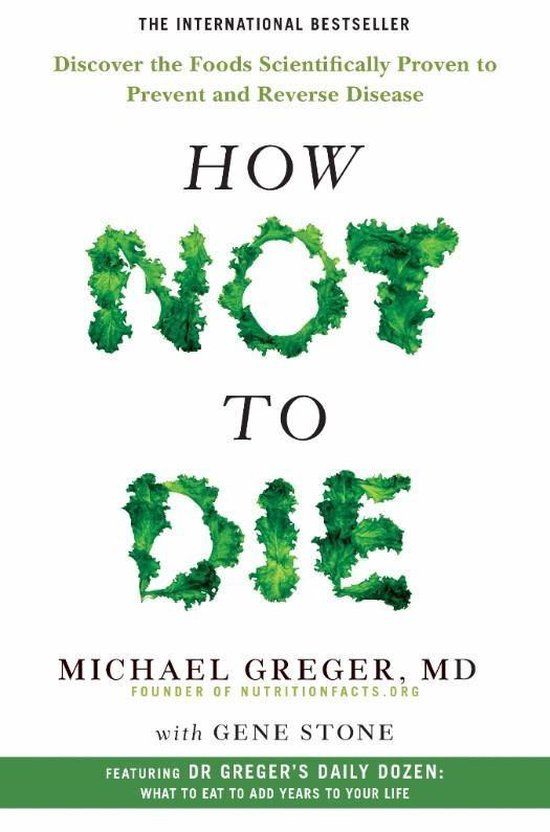
In Dr Greger’s own words from his book “How not to die”: “Consuming fructose, as nature intended, that is, in the form of fruit, has a beneficial effect. The fruit produces a gelling effect in the stomach and small intestine that slows down the release of sugars. Some specific phytonutrients in fruit appear to block the absorption of sugar in the intestine and thus prevent it from reaching the bloodstream.

Low-dose fructose may help control blood glucose, because eating a piece of fruit may reduce, rather than increase, the blood glucose response. What about people with type 2 diabetes?

Diabetics were randomly assigned to one group that could eat no more than two pieces of fruit a day, and another group was asked to eat a minimum of two pieces of fruit a day. The glucose level control of the first group was no better than that of the second. The researchers concluded that “fruit consumption should not be restricted in patients with type 2 diabetes.”

More recently, a group of researchers who developed a glycemic index concluded that following a diet based on fruits, vegetables and nuts that included about 20 daily servings of fruit for a couple of weeks had no adverse effects on weight, blood pressure or triglycerides, while reducing IDL (the “bad”) cholesterol by a staggering 38 points.

According to this doctor, diabetes can be prevented, stopped and even cured by following a healthy enough diet. “Unfortunately, doctors do not tend to educate their patients about how to prevent diabetes. Only one in three prediabetic patients reports that their doctors have recommended that they do more physical exercise or improve their diet. It is possible that some of the reasons for this lack of advice is that insurers do not financially compensate for the additional time that the consultation would take; the lack of resources; the lack of time; and lack of knowledge. The reality is that we do not train doctors to train the people they serve. The current medical educational system has not yet adapted to the great transformation of diseases, many of which have gone from being acute to being chronic. Medicine is no longer about fixing broken bones or treating pharyngitis. At present, chronic diseases such as diabetes are the leading cause of death and disability in Western countries ”.

Biopsies of the nerves of the legs of diabetics with severe progressive neuropathy have shown peripheral vascular disease in the sural nerve of the leg. However, within a few days of starting to eat healthier, blood circulation can improve so much that the neuropathy disappears. After an average of two years of following a vegetarian diet consisting mainly of rice and fruit, up to 30 percent of patients can regain vision lost as a result of diabetes.

So why don’t they teach any of this in medical schools? Because prescribing vegetables instead of pills doesn’t pay much. The study on the relief of neuropathic pain was published more than twenty years ago and the studies on recovery from blindness were published more than fifty years ago. As one commenter wrote, “That the majority medical community overlooks this fact is undoubtedly due to vested interests.”

Something similar happened with antioxidants. Antioxidant supplements do not appear to be of much help in preventing lung disease and activating the immune system. We cannot put the powers of Mother Nature in a pill.

For example, vitamin C was used to improve blood pressure because hesperidin in oranges and other antioxidant foods was found to be protective against strokes. With this in mind, the scientists set out to find the foods highest in antioxidants. Sixteen researchers from around the world published a database that captured the antioxidant power of 3,000 foods, beverages, herbs, spices, and supplements.

However, it was found that when subjects drank orange juice instead of hesperidin solution, blood flow improved even more than with hesperidin supplements. In other words, the stroke protection effect of oranges goes beyond hesperidin.

When we talk about food, it seems that the whole is usually more than the sum of its parts.

For the same reasons, it is being seen that resistance to certain viruses is being produced with the antibiotics of the conventional pharmacopoeia and; On the other hand, with natural antibiotics in the form of essential oils, the effectiveness remains the same.

The reason is that the conventional pharmacopoeia isolates the most effective components of a plant believing that this way the result will be more combative. But, contrary to what might be expected, the result is more aggressive, without a doubt, but not more effective because it happens that the other compounds that accompany a plant (and not only the component with antibiotic effect or the isolated vitamin), act in a synergistic way collaborating in the resolution of the problem that afflicts us in a surprisingly more effective way.

For this reason, it has been seen in different experiments carried out by scientists from the PCRM (acronym of the Committee of Physicians for Responsible Medicine, in English, and founded by Neal Barnard) on how a healthy diet can influence common diseases, which aircraft pilots who consumed more vitamin C from fruits and vegetables, seemed to be more protected against solar radiation (people who fly daily in the upper layers of the atmosphere have a greater risk of exposure to harmful solar radiation) than those who 500 mg of vitamin C were administered daily.

The conclusion of this experiment is that the antioxidants found naturally in food act synergistically and this is what tends to protect us, the combined and simultaneous action of many different compounds.

Isolated antioxidants, at high doses, which is what we find in supplements, do not have the same protection capacity.

Indeed, the pilots who ingested a cocktail of phytonutrients concentrated in various plant-based foods, such as citrus fruits, nuts, seeds, pumpkins and peppers, had the lowest levels of DNA damage in response to radiation with that the galaxy bombarded them daily.

Thus, the research team concluded that green leafy vegetables, such as spinach and kale, appear to outperform other fruits and vegetables in terms of this antioxidant and protective effect against solar radiation.


INTERESTING LINKS

Where to get the raw materials to elaborate cosmetics and higienic products?

When it comes to making our own creams, deodorants and household detergents, in a natural and biodegradable way, inevitably, we will need to acquire some ingredients and raw materials.

The objective of this page is to make it easier for readers to acquire these ingredients of natural origin. Many of these raw materials will also be possible to find on amazon, but since we do not receive any type of commission for our advice, we recommend some online stores that are dedicated exclusively to this and where you can find more competitive prices and shipping costs. , apart from top quality natural ingredients and materials.


In the north of Europe there are interesting stores to buy raw materials for natural cosmetics, like these German ones:


https://www.behawe.com shop, that you can also consult in English or French. Also, the skincare shop, although this one, unfortunately, you have to try to understand it in German: https://www.skincareonline.de  or also  https://www.cosmopura.de. And this one too: https://www.rosarome.de


In the NEDERLANDS:


You will find easily with a google search this store that offers good quality raw products: https://www.naturalheroes.nl

And also the dutch www.jojoli.nl store that distributes its products also in Belgium and Germany.

If you live in the Netherlands and understand a little French, I would also try the AROMA-ZONE store because it ships its products all over Europe at very competitive prices and they have good quality.
 

ABOUT ME

I like to read, I like to study, I like books and I’m generally quite self-taught and I suppose that says a lot about me. For someone who likes learning so much, the internet is a source of continuous fun because you can learn everything and that’s how I started to make my first cold saponified soaps through tutorials and videos that I found online.

Each person has to find the answer that best suits him or her at all times. My concern led me to find the answer through NATURISM.

More than an answer, naturopathy is a philosophy of life in which everyone ends up understanding that, in case it is not enough with what “we bring as standard”, we also have to ensure that unhealthy foods, environmental deterioration, chemical-laden hygiene products and toxic emotions do not end up drowning us in this battle to stay afloat in a balanced way. Battle that we all have to fight in one way or another.

The important thing is not to live longer, but to add quality of life to the years that one has to live. A life without health is not worth living, although this statement may seem a bit drastic. And this is why so many of us have embarked on the adventure of learning to truly care for ourselves. An adventure that has led us to discover that any way or possibility of prolonging our life and making it healthier begins with choosing a healthy diet.

The problem with the internet is that, although the information that we can find on any subject on the net is infinite; it is biased information that is completely dispersed and that is sometimes contradictory and, at other times, erroneous. Gathering all that information, classifying it, and discerning what is valid from what is not requires a lot of time and specialized reading. I think that it is not possible to order all this information if we do not expand it through expert readings.

That is why I started a long time ago with a lot of readings that, if you are interested in natural health, I highly recommend:

How not to die, Dr Michael Greger, http://www.nutritionfacts.org

The longevity diet, Dr. Valter Longo (Grijalbo, 2017)

The Vegetarian Bible, Sarah Brown (Integral, 2009)

The eternal secrets of health and rejuvenation, Andreas Moritz

Richard Gerber, Energy Healing. Robinbook

Energy of Health and Life. Scientific and philosophical bases of holistic disciplines / Víctor Manuel del Hoyo Arriaza

Eat to Heal, Dr William W. Li (Grijalbo 2019)

Petra Neumayer, Natural Antibiotics, Integral, Barcelona, ​​2000.

Stephen Ardo Buhner, Natural Antibiotics, Ediciones Obelisco, Barcelona, ​​2002.

Ma Bible des huiles essentielles, de Danièle Festy

Badoux, Dominique. Practical guide to family and scientific aromatherapy: my twelve preferred essential oils. Amyris Editions 2011

Kaibeck, Julien. Slow Cosmetics: recipes and beauty tips for conscious and natural cosmetics. Barcelona EDAF, 2014

For an intelligent cosmetic, Dominique Baudoux, Amyris editions, 2010.

Castelloti, Clara. The kit of the fairies. Madrid, Tikal 1999

Etc, etc, etc …


And it is that since what I thought was an atopic dermatitis became an MCS, I had to start rethinking my life if I did not want to suffer constant eruptions, indigestion, alopecia and a lot of things that derive from this reactivity towards the synthetic products (chemicals) that surround us everywhere.

* I want to make a point and clarify that natural is not the opposite of chemical. By definition all substances are chemical. Sometimes the chemical term is used in a pejorative way, when in fact it is meant to mean synthetic or artificial. Likewise, natural is not always synonymous of harmless.

Incredible as it may seem, all these disparate symptoms had a single cause, the chemicals present in the processed food we consume, in the hygiene products we use, in cosmetics, perfumes and other substances that, in some way, through the skin, the air, or the intake ends up in our bloodstream.

This problem led me to study and dive a lot online and I ended up discovering many very good pages and courses through which I learned how to make my own hygiene and cosmetic products, such as: VidaNaturalia’s natural cosmetics course, the course of Organicus mineral makeup, the course of natural saponified cold soap on the page of “how to make soaps”, etc …

Going to a face-to-face course or workshop, whenever possible, also has numerous advantages since you can consult all your doubts with an expert and obtain clear, certain, and immediate answers in addition to meeting many other people who share your same hobby.


Some links to the numerous and interesting pages that I have been discovering:

The spanish magazine Cuerpo-Mente; https://www.cuerpomente.com/

Spanish magazine Revista Integral.net;https://www.larevistaintegral.net/

The page about natural antibiotics in spanish: antibioticosnaturales.com; https://antibioticosnaturales.com/

The page about dietetics of Montse Bradford; https://montsebradford.es/, also in english.

The natural cosmetics blog of Victoria Moradell, etc…

Aromatherapy’s blog of Antonia Jover en https://aromaterapiafamiliar.wordpress.com/

The Instagram account of racó de la bruixeta: https://www.instagram.com/racodelabruixeta/

And the pages of trucosnaturales.com and comohacerjabones.com where you will find a «saponification calculator» very useful to formulate the recipes of your cold saponified soaps.

We spend our days working to get money to be able to buy these products (processed food, cosmetic and personal and domestic hygiene products, etc.) that save us some time but ruin our health. However, all these products can be prepared at home in a healthier way.

The solution is not to stop consuming, but to do it more consciously. When we buy we decide the society we want, change always begins with oneself.

Another economic model is possible, a model that prioritizes sustainable development, renewable energy, collaborative and local consumption, fairtrade, organic farming, the consumption of fresh and healthy food … And framed within this new paradigm of consumption is “this healthy learning space” that tries to propose small gestures and “green alternatives” in our daily lives leading to a simpler and more harmonious lifestyle.

So, although my life path began with academic studies in psychology and pedagogy, and, for many years I worked as a teacher, now I dedicate myself to cosmetics and natural health.

I make myself all my cosmetic products, as well as personal and domestic hygiene products like shampoos, soaps, deodorants, makeup, detergents and natural soaps for the washing machine or for the daily cleaning of the kitchen.

Our idea is to continue growing and learning with the contribution of all Internet users. We want this page to be a source of information and self-help and for this we want to have your suggestions and comments.

Any comment that may be useful to us to contribute to content and ideas will be well received.


OUR PHILOSOPHY

For us, the skin is an extensive organ of our body that fulfills functions as important as protecting against chemical or toxic attacks from the environment and against pathogenic microorganisms.

In addition to acting as a filter against ultraviolet radiation, the skin also acts as a thermoregulator of the hydro-electrolyte balance of body fluids, maintaining and regulating body temperature.

The skin is directly connected to the most important nerve centers in the brain to transmit touch, pressure, temperature and pain through receptors and nerve endings; and good proof of this is the transcendental connection that nerves and skin diseases have. This connection is very evident in dermatitis and diseases such as psoriasis, although, without having to resort to the pathological, it will be enough for us to think about the ease with which we can blush when faced with an embarrassing situation or how easily we have to sweating excessively when we are nervous about some cause.

For all these obvious reasons, we consider that the skin deserves the same treatment as the rest of our organs, and that if for our body a diet based on saturated fat, processed food and animal protein is not the most advisable, it is not advisable to use products processed in a laboratory to nourish and care for our skin.

Following the Ayurvedic philosophy, “never put something on your skin that you cannot eat” and following the philosophy of yesteryear and of great specialists in dietetics of today’s society such as: Michael Pollan, author of the “Omnivore’s Dilemma” who as a dietary indication subscribes: “If it comes from a plant, eat it, if it was manufactured in a plant, don’t eat it”; or the authors of the plant-based diet “The Plant-Based Diet” book; or “the diet based on whole foods of plant origin” that Dr. Michael Greger promotes from his Nutritionfacts.org page and in his famous book “How not to die” …we subscribe to this idea of “nutrition for the skin”.

WHY NATURAL COSMETICS ARE HEALTHIER?

Pollutants and agents of chemical origin in the air we breathe, in the food we consume, in the hygiene products we use, etc, have multiplied since the second half of the 20th century; as a result, today we are faced with an exponential increase in reactivity and intolerances.

You will have observed that the problem of allergies has grown exponentially in recent times. Currently, many women between 40 and 50 years old who have never had any type of allergy before now suffer from rhinitis problems when they catch a cold, dermatitis, allergic asthma and the list is extended with a long list of problems that many times we are not even aware. And not only women, of course, also men and children.

According to Dr. Alfons Malet i Casajuana, Medical Director of the AL-LERGO CENTER. “Allergic diseases are a worldwide public health problem. 30% of the world population is affected by one or more allergic diseases. In our country, one in four people suffers from some type of allergic disorder. And 25% of the child population suffers from some allergic process”.

Suddenly, our hair is greasy and falls out in an unusual way, or our head itches when we wash it and we think that it is due to the hormonal changes associated, perhaps, to premenopause conditions, or perhaps to the fact that we are stressed and that’s why we also have dandruff in our hair…

We do not stop to think that perhaps it may be because our shampoo contains very aggressive surfactants that are destroying the lipid layer of our scalp and that produce that over-greasing that causes us to get dandruff or to lose our hair.

And when our skin begins to itch and one day appears with redness and eczema, we think we have dermatitis and we go to the specialist, who will prescribe cortisone-based creams and chemical formulations, without stopping to think that maybe it could be due to some “expensive” cream full of paraffins and synthetic components that we have smeared, or some aggressive cleaning product with which we have come into contact.

As a result of what we have come to call “the toxic crisis”, by which pollutants and agents of chemical origin in the air we breathe, in the food we consume, in the hygiene products we use, etc, have multiplied in the lasts decades; today we are faced with this exponential increase in allergies and the reactivity or overreaction of our immune system, which is what allergies come to be, mostly.

We want to clarify that, although we are not at odds with conventional medicine, many times, our criteria may not be totally coincident. If you need medical advice, it is better to go to an allopathic medicine specialist. Our point of view, although it tries to unite both medicines under an integrative vision, opts for a holistic paradigm that is based on a vision of the universe as energy.

From this comprehensive vision of health, we want to dedicate this blog to the research and dissemination of a different way of living “in our skin” and in our environment. We seek a lifestyle more respectful with our natural environment and more in harmony with the natural cycles. Opening the doors, in this case, to a different life more in contact with the nature and with ourselves.

In this blog we will offer you recipes on health and natural cosmetics. Don’t stop following us!

WHY COSMETIC AND HYGIENE PRODUCTS WITH NATURAL INGREDIENTS?

Cosmetics and beauty products are a major source of chemical exposure for most of us. An average beauty product contains dozens of harmful chemicals, many of which have not even been tested on humans.

Fortunately, there are natural alternatives to every cosmetic product, and most work better than chemical-laden alternatives. I know what you may be wondering how you can find all the necessary ingredients and how much the investment will cost you.

It is true that natural ingredients cost more in advance, but they save us money in the long run because they are so versatile that can be used in multiple recipes.

Nor do you need so many ingredients to make a product that lasts a long time. And that is what I want to show on this page. It is possible with a few key ingredients to make plenty of recipes for homemade creams, shampoos, deodorants and gels.

What’s more, if you have reactive skin like mine, you will see that it is even necessary.
And if, on the other hand, you decide to buy a product from the parapharmacy to treat atopic skin, you may find yourself with the problem, as it happened to me, that after a while they change the product you were used to, or, worse still , its composition, in order to make it cheaper.

What I mean is that, with what you buy, it is impossible to control the process or the product, while what you prepare yourself can always be adapted to your real needs. And we can solve many of the hygiene needs of our skin and hair in a very simple way with products that we all have in the home pantry.

Thus, for example, it is very easy to hydrate and condition the skin of our face with a simple easy honey mask. To do this, we will spread warm honey on our faces and leave it for about 20-30 minutes. Perhaps with relaxing music. Afterwards, we will rinse it with warm water and, finally, cold water, to close the pores. Honey also works great as a mild facial wash that can be used every day.

To condition our hair, detangle it and give it shine after washing, we can simply mix one part of white vinegar with five parts of water (maybe less water if we use wine or apple vinegar that have less acid) and spray and rinse the hair. To the mixture we can add 5 to 10 drops of our favourite essential oil to give a good aroma to our hair.

If you have very dry or damaged hair and you want to condition it intensively, you can mix avocado and coconut milk or cream in a blender and apply it to dry hair. Let it act up to 30 minutes and rinse.

For oily hair, massaging baking soda on the hair before applying the shampoo and washing as usual can go a long way. Although, without a doubt, it is much better to prepare a shampoo for oily hair from the recipe we offer in a later entry. And it is not that complicated either!

Food allergies and diet

According to this same doctor Alfons Malet i Casajuana, Medical Director of the AL-LERGO CENTER, the allergies that have increased comparatively the most in recent times are those of food origin.

Montse Bradford also refers to this problem in her page (http://www.montsebradford.es): “More and more people are daily affected by some digestive disorder such as gas, diarrhea, constipation, long and heavy digestions, poor intestinal flora, incompatibilities with certain foods, weak intestines, heartburn, candida, indigestion” … Have you ever wondered why this list is getting longer and longer?

We have asked ourselves. As we have been talking about, dermatitis is due in large part to the use of creams and hygiene products with synthetic components that end up in our bloodstream. Allergic asthma is mainly due to pollutants and toxins in the air we breathe. According to this same reasoning, don’t you think that food allergies will have a lot to do with the diet of processed foods loaded with preservatives, thickeners, dyes, etc … that we consume today?

Expert Spanish allergists have published the following study: According to these experts, in 2050 “half of the population of developed countries will suffer from an allergy”.

Currently, one in four Spaniards is already allergic. A figure that is increasing and that will skyrocket between now and 2050, when experts predict that half of the population of developed countries will suffer from some type of allergy, that is, twice as much as now.

The study also describes a new profile of allergy sufferers in Spain: someone who is getting younger and younger (the lower average age is 16 to 12 years), with more rhinitis-conjunctivitis, less asthma and more food allergies. In addition, women are more allergic than men (they are 58%), except for allergy to hymenoptera (bee stings and other insects), in which they are seven out of 10.

Six out of 10 patients suffer from rhino-conjunctivitis: Nasal mucus, sneezing, nasal congestion and itching, in addition to tearing, itching, stinging, congestion and redness of the eyes are the main symptoms of rhino-conjunctivitis, the first disease and the way in manifested by six out of 10 allergy sufferers in Spain. Its prevalence has grown since the 2005 report from 55 to 62% of cases.

The second most common diagnosis is bronchial asthma, which however falls from 28 to 23.4%. The third reason is hypersensitivity to some medication, with 17.7% of cases, plus 10% in the case of food allergies. These also grow from the 14.4 and 7% of the cases they represented in 2005.

Food allergies double: In little more than a decade, food allergies have doubled, from 3.6% in 1992 to 7.4% in 2005 and 11.4% in 2015. Milk, fruit, eggs and nuts are the main allergens in the case of the little ones. Milk is the cause of 60% of allergies in children under two years of age (compared to 51% in 2005) and fruit in children slightly older (seven out of 10 allergies between seven and 10 years old, when in 2005 there were only three out of 10).

Children are more allergic than adults, since the prevalence of 20-25% of the general allergic population rises to 25-30% in the case of the smallest. Especially in the case of certain diseases, as the president of the SEAIC has underlined: “One in 10 children in Madrid has bronchial asthma, which has become the most important chronic disease in the Community of Madrid.” Despite this, asthma has generally decreased compared to 2015, while rhinitis and food allergies have increased.

According to this same study, it is added: “The cure of allergies, for now, is only possible in some cases and temporarily through vaccines. For its treatment, the most common formula is antihistamines, followed by topical nasal corticosteroids ”. We want to point out that this treatment is based on conventional allopathic medicine.

As we have discussed previously, our opinions are based on naturopathy and holistic medicine and it is very likely that they do not fully coincide. Our advice is that, if the reader is faced with a problem of this type, a good idea is always to consult, first, all the possibilities and, finally, decide which one is the best for us.

And not only food allergies, the type of diet we follow and our hygienic habits are increasingly being seen to have a huge influence on many chronic diseases increasingly more frequent in our current society such as irritable bowel syndrome, ulcerative colitis, fibromyalgia, celiac disease and other intolerances …

And if instead of allergies, dermatitis and other intolerances, it is cancer that worries us, it will be good for us to read the recommendations of the WHO (World Health Organization) in this regard:

Eating processed meat such as sausages, hamburgers or cold cuts increases the risk of cancer, as concluded today by a panel of experts from the World Health Organization (WHO). The opinion considers that this type of food is “carcinogenic to humans” and includes it in the group of substances most dangerous to health along with tobacco smoke, alcohol, plutonium or polluted air, among others more than 100 compounds previously analyzed ”. And they include it in risk group 1.

This organism also considers that red meat (beef, pork, horse, lamb, goat…) is “probably carcinogenic”, especially in regard to colorectal cancer, and considers it a type 2 risk factor.

REFERENCES IN ENGLISH:

https://www.who.int/news-room/q-a-detail/cancer-carcinogenicity-of-the-consumption-of-red-meat-and-processed-meat

https://www.thelancet.com/journals/lanonc/article/PIIS1470-2045(15)00444-1/fulltext

In our book, we intend to provide more information about the dietary implications of some of the most common allergies and skin conditions.

According to Clark therapy: Disease is not natural, but is the result of a toxicity crisis that occurs when the level of toxins in our body is overflowing. At this time, the disease occurs in an attempt by our body to rid itself of toxins and regain internal balance or homeostasis.

Toxins can have both external and internal origin. Toxins can originate from chemical additives in food, environmental pollutants, trapped metabolic waste, or poisons generated by bacteria that break down food debris from our guts.

Once the level of tolerance to toxins has been reached by our body, the alarm goes off and we begin to notice the first signs of pain or discomfort. Congested emunctory organs and elimination systems such as the skin, lungs, liver, intestines, kidneys, lymphatic system, and immune system come into play.

The immune system can even mobilize autoimmune cells and antibodies in order to reduce toxicity levels. During this reactive stage of the toxicity crisis, one may feel weak and without appetite as when having a fever since the body is using all its energy to rid itself of toxins.

But unless you manage to eliminate the factors that have led to this crisis, the toxins are likely to accumulate again and the problem will escalate again. If the causes are not revealed, the most likely result is that new toxicity crises will reproduce that end up leading to a chronic disease.

Hundred years ago only 10% of people suffered from chronic diseases. Today, chronic diseases account for 90% of health problems.

In a more optimistic manner, think also that nature (mother nature) has a cure for every ill. This feature is a built-in necessity to sustain life on the planet. If nature were not able to cure itself from disease life on earth would have vanished millions of years ago. All the forms of vegetation, including the trees, flowers, fruits and vegetables, as well as all the animals and insects down to the smallest amoeba and bacteria, are equipped with highly sophisticated defence mechanisms to maintain their own and the planet’s existence.

Man’s immune system is the most sophisticated among all species and can develop immunity to any invading organism. The power of our healing system, however, depends on our thoughts, feelings, the foods we eat, the quality of the air we inhale, the water we drink, the environment we are in, and the things we choose to do, see and hear.

If all or most of these various influences make us feel good, our immune system remains efficient. Even one lingering depressing thought or fearful emotion is sufficient to suppress the immune system, which may make our body susceptible to invading microorganisms.

Many natural ways are available to acquire immunity. “The best vaccine against common infectious diseases,” according to the World Health Organization, is “an adequate diet.” Unprocessed, unrefined foods, including plenty of fresh fruits and vegetables, help a child to build up natural immunity and help the adult to maintain it.

To support your immune system in its fight against disease or infections, you can use natural remedies known in the traditional forms of medicine (Ayurvedic Medicine, Chinese Medicine, and Homeopathy) because they do not interfere with the mechanism of healing in the body, as is the case with drugs. Instead, their cleansing procedures and immune-stimulating medicines make it easier for the body to rid itself of toxins or deal with pathogens.

If you suffer from an infection or any other illness, instead of succumbing to this weakening influence, decide to take positive steps to support the body in its healing efforts. Trust that there cannot be a better doctor in the world than your own body because it is equipped with the best pharmacy that could ever exist. It is best to use natural cleansing remedies before taking antibiotics or other drugs. The latter are useful and necessary only in life-threatening situations.

And, as current authors of relevance on the subject of natural health such as Mercola, A.Williams, or Andreas Moritz himself affirm, we are electrically connected with the planet.

In the environment we live in, electromagnetic fields are everywhere, but they are invisible to the human eye. Electric fields are produced by the accumulation of electric charges in certain areas of the atmosphere as a result of storms. The earth’s magnetic field causes the compass needles to be oriented in a North-South direction and is used by birds and fish to orient themselves.

We have all heard about the dangers of electromagnetic interference. Household appliances, telephones, computers, televisions, antennas, generate magnetic fields of very different intensities. The scientific community has raised doubts about the possible effects produced by exposure to these fields in general and by exposure to mobile phone frequencies in particular and, although it has been suggested that there could be subtle effects on cells that could influence in the development of cancer, possible effects on excitable tissues by electrical stimuli that could influence the function of the brain and nervous tissues have also been hypothesized.

At the moment there are no unanimous scientific conclusions, but, at a particular level, think that there are people who have suffered from insomnia and other disorders simply due to an interference or crossing of the energy lines of the planet and who have solved it by turning the bed or walking it a few steps, sometimes even with the help of the dowsers who locate the sources of water under the Earth following these same energy indications of the planet.

Think about all this, and if you feel that any of these magnetic fields (whether natural or artificial) may be conditioning your health, remedying it is not so complicated. Electromagnetic disturbances can cause us a lot of health problems and even chronic insomnia if we do not solve the cause of the disturbance.

As the author on natural health Andreas Moritz very well argues, electromagnetic disturbances in the body can also be caused by overexposure to chemical pollution.

It’s a fact that the degree of indoor pollution in most modern homes and workplaces is many times higher than the outdoor pollution. Add to these pollutants the harmful chemicals contained in cosmetics, deodorants and perfumes, clothing, food, water and air that enter our bodies every day, and even a normally healthy body will succumb to overdosing on such forms of stress and duress.

Although many of us cannot completely avoid living in a polluted environment, we can still try to reduce our direct exposure to it as little as possible.

And this is what we try to do through this blog, we provide recipes on health and natural cosmetics that help us overcome the “toxic crisis” in which we are all immersed in one way or another.

THE NATURAL COSMETICS MOVEMENT

The natural cosmetics movement, also called “slow”, was started in 2012 by the Belgian Julien Kaibeck, in imitation of the “slow” food movement, and tries to respond to the “greenwashing” and the avalanche of “miraculous” products that, often “green” companies try to sell us without actually considering them as organic products as they are made with petrochemicals and synthetic ingredients, despite the “green” advertising they promote.

* Greenwashing: This concept was called by David Bellamy, on the occasion of the celebration of Earth Day in 1990. At that time he highlighted the hypocrisy of some companies, which placed their products accompanied by wonderful and beautiful images of nature, highlighting a commitment to the environment that was truly questionable.

These are companies that offer products that clean perfectly for their effectiveness with green colors and images of nature and “freshness”, but which, in their production, seriously pollute the waters of nearby rivers. Or they offer a perfect health image (Cosmetics), but in reality they contain large amounts of chemical components that obviously contaminate and harm health as well. 

Unfortunately, there are also brands of natural cosmetics that are not as “organic” as advertised, which is why it is very important to know how to read the labels and compositions of the products we consume.

“Slow” cosmetics therefore encourage more sensitive consumption and more reasonable beauty products. Fewer products, more organic, simple homemade recipes, and especially, gestures and cosmetic ingredients that respect the environment.

THE 4 PILLARS OF THE “SLOW” COSMETICS MOVEMENT ARE SUMMARIZED IN: Source; (https://www.slow-cosmetique.com)

1. IT IS ECOLOGICAL:

A cosmetic without petrochemicals (vaselines), plastics, toxicity or contaminants. No pollution and with natural organic ingredients. A cosmetic based on local products and assets (with plants and oils originating from the area where it is produced). A cosmetic that recycles packaging and materials whenever possible and respects the environment in which it is produced.

2. IT IS HEALTHY:

Respectful of human, plant and animal living things. And it prevents substances that are endocrine disruptors or that accumulate and intoxicate our body such as parabens.

3. IT’S SMART:

It tries to take care of the real needs of the skin and provide the really necessary active ingredients. Because consuming more is not always consuming better.

4. IT IS REASONABLE:

It is a cosmetic that makes realistic and feasible promises and does not seek to sell impossible or fraudulent solutions. Also offering a fair and ethical price so that the pleasure can also be reasonable. And because simplicity is the greatest of luxuries.

THE FIFTH PILLAR IS OF OWN CONTRIBUTION and is part of the philosophy I will share through this page.

For us, from naturamatters, natural cosmetics must also be minimalist.

And why minimalist ?: Because if a cosmetic product or “solution” works with three natural and healthy ingredients we do not need to spend more money or resources to make it and, moreover, according to certain mixtures and synergies of components, it can be even counterproductive. Not always more is better.

Feeling good about yourself @ is important, so we are not against the idea of ​​wanting to correct facial imperfections with makeup or wanting to avoid blemishes and wrinkles. However, within our minimalist concept of cosmetics, our maxim is: no, it’s more.

The skin, to preserve its lipid barrier and the layer of saprophytic bacteria that protect it only needs three components: a good soap that cleanses but does not destroy the beneficial bacteria that protect our skin, water to hydrate and natural fats to nourish. And this is achieved with three basic ingredients: natural soap, water, and natural vegetable oils that provide us with quality fats.

We know of the amount of literature and websites that formulate complicated recipes for creams with aqueous phase and fat phase. Making a cream with an aqueous phase, although interesting, greatly complicates any recipe because where there is water you need to add a preservative, more or less natural. And here we come into conflict with the issue of preservatives which are always, to a greater or lesser extent, biocides. Logically, synthetic preservatives are even more problematic than can be used by the natural cosmetics industry. However, formulating a cream with vegetable fats is very simple, and only requires a little vitamin E to prevent the rancidity of the fats. This is what we did not mean when we talked about the minimalist attitude that we propose to you from here.

Many times, less is more and if we do not need to formulate a cream with complicated ingredients, our attitude will be to make our lives simpler and simpler.

This will not be an obstacle because sometimes we offer some more complicated recipes for people with free time and desire, but in any case, you should know that true skin hydration is internal and that much more important than formulating a cream that contain water, is to drink it daily. With skin, this is the best solution. On the other hand, oils and fats are important to nourish and keep it beautiful for longer.