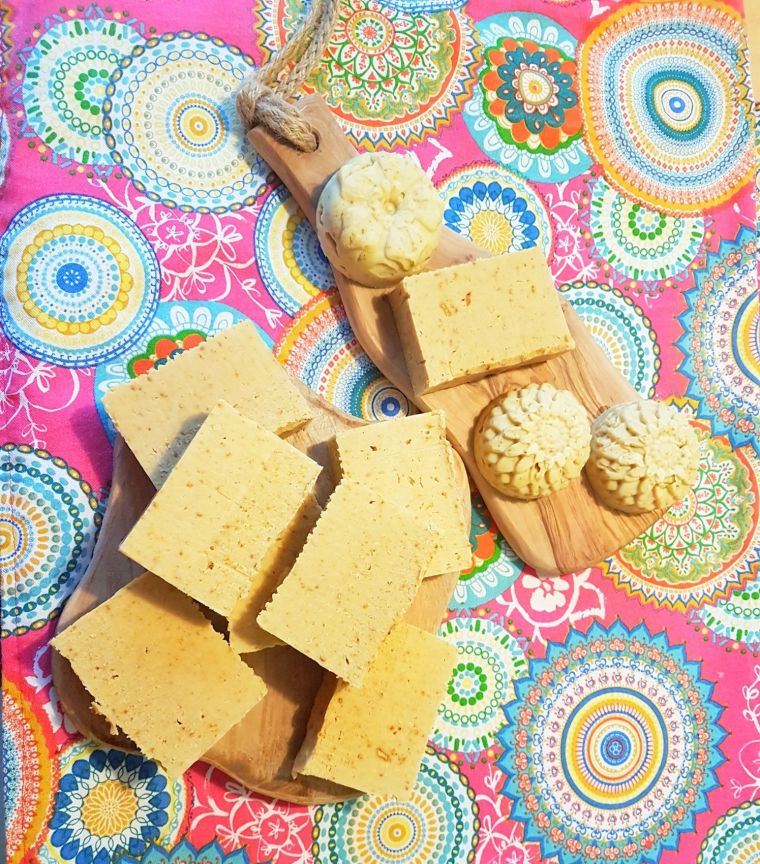
HOW TO MAKE NATURAL BATH OIL

Much is being said lately about the benefits of not using soap. Experts are now beginning to examine this issue more closely. Apparently, soaps are designed to disaggregate oils and fats. When we are really dirty this is essential to be able to get rid of dirt, but what if we are not so dirty? It happens then that the soap removes our natural body oils and the sebaceous secretions that emanate through the pores of the skin. And, the problem is that those sebaceous secretions help moisturize the skin and maintain the correct pH, as well as maintain a complex microbiome (a world of miniature bacteria and multiple species) in our skin that experts are just beginning to understand.

Having an unbalanced skin pH can cause inflammation and dryness, and while we learn more about the skin microbiome all the time, professors like Dr. Jack Gilbert say that eliminating it can also influence immune responses and inflammation. “Diseases like psoriasis are often associated with an alteration of these skin and microbiome properties,” according to Jack Gilbert, a renowned professor of microbial ecology at the University of California and co-author of the book “Dirt Is Good: The Advantage of Germs for Your Child’s Developing Immune System.”

James Hamblin, a physician and author of “Clean: The New Science of Skin” says we didn’t really know how much was going on in our own skin until about 10 years ago. All of that is starting to change now that genomic sequencing allows scientists to see the bigger picture regarding the entire biome and how many bacteria are actually there.

According to these authors, keeping the skin microbiome balanced also prevents the appearance of skin eczema and acne. “The idea is, if you stop destroying those microbes or constantly changing their habitat, you get them to reach a kind of steady state, more similar to gut microbes, Hamblin says, and then the microbiome becomes more balanced”.

The problem with soap, then, is that it basically destroys this natural skin microbiome. The skin becomes dry, sterile and temporarily lifeless after a decent application of soap. That said, both Hamblin and Gilbert want to emphasize that they still use soap to wash their hands, especially in these days of the pandemic.  Logically, when the skin is dirty or in danger of infections, it is necessary to wash it well.

But is it possible to do it with milder soaps, such as the well-known “soaps without soap”, which lately are starting to spread everywhere.
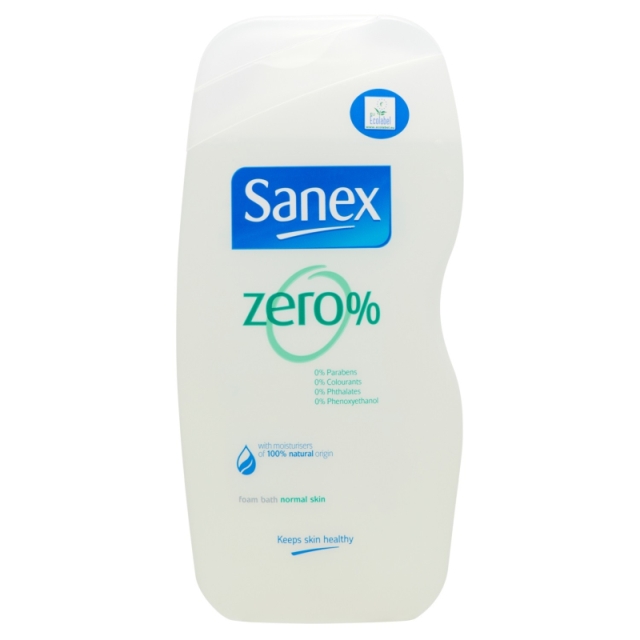


And while it is true that after all this new information from scientists and experts, some people with atopic skin or affected by dermatitis prefer to shower only with water, this, in the long term, is a bit counterproductive because, how could we avoid using some soap to wash our hands when we touch something very dirty or,  for example, when  we use the toilet?; or how could we avoid using some shampoo on our hair so that it does not present that dirty and greasy appearance that concurs when we have not been able to wash it for a few days?; or how could we avoid washing our armpits or our parts to avoid bad odors when we come from the gym and we have sweated abundantly?…

It is for this reason that we want to insist on our blog on the preparation of homemade natural soaps, much softer than commercial soaps. Or, also, the well-known glycerin soaps, less alkaline even than cold saponified soaps, or the already known “micellar water” based on soft and natural surfactants to wash the skin of the face.

Dermatologist Dr. Laura Wheller often advises her patients to abandon commercial soaps. For certain patients, such as infants, the elderly, and people with sensitive skin, soap can be “extremely irritating.” But instead of giving up soap altogether, he recommends soap-free alternatives.

Unlike commercial bar soaps, there are milder surfactants that don’t contain strong alkaline compounds, Says Dr. Wheller. The surfactants in these “softer” products are closer to the skin’s natural pH (around 5.5). They are also less likely to contain potential allergens or irritants, thereby drying out the skin less. If we have sensitive skin, according to this doctor,  we should also avoid fragrances and preservatives.

Dr. Benjamin Barankin, a Toronto dermatologist and medical director of the Toronto Dermatology Centre, opines that 80% of germs and bacteria that can cause odors will clean themselves simply with water. However, stopping using soap altogether would be an unnecessarily drastic measure since there are numerous soaps that contain mild surfactants and cleansers (such as micellar water) that can eliminate the risk of drying out the skin while also avoiding the likelihood of developing eczema.

Dr Clare Ballingall, president of the Royal Australian College of General Practitioners in Tasmania, believes that while washing hands with soap is vital to preventing the spread of disease, using soap on the rest of our body has less merit. If we remove the natural oils from our skin (and the “amazing ecosystem” that lives in it), we leave our skin dry, irritated, and vulnerable to infection. When it comes to “dirt” (or other contaminants), Dr.  Ballingall  recognizes that soap can be helpful. But, he adds, most people don’t wake up dirty, or come back dirty from their office jobs. It’s also important to avoid soaping up parts of the body that don’t need as much attention. For example, he says that the arms and legs contain little oil, so they need nothing but water. Instead, the groin and armpits contain bacteria that can smell when sweat particles break down, so if we’re going to use soap, she suggests we focus on those areas.


CURRENT COMMERCIAL PROPOSALS

At present, therefore, many proposals for biodegradable shower gels and shampoos are appearing that are not only less polluting for the environment but also, as with all biodegradable hygiene products, are kinder to the microbiome of our skin.
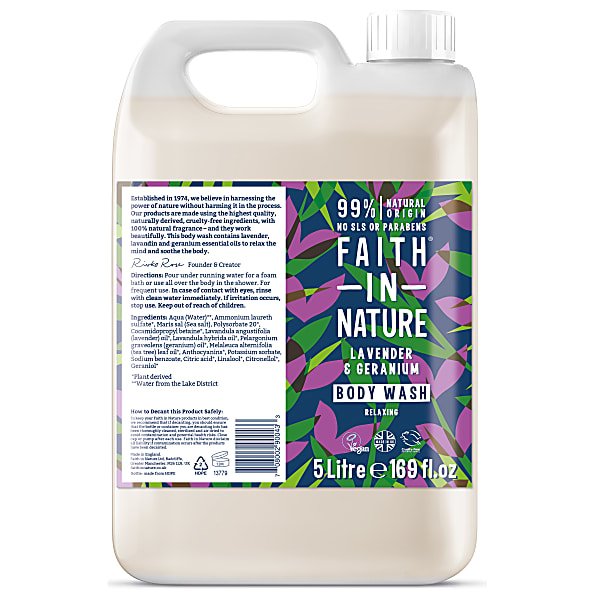


This shower gel, for example, is suitable for all skin types.

It contains no parabens or SLES and is fully biodegradable.

It also does not contain preservatives or artificial colors, so its pH is totally neutral.
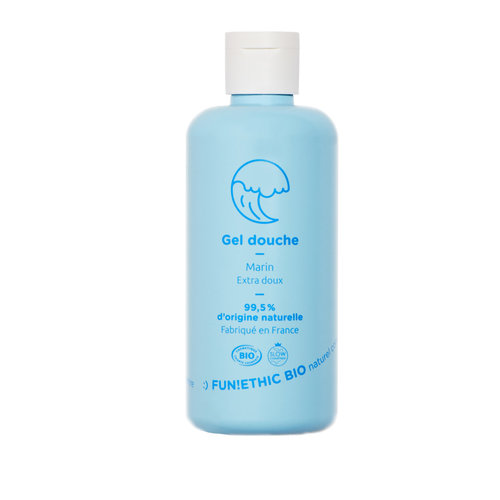


This other indicates that its composition is of vegetable origin in 99%, so it is also totally biodegradable.

As we said, these new soaps “without soap” are not only kinder to the environment but also, in general, to our skin because it is proven that everything that is harmful to the environment and the aquatic life is equally harmful to our body, and vice versa.


OUR BIODEGRADABLE HOMEMADE BATH OIL PROPOSAL

We are going to use a vanilla maceration in sunflower oil that we have previously elaborated together with an ecological and biodegradable emulsifier such as Gelisucre.

To make this vanilla in oil macerate, we simply used a chopped vanilla bean so that the properties could pass more easily into the oil and we had leave it to macerate for a few weeks.
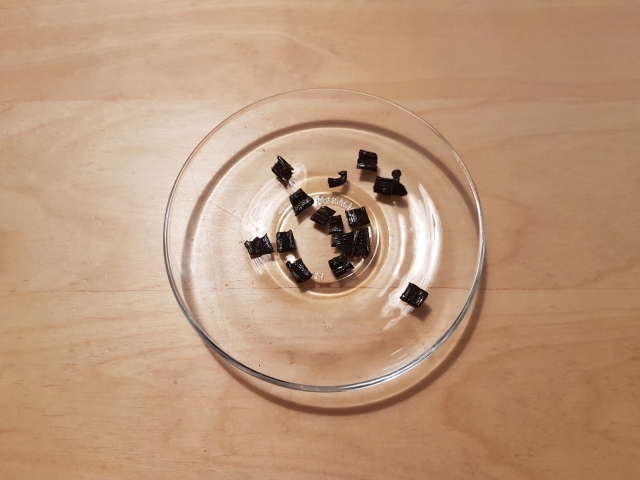
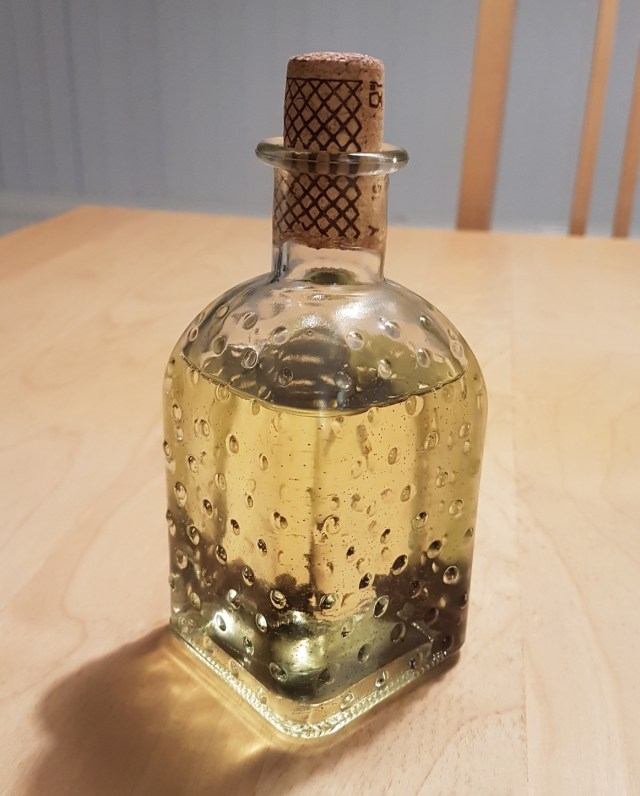


You can read a more detailed explanation of how a macerate is made at this link:

https://naturamatters.com/2021/03/05/how-to-make-infused-oil-2/


Ingredients:

Vanilla maceration 20 ml

Macadamia vegetable oil 60 ml (combined with vanilla maceration a very pleasant aromatic result is obtained without the need to add synthetic fragrances)

Organic emulsifier Gelisucre 20 ml

Operating mode:

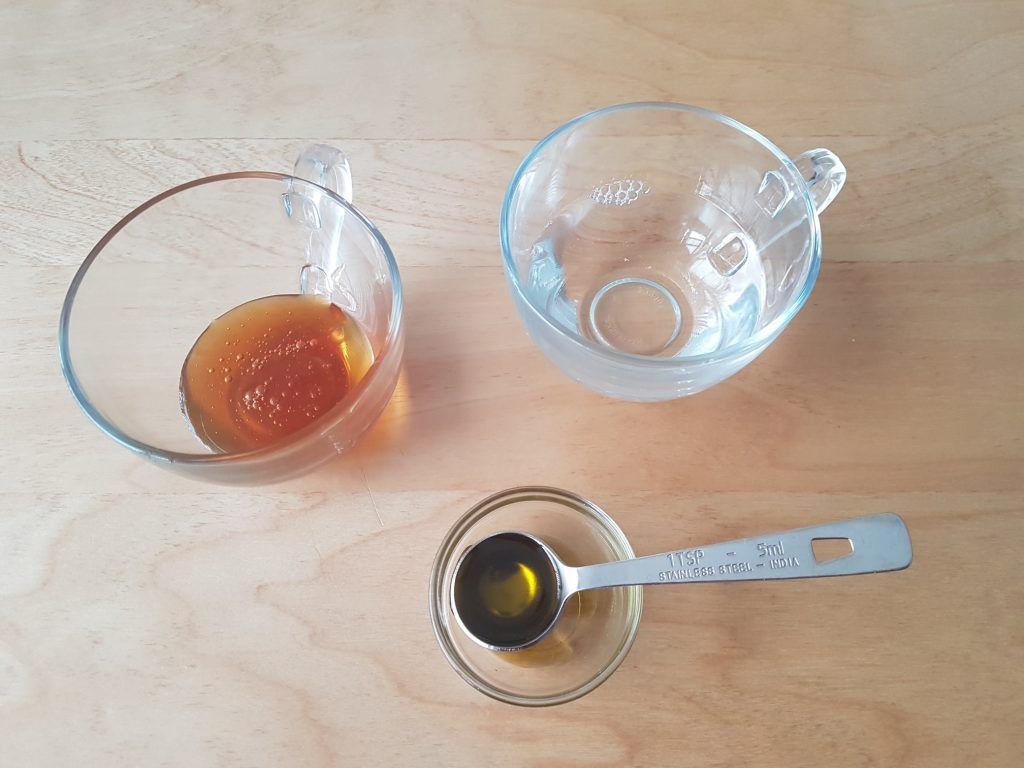
1 / Put in a bowl phase A (oily vanilla maceration + macadamia vegetable oil).

2 / In another bowl put phase B (emulsifier geli-sucre).

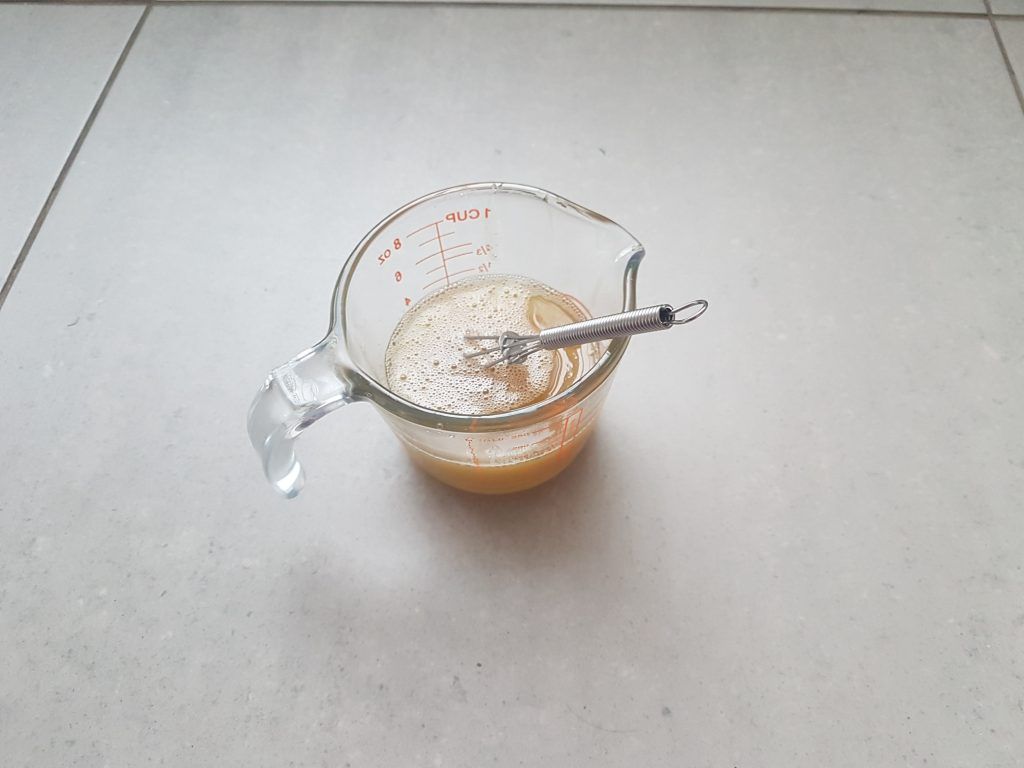
3 / We will gradually add phase A to phase B, mixing vigorously between each addition with the mini-whisk.

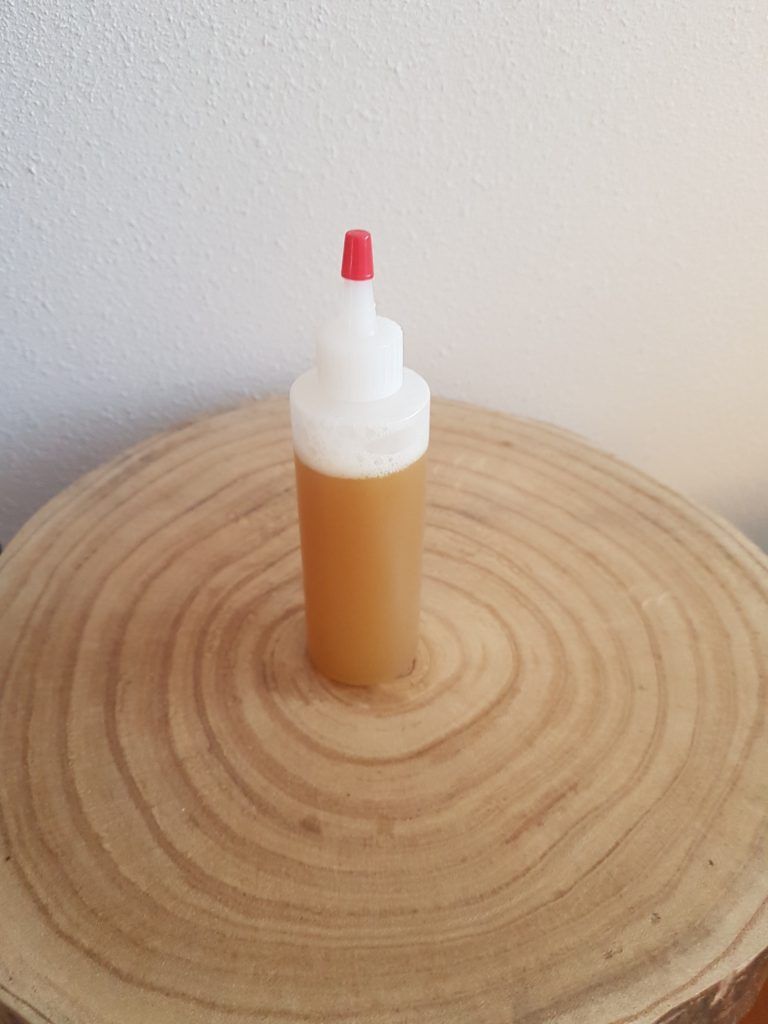
The mixture will begin to gel and, then, we can transfer it to the container we have chosen.
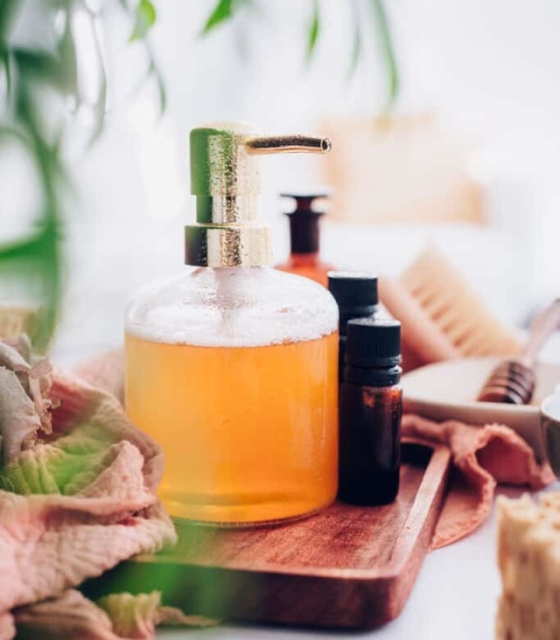


PRODUCT STABILITY: Under normal conditions, this shower and bath oil is kept for a minimum of three months, so it is very likely that we will run it out before it can spoil and, in this way, it is not necessary that we add preservatives.

ABOUT THE EMULSIFIER GELISUCRE: The emulsifier Gelisucre, as with other new generation emulsifiers such as the polyglycerol 4 caprate, has the ability to form new textures of rinseable oily gels, which are emulsified with water and oils to form very soft creamy milks and emulsions, as well as micellar waters and, in this case, a bath oil. This emulsifier is especially interesting to make shower oils that nourish the skin in a natural way because it is an emulsifier made from organic ingredients. The bath oils made with this emulsifier lighten perfectly without leaving a greasy effect and are very soft on the skin.

INCI of Gelisucre: Glycerin, Prunus Amygdalus Dulcis oil (sweet almond), sucrose laurate, citrus aurantium Dulcis fruit water (orange); * made from organic ingredients) …


LET’S SEE THE COMPOSITION OF A COMMERCIAL BATH OIL

In the line of our speech, and “as everything that glitters is not gold” we want to show you the composition of a commercial shower oil of the old generation, that is, of the “non-biodegradable”.


Nivea Bath Oil INCI: Aqua, Glycerin, Triisostearin,  Octocrylene,  Isopropyl  Stearate,   Talc,  Cetearyl  Alcohol,  Methylpropanediol,  Hydrogenated  Coco-Glycerides,  Butyrospermum  Parkii  Butter,  Glyceryl  Stearate,  Palmitic  Acid,  Stearic  Acid,  Panthenol,  Butyl  Methoxydibenzoylmethane,  Dimethicone,  Tocopheryl  Acetate,  Oleic  Acid,  Myristic  Acid,  Arachidic  Acid,  Sodium Carbomer,  Xanthan  Gum,  Glyceryl  Glucoside,  Trisodium  EDTA,  Methylparaben,  Phenoxyethanol,  Benzyl  Salicylate,  Hexyl  Cinnamal,  Butylphenyl  Methylpropional,  Linalool,  Benzyl  Alcohol,  Hydroxyisohexyl  3-Cyclohexene  Carboxaldehyde,  Citronellol,  Geraniol,Alpha-Isomethyl  Ionone,  Limonene,  Parfum, CI77891, CI 77491, CI 77492

And, although Nivea is one of the most reliable trademarks (excluding, of course, natural cosmetic brands such as Weleda or Dra Hauschka) that exist, don’t you think that this Nivea bath oil could do without a few less components? In addition, it has the dreaded preservative phenoxyethanol, which is beginning to be banned in the legislations of some European countries, especially in its use in hygiene products for babies and infants.


HOW TO MAKE NATURAL BATH OIL WITH TWO INGREDIENTS

We have another proposal to make a very easy and biodegradable shower oil with only two ingredients: an emollient or skin softening agent (vegetable oil) and a surfactant with cleaning power (sulfated castor oil).

To make this shower oil, it is important that we make sure to obtain a sulfated castor oil that is natural and biodegradable.

In any case, this is a very interesting proposal for the stability of its formulation, which does not require any type of preservatives or added agents to remain stable for months. Surely, we will run out of shower oil sooner that it can spoil.

As we said, the surfactant that we will use to prepare this natural bath oil is sulfated castor oil, which should not be confused with vegetable castor oil. In English it is called “Turkey red oil”. It is a water-soluble surfactant. This feature makes it a preferred ingredient when it comes to enriching shower gel formulas and shampoos with oil. It also allows essential oils and other vegetable oils to disperse in water; therefore, it is very useful for formulating bath oils. And it is also often used in the formulation of micellar waters.


THE SULFATION PROCESS

Sulfation is the act of attaching one or more “sulfate” groups into a molecule. Castor oil is predominantly composed of ricinoleic acid and the particular structure of this fatty acid allows for easy “sulfation” of the oil. Sulfate is a hydrophilic (negatively charged) anionic group (which has good affinity for water); the sulfation of castor oil will therefore give it a hydrophilic part that makes it soluble in water.

An oil is normally hydrophobic and cannot be mixed with water. Therefore, sulfated castor oil has surfactant properties, that is, it has a certain affinity for oil and a good affinity for water.

Turkey oil is a PEG that, however, has been used for decades without toxicity problems, it seems.

https://www.ewg.org/skindeep/ingredients/706382-SULFATED_CASTOR_OIL-SULFATED_CASTOR_OIL-SULFATED_CASTOR_OIL-SULFATED_CASTOR_OIL-SULFATED_CASTOR_OIL-SULFATED_CASTOR_OIL-SULFATED_CASTOR_OIL-SULFATED_CASTOR_OIL-SULFATED_CASTOR_OIL/

As an emollient agent we will use natural vegetable oils rich in properties and vitamins for the skin. We have chosen almond oil and wheat germ oil that, in addition, serves as an antioxidant due to its high content of vitamin E, but you can choose the ones that are more of your preference.


We will prepare our bath oil with a maximum of 20% oily preparation for 80% sulfated castor oil.

EXAMPLE OF BATH OIL

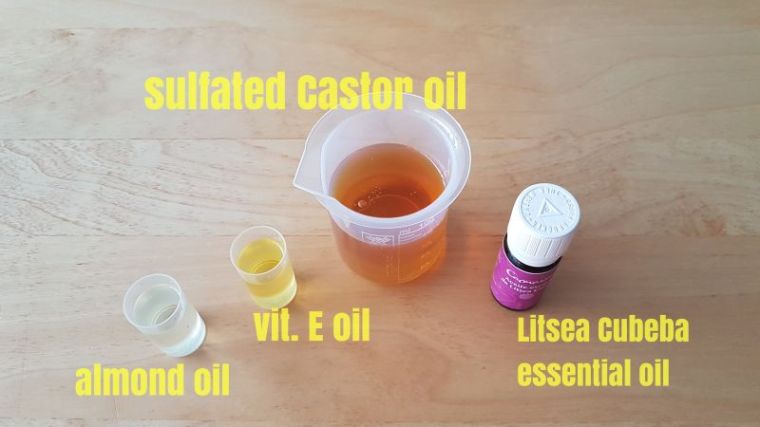
Sulfated castor oil surfactant 80 ml

Vegetable almond oils, for example, 10 ml

Vegetable oil from wheat germ, 10 ml, or a few drops of vitamin E oil to enrich the mixture.

A few drops of your favorite essential oil. We have chosen Litsea Cubeba for its incredible citrus aroma, which is also very relaxing at bath time!


Operating mode:

First we will transfer all the ingredients to a dosing bottle stirring them well so that they integrate.

At this point we can add the droplets of essential oil, which will always be optional.

We can now bottle and start using it. It’s that easy!

How to use: There are people who add a tablespoon of this oil in the hot water of the bathtub to take an emollient and restorative bath.

It is also possible, with a suitable dispenser, to simply use a few drops in the shower.

Almond oil, combined with the surfactant of sulfated castor oil, brings softness to the skin. Wheat germ oil, in addition to acting as an antioxidant in the mixture, provides vitamin E.

This product is very stable and does not need preservatives. The addition of essential oils is always optional and, in this case, for the purpose of aromatizing.


RECIPE FOR BATH LOTION WITH ESSENTIAL OILS

These soap-free lotions are very interesting for the most delicate skin because in addition to not being irritating, essential oils provide them with restorative properties.

To prepare this type of bath and shower lotions, which would also serve as micellar waters and homemade make-up remover lotions, an emulsifying agent is used that combines essential oils with vegetable oils in bath water.

Depending on where we buy this emulsifying agent, it will have one name or another. For example, in the AROMA-ZONE store they call it Solubol, although itis also possible (respecting the prescribed doses for each emulsifier) to use sulfated castor oil, Gelisucre emulsifier or even Bellin Wax…
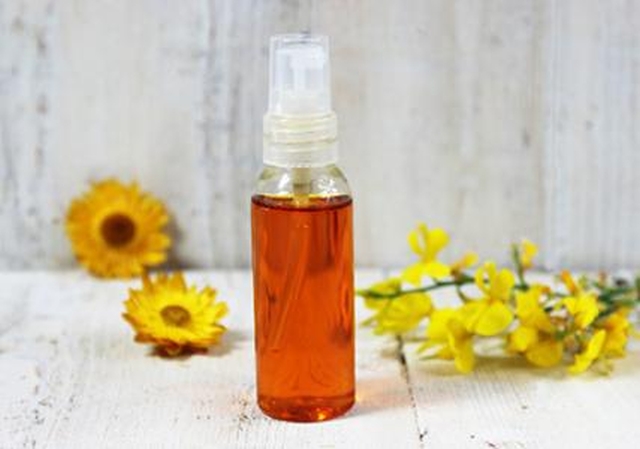


AN EXAMPLE OF A BATH FORMULATION WITH ESSENTIAL OILS

Normally, for an amount of about 25 ml of bath oil, 20 ml of vegetable oil and 5 ml of emulsifier are dedicated:

Composition for 25 ml of bath oil:

20ml of apricot kernel vegetable oil, for example.

5ml of Solubol type bath emulsifier

Between 12-15 drops of a combination of essential oils according to the therapeutic result we want to obtain.

*We, for example, as we wanted a combination of oils for “a warm foot bath“, have used:

6 drops of ginger EO

3 drops of anise EO and

3 drops of incense EO
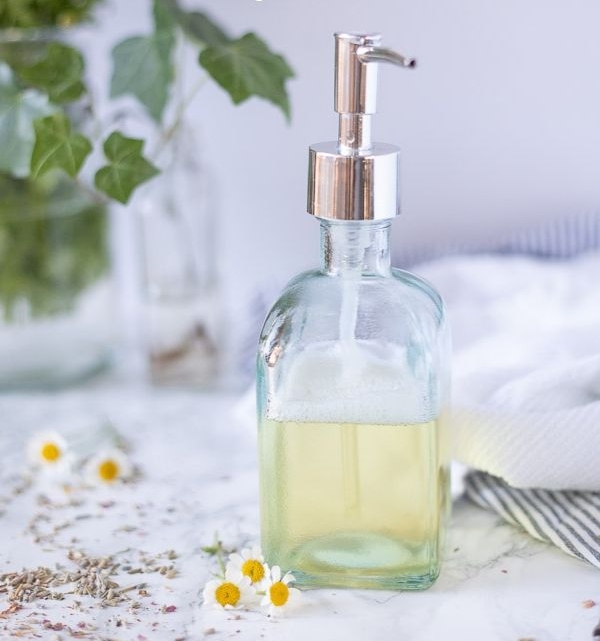


A RECIPE FOR BATH OIL WITH BELLINA WAX AS AN EMULSIFYING AGENT

Ingredients:

Belline wax  3 g

Vegetable glycerin 42 ml

Fractionated coconut oil 5 ml

Rosemary essential oil, for example, 30  drops

A few drops of antioxidant vitamin E

Operating mode:

Melt the belline wax and glycerin in a water bath over low heat and remove from heat.

Add the rest of the ingredients, mixing well between each addition.

If we immerse the mixture in a cold water bath (in a separate container) and beat well, the preparation will become cloudy and thick.


All of them are luxury bath oils, we hope you like them:)
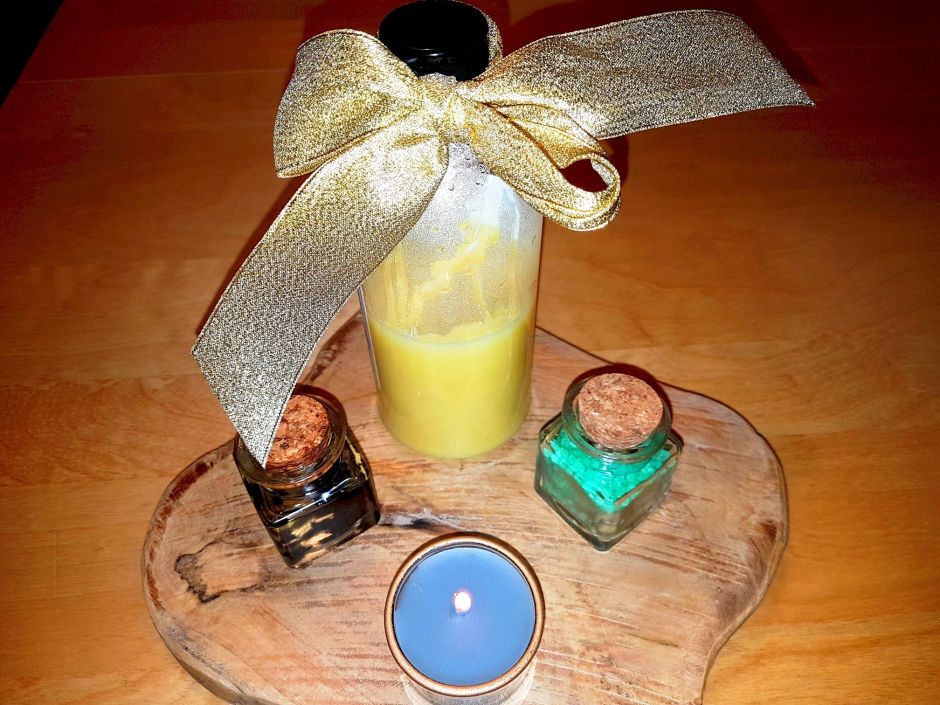


SHOWER GEL WITHOUT MICROPLASTICS

Are you a bar soap or a liquid soap type?

If you are one of the second, you will like this recipe with which you can prepare a liquid hand soap or a shower gel with the same properties as the best cold saponified natural soaps.


We will need the potassium soap paste that, previously (in our entry about potassium soap paste), we have prepared.

IT’S THE TIME TO TAKE OUR SOAP PASTE TO THE MARÍA BATHROOM and dilute it with water to prepare our shower gel, hand soap, etc …

Normally, for one part of pasta, we will add three of water. As always, the ratio is based on tastes and will depend on how thick we want our gel or soap to be.

Now, with our pasta already cold, it is time for us to add the essential oils, if we prefer. In principle, a few drops will be enough to give it a good aroma.

Keep in mind that we are not preparing a treatment gel or shampoo, but a product for daily use and that, as you know, EOs have strong biocidal capacities that, personally, we believe that we should restrict them to the needs of a treatment. The daily use of biocidal agents can lead to irritation of our skin.

For example, we use only a few drops of laurel or lavender essential oils, which give it a good aroma and are quite soft.

In the video that we show you below, we have used GSP (grapefruit seed extract) instead of essential oils because, in addition to acting as a natural preservative, it adds a citrus aroma to the shower gel that we love.

If you have very sensitive skin, it is also possible, if you want, not to add any type of essential oils and leave it only with the aroma of natural soap, which is usually quite good. In any case, natural potash soap, if well cooked, keeps very well for a long time.

NOW LET’S GO WITH THE PROCESS

A good ratio to prepare our shower gel would be, for example:

One part soap paste (for example, 115 grams)

For three parts of distilled water * (345 g)

And a few teaspoons of vegetable glycerin, or quality vegetable oil, to make it more emollient for your skin.

* (In this recipe that we show you in the photos, we only put 1.5 parts (173 g of water) and it has remained a little thick, but if that is your taste it is also possible).

And finally, optionally, a few drops of essential oil, or grapefruit seed extract *, as in this case. * I imagine that you all know that GSP (grapefruit seed extract) is taken diluted in an infusion, for example, to help fight infections.

If you add distilled water instead of plain water, your soap will remain transparent and beautiful. If, as it happens to me, this does not matter much to you, a good idea is that you add sea water because it has innumerable properties for the skin.

IT IS POSSIBLE TO FILL IT WITH SEA WATER

In this case, you will have to add 3.5 parts of water to one of soap paste because the salt contained in seawater tends to thicken your potassium soap gel naturally.

You will have noticed, without a doubt, that when you leave the sea your skin feels smoother and more stretched, the small scars and marks disappear and your skin is firmed. Sea water acts as a healing agent, helps to close wounds and at the same time deeply cleanses the skin. All this is due to the amount of minerals that seawater contains and that increase the elasticity and flexibility of drier and dehydrated skin. It also contributes to the natural formation of collagen, hyaluronic acid and elastin. In truth few natural products you will find so full of properties.

For all these reasons, use homemade soap with seawater to treat skin with acne, psoriasis, skin problems, itching, etc. it’s a very good idea. Trace elements in seawater, such as iodine, zinc, potassium, etc. Among others, they contribute to cell renewal and to avoid the problems of skin affected by dermatitis.

Also if you are going to use it as a shampoo, it is possible that you add sea water and your hair will be full, healthy and beautiful. In principle, potassium soap is not very interesting as a shampoo because it makes little foam, but if you are one of those who wash your hair daily, this shampoo does not punish your hair at all and, with the addition of seawater, it gives it high volume.

ANOTHER OPTION

Would be to use a ready-made potassium soap paste, like the pastes sold by firms such as Jabones Beltrán in Spain. This soap paste can be found in supermarkets, even like Mercadona.


From a few tablespoons of this natural potassium soap paste and water you can now prepare your shower gel following the ratio indicated above.

You can even prepare homemade sea water if you do not have natural sea water but you do have a good unrefined sea salt that preserves all its trace elements:

Homemade seawater: we would need 3.5% salt. Then to about 500 grams of water would correspond to about 18 grams of sea salt.

ANOTHER POSSIBLE SOLUTION to make ecological liquid soap.

It is not the perfect solution because by not using caustic potash, but caustic soda in its preparation, these gels tend to gel and you have to shake them before each use, but if you do not dare with the caustic potash recipe, it is also quite a solution. good.

From a bar of grated natural soap (never toilet soap).

Ingredients:

Natural soap with natural oils in bars.

Distilled water or seawater (three cups for each of grated soap)

A couple of teaspoons of liquid glycerin or olive oil

Steps to make liquid soap:

We grate the bar of soap. If you don’t have a grater, you can cut the tablet into small and fine pieces that also works.

We heat water in a pot. Three times as much water as grams of grated soap, more or less.

We introduce the grated soap in the water and dissolve it over low heat.

Once we turn off the heat and take out our liquid soap, we can start adding the AE of our choice, or not, and also a few teaspoons of glycerin or quality vegetable oil to make your shower gel more emollient.

You can already pack it in a measuring bottle for gels, we recommend that you shake the soap from time to time if you see that it begins to gel, because, as you know, soaps made with caustic soda have a tendency to solidify, contrary to what happens with gels made with potash.


If you have prepared it, leave us your ideas about it in comments:)


INTIMATE HYGIENE HONEY GEL

“Each woman is home to several types of lactobacillus, which evolve throughout her cycle and life based on hormonal variations, environment, intimate hygiene, sex life, etc. In the menopause period, the pH is naturally 7 while in a normal state the pH of the vagina varies between 4 and 5”.

So, as our partner of bcncosmetics (https://www.instagram.com/bcncosmeticss/);

https://bienestarintimofemenino.com/2021/01/24/414/

comments; it is important at any stage of life to ensure that our vaginal flora remains in good condition, but during menopause and premenopause (which begins a few years before we stop having definitive periods) it is even more important because of the vaginal dryness that is generated and also because the natural ph of the vagina is alkalized being less effective when it comes to protecting us from candida and possible infections.

We have been thinking about the right recipe for formulating an intimate hygiene gel for daily use.

A soap for daily intimate hygiene, in our view, must have very soft and natural surfactants* that respect the vaginal flora. *Surfactants are organic molecules that help dissolve or emulsify insoluble substances in water; oils, greases, dirt…

However, soaps and natural surfactants attack the micro-organisms of our skin and mucous membranes by breaking the balance of the skin’s healthy dermal barrier. This is totally logical because if they were not able to remove the traces of grease, dirt and microorganisms they would not have a cleaning effect either.

If surfactants are not of natural origin, of course they have a much more aggressive effect on the skin and mucous membranes. Hence the importance of using natural soaps derived from vegetable oils (such as Castile soap) and plant surfactants derived from coconut oil such as coconut betaine, for example.

It is for this reason that a second component that nourishes and restores our vaginal mucosa becomes necessary, and this second component must, in our view, have a probiotic character.   And that’s why we’ve chosen honey as the second component of our intimate hygiene gel. Honey is full of probiotics and antioxidants.

Honey, for thousands of years, has been used internally to treat digestive disorders and also for topical use to heal infectious wounds and burns. According to the fermentation guru, Sandor Katz, in his book, The Art of Fermentation, katz writes that raw honey contains “an abundance of yeasts”. In honey we find:  16 genus of bacteria, 13 genus of yeast, and 12 genus of molds. It is for this reason that “most bacteria and microorganisms cannot grow or reproduce in honey.”

Honey, therefore, has many properties as a probiotic and as a mild natural antibiotic that preserves the bacterial flora of our skin and mucous membranes. That’s why this intimate hygiene gel recipe will help us keep the natural bacterial flora of our vagina in perfect condition.

This gel can also be used as a shower gel in case of delicate skin.

Ingredients for about 120 ml approx. of preparation:

-60% surfactant/ 72g castile liquid soap

-35% honey/ 42g honey

-A tsp (5gr) vegetable oil (grape seed oil, jojoba oil, sweet almond oil, sesame oil or olive oil) …

We will not use essential oils in our daily intimate hygiene soap formula because, as we have repeated many other times, antibiotics, even if they are natural, are not a good idea as preventive medicine.

EO are a blunt solution that should be used when there is a real imbalance, not as a preventive agent of imbalance. To do this, we will use, in this case, a probiotic such as honey.

PROCEDURE: Simply combine the honey with the surfactant you have chosen and add the vegetable oil. Shake well and bottle.

And we’ll have our intimate hygiene gel ready. As you can see the soap and honey mix perfectly. With a few drops in the water of the bidet or in the basin that you use to wash yourself, it will be enough.

However, essential oils are known for their benefits against skin disorders. Essential oils can soothe, cure, disinfect and deodorize the skin.

ESSENTIAL OILS AS A TREATMENT

Tea tree essential oil has a broad spectrum of antibacterial properties, as well as having the ability to be gentle with the skin. It is effective against acne, oily skin, irritated skin and inflammation. It is also the EO of choice when it comes to combating vaginal candida and it is for this reason that if you suffer from vaginal itching and suspect that you may be incubating this type of imbalance, you can use a few drops of this oil in the form of serum, that is, diluted in a carrier vegetable oil.

Or, even more effectively, pour a few drops over your panties and let it perform overnight. You will see how the next morning the problem will be gone and you will most likely not have to resort to other more aggressive remedies.

Ylang-ylang essential oil is also a great ally of female sexual health. It is perfect for the care of irritated skin and to regulate oily skin but it is also a great support in case of sexual asthenia or lack of libido, especially for women. We can prepare an oil with 2 drops of Ceylon cinnamon EO and 8 drops of ylang-ylang in 15 ml of sesame vegetable oil or hazelnut. We will apply 3 – 4 drops by performing a massage on the lower part of the spine, 2 times a day, for 2 weeks.

TO USE IT LIKE A SHOWER GEL FOR SENSITIVE SKIN

If you are going to use it as a shower gel for babies or to treat sensitive skin, you can do so directly according to the above proportions, or you can also slightly modify the recipe to achieve greater washing power.

Quantities to prepare about 250 ml of shower gel:

150 gr of liquid Castile soap without perfume: it is made with olive oil and is very soft for the skin; as an alternative we would use coconut betaine.

88 gr of honey: ideal for its softening properties;

1 TBSP (15 gr) vegetable oil of macadamia, argan, jojoba, almonds, olive, etc. Macadamia oil, in particular, has soothing, nourishing and soothing properties and leaves skin soft and silky;

4 drops of vitamin E that will serve us as antioxidant.

Optionally, a few drops of aromatic extract.

PROCEDURE:

We will weigh the ingredients and mix the soap and honey. We will  add the vegetable oil and, optionally, the aroma. We will pour this mixture into a bottle of recycled shower gel, for example.

We will use an aromatic extract, preferably, rather than an essential oil because as we have repeated on other occasions, essential oils have natural antibiotic properties and their use in daily hygiene can lead to irritation of our skin.

If you’re going to use shower gel with your baby, it’s best not to use essential oils at all. At most, add only 1-2 drops of chamomile essential oil or lavender essential oil.

If you’re using this homemade shower gel with your kids, cut the amounts of essential oil in half.

If you are going to use it in people with healthy skin it is possible to use some drops of soft essential oils with properties for the skin such as ylang-ylang, sandalwood or even myrrh. Although the latter is better for people with real skin disorders such as dermatitis or psoriasis and we will never use it in a daily hygiene gel.

We cannot assure you, as we mentioned in an earlier article, that the fragrancesof stores other than the aroma zone are not of synthetic origin. Those of this French store, as detailed in its description, are of natural origin and Ecocert certified. If we don’t have access to this store it is better to read first the composition of the fragrances and to avoid the synthetic ones.

We leave you several links to different floral and fresh fragrances from the aroma zone store that you can choose to give aroma to your shower gel:

https://www.aroma-zone.com/info/fiche-technique/fragrance-cosmetique-naturelle-lilas-blanc-aroma-zone

Or muguet with fresh floral notes:

https://www.aroma-zone.com/info/fiche-technique/fragrance-cosmetique-naturelle-la-fee-muguet-aroma-zone

Those who like the most classic aromas:

https://www.aroma-zone.com/info/fiche-technique/extrait-aromatique-naturel-vanille-bio-aroma-zone

https://www.aroma-zone.com/info/fiche-technique/extrait-aromatique-naturel-framboise-bio-aroma-zone

Here are also some essential oil suggestions and their benefits. Remember that using them in a timely manner is always more beneficial:

Chamomile essential oil: perfect for dry and sensitive skin. For use against acne, eczema and dermatitis.

Geranium essential oil: ideal for oily skin. For use against acne, skin aging, dermatitis and other skin disorders. Geranium essential oil brightens and revitalizes dull skin.

Grapefruit essential oil: this essential oil firms the skin. It is extremely effective for deeply cleansing oily skin. If you do not use more than 15 drops in the mixture, this oil is not at risk of photosensibilization.

Lavender essential oil: especially soft and beneficial for all skin types, including very sensitive ones. Perfect against skin aging, acne, eczema and psoriasis. Soothes irritated skin that itches.

Palma rose: also called Indian geranium, stimulates cell growth, moisturizes the skin and regulates sebaceous secretions. An essential essential oil for skin care.

Patchouli essential oil: has antipruriginous, astringent, fungicide and antiseptic properties. Excellent against acne, cracks, cracked skin, oily skin and aged skin.

Mint essential oil: because it is particularly potent, we will use only half or less (25-30 drops maximum) of the amounts normally used. Refreshes and stimulates the skin. Perfect against acne because it has astringent properties.  It is also advisable to avoid the use of mint essential oil during the first 4 months of pregnancy.

Rosemary essential oil: stimulates and revitalizes the skin. It’s a great anti-aging EO. It is  also effective against acne, eczema and dermatitis. We will try to avoid it during pregnancy and also if we have epilepsy or high blood pressure.

Sandalwood essential oil: used against acne, dry skin, cracks and cracked skin. Also effective in fighting wrinkles and skin aging.

Sweet Orange Essential Oil: It is a great sebum regulatory EO. It is also soothing and lightens the skin. Ideal for oily or dull skin.

If you liked the information we share here, subscribe to our mailing list and touch the bell to receive our notifications.

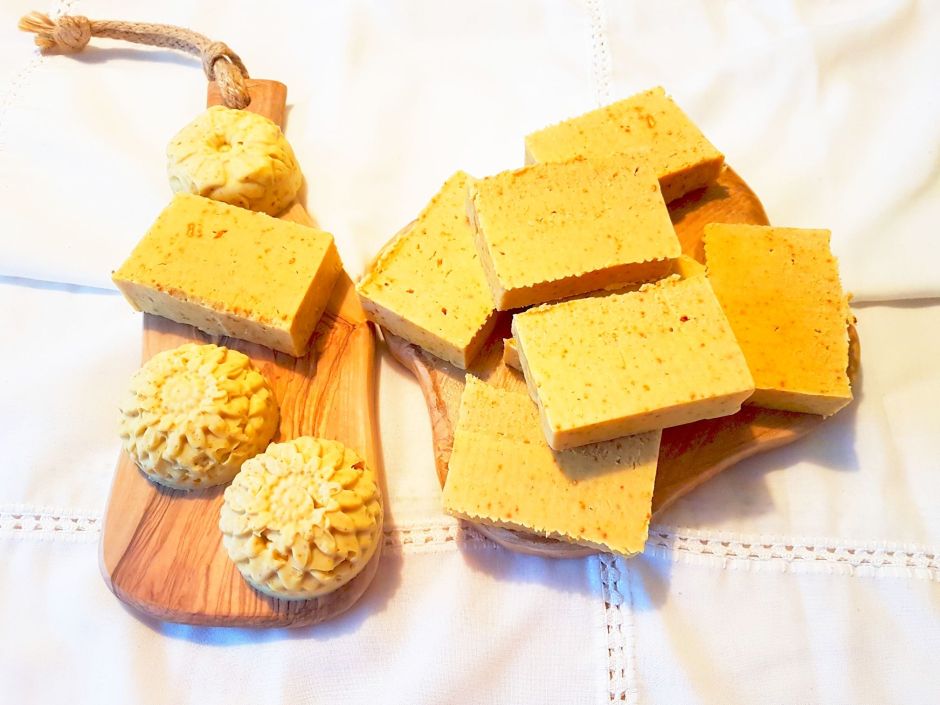
COLD PROCESS SOAP WITH orange zest powder.

Many people believe that glycerin soaps are better and softer, but while this may seem like this in principle, glycerin soaps do not have the moisturizing capacity of good cold process soaps. Cold processed soaps contain quality butters and vegetable oils that, when broken down and converted into soap, provide glycerin to the final composition in an entirely natural way. In contrast, glycerin soaps, as the name suggests, are composed of glycerin that has been extracted from cold processed natural soaps.

They look much prettier, but glycerin, in the use of daily hygiene, is very likely to end up drying our skin because natural glycerin has hygroscopic properties that attract water and retain it. That’s why it’s initially moisturizing, but used daily it can end up drying out our skin.

We wanted to formulate this cold process soap with vegetable oils and orange zest because orange (and orange essential oils are contained in its bark) it has sebum regulatory properties and suits all skin types very well.

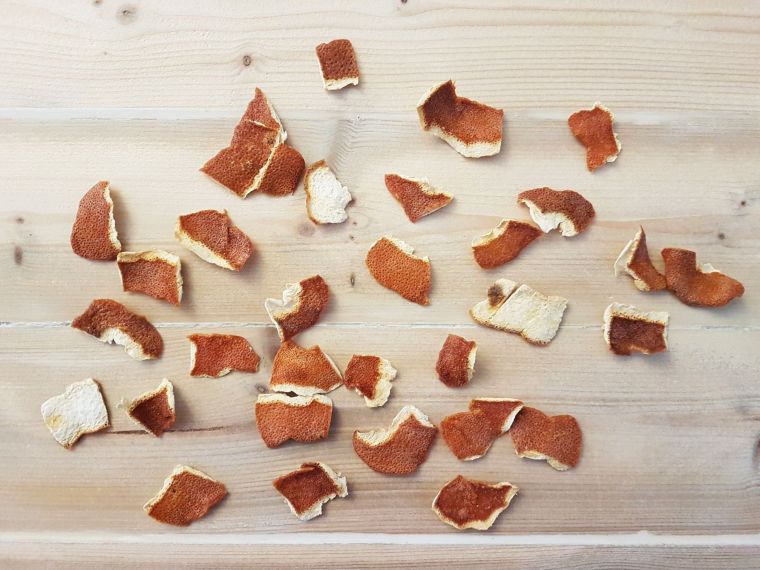
Previously (read article on how to prepare powder from herbs and extracts) in section of natural ingredients to see the process of home preparation of orange zest powder.

NOW LET’S GO WITH THE SOAP

To make this soap with a 12% over greased * we will need:

800g olive oil

100g coconut oil

50g castor oil.

273g water and

117g caustic soda

WITH ADDITIONS OF

50g orange zest powder

15g (1TBSP) honey

15g white clay and

15g zinc oxide

*If you do not know what over greasing is and how to calculate it we recommend that you read the post on how to make soaps  by the cold process method.

PROCEDURE:

We’ll melt the butters first, in case there are. In our present recipe, we will melt the coconut oil because in the winter stays in its solid condition. And also, previously, we will prepare the lye, that is, the mixture of caustic soda with water.

Let’s always try to follow some minimum safety measures with caustic soda such as wearing gloves and making our mixture in a well-ventilated place so as not to breathe the toxic fumes that come off when mixing the soda with water.

We will need a large container to start with, preferably temperature-resistant plastic, or glass. We will add the oils and gradually the lye and start beating gently until we see that it starts to trace. Theoretically, at this time, we will add the additions of honey, clay and orange zest and continue whisking until everything is well traced.

In the video we have advanced too much and added the honey and the clay’s before the trace. In principle, this would not be done because honey, clay and zinc oxide are considered to be able to better provide its emollient properties at the end of the trace.

If you’re wrong, how it’s happened to me with the nerves of the video, you’ll see that soap is also traced smoothly, although maybe there will be a small difference in the soap’s ultimate emollient and hydration capacity.

In any case, you’ll see that they’re beautiful. We will have to wait, however, a couple of months before using them to give them time to mature well and to lose water. Also, to get a better ph, more like  the ph of our skin.

If you liked this video, and you’ve tried the recipe, let us know in the comments.