DIY Caffeine and Salt Shampoo for Volume

First of all, it is very important that we use a shampoo that promotes hair volume without greasing our hair. And if our hair also tends to be straight and dull, it is best to use a shampoo based on caffeine and salt to provide shine, volume and prevent hair loss.

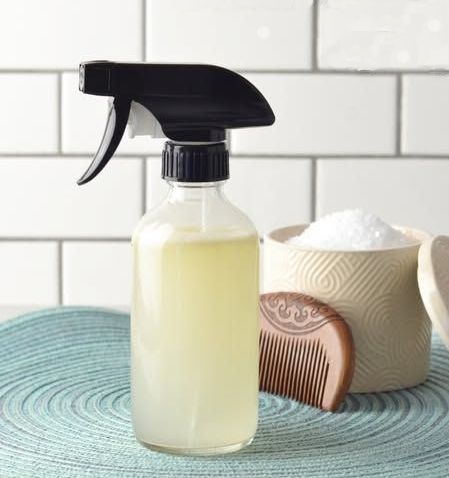
And secondly, it is important not to use post-wash treatments and conditioners with silicones and substances volumizing that give an impression of volume at first but in the long run weigh down the hair and create the need to wash it more frequently to make it look loose and voluminous again. In this case, it is best to use a homemade sea salt spray.
WHY DOES THE ADDITION OF COFFEE AND SALT TO A NEUTRAL SHAMPOO WORK SO WELL?

Greasy hair is the result of overactive sebaceous glands in the scalp that produce too much oil. The more frequently we wash our hair, the more we increase the problem. And of course, how do we stop this cycle if our hair quickly regains an oily appearance?

Dry shampoo sprays, which are so fashionable nowadays, produce the sensation of degreasing our hair and, although they can be useful as an emergency solution, their frequent use is not recommended because they end up worsening our problem of sebaceous gland hyperactivity.

However, this problem can be solved with salt. A salt shampoo produces the opposite effect, i.e. its frequent use ends up regulating the excess production of hair sebum.
We had discussed in a previous post the benefits of adding a tablespoon of coffee to a mild neutral shampoo.
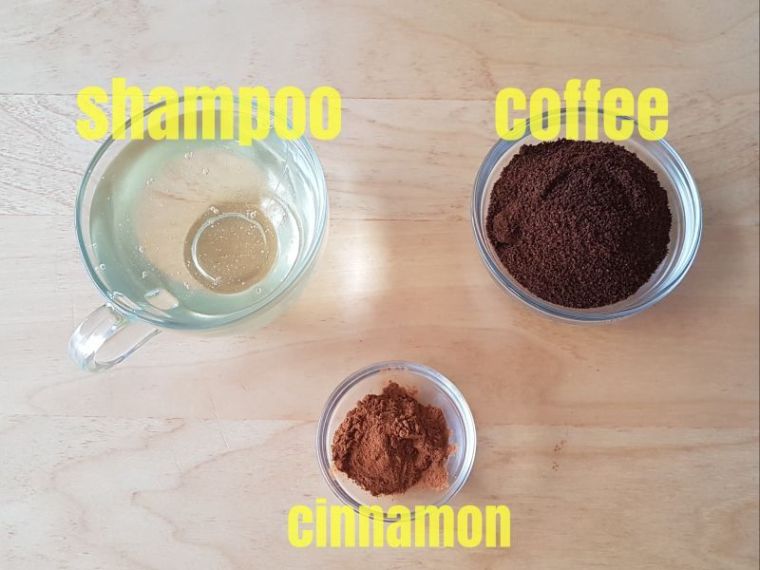
The idea of adding natural coffee to our shampoo was to prevent hair loss with frequent washing. The addition of coffee, in addition to preventing hair loss, revitalizes and adds shine.

The addition of salt is especially suitable for treating straight hair that lacks volume and tends to become greasy, which undoubtedly worsens with frequent washing.

So, to slow down the WASHING-GREASE cycles and keep our hair voluminous and healthy looking, it is best to use a homemade salt and coffee shampoo like this one we bring you in this article.
As we mentioned earlier, the problem with straight hair that lacks volume and tends to get greasy is that it is actually dehydrated*, which  why issalt, which retains moisture and water in the environment, gives it volume without leaving it greasy like shampoos volumizing with added silicones.

*Try spreading a tablespoon of castor oil on your hair before washing it and you will see how moisturized it stays for days. This is proof that synthetic silicones, foams and conditioners give a sensation, at first, that they moisturize and condition our hair, but it is a sensation not that is long lasting and ends up making them greasy and aggravating further our problem of re-washing and themre-conditioning .
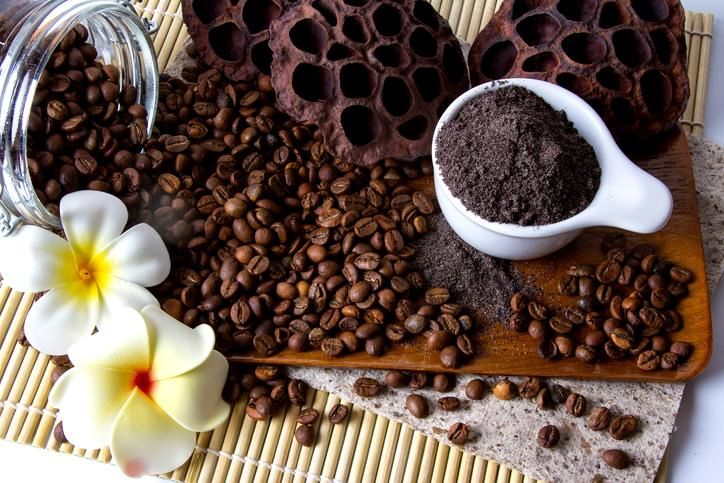
OUR RECIPE FOR HOMEMADE SALT AND COFFEE SHAMPOO

This simple trick turns any shampoo neutral you have at home into a hair treatment shampoo, a shampoo that will be an ally for the beauty of your hair.

This recipe will give you volume (thanks to the addition of salt) and softness and shine (thanks to the caffeine), which will also prevent hair loss.

Just add 2-3 tablespoons to your shampoo and wash your hair normally. After the first treatment, you will notice the positive results. First of all, our hair will have more volume, and as the days go by we will see that it will take longer to get greasy, so you will avoid frequent washing and break the wash-oil cycle.

LET’S GO THROUGH THE PROCESS

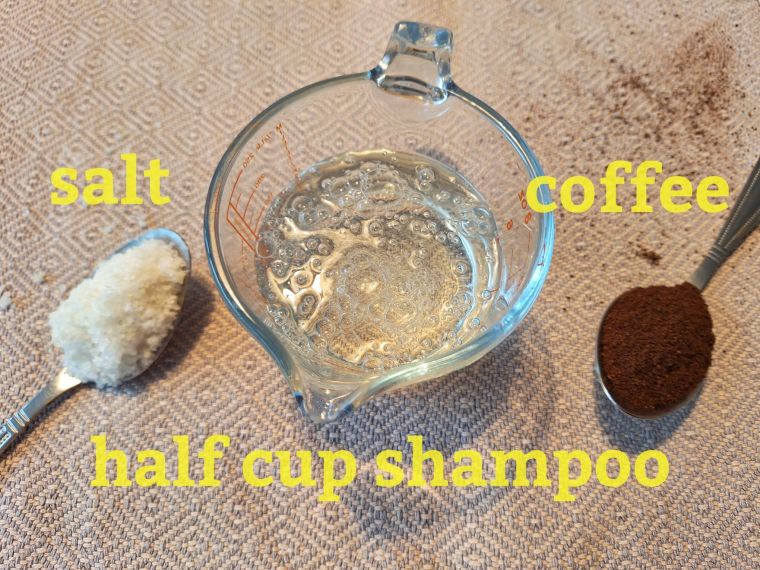
We will need a cup of neutral shampoo, the most ecological and softest you can find, a tablespoon of sea salt, and a tablespoon of pure coffee.

Ingredients:

Half a cup of neutral shampoo

One tablespoon of sea salt

One tablespoon of coffee

It is convenient to take a small part of your neutral shampoo (about half a cup or less) to mix the tablespoons of coffee and salt in a bain-marie.

This is a tip we share based on our experience, since using all the shampoo to put it in a bain-marie tends to thicken the shampoo and make it liquid due to the effect the heat has on the shampoo.
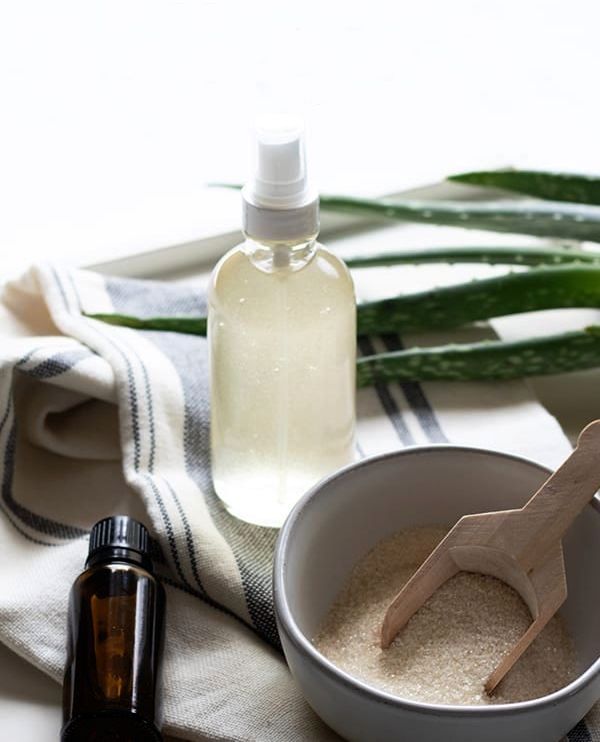
In this way, by using only a sample of the shampoo to integrate the salt and the coffee, we get the same result without the total of our shampoo remaining liquid. And if you find a commercial salt shampoo, like for example this one we have found, then even better because you can heat only the tablespoon of coffee, in half a cup of this salt shampoo, and when you take it off the heat add the rest of the shampoo and you will see that it becomes thick again as before the procedure.

INCI: purified sea salt water, cocamidopropyl betaine, decyl glucoside and lauryl glucoside (glucose based surfactant), cetearyl alcohol, castor oil, stearalkonium chloride, caprylic/capric triglyceride, glyceryl stearate, xanthan gum, tetrasodium glutamate diacetate (made from plat material), bare skin fragrance (phthalate free).

STEPS TO FOLLOW:

First, we will put our sample (half a cup or less) of neutral shampoo in a water bath and add, as a first step, the salt that tends to thicken the shampoo. And finally, the tablespoon of coffee.

We will mix the coffee and salt well in our shampoo sample, until they are perfectly diluted and integrated, then we will turn off the heat and wait for the mixture to cool before adding it to the total content of our neutral shampoo.

Another way of doing it that can be even better is to simply add a tablespoon of salt and a teaspoon of coffee to our bottle of neutral shampoo and stir well.
After about 12 hours, the salt and coffee will have integrated into the shampoo and we can use it with a total guarantee of effectiveness. In this case, the shampoo maintains its thickness, which is a very good quality for better hair washing.
Optionally, if our hair is dyed or particularly damaged, we can also add a tablespoon of castor oil for extra hydration. No other oil moisturizes the hair as much as this one.

*With these two tablespoons (one of salt and one of coffee) we can perfectly fill 250 ml of neutral shampoo that, from now on, we will have available and that we can put in a bottle of recycled commercial shampoo, for example.
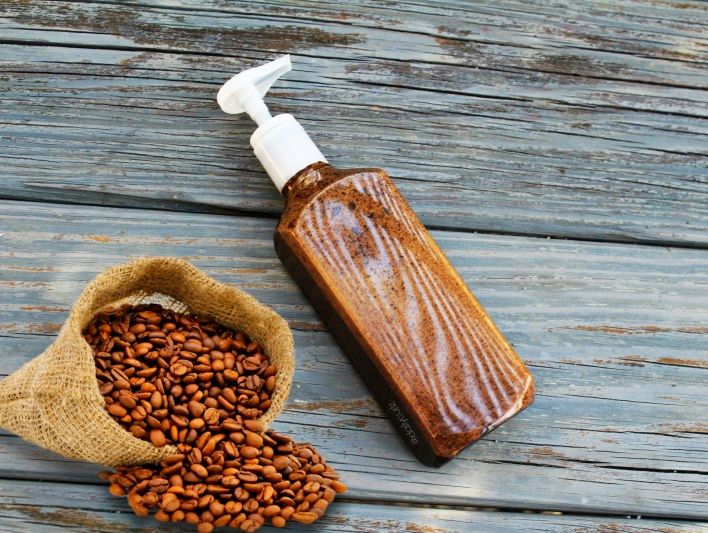
POST-WASH CARE: SEA SALT SPRAYS

As we mentioned before, the best way to slow down the WASH-GREASE cycles is to use a homemade salt and coffee shampoo like the one we have seen in the previous recipe and, after washing, it is also highly recommended to use a DIY salt spray sea for which we also provide a recipe below.

SALT SPRAY FOR HAIR

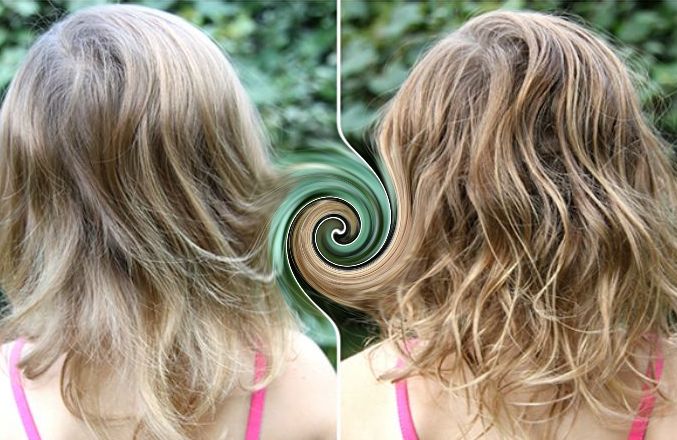
You’ve probably noticed that the summer, and the beach, left your hair with more volume and more wave. If you want to keep the beach effect in your hair, you can easily prepare a sea salt spray to spray on your hair after washing.

The most basic spray only needs water and salt in a proportion that allows all the salt to dissolve completely in the water. That’s enough to spray the mixture on wet hair and create beautiful, voluminous waves.
But, if you are looking for sophistication, the following recipe is easy and simple:

DIY SEA SALT SPRAY:

Approximately 120 ml of purified wateror distilled

3 teaspoons sea salt

1 teaspoon of coconut oil caprylic (the kind that does not solidify)

*Optionally: 4 drops of essential oil, lavender, lemon, peppermint, ylang- ylang, etc…

INSTRUCTIONS:

Mix all of the above ingredients in a jar and .pour into a spray bottle of your choice

It is advisable to shake it every time you are going to spray it so that the coconut oil mixes well with the contents.

USE: Spray all over damp or dry hair and distribute evenly, scrunching to form beach waves. Let it dry.
A SECOND SPRAY RECIPE SALT HAIR

This second recipe is made with aloe vera gel and coconut oil for extra conditioning

Ingredients:

200 ml of warm water

2 tablespoons saltEpson

1 tablespoon fine sea salt

1 teaspoon of coconut oilcaprylic , argan oil, etc…

1 teaspoon of aloe vera gel

*Optional: A few drops of essential oil to give your spray a pleasant scent. Ylang-ylang essential oil, for example, is an EO with very good hair care properties and, mixed with coconut oil, gives a pleasant summer scent.

If you have a 250 ml glass spray bottle, all the better, because your spray lotion glass will keep better for a longer period of time without the addition of .synthetic preservatives
PROCEDURE:

Take your spray bottle and pour the hot water into it, then add the coconut oil, aloe vera gel, salt Epson and sea salt. Then cap the bottle and shake it for 1-2 minutes until all the salt is dissolved.

USES:

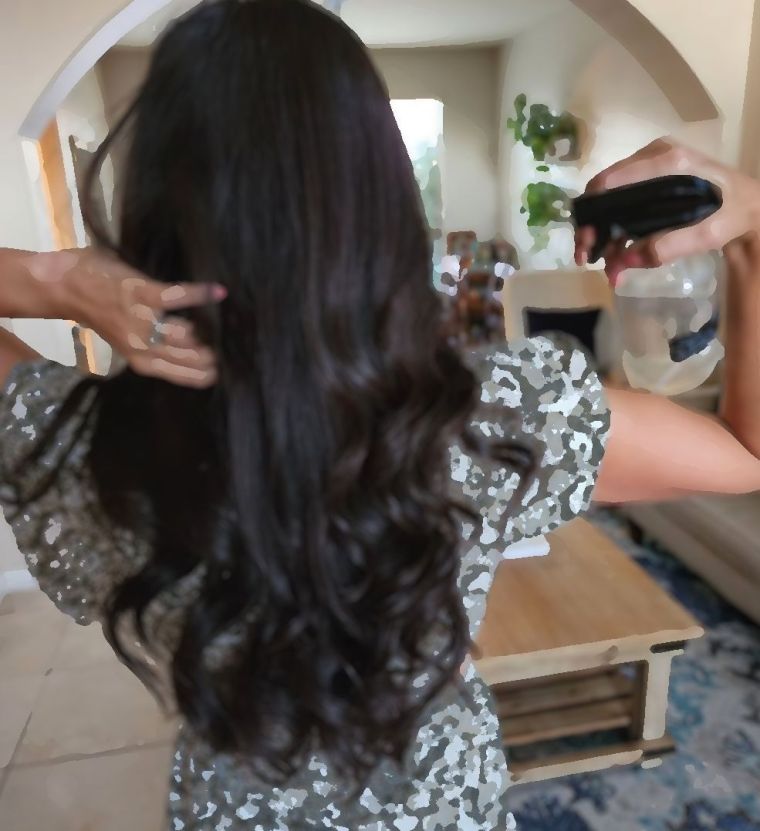
Spray the hairspray on damp hair and style it with your fingers to get loose beach waves. Don’t blow dry, just scrunch and .let it air dry

On dry hair it is also possible to spray it to get more volume. And if your hair is fine and straight, we suggest you wash it at night and it spray with the salt spray and let it dry in a braid or bun. The next morning, you can spray it again while removing the braid and you will see that it will stay wavy all day.

Sprays containing salt can dry out a bitthe hair , so it is best to use them a maximum of 2 to 3 times a week.

Although if you make this formulation, because it contains coconut oil and aloe gel, it tends to be better conditioned. And of course, it is also very important to avoid the use of synthetic foams and silicone caking agents in order to lengthen the washing-oiling cycles.

LAST BUT NOT LEAST

Cosmetic solutions may be fine when they really work, but if they don’t, perhaps considering the deficits in our diet may be a solution.
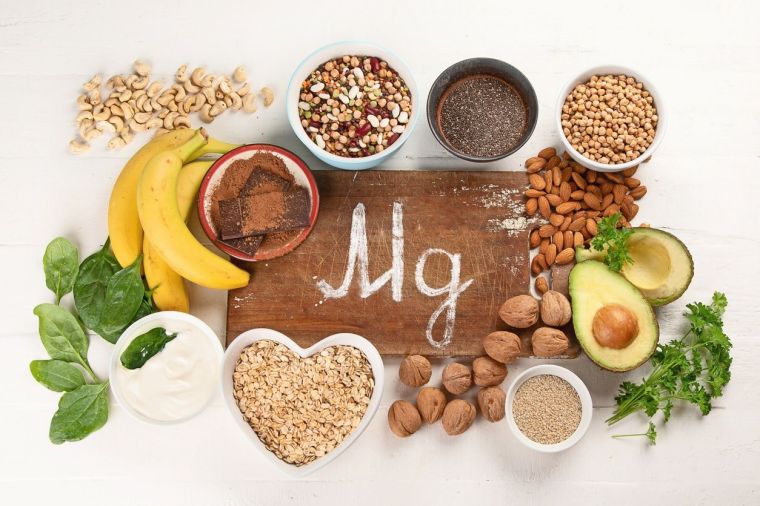
Sometimes excessively greasy and dull hair can be greatly improved if we find out which mineral or group of minerals it is deficient in.

For example, have you ever thought that you may be deficient in magnesium, which is a mineral needed in more than 600 enzymatic reactions, biological processes and cellular functions in our body.

In addition, it is an essential mineral for life that our body cannot produce by itself.  This means that we must ingest it through food.  According to studies, our body functions much worse without this mineral. Its functions are diverse and extend to all levels: physical, mental and emotional. From increased sensitivity to stress, moodiness, headaches and migraines to sleep disorders with restlessness and nervousness, difficulty concentrating and physical disorders such as hypertension, osteoporosis, brittle nails, etc ….

COFFEE SHAMPOO: THE BEST SHAMPOO FOR YOUR HAIR

One of the most common reasons for having damaged hair or suffering excessive hair loss is that we maintain some practices that are not recommended for the health and vitality of our hair. For example, the frequent use of certain chemicals that not only poisons the inside of our body (since part of those components pass into our bloodstream through the capillary pores), but also weakens and burns our hair.


Many times, we let ourselves be seduced more by the advertising of a product than by its characteristics. We recommend that, from now on, you base your purchasing decisions on the amount of toxic ingredients present in a hair product. Choose the one that is more natural and contains the least chemical components. Your hair will thank you!

As you know from other entries, there are shampoos with milder surfactants than others, for example, shampoos for babies or for people with hair problems and atopic skin. They are usually shampoos without sulfates and without aggressive surfactants such as the famous Sodium Laureth Sulfate that always appears first on the labels of shampoos and that is known to be an aggressive surfactant that our body can not eliminate and that, according to the American College of Toxicology, accumulates in the heart, kidneys, liver and brain.

Even if you do not get so much foam, it is better that you try a more natural shampoo that you can buy in any herbalist or store of organic products, and then you will experience first-hand the long-term result. Natural products do not always have such an effective effect in the short term. Maybe a natural shampoo does not produce as much foam as a commercial one full of aggressive surfactants, maybe a natural hair conditioner does not leave it as manageable as a commercial conditioning cream, or a natural dye is not as practical to apply as a chemical one. But the important thing is that, in the long term, natural products are much more beneficial because they do not intoxicate us. You will notice that your hair has less fall, for example, or your skin remains softer and with fewer imperfections…

Another cosmetic full of toxics is hair dye. Did you know that hairdressing professionals are much more likely to get bladder cancer? Well, this is due to excessive contact with very dangerous substances that are found, among many other products, in hair dyes.

Paraphenylenediamine (PPD) is one of those components and, although it is banned in some countries such as France, Germany or Sweden, in Spain, for example, it is not. Although, without a doubt, the  most dangerous compound is anilines that, according to an article published by elmundo.es, penetrate the bloodstream increasing the chances of getting bladder cancer over the years. The dyes that carry them in greater quantity are those of dark colors.

If you are used to dye your hair to cover gray hair, we advise you to use henna, a natural dye whose only drawback is its reduced color chart, which tends to mahogany or reddish, but covers gray hair perfectly, moisturizing, nourishing, strengthening and giving volume and shine to the hair. You will notice a drastic change in the percentages of hair loss. We can assure you.

Diffuse hair loss in women is often due to a temporary stress-related disorder or poor diet. In these cases, hair loss is usually accompanied by other symptoms such as physical fatigue, discouragement and poor quality of sleep.

https://www.cuerpomente.com/salud-natural/belleza-natural/evita-caida-cabello-medios-naturales_4447  ;an article by Claudina Navarro Walter


ALL NUTRIENTS ARE NECESSARY, BUT FOR THE HAIR THE FOLLOWING ARE ESPECIALLY IMPORTANT:

Proteins in general and especially the amino acids l-lysine, l-cysteine and methionine. To ensure that you get them in sufficient quantity, consume protein foods, such as legumes and nuts, several times a day.

The B vitamins, which in the vegetarian diet are found in legumes, whole grains (especially oats), nuts and green leaves.

Vitamin A, provided by carrots, vegetables and most yellow or orange vegetables.

Iron, which is found in sesame seeds, chickpeas or lentils, foods that should be consumed along with a source of vitamin C to multiply the absorption of the mineral.

Sulfur is indispensable in the synthesis of keratin. It is found in whole grains, cabbages, leeks, garlic and onions.

Zinc is essential for the skin. Helps control dandruff and hair loss. It is found in pumpkin seeds, chickpeas, cashews and hemp seeds.

When the loss is evident when combing your hair or running your hand through your hair, it is advisable to tackle possible deficiencies by taking foods with very concentrated nutrients, such as brewer’s yeast and sprouts.

In short, minerals such as sulfur, copper, iron, magnesium, silicon, iodine and zinc, along with vitamins A, B6 and B12, proteins, biotin and folic acid are the most common nutrients that must be included in the diet if you want strong and good-looking hair.

WHEN HAIR LOSS IS DUE TO HORMONAL REASONS

In the case of men, as you know, half of men suffer from alopecia on the top of the head due to hormonal and hereditary factors. The Sabal serrulata plant can delay hair loss by lowering the levels of dihydrotestosterone in the prostate, a hormone that shortens the growth phase in hair. The recommended dose is 160-320 mg daily.

For women with alopecia caused by loss of estrogens, the dong quai plant and the soy isoflavones are recommended to regulate the endocrine system. It is also important to avoid excess hair loss to use products that are as natural as possible and act as a hair treatment, such as the coffee shampoo that we will talk about after or the use of essential oils, which work especially well when hair loss occurs due to an excess of sebum. Thus, if we have oily hair, we can use a specific product and add a few drops of essential oil (rosemary, cedar or tea tree) to massage the scalp with it, letting it act for a few minutes.


FOUR FORMULAS WITH PLANTS AGAINST HAIR LOSS

In this section we wanted to include three beneficial herbal formulations to prevent hair loss:

Henna Mask: The “neutral henna” root powder (Cassia obovata) does not color, but tones the hair. A mask made with 50 g of cassia root and boiling water is applied. Add a tablespoon of olive oil to the pasta.

Red henna, which does dye hair, shares these same properties, so people who dye with henna instead of using chemical dyes notice a great improvement in this aspect.

Soap stick tonic: Soap stick (Quillaja saponaria Molina) slows down the fall. Dilute three tablespoons of soap stick in 250 ml of water, boil it for 5 minutes and let it cool. Strain it, massage in the resulting soapy water and wait 5 minutes before rinsing your hair. Perform the application every day for a week and then every 7.

Red cinchona colony: Macerate 30 g of cinchona (Cinchona succirubra pavon) in 100 ml of rum for one month. Then strain it and apply it as a cologne that will strengthen the hair.

Ronkina: This tonic is based on two remedies used since ancient times such as rosemary and cinchona. Rosemary is an aromatic plant that stimulates blood circulation, so that hair improves its capillary structure, growing stronger and healthier. Prevents hair loss and breakage. As we saw in the previous section, Quina, by itself, strengthens hair and prevents hair loss. This plant also has antiseptic and healing properties.

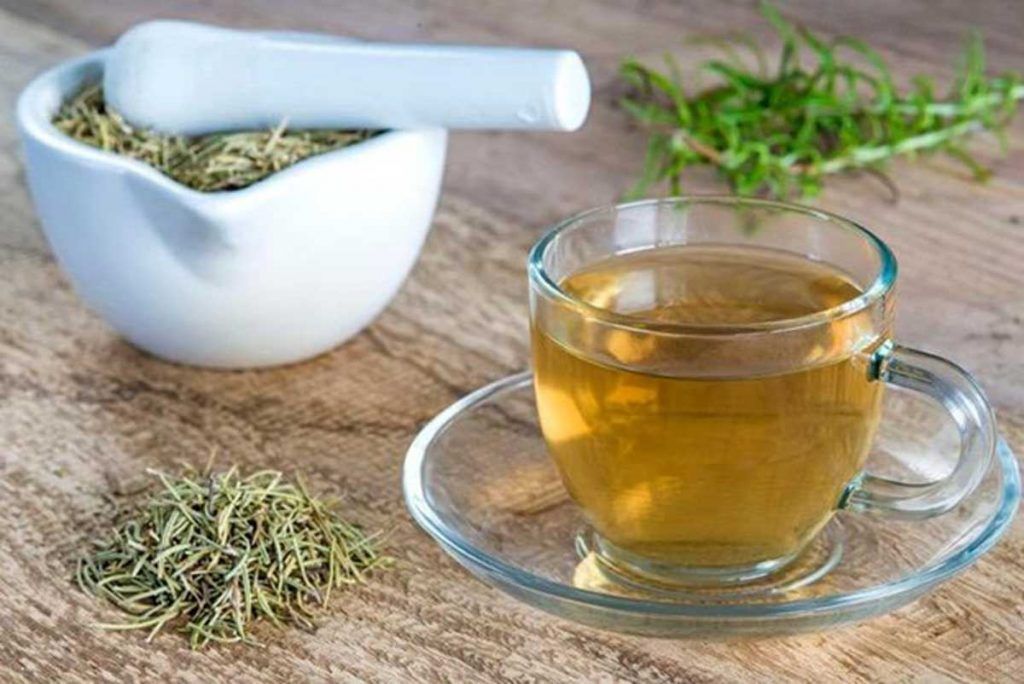
What we will do is macerate these two plants for forty days in a mixture of purified water and 96º alcohol. We thus manage to reduce the alcohol a little and that it is not so aggressive for the hair, for example, 30% alcohol and 70% water. It is also possible to infuse both herbs and strain them. We can keep the infusion in the fridge for a few days.


HOMEMADE COFFEE SHAMPOO

I don’t know if you’ve ever tried caffeine-based hair loss treatment shampoos. Caffeine is tremendously effective when it comes to avoiding excess hair loss and it is also possible, in a very easy way, to prepare a coffee shampoo at home.

Excess hair fat can cause our hair to fall out more than normal, but hair loss can also be caused by the use of chemical dyes, a lack of essential minerals, or also because of strong hormonal changes such as those that occur during menopause.

While it is true that shampoos based on rosemary, sulfur and essential oils play a fundamental role in combating hair loss due to excess sebum. It is no less true that  shampoos containing caffeine  are an exceptional remedy when it comes to treating hair loss due to hormonal changes. If you find yourself in this situation, do not hesitate, caffeine-based shampoos are your best allies.


NATURAL SHAMPOO BASED ON CAFFEINE OR BLACK COFFEE

And why add coffee to our shampoo?

  1. Because it improves the blood circulation of the scalp and strengthens the hair: Caffeine has been proven to increase blood circulation throughout the scalp, which stimulates the hair follicles and significantly increases hair growth. Therefore, adding ground coffee to our shampoo will make our hair grow much faster. Coffee contains high levels of antioxidants that are responsible for stimulating the production of healthy cells in the scalp. In addition, it also helps protect hair cells so that hair stays safe from damage, especially from the sun’s ultraviolet rays. We suggest that you opt for black coffee beans to obtain the maximum benefits since the antioxidant content of pure black coffee is higher.
  2. Prevents frequent hair loss: Research has revealed that caffeine is extremely effective in reproducing hair follicles in a healthy and strong way. Being a hair growth stimulator, caffeine is also good for preventing hair loss problems in a short period of time. It is observed that, if coffee is applied in the right amount, it has the power to penetrate deep into the hair roots, nourish the follicles and restore the growth of hair fibers.
  3. Coffee not only provides us with a super shiny hair, but also makes dry, frizzy hair become softer and smoother. If you’re struggling to control your damaged and dehydrated strands, using a homemade coffee shampoo can help you tremendously. In addition, it can help you cover your first gray hair because coffee has a mild dyeing effect. Above all, in the age of gray hair and menopause in which hormonal imbalances and chemical dyes accelerate hair loss, having a shampoo based on caffeine is an exceptional ally.


HOW TO ADD CAFFEINE TO OUR NEUTRAL SHAMPOO TO TURN IT INTO A LUXURY TREATMENT SHAMPOO

If you have straight and under-bodied hair, this is the best option: add black coffee to your favorite neutral shampoo.

To prepare a whole bottle of shampoo and not have to repeat the procedure every time you go to wash your hair, you can do the following:

You will need:

4 spoons of well-ground coffee

1 tablespoon cinnamon

Half a cup of neutral shampoo


And why do we add cinnamon to it?

Cinnamon has been proven to enhance the effects of improving the microcirculation that coffee presents, with which, the sum of both, exerts a greater effect in the prevention of hair loss.

One of the active compounds of cinnamon is very powerful to dilute the blood and activate circulation, this is essential since it promotes a good supply of oxygen in the cells of the whole organism.

PROCEDURE:

In a bowl-type container add the 4 tablespoons of ground coffee powder, then the tablespoon of cinnamon while stirring very well.

And finally, you add the half cup of your favorite neutral shampoo. Stir well until the mixture is integrated and you can return it with a funnel to your shampoo bottle and use it the next day.


ANOTHER WAY TO MAKE IT

Instead of coffee it is possible to use a caffeine capsule of approximately one gram that we will mix with the tablespoon of cinnamon. Then we will add this mixture to our neutral shampoo and we can start using it. However, I have been able to personally verify that with ground black coffee it works even better. Perhaps because of the contribution of natural antioxidants from pure black coffee.

The following options are more suitable for those who have an afro, dry and frizzy curly hair because the shampoo bars tend to grease the hair and leave it flat.

This is very suitable for fans of the co-washing technique because this type of shampoo bar is especially conditioning. In fact, the practice of using a conditioner as shampoo (co-washing) became popular in the United States among this type of people with very dry and damaged hair.

With the use of shampoo bars, you will need to use at the end of the wash an acid conditioner based on natural apple cider vinegar so that your hair is perfect because the shampoo bars tend to alkalize it and leave it less loose.


IT IS ALSO POSSIBLE TO MAKE A BAR OF GLYCERIN SOAP WITH CAFFEINE

Caffeine extract is formidable to treat our hair and give it strength and shine. When caffeine is incorporated into hair treatments, it acts directly on the scalp strengthening the hair fiber and preventing its fall.

Ingredients:

150 grams of glycerin soap dough

9 tablets of 200 mg pure caffeine

20 drops of essential oil of cinnamon, for example


It is also possible to make the mass of glycerin soap in a homemade way according to the recipe of the “blog of the bombolla de l’arc iris”:

Ingredients

45 grams of stearic acid

190 grams of coconut oil

100 grams of olive oil

53 grams of soda diluted in 113 grams of water


PROCEDURE: This soap is cold saponified and grated the next day.

After grating it, prepare a syrup with 100 grams of sugar and 100 grams of water by putting the syrup and grated soap in a pot over low heat.

All followed, 60 grams of glycerin and 200 grams of alcohol are added and it is turned and mixed gently while melting.

We are removing the thick and white layer of soap without saponifying that is left on the surface.

Once melted and cleared, it is put in a mold and allowed to cool. If it is difficult to take hardness you can leave a while in the fridge watching that it does not cool excessively and harden too much.

We get a clear glycerin type soap as a result.


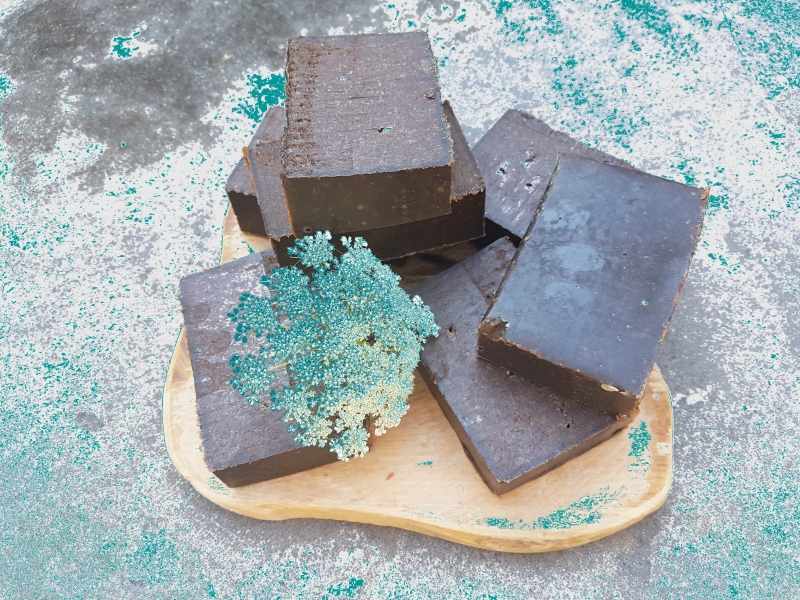
BLACK COFFEE SOAP BY THE TRADITIONAL METHOD OF COLD SAPONIFICATION

Ingredients for high 12% over greasing

365 grams of olive oil (42%)

232 grams of coconut oil (25%)

232 grams of organic palm oil* (25%)

48 grams of shea butter (5%)

A tablespoon of beeswax

60 grams of ground coffee

270 grams of distilled water

118 grams of caustic soda

A tablespoon of clay, preferably red and

One tablespoon of cinnamon*


TIPS: You will need a silicone mold of approximately one liter.

* Cinnamon will help us, on the one hand, to give a better aroma to our soap and, on the other, to facilitate the penetration of caffeine into the scalp during washing.

* Palm fat, if we cannot find it from sustainable cultivation, we can replace it with pork or cow sebum, whose saturated fats are also very useful to harden the soap and provide it with washing properties (it is not a very sustainable alternative either, but it is a way to take advantage of all the parts of an animal that has been slaughtered anyway). The only other possible alternative would be to use castor oil since we are going to use it as a shampoo for hair and castor is very suitable as a hair washing agent.


INSTRUCTIONS:

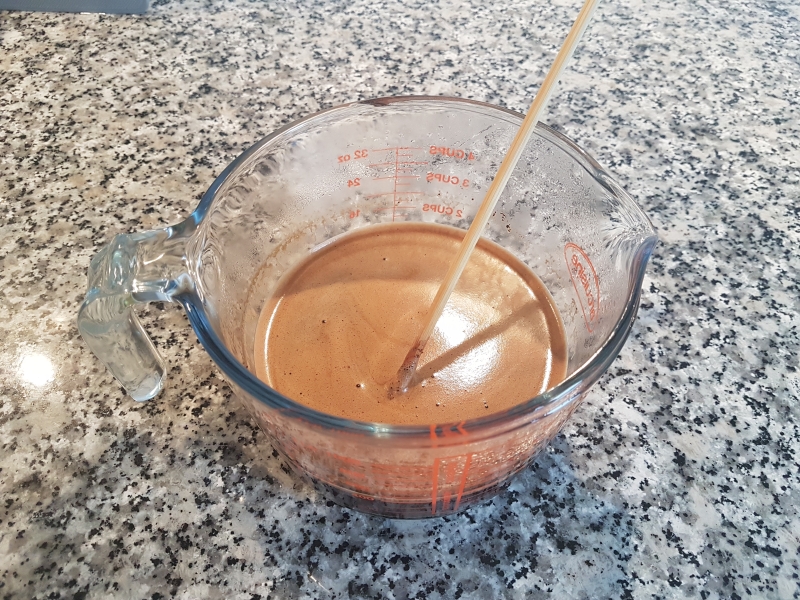
First, we need to prepare the bleach solution. We will use half a cup of coffee and half a cup of water for this project. We will prepare the coffee with distilled water. The stronger the coffee, the darker the soap mass.


We will measure 60 grams of ground coffee and add 270 grams of distilled water to the coffee, which must be cooled to room temperature before continuing. Once the bleach (the water along with the ground coffee and the caustic soda) is at room temperature we will add the bleach by stirring gently until it dissolves completely. The mixture produces a frightening odor, so we advise you to prepare it on the balcony or terrace. But don’t worry that once the soap dries it no longer smells bad and even less so if you put the spoonful of cinnamon. Again, let it cool to room temperature.

Previously we will also have melted beeswax and palm butter, shea butter and coconut to which we will add, once melted, olive oil.

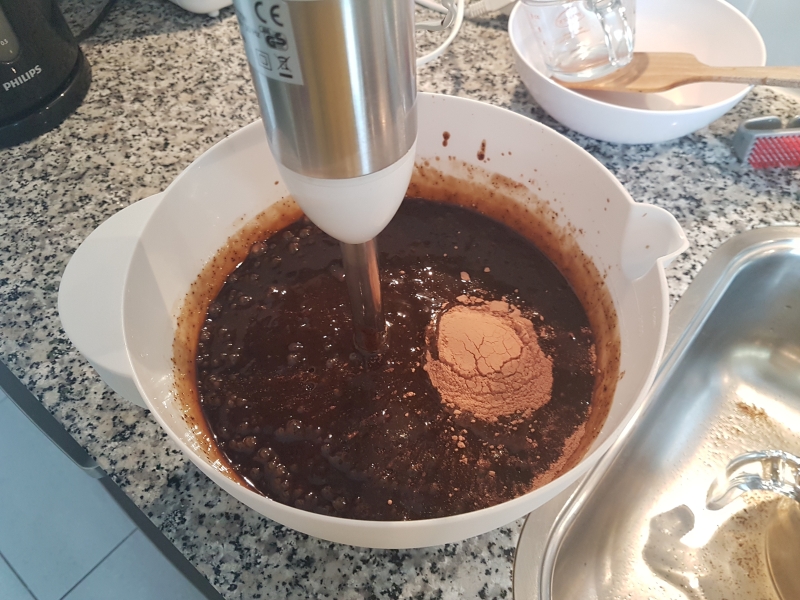
Once all the oils and butters are melted, let it cool. When the temperature of the oils is below 30 degrees, we can add the bleach (mixture of soda, water and coffee) to the mixture of oils and start beating until we reach the “trace” (or cream point)

Now that it starts to trace, we will add the clay and cinnamon and we will continue beating until our dough is well traced and all the elements have been incorporated.

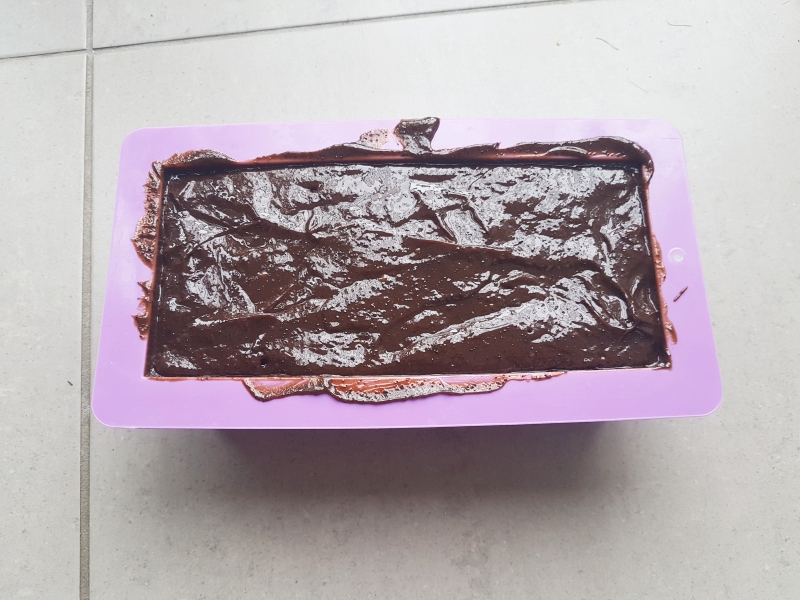
Now we will pour the soap dough into the mold. Shake the mold slightly to remove any bubbles.

We will leave the soap in the mold for about two or three days well covered so that the saponification process is not cut.


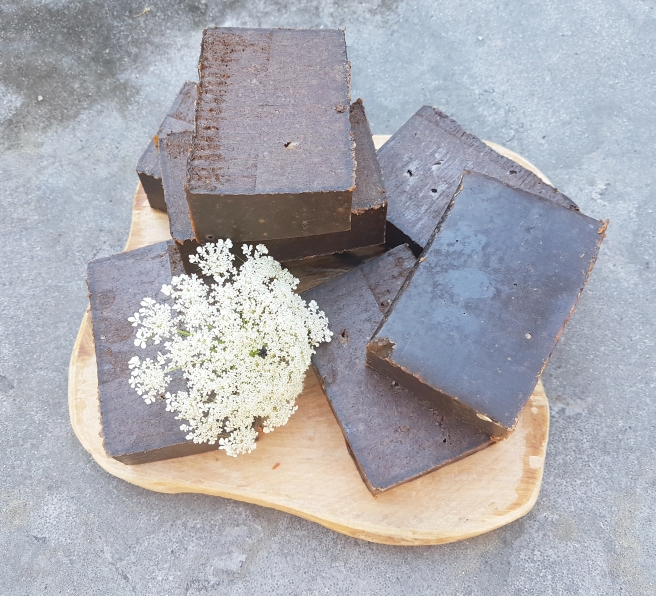
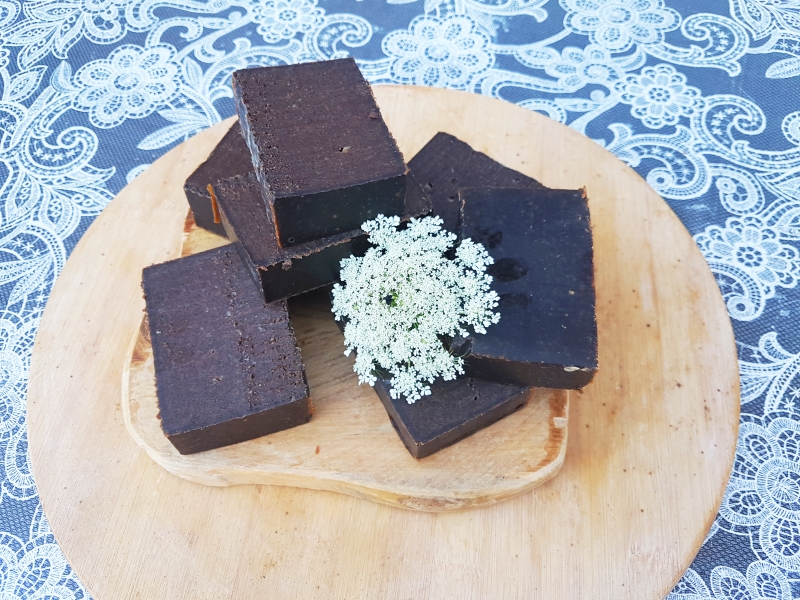
We can now unmold it and cut it into bars. The bars will need to be dried for four to six weeks before they can be used to optimize their pH and prevent traces of caustic soda.


METHOD “No Poo”, CO-WASHING and NATURAL SHAMPOO BARS

Hair contains a natural oil called sebum in its follicles that is essential for keeping it healthy. Frequent washing, combined with some of the harsh chemicals in the shampoo, removes the natural oils from the hair leaving it in poor condition.

The problem is that, today, many of us are convinced that our daily shampoo ritual is vital to keep the grease and oil on our scalp at bay and that without this ritual our hair will look gross. The sebaceous glands of the hair are activated to release extra sebum when they feel that the hair is drying. Over-washing removes the natural conditioning of the hair and sends signals to the sebaceous glands that it is necessary to replace the sebum that was lost in the wash. This often leads to an overproduction of sebum, which gives the hair that “fat ball” look which in turn makes people want to shampoo again creating a vicious cycle that is difficult to break out of.

That is why trends have emerged that react to this modern lifestyle. These trends are known in English as the “no poo” or “co-washing” methods.

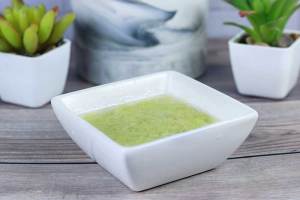
The theory of the “No Poo” method is as follows: by washing your hair with a gentle alternative to shampoo, such as baking soda and apple cider vinegar or even just water, you will achieve clean hair without the damage or dependence of daily shampoo. So, in short, instead of allowing the chemicals in the shampoo to spoil your hair, remove the chemicals and stop using shampoo altogether.

Experts in “co-washing” recommend “washing your hair weekly or biweekly, especially if you are prone to scalp problems. If you do not have any scalp problem, it is likely that the days of washing can be lengthened for a longer time according to these specialists”.

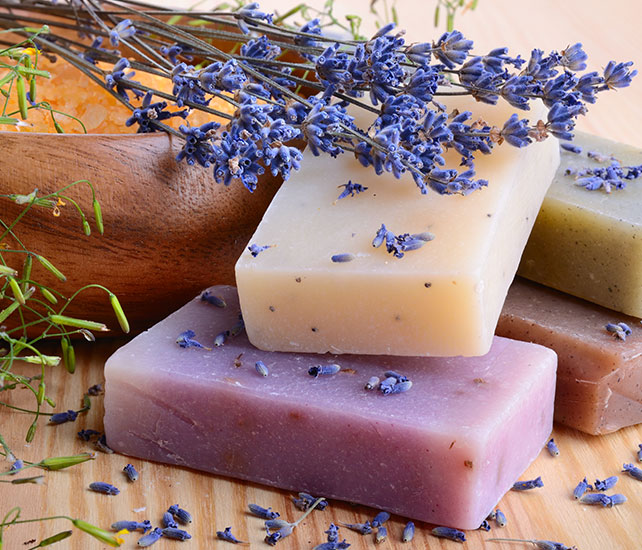
And for this they endorse a special type of natural shampoo bars that respect the natural sebum of the hair fiber and do not dry it out. These shampoo bars and the co-washing method have been creating a stir within the natural hair community.

Washing our hair with a specific co-wash shampoo helps to remove all the accumulation of residues from our scalp. Once our hair is clean, the co-washing technique creates a new space for moisture to enter our hair fiber again in order to strengthen it until our next wash.

This is not possible with commercial sulfate-based shampoos. Sulfates are those elements that are used in the manufacturing process and that usually create the “sud” or  extra layer of soap that produces a lot of foam and gives us the feeling that we are effectively cleaning our hair. However, sulfates are an economic element that helps manufacturers create more product without making the final price of shampoo more expensive.

It has been proven that sulfates are harmful to our hair, especially to the health of our scalp since they eliminate the natural oils also called “sebum” that our scalp produces naturally. This sebum is necessary to nourish our new hair fibers with the moisture and strength necessary for them to have a lasting life.

American women have known the technique of co-washing for decades and that is why they use natural solid shampoo bars, such as the ones we prepare on this page, to wash their hair.

You can spend a lot of money on organic shampoos or you can just make your own shampoo bars”; says this American blogger:

https://simplelifemom.com/2014/07/23/video-tutorial-shampoo-soap-step-step/

According to this blogger, “The difference between these bars and other soap bar recipes is that they are made with a series of more nutritious and healing oils for the hair, in addition to being made with a higher overfat level that releases a large number of oils and a high hydration power during washing

It is a technique very similar to the one we use to make facial soap bars, with which it is also possible to use these soap bars at body level. As we said, the high levels of over-greasing with which they are made release a large amount of emollient fatty acids that are great for cleansing the body and face.

It is a fact that one can wash with these tablets from hair to feet without the need to use more products and in a sustainable and totally ecological way since natural soap is biodegradable and the oils with which it is made are very rich for the care of the skin, including the scalp.

Those of you who have never used this type of shampoo tablets for hair washing, you should know that it will not feel like your usual shampoo when you use them for the first time.

Your hair is used to being stripped of its natural oils and then soaked with synthetic oils and silicones, usually not so healthy. Therefore, it will take your hair a week or two to break this cycle. Once you do, the scalp will produce enough oils to create a beautiful glow, without you having those fatty problems like you used to have.


HOW TO USE IT:

1.-We will use the shampoo bar like any other soap bar moistening it and rubbing it along the entire hair until we obtain a soft foam.

2.-Next, it is important to rinse thoroughly and apply a sprayer with natural apple cider vinegar all over the hair because this will untangle it and contribute to leave it loose and bright when it is dry.

3.-If you can dry it outdoors much better. And if it is not possible, leave it wrapped half an hour with a towel because then it will be enough with a couple of dryer passes to make it dry. With this, you save that the hair fiber suffers in excess with the temperature of the dryer.

4.-Obviously, the result is not the same if you have dyed hair. As you may know, dyes spoil hair fiber a lot, apart from being toxic. If you can avoid dyeing your hair it will look much healthier.

If you have a lot of gray hair, then you can try dyeing with henna * or with a semi-permanent dye that goes away with washing and does not contain ammonia or other types of aggressive fixing compounds with the hair fiber.

* If you have never tried henna, you will not know that in addition to providing great reflections to the hair, it manages to cover gray hair if applied together with indigo (Indigofera tinctoria) with a double procedure that normally consists of applying the henna first, rinsing, and then the indigo. With this “Light Mountain, color the gray” dye what is achieved is to speed up the procedure with very good results. It is completely natural and it is the only dye that we know of that, after application, leaves hair better than it was, looser and healthier. (Surely there will be other brands of natural herbal dyes on the market that achieve the same, but we do not know them, so we will appreciate if you know any other that you tell us in the comments).


OUR PROPOSAL TO REPLACE SHAMPOO WITH NATURAL CLEANSING AGENTS

First option: Make an herbal shampoo. You’ll need some of these powdered herbs:

  • Shikakai powder
  • Amla powder
  • Retha powder
  1. Mix all the powders in equal proportion in warm water and prepare a semi-smooth paste (neither too thick nor too liquid).
  2. Massage the hair and scalp with this mixture for 3-4 minutes and let it act for 5 minutes (if the hair is very oily).
  3. Wash the hair thoroughly with water and then rinse with lemon/vinegar.


Second option: Make a shampoo based on natural ingredients

We suggest that you use items from the pantry such as cucumbers, lemons, honey, eggs, etc …

Cucumber shampoo

2 cucumbers

Juice of 2 lemons

Water

Procedure:

Blend the cucumbers and lemon juice in a blender with 1 ½ cups of water.

Wash your hair as usual with this cucumber shampoo.

Wash the hair thoroughly with water and then rinse with lemon/vinegar.

Note: Be sure to use a wide-toothed comb to comb your hair gently and slowly to prevent it from breaking. Do this at the end of the shower to remove all cucumber flakes.


Egg and lemon shampoo

2 eggs

Juice of 2 lemons

1 tablespoon apple cider vinegar

Procedure:

Mix all ingredients correctly.

Wash the hair with this solution followed by a wash with lemon / vinegar.


Natural honey shampoo

It is the easiest way to thoroughly cleanse the scalp and hair. To make this shampoo, you would need 2 tablespoons of raw honey, 4 tablespoons of water. Mix and apply thoroughly on the scalp and hair. Rinse after 10 minutes with water.


Third option: Vegetable or glycerin shampoos.

Shampoos based on vegetable oils and also those based on glycerin bases (Melt & Pour) are much gentler on the hair fiber.

Recipe for vegetable shampoo without sulfates

Ingredients:

15 g of jojoba pearls

20 g carnauba wax

15 g apple cider vinegar

10 g of liquid soap from Castile.

30 drops of essential oil mixture: 5 drops of cinnamon, 5 of cloves, 5 of nutmeg, 5 of ginger, and 10 of orange.

INSTRUCTIONS: Melt the carnauba wax in a water bath.

Once melted, let it cool a little and add the apple cider vinegar, the jojoba pearls, the essential oils and the Castile soap. Stir thoroughly.

Pour the mixture into the soap mold of your choice. We will let it solidify in the fridge.


Homemade shampoo bar for sensitive scalps and dandruff:
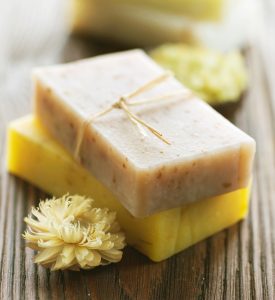
Babassu oil is used for medicinal purposes in South America to treat skin conditions, wounds, inflammation and even stomach problems. The exclusion of bleach (we use a glycerin base) in this shampoo makes this recipe less irritating for those with scalp conditions.

Ingredients:

30 g mild glycerin soap

2 g babassu oil or coconut oil

15 drops of argan oil

10 drops of essential oil

Optional: A pinch of dried nettle if our problem is dandruff. If our scalp is very sensitive it is better that we do not put dried herbs.

Instructions: Cut the bar of glycerin soap into thirds and melt it into the water bath. Then add the oils and, optionally, the herbs. Finally, remove from the heat and add the essential oils.

This glycerin solid shampoo should mature for a few hours. It will harden and can be stored in a container in the bathroom. We can start using it the next day because glycerin soap does not need a maturation process like cold saponified soaps.


OUR CO-WASHING PROPOSAL

Make a solid bar of cold saponified natural shampoo and forget about the stories!

A solid shampoo bar like this thoroughly cleanses the scalp and hair without leaving the hair dry, stiff or stripped of its natural fat. These natural soap bars are free of sulfates, silicones or mineral oils that strip the hair of its “sebum” and its natural moisture leaving it dry and dull. In addition, these solid shampoo bars last up to 60 washes in many cases.


DIY hair shampoo bar

Many people also use their cold process soap as a shampoo bar. But hair is different from the skin, so it is advisable to formulate them differently so that they make enough foam.

The first and most important thing is to formulate them with a high level of over-greasing (between 10 and 12%) so that they release a large number of oils during washing and better condition the hair fiber.

The second requirement of a shampoo bar is that it contains coconut oil, which is responsible for producing a greater amount of foam.

Third, including castor oil will also contribute to a better washing experience.

It is also interesting to include a teaspoon of salt (5 grs) to harden our shampoo bar and a teaspoon of sugar (10 grs) to enhance its foam. Both will be added with the bleach.


Ingredients for a 10% of over-greasing.

280 grams of coconut oil

280 grams of palm oil

280 grams of olive oil

170 grams of castor oil

One tablespoon of clay*

Salt (5 grams) and sugar (10grs) that we will dissolve in the bleach.

318 grams of water

136 grams of caustic soda

About 30 grams of essential oils of our choice.


The clay contributes to drag the silicones and chemical residues that the hair can accumulate from previous washes in addition to providing hardness and hydration capacity.

The combined coconut, palm, castor and olive oils provide the shampoo with a high capacity for emollience and hydration.


PROCEDURE:

Previously we will take the necessary precautionary measures (gloves, ventilation, wooden spoon) to prepare the bleach which, as we know, consists of mixing the caustic soda with water and stirring well until it dissolves. At this point we will add the salt and sugar and let the reaction cool at room temperature.

In the meantime, we will melt the oils if necessary (surely the fat from palm and coconut) and mix them. We will let them cool to room temperature.

When the temperatures of the bleach and oils are close (between 30 and 40 degrees), we will slowly add the mixture of water and soda (bleach) to the previously heated oils.

We will use a hand mixer to start mixing until the point of “trace” or custard consistency is achieved. At this point we will stop beating and add the essential oils.

We can already pour the mixture into a soap mold. It is advisable to cover the mold and shelter it so that the saponification continues.

A couple of days later it will be dry and we can unmold it and cut it into bars that we will let cure for a minimum of a month and a half before starting to use them.

Notes:

Essential oils have different properties and we choose to include those that address the concerns of our hair. Rosemary, for example, is capillary anti-fall especially if the problem is due to excess fat. The tea tree is anti-inflammatory and anti-dandruff, mint also prevents fall and strengthens the hair fiber. And it is also possible to include a mixture of various oils.

Due to the alkaline pH of cold process soap, most people use a slightly acidic rinse on the hair after using the shampoo bar because it helps to detangle the hair better and gives it shine. Apple cider vinegar helps to balance the pH of the scalp and increase its brightness.

It is possible to prepare a rinse with:

One cup of apple cider vinegar for 2 cups of water or half a lemon juice for two cups of water.


SOLID SHAMPOO FOR DRY AND LOW VOLUME HAIR

In this post we are going to reformulate our recipe for solid shampoo for oily hair and we are going to rethink it to treat dry, weak, and, perhaps, damaged hair.

First of all, we want to talk about the plant extracts that we can use to make this solid treatment shampoo.

VEGETABLE EXTRACTS from the Ayurvedic tradition to care for hair:

“Bhringaraj is one of the most specific plants for hair care, especially to prevent hair loss and the appearance of gray hair. It is native to India. Strengthens hair and thickens it. Calms irritation of the scalp. It is more appropriate for dark hair.

Nagarmotha is a plant native to India (there is an essential oil). It is used in a mask to purify and regulate excess sebum and to stimulate hair growth. Prevents the appearance of gray hair.

Amla is another exceptional plant for hair care, also native to India. It is used to strengthen and regenerate hair, as well as to prevent hair loss and the appearance of gray hair. It favors vegetable colors. Amla is more appropriate for dark hair. It is used in masks, you can also make aqueous or oil macerates.

Kachur sugandhi (galangal) root powder is used in Indian tradition in hair treatments. Strengthens the hair. It densifies it and stimulates its growth. It is ideal for fine hair without volume.

There are many other very interesting Ayurvedic plants for hair: brahmi (dandruff), kapoor kachli (alopecia, fine hair), reetha and shikakai (natural shampoos), sidr (color fixative, natural shampoo) ”.

Source: Antonia Jover, scientific and family aromatherapy blog.

http://aromaterapiafamiliar.wordpress.com

As we have always been saying from our blog, it is not always the most “sustainable” idea to try to get a plant or extract that is found on the other side of the globe, simply because we have heard very well about it. If we have it at our disposal it is perfect, if not, it is better that we try to find the herbal extracts that our natural environment provides us, because in many cases it is possible to find similar plants nearby that will perform the same function.

For example, the plant extract of rosemary belongs to our Mediterranean environment and its qualities to strengthen hair, add shine and stimulate its growth have nothing to envy those of Ayurvedic Amla or Bhringaraj.

Studies from various universities such as Osaka in Japan, or Sao Paulo in Brazil highlight their ability to:

-Activate the circulation and irrigation of the hair.

-Strengthen the hair fiber and fragile and fine hair.

-To restore shine, flexibility and vitality to hair, thanks to its antifungal action.

We also know that rosemary, like lavender, act by regulating the hair sebum and, therefore, the fat that accumulates in it. Thus, they prevent the scalp from drying out and becoming irritated, thus preventing the appearance of premature gray hair. The rosemary extract, therefore, has nothing to envy to the famous Ayurvedic Nagarmotha.

In turn, the peppermint extract can be of great help when it comes to strengthening our scalp and preventing hair loss.

A study from “Christian Albrechts University” found that the menthol in peppermint oil increases blood flow and provides a cooling sensation. This can help with dryness, itching, and other scalp problems like dandruff and hair loss.

And if your hair is light and weak, then the combined action of calendula and chamomile can replace the Kachur sugandhi (galangal) root powder of the Ayurvedic tradition.

The most important property of calendula is its ability to hydrate the skin and scalp and therefore add volume. Calendula also promotes hair growth avoiding dandruff and dryness, which are both factors that prevent hair growth.

On the other hand, chamomile is known worldwide for its ability to lighten hair. This is due to the yellow and bluish pigments that chamomile contains. In combination, both pigments achieve a natural lightening effect. However, another of the properties of chamomile is that it removes itchy scalp and dandruff and adds shine. Chamomile thus prevents irritations and contributes to the feeling of serenity and well-being of the user, being the ideal treatment for delicate hair.

The combination of both (calendula and chamomile) thus encourages the growth of a strong, healthy and shiny mane.

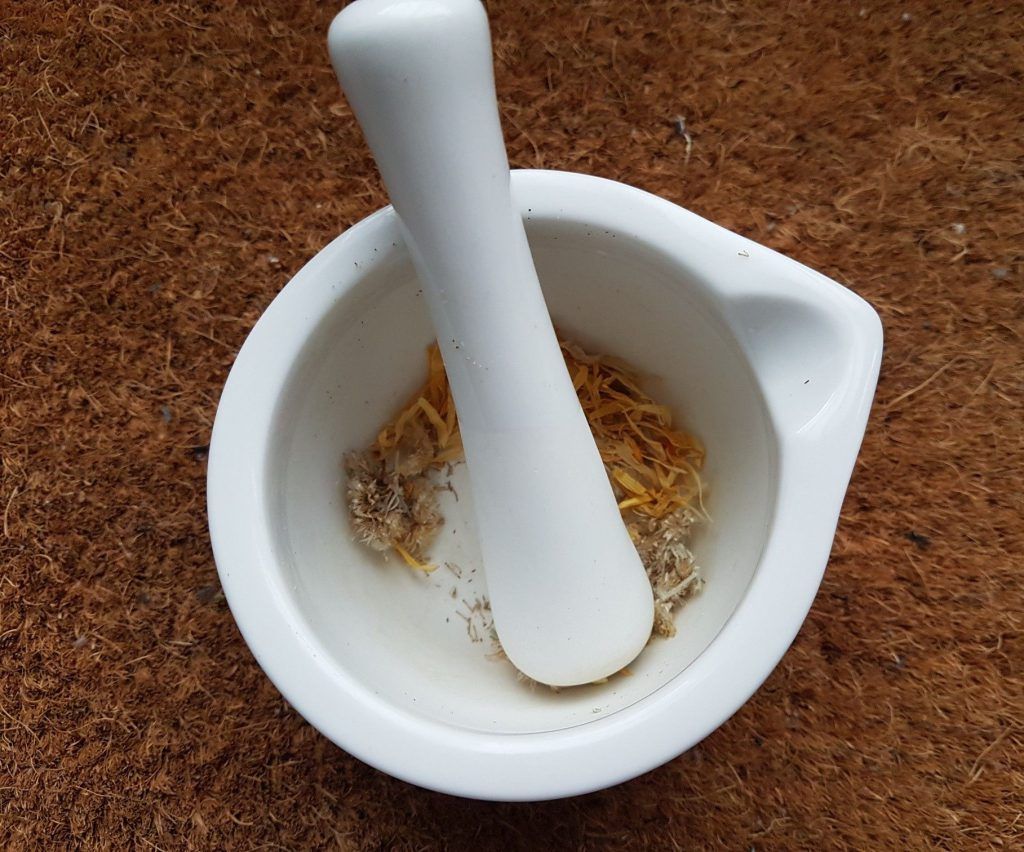
If you have difficulties finding powdered extracts, remember that many of the powdered extracts can be obtained yourself with the help of a small mortar or even a coffee grinder.


On the other hand, aloe vera gel is ideal for hydrating all types of hair, nourishing it and adding shine. At the same time, it purifies the scalp and soothes irritations and itching.

Dry and damaged hair can best benefit from the moisturizing properties of honey, as it soothes irritated scalp, purifies and revitalizes it.

Its antibacterial and healing properties make it, together with Neem vegetable oil, the hair treatment of choice in case of psoriasis of the scalp.

After all this introduction, let’s go with the recipe:

INGREDIENTS

Normally, I use SCS as the main surfactant because my scalp problem is usually excess oil and SCS, in my case, works exceptionally well at regulating this problem and keeping my hair clean for longer. However, as we are preparing this formulation for the treatment of rather weak, dry hair, and without volume, it is better that we use a milder surfactant, such as SCI.

LET’S GO WITH THE RECIPE

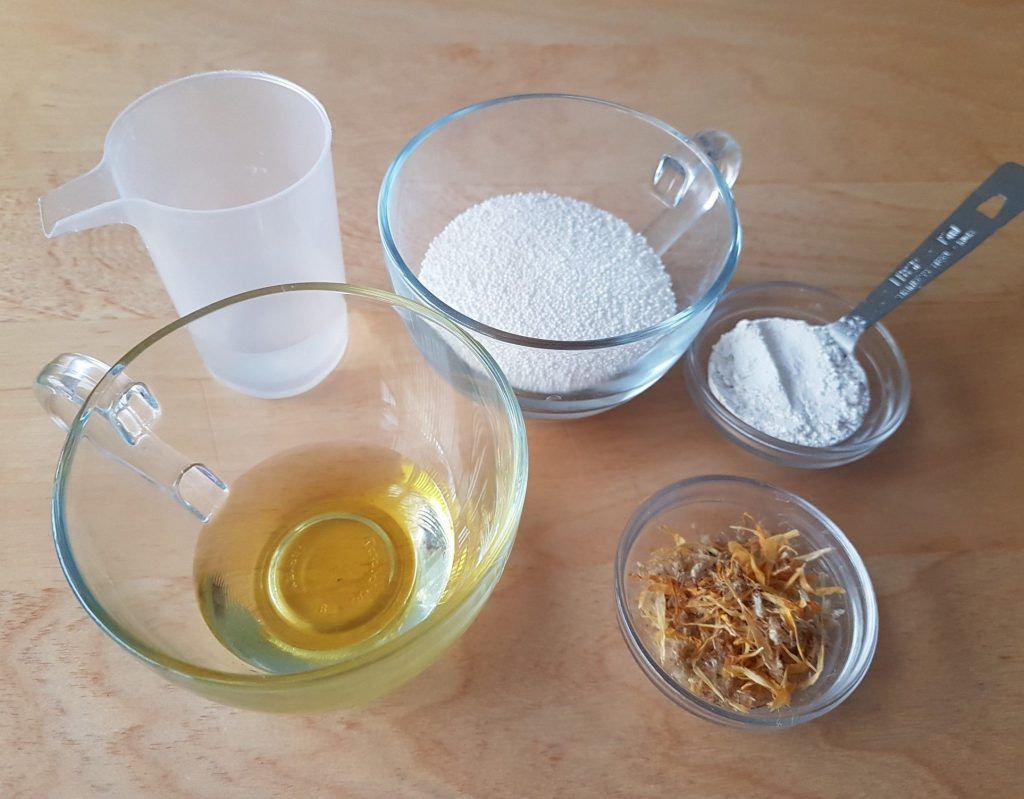
So, 50 g of SCI surfactant (try not to breathe the vapors)

15 gr (1Tbsp) of argan oil or wheat germ oil (to combat dryness and moisturize)

1 TBSP (15grs) rassoul clay or kaolin

1 tsp (5grs) of dry extract of calendula and chamomile powder

1.5 tablespoons of water (about 25 grams of water as the SCI needs less water than the SCS)

Between 15-20 drops of ylang ylang EO.


PROCEDURE:

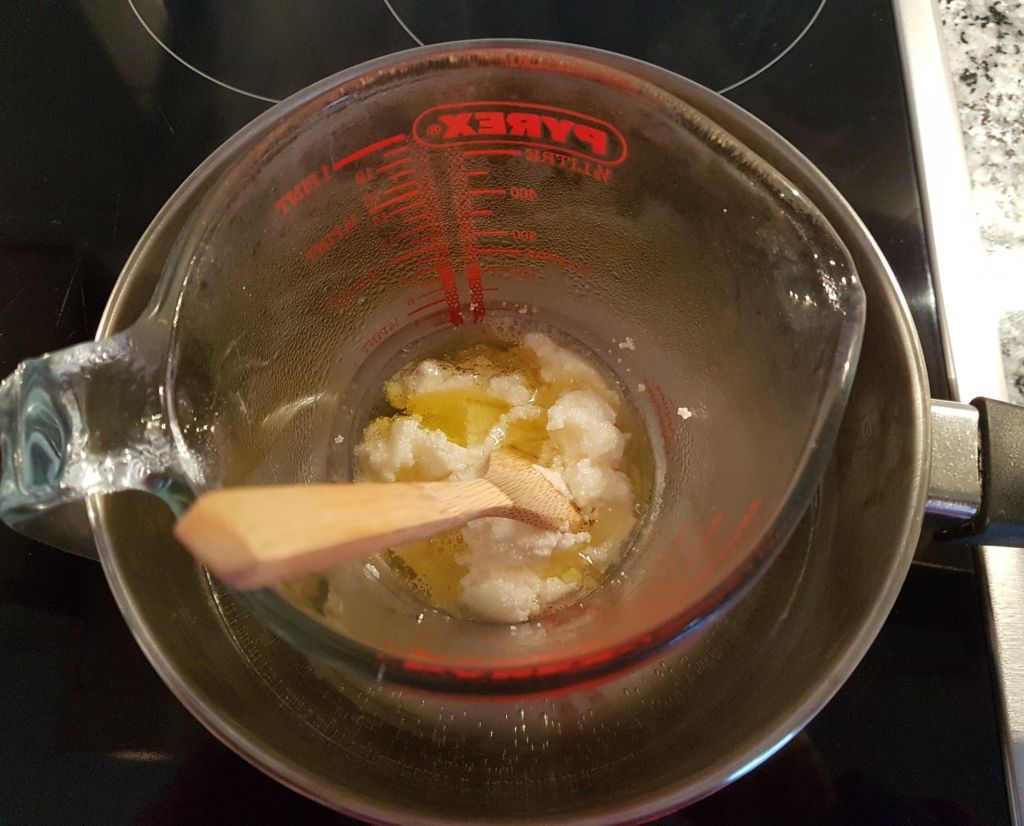
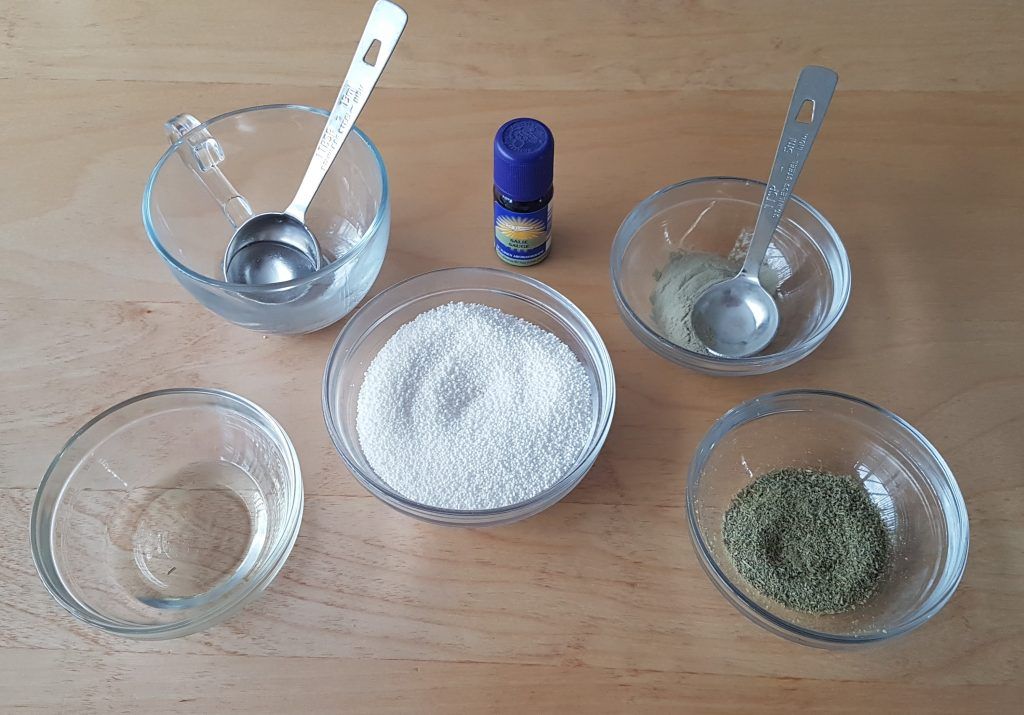
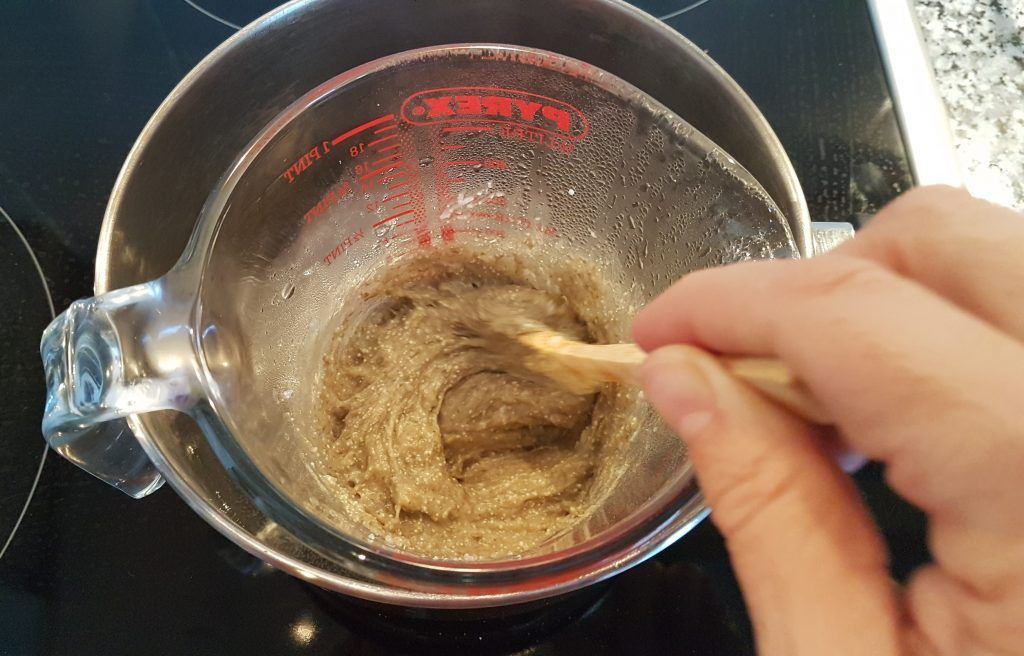
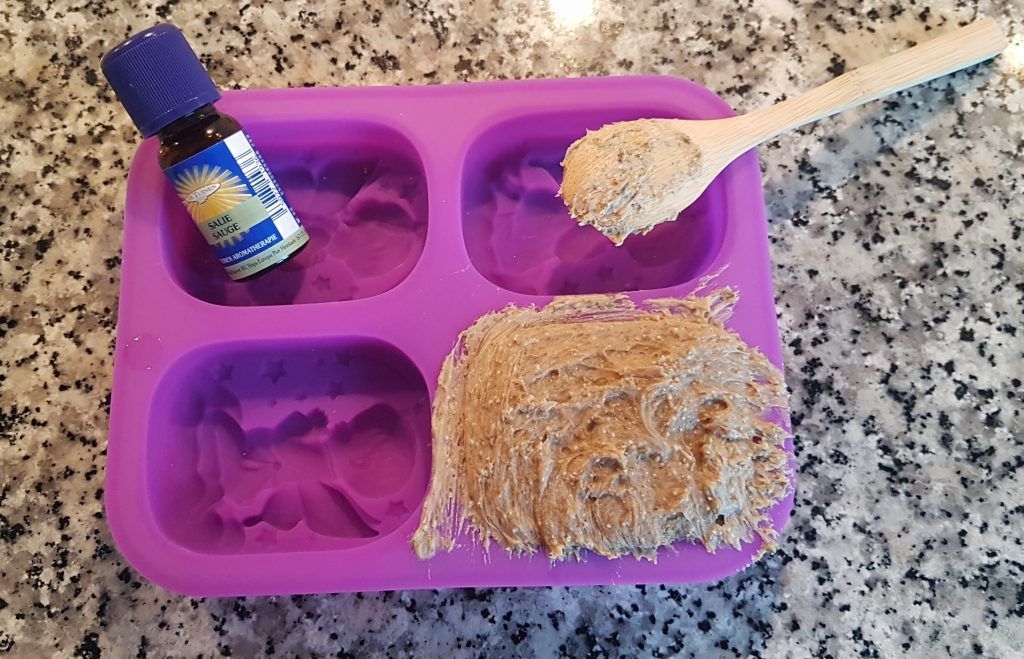
We will start by melting the SCI with the two tablespoons of water in a water bath. We will heat gently and crush with the back of a tablespoon until the mixture forms a homogeneous paste.

Then we will add the vegetable oil and continue to mix and crush the pasta. Apart from the heat, we will add the extract of calendula and chamomile together with the clay. We will continue mixing it and squashing it all well so that it integrates.

Finally, we will add our last ingredient, the 20 drops of ylang ylang essential oil that will fulfill the function of strengthening the scalp and regulating its lipid layer, with which, we will obtain our volume and hydration goal.

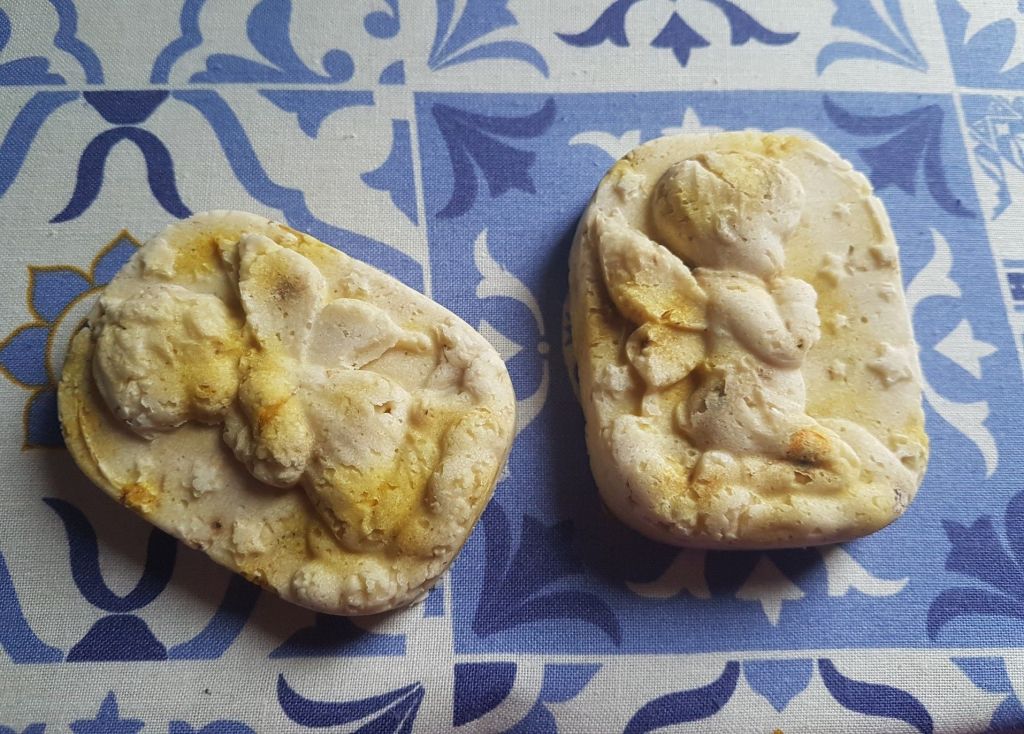
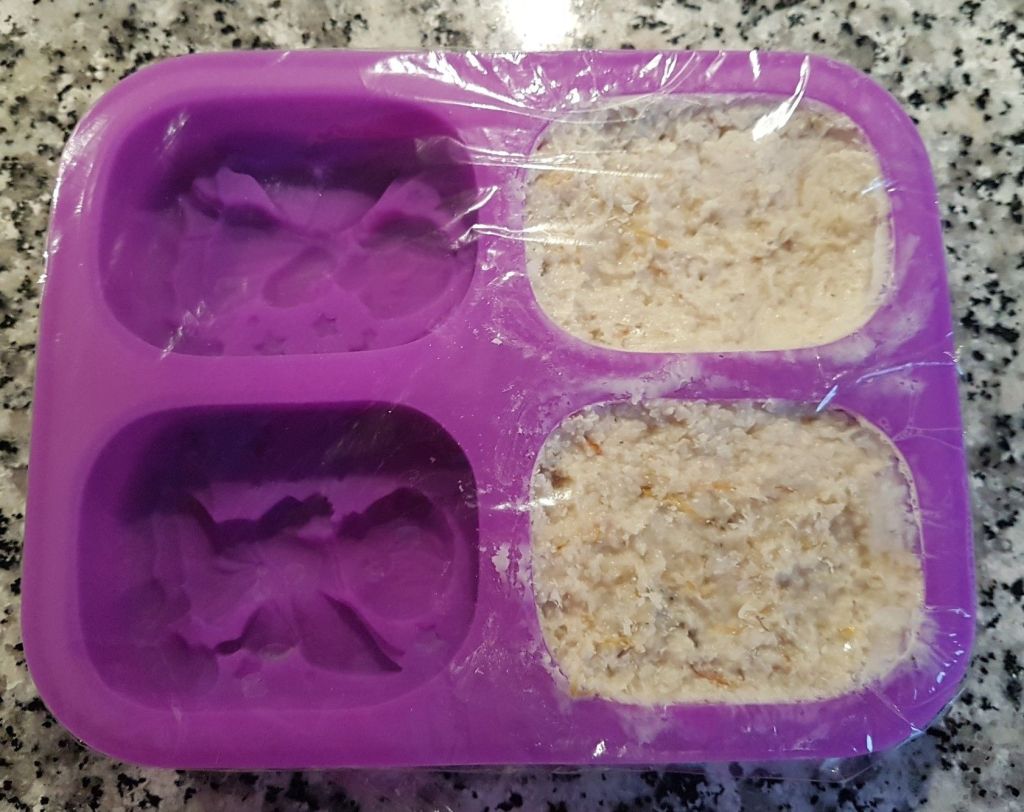
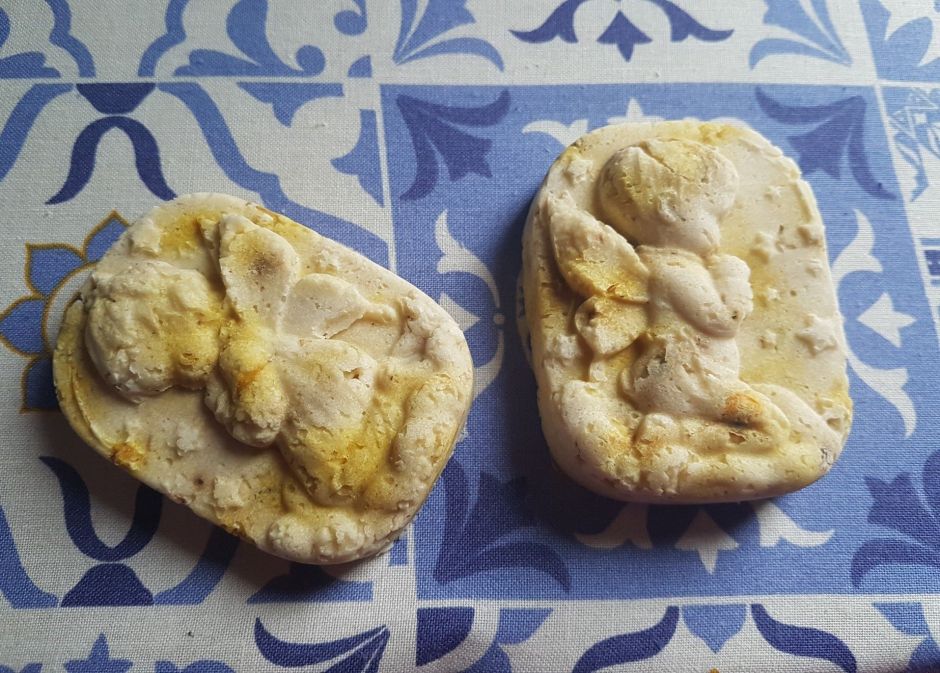
As these molds of my are a bit small, in the end I have almost two tablets, but the ideal situation is that the dough is well compacted (using a spatula) in a single mold so that there are no air bubbles and it hardens better.

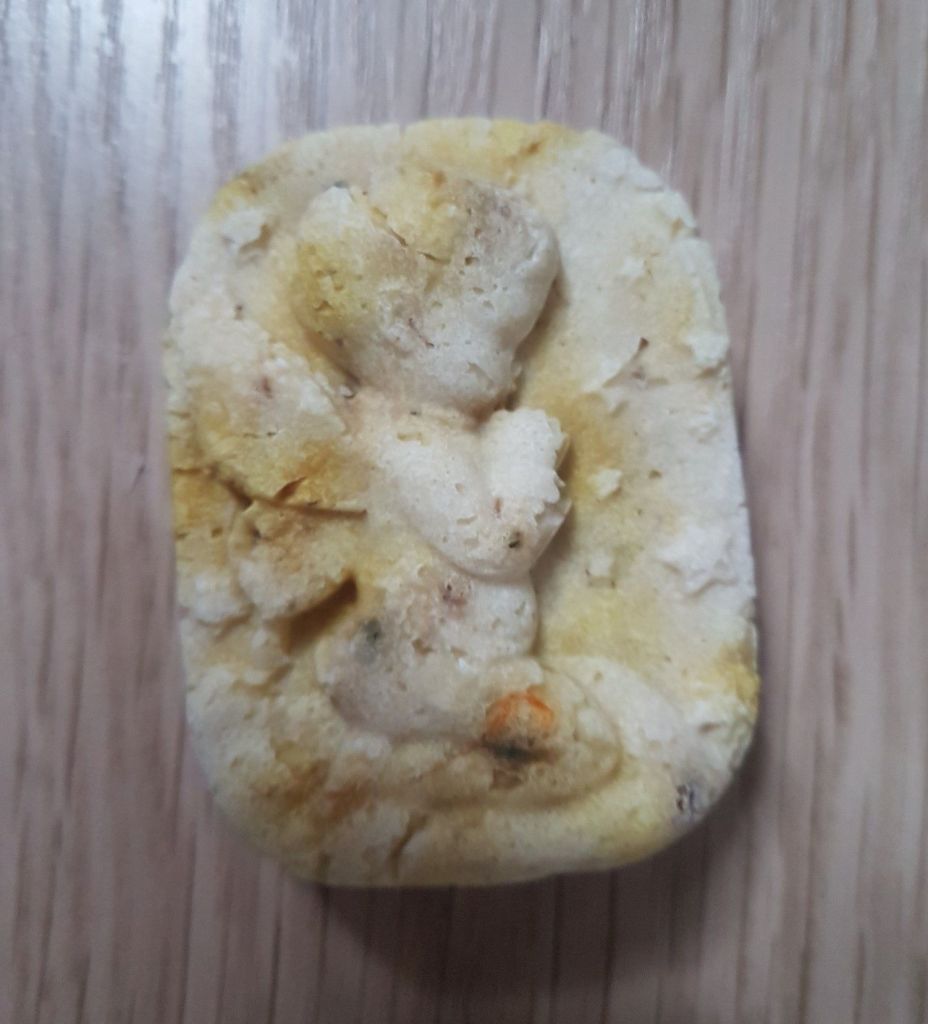
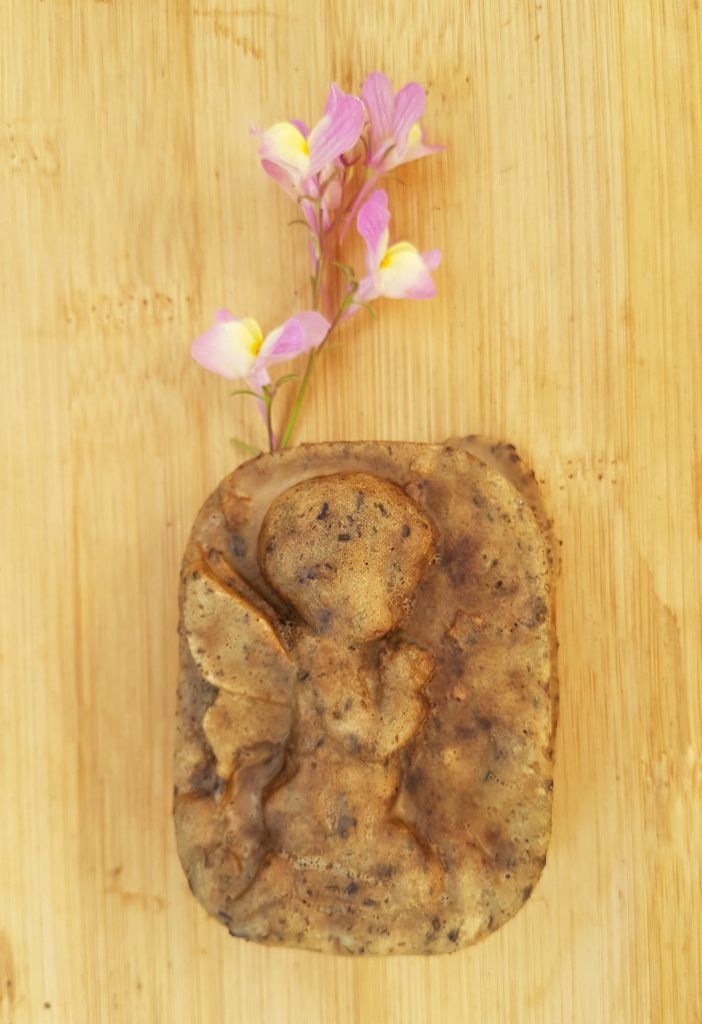
After unmolding it a few hours later (48 hours is ideal because it has to dry well), this will be our final result.


I would like to add the recipe that Maria from https://bcncosmetics.com posted in the previous entry about solid shampoo because I find it very correct to treat fine hair without volume:

The recipe was:

60 gr of SCI surfactant

15 g of avocado oil

15 g of kapoor kachli powder extract

5grs of honey

2 tablespoons of chamomile infusion

Between 15-20 drops of Lemon Grass EO

It is also possible to make a combination of SCS and SCI if we want it to have more foam.

We would put, for example:

35 grs of SCS

25 grams of SCI

15 grams of avocado oil

15 g of Kapoor kachli extract powder

5 grams of honey (if we do not want more volume we can ignore it and put instead of 15 grams of oil twenty grams)

2 tablespoons chamomile infusion

Between 15-20 drops of Lemon Grass EO


I hope you like these recipes 🙂

TWO INFALIBLE REMEDIES AGAINST THE FALL DUE TO THE EXCESS OF CAPILLARY FAT

We will first offer a universal formulation for making solid shampoos. Solid shampoos are great for different reasons:

-They last a long time because you only need a small amount to wash your hair.
-They are easily storable for at least 6 months and have a long life without the use of preservatives.
-They produce less waste, since they do not come in a plastic bottle that will be discarded after use.
-They are very easy to transport, especially when we have to travel by plane.

BASE RECIPE FOR SOLID SHAMPOO:


Ingredients: Preparation for about 100 grams of final product.

60 gr of surfactants SCI, SCS, or both combined. Example: 40 gr SCI, 20 gr SCS
15 gr (1Tbsp) of vegetable oils or butters
15 gr of herbal powdered extracts (clay, henna, nettle powder, lavender, rosemary)
5 gr (1tsp) of assets adapted to your needs (it can be simply clay, bicarbonate, aloe vera, etc).
2 tablespoons of hydrolate, herbal tea or water
Between 15 and 20 drops of AE appropriate to the problem you want to treat.

You will find all these ingredients easily in organic stores or online. Think that once you have them you can prepare various shampoos. It is not necessary to use many grams of each ingredient and, in addition, the solid shampoos last a long time, so you will have paid off your investment very well.

Regarding surfactants, say that SCI or Sodium Cocoyl Isethionate is a mild surfactant derived from coconut oil. It can be combined with another solid surfactant called Sodium Coco Sulfate that offers an even more generous foam. This second surfactant is more suitable for oily hair. The first surfactant is best indicated for dry and damaged hair. Of course, a combination of both is always possible.

Procedure:

We will weigh all the ingredients and start by melting the chosen surfactant with the two tablespoons of hydrolate, herbal infusion or water in a water bath. We will heat gently and crush with the back of a tablespoon until the mixture forms a homogeneous paste.
Then we will add the vegetable oil or butter and we will continue mixing and crushing the pasta. Already separated from the fire, we will add the vegetable extract. We will continue to mix and integrate it.
Finally, we will add the 5 grams of active ingredients, which can be the essential treatment oils combined with glycerin, aloe, etc., depending on the type of problem we want to treat.
Then we will place the mixture in a silicone mold and let it rest for two hours in the fridge. When it is hard, we will unmold and wrap in a paper napkin to dry well for 72 hours before using it.

As we want our shampoo to treat excess hair fat, we will opt for the following composition:

60 gr of SCS surfactant
15 gr (1Tbsp) of jojoba oil (which is the best to regulate excess sebum, substitutable for hazelnut, almond or even virgin olive)
1Tbsp of dry extract of rosemary powder
1 tsp (5grs) of rassoul clay or green clay
2 tablespoons of water
Between 15-20 drops of AE from Salvia Sclarea

Procedure:

We will start by melting the SCS with the two tablespoons of water in a water bath. We will heat gently and we will be stirring until the mixture forms a homogeneous paste.

Then we will add the vegetable oil and we will continue mixing and crushing the pasta. Already separated from the fire, we will add the rosemary extract and the clay. We will continue mixing and crushing everything well so that it is integrated.

Finally, we will add our last ingredient, the 15 drops of essential oil of Salvia Sclarea since the EA of sage fulfills the function of regulating hair fat, just like rosemary and jojoba extract.

After unmolding it a few hours later, this will be our final result.

Our second recipe, not because it is liquid, is less effective.

SULFUR-BASED GEL SHAMPOO to regulate hair fat

Sulfur also acts as a regulator of the fat layer of the scalp as well as extracts of rosemary, jojoba oil or sage. This recipe is very simple to elaborate, practically, the only complication it has, is to find the surfactants based in coconut oil.

In our links section we indicate some online stores where you can find them.

Ingredients:

300 ml of rosemary tea
5 grs (1tsp) of xantana
1tsp of liquid soy lecithin
2 Tbsp of jojoba oil, hazelnut, macerated oil of borage, burdock, nettle, evening primrose …
1 Tbsp of vegetable glycerin
20 drops of preservative (Cosgard if possible because it less destabilizes emulsions)

15 grams (one Tbsp) of sulfur powder
30 drops EA of Salvia Sclarea, or rosemary or tea tree in this order.
50 grams of coconut tegobetaine (it is liquid)
30 g of SCS (it is a granulated surfactant)

Modus operandi:

We will start with the infusion of rosemary still hot in which we will dissolve the soy lecithin.

Now we will add the xanthan gum always whisking very well to integrate everything, thicken it and emulsify it.

Now we will add the glycerin and the oil and we will continue beating.

It is time to add the 20 drops of our preservative and the 30 drops of the essential oil of our choice. Also our tablespoon of sulfur flower, stirring everything very well.

Finally, we will dissolve our SCS granulated surfactant in coconut betaine and integrate by stirring in our emulsion taking care not to beat excessively because we could not run out of foam.

We can now bottle our shampoo and let it rest for a few hours before using it.

We really hope you liked these recipes and that you leave us a comment on our page.