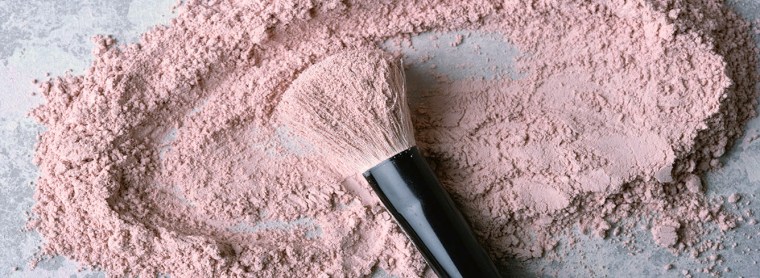
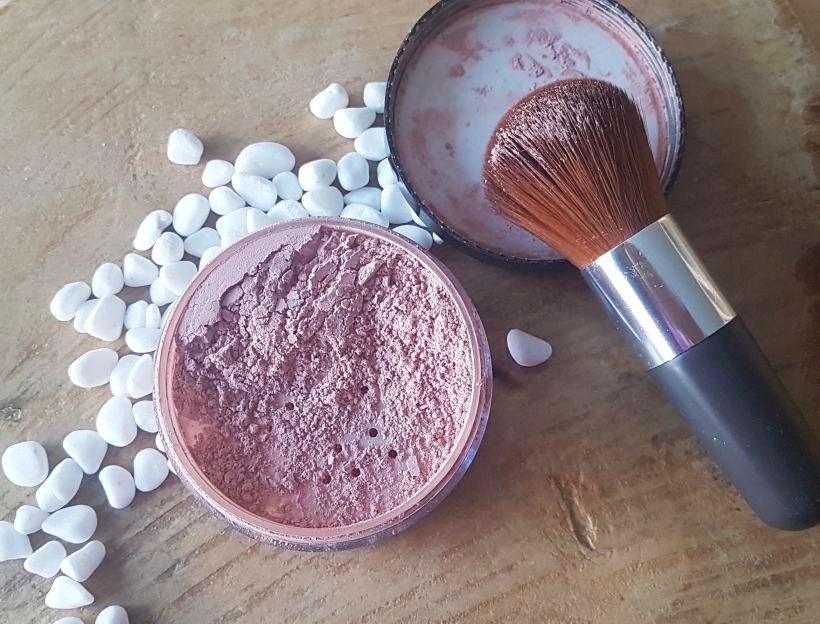
BLUSH WITH ULTRA-FINE WHITE CLAY BASE

Has it happened to you that when you apply commercial blushes on a daily basis, your skin dries out more or, even, that you get redness?

Well, with these bases for blush that we detail here that does not happen.
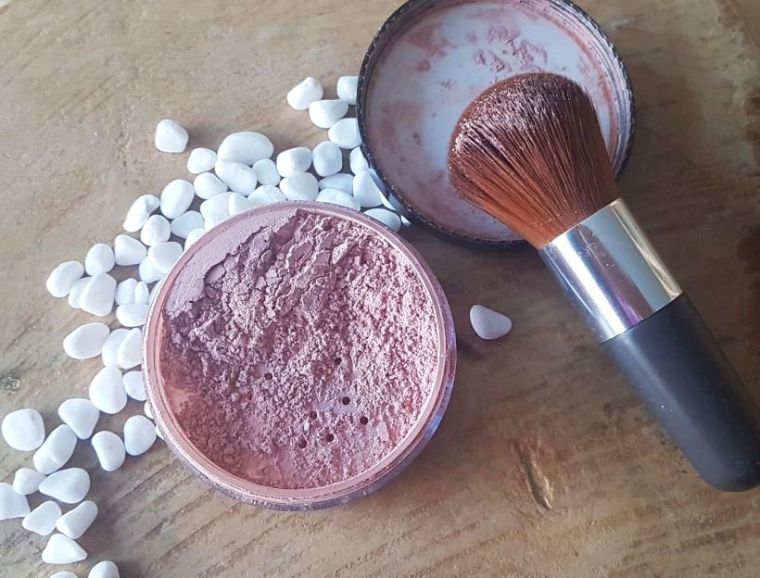


As you know, we follow the Ayurvedic maxim of not putting anything on our skin that we cannot ingest ourselves. And, if you notice, this base for blush, with the exception of mineral pigments, is totally edible.

In addition, if you vary the pigments slightly, you can turn it into a powdered makeup background base. In this case, we would reduce the pink ochre pigment and increase the proportion of the brown oxide pigment. Of course, as a whole, it would have to be a mixture with less amount of pigment so that it did not remain dark like blush. Maybe two teaspoons SMIGDEN of brown oxide and just one of pink ochre? You must always check the mixture on the torso of your arm to adapt the proportions.


NATURAL BLUSH TODAY

Blush, like most makeup products, has its origin in ancient Egypt, where even then they used a paste based on fruits and red ochre to give a touch of colour to their lips and cheeks. Also today, in a very simple way, it is possible to apply the juice of a red beet, for example, to give colour to lips and cheeks. Maybe the effect will not last us all day, but surely it will not cause us any type of contraindications.

The composition of a blush a little more sophisticated, such as the ones we can find in shops, varies slightly depending on the format of the blush, but they have some common elements:

Dyes: Those that give colour to the blush, several are used to achieve the desired shade. E.g., red 6, yellow 5 lake, carmine… As we have already mentioned other times, these colorants are synthetic and, in many cases, harmful to the skin. In natural cosmetics, we use natural mineral oxides.

Base powders: They cover the skin disguising our natural colour and enhancing that of the blush. They also give it shine and that silky texture so characteristic of the product. E.g., talc, titanium dioxide, zinc oxide, rice powders, and even kaolin which also acts as an opacity agent in addition to as a moisture absorber.

Binders: The components that get the pigments to be fixed in the skin and improve the adhesion of the product. In natural cosmetics we usually use corn starches, arrow root powder, etc. They can be emollient and also help condition the skin, e.g., castor oil, wax, cetearyl alcohol, and, in commercial cosmetics, also octyl dodecyl lactate or metal stearates such as zinc stearate.

Commercial blushes also usually have added synthetic perfumes that we are going to omit because of the toxicity they imply.

And, of course, they also carry preservatives (parabens) that in a formulation of natural cosmetics without water and just fatty emollients, we will not need.


THE CHEMICALS THAT OUR MAKEUP CONTAIN

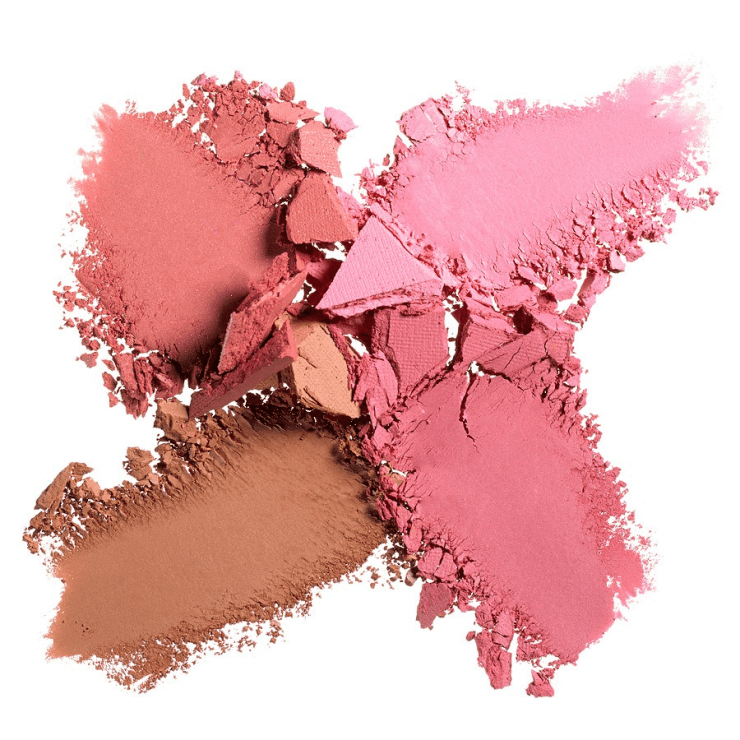
We have consulted the labelling of the fluid blush of a trademark that we prefer to ignore so as not to disturb anyone and it is terrifying the amount of foreign chemicals that a simple blush contains.

INCI: G2015747 AQUA / WATER / EAU BUTYLENE GLYCOL ETHYLHEXYL PALMITATE DIMETHICONE PEG-240/HDI COPOLYMER BIS-DECYLTETRADECETH-20 ETHER TREHALOSE TRIETHYLHEXANOIN CAPRYLIC/CAPRIC GLYCERIDES PEG-10 DIMETHICONE SILICA PHENOXYETHANOL SYNTHETIC FLUORPHLOGOPITE GLYCERIN SODIUM POLYACRYLATE TOCOPHERYL ACETATE.

And, as we know, most of the ingredients used in cosmetic products are derived from petroleum, or are produced by synthetic chemistry. In the “previous studies” that are carried out to see the safety of the ingredients for human use, in many cases undesirable effects are observed in high doses, so studies are done in different percentages, until the dose that is “safe” for use in humans is reached.

But what the chemical and cosmetic industry does not usually take into account is the bioaccumulative effect of many of these chemicals in the body since a person does not use a single cosmetic a day, but, on average, uses 10 cosmetic products a day.

Thus, for example, and although according to these “previous studies”, it is safe to use a product with parabens at 0.4% (maximum authorized dose), it turns out that parabens are preservatives that are carried by practically all cosmetic products. Therefore, if we use a shower gel, a shampoo, a softener, a deodorant, a toothpaste and a facial cream, which each of them carries parabens, we are therefore quintupling the daily dose of parabens.


NATURAL BLUSH WITH VEGETABLE PIGMENTS

There are people who prefer to use vegetable pigments to make simple make-up bases such as a blush.

Personally, although these totally vegetable bases are sure to be very natural and certainly provide many properties to the skin of the face, we have preferred to use mineral pigments because we have seen that adding a very small amount has a great penetration capacity and the powders are very fine. and soft.

If you prefer to experiment with vegetable pigments. Here we indicate a possible recipe.

This vegetable blush uses arrowroot powder as a base. And as pigments it uses a custom combination of ground cocoa and red beet powders.

Arrowroot Powder: Arrowroot is a starch that is a common gluten-free alternative to cornstarch. It is also less likely to be GMO than most cornmeal. Arrowroot is used as the base of this blush and also to lighten the mixture if necessary.

Beet Root Powder: Beet root powder is exactly what it sounds like; dried beets. Beets have amazing colour and therefore beet root powder is perfect for giving this homemade natural blush that rosy colour.

Cocoa powder: Cocoa powder is used when you want your blush to have more brown tones. It is also beneficial for the skin, as it contains antioxidants that help heal it.
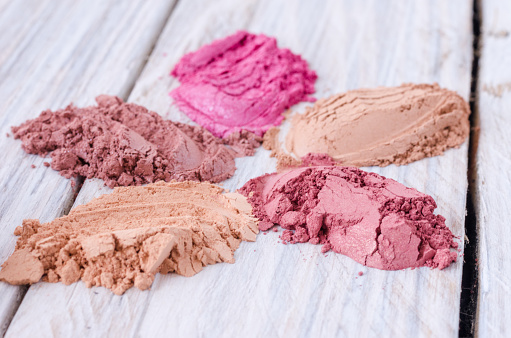


It is possible to use other shades and try other ingredients such as ginger (yellow / gold tones), cinnamon (golden brown tones), red clay, alkaneta root (magenta tones), turmeric (orange tones).

INGREDIENTS

Light pink blush:

2 teaspoons arrowroot powder

1 teaspoon beet root powder

Pink blush:

2 teaspoons arrowroot powder

2 teaspoons beet root powder

Mauve blush:

2 teaspoons arrowroot powder

2 teaspoons beet root powder

1 teaspoon cocoa powder

Procedure: Simply, mix all the ingredients in a small jar and stir well until everything is completely integrated. Modify the mix of pigments as needed.


THE COMPONENTS OF OUR RECIPE FOR FACIAL BLUSH WITH MINERAL PIGMENTS

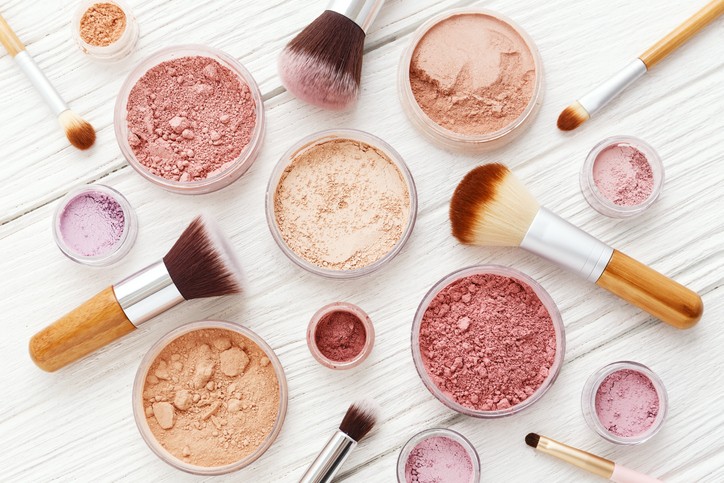
We have used only powders that are harmless to our skin or, what is even better, with an extra contribution of cosmetic properties such as kaolin clay or pearl powder.

As dyes, we have used natural mineral oxide pigments, such as pink ochre oxide or brown oxide from which you can get from any supplier of natural cosmetic raw materials.

https://www.cremas-caseras.es/36-pigmentos-minerales-y-micas


Why have we used kaolin clay?

As we said, we have used ultrafine white clay as the main component of our base. White clay or kaolin, as it is known, when it is of food grade, has multiple therapeutic properties.

Among them, remove impurities and avoid the appearance of a rough touch or matte appearance that does not reflect the light of the face. In fact, its continued use manages to give the skin a more youthful, soft and smooth appearance. These are some of the benefits that white clay brings to the skin:

-Softens the skin of the face, refining its texture and facilitating the elimination of impurities.

-Recharges the skin with minerals, especially since it is rich in silica.

-Provides luminosity in case of dull skin.

-In oily skin and with pimples, it favours the elimination of the same due to its astringent and deeply cleansing action.


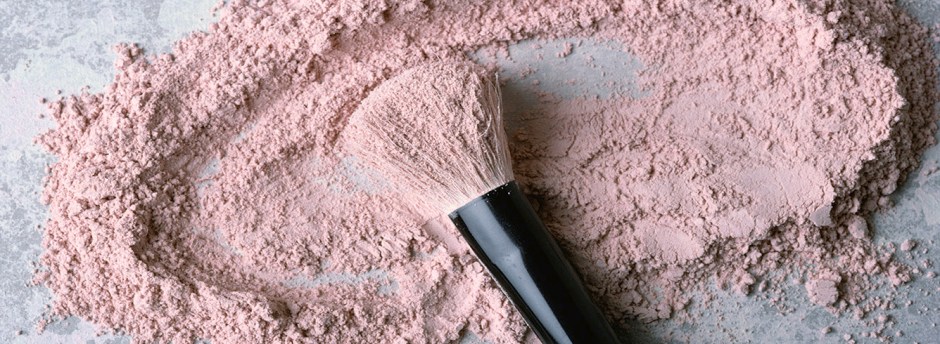
So, we used a base with half white clay and half arrowroot starch. And to this base we have added the mineral pigments and a teaspoon of pearl powder to enrich it.


BLUSH FORMULATION in a 40 g container and with an ultrafine clay base

Ingredients:

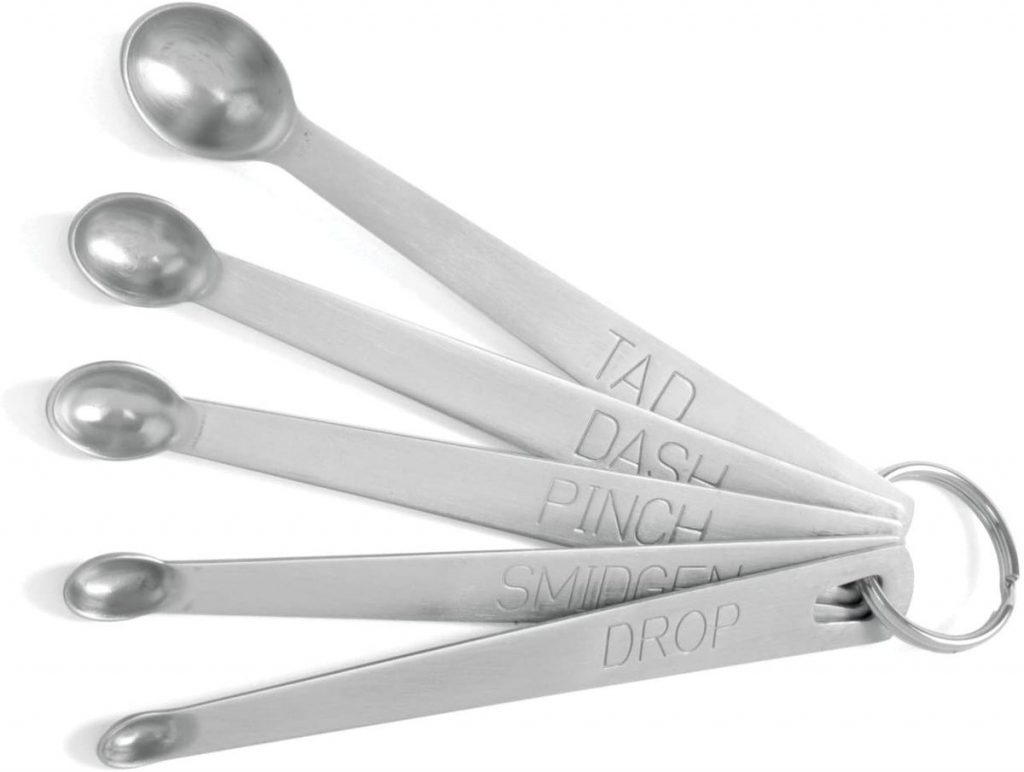
Italy Pink Ochre Oxide Mineral Colorant 3 or 4 Large TAD Scoops

Ultrafine kaolin powder 15 grs

Arrowroot powder (starch) 15 grs

Freshwater pearl powder cosmetic active 1g or 4 scoops DASH

ELABORATION:

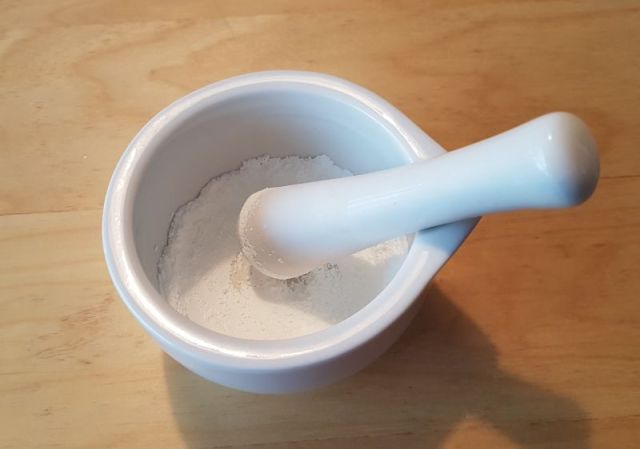
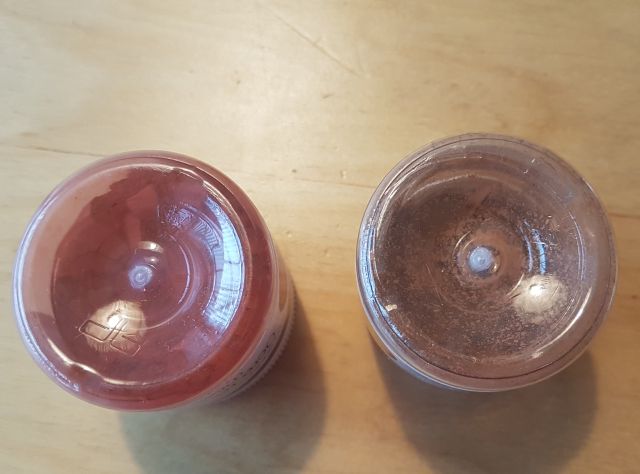
In a ceramic mortar, we will transfer all the powders (pink ochre + arrowroot powder + white clay + pearl powder) and then we will carefully crush them with the pestle for a few minutes to obtain a homogeneous colour mixture. Adjust the amount of pigment according to your skin tone.

Tip: The longer you mix, the more colour will develop. Think that these pigments are minerals and are fixed to the skin much better than the commercial blushes that you may know, so do not be fooled by the light colour of the mixture of powders because once you apply them with the brush of hair on the cheekbones you will see that the colour rises a lot in intensity.

Now you can transfer the preparation to the container.


Why pearl powder?

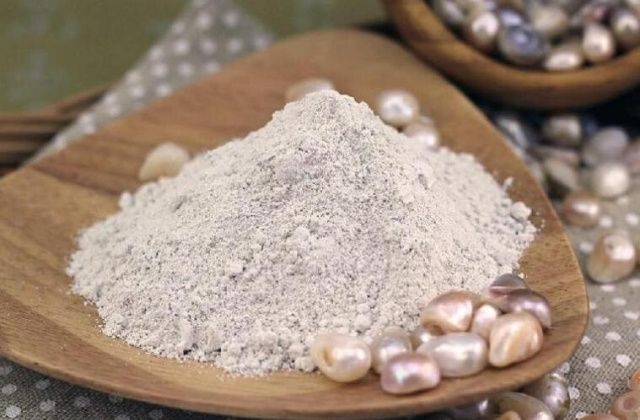
Pearl powder is a magical ingredient for the skin. Not without reasons, pearl is known in gem therapy as a mental stabilizer that generates beautiful skin and eliminates toxins.

The healing power of pearls has been popular for centuries, and in past times it was used to heal dementia and depression among other problems related to our mind and our mood. In India he received multiple attributes, as a perfect ally against phthisis, haemorrhages and ophthalmological problems; in the East, it was assigned an aphrodisiac power and was said to promote fertility; in Hindu medicine, pearl powder is used precisely to revive sexual energy.

Powdered powders are used as a Shen tonic in Chinese medicine to stabilize emotions, resolve fears, relieve frustration and anger, lighten eyes and help regenerate tissue. They can relieve discomfort, nervousness, anxiety, and tension. They promote healthy sleep, prevent nervous disorders and are commonly used to prevent or overcome fatigue. They are also used as an important beauty tonic because oral consumption is believed to result in glowing and pure beautiful skin.

Pearls contain dozens of amino acids (eight of the amino acids are “essential”, in other words, they cannot be produced in the body, but are required for health), and dozens of minerals, including: calcium, zinc, magnesium, iron, strontium, copper, selenium, silicon, titanium. It contains calcium carbonate, magnesium carbonate, calcium phosphate, ferric oxide, silica. Several components of the pearl participate in the activities of DNA and RNA metabolism that promote and accelerate cell renewal preventing the formation of wrinkles.

Pearl powder has been used by women and men for more than 2000 years by traditional Chinese medicine to restore tonicity, smooth wrinkles, cleanse the skin of roughness, toxins and erase stains. It is currently a highly valued principle in the world of Asian cosmetics, although somewhat less known in the West.  It confers luminosity and elasticity, eliminates skin spots of all kinds, dries pimples, treats acne and prevents redness.

The continued use of pearl powder improves immunity, accelerates the growth of new cells that make the skin softer and more elastic and favours the elimination of roughness and skin toxins with which hyperpigmentations are attenuated. It is, therefore, ideal for all skin types. Both for dry skin, as well as mixed, oily, sensitive … all skin types benefit from this exceptional product.

For all these reasons we have decided to include this powder in our blush base or makeup for daily use. Although it would also be very good as an ingredient of a natural homemade cream.


Why the arrow root starch?

Starches are generally added to powder mixtures for blush or makeup bases for their ability to amalgamate, soften and compact the mixture. They are binders that are also added to bath bomb powder mixtures for the same reasons.

It is therefore possible to use this wrinkle starch that provides softening and absorbent properties. In addition, it is possible to use it in place of clay to make body powders since the arrow root powder is itself light, soft and absorbent. It can also help dry out imperfections, rashes, or other sores or wounds. In short, it softens the skin and absorbs excess moisture.

However, it is also possible to use corn starch or rice starch powder…

Corn starch, for example, has a very powerful astringent effect so it can also be an excellent treatment to help improve other conditions caused by excess sebum in the skin such as acne, open pores, pimples and blackheads.

Its astringent power combined with its antiseptic properties thanks to the richness in vitamins and minerals, make corn flour a facial purifier. Corn-starch also boasts incredible antioxidant properties that prevent aging symptoms like wrinkles and fine lines and give the skin a younger look. It is also a home remedy against sunburn or insect bites. Corn-starch helps relieve some symptoms caused by this type of case such as irritation, itching, inflammation and redness of the affected area.


IT IS ALSO POSSIBLE TO MAKE IT WITH THE TALCUM POWDER OF ALWAYS

Talc is used to absorb sweat and moisture from the body and acts as a deodorant. It is also used to relieve baby diaper rash and reduce friction.

It is used in multiple cosmetics: such as lipsticks, mascaras, face powders, blushes, eye shadows, or powdered foundations. Talc is usually added to cosmetics to create a silky sensation and for the absorption of sebum, which is what allows cosmetic pigments to be fixed on the skin surface and thus offer a matte appearance in skin with an oily tendency.

The American FDA has stated that talcum powder remains safe for personal and cosmetic use. This product, which is harmless to health when properly used in the form of cosmetic powders or even powders to dry excess perspiration (or diaper moisture, for example) and prevent skin irritations, could pose health risks only if inhaled or accidentally ingested. In these cases, due to improper use, it could present problems.

Considering these reasons that rule out its possible skin toxicity, and given its inestimable use when fixing pigments for colours and powdered makeup on the skin, we think it is also a reasonable idea to use it on a base for blush.
 

HOW THE BASE WOULD LOOK

Ingredients for a powder of about 40 grams of capacity:

Italy Pink Ochre Oxide Mineral Colorant 3 or 4 Large TAD Scoops

Talc powder 15 grs

Arrowroot powder (starch) 15 grs

Freshwater pearl powder cosmetic active 1g or 4 scoops DASH


PROCEDURE:

In a mortar, transfer all the powders (pink ochre + arrow root powder + cosmetic talc + pearl powder) and then carefully crush them with the hand of the mortar for a few minutes to obtain a homogeneous colour mixture.

Tip: the longer you mix, the more colour it will develop. Think that these pigments are minerals and are fixed to the skin much better than the commercial blushes that you may know, so do not be fooled by the light colour of the mixture of powders because once you apply them with the brush of hair on the cheekbones you will see that the colour rises a lot in intensity.

Now you can transfer the preparation to the container.
 

DAY COLOR CREAM WITH PHOTOPROTECTION and without preservatives

At a certain age, using a day cream with sunscreen becomes a major decision if we want to avoid hyperpigmentation and spots caused by sunlight on the face.

This is especially advisable if we already have spots and, at night, we use a depigmenting serum with glycolic, lactic or salicylic acid, vitamin B3, etc … There are many possible versions depending on our skin type. In these cases, our skin thins due to the use of depigmenting acids and the use of a photoprotective day cream to prevent new spots becomes a matter of survival.


For some people who have skin affected by dermatitis, using a daily foundation is something that is not considered. That is why we have set ourselves this challenge of preparing a colored cream with totally natural sun protection that we can use daily without damaging our skin.

Because if our cream color, in addition to protecting us from solar radiation, also offers the possibility of covering the imperfections of the skin (what is known as a BB cream), better than better, right?


THE DANGERS OF CONVENTIONAL FOUNDATIONS

I don’t know if you’ll know, but using a conventional foundation or day color cream has many dangers that especially affect the most delicate skin.

There are many websites that provide us with detailed information about the content of cosmetic and makeup products available in stores. To do this, it is necessary to read the labels or inci of a product, which is what it is called in the contents of the label.

Healthy Living:  https://www.ewg.org/apps/

Beauty:  https://play.google.com/store/apps/details?id=fr.officinea.cleanbeauty

Skin Deep: https://www.ewg.org/skindeep/


Throughout this post you will appreciate that there is a list of toxic ingredients in our makeup and cosmetic products that should be avoided:

MINERAL OILS: Paraffins and Vaseline are not toxic per se, but there are studies that claim that they can cause allergies. They help keep the skin hydrated, since, like all oils, they generate an occlusive barrier that prevents water loss, but they do not provide additional nutrients of any kind, as vegetable oils do. It is recommended to avoid products that contain these mineral oils derived from petroleum.

Synonyms of these ingredients that you can find on the labels: LIQUID PARAFFIN; LIQUID VASELINE; PARAFFIN OIL; PARAFFIN OILS; PARAFINUM LIQUIDUM; WHITE OIL MINERAL OIL; PROLATUM OIL; WHITE MINERAL OIL, PETROLEUM

SILICONES: They are inorganic polymers based on silicon that achieve a false appearance of perfection. Some, those that are not soluble in water, are considered more dangerous. For example, D4 and D5 are endocrine disruptors, cyclomethycone is a mixture of D4, D5 and D6. Cycloheptasiloxane is potentially bioaccumulative.

PEGs are softer silicones, but they are made through a process called ethoxylation. This process itself is very dangerous for the workers who perform it (due to exposure to ethylene oxide), for the environment and, of course, for people.

Different silicones that you can find on the labels: PEG, Dimethicone, Cyclomethicone, Vinyl Dimeticone Crosspolymer, Cyclotetra, penta or hexa-xyloxane, cetyl dimeticone colpolyol and in general everything that ends in –ethicone and –oxane.

PARABENS: They are preservatives derived from oil. They have suffered great media harassment, and many people are afraid of them. The reality is that there are many types of parabens, some of which are totally harmless and others very dangerous. Below is a list of the most dangerous:

ISOBUTYLPARABEN, ISOPROPYLPARABEN, PROPYLPARABEN, BUTYLPARABEN, BENZYLPARABEN, ETHYLPARABEN, MEHYLPARABEN, PHENYLPARABEN

SYNTHETIC PRESERVATIVES: Methylisothianolinone,for example, is a preservative used in highly allergenic and possibly toxic cosmetics and makeup. Other names you will find this ingredient with: 2-METHYL-3 (2H) – ISOTHIAZOLONE; 2-METHYL-2H-ISOTHIAZOLE-3-ONE; 2-METHYL-3(2H)-ISOTHIAZOLONE; 2-METHYL-4-ISOTHIAZOLIN-3-ONE; 3 (2H) -ISOTHIAZOLONE, 2-METHYL-; 3 (2H) ISOTHIAZOLONE, 2METHYL; METHYLCHLOROISOTHIAZOLINONE SOLUTION225METHYLESOTHIAZOLINONE; 2-METHYL-3(2H)-ISOTHIAZOLONE; 2-METHYL-4-ISOTHIAZOLIN-3-ONE.

Diethanolamine (DEA), monoethanolamine (MEA), and triethanolamine (ASD) are additives and preservatives that can cause hormonal dysfunction. They can react with cosmetic nitrites and give rise to nitrosamines, possible carcinogens.

BORIC ACID: Inorganic acid used as a preservative. It is a very irritating endocrine disruptor. Other names you’ll find on labels: BORACIC ACID; BORIC ACID (HBO2) ; BOR TRIHYDROXIDE; ORTHOPHORIC ACID; TRIHYDRO-XIBORANE; BASILIT B; BORIC ACID; BOROFAX; BOR TRIHYDROXIDE; BORSAURE (GERMAN) ; DR. S 1 FLEA TERMINATOR DF

ALUMINUM CHLORIDE: It comes from aluminum and its derivatives; they are bases and active ingredients of deodorants and antiperspirants that are also endocrine disruptors. Synthetic aluminum salts (unlike natural ones) have more capacity to cover the sweat glands, causing their inflammation and accumulation of waste. Its toxicity depends on the ability to penetrate the body and varies depending on the molecule. Other names for this ingredient: ALUMINUM CHLORIDE; ALUMINIUM TRITRICURE; ALUMINIUM CHLORIDE (ALCL3); ALUMINIUM TRITRICURE; TRICHLOROALUMINIUM; ALL· LUCINI (CLORUR DI) (ITALIAN); ALUMINIUM CHLORIDE; ALUMINIUM CHLORINATED (GERMAN) ; ALUMINUM CHLORIDE (1:3) ; ALUMINIUM TRITRICURE; ALUMINIUM CHLORIDE (FRENCH). Sometimes, these molecules can appear even in makeup products.

TOLUENE: It is a substance present in nail polishes and nail polish removers, irritates the eyes, throat, lungs, can cause fatigue, headache, nausea, damage to the fetus, and if contaminated with benzene (something common) it is carcinogenic. Other names of this ingredient: BENZENE, METHYL; BENZENE, METHYL-; METHYL-BENZENE; METHYLBENZENE; TOLUOL; ANTISAL 1A; BENZENE, METHYL-; CP 25; METACIDA; METHANE, PHENYL-; TOLUENE

HYDROQUINONE: It is used as a skin bleach and its cosmetic content is limited due to its toxicity. Hydroquinone reduces melanin in the skin by increasing your exposure to the sun’s rays. It is also used in hair dyes.

Other names of this ingredient: 1,4-BENZENEDIOL; 1,4-DIHYDROXYBENZENE; 1,4BENZENEDIOL; 4-HYDROXYPHENOL; P-DIOXYBENZENE; P-HYDROXYPHENOL; 1,4-BENZENEDIOL; 1,4-DIHYDROXY-BENZEEN (DUTCH) ; 1,4-DIHYDROXY-BENZOL (GERMAN) ; 1,4-DIHYDROXYBENZENE (CZECH) ; 1,4-DIHYDROXYBENZENE

PHTHALATES: Fixatives and solvents of fragrances that give persistence to the smell of cosmetics, help the nail polish pass from liquid to enamel and they also denature the alcohol. They are substances that have hormonal disruptive effects, affect the reproductive system and are related to cancer, as well as respiratory problems and asthma. Many times they are not indicated in the list of ingredients because they are included in the fragrance or perfume, so if you want to avoid them completely you should avoid products that contain synthetic perfume. Names you’ll find on labels: Dietary Phthalat; Dimethyl phthalate; 1,2-BENZENEDICARBOXYLIC ACID, DIETARY ESTER; 1,2 CARBOXYLIC BENZENE ACID, DIETHYL ESTER; DEP; DIETHYL 1,2-BENZENEDICARBOXYL; DIETARY ACID 1,2-BENZENEDICARBOXYLIC ACID; DIETHYLPHTHALATE; 1,2-BENZENEDICARBOXYLIC ACID, DIETARY ESTER; ANONOZOL; DEP; DIETHYL 1,2-BENZENEDICARBOXYL; DIETHYL O-FTALAT

NANOPARTICLES: They are relatively recent, but without consensus of their effect on the organism. Its small size facilitates its penetration even at the cellular level. They don’t have an INCI or a specific name on their labels because it’s a concept that defines the physical structure of an ingredient, and not the ingredient. However, since 2014 it is mandatory to identify them on the labels in some way, so you will simply have to check it. In organic natural cosmetics they are prohibited.

PERFUME: Synthetic fragrances are the most common ingredient in cosmetic products. The generic name “fragrance”, “perfume” or “aroma” can refer to more than 3,000 ingredients. Under the same name we can find from an essential oil (case of natural cosmetics) to ingredients suspected of being carcinogenic such as phthalates or toluene that are used as solvents. Most of the perfumes used are potential allergens. It is difficult to identify on labels what kind of perfume is in the product. In general, if a product carries essential oils instead of synthetic perfumes, they clarify it. Look for products that say, for example, Lavandula Officinalis leaf oil, which is the essential oil of lavender.

COLORANTS: These are pigments that are identified on the label by the acronym C.I. followed by a number. There are many types of colorant compounds and the potential to affect human health from each of them is different. Some can cause allergies and dermatitis. Others may contain heavy metals and be highly toxic.

Beware of azo dyes, manufactured directly in the laboratory from highly toxic substances called amines, as they can dissociate into potentially carcinogenic anilines. Azo pigments end in -aniline or -anilid, or carry the acronym HC or the words Acid, Pigment or Solvent.

All pigments are identified with the same nomenclature, even natural or mineral ones. To differentiate them, natural mineral colorants begin their numbering by 408 or 75, but these, although of natural origin (they come from oxides and minerals) can also contain heavy metals. It is very difficult to differentiate this into a cosmetic or makeup, but it can be controlled if you do the makeup from scratch.

All other numberings correspond to synthetic colorants. Some mineral colorants are also problematic due to their heavy metal content such as chromium. INCI (of the most problematic): CI 10006, CI 10316, CI 11680, CI 11725, CI 11920, CI 12085, CI 12150, CI 12370, CI 12700, CI 15800, CI 15850, CI 15985, CI 16035, CI 16230, CI 16255, CI 17200, CI 18050, CI 18690, CI 18820, CI 19140, CI 20040, CI 20470, CI 26100, CI 27290, CI 40215, CI 45220, CI 50325, IC 60724, IC 60725, CI 61565, CI 61570, CI 61585, CI 74260, CI 77163, CI 77285, CI 77288.

LEAD: Lead is a heavy mineral neurotoxic to humans. The alert arose from news reports claiming that many lipsticks contain a high percentage of lead in their recipes. This ingredient does not appear on the label and even the FDA (the US regulator of drugs and food ingredients) publicly announced that this is a lie, but the reality is that other organizations also did their tests and the results were alarming. At the moment there are no clear certainties on both sides, but we recommend that you always trust NGOs or regulatory bodies that are not more politically related, as they tend to be less corrupt.


OUR COLOR CREAM WITH NATURAL MINERAL PHOTOPROTECTION AND WITHOUT PRESERVATIVES

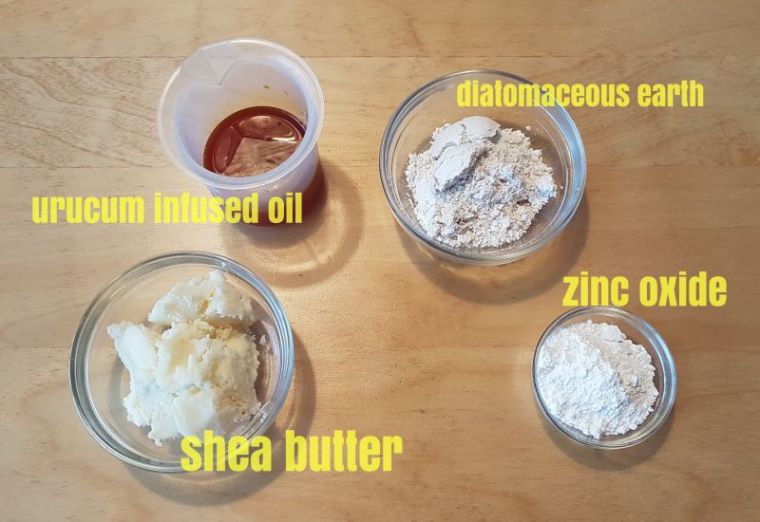
First of all, to turn it into a photoprotector, we have included in our recipe a mineral photoprotector such as zinc oxide attached to a biological photoprotector such as urucum oleomacerate.

In addition, although we have nothing against pigments derived from mineral oxides, since they are not absorbed by our skin; you know how much we like to use natural ingredients that provide properties to our product, whenever possible. That is why we have formulated this color cream without pigments using instead the skin dyeing effect of urucum powder, which, as we said, is also a biological sunscreen.

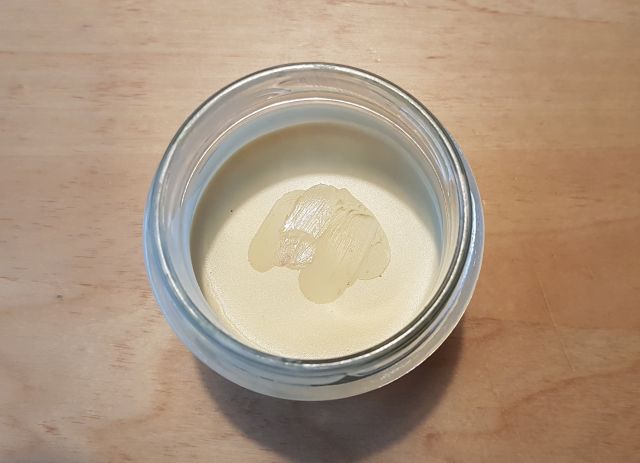
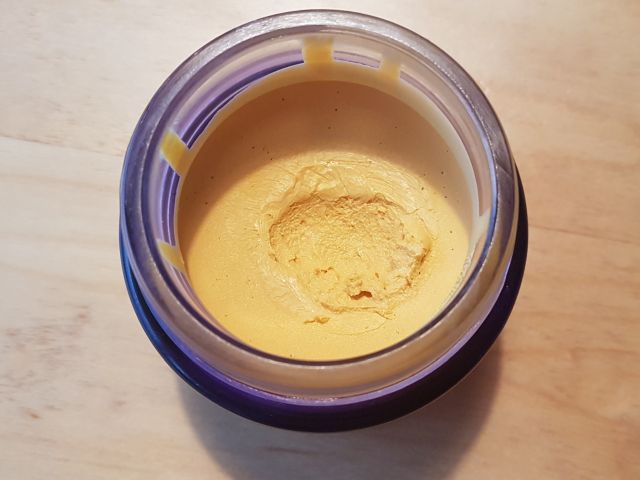
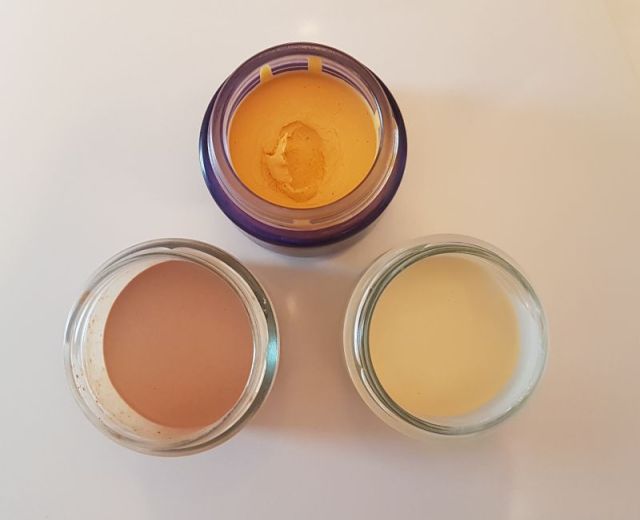
The cream that looks more yellow in the photo is because it also contains another photoprotective mineral (titanium dioxide) combined with zinc oxide and urucum oleomacerate. However, after spreading the cream, the urucum, which is not a pigment, but a dye, is absorbed and adapts to the color of our skin. So don’t be swayed by the strong orange hue of the cream. That is why we have also added titanium dioxide to this base. Titanium dioxide has a higher covering capacity (opacity) than zinc oxide and the combination of both better hides skin imperfections.

And finally, we have included the diatomaceous earth as a star ingredient. Why do we add diatomaceous earth? On the one hand, because the diatomaceous earth is very absorbent and with this we manage to improve the oily texture of our cream so that it has a less fatty effect when applied since it is a cream without aqueous phase that is what allows us not to use preservatives to make it.

On the other hand, we have included diatomaceous earth because it contains a high percentage of silica which is a very interesting component for skin care and is usually added in most makeup products. However, diatomaceous earth naturally contains silica. It is, therefore, a contribution of organic silica to our skin, which is not the same as mineral silica that is toxic and whose inhalation is dangerous.

*As with so many other things, we want to highlight in our blog the great difference that exists between organic or bioavailable elements and those synthesized in the laboratory. If you remember our entry on natural aluminum stone or toothpastes with bioavailable fluoride of natural origin. However, we also do not want to claim that all elements and products of synthetic origin present the same toxicity problems. It will be necessary to inform at all times of the synthetic elements that are not bioavailable and that cause health problems. And for this reason, there are blogs and posts like this.

Silica is a trace element present in our body, which intervenes in the development and formation of our tissues, such as muscles, joints, skin, hair and nails, since it is a fundamental part in the formation of collagen and elastin fibers.

Applied externally, it has firmness, repair and anti-wrinkle properties (improves the symptoms of sagging), strengthens nails and hair. It helps to improve skin hydration and natural collagen formation and is therefore frequently found in the formulation of firm and anti-wrinkle creams and products for sensitive skin, as it prevents skin irritation. In addition, therefore, it is used in after shaving or after the sun creams…

THE THREE VERSIONS

Previously, we will have to prepare the oleomacerate of urucum as explained in our entry of “The paradox of the sun”.

This infused urucum oil will be added to our day color cream recipe. And for this we have prepared three versions of the same “color cream” with the intention of adapting it better to the tone of our skin.


LIGHT SKIN VERSION with 15 grams of urucum oleomacerated

Ingredients for a container of about 100 grs:

45 g. of shea butter

25 gr. of sesame or almond oil

15 gr. of infused urucum oil

10 gr. of “non-nano” zinc oxide

5 grams of diatomaceous earth

5 drops of vitamin E


Remember that it is important to purchase from your cosmetic raw material supplier the mineral photoprotectors of zinc oxide and titanium dioxide without nanoparticles that can then be absorbed by the skin. This ensures the safety of the final product. If you find that they have a thick texture and are therefore more difficult to dissolve and integrate into your preparations, it is normal, because they do not contain nanoparticles. It is what we are looking for, and what you can do to facilitate their integration into your product is to grind them well with a cosmetic grinder like this.


This cream for light skin, although it has a very clear visual appearance, looks great when applied because the urucum is absorbed and adapts to the tone of our skin hiding imperfections without it seeming that we wear any type of makeup. As we have explained before, the urucum is not a pigment, but a dye, so the fact that the cream has a clear appearance is not indicative of how it looks later on the skin.


MEDITERRANEAN SKIN CREAM VERSION

Ingredients for a container of about 100 grs:

45 g. of shea butter

10 gr. sesame oil or almond oil

25 gr. of urucum infused oil

10 gr. zinc oxide

5 grams of titanium dioxide

5 grams of diatomaceous earth

5 drops of vitamin E


In this version we have added titanium dioxide to give our base greater opacity. However, as we explained before, by not carrying pigments in the form of oxide, the result is also very natural because urucum is absorbed and, finally, only the effect of hiding imperfections and combining the skin tone is appreciated, apart from, without a doubt, the sunscreen effect.


PROCEDURE: In both recipes, shea butter is weighed and melted in the bathroom until it melts. We will lower to a minimum heat to maintain the quality of the ingredients. Then add the rest of the oils mixing everything very well with the rod.

We continue adding urucum oleomacerate, zinc oxide, diatomaceous soil and titanium dioxide, if applicable, mixing very well with a mini-blender so that everything integrates well.

It’s time to add vitamin E and bottle.


DARK SKIN VERSION CREAM with mineral oxide pigments

For people who want to try a color cream with greater opacity when it comes to hiding the imperfections of the face, you can try this recipe with brown and pink oxide combined in a TAD spoon of 0.2 grs.

Ingredients for a container of approximately 100 grs:

45 g. of shea butter

25 gr. sesame oil or almond oil

10 g. of urucum infused oil

10 g. zinc oxide

Optional, 5 grams of “non-nano” titanium dioxide

5 grams of diatomaceous earth

0.2 grams of pigments (half a teaspoon of coffee)

5 drops of vitamin E


In the previous recipe, if we wanted to give it a greater coverage capacity to match the skin tone, we would add the 5 grams of titanium dioxide.


MODUS OPERANDI:

It would be the same procedure as in the previous two cases. We would start by weighing all the ingredients and melting the shea butter in the bath and over low heat to preserve its integrity and properties.

Then, in this order, we would add the oil, urucum oleomacerate, zinc oxide, and titanium dioxide while stirring.

Finally, we would remove from the heat and add the combination of pigments while stirring so that they integrate well. After the mixture has cooled down a bit, we would add vitamin E, which is heat-sensitive.


The great advantage of these “color creams” is that they are formulated without water so that they remain for months in perfect condition. In addition, formulated with zinc oxide and protective oils are very gentle on the skin and can be used daily without problems.

Even the most sensitive skin. For example, I use color cream daily in the first version for light skin, and not only is it very natural, but it also does not produce any contraindications.

We hope this article will help you make choices as more conscious consumers.


FLUID MAKE-UP without microplastics or parabens

With this post we wanted to make a twink to the coming Christmas. If you need to prepare a last minute gift, this can be a great recipe.


It is a completely natural fluid facial makeup, made with vegetable oils, vegetable BTMS, natural pigments and zinc oxide (the same that is used in ointments for baby’s buttocks), and the most ecological and tolerable preservative that exists , the Leucidal, which is made from the fermentation of radishes by the bacteria Leuconostoc Kimchii.

Thus, a totally organic make-up for these holidays and 100% tolerable for all skin types.


FLUID MAKEUP BASE

In a previous post we had prepared a BB facial cream as a day base. This cream had the function of covering imperfections while providing sun protection.

You may be wondering now, why then a fluid makeup base?

Our fluid makeup base is lighter, while still providing sun protection. Its application is more comfortable and, perhaps, it may be, given its lightness, that it is more interesting when using it in summer.

On the other hand, now that we know the possibility of vegetal BTMS, we can use it to create other types of compositions as is the case.


PROCEDURE FOR THE FLUID MAKEUP BASE

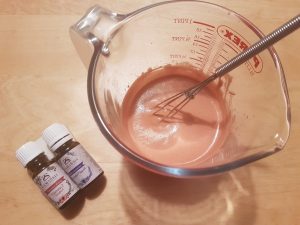
We will start by putting the vegetable BTMS and the oil in the water bath. Next, we will add the zinc oxide trying to mix everything very well without stopping to stir with the rod and, finally, we will add the distilled water.

First phase

15 g of jojoba oil / replaceable with argan or almonds

2.5 grs of BTMS vegetable emulsifying wax

3 g of zinc oxide (not only acts as an emollient and sunscreen, but also helps to fix the pigments in our makeup)

70 grs of distilled water

Second phase

Color rectification with natural pigments

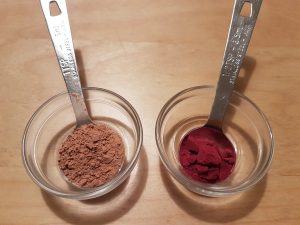
1TBSP (15grs) of red clay

1 tsp (5grs) beet powder

Final phase

Between 15-20 drops of Leucidal preservative

1 gram or one vitamin E capsule


PROCEDURE:

Our base must be more or less fluid.


Now, let’s proceed to color our fluid makeup base.

We will add a tablespoon of TBSP (about 15 grs) of red clay to our base mixture. If we have clear skin, it is possible that red clay is enough, but if we want to give it a slightly more vivid and rosy tone, we will also add a teaspoon (tsp = 5grs) of beet powder.

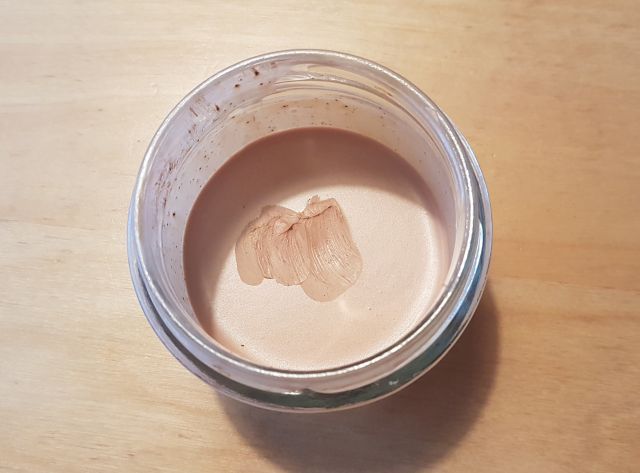
We remove and obtain approximately this result. It’s time to add the vitamin E capsule and the Leucidal preservative droplets.

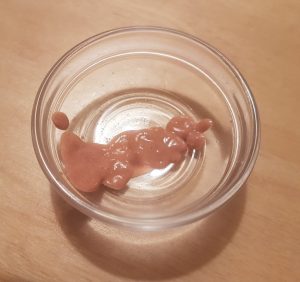
What we like most about this makeup is its fluid texture that prevents our face from being covered when applied. It is completely absorbed and evens out the face without producing a “trace effect” as other commercial makeups do.

In this image you can appreciate how fluid it is.

If you need a more opaque makeup, I suggest you prepare the BB facial cream that we advanced in a previous post because it is a much more compact cream.

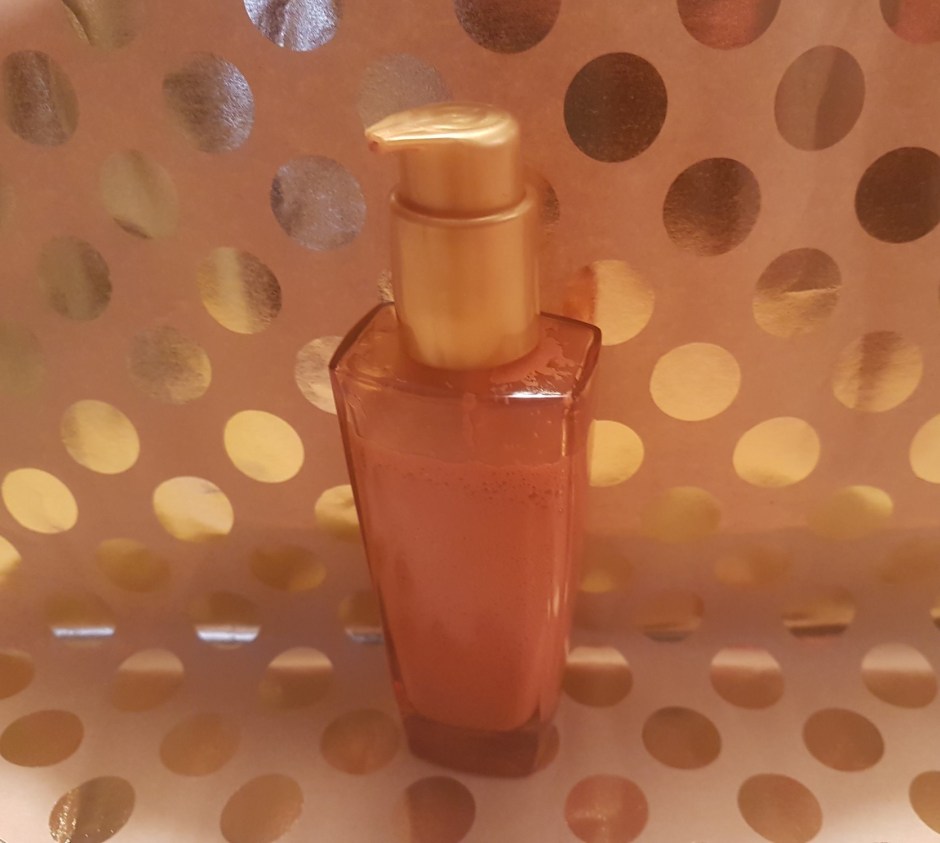
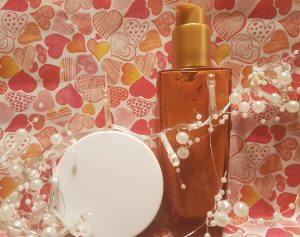
We have packaged it in a glass container to prolong its expir.

Isn’t it a good gift idea?