Formulating Biocompatible Homemade Cosmetics

In previous articles, we discussed the importance of formulating biocompatible homemade cosmetic products. In Ayurvedic medicine, the rule is even stricter: “Don’t put anything on your skin that you can’t ingest.” Therefore, in our homemade cosmetic formulations, we avoid synthetic ingredients derived from petroleum and broad-spectrum preservatives, as they are not necessary if we are not going to put our products on the market.
Formulating homemade cosmetics with natural butters and oils, without the need to add synthetic preservatives (although organic preservatives are fine, of course), is a luxury that those of us who make natural homemade cosmetics allow ourselves.
In this article, and on our blog in general, we try to demystify the scientific jargon so beloved by the beauty industry. Our homemade product recipes really make a difference and are free from retinols, acids, and peptides synthesized in a laboratory. If you prefer not to use 35 different products on your face every morning or watch tutorial videos on TikTok, or if you’ve ever looked in the mirror and thought, “Who is that?”, then this blog on natural homemade cosmetics is for you. Because women shouldn’t aspire to look younger, but to look better. Makeup or BB cream that hides our wrinkles under a thick layer of preservatives is not the best choice in the long run. All these touch-ups and aggressive treatments tend to leave our skin looking dull over time. What we want is for our skin to look fresher, without the need for so much makeup.

An example that illustrates these principles of natural cosmetics that we are trying to explain is the difference between treatments with Bakuchiol*, which is considered a substitute for commercial retinol*, and the use of more aggressive retinoids.

*RETINOL is a form of vitamin A belonging to the carotenoid group. It stimulates fibroblasts to produce elastin and collagen, improving skin density and firmness. However, retinol has some side effects, including skin irritation and redness, so high concentrations of this substance are not recommended in the initial phase of treatment. In addition, retinol has photosensitizing properties and a teratogenic effect. That’s nothing, and all to achieve fewer wrinkles!

*BAKUCHIOL: Bakuchiol is a natural compound extracted from the seeds and leaves of the Psoralea corylifolia plant, known as babchi. Its action is very similar to that of retinol. It accelerates the keratinization of the epidermis and has antioxidant, anti-inflammatory, and anti-acne properties by inhibiting the growth of Streptococcus aureus bacteria. It normalizes sebum secretion and lightens pigment spots on the skin. Bakuchiol alleviates the negative effects of UV radiation. It normalizes sebum secretion and stimulates the production of elastin and collagen.
As we said, to keep our face looking good over the years, the best option is natural treatments that are minimally invasive and free from artificial preservatives and synthetic ingredients. A few simple vitamins applied to our skin in a natural vegetable oil base can work wonders.

BIOCOMPATIBLE SKINCARE

For all these reasons, we also want to highlight the difference between antiseptic and bactericidal formulations in the treatments we recommend on this blog. This difference is based on the difference between antiseptic and bactericidal products.

Antiseptics and bactericides aim to reduce the risk of infection, but they differ in their scope and application. Antiseptics are substances applied to living tissue, such as skin, to prevent or inhibit the growth of microorganisms, including bacteria, fungi, and viruses. Bactericidal agents, on the other hand, are substances that kill bacteria. Although some antiseptics may be bactericidal, their primary function is to inhibit microbial growth rather than actively kill all bacteria.

In the context of creams and natural cosmetic products, biocompatibility means that the product is designed to work in harmony with the body’s natural systems, minimizing the risk of adverse reactions and promoting skin health. Basically, it means that the product is well tolerated by the skin and does not cause irritation, allergic reactions, or other harmful effects. In other words, biocompatible products are formulated to avoid disrupting the skin’s natural processes and barrier function, and are therefore less likely to cause redness, itching, or other forms of irritation that can occur with harsh chemicals or allergens.

Broad-spectrum preservatives (panacea), so widespread in homemade cosmetic recipes, are very effective bactericides that not only kill bacteria but also molds and yeasts, completely sterilizing our product. You can deduce from this that, when applied, they also sterilize the skin surface, destroying its natural microbiota.

And for this reason, the above distinction is so important. In this blog, we create antiseptic synergies that keep our creams and products in good condition for as long as they need to be used. We therefore do not use commercial broad-spectrum preservatives designed to kill all bacteria, fungi, and molds that may develop. In other words, we do not create sterile products, but products that respect the natural microbiome of our skin.

This is possible because homemade natural cosmetics are not intended to be sold commercially. Logically, if we needed to create a product that would remain in good condition for months on the shelves of a drugstore or perfume shop, then we would undoubtedly have to comply with ISO standards and legal requirements.

But since this is not our case, we can afford to create homemade natural cosmetics that are completely biocompatible and respectful of our skin’s microbiome.

Difference from “commercial” cosmetics: Regular commercial cosmetics sometimes contain substances that are not always well tolerated by the skin, such as synthetic fragrances, colorants, or preservatives. These substances can cause irritation or allergic reactions in some people.

Biocompatible cosmetics try to avoid these substances by respecting the biology of the skin and formulating with ingredients that are compatible with the skin’s natural composition and function to promote a healthy skin barrier. Choosing biocompatible cosmetics can contribute to healthy, radiant skin, as it reduces the likelihood of skin problems and allows the skin to function naturally. In this sense, products from some brands aimed at the treatment and biocompatibility of sensitive and atopic skin, which today corresponds to a large percentage of the population, or products from brands that have traditionally produced “organic” cosmetics such as Welleda or Dr. Hauschka, or any other that you may know, are more respectful of the skin microbiome and, therefore, “more biocompatible,” if we can put it that way.

A tip for choosing well is to look at the labels detailing the composition and whether the product or brand is advertised as environmentally friendly.

The shorter the list of ingredients and the higher the content of certified organic components, the more natural and better the product will undoubtedly be.

As we always say, what is good for the environment and animal life is generally also better for us.

Or, as the ancient emperor and Stoic philosopher Marcus Aurelius said: “Everything that is good for the bee is good for the honeycomb, and everything that is good for the honeycomb is good for the bee.”

And we are “absolute fans of bees.” Bee products are the basis of natural homemade cosmetics. We use beeswax as the best known natural emulsifier, honey as a moisturizer, propolis tincture as an antiseptic, etc.

BIOCOMPATIBILITY IN NATURAL HOME-MADE COSMETICS

This involves various strategies:

1. Avoid preservatives by formulating creams and products without an aqueous phase. It is perfectly possible to use water-based products such as hydrosols, toners, and facial serums before applying a 100% oil-based cream. This way, we also moisturize our skin intelligently, without having to come up with complex homemade cosmetic formulations to which we would inevitably have to add broad-spectrum preservatives to keep them from spoiling on our bathroom shelves.

And it is always possible to formulate a fatty cream using only oils or butters, beeswax, and a teaspoon of honey. The percentages would be 90% oils/butters and 10% beeswax emulsifier.
Honey is optional, but certainly very interesting because the synergy of honey with the emulsifier in beeswax creates a much creamier and more moisturizing texture than without this addition. Honey is moisturizing and combines very well with beeswax and oil, which is not the case if we use a synthetic emulsifier.

In addition, when mixed with coconut betaine, it becomes the most gentle cleansing gel (for the body, vagina, etc.) for atopic and sensitive skin. And don’t think that using honey makes it sticky—not at all! Coconut betaine, which is a natural surfactant, the most natural one that exists, takes care of that. *We will talk about it in a future article.

2. Formulate creams using self-preserving synergies. For example, it is known that a cream with a small percentage of water, if emulsified with beeswax and borax, preserves its ly, as the synergy between borax and beeswax chemically emulsifies the mixture, as well as preserving it.

3. We will avoid the use of synthetic self-emulsifying waxes because they are less likely to create self-preserving synergies, as is the case with beeswax, borax, and propolis tincture. Furthermore, due to the low affinity of synthetic self-emulsifying waxes with the skin, a “wash-off effect” may occur, which refers to the ability of the wax to be easily removed from the skin by water or sweat, dragging away the protective surface layer of the skin, resulting in a greater feeling of dryness and lack of hydration. If we need to use a synthetic self-emulsifying wax, it is important to use a biocompatible and biodegradable wax, such as “lamecreme” (glycerin stearate citrate) or “emulsan” or emulcare (methyl glucose sesquistearate).

4. If preservatives must be used, only organic and biocompatible preservatives should be used. To this end, it is generally advisable to treat the water that will be used in the preparation beforehand. Therefore, when formulating homemade cosmetics, it is also very important to bear in mind these concepts of biocompatibility and to use only organic and biocompatible preservatives, if necessary.

THE IDEA OF TREATING THE WATER

With this idea in mind, we have started to create creams with an aqueous phase in which we pre-treat the liquid component of the formulation.

We start with a distilled water base that we can treat in various ways:

1. By pre-ozonating (both water and oils) the distilled water or oil that we will use in the preparation of our homemade cream. In this way, we can emulsify our cream with beeswax, ozonated water, and borax, with the assurance that we will obtain a highly biocompatible product that will not spoil.

2. By treating our distilled water with borax* and a few drops of propolis tincture*, which reinforce the incorruptibility of our formulation as well as providing properties for the skin. Propolis acts synergistically with beeswax and borax and helps to reinforce and preserve the emulsion of water and oils.

3. It is possible to emulsify a cream with beeswax and borax by adding other biocompatible preservatives, such as: medicinal grapefruit seed extract (GSE), the natural cosmetic preservative Leucidal simple*, whose INCI is Leuconostoc Kimchii, propolis tincture, or colloidal silver.

*Leucidal simple is a preservative derived from radishes fermented with Leuconostoc Kimchii, which provides antimicrobial benefits. It is best to avoid Leucidal complete, as it is too strong.

4. In the case of serums and facial toners with a higher water content, it is important to use combined synergistic strategies to preserve our product, such as using a base of distilled salt water*, an ozonated distilled water or ozonated sea water base, adding a few drops of colloidal silver to the distilled water in the formulation, or propolis tincture, using distilled water in which we have dissolved 0.5 grams of borax, adding some essential oils to the distilled water, or using hydrosols as the base for our facial toner, etc.

*Salt is already a good natural preservative for organic substances. Let’s not forget the curing process of ham or some cheeses such as Parmesan, which remain in good condition for a very long time without the need for additional synthetic preservatives. Or, similarly, pickles fermented in brine, which have many probiotic properties when eaten.

5. Freeze natural aloe vera gel by dissolving half a teaspoon of citric acid per 100 grams/ml of fresh aloe vera gel. This will keep it in good condition until you defrost it. For example, you can defrost an aloe cube to prepare a serum base, and the rest of the aloe will remain frozen in good condition. If you do not freeze it, keep it in an airtight bowl in the refrigerator or in a cool place. In any case, store it in a glass bowl and protect it from sunlight.
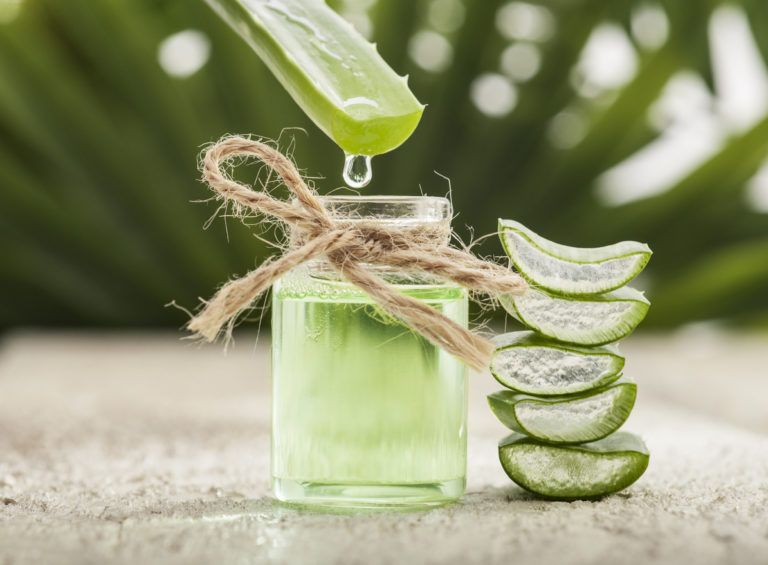
In principle, this aloe serum base will keep well because it has been frozen with citric acid, which is a very mild preservative. If in doubt, you can always add a few drops of another mild preservative such as medicinal grapefruit seed extract or simple Leucidal. You can even add a few drops of essential oils, such as lemon essential oil, or a preservative tincture such as myrrh tincture, which is a natural preservative, or even benzoin tincture. All of these will give the aloe serum a very pleasant aroma, as well as helping to preserve it.

In this way, we use a synergy of several mild preservatives that reinforce each other without harming the whole. Our serum will continue to have a low biocide level, so when applied to the skin, it will not harm our skin flora. This way, we will be able to benefit from the properties of aloe vera with complete assurance.
6. It is also possible to use natural aloe vera juice without preservatives as a base for serums and facial toners. In this case, it will not be necessary to freeze it, and we can use it directly in our toners and serums as a base, with the addition of glycerin and xanthan gum to thicken it, (ratio 2:1; i.e., 2 parts glycerin to 1 part xanthan gum, normally) and a biocompatible preservative such as 1% borax or any of the biocompatible preservatives listed in the following section.

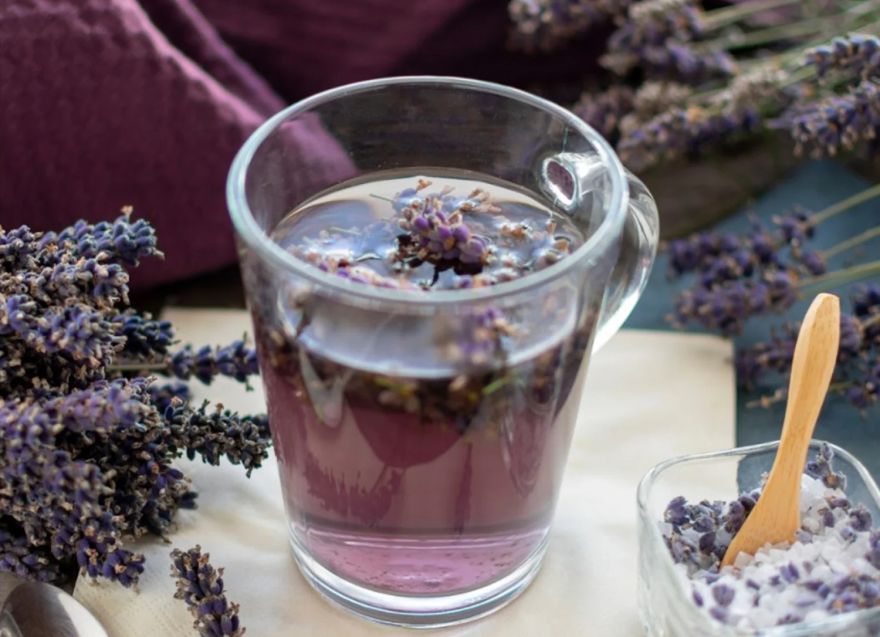
7. In the case of herbal infusions, adding a minimum of 20% ethanol will preserve them for several days in the refrigerator without any problems, and we will be able to enjoy natural infused lavender tonics, or other herbs, until they run out.
BIOCOMPATIBLE PRESERVATIVES

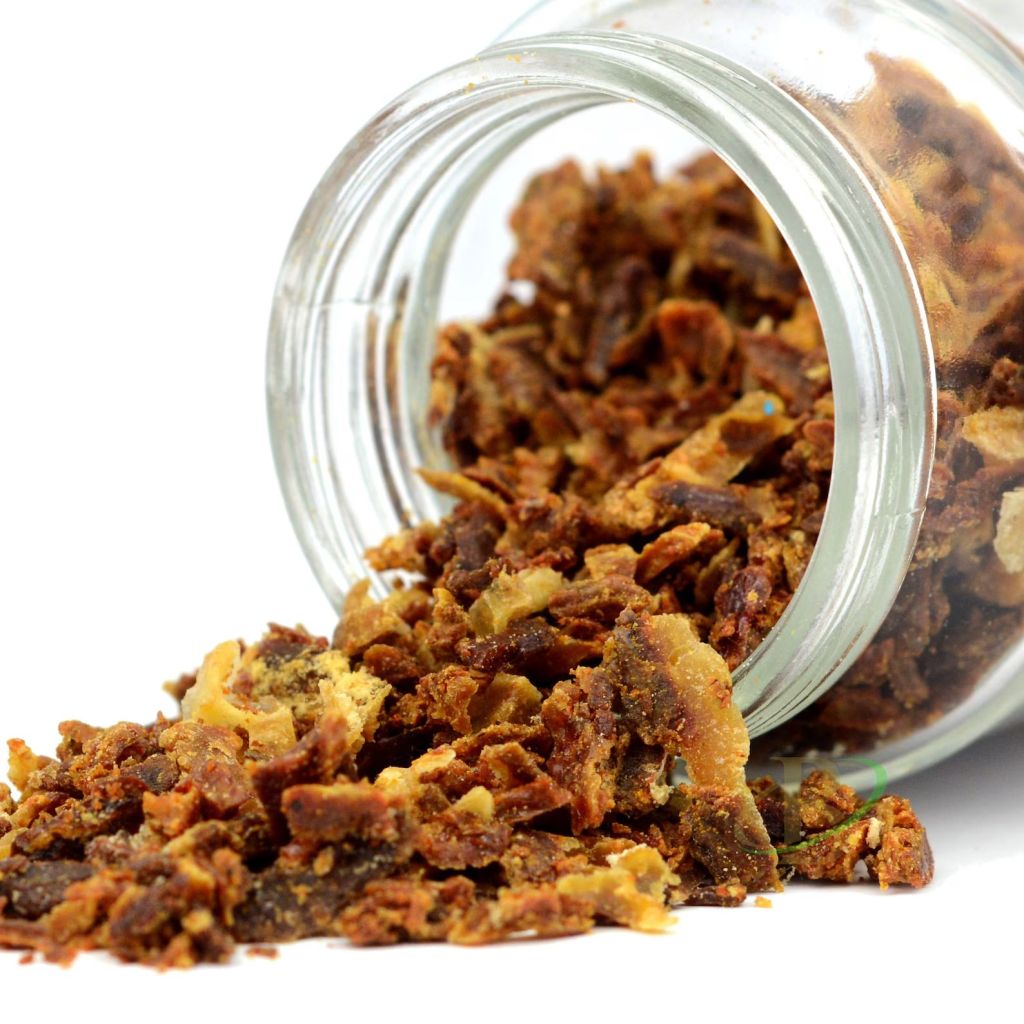
Propolis tincture: Propolis extract or tincture is a natural healing ingredient that has antioxidant, anti-inflammatory, and antifungal properties. Although produced by bees, propolis extract is not the same as honey, but rather the glue that bees use to hold the hive together and repair damage. In skin care, propolis extract offers great benefits in healing acne scars, hyperpigmentation, and inflammation. It also firms the surface and rejuvenates the skin. This extract is commonly found in commercial cosmetics in products such as moisturizers and toners.
Borax: Since ancient times, considerable amounts of this element have been mined on the shores of salt lakes in Asia Minor. The deposits in Tibet were the first to be exploited. Borax is also found as efflorescence in desert soils, hence its name “white gold of the desert.” Borax acts as a very mild preservative when emulsified with beeswax, yet it is widely compatible with the nature of our skin. In fact, boron has been used as a medicine in the natural medicine market.
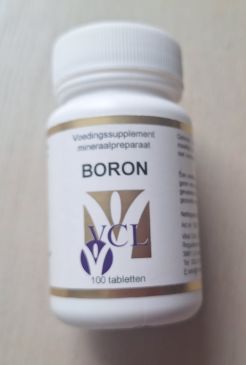
Despite its recent demonization, it is used as a food additive under the code E285, as it acts as an antimicrobial preservative. This same property, combined with its pH-regulating and emulsifying effect, makes it very useful in cosmetics. In Eastern cuisine, its texturizing effect is used to make foods firm and chewy. At an industrial level, it is used in detergents, cosmetics, soaps, insecticides, pesticides, and enamels.

Sea celtic salt: This is another great natural preservative, used since ancient times to preserve a wide variety of foods. Its ability to extract moisture from food hinders the growth of bacteria and other microorganisms that cause decomposition, helping to preserve food for longer. In addition, salt affects the structure and function of microbial cells, inhibiting their growth and reproduction, which helps prevent spoilage. We recommend using gray Celtic salt with a moist texture, as it is the only type that retains all the mineral richness of seawater.

Ozone: It is possible to ozonize both the water in our preparation and the oil. Never both in the same preparation because it is too much. Ozonizing water is more interesting in aqueous products such as tonics and facial serums.

If we want to create a cream, it is better to ozonate the oil, which emulsifies better than ozonated water and helps our cream acquire the right thickness.

If you have a cheap ozonator (you can find them on Amazon for $40 to $50), it will be enough to keep your water or oil immersed in ozone for about 30 minutes. Any longer is too much, and both the water and oil will take on a strong ozone smell.

If you want to buy ozonated oil from a cosmetics store, always remember to choose a food-grade product so that the aroma is not too strong and can be pleasantly incorporated into your homemade cosmetic preparations. Stronger oils are best used as treatment oils for joint and rheumatic pain and, above all, in treatments for hemorrhoids and vascular problems.

Colloidal silver: We know it in naturopathy as a very useful medicine, but colloidal silver can also act as a preservative, especially in cosmetic and personal hygiene products. Its antimicrobial capacity helps prevent the growth of bacteria, fungi, and mold, which in turn prolongs the product’s shelf life.

As with ozonated water, anyone with the right equipment can make it themselves at home. These devices are usually a little more expensive than ozonizers, as they require silver rods. However, nowadays, they can also be found in many online stores, as can ozonizers, which are not only used to ozonize water, but also to obtain ozonized oils that are very useful for treating skin problems.

Benzoin tincture: Benzoin tincture is used as a natural preservative and antiseptic in cosmetics, as well as a fragrance fixative. It is obtained from the resin of the Styrax tree and dissolved in alcohol, forming a liquid extract that helps preserve cosmetic products, especially those containing natural ingredients or essential oils, by preventing the growth of bacteria and fungi.

Myrrh tincture: Thanks to its antiseptic and soothing properties, it is widely used in skin creams, leaving the skin smooth and soft. It has great preservative power, making it an ideal substitute for commercial chemical preservatives. It is an excellent disinfectant and has healing and regenerative properties for the skin.

You can find an online store selling natural myrrh tincture at this link:

https://maeselab.com/extracto-de-mirra-tintura

Ethanol: It is not a preservative in itself but acts as one when added to our product in proportions of 30% or more. This is why it is not used frequently, as a high percentage of ethanol is required to benefit from its preservative properties. However, in some cases it can be a very interesting additive, such as in facial tonics made from herbal infusions, where it adds freshness to the mixture.

Or in some cases of spray deodorants, perfumes, or even in its isopropyl alcohol form, it can be used in rosemary distillations for topical rubs, such as rubs to activate circulation in tired legs, etc.

Isopropyl alcohol: Also known as isopropanol or 2-propanol, it is a colorless, flammable liquid with a characteristic odor. It is widely used as a solvent, antiseptic, and cleaning agent in various applications. It is a key ingredient in rubbing alcohol and hand sanitizer , and is also used in industrial and pharmaceutical settings, such as the “rosemary alcohol” sold in pharmacies. As mentioned above, it does not pose any problems when used topically, as it acts as a base for the active ingredient rosemary and evaporates on contact with the skin. If we infuse natural rosemary in this type of alcohol, we obtain a maceration that does not require any other type of preservative and can be applied topically for rubbing.

Potassium sorbate or sodium benzoate salts: With great caution and never both at the same time in the same product, we can use minimal doses of edible preservative salts (widely used in the food industry) such as potassium sorbate salts or sodium benzoate salt.

These synthetic powdered salts are widely used in the food industry. Both are mainly used as preservatives to extend the shelf life of various products, especially in food and cosmetics. They work by inhibiting the growth of fungi, yeast, and bacteria, which helps prevent spoilage and decomposition.

Potassium sorbate is more useful in creamy textures and sodium benzoate in tonics, serums, and more acidic aqueous textures. In any case, it is best to use them only when absolutely necessary, and always separately, as together they become what is called a broad-spectrum preservative and their biocidal effects are enhanced.

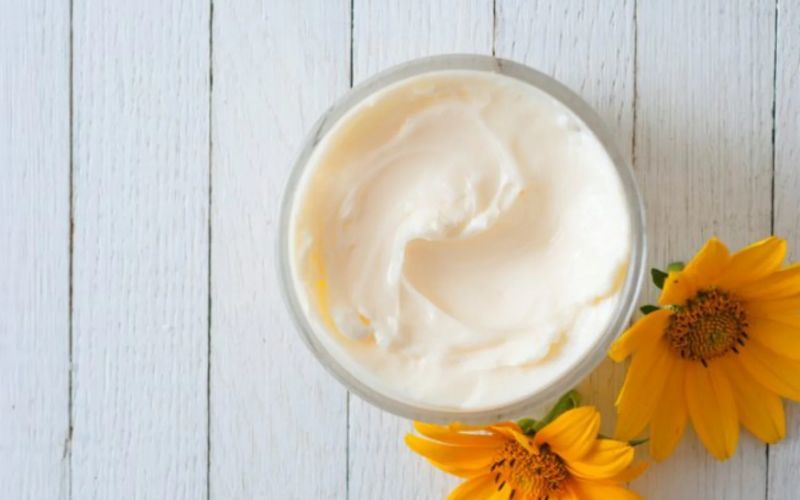
Taking all these ideas into consideration, we have formulated a moisturizing base cream that can be used perfectly as a body milk for the entire body, given its light and fresh texture.
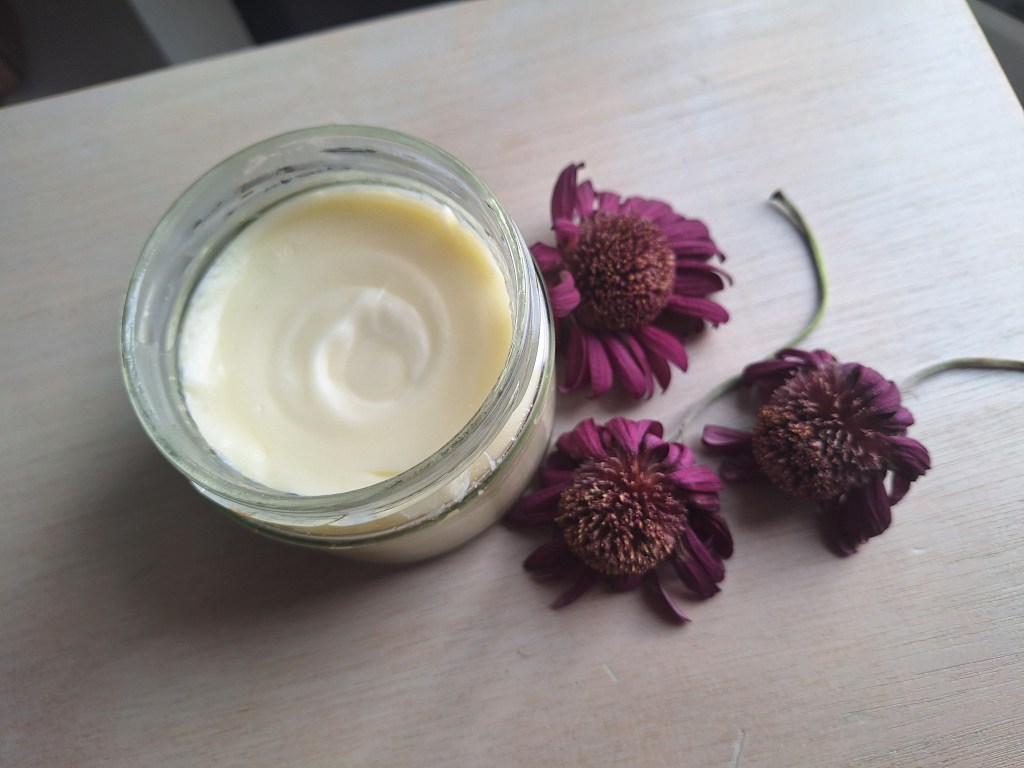
RECTIFICATION OF THE CREAM RECIPE with wax and ozonated water

PROPORTIONS WITH BEESWAX AND OIL

The amount of beeswax should be 15% of the oil, and the proportion of borax should be 5% of the amount of water used in the recipe.

THE BASIC CREAM RECIPE WITH GENERAL PERCENTAGES

Percentages for 100 g of base cream:

40% water … approx. 5% of the amount of water in borax

60% oil … 15% of the amount of oil in natural unbleached beeswax

Optional: One tablespoon of glycerin (between 10-15 g).

Preservative: 1 ml natural propolis tincture preservative per 100 g. The preservative is not necessary in principle if the borax is completely amalgamated with the beeswax.

For this, two conditions are necessary:

– A sufficient percentage of borax in relation to the total product.

– The beeswax must be natural (yellow) and not bleached, at least part of it, since bleached wax cannot chemically amalgamate efficiently with borax.

Some people use proportions of 50% water and 50% oils or fats to make the cream more moisturizing. However, in this case, to produce the emulsion of beeswax with water and oils, it is necessary to use a larger amount of borax, and, as always with preservatives, our maxim is “the minimum necessary” to obtain the product we want.

This is the recipe for EMULSIFIED BASE CREAM WITH BEESWAX

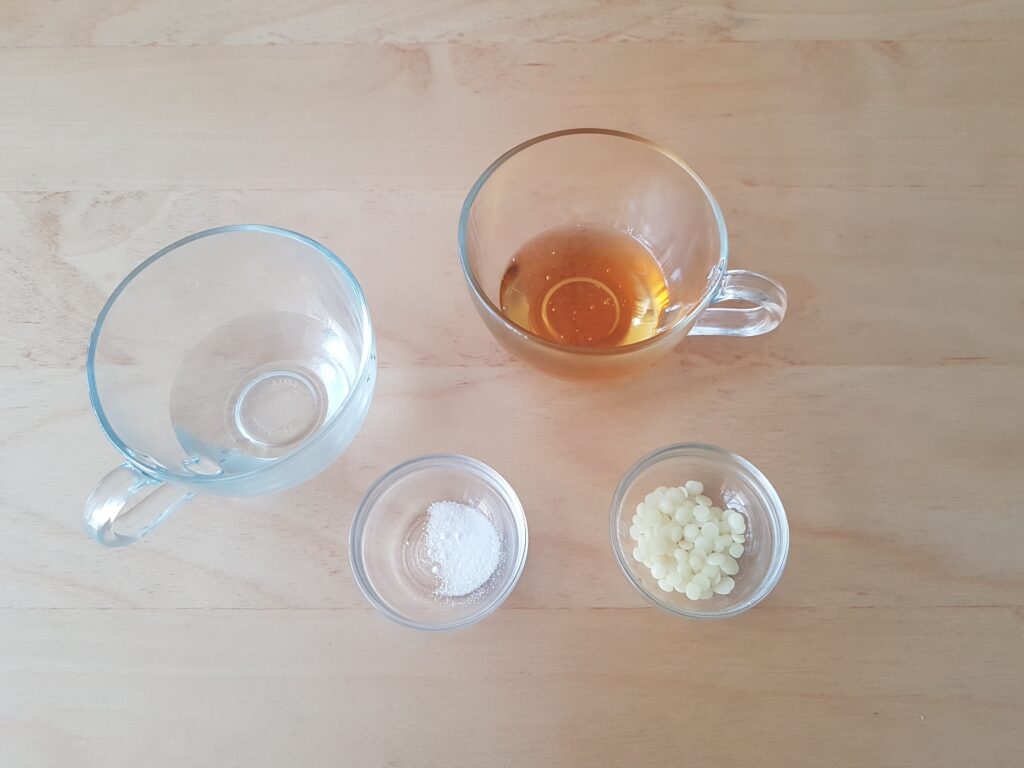
40 ml of ozonated distilled water … and about 2 g of borax

60 ml of virgin olive oil … and about 10 g of natural beeswax

10 g of glycerin, and nothing else because we have ozonated the water.

PREPARATION PROCEDURE:

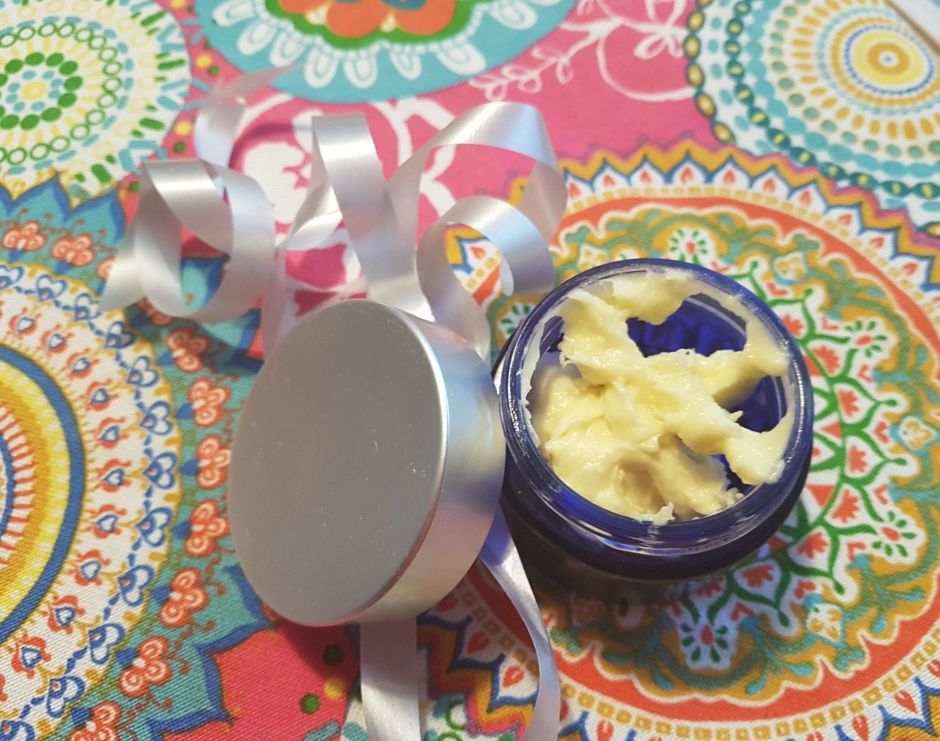
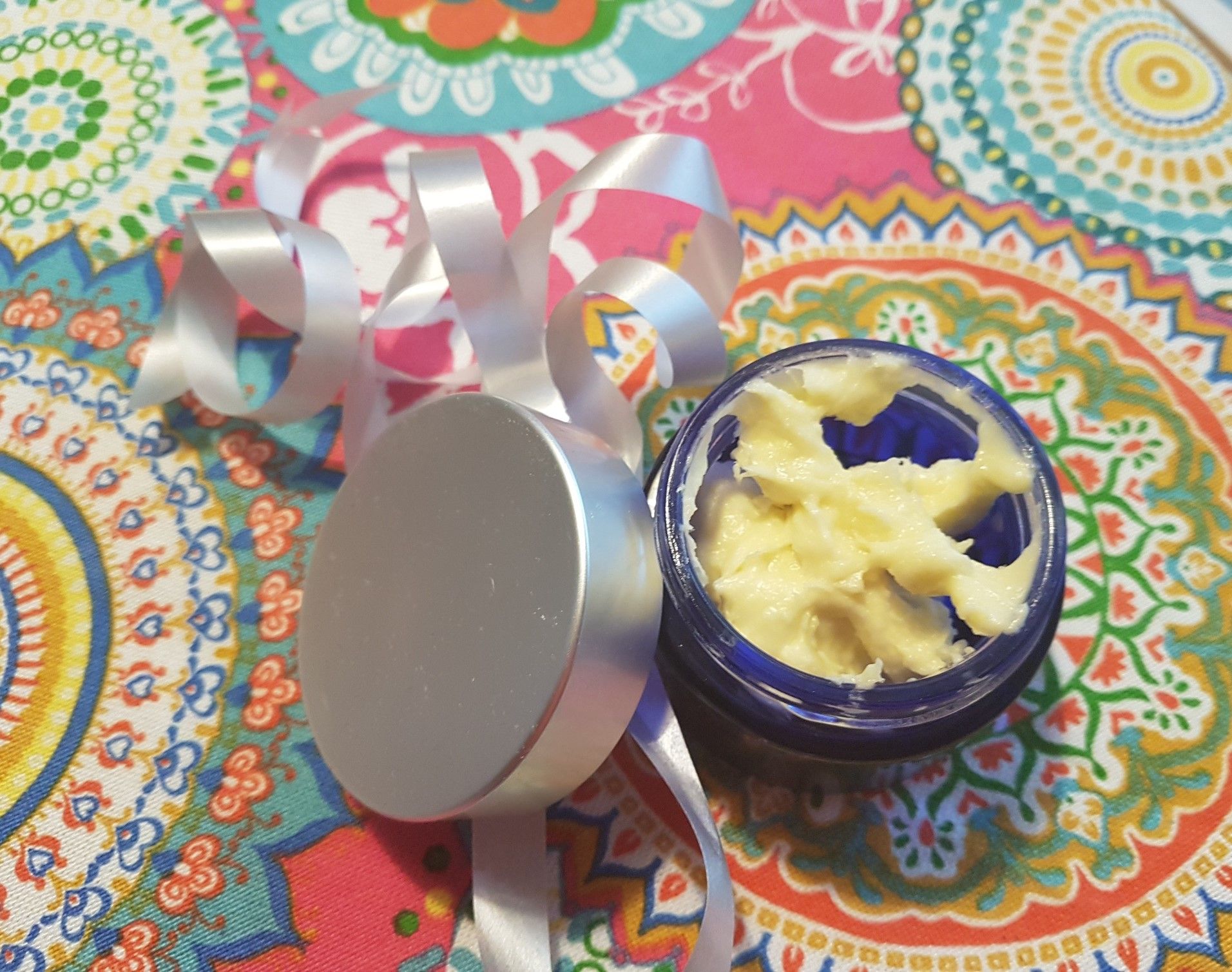
The preparation system is “one pot.”

Previously, we ozonated the water for approximately 30 minutes in a homemade ozonator and then dissolved the 2 grams of borax in it.

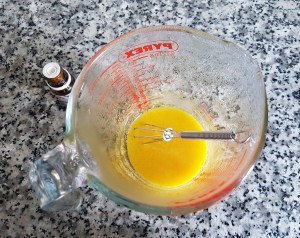
We start by placing the beeswax in a heat-resistant container in a double boiler. Once melted, we add the oil to the same container and, when it is fully incorporated and the mixture is melted, we add the mixture of ozonated distilled water and borax.

When we see that it has been incorporated, we can start beating with an electric whisk. A chemical emulsion of beeswax with borax-treated water is produced, but in this case, our water is also ozonated, so the emulsion is very light.

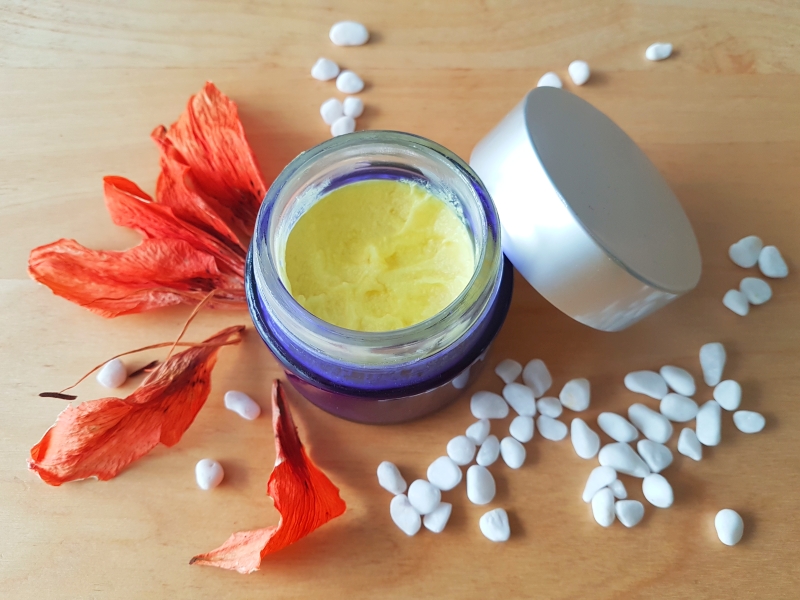
In this case, after removing from the heat, we will see that we have obtained an emulsion in which the water sometimes seems to float a little. This is not a problem because the water has been treated, and the mixture does not spoil. We can therefore take advantage of this light and fresh texture to use it as a moisturizing body milk all over the body.

A totally natural BASE CREAM

We would also like to show you a base cream that can be enriched with natural active ingredients. The best “active ingredients” we can add to our products are of plant or even animal origin, such as silk proteins from silkworms or allantoin from snail slime… But don’t worry, although they are based on natural molecules, these components are now obtained synthetically in a laboratory. No one squeezes silkworms or snails to obtain them. However, they are still very interesting because they are molecules of organic origin. And nature knows what it’s doing.

ACTIVE INGREDIENTS OF ORGANIC ORIGIN

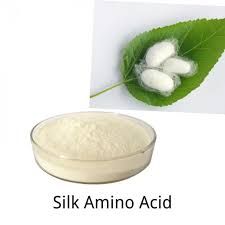
Silk proteins: Formed by naturally occurring macromolecular filaments consisting of silk proteins, which, although they break down (hydrolysis), give rise to amino acids very similar to those found in the collagen and elastin proteins of the skin. They have a much greater softening power than other products, promoting the formation of young, healthy skin cells and a silky, youthful complexion.
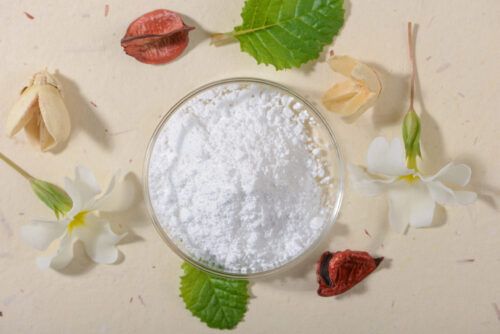
Allantoin: Allantoin is a chemical compound with healing, soothing, and anti-inflammatory properties. It is also moisturizing as it helps the skin retain moisture, leaving it soft and smooth. It is a crystalline, colorless powder, soluble in water and alcohol, derived from uric acid. It is found naturally in some plants such as comfrey, aloe vera, and snail slime, and can also be synthesized artificially.
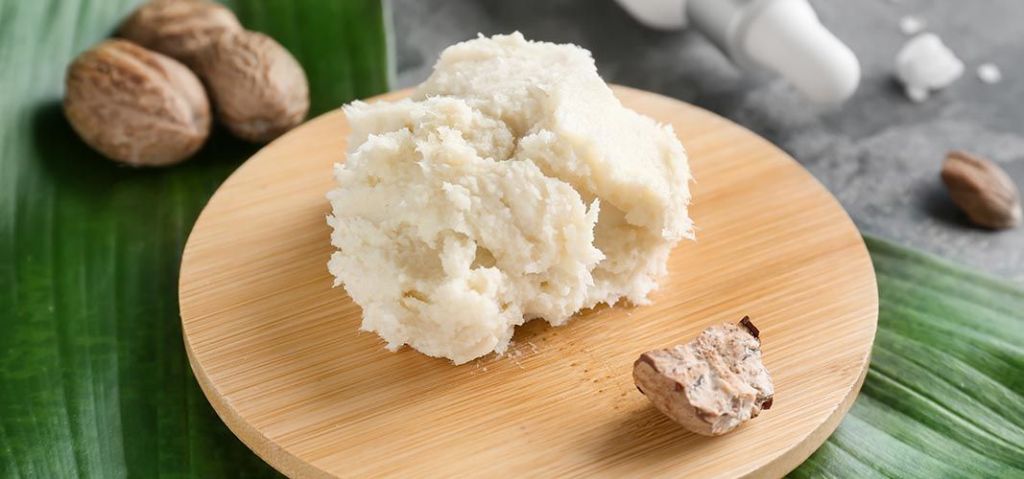
Natural aloe vera gel, vegetable butters such as shea or cocoa butter, honey, and even zinc oxide, which, in addition to providing sun protection to our products, gives them emollient properties and protection against external aggressions such as humidity or friction. Hence its use in diaper creams.
And, of course, the active ingredients provided by cold-pressed virgin oils, loaded with fat-soluble vitamins, or oleates of balsamic resins and plant extracts such as oat, calendula, or chamomile.

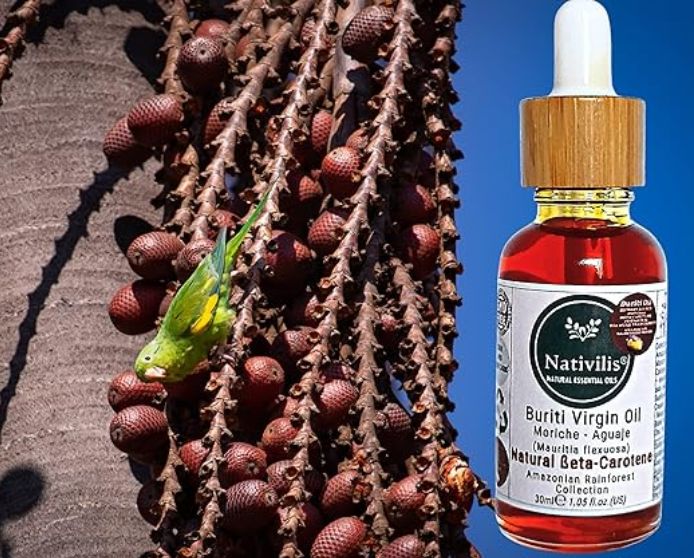
Simply a high-quality oil, such as buriti oil, will provide you with carotenoids (vitamin A), as will an extract of urucum (achiote) seeds in powder form or macerated in glycerin. Or, for example, bakuchiol oil, which is said to be a natural substitute for retinol, but unlike retinol, it alleviates the negative effects of UV radiation and does not cause photosensitivity. In fact, it mitigates the harmful effects of the sun and makes the skin more resistant to sunlight.
RECIPE FOR EMULSIFIED CREAM BASE WITH BEESWAX

In this recipe, we have played with the proportions of beeswax, combining natural wax and bleached wax with the intention of obtaining a lighter and more pleasant colored product. Certainly, this cream is less yellow than the previous one. As you know, it is not possible to use only bleached wax because it does not chemically blend with borax as well as natural wax.

40 ml of distilled water … and 2 g of borax

60 ml of virgin olive oil …

and about 6 g of natural beeswax, combined with 4 g of bleached beeswax.

10 g of glycerin and 1 ml of propolis tincture.

PRODUCTION PROCESS:

The production system is “one pot.”

Previously, we have treated the distilled water by dissolving about 20 drops of propolis tincture in it.

We start by placing the beeswax in a heat-resistant container in a double boiler. Once melted, we add the oil to the same container and, when it is fully incorporated and the mixture is melted, we add the mixture of distilled water with the preservative tincture and borax to produce a chemical amalgam with the beeswax.

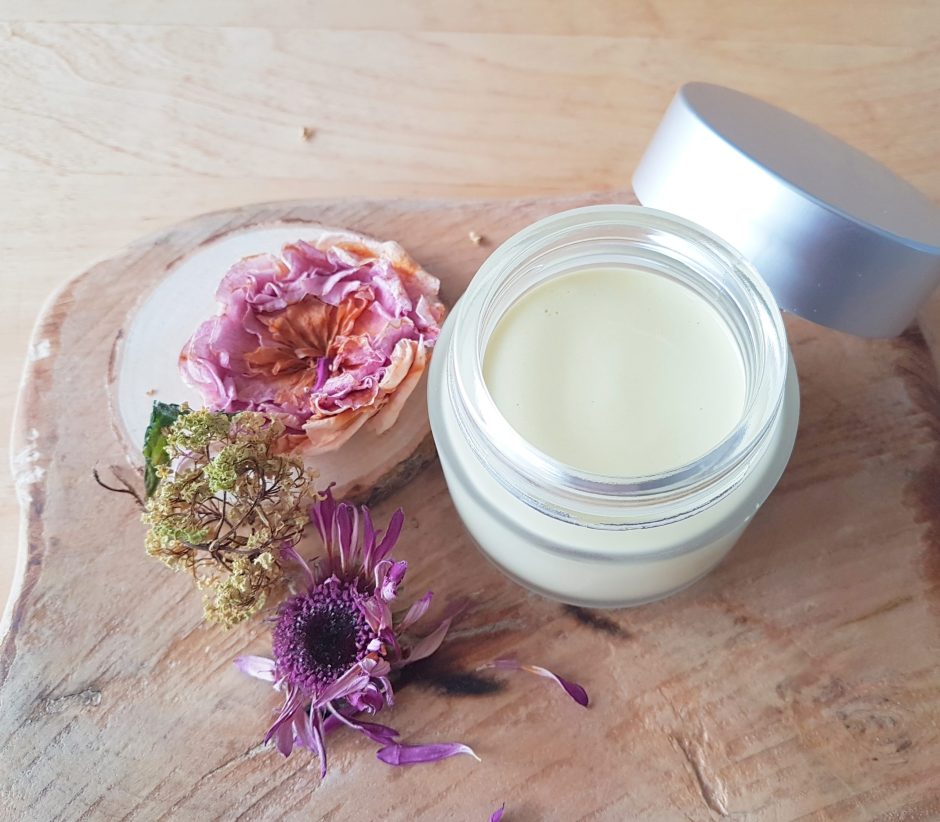
When everything is incorporated, we can start beating with an electric whisk. This produces a chemical emulsion of beeswax, borax, and water treated with propolis tincture, resulting in a very pleasant, creamy emulsion.

USE: This cream can be used as is, or you can add any other natural active ingredient from among those mentioned.

Some of these can simply be added at the end of the process, such as zinc oxide to provide sun protection…

Others, such as vitamin-rich oils or natural aloe gel, are best added during the mixing of the oil and water phases.

For example, SUN CREAM with SPF 20 made from this base cream

Take 50 g of the base cream and add a mixture of 2 tablespoons of zinc oxide (10 g), previously sifted, and, optionally, a tablespoon of cocoa powder to prevent a white film from forming on the skin.

In this simple way, we obtain a cream with sun protection factor. With 10 grams of zinc oxide, protection of 20 is guaranteed, but if you add a little more, you will surely obtain greater protection.
KNOW HOW TO CHOOSE THE INGREDIENTS FOR OUR FORMULATIONS WITH CRITERIA

Everything we put on our skin is absorbed—creams, shampoos, colognes—and does not remain on the surface.

Many everyday products contain parabens, phthalates, phenoxyethanol, and other compounds that act as endocrine disruptors. As you know, endocrine disruptors alter the hormonal system, interfere with neurological development, and may be linked to long-term health problems such as early puberty or brain development deficits.

There is little we can do about this, but there is something we can do: reduce our exposure to these types of products and choose less toxic products wisely, which also tend to be the most eco-friendly and least harmful to the environment.

If we can’t make them ourselves.
Because it’s not about living in fear, but with awareness.

Therefore, don’t let yourself be fooled by products invented by cosmetic supply stores to sell us “expensive active ingredients” that are actually cheap for them because they are not natural, but synthesized in a laboratory.

We are not going to mention specific online stores, just a few examples of “cosmetic active ingredients,” theoretically natural, that they try to sell to those of us who make homemade natural cosmetics.

For example: “Encapsulated retinol palmitate.” This is supposed to be a form of retinol, which is ultimately nothing more than vitamin A, that sensitive skin can tolerate better.

And its INCI is: Aqua, Polycaprolactone, Xanthan gum, Retinyl palmitate, Polyvinyl alcohol, Sorbitan stearate, Propanediol, 1,2-Hexanediol, Caprylyl glycol

Does this INCI sound like natural vitamin A to you?

Or, for example, this anti-wrinkle peptide compound with INCI: Dimethyl Isosorbide (and) Polysorbate 20 (and) Aqua (and) Acetyl Tetrapeptide-11 (and) Acetyl Tetrapeptide-9.

However, the same supply store may sell you very good oils and active ingredients, such as food-grade ozonated oils, vegetable oils loaded with fat-soluble vitamins (which our skin absorbs completely) such as the buriti oil we mentioned earlier, natural cupuaçu butter, or unprocessed shea butter, which are real treasures for the skin.

It’s all about knowing how to choose.
MINIMALIST AND NON-INVASIVE NATURAL COSMETICS

Our skin is the ultimate barrier between our body and the environment. It is an intelligent, protective shield with billions of microorganisms. Despite the stress it is subjected to and its surface resistance, the microbiome is extremely delicate. Moreover, we are only now realizing how important it is.

The public has heard about the importance of the gut microbiome for years. However, research on the skin microbiome pales in comparison. But like the gut, the skin flora is like a rainforest. Its diversity is the key to healthy skin and overall good health.

The type and number of pathogens vary greatly. Variations depend on location, environment, and hormones. They also depend on the amount of light, whether the environment is moist or dry, age, and gender. Although the skin acts as a barrier, we are now discovering that flora penetrates deeper. These micro-animals exist in the deepest layers of the skin, down to the subcutaneous fat layer. More research is needed. Our basic understanding is that communication between the microbiome and our immune system takes place at this level.

What happens when our skin’s microbiome becomes unbalanced?

This can manifest itself as acne, eczema, rosacea, or psoriasis. It can also be seen as premature aging, uneven skin tone, and loss of elasticity. Unfortunately, our modern lifestyle does not help.

Highly processed and preservative-laden foods, indiscriminate use of antibiotics, invasive medications, overly strict hygiene standards, products with aggressive active ingredients… In general, the higher stress levels of today’s population increase the skin’s susceptibility to imbalances in the microbiome. Their lower exposure to the outdoors also contributes to this sensitivity.

WHY DO WE ELABORATE HOMEMADE NATURAL COSMETICS WITHOUT PRESERVATIVES AS IT HAS ALWAYS BEEN DONE IN THE AYURVEDIC MEDICAL CURRENT?

Ayurvedic medicine has known for millennia the importance of preserving the skin microbiome in optimal conditions. Although it was probably not called that, this preservation is essential to take better care of our skin. It helps prevent problems like dryness, erythema, flaking, dermatitis, atopy, and premature wrinkles. Therefore it was always said: “Do not put anything on your skin that you can not eat”.

We need to avoid chemical preservatives for a healthy intestinal flora. This will also ensure we have a healthy skin flora. Nourish our skin with organic fats and pure vegetable oils. This is the same reason why, in this blog, we only use essential oils in our natural cosmetics with many precautions. We apply them in very low doses to benefit from their properties. This prevents their intrinsic biocidal capacity from altering the flora of our skin and causing problems.

For this very reason, new-generation commercial soaps and shower gels are much less aggressive to the skin. They are gentler than those used a few decades ago. The idea is to better preserve the skin microbiome so as to dry out the skin less.

BY TAKING BETTER CARE OF OUR SKIN, WE ALSO TAKE CARE OF THE ENVIRONMENT.

When we formulate in this more natural and skin-friendly way, we gain a secondary benefit. We also take care of the environment because these new formulations of surfactants and detergents are more biodegradable.

Undoubtedly, making homemade natural cosmetics is a luxury. It allows us to take care of our skin without the need to use preservatives. This is unlike commercial cosmetics, whether they are from the perfumery or herbalist. The repertoire of creams, balms, and ointments we can make is quite extensive. We achieve this without adding a drop of water to our product. You will have seen it in the different articles of our blog.

Cosmetics that do not contain water in their composition, such as balms, ointments, salves, lipsticks, body oils, dehydrated powders… and in general all fatty cosmetics that do not contain water, do not require the use of antimicrobial preservatives. Only antioxidants are recommended. These include vitamin E or rosemary extract CO2. They prevent the rancidity of fats and extend the shelf life of this type of cosmetic products.

In the end, after all, what we want is that our skin looks good and is nourished and in good condition to avoid problems of dryness, irritation, etc … Let alone if our skin is atopic, finally, what we are looking for is a product that nourishes and maintains its elasticity without altering it more. In short, what we are really looking for are natural fats and vitamins that keep our skin elastic and healthy in order to prevent skin problems and premature aging.

And for that, really, isn’t it better to try to understand how we can bring good fats and vitamins to our skin at the level of home cosmetics? Isn’t it a bit pretentious to try to understand how the whole process of making commercial cosmetics works, to understand what preservatives to use, what pH level to implement with each preservative in each formulation and in what ratio/percentage?

NATURAL BRANDS INNOVATE AND OFFER QUALITY PRODUCTS WITHOUT SYNTHETIC PRESERVATIVES

There are traditional natural brands of great renown. Certainly, some brands have made a more recent appearance, such as Welleda and Dra Hauschka, etc … that produce commercial creams that people with dermatitis and sensitive skin can also use without causing us problems. Apparently, the trick is to use several preservatives synergistically but in tiny doses. This is entirely different from the recipes of home cosmetics blogs. These blogs propose broad-spectrum preservatives in percentages between 1 and 2% of the formulation.

Welleda is said to use only essential oils in their formulations to preserve their products. I am not familiar with the subject. In any case, I think you need to be at least a chemist specialized in cosmetics. This is necessary to be able to design such a product.

Isn’t it too adventurous, at the amateur level of homemade cosmetics, to try to understand how the whole process of making commercial cosmetics works? Because in the end, all this stuff about the different types of synthetic preservatives and in what percentage we have to add them to our product, pH controls, etc. is only necessary if we are going to commercialize our product.

All ingredients: Aqua, Anthyllis Vulneraria Extract, Prunus Armeniaca Kernel Oil, Alcohol, Hamamelis Virginiana Bark/Leaf Extract, Prunus Amygdalus Dulcis Oil, Olea Europaea Fruit Oil, Arachis Hypogaea Oil, Helianthus Annuus Seed Oil, Hypericum Perforatum Flower/Leaf/Stem Extract, Glycerin, Calendula Officinalis Flower Extract, Lecithin, Daucus Carota Sativa Root Extract, Triticum Vulgare Bran Extract, Simmondsia Chinensis Seed Oil, Parfum*, Linalool*, Citral*, Farnesol*, Limonene*, Citronellol*, Geraniol*, Benzyl Benzoate*, Eugenol*, Benzyl Salicylate*, Algin, Xanthan Gum.*from natural essential oils

Let’s not kid ourselves. Homemade cosmetic recipes that appear on blogs and on the net in general do not work well. This is especially true for sensitive and problematic skin.

Most of these recipes use synthetic waxes and compounds. They avoid natural emulsifiers. These include beeswax, candelilla wax or carnauba wax. They also avoid soy lecithin. Even lanolin, which comes from sheep, is avoided. In the words of Google’s AI: “Among the most common cosmetic emulsifiers are polysorbate 20, 60 or 80. Other common ones include ceteareth-20, hydrogenated castor oil PEG-40, steareth-2 and steareth-21. You can also find cetearyl alcohol and ceteareth-33, and PEG-100 stearate.” Other popular emulsifiers include sucrose stearate, xylityl glucoside, polyglyceryl-3 polyricinoleate, cetearyl olivate and sorbitan olivate” Do any of these names sound like a natural compound in any way?

To emulsify oils with water, synthetic emulsifiers are necessary. These emulsifiers are needed for O/W emulsions, as they are known worldwide. However, did you know that they do not always fulfill the intended function?

A synthetic emulsifier can accumulate when it is used in a skin care product. It gathers in the upper layers of the skin. Washing and cleansing the skin carries a risk. The accumulated emulsifiers may dissolve the skin’s own oils. They can also remove these oils. This is known as the “washing effect“, which can cause the skin to become very dry and flaky. If you use one of these synthetically emulsified creams daily, your skin may look more “stiff” after a while. Don’t be surprised by this change.

And, after all, those of us who make homemade cosmetics, and those of us who like creativity above all else, don’t care about all that because we know we don’t design products that we have to market.

We design/formulate products to share them with our blog followers and those who like the idea of natural in their homemade products. And for this we do not need to use preservatives, even when we elaborate creams with aqueous phase, because there are plenty of ways to do it without using synthetic preservatives.

HOW TO CARE FOR OUR SKIN WITHOUT USING SYNTHETIC PRESERVATIVES AND SYNTHETIC EMULSIFIERS

The idea that preserving the skin microbiome is important is becoming more or less clear to everyone. However, few natural cosmetics blogs consider the fact that using natural and biodegradable self-emulsifying waxes is equally important. In the previous section, we saw how waxes create a “washing effect” on our skin. Synthetic products also contribute to this effect.

That’s right. The key is the bioavailability of the ingredients used. Ayurvedic cosmetics says: “Do not put anything on your skin that cannot be ingested“. Components and ingredients that are not of organic origin are usually not biodegradable. And what is not biodegradable is not bioavailable either, that’s for sure. Taking care of the environment is also taking care of our skin and our organism.

Therefore, when it comes to emulsifying our homemade cosmetic products, natural cosmetic waxes can be a more sustainable option. These waxes come from natural sources and can break down in nature, unlike synthetic waxes. The most common biodegradable cosmetic waxes are carnauba wax, jojoba wax, candelilla wax and beeswax. These waxes can decompose in nature without leaving residues.

Another common misconception is that skin care ingredients have to penetrate the skin to be effective. However, this is not always the case. Even ingredients that “just sit” on the outer layer can make a big difference in the appearance of the skin. For example, emollient and occlusive ingredients hydrate the skin. They can improve its appearance and soften it even if they do not penetrate. In any case, ingredients with higher bioavailability have also been found to offer a higher degree of penetration.

Going back to penetration, the skin is made up of three layers: epidermis, dermis and subcutaneous tissue. And it is really complicated to access the deeper layers of the skin topically. So why worry about penetrating cosmetics with complicated formulations? These formulations have active ingredients that require an aqueous phase. They also need synthetic preservatives. Isn’t it more appropriate in that case to take supplements? Because, in the end, what you want is for your skin to look healthy. We need something that works for us. We don’t need to formulate the perfect natural cosmetic which we don’t even intend to market it.

Vitamin supplements for the skin have been found lately to work even better than topically administered products. However, supplements should never replace a healthy diet. This diet should include pure, unadulterated fruits, vegetables, nuts, seeds, legumes, herbs, and spices. All of these foods have medicinal properties for the skin. For example, turmeric helps slow or reverse the aging process. Diet has a direct impact on the quality of our skin and that, too, in the long term.

Let’s also remember to take supplements with our overall health in mind, not just our beauty goals. Not that there is anything wrong with vanity, but we should consider our body as a whole instead of focusing only on our skin, hair and nails.

Yet, we are not saying that it is not necessary to use water and hydrolats in our beauty routines. On the contrary.

WHY IT IS IMPORTANT TO USE PRODUCTS CONTAINING WATER IN OUR BEAUTY RITUALS, AND HOW WE CAN RESPECT THIS RULE WITHOUT USING SYNTHETIC PRESERVATIVES.

To have soft and smooth skin, the first and most important thing is to protect the skin barrier. The skin barrier is responsible for ensuring that our skin can retain water. It also acts as a protective shield against harmful microorganisms by producing antimicrobial peptides and proteins. In addition, it regulates inflammation. When the skin barrier is healthy, the complexion appears smooth, clear and even-toned.

Skin care products containing ceramides and cholesterol help repair the skin barrier. Ceramides are basic components of the skin barrier. Cholesterol and other lipids and fatty acids are also crucial components of a healthy barrier. Cholesterol is often found in moisturizers rich in organic fats and fatty acids in vegetable oils. Niacinamide is also a skin care ingredient that strengthens the skin barrier by promoting ceramide synthesis. Although this is only one of the many skin benefits of niacinamide or vitaminB3. In addition, vitamin B3:

1. Evens out skin tone by improving the appearance of dark spots and other sun-damaged areas.

2. Reduces the size of enlarged pores and improves skin texture.

3. Reinforces the cutaneous barrier by promoting ceramide synthesis.

4. Improves redness and skin blemishes.

5. Protects against UV damage (ideal if combined with vitamin C).

As we said, to maintain a healthy skin barrier we must ensure that our skin has an optimal water content. And this is largely achieved by applying skin care products topically. Contrary to popular opinion, drinking water is not enough to keep skin hydrated.

HOW TO IMPLEMENT VITAMINS IN OUR HOMEMADE FORMULATIONS TO BRIGHTEN THE SKIN

First, we have to take into account that there are fat-soluble vitamins. These include vitamins A and E, which we can easily add to the oily phase of our preparations. There are water-soluble vitamins. Vitamins like B (niacinamide) or C require water-containing formulations to be dissolved. The best formulations will use synergistic ingredients.

Serums are, in principle, formulated with water. However, it is possible to replace water with more interesting alternatives. These alternatives include hydrosols, aloe vera liquid (gel or juice), and even purified seawater.

1. The easiest way to do it from natural home cosmetics is to use distilled water. You can also use facial tonics such as hydrolats, rose water, aloe vera juice, etc … and then one of your fatty creams without aqueous phase.

For example, from a base of purified seawater* and vegetable glycerin to which we can easily add water-soluble active ingredients. *Purified seawater bases sold for cosmetic use, for example as facial toners, usually have very mild preservatives incorporated, which saves us from having to add more invasive broad-spectrum preservatives such as those used in cosmetic blogging.

NIACINAMIDE-BASED FACIAL SERUM

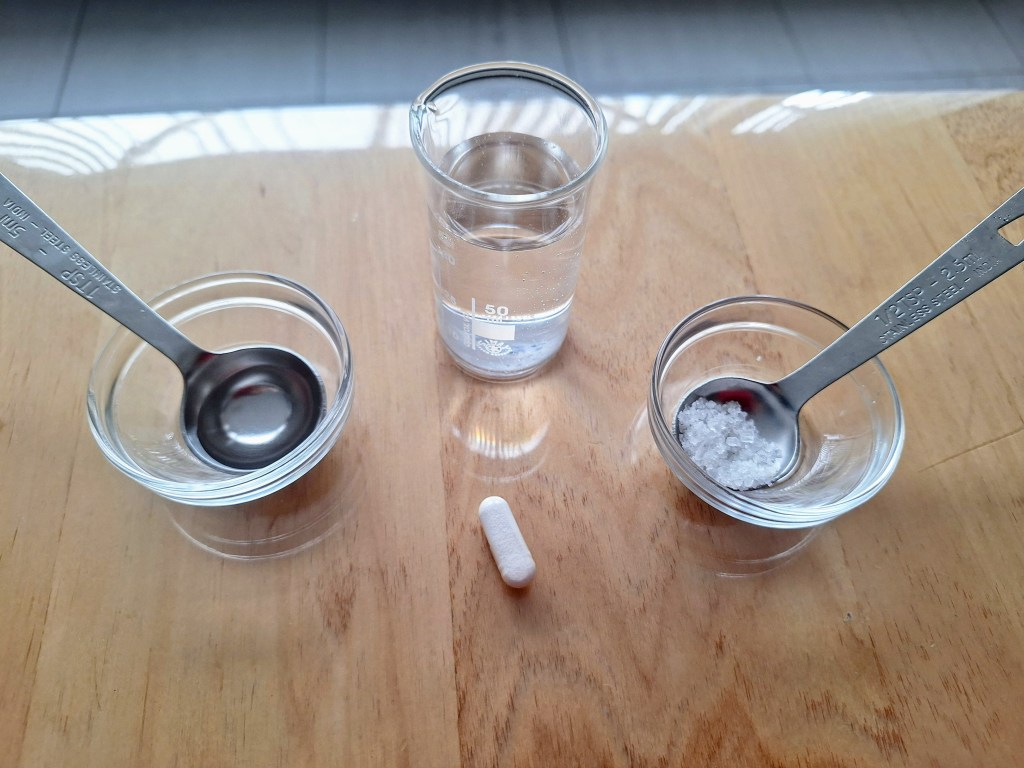
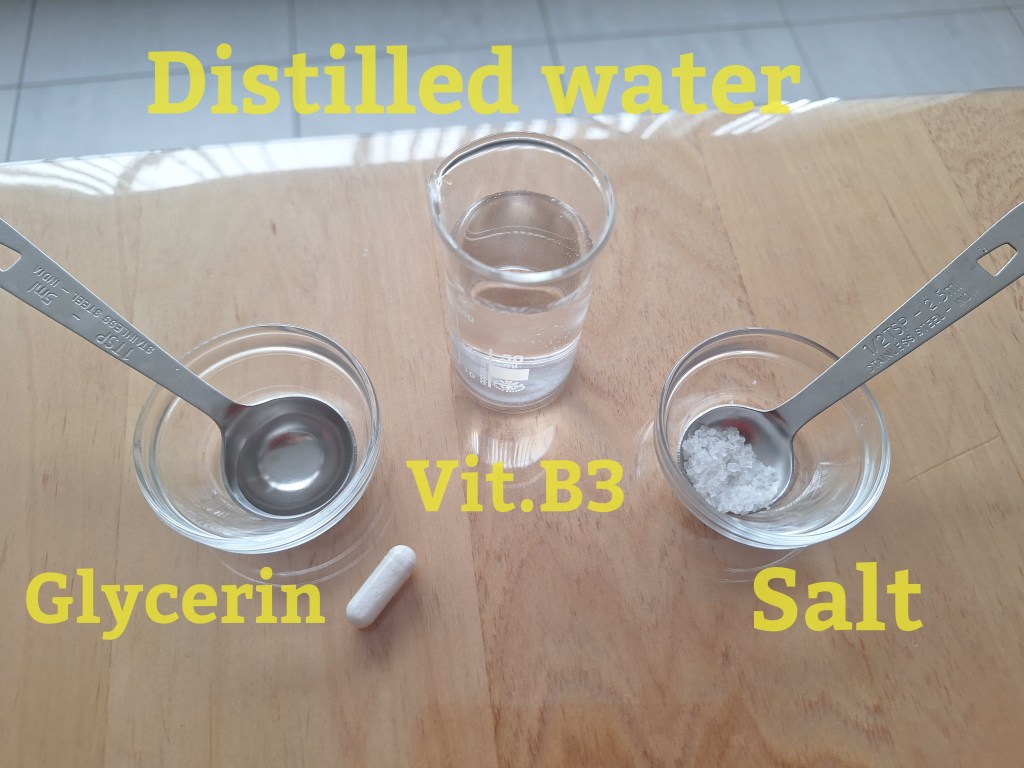
Did you know that you can easily prepare a serum base with distilled water, a teaspoon of Celtic or nigari salt, rich in magnesium, and a teaspoon of glycerin?

Salt and glycerin are natural preservatives. Your facial serum will remain in good condition without synthetic preservatives. You can add vitamins or water-soluble active ingredients to this serum base. In this case, we have added a capsule of vitamin B3 (niacinamide) for internal use. The results are noticeable.

In this simple way, we’ve given our skin a drink without using a single preservative. It’s all about implementing a smart beauty routine. Likewise, we apply a natural vegetable oil all over our bodies when we get out of the shower. We do this even without drying off. It’s a smart way to nourish and moisturize at the same time.

2. It is also possible to create our own facial serums and toners without the need for synthetic preservatives using some smart cosmetics tricks such as:

Use a hydrolate that you like as a facial tonic in which you can easily pour 1/2 teaspoon of ascorbic acid (i.e. vitamin C that they also sell for internal use) and thus take advantage of all its properties without adding preservatives to your tonic. In addition, formulating products with vitamin C is very complicated because vitamin C is very unstable. However, this method allows you to easily take advantage of its properties. It directly helps to illuminate the skin of your face.

Use commercial aloe vera gel. It already contains its own preservatives. These are much gentler on the skin than those we can buy in cosmetic stores. It is very easy to add active ingredients to it such as vegetable oils, vitamins and glycerin.

Like in this recipe:

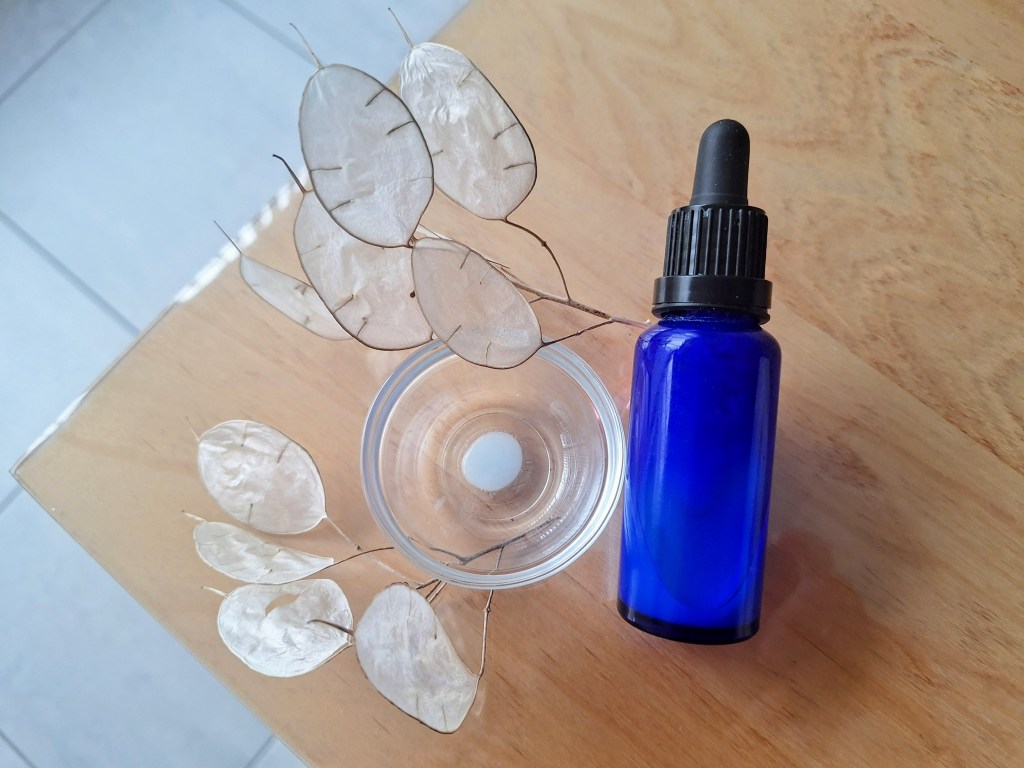
Use a vegetable oil, such as aloe vera oil, or almond’s oil. You can add a capsule of vitamin A for internal use to it. This is possible because vitamine A is fat-soluble. It will be enough to introduce our vitaminized oil in a dropper bottle. Then we already have a natural facial serum without the need to complicate with retinol *, etc… We can also use our capsule of vitamin A for internal intake. It will be very good for our skin.

*According to the IA: “Vitamin A and retinol are different names for the same compound, or rather, for a family of related compounds. Vitamin A is the generic name, while retinol is a specific form of this vitamin. In other words, retinol is an active form of vitamin A.”

Prepare an infusion, with lavender flowers, for example, and then filter it and add 25% vodka. The ethanol added in this percentage will act as a preservative of our infusion. This allows us to extend the shelf life of our natural lavender facial tonic for several days. After the application of our facial tonic, we spread one of our non-aqueous phase creams. It is emulsified with natural emulsifiers, such as beeswax. Our skin will be glowing.

3.- It is also very easy to prepare vitaminized exfoliants and masks for immediate use. Without the need to complicate, we will be adding water and fresh vitamins to our skin. Some examples:

ILLUMINATING EXFOLIANT of RICE FLOUR

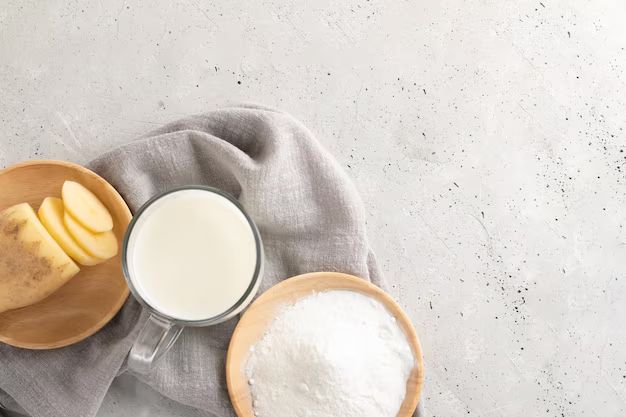
Rice flour with a teaspoon of milk and a few drops (half a teaspoon) of lemon juice. Mix and then exfoliate your face.

DEPIGMENTING TREATMENT MASK with fresh potato.

Grate half a peeled potato into a puree.

Add a spoonful of rice flour that will provide exfoliating capacity.

Stir, add a spoonful of milk and form a paste that can be applied to the face.

We will try to prepare a minimum amount to use it at once. If it’s not possible, we can always refrigerate it. This all-natural product loses its properties after a few hours. Its texture also changes, that’s why we do not intend to keep it, but to use it immediately.

RICE AND LEMON DEPIGMENTING TONER

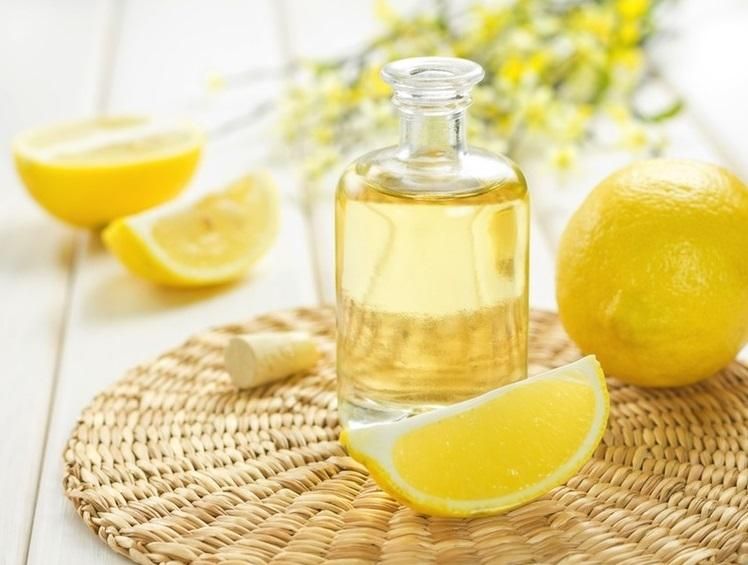
A rice and lemon toner is a natural skin solution that can help clarify, soothe and tone. The combination of rice and lemon can help reduce the appearance of blemishes and improve hydration. As you know, rice water has a natural depigmenting effect due to the kojic acid that rice contains. This combines with the ascorbic acid from the vitamin C in the lemon. Together, they create a synergistic effect that enhances the depigmenting character of this facial toner.

You will need: a cup of rice, 1 cup of water and the juice of half a lemon.

As easy as: Add the cup of rice to the water and the lemon juice. Let the mixture stand for 24 hours in a glass container. After 24 hours, remove the mixture and bring it to a low heat to boil for about 5 minutes. Let the mixture cool and strain it.

There are people who add the lemon juice to the rice water after a few hours, and after filtering the rice, and then they apply it directly without boiling it to better take advantage of the vitamin C in the lemon. It is also possible, although in this case it is necessary to be even more careful not to apply the tonic during the day so that the lemon does not come into contact with sunlight.

Use: Dip a cotton pad in the rice water and apply it on a clean face. Let it dry on the face and do not rinse.

TIPS: It is best to use the rice and lemon tonic at night because lemon is photo-sensitizing. It is possible to use this solution as a daily toner or several times a week.

4. It is possible to obtain a “creamy texture” to moisturize our skin without using emulsifying waxes of any kind. This happens when we use a natural vegetable butter. For example, shea butter. We then add a couple of teaspoons of one or two vitamin-rich vegetable oils. All we have to do is stir and beat the mixture well for a few minutes. This helps us obtain a fantastic creamy consistency without the use of preservatives or synthetic self-emulsifying waxes.

5. Finally, creams with an aqueous phase emulsified with beeswax and borax can be created. These do not require synthetic preservatives. They can keep for up to 3 months without refrigeration. This is more than enough time to finish the product without having to complicate ourselves.

CREAMS WITH AQUEOUS PHASE AND BEESWAX as emulsifier

To design this type of creams, it is necessary to consider the proportions of borax. We need to implement these proportions according to the amount of beeswax. Beeswax will be used as an emulsifier.

PROPORTIONS WITH BORAX

If we know that for every 15 grams of beeswax we will need approximately one gram of borax to produce the chemical emulsion between beeswax, oil and water; then it is easy to deduce by a simple rule of three. For example, for 3 grams of beeswax we will need about 0.2 grams of borax.

15 g wax ——– 0.9 g borax

3 g wax ———–   X

PROPORTIONS WITH THE BEESWAX AND THE OIL

90% of macerated-oil (oleado)

10% beeswax

PROPORTIONS WITH BEESWAX AND BORAX

In a cream recipe using beeswax and borax as co-emulsifier, a common ratio is 60% oils or fats such as shea butter, 10% beeswax and 30% water. To prepare a richer cream, a maximum of 80% oils/fats, 5% beeswax and the rest water can be used. In the water we will include the borax in a percentage of 1% of the total product. In other words, for 100 grams of cream, we will use approximately one gram of borax, depending also on the ratio of beeswax, as mentioned above.

For example: An ointment recipe might include 80% oil, 5% beeswax, 1% borax and 15% water. The exact proportions can be adjusted to achieve the desired consistency and texture. For a creamier texture, increase the oil phase. Decrease the water phase correspondingly.

LET’S GO TO OUR RECIPE

Ingredients to prepare about 100 grams of product:

OIL PHASE

40 grams of oat oleate

12 grams of shea butter

8 g vegetable glycerin

8 grams of beeswax

AQUEOUS PHASE

30 grams of distilled water to which, previously, we will add 0.75 grams of borax (which acts as emulsifier and preservative).

PROCEDURE:

Melt the beeswax and the oil/fat in a bain-marie. At the same time, we heat the distilled water, to which we have previously added the borax. Both phases should be at a maximum temperature of 70 degrees.

When the mixture of wax and oil (oily phase) is completely melted, we will gradually add the mixture of water and borax (aqueous phase). We should continue beating vigorously. Now, we will pour the mixture into a bowl with cold water. We’ll continue whisking until our cream is fully condensed.

Finally, we will introduce the cream in a glass container, if possible. The only preservative, as well as co-emulsifier of this preparation with aqueous phase, is borax. Therefore, the use of a glass container will prolong its preservation and keep our cream in the best conditions. Also, for this reason, we should prepare small quantities of product. This way, we can consume them in just a few months.

THE COMPONENTS OF OUR 100% NATURAL CREAM

This type of cream has been known since the time of the physician Galen (galenic creams). Even then they were made with beeswax and borax. Galenic creams proved to be a good treatment for skin problems such as irritation, inflammation and itching.

BEESWAX: Beeswax is a natural wax that provides a solid, waxy texture to the cream. It acts as a humectant, helping to retain moisture and soften the skin. And it has antioxidant properties helping to protect the skin from free radical damage.

OATMEAL OLEADO: We have used an oat oleate* (oil macerated in oats’ meal). It is prepared in a homemade way with oatmeal as we introduced in our post on “How to make herbal creams at home”. Oatmeal is rich in beta-glucans. Its cosmetic use has been found to have a much more moisturizing effect than hyaluronic acid. This is because it is much better absorbed. In addition, oatmeal soothes sensitive skin and moisturizes it naturally, preventing redness and irritation.

SHEA BUTTER: It is rich in fatty acids. This richness makes it ideal to moisturize and nourish the skin in depth. It improves the skin’s elasticity and softness. It is especially recommended to treat dry and mature skin and even to prevent itching and irritation of sensitive skin. Especially if you get it without deodorizing or processing, it is in itself a natural balm for the skin.

VEGETAL GLYCERIN: Glycerin is a humectant that attracts and retains moisture, making it very beneficial to the skin. Its main properties include moisturizing, protecting, softening and improving the skin barrier, making the skin feel smooth and healthy. When applied, glycerin does not simply stay on the skin. It penetrates and allows the skin to breathe while retaining moisture. Glycerin is really a safe and natural skin care product that works very simply to keep skin soft, beautiful and moisturized.

Food-grade vegetable glycerin is used to prepare “glycerites“, also known as glycerol extracts. Glycerin, or glycerol, is a sweet alcohol and is used as an extraction medium to obtain extracts from plants or other substances. Vegetable glycerin is produced from vegetable oils by processes such as hydrolysis, which separates the fatty acids from the glycerin.

In natural cosmetics, vegetable glycerin can be used to create and preserve various vegetable extracts. These extracts can be used in cosmetic preparations without the need for added preservatives. For example: Use aloe vera powder by placing it in a glass container. Cover it with glycerin for a few weeks. Once ready, filter it, and it’s prepared for use in our cosmetic preparations. The same with dried turmeric, with geranium petals powder, with dried chamomile flowers, etc … the creativity is endless.

BORAX: Borax is an alkaline mineral salt. It is a natural mineral element that helps beeswax to emulsify with water and oil. Borax, on the other hand, has disinfectant and anti-inflammatory properties, which can help soothe irritation and inflammation in case of eczema, psoriasis or dermatitis.  


OIL PHASE: The oil phase provides the moisturizing and emollient properties of the cream. The most common oils are sweet almond oil or shea butter. In this case, we have used chamomile oil for its properties to soothe irritated skin. We also included shea butter and glycerin. Glycerin is an all-natural moisturizer and moisturizer.

AQUEOUS PHASE: The aqueous phase provides the hydration and helps to create the emulsion. It is also possible to use hydrolates. These can be combined with borax and beeswax. However, we have preferred to keep it simple by using only distilled water.

NATURAL EMULSIFIER: The ratio of oil, beeswax and water is crucial to create a stable emulsion. Beeswax and borax, when combined, act as emulsifiers. They allow the oil and water to mix without mismatching. A chemical bond is produced between them. The ceronic acid in the beeswax reacts chemically with the sodium hydroxide. This sodium hydroxide is produced by the hydrolysis of the borax. Together, they produce the emulsion of the water with the oil.

Natural Preservatives for Homemade Skincare

Are you worried about the problem of synthetic preservatives in your homemade preparations, but fear that if you leave them out of the refrigerator they will spoil in a short time?

Believe it or not, we have a natural solution for this that won’t leave your complexion looking stiff and won’t cause irritation or dermatitis.

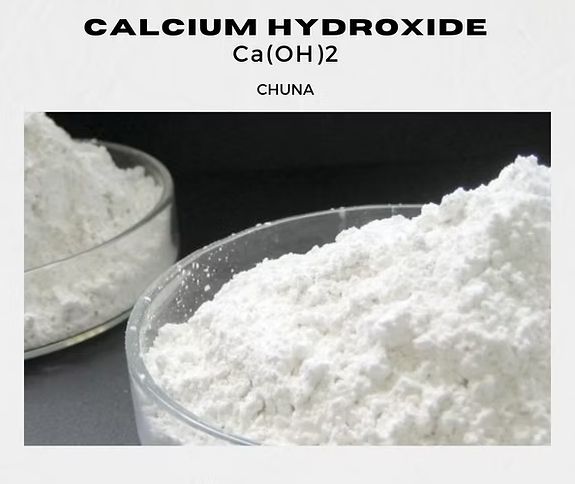
And it’s super cheap too. Forget about buying preservatives other than simple Leucidal, which is the only commercial preservative that is natural enough not to cause any problems, and which you will need to add to this moisturizing colour cream. Otherwise, all you need is mineral water, optionally dried herbs, and a small packet of calcium hydroxide.

https://www.healthline.com/health/calcium-hydroxide

If you read the linked article, you will see that calcium hydroxide is so safe that it has been widely used in the food industry and traditionally in food preparation since time immemorial, for example in Central America, where calcium hydroxide has been used for thousands of years to process maize.

AROMATIC LAVENDER WATER WITH PRESERVATIVE PROPERTIES

We had set out to make a tinted moisturiser with a sun protection factor for daily use and we needed a preservative that wouldn’t give us any problems.

And as we had already seen that creams with lime water in the aqueous phase are like good wine, which over time ferments and improves instead of spoiling, we decided to prepare an herbal infusion to which we would later add the lime. It is possible to do this with just mineral water, as you know, but with herbs it has a better aroma.

So we start by making an infusion of dried lavender to which, after cooling, we add a teaspoon of food-grade calcium hydroxide.

The ratio is about 5 grams of calcium hydroxide per half litre of demineralised water, or in this case cold herbal tea.

After filtering the lavender water, we add a few drops of lavender essential oil to enhance its aroma.

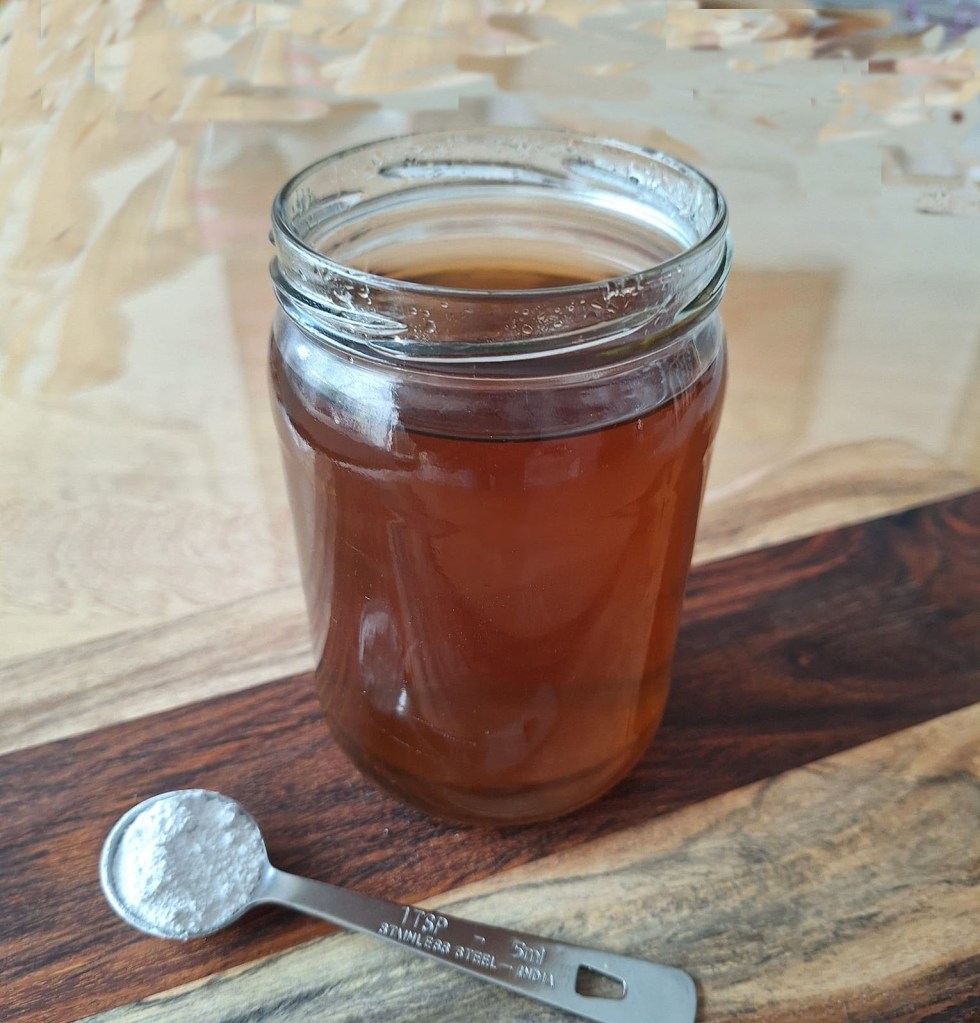
After an hour’s rest, during which the lime remained at the bottom of the container, we used a coffee filter to filter the lime from our infusion and thus obtain our lavender water with the properties of the dead lime.

TINTED MOISTURISING FPS CREAM

As we said, the recipe below is, as we like in this blog, a minimalist and simple recipe to make a colour cream with sun protection factor.

INGREDIENTS to make about 100 ml of cream:

About 20 grams of quality cold pressed oil, such as sesame oil, grape seed oil, etc …

About 5 grams of oat powder, which, in addition to providing properties, will fluff up the final result, as creams with zinc oxide tend to become caked.

About 70 grams of our aromatic lavender water

8 grams of emulsan, a new ecological emulsifier that is very natural.

8 g zinc oxide

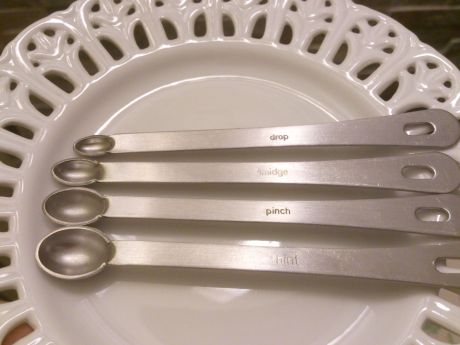
For pigment, we used 5 DASH teaspoons of light brown oxide and one DASH teaspoon of pink oxide, the DASH measure is also known as PINCH.

And finally, 15 to 20 drops of plain Leucidal*.

*This is a precaution because when the lime water, in a recipe like this one, is completely absorbed and fully integrated into the emulsion, it can happen that our cream, with use, when we run our fingers over it, becomes contaminated. It is also possible to use a small plastic spatula to avoid this problem.

In any case, if our cream is emulsified with beeswax, as is the case with the calcareous bio-liniment, and the water is out of phase, this problem does not occur. We have more than proved this.

This is a picture of our BIO-LINIMENT, after months of frequent use, as it is a product that we highly recommend, especially for the most sensitive and dry skins.

We remind you of the recipe of the BIO-LINIMENT calcareous

To prepare about 200 ml of this liniment, we will need:

100 ml of lime water

100 ml olive oil

And about 4 grams of beeswax

And you don’t need to add anything else at all to get a very moisturising and natural face and body balm that will never give you any problems.

*Just remember not to leave the calcium hydroxide in the distilled water for more than an hour so that the water does not take on too much aroma and your liniment smells good.

THE STEP-BY-STEP PREPARATION OF THE COLOUR CREAM RECIPE:

Weigh the ingredients.

In a heat-resistant container, such as a pyrex, etc., place the emulsifying wax (Emulsan), the 20 grams of grape seed oil, the 8 grams of zinc oxide and the 5 grams of oat powder in a bain-marie, in that order, adding each component once the previous one is dissolved and integrated into the mixture.

In another container, we will warm our aromatic lavender water.

When both phases are hot, add the aqueous phase, i.e. the lavender water, to the oily phase, whisking vigorously so that everything is integrated. It is advisable to use a small cosmetic mixer, such as a coffee skimmer, etc…

Finally, add the pigments, stirring well and checking each time on the back of your hand to see if the colour you obtain matches your skin tone.

And, if we have so decided, 15-20 drops of simple Leucidal, which is the INCI: Leuconostoc/Radish Root Ferment. It is the most skin-friendly, effective and ecological preservative that we know of.

And this was the result.

A tinted cream with a sun protection factor adapted for daily use to prevent facial skin blemishes.

We have prepared our moisturising colour cream without adding essential oils, just a few drops of lavender water, before preparing our cream, to give it a little more aroma and properties.

But if you want to add essential oils, it is advisable to take into account the advice of the experts:

According to the blog of the French Institution Robert Tisserand:

“But if you are going to use essential oils orally following the recommendations you saw on social networks, with a 99% probability I assure you that those recommendations will not be correct. If you don’t believe me, let’s take a look at a few:

  • Add one or two drops of essential oil in a glass of water and then drink it: essential oils do not mix with water! This is the same as ingesting them undiluted, with a high risk of irritation or burning of your digestive mucosa, gastric ulcers, etc.
  • Take essential oils every morning as a self-care routine: Essential oils taken orally have the highest bioavailability and should only be used for a short time to reduce the risk of internal toxicity and liver overload.
  • Adding essential oils to a shotglass because you think it’s cool: you will only be giving your liver even more work!”

 What Robert Tisserand is saying is that essential oils, like any other chemical substance, whether of natural origin or not, whether intended for medicinal use or not, produce their effects when administered.

Tisserand, in his blog, would ratify the maxim of Paracelsus, the great physician of antiquity: “Everything is poison and nothing is without poison; only the dose makes a thing not poison”.

Paracelsus (1493-1541) was one of the many physicians who used distillation to separate essential oils from plants. It was he who coined the famous phrase “Everything is poison and nothing is without poison; only the dose makes a thing not poison”, meaning that a substance containing toxic properties can only cause harm if it is present in a sufficiently high concentration. In other words, any chemical – even water – can be toxic if the body ingests or absorbs too much of it.

And we could continue with the same recommendations taken from the blogs of some influencers who offer recipes for natural cosmetics in which large doses of essential oils abound in products designed to be absorbed by our skin and which, if we follow them to the letter, are potentially very irritating. Such as, for example, those recipes with doses of essential oils and synthetic preservatives of one gram, etc. …

Antonia Jover, who also quotes Tisserand in her blog on scientific aromatherapy, discusses the proper use of essential oils which, as we have commented on other occasions, are a medicine and not a cosmetic product, and should therefore be used as such.

https://aromaterapiafamiliar.wordpress.com/category/aromaterapia-cientifica/

In this blog you can find extensive information of great value on essential oils and their uses in the field of health, which is not the same field as that of natural cosmetics, which is why the doses must be different. Cosmetics, as we always say, are not a medicine, unless we design them for that purpose, for example, balms, treatment shampoos, etc…

NEW GENERATION COMMERCIAL CREAMS

On the other hand, if you look at the composition of new-generation commercial natural creams, when essential oils are used, they appear at the end of the INCI because they are used in very small doses and with the precaution of not overloading the recipe with other potentially irritating elements, such as synthetic preservatives. In addition, in this recipe, lactobacillus ferments have been added to improve the overall tolerance of the product.

All these improvements make today’s synthetic creams much more tolerable than the old recipes were. For example, WELLEDA is also making use of such recipes with very low doses of essential oils and without the addition of extra synthetic preservatives to improve tolerability.

The INCI listed below is for a new serum from the Purèz brand, which is advertised, however, from 40 euros: Phytotherapy Revitalizing Face & Eye Serum/Cream BIO € 41,28 – € 82,60 Excl. BTW

Ingrediënten

Algae extract*, Dicaprylyl Carbonate, Aqua (Water), Ricinus communis* (Castor oil), Hyaluronic acid, Hydrolyzed Oat Protein, Glyceryl oleate, Cetearyl alcohol, Glyceryl stearate (Olive Oil*), Silica, CI77019 , Lactobacillus Ferment, Tocopherol (Natural Vitamin E*). Contains the essential oils of Citrus sinensis* (Sweet Orange), Pelargonium graveolens* (Rose Geranium), Rosa damascena* (Rose) Immortelle* (Helichrysum italicum).

*** In certified natural cosmetics – such as Purèz – the term perfume means ‘mixture of various natural essential oils’. In conventional cosmetics, the same term means “any possible mixture of fragrances, including chemicals and/or synthetic and even toxic fragrances”.

Such a composition would be comparable to the composition of Dr. Hauschka’s ROSE CREAM, which is included below:

Rose Cream, INCI: Aqua, Arachis Hypogaea Oil, Cera Alba, Althaea Officinalis Root Extract, Rosa Damascena Flower Water, Hypericum Perforatum Flower/Leaf/Stem Extract, Butyrospermum Parkii Butter, Sorbitan Olivate, Persea Gratissima Oil, Polyglyceryl-3 Polyricinoleate, Parfum*, Citronellol*, Geraniol*, Linalool*, Limonene*, Citral*, Farnesol*, Benzyl Alcohol*, Eugenol*, Rosa Damascena Flower Extract, Rosa Canina Fruit Extract, Copernicia Cerifera Cera, Zinc Sulfate, Lecithin, Rosa Damascena Flower Wax

In this image it is clear that the ingredients are natural, only a couple of strange names are emulsifiers, such as Sorbitol Olivate, which is also usually part of OLIVEM 1000, or Polyglyceryl-3 Polyricinoleate.

The following composition of the otherwise very popular OLAY REGENERIST cream shows a considerable difference in its composition:

INGREDIENTS: Water, Glycerin, Isohexadecane, Niacinamide*, Distarch Phosphate, Isopropyl Isostearate, Dimethicone, Panthenol**, Palmitoyl Pentapeptide-4***, Sodium Hyaluronate, Caprylic/Capric Triglyceride, Ethylhexylglycerin, Hydroxyacetophenone, Dimethiconol, Cetearyl Glucoside, Cetearyl Alcohol, Stearic Acid, Palmitic Acid, Stearyl Alcohol, Cetyl Alcohol, Behenyl Alcohol, Disodium EDTA, Sodium Acrylates Copolymer, PEG-100 Stearate, Titanium Dioxide, Mica, Phenoxyethanol, Fragrance, *Vitamin B3, **Pro-Vitamin B5, ***Peptide

Because, what is the point of making homemade natural cosmetics if not to create our own products for everyday use, adapted to our skin type, ecological, cheap, and that do not give us problems in frequent use because they only contain ingredients of vegetable origin and natural emulsifiers?

SOLID NATURAL MAKE-UP

We also wanted to contribute a recipe for solid make-up, which we think is a great idea because, as it is solid, it does not require packaging or a water phase, which is the one that always causes conservation problems, given that water is the one that corrupts in the composition of any product that we are going to make by hand.

We have solved this, to a large extent, with our idea of using lime water in our compositions with aqueous phase, as it prevents the recipes from becoming corrupted. However, whenever we can prepare a recipe without using an aqueous phase, all the better, because we avoid the problem from the start.

In this case, we only need to add a little vitamin E, which will act as an antioxidant to extend the durability of the fats we use in our composition and prevent them from going rancid.

As we said, as it is a solid make-up base, it does not require preservatives😊.

And its second great advantage is that it already contains mineral sunscreen filters (zinc oxide), which means that it is no longer necessary to use other day creams with protection factors.

INGREDIENTS:

Beeswax, 10 g

Shea butter, 20 grs.

Zinc oxide, 15 g

Cosmetic grade iron oxide pigment, usually a ratio of 4 teaspoons Pinch brown oxide to 1 teaspoon pink oxide, and always testing and adapting to your natural skin tone.

And a few drops of vitamin E

PROCEDURE:

First, put the beeswax, shea butter and zinc oxide in a heat-resistant container, in this order. Place this container in a bain-marie until everything is melted and liquid.

When the base ingredients are melted, turn down the heat and it is time to add the pigments while whisking with a mini electric mixer so that the pigments are well integrated.

Now that we have our pigment well integrated, you will see that the mixture has risen in colour, remove from the heat and add the vitamin E (not before because the vitamin is thermosensitive).

Now we can pour our mixture into a silicone mould, and wait until it cools and solidifies before unmoulding.

It’s that simple and, with this mixture, you get a spectacular foundation that covers all the imperfections of the face, even dark circles under the eyes. As it is super-covering, we advise you to use it sparingly.

We like to use it on holidays, and the previous, gentler one, can be used every day as it is also photoprotective!

BALSAMIC RESINS IN DERMO-COSMETICS

Everyone knows about the use of aromatic resins in burners, perfumes and incense, but did you know that it is also possible to take advantage of their properties in our cosmetic preparations?

The use of benzoin resin to flavour and preserve many cosmetic preparations such as the famous virgin milk is legendary. However, it is also possible to successfully use other resins such as sangre de drago or copal to benefit from their properties for the skin.


RESINS

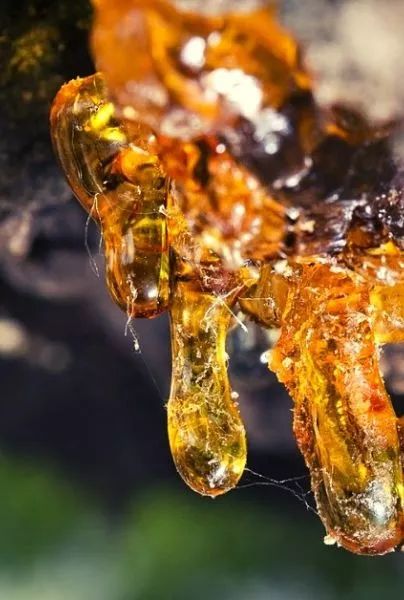
Resins are sticky, liquid, aromatic organic substances that flow from a plant, either spontaneously (as in the case of rosin or pine resin) or through an incision made to obtain the resin from certain tree species. This yellow or brownish-yellow substance hardens in contact with air and takes on a shiny, amorphous appearance. When burned, it gives off a smoke with a very aromatic odour. The resins are soluble in alcohol, ether, oil and other organic solvents, but not in water.

Taking advantage of the ease with which resins dissolve in oil, we are going to show you how to make oleates with the different resins in order to take advantage of their properties in our cosmetic preparations.


THERAPEUTIC PROPERTIES OF BALSAMIC RESINS

There are many types and varieties of resins around the world which, since ancient times, have enjoyed a great reputation for their therapeutic properties.

TYPES OF RESINS

There is a great variety of them and depending on their characteristics they can be hard, oleoresins and gumoresins.

Hard resins are brittle like glass and shiny. Among them are Amber, Lentiscus (or mastic) and Sandarac…

Oleoresins are semi-solid, amorphous and sticky and contain essential oils such as Sangre de Drago, Balsam of Copaiba or Copal and Trementina…

And finally, there are the gum-containing gomorresins, including myrrh, galbanum, benzoin resin, asafoetida and frankincense…

Examples of plant resins include Canada balsam (Abies Balsamea), boswellia (or frankincense) resin, copal resin from Protium copal and Hymenaea courbaril trees, dammar gum from trees of the Dipterocarpaceae family, dragon’s blood from dragon trees (Dracaena species), elemi, galbanum from Ferula gummosa, hashish (cannabis resin) from Cannabis indica, labdanum from the Mediterranean species of Cistus, lentiscus (plant resin also called mastic) from the mastic tree Pistacia lentiscus, myrrh from Commiphora shrubs, styrax (benzoin resin from various species of Styrax) and Storax, which is another resin from the styrax family …

As we said, it is well known that natural resins provide natural aromas that not only perfume the atmosphere, but also disinfect it naturally. Boswellia resin, known as frankincense, is possibly the most popular and sought-after resin. It has traditionally been used in churches to purify and scent the air.


PREPARATION OF OLEATES FROM BALSAMIC RESINS

However, it is possible to make tinctures from the resins, as is done with benzoin tincture, but in this case, we would have to use perfumery alcohol or, better still, 70 degrees ethanol. So, we are going to propose you to elaborate oleates as they are easier to emulsify and to include in cosmetic compositions.

HOW TO PREPARE AN INFUSED OIL BASED IN RESIN

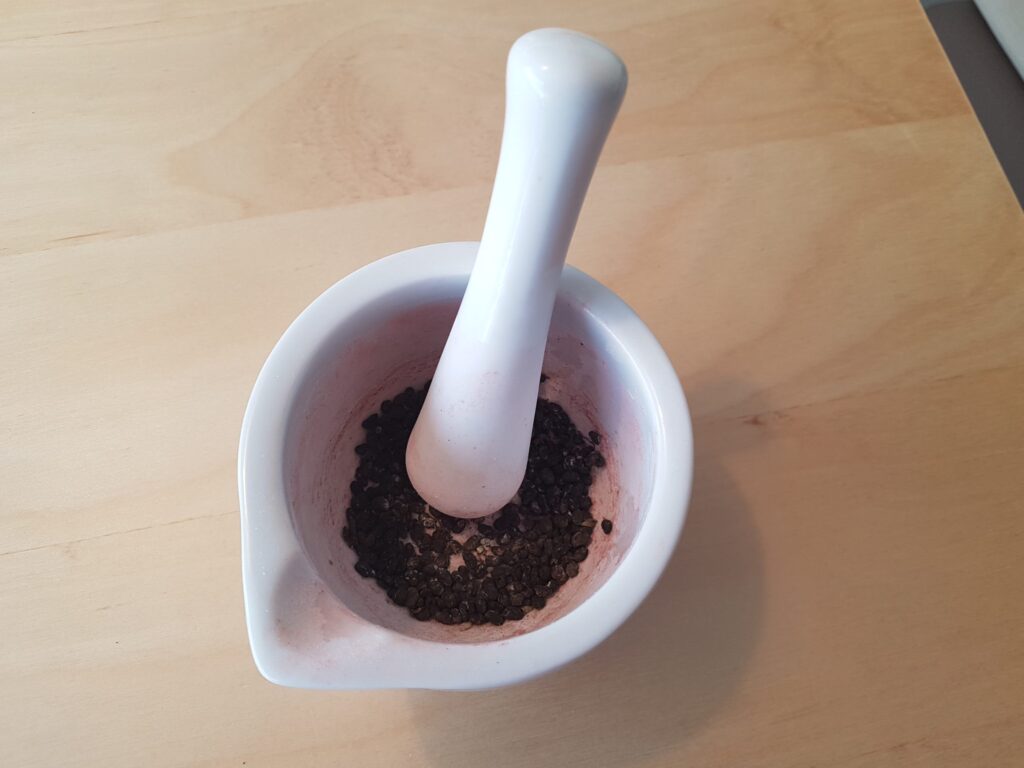
First, the resin is thoroughly ground in a ceramic mortar.


Next, place the oil in a bain-marie for about 40 minutes over a medium heat so that the oil does not heat up to a temperature of over 70 degrees and the properties of the whole are lost. Then add the previously pulverised resin.

-link to: https://naturamatters.com/2021/03/05/how-to-make-infused-oil-2/

For a quantity of 200 ml of oil, we can use, for example, between 15 and 20 grams of raw resin, previously crushed.

Depending on the therapeutic properties that we want to endow our cream with, we will use some oils or others. For example, interesting oils in dermo-cosmetics are the following:

For dry skin:

Sweet almond vegetable oil: Soothing, softening and nourishing, this vegetable oil is ideal for delicate and dry skin. Very gentle, it is very pleasant to apply and leaves a velvety look and soft feel on the skin.

Avocado vegetable oil: Obtained from avocado pulp, this oil is nourishing, protective and restructuring. Repairing and soothing, it works wonders on dry or mature skin.

Wheat germ vegetable oil: Repairing, rich and regenerating, it is a particularly remarkable oil for dry and dehydrated skin. With a thick and very soft consistency, it gives the skin a velvety feel.

Argan oil: Ultra-nourishing, this beauty oil is ideal for mature, dry or devitalised skin. Rich in antioxidants, it helps maintain skin hydration and fights the effects of time.

For sensitive and atopic skin:

Chaulmoogra vegetable oil: This oil soothes irritated, damaged and flaky skin. Purifying and non-comedogenic, it cleanses the skin and normalises sebaceous secretions. Ideal for the care of scaly, atopic-prone or blemished skin.

Camelina vegetable oil: Rich in omega-3, camelina vegetable oil is nowadays a noble ingredient in the production of anti-ageing care products or soothing and revitalising care products for sensitive and atopy-prone skin.

Borage care oil: Ideal for delicate or atopic-prone skin, it soothes and relieves tightness. The skin regains suppleness and comfort.

Black cumin or nigella sativa vegetable oil: Purifying, black cumin oil is used in the composition of care products for acne-prone skin to prevent the formation of small pimples. Soothing and repairing, it is a wonderful treatment for irritated skin.

The best anti-wrinkle facial oils are those of:

Rosehip oil: Exceptional anti-ageing treatment, this rare Patagonian oil is a real concentrate of benefits for dry and mature skin. Rich in essential fatty acids, antioxidants and carotenoids, it nourishes, regenerates and tones the skin.

Argan oil: This Moroccan oil, rich in omega-9 and omega-6, protects the skin from external aggressions and helps maintain its elasticity. Thanks to its concentration of antioxidants such as polyphenols and tocopherols, this virgin oil fights free radicals involved in skin ageing.

Apricot kernel oil: Illuminating, regenerating and revitalising oil, it combats the signs of ageing by toning and softening the driest skins. It nourishes the skin, reinforcing its hydrolipidic film and protecting it from dehydration.

Evening primrose vegetable oil: A restructuring and anti-ageing active par excellence, evening primrose vegetable oil fights against the signs of skin ageing and restores suppleness to the epidermis. It also has softening and revitalising properties.

However, if you have oily skin, you should use jojoba vegetable oil: Soothing and rebalancing, this oil regulates sebum secretion. Nourishing, it penetrates without leaving a greasy film on the surface.

Oily skin with blemishes and imperfections due to acne benefit from the oils:

Grape seed oil: Sebum regulator, it is known to be exfoliating and very penetrating without leaving a greasy film. It is ideal for skin prone to blemishes.

Hazelnut vegetable oil: Balancing and softening, this oil has a penetrating, non-greasy touch, appreciated for preparing the care of oily and acne-prone skin. This non-comedogenic oil balances the sebum production of oily skin and promotes the regeneration of the skin’s hydrolipidic film.

If the imperfections are due to redness associated with couperose, the best oils to prevent redness are those from:

Safflower vegetable oil: Thanks to its vitamin K content, it is known to soothe atopic and redness-prone skin. Soothing, nourishing and emollient, it helps to restore the skin’s moisture and preserve its elasticity.

Calophyllum or tamanu vegetable oil: Rich in powerful soothing active ingredients, this oil is an ingredient of choice for the care of tight skin or skin prone to redness. Also known as a restorative, it promotes the regeneration of cutaneous tissue and gives the skin suppleness and elasticity.


CONTINUING WITH THE PRODUCTION OF THE OLEATE:

Thirdly, we filter our oleate with a coffee filter to remove resin residues.

Once filtered, we can use it in our cosmetic preparations.

The saturated oil remains of the crushed resin should not be thrown away, as they make an excellent home exfoliator.


DIFFERENT RESINS AND THEIR PROPERTIES FOR THE SKIN

Resins, as we said at the beginning, can be used as active ingredients in our creams and preparations to treat the skin.

However, it is not advisable to use such potent active ingredients during pregnancy, while breastfeeding or in children under 6 years of age. And of course, as with some essential oils, the resins should not, in principle, be ingested, even if they are well tolerated by the skin.

Natural resins, in contrast to synthetic perfumes, not only bring therapeutic skin care properties to our cosmetic preparations, but also their excellent aroma and natural preservative properties.

We start with Drago’s blood resin, as its uses are particularly interesting in cosmetology.

DRAGO’S BLOOD:

Drago’s blood (croton lechleri) has important medicinal healing, disinfectant and anti-inflammatory properties. When it comes to using it in our cosmetic preparations, its enormous antioxidant capacity stands out, making this resin a powerful rejuvenating treatment. Drago’s blood is known to be rich in compounds of the proanthocyanidin family, which have been shown, in experiments, to be 20 times more potent than vitamin C and 50 times more potent than vitamin E.

This resin was used for millennia by the Indians of the upper Amazon, who extracted the red sap of this tree for its healing properties, as a great restorative of tissues, which is why it was highly sought after to heal wounds. Current science has been able to prove that with the application of this sap the skin regenerates 20 times faster than normal.

This reddish sap, which contains high doses of proanthocyanidins, not only binds natural collagen fibres, but also inhibits the action of enzymes that tend to break down collagen as we age. As a result, this sap has a long-lasting effect in reducing wrinkles, which are ultimately the visible expression of tissue deterioration.

ITS USES IN COSMETOLOGY: Very interesting for the production of anti-wrinkle creams, products for mature skin, antioxidant creams, lotions for the prevention of stretch marks and post-sun care…

If we are going to use the tincture of Sangre de Drago, it is important to respect a maximum dosage of 2-5% of the product, as it is a very potent active ingredient.

However, if, as in our case, you decide to make an infused oil (oleate) with this resin, you can completely replace the amount of oil in your cosmetic with the oleate of Drago’s blood.

RECIPE FOR A NATURAL CREAM MADE WITH OLEATE OF SANGRE DE DRAGO

We are going to make our cream with an aqueous phase to incorporate the resins because creams with water not only moisturise more and better than ointments and balms based on oils, but they are also easier to incorporate active ingredients such as resins.

The only disadvantage of aqueous phase creams is the need to add preservatives, and we will overcome this obstacle thanks to natural balsamic resins combined with borax salts.


INGREDIENTS

53.50 g of Drago’s blood infused oil.

33 g of a hydrolat of your choice or distilled water, to avoid bacterial proliferation.

13 g white beeswax (only if it is naturally bleached with charcoal, if it is not and is bleached with chemical bleaches, it is better to use regular beeswax)

0.5 g borax* (which acts as an emulsifier as well as a preservative).

*Borax is necessary to properly emulsify the beeswax, otherwise a good O/A emulsion would not be possible, and the phases would separate. As you know, beeswax cannot be used to emulsify creams with an aqueous phase. Moreover, borax, at such a low level of concentration, is not attributed with any risk of reprotoxicity, as the French ANSM recognises. https://naturamatters.com/2022/05/22/about-borax-salts/

PROCEDURE:

Melt the beeswax and the oil in a bain-marie. At the same time, heat the hydrosol to the same temperature and add the borax. Both phases should be at a maximum of 70 degrees.

When the wax and oil mixture is completely melted, add the water and borax mixture a little at a time and keep whisking vigorously. Now we can put the mixture in a bowl of cold water (immersed in a bain-marie of cold water) and continue whisking until it is completely condensed.

Finally, pour the cream into a glass container, if possible. The only preservative, as well as co-emulsifier, in this preparation with aqueous phase is borax, so using a glass container will extend its shelf life and preserve our cream in better condition. It is also important to prepare small quantities as we do not use any preservatives other than borax.

It is always better to avoid the problem than to use preservatives which, however natural they may be, can alter the microbiota of our skin, reducing the regenerative capacity of the active ingredients and the bioavailability of the product.

Take advantage of the fact that you don’t have to sell your cream to prepare it as naturally as possible. You will notice the difference.

Specifically, this cream based on Sangre de Drago resin is very regenerating and when you apply it you will notice an important warming effect as it increases cell metabolism and favours the formation of collagen, which also depigments and evens out facial tone.

Wow, a home treatment much more effective than any expensive cream you can buy at the chemist. Drago’s resin is so regenerative and healing that I have sometimes used this cream when my shoes have rubbed against my feet and the problem has improved in a matter of hours, believe me.


Another resin with interesting cosmetological properties that we have already discussed in previous posts is benzoin resin.

BENZOIN RESIN:

Benzoin is a balsamic resin obtained from the bark of several species of trees of the genus Styrax. It is used in perfumes and some types of incense and as a flavouring and medicine in the form of benzoin tincture*.  *Benzoin tincture is a solution of benzoin resin in ethanol that is applied to the skin under an adhesive bandage. It protects the skin from allergy to the adhesive and makes the bandage stick longer. It is also used by athletes because of its reputation for toughening the skin. Orthopaedists often apply it under a cast because it protects the skin and reduces itching.

Benzoin tincture can be easily made at home.

According to the Codex of the French Pharmacopoeia of 1835, we will use:

12.5 grams of Benzoin resin, previously crushed in a mortar

And 50 grams of 70-80 degrees ethanol

Dilute the 12.5 grams of previously pulverised resin in 50 ml of 80-70 degrees ethanol and close the glass bottle. The preparation should macerate for about 15 days, during which time it should be shaken periodically. Then filter it through a coffee filter, for example, and reserve the mixture thus obtained.

If we want 80º ethanol alcohol, we must mix it like this (41.5 ml of 96º ethanol + 8.5 ml of distilled water).

If we want 70º ethanol, the proportions would be: (36.3 ml of 96º ethanol + 13.7 ml of distilled water).

We do not advise you to try to make the mixture without reducing the alcohol because it can become excessively gummy and difficult to filter.


Benzoin resin is said to have antiseptic, antifungal, healing, soothing and moisturising properties. Benzoin acts as a skin protectant as well as a natural preservative, and as a resin, it acts as an essence fixative in the production of natural perfumes.

Its skin therapeutic effects help to nourish very dry and dehydrated skin and to soothe and improve the skin’s texture and appearance. It serves to remove impurities and make-up, along with a skin moisturising function. Benzoin tincture can be used in conjunction with a daily cream for its excellent moisturising and soothing properties, both for the face and body.

It is recommended for use in lotions and creams for better penetration and absorption into the skin, thus achieving the full action and benefits of benzoin.

For all these reasons, we have decided to offer you a recipe for a facial tonic made from rose hydrolat and benzoin resin, which has been known since time immemorial as virgin milk.


RECIPE FOR HOMEMADE VIRGIN MILK

Virgin milk is an ancient cosmetic. It is said to be one of Queen Cleopatra’s beauty secrets. It is classically made using rose hydrolate and tincture of benzoin, which, when in contact with the rose hydrolate, tints the liquid into a beautiful milk-like white colour. The smell of this resin is very reminiscent of vanilla and, together with the rose, the scent of the mixture is deliciously captivating.

The recipe is very simple, and although many variations have appeared in which people have added glycerines, oils, etc., we have preferred to keep the original recipe which, as well as being simple to make, works very well. As it contains no preservatives other than benzoin tincture, we advise you to prepare small quantities that you can use within a few days or to keep it in the fridge in a glass spray bottle so that it is less contaminated.

INGREDIENTS:

50 ml rose hydrolat.

A maximum of 10 drops of tincture of benzoin.

Please note that a maximum ratio of 2% benzoin tincture to 98% rose hydrolat is normally recommended.

For example, for 100 ml of virgin milk:

2 ml of tincture of benzoin (about 20 drops) and

98 ml rose hydrolat.

Some of the virtues of virgin milk are to eliminate fatigue and facial stress, regenerate, moisturise and protect the skin, especially sensitive, irritated, asphyxiated, reddened, pimples. It also can refresh and reduce inflammation of the eyelids.

Its whitening effect on the skin has made it very popular. In addition to smoothing the skin, this milk makes it look more even.

USE: It is usually used after removing make-up as a facial tonic or before applying our daily cream or serum.


INCENSE RESIN

Frankincense, also known as olibanum, is obtained from the resin which, when its trunk is cut, sprouts from trees called Boswellia sacra, which grow in the arid soils of Somalia. Distillation of this resin yields an essential oil that is widely used in perfumery.

Frankincense oil promotes cell regeneration and keeps tissues and cells healthy. It is useful for skin health and can help treat dry skin, reverse the signs of ageing, and reduce the appearance of stretch marks.

Frankincense or boswellia resin, as we know, is also used as one of the main essential oils for anti-wrinkle creams because of its powerful toning effect, which helps to keep the skin elastic and firm and to prevent the signs of ageing.

Its essential oil, extracted from frankincense resin, has the following properties: anti-inflammatory, dermoprotective, antiseptic, astringent, moisturising, promotes the regeneration of tissues, gums and hair and helps to stop the bleeding of wounds.

For this recipe we are going to use frankincense essential oil, extracted from frankincense resin. Essential oils can be distilled at home with a still, although most of us usually buy them.


HOMEMADE LIPSTICK RECIPE

The advantages of making our own lipsticks are not only the fact that we can choose our own personalised colour, but also that we avoid many chemical ingredients, some of which are toxic, such as the lead in the pigments contained in commercial lipsticks, which are responsible for drying out the skin on our lips.

INGREDIENTS:

The dosage of ingredients for a single lipstick will be:

Almond oil 4’8 grams,

Beeswax 1.8 grams,

1 capsule of vitamin E

1 drop of Egyptian Geranium EO

1 drop of frankincense EO

One tablespoon of DASH (about 0.15 grams) of mica mineral pigment in the shade you have chosen to colour your lipstick.


Normally, this lipstick can be prepared without the pigment, just with the almond oil, wax, and essential oils and will be perfectly moisturising.

*The pigment will need to be obtained online in shops specially dedicated to make-up and natural home cosmetics.

PROCEDURE:

Start by dissolving the pigment in the oil, if you have decided to do so, and stirring well so that the pigment is added to the oil. Then, melt the wax and add the mixture of oil and pigment. In case we are not going to use pigment, this previous step, logically, will not be necessary.

Then, before it cools down too much, add the thermolabile ingredients such as vitamin E and essential oils, and finally add the mixture to the lipstick mould. After half an hour or so, we will check that our mixture is hard enough to take it out and put it, now, into our empty lipstick container.

COPAL RESIN or COPAIBA:

It is a resin extracted by exudation from Copal plants. Its origin is American, and it was widely used as incense by ancient Mexicans during ceremonies held in temples. It is the colour of amber, but has no smell, so it is highly recommended for use mixed with essences and aromatic oils.

In the Amazon, copaiba resin is still used today by indigenous tribes as a wound healer, to stop bleeding, for skin sores and psoriasis, and to treat gonorrhoea. Healers in the Amazon today use copaiba resin for all kinds of pain, for skin disorders and insect bites, and to soothe inflammation.

Copaiba is cited as having diuretic, antibacterial, anti-inflammatory, expectorant, disinfectant, and stimulant activities.

Copaiba resin was first recorded in European medicine in 1625 (brought from the New World by the Jesuits and called “Jesuit balsam”) and has been used there in the treatment of chronic cystitis, bronchitis, chronic diarrhoea and as a topical remedy for haemorrhoids.

Non-medicinal uses: The balsam and its oil are used commercially as fixatives in perfumes and soap fragrances.

Modern medicinal uses: Used sparingly and sparingly, it is a wonderful natural remedy for stomach ulcers, inflammation of all kinds, bladder irritation, bronchitis, chilblains, constipation, cystitis, diarrhoea, excessive mucus (bladder, vagina, respiratory tract), oedema, gonorrhoea, haemorrhoids, intestinal gas, itching, venereal diseases and as an antiseptic, antimicrobial, and diuretic. Therefore, when applied topically, it also effectively combats nail fungus.

In natural cosmetics: It is easy to deduce from its healing, antiseptic, and anti-inflammatory properties that it could be used as an active ingredient (in small doses) to prevent and treat skin problems involving inflammation such as psoriasis and dermatitis. In this case, it is applied directly to the skin to treat skin problems and wounds (usually a preparation of 1 part copaiba resin infused in 5 parts grape seed oil or 5 parts vegetable glycerine is used).


BALM RECIPE FOR SKIN AFFECTED BY DERMATITIS

As we have been saying, copal resin is particularly suitable for treating skin problems. We are going to use it in the form of an oleate to make a serum that can be applied directly to the skin.

INGREDIENTS:

Based on the above list of vegetable oils recommended to treat different skin types, we will choose one of them according to our skin type.

For example, we have chosen apricot kernel oil to infuse our copaiba resin because of its omega 6 and omega 9 fatty acids, which improve the appearance of the skin by hydrating and nourishing it from within. In addition, this oil is ideal now that summer is upon us because it has a high carotenoid content that reinforces the skin’s protective barrier, preventing ageing caused by free radicals, i.e. the effects of solar radiation and pollution. It also has anti-inflammatory and soothing properties for any itching or redness.

Previously, as we know, we will pulverise the resin in a mortar or coffee grinder.

For example, we will use about 10 grams of resin per 50 ml of oil.

It is then very important that we infuse the resin cold, i.e. leave it to macerate for a few days in the oil; or, if we infuse it hot, that the temperature never exceeds 70 degrees so that the exceptional qualities of this apricot kernel oil do not deteriorate.

-link to: https://naturamatters.com/2021/03/05/how-to-make-infused-oil-2/

Finally, we filter our oil through a coffee filter and put it in a glass bottle with a dropper so that we can easily dose it and use it as a serum.


OTHER RESINS WITH NO LESS COSMETOLOGICAL AND AROMATIC PROPERTIES

Next, we extend the list of balsamic resins with some resins that are no less important for their cosmetic uses, although perhaps less frequently found.

ELEMI RESIN: Elemi resin from the Canarium luzonicum tree is a pale-yellow substance with a honey-like consistency and a strong pine and lemon scent. One of the components of the resin is called amyrin. Elemi resin is used as a medicine to treat bronchitis, colds, extreme coughs, mature skin, scars, stress and wounds.

“The name Elemi is derived from an Arabic phrase meaning ‘above and below’, an abbreviation of ‘As above, so below’ and this tells us something about its action on the emotional and spiritual planes.”

ALMACIGA: This is the aromatic resin obtained from the branches of the “mastic” shrub that grows throughout the Mediterranean region. It represents purity because of its white and transparent grains. The Greeks used this resin to preserve wine because of its enormous qualities against fungus and fermentation.

MYRRH RESIN: It is an aromatic gum, resin and essential oil (myrtle), which gives it its characteristic aroma. In ancient times it was widely used to make incense, perfumes and ointments. It was one of the gifts that the three wise men from the East offered to Jesus when he was born, according to the Bible.

In pharmacology, myrrh is used as an antiseptic in mouthwashes, gargles and toothpastes as it strengthens and regenerates the gums. It is also used in some liniments and healing ointments that can be applied to abrasions and other minor skin ailments. Myrrh has been used as an analgesic for toothaches and can be used in liniments for bruises, aches and sprains.

Its analgesic, anti-inflammatory and disinfectant properties have led to its successful use in psoriasis treatments. Ayurvedic medicine attributes tonic and rejuvenating properties to myrrh resin.

GALBANUM: Galbanum is a very aromatic yellowish-grey resin. It comes from a plant of the Umbelliferae family. It has a very strong and penetrating aroma. Galbanum-producing plants grow abundantly on the slopes of the mountain ranges of northern Iran.

In the Bible, galbanum was referred to as the sacred “mother resin”.  Galbanum was also highly prized as a sacred substance by the ancient Egyptians. It is believed that the ‘green’ incense of ancient Egypt was galbanum. Galbanum resin has a very intense green smell accompanied by a turpentine odour.

Today, a galbanum absolute is extracted with solvent from the oleoresin of the plant. It is a brown viscous liquid that acts as a base note in perfume compositions, one of the few green base notes of natural origin. Because it is both green and sweet, it finds a more specific role in creating a special effect in compositions such as Chypre green, floral green, Chypre coniferous, Woody Fougères and Aquatic Fougères.

LABDANUM: Labdanum, also called ladanum, is a sticky brown resin obtained from the shrubs Cistus ladanifer (western Mediterranean) and Cistus creticus (eastern Mediterranean), a species of rockrose. Historically it was used in herbal medicine and today it is still used in the preparation of some perfumes and vermouths.

Labdanum was produced on the shores of the Mediterranean in ancient times. The resin was used as an ingredient for incense and for medicinal purposes to treat colds, coughs, menstrual problems and rheumatism. The Book of Genesis contains two mentions of labdanum brought to Egypt from Canaan. Labdanum is produced today mainly for the perfume industry. The raw resin is usually extracted by boiling the leaves and twigs. Labdanum is prized in perfumery for its resemblance to ambergris, the use of which has been banned in many countries because it originates from the endangered sperm whale. Labdanum is the main ingredient used to make ambergris scent in perfumery.

COLOPHONY RESIN: Rosin is a solid form of resin obtained from pine and some other plants, mostly conifers. It is brittle and has a slight piney odour.

It is highly flammable, burning with a smoky flame, so care must be taken when melting it. It is soluble in alcohol, ether, benzene, and chloroform and combines with caustic alkalis to form salts (rosinates or pinates) which are known as rosin soaps. In pharmaceuticals, rosin forms an ingredient in various plasters and ointments. Turpentine is a liquid obtained by distillation of this resin collected from living trees, mainly pines.

The turpentine obtained from this resin has been used topically on abrasions and wounds, and as a treatment for lice. Mixed with fats it was used as a chest rub or as an inhaler for nasal and throat complaints. Vicks chest rubs still contain turpentine in their formulations, although not as an active ingredient as it has now been found that its absorption is not without slight toxicity.

ESTORAQUE RESIN: The resin of the American storax (Liquidambar styraciflua) is chewed like gum to freshen the breath and clean the teeth. Plinio (Historia Naturalis 12.98, 15.26; 24.24) notes the use of storax as a perfume. Dioscorides (De materia medica 1.79) reports its use as incense, similar to olibanum, which has expectorant and soothing properties.

RUDA: Ruda is a very aromatic plant that gives off a very particular smell. It is native to eastern Mediterranean countries and Asia Minor. It is used as incense, but in reality, it is its essence, extracted from its leaves, which, when mixed with other types of odourless resins, such as gum arabic or tragacanth, gives it its characteristic perfume.


HOMEMADE NATURAL COSMETICS AND ORGANIC COSMETICS

Proposal of two creams emulsified with natural emulsifiers of vegetable origin

Homemade cosmetics is something different from cosmetics that a company dedicated to natural cosmetics can make to sell to its potential customers.

Fundamentally, in home cosmetics we make cosmetic products in very small quantity and as a solution to our personal needs. It does not make much sense, in this case, to use preservatives that are not totally natural or, sometimes, even to insist on using them when it is not necessary since, for example, we are going to use our cream or cosmetic product in a short space of time.

And it is that in homemade cosmetics it is possible to prepare a very small dose of the product to ensure that it does not spoil and, even, that we can keep it in the fridge of our house.
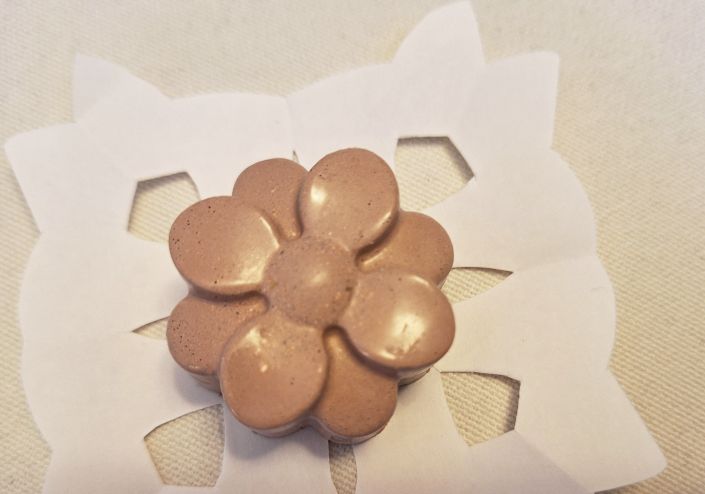
Logically, this is not possible when we intend to sell our product in a store and we have to go through a series of cosmetic requirements and regulations stipulated according to the law of the country in which we want to market it. Natural cosmetics also have a series of seals of ecological production (COSMOS, ECO-CERT, etc …) with a series of requirements that our product must also meet.

Likewise, it also does not make sense to use ingredients and emulsifiers that can be aggressive with our skin in everyday use.


ADVANTAGES OF NATURAL AND ECOLOGICAL COSMETICS:

It connects us with nature and drives us to return to simpler formulas, such as those used by our grandmothers.
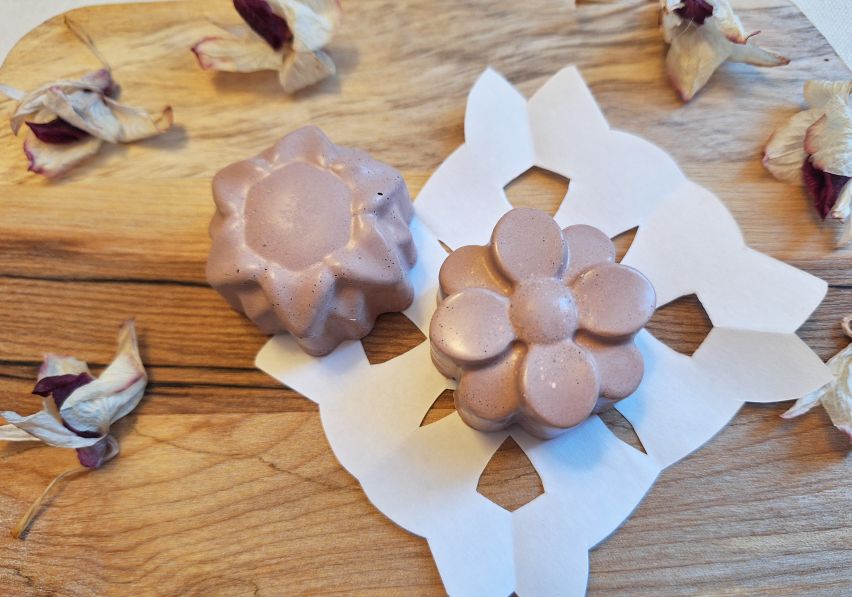
It is a cosmetic loaded with natural ingredients. It is not the same to use a cream with argan oil, rich in nutrients, than one with petroleum derivatives and other inert substances.

Bet on biodegradable natural ingredients that ensure environmental sustainability with substances that are not toxic to the life of the planet.

Avoid toxicity that comes from heavy metals, hydrocarbons, pesticides, dioxins, radioactivity, mycotoxins, drug residues, nitrates or nitrosamines and use packaging that is as respectful as possible with the environment, prioritizing recyclables.

It does not allow ingredients of petrochemical origin, nanoparticles or ingredients that have been genetically modified. Nor does animal testing, in accordance with European regulations.

HOMEMADE NATURAL COSMETICS

All this that applies to organic cosmetics also applies to homemade cosmetics in a simpler way.

Homemade cosmetics, more than a cosmetic loaded with natural assets, is and must be a “living” cosmetic because many of our cosmetic formulations can be made with ingredients that we all have in the pantry at home.

And, of course, if we use edible products, as the Ayurvedic tradition says, it is a naturally organic cosmetic without toxics and, often, even without preservatives.

HOMEMADE NATURAL COSMETICS AND EMULSIONS

In natural cosmetics it is possible to make two different types of creams:

1.-Anhydrous creams based on butters and oils that do not contain water and to which beeswax is added to integrate them. Those creams “do not emulsify” because, by definition, if they do not have water, it would not be an emulsion.

Those creams, more properly called balms or ointments, as we said, are not actually emulsions. Ointments and ointments consist of butters or vegetable oils that are “melted” with natural beeswax. Since they do not carry water, they do not need preservatives, just a few drops of vitamin E to avoid the rancidity of the butters and lengthen their durability.

2.-The creams, properly, consist of an aqueous phase and an oily phase and require, therefore, a self-emulsifying wax such as lanette wax, polywax, montanov, olivem, etc. to perform the emulsifying process. In addition, they need, normally, preservatives that prevent molds and bacteria that can form from the water contained in our cream.


COMPOSITION SCHEME OF AN EMULSION

Emulsifying wax is necessary so that both phases can be integrated in a stable way, that is, so that water and oil are not separated.


     Aqueous phase + Oil phase + Emulsifier


So easy, you don’t really need more to make a simple basic cream if you choose the components well.

And, very importantly, in homemade natural cosmetics, we will try to choose as natural emulsifying waxes and preservatives as possible to make our creams, as this is what will make the difference in terms of the better absorption and tolerance of our products.

The secret of a cream that hydrates the skin is not to add a dozen vitamins and active ingredients. That is not going to work, especially if they are synthetic. The secret of a moisturizing cream is its compatibility with the dermis because then the skin is capable of absorbing and assimilating it. And that is achieved with emulsifiers and preservatives that are as natural as possible.

The skin cannot assimilate well the chemical components that it does not recognize. Then it is said that this or that substance lacks bioavailability * when what is meant is that the body does not recognize it and rejects it. For our body, such a substance becomes toxic. As you can see, this process does not only occur with food at the level of digestion. It also happens with the nutrients that we smear on our skin.

* Bioavailable: The ability of a drug or other substance to be absorbed and used by the body.


ACTIVE INGREDIENTS IN HOMEMADE NATURAL COSMETICS

To elaborate a little more our cream and provide it with the specificity that each specific problem requires, we have a final phase in which we add the so-called active ingredients.

The active ingredients are almost always added at the end of our preparation since the emulsifying process normally needs heat to be carried out and the active ingredients are usually thermosensitive elements.

As you know, our philosophy of homemade cosmetics prioritizes naturally occurring ingredients and minimalist cosmetic compositions: “We believe less is more” if the combination of ingredients is well formulated and works.

Thus, after extracting from the water bath the emulsion of the oily and aqueous phases and removing them well, we will proceed to add the active ingredients chosen according to the problem we want to treat, and that range from:

For a calming effect: A small dose of vegetable oils of raspberry, blueberry, camelina, CO2 extracts of calendula or German chamomile, vegetable bisabol or a concentrate of phytosterols …

For a moisturizing and softening effect: Vegetable glycerin, turmeric oleate, vegetable elastin extracted from wheat protein, jasmine essential oil, comfrey extract, containing natural vegetable allantoin…

For a purifying effect: Organic propolis extract, the essentials oils of tea tree or lemon, rosemary CO2 extract, vegetable salicylic acid extract from the bark of the willow…

For a repairing effect: Skin repairing actives such as concentrated dragon blood extract, honey, Kiwi CO2 extract, niacinamide, gotu kola extract*, aloe extract powdered or in gel form …

*Gotu kola is a powerful skin healer that blurs acne marks. It is also soothing, moisturizing and nourishing so it improves the elasticity of the skin and renews the tissues and therefore it is included in many anti-aging treatments.

For an anti-aging effect: The vegetable oils of rosehip, argan, borage, cherry, blueberry, babchi, nopal, turmeric oleate, seaweed extract, vitamin C, bakuchi extract (bakuchiol), essential oils of linaloe *, Ho wood, rockrose, lavender, pink geranium, incense …

*Linaloe essential oil: Due to its high percentage of linalool it is similar in its uses to the essential oil of rosewood, today protected by its overexploitation. Skin tonic and astringent, regenerating and firming.

* Palo de Ho essential oil (twin brother of Palo de Rosa) has excellent efficacy and optimal skin tolerance. It is used a lot on mature skin to combat the effects of time.

For the care of atopic-prone skin: Camelina * and chaulmoogra * vegetable oils, black seed oil*, oat infused oil, calendula infused oil, colloidal oatmeal powder, German chamomile, patchouli and peppermint essential oils …

* Camelina sativa oil is rich in omega-3 acids, vitamin E, and antioxidants, compounds that can suppress biological reactions that lead to inflammation in the body.

* Chaulmoogra is a “medicinal” oil of Indian and Chinese tradition, used for the treatment of leprosy since ancient times, it has excellent properties against eczema, acne and atopic dermatitis. It is also used against excessive dryness and roughness of the skin due to psoriasis and as a carrier oil as it also has a homogenizing action on skin pigmentation.

* Black seed oil (nigella sativa) acts as a moisturizer that hydrates the hair and softens the skin. It is beneficial for people with eczema as it reduces its severity; for people with acne because the antimicrobial and anti-inflammatory effects of black seed oil enhance it, and also to treat psoriasis.

https://www.sciencedirect.com/science/article/pii/S2352241015000286

Even, simply, a vitamin E antioxidant that we all know and use or the eventual addition of some essential oils.

We propose in this post the elaboration of two creams emulsified with natural emulsifiers. In the first instance, a cerate based on oat’s infused oil and natural rice emulsifying wax and that is specially formulated to moisturize the most delicate skins.

We have all heard about the multiple properties of calendula when it comes to treating sensitive skin affected by dermatitis and eczema.

In a previous post we elaborated a calendula ointment and a few more recipes with the idea of dealing with these problems.

However, oats, without being as well-known as calendula, also has a lot of properties to treat this type of skin.

Galen’s cerate, which is how this formulation is known, is an ancient cosmetic and pharmaceutical preparation, traditionally made from sweet almond oil, rose hydrosol, beeswax and borax. It is a cream of the type “water in oil” with a creamy and rich texture and nutritional and protective properties very popular with sensitive and dry skin. Beeswax, in combination with borax, produces the emulsion of water in the oil. However, the use of borax in cosmetic products can be potentially irritating, as well as complicated to handle.

With this vegetable rice wax it is relatively easy to produce this emulsion of distilled water in oat oleate. Rice wax brings a less thick texture to our preparation without detracting from creaminess. As it is a totally natural wax it can happen, as with soy lecithin (another natural emulsifier), that our emulsion loses some stability. In that case, we should know that it is possible to add a co-emulsifier such as cetyl alcohol.  Or, in some cases, as with lecithin, a thickening factor such as xanthan gum.

Cetyl alcohol (INCI: Cetyl Alcohol) is nothing more than a fatty and solid alcohol of vegetable origin that gives more consistency and texture to creams and lotions. It has a very interesting property: it is able to attract moisture getting a much softer skin. It is thus highly moisturizing like vegetable glycerine. As a co-emulsifier we will dose it at 0.5 – 1%, and to give consistency we can add up to 5% alcohol.

To make this cream of relatively light texture (the ointments based on butters usually have a heavier texture and that is why they are used at night or in winter that is less hot) you will need a small container of about 50 ml, rice wax and oat infused oil.

As a cosmetic ingredient, vegetable oat infused oil is recognized for its nutritional, restorative and restructuring properties, thanks to omega-6 essential fatty acids, which favour the natural repair process of the skin. Oats are also rich in ceramides and phospholipids, close to the natural lipids of the skin, which give it excellent skin compatibility. By strengthening the hydrolipidic film of the skin, it protects the skin from dehydration and softens it by also avoiding pruritus. These soothing and regenerating qualities make it perfect for the care of sensitive and reactive skin.

As an asset we have added at the end a few drops of vegetable bisabol. Organic bisabol or vegetable bisabol comes from the distillation of the essential oil of Candeia, a tree native to Brazil. The leaves and flowers of this tree are known for their medicinal properties, as is the essential oil that is obtained from the distillation of its bark.

Unlike synthetic bisabol, vegetable bisabol is most effective even at lower doses. Oily and translucent, bisabol is a colourless to pale yellow liquid with a vegetable and sweet smell. It is neither toxic nor irritating and is a very effective ingredient for soothing irritated skin. Recognized for its anti-inflammatory and healing properties, it is an asset of choice in the care of sensitive and damaged skin. It is also interesting its antifungal and antibacterial action and that is why it is used a lot in the preparation of repairing creams, creams for after the sun, creams for sensitive and damaged skin, and even in deodorants.


OATMEAL CERATE WITH RICE WAX

Ingredients for 50 ml:

Rice wax 3’5 grs

Oat oleate 18 grs

Mineral water 26 grams or 26 ml, as you prefer.

Four drops of vitamin E

Optional: 8 drops of vegetable bisabol that will also facilitate the conservation of our cream.

As you can see, in homemade natural cosmetics, and especially to treat sensitive skin, we recommend always using preservatives of totally natural origin or prepare, as in this case, small amounts of product that we are going to consume for sure before they can spoil.

Operative mode:

Prepare the oily phase (rice wax and oat oil in a bowl) and put it in the water bath.

At the same time, we put the watery phase to the water bath in another separate bowl.

When both phases are hot (about 70ºC) and the wax melted, we can gradually add the aqueous phase to the oily phase by removing vigorously with a mini-blender.

Now we can take the bowl out of the water bath without stopping to stir for 5 minutes. It’s time for us to add the drops of vitamin E and, optionally, the droplets of vegetable bisabol.

We can already package in a glass container, if possible, to extend its expiration.

Note: Cerates are very creamy. Its penetration and emollience capacity are very good.


HOT MACERATION METHOD TO PREPARE OUR OAT INFUSED OIL

With the cold method it is easier for the properties of the vegetable oil to remain intact and for the oil to absorb more active ingredient of the plant.

However, the hot method is more suitable for the hard parts of the plant such as the roots, or, in this case, to make an oleate from a cereal such as oatmeal. We will try, of course, that it is in flakes as crushed as possible so that the active ingredients of the cereal are better transmitted to our oil.

The easiest way to do this is to the water bath. We put in a bowl of thermo-resistant glass the oats powder and the oil over medium-low heat, let heat for about 45 minutes, approximately, over low heat so that the temperature remains constant and does not exceed 40°C degrees in which our oil could deteriorate. It is important to remove from time to time with a wooden spoon. After this time, we filter well and package as in the previous case.

It is advisable, if you can, to leave the oil and the plant in maceration a day or two at least before filtering and bottling it.


OUR SECOND PROPOSAL OF EMULSIFIED CREAM WITH VEGETABLE EMULSIFIER

We have chosen turmeric oleate, which we will prepare by the cold method if we have turmeric powder extract. This cream is very effective because the active substance contained in turmeric (curcumin) has on the skin an action similar to cortisone. Turmeric, which also lacks side effects, treats and softens dermatitis, psoriasis, inflammation, and excessive skin reactivity that some sensitive skin present.

At a cosmetic level, it adds shine to the skin and makes it radiant, treats hyperpigmentation with regular use and even delays the aging process.

https://www.sciencedirect.com/science/article/abs/pii/S0378874118305221?via%3Dihub

“Anti-aging properties of Curcuma heyneana Valeton & Zipj: A scientific approach to its use in Javanese tradition”

Its antibacterial effects also endow it with capabilities to treat acne, and its anti-inflammatory effects, to soften the affected skins of rosacea.

Emulsified in this way with natural soy lecithin, which we can also prepare in a homemade way, it has a great compatibility and skin absorbency.

It is possible to prepare more amount of soy lecithin than we need because soy lecithin is preserved very well, up to a year, if we preserve it in a glass container and sheltered from light and sudden changes in temperature.

To prepare soy lecithin at home, it will be enough to put in a container in the water bath about 30 grams of soy lecithin for 20 grams of sunflower oil and heat them until a paste has been formed. It is necessary to stir very well so that the lecithin powder is completely melted in the oil and no lumps remain. Then we will take it out of the fire and introduce it in a recent glass to be able to reuse it in our future cosmetic preparations.


TURMERIC BUTTER AND LECITHIN

To prepare 100 grams of product, we would put:

50 grams of shea butter or mango (if we prefer a lighter texture)

25 ml turmeric oleate

25 ml of incense hydrolat

1 tablespoon of 10 grams of soy lecithin

15 drops of turmeric EO

15 drops of GSE (grapefruit seed extract)

Notes: GSE or Leucidal are the most natural preservatives that we can use in this recipe, because, as we know, this type of recipes that contain water are at risk of moulding fast without the preservative. If we have benzoin tincture*, it is also possible to use it because it also has a mild depigmenting effect.

*Benzoin resin is anti-inflammatory, antiseptic, antifungal and healing. And it is also depigmenting and rejuvenating. Due to its calming effect, it is used above all for skin problems such as eczema, dermatitis and psoriasis.

PROCEDURE:

Put the butter first in the water bath and light heat and when it is melted add turmeric oleate and lecithin and remove until everything is perfectly integrated. At this point, and over minimum heat, we will add the hydrolat while still stirring.

Put out the fire and stir well. Everything must now be a homogeneous mass that we will leave warm to add the preservative Leucidal and the turmeric essential oil.

If you prefer a more fluid cream, you can increase the amounts of turmeric oleate or incense hydrolat.

When the mixture has thickened, remove it from the heat and let it stand at room temperature. We will bottle it in a container if possible of glass so that it is better preserved. If we have not added any preservatives, we will need to keep it in the refrigerator.

As you will see, the oleate, and our cream, therefore, have a light-yellow colour. Turmeric’s properties have passed to oil, but the pigments that stain the skin and hair have disappeared. However, it is still necessary to take precautions with light clothing in contact with our skin.

For the rest, it is an emulsified butter with a very pleasant texture and a great penetration capacity.


DEPIGMENTING SUBSTANCES VERSUS ANTIOXIDANT SUBSTANCES

When looking for a natural depigmenting cream with the right ingredients it is difficult to know if antioxidants will fulfill their function as well as specifically depigmenting substances.

And to advise oneself to prepare one’s own cream or depigmenting serum, research can become an important task given the wide range of theoretically clarifying substances that flood us everywhere.

And it is that, although preparing a cream to moisturize our skin daily with natural elements is something relatively easy, it is not the same to try to prepare a depigmenting cream that is natural and that also works without attacking the skin.

Even out the tone of our skin face is something demanded, and increasingly in a more sustainable and less aggressive way. Everybody wants to wear a beautiful skin without spots that age our appearance.

THE ORIGIN OF SKIN SPOTS

-Most pigment spots are caused by excessive exposure to the sun (solar lentigos). So they tend to appear in greater numbers in the parts of the body that are most often exposed to the sun such as the hands, face and arms. They are usually small and with a dark tone.

-We will highlight a very common pigmentary spot in pregnant women and in women who take contraceptive pills. These spots are called melasma or chloasma and are caused by a hormonal change.

-They can also be caused by some type of trauma, either by a cosmetic procedure, laser type, chemical peels, even a juvenile acne can cause a dark spot on the skin that can last over time and produce an injury and is when post-inflammatory lesions appear, by healing the injury.

AND ITS MANIFESTATIONS

Whether they are age-related spots such as solar lentigos, or spots caused by acne inflammations, or spots due to hormonal changes (melasmas) that all women go through in their lives; hyperpigmentation manifests itself in the skin due to an excess of melanin production, which is a natural pigment found in the skin, hair and iris of the eyes, and which is formed from the oxidation of tyrosine.

This production can be altered for several reasons. Normally, melanin is produced naturally in our body as a defense mechanism against UV rays produced by the sun, and acts as a natural sunscreen. Therefore, depending on our skin color, eyes and hair, we have a skin phototype I, II, III, IV, V and VI, from the lightest to the darkest.

As we said, there are several types of hyperpigmentations originated by different reasons:

1.-FRECKLES, for example, are in most cases of genetic origin and usually appear on light skin on the parts of the body most exposed to the sun.

2-SOLAR LENTIGO: They are hyperpigmentations with a round and flat shape, of small size. They are spots of shade between yellowish brown and dark brown, reaching black. They are produced by an excess of production in the synthesis of melanin. They are located in areas exposed to the sun and stimulated by UV radiation.

3-MELASMA: It is usually located on the forehead-nose, cheeks and nose and lower jaw. It is usually due to a hormonal factor such as pregnancy (second month), estrogens and progestogens, ovarian dysfunction and thyroid dysfunction, together with solar radiation. Melasma is aggravated by sun exposure. When there is an increase in the number of melanocytes, we call them nevi or moles, which are of variable size and shape and have a dark, even black color. If they appear with a very exaggerated growth, exudation, itching, pain or inflammatory signs, it is necessary to consult directly with the doctor, to rule out other diseases or that they worsen.

In this blog we are dedicated to natural cosmetics and from this theoretical framework we want to analyze all the possibilities that “slow” natural cosmetics offer. To do this, we will start by clarifying the possibilities that conventional cosmetics offer.

Conventional cosmetics use many types of substances to lighten facial blemishes and even out the tone of our skin.

CONVENTIONAL TREATMENT OF HYPERPIGMENTATION

Conventional cosmetics treat hyperpigmentation with depigmenting substances that attenuate or make disappear the spots produced on the skin by melanin.

Depending on the type of blemish on the skin and the depth of that spot, one type of depigmentant or another is chosen. If the stain is more superficial, it is easier to remove, in these types of spots are used depigmenting hydroquinone type, kojic acid, tretinoin and glycolic acid.

In deeper spots a mixture of these acids plus glycolic acid is used. All these acids are contraindicated in times of pregnancy and lactation.

TYPES OF DEPIGMENTANTES according to Ferrer pharmacy in Valencia (Spain):

https://www.farmaferrer.com/blog/c/consejos/como-podemos-eliminar-nuestras-manchas-en-la-piel

HYDROQUINONE and derivatives: Hydroquinone acts by inhibiting tyrosinase whose usual concentration as a depigmenting agent is usually used at 2 and 6%. At higher concentrations it can cause many adverse reactions. Care should also be taken to apply the product only in dark areas, since, if applied in other areas, the depigmenting would also lighten them leaving the skin of the whitish contour.

A chemical peel with glycolic acid is usually associated with hydroquinone treatment to enhance the effect of hydroquinone. The treatment is slow and you have to spend at least three months, it is easier to treat light skin than dark, and the results are seen earlier, you also have to protect the skin with a sunscreen since that skin is more unprotected, for This is usually done in winter.

Once the treatment is finished, the use of hydroquinone depigmenting will continue with a discontinuous use pattern, but sun protection will continue to reduce the risk of possible recurrences. Sometimes 0.025% tretinoin is also used concurrently with hydroquinone.

ASCORBIC ACID OR VITAMIN C: Ascorbic acid, despite its low stability, since it oxidizes very easily, has a good depigmenting activity. It also works by inhibiting tyrosinase, which decreases the formation of melanin. Apart from having many benefits for the skin such as: tissue healing, fibroblast synthesis, reorganization of collagen fibers, providing luminosity, increasing the resistance capacity of blood vessels, reducing expression wrinkles, as well as the ability to promote gentle exfoliation and cell renewal.

AZELAIC ACID: Azelaic acid also has a depigmenting action since it inhibits the synthesis of tyrosinase. This acid is always more indicated in skin with rosacea and acne, therefore recommended in depigmentation caused by inflammation and infection of the hair follicles in oily skin affected by acne or in skin prone to seborrheic dermatitis.

KOJIC ACID: Its main action is the inhibition of tyrosinase. Other acids to highlight for their depigmenting action that we can find in the market are creams based on phytic acid, lipoic acid, ellagic acid, lactic acid, salicylic acid, azelaic acid, together with vegetable extracts derived from bearberry, licorice or mulberry. All of them in association with glycolic acid.

MELATONIN: Melatonin works by preventing melanin accumulations from forming, and unifies its distribution, reducing the formation of spots in the future. It is a powerful antioxidant, which reduces free radicals formed in the skin due to stress, pollution, etc.

GLUTATHION: Inhibits tyrosinase and melanin synthesis, as well as its deposits. It reduces free radicals, like melatonin, favoring the activation of tyrosinase with the subsequent increase in melanin.

FERULIC ACID: With a particular depigmenting value since it offers a photoprotective effect that prevents harmful UVA rays and harmful free radicals from penetrating the skin. In addition to reducing blemishes by inhibiting the production of melanin.

ARBUTIN: Action on melanin blocking tyrosinase. All skin types, especially skin with acne and sensitive skin or dermatitis such as rosacea, couperose, eczema and psoriasis.

TRANEXAMIC ACID: Inhibits melanin by blocking tyrosinase. It has lower range and potency than hydroquinone when used topically.

LICORICE: Prevents sun pigmentation and inhibits tyrosinase activity. The glycine it contains evens the tone through a better distribution of melanin in the skin. It is especially effective when combined with Glutathione, Melatonin, Arbutin or Kojic acid.

GIGAWHITE: Inhibits melanin by blocking tyrosinase, it is the substitute for hydroquinone in very sensitive skin that has little tolerance to hydroquinone in medium-high concentrations.

NIACINAMIDE (Vitamin B-3): Cellularly interferes with the activity between keratinocytes and melanocytes, reducing melanogenesis and thus the risk of spots. It does not inhibit melanin, but if the mechanism of action of melanocytes-keratinocytes so associated with other depigmenting, enhances its action and that of its associates.

ALPHAHYDROXY ACIDS (AHA): They are formulated at low concentrations since they promote light exfoliation by reducing the cohesion of the corneocytes and stimulating new growth in the basal layer. If they are formulated at high concentrations, they can cause very aggressive exfoliations.

The most commonly used AHAs are Glycolic Acid, Lactic Acid, Mandelic Acid and Ferulic Acid. They are usually combined in terms of their peeling power.

Mandelic Acid: It comes from bitter almonds and is an antibacterial depigmenting agent.

Glycolic acid: It is extracted from sugar cane. It is the most comedogenic alpha hydroxy acid and least compatible with dark skin. Not recommended for dark skin or with high phototypes. It is recommended to combine it with an antibacterial acid (alpha or beta hydroxy acid, such as salicylic or mandelic).

Lactic Acid: It comes from sour milk and other dairy derivatives. It is depigmenting especially at the level of chemical peels.

Malic Acid: Coming from apples, it is a light depigmenting agent that requires to be accompanied by another AHA and Magnesium to enhance its action.

According to this pharmacy, it is always recommended that the skin be protected with sunscreen throughout the year, but especially while undergoing a depigmentation treatment. In this case, it is necessary to use a sunscreen with a high protection index (SPF 50+), since in these treatments the skin is more sensitive to solar radiation.

THE LATEST RESEARCH IN VEGETABLE DEPIGMENTANT MOLECULES

https://www.ncbi.nlm.nih.gov/pmc/articles/PMC4623628/

“As tyrosinase inhibition is still the most sought-after mechanism of skin lightening, herbs having such property will show promise as depigmenting agents. Hence, they can be potentially employed as effective skin-whitening agents as well as for treating hyper pigmentation disorders.

The primary determinant of variability in human skin color is the density, amount as well as the distribution of Melanin pigment secreted by melanocyte cells in basal layer of the epidermis by a process known as Melanogenesis.

According to Ayurveda, skin whitening plants are the kind of herbs that interfere in the melanogenesis pathway through tyrosinase inhibition as per biomedicine. This shows their potential to act as good skin whitening agents.

Skin-lightening agents interfere in the melanogenesis pathway, melanin transfer or desquamation for lowering pigmentation on the surface of the skin, which generally acts by any of the ways such as Tyrosinase inhibition.

Apart from Tyrosinase inhibitors, Anti-oxidants and Vitamins such as A, B, C, E either directly or indirectly serve as skin lightening ingredients.

Some of the best known tyrosinase inhibitors are hydroquinone and kojic acid which interact with copper at the active site of the enzyme tyrosinase, thus decreasing its activity”.


 We, from our “slow” framework of natural cosmetics, will always try to use the vegetable substitutes of molecules with depigmenting active ingredients when making our homemade cosmetic products.


FOR VARIOUS REASONS:

Health reasons, if you have read the side effects derived from hydroquinone treatments are quite aggressive. Apart from requiring creams with high levels of photoprotection that, today, are based on endocrine disrupting chemicals. In other words, the use of these aggressive synthetic molecules such as hydroquinone, demands that to avoid greater damage we use other aggressive solar photoprotection formulas on a daily basis.

This is precisely the same situation that occurs with the aggressive drugs of conventional medicine, which require us to use other drugs to alleviate the damage and side effects of the former.

Reasons of environmental sustainability, since throughout our numerous posts and articles we have tried to show that drugs and products that cause environmental damage (such as sunscreen creams that damage marine corals or other chemical substances and synthetic fragrances that also cause damage for aquatic life and become pollutants difficult to break down) are the same ones that also cause damage to the body and numerous side effects.

And, of course, reasons of efficacy because if you have read carefully, hydroquinone not only needs long and prolonged treatments to produce an effect, but there are also darker-skinned people to whom hydroquinone ends up producing more spots on instead of clarifying the ones they already have.


REASONS THAT WE COULD SUMMARIZE LIKE THIS, in the words of Joel Yong, Ph.D. in biochemical engineering and researcher:

Because we don’t want to be suckered into paying for the costs of band-aid treatments that don’t deal with the root cause of what we’re facing. After all, the health sciences are heavily manipulated by human greed these days. Being careful of what we eat and what we put on our skin is highly necessary”.

So, for example, why do we need to use retinoic acid (or retinoids) with all its adverse effects of inflammation, erythema, itching and skin peeling if we can use a bakuchiol serum? or; better yet, daily use bakuchi oil (from which the active principle of bakuchiol is extracted) and which was traditionally used in India to treat the most serious skin diseases, such as leprosy.

In a 2014 study where the structure of both assets is compared, it is concluded that with different structures the same functionality is achieved.

https://onlinelibrary.wiley.com/doi/abs/10.1111/ics.12117

Subsequently, in a 2018 study conducted by the Department of Dermatology at the University of California, it was concluded that both bakuchiol and retinol significantly decreased wrinkles and hyperpigmentation, without many differences between them.

https://onlinelibrary.wiley.com/doi/full/10.1111/bjd.16918

The only difference found was the presence of more flaking or itching on the faces of people who used retinol.

And, why use malic acid as a depigmenting agent if we can use a cotton ball smeared with apple cider vinegar several times a day on our spots? As you know, apple cider vinegar contains malic acid in quantity, in addition to other alpha hydroxy acids.

Or better yet, a cotton ball smeared in lemon juice, which contains ascorbic acid (another AHA) …

Or, why resort to complicated and aggressive facials with glycolic acid (another alpha hydroxy acid, AHA, which is extracted from sugar cane) if we can very easily exfoliate our skin with cane sugar and oil?

In a previous post, we even described how to prepare a facial serum with ascorbic acid, that is, with a vitamin C capsule, and in a tremendously simple way.


cosmetic cream, oil, orange on a gray background


And not only that, conventional cosmetics makes little or no distinction between depigmenting substances and anti-aging antioxidant substances (anti-aging), which is rather the effect produced by antioxidant molecules. Probably for marketing reasons, since antioxidants seem to be more fashionable.

Logically, along with the skin rejuvenation effects, there are also effects of regeneration of the epidermis and uniformity of the tone. But, in the case of antioxidant substances, we would say that these are effects associated with the general skin rejuvenation effect, which is what makes these antioxidant substances so fashionable: vitamin C, vitamin E, vitamin B3 or niacinamide, vegetable antioxidants such as blueberry extracts or resveratrol …

And it is that substances such as ascorbic acid and vitamin E, antioxidants par excellence, manage to increase the photoprotection and barrier function of the skin itself …

https://scielo.isciii.es/pdf/ars/v59n2/2340-9894-ars-59-2-77.pdf

According to Celia Castaño Amores and Pablo José Hernández Benavides from the Department of Pharmacy and Pharmaceutical Technology of the University of Granada.

The antioxidant cosmetic active ingredients reveal their effectiveness in the course of cellular senescence, thanks to their ability to neutralize the harmful products that are generated. The joint action of ascorbic acid and vitamin E stands out. Others, such as retinol derivatives, carotenoids, vitamin B3 and flavonoids have been shown to have a beneficial effect”. Concluding these researchers: In order to treat and prevent skin aging, the application of active antioxidants is essential”.

BIBLIOGRAPHY:

Addor FAS. Antioxidants in dermatology. A Bras Dermatol. 2017; 92 (3): 356-362

Burke K. Mechanisms of aging and development: A new understanding of environmental damage to the skin and prevention with topical antioxidants, Mech Aging Dev. 2017

Poljšak B, Dahmane RG, Godić A. Intrinsic skin aging: the role of oxidative stress. Acta Dermatovenerol Alp Pannonica Adriat. 2012; 21: 33–36 to treat and prevent skin aging, the application of antioxidant active ingredients is essential.


However, depigmenting substances, in principle, are not anti-aging substances. Although, as we know, especially if they are of plant origin, they have many other associated properties, including rejuvenating properties, since plant molecules act synergistically, enhancing their effects between them.

Depigmenting substances of plant origin are molecules that inhibit the action of tyrosinase, such as the glabridin contained in licorice, and that have skin lightening properties that inhibit the production of the enzyme tyrosinase. As we know, this enzyme is the one that synthesizes the melanin that makes our skin darken after exposure to the sun. This substance is also known to prevent pigmentation that occurs due to UVB rays from the sun.

Or the arbutin derived from the leaves of bearberry or uva ursi, which is a natural depigmenting molecule that also acts by inhibiting the synthesis of melanin and which breaks down into hydroquinone when it comes into contact with our intestinal flora. However, it does not have the cytotoxic effects of synthetic hydroquinone, which makes it possible to use it regularly. It also has sebum-regulating, antiseptic and anti-inflammatory properties.

The liquorice extract can be obtained very easily by preparing an infusion in oil (or oleate) or, also, a hydro glycerinated extract. And, likewise, it is possible to obtain the active principle of arbutin from the leaves of the bearberry (or uva ursi), to make our own facial creams and serums.


This is the reason why knowing how to prepare extracts in natural cosmetics is so interesting. We can prepare an extract from almost any plant with cosmetic properties, only in some cases we will use the flowers, in others the leaves, as in this case, and in others perhaps the roots or seeds.

 If we want an extract to integrate into the oily phase of our cream or cosmetic preparation, then we will prepare an oleate with the plant in question as we have done, then with the leaves of the bearberry.

If we want to integrate it into the aqueous phase, we can prepare a hydroalcoholic tincture or a glycerinated extract. This example that we have taken from the internet is interesting because it shows us a special combination of hydroalcoholic glycerinated extract for natural cosmetics that we can easily integrate into the aqueous phase of our creams and serums.


EXAMPLE OF HYDROALCOHOLIC GLYCERINATED EXTRACT OF GAYUBA (uva-ursi):

We will use the following ingredients:

Gayuba: 20gr

Mineral or distilled water:33gr

Alcohol of 70º:33gr

Vegetable glycerin:33gr


The ratio will then be 1: 5 in a hydroalcoholic glycerinated extract, that is, an extract composed of plant, in this case gayuba, and solvent formed by water, alcohol and vegetable glycerin.

Just pour the ingredients into a glass jar and leave them for about 10-15 days in a cool, dry place, sheltered from light. We will shake from time to time to check that the solvent covers the entire plant. Then we will filter and you are ready to add in our cosmetic formulas.

We will add it around 7% in a cream of depigmenting effect.

As we said, we can also prepare an infused oil very easily with the dried leaves of the gayuba and a quality vegetable oil, and include it in our preparations.


EXAMPLE OF DEPIGMENTING FACIAL LOTION BASED ON GAYUBA OLEATE and cold infused because the sucre ester emulsifier allows it.

Ingredients to prepare about 100 ml of lotion:

5 tablespoons (10 grams) of hydrosol

4 tablespoons bearberry oleate

3 tablespoons of sucre ester

And a few drops of preservative and, optionally, some AE with depigmenting properties.

As you know, we like minimalist recipes with quality natural ingredients and selected active ingredients. Not by adding more ingredients the recipe will work better if the ingredients are not well combined or are natural.

We have seen many recipes for lotions, even formulated with sucre ester, that make life very complicated by adding a co-emulsifier to the sucre ester, or xanthan gum to thicken the solution, etc. It is not necessary if we add enough sucre ester. With this we simplify the recipe without reducing quality and make it accessible to everyone who wants to make easy and effective homemade cosmetics.

PROCESS:

1.-We will pour the oil into a bowl and then we will add the sugar ester, stirring very well with the rod. (If you see that it does not finish curdling, simply heat it a little in a water bath and you will see that it thickens very quickly).

2.-Now we will pour the hydrolate (we have chosen rockrose hydrolate, which combines very well in this anti-aging cream) and we will mix it vigorously for 2 minutes until the mixture begins to thicken and whiten.

3.-Finally, we will add the preservative, if we wish, to preserve our cream from microorganisms and, optionally, vitamin E or some treatment AE. Now we can bottle our moisturizing lotion.

We have chosen benzoin tincture as a preservative because we want it to also serve as an active principle to help unify facial tone.

We are going to use the tincture of benzoin, which we have previously prepared following Virginia’s guidelines, from natural tricks, in our facial lotion. And we are going to add it to 2%, which will mean about 20 drops of tincture, since the lotion that we are going to make has a total of approximately 100 ml.

Here we leave you the link to Virginia’s entrance in “trucos naturales” website, where she explains the clarifying and preservative properties of the tincture of benzoin:

https://escuelaherbal.com/benjui-que-es-y-para-que-sirve/

Plus, thanks to the benzoin tincture, our cream now smells delicious!


In a future post we will prepare a serum with niacinamide which, as we explained before, is a vitamin with very interesting antioxidant, anti-aging and facial tone properties.


Dihydroquercetin is also a depigmenting substance discovered in recent times and which has great potential since, in addition to being depigmenting, it is a powerful antioxidant.

This plant substance is an exception with great potential in the world of antioxidant substances and active principles for natural cosmetics. Dihydroquercetin extract, also known as taxifolin, is extracted from Russian dahurian larch (Larix dahurica) and is being used in natural cosmetics with great success given its comprehensive facial rejuvenation properties.

The molecule inhibits melanin synthesis measured in vitro more effectively than arbutin and kojic acid and is also a powerful protector against skin photoaging given its high antioxidant capacity, which in tests shows superior efficacy to vitamin E and resveratrol.

We, at the level of molecules of plant origin with depigmenting as well as antioxidant capacity, want to highlight the powerful effects of turmeric, available to everyone, and whose bioactive component, curcumin, has been recently proven (Ayurvedic cosmetics know this for millennia) that has anti-inflammatory and antioxidant properties that attenuate acne scars and dark spots.


BIBLIOGRAPHY:

A recent study found that turmeric essential oil can brighten the skin in three weeks. These brilliant benefits are likely the result of powerful antioxidants and anti-inflammatory compounds that work together to heal and enhance skin’s natural health.

https://www.sciencedirect.com/science/article/abs/pii/S0944711316302549?via%3Dihub

We know that the sun’s rays are the skin’s worst enemy, causing burns, skin cancer, hyperpigmentation and wrinkles. However, it has been seen that the powerful antioxidant effects of turmeric can help delay damage, thus acting as a potent anti-aging molecule.

https://www.sciencedirect.com/science/article/abs/pii/S0378874118305221?via%3Dihub

Anti-aging properties of Curcuma heyneana Valeton & Zipj: a scientific approach to its use in the Javanese tradition.


AYURVEDIC BEAUTY ROUTINES

Our mood and health is reflected not only in our skin, but also in our attitude to life and to others. That is why, when we talk about beauty, we do not speak from a superficial or aesthetic point of view, but as an attitude of life.

The secret of lasting beauty is not outside of us, but emanates from the depths of our body and mind. For Ayurveda, beauty is the projection of how we are internally, both physically, mentally and emotionally. And it is not, of course, to consume lots of products that assure us that they will work miracles in our body and in our skin, when, the truth is that that “magical” ingredient does not exist bottled.

All Ayurvedic beauty products that are applied to the skin are totally natural. For the most part, they are made with ingredients that we can easily find in any kitchen, and those that are somewhat less common, are just as easy to find. If we are also able to introduce certain daily routines on a regular basis, these products not only provide cleaning, hydration and nutrition, but also calm and eliminate tensions.

The principles of cleansing, nourishing and moisturizing apply to facial care.

According to Melanie Sachs, author of “Ayurvedic Beauty Care“, a five-minute routine like this is enough:

1.- Wash your face well with warm water. “Dead skin cells will absorb water like small sponges and swell, making them easy to remove,” she says.

Normally, Ayurvedic cosmetics recommend using chickpea flour or oatmeal paste with water to wash the face. Undoubtedly, they will not be bad for us, but if as many Westerners you are used to the use of soap all of your life, make sure it is a neutral soap, glycerin soap, or cold saponified soap, like those of the Cattier house (which leave the skin as the bottom of a baby), or those that we teach you to make in this blog, to prevent your skin from drying out excessively since soaps are very alkalizing in general.

If, beforehand, you need to remove your make-up, use a soft and natural micellar water or, better yet, a vegetable oil, as Sara Montiel (famous Spanish actress) did, who removed her make-up with the old-fashioned olive oil.


2.- Place a little running water or rose water in an atomizer and spray your face a few times to moisten your skin.

3.- While your face is still wet, apply a thin layer of jojoba oil to seal the moisture. According to Sachs, jojoba oil is the closest to skin fat, so it is very unlikely to cause irritation.

It is often thought that oil does not hydrate enough and that is better to use creams (which are also very good if they are natural or made by yourself); but it is not exactly like that. The oil moisturizes, it does not hydrate, and that is why in the previous step a hydrosol is used before applying the oil, and then, we have the perfect mixture! …

These herbs and vegetable oils that are used in the elaboration of creams, masks and other Ayurvedic beauty rituals are perfect foods for the skin. But beauty for Ayurveda goes beyond the skin, has to do with harmony, the balance between body, mind and spirit and proposes daily routines to achieve it through cleaning and internal nutrition, the use of spices, foods and oils favorable for each type of skin, rest, detoxification, yoga and meditation.

It is important to remember that the skin is the largest organ in the body, consisting of seven cellular layers and, in addition, each of these seven layers is directly related to one of the seven  dhatus (body tissues). Together, they are the main way to detoxify the body topically. According to Ayurveda, the skin is an important channel of secretion (elimination of toxins) and absorption of nutrients, regulates body temperature and produces a lot of endocrine hormones. It is the first line of defense against external attacks and reflects everything that happens within us.

Everything we put on our skin goes straight into the bloodstream, distributing throughout our body. For this reason Ayurveda tells us “don’t put anything on your skin that you can’t put in your mouth”.

We can say, then, that the state of our skin speaks to us of our state of health and that of our emotions. Its care not only brings us beauty, but is fundamental in our health, in the same way that we must take care of ourselves inside, both physically and mentally, to be able to radiate all our inner well-being. In short, we must take care of ourselves inside and out because they are parts of a whole.

The secret of absolute beauty is to live in harmony with our natural design and our base constitution, be it a Vata, Pitta, or  Kapha constitution:

Malnourished and dry skins (skins with predominance of Vata) need more earth, water and fire (more influence of  Kapha and Pitta).

Sensitive skins with a tendency to redness and dermatitis (skin with a predominance of Pitta) need more space, air and ground (more influence of Vata and Kapha).

Oily skins (skins with predominance of Kapha) need more fire, air and space (more influence of  Vata  and  Pitta).

NOURISH AND MOISTURIZE THE SKIN ACCORDING TO OUR CONSTITUTION

Prepare a body oil by mixing two tablespoons of almond oil with 10 drops of an essential oil indicated to your skin type:

To nourish and moisturize dry skin “vata”, we will use sweet orange or geranium.

To nourish and moisturize sensitive skin “pitta”, we will use jasmine or sandal.

To nourish and moisturize oily skin “kapha”, we will use lavender or bergamot.

Beauty is the perfect balance of the five elements that make up each person.

The way to achieve this balance is to find out what our base constitution is and follow some habits of life that allow us to stay in balance. We achieve this through the power of the flavors: sweet, sour, salty, bitter and astringent, since each of them also arises from the combination of the five elements and that will make our own elements hydrate, nourish, cleanse or simply rebalance. We will use one or the other, depending on what we need, both externally and internally.

Experts in Ayurvedic beauty agree: to cultivate radiant skin and a sense of inner balance you have to design a daily routine  with some activities that promote health.

DIET: In general, Ayurveda recommends a healthy and comprehensive diet (mainly vegetarian) for all constitutions. Fatty, fried, refined and processed foods, salt, sugar, seafood and red meats can cause skin problems, so it’s best to avoid them.

EXERCISE AND SLEEP HYGIENE:  Ayurvedic experts suggest exercising at least five times a week until you perspire along the spine and under your arms. Exercise promotes perspiration (which releases toxins from the body), increases circulation and calms the mind.

And going with a regular schedule of restful sleep like going to bed at the same time every night and getting up at the same time every day because, as Dr. Mehmet Oz explains in his book: “You: Being Beautiful“: “Sleep and exercise stimulate growth hormone, which promotes increased production of collagen and elastin to keep skin tight.”

PRACTICE YOGA TO HAVE RADIANT SKIN:  Incorporate a balanced practice of yoga in your daily routine (if we have not yet done it) improves lymphatic and blood circulation, tones the muscles and helps us connect with our breathing, three actions that improve our beauty to subtle, but important levels.

The recommendations, according to dr. Deepak Chopra’s Ayurvedic Center, also include drinking plenty of water and making our own cosmetics to moisturize the skin:

“-Know your skin type.

-Watch what you eat. If your body metabolizes food correctly you will increase your energy, avoid illness, have more mental clarity and your skin will look healthier.

-Enjoy a restful sleep. Light dinner, meditate before bed and lie down earlier to get up with renewed energy and glowing skin.

-Meditate to combat stress. Meditation is one of the best practices to reduce the anxiety and tension of the day, you will notice how you recover the shine in the look and in the face. Take a few minutes a day to breathe consciously and deeply. In addition to calming the nervous system you will improve the oxygenation of the skin and help it to purify.

-Drink plenty of water and moisturize your skin. We already know, but sometimes we forget that our body is composed of 60-70% water, so you have to drink abundantly to help the normal functions of the body (such as the elimination of toxins) and to return its good appearance.

-Make your own cosmetics to moisturize your skin. Choose a vegetable oil adapted to your skin (sesame for dry skin or almond for oily and normal skin) and massage yourself throughout the body without forgetting the head, neck, forehead, belly and soles of the feet. Your skin will regain elasticity, calm the nervous system and lubricate the joints.”

And it is important to lead a healthy lifestyle (which includes diet and activities), according to our constitution, but it is also important to pay attention to the quality of everything we consume, not only orally but also topically. In Ayurveda there is a saying that says, “Don’t put anything in your skin that you wouldn’t put in your mouth.”

Nothing better than cosmetics made by oneself to avoid introducing toxics into our body and to recover the natural shine of our skin. The raw materials with which we are going to make our recipes are important. A priori it seems very complicated, but, in reality, Ayurvedic beauty products are very basic and simple to make and, shortly after starting to use them, you start to notice how your skin is getting prettier.

Nowadays it is difficult to choose our cosmetic products since there are endless possibilities and, in addition, it is increasingly common to find labels that tell us that they are made with natural products of organic production. It is what in the article on “the movement of natural cosmetics ” we have called “greenwashing“, which is a strategy to sell more and better because consumers are increasingly more annoyed with the amount of chemicals that surround us and that are included in our shampoos, shower gels and other cosmetics and hygiene products.

The moment you ask yourself which cream to buy, stop and think if you understand and know the components that it carries, what they consist of, and if they are components that you could ingest without getting intoxicated.

Therefore, making your own cosmetics, in many cases with oils and ingredients from the pantry, will save your skin and the environment a lot of toxic chemicals.

We hope that these recommendations will inspire you and help you understand that the way to shine with all our splendor is much simpler than we think. 


We want in this article to highlight the importance of some beauty and skin care routines that, normally, it is not convenient for us to perform on a daily basis, but that have a decisive importance in the care and regeneration of our skin in the long term.

In our post “Feeding your skin inside and out we talked about beauty routines to keep our skin cared for and toned.

Thus, we expressed the importance of wearing face masks and exfoliants once a week to cleanse the skin of dead cells and regenerate it.

Facial exfoliation, and, if possible, body exfoliation with raw sugar and oil, is very interesting when it comes to regenerating our skin and standardizing the tone.

I also really like the body exfoliation with sea salt because it leaves my skin very hydrated and sea salt provides minerals and trace elements. However, I understand that exfoliating with brown sugar is especially interesting for the skin of our face since sugar contains a proportion of glycolic acid that chemically exfoliates the skin when it melts into the epidermis.

Just a tablespoon of a vegetable oil of your choice for a tablespoon of brown sugar. This combination can be applied directly by massaging well and then rinsing with water. After that, it would be great if you spread some serum or vegetable oil appropriate to your skin type.

If you prefer to prepare a container with exfoliant for a few occasions, an interesting ratio would be to use three parts of sugar for one of oil. Many people also like to add a small teaspoon of honey to enhance the regenerating effect of this combination.


And always, after a good body exfoliation, a massage with oils is very convenient.

Argan oil is anti-aging  and is perfect for all skin types, but we can vary the pleasures with hemp oil (avoids itching and redness) or apricot oil (tonifying), rosehip oil (regenerator), borage oils, macadamia or avocado(very moisturizing), or jojoba, and, perhaps, hazelnut oil if we have oily skin.

In any case, and as we always say, it is more important to massage yourself with a culinary olive oil if you have nothing else, than to use a synthetic body moisturizer.


According to the Charaka Samhita, massage with oils appeases the doshas, improves the complexion and shine of the skin, tones the muscles and acts as a natural moisturizer. For these reasons, he explains, Ayurvedic body massage is “one of the most effective means of slowing down the aging process of the skin…. It purifies, nourishes and tones the body at a deep cellular level.”

A few small gradual adjustments in our daily lives and spend more time taking care of us, can make us happier and healthier and, therefore, increase our beauty improving the way we see ourselves.


MOISTURIZING FACIAL CREAM

If you try this cream you will love the fluidity of its texture and its ability to hydrate.

INGREDIENTS:

¼ cup of almond oil

2 tablespoons of aloe vera gel

5 grams of beeswax

1 vitamin E capsule


PROCEDURE:

We prepare and weigh the ingredients that we are going to need.

Previously we melt the wax in a bain-marie. With the fire off, but still hot, add the almond oil and the vitamin E capsule, stirring very well.

While stirring, add the aloe gel and, lastly, a few drops of preservative (ESP or Leucidal), if necessary, and also a few drops of an essential oil of our choice such as lavender, ylang ylang, geranium , or jasmine, if its intense aroma does not bother us.

This will be the final aspect of our cream that we will proceed to pack in a glass container so that it better preserves its properties. 

Depending on our skin type or the problem we want to treat, some oils will favor us more than others. Maybe we will talk about this in a future post.