THE RANCIDITY OR OXIDATION OF VEGETABLE OILS

Why is it important to know the degree of oxidation of an oil or vegetable butter?

Oils are basically composed of diglycerides and triglycerides of fatty acids. Each oil has different properties depending on its composition and we can combine them to get the best out of each of them.

Thus, for example, castor oil, which alone has a low absorption capacity, combined with other more absorbent oils brings interesting fatty acids to our skin and a great capacity for hydration.

Likewise, if we want to make natural soaps, it is important to bear in mind that some oils, although they provide a good level of foam and have a great cleaning capacity, such as coconut oil; tend to dry out the skin in a daily use.

However, the combination of coconut oil with olive oil, which has a greater emollient capacity and a low rancidity index, provides us with a natural soap with greater washing and skin protection qualities.

A generic distinction is usually made between hard oils and soft oils:

-Hard oils, are those in which saturated fatty acids predominate and usually remain in a solid state at room temperature (20ºC). When heated, they melt and turn into a liquid state. Most butters are considered hard oils.

-Soft oils have a predominance of unsaturated fatty acids and remain in a liquid state at room temperature. In addition, soft oils tend to be more vulnerable to rancidity, which is the ability of oils to react with oxygen and other elements, causing them to deteriorate and smell bad. That is why it is advisable to keep in mind its expiration date.

Depending on the type of skin our cosmetic product is aimed at, we can select one oil or another. For example, oils high in palmitic acid may be interesting for the formulation of cosmetics for dry skin. Oils high in oleic acid, such as olive oil or almond oil, may interest us to improve the penetration of other assets of our formulation.

The iodine index can also help us in this decision, as oils with a higher iodine index will have an increased risk of oxidation. Thus, for example, the low iodine index of baobab oil, makes it very resistant to oxidation, and therefore very resistant to rancidity.

As we said, over time the oils become rancid due to oxidation. Unsaturated soft oils (sunflower, corn) oxidize more easily than saturated oils or butters (such as coconut, palm …) The more unsaturated an oil is, the greater the probability of oxidation. Oils high in polyunsaturated fats, Omega 3 and Omega 6, are very sensitive to heat, light and oxygen. When exposed to these elements for too long, the fatty acids in the oil oxidize and turn rancid.

Certain factors accelerate the oxidation process (oxygen, light, contact with oxidizing metals such as iron and copper, etc.) and also heat, which accelerates chemical reactions. On the contrary, other factors slow down oxidation, such as the contribution or natural richness of the oil in vitamin E. That is why oils naturally rich in vitamin E such as wheat germ oil are used in combination with other oils to protect them from oxidation.

Or vitamin E supplements, in the form of drops or capsules, are added to our formulations in order to protect them from oxidation.

On the other hand, there are oils or substances that are very resistant to oxidation and that do not need us to add any vitamins. This is the case, as we mentioned, of wheat germ oil.

Or, also, castor oil, which is more like a vegetable lanolin than a conventional oil.

The same happens with jojoba oil, which also looks more like a very fine wax than an oil and whose resistance to oxidation is also well known. Or baobab oil, which we mentioned earlier, whose low iodine value makes it very resistant to oxidation.

As we said, depending on the cosmetic formulation that we want to make and the type of skin to which it is directed, we can consider using some oils or others.

Since these oils oxidize less, they are also preserved better and for longer and, therefore, they can be very useful in the preparation of creams and products for sensitive and reactive skin with low tolerance to added preservatives.

Substances such as natural beeswax, which we can add when emulsifying our oils and natural soaps, also protect them to a certain extent from oxidation and extend their useful life.

And resins, such as rosin (colophony), which we can include in the formulation of our soaps, also prevent rancidity. Benzoin resin, for example, not only prevents rancidity, but is also used as a preservative in natural cosmetic formulations.

In an upcoming entry we will explain the procedure for making a natural preservative from benzoin balsamic resin.

Other natural ingredients that can act as antioxidants in our cosmetic preparations are: beta-carotenes, including vitamin C, astaxanthin (a very powerful antioxidant of plant origin), alum salts, which, like benzoin, would act as antioxidants and as preservatives at the same time, the Co2 extract of rosemary (oleoresin), the ESP (extract of grapefruit seeds), as well as the addition of essential oils and natural alcohols such as ethanol.

It is therefore important to keep all this in mind when formulating our products, since those that contain these ingredients, to a greater or lesser extent, may not require the addition of other types of antioxidants or more aggressive preservatives.
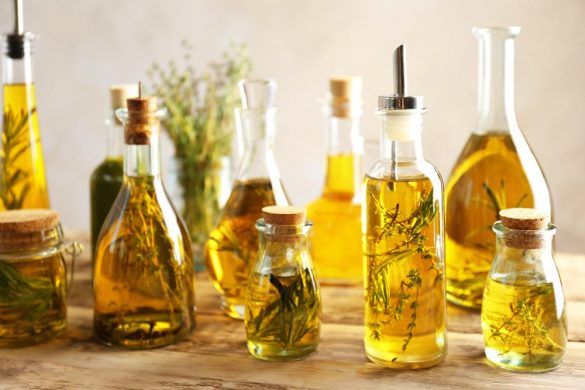
As we have been commenting, the oxidative potential of a vegetable oil depends above all on the type of fatty acids that compose it, so that the oils can be more or less sensitive to oxidation depending on the composition of their fatty acids and, without a doubt, according to also its process of obtaining and its conditions of conservation since vegetable oils are very sensitive to heat and temperature.

Thus, for example, cold-pressed virgin oils not only have greater emollient properties and capacities, but also tend to become less rancid. The same occurs with oils stored in glass containers and away from sources of light and heat. A good idea is to keep them in the fridge and take them out a few hours before we are going to use them.

Among the oils that are not very sensitive to oxidation, we have those of: castor oil, jojoba, baobab, wheat germ, olive, flax, apricot, almonds, avocado, hazelnut, coconut, cocoa butter, shea butter …

Among the oils moderately sensitive to oxidation, we have those of: argan, borage, grape seeds, chia, perilla, sesame…

Some oils are, however, very sensitive to oxidation, such as: sunflower, corn or rosehip …

If unfortunately, any of our oils becomes rancid before we use it, remember that it is not necessary to throw it away as it can always be used to make soap. In the soap it is not noticeable if the oil has become a little rancid, besides, the addition of essential oils and aromas will finish correcting the mess.

Talking about the oxidation of oils forces us to talk about antioxidants, which are the substances that prevent oxidation, as we have been saying.

Antioxidants are molecules capable of protecting cells from the harmful effect of external factors such as free radicals, which are highly reactive molecules capable of unleashing a very harmful chain reaction on our body, as it causes damage to many cells.

Just as antioxidants are important in the internal processes of our body, they are also important and necessary in the care of our skin, which is the largest organ we have and that fulfills numerous functions: Like the regulation of our body temperature, the balance of the passage of water both inside and outside our body, elimination of external factors that are harmful protecting the body from negative effects such as pollution or solar radiation, among others.

One of the best alternatives to meet these goals is the use of natural antioxidants in our cosmetic formulations, able to help us counteract important damages such as skin aging.

THE MOST EFFECTIVE ANTIOXIDANTS TO INCLUDE IN OUR NATURAL RECIPES

The most recent research indicates that those antioxidants that are essential nutrients for our body are also the most effective antioxidants. Among them, vitamin E, vitamin C and flavonoids.

As we always say, it is better to use the very rich oils and natural compounds that the natural oil or substance contains, than to add vitamin capsules or other types of laboratory preparations, synthetic to a greater or lesser extent.

Thus, it is possible, as we said, to add wheat germ oil to our preparations to avoid rancidity and to also provide anti-aging properties. And, likewise, it is possible to add the very rich raspberry seed oils, which contain high levels of vitamins A and E, or a grape seed oil, with high levels of polyphenols and vitamins E and K, or even avocado, which it is rich in vitamins A, D and E …

Resveratrol is widely known for its antioxidant properties that enhance collagen fibers. It provides firmness to the skin and delays the appearance of wrinkles. In addition, it has other anti-inflammatory and sun protection properties. Among its components are polyphenols, powerful active ingredients with great antioxidant properties that help fight free radicals and slow down premature aging. Oils rich in resveratrol and polyphenols would be those of grape seeds, as we mentioned before, and açai oil.

And it is also always possible to complement our preparation with green tea, mallow, oat or pomegranate plant extracts, which have a large number of natural antioxidants.

Retinol, for its part, is an active derived from vitamin A with the ability to reach the deepest layers of the skin, thus stimulating collagen and elastin. Thanks to its properties, it greatly improves the external appearance of the skin. Organic rosehip and aloe vera oils contain large amounts of natural retinol.

Recently, oligomeric proanthocyanins, which are one of the most abundant polyphenolic substances in the plant kingdom, have been added to this list. These polyphenols can be found in fruits like apples, pears, and grapes, and also in foods like chocolate and beverages like red wine and tea.

A study presented at the Society for Free Radical Biology and Medicine in Indianapolis, United States, has shown that the antioxidant capacity of oligomeric proanthocyanins can protect blood vessels from aging that is associated with a decrease in cell damage, which suggests that these substances have an anti-aging effect because they protect DNA.

Thus, it is possible to obtain this antioxidant reinforcement of proanthocyanins by adding, for example, dragon’s blood to our preparations. Dragon’s blood is a substance used for millennia for its important medicinal, anti-inflammatory, healing and disinfectant properties. It acts as a powerful antioxidant with a rejuvenating effect that acts both in the superficial layers of the skin and in the deeper layers. The high dose of proanthocyanins found in dragon’s blood helps maintain the natural collagen fibers and greatly reduces wrinkles, which are the most visible expression of tissue deterioration.

WE REVIEW NOW ANTIOXIDANTS COMMONLY USED IN NATURAL COSMETICS

-Vitamin E (tocopherol), either in the form of drops, or in the form of gelatin capsules to take from which we can puncture and pour the vitamin E into our product; It is usually the most used antioxidant when it comes to preserving the oils and fats that our creams, soaps, and other home-made products contain. It is a powerful antioxidant that also helps the skin defend itself against free radicals and protect itself from UV rays. It also stimulates circulation, improves skin elasticity, helps prevent wrinkles, improves healing, and helps heal sores. Dosage to delay rancidity: 0.1% -0.2% of the total weight of the oils in the formula (4-8 drops per 100 g of oil).

-Astaxanthin: It is one of the largest antioxidants in the world, so the capture of free radicals is its strength. It is ten times more powerful than vitamin C, fourteen times more powerful than vitamin E, and fifty-four times more powerful than any other beta-carotene. Salmon, an animal that needs (literally) all its energy to swim for days and days against the current, has a high concentration of this component in its muscles. In fact, that is why it has that pinkish-reddish color that we all know.

Coming from a marine microalga, called haematococcus pluvialis, astaxanthin is a natural substance that provides the skin with micronutrients and manages to prevent, slow down and even improve the effects of photoaging, such as spots, small wrinkles, flaccidity (elastosis) and spider veins. Astaxanthin is a fantastic antiaging, as it reduces wrinkles and improves the elasticity of the skin. On the other hand, it minimizes the damage that free radicals can cause in the dermis and improves blood flow in the area where it is applied. Also noteworthy is the anti-inflammatory power of this compound, as well as its ability to prevent premature aging by protecting the skin from harmful UVA radiation.

In natural cosmetics it is interesting to use it (by pouring a capsule of the substance astaxanthin) in cosmetic preparations especially aimed at blurring facial blemishes and protecting us from solar radiation.

If you have this possibility, you can add it to your sunscreen formulations, since it acts as a powerful natural biological filter, and also in anti-blemish and anti-aging cream formulations.

However, it is a cumulative pigment whose overdose can cause yellowing of the skin. It is therefore important not to exceed a small capsule in our cosmetic preparations. Likewise, if we decide to ingest it to protect ourselves from solar radiation, it is important that we do not take more than the prescribed dose.

-The Co2 extract of rosemary (oleoresin). The antioxidant properties of this extract are mainly due to the presence of carnosinic acid, which can help stabilize mixtures of oils and products that contain oils. It also has anti-inflammatory effects on the skin and can help fight free radicals (a good choice for ‘anti-aging’ soaps). Dosage: 0.1 – 0.4% of the total weight of the oils (2-8 drops per 100 g of oil).

-Benzoin resin, which, as we have said,not only prevents rancidity, but is also used as a preservative in natural cosmetic formulations. Dosage: 0.5- 1% of the total weight of the oils.

-Wheat germ oil: It is an oil with a high content of vitamin E, which transfers great preservative properties to the products to which it is added.

-Other frequently used antioxidants are: Grapefruit seed extract* (GSE* Grapefruit seed extract is a powerful antioxidant thanks to its high content of vitamin C and flavonoids), essential oils (all of them have antioxidant capacities to a greater or lesser extent), Vitamin A, Vitamin C (ascorbic acid), beta-carotene, etc …

THE WONDERS OF OZONE

Ultimately, if you have a quality vegetable oil that is starting to go rancid and you have an ozonator, such as those found on amazon, our advice is to ozonate it lightly, for about 30 minutes, as ozone prevents the rancidity to a large extent.

Clipboard_11-09-2024_01

And, in any case, if you don’t want to use it ozonated in these conditions in a treatment cream that you are preparing, think that you can always use it without problems in your cold saponified soaps.

If you liked this article, leave us your comments 🙂
HOW TO PREPARE HERBS AND EXTRACTS IN POWDER

HOW TO MAKE POWDERED COLORS WITH VEGETABLES

The idea of this entry is to explain how we can very easily make our own dyes and pigments from vegetables and plants that we can easily dispose of to color our natural soaps and cosmetic preparations.

However, just because something is natural doesn’t mean it has “cosmetic grade.” In order to use something on the skin you have to go through irritability studies. For example, natural pigments such as paprika, which has a matte red color, or turmeric, which has a faint yellow color, are not recommended to use them on the face, even if they are natural, due to their high irritability.

In this case, some mica and mineral pigments are successfully used. Think of some eye shadows and lipsticks. And also, of course, it is possible to use clays and plant pigments to prepare colored makeup foundations, such as red clay, zinc oxide, cinnamon, or cocoa, which are much less likely to cause us skin irritation.

Mineral micas or pigments are a type of highly fragile silicate minerals with a diverse chemical composition; are typically used as dyes in natural and commercial cosmetics. Its use on the skin is considered safe.

In any case, for the production of soaps and natural cosmetics, synthetic pigments are not the best option.

-First because using synthetic pigments is less environmentally friendly to the planet since they are less biodegradable and often even toxic like the synthetic oil-derived pigments that are produced today. These have been linked  to allergic reactions,  skin  irritation and  toxicity  after prolonged exposure. Incthe past, dyes were of organic origin as they were obtained from coal or coal tar (the so-called cosmetic anilines), but these are now deprecated as their potential to cause cancer was demonstrated. This was the reason for the onset of synthetic inorganic dyes that unfortunately have not turned out to be much better.

-Second, because many times they try to sell us this type of colorants for soaps and bath bombs on pages of ingredients for natural cosmetics, guaranteeing their safety when they are not even safe. Take a look to their INCI:

Pistachio green liquid dye to color bath bombs and aromatic salts. INCI: Aqua, CI 19140, 42051

Pink liquid pigment to dye bath bombs and aromatic salts. INCI: Aqua, CI 45100

Egg yellow liquid pigment to dye bath bombs and aromatic salts. INCI: Aqua, CI 19140, 16255

Ultramarine violet powder pigment. INCI: Ultramarine (CI 77007)

Bubble gum pink powder pigment. INCI: Polyester 3, Red 28, Manganese Violet.

I don’t know about you, but none of them sound very natural to me.

With the drawback that if you also do not add to your bath bombs Polysorbate  80, which is a non-ionic surfactant (HLB 15) and emulsifier that contributes to the fixation of these dyes, it may occur that the pigments of the bath bombs dissolve completely in your bathtub and color your skin.

https://incibeauty.com/es/ingredients/10197-polysorbate-80

With this, the product that was originally designed to provide you with a more pleasant and moisturizing bathing experience, ends up becoming something unpleasant that also adds toxicity to your bath.

I have taken INCI samples from different suppliers of ingredients for natural cosmetics. In the case of Bramble Berry’s famous American page of ingredients for artisan soaps and bath pumps, this lack of scruples is very noticeable, because although they recommend micas to color bath pumps, then they suggest the famous Polysorbate 80 whose use is not even allowed in natural cosmetics in our European legislation.

https://www.brambleberry.com/articles/how-to/art0140-color-bath-bombs.html

But if you look at the fragrances, almost always synthetic, that this store sells for use in natural soaps and bath pumps; the thing does not improve.

Look at the recommendations for the fragrance “Pink Mimosa“: The fragrance, in principle, is for use in the production of soaps and bath pumps, but they warn us to avoid the contact with eyes and lips and their direct application without diluting on the skin.

Some Spanish online stores are not spared either, believe it or not, despite the strictest regulations of the European Union.

Previous INCIs for liquid bath bomb dyes were from Gran Velada website.

https://www.granvelada.com/es/371-tintes-para-sales-y-bombas-de-bano

Or look at the safety sheet for synthetic soap fragrances sold on the Jabonarium page:

https://www.jabonariumshop.com/fragancias-jabones/

However, in this case, and thanks to the strict regulations of the European Union, they are obliged to provide a safety sheet. Look for it. You’re going to freak out.

Personally, we stay with the French house AROMA ZONE among whose policies are not to sell polluting synthetic fragrances.

“Qualité et sécurité des fragrances: Rien de commun avec les fragrances synthétiques anglo-saxonnes qui inondent le marché (ces dernières sont de véritables cocktails chimiques et, pour certaines fragrances en provenance des Etats-Unis, elles ne sont pas conformes à la règlementation cosmétique européenne). Au contraire, toutes nos fragrances sont constituées uniquement de composés aromatiques d’origine naturelle”.

TRANSLATION: Quality and safety of fragrances: Nothing in common with the Anglo-Saxon synthetic fragrances that flood the market (these are real chemical cocktails and, for some fragrances from the United States, they do not comply with European cosmetic regulations). On the contrary, all our fragrances are made up only of aromatic compounds of natural origin.


AND LET’S GO NOW WITH THE THIRD ARGUMENT

And it is that, although we consider it a nice idea to want to add color to our soaps, gels, and bath pumps; is it really necessary to add color, especially if providing color means providing toxic compounds, that do nothing to contribute to the benefit of our skin?

Once I made the mistake of adding purple mica to a lavender soap to give it a more authentic look and what happened is that, after a few months (and it is necessary always to wait a few months for a natural soap to mature before starting to use it), the soap turned a dirty, sticky gray color.

Logically, although mica is a relatively harmless mineral pigment, the reaction that occurred when mixed with soda and vegetable oils was not exactly appropriate. Finally, I decided to cut this natural soap into small pieces for use it with the laundry.

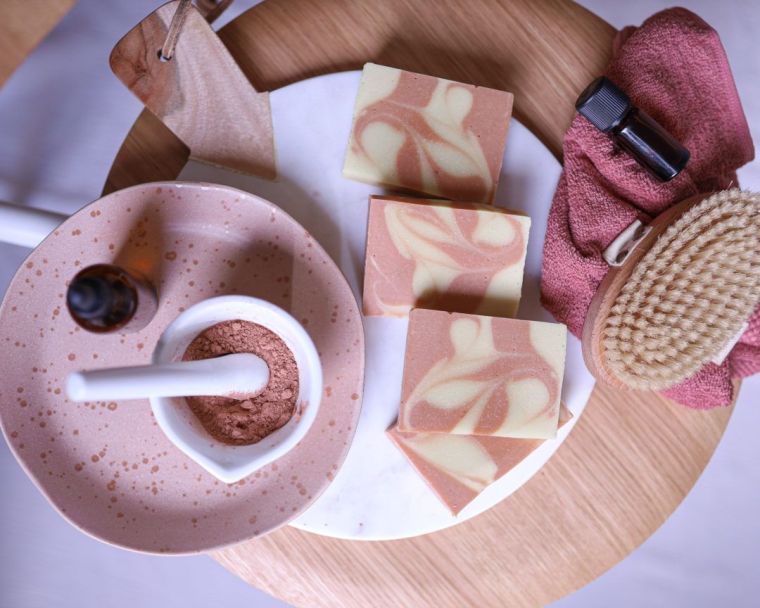
On the other hand, if you use vegetable dyes and clays for this type of thing, you will not only achieve greater stability in the final product, but you will also provide properties as is the case with many herbs and spices. Or, for example, if you add clays, these will also help you fix the aroma of the essential oils in the soap.

AND NOW LET’S CUT TO THE CHASE. HOW TO MAKE POWDERED COLORS WITH VEGETABLES  AND HERBS?

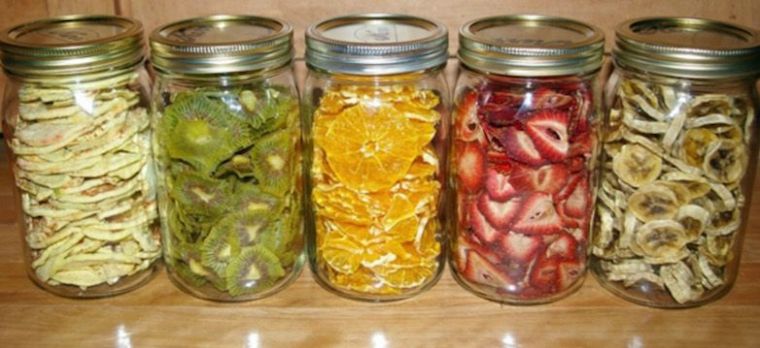
The first thing we have to do is dry or dehydrate the plants so that we can then grind them. You can let vegetables dry in the sun or outdoors, as has been done for centuries.

Or use the kitchen oven. To dehydrate food or plants in the oven, you must remove the shell if necessary, cut into thin pieces or slices and arrange them on an oven plate.

We will bake them at a minimum temperature, with the oven door open, moving them from time to time, until when we touch them we will feel them completely dry (when pressed they should crack, not bend).

Once you have the dry plants, the next step is to grind them. To pulverize the plants it is best to use a coffee grinder, you get a very fine powder. You just have to introduce the plants into the grinder and grind them until they are completely turned into powder.

The powder can be stored in glass jars for months without problems and you can add it directly to your preparations to give them a tonality. The intensity of the color will depend on the amount of powder you add.
Some pigments are water-soluble, such as beet or pitaya, so you can add them to preparations that contain water.

Plants rich in pigments:

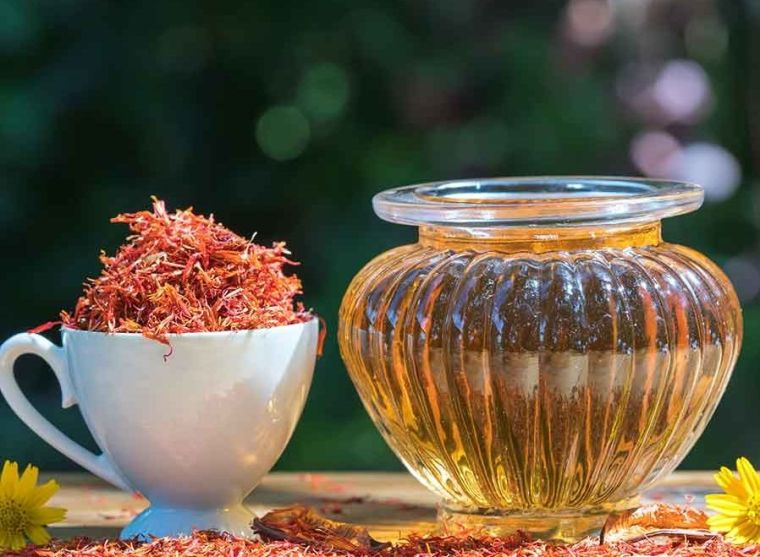
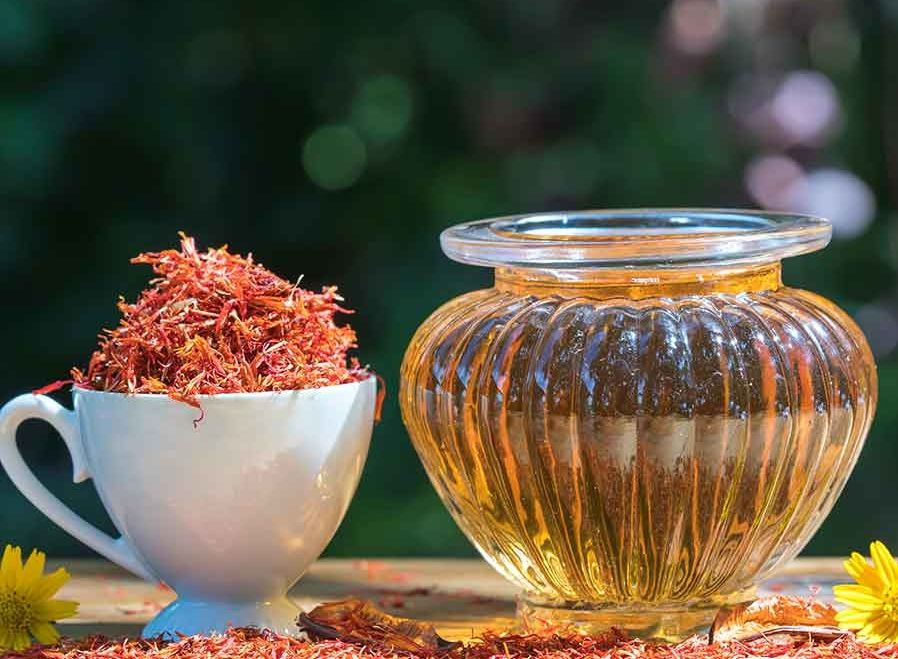
Yellow: saffron, marigold, common chamomile,  mustard, curry, turmeric.

Violet – lilac: lavender, violet.

Purple: beetroot, purple cabbage, blackberries.

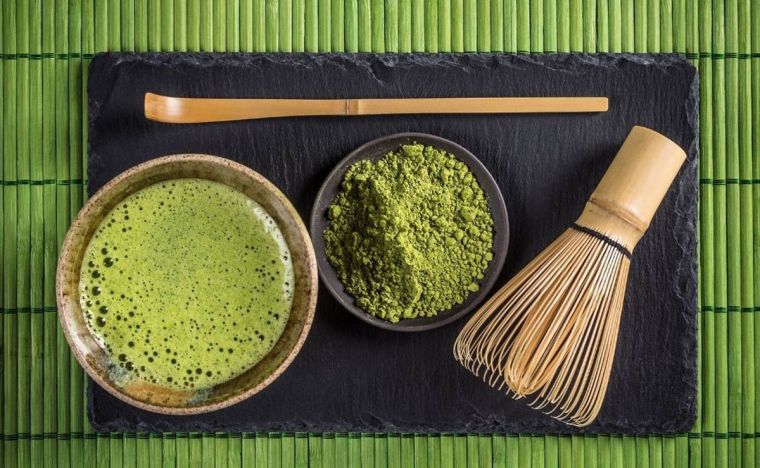
Green: mint, unfermented green tea, nettle, rosemary, chard, spinachs,  parsley, mint, algae.

Pink: beetroot, pink, raspberry, pitaya, cherries.

Red: Red pepper, tomato, paprika, chili.

Brown: cocoa, coffee, cinnamon, fermented tea (camellia sinensis).

Blue: Roman chamomile, cypress berries, blueberries, indigo plant (tinctoria indigofera , with which the jeans were dyed in the past).

SOME VEGETABLE DYES FOR SOAPS, BOMBS AND BATH SALTS

Clays and some powdered spices like turmeric or curry are especially stable if we want to color our soaps.

If we want to color bombs or bath salts, we’d better use vegetables and herbs powder in most of the cases. However, it is also possible to add clays to the composition of bath bombs.Cclays can also be a natural choice.

EXAMPLES:

To give them pink tones: Pink Clay

To lighten the color of our soap: White clay, zinc oxide.

Orange: With carrot juice and achiote seeds powder (Annatto)

Fuchsia: with beetroot powder, or pitaya (fruit of the cactus “Stenocereus queretaroensis”, dragon fruit also called).

Lilac: With alkanna tinctoria.

Bluish grey: With active charcoal  or  indigo plant. With active charcoal the soap look very nice in addition to the purifying properties it provides them.

Reddish: With the plant “rubia tinctorum” or with red clay that contains a significant amount of iron oxide naturally.

Anyway, there are surely many more plants and herbs that can bring a natural color to our recipes, and that I do not know, but if you know them I will be delighted that you let me know in the comments.

PROPERTIES OF THE DIFFERENT VEGETABLE OILS for use in natural cosmetics

The selection criteria depends not only on the type of cosmetic or product that we are going to prepare but, above all, on the type of skin and the problem we want to treat.

The skins are generally classified as dry or oily. Combination skin, many times, is normal or sensitive skin that is not totally uniform and whose treatment must be, in many cases, an intermediate treatment. Sensitive skins are usually the ones that suffer the most dermatological affectations such as couperose, dermatitis, spider veins and facial blemishes, etc.

When we formulate a cream to hydrate and nourish the skin, we must take these characteristics into account, and include the appropriate vegetable and essential oils to treat it.

Thus, for example, if we want to make a facial cream with a sun protection factor, it will be convenient for us to choose carrier oils with biological protection filters.
Among the best base oils for this need, we will have those of: karanja, buriti, macerated urucum oil, and monoï oil, and, to a lesser extent, sesame, coconut and olive oil. To help us avoid stains and prepare our skin for the sun, we have oils with a high content of carotenoids such as carrot or apricot.

If, in turn, we use the appropriate essential oils synergistically, we will be able to increase the biological photoprotection factor exponentially. For example, if we combine carrot carrier oil with an EA of raspberry seeds whose photoprotection index is quite high, then we will have a mixture or “synergy” with interesting photoprotection properties.

COSMETIC PROPERTIES OF BASE OILS

The best oils to treat mature skin are argan, damask rose, wheat germ, evening primrose, borage, perilla, camelina, rosehip and carrot.

With avocado, argan and almond oils we will treat, above all, dry skin.

If, on the other hand, our skin is oily, the best treatment oils will be those of jojoba, hazelnut, babassu, safflower and evening primrose (the latter due to its hormone-regulating capacity).

If we have sensitive skin, perhaps also with problems with couperose or dermatitis, it would be better to use nigella oil, calendula oil or hemp oil.

And if we suffer from psoriasis, neem oil will be our best ally.

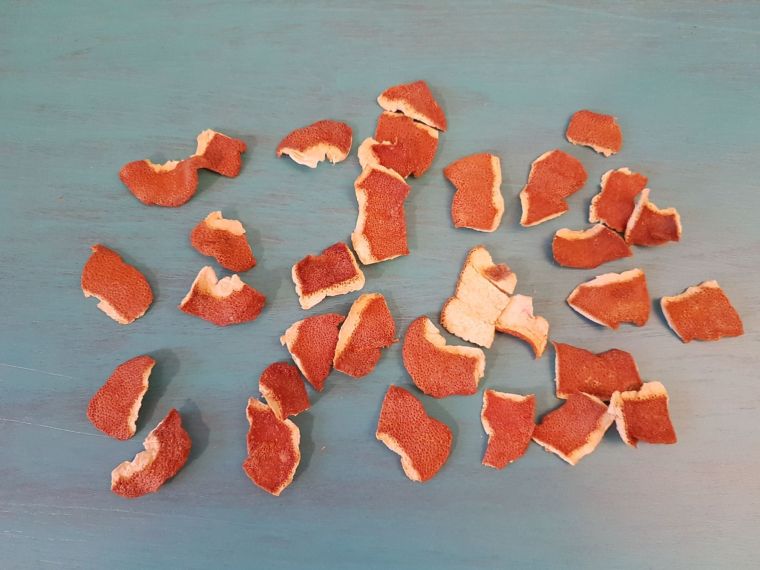
If what we want is to make a treatment cream for tired legs, orange peel, or even to improve the microcirculation of our face and reduce the visibility of our dark circles, then it would be better to use the recognized calophyll or tamanu oil because of its circulatory properties, or also calendula oil.

The action of these base oils will be reinforced if we include in our recipe the essential oils that reinforce the action we intend to achieve.

For example, to treat sensitive skin, we will use oils such as calendula, hemp or nigella that we can combine with essential oils such as feverfew or noble chamomile, mint, cedar, patchouli or ylang ylang. We know that these essential oils, combined with the appropriate butters and vegetable oils, reinforce their action by calming and softening sensitive skin or those affected by dermatitis and itching.

In a synergy to treat oily skin we will use, for example, a serum with jojoba oil and essential oil of rosemary, lemon, tea tree or lavender.

OLEOGELES in which natural aloe vera gel is combined with vegetable oils and essential oils are also of great help to treat oily skin and to regenerate unsightly scars, blemishes and small wounds.

If to prepare our Oleogel we also use rosehip oil, which is known to all for its regenerative capacity for spots and skin scars, then we will reinforce the repairing effect of aloe vera gel. Together with an essential oil of rockrose, sandalwood, Egyptian geranium, or even lavender, the effect we are looking for will be enhanced.


THE PROPERTIES OF THE DIFFERENT ESSENTIAL OILS IN NATURAL COSMETICS

The main EO for treating couperose, spider veins, and facial flushing are Helichrysum, Cedar, Cypress, Patchouli, Carrot, and Rockrose (Cistus ladaniferus). These EOs are both firming and anti-wrinkle due to the elasticity they confer on the skin.

Eucalyptus radiata is an effective anti-dandruff in shampoo preparations.

Black spruce (picea mariana) soothes dermatitis, as do feverfew and mint.

Cedar is especially effective in treating wet eczema.

Atopic dermatitis is usually accompanied by itching. When it comes to antipruriginosis treatments, patchouli and mint, as well as feverfew and noble chamomile (which is also antihistamine and anti-inflammatory) are the best. Ylang ylang also soothes dermatitis and fights associated itching, as well as strengthening hair.

The mint also fights the heaviness of the legs, as well as the cypress, which has a clear circulatory effect.

Lavender, (Spica and Angustifolia), is more indicated to soothe the bites of insects. Lavender in general calms and relaxes the nervous system, and is both healing (the best remedy against both accidental and sunburns).
Lavender, and also lavandin, are generally good for cleansing the skin and fighting acne and pimples.

For psoriasis, myrrh EO, combined with a carrier oil, is also a good choice.

Egyptian geranium (pelargonium asperum) is a good skin astringent, detoxifier and regulator that acne-prone skin also appreciates. With it, facial and purifying masks are prepared.

Rockrose (cistus ladaniferus) is also used in firming and anti-wrinkle treatments with remarkable success.

In the case of mycosis and toenail fungus or vaginal and oral candidiasis (fungi), etc. the best EOs for treating these problems are tea tree and niauli. They also treat cold sores and cold sores and skin acne. Niaouli works in much the same way as tea tree.

With toenail fungus, oregano EO is also especially effective.

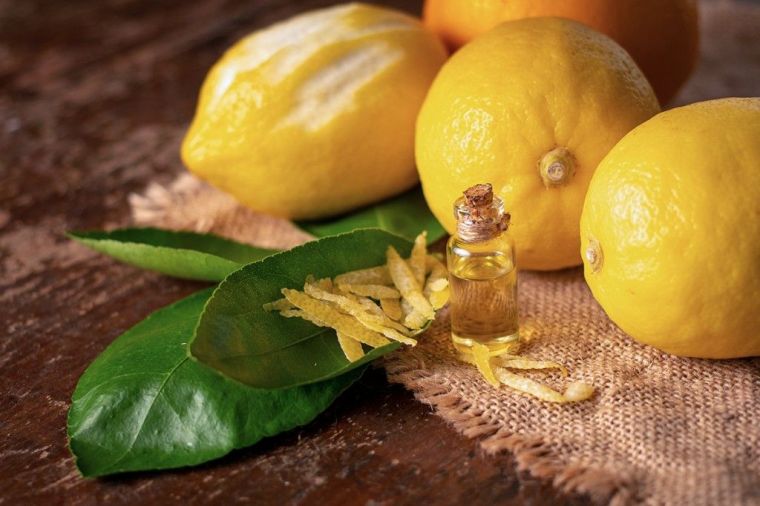
Grapefruit and lemon EOs are used to combat cellulite as they eliminate subcutaneous fat, detoxify and give firmness and elasticity to the skin.

Lemon also whiten teeth. Lemon is a good treatment for oily hair and skin, as is rosemary, and also lavender. You just have to be careful with exposure to the sun as both are photosensitive.

Rosemary verbenone is especially effective against oily dandruff and cellulite.

Laurel is a basic remedy to purify and treat oily and abscessed skin as it has antiseptic and anti-inflammatory properties. Its aroma is also delicious.

Jasmine can be used on all skin types, also the most delicate as it helps soothe irritations. In addition to being moisturizing, it provides elasticity to the skin. It is used to improve the appearance of stretch marks and scars, as well as acne and rashes or eczema.

Damascene rose, although expensive, is the best EO for treating mature skin.

Carrot (daucus carota) lightens blemishes and blemishes on the face and evens out the complexion.

In case of hair loss, the best AE are those of ylang ylang, spruce, rosemary and cinnamon.

Cellulite, orange peel skin and dark circles due to poor circulation are treated with the base oil of calophyll and the essential oils of helichrysum, rosemary, sage, lemon and grapefruit.

In general:

To regulate sebaceous secretions – Geranium, lavender and palmarosa

With anti-aging and toning properties – Orange blossom, incense and bitter orange

For oily and acne skin – Tea tree, cedar and rosemary


We hope you liked our entry, and that you leave us a comment.

ABOUT SUN PROTECTION

WHY WE NEED TO TAKE CARE OF OUR SKIN

The skin is our most voluminous organ and, at the same time, a double entry barrier. On the one hand, it isolates us from the environment, but, on the other, it is the organ that keeps us in contact with our environment and therefore needs special care.

It is a living organ with the capacity to regenerate, it is waterproof, resistant and flexible, it breathes and remains active 24 hours a day, performing all kinds of fundamental actions for our body. The skin is a vital organ for the human body that works as a protective barrier against the outside thanks to its complex cellular and immunological mechanisms, it takes care of us of diseases, extreme temperatures and injuries such as blows and burns. She selects and filters what is harmful to our body and takes what is beneficial. Regulates our body temperature and synthesizes vitamin D through exposure to sunlight.

As you know, this vitamin, which is so necessary to keep our bones and tissues healthy, is not abundant in food, hence the importance of using adequate sunscreen. We wanted to start on the blog with this topic of sunscreens and therefore we include a recipe for sunscreen cream without chemical filters or endocrine disruptors.

ABOUT SUN PROTECTION

Summer is coming and the sun is shining in all its intensity. However, we all want to go to the beach and the mountains to enjoy life outdoors. So, we have decided to write some tips on sun protection.

The sun creams that we usually find in the market usually contain a high percentage of sun protection filters, mostly chemical filters. These chemical filters have the advantage that our skin absorbs them relatively well and that they are easy to apply, but they also have many drawbacks, as we will see below:

-They damage the skin: There seems to be more and more controversy regarding conventional sunscreen creams. There has been an increase in skin and lip cancers in recent years, which are associated with the use of sunscreen with chemical filters. Apparently, these sunscreens do not form a protective barrier between our skin and the sun as we might think, but that ultraviolet rays penetrate the skin and protection is done thanks to reactions that take place in our skin. The danger is that since we don’t have the sensation of burning, we can stay in the sun for hours, but since ultraviolet rays do penetrate our skin, they end up damaging our cells. And of course, the sun is cumulative and the cells of our skin have a memory effect.

-They work as hormonal disruptors: Many of you already know what endocrine disruptors are, but for those who don’t, we will tell you that they are substances that have the ability to alter our hormones. This is a very serious issue and one that deserves our full attention. For example, there is a study linking a type of sunscreen, called benzophenone, to an increase in women with endometriosis problems. Retinol palmitate and oxybenzone are also apparently disruptive.

-They harm the environment: Chemical filters are not biodegradable, in fact, it is estimated that 4,000 tons of these chemical filters are deposited and accumulate on the seabed every year. According to a study by the EHP (Environmental Health Perpectives) carried out by Professor Donovaro in different parts of the world; It was concluded that sunscreens with chemical filters have a negative impact on coral reefs. Today it is estimated that more than 60% of coral reefs are in poor condition. Many marine animals live and depend on these reefs, so they too would be affected. In some marine reserves, such as the Tulum Biosphere Reserve in Mexico, the use of sunscreens with chemical filters is prohibited. And let’s not lose sight of the fact that these sun creams, apart from sunscreens, contain other substances (parabens, phenoxyethanol, silicones …) that should also be avoided.

In our experience, if we really want to take advantage of the time of solar exposure to synthesize vitamin D, it is best not to wear anything that prevents the synthesis of vitamin D. Of course, you have to take precautions such as avoiding the central hours of the day, wearing clothes cotton and straw hats to protect our face and eyes, maybe use some natural oil to hydrate the skin. The massive use of sunscreens is perhaps the reason why today everyone is deficient in vitamin D and this is not only the case in countries that receive few hours of sunshine per year, by the way. What is clear is that, if we cannot respect these rules and we have to expose ourselves dangerously to solar radiation, it is important, if we want to get away from the dangers of skin cancer, that we use a natural sunscreen cream whose possible formulation we detail below.

And there is an alternative to chemical filters that are physical filters, also called mineral filters. They are zinc and titanium oxides. Unlike chemical filters that interact with the skin to protect us, these filters make a reflective protective layer on the surface of the skin like a mirror or screen. We are only going to use zinc oxide in our formulations because there are also studies carried out on rats in titanium dioxide that the nanoparticles of titanium dioxide are able to cross the skin and reach the nervous system with the risk of damaging the brain. Therefore, we think, it is better to be cautious and use only the protectors based on zinc oxide and, in any case, natural bronzers based on biological filters of vegetable photoprotective oils, which, although they will not be able to protect us for a long time, neither will they do us any harm.

These biological filters, although their level of protection is lower than that of mineral filters, have the advantage of nourishing and hydrating our skin, favoring a soft tan. They are vegetable oils and extracts that protect the skin avoiding cellular oxidative stress and the alteration of our skin immune cells.

Among the biological filters are: vitamins A, C and E, flavonoids, ferulic and caffeic acids, vegetable oils such as carrot, jojoba, argan, coconut, avocado and shea butter, aloe juice, coffee, buriti (which is an oil with a protection factor as high as that of raspberry oil that we will talk about later), pomegranate, known for its high antioxidant power.

SOME RECIPES:

As prevention, the simplest measure that we can implement to protect ourselves from the sun’s rays is a simple water spray spray in which we will dilute the mint and lavender EAs. These essential oils have a sunburn prevention effect and refresh the skin. Peppermint is not only refreshing; it also prevents the skin from itching. Lavender, in synergy with mint, prevents our skin from burning.

We can, for example, dilute 20 drops of each essential oil in a spray spray with a content of about 250 ml of water. Simply, it will be enough to spray ourselves in the exposed areas when we go for a walk in the summer sun, to prevent us from burning ourselves.

And we can make a very simple cream with a mineral filter such as zinc oxide, the protection factor of which will be somewhat higher, thus preventing us from burning ourselves when we go to the beach or the country. Of course, it will be necessary to always avoid the central hours of the day and long exposures, as we already know. With the sun, prudence will be the most appropriate measure to take care of our skin and maintain adequate levels of vitamin D.

Basic sun protection cream with SPF of approximately 30:

A simple sunscreen recipe whose effectiveness is due to the physical mineral protection action of zinc oxide is this that we detail below. When smearing this cream on the skin it will leave it a little white, but that is normal because it is the protective screen effect of zinc oxide. As long as our skin remains white, we will not burn. In addition, this cream is in itself quite waterproofing and does not usually go when bathing in the beach or the pool.

Ingredients:

40 gr of sesame oil

15 grams of beeswax

15 grams of zinc oxide

We will melt the beeswax in a bain-marie and add the oil and zinc oxide. It is important to beat very well with a rod so that the ingredients mix well.

https://youtu.be/4cmE5SX1W-w

I you like this article leave us a like.