DIY Natural Skin Care: Honey and Glycerine Recipes

In this blog on natural cosmetics, we aim to provide our readers with enjoyable and informal recipes for natural cosmetics for face and body skin care that are as simple and free of synthetic preservatives as possible.
Today, we know that many migraines, swellings, allergies and atopic dermatitis are often caused by ‘dysbiosis‘ (an imbalance in the microbiota), which can be oral, intestinal and even cutaneous, as we know that microorganisms are everywhere: in our intestines, in our mouth, on our skin, in our mucous membranes… and we know the importance of the “eubiosis” (balance) of all this microbiota that is part of us. This microbiota is responsible for making us feel good after eating, for our skin looking beautiful and free of eczema, and even for us not feeling tired and stressed and for our memory working accurately.
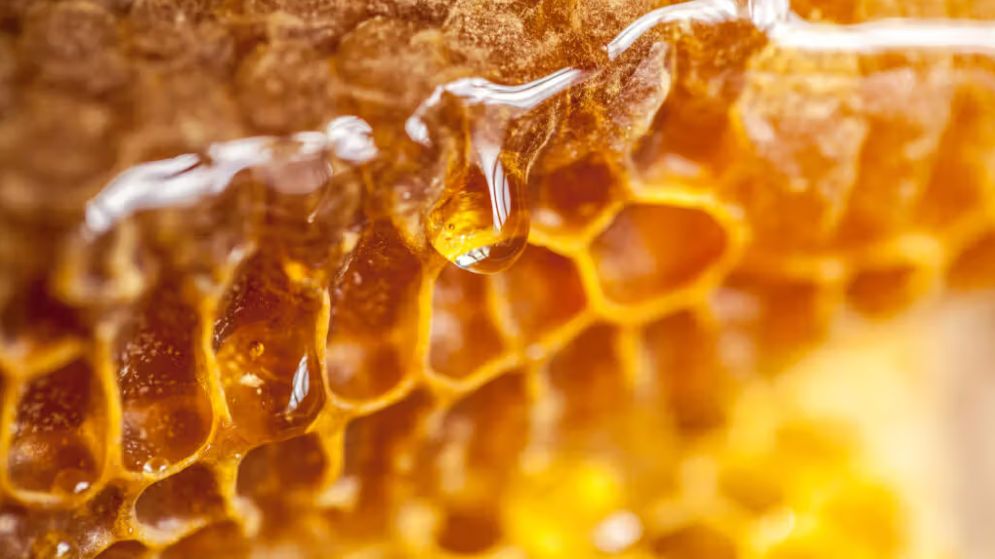
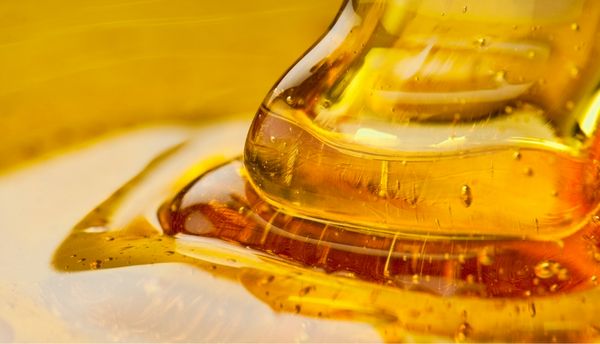
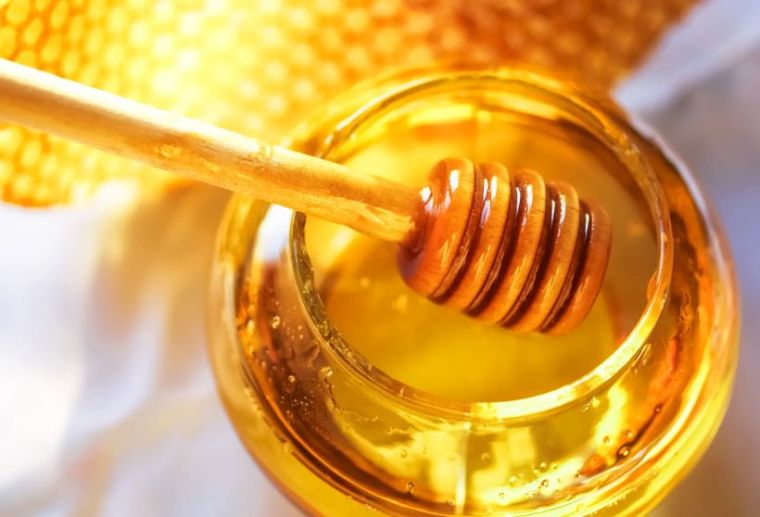
You may have noticed that honey has been grabbing all the attention in natural skin care lately. This is because honey, in addition to being a highly bioavailable natural product, has the ability to regulate our skin microflora , facilitating its natural balance or “eubiosis” as it combats harmful microorganisms by regulating and respecting the eubiotic microflora. This is the opposite of what happens with preservatives and synthetic antibiotics. And that is what it is all about: finding substances with “regulating” rather than biocidal properties to treat health problems in general and skin problems in particular.

Honey has a special place in any skincare routine thanks to its healing properties and its ability to soften, brighten, nourish and regulate the skin’s microflora.
The same is true of vegetable glycerine, another product widely used in natural cosmetics because it allows us to obtain plant extracts that do not degrade, and because when added to a formulation it contributes to the preservation of the whole and has an important moisturising effect on the skin. This organic and bioavailable substance helps to maintain the hydration of the epidermis and mitigate dermatological problems such as acne or dermatitis.
HONEY: A valuable ingredient in homemade natural cosmetics

If you’ve never thought about including honey in your skincare routine, you’re in for a surprise. In this article, we explore why honey is good for the skin, six benefits of honey for the skin that you may not know about, and how to incorporate honey into your daily skincare routine.

BEES BEAUTIFY OUR LIVES

Bees are crucial in natural cosmetics thanks to ingredients such as wax, honey, propolis, and venom, which offer benefits such as hydration, protection, and regeneration. Beeswax forms a protective barrier, honey is a natural moisturiser and antioxidant, propolis has antibacterial properties, and bee venom is used for its Botox-like tightening effect. These ingredients are used in a wide range of products, from creams and balms to shampoos and make-up.

Therefore, from the beeswax we use to emulsify our creams and balms, to the propolis tincture or honey we use in our homemade cosmetic preparations, all these natural active ingredients come from bees.
And why is this so and not otherwise?

It is because honey and its derivatives are organic products with high bioavailability. There is a reason why bees are said to come from the planet Venus. Without them and their products, it would be unthinkable to conceive of homemade cosmetics for moisturising and beautifying.

KEY INGREDIENTS FROM THE HIVE AND THEIR BENEFITS:

  • Beeswax:
    • Protection: Creates a natural barrier that retains moisture and protects the skin from external aggressors such as wind and cold, without clogging the pores.
    • Hydration: It is an excellent moisturiser, leaving the skin supple and soft.
    • Uses: Found in creams, lip balms, lipsticks and hand lotions.
  • Honey:
    • Hydration and shine: A natural moisturiser that hydrates and adds shine to hair and skin.
    • Antioxidant and antibacterial: Protects against free radicals and is useful for treating acne and inflammation.
    • Uses: Found in creams, masks, conditioners, and exfoliants.
  • Propolis:
    • Antibacterial and antifungal: Helps fight acne and promotes a healthy complexion.
    • Uses: Found in cleansers, serums and spot treatments.
  • Bee venom:
    • Lifting effect: Stimulates collagen and elastin production for firmer skin, with a tightening effect similar to Botox.
    • Uses: Used in anti-ageing creams and treatments.

WHY IS HONEY GOOD FOR THE SKIN?

Studies such as this one from the link: https://pubmed.ncbi.nlm.nih.gov/24305429/ confirm that honey has numerous components that promote skin health. Manuka honey in particular. Below is an overview of its therapeutic properties:

Anti-inflammatory properties: Honey has a strong anti-inflammatory effect when applied topically, making it useful for a variety of inflammatory skin conditions, such as eczema, psoriasis, and atopic dermatitis.

Antimicrobial and antibacterial properties: Honey has the ability to fight skin infections thanks to its powerful antimicrobial, antibacterial and antifungal properties.

Promotes healing and cell regeneration: Due to Manuka honey’s unique ability to promote healing and cell regeneration, it is widely used by medical professionals for wound and burn care. Honey is also an effective remedy for chapped and dry lips.

Natural moisturiser and hydrator: Honey is a natural moisturiser and hydrator. It draws moisture into the skin, making it useful for treating dry skin and combating ageing.

Beneficial nutrients: Honey contains amino acids, antioxidants, vitamins, and minerals that are beneficial for fighting free radicals and improving overall skin health.
SIX BENEFITS OF HONEY FOR THE SKIN THAT WILL SURPRISE YOU

Now that you know why honey is good for your skin, let’s explore six benefits of honey for your skin that you may not be aware of.

1. Honey deeply hydrates and moisturises the skin.

The natural moisturising properties of honey make it an effective moisturiser. The enzymatic activity of honey allows it to penetrate deep into the skin and provide hydration to the underlying layers. The result is smoother, softer skin with a natural, radiant glow.

2. Honey reduces the signs of premature ageing.

Honey attracts moisture from the air and retains it in the skin. This extra hydration gives the skin a fresh, youthful glow and greater suppleness, making fine lines and wrinkles less visible. Honey also contains natural antioxidants that fight free radicals, one of the main causes of premature ageing.

3. Honey is an effective pore cleanser and gentle exfoliant.

Honey is naturally antibacterial and exfoliating. These properties make it an effective natural pore cleanser to remove deep dirt and debris that can clog pores and contribute to skin problems.

4. Honey lightens scars and hyperpigmentation.

Honey contains a small amount of hydrogen peroxide. This gives it gentle lightening properties, which help reduce acne scars and hyperpigmentation over time. These same properties also make honey an effective choice for brightening a dull complexion.

5. Honey fights acne and breakouts.

The antibacterial and anti-inflammatory effects of honey play an important role in reducing acne and breakouts. These properties reduce the bacteria that cause pimples and blackheads. It also treats the redness and inflammation associated with breakouts.

6. Honey soothes sunburn.

Honey is commonly used in medical settings for the treatment of burns due to its ability to promote healing of damaged tissue and reduce inflammation. These same benefits can be useful for soothing and healing sunburn at home.
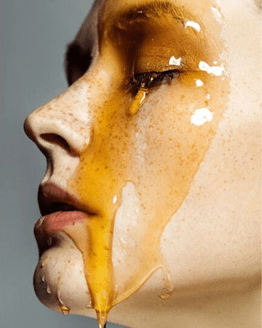
HOW TO USE HONEY FOR YOUR SKIN

There are many ways to reap the benefits of honey for your skin. Here are a few that you can easily incorporate into your daily skincare routine.

OUR HOME RECIPES WITH HONEY

Honey has the unique ability to promote skin cell regeneration and healing, while softening, brightening and lightening the skin. Incorporating honey into our daily routine promotes skin health naturally, making it an essential part of any skincare regimen.

REGENERATING FACE MASK WITH NATURAL HONEY

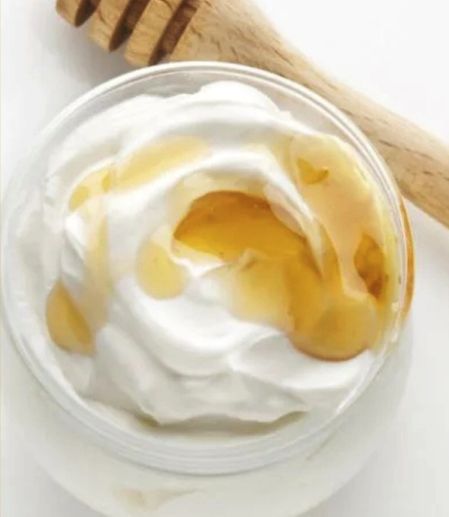
You won’t find more natural and nourishing ingredients for your skin than honey and yoghurt. This homemade mask consists of a simple mixture of both. A simple formula for a luxurious treatment at home.

You only need two ingredients, preferably organic:

One tablespoon of organic honey, such as orange blossom honey, manuka honey, etc.

One tablespoon of natural yoghurt (unsweetened).

Mix both ingredients in a bowl until you obtain a smooth paste. Apply to a clean face, avoiding the eye area, and leave on for 15-20 minutes. Remove with warm water and feel the results.

You will notice your skin is incredibly soft and radiant. The secret is to use pure honey so that all its nutrients penetrate the skin.
HAIR TREATMENT FOR “Split Ends”

Formulas from the hive are also a gift for your hair. To restore its life and shine, you can prepare this nourishing treatment.

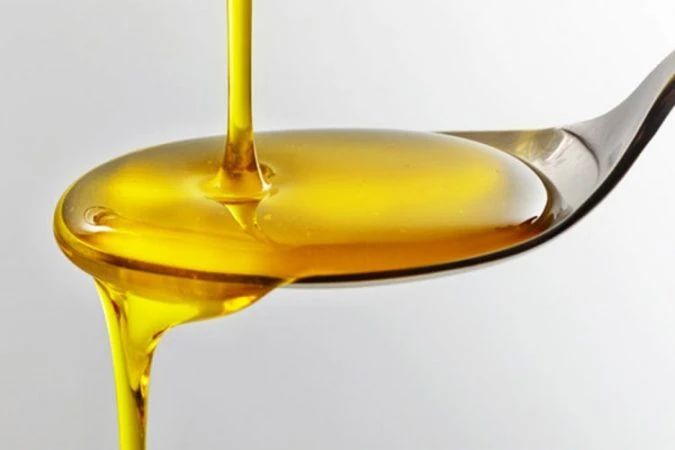
Mix a couple of tablespoons of honey with a few drops of olive oil. Apply the mixture from the middle to the ends, wrap your hair in a warm towel and let the magic work for 30 minutes. Then rinse thoroughly with water.

Your hair will be stronger, shinier and silkier. Honey nourishes the hair follicle and helps seal in moisture, protecting it from external aggressions. For optimal results, the key is to use honey that retains all its properties. For example, raw, unfiltered honey.

Oh, and if you have a little of this mixture left over, don’t hesitate to apply it wherever you notice your skin is dry or tight. You’ll see that it works wonders there too.
TWO EXPRESS FORMULAS: EXFOLIANT AND LIP BALM

Sometimes the best solutions are the quickest. Here are two ideas for instant care:

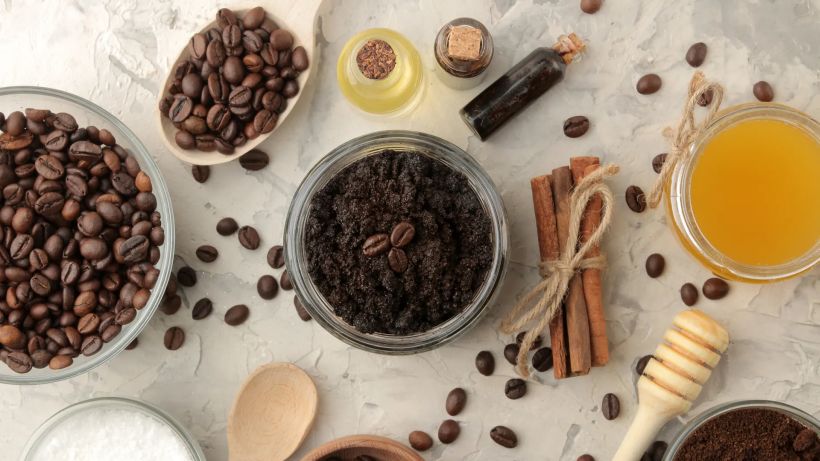
Gentle body and lip scrub: Mix a tablespoon of honey with a little sugar or coffee grounds. Gently massage onto damp skin using circular movements and rinse off. Instantly renewed skin!

Repairing lip balm: If your lips feel dry or chapped, apply a thin layer of honey to them before going to bed. You’ll wake up with soft, repaired lips.
HONEY AND LEMON MASK for winter hands

In cold weather, our hands are constantly exposed to external aggressions that can significantly worsen their appearance. The result? They become rough and . That’s why it’s important to treat yourself to a moisturising mask from time to time.

Ingredients:

Two tablespoons of olive oil to protect and moisturise dry skin

Two tablespoons of honey to soften and nourish the skin

Optional: a few drops of lemon essential oil.

Mix all the ingredients in a bowl. Apply generously to your hands and nails and massage for a few minutes. For greater effectiveness, you can wear latex gloves. Leave the treatment on for 30 minutes before rinsing with warm water.
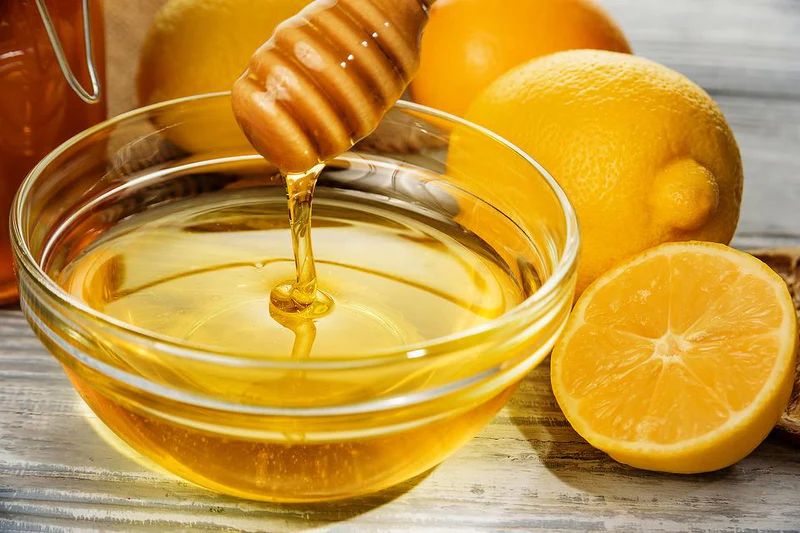
HONEY, COCONUT OIL AND LAVENDER SCRUB

This is a luxurious exfoliant recipe designed to relax you as if you were at a spa, as it not only exfoliates but also leaves your skin pampered and smelling divine.

Ingredients:

½ cup granulated sugar

¼ cup raw honey

¼ cup coconut oil

A few drops of lavender essential oil, which promotes relaxation

How to create this luxurious scrub:

Melt: Gently heat the coconut oil until it melts, then allow it to cool slightly.

Mix: Combine the cooled coconut oil with the honey and sugar in a bowl. Add a few drops of lavender essential oil for a relaxing aroma.

Apply: Use this aromatic mixture to gently exfoliate your body, focusing on rough areas such as elbows and knees.

Rinse: Rinse with warm water and enjoy skin that is not only smooth, but also luxuriously moisturised and delicately scented.

Why you should try it: Coconut oil is a fantastic moisturiser that works in harmony with the soothing properties of honey. Lavender adds a relaxing and therapeutic dimension to the scrub, making your skincare routine a luxurious and serene experience.
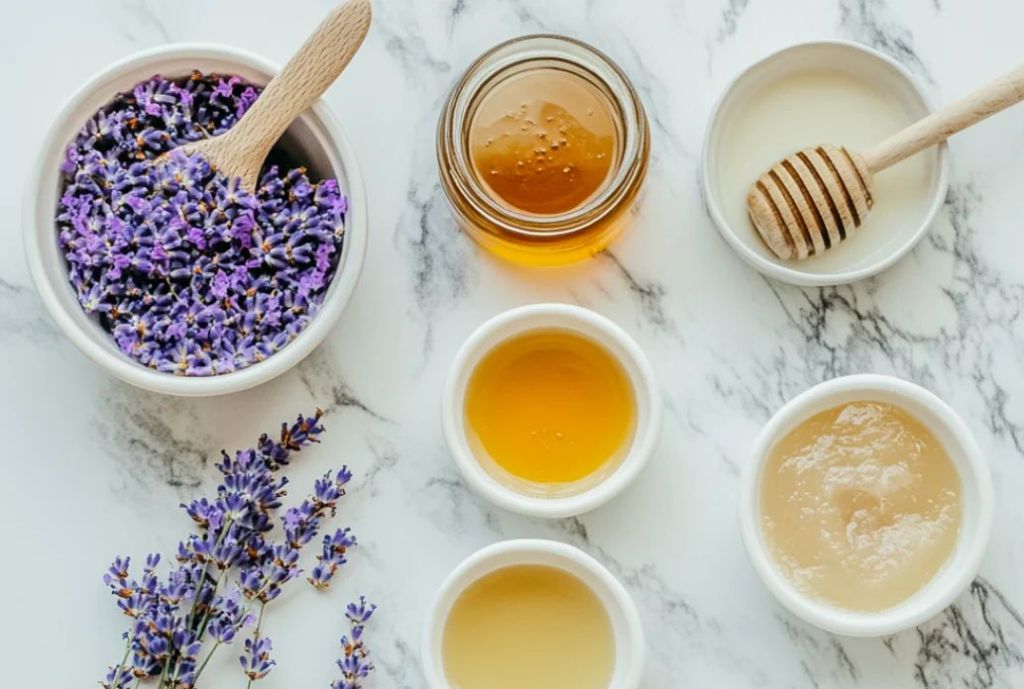
ANTI-INFLAMMATORY HONEY AND TURMERIC MASK for acne-prone skin

The anti-inflammatory and antimicrobial properties of turmeric, combined with the soothing effects of honey, make this mask a miracle worker for reducing acne and skin redness.

How to prepare:

Preparation: Mix 1 tablespoon of raw honey with 1 teaspoon of turmeric powder.

Application: Spread the paste evenly over your face.

Wait: Leave on for 20 minutes.

Rinsing: Wash with cold water and use a mild cleanser to remove any colour residue.

Why it works: Raw honey is a natural moisturiser, its antibacterial properties make it an excellent choice for acne-prone skin, while its soothing effect can relieve irritated and sensitive skin. When combined with ingredients such as turmeric, its anti-inflammatory benefits are enhanced.

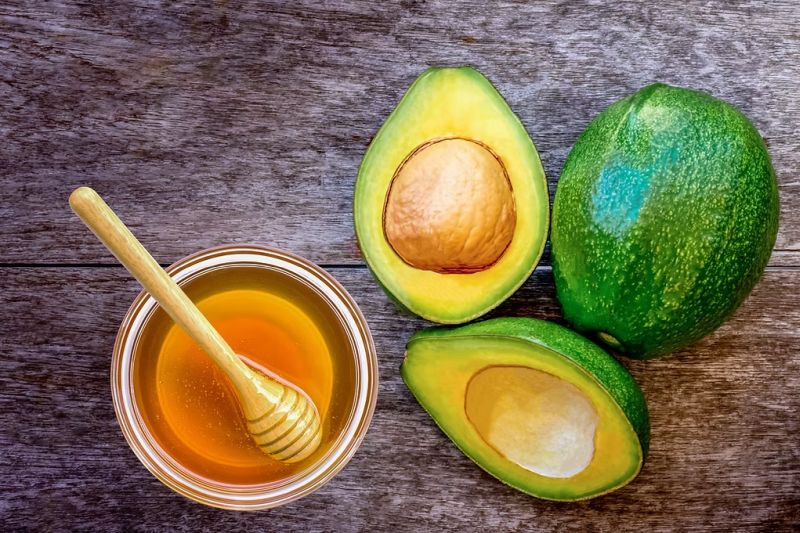
HONEY AND AVOCADO MOISTURISING MASK for dry skin

For an intense dose of hydration, this creamy mask combines the moisturising properties of honey and avocado, leaving the skin soft and supple.

How to make it:

Mash: Mix 1 tablespoon of raw honey with 1/4 of a ripe avocado in a bowl.

Mix: stir until smooth.

Apply: Spread the mixture all over your face.

Relax: wait 20 minutes.

Rinse: Wash off with warm water.

Why it works: Raw honey is a natural moisturiser, its antibacterial properties make it an excellent choice for acne-prone skin, while its soothing effect can relieve irritated and sensitive skin. When combined with ingredients such as turmeric, its anti-inflammatory benefits are enhanced.
HONEY FACIAL CLEANSER

Incorporate lemon into your skincare routine with this brightening facial cleanser. The astringent properties of lemon complement the moisturising touch of honey for a clean and luminous complexion.

Ingredients:

2 tablespoons of raw honey

1 tablespoon of fresh lemon juice

How to prepare:

Mix: Mix the honey and lemon juice in a bowl until well combined.

Brighten: Gently massage the mixture onto your face, avoiding the eye area.

Rinse: Rinse with cold water to reveal fresh, glowing skin.

Why it works: Lemon juice, rich in vitamin C, works wonders to reduce dark spots and even out skin tone, while honey ensures that skin stays hydrated.
HONEY and SUGAR SCRAB

This exfoliator we have designed combines the natural antibacterial properties of honey with the exfoliating power of granulated sugar to offer a simple yet luxurious skincare treatment.

Sugar is an excellent natural exfoliant that helps remove dead skin cells. Its fine grains allow for gentle yet effective exfoliation. In addition, sugar contains natural glycolic acids that promote cell renewal and help keep skin young and healthy.

Honey has exceptional antibacterial and moisturising properties. It acts as a humectant, helping the skin to retain moisture. It is also rich in antioxidants, which protect the skin from damage caused by free radicals.

Therefore, with this recipe combining honey and sugar, and a squeeze of lemon, mechanical exfoliation occurs thanks to the granulated sugar, as well as chemical exfoliation due to the synergistic combination of the antioxidants in honey, the brightening lemon juice and the natural glycolic acid contained in sugars.

Ingredients:

½ cup granulated sugar (white or brown, whichever you prefer!)

¼ cup raw honey

A splash of fresh lemon juice (optional, for extra shine)

How to prepare it:

Mix: In a bowl, mix the sugar and honey. If you are using lemon juice, add it now. Stir until you have a sticky, golden mixture.

Exfoliate: Apply this sweet mixture to damp skin using gentle circular motions. The sugar granules will remove dead skin cells, while the honey will moisturise and soothe.

Rinse: Rinse with warm water and pat your skin dry.

Why it works so well: This scrub has a triple effect: it exfoliates, brightens and moisturises. Sugar acts as a natural exfoliant, removing dead skin without harsh chemicals, while honey is a humectant that draws moisture to the skin and ensures it stays hydrated and supple.
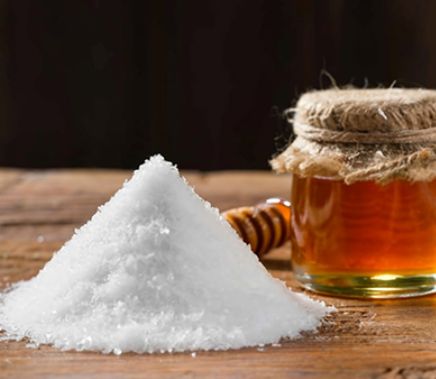
OUR MINIMALIST RECIPES WITH HONEY AND GLYCERINE

DAY CREAM WITH SPF AND HONEY to prevent pigmentation spots

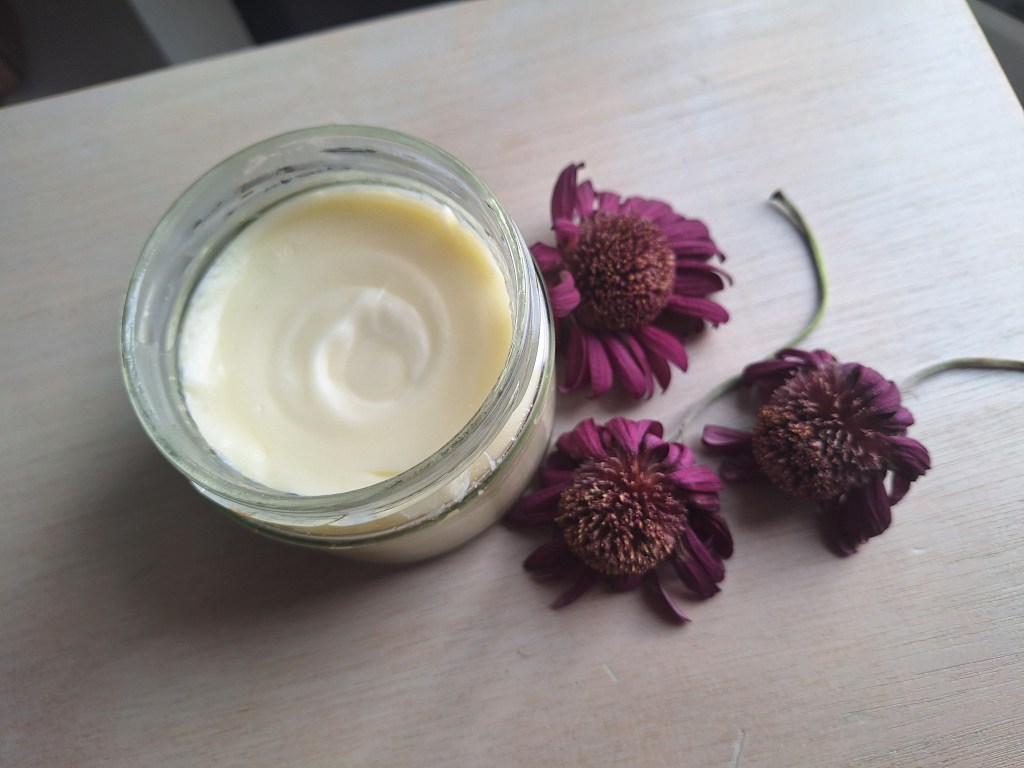
In this cream, the amount of zinc oxide we add will determine its ability to protect us from solar radiation. We must consider that zinc oxide has an SPF of approximately 15. Therefore, if you do the math, you will see how much you should add according to your needs. We have added 2 grams as standard.

Ingredients for a container of approximately 100 grams of cream:

70 g copal oil or bakuchiol oil*

6 g beeswax

1 teaspoon of zinc oxide and 1 teaspoon of cocoa powder, which we will mix and pulverise beforehand in a ceramic mortar.

1 teaspoon of honey

1 tablespoon of shea butter and

2 vitamin E capsules*

*Vitamin E makes the skin less prone to sunburn by limiting the cellular damage caused by the sun.

*Both balsamic resin oils (copal, frankincense, myrrh, etc.) and bakuchiol oil have a similar effect on the skin to retinol or vitamin A.

Bakuchiol, in particular, is a natural alternative to retinol that offers similar benefits for the skin, but with less irritation. It stimulates collagen production, reduces fine lines and wrinkles, improves elasticity and firmness, and protects against environmental damage. It is also a powerful antioxidant and can help soothe sensitive skin.

Resins, whether copal, frankincense, myrrh, etc., provide so many natural antioxidants that they prevent the fats with which they are macerated from oxidising easily. Similarly, the antioxidants they provide to the skin stimulate collagen production and protect against environmental damage.

Other oils to consider for stimulating collagen production, promoting skin regeneration and preventing the appearance of spots and sun lentigines are: ginseng, turmeric, liquorice, arbutin or uva ursi, cranberries, chamomile + green tea, etc.
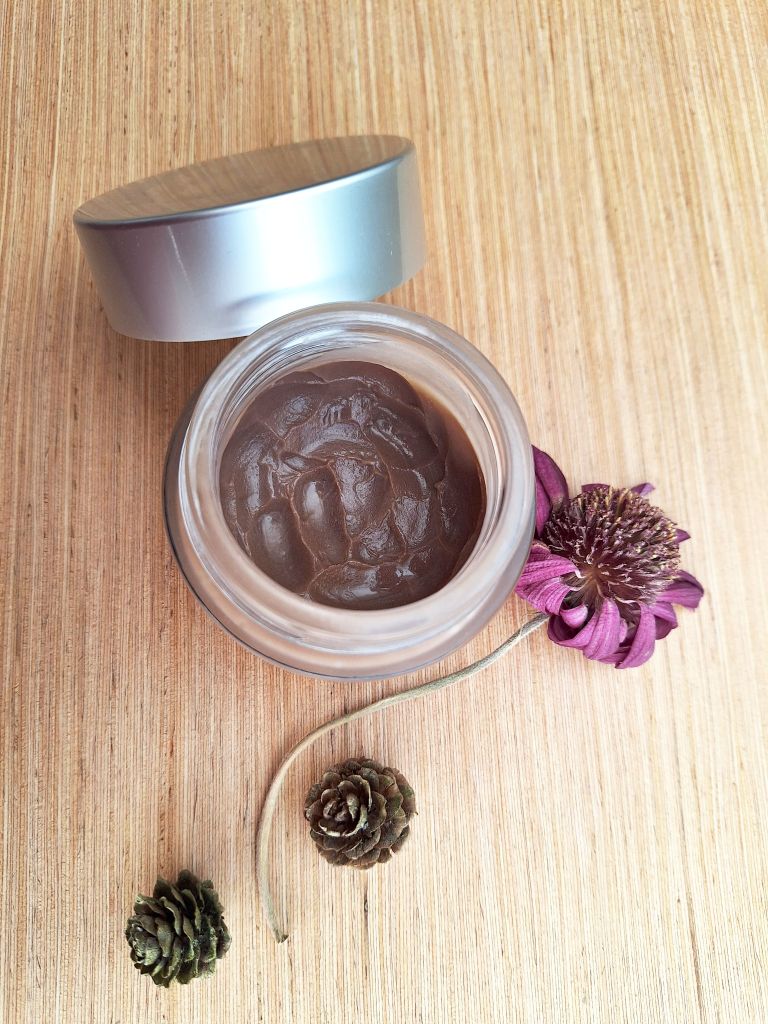
PREPARATION:

As mentioned above, first pulverise and mix the zinc oxide and cocoa powder in a ceramic mortar so that both can be fully incorporated into the mixture with the oils.

Next, place the beeswax and copal oil in a double boiler and, once melted, add the shea butter and the zinc oxide and cocoa mixture.

Stirring continuously, finally add the honey and vitamin E capsules, which are heat-sensitive substances. Remove from the heat.

We will store it in a small glass jar so that it is preserved in the best possible way. As this cream does not contain any water, it does not need any preservatives, only vitamin E to prevent oxidation. This means that it has a fairly long shelf life.

The addition of honey gives this cream a unique moisturising sensation when applied to the skin. The effect is such that we will not miss a cream with an aqueous phase. However, we will avoid having to add synthetic preservatives.

STORAGE: We will undoubtedly finish it long before any of its components can go rancid. In any case, this type of cream without an aqueous phase does not, in principle, have an expiry date. This is even more so with the addition of honey, which, due to its intrinsic slightly antimicrobial nature, keeps it in perfect condition.

In addition, we would like to add that we have used a copal oil, that is, copal resin infused in olive oil, and this type of oil does not even go rancid. Virgin olive oil is also slightly antimicrobial in itself, and this, combined with the antioxidant properties of the resin, makes it a very durable oil/macerate.

THE OPTION with SPF 15: If you really want to protect your skin from the sun on a daily basis, this option will provide you with a stronger protective screen. To do this, we will add 2 g of zinc oxide + 1 g of cocoa powder, which we will mix and pulverise beforehand in the ceramic mortar.

THE BLEMISH BALM SUNSCREEN OPTION

As zinc oxide has a covering effect on the skin, leaving a white veil without the addition of cocoa powder, another idea is to add a “skin-coloured” mica instead of cocoa powder to create a blemish balm-type cream with sun protection factor. This cream would serve not only as a sunscreen but also as a mattifying base cream to cover skin imperfections.
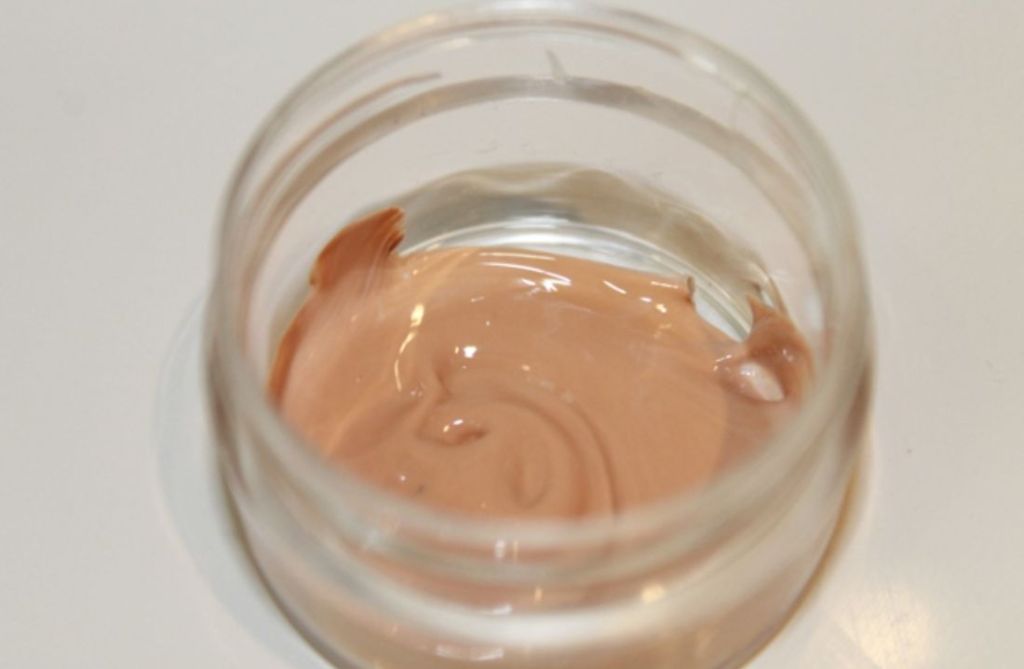
BATH GEL for intimate areas

This simple and easy-to-prepare recipe is, however, indispensable for use as: a wash gel for intimate areas, a very gentle shower gel for problem skin, and a wonderful bath gel for babies’ sensitive skin.

Ingredients:

Two parts coconut betaine surfactant

One part honey

Or, if you prefer, for a 100 ml container, you will need:

Approximately 60 g of coconut betaine x

Approximately 40 g of honey

We have already discussed HONEY and its properties at length.

We would just like to add that COCONUT BETAINE is the mildest and most natural surfactant we can use on our skin. Betaine is a natural amino acid and osmolite, commonly derived from sugar beet, which plays a crucial role in maintaining skin hydration.

The gentle cleansing properties of betaine make it an excellent choice for sensitive skin, effectively removing impurities without stripping the skin of its natural moisture.
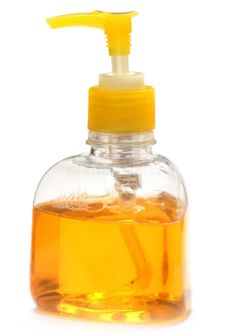
OLIVE OIL AND HONEY-BASED BATH OIL

35 g Turkey Red oil*, i.e. sulphated castor oil

30 g olive oil (pomace oil)

One tablespoon of honey (between 10-15 g)

One tablespoon of glycerine

Optionally, a mixture of geranium, lemon and petitgrain essential oils.

PREPARATION PROCEDURE:

Mix all the ingredients in a bottle and shake well to combine.

USE: Prepare a hot bath and add a few tablespoons of oil while the tap is still running. Due to the lemon essential oil, be sure to rinse thoroughly if you are going to be outdoors a few hours after your bath to avoid getting sunburned. However, if you are going to bed, don’t worry.

*Turkey Red Oil is also known as Sulphated Castor Oil. A process known as sulphation is used to manufacture Turkey Red Oil in which pure castor oil is exposed to sulphuric acid. This process has been known for more than a hundred years. Through this process, castor oil becomes miscible with water while still retaining its moisturising properties. Turkey Red Oil dissolves easily in water. This is especially suitable for the production of water-dispersible bath oils and personal care products. Other lipids and essential oils are also soluble in Turkey Red Oil.
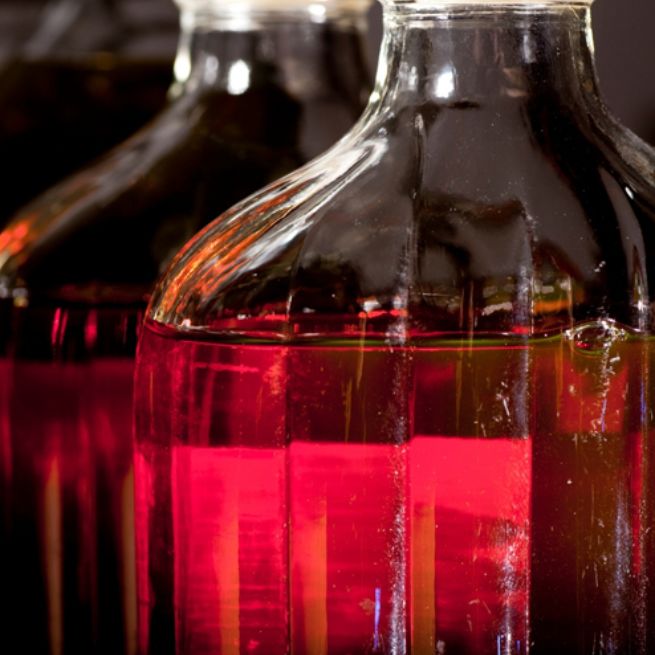
SHOWER GEL FOR ATOPIC SKIN based on honey and coconut oil

Adding raw honey to the bath is known to moisturise and cleanse the skin at the same time. With the addition of coconut oil, it becomes a shower gel.

That is why we have created this recipe for homemade honey-based shower gel, which is suitable for all skin types, even the most sensitive, such as babies’ skin or skin affected by dermatitis.

Ingredients for approximately 150 ml of product:

50 g coconut oil

50 g liquid honey

50 ml of coconut betaine

A few drops of your favourite essential oil, such as grapefruit, orange or even rosemary…

STORAGE: It will keep for about 3 months in optimal conditions, although the idea is that you use it up before then. Naturally!

PREPARATION:

Slowly heat the coconut oil in a bain-marie until it becomes liquid.

Add the honey and mix well.

Gradually add the liquid soap. Mix carefully to prevent foaming.

Finally, add the essential oils.

Stir well and pour into a pretty jar.

You may notice that the cleansing gel tends to separate, simply shake it before each use.
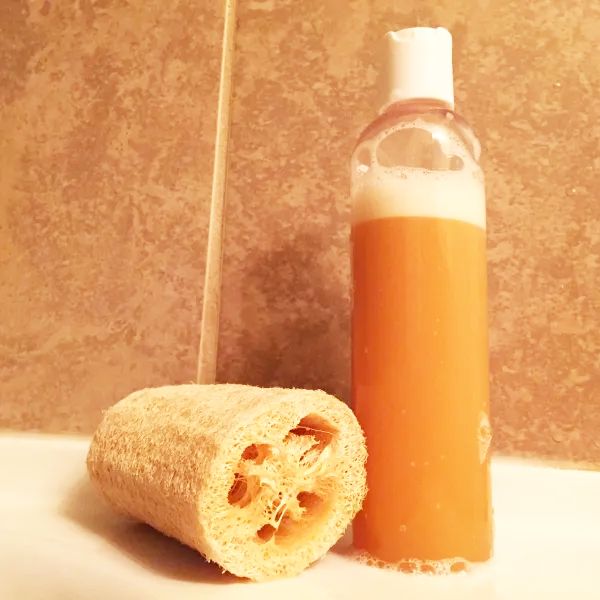
HONEY-BASED SHOWER GEL FOR ATOPIC SKIN

Adding raw honey to your bath is known to moisturise and cleanse the skin at the same time. That’s why we’ve created this homemade honey-based shower gel recipe, which is suitable for all skin types, even the most sensitive, such as babies’ skin or skin affected by dermatitis.

Ingredients for approximately 100 grams of product:

25 g distilled water

5 g SCS surfactant

9.5 g liquid surfactant, such as coco glucoside (creates more lather) or simply coconut betaine, which is gentler on the skin.

3.5 g vegetable glycerine

50 g honey

About 10 drops of lactic acid, to compensate for the alkaline pH produced by the surfactants.

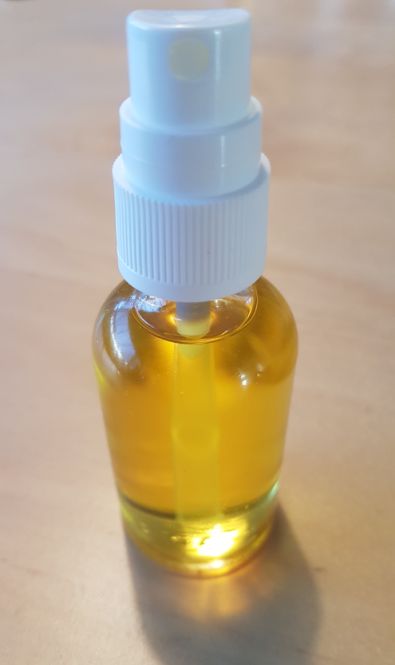
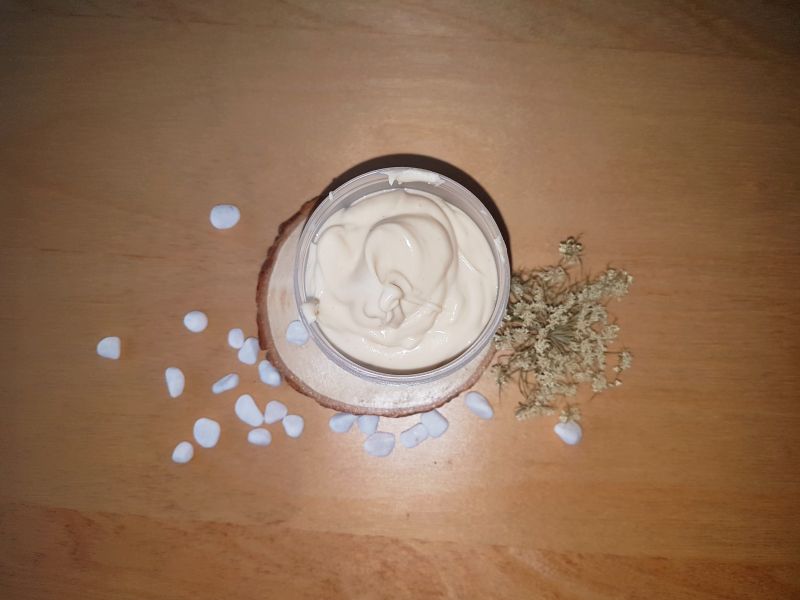
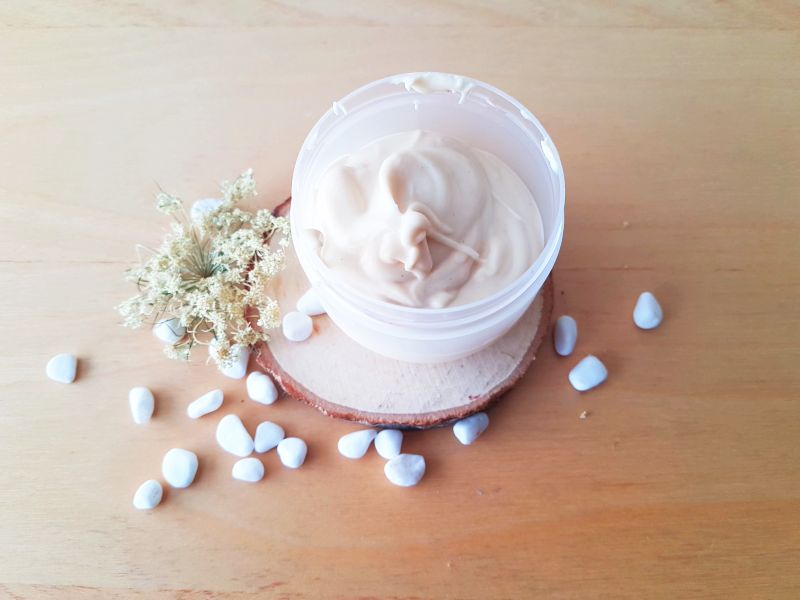
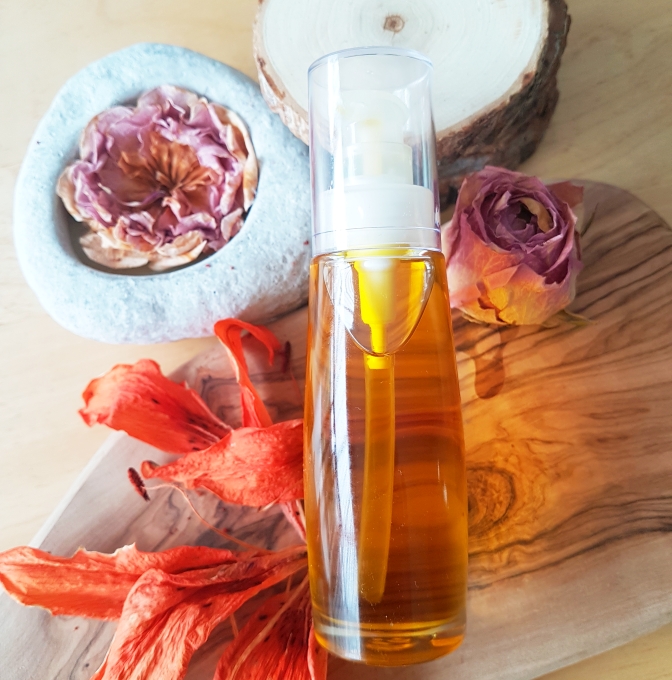
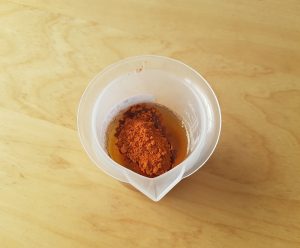
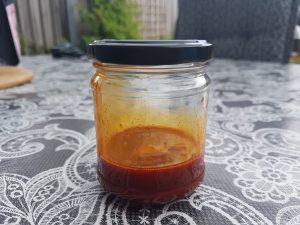
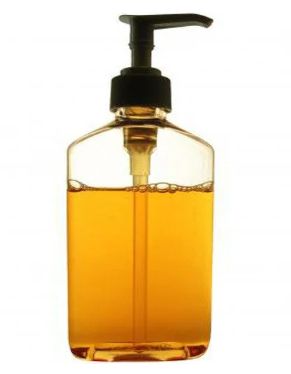
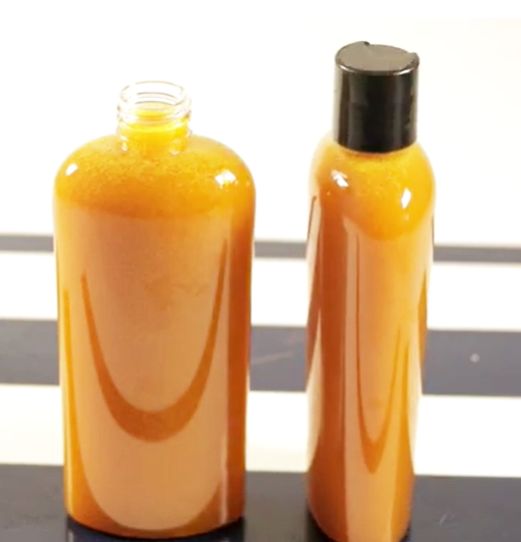
Optionally, if you want to achieve the orange colour of the shower gel in our photo, add a tablespoon of turmeric at the end, which is also excellent for detoxifying the skin.

PREPARATION:

Start by heating the distilled water, then begin to dissolve the SCS powdered surfactant in it, stirring gently until it is completely dissolved and integrated. If you see too many bubbles forming, you can spray a little alcohol on them to reduce them.

Add the liquid surfactant to the mixture, followed by the vegetable glycerine.

Finally, add the honey, stirring well, and the drops of lactic acid.
In the end, it’s just between us and the bees. 😊

VEGETABLE GLYCERINE

Glycerine is a clear, viscous liquid which, as we said, has moisturising and skin-protecting properties. It is an organic compound based on sugar alcohol with a viscous consistency and no colour, which is present in all natural fats, whether of animal or vegetable origin. This substance has the peculiarity that it must always be used diluted in water or mixed with other ingredients and oils, as this softens the skin. On the other hand, if we use it in its pure form, it dehydrates the epidermis.

Glycerine appears in the INCI of many commercial cosmetic formulations under the name “glycerol”. The word “glycerol” comes from the Greek Glykos (meaning sweet) and dates back to the 6th century BC, as the Phoenicians are credited with the alchemical knowledge of making glycerine soap.
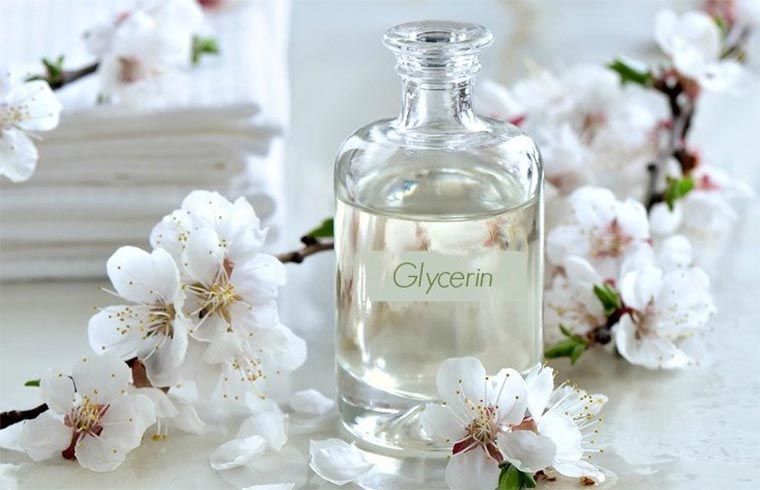
GLYCERINE IS HIGHLY BIOAVAILABLE

Glycerine is even found in our own skin, which is why this ingredient is bioavailable, meaning it is compatible with the skin and easily absorbed by it. It is a substance that the skin needs when it is deficient. For all these reasons, it is very common to find it in the formulation of many cosmetic products, including soaps and emollient products.

Liquid glycerine of vegetable origin is a highly emollient (prevents water loss or dehydration) and hygroscopic product, therefore moisturising for the skin and hair, making it a staple in homemade cosmetics.

It is a powerful moisturiser that absorbs and retains moisture, making it ideal for all skin types, especially dry and dehydrated skin.

Finally, it is an excellent solvent for integrating both organic and mineral ingredients into preparations, as well as an extractor of active ingredients in herbal macerations.

APPLICATIONS IN HOME-MADE NATURAL COSMETICS

One of the main qualities of vegetable glycerine is that it helps to restructure the lipids found in the stratum corneum. This results in an improvement and increase in skin elasticity.

This ingredient also helps to reduce the time it takes for wounds to heal. In fact, it has been proven to reduce this time by up to 25%. Therefore, it is a perfect ally for helping the skin recover more quickly. That is why many products for dry and damaged skin include it. As we said, glycerine is a great moisturiser. In other words, it is able to retain moisture in our skin. In this way, it can become the best remedy for dry skin in need of emollient compounds.

*A cream with emollient properties softens, smoothes and protects the skin by creating a barrier that prevents moisture loss. Emollients help keep the skin hydrated, supple and healthy, and are used to treat or prevent dryness, roughness, flaking, itching and conditions such as atopic dermatitis.

These moisturising and emollient qualities of glycerine give it anti-ageing and anti-sagging properties that are used in cream recipes for mature skin.

In addition, glycerine defends the skin from environmental aggressions by helping to create a protective layer, thereby accelerating wound healing and even soothing sunburn. For this reason, it has also earned a place in the formulation of many sunscreen products.

It is even used in hair care products to treat dry, brittle hair. Glycerine moisturises the hair from the inside out, stimulating growth and preventing dandruff.

It is a key ingredient in products used for the well-known curly method. This is due to its ability to soften, protect and define the hair fibre. It makes curls more hydrated, less frizzy and healthier.

IN GENERAL: in all types of recipes for making body and facial creams and lotions.

In recipes for natural serums, such as those provided below.

In recipes for natural shampoos and hair masks…

It will add a touch of softness when added to emulsions, shower gels, and solid and liquid soaps. In soaps, it is recommended not to use more than one teaspoon per kilo of soap, as too much will soften it considerably.

CAUTION: The only precaution with glycerine is that, as it is hygroscopic and tends to absorb moisture from its surroundings, it is important that the product we design contains enough water to retain the glycerine; otherwise, it would not moisturise, but could cause some dehydration.

How is glycerine obtained?

The method used to obtain this natural component consists of the saponification of fatty acids, which make up its triglyceride. This saponification is carried out through a reaction with an alkali, causing the glycerine to be released.
GLYCERINE AS AN EXTRACTOR OF PRINCIPLES

Glycerine is good for the skin, but it is also used in countless areas that have little to do with cosmetics. In fact, it also has certain properties that make it particularly suitable for use as a preservative and thickening agent in the food industry.

One of the main uses of glycerine in natural cosmetics is as an excellent solvent, which means we can also use it to create hydroglycerine extracts (water and glycerine) for any cosmetic recipe.

Personally, we prefer glycerites to hydroglycerinated extracts because they greatly facilitate preservation. A dry plant extract in glycerine has a very long shelf life, whereas if we add water, we may have to add some kind of preservative.

Furthermore, when combining glycerine extract or glycerine in any of our formulations (serum, cream, etc.), we can always add an aqueous phase if necessary. This means that we can have prepared our extract two months in advance and it will still be fine.

*According to the IA: The main difference between a hydroglycerine extract and a glycerite is that a hydroglycerine extract is obtained by macerating a plant in a mixture of water and glycerine, while a glycerite is a type of extract that uses only glycerine as a solvent. Both extract the active ingredients from plants, but they use different solvents, which affects their properties and applications.
MACERATIONS IN VEGETABLE GLYCERINE

It is important to know that vegetable glycerine (or glycerol) is a colourless, odourless alcohol, viscous at room temperature, which is soluble in both water and ethanol, although it is insoluble in oils.

As mentioned above, one of the most common uses of glycerine is in macerations with plants to extract their active ingredients and produce hydroglycerine extracts.

CONVENTIONAL PROCEDURE: Fill about 3/4 of the jar with dried plant material, then pour in a 50/50 solution of liquid glycerine and distilled water until most of the jar is covered. As we said, we never do it this way because we prefer not to use water, which forces us to use a preservative and limits the shelf life of our extract.

What we do is grind the dried plant beforehand, so that it becomes a fine powder, making it very easy to extract its qualities in the glycerine.

Next, we put our dried plant powder into a glass jar with glycerine, in a ratio of one part powder to 3-5 parts glycerine, so that the plant is well covered. In a few weeks, our extract will be ready. It is advisable to stir it every other day to facilitate extraction.

HOW TO PREPARE A GLYCERIN EXTRACT WITH HERBAL ACTIVE INGREDIENTS?

To prepare a glycerine herbal extract (a glycerite), it is advisable to ensure that the plant we are going to use is completely dry, thus avoiding the added problems of mould and bacteria. Once dry, it is advisable to grind it into a fine powder.

You can use a ceramic mortar, but a coffee grinder is quicker and works very well.

We will use a glass jar, which we will have previously sterilised with alcohol, to macerate the plant in natural vegetable glycerine and thus obtain our extract.

In general, use 1 part powdered plant to 3 to 5 parts glycerine, depending on the size of the jar and the amount of extract you want to obtain. The plant must always be well covered by the glycerine.
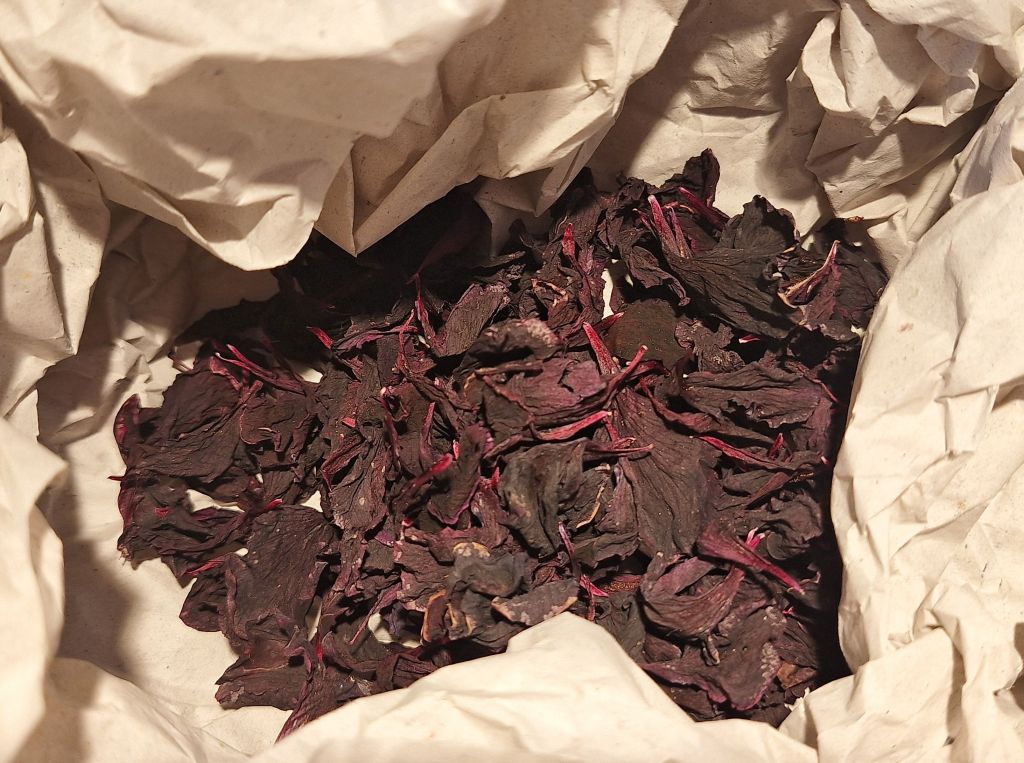
HOW TO PREPARE glycerine extract of geranium

You will need:

2 grams of powdered geranium petals

And between 40 and 60 grams of vegetable glycerine

PREPARATION:

Place 2 grams of geranium powder in an airtight glass container and add about 50 grams of vegetable glycerine.

Close the container and store it in a place with a stable temperature. Stir it daily.

After approximately one week, the extract will be ready.

We will then filter it with gauze or a fine mesh sieve and we can now pour it into the glass container we have chosen for this purpose.

With AMLA, which usually comes in powder form, follow exactly the same procedure.

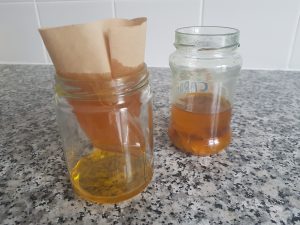
We then filter our extract through a paper coffee filter or a fine stainless steel sieve.

With the coffee filter, it takes all day, but with the sieve, we can obtain our filtered extract in less time.

We then store it in an airtight glass container and label it with the date of manufacture.

STORAGE: Once prepared, we can leave it for a year, protected from heat and direct light, and it will remain in perfect condition.

And, of course, we will take it out of the jar to add our extract to our natural cosmetic formulations.

Below is a video example of the process of extracting glycerine extracts according to Cecil Vig. This video clearly shows the process to follow to prepare all types of extracts. In this case, she uses beetroot powder, but the same applies to any other plant or herb, such as geranium powder, amla powder, etc.

1. The first step is to obtain a powdered herbal extract from the chosen plant. To do this, first dry it, then grind it in an electric coffee grinder until you obtain a fine powder.

2. The second step is to add 3 to 5 times the amount of glycerine needed to cover this powdered extract. It is best to do this in a sterile glass container with an airtight lid, which we can stir daily for a few days until we obtain our glycerine extract.

3. The third step is to filter it through a very fine sieve or gauze cloth to remove the plant debris and leave us with the glycerine macerate. This macerated extract can now be used directly in our cosmetic preparations, as shown in the photograph.

AMLA GLYCERINE EXTRACT

Although extraction in distilled water is more common, it is possible to extract the components of amla powder using glycerine. Glycerine can act as a solvent for many of the beneficial properties of amla. Personally, we really like the final result which, once filtered, can be applied directly to the skin to appreciate the fantastic moisturising properties it provides.

How to perform glycerine extraction (basic method)

Mix: Combine the amla powder with vegetable glycerine in a container. You can use a ratio of 1 part powder to 5 parts glycerine, adjusting according to the desired consistency. Our advice is not to use too much amla powder because it expands and thickens a lot when glycerine is added.

Resting: Leave the mixture to rest for a while, at least a couple of days, so that the compounds in the amla are transferred to the glycerine.

Filtering: Pass the mixture through a fine filter or gauze to separate the liquid from the solids.

Additional considerations:

Solvents: Glycerine is a solvent, but water can also be used to extract nutrients from amla, as the powder is water-soluble.

Use of glycerine: Glycerine is a thick liquid, so the result will be a more concentrated mixture with a different texture than a simple water infusion.
Applications:

This glycerine extract can be used in many different homemade cosmetic preparations. For example, it is very useful in the production of creams for mature skin due to its richness in natural polyphenols and stable vitamin C.

Yes, you read that right, the vitamin C in amla is more stable and degrades much less than ascorbic acid (a synthetic active ingredient isolated from plants that contain it), which also requires complex formulations to ensure its stability.

VITAMIN C IN AMLA:

Like any vitamin C, the high vitamin C content in AMLA degrades with prolonged exposure to air, light, and heat. However, it is known that: “The vitamin C in amla is significantly more stable than isolated ascorbic acid, as it is bound to polyphenols and tannins, a class of antioxidants. Stability also depends on the drying method, as freeze-dried powder retains more vitamin C, and proper packaging is essential to maintaining quality.”

Therefore, although some vitamin C loss during processing is inevitable, amla powder is considered a good and relatively stable source of vitamin C, as the vitamin is naturally protected by its other components. For maximum benefits, choose a well-packaged amla powder.

In addition to anti-ageing creams and serums, it is used in anti-acne cosmetic preparations, face and hair masks, anti-hair loss shampoo recipes, toothpastes, massage oils and natural soaps.

PROPERTIES OF AYURVEDIC AMLA POWDER

Amla powder is rich in vitamin C and polyphenols and has antibacterial, anti-inflammatory, tonic and skin regenerating properties.

Its high vitamin C and polyphenol content makes it an excellent antioxidant and regenerator for the skin and hair. It is highly recommended for dull, devitalised skin prone to acne.
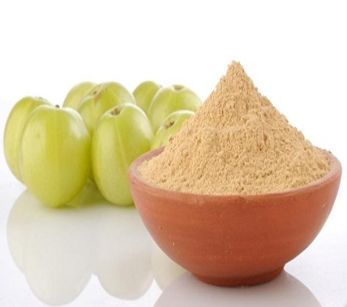
OTHER AYURVEDIC PLANTS WITH REGENERATIVE PROPERTIES for the skin

In addition to amla powder , which have antibacterial and anti-inflammatory properties, neem powder is also worth considering. Although its bactericidal and fungicidal effects are well known for the ecological treatment of pests, its beneficial effects in other areas, such as skin care, are less well known. Neem is particularly beneficial for skin affected by acne, dermatitis, eczema or psoriasis. It is also a powerful natural anti-inflammatory and moisturiser that soothes dry skin, helps heal wounds and burns, and has anti-ageing properties. In addition, it can improve pigmentation, relieve sunburn and irritation, and act as an insect repellent.

Alkanet root is used for hair growth or on the skin to heal wounds and nourish it. This root is insoluble in water, so it is prepared in oil. A popular recipe: Soak the alkanet root in warm coconut or sesame oil for a few hours until the oil turns a deep red colour. Use: Apply to the scalp to en te hair growth or to the skin to heal wounds and nourish it. It is even said that by using ratanjot powder regularly, grey hair will naturally darken, restoring its original colour over time.

Walnut extract powder. Walnut tincture is known to be antifungal and antibacterial, hence its use in natural medicine. Walnut extract powder also has antioxidant, anti-inflammatory, astringent and healing properties that benefit the skin. It is useful for reducing acne and excess oil, soothing irritations such as eczema, exfoliating the skin, and combating signs of ageing by protecting cells. It also aids wound healing and lightens blemishes. This powder can be macerated in either glycerine or a high-quality oil. In both cases, it is a valuable addition to our homemade cosmetic preparations.

Black clay is also regenerating, healing, nourishing, and toning

Ashgawandha powder is another plant with antioxidant and regenerative properties, making it an excellent product for pro-ageing and healing cosmetics.

Rosehip powder keeps the skin healthy and promotes the healing of wounds and burns. It is rich in vitamins such as A, C, E and D.

NIACINAMIDE SERUM with 3 INGREDIENTS

This facial serum recipe is particularly suitable for sensitive skin affected by pigmentation spots because it evens out skin tone and moisturises the skin, as glycerine is a great moisturiser. Geranium also has interesting regenerative properties.

INGREDIENTS:

Geranium extract macerated in glycerine.

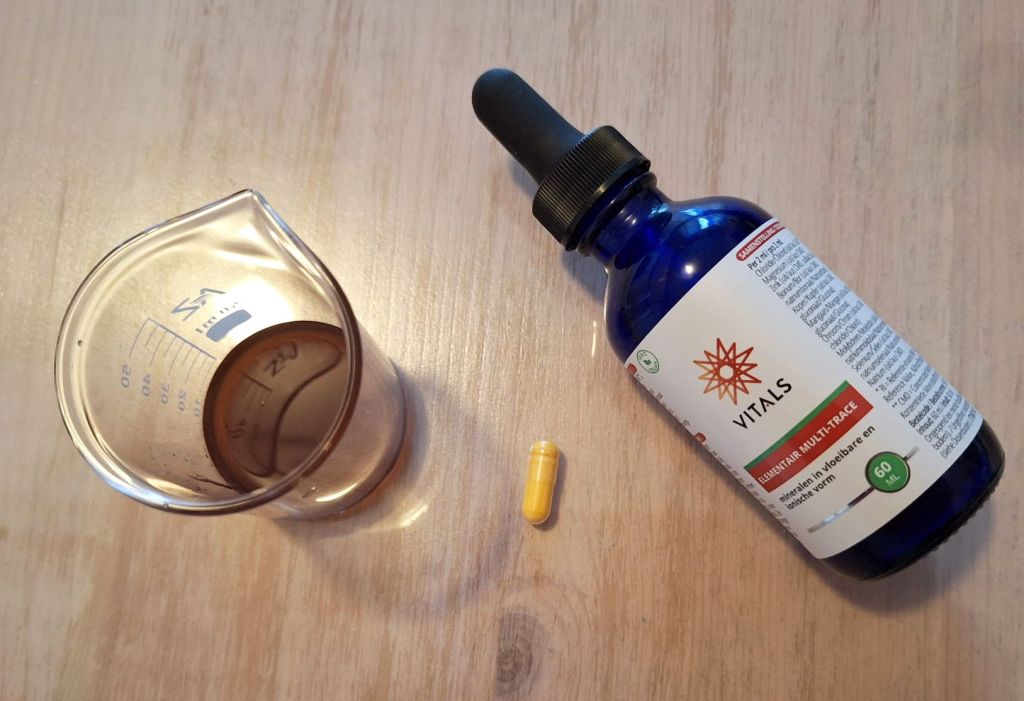
One capsule* of niacinamide for a 30 ml dropper bottle.

A hydrolate or mineral salt water or ozonated distilled water or simply distilled water.

*Personally, we usually use water with trace elements from VITAL, which is intrinsically preserved and contains trace elements that are very beneficial for the skin, such as zinc and copper.
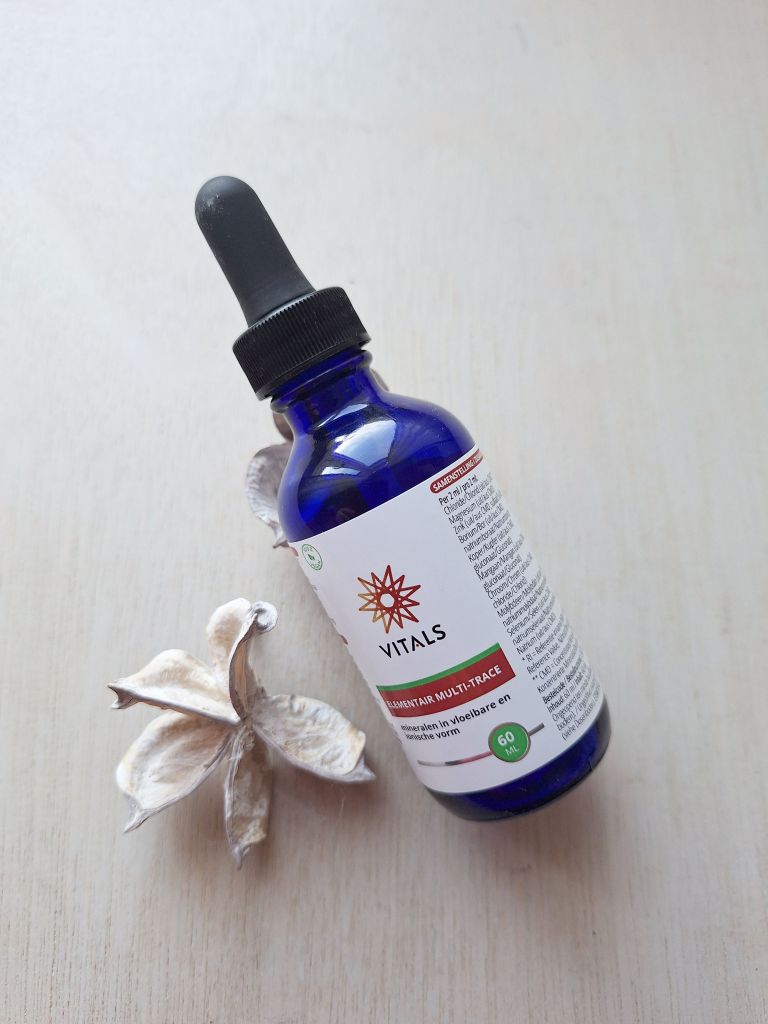
*This water with trace elements is marketed, in principle, as an ionic mineral supplement based on “Concentrated Mineral Drops” (CMD) from the Great Salt Lake, Utah (USA). It contains a full spectrum of minerals and trace elements with additional additions of zinc, copper, boron, selenium, chromium, manganese and molybdenum, which are very easy to absorb thanks to their dissolved ionic form.

It is not that we are dedicated to promoting certain supplements in this blog, we only recommend them sometimes if, after trying them, we find them useful for our readers interested in cosmetics and natural medicine.

In any case, as we said, it is possible to simply use distilled water, ozonated distilled water or a hydrolate of your choice.

PREPARATION:

First, macerate the powdered geranium petals in a small glass jar with 3 parts glycerine to 1 part geranium powder. Leave it closed for a couple of weeks, stirring frequently.

Now extract about 15 ml of this macerate and mix it with about 15 ml of hydrolate. Add the niacinamide capsule (food grade is always best) to the mixture, stirring continuously. Once the 3 components are well mixed, pour into a small glass dispenser bottle for easy application.

USE: The facial serum recipes we have designed on this page can be used daily without any problems, as they do not alter the skin on our face. However, it is always a good idea to combine them with other serums or creams to enhance the effects of the treatments.

Both the niacinamide capsule and the coenzyme Q10/hyaluronic acid and astaxanthin capsule that we will use in the following facial serum recipes are all “food grade”, which can be found in natural medicine shops. This is because, although it is possible to find these components in cosmetic supply shops, we personally believe that the more bioavailable an ingredient is, the more effective it will be in our product.

We believe that bioavailability equals effectiveness.

* If we are going to make more serum, we will need to add more niacinamide, but this is never a good idea with this type of totally natural, preservative-free product, as you know. The idea is to consume them quickly and frequently.

We cannot guarantee this product because we do not sell it, hehehe, but we do guarantee the recipe. If you want to have skin like a baby’s bottom, use this serum 2 to 3 times a week, preferably at night.

Oh, and don’t add any preservatives because this serum doesn’t need them. Preservatives, in general, even the mild ones (otherwise they wouldn’t be effective), alter our skin microbiome. The famous microbiota that everyone is talking about nowadays, so the results you get will not be the same, I’m sorry to say. ☹
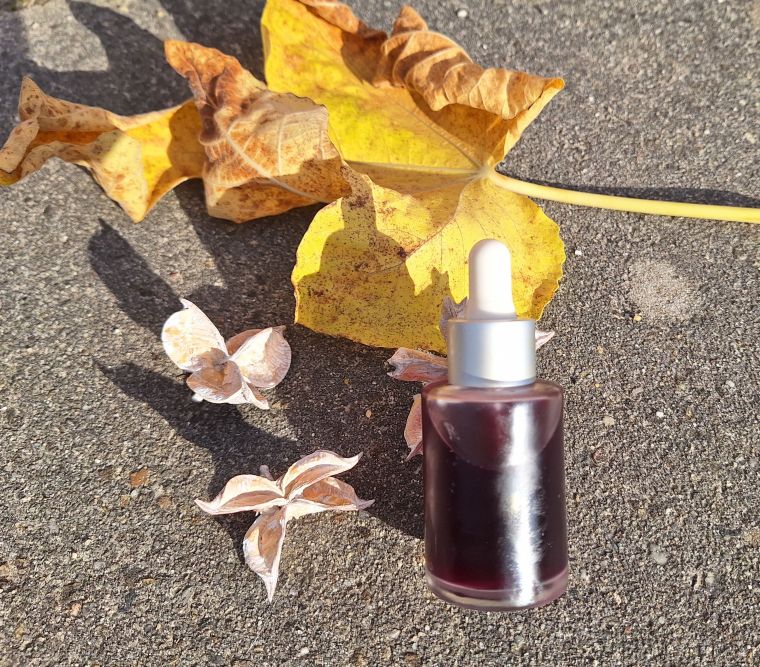
WHY A NIACINAMIDE SERUM?

Simply because it is a vitamin (vitamin B3) that cares for our skin and is suitable for all skin types: dry, oily or sensitive…

It has numerous properties, such as:

Reduces blemishes (even melasma*) and evens out skin tone

It regulates sebum in oily or combination skin and improves the texture of this type of skin by helping to close pores.

It soothes inflammation and improves redness and sensitivity in sensitive, dry or damaged skin.

It strengthens the skin barrier, which is important for skin affected by rosacea or even acne scars.

And, in general, it boosts hydration when combined with other active ingredients, such as panthenol (pro-vitamin B5)*, aloe vera or hyaluronic acid…
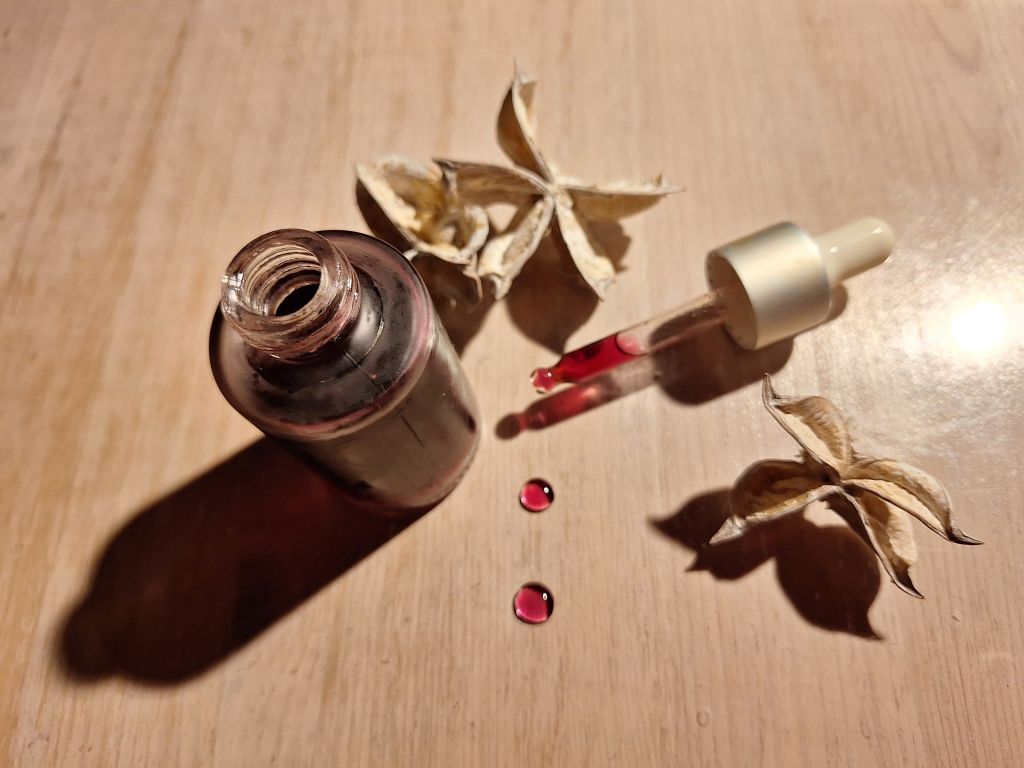
*Melasma is a specific type of hyperpigmentation characterised by dark, symmetrical patches, mainly on the face, and is strongly influenced by hormonal factors and sun exposure. In contrast, “pigment spots” is a general term for any darkening of the skin, which can be caused by a variety of factors such as sun exposure (solar lentigines), acne (post-inflammatory hyperpigmentation) or ageing, and can appear anywhere on the body.

*Panthenol is a stable form of vitamin B5 (pantothenic acid) that converts to vitamin B5 when it penetrates the skin. It is used in skin, hair and nail care products for its moisturising, soothing and repairing properties.

WHY USE AN OZONATED OIL OR AN OZONATED WATER BASE in our homemade serum?

As we know, ozonated oils help prevent skin blemishes by reducing existing hyperpigmentation and promoting cell renewal. Their action is based on their antioxidant and regenerative properties and their ability to remove dead cells and treat infections that can cause blemishes.

Ozonated water also helps prevent skin blemishes. Its action is due to the removal of dead cells, the disinfection of pores, cell revitalisation and improved blood circulation, which contributes to a more luminous and even skin tone. In addition, the antioxidant properties of ozone help protect the skin.

AMLA SERUM with 3 INGREDIENTS

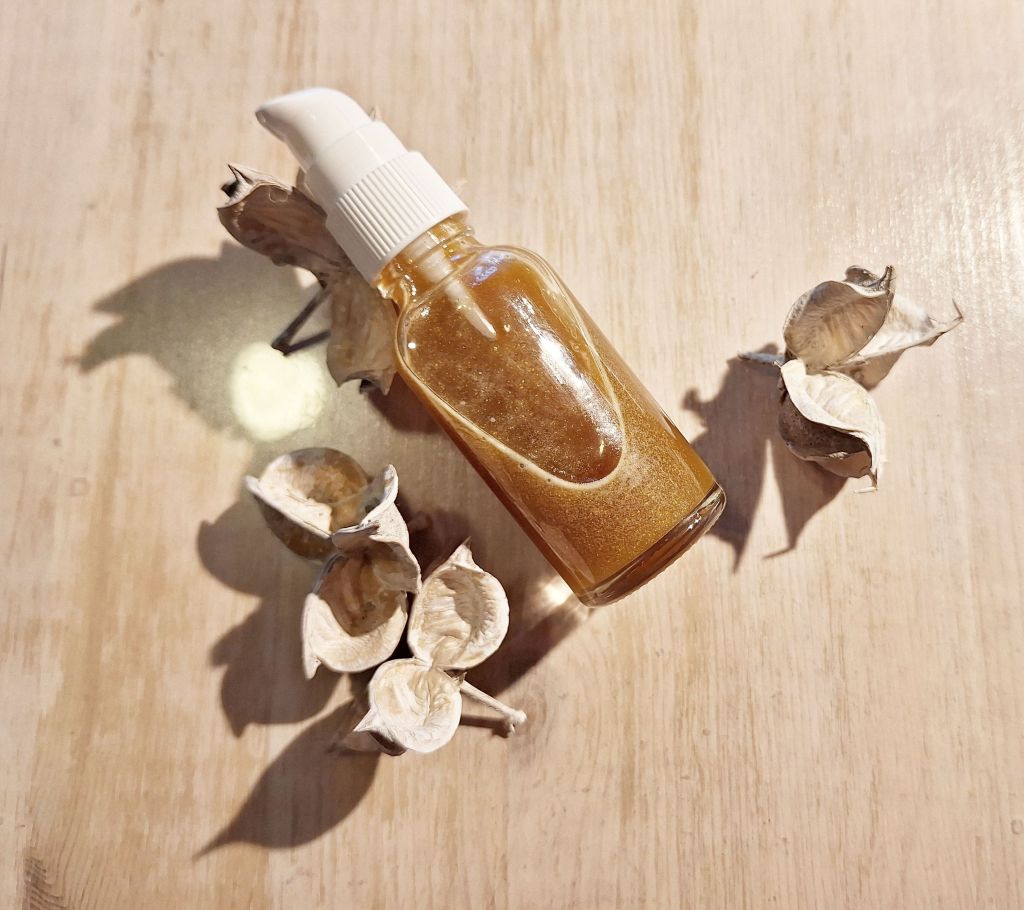
This facial serum recipe is particularly suitable for mature and dull skin that needs vitality and hydration, as glycerine is a great moisturiser. Amla extract provides organic, bioavailable vitamin C and coenzyme Q10, which stimulates collagen and elastin production, reducing wrinkles and combating the negative effects of exposure to solar radiation, which is otherwise unavoidable. The use of hyaluronic acid, instead of coenzyme Q10, also has a moisturising, tightening and regenerating effect on this type of skin.
VITAMIN C IN AMLA:

Like any vitamin C, the high vitamin C content of AMLA degrades with prolonged exposure to air, light and heat. However, it is known that: “Vitamin C from amla is significantly more stable than isolated ascorbic acid, as it is bound to polyphenols and tannins, a class of antioxidants. Stability also depends on the drying method, as freeze-dried powder retains more vitamin C, and proper packaging is essential to maintain quality.”

Therefore, although some vitamin C loss during processing is inevitable, amla powder is considered a good and relatively stable source of vitamin C, as the vitamin is naturally protected by its other components. For maximum benefits, choose a well-packaged amla powder.

COENZYME Q10 has multiple beneficial effects, such as:

-Antioxidant protection: It acts as a powerful antioxidant that neutralises free radicals, protecting the skin from damage caused by the sun (UVA and UVB radiation) and pollution, helping to prevent premature ageing.

-Stimulates collagen and elastin: By stimulating the production of these proteins, it helps maintain skin elasticity and firmness, resulting in a younger, firmer complexion. This makes it particularly suitable for mature or sun-damaged skin.

-Reduces wrinkles and improves hydration: The combination of its antioxidant properties and its ability to increase collagen helps smooth existing fine lines and wrinkles by contributing to the formation of a natural moisture barrier in the skin that helps it look smoother and softer.

-Provides luminosity, just like the vitamin C in amla: This means that both act synergistically. The skin looks brighter, revitalised and more even-toned. And the skin’s lipid barrier is strengthened, protecting it from external and internal aggressions.

THE BENEFICIAL EFFECTS OF HYALURONIC ACID:

Hyaluronic acid is taken orally and is available in tablets and nutritional supplements. There is even a liquid form available, which can be mixed with water and consumed. In our case, we can easily add it to our serum, although it is also possible to do so with the powder version that comes in capsules, as hyaluronic acid is water-soluble. Oral administration also has many advantages, including reducing the discomfort caused by arthritis and improving skin health, as it is a powerful moisturising agent that strengthens the skin barrier.

Basically, it provides intense hydration to the tissues (when taken orally) and to the skin when applied topically. Its filling effect (it increases volume by retaining water) makes the skin look smoother and firmer. As it strengthens the skin’s lipid barrier, the skin looks more elastic and hydrated.

INGREDIENTS:

Amla macerated extract in glycerine.

One capsule* of coenzyme Q10 or hyaluronic acid for a 30 ml dropper bottle.

A hydrolate or mineral salt water or ozonated distilled water or simply distilled water.

PREPARATION:

First, macerate the amla powder in a small glass jar with 5 parts glycerine to 1 part amla, because amla expands considerably. Leave it closed for a couple of weeks, stirring frequently.

Now extract about 15 ml of this macerate and mix it with about 15 ml of hydrolate. Add the capsule of coenzyme Q10 or hyaluronic acid, according to your preference, to the mixture, stirring continuously. Once the three components are well mixed, pour into a small glass dispenser bottle for easy application.

USE: The facial serum recipes we have designed on this page can be used daily without any problems, as they do not alter the skin on our face. However, it is always a good idea to combine them with other serums or creams to enhance the effects of the treatment.
ALKANET+AMLA SERUM with 3 INGREDIENTS

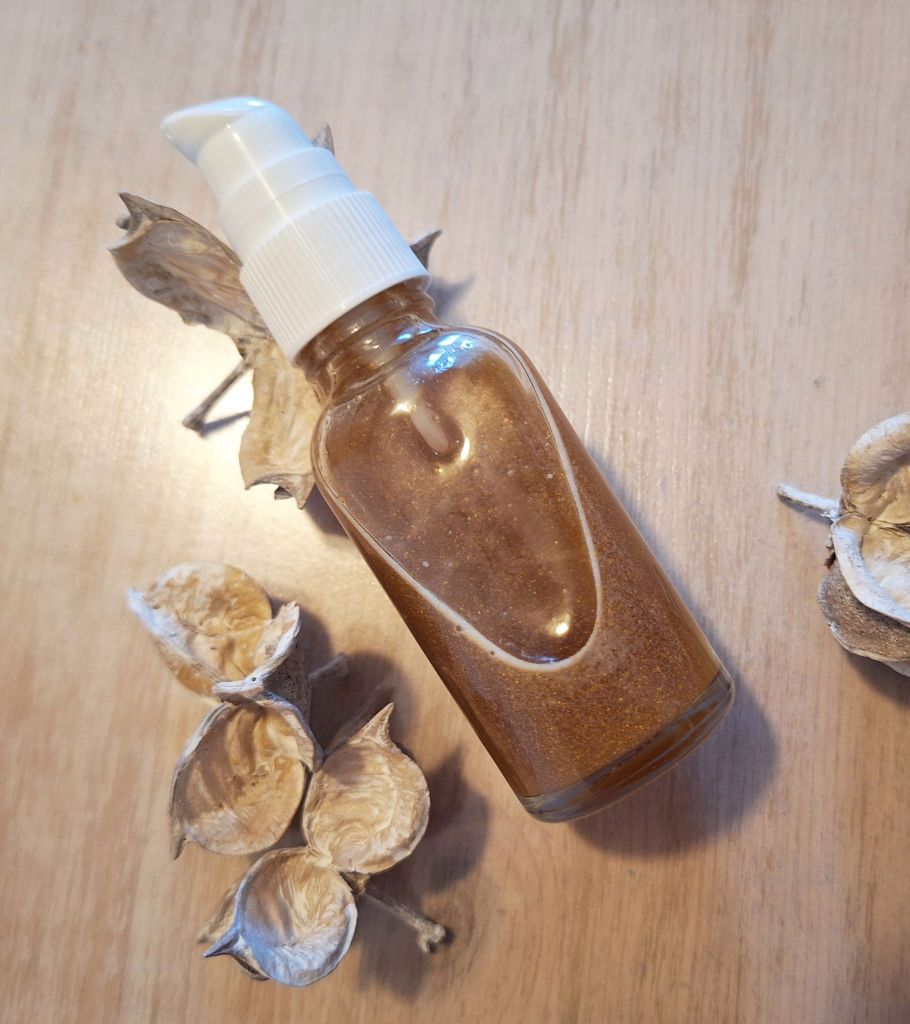
This serum is particularly useful for soothing itching, irritation and redness, regenerating and accelerating wound healing and, in general, softening and nourishing the skin.

INGREDIENTS:

One part macerated alkanet root extract together with amla in glycerine.

Two parts of a quality virgin oil, such as sea buckthorn oil, or a combination of several oils.

Optional: add a capsule of astaxanthin, which is also fat-soluble.

*This serum cannot be prepared with water or hydrolates because alkanet root is fat-soluble and does not mix with water, only with oil or glycerine, of course.

*Sea buckthorn oil is obtained from sea buckthorn berries. It is a very interesting oil for skin care because it is rich in unsaturated fatty acids that have a stabilising and regenerating effect on the skin barrier. It is known to be a natural source of antioxidants, essential fatty acids (omega 3, 6, 7 and 9), carotenoids, vitamins (A, C, E) and minerals. All these nutrients combine to deeply nourish the skin, stimulate cell regeneration and maintain its elasticity.

PREPARATION:

First, macerate equal parts of powdered alkanet root and powdered amla in a small glass jar with 3 parts glycerine for every 1 part of the powder mixture. Leave it closed for a couple of weeks, stirring frequently.

Now extract about 10 ml of this macerated mixture and mix it with about 20 ml of high-quality cold-pressed oil. If you are going to add the astaxanthin capsule, now is the time to do so, stirring continuously so that all the ingredients are thoroughly mixed. Once the ingredients are well mixed, pour the mixture into a small glass dispenser bottle for easy application.

USE: The facial serum recipes we have designed on this page can be used daily without any problems, as they do not alter the skin on our face. However, it is always a good idea to combine them with other serums or creams to enhance the effects of the treatment.

THE ASTAXANTHIN OPTION

Astaxanthin is known as the most powerful antioxidant in the world, much more so than vitamin C, beta-carotene or vitamin E. According to comparative studies, astaxanthin is (for example) 6,000 times more powerful than vitamin C, 770 times more powerful than coenzyme Q10 and 100 times more powerful than vitamin E.

Today we also know that it prevents collagen degradation.

It is produced by microalgae that form the basis of the diet of salmon, prawns, flamingos, etc. This is why these animals have a reddish colour (their pigment is fat-soluble and settles in the cell membranes). However, it has been shown that, in addition to its well-known antioxidant power and ability to protect the skin from sun damage, it even protects the eyes from cataracts.

In summer, the skin loses collagen due to the action of solar radiation, which accelerates its loss of firmness. The study we mentioned has shown that astaxanthin inhibits the action of the enzymes that degrade this collagen, protecting the skin from within. We could summarise the benefits of astaxanthin intake as follows:

–A powerful antioxidant, it inhibits the formation of free radicals, accelerated by the sun’s action, preserving collagen from degradation.

–Due to its ability to protect the skin from sun damage, it softens wrinkles and fades skin blemishes while also promoting hydration.

–It is considered a natural anti-inflammatory that, internally, improves immune function and cardiovascular health.
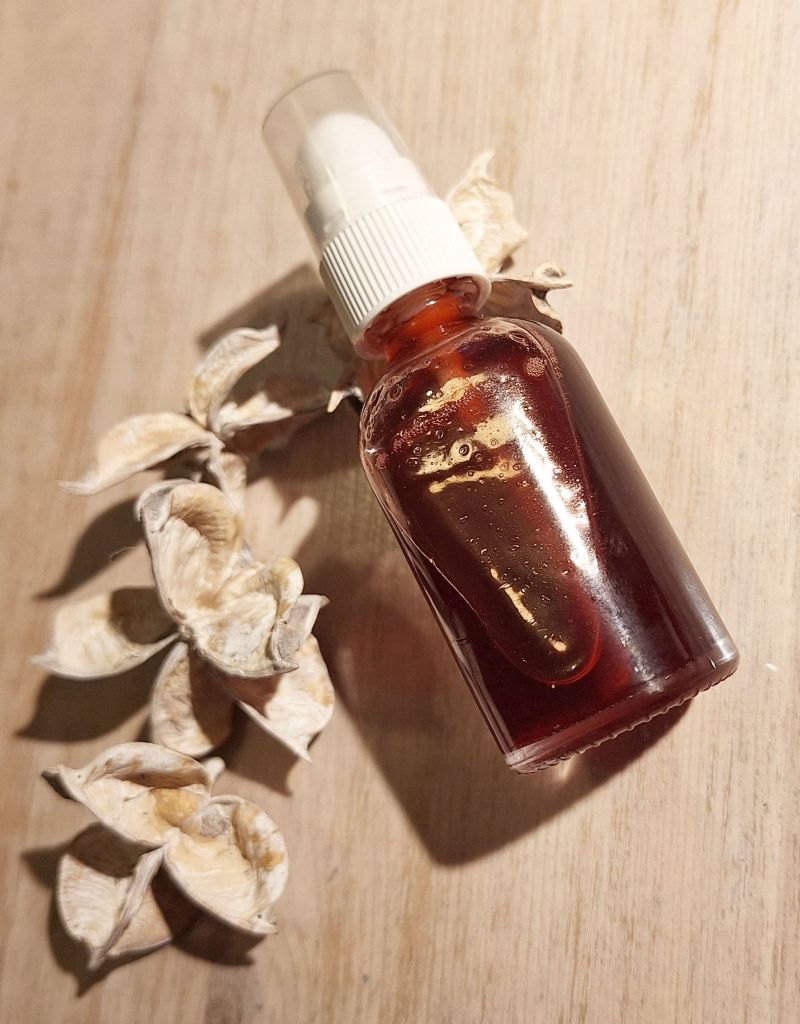
For all these reasons, it is particularly beneficial to use it in a serum to treat the skin during the summer. And, without a doubt, it is best to apply it at night, which is when the skin prepares and repairs itself for the day ahead.

PROPERTIES OF ALKANET ROOT FOR THE SKIN

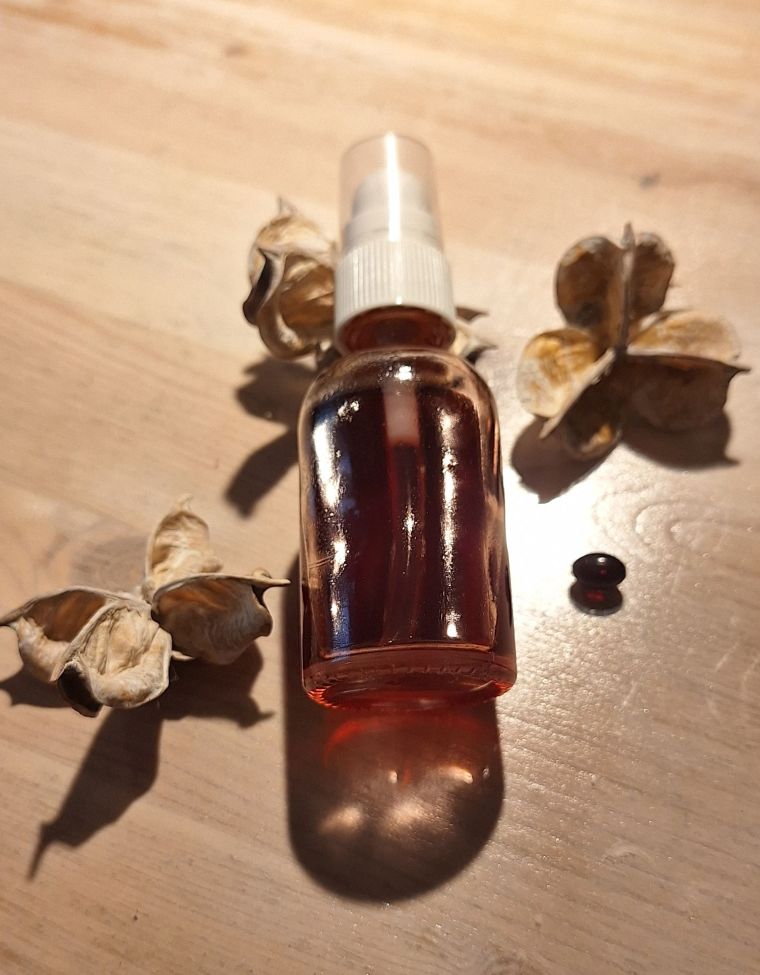
This root, which is insoluble in water, can be infused in oils to extract its properties and colour. In fact, alkanet root has cosmetic properties and benefits for the skin, such as its use as a natural colourant (red and purple- ), its antioxidant capacity that helps fight free radicals and premature ageing, and its soothing and healing effects. It is useful for soothing itching, accelerating wound healing, and softening the skin.

Skin properties

  • Antioxidant: It contains antioxidants that help protect cells from damage caused by free radicals, which can delay premature ageing of the skin.
  • Heals wounds: Traditionally used to aid wound healing and relieve itching and inflammation of the skin.
  • Emollient: It helps to soothe and soften the skin, acting as a natural emollient.
  • Natural colouring: Its main use is as a natural dye for cosmetic products such as soaps, lip balms, lotions and ointments, giving them a reddish colour.
  • Detoxification and general health: It is considered to support skin health and aid in detoxification.
  • Potential for skin conditions: It has been used to help with conditions such as dermatitis, eczema and warts, although this should be discussed with a professional.
MOISTURISING ACTIVE INGREDIENTS IN NATURAL COSMETICS

Moisturising is the quality of an active ingredient that is capable of absorbing and retaining moisture in both the skin and hair; in other words, it hydrates and retains hydration. Ingredients such as glycerine, sorbitol (sugar alcohol), butylene glycol and, of course, hyaluronic acid are examples of moisturisers used in skin care products.

That said, other moisturising active ingredients, apart from glycerine extracts, that we can consider for our natural cosmetic preparations are:

  • Honey, which we discussed at length at the beginning of the article. There is no more natural and simple way to add moisturising properties to our cream or natural product than by adding a teaspoon of organic honey. Honey attracts moisture into the skin, making it useful for treating dry skin and combating ageing.
  • Betaine is valued in skincare for its ability to help the skin retain moisture, making it a popular ingredient in moisturising and soothing formulas. Also as a surfactant, betaine cleanses and moisturises the skin by drawing moisture from the environment and retaining it, helping to maintain a healthy and smooth complexion. In addition, betaine works synergistically with other ingredients such as niacinamide and hyaluronic acid, improving the overall effectiveness of skin care.
  • Hyaluronic acid is a type of sugar (polysaccharide) that we all have naturally in our skin. When obtained from plant sources, its properties seem magical. Plant-based hyaluronic acid is obtained from the fermentation of starchy vegetables (such as corn or potatoes) and has a unique ability to retain water up to 1,000 times its weight. Well-formulated, plant-based hyaluronic acid is one of the most effective ingredients available for moisturising, smoothing and protecting the skin. It has the ability to fill in wrinkles and rejuvenate the appearance. Furthermore, as hyaluronic acid is already naturally present, our skin tolerates it very well.
  • Panthenol or pro-vitamin B5, which moisturises and hydrates. This is another very special vitamin that deeply hydrates without saturating, while also repairing and soothing. As it is a natural vitamin, it is highly bioavailable and is not perceived as something external, only its amazing results. It increases the skin’s ability to retain water and strengthens the skin barrier. It also promotes the regeneration of damaged areas by reducing redness, itching and sensitivity, as it is anti-inflammatory.
  • Lactic acid: Lactic acid is a type of alpha hydroxy acid (AHA) that occurs naturally in fermented dairy products and is also produced in the human body during metabolism. It is therefore an active ingredient with high bioavailability. It is used to adjust the pH of creams and natural cosmetic products, but above all, it is mainly used as a gentle exfoliant and moisturising agent. Unlike other exfoliants that can leave the skin dry and tight, lactic acid has moisturising properties and acts as a humectant that attracts moisture to the outer layer of the skin, leaving it softer, smoother and more hydrated. This can help improve skin texture, reduce the appearance of enlarged pores and smooth fine lines and wrinkles. In addition to its ability to exfoliate and moisturise, it can also improve the appearance of hyperpigmentation and dark spots, leading to a more even skin tone. Its high bioavailability and moisturising capacity make it an excellent choice for people with sensitive skin.
  • Sodium lactate is the sodium salt of lactic acid. It is a bioavailable active ingredient, as it is a salt of lactic acid that occurs naturally in the human body and is produced by the fermentation of sugars. It belongs to the group of moisturising/humectant substances produced by the skin to maintain its own moisture content and the slightly acidic physiological pH of the skin. In natural cosmetics, sodium lactate is used in combination with lactic acid as an effective, physiological and skin-tolerable moisturiser. Sodium lactate is highly soluble in water. As it prevents the proliferation of fungi and yeasts, it is also sometimes used as a food preservative and, in natural cosmetics, we can also benefit from its ability to extend the shelf life of our products. In handmade soap making, it is used to help soaps cure faster and to give them greater hardness. This active ingredient is a favourite for dry skin due to its great moisturising capacity, which is only surpassed by hyaluronic acid.
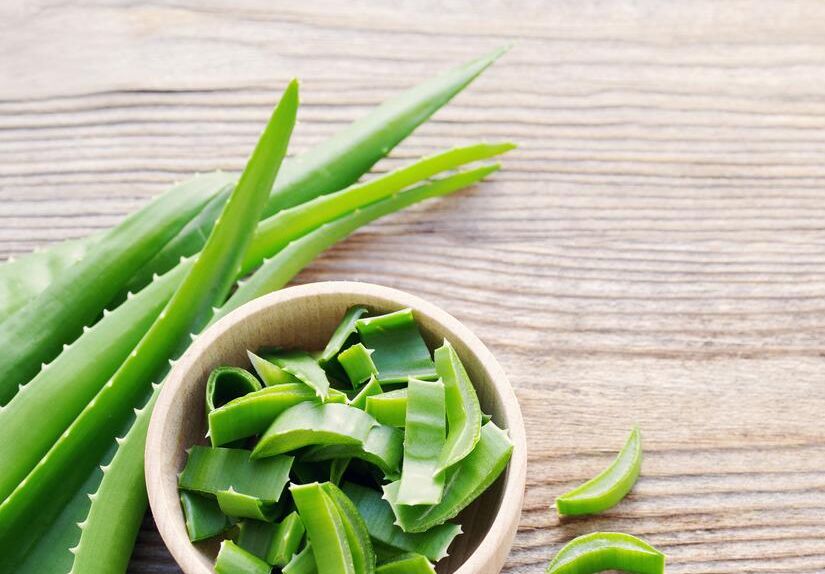
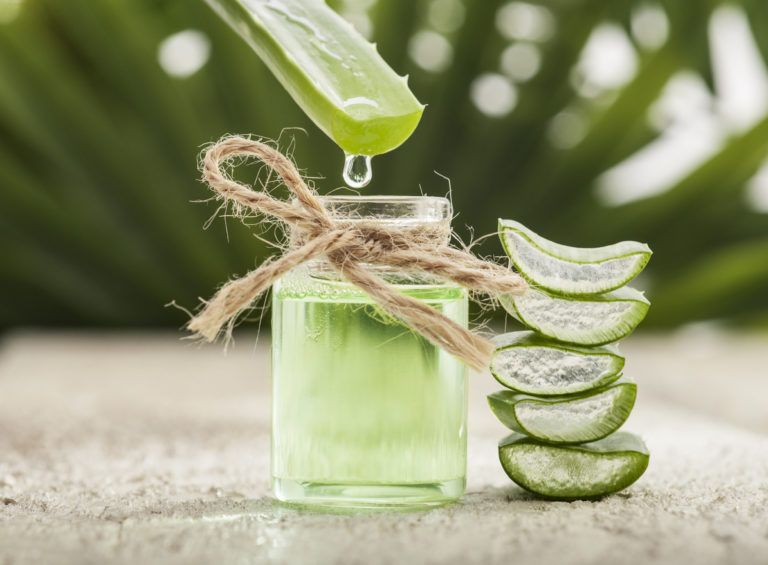
  • Aloe vera, which moisturises and regenerates. Its natural pulp is rich in water, anti-inflammatory and provides intense hydration, restoring the skin’s moisture levels.
  • Goat’s milk powder. Milk serum stimulates natural collagen production, bioproteins help retain moisture, and biotin acts as a protector against external aggressions.
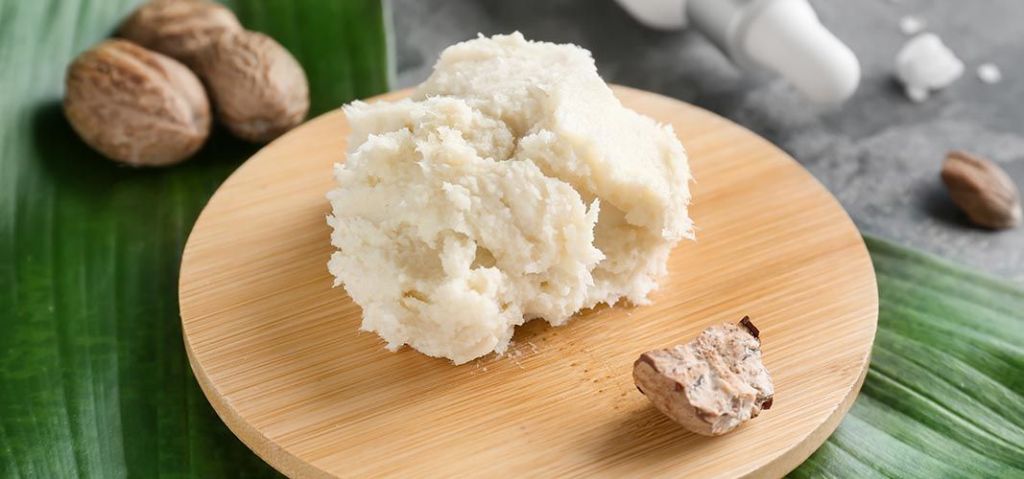
  • And, of course, shea butter, which moisturises, nourishes and heals. It is also a natural source of vitamins A, D, E and F, making it one of the most complete natural products we can use to protect ourselves against external aggressions. Shea butter has powerful regenerative and healing properties for wounds and burns. It is worth mentioning its effect on improving skin elasticity, effectively smoothing wrinkles in the dermis.

BIBLIOGRAPHY:

McLoone, P., Oluwadun, A., Warnock, M., & Fyfe, L. (2016). Honey: A Therapeutic Agent for Disorders of the Skin. Central Asian Journal Of Global Health, 5(1). https://doi.org/10.5195/cajgh.2016.241

Click to access VILLERS%20Agathe.pdf

Tashkandi, H. (2021). Honey in wound healing: An updated review. Open Life Sciences, 16(1), 1091–1100. https://doi.org/10.1515/biol-2021-0084

McLoone, P., Oluwadun, A., Warnock, M., & Fyfe, L. (2016b). Honey: A Therapeutic Agent for Disorders of the Skin. Central Asian Journal Of Global Health, 5(1). https://doi.org/10.5195/cajgh.2016.241

Jungermann, E., & Sonntag, N. O. V. (1991). Glycerin: A Key Cosmetic Ingredient.

This is a comprehensive book that covers the properties, manufacturing, and use of glycerine in cosmetics and other industries.

Baumann, L. (2015). Cosmeceuticals and Cosmetic Ingredients.

A chapter in this book discusses glycerine in the context of cosmeceuticals and cosmetic ingredients.

Sage Journals: “Safety Assessment of Glycerine as Used in Cosmetics” by Rothe et al. (2019). This article details the frequency of use, concentration ranges, and safety profile of glycerine in cosmetic products based on a 2014 survey.

ResearchGate: “Functions of Glycerine in Cosmetics” by Filipe Smith Buarque, Silas Arandas Monteiro E Silva, and Bernardo Dias Ribeiro (2025). This paper delves into the functional properties of glycerine in skincare, such as its effects on moisturisation and skin desquamation.

Other journals: Articles from Cosmetics & Toiletries and SpecialChem often cover the properties and uses of ingredients like glycerine.
Formulating Biocompatible Homemade Cosmetics

In previous articles, we discussed the importance of formulating biocompatible homemade cosmetic products. In Ayurvedic medicine, the rule is even stricter: “Don’t put anything on your skin that you can’t ingest.” Therefore, in our homemade cosmetic formulations, we avoid synthetic ingredients derived from petroleum and broad-spectrum preservatives, as they are not necessary if we are not going to put our products on the market.

Formulating homemade cosmetics with natural butters and oils, without the need to add synthetic preservatives (although organic preservatives are fine, of course), is a luxury that those of us who make natural homemade cosmetics allow ourselves.

In this article, and on our blog in general, we try to demystify the scientific jargon so beloved by the beauty industry. Our homemade product recipes really make a difference and are free from retinols, acids, and peptides synthesized in a laboratory. If you prefer not to use 35 different products on your face every morning or watch tutorial videos on TikTok, or if you’ve ever looked in the mirror and thought, “Who is that?”, then this blog on natural homemade cosmetics is for you. Because women shouldn’t aspire to look younger, but to look better. Makeup or BB cream that hides our wrinkles under a thick layer of preservatives is not the best choice in the long run. All these touch-ups and aggressive treatments tend to leave our skin looking dull over time. What we want is for our skin to look fresher, without the need for so much makeup.

An example that illustrates these principles of natural cosmetics that we are trying to explain is the difference between treatments with Bakuchiol*, which is considered a substitute for commercial retinol*, and the use of more aggressive retinoids.

*RETINOL is a form of vitamin A belonging to the carotenoid group. It stimulates fibroblasts to produce elastin and collagen, improving skin density and firmness. However, retinol has some side effects, including skin irritation and redness, so high concentrations of this substance are not recommended in the initial phase of treatment. In addition, retinol has photosensitizing properties and a teratogenic effect. That’s nothing, and all to achieve fewer wrinkles!

*BAKUCHIOL: Bakuchiol is a natural compound extracted from the seeds and leaves of the Psoralea corylifolia plant, known as babchi. Its action is very similar to that of retinol. It accelerates the keratinization of the epidermis and has antioxidant, anti-inflammatory, and anti-acne properties by inhibiting the growth of Streptococcus aureus bacteria. It normalizes sebum secretion and lightens pigment spots on the skin. Bakuchiol alleviates the negative effects of UV radiation. It normalizes sebum secretion and stimulates the production of elastin and collagen.

As we said, to keep our face looking good over the years, the best option is natural treatments that are minimally invasive and free from artificial preservatives and synthetic ingredients. A few simple vitamins applied to our skin in a natural vegetable oil base can work wonders.

BIOCOMPATIBLE SKINCARE

For all these reasons, we also want to highlight the difference between antiseptic and bactericidal formulations in the treatments we recommend on this blog. This difference is based on the difference between antiseptic and bactericidal products.

Antiseptics and bactericides aim to reduce the risk of infection, but they differ in their scope and application. Antiseptics are substances applied to living tissue, such as skin, to prevent or inhibit the growth of microorganisms, including bacteria, fungi, and viruses. Bactericidal agents, on the other hand, are substances that kill bacteria. Although some antiseptics may be bactericidal, their primary function is to inhibit microbial growth rather than actively kill all bacteria.

In the context of creams and natural cosmetic products, biocompatibility means that the product is designed to work in harmony with the body’s natural systems, minimizing the risk of adverse reactions and promoting skin health. Basically, it means that the product is well tolerated by the skin and does not cause irritation, allergic reactions, or other harmful effects. In other words, biocompatible products are formulated to avoid disrupting the skin’s natural processes and barrier function, and are therefore less likely to cause redness, itching, or other forms of irritation that can occur with harsh chemicals or allergens.

Broad-spectrum preservatives (panacea), so widespread in homemade cosmetic recipes, are very effective bactericides that not only kill bacteria but also molds and yeasts, completely sterilizing our product. You can deduce from this that, when applied, they also sterilize the skin surface, destroying its natural microbiota.

And for this reason, the above distinction is so important. In this blog, we create antiseptic synergies that keep our creams and products in good condition for as long as they need to be used. We therefore do not use commercial broad-spectrum preservatives designed to kill all bacteria, fungi, and molds that may develop. In other words, we do not create sterile products, but products that respect the natural microbiome of our skin.

This is possible because homemade natural cosmetics are not intended to be sold commercially. Logically, if we needed to create a product that would remain in good condition for months on the shelves of a drugstore or perfume shop, then we would undoubtedly have to comply with ISO standards and legal requirements.

But since this is not our case, we can afford to create homemade natural cosmetics that are completely biocompatible and respectful of our skin’s microbiome.

Difference from “commercial” cosmetics: Regular commercial cosmetics sometimes contain substances that are not always well tolerated by the skin, such as synthetic fragrances, colorants, or preservatives. These substances can cause irritation or allergic reactions in some people.

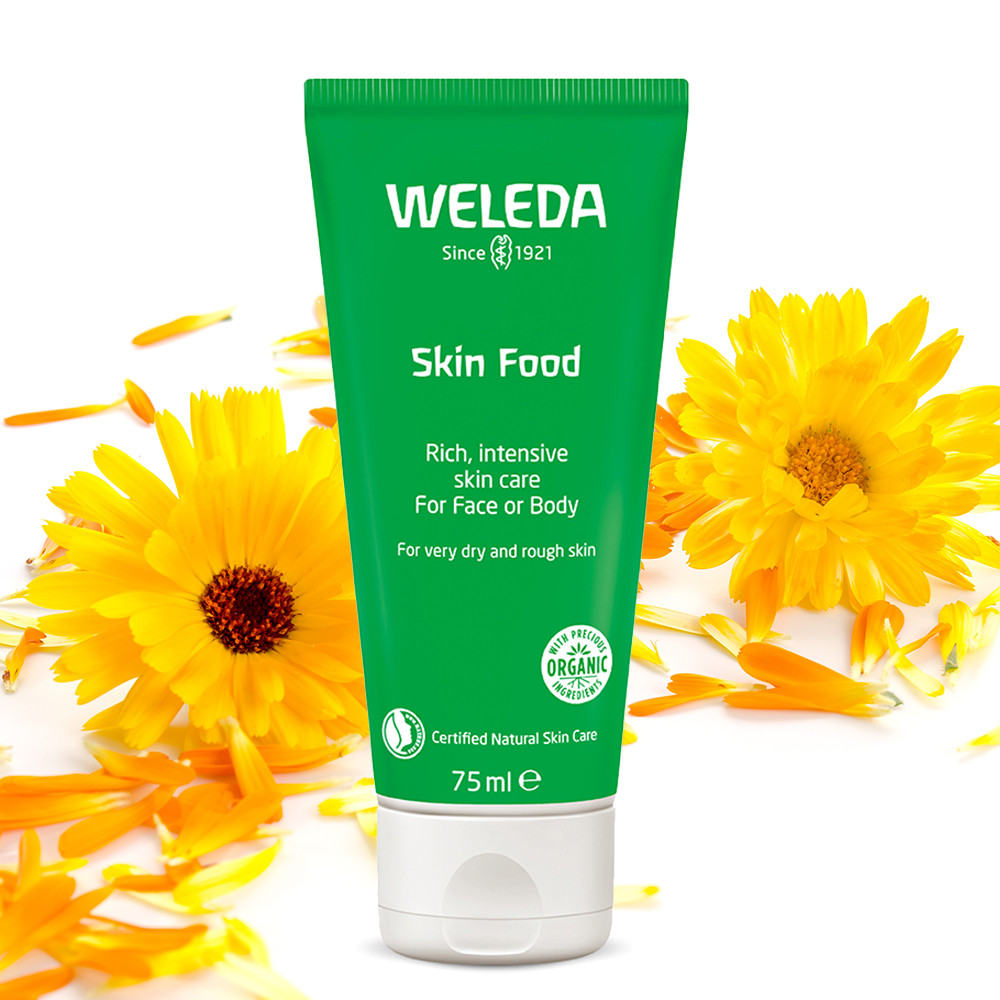
Biocompatible cosmetics try to avoid these substances by respecting the biology of the skin and formulating with ingredients that are compatible with the skin’s natural composition and function to promote a healthy skin barrier. Choosing biocompatible cosmetics can contribute to healthy, radiant skin, as it reduces the likelihood of skin problems and allows the skin to function naturally. In this sense, products from some brands aimed at the treatment and biocompatibility of sensitive and atopic skin, which today corresponds to a large percentage of the population, or products from brands that have traditionally produced “organic” cosmetics such as Welleda or Dr. Hauschka, or any other that you may know, are more respectful of the skin microbiome and, therefore, “more biocompatible,” if we can put it that way.

A tip for choosing well is to look at the labels detailing the composition and whether the product or brand is advertised as environmentally friendly.

The shorter the list of ingredients and the higher the content of certified organic components, the more natural and better the product will undoubtedly be.

As we always say, what is good for the environment and animal life is generally also better for us.

Or, as the ancient emperor and Stoic philosopher Marcus Aurelius said: “Everything that is good for the bee is good for the honeycomb, and everything that is good for the honeycomb is good for the bee.”

And we are “absolute fans of bees.” Bee products are the basis of natural homemade cosmetics. We use beeswax as the best known natural emulsifier, honey as a moisturizer, propolis tincture as an antiseptic, etc.

BIOCOMPATIBILITY IN NATURAL HOME-MADE COSMETICS

This involves various strategies:

1. Avoid preservatives by formulating creams and products without an aqueous phase. It is perfectly possible to use water-based products such as hydrosols, toners, and facial serums before applying a 100% oil-based cream. This way, we also moisturize our skin intelligently, without having to come up with complex homemade cosmetic formulations to which we would inevitably have to add broad-spectrum preservatives to keep them from spoiling on our bathroom shelves.

And it is always possible to formulate a fatty cream using only oils or butters, beeswax, and a teaspoon of honey. The percentages would be 90% oils/butters and 10% beeswax emulsifier.

Honey is optional, but certainly very interesting because the synergy of honey with the emulsifier in beeswax creates a much creamier and more moisturizing texture than without this addition. Honey is moisturizing and combines very well with beeswax and oil, which is not the case if we use a synthetic emulsifier.

In addition, when mixed with coconut betaine, it becomes the most gentle cleansing gel (for the body, vagina, etc.) for atopic and sensitive skin. And don’t think that using honey makes it sticky—not at all! Coconut betaine, which is a natural surfactant, the most natural one that exists, takes care of that. *We will talk about it in a future article.

2. Formulate creams using self-preserving synergies. For example, it is known that a cream with a small percentage of water, if emulsified with beeswax and borax, preserves its ly, as the synergy between borax and beeswax chemically emulsifies the mixture, as well as preserving it.

3. We will avoid the use of synthetic self-emulsifying waxes because they are less likely to create self-preserving synergies, as is the case with beeswax, borax, and propolis tincture. Furthermore, due to the low affinity of synthetic self-emulsifying waxes with the skin, a “wash-off effect” may occur, which refers to the ability of the wax to be easily removed from the skin by water or sweat, dragging away the protective surface layer of the skin, resulting in a greater feeling of dryness and lack of hydration. If we need to use a synthetic self-emulsifying wax, it is important to use a biocompatible and biodegradable wax, such as “lamecreme” (glycerin stearate citrate) or “emulsan” or emulcare (methyl glucose sesquistearate).

4. If preservatives must be used, only organic and biocompatible preservatives should be used. To this end, it is generally advisable to treat the water that will be used in the preparation beforehand. Therefore, when formulating homemade cosmetics, it is also very important to bear in mind these concepts of biocompatibility and to use only organic and biocompatible preservatives, if necessary.

THE IDEA OF TREATING THE WATER

With this idea in mind, we have started to create creams with an aqueous phase in which we pre-treat the liquid component of the formulation.

We start with a distilled water base that we can treat in various ways:

1. By pre-ozonating (both water and oils) the distilled water or oil that we will use in the preparation of our homemade cream. In this way, we can emulsify our cream with beeswax, ozonated water, and borax, with the assurance that we will obtain a highly biocompatible product that will not spoil.

2. By treating our distilled water with borax* and a few drops of propolis tincture*, which reinforce the incorruptibility of our formulation as well as providing properties for the skin. Propolis acts synergistically with beeswax and borax and helps to reinforce and preserve the emulsion of water and oils.

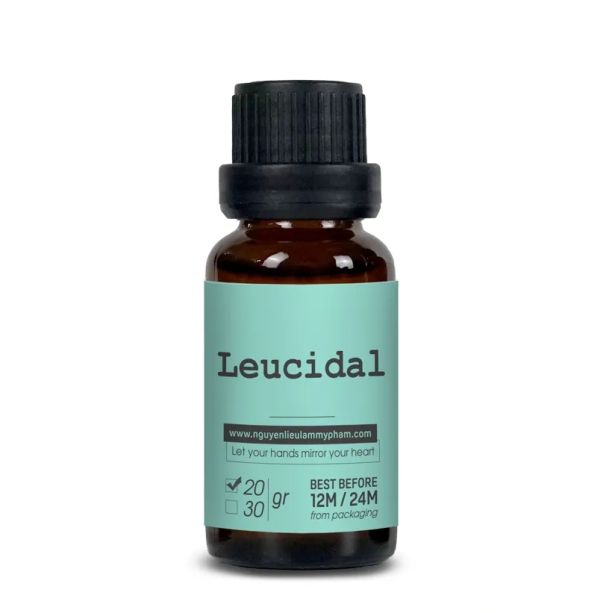
3. It is possible to emulsify a cream with beeswax and borax by adding other biocompatible preservatives, such as: medicinal grapefruit seed extract (GSE), the natural cosmetic preservative Leucidal simple*, whose INCI is Leuconostoc Kimchii, propolis tincture, or colloidal silver.

*Leucidal simple is a preservative derived from radishes fermented with Leuconostoc Kimchii, which provides antimicrobial benefits. It is best to avoid Leucidal complete, as it is too strong.

4. In the case of serums and facial toners with a higher water content, it is important to use combined synergistic strategies to preserve our product, such as using a base of distilled salt water*, an ozonated distilled water or ozonated sea water base, adding a few drops of colloidal silver to the distilled water in the formulation, or propolis tincture, using distilled water in which we have dissolved 0.5 grams of borax, adding some essential oils to the distilled water, or using hydrosols as the base for our facial toner, etc.

*Salt is already a good natural preservative for organic substances. Let’s not forget the curing process of ham or some cheeses such as Parmesan, which remain in good condition for a very long time without the need for additional synthetic preservatives. Or, similarly, pickles fermented in brine, which have many probiotic properties when eaten.

5. Freeze natural aloe vera gel by dissolving half a teaspoon of citric acid per 100 grams/ml of fresh aloe vera gel. This will keep it in good condition until you defrost it. For example, you can defrost an aloe cube to prepare a serum base, and the rest of the aloe will remain frozen in good condition. If you do not freeze it, keep it in an airtight bowl in the refrigerator or in a cool place. In any case, store it in a glass bowl and protect it from sunlight.

In principle, this aloe serum base will keep well because it has been frozen with citric acid, which is a very mild preservative. If in doubt, you can always add a few drops of another mild preservative such as medicinal grapefruit seed extract or simple Leucidal. You can even add a few drops of essential oils, such as lemon essential oil, or a preservative tincture such as myrrh tincture, which is a natural preservative, or even benzoin tincture. All of these will give the aloe serum a very pleasant aroma, as well as helping to preserve it.

In this way, we use a synergy of several mild preservatives that reinforce each other without harming the whole. Our serum will continue to have a low biocide level, so when applied to the skin, it will not harm our skin flora. This way, we will be able to benefit from the properties of aloe vera with complete assurance.

6. It is also possible to use natural aloe vera juice without preservatives as a base for serums and facial toners. In this case, it will not be necessary to freeze it, and we can use it directly in our toners and serums as a base, with the addition of glycerin and xanthan gum to thicken it, (ratio 2:1; i.e., 2 parts glycerin to 1 part xanthan gum, normally) and a biocompatible preservative such as 1% borax or any of the biocompatible preservatives listed in the following section.

7. In the case of herbal infusions, adding a minimum of 20% ethanol will preserve them for several days in the refrigerator without any problems, and we will be able to enjoy natural infused lavender tonics, or other herbs, until they run out.

BIOCOMPATIBLE PRESERVATIVES

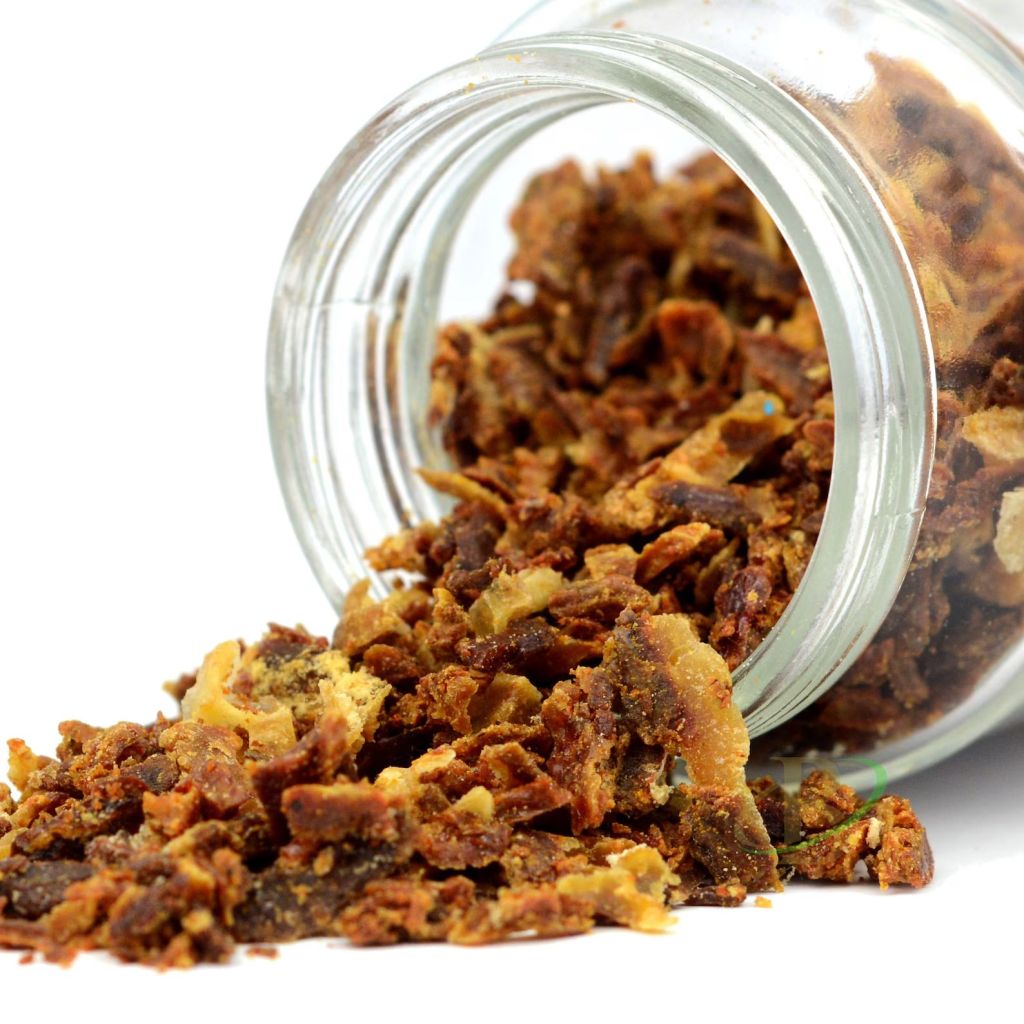
Propolis tincture: Propolis extract or tincture is a natural healing ingredient that has antioxidant, anti-inflammatory, and antifungal properties. Although produced by bees, propolis extract is not the same as honey, but rather the glue that bees use to hold the hive together and repair damage. In skin care, propolis extract offers great benefits in healing acne scars, hyperpigmentation, and inflammation. It also firms the surface and rejuvenates the skin. This extract is commonly found in commercial cosmetics in products such as moisturizers and toners.

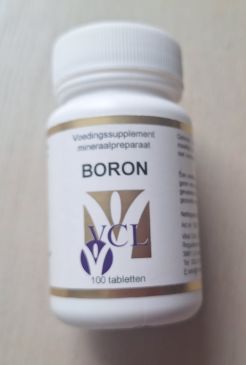
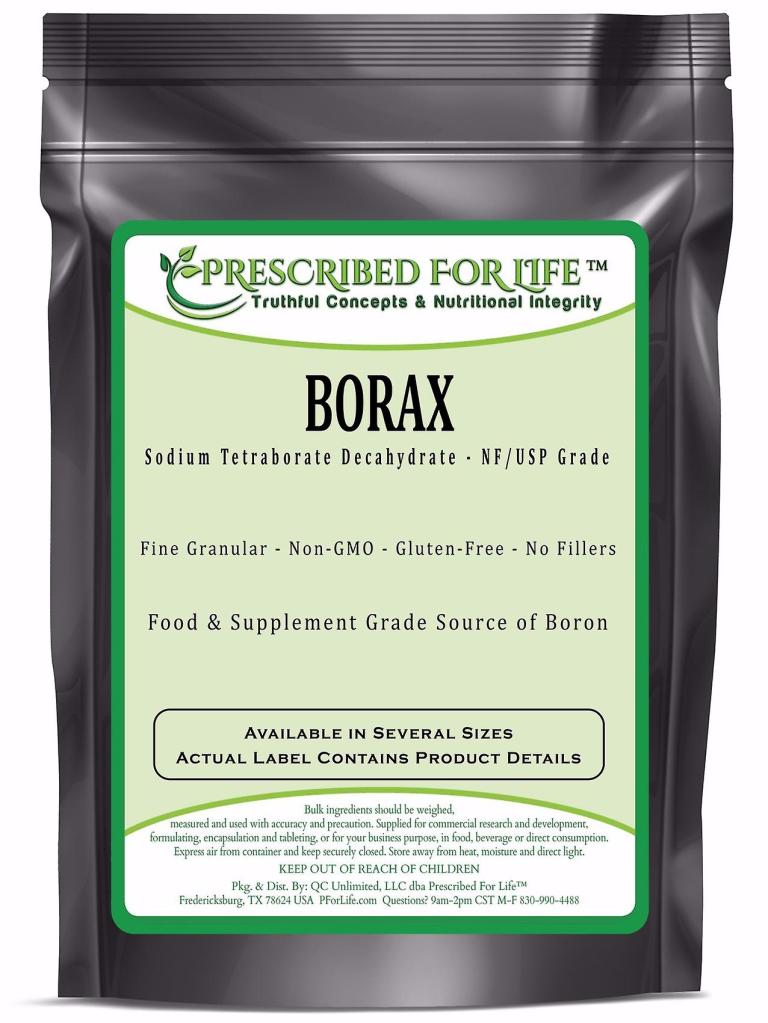
Borax: Since ancient times, considerable amounts of this element have been mined on the shores of salt lakes in Asia Minor. The deposits in Tibet were the first to be exploited. Borax is also found as efflorescence in desert soils, hence its name “white gold of the desert.” Borax acts as a very mild preservative when emulsified with beeswax, yet it is widely compatible with the nature of our skin. In fact, boron has been used as a medicine in the natural medicine market.

Despite its recent demonization, it is used as a food additive under the code E285, as it acts as an antimicrobial preservative. This same property, combined with its pH-regulating and emulsifying effect, makes it very useful in cosmetics. In Eastern cuisine, its texturizing effect is used to make foods firm and chewy. At an industrial level, it is used in detergents, cosmetics, soaps, insecticides, pesticides, and enamels.

Sea celtic salt: This is another great natural preservative, used since ancient times to preserve a wide variety of foods. Its ability to extract moisture from food hinders the growth of bacteria and other microorganisms that cause decomposition, helping to preserve food for longer. In addition, salt affects the structure and function of microbial cells, inhibiting their growth and reproduction, which helps prevent spoilage. We recommend using gray Celtic salt with a moist texture, as it is the only type that retains all the mineral richness of seawater.

Ozone: It is possible to ozonize both the water in our preparation and the oil. Never both in the same preparation because it is too much. Ozonizing water is more interesting in aqueous products such as tonics and facial serums.

If we want to create a cream, it is better to ozonate the oil, which emulsifies better than ozonated water and helps our cream acquire the right thickness.

If you have a cheap ozonator (you can find them on Amazon for $40 to $50), it will be enough to keep your water or oil immersed in ozone for about 30 minutes. Any longer is too much, and both the water and oil will take on a strong ozone smell.

If you want to buy ozonated oil from a cosmetics store, always remember to choose a food-grade product so that the aroma is not too strong and can be pleasantly incorporated into your homemade cosmetic preparations. Stronger oils are best used as treatment oils for joint and rheumatic pain and, above all, in treatments for hemorrhoids and vascular problems.

Colloidal silver: We know it in naturopathy as a very useful medicine, but colloidal silver can also act as a preservative, especially in cosmetic and personal hygiene products. Its antimicrobial capacity helps prevent the growth of bacteria, fungi, and mold, which in turn prolongs the product’s shelf life.

As with ozonated water, anyone with the right equipment can make it themselves at home. These devices are usually a little more expensive than ozonizers, as they require silver rods. However, nowadays, they can also be found in many online stores, as can ozonizers, which are not only used to ozonize water, but also to obtain ozonized oils that are very useful for treating skin problems.

Benzoin tincture: Benzoin tincture is used as a natural preservative and antiseptic in cosmetics, as well as a fragrance fixative. It is obtained from the resin of the Styrax tree and dissolved in alcohol, forming a liquid extract that helps preserve cosmetic products, especially those containing natural ingredients or essential oils, by preventing the growth of bacteria and fungi.

Myrrh tincture: Thanks to its antiseptic and soothing properties, it is widely used in skin creams, leaving the skin smooth and soft. It has great preservative power, making it an ideal substitute for commercial chemical preservatives. It is an excellent disinfectant and has healing and regenerative properties for the skin.

You can find an online store selling natural myrrh tincture at this link:

https://maeselab.com/extracto-de-mirra-tintura

Ethanol: It is not a preservative in itself but acts as one when added to our product in proportions of 30% or more. This is why it is not used frequently, as a high percentage of ethanol is required to benefit from its preservative properties. However, in some cases it can be a very interesting additive, such as in facial tonics made from herbal infusions, where it adds freshness to the mixture.

Or in some cases of spray deodorants, perfumes, or even in its isopropyl alcohol form, it can be used in rosemary distillations for topical rubs, such as rubs to activate circulation in tired legs, etc.

Isopropyl alcohol: Also known as isopropanol or 2-propanol, it is a colorless, flammable liquid with a characteristic odor. It is widely used as a solvent, antiseptic, and cleaning agent in various applications. It is a key ingredient in rubbing alcohol and hand sanitizer , and is also used in industrial and pharmaceutical settings, such as the “rosemary alcohol” sold in pharmacies. As mentioned above, it does not pose any problems when used topically, as it acts as a base for the active ingredient rosemary and evaporates on contact with the skin. If we infuse natural rosemary in this type of alcohol, we obtain a maceration that does not require any other type of preservative and can be applied topically for rubbing.

Potassium sorbate or sodium benzoate salts: With great caution and never both at the same time in the same product, we can use minimal doses of edible preservative salts (widely used in the food industry) such as potassium sorbate salts or sodium benzoate salt.

These synthetic powdered salts are widely used in the food industry. Both are mainly used as preservatives to extend the shelf life of various products, especially in food and cosmetics. They work by inhibiting the growth of fungi, yeast, and bacteria, which helps prevent spoilage and decomposition.

Potassium sorbate is more useful in creamy textures and sodium benzoate in tonics, serums, and more acidic aqueous textures. In any case, it is best to use them only when absolutely necessary, and always separately, as together they become what is called a broad-spectrum preservative and their biocidal effects are enhanced.

Taking all these ideas into consideration, we have formulated a moisturizing base cream that can be used perfectly as a body milk for the entire body, given its light and fresh texture.

RECTIFICATION OF THE CREAM RECIPE with wax and ozonated water

PROPORTIONS WITH BEESWAX AND OIL

The amount of beeswax should be 15% of the oil, and the proportion of borax should be 5% of the amount of water used in the recipe.

THE BASIC CREAM RECIPE WITH GENERAL PERCENTAGES

Percentages for 100 g of base cream:

40% water … approx. 5% of the amount of water in borax

60% oil … 15% of the amount of oil in natural unbleached beeswax

Optional: One tablespoon of glycerin (between 10-15 g).

Preservative: 1 ml natural propolis tincture preservative per 100 g. The preservative is not necessary in principle if the borax is completely amalgamated with the beeswax.

For this, two conditions are necessary:

– A sufficient percentage of borax in relation to the total product.

– The beeswax must be natural (yellow) and not bleached, at least part of it, since bleached wax cannot chemically amalgamate efficiently with borax.

Some people use proportions of 50% water and 50% oils or fats to make the cream more moisturizing. However, in this case, to produce the emulsion of beeswax with water and oils, it is necessary to use a larger amount of borax, and, as always with preservatives, our maxim is “the minimum necessary” to obtain the product we want.

This is the recipe for EMULSIFIED BASE CREAM WITH BEESWAX

40 ml of ozonated distilled water … and about 2 g of borax

60 ml of virgin olive oil … and about 10 g of natural beeswax

10 g of glycerin, and nothing else because we have ozonated the water.

PREPARATION PROCEDURE:

The preparation system is “one pot.”

Previously, we ozonated the water for approximately 30 minutes in a homemade ozonator and then dissolved the 2 grams of borax in it.

We start by placing the beeswax in a heat-resistant container in a double boiler. Once melted, we add the oil to the same container and, when it is fully incorporated and the mixture is melted, we add the mixture of ozonated distilled water and borax.

When we see that it has been incorporated, we can start beating with an electric whisk. A chemical emulsion of beeswax with borax-treated water is produced, but in this case, our water is also ozonated, so the emulsion is very light.

In this case, after removing from the heat, we will see that we have obtained an emulsion in which the water sometimes seems to float a little. This is not a problem because the water has been treated, and the mixture does not spoil. We can therefore take advantage of this light and fresh texture to use it as a moisturizing body milk all over the body.

A totally natural BASE CREAM

We would also like to show you a base cream that can be enriched with natural active ingredients. The best “active ingredients” we can add to our products are of plant or even animal origin, such as silk proteins from silkworms or allantoin from snail slime… But don’t worry, although they are based on natural molecules, these components are now obtained synthetically in a laboratory. No one squeezes silkworms or snails to obtain them. However, they are still very interesting because they are molecules of organic origin. And nature knows what it’s doing.

ACTIVE INGREDIENTS OF ORGANIC ORIGIN

Silk proteins: Formed by naturally occurring macromolecular filaments consisting of silk proteins, which, although they break down (hydrolysis), give rise to amino acids very similar to those found in the collagen and elastin proteins of the skin. They have a much greater softening power than other products, promoting the formation of young, healthy skin cells and a silky, youthful complexion.

Allantoin: Allantoin is a chemical compound with healing, soothing, and anti-inflammatory properties. It is also moisturizing as it helps the skin retain moisture, leaving it soft and smooth. It is a crystalline, colorless powder, soluble in water and alcohol, derived from uric acid. It is found naturally in some plants such as comfrey, aloe vera, and snail slime, and can also be synthesized artificially.

Natural aloe vera gel, vegetable butters such as shea or cocoa butter, honey, and even zinc oxide, which, in addition to providing sun protection to our products, gives them emollient properties and protection against external aggressions such as humidity or friction. Hence its use in diaper creams.

And, of course, the active ingredients provided by cold-pressed virgin oils, loaded with fat-soluble vitamins, or oleates of balsamic resins and plant extracts such as oat, calendula, or chamomile.

Simply a high-quality oil, such as buriti oil, will provide you with carotenoids (vitamin A), as will an extract of urucum (achiote) seeds in powder form or macerated in glycerin. Or, for example, bakuchiol oil, which is said to be a natural substitute for retinol, but unlike retinol, it alleviates the negative effects of UV radiation and does not cause photosensitivity. In fact, it mitigates the harmful effects of the sun and makes the skin more resistant to sunlight.

RECIPE FOR EMULSIFIED CREAM BASE WITH BEESWAX

In this recipe, we have played with the proportions of beeswax, combining natural wax and bleached wax with the intention of obtaining a lighter and more pleasant colored product. Certainly, this cream is less yellow than the previous one. As you know, it is not possible to use only bleached wax because it does not chemically blend with borax as well as natural wax.

40 ml of distilled water … and 2 g of borax

60 ml of virgin olive oil …

and about 6 g of natural beeswax, combined with 4 g of bleached beeswax.

10 g of glycerin and 1 ml of propolis tincture.

PRODUCTION PROCESS:

The production system is “one pot.”

Previously, we have treated the distilled water by dissolving about 20 drops of propolis tincture in it.

We start by placing the beeswax in a heat-resistant container in a double boiler. Once melted, we add the oil to the same container and, when it is fully incorporated and the mixture is melted, we add the mixture of distilled water with the preservative tincture and borax to produce a chemical amalgam with the beeswax.

When everything is incorporated, we can start beating with an electric whisk. This produces a chemical emulsion of beeswax, borax, and water treated with propolis tincture, resulting in a very pleasant, creamy emulsion.

USE: This cream can be used as is, or you can add any other natural active ingredient from among those mentioned.

Some of these can simply be added at the end of the process, such as zinc oxide to provide sun protection…

Others, such as vitamin-rich oils or natural aloe gel, are best added during the mixing of the oil and water phases.

For example, SUN CREAM with SPF 20 made from this base cream

Take 50 g of the base cream and add a mixture of 2 tablespoons of zinc oxide (10 g), previously sifted, and, optionally, a tablespoon of cocoa powder to prevent a white film from forming on the skin.

In this simple way, we obtain a cream with sun protection factor. With 10 grams of zinc oxide, protection of 20 is guaranteed, but if you add a little more, you will surely obtain greater protection.

KNOW HOW TO CHOOSE THE INGREDIENTS FOR OUR FORMULATIONS WITH CRITERIA

Everything we put on our skin is absorbed—creams, shampoos, colognes—and does not remain on the surface.

Many everyday products contain parabens, phthalates, phenoxyethanol, and other compounds that act as endocrine disruptors. As you know, endocrine disruptors alter the hormonal system, interfere with neurological development, and may be linked to long-term health problems such as early puberty or brain development deficits.

There is little we can do about this, but there is something we can do: reduce our exposure to these types of products and choose less toxic products wisely, which also tend to be the most eco-friendly and least harmful to the environment.

If we can’t make them ourselves.

Because it’s not about living in fear, but with awareness.

Therefore, don’t let yourself be fooled by products invented by cosmetic supply stores to sell us “expensive active ingredients” that are actually cheap for them because they are not natural, but synthesized in a laboratory.

We are not going to mention specific online stores, just a few examples of “cosmetic active ingredients,” theoretically natural, that they try to sell to those of us who make homemade natural cosmetics.

For example: “Encapsulated retinol palmitate.” This is supposed to be a form of retinol, which is ultimately nothing more than vitamin A, that sensitive skin can tolerate better.

And its INCI is: Aqua, Polycaprolactone, Xanthan gum, Retinyl palmitate, Polyvinyl alcohol, Sorbitan stearate, Propanediol, 1,2-Hexanediol, Caprylyl glycol

Does this INCI sound like natural vitamin A to you?

Or, for example, this anti-wrinkle peptide compound with INCI: Dimethyl Isosorbide (and) Polysorbate 20 (and) Aqua (and) Acetyl Tetrapeptide-11 (and) Acetyl Tetrapeptide-9.

However, the same supply store may sell you very good oils and active ingredients, such as food-grade ozonated oils, vegetable oils loaded with fat-soluble vitamins (which our skin absorbs completely) such as the buriti oil we mentioned earlier, natural cupuaçu butter, or unprocessed shea butter, which are real treasures for the skin.

It’s all about knowing how to choose.

HOW TO PROCESS PLANT EXTRACTS FOR USE IN OUR HOMEMADE COSMETIC PREPARATIONS

Ayurvedic medicine gives priority to natural foods that are fundamentally nourishing for the body, mind and soul. In addition to healthy skin, Ayurvedic diets have been proven to lower cholesterol levels, reduce the risk of cancer, protect against diabetes, promote weight loss and promote a calming effect on the mind, thus reducing anxiety.

Beauty is not only superficial. Any suffering our body undergoes is reflected in its outward appearance. Therefore, the use of Ayurvedic lifestyle practices is essential to sustainably maintain a healthy and glowing skin.

Ayurveda advises very natural products based on virgin oils and herbal extracts to take care of our skin, and that is why in these articles of our blog we try to find recipes and ways to create a natural cosmetic adapted to our modern life.

In this post, in particular, we want to explain how we can process the plants in our garden to make all kinds of extracts from them, such as tinctures, oleomacerates and hydroglycerine extracts.

What does the skin NEED to stay balanced?

First of all, it needs to absorb the nutrients it needs to stay in balance and that, as with almost everything else, according to Ayurvedic medicine and naturopathy, starts with a healthy diet.

Stress, lack of sleep, poor hydration and inactivity are detrimental to health and therefore to the skin. With its holistic approach, Ayurveda recommends stress management, simple physical activity, regular meditation, sufficient water and sleep to complement and enhance the effects of other Ayurvedic beauty rituals we may follow. In addition, these practices balance the body’s hormone levels, calm the mind and even boost immunity.

In addition to a healthy diet and lifestyle, it is equally necessary to follow healthy daily hygiene rituals; because certain practices, even if we follow the perfect diet for our body, can clearly worsen the condition of our skin.

WHAT YOU NEED TO DO, HYGIENICALLY, TO KEEP YOUR SKIN MOISTURISED

1.- Limit daily showers to 5 or 10 minutes. If we shower daily, it is better to use a salt stone to wash ourselves. Soap should only be left for when we come back from the gym.

2.- Use mild soaps, detergents and cosmetics. Glycerine soaps in bars are highly recommended, as well as cold saponified soaps with a high rate of overgreasing, of course.

If you do not know how to make them and need to buy a commercial soap, try to avoid gels that do not respect the skin’s microbiota. New generation shower gels, such as Sanex shower gels, are already designed to respect the skin’s bacterial flora.

3.- The same applies to commercial creams. There are already creams on the market such as those from Dr. Organic that have probiotics added to respect the skin’s microbiome. Specifically, in this Dr. Organic cream we were telling you about, you can see in its composition the addition of active ferments (*LACTOBACILLUS FERMENT LYSATE, LACTOBACILLUS FERMENT, KEY ACTIVE: Probiotic).

Without a doubt, these new generation creams are much more tolerable for all skin types, especially the most sensitive or problematic ones.

4.- Use a humidifier during the winter when the heating is on to prevent the room from drying out.

5.- Drink more water throughout the day, always without forcing ourselves because this also has negative consequences. A good tip is to drink herbal teas or juices that we like (some people add small pieces of lime, fruit or cinnamon to water to make it more palatable), because this way we end up drinking fluids without forcing ourselves and causing an electrolyte imbalance in our body.

WHAT THE SKIN NEEDS AT A COSMETIC LEVEL TO STAY HYDRATED

If our skin is still dry and flaky, it is a good idea to apply a moisturising cream or a moisturising mask. Before buying any skin care product, it is a good idea to know your skin type in order to adapt the product, whether it is commercial or homemade. Homemade cosmetics are the best, as you know 😊

In any case, you should avoid products that can clog your pores and cause acne, as the products you will then have to use to treat it can sometimes dry out your skin even more.

The key, as always, is diet.

Basically, very few natural ingredients are needed to keep our skin hydrated and nourished. If you make natural cosmetics, make them minimalist. Why? What does your skin need on a cosmetic level to stay hydrated: fats, butters, oils, herbal extracts containing nutrients, vitamins, and little else. And natural vegetable oils and fats, as well as herbal extracts, already contain all those vitamins and antioxidants the skin needs, the fresher they are, the less preservatives and synthetic ingredients they contain.

There is no need to add silk proteins, urea, allantoin, hydrolysed marine collagen, hydrolysed elastin, vegetable squalene, essential oils in quantities of 1 gram, trehalose, chamomile oil or borage Bio, which cost a fortune, etc, etc, etc … Oh, and let’s not forget the addition of 1 gram of organic preservative, always, but at the same time synthetic.

All you are doing is adding to the coffers of the suppliers of cosmetic raw materials without achieving what you intended from the beginning, which is to learn how to take care of your skin independently and without depending on dozens of synthetically processed commercial products.

That’s like going to the supermarket and, instead of buying the vegetable ingredients to prepare a natural soup yourself, i.e. (celery, potatoes, leek, etc.), you are advised that you have to buy these bouillon cubes to enrich your soup with vitamins, that you have to add glutamate to give it a more intense flavour, or this or that flavouring to make it more appetising.

Doesn’t it seem absurd if someone suggests something like that when you go to buy the ingredients to prepare your own natural soup? Well, that’s what natural cosmetics suppliers do with the recipes for creams and other products that they propose on their websites and blogs.

For that, you can buy a commercial cream such as Dr. Organic, or Dr. Hauschka’s Rose Cream, which will be cheaper, don’t you think?

*Dr. Hauschka’s Rose Cream: This cream, although it does not contain probiotics like Dr. Organic’s previous one, has a simpler and more natural composition of ingredients than many of the recipes advocated by home cosmetics blogs. That’s why it feels so good on the skin!

WHAT WE DO WANT TO ADD TO OUR HOMEMADE COSMETIC RECIPES IS

Cold-pressed vegetable oils, beeswax (the best known emulsifier), natural fats and butters, herbal extracts, tinctures and vegetable oils, which we can also prepare ourselves with dried plants from our garden.

Now, that’s environmentally friendly!

And we can even add orange or oat powder extracts to our recipes, which are very easy to obtain from orange peels or oat flakes from the supermarket.

And what do you need for this, almost nothing, dry your plants, and then grind them with a coffee grinder to incorporate them in the form of a powdered extract into your preparations. The same goes for oat flakes, or orange or lemon peels, once they have been dried.

And, if you want to prepare an oleate, the same dried plants are left to macerate in oil. And if what you want is a tincture or a hydroglycerinated extract, then in alcohol and vegetable glycerine.
In any case, and this is the golden rule, the best and most effective treatment is to try to ingest the nutrients and vitamins the skin needs by following the healthy diet that best suits our metabolism and rhythm of life. Don’t you think this is much more logical than trying to deliver those vitamins topically with the addition of preservatives and other ingredients synthesised in a laboratory?

KINDS OF NATURAL COSMETICS

Moisturising or hydrating products are based on vegetable glycerin derived from saponified vegetable fats, which draws water from the air and deeper layers of the skin into the stratum corneum to provide hydration.

Occlusives, such as beeswax, soybean oil and lanolin, form a barrier that prevents water from evaporating. It is possible to make vegetable lanolin, to add to our cosmetic preparations, with shea butter and rosin. This recipe is still pending.

Emollients such as coconut oil, shea butter and colloidal oatmeal make the skin soft.

Regenerators, which are a combination of hydration and regeneration, are mainly based on natural or powdered aloe vera.

Hydration goes beneath the skin barrier. It infuses water into the cells to “replenish” them, and this is perfectly possible with all-natural products such as Ayurvedic masks and creams. And it is not only possible, but also very interesting when you consider that at least 60% of the substances that come into contact with the skin end up in the body. Some of the toxic compounds are eliminated via the liver and kidneys, but others accumulate in organs and tissues and can cause long-term hormonal disorders and various diseases.

This is why Ayurveda always advises not to put anything on our skin that is not edible at the same time.

HOW TO MAKE OLEOMACERATES, TINCTURES AND HYDROGLYCERINE EXTRACTS

There are various types of extracts, such as tinctures, where we use ethanol (organic alcohol) or vodka as solvents; or hydroglycerinated extracts, where we use water and vegetable glycerine as solvents; or hydroalcoglycerinated extracts, which use water, ethanol and glycerine, and which are more complete. And, of course, oleomacerates, in which we extract the fat-soluble components of plants. We are going to talk about all of them and how to process them below.

Because, you should know that we prefer to use oleomacerate extracts in ointments and hydroglyceric extracts in tonics and shampoos. In creams, both types can be added.

HOW TO MAKE OLEOMACERATES

An OLEADO is the result of macerating a medicinal or aromatic plant rich in fat-soluble components in a vegetable oil. It can also be called OLEOMACERATE. Thus, the vegetable oil dissolves the fat-soluble ingredients of the plant and the properties of the plant are transferred to the oil. Different types of oil are often used, such as olive, sunflower or coconut oil, the important thing is that they are cold-pressed virgin oils.

In the case of oleomacerates, the compounds to be extracted are those that are soluble and related to fats. By macerating the plant in the oil, we are therefore extracting the fat-soluble compounds from the plant so that we can easily introduce them into our preparations or use them directly on the skin or hair. In this way, we can easily and effectively take advantage of the active principles of the plants and benefit from their properties.

Some oleomacerates widely used in natural cosmetics are: calendula oil, rosemary oil, arnica oil, hypericum oil or chamomile oil, for example …

We often have plants in the garden, or even in pots, that we do not know that if we dry them, they can be very useful for making many types of extracts which, depending on the solvent we use, will become oleomacerates, tinctures or hydroglycerine extracts.

WHY MAKE AN OLEOMACERATE

If anyone wonders why it is interesting to prepare oleomacerates, when we have essential oils, which are much more potent; it is important to know that not all components of a plant enter into the steam distillation of essential oils. Only the smallest molecules are extracted by this method, so the full essence of the plant is never captured. In this sense, if you can buy a C02 extract from a plant, know that it is much more complete because its distillation process is simply better and more capable of extracting the distilled essence of the plant.

In the case of oleomacerates, the maceration process captures the heavier and larger molecules. Other extraction techniques capture different chemical substances, as mentioned in the case of critical C02 extracts.

Thus, for example, when making a lavender-based cream, the therapeutic effect can be enhanced by also including macerated lavender oil and even fluid extracts or hydrosols.

Another advantage of macerated oils is that they add properties to our recipes in a gentler way than essential oils. Essential oils sometimes cause rashes on sensitive skin and irritation with daily use, even on normal skin.

We may also have access to a plant that does not have a corresponding essential oil, such as lilac or elderflower, for example, or we may want to use a plant whose essential oil is very expensive, such as jasmine or rose, for example. Through maceration, we can access the healing fat-soluble chemical compounds of these plants and use them in our skin care.

As we said before, we often have plants in the garden that we don’t know that if we dry them they can be very useful. This is the case of the humble marigolds. I am sure that many of us have them in the garden without knowing it. However, marigold or immortelle flowers have a great therapeutic value if we pick them and dry them.

The marigold is a plant with great therapeutic potential for the skin. It regenerates, combats possible germs and fights inflammation. It is a restorative par excellence for irritated, itchy skin, eczema, chilblains caused by the cold, etc.

Another use of calendula oil is to treat earaches. We put 2 to 3 drops in the ear and hold a bag or warm cloth over it. However, if the symptoms persist or if there is an infection, it is best to consult a doctor.

By infusing the flowers in oil, we can extract many of these properties and incorporate them into easy-to-use products such as: recipes for balms, lip balms, soaps, creams and lotions.

That is why we are going to explain below the two known methods to prepare an oleate, that is, to infuse or macerate a vegetable oil with the properties of an herb or plant. In this case, we are going to explain how to prepare a marigold oil macerate, although it would be perfectly possible with any other dried plant or flower.

MARIGOLD MACERATED OIL

For this we will need dried marigold flowers. Fresh herbs can also be used to prepare the infused oils, but this is not a good idea because the water content of fresh flowers and herbs tends to create mould and spoil the oils.

Simply spread the previously harvested flowers on a paper towel in a dry place or in the sun and turn them daily for one or two weeks until they are completely dry.

When they are dry, fill a glass jar 1/3 full with your dried flowers and fill it with an oil that does not rancid easily. The best oils are olive and coconut, because they do not go rancid as quickly as sunflower or soybean oil. It is also possible with jojoba oil, which does not rancid easily, although it is more expensive. Or almond oil. If you live in an area where it is cold in winter and coconut oil solidifies, you can mix it with another oil to keep it liquid.

After maceration, strain it and add 0.2% vitamin E as an antioxidant. This will extend the shelf life to a year or more. In this way you will have a pure marigold extract.

As the “natural freak” website says: “Jojoba and coconut oils are also often used or added, while sweet almond oil is better suited to smaller batches as it rancidifies faster than the other oils”

https://freakofnatural.com

Cover the jar tightly and store in a cool, dark place for a minimum of four weeks (40 days is ideal). Shake it periodically. There are even “schools” that say that you should give it the light of the sun and the moon, because of the energy issue. However, don’t worry if you don’t, the result will also be acceptable.

After 40 days, strain the flowers and our macerated oil is ready. To strain the herbs, you can use a cotton filter or a fine cloth, or even a paper coffee filter. In some cases, you will have to repeat the operation so that the oil is free of residues.

The oil, now infused, should be kept in a jar, preferably a dark glass jar so that it has a longer shelf life. Store the bottle in a dry, dark place, protected from heat sources. If we think that our oil may go rancid, we can add a little wheat germ oil or a few drops of vitamin E to prevent oxidation and rancidity.

As we said, to prepare a homemade oleado, it is enough to leave the dried plant to macerate in oil for a few days.

THE HOT INFUSION METHOD

The second method of infusion is a hot infusion method, which has been detailed for centuries in traditional herbal remedy manuals such as “Maria Treben’s Cures”.

This form of hot maceration is the most suitable for harder parts of the plant, such as the roots. The temperature should never exceed 40 ºC and, logically, we will need a container resistant to the temperature, such as a pyrex, etc.

Put the flask with the herbs in a bain-marie for 2 hours on a low heat. The time is relative, some people leave it for less time and with a little more temperature, it also depends on the hardness of the roots of the plant, etc. …

HOW TO MAKE TINCTURES AND HYDROGLYCERINE EXTRACTS

Tinctures consist of macerating a plant in ethanol (organic alcohol, or even vodka) to extract its active principles. Although they are widely used in natural medicine, as they can be directly ingested to take advantage of their medicinal properties, they can also be used in natural cosmetics to enrich our treatment creams. For example, comfrey tincture can be used to make an ointment with healing and soothing properties to treat haemorrhoids. However, oleates are much more commonly used because of their ease of incorporation into our oily preparations.

When preparing a tincture, we must use an organic alcohol (ethanol) with the appropriate alcohol content. For example, when we say that an alcohol is 96º, what we mean is that, out of every 100 grams of alcohol, 96 grams are alcohol and 4 grams are water.

The alcohol content to be used and the maceration time depend on the type of plant. In general terms, we can be guided by the following data:

1.-Flowers, leaves and delicate parts of a dried plant: use alcohol of about 70º, and leave them to macerate for 48 hours to a week.

2.-The hard stems, bark and roots need 80º alcohol and are left to macerate for 2-3 weeks.

3.-The resins, which are even harder, will need alcohol with a minimum alcohol content of 90º and we will leave them to macerate for 8-10 days.

This table explains the amount of water that needs to be added to 96° alcohol to dilute it:

I want 100 gr alcohol ofGrams I need of 96º alcoholGrams I need of water
70º73,526,5
80º8416
90º94,55,5

IMPORTANT: Never use normal pharmacy alcohol to make tinctures for internal use, as it contains toxic additives. In the case of external or topical use, for example to rub rosemary alcohol on the legs, we can use pharmacy alcohol without any problem, and for this, the table above will be very useful.

PREPARATION OF THE TINCTURES:

In general terms, to make the tinctures we will use ground dried plants, which will allow us to reduce their volume considerably so that we can cover them well with the alcohol.

The usual plant/alcohol ratio according to traditional pharmacopoeia is 1:5, what does this mean?  It means that for each part of plant we put 5 parts of alcohol (of the grade that suits each plant).

For example: Suppose we want to make a rosemary tincture. To do this, we weigh 20 g (one part) of ground rosemary and add 100 g (5 parts) of 70º alcohol, which is suitable for leaves and stems. If we do not have 70º alcohol, we prepare it with 73.5 g of 96º alcohol and 26.5 g of distilled or mineral water, as indicated in the table.

PREPARATION: Start by weighing the dried plant to be used and placing it in a clean, sterilised glass bottle that closes tightly.

Weigh the alcohol of the recommended strength according to the part of the plant to be used and add it to the bottle. The plant must be well covered.

Close the bottle tightly and keep it away from light and heat for the time necessary for maceration. Try to shake it at least once a day.

Once the maceration time has elapsed, it is filtered through a cloth strainer, or gauze, or paper filter. It is very important that it is well filtered and that no plant remains so that it does not become mouldy and spoil the preparation.

Finally, store the tincture in a dark glass container protected from light and heat, well labelled and with the date of preparation.

*Many people simply use raw vodka to make herbal tinctures and, we have to say, it works very well too. So if you are not making a commercial tincture, but for your own and your family’s use, know that vodka is also a great option.

Even Maria Treben’s famous Swedish herbs* are often macerated in brandy or eau-de-vie. *Maria Treben’s Swedish Herbs are a mixture of 11 medicinal plants, including bitter and digestive plants.

CONSERVATION: Tinctures do not need a preservative because of their high alcohol content. If they are well made and well filtered, they can be perfectly preserved for 3 to 5 years.

TIPS: When incorporating them into our cosmetic preparations, remember that they contain alcohol and therefore dry out the skin. We should also ensure that our tincture does not exceed 5% of the total formula for body use and 2% for facial use, always avoiding the eye contour area. Nor should they be applied to dry or chapped skin, which is better suited to other types of extracts.

PREPARATION OF HYDROGLYCERINATED and HYDROALCOGLYCERINATED EXTRACTS

Extracts can be prepared from glycerine in a variety of ways. The two most common types of extracts are HG (containing water and glycerine) and HAG (containing water, glycerine and alcohol).

HYDROGLYCERIN OR HG

For this type of maceration we will use a mixture of distilled water and liquid glycerine as a solvent. Depending on the plant used, the plant/solvent proportions, the water/glycerine proportions and the maceration times may vary.

Hydro-glycerine macerates are very good to add to our face creams. They are added in the aqueous phase, instead of glycerine. To make these macerates, we will normally use 70% vegetable glycerine and 30% water. This is known as the 30:70 ratio.
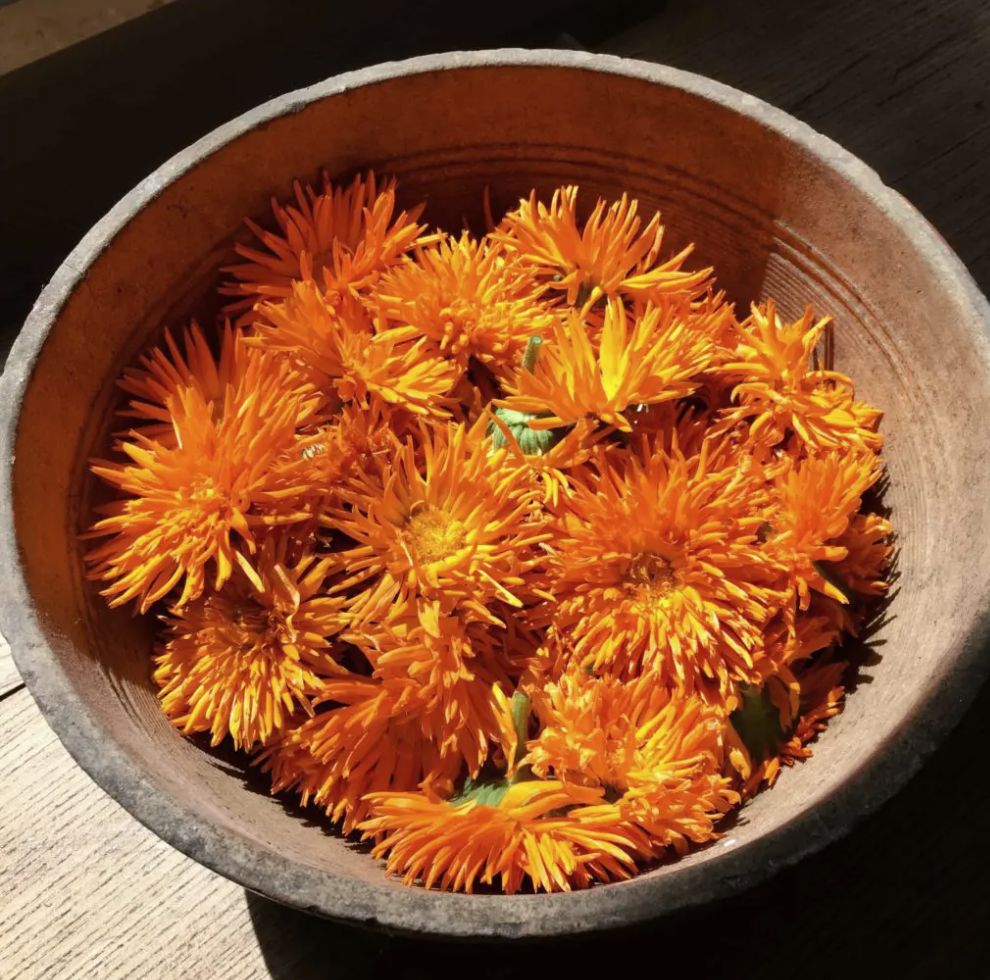
Quantities to be used:

As in the case of tinctures, we will use ground dried plants to reduce their volume and to be able to cover them well. Normally, we will use a glass container in which we will put our dried plant (more or less up to 1/3 of the container) and cover the rest with the solvent (glycerine – distilled water) in a ratio of 30:70, as we said, i.e. 30 grams of water for 70 grams of glycerine.
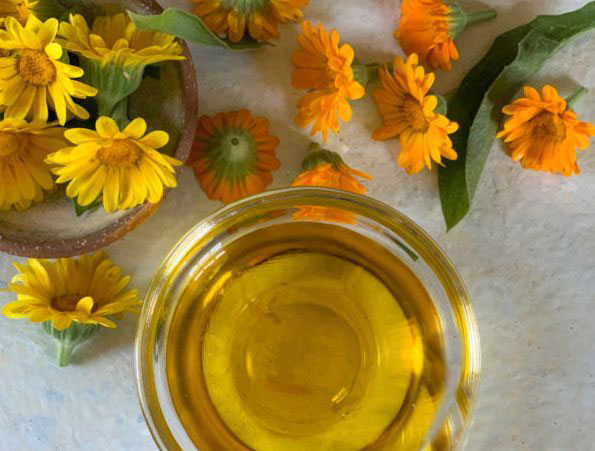
Example of mallow HG 30:70

We weigh 20 g of dried and ground malva sylvestris and pour it into a glass bottle. We prepare our solvent in a ratio of 30 % water and 70 % glycerine. To fill the glass bottle, at least three times as much solvent as dried plant should be added. That is, a plant/solvent ratio of 1:3.
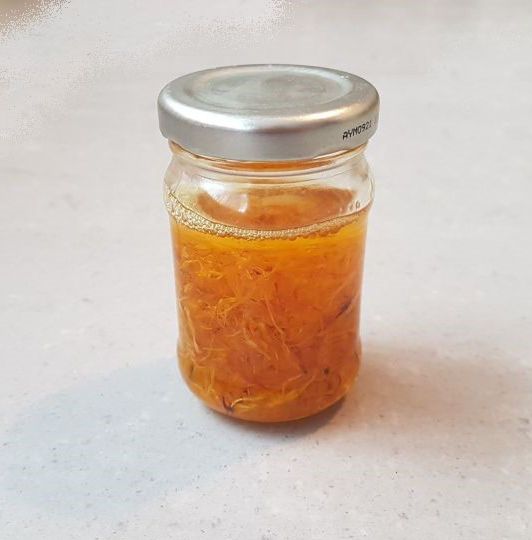
As we had 20 grams of dried mallow flowers, we will add a minimum of 60 grams of solvent (20 grams x 3 parts = 60 grams). Of these 60 grams, 30% will be water and 70% glycerine. According to the rule of three, we will need approximately 18 grams of water and 42 grams of glycerine.

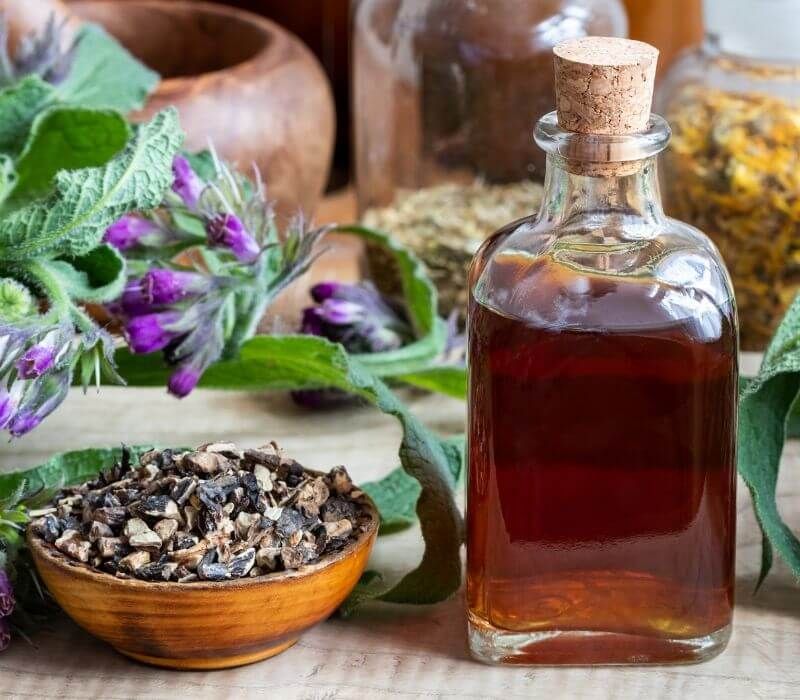
Now we pour the solvent into the bottle, stir well and close it. Store the bottle in a place away from light and heat. The maceration time will be between 8 and 20 days. During this time, shake the bottle from time to time. After the maceration time, filter the macerate through a coffee filter or a very tightly woven cotton cloth so that no traces of the marigold remain.

Our HG should preferably be packaged in a dark bottle, protected from light and heat, with its production date and name. This preparation does not require a preservative, just be careful to put it in the fridge in summer. With this precaution, you can keep it from one year to the next.

Also if you make it in a 50:50 ratio, i.e. half water, half glycerine. However, if we incorporate it immediately into one of our preparations, we will avoid all this. That is why it is better to prepare only a certain amount of product, the amount you are going to use soon.
HYDROALKYLGLYCERINATE OR HAG

Now we are going to prepare extracts with a mixture of water, ethanol and glycerine. With this type of macerates we will be able to extract more active principles than with only glycerine and water. The plant/solvent ratio will also be 1:3 in most cases.
As we said, these types of extracts are preferably added to our facial tonics, serums, masks and facial creams. To do this, add 1% to 5% to these types of preparations.

And we will add up to 15% by weight of our product for preparations such as creams or body washes, as well as hair treatment shampoos.

Example of the amount of solvent for 25 g of plant according to the table above:

21 grams of 96º pharmacy alcohol

29 g water

25 g glycerine

In total, the 75 grams of solvent we have to add to our 25 grams of plant, according to the 1:3 rule

A simpler way to prepare our HAG is to use vodka (40 proof alcohol). In this case, the solvent mixture will consist of 2 parts vodka and 1 part glycerine.
Example of the amount of solvent for 25 g of plant:

50 g vodka

25 g glycerine.
And, of course, you don’t need to add water, so the preparation keeps even better.

The steps to follow to elaborate the HAG are the same as for the hydroglycerine, the only difference is that in this case the maceration time is 8 to 10 days, also trying to shake it several times a day. The HAGs can be incorporated into our cosmetic preparations without any problem, in a proportion of up to 15% for body preparations and between 1-5% for facial preparations.

AN EXAMPLE OF HYDRO-GLYCERINATED MALLOW EXTRACT

Mallow has hydrophilic compounds, so it is best to make a hydro-glycerine extract with water and glycerine to get the most active ingredients out of this soft, protective flower.

Ingredients:

10 g dried mallow flowers in a small glass container (to which we add 30 g of solvent)

9 g distilled water

21 g vegetable glycerine

PROCEDURE:

Crush the flowers well and add the water and glycerine solution. Leave to macerate for 2 weeks, protected from light and heat and shaking from time to time. Then filter and store in the refrigerator.
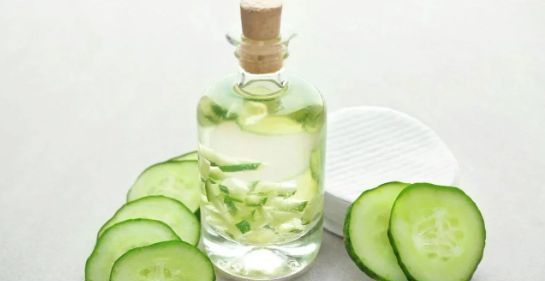
Mallow Flower Extract is recognised for its moisturising, soothing, emollient and natural collagen-activating properties, as well as its ability to regulate trans-epidermal water loss in the skin. This is due to the mucilage content of its flowers. It also has a healing and anti-inflammatory action.

Mallow is also used in products to treat tired legs due to its content of venoactive flavonoids, i.e. being able to decrease the permeability of blood capillaries and increase their resistance.

 It is also used in eye drops to decongest inflamed eyes, as it tones up the microcirculation in the eye.

HYDROALCOGLYCERINATED CUCUMBER EXTRACT

The best-known benefit of cucumbers is their soothing, calming effects. People often use cucumber extract for the skin to soothe morning puffiness or any irritation.  This is partially due to cucumbers’ powerful hydration content.  But cucumbers also contain Vitamin K, A, and C, which not only act as antioxidants but also have anti-inflammatory and moisturizing effects on the skin.  Cucumber extract skin benefits also include reducing dark circles and slightly smoothing out wrinkles.

Recently, researchers found that cucumber fruit extract contains rutin and ascorbic acid oxidase, both free radical scavengers that can help protect against skin damage. 

The plant/solvent ratio shall be 1:2, i.e. two parts solvent to one part plant.

And the ratio of water, glycerine, alcohol shall be 30:40:30.

In this case, as we have used 15 grams of fresh crushed cucumber, we will add the quantities, according to the proportion 30:40:30, in which we include a proportion of double the solvent than the crushed cucumber, because 9+12+9 is equivalent to 30 grams of solvent, which is double the plant we had, in this case, double the crushed cucumber.

9 grams of distilled water, which is 30% of the total 30 grams of solvent.

12 grams of vegetable glycerine, which is 40% of 30 grams.

9 grams of alcohol, which is 30% of 30 grams.

PROCEDURE:

After cutting the cucumber into very small pieces, about half a centimetre in size, i.e. almost crushed, place it in a wide-mouthed glass container with an airtight lid.

Add the solvent of water, glycerine and alcohol and leave it covered for a week or so.

Filter it through a dense cotton cloth.

After 8 to 10 days, our macerate will be ready to be incorporated into our cosmetic preparations. We will keep it in the refrigerator while we are not going to use it, although thanks to the mixture of glycerine and alcohol, it does not require the addition of synthetic preservatives.

SMART HOMECOSMETICS: Or how to avoid preservatives in our home preparations.


Current literature on “Slow Cosmetics” and new cosmetic and hygiene trends aim to preserve the proper functioning of our skin’s natural barrier by avoiding the use of harsh soaps and cosmetics. https://www.mdpi.com/1420-3049/26/5/1249/htm

In our homemade cosmetic preparations, the ingredient that can be the most aggressive and that we need to watch out for the most are preservatives.

I find it rather sad to observe that when the best cosmetic laboratories of today (Welleda, Colgate Palmolive (Sanex line) strive to improve the composition of their soaps and cosmetic products to make them less aggressive and respectful of the natural bacterial flora of our skin, bloggers and authors of homemade natural cosmetics continue to design recipes for creams and other homemade cosmetic products to which they happily add a gram of synthetic preservatives such as Cosgard, Geogard, Rokonsal…

And some of you will tell me that you make these recipes and that you don’t notice anything aggressive. My question is: do you notice that your skin feels more stiff after a few days of use, have you developed skin redness, is your skin more sensitive to the sun and the appearance of sunspots? All these phenomena are side effects caused by the use of aggressive preservatives or excessive amounts of preservatives in your creams and products for daily use, as synthetic preservatives deteriorate the natural protective layer of our skin and alter its functioning. It is for this reason that today’s soaps strive to use less aggressive detergents with the addition of probiotic ingredients and natural skin barrier protectors. And today’s good creams, which are tolerated by all skin types, such as Welleda’s, do not even contain synthetic preservatives, just a few derivatives of natural essential oils.


Weleda is a Swiss-German company founded in 1921. With 90 years of experience, the company is dedicated to the production of anthroposophically oriented master preparations and natural cosmetics. Compare, for example, the composition of Welleda’s Skin Food cream with some of the conventional creams you will find on the market.

WELLEDA SKIN FOOD CREAM INGREDIENTS

INCI: Water (Aqua), Helianthus Annuus (Sunflower) Seed Oil, Lanolin, Prunus Amygdalus Dulcis (Sweet Almond) Oil, Beeswax (Cera Alba), Alcohol, Polyglyceryl-3 Polyricinoleate (emulsifier of vegetable origin), Glycerin, Limonene* , Viola Tricolor Extract, Hydrolyzed Beeswax,  Sorbitan Olivate (lipids derived from olive oil), Rosmarinus Officinalis (Rosemary) Leaf Extract , Chamomilla Recutita (Matricaria) Flower Extract , Calendula Officinalis Flower Extract, Arginine, Zinc Sulfate, Fragrance (Parfum*) Linalool* Geraniol * Citral* Coumarin* *From natural essential oils.


THE WELLEDA PHILOSOPHY IS ALSO THE PHILOSOPHY OF THIS BLOG

We wanted to include here some lines about the philosophy of this brand because we consider that this same philosophy is totally applicable to the natural homemade cosmetics that we emphasize from this our blog.

“Parabens, esters of hydroxybenzoic acid, are one of the most common preservatives in conventional cosmetics due to their low price. They appear on INCI labelling under names such as ethylparaben, propylparaben, isopropylparaben, butylparaben.

Although they are of natural origin, they are produced synthetically and are mainly used to delay the expiry of natural elements. In recent years there has been an increase in cases of skin allergies, rosacea, among others, due to the use of parabens in food and cosmetics (…) Other commonly used synthetic preservatives are benzoic acid, which appears as benzoic acid, or benzyl alcohol, which appears as benzyl alcohol”. Source: welleda

“Preserving a cosmetic naturally is a very complicated task, almost an art, which requires a great deal of experience and knowledge of the principles of natural cosmetics. The process begins with the raw materials, which are subjected to rigorous quality controls.

It is necessary to have a thorough knowledge of natural raw materials, their properties, their character and how to combine them to achieve a natural, stable, safe, effective and long-lasting formula without resorting to synthetic additives.

It also takes advantage of elements such as the type of packaging, natural alcohol or essential oils to contribute to the preservation of the product. (…) Source: Welleda

The most commonly used alcohol, which comes from a long tradition in homeopathy and anthroposophic medicine, is ethanol, which is a completely natural alcohol obtained by fermenting sugars from grains of different plants. It is included in some formulas in very low concentrations, makes the texture lighter and, being volatile, does not penetrate the skin.

Essential oils, in addition to serving as a scent and having multiple physical and emotional benefits, such as stimulating microcirculation, have a fungicidal and bactericidal effect. They are included in very low concentrations between 0.5 and 2%.

It is possible to enjoy effective, safe and 100% natural cosmetics without putting our health at risk by introducing unnecessary chemicals“. Source: Welleda


So, with these ideas in mind, we have intended to write this article on optimising our cosmetic formulations to make them smart like the cosmetics designed by Welleda and thus avoid the use of unnecessary preservatives and chemical additives. That is why we thought we would dedicate this article to “smart cosmetic ingredients” in our homemade preparations.


The best natural preservative that can be used in natural homemade cosmetics is, of course, not to use any preservatives at all.

https://www.ncbi.nlm.nih.gov/pmc/articles/PMC5583239/


To achieve this, as we always say, there are several strategies:

1.-Prepare a very small amount of product that we are going to consume in a few days and, in this case, we will not need to add anything to our homemade formulation.

2.-Keep our homemade product cool and protected from sunlight and temperature changes, e.g. in the fridge, and package it in dark glass containers.

3.-Design a formulation that will keep well for a few weeks without the need to add any preservatives. As we all know, if our formulation does not contain water, this is very easy to achieve, but the problem arises when we want to formulate a cream or body lotion with an aqueous phase, which are undoubtedly more moisturising.

It is therefore necessary to design our formulation well if we want to do without preservatives.

To achieve this, it is possible, for example, to use in our products oils that have been altered to lengthen their rancidity, such as fractionated coconut oil, derived from natural coconut oil, or squalene, derived from the fatty acids in olive oil.

Better still, it is possible to use partially ozonised oils which retain all the properties of the vegetable oil but do not become rancid or contaminated, thus preserving our formulation.

Oils macerated in balsamic resins also have a longer shelf life.

And, of course, since the problem of contamination of our creams comes from bacteria and moulds in the water in products containing an aqueous phase, we can treat the water we are going to use.

We can start, for example, by using hydrolats to which we can add a few drops of the same essential oil to enhance its preservative capacity or even alcohol (preferably ethanol, or even vodka, which has a high natural alcohol content and is also used to make homemade tinctures) as in Welleda’s cream, which is not absorbed into the skin but prevents our cream from deteriorating.

Of course, if we do not have hydrolats, we will have to use distilled water. And why not? Treated water, for example with ozone, as we do with oils. Instead of using ozonated oils, we can use ozonated water in our preparations to avoid fungi and bacteria and, above all, to avoid the need to use synthetic preservatives.

And, in any case, when designing our products, we can consider the idea of making a solid cosmetic since solid cosmetics, by definition, contain little or no water. We will talk about solid cosmetics in a later post.


OZONATED WATER AND HEALTH

Numerous studies have shown that drinking ozonated water provides health benefits and has positive effects on the circulatory system, the nervous system, the skin, the …

Washing fruit, vegetables, fish and other perishable foods with ozonised water guarantees their total disinfection. The same disinfecting and sterilising effect of ozone can be applied to containers, bottles, teats, bottles, contact lenses… Simply immerse them in ozone purified water for 5 minutes.


Ozone-treated water also has a beneficial effect on the gastric mucosa, which is favourable as an adjuvant factor in the treatment of gastritis, gastroduodenal ulcers and some parasitosis.

In general, ozone therapy considers the use of ozone water to be very beneficial for: the circulatory system, the nervous system (depression, stress, insomnia, exhaustion), obesity and cellulite, allergies, eczema and other skin conditions, anaemia, liver problems, rheumatism, arthritis and gout.

Medical ozone therapy eliminates the free radicals that cause premature ageing. Dr. Pérez de León, a renowned doctor from the Biological Institute of Health, includes ozone therapy among his therapeutic methods, stating that it increases immunity by 25-30% and that “it is beneficial for any illness”. Proof of this is that it is currently being used as part of the treatment for AIDS patients.

You can see that your ozonising machine for oils and water can even help you to increase your defences and avoid contagion by coronavirus. Who would have thought it?

On the other hand, if you use ozonised water in the preparation of soaps and household detergents, you will achieve better whitening results than with bleach, as ozone enhances the action of detergents by neutralising the action of other chemical pollutants such as bleach and chlorine, thus preserving the environment.

The cosmetics and hygiene industry has accustomed us to buying synthetic preservatives and synthetic sanitisers based on chlorine, which nowadays, with the technology available to us, are not even necessary and, moreover, pollute. But they do keep the wheel of the capitalist-consumerist system running.


RECIPES THAT DO NOT NEED PRESERVATIVES TO BE PRESERVED

Here are some examples of homemade formulations that can last for several months without the use of preservatives.

BB-CREAM Facial

Along the lines of what we were talking about how to formulate smart homemade cosmetics without using preservatives or using minimal preservatives.

For example, it is possible to formulate a BB-Cream Facial without using an aqueous phase.

Therefore, it is not necessary to add preservatives. We have only taken the precaution of using fractionated coconut oil, which is more stable than natural oil, and will last about 6 months in perfect condition. In addition, this BB-cream includes a high sun protection factor due to the 20 grams of zinc oxide with which we have prepared the line. This makes it an ideal day cream.

Ingredients for 100 g of product:

0.8 g pink ochre pigment (or a mixture of red and yellow iron oxide)

20 g of zinc oxide previously micronised in the ceramic mortar to avoid lumps

63 g fractionated coconut oil

8 g of silica microspheres

8 g beeswax


PROCEDURE:

Put the red iron oxide and the yellow iron oxide in a heat-resistant container. Then add the zinc oxide.

Add the fractionated coconut oil to the mixture, stir and blend. Add the silica microspheres, stir and finally add the beeswax.

Put the mixture in a bain-marie to melt the wax, stir well and pack.

In this first cosmetic formulation we have not used an aqueous phase, which makes it much easier to do without preservatives, but in this second case, we present a body lotion formulation that does contain a lot of water.


LIPID BARRIER PROTECTIVE BODY MILK FORMULATION

This body milk keeps for weeks without adding any preservatives thanks to the combination of lanolin and beeswax. You will certainly finish it before it deteriorates. But if you expect to use it for months, it is best to add a few drops of GSE to your distilled water or use ozonated water instead. Of course, it is also possible to use a mildly ozonated almond oil.

Ingredients for about 250 ml of body milk:

10 grs lanolin

12 grs beeswax

10 grams of emulsifying wax #3 (INCI: Glyceryl Stearate Citrate)

120 g distilled/ozonised water with a few drops of GSE

80 grams of almond oil


PROCEDURE:

Heat the beeswax in a bain-marie until it melts and add the lanolin.

Separately, heat the emulsifying wax No. 3 in a bain-marie in another container and when it melts, add the almond oil and the ozonised water until it reaches a temperature of 70 degrees.

Now add the oil + ozonised water to the lanolin and beeswax mixture while whisking until the mixture is integrated and the emulsion is stabilised. It should be a light emulsion like a fine custard.

If it is too light after whipping, don’t worry, because when it cools down it will thicken much more. If you add more wax, it will be too thick and you will not be able to use it smoothly afterwards.

This is a very interesting body milk because the combination of lanolin and beeswax generates a kind of film on the skin that reinforces its lipidic barrier, thus protecting our skin from dehydration. You will notice it immediately if you decide to make it.


HOMEMADE SOYBEAN LECITHIN EMULSIFIER with base of ozonised oil

It is advisable to first pulverise the soya lecithin you have purchased with a ceramic pestle and mortar, which usually comes in granulated form.

I say this because crushing the granules well helps a lot later with the process of incorporating the soya into the sunflower oil.

Ingredients:

40% cold-pressed sunflower oil (sorry, but supermarket oil is not suitable) or sweet almond oil, in our case, ozonised sunflower oil.

60% non-GMO soy lecithin, usually granulated.

PROCEDURE:

The pulverised soya lecithin is added to a heat-resistant glass container, which is to be placed in a bain-marie.

Then add the sunflower oil that has already been weighed and place in a bain-marie for about 15 minutes.

After this time, the granules may not have dissolved completely. Some people blend them in a blender, but if you find this process too messy and messy, we simply keep stirring for a few more minutes until they are completely dissolved.

Finally, pour the mixture into a glass jar with a lid and leave it to stand for 3 hours. After this time, our lecithin will be ready.


This is an emulsifier that can be used for cold or hot emulsions. However, it is recommended to use another agent that can give consistency to the emulsion (co-emulsifier), e.g. beeswax, which, although it is not an emulsifier itself, helps to make the emulsion more stable. It is also possible to use cetyl alcohol or a thickening gum such as xanthan in the aqueous phase.


The advantage of this soy lecithin emulsifier is that, in addition to being an emulsion coadjuvant, it provides a soft touch and a higher level of hydration and anti-wrinkle protection to our creams due to the phytoestrogens contained in soy lecithin. And, the biggest advantage of preparing it with ozonised oil is, without a doubt, that it does not go rancid as is usually the case with homemade soya lecithin made with conventional sunflower oil.


ANTI-MOSQUITO SPRAY

Ingredients:

50 ml of seawater reconstituted from Dead Sea salt, or Celtic salt, or any other salt with properties. As you know, salt is another great natural preservative. However, you can substitute this recipe with ozonated water, of course.

6 drops of Citronella Java EO

6 drops of EO of Eucalyptus citriodora

5 drops of Geranium of Egypt essential oil

5 drops of Immortelle de Corsica or Helichrysum or Immortelle de Corsica E.O.

1 g vegetable glycerine


INSTRUCTIONS

First, reconstitute the seawater by adding a teaspoon of salt to 50 ml of a mineral water that you have at home.

Now, we will calculate one gram of glycerine* which will serve as the basis for dissolving the essential oils and combining them.

So, to this gram of glycerine we will add the EOs and stir.

Finally, we add the glycerine mixture with the essential oils to the seawater and package it in a spray bottle, preferably in dark glass, to keep it in good condition for a longer period of time. Although, as you have probably gathered from our clever formulation, this combination of water with salt and essential oils needs virtually no additives to keep it stable indefinitely.

*If we did not use glycerine, we would have to use a natural solubiliser to emulsify the essential oils with the seawater to avoid having to shake our bottle every time we use it.


TIPS:

Avoid adding more EO than indicated because, although you may think that this will make your spray more effective against mosquitoes and other flying beasts, this is not entirely true and you may also cause a skin reactivity problem for children or sensitive people.

Although the ingredients used are all natural, as we always say, just because they are natural does not mean they have no effect. This spray contains essential oils, which are powerful therapeutic weapons that should be used with caution and respect.

In this case, we will avoid using higher doses than those recommended for the 50 ml of product and, at the same time, we will avoid direct contact of the EOs with the skin. This is why we have diluted them in the glycerine and water contained in our spray bottle.


THE NATURAL PRESERVATION ALTERNATIVES THAT WE KNOW OF

As we have been talking about, ozonated oils, ozonated waters and hydrolats, sea salt added to our waters, oleates based on balsamic resins, essential oils added to our compositions, tinctures such as benzoin tincture or propolis tincture; all these options constitute authentic natural conservation strategies for our homemade cosmetic products as long as we include them in our formulations.

In the event that it is essential to use some kind of preservative in our preparation, as is perhaps the case for the preservation of natural aloe vera gel or some creams and lotions with aqueous phase, we can look to the natural cosmetics industry and the organic food industry to find preservatives that are less aggressive to our skin but still do their job effectively.

https://fbcindustries.com/what-are-the-most-common-food-additives-and-preservatives/

Natural preservatives such as potassium sorbate are, in principle, not harmful to the body. Potassium sorbate (E202) consists of the potassium salt of sorbic acid and is used as a preservative in both the cosmetics and food industries. It is considered safe because it is converted to water and CO2 in the human body. It protects cosmetic products against yeasts and moulds and is very skin friendly. The dosage of this preservative would be between 1.5% to 2%.

https://www.feelinggoods.nl/weet-jij-wat-je-smeert/

We prefer to use mild preservatives such as potassium sorbate combined with ethanol or preservatives of natural origin that also contain probiotics, such as Leucidal, as well as those used in naturopathy to fight infections, such as grapefruit seed extract and propolis tincture, which is also used to disinfect wounds and as an adjuvant in infectious processes.

Using potassium sorbate as a preservative in dermo-cosmetics is certainly an option, although as is often the case with milder, biodegradable options, it is not a very effective option.

“Potassium sorbate inhibits the growth of yeasts and moulds, but has only moderate efficacy against bacteria. It is therefore useful to use potassium sorbate in combination with natural alcohol (ethanol) for a wide range of applications. Potassium sorbate is one of the few preservatives accepted by the BDIH. The optimum pH value of the final product should not exceed 5 for proper functioning. Up to a pH value of 7, the operation is also safe. Lactic acid can be used to achieve the correct pH level. Potassium sorbate is also soluble in water”.


NEW GENERATION OF MORE ENVIRONMENTALLY FRIENDLY PRESERVATIVES

The following study analyses the preservatives used in conventional dermo-cosmetics and also in herbal dermo-cosmetics. Unfortunately, as far as preservatives are concerned, there is not much difference.

https://www.actasdermo.org/es-conservantes-productos-higiene-cosmeticos-medicamentos-articulo-S0001731017302053

Approximately 6% of the population is sensitised to some cosmetic ingredient, especially preservatives and fragrances. When a risk of sensitisation to a preservative is described, expert committees (Scientific Committee on Consumer Products and Cosmetic Ingredient Review, in Europe and North America respectively) issue opinions that lead to legislative changes determining restrictions on maximum permitted concentrations or even a ban. As a result, the cosmetic industry promotes preservative alternatives (new molecules or combinations). Occasionally, newer preservatives end up triggering new cases of sensitisation, as serious or more serious than those secondary to the preservative they replaced. Thus, over the years, there have been several “epidemics” of sensitisation to preservatives: formaldehyde (1950s and 1960s), methylchloroisothiazolinone/methylisothiazolinone (MCI/MI) (1970s-80s), or methyldibromoglutaronitrile (1990s). We are currently immersed in an “epidemic” of allergy to MI since its use in cosmetics was approved in 2005, at a concentration <100ppm, in the belief that it was less sensitising than MCI, and despite the fact that the first cases of dermatitis to methylisothiazolinone had already been reported at the time“.


However, we are happy to see that new generation preservatives are starting to be seen in online home cosmetics shops whose naturally sourced compositions are not only more environmentally friendly but also, in some cases, 100% biodegradable.

This is the case with the above-mentioned Leucidal, whose INCI is Lactobacillus Ferment. It is a probiotic-based preservative created by the fermentation of Lactobacillus in a defined growth medium. Lactobacillus is one of the species of microorganisms used to produce fermented products, such as kimchi and sauerkraut, a staple of the Korean diet, from cabbage. Like many members of the lactic acid bacteria family, Lactobacillus is able to restrict the growth of other microorganisms by acidifying its environment. However, Lactobacillus also produces novel antimicrobial peptides, known as bacteriocins, which are able to provide broad-spectrum antimicrobial protection capable of restricting the growth of other microorganisms by acidifying their environment.


It is best incorporated into our formulations during the cooling phase of the process at temperatures below 70°C. Suggested use levels are typically between 2-4%.

Dermorganics 1388 (INCI: Glycerin, Aqua, Sodium Levulinate, Sodium Anisate) is a natural preservative approved by ECOCERT that not only increases the shelf life of our cosmetics, but also provides important skin care properties as it helps to moisturise and reduce inflammation, making it suitable even for irritated skin or skin with acne. It has a mild odour that does not interfere with formulations, just like Leucidal.  In addition, all components are also of vegetable origin (star anise, sugar cane, non-GMO soy/corn) and glycerine.


Its most effective application would be at a dosage of 2-4 % of the final product and its shelf life is up to three months, more or less the same as Leucidal. And, of course, it meets the ECOCERT criteria (100 % natural and 46 % organic/ecological origin). Dermorganics is available in the cremascaseras.es online shop.

However, be wary of preservatives based on benzyl alcohol and advertised as environmentally friendly when it has been known for years that benzyl alcohol is an allergenic substance that can cause skin irritation as stated in the EU classification of allergenic substances.

Source: https://single-market-economy.ec.europa.eu/sectors/cosmetics/cosmetic-products-specific-topics/fragrance-allergens-labelling_en


The French Aroma-Zone shop of course has Leucidal and GSE, but also offers an environmentally friendly preservative alternative known as Plantaserv Q, which they call Naticide. It is a broad-spectrum antibacterial and antifungal preservative that ensures the preservation of cosmetic preparations containing an aqueous phase. This colourless-yellow liquid with a sweet vanilla smell is of natural origin and its composition includes aromatic compounds with antibacterial and antifungal properties. That is why its INCI is as simple as this: Fragrance.


It is mainly used in milks and lotions and in shampoos and shower gels at a maximum dosage of 1%. It is difficult to dissolve in water, but it can be added when the emulsion is still warm (it can handle the temperature well) so that it integrates better and dissolves in the oils.

And of course, of course, we cannot forget the famous grapefruit seed extract that has caused so much controversy (include link to grapefruit seed extract article) and which is known as ESP in Spanish (GSE in English). If possible, try to get it like this one (for example, in the Aroma-Zone shop) which is specially designed for use as a dermo-cosmetic preservative and contains an addition of organic acids (lactic, citric and ascorbic acid) that make it especially suitable for use in home cosmetics.

This one by Aroma-Zone in particular is of natural origin, contains no benzethonium chloride, no parabens, no triclosan, and is completely biodegradable. However, it cannot be used internally as an antibiotic, although it can prolong the life of our “homemade” water-based cosmetics for approximately 1 month.


We also found this other GSE product especially for home cosmetics in a Dutch shop. In this case, it contains 60% GSE and 40% vegetable glycerine.
Those normally found on the market contain a maximum of 33% GSE and, of course, no added glycerin if they are not designed for cosmetic use. INCI Nomenclature: Grapefruit (Citrus Grandis) Extract (and) Glycerin.


Grapefruit Seed Extract (GSE) for internal use is a broad-spectrum antimicrobial agent based on citrus seeds and pulp. It is blended with vegetable glycerin to be non-irritating to skin and mucous membranes when used in cosmetic formulations. The antibacterial and antifungal properties of grapefruit seed extract make it an ideal cosmetic preservative in products such as shampoos, creams, lotions, scrubs and soaps.

This therapeutic agent, in its internal use version, is used worldwide for its natural antibacterial and antifungal properties. In laboratory studies, this particular extract has shown activity against gram-positive and gram-negative bacteria, including E. coli, Staph. Aureus, as well as fungi such as Pseudomonas Aeruginosa, Aspergillus Flavus and Aspergillus Niger. It is very safe to use and is completely biodegradable. It has a 30-year track record of safety and efficacy as a human therapeutic agent. GSE for internal use is even safe enough to use as a drinking water disinfectant when necessary.


SMART HOMEMADE COSMETICS AND OZONATED OILS

Preservatives in food are certainly a problem, but the same situation applies to our skin.

Dr Alejandro Junger’s famous therapeutic method, which he described in detail in his book “CLEAN” and in which he proclaimed the need to abandon processed food with all its preservatives and added chemical additives in order to restore the functioning of the intestinal microbiota, could be said to have a parallel in the current literature on “Slow Cosmetics” and the new cosmetic and hygiene trends that aim to preserve the proper functioning of our skin’s natural barrier.

https://www.mdpi.com/1420-3049/26/5/1249/htm

With this idea in mind of optimising our cosmetic preparations by avoiding unnecessary preservatives and chemical additives, we thought we would dedicate this article to ozonated oils as a “smart cosmetic ingredient” in our homemade preparations.

OZONATED OILS IN OUR HOMEMADE PREPARATIONS

Ozonated oils, in addition to all the properties that a natural vegetable oil already contains, are excellent for healing and regenerating the skin. We can therefore use them directly in cosmetic preparations, just as we would use non-ozonated vegetable oils. Moreover, they retain their properties much better thanks to ozone.
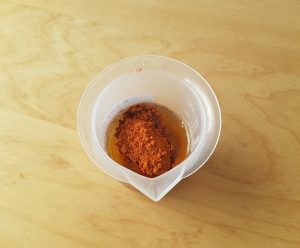
WHAT IS OZONE?

Ozone is a highly oxidising, bluish-coloured gas, which forms in the ozonosphere and protects the Earth from the action of the Sun’s ultraviolet rays; it is an allotropic state of oxygen produced by electricity. It is therefore a gas that is naturally present in our atmosphere. Each ozone molecule contains three oxygen atoms, and its chemical formula is O3. The oxygen molecules (O2) contained in the air we breathe consist of only two oxygen atoms.
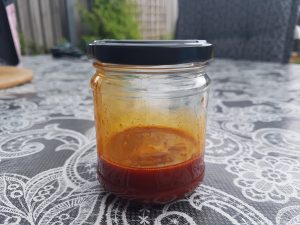
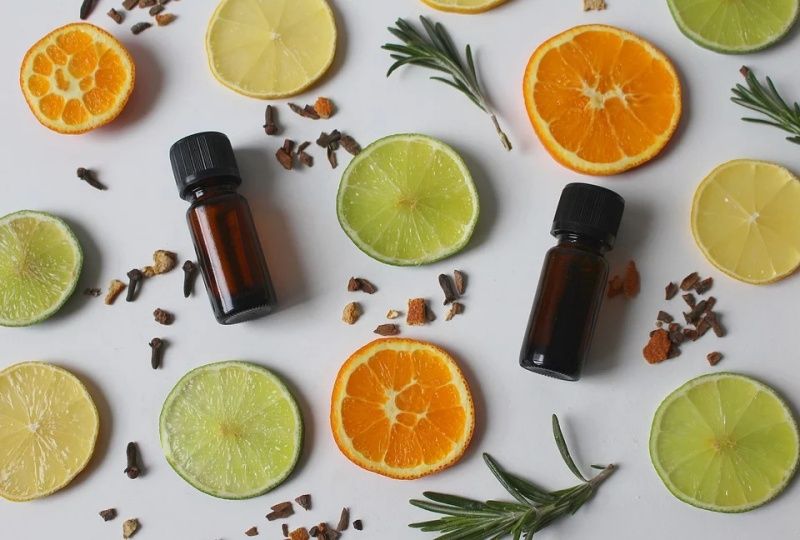
Ozonated oils can be applied directly to the skin. If you have read carefully what ozone is, you will be able to directly deduce some of the fundamental properties of ozonated oils in their topical use.

-On the skin of our face, they improve the appearance of the complexion because, paradoxically, they prevent oxidation and free radicals, protecting it from the sun’s harmful rays and thus preventing the appearance of pigmentation spots.

-It is possible to apply them to the body to deeply moisturise it, but this can be a bit expensive if you have to buy them, it is better, as I explain below, to prepare your own oils with an ozoniser or to dilute them in a moisturising body milk recipe like the ones we provide on our website.

-As ozonated oils are moisturising by nature, but also contain the antifungal and antibacterial properties of ozone, you can also use them to moisturise your intimate body areas, thus avoiding itching and possible infections derived from vaginal dryness that all women sometimes suffer from at different stages of our lives.

-Applied to the toenails, they not only prevent redness and irritation, but also prevent and cure nail fungus. Your nails will be a little blue for a few days, of course, because ozone is a blue gas as we explained before, but they will be as healthy as apples.

 And if, in addition, you want to use ozonised oils in your natural cosmetics recipes, the advantages are even greater because by using these oils you will avoid the need to use preservatives in your homemade preparations. Ozone ensures that these oils are better preserved, preventing oxidation for much longer than non-ozonated vegetable oils.

“The ozonation of the olive oil resulted in changes in its chemical composition. Although a decrease in unsaturated acids was observed, several additional compounds detected in the ozonated olive oil positively affect physicochemical, sensory, and functional properties of cosmetic emulsions. Emulsions based on the ozonated olive oil retain their properties much longer compared to emulsions based on the refined olive oil. Ozonated olive oil treated with 0.10 mole O3/100 g oil allowed increasing the shelf life of the non-preserved formulation up to six months. A weak inhibitory effect against C. albicans and A. brasiliensis was also demonstrated for this emulsion in the challenge test. An interesting aroma and lack of cytotoxicity at concentrations 625µg mL-1 make the ozonated olive oil a promising raw material for the cosmetics and pharmaceutical industries”.

Source:

https://www.researchgate.net/publication/351748534_Olive_Oil_with_Ozone-Modified_Properties_and_Its_Application

PROPERTIES OF PARTIALLY OZONATED OILS

The ozone contained in the carrier oil enhances the properties of the oils to their maximum expression. In other words, if Hypericum oil is in itself a good anti-inflammatory, ozonated Hypericum oil is a much better anti-inflammatory.

Ozonated oils are generally used to provide oxygen to the skin. Ozonated olive oil, for example, can be useful for the following conditions: Scrapes, cuts, burns, psoriasis, eczema, cold sores, anal fistulas, seborrheic dermatitis, ringworm, athlete’s foot, toenail and foot fungus, poison oak or poison ivy, bee stings, insect bites, bruises and generally any part of the skin that needs healing.

New uses for ozonated oils are being discovered every day. For example, they are now also being introduced in alternative dentistry as they have proven to be useful in the healing of gum abscesses, periodontal problems, and gingivitis.

-Ozonated oils not only oxygenate the tissues, improving the skin’s blood microcirculation, but also deeply moisturise the skin, as they have a high absorption capacity, preventing trans epidermal water loss and skin flaking.

-On the other hand, they act as precursors of the metabolic mediator nitric oxide, prostaglandins and arachidonic acid, thereby contributing to the regulation of cell division and differentiation of the epidermis, i.e. they regenerate tissues.

-It is very important to bear in mind that in the summer they can be particularly useful in our homemade sun preparations as they help to prevent excess free radicals, avoiding damage to endothelial tissue. The hyper-oxygenation of the essential fatty acids in the carrier oil produced by ozone facilitates anti-radical activity in the process of oxidative stress in the cells and so it delays skin ageing.

Its broad-spectrum germicidal capacity, since this process of hyper-oxygenation creates ozonides and peroxides, is scientifically proven as you can read in the following reports:

https://www.ncbi.nlm.nih.gov/pmc/articles/PMC7024311/

https://onlinelibrary.wiley.com/doi/full/10.1111/iwj.13760

In short: In all ozonated oils something very characteristic is produced; their healing and germicidal properties become excellent. Therefore ozonated oils are very good for wounds, irritations or skin scars.

WHAT WE ARE INTERESTED IN WITH REGARD TO NATURAL HOMEMADE COSMETICS

If we add enough ozonated oil to our cosmetic preparations, we manage to ozonate the entire oil phase. Thus, the use of preservatives, even in products containing an aqueous phase, becomes redundant.

And what do you think of the idea of preparing our macerates and oleates with one of these partially ozonated oils?

For example, with ozonated sunflower oil, which otherwise, without ozonation, tends to go rancid very quickly. However, ozonated sunflower oil will allow us to preserve our oleates and macerations, such as calendula oil, for a long period of time without worrying about oxidation and consequent rancidity.

https://www.researchgate.net/publication/233283510_Germicidal_Properties_of_Ozonated_Sunflower_Oil

https://pubmed.ncbi.nlm.nih.gov/25623845/

THE CHARACTERISTICS AND PROPERTIES OF OZONATED VEGETABLE OILS

(we have taken this section from the Jabonarium website), which is pioneer in Spain in the commercialization of ozonated oils for natural homemade cosmetics. Please note, I do not receive any kind of commission for advertising this, so I don’t care if you decide to buy ozonated oils on this website or not.

Just keep in mind that you should buy “partially ozonated natural oils” or oils suitable for internal consumption because, although you may think that oils suitable for topical use can be useful, fully ozonated oils, in addition to being thick, are too strong to be used in your homemade preparations and can even irritate the skin and cause flaking due to their strong antibacterial and antifungal activity.

Ozonated Olive Oil. It helps to reduce the effects of cellulite and is also a good anti-acne oil, as it regulates sebum secretion, preventing pimples from appearing.

Ozonated Hypericum Oil. It is highly recommended for mature and tired skin. This oil is a great healing agent, helping to heal wounds. It is also anti-inflammatory and soothing for burns.

Ozonated Rosehip Oil. It is highly recommended for dry skin, as it has a great nourishing power. It helps to improve dermatitis problems. This oil is a great stimulus for the natural production of collagen and elastin in our skin, and acts as a cellular renewer.

Ozonated Sunflower Oil. It is a very powerful natural regenerator, which also eliminates bacteria and fungi. It also helps to restore the pH of the skin and is effective against cellulite.

Ozonated Chamomile Oil. Chamomile oil has great antibacterial power. This oil is also anti-inflammatory. It is also effective against skin infections.

Ozonated Arnica Oil. Ozonated arnica oil has a great anti-inflammatory action. This oil is a great antioxidant and photoprotector. It is also very good for relieving insect bites or irritations.

Ozonated Calendula Oil. Ozonised calendula oil provides elasticity to the skin, especially for sensitive skin. Very suitable for chapped skin. This ozonised oil also has anti-acne properties.

Ozonated coconut oil. This oil, although not found in the Jabonarium shop, is interesting to include in this classification because of its outstanding qualities. In general, natural cold-pressed vegetable oils are always hypoallergenic, but this is a particularly outstanding quality of coconut oil that makes it especially suitable for the most delicate skins. Also because of its excellent emollient and moisturising properties, coconut oil is particularly suitable for those with sensitive skin.

Coconut oil is a safe way to combat dry, flaky skin and has been used for years for eczema, psoriasis, dermatitis and other skin problems. These properties are undoubtedly optimised by partially ozonating this oil. When coconut oil is ozonated (infused with active oxygen), its antioxidant capacity is boosted while it acquires a luxurious consistency that is easily absorbed into the skin.

THE ORIGIN OF THE FIRST OZONATED OILS

And here we must talk about the great sage Tesla, of whom so much has been said lately since all his discoveries have become better known.

Nikola Tesla (in 1900) patented his first ozone generator, which he immediately began to use by ozonating olive oil that he sold to doctors. Tesla created his ozonated oil by bubbling ozone through pure olive oil in the presence of a magnetic field for eight weeks. In 1904, ozonated olive oil, also known as Glycozone, began to appear in the medical literature: “The Medical Uses of Hydrozone and Glycozone”, 9th edition, by New York chemist Charles Marchland.

Ozone is a very reactive gas and difficult to stabilise for long periods of time in a usable form. It has long been known as a universal disinfectant agent that fights bacteria, viruses, and other germs. However, when ozone is bubbled through an ozone-resistant container (such as a glass container), the ozone gas is trapped and begins to react with the oil.

Ozonated oil is actually created by a redox reaction. The ozone literally burns the oil, and three primary organic peroxides are actually created throughout the process. In other words, the first peroxide created reacts a second time to produce a second peroxide, and finally once more to form C10H18O3. The final process is quite remarkable, as the whole substance will turn into a white foam. Once this white foam settles, there is no point in further ozonation, as the original oil is no longer present, and the compounds have been brought to a state that no longer reacts with ozone.

What is the shelf life of ozonated oils?

The oil is reported to be stable for up to 17 years. For long-term preservation it should be stored in the refrigerator or freezer. Ozonated olive oil has been tested after 10 years of refrigeration and has been found to be 98% more effective in its germicidal power.

HOME OZONATION

If you have your own ozone generator, which is nowadays available on amazon for less than 100 euros, the possibilities are vast.

From ozonating your oils, as commercial ozonated oils are quite expensive, to ozonating the water in your cosmetic preparations or even ozonating seawater for use in your homemade soaps, facial lotions, and topical sprays.

Ozonated oil has many benefits for daily use and for body and skin care (regeneration, healing). Its use is widespread because its capabilities are limitless: Bactericidal, virucidal, fungicidal, effective against parasites…

How is ozonated oil made?

The most commonly used oil is olive oil, which has many interesting properties, but it is possible to use any type of oil, such as sunflower or coconut oil. However, it seems necessary to use oils with a high concentration of oleic and linoleic fatty acids. The acidity of the oil should also be low.

What equipment is needed to make home-made ozonated oil?

You will need an ozone generator. There are many models available on the market. They range from a few tens of euros to several hundred or even thousands of euros if you need to produce large quantities. However, for home use, an ozone generator that generates 500 to 600 mg/h is sufficient. This is available on the market for a modest price.

However, the ozone generator must be equipped with a tube to introduce the ozone into the oil. It must also have a porous stone to fix the end of the tube. This stone will allow a better diffusion of the ozone into the oil and thus ensure a better mixing and integration of the gas into the liquid. The bubbles resulting from the ozone injection must be small. This is the main interest of this stone. If the bubbles formed are too large, the injection will not be perfect. Not to mention the risk of splashing, which is always unpleasant…

Of course, you need oil. The oil you choose must be of good quality and cold-pressed.

And finally, you need a container such as a glass jar or bottle for the ozone to bind to the oil. As a rule, it only takes one day (24 hours) to ozonate the oil. After one hour of ozonation, the ozone starts to integrate the oil.

And the interesting thing about being able to use our own generator is that we can choose the power we want for our homemade oil. As we mentioned, ozonated oil is a powerful bactericide, if instead of ozonating it for 24 hours you do it for less time you have the possibility of deciding the power you want for your oil. Less time, less ozone, and a softer oil. Keep in mind that after the ozonation process, your oil will acquire a strong ozone smell, so you can certainly make it less potent by using less time. The best oils for cosmetic preparations are partially ozonated oils.

It is also possible to add essential oils to scent the result, but of course this will also increase its bactericidal and fungicidal potency. So, as we always say, moderation is a great virtue when you are trying to design a product that has properties for the skin without being aggressive.

Once the ozonation process is complete, the container in which the oil is stored should be sealed if you are not going to use it immediately. The shelf life varies from 1 to 10 years, depending on the quality of the ozonation. Logically, if you are going to use it to prepare your products, you can keep it, like the rest of your oils, in a cool place away from light and high temperatures.

ADVANTAGES OF OZONATING THE OIL YOURSELF

If you have an ozoniser, even a cheap one from amazon, it might be interesting to try ozonating the oil you want to use yourself, for example, to prepare homemade soya lecithin. In this way, you will extend the life of your homemade lecithin enormously since you will prevent the sunflower oil, which is the base of the lecithin, from going rancid.

The possibility of ozonating a homemade oil at our disposal not only reduces the cost of the procedure, but also, having our own machine, as mentioned above, allows us to control the degree of ozonisation of our final product.

If we are looking for a slightly purified oil, we will apply, for example, a few hours of ozonisation.

If, on the other hand, we are looking to extend the life of a final product such as homemade soy lecithin emulsifier, we may need to leave the sunflower oil in contact with ozone for a slightly longer period.

HOMEMADE PREPARATIONS BASED ON OZONATED OIL

In the section on the cosmetic properties of ozonated oils, we talked about the skin regenerative capacity of ozonated oils.

With this in mind, we have designed a recipe for a facial repair suncream that can be very interesting for everyone now that summer is over, and we need to recover from the ravages of high sun exposure on our skin.

Our regenerating cream is based on two key ingredients: ozonated olive oil* and gamma oryzanol*. Both components prevent sun damage and at the same time repair the skin.

*Ozonated oil: The interesting thing about ozonated oil with regard to sun protection is that, without forming a total protective screen as mineral sunscreens do (zinc oxide and titanium dioxide), it allows the skin to tan without getting sunburnt. We might therefore think that its degree of protection (SPF) is lower than that of mineral filters, but this is not entirely true because ozonated oil prevents sunspots and corrects pigmentary alterations of the skin. In addition, a posteriori, after exposure to the sun without filters, it acts by regenerating the skin and healing possible sunburns. As you can see, ozonated oils are very interesting sunscreens.

*Gamma-oryzanol: Gamma oryzanol is derived from rice bran oil and is composed of sterols and ferulic acid. This compound demonstrates a high antioxidant and anti-ageing capacity. Its ferulic acid content makes it a powerful antioxidant that prevents oxidative stress on the skin. It reinforces the skin barrier and is suitable for use in products for dry and mature skin. It also has a high capacity to absorb UV radiation (UV-A and UV-B) and is ideal for combining with physical sunscreens (vegetable oils) in creams and milks. In this case, with our physical ozone-filter oil.

With these two ingredients, we aim, in a simple and smart way, to obtain a sun protection and repair product for our facial skin that does not need preservatives or any other type of synthetic additives.


Ingredients for about 50 grams of product:

30 grams of a hydrolat of your choice or distilled water

15 grams of partially ozonated olive oil

1 gram of gamma-oryzanol powder

6 grams of emulsifying wax number 2*.

*The emulsifying wax number 2 normally has this INCI: Cetearyl wheat straw glycosides, cetearyl alcohol. You can find it in different shops like Aroma-Zone or La Redoma Creativa.

PROCEDURE:

Previously, the powdered gamma-oryzanol should be crushed with a ceramic mortar to improve its dissolution in the oily phase and to avoid possible lumps, because as you have just read, this product does not dissolve in water.

Next, dissolve the emulsifying wax in a bain-marie together with the partially ozonated oil.

In a separate container, heat the aqueous phase with the hydrolat or distilled water. When the temperature of the hydrolat reaches about 70 degrees, add it to the oil phase and begin to whisk with a cosmetic mixer until the whole is well integrated. And we do not need to add anything else, apart from a few drops of essential oil if we prefer to scent our cream, as the ozone contained in the oil gives it a strong aroma that some people may find somewhat unpleasant. However, if the oil is only partially ozonated, the aroma is usually very mild and pleasant.

Personally, we have added a few drops of jasmine EO which, in addition to deliciously perfuming our sun cream, also gives the skin elasticity.

What do you think? Have you ever heard of the possibility of using ozonated oil to prepare your sunscreen creams? We are looking forward to hear from you.

ABOUT BORAX SALTS

Boric acid, or sassolite, is found mainly in its free state in some volcanic districts, for example, in the Italian region of Tuscany, the Lipari Islands and the US state of Nevada. In these volcanic settings it issues, mixed with steam, from fissures in the ground. It is also found as a constituent of many naturally occurring minerals – borax, boracite, ulexite (boronatrocalcite) and colemanite. Boric acid and its salts are found in seawater. It is also found in plants, including almost all fruits.


Borax salt is a soft white crystal that dissolves easily in water. It originates naturally in evaporite deposits produced by continuous evaporation from stationary lakes.

Source Wikipedia: https://en.wikipedia.org/wiki/Boric_acid

Boric acid was first prepared by Wilhelm Homberg (1652–1715) from borax, by the action of mineral acids, and was given the name sal sedativum Hombergi (“sedative salt of Homberg”). However, borates, including boric acid, have been used since the time of the ancient Greeks for cleaning, preserving food, and other activities.

Boric acid was first recorded in the U.S. as an insecticide in 1948 for pest control of cockroaches, termites, fire ants, fleas, silverfish, and many other insects. The product is generally considered to be safe to use in household kitchens to control cockroaches and ants. Boric acid is added to salt in the curing of cattle hides, calfskins, and sheepskins. This helps control bacterial development and helps control insects.

In combination with its use as an insecticide, boric acid also has preservative qualities. And it is that the borax prevents and destroys the dry and wet rot existing in the woods. Borate-based treatment concentrates can be used to prevent the growth of silt, mycelium, and algae, even in marine environments.  Also in medicine, the preservative of urine sample bottles in the UK is boric acid.  And in natural cosmetics, this is also one of the uses that we are going to give it given its great effectiveness and its few side effects.

Boric acid can be used as an antiseptic for burns or minor cuts and is sometimes used in ointments and bandages.  Boric acid is applied in a very dilute solution as an eye wash. Dilute boric acid can be used as a douche to treat bacterial vaginosis due to excessive alkalinity, as well as candidiasis due to non-albicans candida. As an antibacterial compound, boric acid can also be used as a treatment for acne. It is also used as a prevention of athlete’s foot, by inserting talc into socks or stockings. Several preparations can be used to treat some types of otitis externa (ear infection) in both humans and animals.

Apparently, with borax salts, that ancient Hippocratic medical claim that a substance is poison or medicine depending on the dose used gets clear.


On the next page, major wonders of borax salts and the main element that composes them, boron, are still spoken. The page is in Dutch, but contains comprehensive information on the medicinal properties of borax as well as plenty of bibliographic links to support this information. It is worth going to the page and translating it with Google Translate, for example. https://natuurlijkegenezing.eu/index.php/borax-boron/

A brief summary of the information that this page offers us:

Boron (borax) is an increasingly popular natural remedy for a wide range of health problems. Borax is often used as a natural cleaning agent and is also easy to find and very inexpensive. Borax is used to treat widespread chronic diseases, including autoimmune disorders, hormonal problems, and chronic pain. As an anti-inflammatory agent, borax effectively treats arthritis, gout, swollen gums and other inflammatory diseases. In addition, the substance eliminates infections such as cystitis, urinary tract infection and others. Borax has also been used to treat Candida, cancer, obesity, high blood pressure and osteoporosi.”

Some of the research mentioned in the bibliography of this page is found in the American National Library of Medicine: https://pubmed.ncbi.nlm.nih.gov/9638606/ We include the “Abstract”:

“Boron is ubiquitously present in soils and water. Associated with pectin it is essential for vascular plants as a component of cell walls, and it stabilizes cell membranes. It is required for the growth of pollen tubes and is involved in membrane transport, stimulating H (+)-pumping ATPase activity and K+ uptake. However, a high boron concentration in the soils is toxic to plants and some boronated derivatives are used as herbicides. An absolute requirement for boron has not been definitively demonstrated in animals and humans. However, experiments with boron supplementation or deprivation show that boron is involved in calcium and bone metabolism, and its effects are more marked when other nutrients (cholecalciferol, magnesium) are deficient. Boron supplementation increases the serum concentration of 17 beta-estradiol and testosterone, but boron excess has toxic effects on reproductive function. Boron may be involved in cerebral function via its effects on the transport across membranes. It affects the synthesis of the extracellular matrix and is beneficial in wound healing. Usual dietary boron consumption in humans is 1-2 mg/day for adults. As boron has been shown to have biological activity, research into the chemistry of boronated compounds has increased. Boronated compounds have been shown to be potent anti-osteoporotic, anti-inflammatory, hypolipemic, anti-coagulant and anti-neoplastic agents both in vitro and in vivo in animals”.


The World Health Organization is also clear about this.  We include below the translated conclusions of the WHO document (WHO: World Health Organization) on the toxicity of boron and its salts.

https://apps.who.int/iris/bitstream/handle/10665/42046/9241572043_eng.pdf

“Boron is a naturally occurring element that is found in nature in the form of borates in the oceans, sedimentary rocks, coal, shale, and some soils.

Boron is an essential micronutrient for higher plants, with interspecies differences in the levels required for optimum growth.

The symptoms of boron deficiency in plants include cessation of root and leaf growth, necrosis, retardation of enzyme reactions, and reduced pollen germination. Boron deficiencies in terrestrial plants have been reported in many countries.

Comparison of the environmental no-effect concentration (1 mg/litre) with the general ambient environmental boron levels indicates that the risk of adverse effects of boron on the aquatic ecosystem is low”.


Also, the American Agency for Toxic Substances and Disease Registration

https://www.atsdr.cdc.gov/es/phs/es_phs26.html

makes it clear that naturally occurring boron and boron salts do not present toxicity problems in general in the doses that we all absorb naturally through food and water.


After reading all this research that supports the therapeutic effects of borax and its bioavailability in the appropriate doses, we cannot understand how there are so many pages that deal with the subject of borax in a pseudoscientific way and that have spread a bad reputation of borax that lies in its toxicity at high doses or in case of inhalation.

“Borax in the usual form of sodium tetraborate decaborate is not extremely toxic, which means that a large amount would need to be inhaled or ingested to produce health effects. As for pesticides, it is one of the safest chemicals available. A 2006 U.S. evaluation of the chemical found no signs of exposure toxicity or evidence of cytotoxicity in humans. Unlike many salts, exposure of the skin to borax does not result in skin irritation. However, this does not make borax categorically safe. The most common problem with exposure is that inhaling the dust can cause respiratory irritation, particularly in children. Ingesting large amounts of borax can cause nausea, vomiting and diarrhea.”


As everybody knows, there are many plants and natural substances that, in the right doses, have a beneficial effect on the body. However, in high doses they can be toxic like poisons.  This is the case, for example, of the plant digitalis purpurea whose active ingredient (digitoxin) is an effective medicine against heart problems.  https://cienciasycosas.com/2011/08/30/digitalis-purpurea-una-planta-saludable-que-paso-a-ser-venenosa/

“Today it is known that an amount greater than 2 mg of digitoxin causes the heartbeat to go at a lower rate, but soon arrhythmias occur until reaching a cardiac arrest that in the vast majority of cases ends up leading to death, by inhibiting the activity of the sodium-potassium enzyme ATPase,  which causes an immediate increase in intracellular calcium levels. However, several drugs used by patients with heart problems are still based on digitoxin, being highly valued by many cardiologists.”

It is a pity that due to the “possible risks” of intoxication with borax used in high doses we cannot benefit from its multiple properties in natural cosmetics where a very small amount of this substance is needed to obtain spectacular results, both in the elaboration of handmade soaps and in its combination as an adjuvant of emulsions in creams and homemade body lotions.

And, despite its unjustified bad reputation, the industrial applications of borax do not stop growing:

https://www.possehl.mx/crecimiento-industria-acido-borico/


As far as we are concerned, we are going to deal with its applications at the level of natural cosmetics.

USES OF BORAX SALT IN NATURAL COSMETICS

In natural cosmetics we will use, in principle, borax salt and not boric acid which is somewhat stronger and there is no need.

Borax is a soft white crystal that dissolves easily in water. It originates naturally in evaporite deposits produced by continuous evaporation from stationary lakes.

In natural cosmetics it is possible to acquire it in powder or in the form of granules that are white or almost colorless. Among its physical characteristics, borax salt is soluble in hot water and glycerin and insoluble in alcohol.  And its melting point is 75ºC. Its ph. is 9.24 (1% solution at 20ºC temperature).

Cosmetic properties: Bonding agent between vegetable waxes. It acts as a co-emulsifier together with beeswax (they must be found in a good proportion to obtain a stable emulsion).

It can act as a preservative and when losing evaporative water in dry weather or elevated temperatures, it acts as an antiseptic.

It behaves as an anionic and therefore has cleaning and detergent capacity, or as a cationic, and acts as a conditioner. This function depends on the concentration used. In addition, it softens the water, facilitating the suspension of soap particles in the bath water and leaving a softer skin.

It is for these properties that it is widely used to emulsify soaps or balance the pH of cosmetic products since it reduces their alkalinity while acting as a preservative and increasing the viscosity of the final product.

COSMETIC USES IN GENERAL:

Thus, borax is widely used in shampoos and hair lotions, cleansing creams for the hands, moisturizing ointments, oral elixirs, astringents, lotions to combat wrinkles, beauty masks, detergents, softeners, soaps …

AS A CO-EMULSIFIER OF BEESWAX IN WATER-CONTAINING EMULSIONS

Proportions of use: The ratio of beeswax and borax is between 16:1 to 20:1. The typical ratio is 18:1. (This ratio keeps a type A/O emulsion stable, or aqueous emulsion, since the aqueous phase predominates). It is advisable never to exceed 5% of borax on the total product.

In the case of lotions, it can be used as a co-emulsifier of guar gum to form viscous gels and lotions.  It is always incorporated into the aqueous phase of an emulsion, when it has already gained some temperature.  In addition, creams emulsified with beeswax and borax do not need any additional preservative agent.


And in this line the recipe of facial cream emulsified with beeswax and borax that we propose:

INGREDIENTS:

27 g of almond oil.

17 g of a hydrolat of our choice or mineral water.

7 g beeswax.

0.3 g borax* (which acts as an emulsifier as well as a preservative).

Optionally, a few drops of vitamin E

*Borax is necessary to properly emulsify beeswax, otherwise a good emulsion would not be possible and the phases would be separated. As you know, beeswax cannot be used to emulsify creams with aqueous phase.

PROCEDURE:

Melt the beeswax and the oil in a water bath. At the same time, we heat the hydrosol to the same temperature and add the borax to it. Both phases must be at a maximum of 70 degrees.

When the mixture of wax and oil is completely melted, we add the mixture of water and borax little by little and without stopping beating vigorously. Now we can put the mixture in a container with cold water and continue beating until our emulsion is completely condensed.

USES:

This cream is kept for weeks at room temperature and without the need to add any other type of preservative aparte of the borax, which has a high index of skin tolerance so it is susceptible to be used on the most sensitive skin.

In any case, preparing small amounts of the product and packaging them in glass containers will extend its shelf life and keep our cream in better condition.

So simple is to prepare this facial cream with aqueous phase and beeswax. Beeswax is a natural emulsifier that combined with borax provides numerous properties, including promoting the synthesis of skin collagen and preventing solar aging of the skin.


It’s amazing to see how this cream is so simple and easy to make. If you prepare it, it will surely become one of your favorites because of the softness it brings to your skin.


BIBLIOGRAPHY:

(1) http://www.ncbi.nlm.nih.gov/pubmed/9638606

(2) http://www.cirugia-osteoarticular.org/adaptingsystem/intercambio/revistas/articulos/320_Art.88.pdf

(3) http://www.whale.to/w/boron.html

(4) http://www.ncbi.nlm.nih.gov/pmc/articles/PMC1566627

/pdf/envhper00403-0084.pdf

(5) http://nah.sagepub.com/content/7/2/89.full.pdf

(6) http://www.arthritistrust.org/Articles/Boron and Arthritis.pdf

(7) http://www.ncbi.nlm.nih.gov/pubmed/172591209

(8) http://www.ithyroid.com/boron.htm

(9) http://www.ncbi.nlm.nih.gov/pubmed/21129941

(10) http://www.lef.org/magazine/mag2006/aug2006_aas_01.htm

(11) http://www.earthclinic.com/Remedies/borax.html

(12) http://jac.oxfordjournals.org/content/63/2/325.long

(13) http://www.ncbi.nlm.nih.gov/pubmed/21774671

(14) http://www.ncbi.nlm.nih.gov/pmc/articles/PMC2873987/

(15) http://www.earthclinic.com/CURES/fluoride.html

(16) http://www.supergenial.ch/pi1/pd2.html

(17) http://www.health-science-spirit.com/ultimatecleanse.html

(18) http://www.sciencelab.com/msds.php?msdsId=9927593

(19) http://www.hillbrothers.com/msds/pdf/n/borax-decahydrate.pdf

(20) http://www.atsdr.cdc.gov/toxprofiles/tp26-c2.pdf

(21) http://www.regulations.gov/#!documentDetail;D=EPA-HQ-OPP-2005-0062-0004

(22) http://echa.europa.eu/documents/10162/17230/supdoc_boric_acid_20100609_en.pdf

(23) http://www.inchem.org/documents/sids/sids/15630894.pdf

(24) http://www.sciencelab.com/msds.php?msdsId=9927258


OILS AND OILS: SCALES OF OXIDATION AND COMEDOGENY OF NATURAL OILS

In this article we want to explain two very important characteristics of vegetable oils that will help us decide if choosing one or the other when we want to develop a cosmetic formulation.

These characteristics tell us about the different degree of oxidation of oils and their degree of comedogeny, which is very important to know when formulating cosmetics for oily skin.

OXIDATION OF OILS

A vegetable oil can lose its properties if the fatty acids it contains are broken down. Some fatty acids are more fragile than others. Under certain conditions they degrade and the vegetable oil loses its properties.

Among the main sources of degradation are: oxidation and heat. However, the oxidative potential of a vegetable oil or butter depends on the nature and concentration of fatty acids in it. In general, the more double bonds the fatty acid has, the faster its oxidation rate will be.

That is, saturated fatty acids: Stearic acid (cocoa butter), palmitic (palm fat), myristic, lauric (coconut butter) … have fewer of these bonds, mono-unsaturated fatty acids such as oleic acid (shea butter) are at greater risk, and polyunsaturated fatty acids, such as linoleic acid (safflower oil, evening primrose), are most likely to oxidize and degrade rapidly.

    OILS WITH HIGH       CONCENTRATION OF         LINOLEIC ACID     OILS WITH HIGH     CONCENTRATION OF       OLEIC ACID  OILS WITH A BALANCE     IN OLEIC AND LINOLEIC     ACIDS
Safflower Sunflower Sesame
Evening primrose Camellia Argan
Grape seed Hazelnut Baobab
Wheat germ Shea butter Jojoba
Pumpkin Apricot Coco
Soy Sweet almond
Hemp Avocado
Rosehip Carrot seed
Kukui Olive
Borage Macadamia nut

Here you can see in more detail the concentration of fatty acids of some oils:

Safflower oil: 68-85% linoleic, 8-30% oleic, 4-10% palmitic

Evening primrose oil: 73% linoleic, 9% γ-linoleic, 8% oleic, 6% palmitic

Grape seed oil: 71% linoleic, 16% oleic, 7% palmitic

Wheat germ oil: 58% linoleic, 17% palmitic, 12% oleic

Hemp oil: 52% linoleic, 10% linolenic, 10% oleic, 6% palmitic

Rosehip oil: 44% linoleic, 34% linolenic, 14% oleic

Borage oil: 39% linoleic, 20% γ-linoleic, 18% oleic, 10% palmitic

Sunflower oil: 70-88% oleic, 3-20% linoleic, 3-6% palmitic

Camellia oil: 79% oleic, 7% linoleic

Hazelnut oil: 79% oleic, 12% linoleic

Shea butter: 73% oleic, 14% linoleic, 9% stearic

Apricot seed oil: 69% oleic, 22% linoleic

Sweet almond oil: 67% oleic, 25% linoleic, 6% palmitic

Avocado oil: 63% oleic, 16% palmitic, 10% linoleic

Carrot seed oil: 68% oleic, 11% linoleic

Olive oil: 55% oleic, 20% palmitic, 18% linoleic

Macadamia nut oil: 54% oleic, 21% palmitoleic, 8% palmitic

Sesame oil: 46% linoleic, 39% oleic, 9% palmitic

Argan oil: 42-48% oleic, 30-38% linoleic

Jojoba oil: 5-15% oleic, 5% linoleic

Coconut oil: 4-10% oleic, 0.95-12% linoleic

PROPERTIES OF THE DIFFERENT FATTY ACIDS THAT MAKE UP THE OILS

Oleic acid: It is very moisturizing, well absorbed, regenerative and anti-inflammatory.

Linoleic acid: Improves the skin’s barrier function, softens itchy skin and dry skin, retains moisture, and is anti-inflammatory.

Linolenic acid: Helps reduce acne, retains moisture, strengthens the skin’s barrier function, and is anti-inflammatory.

Gamma linolenic acid: Improves the skin’s barrier function, softens itchy skin and dry skin, retains moisture, helps acne-prone skin, absorbs quickly, improves skin flexibility and is anti-inflammatory.

Palmitic acid: Forms an occlusive barrier on the skin and protects it.

Palmitoleic acid: Prevents burns, heals the skin with wounds, scratches and is antimicrobial

Stearic acid: Improves moisture retention, increases flexibility and repairs skin damage.

SENSITIVITY TO OXIDATION OF DIFFERENT OILS OF VEGETABLE ORIGIN

In practice, this oxidation phenomenon is easily detected because it is responsible for changes in the appearance of vegetable oil (rancid odor, color change).

Certain factors accelerate this oxidation: oxygen, light (UV), contact with pro-oxidant metals and, above all, heat, which will act as a catalyst for these oxidative reactions.

Other factors will curb this phenomenon, in particular the contribution or natural wealth of the oil in vitamin E.

To stop the oxidation phenomenon as much as possible, it is essential to store vegetable oils in good condition. It is therefore recommended that “very sensitive” oils be kept in a cool place, preferably in the refrigerator, in a tightly closed bottle, protected from air and light or add vitamin E when receiving them.

When incorporating these oils into an emulsion, it is required to incorporate vitamin E or organic rosemary CO2 extract into the vegetable oil before heating them to prevent the resulting product from oxidizing quickly.

According to estimates, the following vegetable oils can be considered very sensitive to oxidation:  Camelina, blackcurrant, knob, safflower, hemp, raspberry, evening primrose, rosehip, kukui.

We can consider as sensitive the oils of: Borage, cotton, nopal, gardenia of the Incas, wheat germ, Kalahari melon, nigella, grape seeds, passion fruit, sunflower, cucumber seed, rice …

And we can consider as insensient the oils of: Apricot, Abyssinia, almonds, argan, sea buckthorn, avocado, babassu, bayberries, baobab, burití, cocoa butter, calófilo, camellia, cupuaçú butter, jojoba, shea butter, coconut butter, mango butter, macadamia, neem, hazelnuts, Brazil nut, olive, castor, salt butter, or sesame oil …

OXIDATION SENSITIVITY OF DIFFERENT VEGETABLE OILS AND BUTTERS
VERY SENSITIVE OILS SENSITIVE OILS INSENT OILS
Camelina Borage Apricot
Blackcurrant Cotton Abyssinia
Knob Nopal or prickly pear fig Almonds
Safflower Gardenia Inca Argan
Hemp Wheat germ Sea buckthorn
Raspberry Kalahari melon Avocado
Evening primrose Nigella Babassu
Rosehip Grape seeds Bay berries
kukui Maracuya Baobab
Sunflower Buriti
Cucumber seed Cocoa butter
Rice Tamanu
Camellia
Cupuaçu butter
Jojoba
Shea butter
Coconut butter
Mango butter
Macadamia
Take
Hazelnuts
Brazil nut
Olive
Castor
Sesame
Salt butter

VEGETABLE OILS WITH SPECIAL TREATING PROPERTIES ACCORDING TO SKIN TYPE

Depending on the type of skin to which our cosmetic product is directed, we can select one or another type of oil. For example, oils with a high palmitic acid content can be interesting for the formulation of cosmetics for dry skin.

Oils with a high content of oleic acid, such as almond oil, may interest us to improve the penetration of other active ingredients of a cosmetic formulation.

The iodine index can also help us in this decision, since oils with a higher iodine index will have a higher risk of oxidation.

OILS AND OILS: THE DEGREE OF COMEDOGENY OF THE DIFFERENT OILS

As we announced at the beginning of our entry, another factor that can make us decide on one oil or another when preparing our formulations is the degree of comedogeny.

Logically, if we want to formulate a product  to treat oily skin or skin affected by acne, we will try to avoid oils whose degree of comedogeny is high.

However, the term “oily” is not directly linked to comedogenesis per se. Not because something is oily means that we will have an oily face and excess in sebum, since there are non-greasy products that are comedogenic (especially those formulated with mineral oils derived from petroleum that cause occlusion of the pores of the skin), while there are numerous vegetable oils that do not cause these unwanted effects.

On the contrary, these vegetable oils are recommended for facial cleansing or to counteract acne problems. And although vegetable oils, in principle, are suitable for nourishing all skin types, we will avoid those more comedogenic (pore clogging) in oily and acne-prone skin. Among them, we will avoid: Coconut oil, avocado oil, sesame oil, evening primrose oil, cocoa butter and also wheat germ oil …

There is a scale that measures the degree of comedogenicity of the oils. It is known as the Comedogenic Scale. The comedogenic scale includes a gradation of zero to five in which oils with the lowest gradations (0 to 2) are considered non-comedogenic and oils with the highest gradations (3 to 5) are considered oils with the highest possibilities to clog pores and leave a greasy feeling on the skin, which, on the other hand, is highly recommended in the case of dry or dehydrated skin.

https://misaceititos.com/lista-de-aceites-comedogenicos-y-no-comedogenicos/

On the “cosmetics to test” page they offer a slightly different list:

https://cosmeticaaprueba.com/aceites-comedogenicos-y-no-comedogenicos/

Argan, safflower and hemp oils would be classified at level O for comedogeneity. This list also includes petroleum jelly and paraffin which, as you know, are mineral oils derived from petroleum and whose use we strongly discourage since they clog skin pores.

Classified at level 1 would be the oils of babassu, camellia, castor, grapeseed, abyssinian, rosehip, sea buckthorn, shea butter and mango butter, squalene (this popular oil composed of fatty acids derived from olive oil) , sunflower (be careful, not the kitchen one, but a cosmetic quality bio oil), and calendula oil, which is not an oil but a marigold macerate of calendula flowers in sunflower oil, normally.

Classified in level 2 would be the oils of almonds, apricot, evening primrose, borage, jojoba, olive, tamanu or calophyll, baobab and hazelnuts.

Classified at level 3 would be avocado, macadamia, cottonseed, corn and sesame oils.

Classified at level 4 would be coconut, palm, linseed, soybean and cocoa butter oils.

Classified at level 5 (very comedogenic) would be wheat germ oil.

In general, it is proposed to avoid the following oils classified as “very comedogenic” or grade 4 to 5 in cosmetic formulations intended to treat oily skin: Wheat germ oil, of course, but also coconut, palm, flaxseed, soybeans, avocado, sesame, corn, evening primrose and cocoa butter.

The following oils are also proposed as the most suitable for all types of face par excellence:

JOJOBA oil: Also called “liquid gold”. It is a type of liquid, non-greasy wax, which is identical to the sebum that we produce naturally, which makes it the ideal oil for all skin types.

ARGAN oil: This oil is ideal since its value on the comedogenic scale is 0. It repairs the skin, regulates sebum, prevents and improves acne and is excellent for scars.

 Considering the different types of skins and their needs, the following types of oils are proposed:

Vegetable oils to care for sensitive skin: Sesame (soothing, nourishing, antioxidant), Shea (Nourishing, restorative, soothing), olive oil (soothing).

Vegetable oils to regulate mixed and oily skin: Jojoba (regulates sebum production and is antioxidant), hazelnut (Regulates sebum production and is firming), neem (is antibacterial, regulator and antiseptic) …

Vegetable oils to treat dry skin: Almonds, avocado (protective, restorative, moisturizing and antioxidant), wheat germ (restorative, revitalizing), shea butter (nourishing, protective), cocoa butter (nourishing, restorative, protective), mango butter (moisturizer, emollient, softener).

Vegetable oils for mature skin: Rosehip (regenerating, anti-wrinkle, anti-blemish, tonic and revitalizing), argan (antioxidant and anti-aging), shea butter (regenerating), evening primrose (activates circulation), avocado butter (antioxidant and anti-aging), olive oil and cocoa butter.

NON-COMEDOGENIC OILS SUITABLE IF YOUR SKIN IS ACNEIC

The oils that we classified as suitable are those of: Abyssinia, jojoba, grape seeds, hemp, rice bran, apricot, hazelnut and almonds.

https://biosakure.com/blogs/news/acne-aceites-comedogenicos-a-evitar

As you can see in this list, we include almond oil and hazelnut oil, because, depending on the literature, they appear as suitable and with a level of comedogenicity of 2 that is always indicative because “each skin” is a different world and what works for one does not automatically mean that will do for another person.

In this way, and taking into account the factors detailed above, we can define some of the oils we use most commonly:

Almonds: Oil suitable for its composition in fatty acids (high oleic) to treat and hydrate dry skin, with a low sensitivity to oxidation and rancidity and with a low degree of comedogenicity that makes it a versatile oil suitable for almost everything type of preparations.

Argan: Oil suitable for treating mature, sensitive and oily skin due to its balanced composition of oleic and linoleic fatty acids and its low comedogenic degree. It is also not very sensitive to oxidation, which makes it a very useful multipurpose oil.

Hazelnuts: Oil with a high level of oleic acid that gives it great hydration capacity. Its low comedogenic level, however, makes it suitable for hydrating oily skin. On the other hand, it is an oil that is not very sensitive to oxidation, which gives it greater long-term stability.

And we would continue like this with the oils most frequently used in natural cosmetics such as: Avocado, borage, coconut, black cumin, camellia, sea buckthorn, raspberry seeds or wheat germ that we already know that, in principle, would only be suitable for treating mature and dry skin due to its high degree of comedogenicity.

However, the amount of vitamin E that this oil naturally contains makes it a widely used oil mixed with other vegetable oils in all kinds of formulations to which it provides vitamin E, avoiding rancidity and enriching cosmetic compositions.

HOW TO PREPARE OUR SKIN FOR THE SUMMER SUN

Although it is true that the sun’s rays in excess and at certain hours can be harmful to our body, sunbathing also has some benefits, the main one, generate vitamin D in our body, a vitamin that helps strengthen bones, provides energy to the muscular system, activates the immune system defenses, helps keep blood pressure low, reduces skin conditions such as psoriasis or acne, and helps you sleep.

In recent years, oral cosmetics have developed a lot, based on food supplements that help take care of the skin from within. Some of them favor tanning and neutralize the oxidizing processes of solar radiation.

They are usually beta-carotenes, the antioxidant pigment of orange fruits and vegetables, such as carrots, pumpkins or apricots, although they can carry other carotenoids and vitamins C and E. They cannot be used as a substitute for sunscreen, but they contribute to photoprotection and increase antioxidant levels in the skin and blood.

https://www.cuerpomente.com/salud-natural/belleza-natural/filtros-minerales-piel-sol_8637

To prepare our skin for the summer and protect it from the oxidative damage of UV rays also favoring that our complexion adopts a uniform tan tone it is important, therefore, to try to provide vitamins (especially vitamins A, C, E and selenium) as well as antioxidants and omega 3 fatty acids.

 However, as we always say on our page, what better option if we are looking for an extra protection than to start consuming foods rich in beta-carotenes that are also those that come in the summer season?

The reality is that we can achieve the same effect by consuming daily foods rich in these vitamins, very abundant in tomatoes, apricots, melon, carrots, broccoli, spinach, mango or pumpkin and in many other orange, red and green foods. As well as foods rich in omega 3 unsaturated fatty acids (nuts, oily fish, salmon …) that will be very beneficial to prepare our skin and hydrate us with enough water. Also consider that all these foods provide fiber and many other micronutrients, which capsules do not.

Mother Nature is a great foresight and just as in winter she provides us with vitamin C from oranges to deal with colds, in summer she provides us with fruits rich in beta-carotene such as: apricots, peaches, cherries, strawberries, berries … It is nature’s way of preparing us for the greatest influx of sunlight.

The main function of vitamin E in the body is to help protect cells and tissues from oxidative damage. Today, we are all exposed to unwanted oxidative influences (such as excessive ultraviolet radiation from sunlight and environmental pollution). Vitamin E thus contributes to the maintenance of healthy cells and tissues by  eliminating free radicals. Therefore, it is also important to make sure that we ingest the necessary amount of vitamin E. Sources of vitamin E include vegetable oils, nuts, seeds, fatty fish, eggs, whole grains, vegetables (including spinach), and fruits.

In short, a diet rich in fresh fruits and vegetables and essential fatty acids will undoubtedly help us moisturize our skin in summer and strengthen our skin’s defenses.

At a cosmetic level, we can prepare an oily serum rich in beta-carotenes that will prepare our skin for the sun giving it an even tone and avoiding excesses of harmful rays and burns.

BIOLOGICAL SUNSCREENS AND NATURAL PHOTO PROTECTIVE OILS

Sunbathing is highly recommended, but there is a growing awareness of the importance of protecting the skin from solar radiation and also from chemicals that can be harmful. Hence, the search for natural alternatives in different facets of life also affects sun protection.

Conventional commercial sunscreens use very powerful chemical filters that absorb photons from solar radiation by altering their molecular structure. These filters are the ones that carry most sunscreens on the market and their use is very common, because they are transparent, easy to apply and do not stain on clothes. On the other hand, it has been seen that the skin absorbs them, sometimes producing allergic reactions and a photo-cumulative phenomenon that can end up causing alterations in the cells of the epidermis.

The natural alternative is mineral and biological filters based on plant extracts, which ensure a high dermatological tolerance avoiding allergic reactions sometimes caused by chemical filters with their perfumes, preservatives, dyes and synthetic emulsifiers.

Within these, we find mineral filters, which are also known as “physical filters” and are composed of minerals that reflect solar radiation forming an opaque barrier and acting as if they were small mirrors. The most common mineral filters are titanium dioxide, magnesium dioxide, zinc oxide, calcium carbonate and talc. Although everything may seem like advantages, it happens that these filters that are not absorbed form a whitish film on the skin that displeases many consumers.

And purely biological filters based on plant extracts, butters and oils that, although they have a lower photo protection factor than the mineral filters detailed above, have the advantage of not leaving stains and, at the same time, moisturizing the skin. These vegetal substances or seed-oils filter part of the radiation while providing regenerative and restructuring substances to our skin.

THE APPLICATION OF SOLAR OILS

Within this category of “biological filters”, we would find vegetable solar oils that, sometimes, we can macerate ourselves. This is the case of carrot oil that we present below.

These solar oils have the great advantage that we can apply them before exposure to the sun’s rays, during and after always trying to sunbathe progressively and avoiding the central hours of the day.

After sun exposure it is important to calm and hydrate the skin, therefore, we will reapply our sun oil and, if necessary, aloe vera gel to prevent irritation.

There is a great variety of solar oils and vegetable macerates that we can use, such as apricot oil, rich in beta-carotenes that contribute to sun tanning, raspberry seed oil, with a high biological photoprotection factor, macerated oil of seeds of urucum, or even Tahitian monoï oil.

IN A SIMPLE MANNER

As we said, in a simple way, we can prepare ourselves a carrot oil macerated in a vegetable oil rich in antioxidants that we all have easily at our disposal. For example, an apricot, linseed or sesame oil.

Spreading ourselves with this macerate rich in beta-carotene and biological solar filters before and after exposing ourselves to the sun’s rays will help us to hydrate our skin and protect it from the sun.

Our carrot oil macerate (Daucus carota) will contain a significant amount of beta-carotenes. We can, therefore, use it as a tanning enhancing solar oil, since it will favour the formation of melanin. In addition, because it is rich in vitamins A and E, which makes it beneficial for dry skin, with wrinkles and lack of firmness, it will be regenerating and we can also use it as an after-sun oil.

We have used linseed oil for its richness in omega 3 and 6 fatty acids, but using apricot oil as a base would also be an excellent idea because apricot oil is also rich in beta-carotene and enhances the effects of the carrot’s macerated, or, even sesame oil whose biological photo protection factor is also interesting. A simple virgin olive oil, if we don’t have anything better, has a good number of natural antioxidants.

And, finally, we have added vitamin E and raspberry CO2 extract, which is a super antioxidant that will extend the life of our oil avoiding its run off and providing it with protective properties against the incidence of the sun’s rays.

PREPARATION:

Preparing a macerated carrot oil is within anyone’s reach. It will be enough to chop and grate a carrot and dehydrate it (letting the zests dry in the open air, oven or dehydrator) to avoid that when introducing them into the base oil of our choice molds can occur.

Once well dried, we will let them macerate in oil in a glass container with a lid (a recycled jam jar, for example) for a period of 2 weeks in which we will frequently remove our maceration.

Now we will use a paper coffee filter to filter our oleate very well and extend its shelf life. Also, for this reason we are going to add a few drops of vitamin E that will prevent rancidity and provide it with properties and a few drops of C02 raspberry extract.

Below, we show you some of the best natural sun protection oils that you can use to protect your skin from the sun, both in winter and summer. Just keep in mind that the SPF indicated is always approximate.

Raspberry seed oil: SPF 28-45

Wheat germ oil: SPF 20-22

    Tamanu or calophyll oil: SPF 18-22

Avocado oil: SPF 10-15

Coconut butter: SPF 6-8

Macadamia oil: SPF 5-6

Shea butter: SPF 5

Jojoba oil: SPF: 4-5

Almond oil: SPF 4-5

Grape seed oil: SPF 4

Sesame oil: SPF 4

SOLAR OIL RECIPE WITH OLEO-MACERATED URUCUM EXTRACT

We will make this serum from a macerate of powdered urucum extract. This plant is native to tropical America, and its seeds are very rich in minerals, trace elements and beta-carotene (100 times more than carrots), which acts as a powerful antioxidant but also stimulates the production of melanin, responsible for tanning, and protects the skin against ultraviolet rays.

We are going to prepare the maceration with sesame oil, which already has a biological protection factor against UVA rays. Also, some other vegetable oils have the ability to give us a light sun protection (SPF between 2 and 8) as we mentioned before. These would be the oils of avocado, coconut, monoï, sesame, jojoba, apricot, olive, castor, almond, shea butter …

Or, in greater proportion, due to its high amount of carotenoids, karanja oils, carrot seeds, raspberries, burití and, of course, the maceration of urucum that, next, we will show you how to prepare. 


How to make urucum macerated:

50 ml. sesame oil

5 gr. of urucum powder

It is left to macerate for a week stirring from time to time and filtered, preferably, with a paper coffee filter because urucum extract stains the fabrics.

And with our oily macerated urucum, we are going to prepare the bronzer. The recipe is for a container of about 50 ml:

Ingredients:

48 ml. of macerated urucum oil

20 drops of CO2 extract from pomegranate or raspberry

Optionally: 4-5 drops of ylang ylang essential oil (it can also be geranium, carrot, or rosewood…)

How to proceed: Add the ingredients one by one mixing well with the rod and ready. We can already bottle it in a glass container with dispenser.

As you can see, it is not difficult and leaves the skin luminous and with a beautiful tone. Be very careful with clothes because they can leave stains. It can also be used to soothe the skin after sun exposure.

ANOTHER POSSIBILITY WITH NATURAL MACERATED MONOÏ

We will use natural macerated monoï oil whose INCI we detail below:  Cocos Nucifera Oil, Gardenia Tahitensis Flower, Tocopherol, Natural Parfum…

The Monoï of Tahiti has its origins in French Polynesia. Monoï oil has been manufactured for 2000 years due to its special characteristics. In French Polynesia, the oil is sacred and is used for both skin and hair. It is a very popular oil because it has a wonderful aroma and an intense care effect. Tahitian Monoï oil is made using a complex method, “Enfleurage”, by soaking the native Tiaré flower (Gardenia Tahitensis) in locally sourced coconut oil.

At the cutaneous level, monoï oil has a soothing and emollient effect that provides lasting hydration. It is possible to use monoï oil as an oil for the skin, oil for massage and as care for after the sun. The oil leaves a wonderful tropical floral aroma on the skin.

At hair level, it is said that it is a highly moisturizing oil that can improve its elasticity and prevent its breakage in a great way.

The only consideration is that most macerated oils have a shelf life of about twelve months, including Monoï from Tahiti. To keep the oil as long as possible, it is important to keep it cool and dry. Preferably in a dark place. It is not necessary to keep the oil in the refrigerator. Keep in mind that at a temperature below 20 degrees this oil solidifies.


Ingredients for a 50 ml container:

30 ml. of macerated monoï oil

1 ml. raspberry CO2 extract (can be replaced by Sea buckthorn)

10 drops ylang ylang essential oil

4 drops of vitamin E

Fill with apricot oil up to 50 ml.

How to proceed:

First add the monoï oil  to the beaker until it reaches 30 ml. (You may have to undo it beforehand in a bain-marie).

Then the essential oil, vitamin E and raspberry extract are added.

Finally, the apricot oil is added until it reaches 50 ml and mixes well to go to the dosing container.

If we use any of these solar oils: Macerated carrot oil, macerated Urucum oil, Monoï oil or apricot oil rich in beta-carotene; normally, we will not have irritation skin problems after moderate exposure to sunlight and always avoiding the central hours of the day.

THE PARADOX OF THE SUN

The Sun gives life to the Earth, but our relationship with it must be one of sustained balance. Although it is true that our skin needs it to synthesize the vitamin D responsible for very important functions in the body, it is also true that an excess of sun exposure, especially in the central hours of the day, can have serious repercussions on our skin and not only of an aesthetic nature.

In an article by Marta Beltrà García-Calvo and Ana Belén Ropero Lara, professors of Nutrition and Bromatology* at the Miguel Hernández University of Alicante; an analysis is made about the need for the vitamin of the sun in order to strengthen our defenses and the prevention of infectious diseases among other multiple functions.

*Bromatology is, along with nutrition, an academic discipline that deals with studying the chemical composition of foods, as well as the calories and nutrients they contain, their physical properties and their toxicology.

WE NEED THE SUN TO SYNTHESIZE VITAMIN D

Our skin produces this micronutrient thanks to the sun’s UVB rays, but we can also get vitamin D through food. In both cases, in order to function properly in the body, you must first go through a chemical process that is developed in the liver and kidneys.

Among the few foods that contain vitamin D we find butter, eggs or oily fish. However, the Spanish Agency for Food Safety and Nutrition recommends avoiding or limiting the consumption of large fish with high mercury content, including swordfish, bluefin tuna, shark and pike.

Functions of this vitamin

1) The role of vitamin D in bone health has been known for years. It promotes the absorption of calcium in the intestine and is used for many biological processes. In addition, this micronutrient is necessary for the growth and development of bones in children. It also helps, along with calcium, to reduce the loss of bone mineralization in postmenopausal women and prevents osteoporosis.

When there is vitamin D deficiency, the bones are the main affected. In children it manifests itself in the form of rickets, which can lead to bone fractures and poor tooth development. In adults it causes osteomalacia (weak bones, bone pain and muscle weakness) and osteoporosis in older people.

2) Vitamin D is also involved in other biological functions. Muscles, the immune system, phosphorus metabolism and teeth are some of its targets.

Studies show that vitamin D deficiencies are associated with increased risk of several diseases: upper respiratory tract infections, autoimmune diseases or allergies, cardiovascular problems and even higher mortality. Lower levels of vitamin D have also been linked to obesity, type 2 diabetes and metabolic syndrome.

The World Cancer Research Foundation is the international institution of reference in the field of cancer. In its 2018 report, it indicates that an adequate intake of vitamin D could be related to a lower incidence of colorectal cancer. Despite all the information we have, there is considerable controversy regarding the optimal doses to achieve clear benefits with vitamin D. The clinical efficacy of supplements does not meet expectations. Even worse: it is difficult to find an appropriate method to detect deficiencies in vitamin D.


So how much sun do we need to take according to the experts?

Apparently, the ideal is to do outdoor activities in winter and autumn, since the intensity of solar radiation is low and we are more covered.

In summer and spring, when the sun’s rays fall perpendicular, it is enough to sunbathe on legs, arms and face for 15 minutes, at least 3 times a week.

Despite the sun’s benefits in vitamin D synthesis, UVB rays can cause skin cancer. For this reason, we must take many precautions. In summer, even on cloudy days, you should not be exposed to the sun between 12 and 17 hours and it is advisable to use a sunscreen.

With regard to this issue of sun protection is where more controversies arise about natural or “homemade” sunscreen products. The main complaint is that how is it possible to know the degree of photo protection of a homemade sunscreen.

But is this really that important? If we are not supposed to be exposed to the sun in the central hours of the day, do we really need a protective factor of 50 as some experts publish? And what is actually a protection factor of 50?

The photoprotection of 50 does not really exist, there are approximations that are formulated based on endocrine disrupting chemicals such as oxybenzone.

The sunscreens that we normally find on the market, usually contain a high percentage of sunscreen filters, which are mostly chemical filters. These chemical filters have the advantage that our skin absorbs them well and that they are easy to apply, but they also have several drawbacks, as we will see below:

https://www.abc.es/salud/noticias/20140715/abci-mellanoma-nature-cremas-solares-201407150928.html

According to the researcher Berta López Sánchez-Laorden, from the Institute of Neurosciences of the Miguel Hernández University (UMH) of Elche and the Spanish National Research Council (CSIC).

“Using sunscreen creams protects against immediate radiation damage such as sunburn, but radiation can still penetrate, as well as damage cell DNA and cause cancer.”

The FDA (an organization that authorizes or bans medical products in the United States) has recognized that sunscreens do not serve to prevent skin cancer and argue as follows:

Damage the skin:  There has been an increase in skin and lip cancers in recent years which are associated with the use of sunscreens with chemical filters, and you may wonder… why? Well, these sunscreens do not form a protective barrier between our skin and the sun as we might think… No,  it is not. The latest studies show that ultraviolet rays penetrate the skin and protection is done thanks to reactions that take place in our skin. And as we told you before, since we do not burn, we allow us to spend more hours in the sun. The most negative part is that, since chemical filters do not prevent ultraviolet rays from entering our skin, they end up damaging our cells. And of course, the sun is cumulative and our skin has memory, so, many days a year, for years sunbathing…

They act as hormonal disruptors:  Many of us already know what endocrine disruptors are. These  substances have the capacity to alter our hormones, this is a very serious issue and one that deserves our full attention. One study links a type of sunscreen, called benzophenone, to an increase in women with endometriosis.

And, in any case, they damage the environment: Chemical filters are not biodegradable, in fact, it is estimated that every year 4000 tons of these chemical filters are deposited and accumulate on the seabed. According to a study of the EHP (Environmental Health Perpectives) carried out by Professor Donovaro in different parts of the world, they concluded that sunscreens with chemical filters have a negative impact on coral reefs. Today it is estimated that more than 60% of coral reefs are in poor condition. Many marine animals live and depend on these reefs so, they too would be affected. In some marine reserves, such as the Tulum biosphere reserve in Mexico, the use of sunscreens with chemical filters is prohibited.

Unfortunately, many of the ecologically certified creams also have an impact on marine life. The best solution is therefore to make or buy photoprotective creams based on physical filters that leave the skin white (since they are not “nano” and are not absorbed). These filters are the best for our skin and also, therefore, for marine life.

And let’s not lose sight of the fact that these commercial sunscreens, apart from “chemical” filters, contain other substances (parabens, phenoxyethanol, silicones, …) that should also be avoided.


TIPS FOR COPING WITH THE SUMMER SUN

-Clothing also serves to protect us from the sun. In fact, our grandparents used it to protect themselves from the sun without chemicals or sunscreen. We may want to wear loose-fitting garments of light fabrics such as cotton muslin and linen. Hats and sunglasses are also very helpful accessories.

-The second golden standard is to avoid the direct exposure to the sun at noon, especially in summer days when the sun’s rays have a much greater incidence.

-And the third rule is to be prepared for the summer with an antioxidant diet since our skin is our first line of defense. Eating lots of summer vegetables and fruits minimizes the chance that free radicals can damage our skin. Nature is very wise, and the foods of the summer season are the ones that contain the greatest amount of antioxidants: apricots, peaches,  strawberries, blueberries, raspberries, cherries …

Thus, provide your body with vitamins and antioxidant compounds, such as vitamin C (fresh fruits and vegetables), vitamin E (nuts, seeds, avocados) and carotenes (red, orange, yellow and green vegetables), which increase the resistance of the skin to solar radiation; it is a great idea to protect ourselves from the impact of rays on our skin and keep it beautiful.

At the same time, consuming foods rich in omega 3 (oily fish, legumes and nuts…) and enough water is also very important. These foods are what our bodies need to have healthy skin and natural protection from the sun.

And, if we have to stay in the sun between 11 in the morning and 5 in the afternoon in the summer, it is advisable to resort to a natural or ecological certified sunscreen that is free of chemical filters and other potentially harmful synthetic ingredients. Certified sunscreens use only harmless physical mineral filters like the ones we promote in our homemade cosmetic recipes.

When we talk about physical filters, also known as mineral filters, we are talking about zinc oxide and titanium dioxide. As the name suggests they are of mineral origin and are those used in natural and BIO cosmetics. Unlike chemical filters that interact with the skin to protect us, these filters make a reflective protective layer on the surface of the skin as a mirror. And this is achieved by leaving a white layer on the skin, which is why they are usually more difficult to extend. These are safe and biodegradable, as long as they do not contain nanoparticles. And this can always be verified very easily. The protectors that leave us white skin do not contain nanoparticles and are not absorbed, that is why our skin is whitish.

Don’t be fooled, a cream that is translucent or almost translucent actually always uses nanoparticles, even if the manufacturer says not to.

In addition, these mineral filters, if we have sensitive skin, rarely cause an allergic reaction. They are called broad-spectrum filters because they protect against UV-B and UV-A radiation. In addition, zinc oxide is superior to titanium dioxide; the latter lacks a small part of the UVA spectrum in its protection.


OUR NATURAL PROPOSAL FOR THE SUMMER

Look at the ingredients of Maison Shea’s mineral screen protective cream with SPF of 20 and based on organic certified natural extracts.

INCI: Butyrospermum Parkii Butter*, Sesamum Indicum Seed Oil*, Mauritius Flexuosa Seed Oil, Zinc Oxide, Bixa Orellana Seed Extract*

This outdoor butter with mineral screen (Zinc Oxide) also contains natural biological filters for an extra protection such as shea butter, urucum extract, and sesame and buriti vegetable oils.

We could summarize the ingredients it contains as follows:

Shea Butter (Butyrospermum Parkii Butter*)

Sesamum Indicum Seed Oil*.

Buriti Vegetable Oil (Mauritius Flexuosa Seed Oil)

Zinc oxide and

Urucum powder (Bixa Orellana Seed Extract*)


Tell me if we can’t formulate a similar cream in a homemade way that will automatically have a similar protection factor?

PHOTOPROTECTIVE BUTTER; WE HAVE FORMULATED IT AS FOLLOWS:

Ingredients:

45 gr. of shea butter

25 gr. of sesame or apricot oil, which provides beta-carotene

Optional: 5 grams  of  buriti  or  karanja oil (act as powerful biological filters)

10 gr. of urucum infused oil, replaceable by carrot infused oil (also bio filters)

10 gr. of zinc oxide (mineral filter)

5 grams of edible grade diatomaceous earth (we like to add this component so that the recipe has a less oily texture since diatomaceous earth is a good absorbent that provides consistency and dermoprotective substances such as silica). Failing that, it would be substitutable for kaolin clay, although not exactly the same.

5 drops of vitamin E

Optionally: a few drops of lavender essential oil

The essential oils that protect us from the sun are mainly the following: essential oil of lavender, myrrh, carrot seeds, and mint.

*It is very important that zinc oxide is without nanoparticles because these are the ones that can be absorbed and cause toxicity problems. The whiter our skin is, the more protection our mineral filter will offer.

PROCEDURE:

The shea butter is weighed and undone in a water bath until melted.

We lower the heat to a minimum to maintain the quality of the ingredients.

Next, we are adding the rest of the oils, mixing everything very well with the rod.

We continue adding the zinc oxide and the urucum infused oil, mixing well with the rod.

It is time to add vitamin E and lavender essential oil.

We bottle it and leave it in the fridge for a while so that the ointment takes on consistency.


HOW TO MAKE URUCUM INFUSED OIL:

50 ml. of coconut or sesame oil, which are photoprotective in themselves

5 gr. of urucum  powder

It is allowed to macerate a week stirring from time to time

It is filtered, preferably with an unbleached coffee filter because the urucum stains the fabrics.

This infused urucum oil will be added to our solar photoprotective butter recipe, and we can also take advantage of it to make a tanning serum. The following recipe is for a container of about 50 ml:

TANNING SERUM

Ingredients:

48 ml. of infused urucum oil

20 drops of pomegranate or raspberry CO2 extract

5 drops of vitamin E

Optionally: 4-5 drops of ylang ylang essential oil (can be also geranium, carrot, rosewood…)

PROCEDURE: The ingredients are added one by one, mixing well with the rod and that’s it.

As you can see, it is not difficult at all and leaves the skin luminous and with a beautiful tone. Be very careful with clothing because it can leave stains.

However, it has the great advantage of leaving the skin with a tanned tone without having to worry about sunbathing when you have winter white skin. In addition, it can also be used to soothe the skin after sun exposure.


THE TRUTH ABOUT GRAPEFRUIT SEED EXTRACT

And why it seems to us to be a suitable preservative in natural cosmetics.


Much is being speculated lately about this synthetic preservative that is obtained from the polyphenols of grapefruit pulp and seeds.

The discredit about this preservative comes from sources that after analyzing the commercial extracts deduce that they are contaminated, mainly, of Benzethonium Chloride, which, according to these sources, is the true responsible for the bactericidal action of the grapefruit seed extract since this pure extract and without contaminating it has no effect against molds or bacteria.

In a blog post on natural cosmetics by Mar de Jabón this is very clear: https://mardejabon.wordpress.com/2020/07/19/extracto-de-semillas-de-pomelo

However, in this article we want to offer a different perspective.

To begin with, we want to clarify the exact and real composition of this extract and its synthesis process.

Logically, a natural extract of grapefruit seed and pulp in ethanol or glycerin, does not have any antibacterial properties. But is this really what the main brands producing GSE (grapefruit seed extract, in English) sell us ?: No, it is not this.

Mountain Rose Herbs, one of the most respected and trusted suppliers of organic herbs, extracts and essential oils, lists the composition of the pure GSE they sell (which is probably from the Citricidal brand):

Ascorbic acid- 3%

Glycerol- 36%

Diphenol hydroxybenzene (bioflavinoid grapefruit quaternary compound) — 58.5%

Heavy metals: none detected

Bencelthonium Chloride — None Detected

Methyl Hydroxybenzoate — None Detected

Propyl hydroxybenzoate — None detected

Triclosan- None detected

So even though GSE appears free of other contaminants, it is primarily made up of diphenol hydroxybenzene, a synthetic compound that is, in any case, not classified as certified organic on the Mountain Rose Herbs website.

So where is the deception? In its composition it is clearly specified that it is not a natural preservative, although it is originally one. To clarify it, we are going to detail the synthesis process of grapefruit seed extract.

The process of making grapefruit seed extract:

1.- The pulp and the grapefruit seed are dried and ground until obtaining a fine powder. The powder is dissolved in purified water and distilled to remove fiber and pectin.

2.- The distilled suspension is spray dried at low temperatures to form a concentrated flavonoid powder. This concentrated powder is dissolved in vegetable glycerin and heated.

3.- And here the synthesis phase begins: Food grade ammonium chloride and ascorbic acid (which, in case you didn’t know, is vitamin C of the same that can be purchased in a vitamin supplement) are added and this mixture is heated under pressure. The amount of ammonium chloride remaining in the finished GSE is 15–19%; the amount of ascorbic acid remaining is 2.5–3.0%.

4.- The ammonia mixture is subjected to catalytic conversion using natural catalysts, which include hydrochloric acid and natural enzymes. No hydrochloric acid residue remains after the reaction. The suspension is cooled, filtered and treated with ultraviolet light.

As you can see, this is not a truly natural process, since it is treated with hydrochloric acid and ammonium chloride. After all the chemical reactions occur, the final composition of the extract is made up of about 60% diphenol hydroxybenzene, a chemical classified as quaternary ammonium chloride, the same as bencelthonium chloride. In fact, it is chemically identical to bencelthonium chloride.

This is one possible reason that laboratory tests have shown GSE to be “contaminated” with benceltonium chloride: the laboratory tests possibly misinterpreted diphenol hydroxybenzene.

To continue with our argument, we want to clarify what a synthetic or synthetic compound is, as is the case here.

According to the RAE (Royal Academy of the Spanish Language) the compendium of one thing is called synthesis; to the creation of something from the union of its parts; and, in chemistry, to the process that allows to obtain a compound starting from substances that are simpler. The most common use of the concept is associated with the product manufactured using mechanisms and industrial techniques that allow the characteristics of a natural substance to be reproduced.

Thus, for example, a compound can have a natural origin, as this is the case, since we start from natural grapefruit pulp and seeds, and, from there, start a synthesis process in a laboratory that will turn it into a synthesis product.

And, taking into account its origin, it is possible to classify all known matter into natural substances and artificial substances. Natural substances are those that are commonly found in nature, whether organic or not, as is the case with minerals. Artificial or synthetic substances are those created or manufactured by man, in factories, metallurgies or laboratories, whether they are new and non-existent species, or synthetic replicas of natural compounds, such as resins and synthetic fabrics.

Not everything synthetic is bad, nor everything natural is harmless …

Let’s imagine a chemical substance produced by some plant; for example, vanillin, which is the essence of vanilla. Vanillin is natural and can be extracted from the pods of the plant, but demand exceeds production and therefore natural vanilla beans are very expensive. However, in the supermarket we can find vanilla flavorings at a reasonable price, whose essence is not extracted from the natural source, but synthesized in the laboratory, simply because it is cheaper to prepare it than to extract it from the plant. In addition, the environmental impact of doing it in the laboratory is less, since the overexploitation of natural sources is negative for the environment.

Now, is artificial vanilla worse than natural? Is it bad? The answer is no. The artificial molecule is a copy of the natural one (we are not going to claim that they are identical either because it has been proven many times with supplements that synthetic copies do not offer the same protection as natural elements). However, our vanilla copy molecule has the same taste, smell, and possible harmful effects. Since vanilla is non-toxic, this means that we would have to take several whole jars of vanilla essence at once or eat several kilos of vanilla beans for us to ask for a headache and skin irritation. Something similar could happen with something as natural as water; If we suddenly drank a 20-liter jug ​​of water, we would surely end up in the emergency room of some hospital. It all depends on the amount ingested, that is, the dose.

People call “synthetic” to harmful and bad “chemicals” … Public opinion accuses “chemical” substances of the fact that there are so many pesticides, diseases, poisoned food, etc … but people do not think sometimes in the substances and mixtures that heal, feed, decorate, embellish, dress us or form our homes and furnishings.

And it is that there is intelligent chemistry, which aims to imitate nature with all its successes, although it is not an easy task, and there is less intelligent chemistry, which we are going to call industrial chemistry. Why? Because it consists of those cheap synthetic vitamins that are counterproductive rather than favoring us, or of those compounds that try to imitate natural substances in large quantities and that become toxic substances due to their low bioavailability. We already discussed this issue in the article on alum stone in which we talked about the toxicity problem of toothpastes enriched with synthetic fluorides, and how, when bioavailable fluoride was used, which exists naturally as it is contained in many foods, such as green tea; the problem disappeared.

The problem with synthetic chemicals is that they are manufactured, in many cases, mainly from petroleum products that can be polluting; either because they alter physiological processes and ecosystems, or because they do not degrade adequately. And so we tend to see this harmful part of chemistry without thinking about all the good things that we enjoy today thanks to its development.

We do not think, for example, how difficult it would be to live without “preservatives” because fresh food is becoming popular everywhere as a source of health. But, in our current society, is it really possible to live only with fresh foods, or is it sometimes necessary to consume foods that contain preservatives?

You should know that even the boxes of whole grains for breakfast contain preservatives, as well as the breads or juices with the label of fresh from the supermarket. The fresh gazpacho soup that we now all buy packed in tetra brik, the vegetables for salad packed, etc, etc, etc … And if we decide, therefore, to buy the lettuce totally fresh, it will contain traces of pesticides unless it is from ecological agriculture, in which case, we will also have to wash it very well because it will contain remains of worms, slugs and larvae.

But that is another question. It is the question for which we have initiated this debate. The battle, as always, will be to use the least necessary preservatives and to make sure that they are as natural and beneficial as possible.

And, in natural cosmetics, which is the topic that concerns us in this blog, we must deal with these issues. Certainly, we can prepare creams based on oils and natural emulsifiers such as beeswax that do not need preservatives of any kind, but it is always possible to dispense with lighter and more moisturizing creams and lotions with a water phase that need conservation, with aloe vera commercial gels, containing preservatives, or with the wonderful natural soaps made with caustic soda, which is another synthetic substance?

Or, as has now been evidenced by the Covid 19 pandemic, can we all survive the pandemic without having to get a vaccine (another synthetic compound) and only reinforcing our defenses with natural food and exercise? This is another very controversial issue in the world of natural medicine and naturopathy.

Everything is chemical. What are we, the muscles, the DNA, the proteins, the nails, the hair? Chemical substances and mixtures. The point is that there is more intelligent chemistry, and the chemistry of nature contains great wisdom, and there is less intelligent chemistry.

We believe that it is in everyone’s interest to use less harmful and more biodegradable food additives and preservatives every day, more natural and comprehensive medicines, and better cosmetic preservatives.

And this is the point with the GSE that, as we know, is a synthetic compound but that can be ingested and that many naturopaths use to treat internal infections without suspicion of toxicity or environmental damage as detailed in the base of cosmetic ingredients:

https : //www.ewg.org/skindeep/ or in the publications of the Department of Health of Canada.

Health Canada. 2007. List of Prohibited and Restricted Cosmetic Ingredients. Canada’s Cosmetic Ingredient Hotlist. March 2007.

So let’s take a look at diphenol hydroxybenzone. Why exactly do we want to avoid it?

According to studies by the American National Toxicology Program, it showed no evidence of carcinogenicity or endocrine disruption in a two-year study in rats and mice. However, this study showed that animals treated with bencelthonium chloride had greater inflammation in the body and a slightly lower survival rate than the control group.

Our personal opinion on this is that it is considerably safer than other preservatives.

I, for example, who suffer from dermatitis, cannot tolerate other preservatives traditionally used (and certified ECOCERT) such as Cosgard or Geogard, which is the same (INCI: Dehydroacetic Acid, Benzyl Alcohol) and even essential oils (and we all know that they are totally natural substances), which, in many cases, can cause reactivity in sensitive skins.

Instead, the GSE, along with the Leucidal, are truly soft while still fulfilling their function. If you have sensitive and reactive skin, we recommend these two preservatives. Leucidal tends to work better with emulsions because GSE tends to destabilize them a bit. But, for example, to preserve natural aloe or some other liquid additives, GSE works especially well.

At home, it is possible to make preservative tinctures from resins such as rosin, colophony (or pine resin) and benzoin resin, which are totally natural and have many properties. This issue of preservatives in natural cosmetics is usually controversial, without a doubt, but it is necessary to know the preservatives we can safely dispose of in homemade natural cosmetics and, therefore, I am willing to prepare a new entry on preservatives.

However, we fully agree that as long as it is not necessary to use a preservative, since they are all more or less synthetic with the exception of essential oils, which, on the other hand, are also susceptible of causing reactivity, we will save ourselves a lot of problems.

And I think that in this blog of “slow” cosmetics (almost even Ayurvedic) we show off recipes and minimalist formulations, which many times do not even need preservatives at all.

And so we are determined to continue, making homemade cosmetics as natural as possible.