MARSEILLE SOAP FOR THE LAUNDRY

Do you want your clothes, in addition to washing them in the most environmentally friendly way possible, to be white, stain-free and smelling clean?

Do you want a very stable recipe to prepare a cold saponified laundry soap? With this recipe you will be left with a beautiful white soap that will leave your clothes perfect.

Apply this recipe for Marseille soap with 2% overgreasing:

MARSEILLE SOAP FOR THE LAUNDRY
Palm shortening750 grs
Coconut oil200 grs
Borax powder110 grs
Caustic soda140 grams
Water328 grams
TOTAL:1518 grs of soap

*Palm fat is often found in some supermarkets for use in frying and is often called hydrogenated vegetable palm fat.
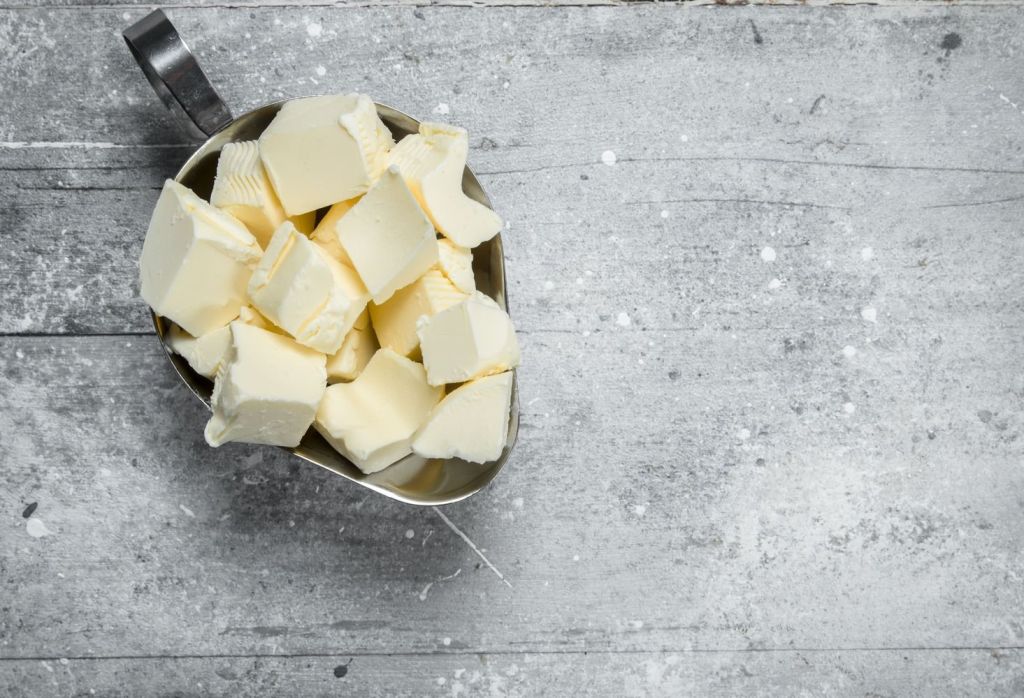
  1. Weigh components.
  2. Mix the soda into the water (not the other way around) in a heat-resistant container, like Pyrex. It’s best to do this outside (on a terrace or balcony) to avoid inhaling fumes. Once the mixture cools below 40 degrees, it’s safe to add it to the melted oils.
  3. At the same time, melt the palm shortening and coconut oil on low heat.
  4. Check that both the lye (water and soda mix) and the melted oils are below 40 degrees using a soap thermometer.
  5. Now, add the lye to the melted oils and mix gently with an electric mixer.
  6. When the soap starts to thicken, known as “trace,” stop mixing and pour it into a plastic or silicone mold for easier removal. Work quickly because it thickens and hardens fast.
  7. Let it harden for a few hours or overnight. The next day, it will be ready to remove from the mold and grate. If you wait too long, it will be harder to grate.
  8. After grating, use this soap in your laundry at a rate of one tablespoon of flakes per load of phosphate-free detergent, as shown in the washing box image.
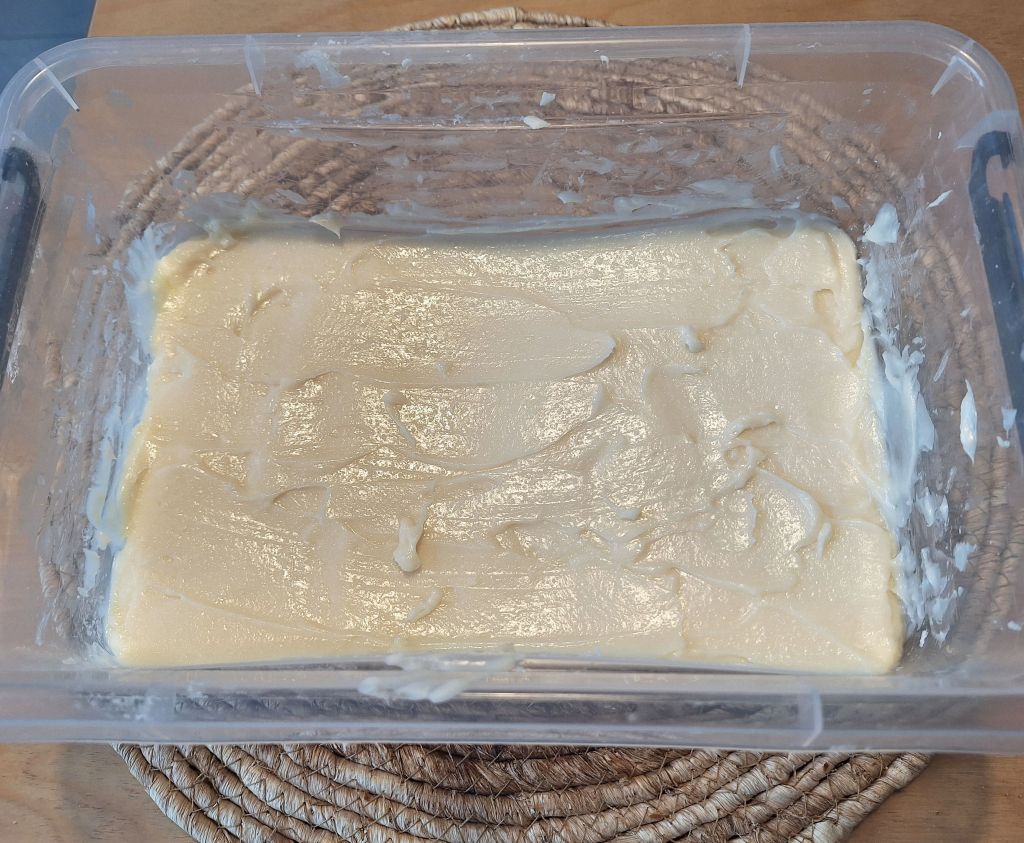
With this amount of Marseille soap that we have prepared in the recipe, when we reduce it to flakes, we will obtain several containers (jars) of approximately 1 liter capacity, to use for months in the weekly laundry.
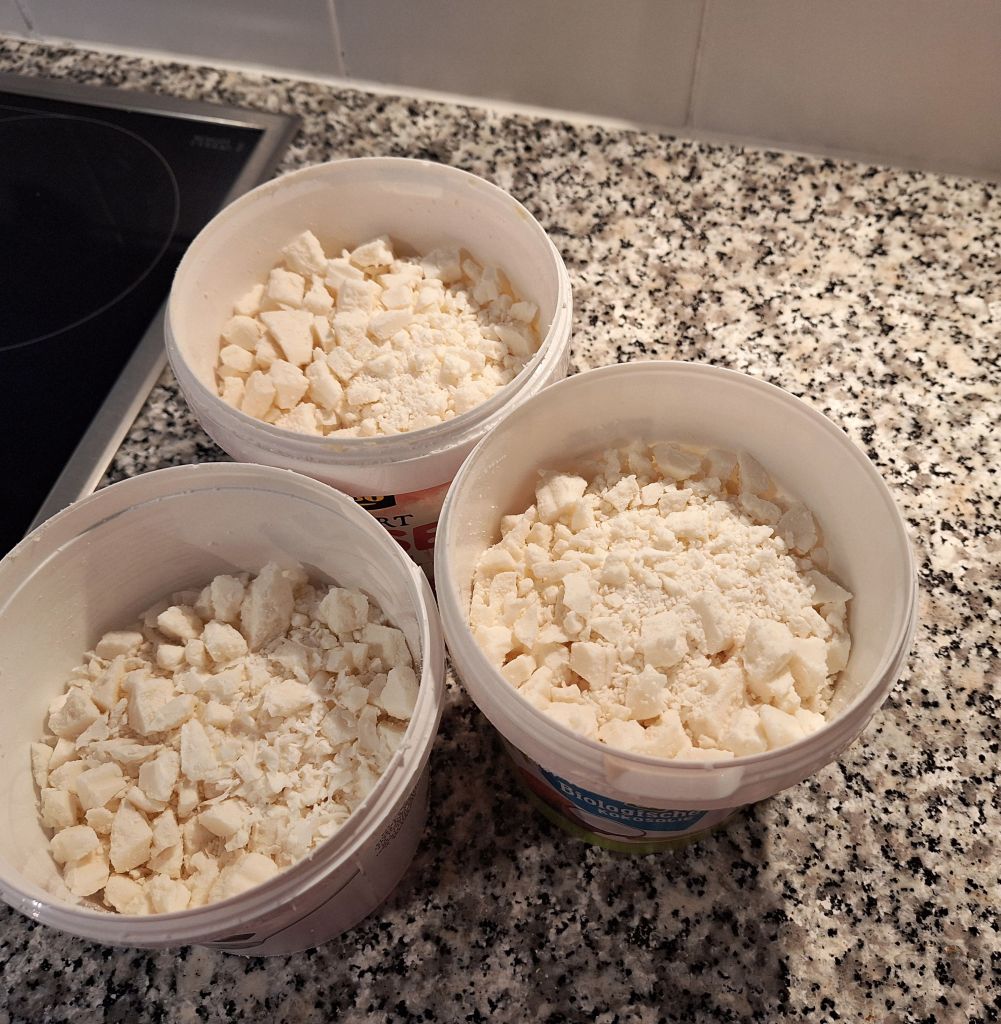
And with these soap flakes, and a few additives detailed below, your laundry will be unbeatably clean.

HOW TO ORGANIZE THE ECOLOGICAL WASHING BOX

When doing the laundry, if you use this Marseille soap, or any other cold saponified soap based on natural oils and fats, you can organize the drawer of your washing machine in this way:
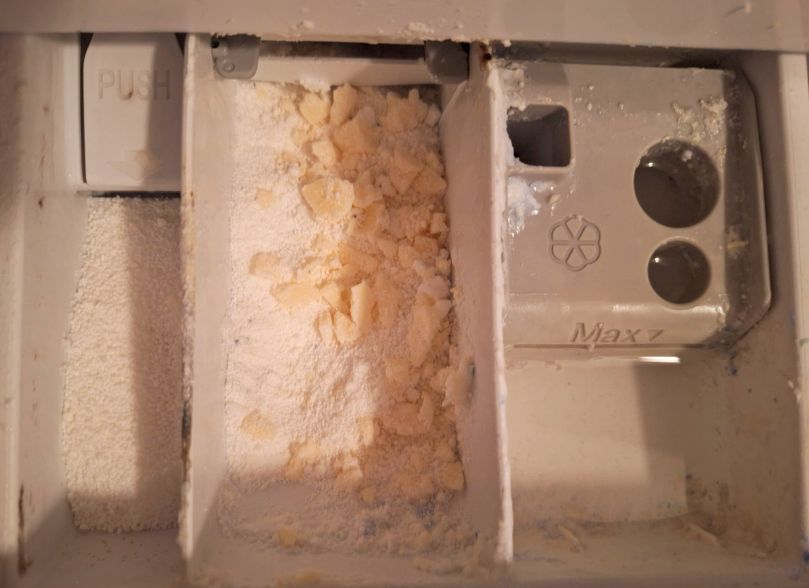
Current washing machine drawers usually have 3 sub-drawers:

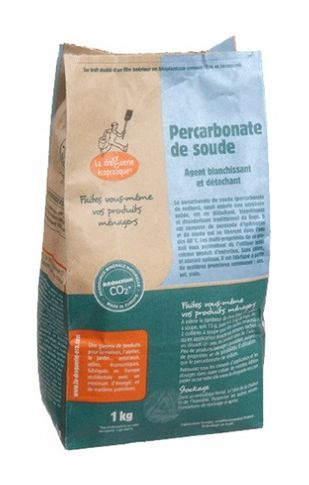
1.- A small box in which oxygen is introduced to whiten the laundry and remove blood stains, etc… If you use oxygen, it is quite ecological and biodegradable. In any case case, you can always use an even more environmentally friendly bleaching solution that is already on sale in many supermarkets, sodium percarbonate, which performs the same functions while being even more biodegradable and cheaper.😊
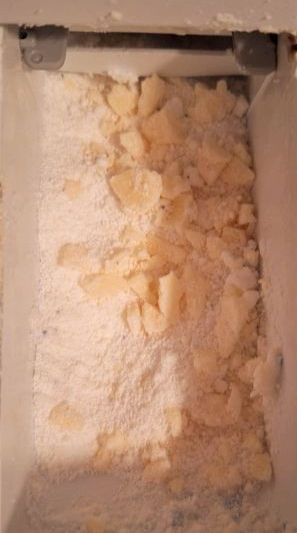
2.- In the center drawer, more spacious, we can add a phosphate-free and ecological detergent powder and, mixed with it, our Marseille soap flakes, which we will have obtained after grating the cold saponified soap. In this way, our laundry, especially cotton and natural fibers, will be much better.
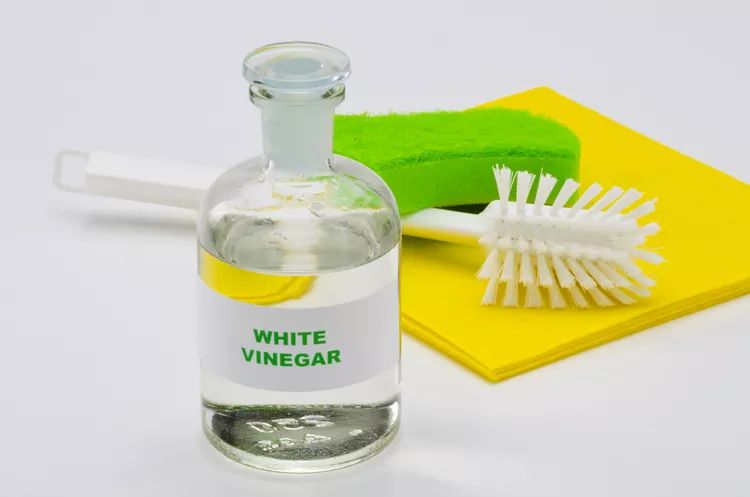
And in the third drawer, where the softener is usually added, it is possible to replace the commercial softener with white cleaning vinegar, which leaves a totally neutral aroma in the laundry, and also takes care of the machine. Thus, not only do we reduce the limescale in the washing machine, but we also take care of the environment, since natural vinegar is a much less harmful product.
THE ABOVE RECIPE HAS MANY ADVANTAGES AND SOME DISADVANTAGES

The advantages of this recipe is that this soap remains in perfect condition for months when crushed into flakes, which is not the case with all homemade cold saponified soaps.

Another great advantage is that, immediately after unmolding, it can be easily broken into smaller pieces that also grate very easily to become flakes, which we can then add to an ecological powder detergent with which to wash our clothes, especially white and cotton clothes.

The third major advantage is that, due to the addition of borax, it leaves white and cotton linen particularly well. Much better than soaps made from recycled olive oils that tend to leave a rancid greasy smell if not processed properly. And, all this, while still being a fairly inexpensive recipe.

And the only disadvantage is that it is largely made with palm oil, which, as we know, is a monoculture produced in Indonesia and other tropical places for which large tracts of rainforest are cut down. But without this butter, we have found that the soap is not as stable. In fact, this type of oil is widely used industrially because of its high saponification rate, especially in soap making.

OILS THAT HARDEN OUR BARS OF SOAP AND GIVE THEM CONSISTENCY

There are a number of oils that accelerate the trace and result in harder and more stable soaps. This is the case, for example, with palm oil, castor oil, almond oil or shea butter.

Palm oil (in this case palm shortening) curdles easily and accelerates the trace, so you have to work fast with it or the soap will harden quickly. The same thing happens with castor oil, which is why it results in very hard, stable and creamy-looking soaps with lots of lather.

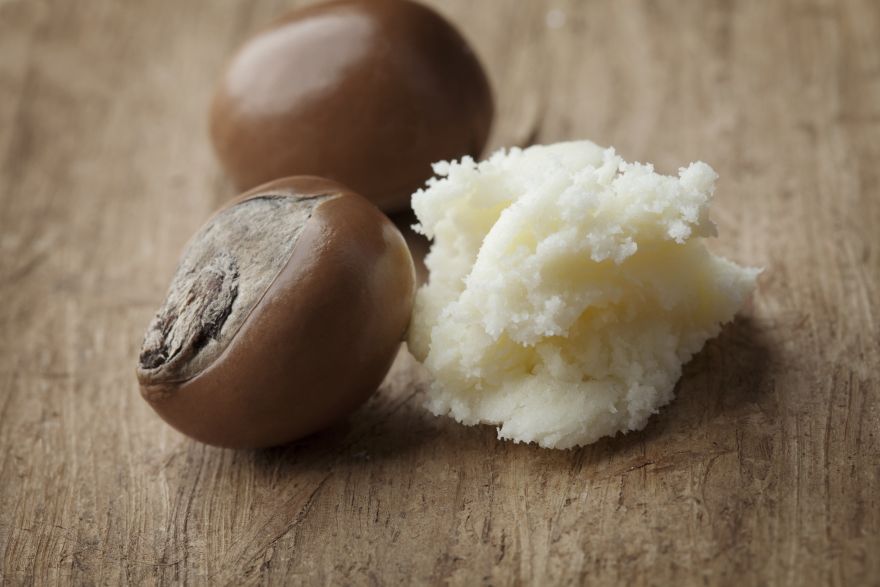
These characteristics are also present in the bars that include almond oil or shea butter among their ingredients. Shea butter is a solid vegetable shortening that can also be used to make hard soap.

These oils can be combined with others (such as coconut oil, olive kernel oil…), but it is not advisable to use only one of them because the soap will not have the consistency and foam qualities we are looking for.

For example, one of the oils that provide our soap with a high lathering capacity is coconut oil, which is  essential oil when making washing soaps.

In general, certain percentages of these oils are always included in washing soaps:

Palm oil: at least 10% to 30%, depending on how thick we want it.

Castor oil: 10% to 20%.

Coconut oil: 20% to 30%.

Olive oil (pomace oil): 20% to 30%.

*What is clear is that when we try to substitute palm shortening with a cheap and soft oil such as commercial sunflower or corn oil for frying, the soap is not hard and consistent enough and tends to go rancid in a short time. Therefore, it is not interesting for washing, since it takes months from the time we prepare a batch of soap and grind it into flakes until it is fully used.

ALTERNATIVES BY ADDING ROSIN OR STEARIC ACID

Another possibility to obtain a more environmentally friendly recipe could be to replace the palm shortening with a mixture of coconut oil and olive kernel oil, which also provides hardness and washability, and also add a few grams of rosin to the recipe. 
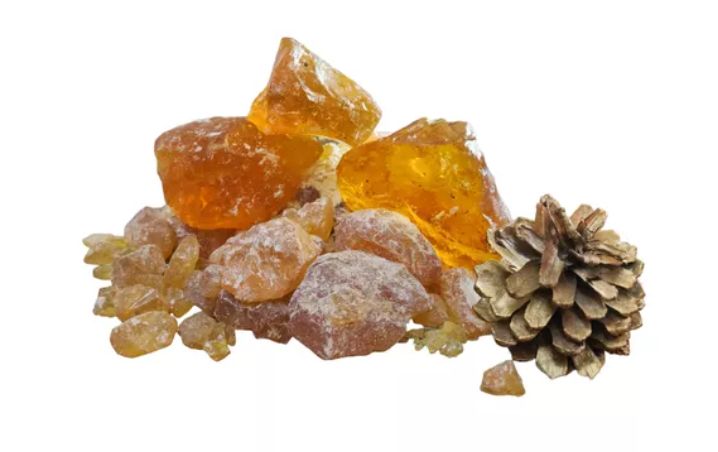
Rosin, also known as pece greca, rosin or Pez de Castilla, is a yellow vegetable resin, a kind of solid, transparent amber crystal obtained from the exudation of growing coniferous type trees.

This “pez”, which was used in the past to waterproof wineskins and wine skins, as well as the hulls of wooden ships to seal them and, even today, in northern Europe, traditional wooden huts, is used today to make high quality industrial and handmade soaps, or even to make ointments and salves to which it provides emollient and preservative properties.

Therefore, we know that rosin is insoluble in water, although it does dissolve in most organic solvents. So it will be important if we are going to prepare some kind of recipe with rosin, that we provide us with the appropriate solvent. The best solvent for pine rosin is alcohol or ethanol. In this way we will avoid possible complications in clothes or other type of utensils because rosin, once dissolved, is extremely sticky.

THE ADDITION OF ROSIN OR PINE RESIN IN COLD SAPONIFIED SOAP

As we were saying, it is used in the elaboration of natural soaps for laundry since it improves the cleaning properties, favors the saponification of fats and prevents oils from becoming rancid. It is also used as a hardener, helping the soap to take longer to break down with use.

However, if we want to make homemade soap with rosin, it is essential to respect the percentages. At most, the addition of rosin should be 1% of the total amount of oils and butters used. If we exceed this amount, our soap will curdle so quickly that it may not be able to be molded, as rosin greatly accelerates the trace.

Rosin is a resin that is commercialized in small stones of different sizes. When incorporating it into our homemade soap recipe, it is better if we can crush it and pulverize it as much as possible because it will be easier to melt it with the rest of the oils and shortenings. The saponification index of rosin is approximately 123 for caustic soda.

THE OPTION OF STEARIC ACID TO HARDEN OUR SOAPS

Another option is to use stearic acid to obtain harder soap bars. In this case, the recommended percentage is 5% of total oils and shortenings. Stearic acid should be combined with less saturated oils, such as olive oil (better olive pomace) or coconut oil, otherwise the resulting soap will be too hard and brittle. Its saponification value, when calculating the recipe, is approximately 147 for caustic soda. And it is put into the calculator like any other fat or oil.

A THIRD ALTERNATIVE WITH TALLOW/FAT FROM ANIMAL ORIGIN

Another alternative would be to use animal tallow, which is a fat that also provides great consistency and stability to the soap. But this alternative, as with palm shortening, is not a very environmentally friendly alternative either.

THE ADDITION OF SALT OR SUGAR TO THE LYE

Lye is the name given to the mixture of water and soda (sodium hydroxide). Salt or sugar is added to the lye water and dissolved before the soda is added. The salt adds consistency and hardness to the soap and the sugar adds a little more bubbles.
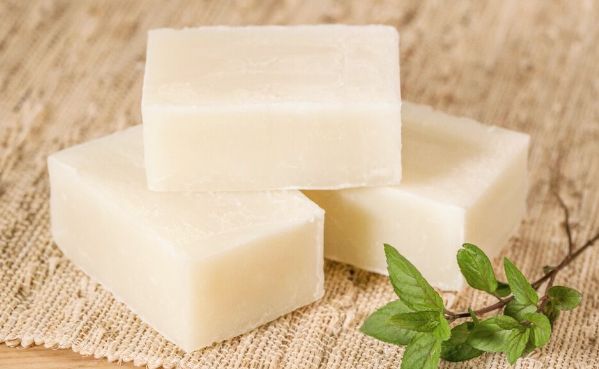
We haven’t worked on the formulation of this new recipe yet, perhaps because the previous one works so well. Can you readers think of a more environmentally friendly formulation for this laundry soap including olive kernel oil, coconut oil and pine resin?

Let me know in the comments.

However, we bring you a coconut soap recipe to make organic and biodegradable washing butter that you will love.

COCONUT SOAP FOR LAUNDRY

This is a recipe for laundry soap based on coconut oil. The reason we wanted to introduce this recipe is because it makes it easier to make the washing butter that we will talk about next.

In general, coconut oil is used to a greater or lesser extent in all cold saponified laundry soap recipes, and this is mainly due to the enormous cleaning capacity that this oil provides and also because it produces more foam than other oils.

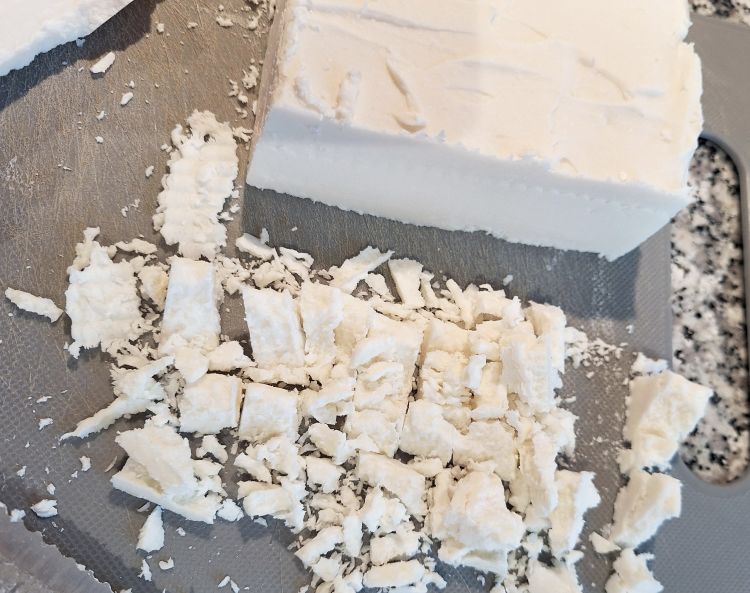
On the other hand, coconut oil soap is one of the easiest soaps to make, mainly because it hardens and sets very quickly. In addition, it is very easy to grate once we have unmolded it, which facilitates its quick incorporation into our washing recipes.
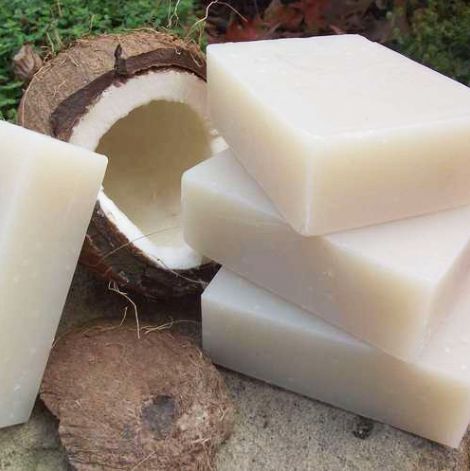
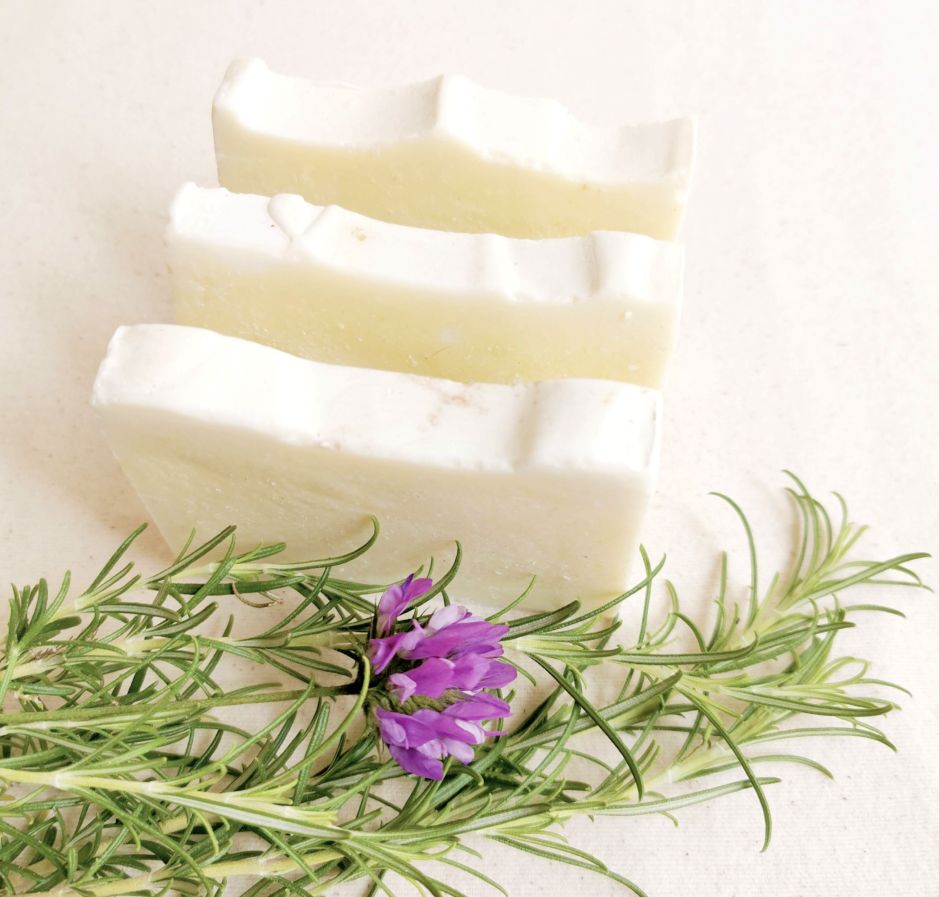
As you can see, this soap is even whiter than the previous palm butter soap.

Special coconut soap recipe for laundry:

COCONUT SOAP FOR LAUNDRY
Coconut oil225 grs
Caustic soda45 grs
Water75 ml
TOTAL:350 grs of soap

This recipe is to prepare 350 grams of coconut soap, exactly enough for a full recipe of washing butter.

It is convenient to remember that the handling of caustic soda requires certain precautions, so do not forget to use eye protection and polypropylene gloves to weigh and mix the water with the caustic soda, which is the mixture known as lye in the soap industry.

PROCEDURE:

  1. Weigh the ingredients.
  2. Mix the soda with water (never the other way) in a heat-resistant container, like Pyrex. It’s best to do this outside (on a terrace or balcony) to avoid breathing in fumes. Once the mixture cools below 40 degrees, you can safely add it to the melted oils.
  3. Meanwhile, melt the coconut oil over low heat.
  4. Use a soap thermometer to check that both the lye (water and soda mixture) and melted coconut oil are below 40 degrees.
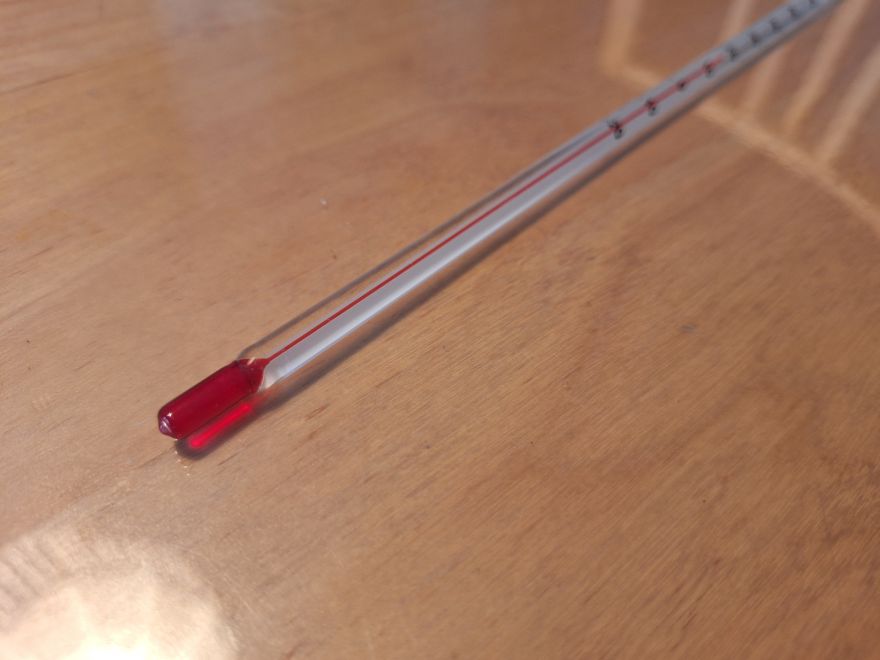
5. Add the lye to the melted coconut oil and stir gently with an electric mixer.

6. When the soap starts to thicken, known as “trace,” stop mixing and pour it into a plastic or silicone mold to make it easier to remove later.
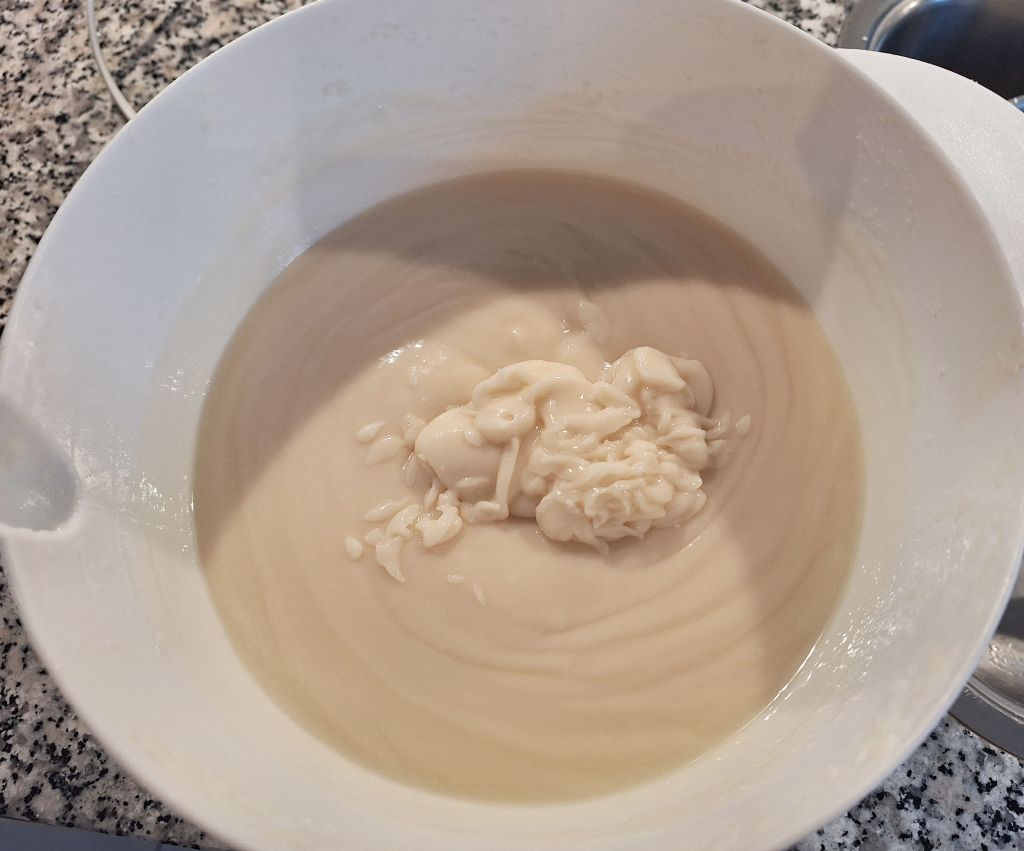
7. Let it harden for a few hours or overnight. If you wait longer, it will be harder to grate.

Since this soap hasn’t saponified for long, wear gloves to remove and grate it in case there are leftover active lye traces that could irritate your skin.

Once grated, this soap can be used right away to make the washing butter recipe that follows.
WASHING BUTTER

Here is a recipe for a homemade, biodegradable laundry butter made from natural ingredients such as soap, borax and soda.

In principle, the coconut soap recipe we have just described would be the ideal recipe for preparing this butter because we have also calculated the recipe based on the 350 grams of coconut soap we need to make our washing butter.
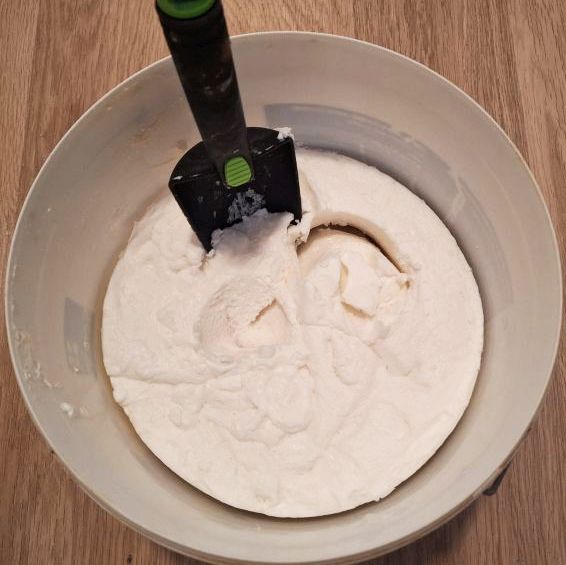
However, if you have prepared the previous Marseille soap, you can also use 350 grams of it to prepare this washing butter.

https://youtu.be/aNbjjuHyzOQ

Washing butter recipe for laundry:

WASHING BUTTER
Coconut soap350 grs
Borax2 cups, about 500 grs
Washing soda2 cups
Water3 liters

INSTRUCTIONS:

1. Bring 3 liters of water to a boil, and remove from heat.

2. Pour the grated soap into the hot water and stir to dissolve completely.

3. Slowly add (avoiding excess foam) the 2 cups of borax and stir until dissolved.

4. Add the 2 cups of washing soda (sodium carbonate, usually called natron or washing soda) and stir to integrate the whole mixture.

*It is important not to confuse the soda we use in this recipe, based on sodium carbonate, with some types of washing soda that are based on calcium carbonate.

5. The grated soap, borax and washing soda now dissolve in the hot water. The step now is to cover the pot with the lid and let the mixture sit at room temperature for about 8 hours (overnight works well) until it cools and settles completely.

If we lift the lid to take a look after a couple of hours, we will see that the liquid in the pot has become almost completely transparent, it almost looks like a pot full of water. However, after the mixture has rested at room temperature for a few hours, a major transformation takes place, the mixture gels.

6. When the mixture is completely cold and gelled, we can beat it with an electric mixer so that all the mixture is well integrated, even the remains of borax that may have been more at the bottom.

7. Optionally, now is the time to add some type of aroma to the mixture. We can add some combination of essential oils that we like, or it is also possible to add fragrances. For example, by crushing some of the commercial fragrance bars for the laundry, which in this way will be better integrated into our soap butter base.
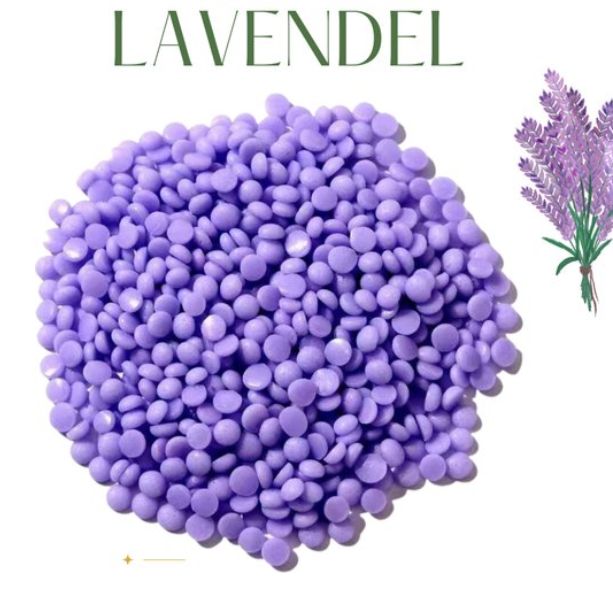
8. Now, with the addition of the 3 liters of water, we will have about 3000 grams of soap butter ready to use in our washing machine, even with the most delicate clothes. We will place it in a storage container such as plastic containers or buckets.

We will only need from two to four tablespoons of butter to wash, depending on the size of the load and the soiling of the clothes.

Some people like to add a little white vinegar to the rinse cycle, this not only conditions the clothes, especially natural fibers such as cotton, but also removes any soap residue that may remain and keeps our washing machine in good condition by preventing limescale build-up.

If you have never used white vinegar in the washing machine you might think that the clothes are left with a vinegar scent, but this is not the case at all. Even if we don’t add fragrances to our laundry butters, the result is that the laundry comes out of the washer smelling completely clean.

In addition, if you have this washing butter, you do not need to add much more to your ecological box because the borax and the soda it contains take care of the rest.

Happy eco-washing!

LIQUID SOAP without micro plastics

Plastic is a huge environmental problem because, firstly, it is produced mainly from the increasingly scarce raw material of crude oil and; second, it is not biodegradable.

Plastic waste of all kinds, including micro-plastics, reaches the environment and the oceans in quantities that can hardly be estimated and enters the food chain. Small marine organisms such as worms, mussels, small fish, mistake them for food. And this is the reason why they are also present in our blood.

And it is that, until now, wastewater treatment plants have not been able to completely filter the particles, sometimes microscopic, from wastewater. In this way, the microplastics in our household hygiene products pass practically without obstacles into the water, and with the sewage sludge, also into the fields and into the air.

Plastic also remains in the environment for hundreds of years. This is especially a problem in lakes, rivers and seas. There are already incredible amounts of tiny plastic particles floating in them. Highly toxic pollutants, such as pesticides and other environmental toxins, accumulate on plastic particles.

Source: https://www.greenpeople.co.uk/blogs/the-beauty-hub/are-there-microplastics-in-your-cosmetics

The findings of recent years on the issue of microplastics and NGO protests have already made a difference. Many mainstream companies have announced that they will ban plastic particles from their products, including industry giants like Unilever and Procter & Gamble.

Unfortunately, many of these promises are vague and most manufacturers only promise to replace or have replaced very specific (solid) plastics like PE.

Did you know that most commercial shower gels also contain microplastics?

Some of the names hidden among this class of products that are of plastic origin:

Acrylates / C10-30 Alkyl Acrylate Crosspolymer; Ceteareth-12; Ceteareth-20; Carbomer; PEG-7 Glyceryl Cocoate; Styrene / Acrylates Copolymer; Laureth-2, Cyclohexasiloxan; Cyclopentasiloxan; PEG-40 Stearate; Polysorbate 20; PPG-14 Butyl Ether; Dimethicone; Polyacrylamid; Laureth-7; Dimethiconol; PVM / MA Decadiene Crosspolymer; PEG-40 Hydrogenated Castor Oil; Polysorbate 60; Steareth-2; Ceteareth-12; Ceteareth-20; Sodium Polyacrylate; PEG-200 Hydrogenated Glyceryl Palmate; PEG-3 Distearate; PEG-7 Glyceryl Cocoate; Ethylene / Acrylic Acid Copolymer; Polyacrylate-13; Polyisobutene; Polymethyl Methacrylate; Steareth-2; Steareth-21; Polyquaternium-10; Laureth-4; PEG-120 Methyl Glucose Dioleate; Polysorbate 20; PEG-100 Stearate… ..

And the list is so long that it will be enough for us to stick with some expressive and easy-to-remember names that appear everywhere such as dimethicone, copolymer, carbomer, cetearates, polyethylenes, polypropylenes and acrylates in their different variants.

Try to look only at the latter and you will see that they appear on almost all the labels of the hygiene and cosmetic products that we use regularly.

In fact, it is estimated that some of the following hygiene products: deodorant, shampoo, conditioner, shower gel, lipstick, hair dye, shaving cream, sunscreen, insect repellent, anti-wrinkle cream, moisturizers, hair spray hair, face masks, baby care products, eye shadows, mascara, etc. they contain plastic polymers, in some cases, in a percentage higher than 90% of the content.

Source: United Nations Environment Organization.

https://www.unenvironment.org/news-and-stories/story/whats-your-bathroom-hidden-plastics-your-beauty-products

That is why we have decided to propose a totally biodegradable natural liquid soap recipe.

“Soap is an ancient cleaning agent whose main ingredients come from plant material that, after saponification by means of an alkali, mainly sodium hydroxide (soda) or potassium hydroxide (potash), generate a 100% biodegradable soap salt with excellent cleaning properties. of clothes. Depending on the alkali used, solid soap forms can be obtained (by using caustic soda) or liquid soap forms (by using caustic potash). “

Source: https://www.bioecoactual.com/2018/05/21/jabon-o-detergente/

“Despite what many people may think, the fact of using soda or potash in the composition of a soap does not make it dangerous or “unnatural”, quite the opposite. It is an indispensable compound in traditional soap without which no soap would be produced in any way. Vegetable fatty acids and alkali are completely transformed and are no longer present in the final result to give rise to the salt of vegetable fatty acids (soap) together with vegetable glycerin which has a great moisturizing power that prevents the degradation of the fabrics, among others. However, conventional detergent is made up of compounds of petrochemical origin that generate a greater environmental footprint on ecosystems”.

WHAT CAN WE DO? Alternatives to cosmetics with micro plastics.

Use natural cosmetics. Manufacturers of natural cosmetics do not use synthetic polymers in their products, so microplastics are not a problem in this case. At present, there is an increasing offer of organic natural cosmetics that you can also find on many online pages.

Make our own hygiene products, which is the alternative to our blog.

Avoid synthetic fibers, as they not only prevent us from perspiring correctly, which in many cases causes problems of dermatitis and itching due to the inability of the excretory system of our skin, sweat, to eliminate toxins. But they also use micro plastics in their manufacture that also go to wastewater. And it is that what hurts us is the same that hurts our planet. Although it may seem like a bombastic and presumptuous phrase, as Pocahontas sang, “We are all united in the great chain of life.”

-And, without a doubt, always use ecological and fabric bags when we go to the supermarket.


BOOKS TO FIND OUT MORE about the toxins in our hygiene products. We recommend these two books on natural cosmetics:

Toxic Beauty: How Cosmetics and Personal-Care Products Endanger Your Health… and What You Can Do About It.

Less Toxic Living: How to Reduce Your Everyday Exposure to Toxic Chemicals—An Introduction For Families. Also in kindle version.

And from our blog we want to collaborate in this task by showing you a way to make your home hygiene products.

For this reason, in this post, we are going to make homemade potassium soap paste. With this paste, making liquid soaps and shower gels is very easy.

LET’S GO WITH THE RECIPE TO PREPARE our own gels and liquid soaps based on natural potash soap.

This soap is made using a hot process, the ideal is to have an electric pot to make it, but it is also possible to do it with a conventional pot.

To make this soap we will use potash instead of soda. At the beginning, we will proceed in the same way as with cold saponification.

That is, once we reach the trace (the mixture thickens achieving a texture similar to that of custard), instead of moulding it, we will heat it until it becomes saponified (it is the reaction from fats, alkali and water resulting in soap).

As with cold saponified soap, it is necessary to take into account basic safety rules, such as: mixing potash with water in a ventilated place and wearing gloves and protective goggles to avoid possible splashes that could burn us. Also use stainless steel, glass, plastic or wooden utensils that do not react with potash, as it happens with other metals.

INGREDIENTS:

490 g olive oil

140 g castor oil

70 g coconut oil

In total, 700 grams of fat that we will mix with a 1% greased envelope because, unlike with cold saponified soaps, a very low greased envelope will prevent unsaponified fat from remaining and will make our liquid gel look better and more quality.

597 g of distilled water, or, at least boiled, this is important if we want to obtain transparency. If we do not care that our gel is misty, we can simply add normal water. We recommend distilled water because then the soap is clear and very beautiful.

149 g of caustic potash (be careful, it is not the same as caustic soda to make solid bar soaps). In fact, the method with potash is not the same either, because what we will do is cook the soap “hot method” and we will obtain a soap paste.

The procedure is not as complicated as some say. It is advisable to do it in an electric pot to keep the temperature constant, but if you do not have an electric pot, as we do not, it will be enough for you to use a large pot and try to maintain a constant medium heat without the temperature rising excessively.

LET’S GO WITH IT

After weighing the butters and melting them previously, we will add the “bleach” (a mixture of water and potash) that we will have prepared separately in a high temperature resistant pyrex glass container. It is also convenient that to stir and mix it we use a wooden spoon because the bleach reacts with metals. In addition, as you already know from bar soaps, these kinds of things must be done in a well-ventilated place so as not to breathe the toxic fumes that are released from the reaction.

WE GO ON …

With the oils already heavy and melted in our pot, we can start adding the bleach without stopping stirring with the wooden spoon.

Now we are going to start cooking our mixture, and this requires, as we already said, a constant medium heat and not stop beating. We will have to use the electric mixer often, every 5 or 10 minutes, while the cooking process lasts, which will take us (with this formulation) between 20 and 30 minutes.

There are formulations that need an hour to cook, but it is not the one we have chosen here to begin with. This is a very easy formulation with very good results. You will see.

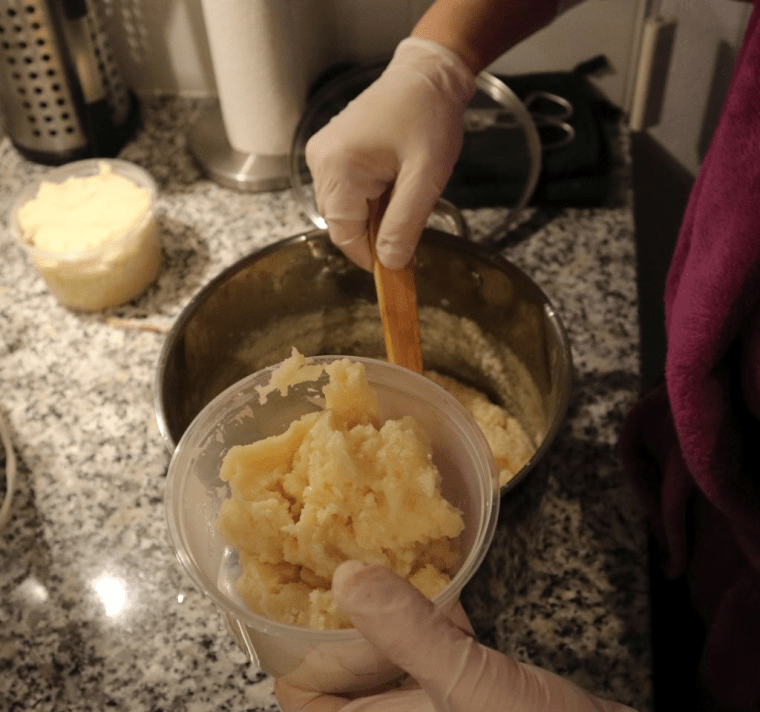
The cooking process will be over when we see that our mixture begins to thicken and turns into a paste similar to mashed potatoes or applesauce. At that time, we can turn off the fire without stopping to stir our pasta.


 Now our pasta is ready to move on to the next phase: making gels and liquid soaps with all kinds of uses. From shower gels, hand soaps, ecological pesticides for our garden, etc. which, in case you didn’t know, are also prepared with potassium soap.

Don’t miss our next post in which we will show you how to prepare a homemade shower gel from the potassium soap paste that we have just cooked!

STONEWASHING: GLOBAL TREATMENT FOR SENSITIVE SKIN

Dermatological diseases are now one of the main reasons for consultation in primary care, which is indicative of the prevalence of these conditions among the population in developed countries.

Some of the most common skin diseases are:

Acne: A common disease that causes pimples.

Psoriasis: This condition causes itchy or painful patches of red, inflamed skin with silvery scales.

Dermatitis: also called eczema, encompasses several different types of skin rash. Most types cause dry, itchy skin.

Anything that inflames, clogs, or irritates the skin can cause symptoms such as redness, swelling, burning or itching.

https://www.ncbi.nlm.nih.gov/pmc/articles/PMC3535073/

Our skin is a kind of ecosystem made up of living biological and physical components that occupy diverse habitats. Disturbances in the balance on either side of the equation can lead to skin disorders or infections. In the past, poor hygiene has led to a number of skin diseases such as leprosy, smallpox, plague, and even today in Latin America, Chagas disease. And sometimes still some forms of herpes, pool fungus or molluscs.

Nowadays, however, the equation is shifting more towards excessive hygiene or the use of overly aggressive soaps and cosmetic products that disrupt the natural balance of our skin’s bacterial barrier. This is leading to a completely different type of skin ailments.

Interestingly, the common element in most skin diseases in industrialised countries has to do with the regulation of the skin’s sebum. In the case of acne, there is an overproduction of sebum coupled with poor detoxification by the body or insufficient elimination of toxic waste through the body’s natural pathways. In these cases, the skin would not be adequately fulfilling its function of eliminating waste in the form of salts through sweat or through the sebum secreted by the sweat and sebaceous glands, although deficient elimination through the kidneys (urine) or liver (bile) could also be involved. In the case of dermatitis, the problem of sebum regulation is often rather the opposite, with deficient elimination of toxic substances. And this internal problem of purification and regulation of the skin’s sebum is dramatically aggravated by inflammation, swelling and scaling in the case of psoriasis.

Therefore, to return to the subject at hand, atopic skin or skin affected by eczema generally has a problem of skin sebum regulation combined with deficient internal detoxification.

For this reason, in order to treat them, it is very important to intervene on three different fronts:

  1. Daily hygiene with “soap-free soaps”, i.e. with products that do not alter the skin’s natural bacterial barrier and, therefore, its protective lipid layer.
  2. The application of emollient cosmetic products and regulators of the skin’s natural skin barrier.
  3. And internal supplementation that contributes to detoxification and regulation of the skin’s natural sebum.


STONEWASHING: GLOBAL TREATMENT FOR SENSITIVE, ATOPIC OR DERMATITIS-AFFECTED SKINS

If you suffer from dermatitis or, more complicated still, psoriasis, have you thought about the option of stonewashing like jeans?


No, we’re not kidding. We want you to know that recipes for mild soaps and gels may be necessary when we come back from the gym after working up a sweat. But, let’s face it, are we really that dirty when we shower every morning?

Hasn’t it occurred to you that a little hot water and a couple of “hygienic” stones, which I’ll tell you about next, might be enough to keep you clean during a 20-degree spring day?

And, best of all, without the need to use harsh soaps that alter our natural skin barrier and aggravate our dermatitis problems.

These stones are:

Himalayan salt stone: We recommend it especially between the toes to avoid fungal problems and blisters as this salt stone has the ability to purify and harden the skin of the feet. It can also be used on any other area we feel we need to cleanse.

Natural alum stone: It is especially recommended to use it every morning in the shower in the underarm area. If you follow this ritual, you will probably not need any other type of external deodorant, unless you go on a trip to the African savannah and sweat like a bull.


And after your daily shower, there is nothing better than using a moisturising body oil in a spray bottle.

Immediately after getting out of the shower, and before drying off, we apply the oil which, as we are still wet, spreads very easily. In addition, the oils do not need preservatives, just a few drops of vitamin E to prevent them from going rancid. And if we use jojoba oil, not even that, because this oil practically does not go rancid.


Making a homemade after-shower body lotion is much more complicated because, due to the high-water content of a body lotion, it is necessary to use strong preservatives, and this always complicates tolerance in the case of atopic skin.

If you want to make a body lotion, it is advisable to use only hypoallergenic preservatives such as Leucidal, GSE (grapefruit seed extract) or potassium sorbate. There is talk of a new broad-spectrum hypoallergenic preservative, as the ones mentioned above are not as effective as Cosgard, Geogard, Rokonsal, etc., but personally we have not yet tried it.

It would be DERMOSOFT 1388 eco, whose INCI: Glycerine, Aqua, Sodium Levulinate, Sodium Anisate… details a natural origin as the mixture of levulinic acid and anisic acid is obtained by fermentation.

In any case, it is possible to make very good light creams that can be applied indiscriminately all over the body and that can be preserved without the use of extra synthetic preservation agents. This subject will be developed at length in a future article dedicated to recipes for hypoallergenic creams and soaps. In this post we did not want to include them because we considered that we would exceed the normal length of an article in this category. Therefore, we recommend that you read our next article on hypoallergenic recipes for sensitive skin in which we discuss in depth the topic of smart homemade formulations to treat this skin type.


RULES FOR MAKING HYPOALLERGENIC HOMEMADE COSMETICS

Arguably, today, with the urgency of climate change and the importance of implementing eco-friendly and environmentally sustainable solutions, natural cosmetics is becoming an increasingly desirable trend for a wider audience.


In the case of problem skin, as well as being fashionable, it is an absolute necessity. Atopic skins or skins affected by dermatitis are skins with an internal problem of repairing the natural skin barrier and it is important not only to treat them topically with the appropriate creams and products but also the internal use of supplements that contribute to this repair, which we will discuss in the following section.

As far as topical products are concerned, it is very important that we minimise the use of products containing aggressive preservatives or a large amount of essential oils, whose biocidal capacity should not be disregarded. We should also avoid perfumed cosmetics, i.e. fragrances, or the use of active ingredients of chemical origin. With sensitive skin, we can apply the maxim “the more natural the better” one hundred percent.

Avoiding the use of commercial antiperspirant deodorants is also especially important because these skins have a problem of toxic elimination and if we use a deodorant that prevents the natural perspiration of our skin, we will logically find an aggravation of the problems and, probably, greater skin itching and dryness.

In practical terms, simple creams with butters and oils are particularly favourable as they do not contain preservatives or chemical active ingredients.


HYPOALLERGENIC RECIPES WITHOUT AQUEOUS PHASE

A universal recipe that will never give you any problems consists of taking 50 grams of shea butter to which we add a little almond oil (about a third) and working it in a bowl with a wooden spoon until both ingredients amalgamate perfectly and we are left with a light paste that we can apply to the driest areas of our face and body.


Another idea, perhaps easier to keep out of the fridge, is to melt beeswax and oil and add a little shea butter. In this case, we would take three parts of a cold pressed oil of our choice and a third of the amount of oil in the form of beeswax and shea butter. We would start by melting the wax in a bain-marie, to which we would add the oil and, finally, the third part of shea butter.


As you will see, shea butter appears in almost every recipe for treating this type of skin, as it is probably the best treatment butter for dry and sensitive skin that we know of.


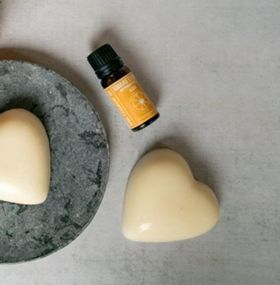
And for body lotion you can use solid cosmetics and make these solid body lotion sticks, which do not need synthetic preservatives and are 100% moisturising.

Ingredients:

For a batch of about 100 grams, we will need:

80 g cocoa butter

20 g cold-pressed sunflower oil (or any other quality oil)

A few drops of vitamin E

And, optionally, if you add a couple of drops of orange EO, they will smell great.

Preparation procedure: Start by melting the cocoa butter in a bain-marie and, when it is melted, add the sunflower oil and integrate it with the butter. Remove from the heat and add the vitamin E and then you can mould it. Remember that you will need silicone moulds to pour the mixture once it has melted.


And if we want to make a cream with an aqueous phase, given that they are especially moisturising, we will try to prepare small quantities to avoid the use of preservatives or we will make intelligent cosmetic formulations with minimally aggressive preservatives such as natural Leucidal or Grapefruit Seed Extract. As mentioned above, we will expand on these recipes in our next post on hypoallergenic cosmetic recipes.

If we are going to include an essential oil for treatment, we should always remember to use, preferably, a hydrolat that contains the qualities of this essential oil, but in a milder form.

And only a very small amount of the essential oil (a couple of drops are usually enough) because, as we know, essential oils are highly concentrated, and their rule of use can be summed up as follows: “less is more”.

For example, four drops of EO would be more than enough in a 100-gram cream, and in a 50-gram cream, two drops of essential oil would also be enough. It would be more important, for example, to use a desensitising hydrolat such as German chamomile or a regenerating one such as rose geranium in our preparation. Patchouli, cedar or frankincense may also be of interest depending on the type of eczema and skin type.

Neutral, nourishing oils, such as sweet almond oil, tend to work well for all skin types, especially sensitive or atopic skin. And natural, non-deodorised shea butter is possibly the best treatment butter for these skins.

Apricot kernel oil, jojoba oil, evening primrose oil, borage oil or even coconut oil may also be of interest, as well as, of course, hemp oil. Some people claim that black seed oil (nigella sativa) has worked very well for them in treating this type of problem.

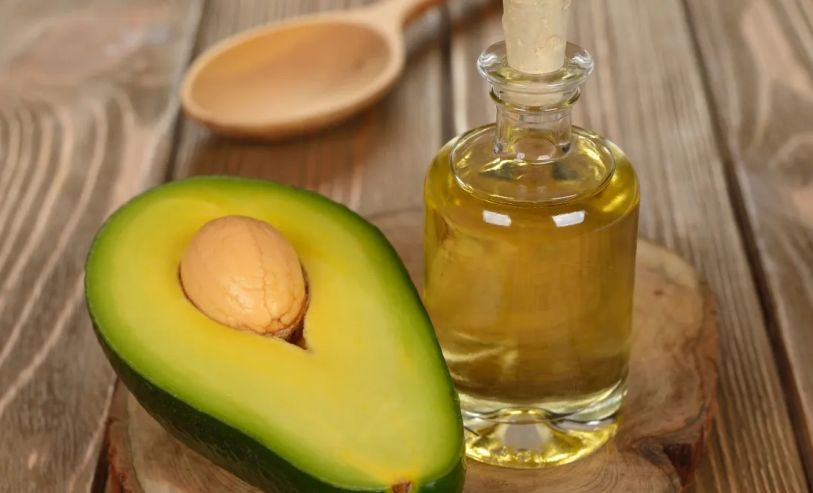
In the case of psoriasis, olive, safflower, tamanu or avocado oils seem to be among the preferred oils.


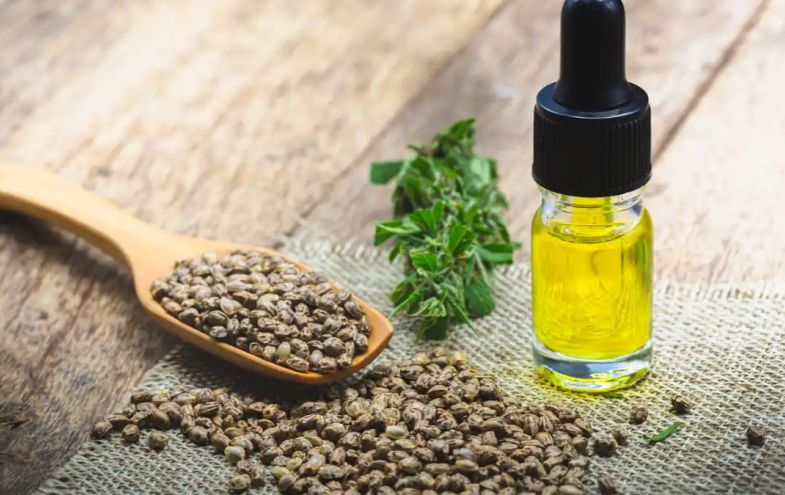
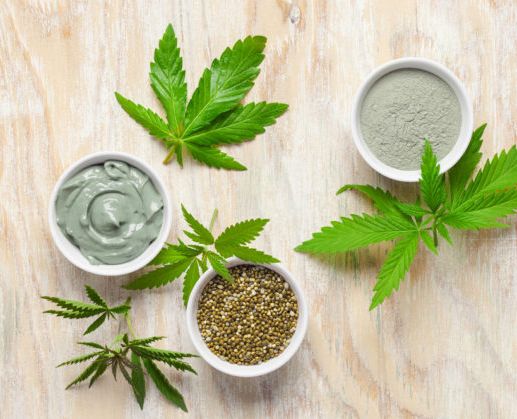
And the additive par excellence for treating this type of skin is cannabidiol for its excellent antioxidant, moisturising and anti-inflammatory benefits. This cannabidiol, extracted from hemp (sometimes grown organically), is suitable for treating dry, oily and problematic skin, as it helps to eliminate skin disorders such as pimples or rashes caused by herpes, repairing and restoring the skin more quickly.

Hemp oil is particularly suitable for oily or acne-prone skin (hemp seed oil is an excellent sebum regulator), according to expert Nuria Tenas Marín, Biotechnological Development Manager at PFC Cosmetics. But it is also recommended for dry and devitalised skin as it strengthens the skin barrier, says the expert:


CBD cosmetics can be suitable for both dry and oily skin, as they contain beneficial properties for both. And in the case of sensitive skin, cosmetics based on cannabis sativa seed extract, being rich in fatty acids (Omega3) and antioxidants such as vitamin E, are able to soothe skin irritations, eczema problems, reduce trans-epidermal water loss, increase hydration and elasticity, and reduce flaking and roughness”.


INTERNAL SUPPLEMENTATION: NUTRACEUTICALS. VITAMINS FOR THE SKIN

You will tell me that using natural emollient creams and washing with non-aggressive products is enough to keep the problems at bay. But this is not always the case, sometimes the problem can be quite serious. If this is your case, do not hesitate to inform yourself and implement the necessary supplements to improve your quality of life.


Supplementation begins with eating a diet that is appropriate to our needs. This means that if we have acne, we will avoid saturated fats, and if, on the other hand, as is the subject of this article, our skin is rather dry or sensitive, we will try to provide it with the healthy fats it needs. And, in this sense, when the daily diet is not enough, we can provide ourselves with supplements according to our deficiencies. For example, a very useful supplement for this type of skin is evening primrose and borage capsules which, taken daily, contribute to the internal regulation of our skin’s lipid barrier.

Another problem that dermatitis and atopic skin sufferers often have is the problem of itching and irritation, as this same problem of elimination of toxins and impurities that they suffer from contributes to their hypersensitive reaction to numerous stimuli called allergens. In these cases, we are talking about chronic allergies or an allergic background, as we like to call it, which is the case with eczema, allergic asthma or autoimmune diseases.

These allergens can be anything from plant pollen to pet hair, insect bites, dust or certain types of food. Under normal circumstances, your body would not react to these basically harmless stimuli, but if you have an allergic background, your immune system regards allergens as a threat. The allergic condition revolves around the body’s hypersensitivity to these types of stimuli which, when they occur, trigger the immune system to start acting accordingly and, as a result, the following symptoms may appear: watery eyes, itching, difficulty breathing, skin rashes, sneezing and even nasal congestion…

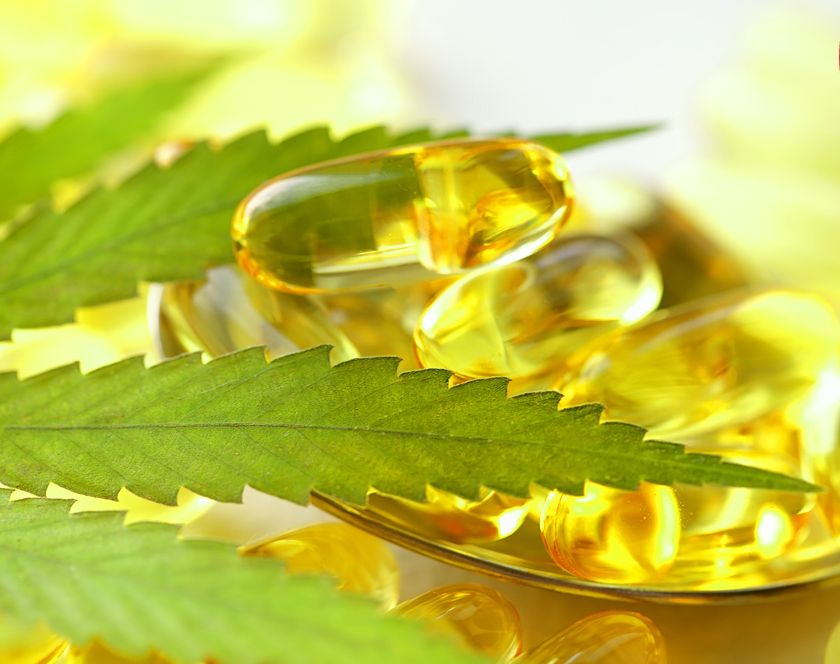
Conventional treatment of allergy usually consists of antihistamines often combined with corticosteroids. Unfortunately, this type of medication produces high side effects. This explains why science is turning to more natural substances such as cannabidiols (CBD or hemp oil) to treat allergies naturally. The natural support provided by cannabidiol contributes to the quality of life and well-being of people affected by dermatological problems, which is why thousands of patients use various CBD products to support the daily care of their skin conditions.

In addition, internal cannabinoid supplementation has been shown to have not only an anti-allergic effect but also an anti-inflammatory and skin sebum-regulating effect that has alleviated skin problems for many people.


Cannabidiol-based products are offered by a variety of shops and brands. In general, when purchasing a product, it is worth knowing that CBD supplements can be found in the form of the isolated CBD cannabinoid, which tends to be the least interesting; or in the form of full-spectrum CBD, which contains different cannabinoids in small amounts in addition to CBD, making it the most similar type to the cannabis plant. This type of supplement may contain THC, although it will not cause the psychotropic effects of THC (the effect of being high) because it will not exceed 0.3% of the total.

For example: https://nordicoil.es/collections/suplementos-cbd

From the list of supplements offered by this shop, we have found the supplementation of CBD oil, together with a small part of melatonin to improve night-time sleep, to be particularly effective. This type of drops, or suckable tablets, are available in different formats and brands.

Simply put, the use of a lightly ozonated (edible grade) hemp oil has enormous benefits in treating atopic skin and psoriasis.

Healtline reviews the best supplements: https://www.healthline.com/health/best-cbd-capsule

Personally, I also find the daily use of evening primrose and borage capsules, as well as drinking oat milk, which contains mucilage that is very valuable in preventing skin irritation and inflammation, very interesting for the regulation of fatty acids and sebum in the skin. Colloidal oatmeal, apart from being a very interesting complement to our topical creams and masks, in its vegetable milk form, also has a very favourable internal emollient effect on the intestinal mucosa.


References:

Healthline. September 2020. Full-Spectrum vs. Broad-Spectrum CBD: Which One Is Right for You? https://www.healthline.com/health/full-spectrum-vs-broad-spectrum-cbd

MedlinePlus. December 2020. Skin diseases. https://medlineplus.gov/spanish/skinconditions.html

National Library of Medicine. 2006. Cannabinoids inhibit human keratinocyte proliferation through a non-CB1/CB2 mechanism and have a potential therapeutic value in the treatment of psoriasis https://pubmed.ncbi.nlm.nih.gov/17157480/

Canna Foundation. Cannabinoids and Inflammatory Skin Diseases. Eduardo Muñoz, PhD in Medicine and Surgery, Professor of Immunology at the Department of Cell Biology, Physiology and Immunology of the University of Cordoba https://www.fundacion-canna.es/cannabinoides-y-enfermedades-inflamatorias-de-la-piel


We hope this article has been of interest to you.