WHY WE SAY YES TO NATURAL ALUMINIUM STONES AS DEODORANTS?

Sweating is an essential physiological need so that our body can eliminate toxins and maintain good levels of hydration, body temperature and PH.

However, finding a good deodorant nowadays that does not contain aluminium or other toxins has become a true epic for most of us.
Both, deodorants and antiperspirants, are designed to camouflage and prevent sweat and odour. The bad smell of sweat is produced when bacteria ferment it, and to avoid this process, deodorants, as well as antiperspirants, contain two types of common substances: bactericidal substances and synthetic perfumes. And antiperspirant deodorants, in addition, aluminium salts.

–Bactericidal substances: They prevent the proliferation of bacteria so that the fermentation of sweat does not occur. This, in principle, seems like a good idea. The problem, as always, when altering the natural mechanisms of life, is that it ends up taking its toll. As we will see later, synthetic substances used for bactericidal purposes also have their effects on health.

–Synthetic perfumes: The perfumes serve, obviously, to camouflage the smell. Again, there is nothing wrong with smelling good, if that fragrance were natural and harmless. The problem is that the synthetic perfumes that are usually used in industrial products (much cheaper to produce than natural essential oils) are suspected of producing allergies of all kinds, dermatitis, eczema and other major ailments.

–Aluminium salts: Aluminium is known to be neurotoxic. Large amounts of aluminium are found in the brain tissue of people with Alzheimer’s. Likewise, numerous studies, such as that of the University of Reading in the United Kingdom, indicate the highest incidence of cancer in the area near the armpit and a much higher concentration (25%) of aluminium in that area.

The aluminium in antiperspirant deodorant is used to clog the pore and prevent sweating. A real aberration! To begin with and as we said before, sweating is a physiological necessity. Clogging the pore causes toxins to be trapped inside the body.

Another common component of commercial deodorants, due to its bactericidal capacity, is triclosan. Triclosan is one of the most commonly used chemicals in deodorants and antiperspirants. A study published by the journal Environmental Health Perspectives and conducted by the University of California Davis, confirms the negative effects of Triclosan on brain development. Another study published by the journal Proceedings of the National Academy of Sciences ensures that its use can cause serious long-term problems and associates it with liver damage and a higher incidence of cancer.

Also, parabens, due to their bactericidal capacity and as preservatives, are another of the common elements used to extend the life of hundreds of cosmetic, hygiene or even food products. The alarm sounded when a study carried out in England and published by the Journal of Applied Toxicology with women affected by breast cancer, revealed traces of parabens from deodorants and antiperspirants in 90% of biopsies. This substance has been linked to all kinds of hormonal dysfunctions.

Phthalates are also used in deodorants and antiperspirants for their role as solvents. They are called “environmental poisons” and their use has been linked to hormonal dysfunctions, damage to male reproductive DNA, and malformations in the foetus.

PEGs are used as emulsifiers, and the American College of Toxicology claims that these ingredients accumulate in the tissues of the heart, liver, kidneys, and brain.

In response to all this, more or less natural alternatives have emerged, as well as countless natural cosmetics blogs (like ours, for example: http://www.naturamatters.com) that try to respond to this need to smell good that we all have without intoxicating ourselves and harming our health.

One of these alternatives, cheap and easy to apply, is the controversial alum stone. And the controversy with this natural deodorant stem from its composition.

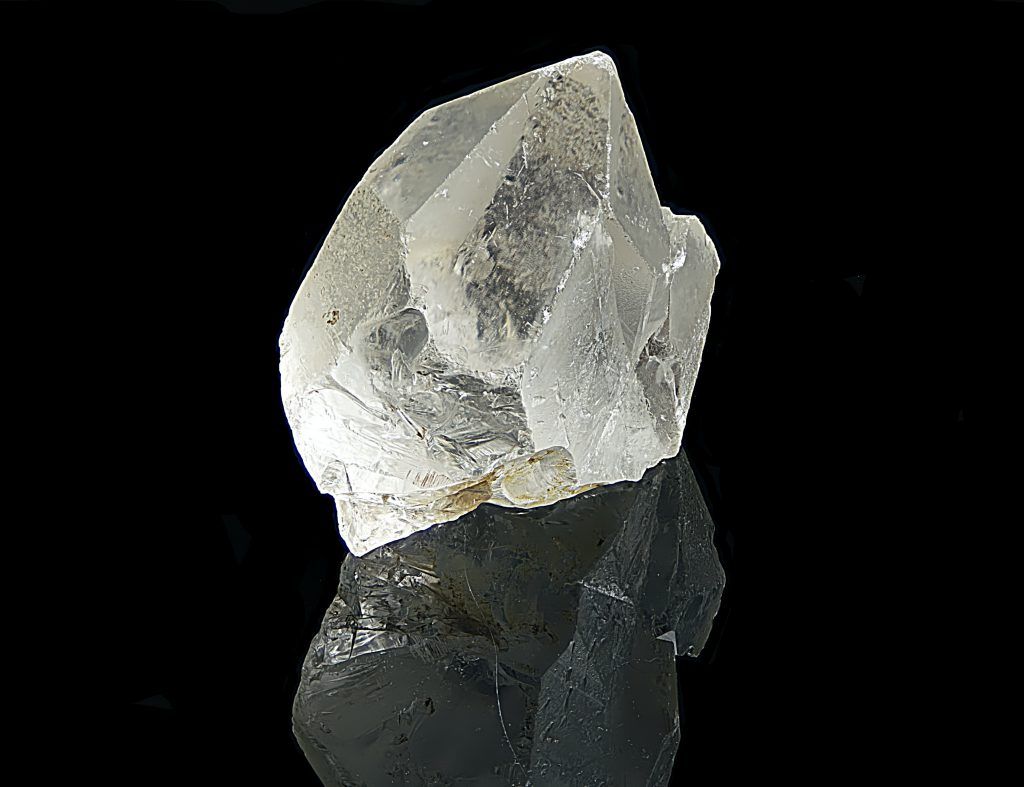
Potassium alum or potassium alum (also called Neapolitan Alum or Alum) is a double salt of aluminium and hydrated potassium (with 12 water molecules) whose formula is KAl (SO4) 2. … This salt is presented in the form crystal naturally in nature and corresponds to the category of alums, being the most common of them. It is obtained from a magmatic rock, of volcanic origin, called Trachyte Alunifera. This crystal is the result of alterations in rocks rich in potassium feldspar such as Trachyte, which are usually produced by circulating waters rich in sulphates. Alum crystals, naturally, can have variations in appearance, colour or texture, although they all maintain their properties”. Wikipedia source.

This composition based in aluminium salt has given “alum stone” today a bad reputation. According to some sources and distributors of alum stone as a natural deodorant, Potassium alum is not the same thing as potassium aluminium.

When an antiperspirant claim to be “aluminium-free,” they are saying it does not contain aluminium chloralhydrate, aluminium chloride, aluminium hydroxy bromide or aluminium zirconium — all forms of aluminium commonly used in antiperspirants and deodorants.

To stop the flow of sweat to your skin’s surface, the aluminium plugs sweat ducts in the top layer of your skin stopping the natural flow of sweat to your skin’s surface.

This aluminium can also be absorbed into your body where it can then build up as part of your body burden. Alzheimer’s disease and cancer are two illnesses known to be associated with aluminium exposure.

The aluminium in crystal deodorant stones is a different type of aluminium, called alum. The most common form is potassium alum, also known as potassium aluminium sulphate.

Potassium alum (and other alums) is a natural mineral salt made up of molecules that are too large to be absorbed by your skin. They form a protective layer on your skin that inhibits the growth of odour-causing bacteria.

WHY CANNOT WE INCLUDE THE ALUM STONE WITHIN THE SAME GROUP? WHY IS POTASSIUM ALUM DIFFERENT?

Potassium Alum is a natural mineral salt used as an alternative to Aluminium Chloride and Chloralhydrate. Its antimicrobial properties have been celebrated in traditional Chinese medicine for hundreds of years, used as a topical astringent, an antiseptic for wounds, acne and tonsillitis and a toner to tighten the pores. Potassium Alum (also known more commonly as ‘alum’ or ‘ming fan’ in Chinese medicine) was also taken as a decoction dissolved in water to alleviate stomach problems or in its powder form to remedy bleeding gums and mouth ulcers.

Potassium Alum is comprised of large molecules that sit on the surface of the skin, creating a barrier that prevents the odour-causing underarm bacteria from multiplying. Its alternative, Aluminium Chloride, is comprised of much smaller molecules than Potassium Alum, meaning that it is absorbed by the skin and plugs the sweat glands, preventing the release of unwanted chemicals in the body.

The only precaution that must be taken is that the stone that we buy says in its composition Potassium alum and not Ammonium alum, since it is a synthetic copy and with components that are harmful to health.

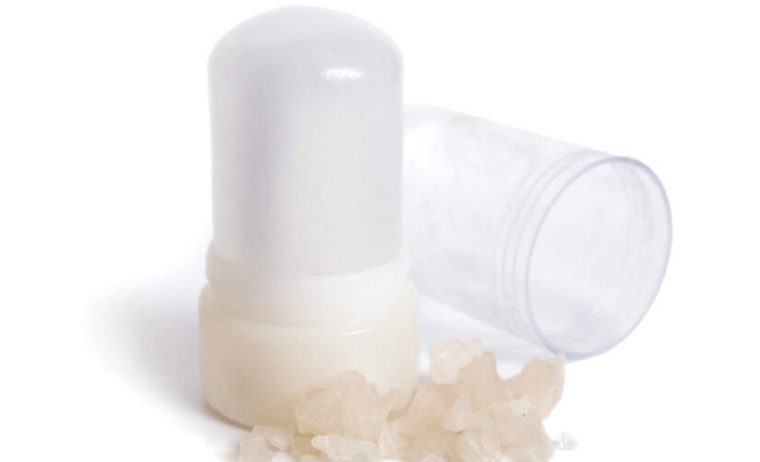
DE FACTO; NATURAL ALUMBER (potassium alum) not only has deodorizing properties, it is also an effective bactericide that controls the growth and proliferation of bacteria, both in our body and in our environment, in spaces such as water and on surfaces of all kinds such as floors, fabrics, etc. And that is why the Egyptians used these stones to purify water.

It is also a good healing agent, which helps to rapidly regenerate skin tissue that has been affected by some type of wound or by skin irritation. In the case of wounds, it produces a thin crust that comes off in less time and without the risk of leaving marks on the skin. This is the reason why in the past this stone was known as a barbers’ stone or a shaving stone because it was used to heal minor irritations in the beard of their clients.

Haemostatic: Its composition makes it effective to stop bleeding from external wounds, since it acts directly on the skin pore to close it. This haemostatic action is what helps to avoid the appearance of red rash on the skin after depilatory processes.

Reaffirming: It has the ability to firm the skin and tone it with continuous use.

Antifungal: As with bacteria, Alum also helps fight fungi that appear on the skin or on other types of surfaces. Of course, it is only effective in the initial phase of appearance of these microorganisms.

For all this, the great ancient civilizations such as Chinese, Egyptian, Roman, Indian, Greek and Arab, recognized the benefits of the alum stone and its use for different purposes was common and popular.

The Romans, for example, used it for its healing, antibacterial and deodorant properties. The popular use that confirmed the efficacy of these benefits, even led them to introduce their use in practices with medical effects. Between 77 and 79 BC, the author, naturalist and Roman philosopher Gaius Plinii Secundi (Cayo Plinio Segundo) recorded the characteristics and properties of Alum in a rigorous study on various areas of nature, written as an encyclopaedia, called Naturalis History.

In ancient Greece, around 50 or 70 BC, documentation on this mineral was also produced, in the encyclopaedic work De Materia Medica, written by the physicist, pharmacologist and botanist Pedanius Dioscorides.

In India and China, they have used it since ancient times to respond to organic needs externally and internally. In these two cultures they have commonly used Alum stone in solution for gargling and vaginal baths for antiseptic purposes.

In the Middle East, Alum has been well known and used, since numerous deposits of this mineral have been found in Syria. The Alum stone has been an active part of the ancient beauty rituals in Arab culture for its firming and astringent properties.

In ancient Egypt, women also used Alum as a skin firmer and as a soothing and healing agent after waxing.

At present, this astringent salt is used to clarify cloudy waters by placing it in the filters where the currents pass; also serving as mordant in dry cleaners and caustic in medicine, leather tanning, plaster hardener …

And due to its bactericidal action, it is still used today in some cultures as a preservative, for example, in Morocco they put some crystals of Potassium Alum inside the container where they keep the seeds of Pergamum harmala, and in this way they avoid contamination by bacteria.

Our own argumentation or defence of the use of natural alum stone begins by trying to distinguish between bioavailability and toxicity.

“Bioavailability” is the ability of a food, drug, or other substance to be absorbed and used by the body.

“Toxicity”: A toxic substance is one that produces serious effects, alterations or disorders in the functioning of a living organism, and that can even cause death.

Aluminium is the third most present element in the earth’s crust, along with oxygen and silica. It is a very abundant metal in the earth, which often combines with other elements and forms frequent chemical compounds in soils, rocks or in the composition of minerals. However, this metal can also reach the human body through diet, since, being an element so present in the environment, it is found in vegetables, grasses or running water. Its effects are toxic to health and, therefore, the European Food Safety Authority (EFSA) has studied its intake limit on several occasions to ensure its safety.

According to this study by the (EFSA), this metal is absorbed through the stomach and intestines and is excreted by the kidneys. According to the study, it is estimated that less than 1% of ingested aluminium is absorbed and represents 0.01% in relation to the other constituents present in the global daily food intake. Experts estimate that its consumption through food does not pose any health risk.

Diet is the main aluminium gateway into the human body. Most foods contain it, as it is a ubiquitous metal in the environment. Vegetables, tea or spices have the highest level of aluminium, while meat contains hardly any residues.

What does this mean? Well, surely, as the EFSA affirms, the aluminium that we consume through the ingestion of natural foods is degraded and eliminated from our body through the natural elimination routes of the kidneys and liver (intestines).

The World Health Organization (WHO) adds, for its part, that a high consumption of analgesics and antacids can increase the intake of aluminium up to five grams a day, since they are also a source of this metal.

And here comes the problem. When an element is not found naturally in the food chain its degree of bioavailability, no matter how much they assure us that the medicines are perfect chemical elements, it is not the same and, in many cases, it becomes a toxic that we end up accumulating in our tissues with the consequent injuries and diseases that may derive from it.

For example, large amounts of aluminium have been found in the brain tissue of people with Alzheimer’s. Likewise, numerous studies such as that of the University of Reading in the United Kingdom (among many others), point out the higher incidence of aluminium (25%) in the area near the armpits of patients with breast cancer.

And is that the accumulation of heavy metals in the body can be the cause of several diseases. Among the most dangerous are mercury, arsenic, lead, chromium or cadmium. They are considered toxic because of the concentrations in which they can be found and not because of their essential characteristics, since all living beings need many of these elements to function properly. Of course, in bioavailable concentrations.

The relationship of these heavy metals to some serious health conditions has been extensively studied. Various types of cancer, kidney damage, delays in brain development, alterations in the immune system, or even death can be the result of prolonged exposure to these elements.

According to experts, the metal-disease relationship is not 100% proven, but there is a great probability: Arsenic can trigger bronchitis, cancer of the oesophagus, lung, or vascular diseases. Cadmium is associated with prostate cancer, nephrotoxicity, neurological disorders, or hypertension. Chromium, for its part, is related to lung cancer and liver disorders, and mercury affects mainly the respiratory system. Aluminium is not only suspected, therefore, of producing Alzheimer’s or autism, but also endocrine alterations that can lead to breast or other cancers depending on the area where the toxin accumulates.

On this subject, we want to add that something similar happens with the levels of toxicity / bioavailability of other types of substances such as, for example, fluorine.

It is known to all that in the United States fluoride is added to drinking water, probably as a prevention mechanism for dental cavities. Increased levels of fluoride in drinking water have not only failed to prevent the American population from suffering from cavities, but have also triggered hypothyroidism problems across the country. Anyone who asks you which country has the fattest people in the world will answer you without much hesitation: The United States.

Our suspicion is that fluoride added to drinking water is a synthetic laboratory substance with a low level of bioavailability and that, therefore, it becomes a toxic that affects the functioning of the thyroid gland.

However, it is known to all that green tea is a drink that contains a large amount of bioavailable fluoride and that it prevents the attack of cavities in populations that consume it daily.

We could continue talking about a lot of other examples such as commercial toothpastes whose levels of synthetic fluoride prevent, with their regular use, the synthesis of melatonin and the normal functioning of the pineal gland that regulates sleep / wake cycles.

This altered gland and the toxicity derived from fluoride, is one more reason for the generalized insomnia that we suffer in developed societies. “I was one of those people with a history of insomnia that changed after a few months of using pastes without added synthetic fluoride.”

However, the paste that I use today, and that does not cause me any problem, is a paste with natural fluoride.

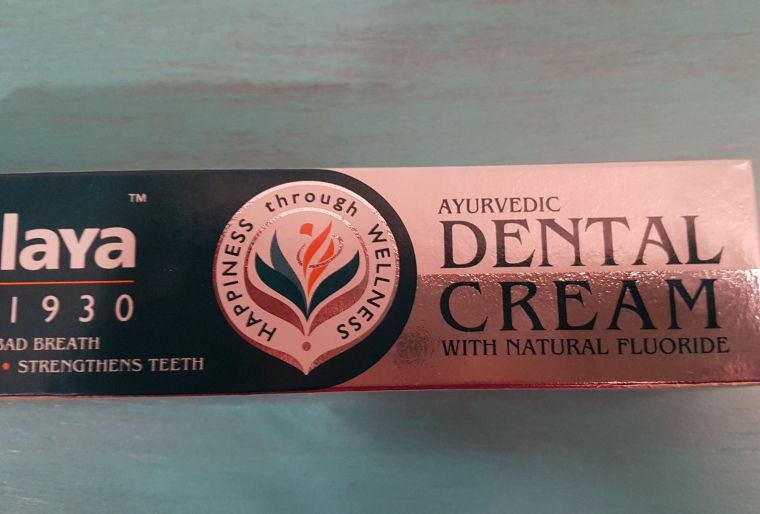
Thus, synthetic fluoride in commercial water and toothpaste becomes a disruptive toxic that, when accumulated, alters the functioning of the body’s glands and systems.

However, natural fluoride, given its bioavailability, is a healthy resource that promotes dental hygiene and strengthens enamel. The true cavities preventative we were looking for.

Is not this analogy then the same that could be happening with the alum stone?

If all these arguments do not seem sufficient to support the “non-toxicity” of alum stone (potassium alum, which is not the same as potassium aluminium) as a natural deodorant, I encourage you to visit our natural cosmetics blog and take a look at the wide variety of recipes for natural deodorants that are very easy to prepare, without aluminium, without parabens and without microplastics, and that will avoid you this dilemma.
SOLID SHAMPOO FOR DRY AND LOW VOLUME HAIR

In this post we are going to reformulate our recipe for solid shampoo for oily hair and we are going to rethink it to treat dry, weak, and, perhaps, damaged hair.

First of all, we want to talk about the plant extracts that we can use to make this solid treatment shampoo.

VEGETABLE EXTRACTS from the Ayurvedic tradition to care for hair:

“Bhringaraj is one of the most specific plants for hair care, especially to prevent hair loss and the appearance of gray hair. It is native to India. Strengthens hair and thickens it. Calms irritation of the scalp. It is more appropriate for dark hair.

Nagarmotha is a plant native to India (there is an essential oil). It is used in a mask to purify and regulate excess sebum and to stimulate hair growth. Prevents the appearance of gray hair.

Amla is another exceptional plant for hair care, also native to India. It is used to strengthen and regenerate hair, as well as to prevent hair loss and the appearance of gray hair. It favors vegetable colors. Amla is more appropriate for dark hair. It is used in masks, you can also make aqueous or oil macerates.

Kachur sugandhi (galangal) root powder is used in Indian tradition in hair treatments. Strengthens the hair. It densifies it and stimulates its growth. It is ideal for fine hair without volume.

There are many other very interesting Ayurvedic plants for hair: brahmi (dandruff), kapoor kachli (alopecia, fine hair), reetha and shikakai (natural shampoos), sidr (color fixative, natural shampoo) ”.

Source: Antonia Jover, scientific and family aromatherapy blog.

http://aromaterapiafamiliar.wordpress.com

As we have always been saying from our blog, it is not always the most “sustainable” idea to try to get a plant or extract that is found on the other side of the globe, simply because we have heard very well about it. If we have it at our disposal it is perfect, if not, it is better that we try to find the herbal extracts that our natural environment provides us, because in many cases it is possible to find similar plants nearby that will perform the same function.

For example, the plant extract of rosemary belongs to our Mediterranean environment and its qualities to strengthen hair, add shine and stimulate its growth have nothing to envy those of Ayurvedic Amla or Bhringaraj.

Studies from various universities such as Osaka in Japan, or Sao Paulo in Brazil highlight their ability to:

-Activate the circulation and irrigation of the hair.

-Strengthen the hair fiber and fragile and fine hair.

-To restore shine, flexibility and vitality to hair, thanks to its antifungal action.

We also know that rosemary, like lavender, act by regulating the hair sebum and, therefore, the fat that accumulates in it. Thus, they prevent the scalp from drying out and becoming irritated, thus preventing the appearance of premature gray hair. The rosemary extract, therefore, has nothing to envy to the famous Ayurvedic Nagarmotha.

In turn, the peppermint extract can be of great help when it comes to strengthening our scalp and preventing hair loss.

A study from “Christian Albrechts University” found that the menthol in peppermint oil increases blood flow and provides a cooling sensation. This can help with dryness, itching, and other scalp problems like dandruff and hair loss.

And if your hair is light and weak, then the combined action of calendula and chamomile can replace the Kachur sugandhi (galangal) root powder of the Ayurvedic tradition.

The most important property of calendula is its ability to hydrate the skin and scalp and therefore add volume. Calendula also promotes hair growth avoiding dandruff and dryness, which are both factors that prevent hair growth.

On the other hand, chamomile is known worldwide for its ability to lighten hair. This is due to the yellow and bluish pigments that chamomile contains. In combination, both pigments achieve a natural lightening effect. However, another of the properties of chamomile is that it removes itchy scalp and dandruff and adds shine. Chamomile thus prevents irritations and contributes to the feeling of serenity and well-being of the user, being the ideal treatment for delicate hair.

The combination of both (calendula and chamomile) thus encourages the growth of a strong, healthy and shiny mane.

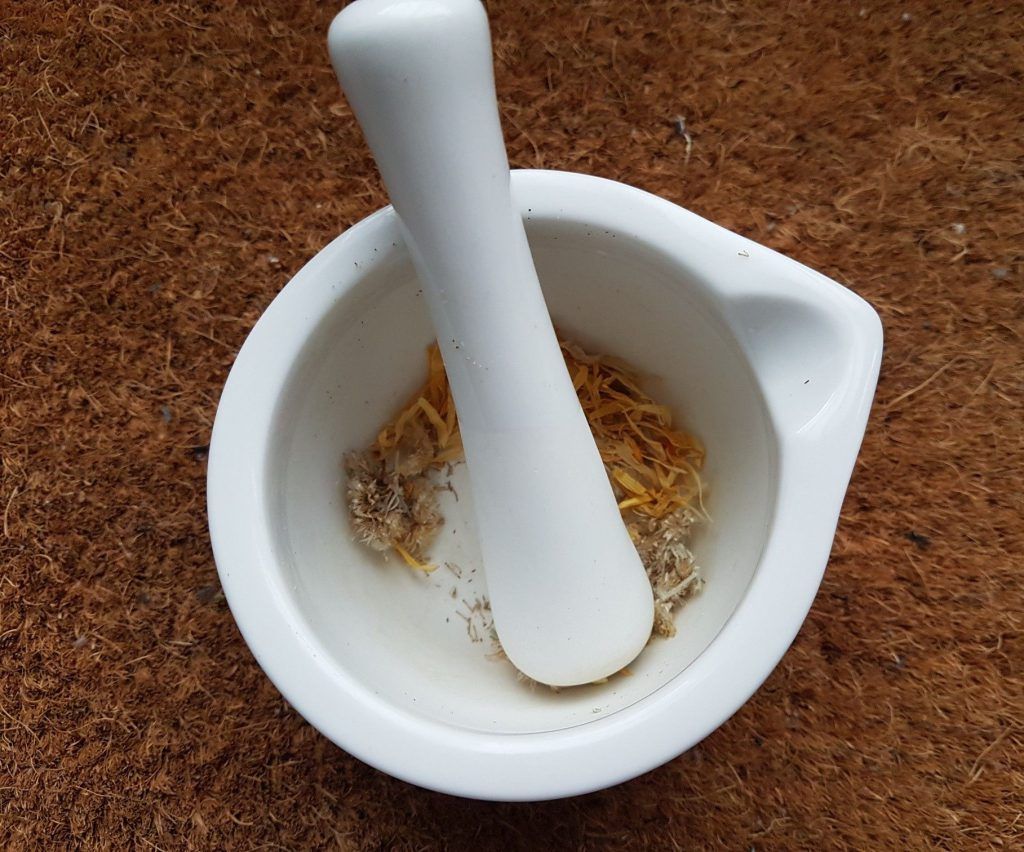
If you have difficulties finding powdered extracts, remember that many of the powdered extracts can be obtained yourself with the help of a small mortar or even a coffee grinder.


On the other hand, aloe vera gel is ideal for hydrating all types of hair, nourishing it and adding shine. At the same time, it purifies the scalp and soothes irritations and itching.

Dry and damaged hair can best benefit from the moisturizing properties of honey, as it soothes irritated scalp, purifies and revitalizes it.

Its antibacterial and healing properties make it, together with Neem vegetable oil, the hair treatment of choice in case of psoriasis of the scalp.

After all this introduction, let’s go with the recipe:

INGREDIENTS

Normally, I use SCS as the main surfactant because my scalp problem is usually excess oil and SCS, in my case, works exceptionally well at regulating this problem and keeping my hair clean for longer. However, as we are preparing this formulation for the treatment of rather weak, dry hair, and without volume, it is better that we use a milder surfactant, such as SCI.

LET’S GO WITH THE RECIPE

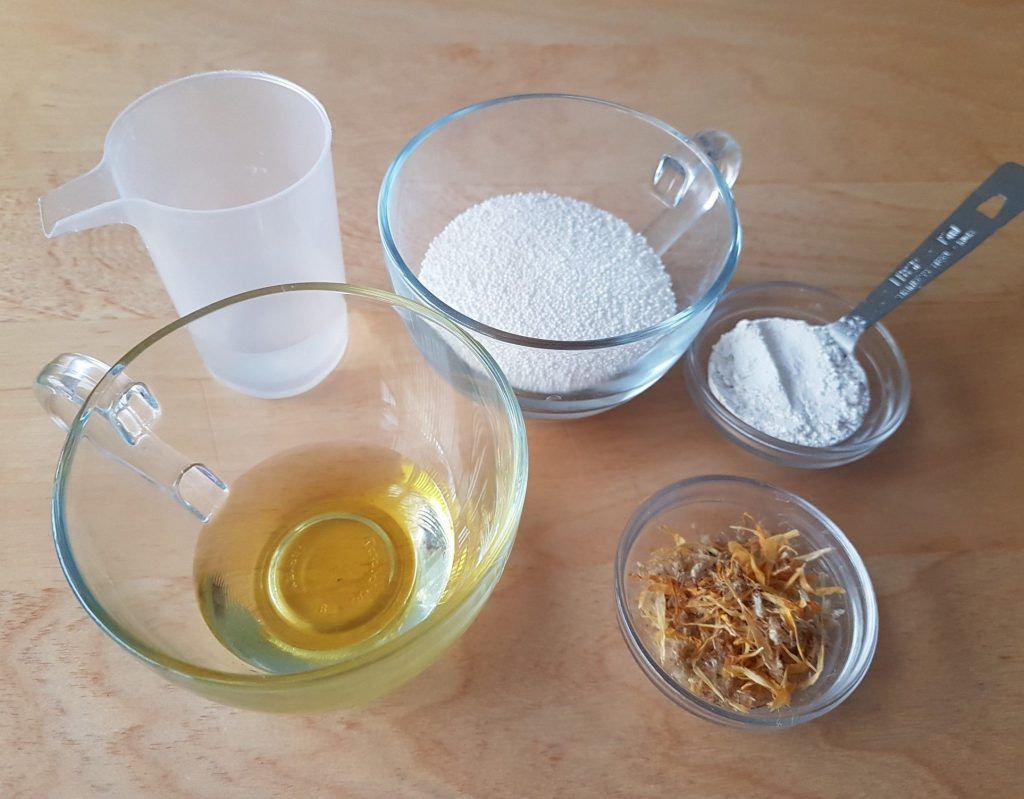
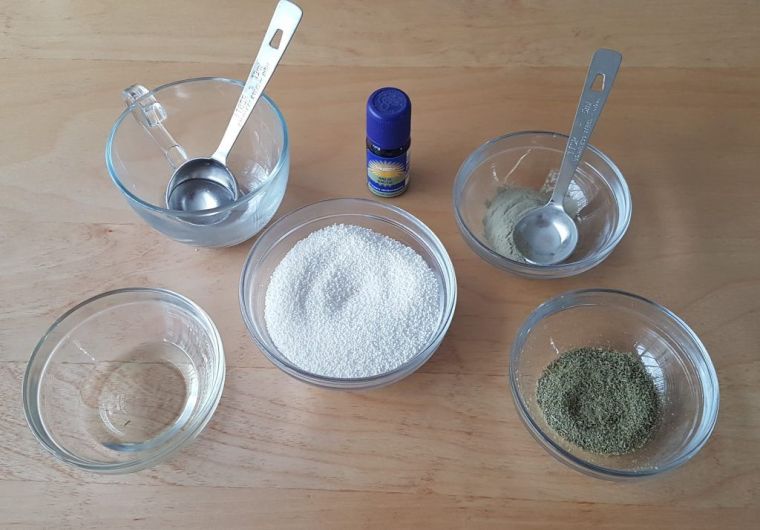
So, 50 g of SCI surfactant (try not to breathe the vapors)

15 gr (1Tbsp) of argan oil or wheat germ oil (to combat dryness and moisturize)

1 TBSP (15grs) rassoul clay or kaolin

1 tsp (5grs) of dry extract of calendula and chamomile powder

1.5 tablespoons of water (about 25 grams of water as the SCI needs less water than the SCS)

Between 15-20 drops of ylang ylang EO.


PROCEDURE:

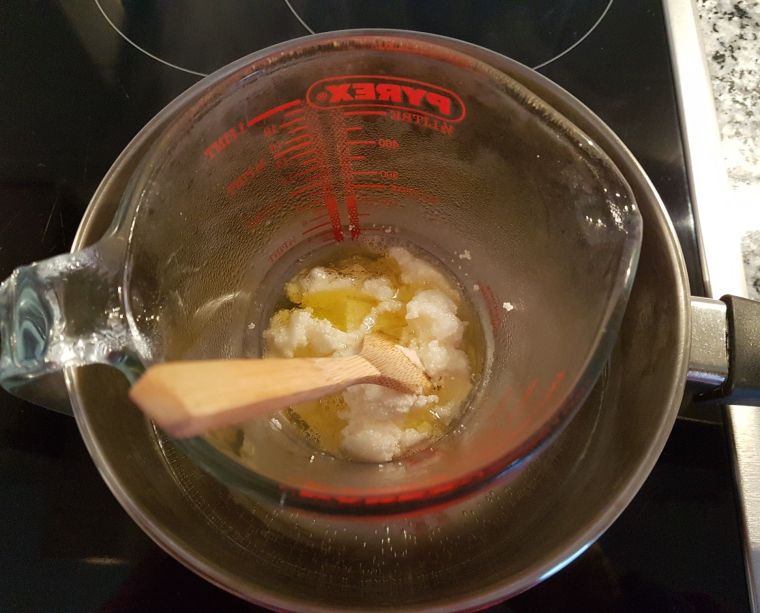
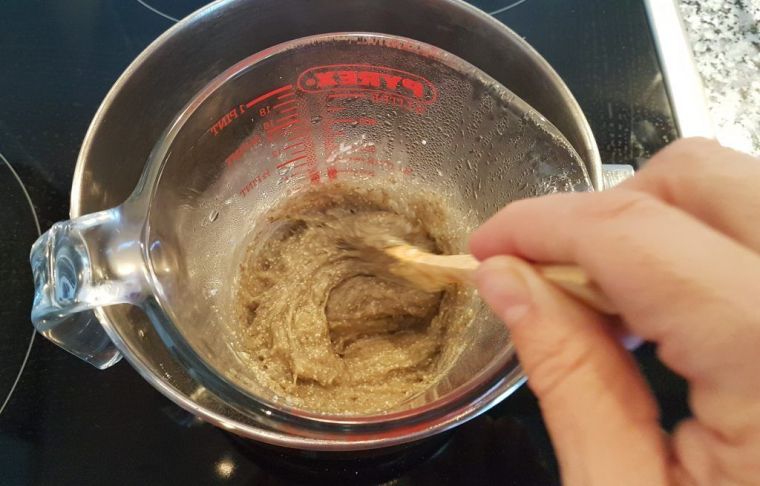
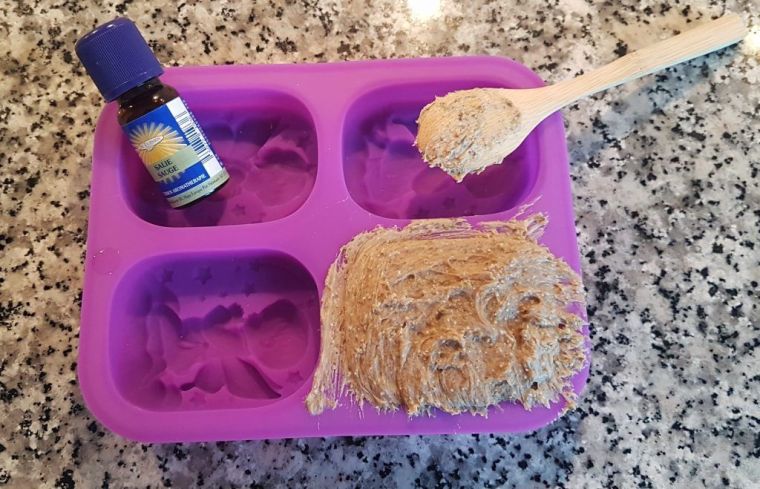
We will start by melting the SCI with the two tablespoons of water in a water bath. We will heat gently and crush with the back of a tablespoon until the mixture forms a homogeneous paste.

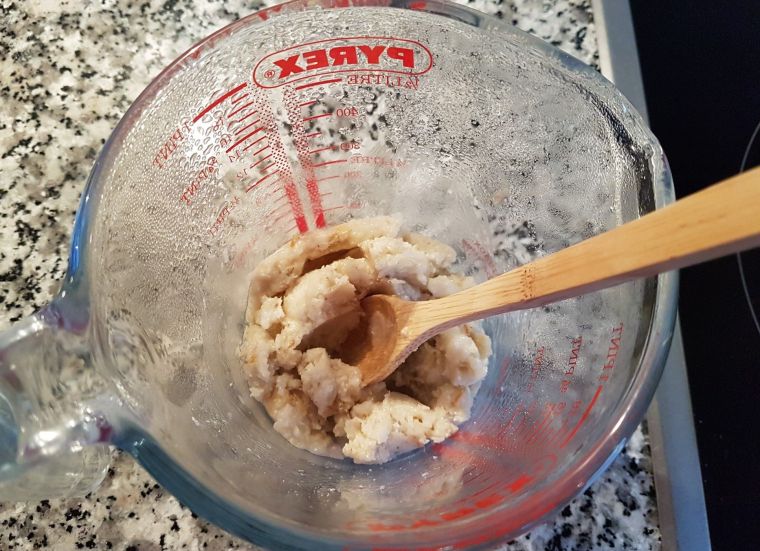
Then we will add the vegetable oil and continue to mix and crush the pasta. Apart from the heat, we will add the extract of calendula and chamomile together with the clay. We will continue mixing it and squashing it all well so that it integrates.

Finally, we will add our last ingredient, the 20 drops of ylang ylang essential oil that will fulfill the function of strengthening the scalp and regulating its lipid layer, with which, we will obtain our volume and hydration goal.

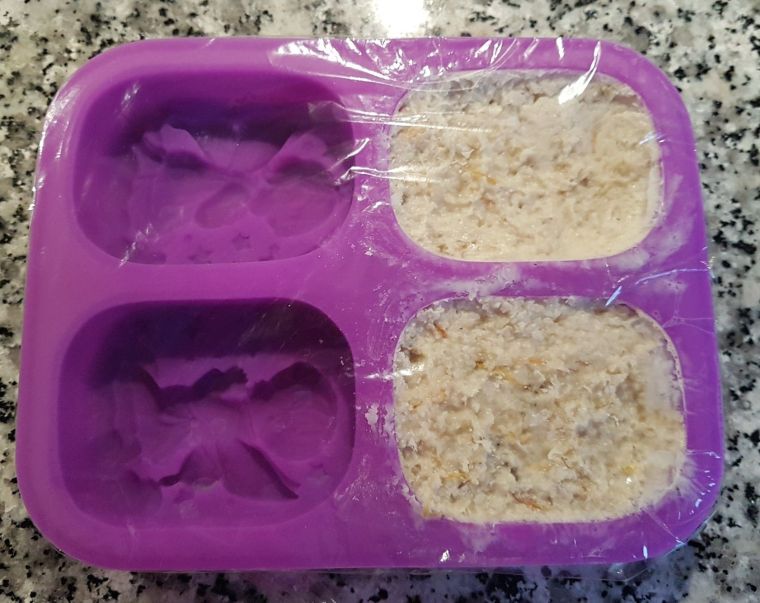
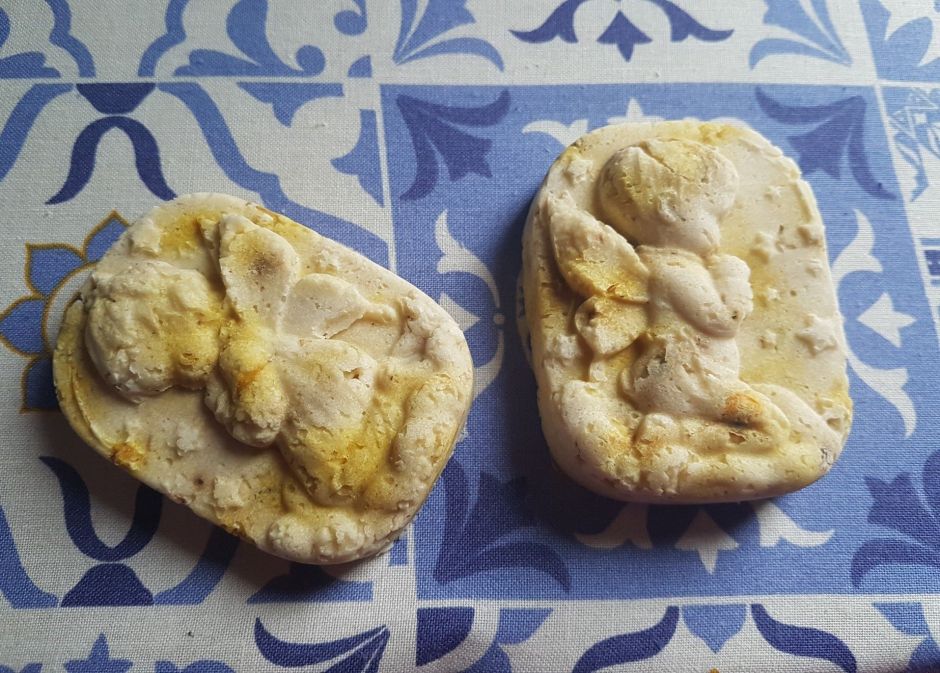
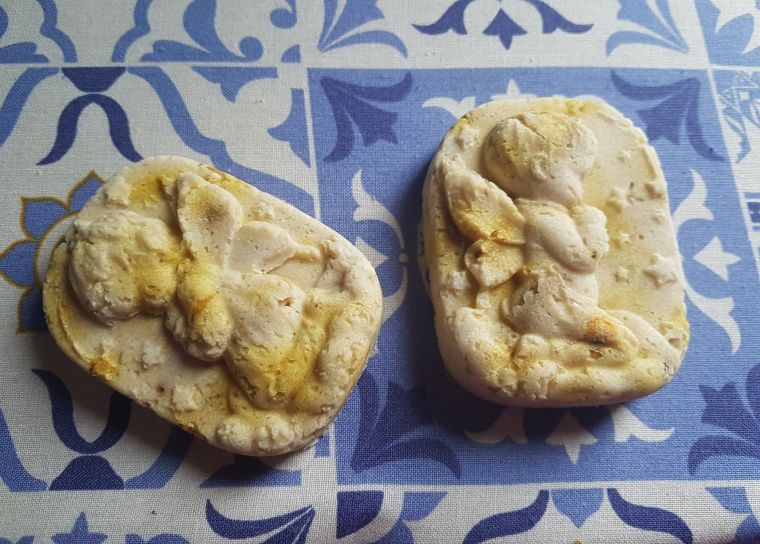
As these molds of my are a bit small, in the end I have almost two tablets, but the ideal situation is that the dough is well compacted (using a spatula) in a single mold so that there are no air bubbles and it hardens better.

After unmolding it a few hours later (48 hours is ideal because it has to dry well), this will be our final result.


I would like to add the recipe that Maria from https://bcncosmetics.com posted in the previous entry about solid shampoo because I find it very correct to treat fine hair without volume:

The recipe was:

60 gr of SCI surfactant

15 g of avocado oil

15 g of kapoor kachli powder extract

5grs of honey

2 tablespoons of chamomile infusion

Between 15-20 drops of Lemon Grass EO

It is also possible to make a combination of SCS and SCI if we want it to have more foam.

We would put, for example:

35 grs of SCS

25 grams of SCI

15 grams of avocado oil

15 g of Kapoor kachli extract powder

5 grams of honey (if we do not want more volume we can ignore it and put instead of 15 grams of oil twenty grams)

2 tablespoons chamomile infusion

Between 15-20 drops of Lemon Grass EO


I hope you like these recipes 🙂

THE NATURAL COSMETICS MOVEMENT

The natural cosmetics movement, also called “slow”, was started in 2012 by the Belgian Julien Kaibeck, in imitation of the “slow” food movement, and tries to respond to the “greenwashing” and the avalanche of “miraculous” products that, often “green” companies try to sell us without actually considering them as organic products as they are made with petrochemicals and synthetic ingredients, despite the “green” advertising they promote.

* Greenwashing: This concept was called by David Bellamy, on the occasion of the celebration of Earth Day in 1990. At that time he highlighted the hypocrisy of some companies, which placed their products accompanied by wonderful and beautiful images of nature, highlighting a commitment to the environment that was truly questionable.

These are companies that offer products that clean perfectly for their effectiveness with green colors and images of nature and “freshness”, but which, in their production, seriously pollute the waters of nearby rivers. Or they offer a perfect health image (Cosmetics), but in reality they contain large amounts of chemical components that obviously contaminate and harm health as well. 

Unfortunately, there are also brands of natural cosmetics that are not as “organic” as advertised, which is why it is very important to know how to read the labels and compositions of the products we consume.

“Slow” cosmetics therefore encourage more sensitive consumption and more reasonable beauty products. Fewer products, more organic, simple homemade recipes, and especially, gestures and cosmetic ingredients that respect the environment.

THE 4 PILLARS OF THE “SLOW” COSMETICS MOVEMENT ARE SUMMARIZED IN: Source; (https://www.slow-cosmetique.com)

1. IT IS ECOLOGICAL:

A cosmetic without petrochemicals (vaselines), plastics, toxicity or contaminants. No pollution and with natural organic ingredients. A cosmetic based on local products and assets (with plants and oils originating from the area where it is produced). A cosmetic that recycles packaging and materials whenever possible and respects the environment in which it is produced.

2. IT IS HEALTHY:

Respectful of human, plant and animal living things. And it prevents substances that are endocrine disruptors or that accumulate and intoxicate our body such as parabens.

3. IT’S SMART:

It tries to take care of the real needs of the skin and provide the really necessary active ingredients. Because consuming more is not always consuming better.

4. IT IS REASONABLE:

It is a cosmetic that makes realistic and feasible promises and does not seek to sell impossible or fraudulent solutions. Also offering a fair and ethical price so that the pleasure can also be reasonable. And because simplicity is the greatest of luxuries.

THE FIFTH PILLAR IS OF OWN CONTRIBUTION and is part of the philosophy I will share through this page.

For us, from naturamatters, natural cosmetics must also be minimalist.

And why minimalist ?: Because if a cosmetic product or “solution” works with three natural and healthy ingredients we do not need to spend more money or resources to make it and, moreover, according to certain mixtures and synergies of components, it can be even counterproductive. Not always more is better.

Feeling good about yourself @ is important, so we are not against the idea of ​​wanting to correct facial imperfections with makeup or wanting to avoid blemishes and wrinkles. However, within our minimalist concept of cosmetics, our maxim is: no, it’s more.

The skin, to preserve its lipid barrier and the layer of saprophytic bacteria that protect it only needs three components: a good soap that cleanses but does not destroy the beneficial bacteria that protect our skin, water to hydrate and natural fats to nourish. And this is achieved with three basic ingredients: natural soap, water, and natural vegetable oils that provide us with quality fats.

We know of the amount of literature and websites that formulate complicated recipes for creams with aqueous phase and fat phase. Making a cream with an aqueous phase, although interesting, greatly complicates any recipe because where there is water you need to add a preservative, more or less natural. And here we come into conflict with the issue of preservatives which are always, to a greater or lesser extent, biocides. Logically, synthetic preservatives are even more problematic than can be used by the natural cosmetics industry. However, formulating a cream with vegetable fats is very simple, and only requires a little vitamin E to prevent the rancidity of the fats. This is what we did not mean when we talked about the minimalist attitude that we propose to you from here.

Many times, less is more and if we do not need to formulate a cream with complicated ingredients, our attitude will be to make our lives simpler and simpler.

This will not be an obstacle because sometimes we offer some more complicated recipes for people with free time and desire, but in any case, you should know that true skin hydration is internal and that much more important than formulating a cream that contain water, is to drink it daily. With skin, this is the best solution. On the other hand, oils and fats are important to nourish and keep it beautiful for longer.

WHIPPED BUTTER MOUSSE

With no micro plastics or synthetic ingredients!

INGREDIENTS:

50 grams of shea butter
25 grams of coconut oil
25 g of rosehip oil (regenerating)

PROCESS:

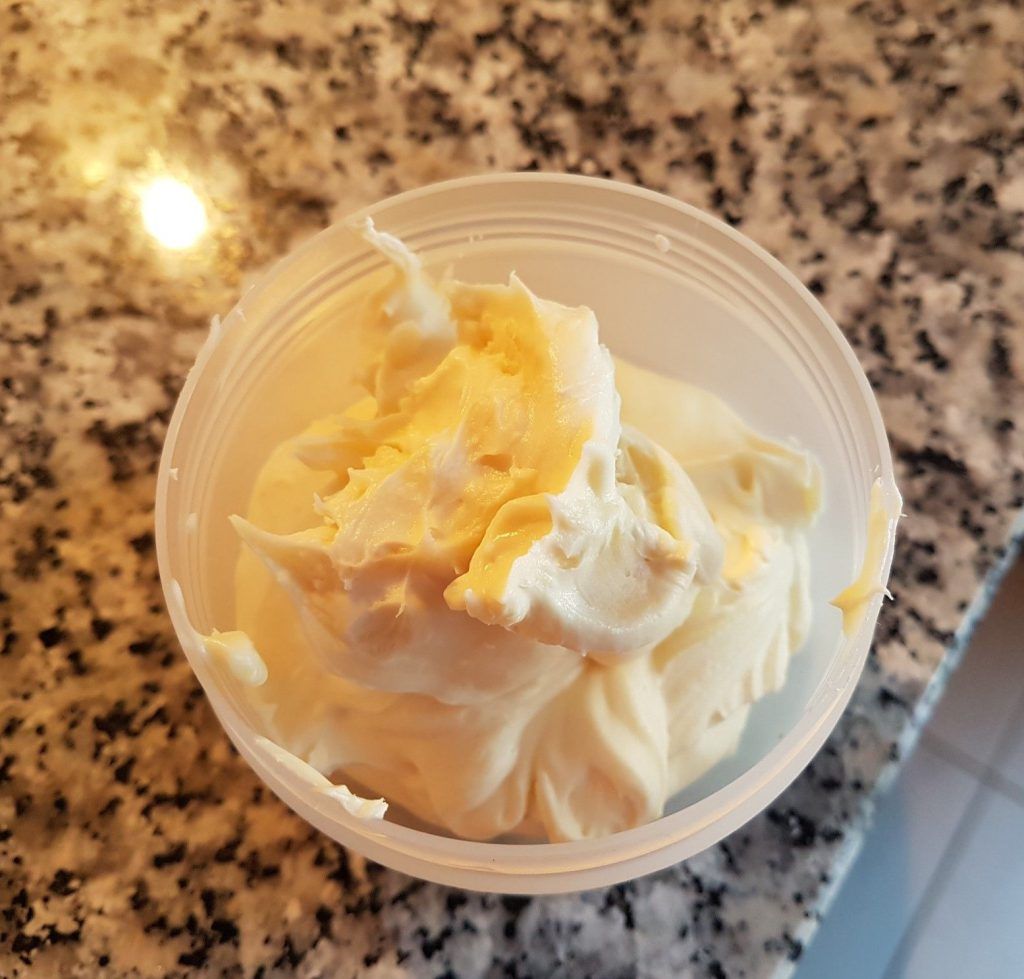
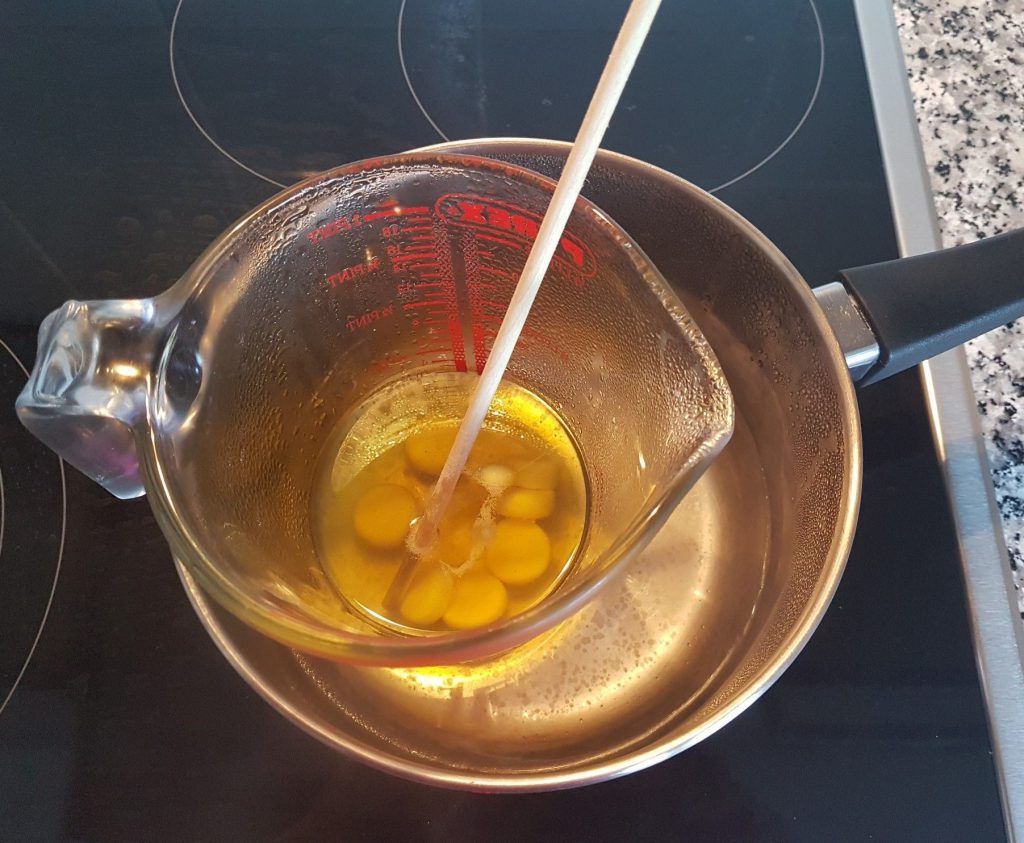
When the butter and coconut oil are melted, we remove them from the heat and add the rosehip oil so that it does not lose its properties.

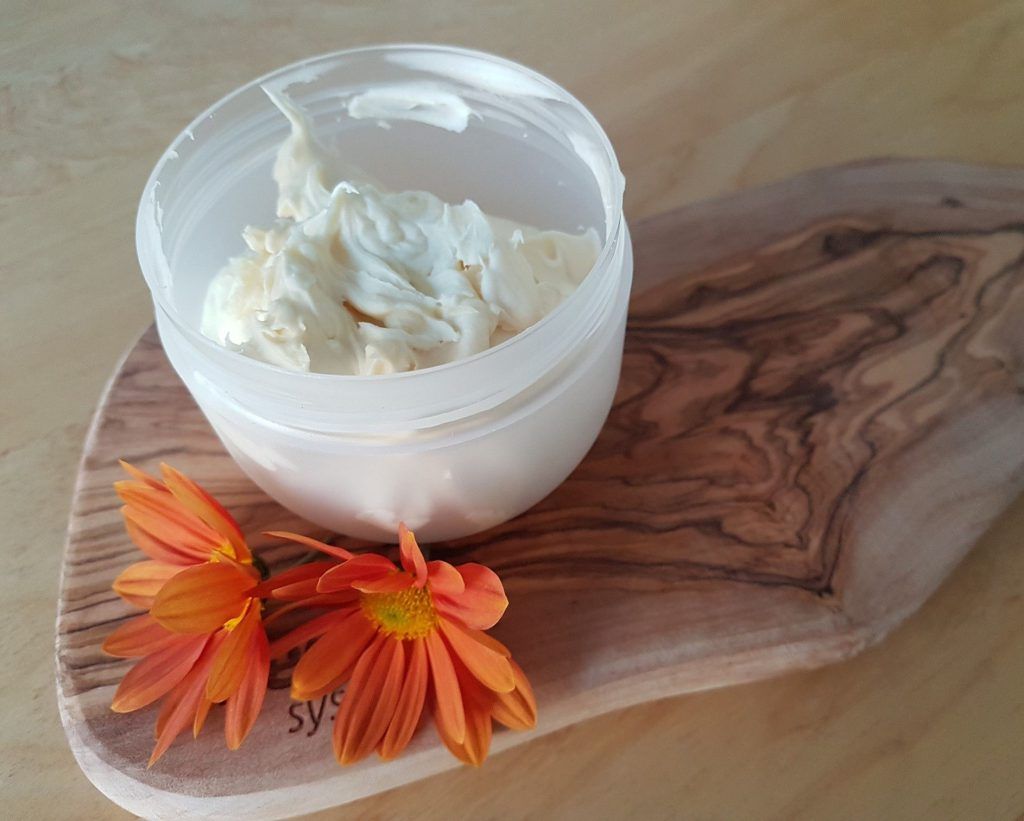
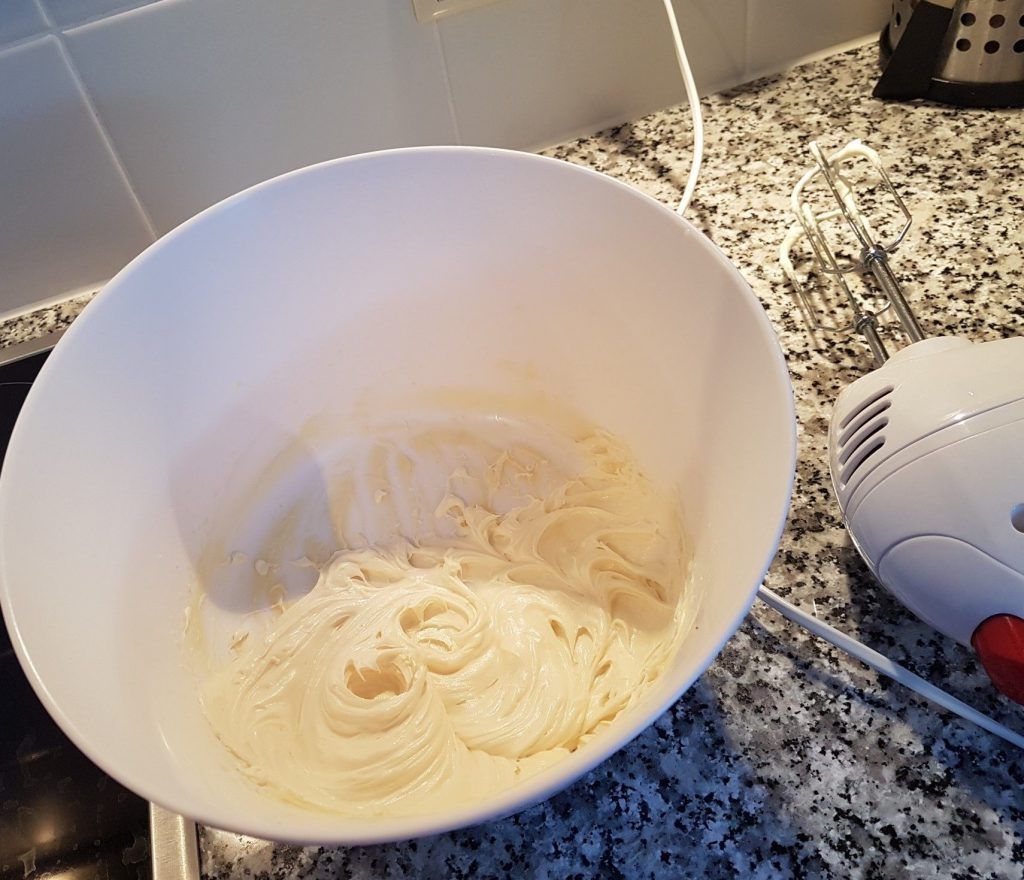
When the mixture begins to warm and the cream begins to thicken again, then we begin to beat with a whisk to whip cream for about 10 minutes or until we appreciate that our mixture adopts a consistency like “mousse”.

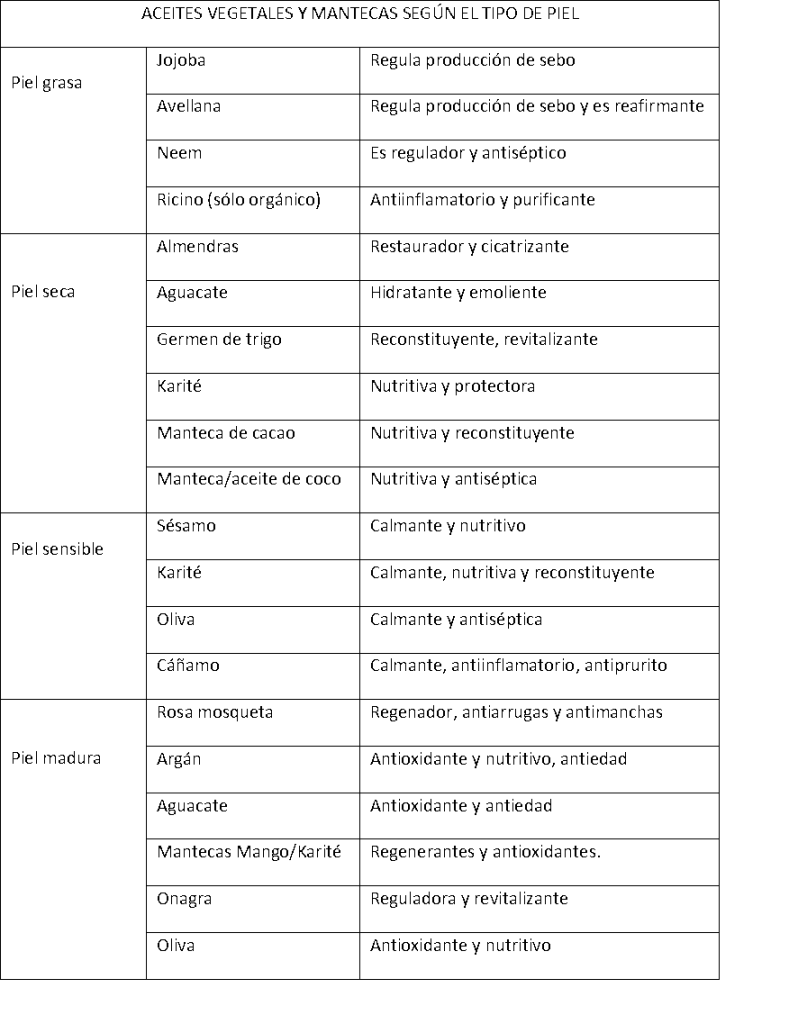
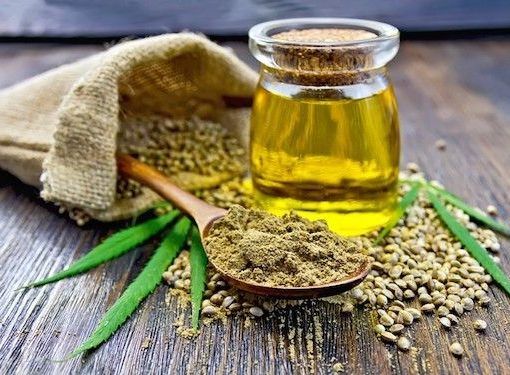
Alternatively, it is possible to substitute rosehip oil for any other whose properties are interesting to treat our skin. For example, avocado oil to treat very dry skin, argan oil for mature and worn skin, hemp oil to treat the most sensitive / or affected skin with dermatitis, jojoba or castor oil to regulate oily skin, macadamia oil for flabby and devitalized skin, evening primrose oil to regulate mixed skin, etc.

And it is also possible to vary the quantities of the recipe and simplify it:

LIKE THIS:

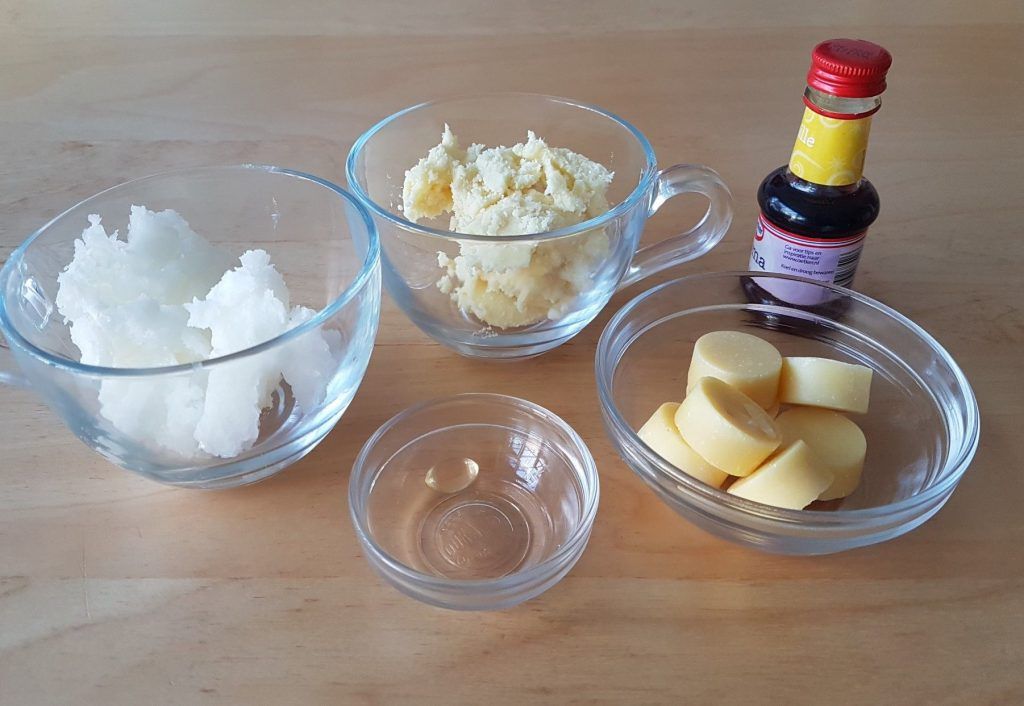
50 grams of coconut oil
35 grams of shea butter
30 grams of cocoa butter
1 capsule of vitamin E to preserve butters from oxidation.
And a few drops of vanilla essence that will give a special aroma to your mousse.

Why these ingredients and not others?

The various butters and oils have different properties that can be more interesting for treating one type or another of skin.

We have therefore chosen shea butter in our formulation for its versatility and its ability to treat all skin types, as well as coconut oil, and we decided to add vanilla essence because we wanted to give our mousse a “glamorous” aroma.
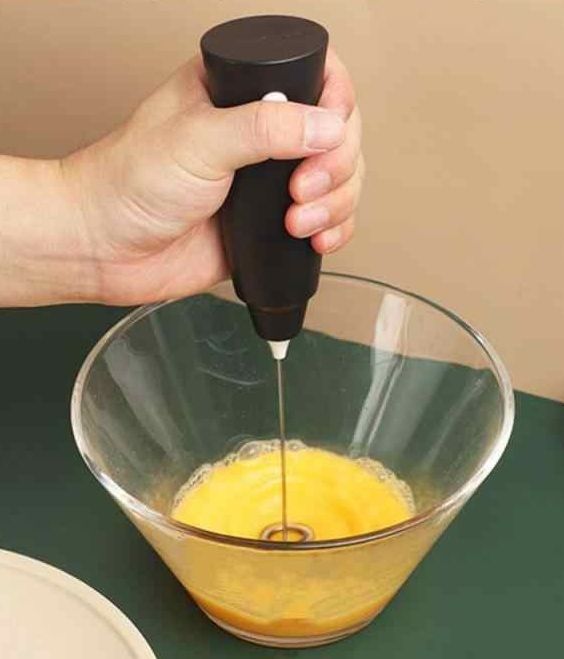
OIL GEL MOUSSE SENSITIVE SKINS

Another way to prepare a butter mousse is by adding natural aloe vera to it. In this case, in addition to a moisturizing and nourishing mousse, we will also have an ideal treatment cream for atopic skin with itching or psoriasis. Also, of course, ideal for taking care of the delicate skin of babies.

Its duration is longer (and also it thickens more) if we use a commercial aloe gel that has its own preservatives; but, without a doubt, with much greater regeneration capacity if we use natural aloe gel, even if we have to add a few drops of GSE as a preservative. We will also try, as always, to keep it in a glass container away from light and high temperatures.

Ingredients:

50 gr of shea / cocoa butter
25 gr of hemp oil.
20 gr of aloe vera gel, and if the aloe is natural, then with about 10 drops of GSE preservative
1 gr of patchouli essential oil

PROCEDURE:

Once the butter is melted in a bain-marie, we will mix and beat all the ingredients with a whisk.

When the mixture begins to cool and thicken then it is convenient that we use the electric whisk to whip the cream if we want to achieve the consistency of a mousse.

And it is a luxury to spread the butter in this way!

INGREDIENTS

Shea butter: Shea butter is well known for its moisturizing, nourishing and protective properties (from temperatures and UV rays). It has great regenerating and restructuring power, preventing premature aging and stimulating cell regeneration, helping to reduce wrinkles, stretch marks and blemishes. It is a great emollient and anti-inflammatory ideal to apply in skin disorders such as dermatitis, rosacea, rashes, stings, etc. It is therefore an efficient protector, protecting the skin from the sun and the cold (ideal for sunscreen and balms for winter).

Hemp oil: It is special to treat the most delicate and affected skins, perhaps dermatitis. In antipruritic and treats skin eczema.
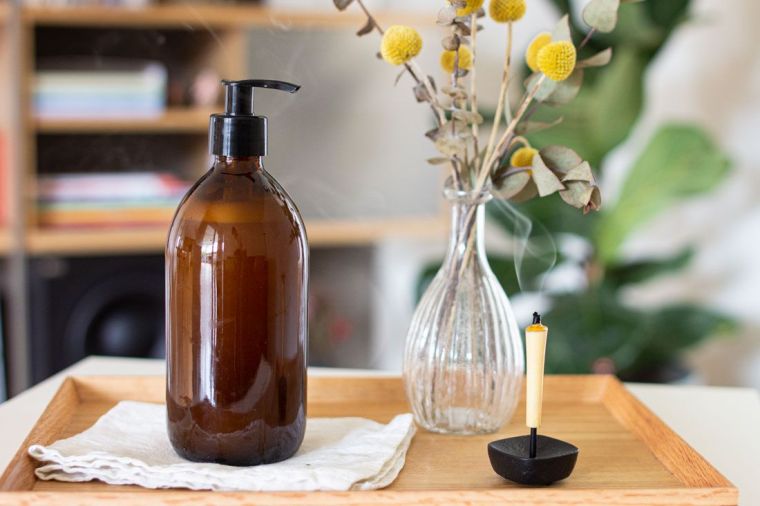
Natural Aloe Vera: Nothing is better than the pulp of aloe to treat and regenerate the skin.
Patchouli / Cedar Essential Oil: Patchouli is antipruritic and soothing just like cedar.

WHERE TO BUY THE INGREDIENTS:

All the ingredients of this recipe can be easily found in any herbalist or online store that we include in our page of “interesting links“

I leave you a link to some very good “online” stores, to make it easier for you to find hemp oil, since I do not take any commission for it.

https://www.cremas-caseras.es/aceites-vegetales/380-aceite-de-canamo-virgen-bio.html?search_query=canamo&results=3

https://www.jabonariumshop.com/aceite-de-ca-amo-cannabis-sativa

This store is in French, but if like me you live outside of Spain, they transport the products to all of Europe at very competitive prices.

https://www.aroma-zone.com/info/fiche-technique/huile-vegetale-chanvre-bio-aroma-zone

And nothing more for today.

I hope you like the entry and that you leave us a comment.

PROPERTIES OF THE DIFFERENT VEGETABLE OILS for use in natural cosmetics

The selection criteria depends not only on the type of cosmetic or product that we are going to prepare but, above all, on the type of skin and the problem we want to treat.

The skins are generally classified as dry or oily. Combination skin, many times, is normal or sensitive skin that is not totally uniform and whose treatment must be, in many cases, an intermediate treatment. Sensitive skins are usually the ones that suffer the most dermatological affectations such as couperose, dermatitis, spider veins and facial blemishes, etc.

When we formulate a cream to hydrate and nourish the skin, we must take these characteristics into account, and include the appropriate vegetable and essential oils to treat it.

Thus, for example, if we want to make a facial cream with a sun protection factor, it will be convenient for us to choose carrier oils with biological protection filters.
Among the best base oils for this need, we will have those of: karanja, buriti, macerated urucum oil, and monoï oil, and, to a lesser extent, sesame, coconut and olive oil. To help us avoid stains and prepare our skin for the sun, we have oils with a high content of carotenoids such as carrot or apricot.

If, in turn, we use the appropriate essential oils synergistically, we will be able to increase the biological photoprotection factor exponentially. For example, if we combine carrot carrier oil with an EA of raspberry seeds whose photoprotection index is quite high, then we will have a mixture or “synergy” with interesting photoprotection properties.

COSMETIC PROPERTIES OF BASE OILS

The best oils to treat mature skin are argan, damask rose, wheat germ, evening primrose, borage, perilla, camelina, rosehip and carrot.

With avocado, argan and almond oils we will treat, above all, dry skin.

If, on the other hand, our skin is oily, the best treatment oils will be those of jojoba, hazelnut, babassu, safflower and evening primrose (the latter due to its hormone-regulating capacity).

If we have sensitive skin, perhaps also with problems with couperose or dermatitis, it would be better to use nigella oil, calendula oil or hemp oil.

And if we suffer from psoriasis, neem oil will be our best ally.

If what we want is to make a treatment cream for tired legs, orange peel, or even to improve the microcirculation of our face and reduce the visibility of our dark circles, then it would be better to use the recognized calophyll or tamanu oil because of its circulatory properties, or also calendula oil.

The action of these base oils will be reinforced if we include in our recipe the essential oils that reinforce the action we intend to achieve.

For example, to treat sensitive skin, we will use oils such as calendula, hemp or nigella that we can combine with essential oils such as feverfew or noble chamomile, mint, cedar, patchouli or ylang ylang. We know that these essential oils, combined with the appropriate butters and vegetable oils, reinforce their action by calming and softening sensitive skin or those affected by dermatitis and itching.

In a synergy to treat oily skin we will use, for example, a serum with jojoba oil and essential oil of rosemary, lemon, tea tree or lavender.

OLEOGELES in which natural aloe vera gel is combined with vegetable oils and essential oils are also of great help to treat oily skin and to regenerate unsightly scars, blemishes and small wounds.

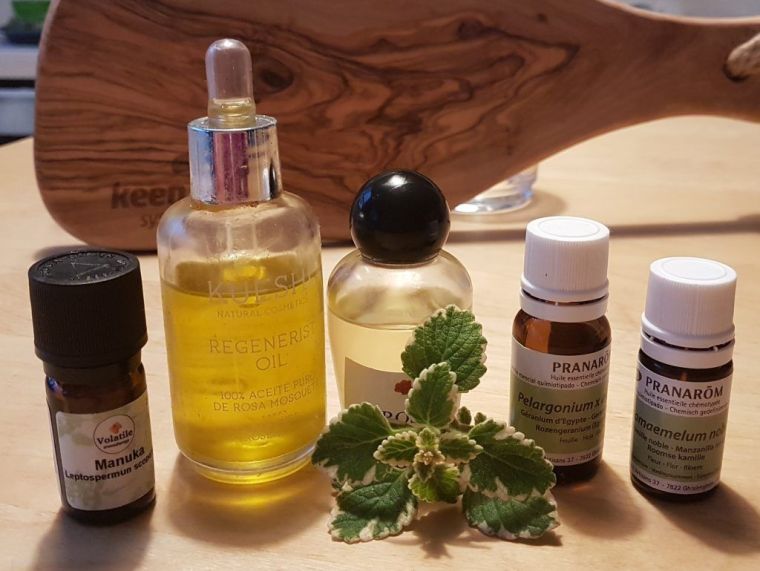
If to prepare our Oleogel we also use rosehip oil, which is known to all for its regenerative capacity for spots and skin scars, then we will reinforce the repairing effect of aloe vera gel. Together with an essential oil of rockrose, sandalwood, Egyptian geranium, or even lavender, the effect we are looking for will be enhanced.


THE PROPERTIES OF THE DIFFERENT ESSENTIAL OILS IN NATURAL COSMETICS

The main EO for treating couperose, spider veins, and facial flushing are Helichrysum, Cedar, Cypress, Patchouli, Carrot, and Rockrose (Cistus ladaniferus). These EOs are both firming and anti-wrinkle due to the elasticity they confer on the skin.

Eucalyptus radiata is an effective anti-dandruff in shampoo preparations.

Black spruce (picea mariana) soothes dermatitis, as do feverfew and mint.

Cedar is especially effective in treating wet eczema.

Atopic dermatitis is usually accompanied by itching. When it comes to antipruriginosis treatments, patchouli and mint, as well as feverfew and noble chamomile (which is also antihistamine and anti-inflammatory) are the best. Ylang ylang also soothes dermatitis and fights associated itching, as well as strengthening hair.

The mint also fights the heaviness of the legs, as well as the cypress, which has a clear circulatory effect.

Lavender, (Spica and Angustifolia), is more indicated to soothe the bites of insects. Lavender in general calms and relaxes the nervous system, and is both healing (the best remedy against both accidental and sunburns).
Lavender, and also lavandin, are generally good for cleansing the skin and fighting acne and pimples.

For psoriasis, myrrh EO, combined with a carrier oil, is also a good choice.

Egyptian geranium (pelargonium asperum) is a good skin astringent, detoxifier and regulator that acne-prone skin also appreciates. With it, facial and purifying masks are prepared.

Rockrose (cistus ladaniferus) is also used in firming and anti-wrinkle treatments with remarkable success.

In the case of mycosis and toenail fungus or vaginal and oral candidiasis (fungi), etc. the best EOs for treating these problems are tea tree and niauli. They also treat cold sores and cold sores and skin acne. Niaouli works in much the same way as tea tree.

With toenail fungus, oregano EO is also especially effective.

Grapefruit and lemon EOs are used to combat cellulite as they eliminate subcutaneous fat, detoxify and give firmness and elasticity to the skin.

Lemon also whiten teeth. Lemon is a good treatment for oily hair and skin, as is rosemary, and also lavender. You just have to be careful with exposure to the sun as both are photosensitive.

Rosemary verbenone is especially effective against oily dandruff and cellulite.

Laurel is a basic remedy to purify and treat oily and abscessed skin as it has antiseptic and anti-inflammatory properties. Its aroma is also delicious.

Jasmine can be used on all skin types, also the most delicate as it helps soothe irritations. In addition to being moisturizing, it provides elasticity to the skin. It is used to improve the appearance of stretch marks and scars, as well as acne and rashes or eczema.

Damascene rose, although expensive, is the best EO for treating mature skin.

Carrot (daucus carota) lightens blemishes and blemishes on the face and evens out the complexion.

In case of hair loss, the best AE are those of ylang ylang, spruce, rosemary and cinnamon.

Cellulite, orange peel skin and dark circles due to poor circulation are treated with the base oil of calophyll and the essential oils of helichrysum, rosemary, sage, lemon and grapefruit.

In general:

To regulate sebaceous secretions – Geranium, lavender and palmarosa

With anti-aging and toning properties – Orange blossom, incense and bitter orange

For oily and acne skin – Tea tree, cedar and rosemary


We hope you liked our entry, and that you leave us a comment.

RUNNING IS THE ULTIMATE ANTI-AGING PILL

In line with the type of information on natural health that we want to publish on this blog, we have borrowed an article from the kinesiologist David Liira that appears on his blog https://www.davidliira.com

Look up ‘Anti-Aging Pills’ on the internet. You’ll quickly discover that the pill that could change the future of aging is “right around the corner”. While it’s clear that the legitimacy of these medications is gravely in question, that’s not the point here. What we should be questioning, is why this market has gotten so huge in the first place.

People are craving solutions to healthy aging, but are they looking in the right places?

In the 21st century, it’s common knowledge that running can improve one’s health and overall wellbeing. What’s less associated with aerobic exercise, however, is its salient role in numerous aspects of healthy aging. Other modalities, such as pharmaceuticals and beauty products, are frequently prioritized in this field, despite their alarming side effects and high price tags.

It’s no secret that we’re a pill-dependent society. In America, the average senior takes four medications per day. This has more than double since 1988. A major reason for this trend has to do with the rise of chronic disease among older adults. Here are a few alarming facts from the National Council on Aging:

Approximately 80% of older adults have at least one chronic disease, and 77% have at least two. Four chronic diseases — heart disease, cancer, stroke, and diabetes — cause almost two-thirds of all deaths each year.

And worst of all…

Chronic diseases account for 75% of the money our nation spends on health care, yet only 1% of health dollars are spent on public efforts to improve overall health.

Our approach to healthy aging is completely backward. We’re trying to combat poor lifestyle choices with pills and treatments as opposed to educating adults (and youth) on primary prevention.

Exercise should be the number one building block to starting that wall, yet it’s still greatly underutilized as a health care modality. Aerobic activity goes far beyond ‘anti-aging’ (preventing the appearance of getting older), allowing an individual to improve a plethora of health indicators, from insulin control to emotional regulation.

1) It Prevents Chronic Disease.

Chronic illnesses such as cardiovascular diseases, type 2 diabetes, and cancer, are the leading killers in Westernized society. Fortunately, exercise can play both a prevention and recovery role in these areas.

First off, aerobic activity helps to strengthen immunity. Bogdanis et al. prove that those who are of a ‘fit’ status demonstrate lower levels of inflammation and respond better to infection. This is due to exercise’s role in boosting the first and second lines of defense.

Exercise improves the antipathogen activity of tissue macrophages in parallel with an enhanced recirculation of immunoglobulins, anti-inflammatory cytokines, neutrophils, NK cells, cytotoxic T cells, and immature B cells. — Nieman & Wentz

Aerobic activity will also enhance insulin control, reducing the risk for diabetes, and improving the clinical outcomes of those already diagnosed. This is a win-win as diabetes is associated with a 65% higher risk for developing dementia.

From a cardiovascular standpoint, exercise will greatly reduce the prevalence of heart disease. It can lower body weight, blood pressure, and bad (LDL) cholesterol, all while increasing good (HDL) cholesterol and insulin sensitivity. Aerobic activity can also boost the signaling protein VEGF, building new blood vessels that will further reduce disease risk.

Exercise can be an effective primary prevention method for healthy individuals, and a potent tertiary prevention method for those with chronic disease.

2) It Maintains Activities of Daily Living (ADLs).

Achieving functional activity is an essential part of maintaining independence in the elder years. Dependence on others to complete ADLs is a top risk factor of long-term nursing home placement, leading to a spiral of sedentary behavior and the acquisition of disease.

By participating in consistent aerobic activity, older adults can improve cardiopulmonary endurance and vigor, preserving their ability to walk to the grocery store, or play with the grandkids. Other benefits include a healthier range of motion, maintenance of bone mineral density, and balance.

This goes far beyond the ability to complete daily tasks too. A major link to sedentary behavior and disease within the elderly is apathy. In retirement, older adults will naturally begin to move less due to reduced accountability and structure in life. Physical activity can form a daily routine and social outlet to ameliorate these issues.

3) It Boosts Mental Health and Acuity.

Many older adults report feeling of loneliness and depression due to adjustments to new living situations, and poor health. Physical activity can be a powerful outlet to rally dopamine which in turn boosts the reward and motivation systems — restoring purpose and verve to life. Additionally, exercise increases blood circulation to the brain, improves the function of the HPA axis (stress pathway), and calms the amygdala, the fear center of the brain.

“Exercise is better than Zoloft at keeping people from relapsing from depression.” — John Ratey, M.D.

Furthermore, ‘happy brain chemicals’ such as serotonin, dopamine, and oxytocin have all been proven to increase after a bout of physical activity. This will enhance emotional regulation and improve one’s wellbeing.

Exercise keeps older adults smart too. Moderate to vigorous activity boosts the release of brain-derived neurotrophic factor. Not only does BDNF help neurons mature and survive, but it has a primary role in neuroplasticity and the enhancement of learning and memory.

There are few corners of the human body that exercise cannot aid. Due to the overwhelming evidence of its key role in the maintenance of health with aging, it should be the number one prescribed ‘medication’ in every hospital, clinic, and gym.

We’ve been culturally wired to seek pills and treatment. With the statistics soaring around chronic disease prevalence and health care costs, it’s time to question the efficacy of our current health model.

Aerobic exercise (of any kind) is the key ingredient to building a culture of primary prevention. One that achieves longevity and wellbeing, deep into the later years of life. Pair it with proper nutrition, sleep hygiene, and mindfulness, and we can start to release our shackles on the health care system and foster an environment of robust, active living.

Exercise is medicine, my friends.

This is a copy from an article by David Liira, Kinesiologist from British Columbia. He also has a blog about health issues:  https://www.davidliira.com

TWO INFALIBLE REMEDIES AGAINST THE FALL DUE TO THE EXCESS OF CAPILLARY FAT

We will first offer a universal formulation for making solid shampoos. Solid shampoos are great for different reasons:

-They last a long time because you only need a small amount to wash your hair.
-They are easily storable for at least 6 months and have a long life without the use of preservatives.
-They produce less waste, since they do not come in a plastic bottle that will be discarded after use.
-They are very easy to transport, especially when we have to travel by plane.

BASE RECIPE FOR SOLID SHAMPOO:


Ingredients: Preparation for about 100 grams of final product.

60 gr of surfactants SCI, SCS, or both combined. Example: 40 gr SCI, 20 gr SCS
15 gr (1Tbsp) of vegetable oils or butters
15 gr of herbal powdered extracts (clay, henna, nettle powder, lavender, rosemary)
5 gr (1tsp) of assets adapted to your needs (it can be simply clay, bicarbonate, aloe vera, etc).
2 tablespoons of hydrolate, herbal tea or water
Between 15 and 20 drops of AE appropriate to the problem you want to treat.

You will find all these ingredients easily in organic stores or online. Think that once you have them you can prepare various shampoos. It is not necessary to use many grams of each ingredient and, in addition, the solid shampoos last a long time, so you will have paid off your investment very well.

Regarding surfactants, say that SCI or Sodium Cocoyl Isethionate is a mild surfactant derived from coconut oil. It can be combined with another solid surfactant called Sodium Coco Sulfate that offers an even more generous foam. This second surfactant is more suitable for oily hair. The first surfactant is best indicated for dry and damaged hair. Of course, a combination of both is always possible.

Procedure:

We will weigh all the ingredients and start by melting the chosen surfactant with the two tablespoons of hydrolate, herbal infusion or water in a water bath. We will heat gently and crush with the back of a tablespoon until the mixture forms a homogeneous paste.
Then we will add the vegetable oil or butter and we will continue mixing and crushing the pasta. Already separated from the fire, we will add the vegetable extract. We will continue to mix and integrate it.
Finally, we will add the 5 grams of active ingredients, which can be the essential treatment oils combined with glycerin, aloe, etc., depending on the type of problem we want to treat.
Then we will place the mixture in a silicone mold and let it rest for two hours in the fridge. When it is hard, we will unmold and wrap in a paper napkin to dry well for 72 hours before using it.

As we want our shampoo to treat excess hair fat, we will opt for the following composition:

60 gr of SCS surfactant
15 gr (1Tbsp) of jojoba oil (which is the best to regulate excess sebum, substitutable for hazelnut, almond or even virgin olive)
1Tbsp of dry extract of rosemary powder
1 tsp (5grs) of rassoul clay or green clay
2 tablespoons of water
Between 15-20 drops of AE from Salvia Sclarea

Procedure:

We will start by melting the SCS with the two tablespoons of water in a water bath. We will heat gently and we will be stirring until the mixture forms a homogeneous paste.

Then we will add the vegetable oil and we will continue mixing and crushing the pasta. Already separated from the fire, we will add the rosemary extract and the clay. We will continue mixing and crushing everything well so that it is integrated.

Finally, we will add our last ingredient, the 15 drops of essential oil of Salvia Sclarea since the EA of sage fulfills the function of regulating hair fat, just like rosemary and jojoba extract.

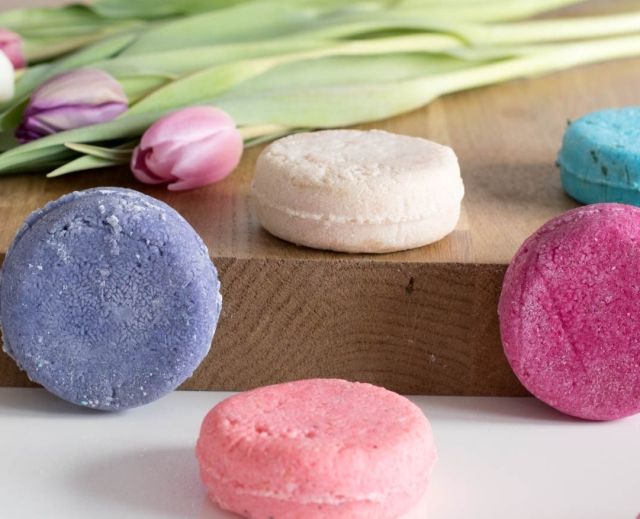
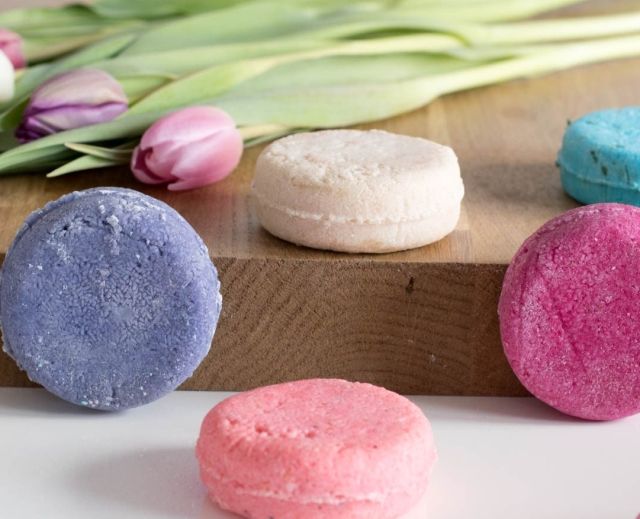
After unmolding it a few hours later, this will be our final result.

Our second recipe, not because it is liquid, is less effective.

SULFUR-BASED GEL SHAMPOO to regulate hair fat

Sulfur also acts as a regulator of the fat layer of the scalp as well as extracts of rosemary, jojoba oil or sage. This recipe is very simple to elaborate, practically, the only complication it has, is to find the surfactants based in coconut oil.

In our links section we indicate some online stores where you can find them.

Ingredients:

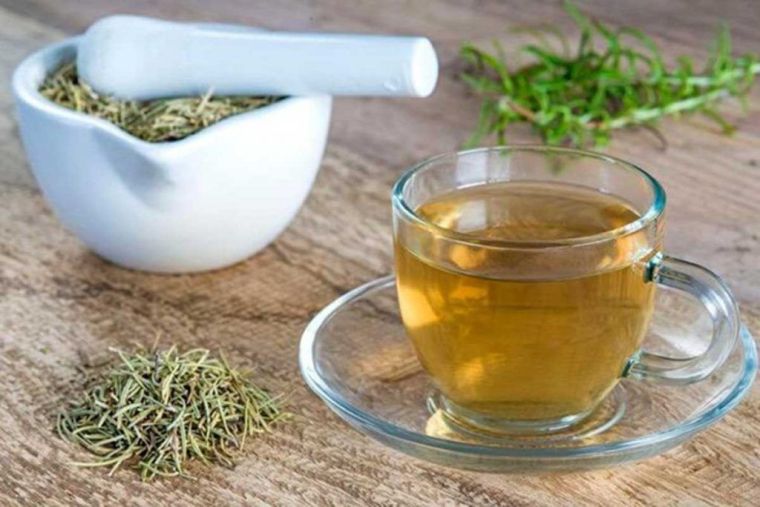
300 ml of rosemary tea
5 grs (1tsp) of xantana
1tsp of liquid soy lecithin
2 Tbsp of jojoba oil, hazelnut, macerated oil of borage, burdock, nettle, evening primrose …
1 Tbsp of vegetable glycerin
20 drops of preservative (Cosgard if possible because it less destabilizes emulsions)

15 grams (one Tbsp) of sulfur powder
30 drops EA of Salvia Sclarea, or rosemary or tea tree in this order.
50 grams of coconut tegobetaine (it is liquid)
30 g of SCS (it is a granulated surfactant)

Modus operandi:

We will start with the infusion of rosemary still hot in which we will dissolve the soy lecithin.

Now we will add the xanthan gum always whisking very well to integrate everything, thicken it and emulsify it.

Now we will add the glycerin and the oil and we will continue beating.

It is time to add the 20 drops of our preservative and the 30 drops of the essential oil of our choice. Also our tablespoon of sulfur flower, stirring everything very well.

Finally, we will dissolve our SCS granulated surfactant in coconut betaine and integrate by stirring in our emulsion taking care not to beat excessively because we could not run out of foam.

We can now bottle our shampoo and let it rest for a few hours before using it.

We really hope you liked these recipes and that you leave us a comment on our page.

ABOUT SUN PROTECTION

WHY WE NEED TO TAKE CARE OF OUR SKIN

The skin is our most voluminous organ and, at the same time, a double entry barrier. On the one hand, it isolates us from the environment, but, on the other, it is the organ that keeps us in contact with our environment and therefore needs special care.

It is a living organ with the capacity to regenerate, it is waterproof, resistant and flexible, it breathes and remains active 24 hours a day, performing all kinds of fundamental actions for our body. The skin is a vital organ for the human body that works as a protective barrier against the outside thanks to its complex cellular and immunological mechanisms, it takes care of us of diseases, extreme temperatures and injuries such as blows and burns. She selects and filters what is harmful to our body and takes what is beneficial. Regulates our body temperature and synthesizes vitamin D through exposure to sunlight.

As you know, this vitamin, which is so necessary to keep our bones and tissues healthy, is not abundant in food, hence the importance of using adequate sunscreen. We wanted to start on the blog with this topic of sunscreens and therefore we include a recipe for sunscreen cream without chemical filters or endocrine disruptors.

ABOUT SUN PROTECTION

Summer is coming and the sun is shining in all its intensity. However, we all want to go to the beach and the mountains to enjoy life outdoors. So, we have decided to write some tips on sun protection.

The sun creams that we usually find in the market usually contain a high percentage of sun protection filters, mostly chemical filters. These chemical filters have the advantage that our skin absorbs them relatively well and that they are easy to apply, but they also have many drawbacks, as we will see below:

-They damage the skin: There seems to be more and more controversy regarding conventional sunscreen creams. There has been an increase in skin and lip cancers in recent years, which are associated with the use of sunscreen with chemical filters. Apparently, these sunscreens do not form a protective barrier between our skin and the sun as we might think, but that ultraviolet rays penetrate the skin and protection is done thanks to reactions that take place in our skin. The danger is that since we don’t have the sensation of burning, we can stay in the sun for hours, but since ultraviolet rays do penetrate our skin, they end up damaging our cells. And of course, the sun is cumulative and the cells of our skin have a memory effect.

-They work as hormonal disruptors: Many of you already know what endocrine disruptors are, but for those who don’t, we will tell you that they are substances that have the ability to alter our hormones. This is a very serious issue and one that deserves our full attention. For example, there is a study linking a type of sunscreen, called benzophenone, to an increase in women with endometriosis problems. Retinol palmitate and oxybenzone are also apparently disruptive.

-They harm the environment: Chemical filters are not biodegradable, in fact, it is estimated that 4,000 tons of these chemical filters are deposited and accumulate on the seabed every year. According to a study by the EHP (Environmental Health Perpectives) carried out by Professor Donovaro in different parts of the world; It was concluded that sunscreens with chemical filters have a negative impact on coral reefs. Today it is estimated that more than 60% of coral reefs are in poor condition. Many marine animals live and depend on these reefs, so they too would be affected. In some marine reserves, such as the Tulum Biosphere Reserve in Mexico, the use of sunscreens with chemical filters is prohibited. And let’s not lose sight of the fact that these sun creams, apart from sunscreens, contain other substances (parabens, phenoxyethanol, silicones …) that should also be avoided.

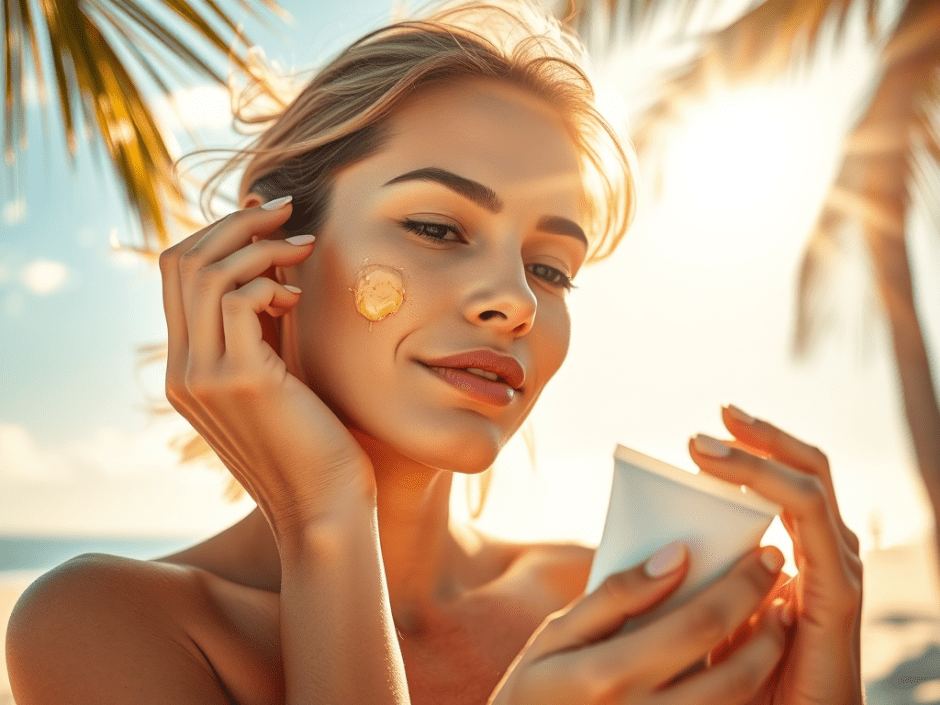
In our experience, if we really want to take advantage of the time of solar exposure to synthesize vitamin D, it is best not to wear anything that prevents the synthesis of vitamin D. Of course, you have to take precautions such as avoiding the central hours of the day, wearing clothes cotton and straw hats to protect our face and eyes, maybe use some natural oil to hydrate the skin. The massive use of sunscreens is perhaps the reason why today everyone is deficient in vitamin D and this is not only the case in countries that receive few hours of sunshine per year, by the way. What is clear is that, if we cannot respect these rules and we have to expose ourselves dangerously to solar radiation, it is important, if we want to get away from the dangers of skin cancer, that we use a natural sunscreen cream whose possible formulation we detail below.

And there is an alternative to chemical filters that are physical filters, also called mineral filters. They are zinc and titanium oxides. Unlike chemical filters that interact with the skin to protect us, these filters make a reflective protective layer on the surface of the skin like a mirror or screen. We are only going to use zinc oxide in our formulations because there are also studies carried out on rats in titanium dioxide that the nanoparticles of titanium dioxide are able to cross the skin and reach the nervous system with the risk of damaging the brain. Therefore, we think, it is better to be cautious and use only the protectors based on zinc oxide and, in any case, natural bronzers based on biological filters of vegetable photoprotective oils, which, although they will not be able to protect us for a long time, neither will they do us any harm.

These biological filters, although their level of protection is lower than that of mineral filters, have the advantage of nourishing and hydrating our skin, favoring a soft tan. They are vegetable oils and extracts that protect the skin avoiding cellular oxidative stress and the alteration of our skin immune cells.

Among the biological filters are: vitamins A, C and E, flavonoids, ferulic and caffeic acids, vegetable oils such as carrot, jojoba, argan, coconut, avocado and shea butter, aloe juice, coffee, buriti (which is an oil with a protection factor as high as that of raspberry oil that we will talk about later), pomegranate, known for its high antioxidant power.

SOME RECIPES:

As prevention, the simplest measure that we can implement to protect ourselves from the sun’s rays is a simple water spray spray in which we will dilute the mint and lavender EAs. These essential oils have a sunburn prevention effect and refresh the skin. Peppermint is not only refreshing; it also prevents the skin from itching. Lavender, in synergy with mint, prevents our skin from burning.

We can, for example, dilute 20 drops of each essential oil in a spray spray with a content of about 250 ml of water. Simply, it will be enough to spray ourselves in the exposed areas when we go for a walk in the summer sun, to prevent us from burning ourselves.

And we can make a very simple cream with a mineral filter such as zinc oxide, the protection factor of which will be somewhat higher, thus preventing us from burning ourselves when we go to the beach or the country. Of course, it will be necessary to always avoid the central hours of the day and long exposures, as we already know. With the sun, prudence will be the most appropriate measure to take care of our skin and maintain adequate levels of vitamin D.

Basic sun protection cream with SPF of approximately 30:

A simple sunscreen recipe whose effectiveness is due to the physical mineral protection action of zinc oxide is this that we detail below. When smearing this cream on the skin it will leave it a little white, but that is normal because it is the protective screen effect of zinc oxide. As long as our skin remains white, we will not burn. In addition, this cream is in itself quite waterproofing and does not usually go when bathing in the beach or the pool.

Ingredients:

40 gr of sesame oil

15 grams of beeswax

15 grams of zinc oxide

We will melt the beeswax in a bain-marie and add the oil and zinc oxide. It is important to beat very well with a rod so that the ingredients mix well.

https://youtu.be/4cmE5SX1W-w

I you like this article leave us a like.