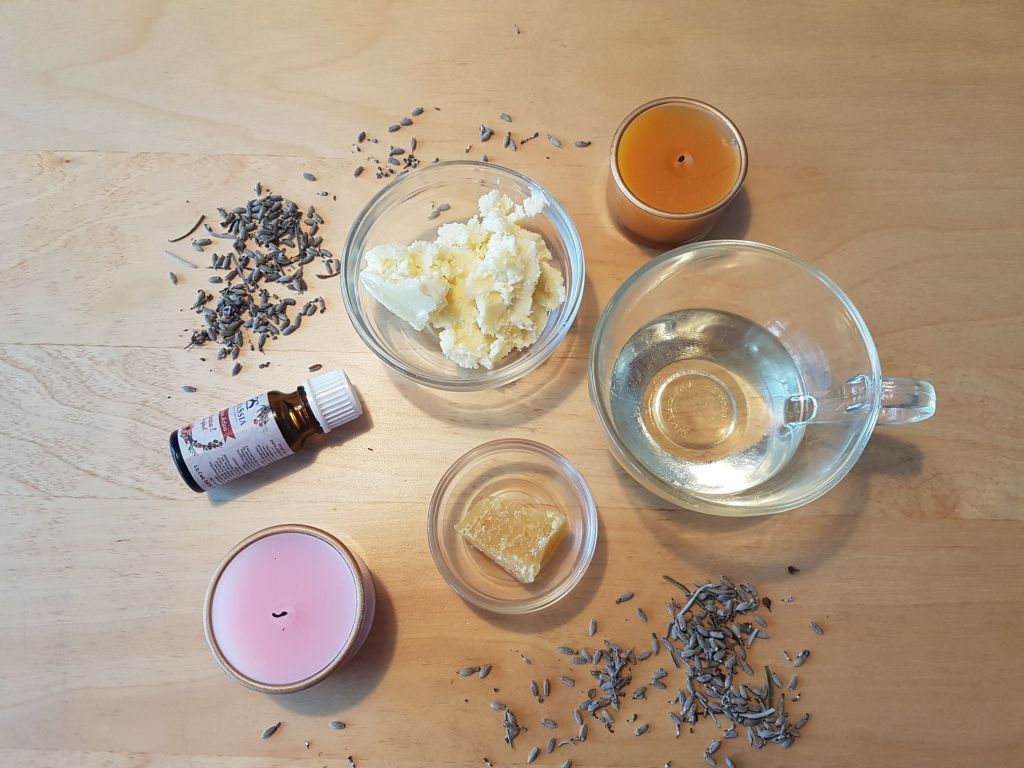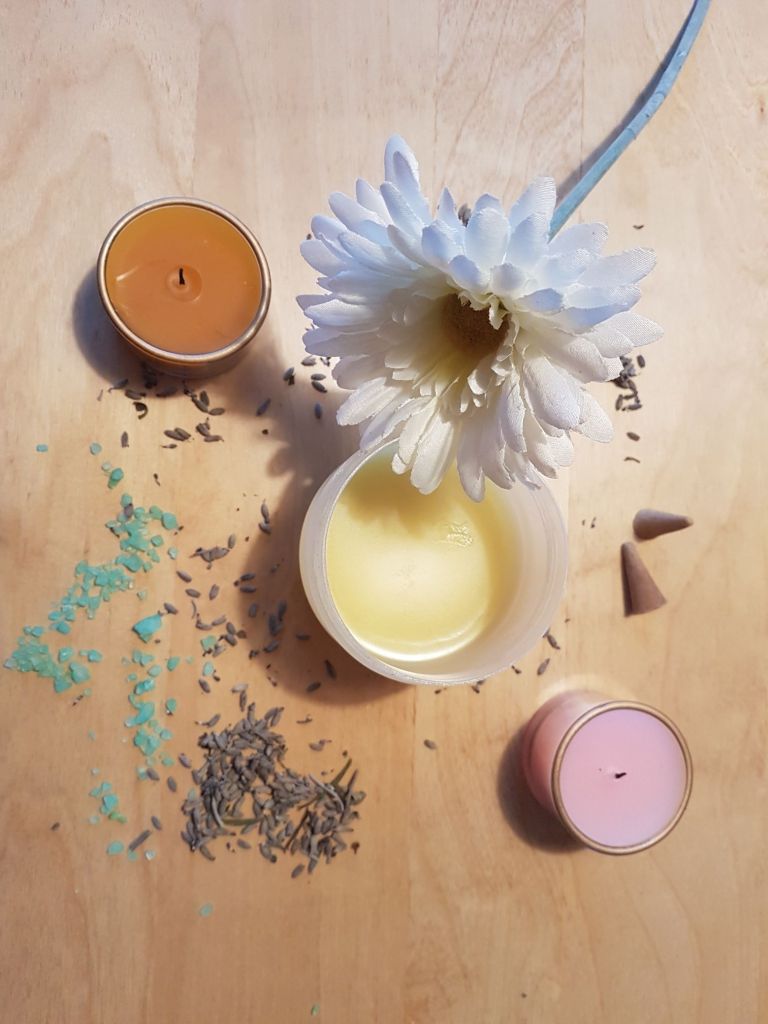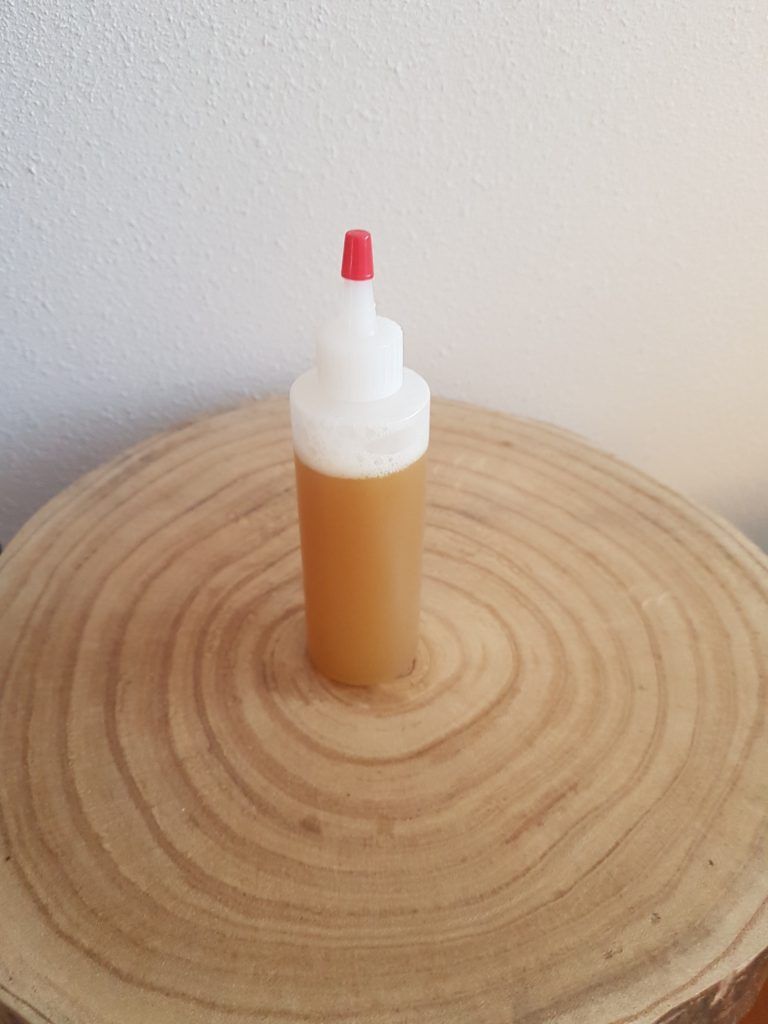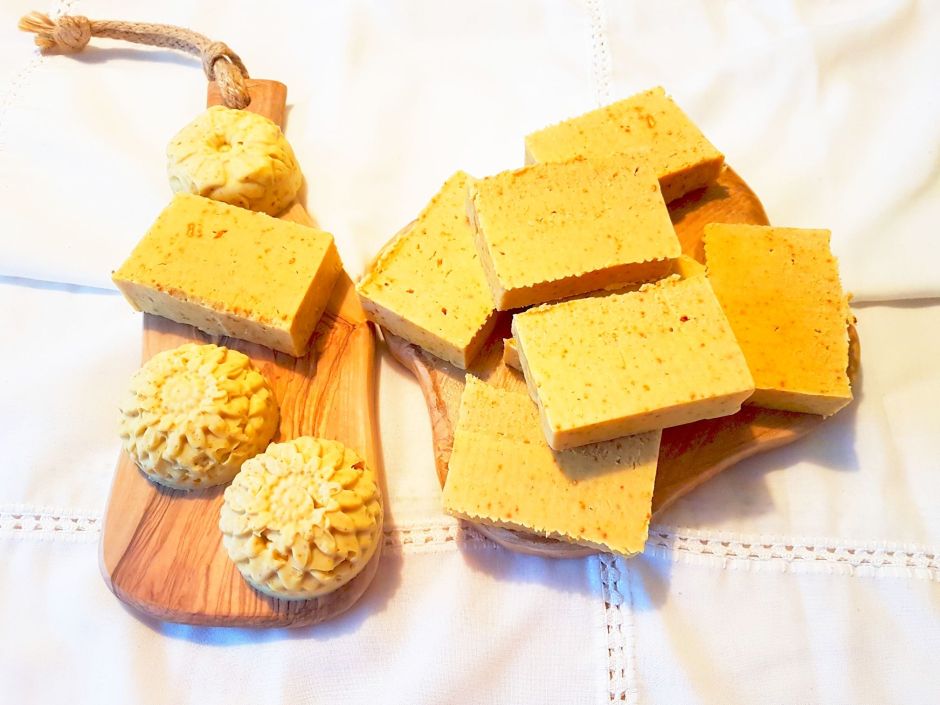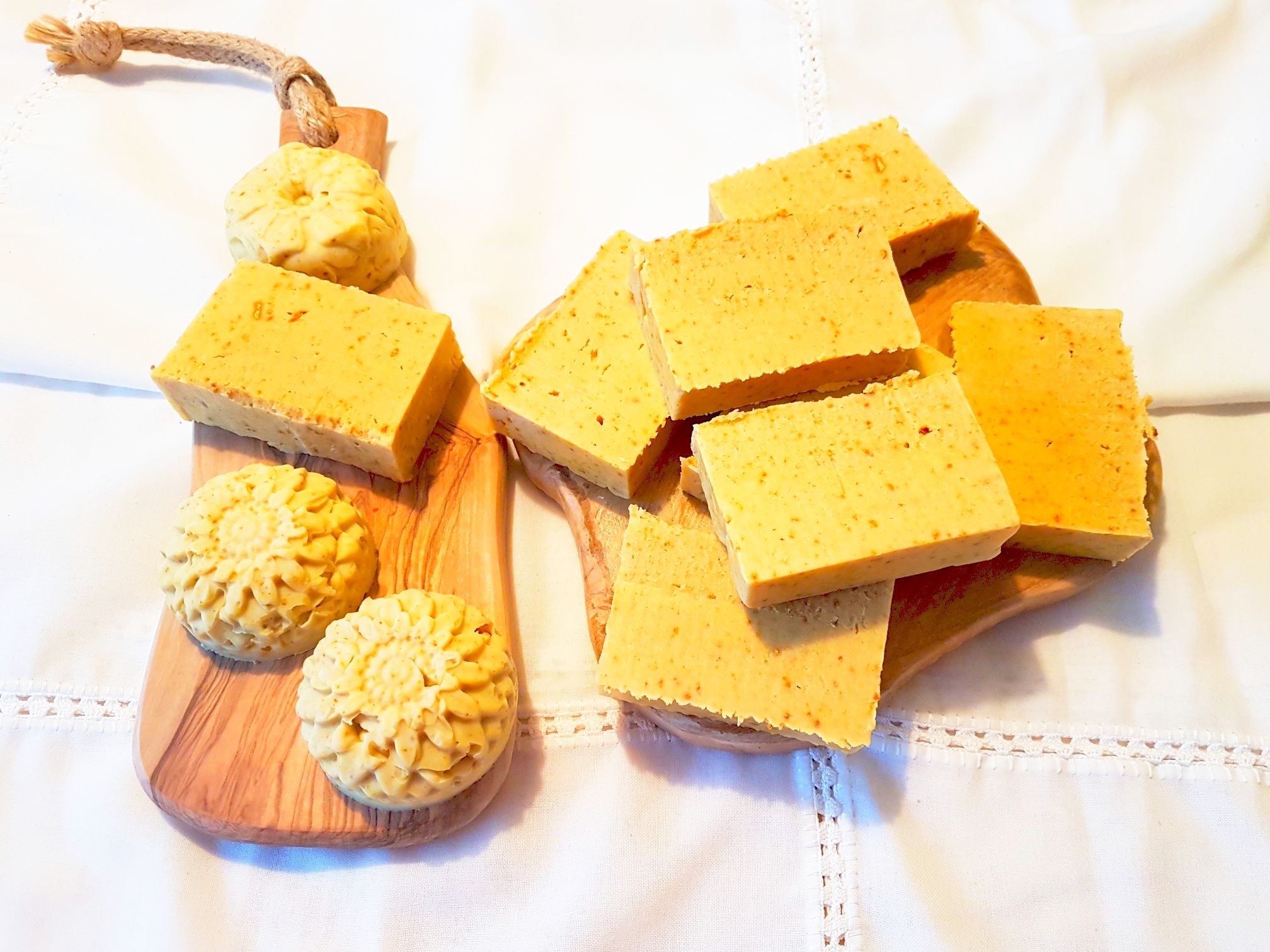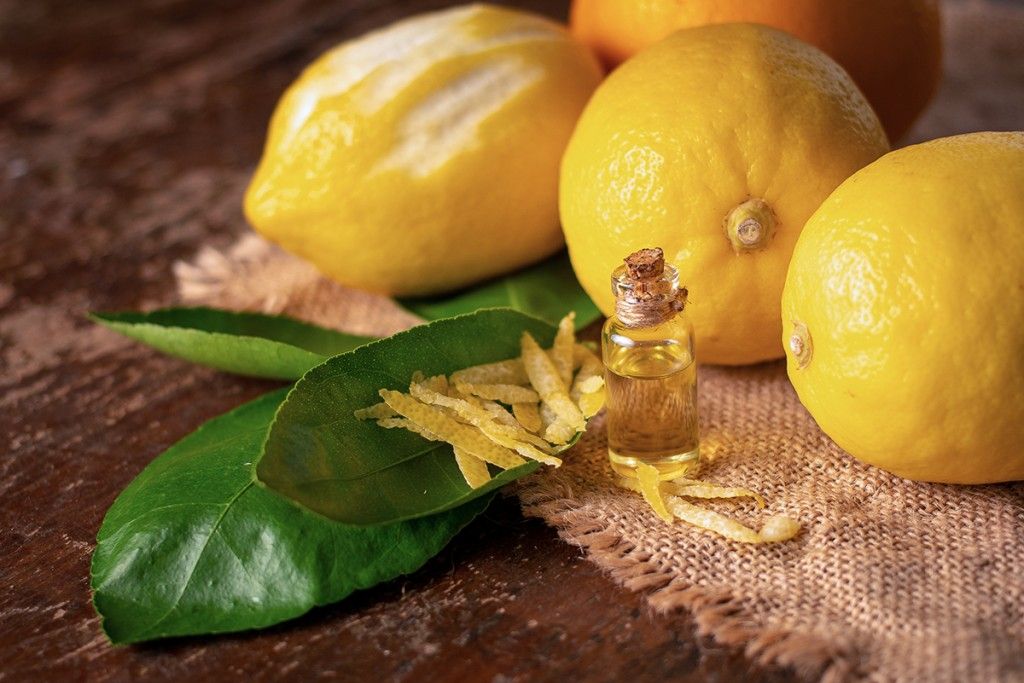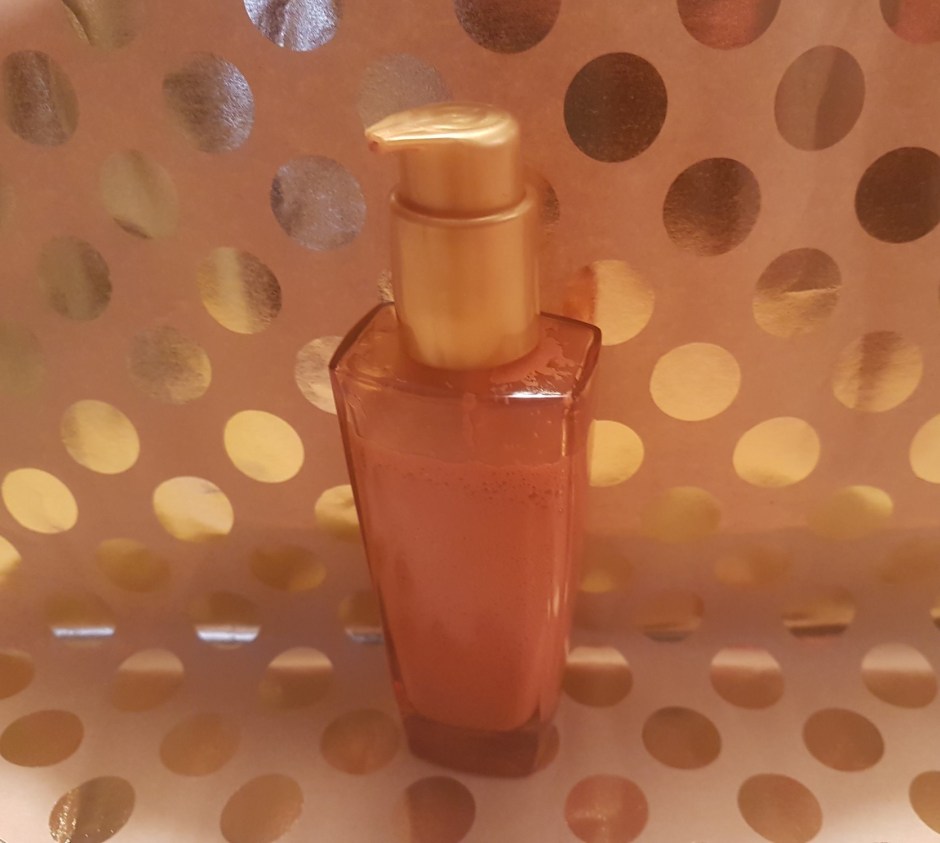
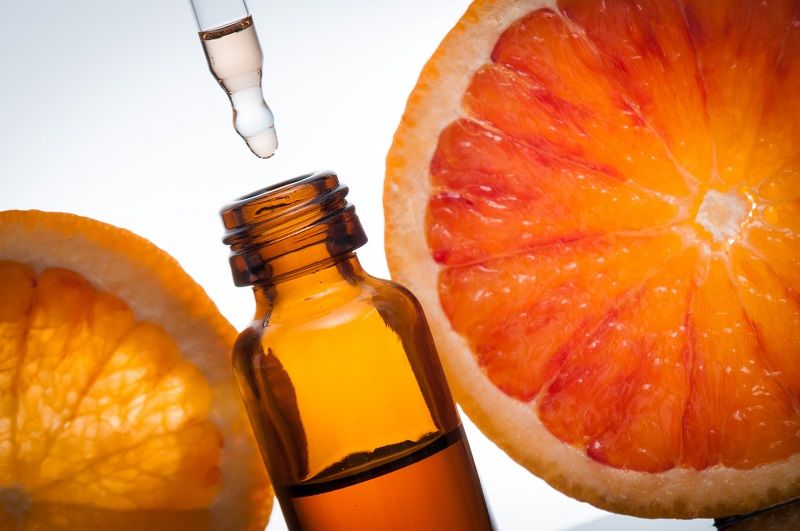
HOW TO MAKE INFUSED OIL

Many times we have in the garden, or even in pots, plants that we do not know that if we dry them they can be very useful. In this article we want to explain to you how we can prepare infused oil with the dried flowers of our garden to obtain their properties and be able to use them in creams and ointments.

A MACERATED OIL is nothing more than oil infused with the essence and therapeutic properties of a plant that we let macerate in the oil.

Some examples of macerated oils and their properties:

Arnica (flowers): Contusions, bumps, bruises, oedema, heavy legs. Arnica, St. John’s wort and Calendula are 3 plants against muscle pain with anti-inflammatory and analgesic properties that, when used externally, can help relieve injuries and inflammations. They prevent and help muscle and ligament recovery.

St. John’s Flower (flowers): Although many people know this herb for its antidepressant properties, it is tremendously useful, at the same time, to treat muscle pain due to its analgesic and anti-inflammatory properties.

Daisy (daisy flowers): Skin toner, repairer, tightener, neck, bust and décolleté shaper. Restructuring and nourishing.

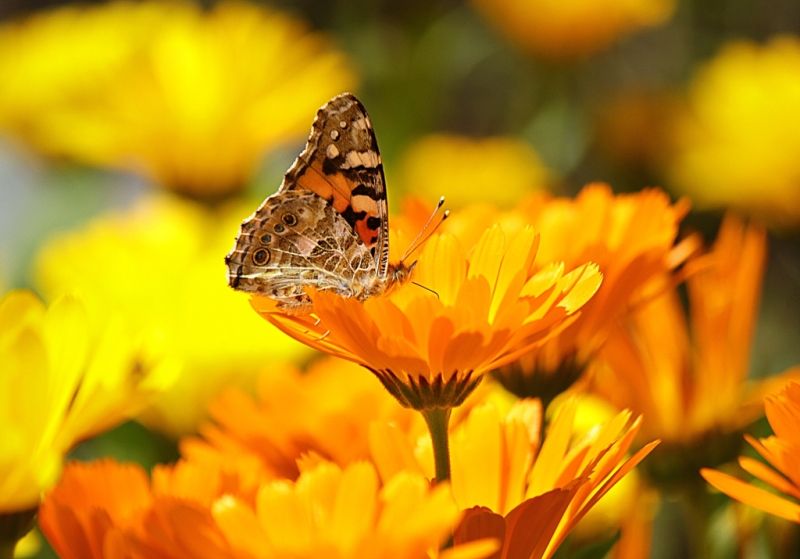
Calendula (marigold flowers): Powerful anti-inflammatory, healing and disinfectant, which treats fragile, dry, rough, tight and reactive skin. Calendula calms irritations, cracks, frostbite, small wounds, razor burns, psoriasis, eczema, ulcers, sunburns, hives, insect bites … And even the pain of bruises and neuralgias.

Chamomile (flowers): Inflammation of the face, itching, rosacea (redness).

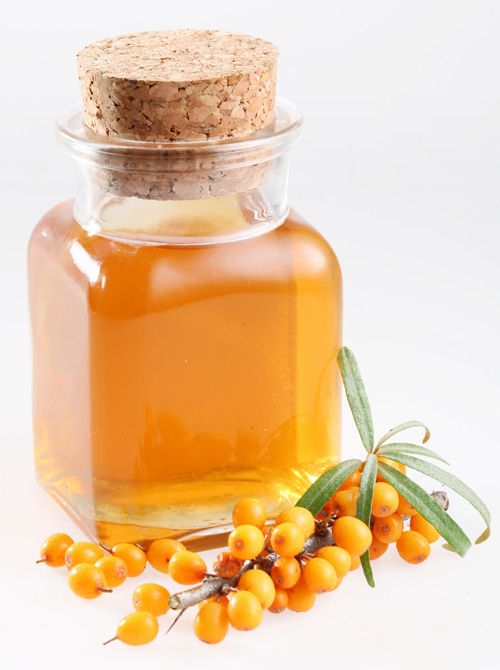
Sea Buckthorn (berries): These berries have a lot of vitamin C that make of this macerated oil a very good anti-aging oil to give glow to our skin.

Mallow (flowers): mature skin, dry and sensitive skin, rosacea. Softening.

Carrot (roots): The carrot macerate produces an orange oil very rich in carotenes. This infused oil promotes tanning and allows the skin to maintain an even tone after sun. Softening, regenerating and soothing.

Plantain (leaves): Plantain stands out for its healing and calming power; hence it is ideal for treating small wounds or bites. To this must be added its emollient properties that help hydrate the skin. It is also anti-inflammatory and detoxifying.

Laurel (leaves): Treatment of acne, oily skin, sores and ulcerations, in case of cooling, in massages and to relieve rheumatism.

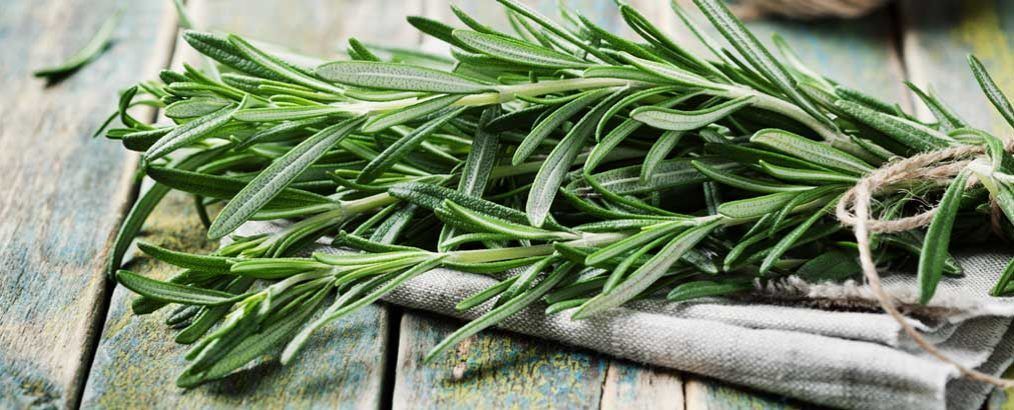
Rosemary (leaves): Oily, mixed skin. Firming and draining, in addition to improving microcirculation.

Rose (flowers): Wrinkles, aging, age spots. Rose is a great rebalancing agent that treats dehydrated, devitalized, dry skin, with cracks, scars, acne, rosacea, eczema, psoriasis.

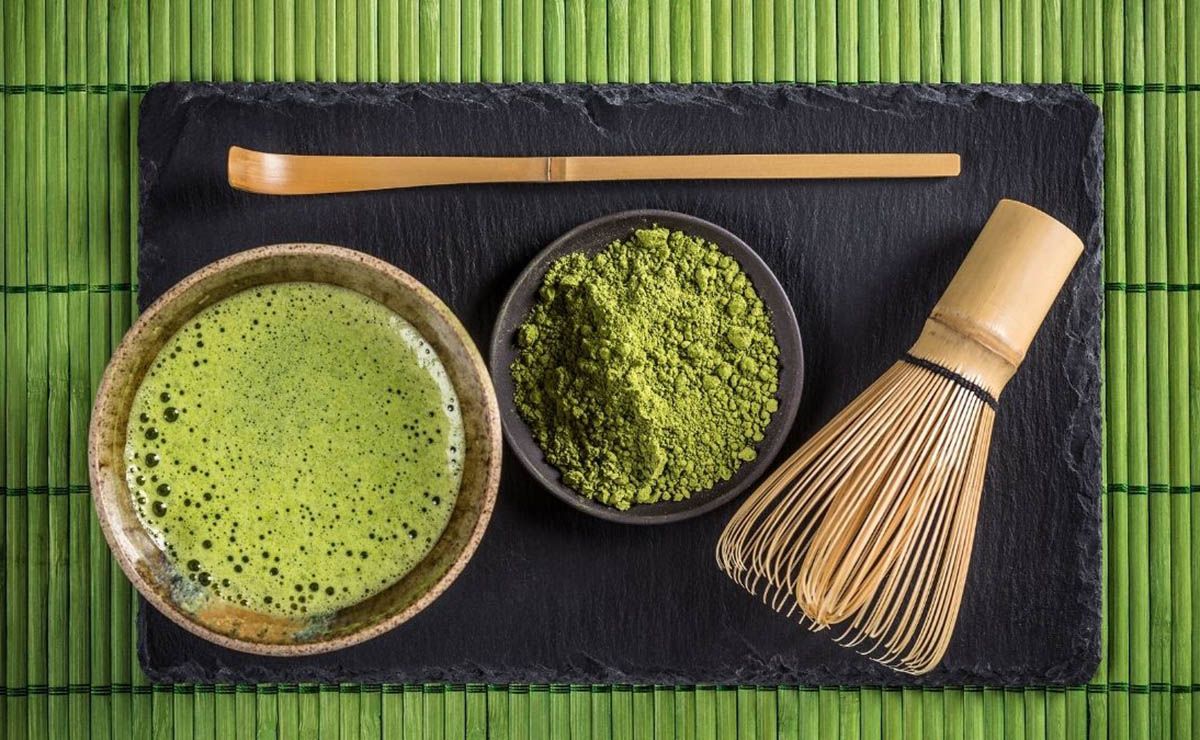
Green tea (leaves): Decreases the production and storage of fat. Powerful antioxidant.

Vanilla (pods): Skin tonic, protective, softening and nourishing. Softens face and body skin and is a mild scrub with a delicious scent for use in massage oils. Also, in our culinary preparations of cakes or vinaigrettes (in addition, if it is for cooking, it is not necessary to filter it).

Red vine (leaves): Improves blood circulation. Heavy leg care.


WHY TO MAKE A MACERATED OIL

If you’re wondering why to bother making macerated oils when we have essential oil, it is important to know that not every constituent of a plant comes over in distillation. Only the smaller molecules come over using that method and so we never quite capture the essence of the whole plant.

Maceration captures the heavier larger molecules. Other extraction techniques will capture other chemicals too. Water extracts will harness the water-based compounds, for example. So, the more ways you have to extract the properties of a plant, the closer you get to accessing everything that plant has to offer.

When making a cream that is based on lavender, for example, then you can augment the therapeutic effect by also including macerated lavender oil and even the fluid extracts or hydrosols too.

In addition, another advantage of macerated oils is that they add properties to our recipes in a milder way than essential oils. These can sometimes cause rashes on sensitive skin.

Also, you may have access to a plant that doesn’t have a corresponding essential oil, like Lilac or Elderflower for example, or perhaps you wish to use a plant where the essential oil is very expensive, Jasmine (distilled) or Lemon Balm, for example. By using maceration, you can access the healing chemical compounds in these plants and use them in your skincare.

As we said before, many times we have plants in the garden that we do not know that if we dry them, they can be very useful. This is the case with the humble marigolds. Surely many of us have them in the garden without knowing it. However, calendula flowers have great therapeutic value if we collect and dry them.


CALENDULA is a plant with great therapeutic potential for the skin. Regenerates, fights possible germs and fights against inflammation. It is a restorer par excellence of irritated skin, with itching, eczema, chilblains caused by cold, etc.

Another use for calendula oil is to treat earaches. We will place 2 to 3 drops in our ear and hold a hot bag or cloth over it. However, if the symptoms persist or there is an infection, it will be better to consult with our doctor.

By letting the flowers infuse in oil, we can extract many of those properties and incorporate them into easy-to-use products such as: recipes for salves, lip balms, soaps, creams and lotions.

That is why we are going to explain below the two known methods to prepare an oleate, that is, to infuse a vegetable oil with the properties of an herb or plant.

In this case, we are going to explain how to prepare a calendula macerated oil, although it would be perfectly possible with any other dried plant or flower.

CALENDULA INFUSED OIL

We will need dried calendula flowers for this. Fresh herbs can also be used to prepare the infused oils, but this is not a good idea because the water content of fresh flowers and herbs tends to create moulds and spoil the oleates.

Simply, we will spread the previously collected flowers on a paper towel in a dry place or in the sun and we will turn them daily for a week or two until they are completely dry.

When we have them dry, we will fill 1/3 of a glass jar with our dried flowers and we will refill it with some oil that does not easily rancid like those of jojoba, apricot, coconut, almonds or even olive. (See entry about rancidity of oils).

As in the “freak of natural” website is said: “Jojoba and coconut oils are also often used or added, while sweet almond oil suit best the making of smaller batches as it goes rancid faster then the other oils”.

https://freakofnatural.com

We will cover the jar well and store it in a cool, dark place, for a minimum of four weeks (40 days is usually ideal). We will shake it periodically. There are even “schools” that affirm that it should be given the light of the sun and the moon for that question of the energies. Anyway, don’t worry if you don’t, the result will also be acceptable.

After 40 days, we will strain the flowers and we will have our macerated oil ready. To strain the herbs, you can use a cotton filter or a fine cloth. In some cases, you will have to repeat the operation so that the oil is clean of residues.

The oil, now infused oil, we will reserve it in a bottle, if possible, in dark glass so that it has a longer expiration date. We will keep the jar in a dry and dark place, protected from heat sources. And if we think that our oil can become rancid, we can add a little wheat germ oil or a few drops of vitamin E to prevent oxidation and rancidity.
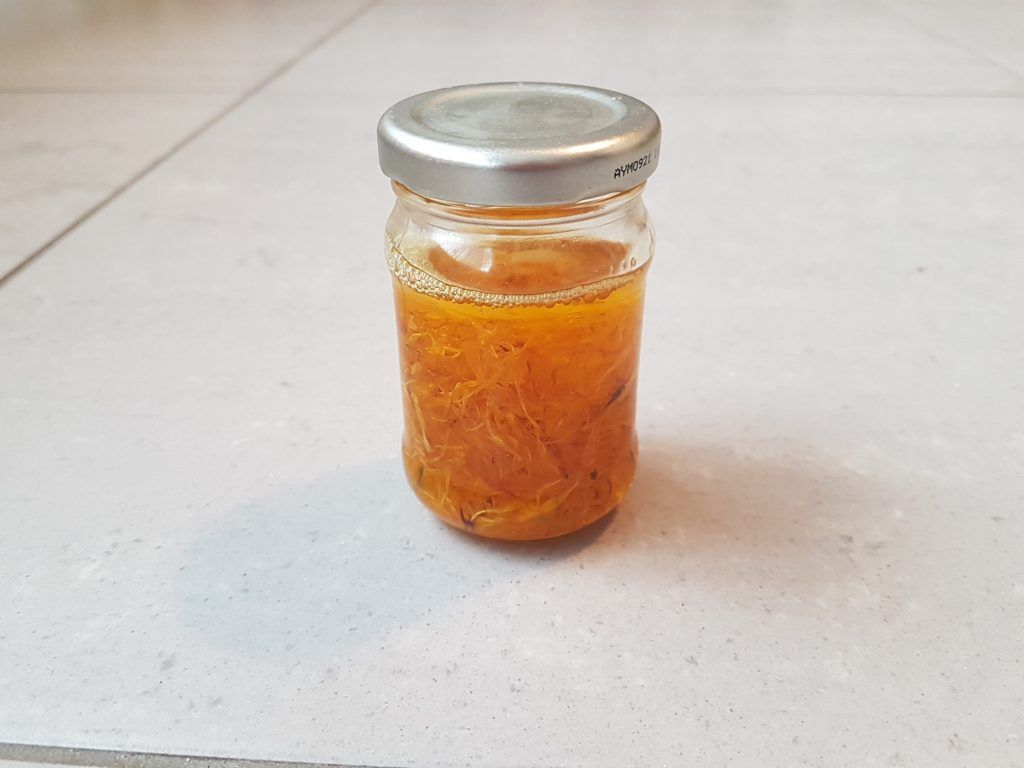
 

IT IS POSSIBLE TO MAKE A FASTER PROCESS WITH A HOT METHOD like the one detailed by Maria Treben in her books.

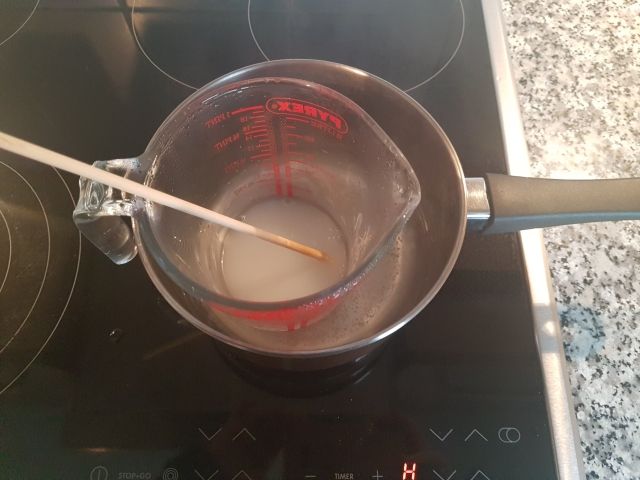
In this case, we would place our oil, with the flowers or dried plants, in a glass container (temperature resistant) to the water bath. And we would keep it on a very soft heat for several hours (1 to 3 hours according to various sources). It is important that the temperature of the assembly does not exceed 50º degrees Celsius so that the oil does not become harmful and the oleate does not lose properties.

This hot method is best suited for harder parts of the plant such as roots.

After this time, we will filter well and package as in the previous case.

With this method, it is possible to use the infused oil immediately. Although it is also possible, after infusing it, to reinforce the process and obtain a better infused oil by letting it macerate a few more days in a dark place.

If you have tried it, leave us your comments:)
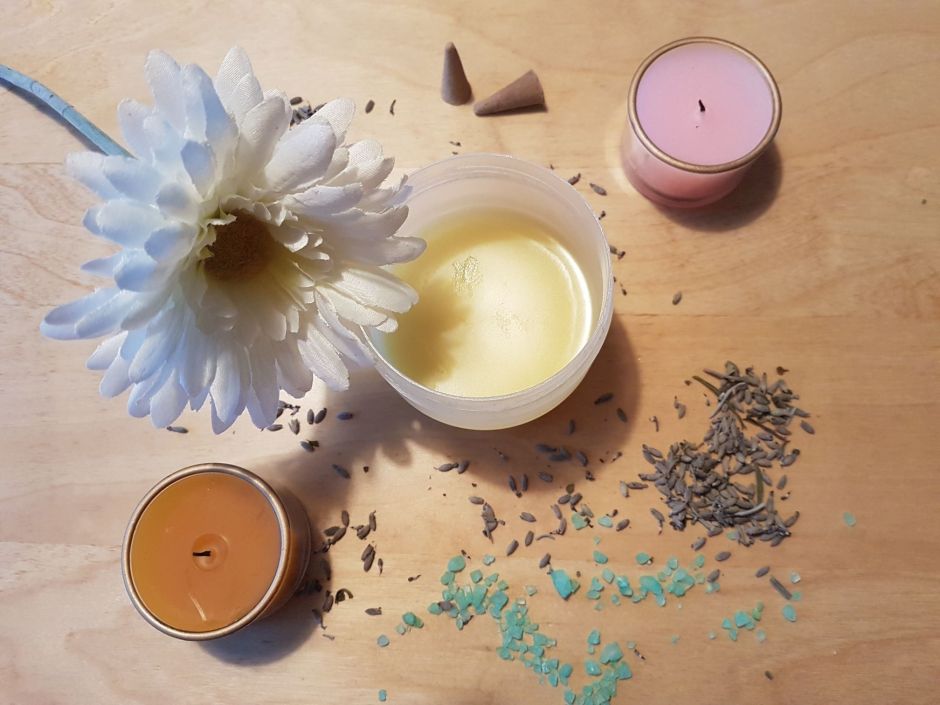
SUPER HYDRATING HAND CREAM with castor oil

Many times, we may realize too late that they are irritated or dry. This irritation occurs when we cannot hydrate our hands optimally. If we are not careful enough, we can increase our sensitivity to aggressions, which can often be painful and cause skin cracks or chilblains*.

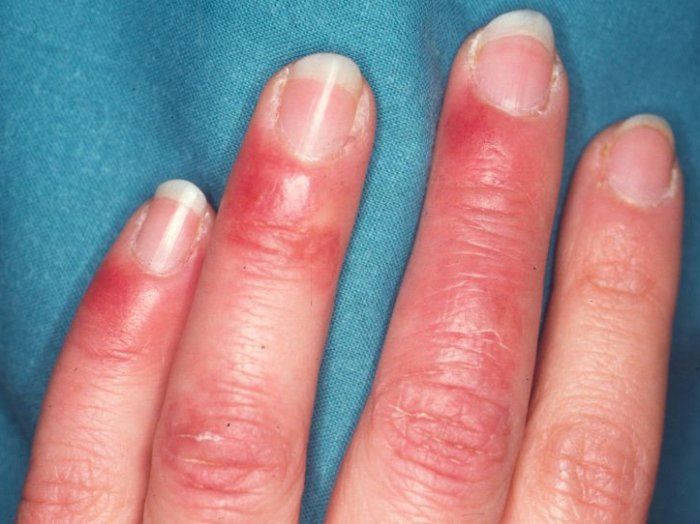
*Chilblains are alterations that occur on the skin due to sudden changes in temperature. This exposure causes blood vessels in the area to become constricted (vasoconstriction), causing blood supply to decrease in this particular region of the body. The painful inflammation of these small blood vessels occurs in response to this sudden temperature contrast. Chilblains or erythema can cause itching, red spots, swelling and blisters on the hands and feet. When the cold ends, the inflammation usually goes away without any treatment in about three weeks.

In the event that the lesions do not disappear in a few days, it may be necessary to go to the doctor or to seek an herbal remedy * to improve our venous circulation, as this is mostly the cause of the problem.

*You can read more about this topic in our entry on herbal treatments to treat chilblains.

If the lesions are not severe, it is important to keep your hands and feet well hydrated to prevent them. In this sense, a hand cream like this, of which we offer formulation, can be of great use to us. And also, without a doubt, a calendula ointment,which we will talk about in a future entry.

HOUSEHOLD CLEANING PRODUCTS

On many occasions, household cleaning products can be extremely damaging to the beauty of the hands. These products irritate, destroy the protective film of the skin and make it sensitive. To the extent possible, we will avoid direct contact with these products, including liquid detergent or dishwasher detergent.

Some people are particularly affected by cold and moisture, causing their hands to turn red, dry and irritated. But, if we think about it, it’s not really the cold and humidity that’s causing it, instead, it is the lack of skin’s hydration. When it’s cold, we cover up more, but often we forget that the hands are exposed and, if they are not well hydrated, we will soon notice the dryness and effects of cold on our skin.

On the other hand, if we make sure to use a mild natural soap whose composition is respectful of fragile, dry and sensitive skin and we use a balm or moisturizer with natural butters and oils; we will see that this inclement weather affect us much less.

It is also very important to avoid washing dishes without gloves. Likewise, with other types of cleanings that require contact with detergents and aggressive products.

In this blog we want to provide a hand cream recipe based on castor oil for its multiple properties when it comes to moisturizing the skin of the hands and the strengthening of the nails.

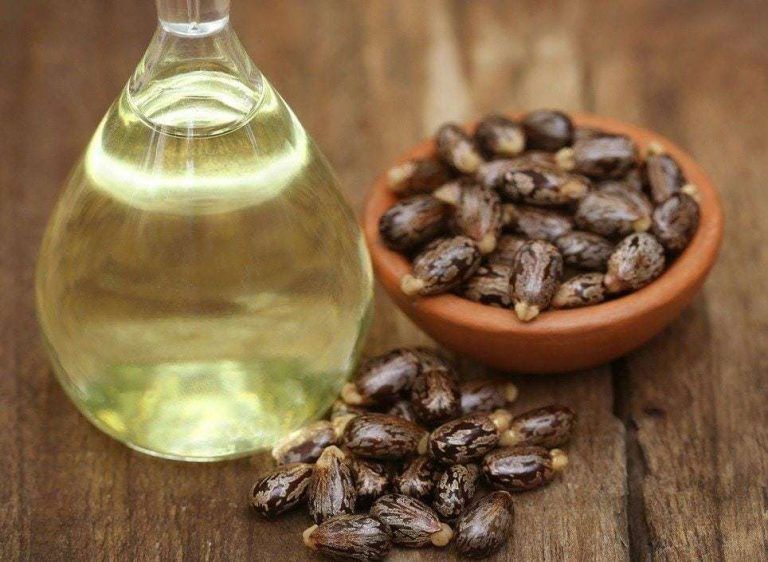
Cold-pressure castor oil is composed of Omega-3 fatty acids that help the skin stay hydrated and also stimulate cells that repair skin discoloration, tending to match tone and reduce skin hyperpigmentations. It is also a natural moisturizer that prevents the skin from being affected by free radicals by stimulating collagen and elastin synthesis.

It contains ricin oleic acid, which is a rare fatty acid that makes up 90 percent of the composition of castor oil. This fatty acid is known to act as a natural anti-inflammatory agent. In the event that we have swollen bags under the eyes, it therefore helps to drain and deflate them.

Castor oil therefore has many potential benefits for the skin. These include:

–Prevent wrinkles: Castor oil contains antioxidants that fight free radicals. Free radicals are responsible for accelerating the aging process, causing wrinkles to appear earlier.

–Reduce swelling: Castor oil has anti-inflammatory properties that can help reduce swelling of bags under the eyes or swollen pimples. Also due to its anti-inflammatory properties, castor oil can relieve pain associated with sunburn and redness and erythema caused by cold.

–Moisturize: It is highly moisturizing and therefore prevents wrinkles. Moisture keeps skin looking young, shiny and healthy. Its moisturizing qualities can also reduce flaking.

It is for this reason that castor oil, in the form of homemade vegetable lanolin, like the one we have formulated below, contributes greatly to repairing dry and cracked lips.

In general, this oil, if it is ecological and cold pressed, promotes the general health of the skin as it is full of healthy fatty acids and fatty acids are essential to maintain good skin health.

Castor oil is best used mixed with other oils such as coconut, almond, jojoba, or even olive oil as it has a very thick texture and a strong aroma. It can also be added to shea butter for an extra moisturizing effect.

As we said before, we will formulate homemade vegetable lanolin because it will be of great use to us to prepare many other recipes of creams, balms and lip ointments.

Homemade vegetable lanolin

90% castor oil

10% beeswax (if we want vaseline to remain transparent we will use white beeswax)
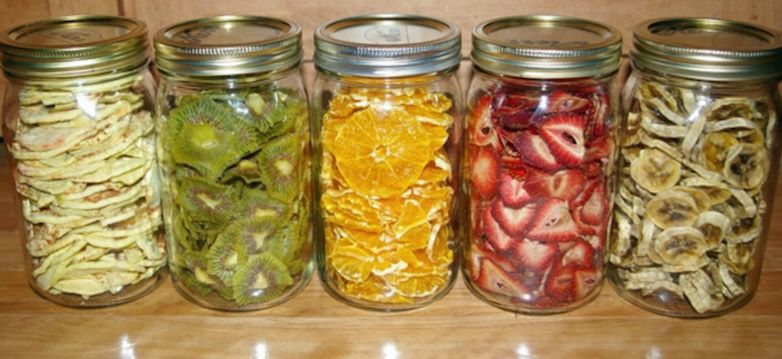
What we do to get this wax is to put the normal yellow wax (from which it comes in pearls or flakes) in the sun for a couple of weeks to bleach. For example, on the windowsill. Through the glass, it will be more difficult than an excess of temperature melts it than if we expose it directly to the sun’s rays.

In principle, we do not advise you to use a commercial white wax because they all follow a chemical bleaching process that makes them more fragile. The problem with bleached beeswax is that in Europe it is at the moment IMPOSSIBLE to buy beeswax that has not been treated with chemicals (chlorine/peroxide). These products affect the quality of the wax as their viscosity and natural melting point are altered. You will observe in your cosmetic preparations with commercial bleached wax that, over time, they do not have the same durability and stability as with natural wax and tend to produce lumps and flaking.

PROCEDURE:

We put the beeswax in the water bath, when it has melted, then we add the oil, we mix it well and remove it from the heat. We will remove it until mixture cools completely.

It is possible to prepare a homemade ointment (recipe that we will save for a future entry) very similar to the traditional vaporub with essential oils to treat muscle aches and our vegetable lanolin as a base. The absorption of the EO will be much better than with the commercial vaporub that has a base of mineral vaseline which, as you know, is a derivative of petroleum that, therefore, our skin cannot absorb.

Vegetal lanolin in most moisturizers is used as an emollient because it helps maintain skin hydration and gives greater stability to our natural cosmetic preparation. This homemade vegetable lanolin can replace beeswax as its composition is very similar and its expiration is also quite extensive, as in the case of beeswax.

It is for these reasons that we will use vegetable lanolin in the composition of these two hand cream recipes.

Hand cream is a preparation that many of us use daily, whenever it is hot or cold, and that is why it is so important that it be very stable and also have a good hydration capacity.

RECIPE of a hand cream for a container of about 50 grs.

– Cocoa butter 20 gr.

– Almond oil 17.5 gr.

– Natural beeswax 3 gr.

– Homemade vegetable lanolin 5 gr.

This recipe does not require preservatives or antioxidants. Beeswax is an exceptional preservative and, on the other hand, castor oil barely oxidizes. The combination of beeswax, cocoa butter and vegetable lanolin based on castor oil, makes this formulation a very stable product.

– Optionally, a few drops of an essential oil that you like. I have opted for laurel, but sandalwood, geranium, chamomile, lavender or incense would also be very suitable for this type of product.

Precautions to take: We will always remember that essential oils are real medicines that cannot be used happily. Essential oils should be used with great care, in small doses, and never in everyday products. Also think that there are even dermo caustic essential oils. Of course, not the ones we are discussing here. In general, this factor of the potency of EOs should be taken into account, especially in the case of sensitive skin which, as it does not tolerate them well, tends to become irritated.

This second recipe we wanted to simplify it to make it accessible to everyone and we have also included a higher dose of castor oil to make it more emollient and moisturizing.

RECIPE of a hand cream for a container of about 100 grs.

– Shea butter 35 gr.

– Castor oil 40 gr.

– Natural unbleached beeswax 5 gr. (If you live in a very hot climate, you can put 9 grams in it so that the cream has a more solid consistency).

This recipe also does not require preservatives or antioxidants. Natural beeswax is an exceptional preservative and, on the other hand, castor oil barely oxidizes. The combination of beeswax with castor oil makes this formulation a very stable product with a wide shelf life.

PROCEDURE:

We will melt the exact amount of yellow beeswax in a water bath over low heat, then we will add the vegetable castor oil and, finally, the shea butter.

We will remove it from the heat and optionally add a few drops of essential oil. We will bottle it and allow to cool to room temperature.

We hope that these recipes will be of great use to you. If you try them, leave us your comments.

NATURAL REMEDIES AGAINST SKIN CHILBLAINS AND ERYTHEMA

In addition to pain, there are several other symptoms that are characteristic to chilblains. We are referencing these symptoms as follows:

-The affected area usually takes a red and bluish color.

-There is inflammation.

-There is itching of the affected region.

-In addition, it is possible to have stinging.

But sometimes the chilblains can get complicated and can be lengthened over time. In these more severe cases, we may experience blisters and ulcers on the skin of the area where the problem is located. In the event of such complications, it is very important to pay attention to them because these injuries can become infected and cause further damage.

The chilblains usually last approximately 3 to 7 days, as long as some of the complications we mentioned above (blisters and ulcers on the skin or infection) have not appeared. If this occurs, they can last in time about three weeks.

Causes of the chilblains:

As mentioned above, the main cause of a chilblain is prolonged exposure of an area of our body to cold and subsequent abrupt change in temperature in that region of the body. But we must say that there are certain aspects that make a person more sensitive to suffering this type of injury.

These causes to which we are mentioning are, for example:

-When there is a precarious blood circulation. When this happens, the person is more vulnerable to sudden changes in temperature. We have previously mentioned that young women are more sensitive to chilblains, due to their hormonal changes and also because they usually have the lowest blood pressure.

-Another reason you may develop chilblains is continued alcohol intake. But people who smoke are also prone to this pathology. This is because these substances will inhibit or decrease blood supply. El tobacco, for example, produces a vasoconstriction (contraction) effect on blood vessels.

-Also, the fact that many of us lead a sedentary life, it does not improve our blood circulation, but rather causes its stagnation. That’s why it’s so important to do some physical exercise. With physical exercise we will avoid sedentary lifestyle and we will also improve our blood circulation.

-And, although it seems very obvious, plastic shoes or not wearing the right clothes to be able to withstand the low temperatures to which we are going to expose, can also favor the chilblains.

TREATMENT OF CHILBLAINS

Initially, we will try to keep the injured areas, which are usually hands and feet, always dry and warm. For this it is advisable to wear winter gloves and cotton socks, since cotton is a breathable fabric that does not retain moisture from our feet. It is also important to avoid aggressive soaps and also keep our hands and feet always well hydrated with vegetable oils and butters that facilitate blood micro-circulation.

Physical exercise and diet are very important. As the maxim says, “may your food be your medicine.” Eating a healthy diet that activates our circulation will be the first step to implement.

Through the diet it is possible to promote blood circulation. According to Traditional Chinese Medicine, proper blood circulation depends on “chi” or spleen and liver energy. There has to be enough spleen energy for blood to circulate well through the blood vessels, and in turn, if there is accumulated toxicity (removing it is a liver task), the veins may lose elasticity.

Taking care of the lymphatic system is also essential to prevent poor circulation, as lymph collects much of the waste circulating in the blood; then this fluid is transported back into the bloodstream. This is an essential immune process.

Food is decisive. It is advisable to avoid refined sugars and flours, toxic ones, moisturize well and avoid drinks with gas. Hot foods, according to Eastern medicine, such as meat, alcohol or coffee, also promote clogging.

We propose a series of foods rich in substances that will improve your blood circulation.

-It is important to include in the diet species such as cayenne, cinnamon or pepper. Cooking with these seasonings helps improve circulation, as they are vasodilator foods. Garlic is a natural anticoagulant that helps blood circulate better in vessels. Along with the onion, it stimulates blood circulation and decreases blood viscosity.

The “Equisetum arvense” plant improves the condition of the vessels. It is rich in silicon, necessary for collagen formation and, therefore, for the maintenance of vascular walls. Each day you can take two cups in infusion, better with the ground plant. Or toast a little and add it to salads and vegetable creams.

Ginger is known to fluidify blood. Frequent and regular consumption of ginger helps mobilize energy and activates blood circulation by fluidizing it.

Consuming buckwheat reinforces the action of vitamin C. This pseudo-cereal is rich in a flavonoid that acts in synergy with vitamin C protecting the wall of vessels and capillaries. Its usual consumption thus contributes to the protection of blood vessels.

Vitamin C of lemon is essential, because it is involved in the formation of collagen and elastin, proteins that influence the capillary wall and improve its elasticity. Drinking the juice of a lemon in a glass of water in the morning is an ancient remedy to solve a lot of problems, from poor circulation to anemia and overweight.

Vitamin C-rich foods protect and strengthen blood capillaries by also preventing blood clots. Some foods rich in this vitamin that we can propose are kiwi, orange, lemon, strawberries, mango, pumpkin, pepper or broccoli. And vitamin E-rich foods widen the capillaries and dilate them. We find them in: vegetable oils, almonds, nuts, as well as tomatoes, avocados, broccoli or spinach.

Vitamin K-rich foods are vital for blood clotting, as significant bleeding may result in internal bleeding if a major deficiency occurs. In addition, this vitamin prevents arterial calcification, the onset of varicose veins and the development of other diseases related to circulatory problems. Olive oil is one of the most common foods with a high amount of vitamin K, but we can also find it in soybean oil, lettuce or spinach. In general, vitamin K is found in most green leafy vegetables.

But above all, foods that contain vitamin B3, called niacin. This vitamin has been shown to strengthen blood vessels and increase blood flow so it reaches the limbs without problem. In addition, it involves the process of forming blood cells and prevents hardening of the arteries. We can find it in many types of foods: nuts, sunflower seeds, beetroot or lentils, among others.

Nuts generally have vitamins A, B, C and E that exert a protective vessel action, as well as providing antioxidants.

As we always say, it is much better to make sure you eat quality organic food that contains all the necessary vitamins and nutrients than to acquire synthetic vitamin complexes that not only will not exert the same benefit, but in many cases will be an overload for our emunctories organs that will have to get rid of surpluses. Many vitamins, such as vitamin D from the sun or niacin itself, are synthesized by our body from the sun or from food. Its inclusion, therefore, in this sort of vitamin complexes is always a controversial issue that, we personally believe, is counterproductive.

A very different matter is that we provide ourselves with essential fatty acids * that are difficult to obtain from the diet and that our body cannot synthesize by itself.

* Essential fatty acids are those fatty acids that the body cannot synthesize, so they have to be obtained through the diet. There are two families of essential fatty acids: omega-3 and omega-6, which are also called polyunsaturated fatty acids. Most of these fatty acids come from fatty fish and plants.

HERBAL TREATMENT

But if dietary prevention is not enough to prevent and treat chilblains, then we should treat them internally. It is always possible to go to the doctor or podiatrist, and, in any case, it is also possible to use the natural herbalist at our fingertips.

If we want to improve our circulation with herbal remedies, there are a lot of them that we use and that are also very effective:

RED VINE LEAF INFUSIONS

Although it is also possible to make a decoction of red vine leaves and apply it topically, the red vine is also a great internal remedy. If you take it as a tisana internally the red vine will improve circulation, which is finally the problem that causes the chilblains.

Ingredients:

1 teaspoon red vine leaves (5 g)

1 cup water (250 ml)

Preparation: We will heat the water and, when it comes to boil, we will add the teaspoon of red vine leaves. We let the decoction take place for 5 minutes and allow another ten to rest. After the indicated time, we filter the infusion and can take it or apply it topically for 5 minutes.

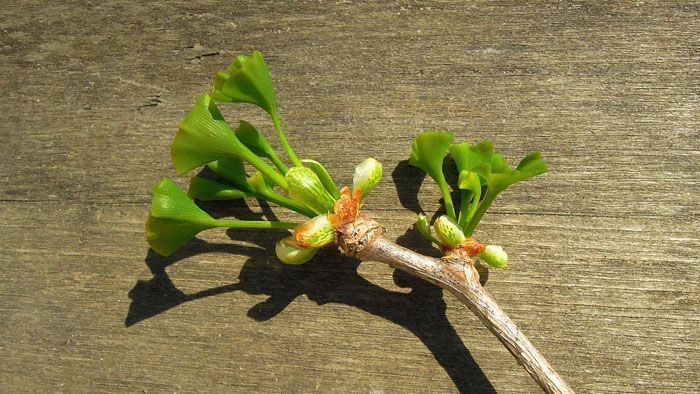
INFUSIONS OF EQUISETUM ARVENSE PLANT, GINGKO BILOBA, etc…

As with the red vine, we can prepare a tisana of these herbs that activate blood circulation, and take it several times a day in order to improve our circulation.

And we can also perform decoctions of some other plants in order to give us baths in the area to be treated. Topical application of these decoctions is also an effective remedy.

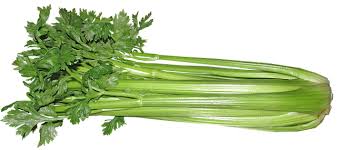
CELERY DECOCTION

In addition to being useful in the treatment of external wounds, celery is one of the best home remedies for chilblains. Externally used minimizes swelling and stimulates circulation by providing rapid relief.

Ingredients:

1 cup celery (250 g)

4 cups water (1 liter)

Preparation: For each liter of water, we will put 250 g of celery. We will bring the water to the boil with the celery and let it boil for an hour.

With the resulting solution we will take baths in the affected areas. Once the decoction is applied, we will leave it on for 10 minutes. After 10 minutes, the affected area will have to dry and protect the affected area from the air. If you do it every day, in a few days the chilblains will be gone.


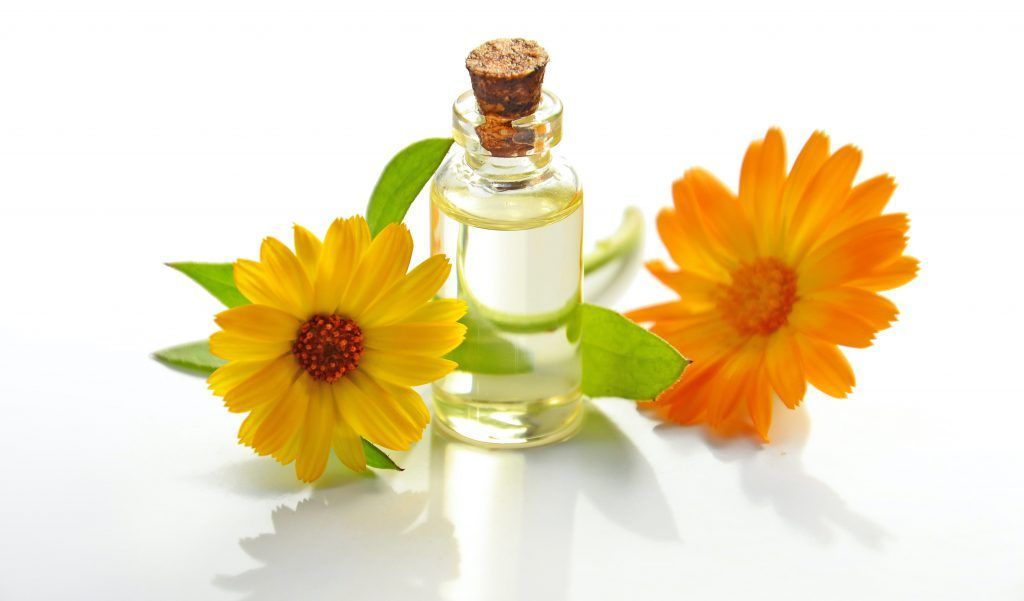
CALENDULA DECOCTION

Calendula is a great ally in the treatment of chilblains. Applied in the form of decoction, serum or ointment is a very effective remedy to treat them.

Ingredients:

3 tablespoons dried calendula (30 g)

4 cups water (1 liter)

Preparation: Heat the water and, when it boils, add the three tablespoons of the calendula plant. We allow decoction to take place for 10 minutes. Once this time has passed, we remove from the fire.

We add water in a tub and then the resulting infusion. We can give ourselves small baths in the parts affected by the chilblains twice a day.

ROSEMARY OLEATE

Rosemary oil massages are relaxing, anti-inflammatory and activate blood microcirculation. For this reason, many categorize them as one of the most effective home remedies to treat chilblains. While oil can be purchased from herbal shops, it can also be made at home.

Ingredients:

1 handful rosemary

2 cups oil (500 ml)

Preparation: In a glass bowl, we will mix a handful of rosemary with three cups of cooking oil. Cover and let stand for a few days, shaking it daily. It is a quick way to prepare a rosemary oleate, as an herb that is easy to transmit its qualities to a quality vegetable oil.

After a few days, we’ll strain it in a glass jar. After giving us a hot bath, we’ll use some of our oleate to massage our feet.

Hot method: It is possible to put the oil and the rosemary to heat within a minimum temperature and leave it for a couple of hours without the oil ever reaching a temperature above 70 degrees. It is a faster method to get the properties of the rosemary plant transmitted to the carrier oil.

This can be done also very easily by adding a few drops of rosemary essential oil to a carrier vegetable oil. It is what is known as rosemary essential oil serum.

SERUM WITH ESSENTIAL OILS

In a tablespoon of carrier vegetable oil (jojoba, apricot, almonds) we will dilute two drops of the following essential oils:

Niaouli (2 drops), which is disinfectant (replaceable by camphor or ravintsara)

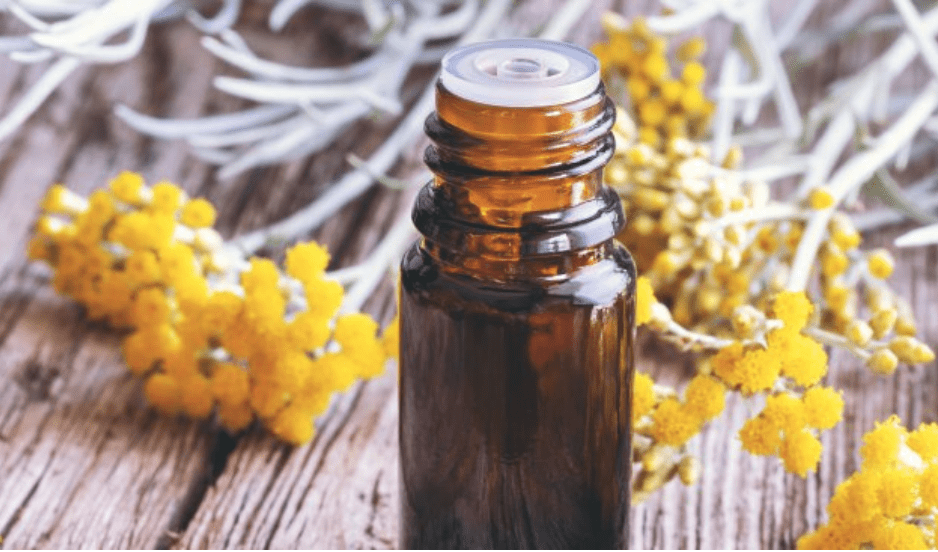
Helichrysum (2 drops), anti-inflammatory

Cypress (2 drops), activates blood microcirculation

With the oil we will rub the injured areas. The combination of these oils will make the chilblains disappear. It is not a good idea to try to apply EO directly to the skin without diluting them in a vegetable carrier oil because some essential oils are dermo caustic.

One of the complications of the chilblains is the appearance of blisters and ulcers on the skin and therefore you may run the risk of infection in them. In the event of this happening, we can use a honey and calendula-based ointment to disinfect them and speed up their healing. There is no better remedy against ulcers and burns than to be applied topically a little honey that will also prevent infection.

Another interesting proposal to alleviate the problem is to perform gentle massages on the feet and legs with an essential oil serum like the one mentioned above. In this way it is possible to activate circulation, minimize the problem, and avoid the appearance of more complications.

If you liked this entry, sign up for notifications on our page to stay informed.

INTIMATE HYGIENE HONEY GEL

“Each woman is home to several types of lactobacillus, which evolve throughout her cycle and life based on hormonal variations, environment, intimate hygiene, sex life, etc. In the menopause period, the pH is naturally 7 while in a normal state the pH of the vagina varies between 4 and 5”.

So, as our partner of bcncosmetics (https://www.instagram.com/bcncosmeticss/);

https://bienestarintimofemenino.com/2021/01/24/414/

comments; it is important at any stage of life to ensure that our vaginal flora remains in good condition, but during menopause and premenopause (which begins a few years before we stop having definitive periods) it is even more important because of the vaginal dryness that is generated and also because the natural ph of the vagina is alkalized being less effective when it comes to protecting us from candida and possible infections.

We have been thinking about the right recipe for formulating an intimate hygiene gel for daily use.

A soap for daily intimate hygiene, in our view, must have very soft and natural surfactants* that respect the vaginal flora. *Surfactants are organic molecules that help dissolve or emulsify insoluble substances in water; oils, greases, dirt…

However, soaps and natural surfactants attack the micro-organisms of our skin and mucous membranes by breaking the balance of the skin’s healthy dermal barrier. This is totally logical because if they were not able to remove the traces of grease, dirt and microorganisms they would not have a cleaning effect either.

If surfactants are not of natural origin, of course they have a much more aggressive effect on the skin and mucous membranes. Hence the importance of using natural soaps derived from vegetable oils (such as Castile soap) and plant surfactants derived from coconut oil such as coconut betaine, for example.

It is for this reason that a second component that nourishes and restores our vaginal mucosa becomes necessary, and this second component must, in our view, have a probiotic character.   And that’s why we’ve chosen honey as the second component of our intimate hygiene gel. Honey is full of probiotics and antioxidants.

Honey, for thousands of years, has been used internally to treat digestive disorders and also for topical use to heal infectious wounds and burns. According to the fermentation guru, Sandor Katz, in his book, The Art of Fermentation, katz writes that raw honey contains “an abundance of yeasts”. In honey we find:  16 genus of bacteria, 13 genus of yeast, and 12 genus of molds. It is for this reason that “most bacteria and microorganisms cannot grow or reproduce in honey.”

Honey, therefore, has many properties as a probiotic and as a mild natural antibiotic that preserves the bacterial flora of our skin and mucous membranes. That’s why this intimate hygiene gel recipe will help us keep the natural bacterial flora of our vagina in perfect condition.

This gel can also be used as a shower gel in case of delicate skin.

Ingredients for about 120 ml approx. of preparation:

-60% surfactant/ 72g castile liquid soap

-35% honey/ 42g honey

-A tsp (5gr) vegetable oil (grape seed oil, jojoba oil, sweet almond oil, sesame oil or olive oil) …

We will not use essential oils in our daily intimate hygiene soap formula because, as we have repeated many other times, antibiotics, even if they are natural, are not a good idea as preventive medicine.

EO are a blunt solution that should be used when there is a real imbalance, not as a preventive agent of imbalance. To do this, we will use, in this case, a probiotic such as honey.

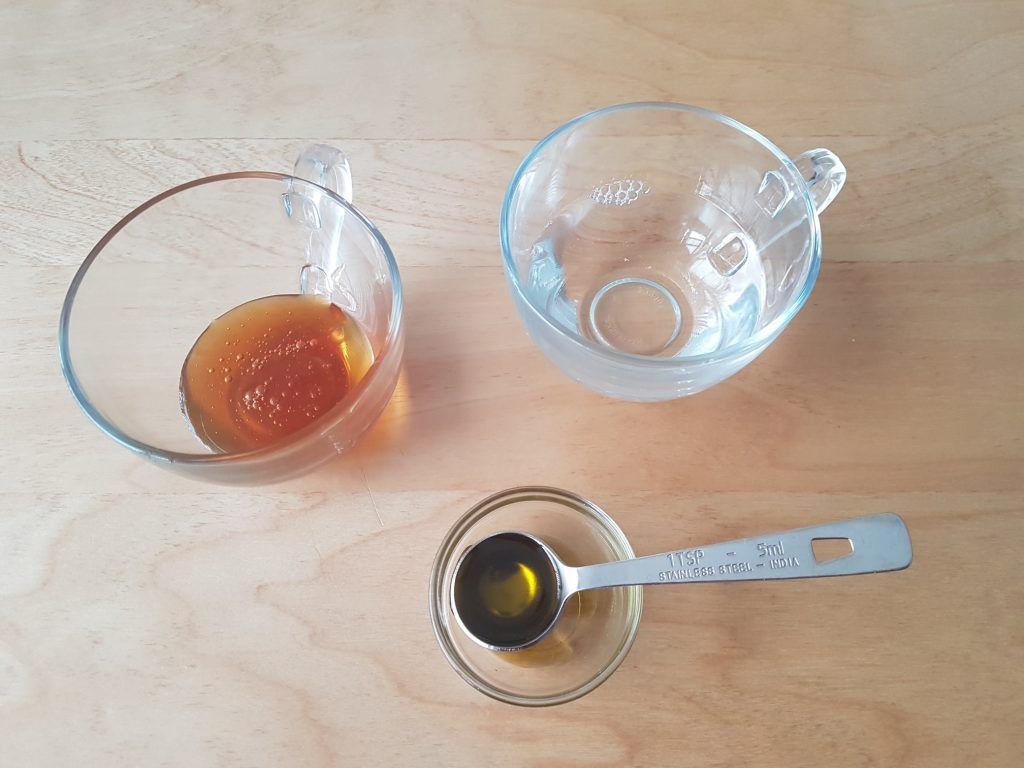
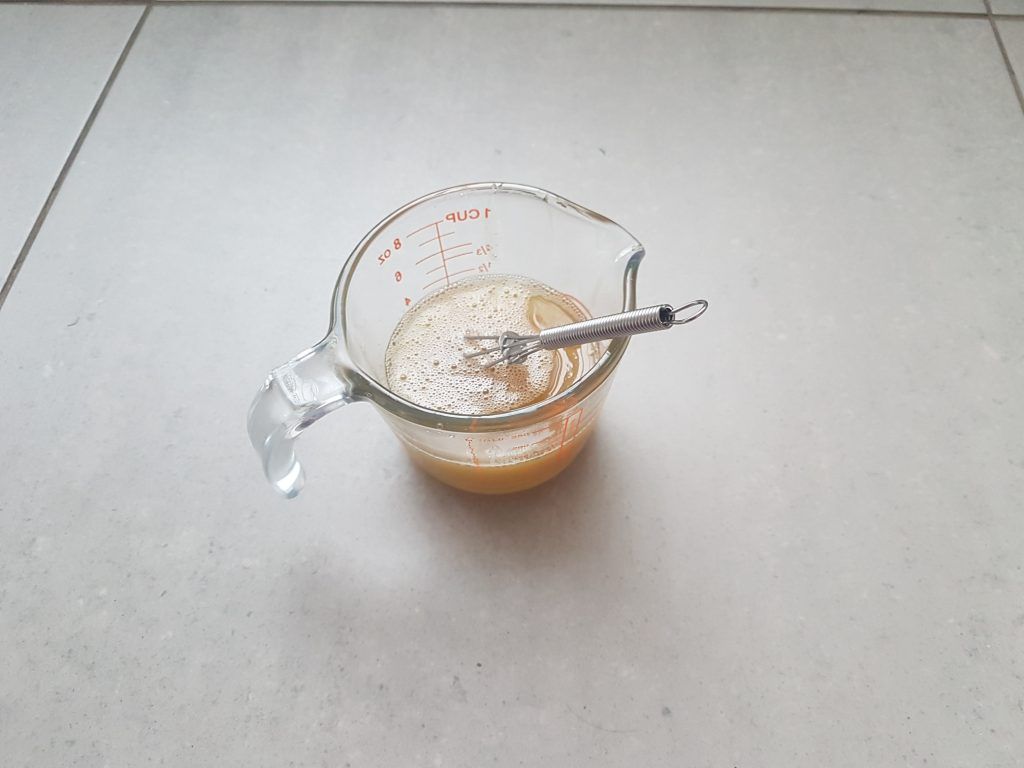
PROCEDURE: Simply combine the honey with the surfactant you have chosen and add the vegetable oil. Shake well and bottle.

And we’ll have our intimate hygiene gel ready. As you can see the soap and honey mix perfectly. With a few drops in the water of the bidet or in the basin that you use to wash yourself, it will be enough.

However, essential oils are known for their benefits against skin disorders. Essential oils can soothe, cure, disinfect and deodorize the skin.

ESSENTIAL OILS AS A TREATMENT

Tea tree essential oil has a broad spectrum of antibacterial properties, as well as having the ability to be gentle with the skin. It is effective against acne, oily skin, irritated skin and inflammation. It is also the EO of choice when it comes to combating vaginal candida and it is for this reason that if you suffer from vaginal itching and suspect that you may be incubating this type of imbalance, you can use a few drops of this oil in the form of serum, that is, diluted in a carrier vegetable oil.

Or, even more effectively, pour a few drops over your panties and let it perform overnight. You will see how the next morning the problem will be gone and you will most likely not have to resort to other more aggressive remedies.

Ylang-ylang essential oil is also a great ally of female sexual health. It is perfect for the care of irritated skin and to regulate oily skin but it is also a great support in case of sexual asthenia or lack of libido, especially for women. We can prepare an oil with 2 drops of Ceylon cinnamon EO and 8 drops of ylang-ylang in 15 ml of sesame vegetable oil or hazelnut. We will apply 3 – 4 drops by performing a massage on the lower part of the spine, 2 times a day, for 2 weeks.

TO USE IT LIKE A SHOWER GEL FOR SENSITIVE SKIN

If you are going to use it as a shower gel for babies or to treat sensitive skin, you can do so directly according to the above proportions, or you can also slightly modify the recipe to achieve greater washing power.

Quantities to prepare about 250 ml of shower gel:

150 gr of liquid Castile soap without perfume: it is made with olive oil and is very soft for the skin; as an alternative we would use coconut betaine.

88 gr of honey: ideal for its softening properties;

1 TBSP (15 gr) vegetable oil of macadamia, argan, jojoba, almonds, olive, etc. Macadamia oil, in particular, has soothing, nourishing and soothing properties and leaves skin soft and silky;

4 drops of vitamin E that will serve us as antioxidant.

Optionally, a few drops of aromatic extract.

PROCEDURE:

We will weigh the ingredients and mix the soap and honey. We will  add the vegetable oil and, optionally, the aroma. We will pour this mixture into a bottle of recycled shower gel, for example.

We will use an aromatic extract, preferably, rather than an essential oil because as we have repeated on other occasions, essential oils have natural antibiotic properties and their use in daily hygiene can lead to irritation of our skin.

If you’re going to use shower gel with your baby, it’s best not to use essential oils at all. At most, add only 1-2 drops of chamomile essential oil or lavender essential oil.

If you’re using this homemade shower gel with your kids, cut the amounts of essential oil in half.

If you are going to use it in people with healthy skin it is possible to use some drops of soft essential oils with properties for the skin such as ylang-ylang, sandalwood or even myrrh. Although the latter is better for people with real skin disorders such as dermatitis or psoriasis and we will never use it in a daily hygiene gel.

We cannot assure you, as we mentioned in an earlier article, that the fragrancesof stores other than the aroma zone are not of synthetic origin. Those of this French store, as detailed in its description, are of natural origin and Ecocert certified. If we don’t have access to this store it is better to read first the composition of the fragrances and to avoid the synthetic ones.

We leave you several links to different floral and fresh fragrances from the aroma zone store that you can choose to give aroma to your shower gel:

https://www.aroma-zone.com/info/fiche-technique/fragrance-cosmetique-naturelle-lilas-blanc-aroma-zone

Or muguet with fresh floral notes:

https://www.aroma-zone.com/info/fiche-technique/fragrance-cosmetique-naturelle-la-fee-muguet-aroma-zone

Those who like the most classic aromas:

https://www.aroma-zone.com/info/fiche-technique/extrait-aromatique-naturel-vanille-bio-aroma-zone

https://www.aroma-zone.com/info/fiche-technique/extrait-aromatique-naturel-framboise-bio-aroma-zone

Here are also some essential oil suggestions and their benefits. Remember that using them in a timely manner is always more beneficial:

Chamomile essential oil: perfect for dry and sensitive skin. For use against acne, eczema and dermatitis.

Geranium essential oil: ideal for oily skin. For use against acne, skin aging, dermatitis and other skin disorders. Geranium essential oil brightens and revitalizes dull skin.

Grapefruit essential oil: this essential oil firms the skin. It is extremely effective for deeply cleansing oily skin. If you do not use more than 15 drops in the mixture, this oil is not at risk of photosensibilization.

Lavender essential oil: especially soft and beneficial for all skin types, including very sensitive ones. Perfect against skin aging, acne, eczema and psoriasis. Soothes irritated skin that itches.

Palma rose: also called Indian geranium, stimulates cell growth, moisturizes the skin and regulates sebaceous secretions. An essential essential oil for skin care.

Patchouli essential oil: has antipruriginous, astringent, fungicide and antiseptic properties. Excellent against acne, cracks, cracked skin, oily skin and aged skin.

Mint essential oil: because it is particularly potent, we will use only half or less (25-30 drops maximum) of the amounts normally used. Refreshes and stimulates the skin. Perfect against acne because it has astringent properties.  It is also advisable to avoid the use of mint essential oil during the first 4 months of pregnancy.

Rosemary essential oil: stimulates and revitalizes the skin. It’s a great anti-aging EO. It is  also effective against acne, eczema and dermatitis. We will try to avoid it during pregnancy and also if we have epilepsy or high blood pressure.

Sandalwood essential oil: used against acne, dry skin, cracks and cracked skin. Also effective in fighting wrinkles and skin aging.

Sweet Orange Essential Oil: It is a great sebum regulatory EO. It is also soothing and lightens the skin. Ideal for oily or dull skin.

If you liked the information we share here, subscribe to our mailing list and touch the bell to receive our notifications.

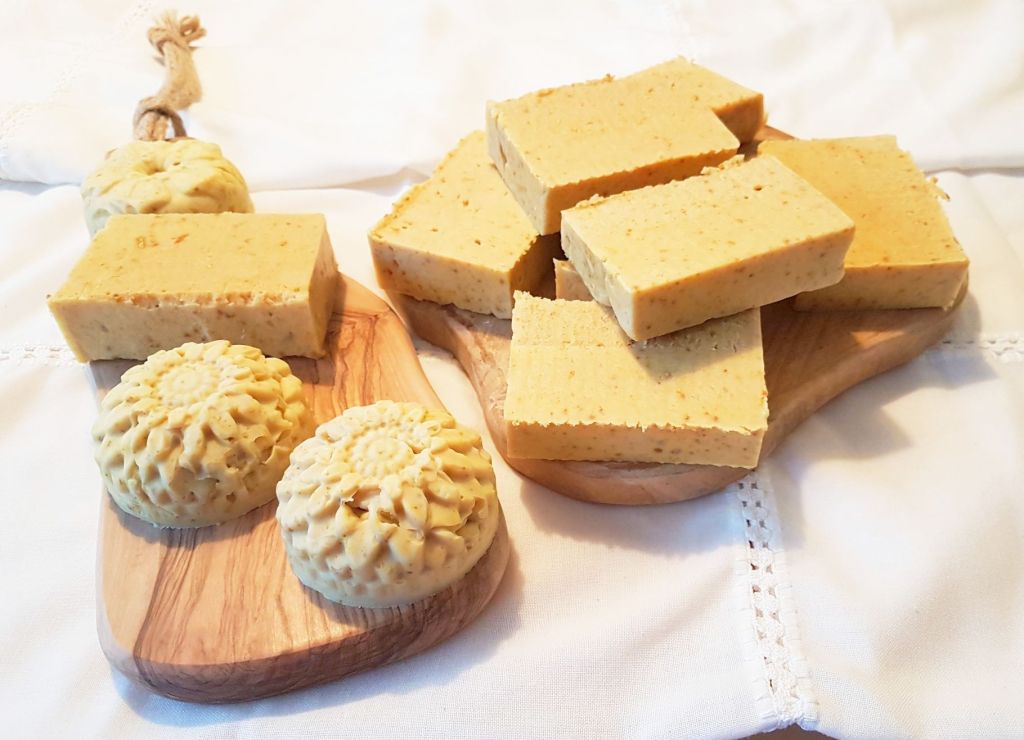
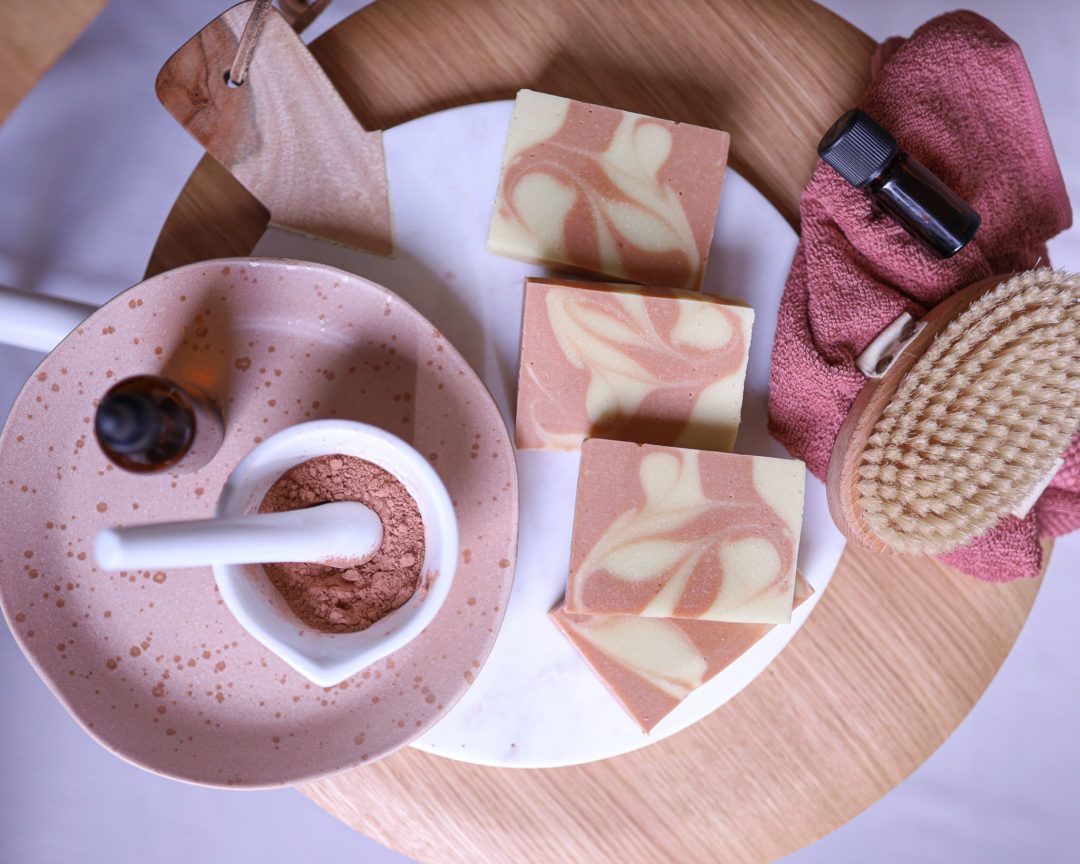
COLD PROCESS SOAP WITH orange zest powder.

Many people believe that glycerin soaps are better and softer, but while this may seem like this in principle, glycerin soaps do not have the moisturizing capacity of good cold process soaps. Cold processed soaps contain quality butters and vegetable oils that, when broken down and converted into soap, provide glycerin to the final composition in an entirely natural way. In contrast, glycerin soaps, as the name suggests, are composed of glycerin that has been extracted from cold processed natural soaps.

They look much prettier, but glycerin, in the use of daily hygiene, is very likely to end up drying our skin because natural glycerin has hygroscopic properties that attract water and retain it. That’s why it’s initially moisturizing, but used daily it can end up drying out our skin.

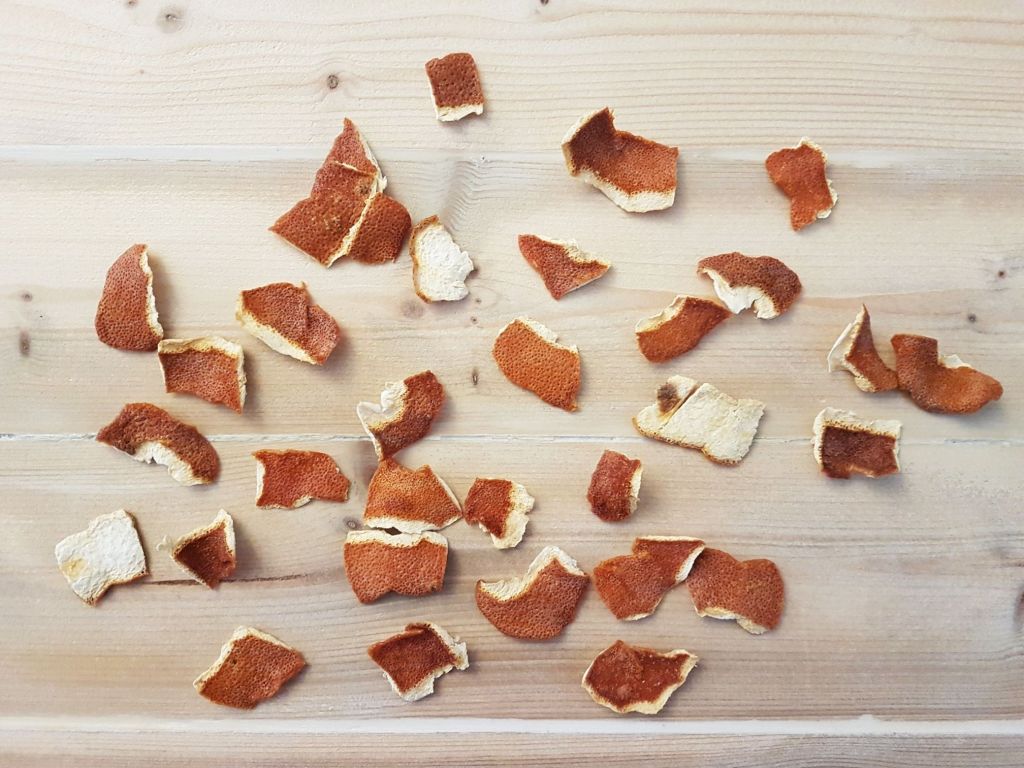
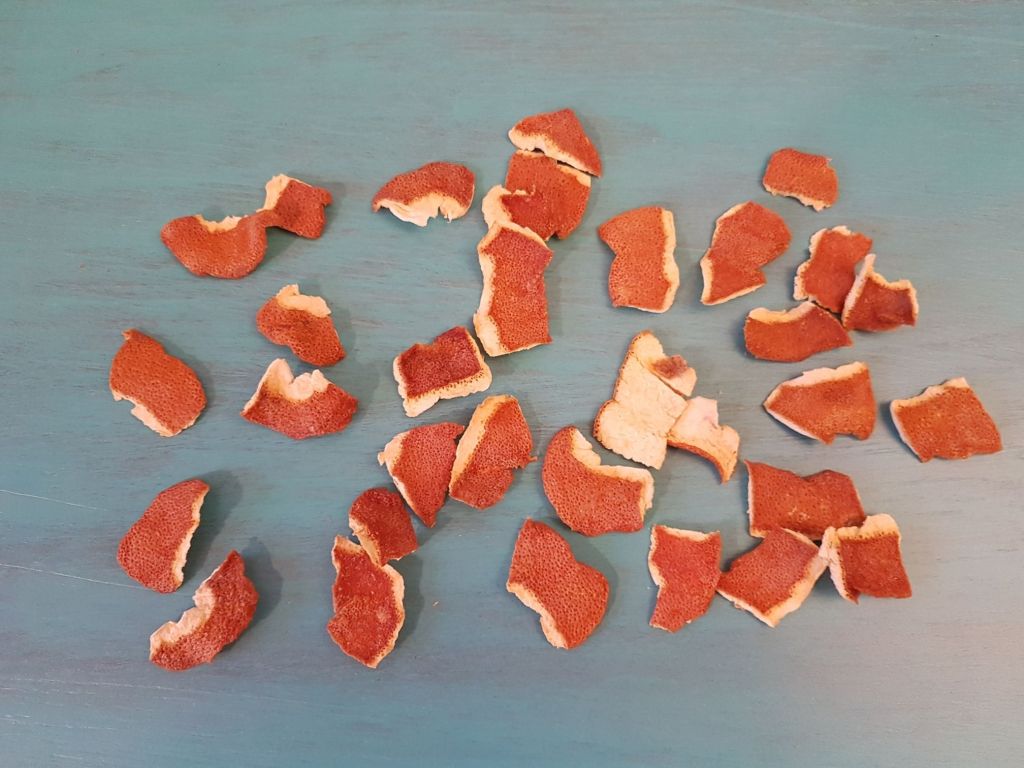
We wanted to formulate this cold process soap with vegetable oils and orange zest because orange (and orange essential oils are contained in its bark) it has sebum regulatory properties and suits all skin types very well.

Previously (read article on how to prepare powder from herbs and extracts) in section of natural ingredients to see the process of home preparation of orange zest powder.

NOW LET’S GO WITH THE SOAP

To make this soap with a 12% over greased * we will need:

800g olive oil

100g coconut oil

50g castor oil.

273g water and

117g caustic soda

WITH ADDITIONS OF

50g orange zest powder

15g (1TBSP) honey

15g white clay and

15g zinc oxide

*If you do not know what over greasing is and how to calculate it we recommend that you read the post on how to make soaps  by the cold process method.

PROCEDURE:

We’ll melt the butters first, in case there are. In our present recipe, we will melt the coconut oil because in the winter stays in its solid condition. And also, previously, we will prepare the lye, that is, the mixture of caustic soda with water.

Let’s always try to follow some minimum safety measures with caustic soda such as wearing gloves and making our mixture in a well-ventilated place so as not to breathe the toxic fumes that come off when mixing the soda with water.

We will need a large container to start with, preferably temperature-resistant plastic, or glass. We will add the oils and gradually the lye and start beating gently until we see that it starts to trace. Theoretically, at this time, we will add the additions of honey, clay and orange zest and continue whisking until everything is well traced.

In the video we have advanced too much and added the honey and the clay’s before the trace. In principle, this would not be done because honey, clay and zinc oxide are considered to be able to better provide its emollient properties at the end of the trace.

If you’re wrong, how it’s happened to me with the nerves of the video, you’ll see that soap is also traced smoothly, although maybe there will be a small difference in the soap’s ultimate emollient and hydration capacity.

In any case, you’ll see that they’re beautiful. We will have to wait, however, a couple of months before using them to give them time to mature well and to lose water. Also, to get a better ph, more like  the ph of our skin.

If you liked this video, and you’ve tried the recipe, let us know in the comments.

HOW TO PREPARE HERBS AND EXTRACTS IN POWDER

HOW TO MAKE POWDERED COLORS WITH VEGETABLES

The idea of this entry is to explain how we can very easily make our own dyes and pigments from vegetables and plants that we can easily dispose of to color our natural soaps and cosmetic preparations.

However, just because something is natural doesn’t mean it has “cosmetic grade.” In order to use something on the skin you have to go through irritability studies. For example, natural pigments such as paprika, which has a matte red color, or turmeric, which has a faint yellow color, are not recommended to use them on the face, even if they are natural, due to their high irritability.

In this case, some mica and mineral pigments are successfully used. Think of some eye shadows and lipsticks. And also, of course, it is possible to use clays and plant pigments to prepare colored makeup foundations, such as red clay, zinc oxide, cinnamon, or cocoa, which are much less likely to cause us skin irritation.

Mineral micas or pigments are a type of highly fragile silicate minerals with a diverse chemical composition; are typically used as dyes in natural and commercial cosmetics. Its use on the skin is considered safe.

In any case, for the production of soaps and natural cosmetics, synthetic pigments are not the best option.

-First because using synthetic pigments is less environmentally friendly to the planet since they are less biodegradable and often even toxic like the synthetic oil-derived pigments that are produced today. These have been linked  to allergic reactions,  skin  irritation and  toxicity  after prolonged exposure. Incthe past, dyes were of organic origin as they were obtained from coal or coal tar (the so-called cosmetic anilines), but these are now deprecated as their potential to cause cancer was demonstrated. This was the reason for the onset of synthetic inorganic dyes that unfortunately have not turned out to be much better.

-Second, because many times they try to sell us this type of colorants for soaps and bath bombs on pages of ingredients for natural cosmetics, guaranteeing their safety when they are not even safe. Take a look to their INCI:

Pistachio green liquid dye to color bath bombs and aromatic salts. INCI: Aqua, CI 19140, 42051

Pink liquid pigment to dye bath bombs and aromatic salts. INCI: Aqua, CI 45100

Egg yellow liquid pigment to dye bath bombs and aromatic salts. INCI: Aqua, CI 19140, 16255

Ultramarine violet powder pigment. INCI: Ultramarine (CI 77007)

Bubble gum pink powder pigment. INCI: Polyester 3, Red 28, Manganese Violet.

I don’t know about you, but none of them sound very natural to me.

With the drawback that if you also do not add to your bath bombs Polysorbate  80, which is a non-ionic surfactant (HLB 15) and emulsifier that contributes to the fixation of these dyes, it may occur that the pigments of the bath bombs dissolve completely in your bathtub and color your skin.

https://incibeauty.com/es/ingredients/10197-polysorbate-80

With this, the product that was originally designed to provide you with a more pleasant and moisturizing bathing experience, ends up becoming something unpleasant that also adds toxicity to your bath.

I have taken INCI samples from different suppliers of ingredients for natural cosmetics. In the case of Bramble Berry’s famous American page of ingredients for artisan soaps and bath pumps, this lack of scruples is very noticeable, because although they recommend micas to color bath pumps, then they suggest the famous Polysorbate 80 whose use is not even allowed in natural cosmetics in our European legislation.

https://www.brambleberry.com/articles/how-to/art0140-color-bath-bombs.html

But if you look at the fragrances, almost always synthetic, that this store sells for use in natural soaps and bath pumps; the thing does not improve.

Look at the recommendations for the fragrance “Pink Mimosa“: The fragrance, in principle, is for use in the production of soaps and bath pumps, but they warn us to avoid the contact with eyes and lips and their direct application without diluting on the skin.

Some Spanish online stores are not spared either, believe it or not, despite the strictest regulations of the European Union.

Previous INCIs for liquid bath bomb dyes were from Gran Velada website.

https://www.granvelada.com/es/371-tintes-para-sales-y-bombas-de-bano

Or look at the safety sheet for synthetic soap fragrances sold on the Jabonarium page:

https://www.jabonariumshop.com/fragancias-jabones/

However, in this case, and thanks to the strict regulations of the European Union, they are obliged to provide a safety sheet. Look for it. You’re going to freak out.

Personally, we stay with the French house AROMA ZONE among whose policies are not to sell polluting synthetic fragrances.

“Qualité et sécurité des fragrances: Rien de commun avec les fragrances synthétiques anglo-saxonnes qui inondent le marché (ces dernières sont de véritables cocktails chimiques et, pour certaines fragrances en provenance des Etats-Unis, elles ne sont pas conformes à la règlementation cosmétique européenne). Au contraire, toutes nos fragrances sont constituées uniquement de composés aromatiques d’origine naturelle”.

TRANSLATION: Quality and safety of fragrances: Nothing in common with the Anglo-Saxon synthetic fragrances that flood the market (these are real chemical cocktails and, for some fragrances from the United States, they do not comply with European cosmetic regulations). On the contrary, all our fragrances are made up only of aromatic compounds of natural origin.


AND LET’S GO NOW WITH THE THIRD ARGUMENT

And it is that, although we consider it a nice idea to want to add color to our soaps, gels, and bath pumps; is it really necessary to add color, especially if providing color means providing toxic compounds, that do nothing to contribute to the benefit of our skin?

Once I made the mistake of adding purple mica to a lavender soap to give it a more authentic look and what happened is that, after a few months (and it is necessary always to wait a few months for a natural soap to mature before starting to use it), the soap turned a dirty, sticky gray color.

Logically, although mica is a relatively harmless mineral pigment, the reaction that occurred when mixed with soda and vegetable oils was not exactly appropriate. Finally, I decided to cut this natural soap into small pieces for use it with the laundry.

On the other hand, if you use vegetable dyes and clays for this type of thing, you will not only achieve greater stability in the final product, but you will also provide properties as is the case with many herbs and spices. Or, for example, if you add clays, these will also help you fix the aroma of the essential oils in the soap.

AND NOW LET’S CUT TO THE CHASE. HOW TO MAKE POWDERED COLORS WITH VEGETABLES  AND HERBS?

The first thing we have to do is dry or dehydrate the plants so that we can then grind them. You can let vegetables dry in the sun or outdoors, as has been done for centuries.

Or use the kitchen oven. To dehydrate food or plants in the oven, you must remove the shell if necessary, cut into thin pieces or slices and arrange them on an oven plate.

We will bake them at a minimum temperature, with the oven door open, moving them from time to time, until when we touch them we will feel them completely dry (when pressed they should crack, not bend).

Once you have the dry plants, the next step is to grind them. To pulverize the plants it is best to use a coffee grinder, you get a very fine powder. You just have to introduce the plants into the grinder and grind them until they are completely turned into powder.

The powder can be stored in glass jars for months without problems and you can add it directly to your preparations to give them a tonality. The intensity of the color will depend on the amount of powder you add.
Some pigments are water-soluble, such as beet or pitaya, so you can add them to preparations that contain water.

Plants rich in pigments:

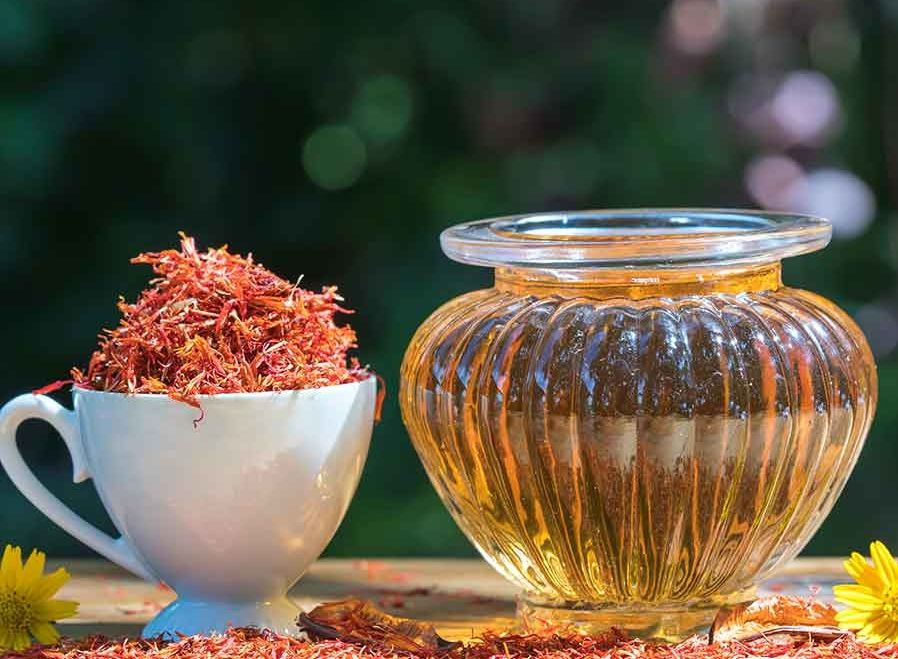
Yellow: saffron, marigold, common chamomile,  mustard, curry, turmeric.

Violet – lilac: lavender, violet.

Purple: beetroot, purple cabbage, blackberries.

Green: mint, unfermented green tea, nettle, rosemary, chard, spinachs,  parsley, mint, algae.

Pink: beetroot, pink, raspberry, pitaya, cherries.

Red: Red pepper, tomato, paprika, chili.

Brown: cocoa, coffee, cinnamon, fermented tea (camellia sinensis).

Blue: Roman chamomile, cypress berries, blueberries, indigo plant (tinctoria indigofera , with which the jeans were dyed in the past).

SOME VEGETABLE DYES FOR SOAPS, BOMBS AND BATH SALTS

Clays and some powdered spices like turmeric or curry are especially stable if we want to color our soaps.

If we want to color bombs or bath salts, we’d better use vegetables and herbs powder in most of the cases. However, it is also possible to add clays to the composition of bath bombs.Cclays can also be a natural choice.

EXAMPLES:

To give them pink tones: Pink Clay

To lighten the color of our soap: White clay, zinc oxide.

Orange: With carrot juice and achiote seeds powder (Annatto)

Fuchsia: with beetroot powder, or pitaya (fruit of the cactus “Stenocereus queretaroensis”, dragon fruit also called).

Lilac: With alkanna tinctoria.

Bluish grey: With active charcoal  or  indigo plant. With active charcoal the soap look very nice in addition to the purifying properties it provides them.

Reddish: With the plant “rubia tinctorum” or with red clay that contains a significant amount of iron oxide naturally.

Anyway, there are surely many more plants and herbs that can bring a natural color to our recipes, and that I do not know, but if you know them I will be delighted that you let me know in the comments.

WHY IS IT IMPORTANT TO MAKE OUR OWN NATURAL DEODORANT?

The report acknowledges the fact that certain substances (parabens, phthalates, aquiphenols, nonylphenols, perfluorinated…) act as endocrine disruptors and that combined intervene in chronic diseases affecting not only humans but animals, in particular reproductive abnormalities. * The EU itself ensures through the REACH report (a list of 138 suspicious substances) that 99% of chemicals barely have data on their uses, characteristics and how they should be managed to be safe. So we don’t understand why they put them into circulation. Or do you understand it?

However, it happens that it is very difficult to establish a causal relationship between exposure to these substances and a hormonal alteration that poses a health risk.

That is, a person can be all his life putting on creams with parabens, painting his nails (and eating the enamel because he also bites them), eating heated food in bad quality plastic tuppers and being in contact with endless more toxics and reaching 90 so richly. And Gwyneth Paltrow (known as eco celebrity) may develop a disease linked to these endocrine disruptors tomorrow when at home everything comes from certified and sustainable organic products. Yes, life is that unfair. No, it’s not that. It’s got an explanation.

My grandfather was one of those men of an ancient era when the only existing contamination was the smoke of cigarettes that he smoked and, of course, he reached 91.

This is possible because the human body has a system of emuntorial or excretion organs such as the kidneys, liver, skin or lungs that are responsible for ridding us of toxic substances that end up in our bloodstream; either through the diet, either through the air we breathe, or through the substances (deodorants, creams, nail polishes, hair dyes, etc.) that we get on the skin.

All this makes it difficult to establish a relationship between these diseases and certain chemical compounds, as it is not a cause-and-effect relationship.

The EU also introduces in this text something that scientists, and in particular Dr Olea, have long denounced and is the so-called “cocktail effect“, since humans are exposed to these combined substances in our day-to-day life.

To find out more: book by Professor Nicolas Olea, Free yourself from toxics. Guide to avoid endocrine disruptors.

And that is also what we from this blog have insisted on highlighting and we have called a “toxic crisis” because we consider that the amount of chemicals susceptible of toxicity that surround us today everywhere is not comparable with the environmental situation that could have been in the past century in which my grandfather lived.

And that is why we wanted to dedicate this post to deodorants, since within the infinite range of toxic products that surround us everywhere, deodorants and antiperspirants are particularly undesirable because of the suspicions that, for years, have been had on their influence on breast cancer and Alzheimer’s, among other ailments.

In principle, it is important that we understand that “sweating” is an essential physiological need for our body to eliminate toxins and maintain good levels of hydration, body temperature and PH.

WHAT’S IN CONVENTIONAL DEODORANT?

Commercial antiperspirants and deodorants contain substances such as parabens, triclosan and artificial fragrances that can be endocrine disruptors, alter our metabolism, affect brain development, weaken muscles, decrease sperm count and act as allergens, among other things.

If we take a closer look at the labelsof our commercial deodorant, we will find the following type of harmful chemicals:

Parabens: Parabens are preservatives that are included in hygiene and cosmetic products, which have micro plastic balls. They are so small and common that they spread through water and end up directly at sea.

At first it seems to be a small amount, but if we think of all the people who use cosmetic products on a daily basis, it is a lot of pollution. On this page you can find more information about it and identify the parabens and silicones hidden in conventional creams and hygiene products.

https://www.ewg.org/

Some of them are already beginning to be banned in the legislation of some countries and that is why new substitutes such as phenoxyethanol, which, unfortunately, are not much more benign, are being used.

We need to analyze what we consume and investigate to know what we eat and use, because we are the result of what we consume.

Fragrances: Of course, we all want to smell good, something fresh and / or floral, for example. But this term is nothing more and nothing less than a whole cover-up for a cocktail of up to 3,000 chemicals that are related to numerous serious health problems. These synthetic aromas are some of the most toxic ingredients included in skin care products (even in the many options disguised as “natural”!) And the American FDA (but also European laws) allow companies to keep these formulations secret. Smell good after a shower thanks to fake fragrances that cause damage to our skin and to aquatic life? No, thank you.

Phthalates: They are fixators of synthetic fragrances that guarantee that we smell good for longer. These substances have been found to be endocrine disruptors that also cause teratogeny, i.e., birth defects and that is why the EU banned in 2004 some of the most aggressive in toys and baby products: Diethyl Hexyl Phthalate (DEHP), Dibutyl Phthalate (DBT) and Benzyl Buthyl Phthalate (BBP).

These substances have also been removed from cosmetics (Regulation 1223/2009), but phthalates such as Dimethyl Phthalate/Dimethyl Phthalate (DMP) or Dietyl Phthalate/Diathyl Phthalate (DEP) are still authorised. They can be found in gels, shampoos, soaps, lotions, cosmetics, perfumes, air fresheners…

THE DEP, for example, is used as a solvent and as a vehicle for aromas or other cosmetic ingredients. Perfumes  are one of the products in which higherconcentrations of this chemical have been identified. We note thecontroversial ‘Eau de Tóxicos’ report that was presented by Greenpeace in 2005 with the results obtained from the analysis of 36 perfume waters and colonies, including some well known. Phthalates (DEPs) were present in 34 of the 36 perfumes sometimes studied at fairly high concentrations (somewhere reaching a concentration of 2.2% of the total weight).

For its part, DMP is used for example in hairsprays, anti-mosque remedies or perfumes, to make them more persistent. Sometimes, they don’t even appear on the label.

Aluminum: Unfortunately, perspiration still has a bad reputation. That’s why  most of us are looking for  anti-sweat odorants. And any antiperspirant deodorant contains aluminum. Aluminum prevents    sweating/perspiration by blocking pores, that is, totally at the expense of the health of  our  body and brain. Research has linked aluminum to harmful diseases and toxicity due to continuous exposure to heavy metals. In addition, it interferes with the body’s natural and necessary cleansing function as it prevents sweating, preventing the body from detoxing properly.

Unfortunately, some people try the natural deodorant and feel that they smell worse (which is actually just the detoxification of their body) and end up throwing in the towel before their body adapts not to use antiperspirant. With a simple trick, such as avoiding synthetic fiber underwear, this problem is minimized.

However, many other people have also discovered solid natural deodorants and bicarbonate-based ones that work very well and are very effective.

That’s why these deodorants have become hugely popular in recent times and there are many natural cosmetic brands that sell them.

Like: https://www.threehillssoap.ie/  in Ireland. The brand itself specifies the content of its deodorants: arrowroot powder, shea butter, coconut oil, baking soda, zinc oxide, allantoin and essential oils.

Or https://thehappysoaps.com/product-categorie/natuurlijke-deodorant/  with natural soaps and natural cream deodorants produced in Holland, etc…

Or this one in Spanish, https://www.luffashop.com/producto/desodorante-solido-natural  who has a physical store in Barcelona.

And also, many of us are learning to prepare them at home in a very simple manner:

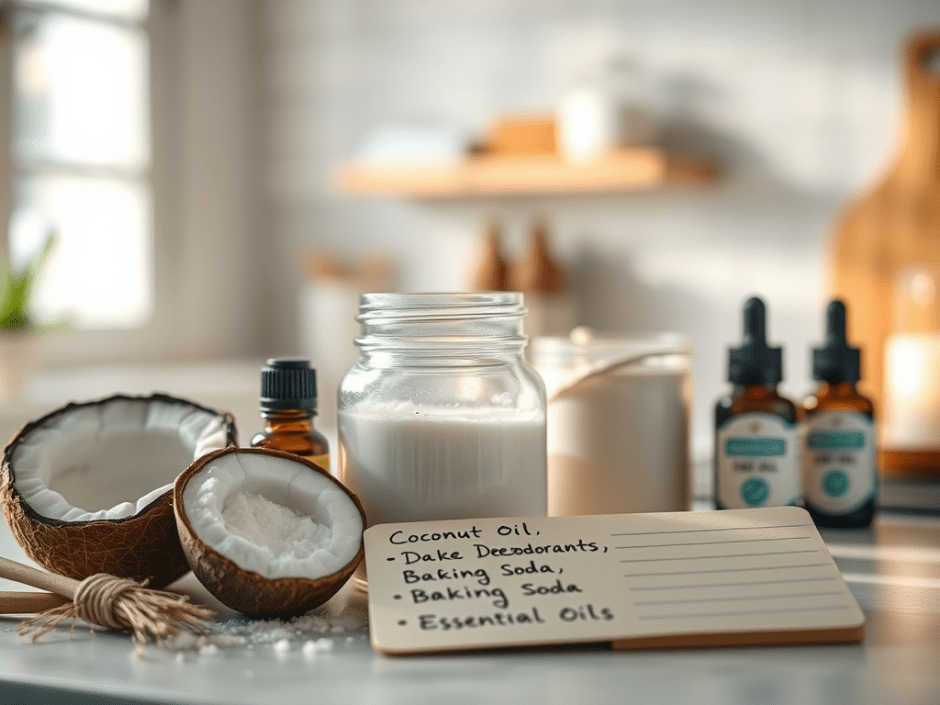
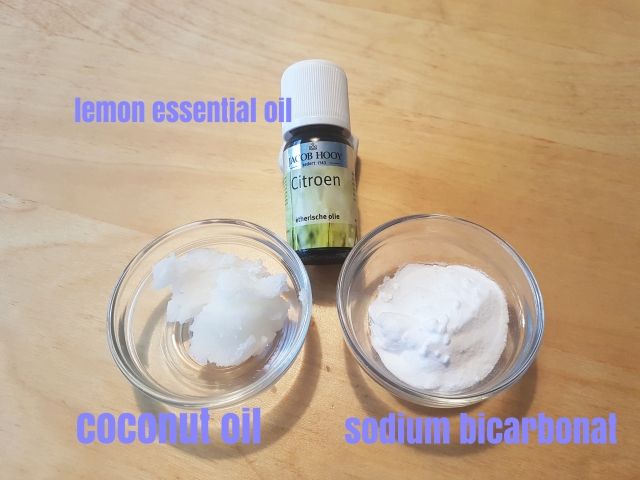
And it is possible to prepare an effective deodorant ready for use with three ingredients: Bicarbonate, coconut oil, and a few drops of lemon EO.

For the sophisticated ones, and to facilitate its duration and transport, we certainly have recipes a little more elaborated.

CREAM DEODORANT with Palm rose EO

INGREDIENTS, for a box of about 50g

20g shea butter

15g baking soda

10 g maizena

5g cocoa butter (if winter, even less)

Optionally, 5 drops of Palm rose EO or Tea Tree, which are the most effective EO when it comes to controlling body odor, and provided that EOs do not cause irritation to your skin.

If you don’t have sensitive skin you can even put a little more amount, EO will make your deodorant even more effective. But, as I always say, with EO, that they are genuine natural antibiotics, it is always better to be cautious and not to overdo it. Especially since deodorant is a product that we use in our daily hygiene.

In any case, if, like me, you have very sensitive skin with a tendency to eczema and hives, it is better that you do not use deodorant usually. (Natural deodorants, even if they are toxic-free, also interfere with your skin’s bacterial barrier, other ways they would have no effectiveness.)

You can, for example, wear it when you go to physical exercise or when it’s too hot and you anticipate that you’re going to sweat too much. Nobody likes to smell bad, of course. If you do this,  you’ll see how many rash attacks you avoid just by letting your skin breathe freely. Don’t forget, sweat doesn’t happen by chance. Sweat has an important body function of removing toxins and in skins whose lipid barrier is altered this is especially important.

NOW WE GO WITH THE ELABORATION PROCESS, which is very easy.

Instructions: Put the shea butter and cocoa butter in the water bath until completely melted. Remove from heat and add baking soda and  maizena. When the mixture starts to cool and thicken, we can add a few drops of essential oil and pack in a container of about 50 grams.

Bicarbonate, due to its alkaline ph, also causes redness and irritation to some people because, as you know, the ph of our skin is rather acidic.

To avoid this, some formulations contain plant allantoin, such as that of the three-hill-soap store, and other recipes, are prepared with less baking soda and more corn starch. Like for example this formulation, it contains only half a teaspoon of baking soda.

For a 50 grs aluminum case.

2TBSP shea butter

1 tsp coconut oil

Melt everything well and add the 3 TBSP of corn starch. And 1/2 tsp of baking soda

Mix well and optionally put a few drops of essential oil. I put a few drops of EO of litsea cubeba and it has a fantastic citrus aroma. Now we can let it cool down a little in the fridge until it hardens and it’s ready.

Other recipes, what they do is avoid baking soda and use other substances with less irritating deodorant capacity such as alum powder or zinc oxide.

ALUMBRE STONE DEODORANT in cream

We’ll need 2 tablespoons (TBSP) of natural alum stone powder

4 tablespoons (TBSP) coconut oil

1 teaspoon white clay

4 drops of palm rose or tea tree essential oil

We will melt the coconut oil in a container in the water bath. Next, we’ll add the alum stone powder and baking soda to the coconut oil that’s in the water bath. Mix well for a smooth, homogeneous texture and remove from the heat.

Finally, once thickened, we will add the essential oils and pack. Coconut oil melts in summer at a temperature of 25ºC, in this case, we can add some cocoa butter to the composition or keep it in the fridge if it stays too soft.

IN STICK: If you want a completely solid version of this deodorant recipe, add 5 grams of beeswax to the recipe (take it to the Maria bath along with coconut oil). Then you can transfer the mixture to a rechargeable stick bar.

ZINC OXIDE DEODORANT in cream:

This recipe is suitable for sensitive skin thanks to the absence of essential oils, but also bicarbonate, which can be irritating to some people.

We need: 25 grams coconut oil

10 grams cornstarch

10 grams kaolin clay

3 grams zinc oxide

0.5 grams of wax

Optionally, a few drops of AE of Palm Rose, lemongrass, litsea cubeba or the aroma that we like the most. (Lemongrass and Litsea Cubeba give it citrus and refreshing aromas).

PROCEDURE:

We’ll melt the coconut oil and wax in the water bath. Turn off the heat and add the powders (i.e. cornstarch, zinc oxide and clay). We mix well. If you have lumps, we will use a small blender or foamer to make the mixture completely homogenic.

We’ll pour into a container of about 50 grs. The mixture will harden slightly with the wax and will have a pleasant creamy effect. Just take it a little with your fingertip and spread it into your armpits by massaging for a few seconds. There are no white or fatty effects that can stain clothes or disturb!

If you add more wax to this recipe, you can turn it into a solid bar deodorant and pour it into a stick container for ease of use.

And you, still don’t make your own deodorant?

If you’re lazy to make your own deodorant, move on to the alum stone.

About the alum stone we spoke in an earlier post for its many advantages:

-It is skin friendly and does not irritate it despite being astringent, antiseptic and antibacterial.

-Do not stain clothing. It leaves no trace of use, so wear the darkest clothes, it will not turn yellow or white on contact.

-It has no chemicals, no additives, no artificial dyes.

-And also take care of the environment because you can use a recycled bottle or buy one and reuse it so as not to generate waste, a rechargeable deodorant!

MODES OF USE

1.- Solid method: It is possible to use the stone directly by rubbing it into the armpits with a little water.

2.-Spray method: Many stores sell alum powder, or even chunks of alum stone. In this case, we can simply crush the stone to include it, with a little water, in our deodorant spray with atomizer. If you have it powdered, or the pieces are small, put them directly into the atomizer bottle because the next day will be completely melted and you will be able to use the atomizer.

3.-Roll-on method: This method is a little more sophisticated and requires a little more elaboration, but it is the method that gets a more comfortable application in its use.

For about 50ml:

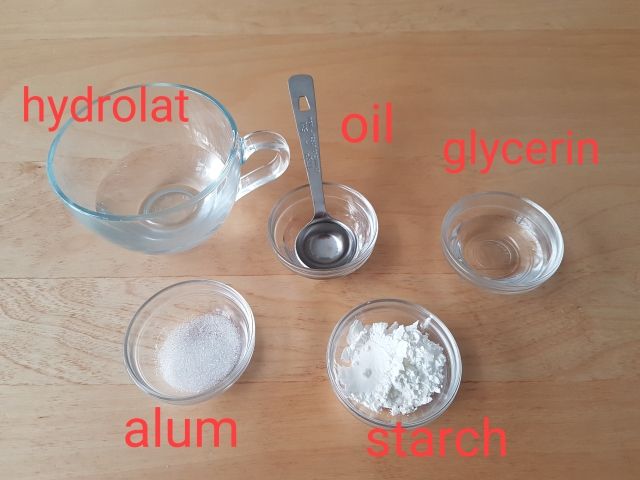
50ml hydrolat or distilled water

1 tsp corn starch

3gs alum powder

1 tsp vegetable oil (we have chosen fractionated coconut oil, but almond oil would also be very suitable)

10 ml vegetable glycerin

And a few drops of ylang ylang essential oil, which is very mild and does not cause irritation, and GSP (grapefruit seed extract) which is also a very mild preservative that provides a citrus aroma.

PROCEDURE:

Put our hydrolat in the water bath and add the teaspoon of corn starch. The heat will cause the mixture to start gelling a little. We don’t want it to completely thicken, just gelled a little and then we will remove it from the heat.

In this mixture of hot water and starch (arrowroot, corn, wheat…) we will integrate the alum powder until completely dissolved.

Now add the teaspoon of vegetable glycerin and vegetable oil without stirring. It is important that the mixture is kept warm so that glycerin and vegetable oil are fully integrated.

And finally, a few drops of essential oil (optionally) and ESP to preserve our deodorant for longer.

As you can see, it has a spectacular appearance and emollient texture. If you do not like to pass the alum stone through the armpits and want a little more softness and aroma, this recipe of deodorant in roll-on is comfortable to apply, simple to make, irritates very little and is very effective because alum is and our formulation contains 3 grams of powdered alum dissolved in hydrolat or distilled water.

We hope you liked this entry, if so leave us your comments and subscribe to the bell to receive notifications of our upcoming posts.

INFUSED OIL OF WILD ROSE HIPS

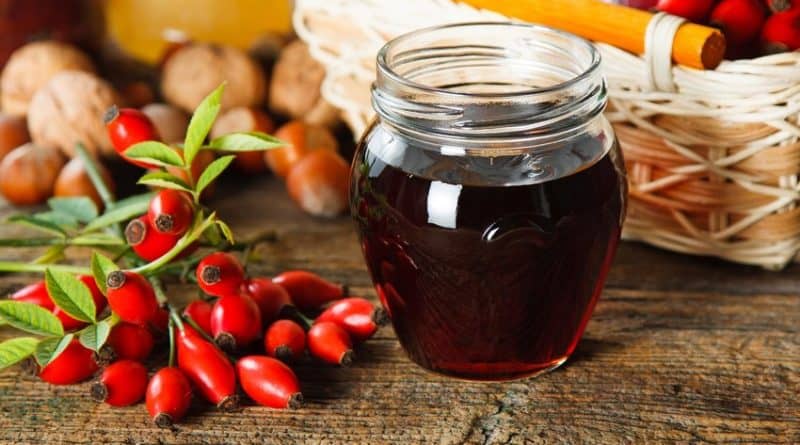
If you live in the countryside or have the opportunity to find wild rose hips nearby, something very interesting you can do is collect them to prepare an infused oil with innumerable vitamins for the skin.

Most wild rose bushes, when autumn arrives, offer us these edible berries that are very rich in vitamin C, antioxidants (that’s why there are people who prepare syrups with them) and countless wonderful properties to strengthen our defenses and take care of our skin.

We are going to prepare an infused oil with them, which we can use to enrich the formulations of our homemade creams.

From this infused oil you can enrich your homemade creams in a spectacular way and without the need to acquire the famous, but expensive, rosehip oil.

And is that this homemade maceration, if you choose a quality oil, has practically the same properties as a commercial rosehip oil.

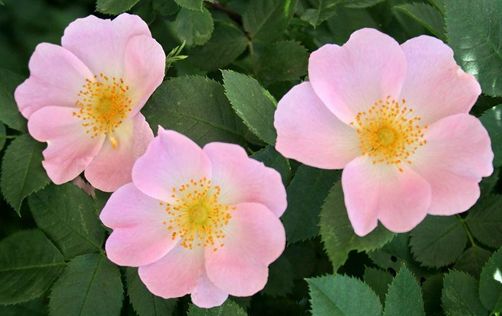
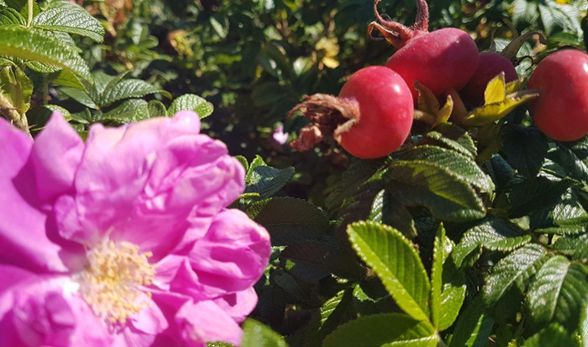
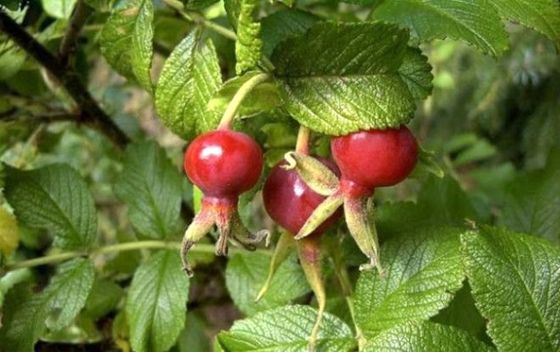
Take a good look at the photos, and you will see that you are going to find rose hips in your natural environment easily, that’s for sure!

Properties of wild rose hips:

Rose hips are packed with vitamins and minerals. In principle, they have 10 times more vitamin C than oranges, in addition to vitamins A, B1 and B2. Hence its ability to strengthen our defenses.

Rose hips are also known for their purifying ability and anti-inflammatory power. They also contain selenium, something the average person is deficient in.

The polyphenols they contain fight cardiovascular disease by regulating better blood pressure.

Regarding the skin, in addition to providing vitamins and illuminating it, they have a powerful firming effect that prevents skin wrinkles. Thus, this natural infused oil is liquid gold for the skin and makes it easier for us to enrich our creams and ointments.

PROCESS:

The procedure to follow is the same as with any other infused oils.

The herb or fruit is placed in quality oil and left covered and out of direct light for a minimum of 40 days.

Wild rose hips are typically harvested in the fall. After collecting a good quantity, we will proceed to wash them and put them to dry for a couple of days. When they are clean and dry, we will cut them in half so that their seeds are exposed.

That’s the best way in order to extract all the vitamins and properties for the skin that they possess.

Always choose a cold-pressed virgin oil that you can have in a certain quantity since the rose hips must be completely covered with the oil and reserved in a glass jar with a lid, away from direct light for 30- 40 days. It is convenient to shake it from time to time.

After 40 days, the properties of the rose hips will have remained in the oil and we can now remove them and strain the oil.

We will add some capsules of vitamin E to avoid rancidity and to extend the useful life of our infused oil.

And that’s it, it’s that simple to make homemade rosehip oil.

We hope you find it very useful and that you can make numerous cosmetic preparations with this oil!

FLUID MAKE-UP without microplastics or parabens

With this post we wanted to make a twink to the coming Christmas. If you need to prepare a last minute gift, this can be a great recipe.


It is a completely natural fluid facial makeup, made with vegetable oils, vegetable BTMS, natural pigments and zinc oxide (the same that is used in ointments for baby’s buttocks), and the most ecological and tolerable preservative that exists , the Leucidal, which is made from the fermentation of radishes by the bacteria Leuconostoc Kimchii.

Thus, a totally organic make-up for these holidays and 100% tolerable for all skin types.


FLUID MAKEUP BASE

In a previous post we had prepared a BB facial cream as a day base. This cream had the function of covering imperfections while providing sun protection.

You may be wondering now, why then a fluid makeup base?

Our fluid makeup base is lighter, while still providing sun protection. Its application is more comfortable and, perhaps, it may be, given its lightness, that it is more interesting when using it in summer.

On the other hand, now that we know the possibility of vegetal BTMS, we can use it to create other types of compositions as is the case.


PROCEDURE FOR THE FLUID MAKEUP BASE

We will start by putting the vegetable BTMS and the oil in the water bath. Next, we will add the zinc oxide trying to mix everything very well without stopping to stir with the rod and, finally, we will add the distilled water.

First phase

15 g of jojoba oil / replaceable with argan or almonds

2.5 grs of BTMS vegetable emulsifying wax

3 g of zinc oxide (not only acts as an emollient and sunscreen, but also helps to fix the pigments in our makeup)

70 grs of distilled water

Second phase

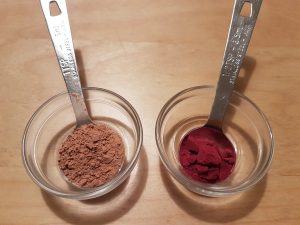
Color rectification with natural pigments

1TBSP (15grs) of red clay

1 tsp (5grs) beet powder

Final phase

Between 15-20 drops of Leucidal preservative

1 gram or one vitamin E capsule


PROCEDURE:

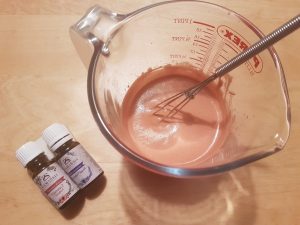
Our base must be more or less fluid.


Now, let’s proceed to color our fluid makeup base.

We will add a tablespoon of TBSP (about 15 grs) of red clay to our base mixture. If we have clear skin, it is possible that red clay is enough, but if we want to give it a slightly more vivid and rosy tone, we will also add a teaspoon (tsp = 5grs) of beet powder.

We remove and obtain approximately this result. It’s time to add the vitamin E capsule and the Leucidal preservative droplets.

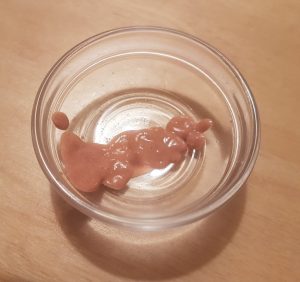
What we like most about this makeup is its fluid texture that prevents our face from being covered when applied. It is completely absorbed and evens out the face without producing a “trace effect” as other commercial makeups do.

In this image you can appreciate how fluid it is.

If you need a more opaque makeup, I suggest you prepare the BB facial cream that we advanced in a previous post because it is a much more compact cream.

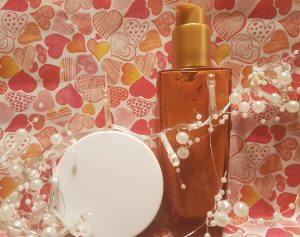
We have packaged it in a glass container to prolong its expir.

Isn’t it a good gift idea?