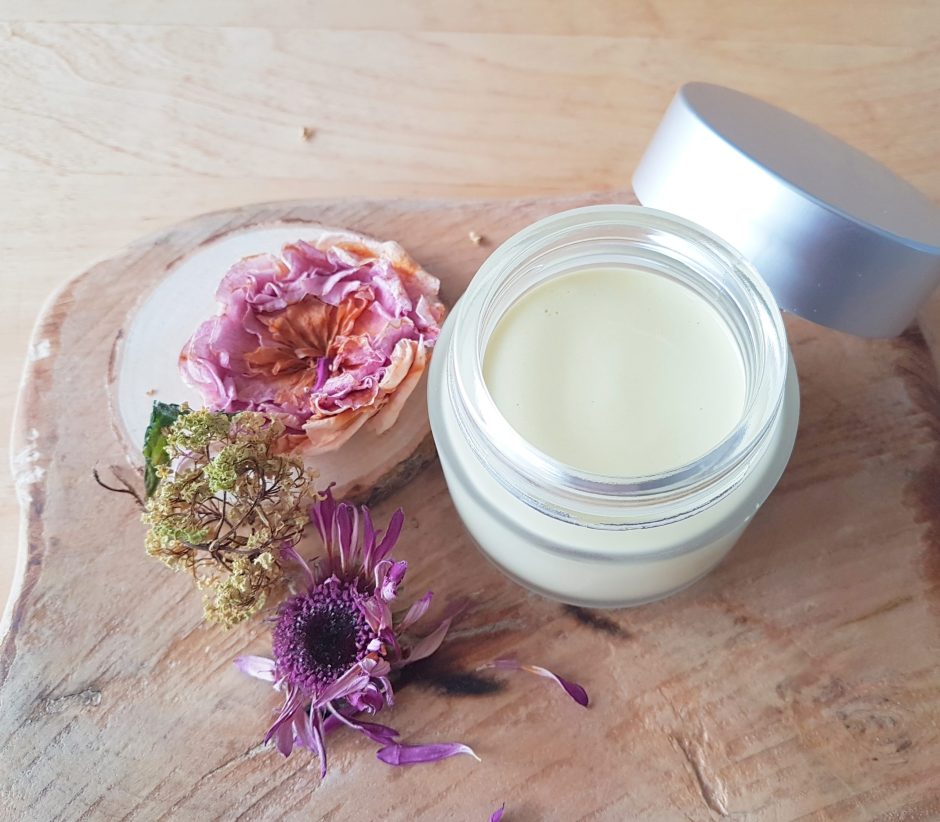
DEPIGMENTING SUBSTANCES VERSUS ANTIOXIDANT SUBSTANCES

When looking for a natural depigmenting cream with the right ingredients it is difficult to know if antioxidants will fulfill their function as well as specifically depigmenting substances.

And to advise oneself to prepare one’s own cream or depigmenting serum, research can become an important task given the wide range of theoretically clarifying substances that flood us everywhere.

And it is that, although preparing a cream to moisturize our skin daily with natural elements is something relatively easy, it is not the same to try to prepare a depigmenting cream that is natural and that also works without attacking the skin.

Even out the tone of our skin face is something demanded, and increasingly in a more sustainable and less aggressive way. Everybody wants to wear a beautiful skin without spots that age our appearance.

THE ORIGIN OF SKIN SPOTS

-Most pigment spots are caused by excessive exposure to the sun (solar lentigos). So they tend to appear in greater numbers in the parts of the body that are most often exposed to the sun such as the hands, face and arms. They are usually small and with a dark tone.

-We will highlight a very common pigmentary spot in pregnant women and in women who take contraceptive pills. These spots are called melasma or chloasma and are caused by a hormonal change.

-They can also be caused by some type of trauma, either by a cosmetic procedure, laser type, chemical peels, even a juvenile acne can cause a dark spot on the skin that can last over time and produce an injury and is when post-inflammatory lesions appear, by healing the injury.

AND ITS MANIFESTATIONS

Whether they are age-related spots such as solar lentigos, or spots caused by acne inflammations, or spots due to hormonal changes (melasmas) that all women go through in their lives; hyperpigmentation manifests itself in the skin due to an excess of melanin production, which is a natural pigment found in the skin, hair and iris of the eyes, and which is formed from the oxidation of tyrosine.

This production can be altered for several reasons. Normally, melanin is produced naturally in our body as a defense mechanism against UV rays produced by the sun, and acts as a natural sunscreen. Therefore, depending on our skin color, eyes and hair, we have a skin phototype I, II, III, IV, V and VI, from the lightest to the darkest.

As we said, there are several types of hyperpigmentations originated by different reasons:

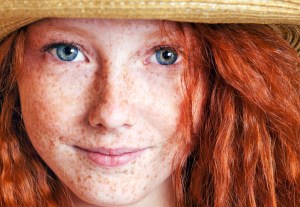
1.-FRECKLES, for example, are in most cases of genetic origin and usually appear on light skin on the parts of the body most exposed to the sun.
2-SOLAR LENTIGO: They are hyperpigmentations with a round and flat shape, of small size. They are spots of shade between yellowish brown and dark brown, reaching black. They are produced by an excess of production in the synthesis of melanin. They are located in areas exposed to the sun and stimulated by UV radiation.

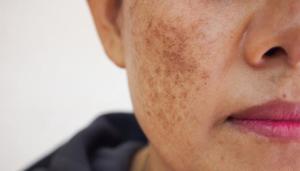
3-MELASMA: It is usually located on the forehead-nose, cheeks and nose and lower jaw. It is usually due to a hormonal factor such as pregnancy (second month), estrogens and progestogens, ovarian dysfunction and thyroid dysfunction, together with solar radiation. Melasma is aggravated by sun exposure. When there is an increase in the number of melanocytes, we call them nevi or moles, which are of variable size and shape and have a dark, even black color. If they appear with a very exaggerated growth, exudation, itching, pain or inflammatory signs, it is necessary to consult directly with the doctor, to rule out other diseases or that they worsen.
In this blog we are dedicated to natural cosmetics and from this theoretical framework we want to analyze all the possibilities that “slow” natural cosmetics offer. To do this, we will start by clarifying the possibilities that conventional cosmetics offer.

Conventional cosmetics use many types of substances to lighten facial blemishes and even out the tone of our skin.

CONVENTIONAL TREATMENT OF HYPERPIGMENTATION

Conventional cosmetics treat hyperpigmentation with depigmenting substances that attenuate or make disappear the spots produced on the skin by melanin.

Depending on the type of blemish on the skin and the depth of that spot, one type of depigmentant or another is chosen. If the stain is more superficial, it is easier to remove, in these types of spots are used depigmenting hydroquinone type, kojic acid, tretinoin and glycolic acid.

In deeper spots a mixture of these acids plus glycolic acid is used. All these acids are contraindicated in times of pregnancy and lactation.

TYPES OF DEPIGMENTANTES according to Ferrer pharmacy in Valencia (Spain):

https://www.farmaferrer.com/blog/c/consejos/como-podemos-eliminar-nuestras-manchas-en-la-piel

HYDROQUINONE and derivatives: Hydroquinone acts by inhibiting tyrosinase whose usual concentration as a depigmenting agent is usually used at 2 and 6%. At higher concentrations it can cause many adverse reactions. Care should also be taken to apply the product only in dark areas, since, if applied in other areas, the depigmenting would also lighten them leaving the skin of the whitish contour.

A chemical peel with glycolic acid is usually associated with hydroquinone treatment to enhance the effect of hydroquinone. The treatment is slow and you have to spend at least three months, it is easier to treat light skin than dark, and the results are seen earlier, you also have to protect the skin with a sunscreen since that skin is more unprotected, for This is usually done in winter.

Once the treatment is finished, the use of hydroquinone depigmenting will continue with a discontinuous use pattern, but sun protection will continue to reduce the risk of possible recurrences. Sometimes 0.025% tretinoin is also used concurrently with hydroquinone.

ASCORBIC ACID OR VITAMIN C: Ascorbic acid, despite its low stability, since it oxidizes very easily, has a good depigmenting activity. It also works by inhibiting tyrosinase, which decreases the formation of melanin. Apart from having many benefits for the skin such as: tissue healing, fibroblast synthesis, reorganization of collagen fibers, providing luminosity, increasing the resistance capacity of blood vessels, reducing expression wrinkles, as well as the ability to promote gentle exfoliation and cell renewal.

AZELAIC ACID: Azelaic acid also has a depigmenting action since it inhibits the synthesis of tyrosinase. This acid is always more indicated in skin with rosacea and acne, therefore recommended in depigmentation caused by inflammation and infection of the hair follicles in oily skin affected by acne or in skin prone to seborrheic dermatitis.

KOJIC ACID: Its main action is the inhibition of tyrosinase. Other acids to highlight for their depigmenting action that we can find in the market are creams based on phytic acid, lipoic acid, ellagic acid, lactic acid, salicylic acid, azelaic acid, together with vegetable extracts derived from bearberry, licorice or mulberry. All of them in association with glycolic acid.

MELATONIN: Melatonin works by preventing melanin accumulations from forming, and unifies its distribution, reducing the formation of spots in the future. It is a powerful antioxidant, which reduces free radicals formed in the skin due to stress, pollution, etc.

GLUTATHION: Inhibits tyrosinase and melanin synthesis, as well as its deposits. It reduces free radicals, like melatonin, favoring the activation of tyrosinase with the subsequent increase in melanin.

FERULIC ACID: With a particular depigmenting value since it offers a photoprotective effect that prevents harmful UVA rays and harmful free radicals from penetrating the skin. In addition to reducing blemishes by inhibiting the production of melanin.

ARBUTIN: Action on melanin blocking tyrosinase. All skin types, especially skin with acne and sensitive skin or dermatitis such as rosacea, couperose, eczema and psoriasis.

TRANEXAMIC ACID: Inhibits melanin by blocking tyrosinase. It has lower range and potency than hydroquinone when used topically.

LICORICE: Prevents sun pigmentation and inhibits tyrosinase activity. The glycine it contains evens the tone through a better distribution of melanin in the skin. It is especially effective when combined with Glutathione, Melatonin, Arbutin or Kojic acid.

GIGAWHITE: Inhibits melanin by blocking tyrosinase, it is the substitute for hydroquinone in very sensitive skin that has little tolerance to hydroquinone in medium-high concentrations.

NIACINAMIDE (Vitamin B-3): Cellularly interferes with the activity between keratinocytes and melanocytes, reducing melanogenesis and thus the risk of spots. It does not inhibit melanin, but if the mechanism of action of melanocytes-keratinocytes so associated with other depigmenting, enhances its action and that of its associates.

ALPHAHYDROXY ACIDS (AHA): They are formulated at low concentrations since they promote light exfoliation by reducing the cohesion of the corneocytes and stimulating new growth in the basal layer. If they are formulated at high concentrations, they can cause very aggressive exfoliations.

The most commonly used AHAs are Glycolic Acid, Lactic Acid, Mandelic Acid and Ferulic Acid. They are usually combined in terms of their peeling power.

Mandelic Acid: It comes from bitter almonds and is an antibacterial depigmenting agent.

Glycolic acid: It is extracted from sugar cane. It is the most comedogenic alpha hydroxy acid and least compatible with dark skin. Not recommended for dark skin or with high phototypes. It is recommended to combine it with an antibacterial acid (alpha or beta hydroxy acid, such as salicylic or mandelic).

Lactic Acid: It comes from sour milk and other dairy derivatives. It is depigmenting especially at the level of chemical peels.

Malic Acid: Coming from apples, it is a light depigmenting agent that requires to be accompanied by another AHA and Magnesium to enhance its action.

According to this pharmacy, it is always recommended that the skin be protected with sunscreen throughout the year, but especially while undergoing a depigmentation treatment. In this case, it is necessary to use a sunscreen with a high protection index (SPF 50+), since in these treatments the skin is more sensitive to solar radiation.

THE LATEST RESEARCH IN VEGETABLE DEPIGMENTANT MOLECULES

https://www.ncbi.nlm.nih.gov/pmc/articles/PMC4623628/

“As tyrosinase inhibition is still the most sought-after mechanism of skin lightening, herbs having such property will show promise as depigmenting agents. Hence, they can be potentially employed as effective skin-whitening agents as well as for treating hyper pigmentation disorders.

The primary determinant of variability in human skin color is the density, amount as well as the distribution of Melanin pigment secreted by melanocyte cells in basal layer of the epidermis by a process known as Melanogenesis.

According to Ayurveda, skin whitening plants are the kind of herbs that interfere in the melanogenesis pathway through tyrosinase inhibition as per biomedicine. This shows their potential to act as good skin whitening agents.

Skin-lightening agents interfere in the melanogenesis pathway, melanin transfer or desquamation for lowering pigmentation on the surface of the skin, which generally acts by any of the ways such as Tyrosinase inhibition.

Apart from Tyrosinase inhibitors, Anti-oxidants and Vitamins such as A, B, C, E either directly or indirectly serve as skin lightening ingredients.

Some of the best known tyrosinase inhibitors are hydroquinone and kojic acid which interact with copper at the active site of the enzyme tyrosinase, thus decreasing its activity”.


 We, from our “slow” framework of natural cosmetics, will always try to use the vegetable substitutes of molecules with depigmenting active ingredients when making our homemade cosmetic products.


FOR VARIOUS REASONS:

Health reasons, if you have read the side effects derived from hydroquinone treatments are quite aggressive. Apart from requiring creams with high levels of photoprotection that, today, are based on endocrine disrupting chemicals. In other words, the use of these aggressive synthetic molecules such as hydroquinone, demands that to avoid greater damage we use other aggressive solar photoprotection formulas on a daily basis.

This is precisely the same situation that occurs with the aggressive drugs of conventional medicine, which require us to use other drugs to alleviate the damage and side effects of the former.

Reasons of environmental sustainability, since throughout our numerous posts and articles we have tried to show that drugs and products that cause environmental damage (such as sunscreen creams that damage marine corals or other chemical substances and synthetic fragrances that also cause damage for aquatic life and become pollutants difficult to break down) are the same ones that also cause damage to the body and numerous side effects.

And, of course, reasons of efficacy because if you have read carefully, hydroquinone not only needs long and prolonged treatments to produce an effect, but there are also darker-skinned people to whom hydroquinone ends up producing more spots on instead of clarifying the ones they already have.


REASONS THAT WE COULD SUMMARIZE LIKE THIS, in the words of Joel Yong, Ph.D. in biochemical engineering and researcher:

Because we don’t want to be suckered into paying for the costs of band-aid treatments that don’t deal with the root cause of what we’re facing. After all, the health sciences are heavily manipulated by human greed these days. Being careful of what we eat and what we put on our skin is highly necessary”.

So, for example, why do we need to use retinoic acid (or retinoids) with all its adverse effects of inflammation, erythema, itching and skin peeling if we can use a bakuchiol serum? or; better yet, daily use bakuchi oil (from which the active principle of bakuchiol is extracted) and which was traditionally used in India to treat the most serious skin diseases, such as leprosy.

In a 2014 study where the structure of both assets is compared, it is concluded that with different structures the same functionality is achieved.

https://onlinelibrary.wiley.com/doi/abs/10.1111/ics.12117

Subsequently, in a 2018 study conducted by the Department of Dermatology at the University of California, it was concluded that both bakuchiol and retinol significantly decreased wrinkles and hyperpigmentation, without many differences between them.

https://onlinelibrary.wiley.com/doi/full/10.1111/bjd.16918

The only difference found was the presence of more flaking or itching on the faces of people who used retinol.

And, why use malic acid as a depigmenting agent if we can use a cotton ball smeared with apple cider vinegar several times a day on our spots? As you know, apple cider vinegar contains malic acid in quantity, in addition to other alpha hydroxy acids.

Or better yet, a cotton ball smeared in lemon juice, which contains ascorbic acid (another AHA) …

Or, why resort to complicated and aggressive facials with glycolic acid (another alpha hydroxy acid, AHA, which is extracted from sugar cane) if we can very easily exfoliate our skin with cane sugar and oil?

In a previous post, we even described how to prepare a facial serum with ascorbic acid, that is, with a vitamin C capsule, and in a tremendously simple way.


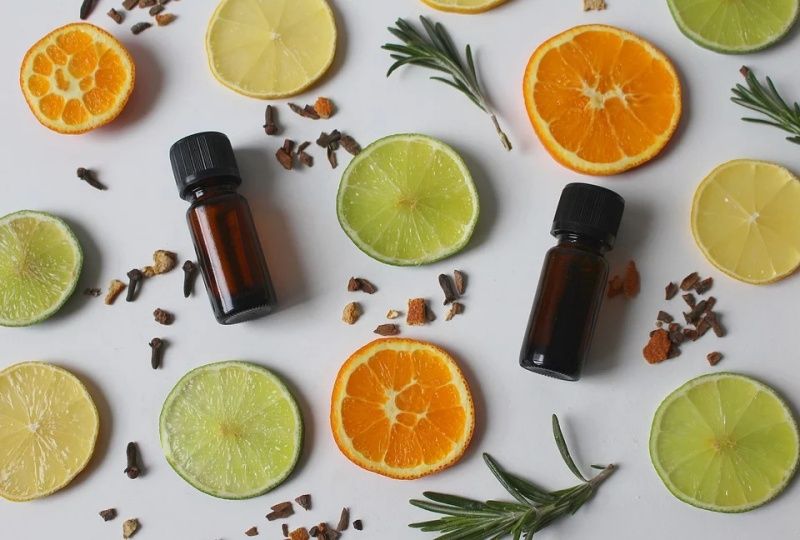
cosmetic cream, oil, orange on a gray background


And not only that, conventional cosmetics makes little or no distinction between depigmenting substances and anti-aging antioxidant substances (anti-aging), which is rather the effect produced by antioxidant molecules. Probably for marketing reasons, since antioxidants seem to be more fashionable.

Logically, along with the skin rejuvenation effects, there are also effects of regeneration of the epidermis and uniformity of the tone. But, in the case of antioxidant substances, we would say that these are effects associated with the general skin rejuvenation effect, which is what makes these antioxidant substances so fashionable: vitamin C, vitamin E, vitamin B3 or niacinamide, vegetable antioxidants such as blueberry extracts or resveratrol …

And it is that substances such as ascorbic acid and vitamin E, antioxidants par excellence, manage to increase the photoprotection and barrier function of the skin itself …

https://scielo.isciii.es/pdf/ars/v59n2/2340-9894-ars-59-2-77.pdf

According to Celia Castaño Amores and Pablo José Hernández Benavides from the Department of Pharmacy and Pharmaceutical Technology of the University of Granada.

The antioxidant cosmetic active ingredients reveal their effectiveness in the course of cellular senescence, thanks to their ability to neutralize the harmful products that are generated. The joint action of ascorbic acid and vitamin E stands out. Others, such as retinol derivatives, carotenoids, vitamin B3 and flavonoids have been shown to have a beneficial effect”. Concluding these researchers: In order to treat and prevent skin aging, the application of active antioxidants is essential”.

BIBLIOGRAPHY:

Addor FAS. Antioxidants in dermatology. A Bras Dermatol. 2017; 92 (3): 356-362

Burke K. Mechanisms of aging and development: A new understanding of environmental damage to the skin and prevention with topical antioxidants, Mech Aging Dev. 2017

Poljšak B, Dahmane RG, Godić A. Intrinsic skin aging: the role of oxidative stress. Acta Dermatovenerol Alp Pannonica Adriat. 2012; 21: 33–36 to treat and prevent skin aging, the application of antioxidant active ingredients is essential.


However, depigmenting substances, in principle, are not anti-aging substances. Although, as we know, especially if they are of plant origin, they have many other associated properties, including rejuvenating properties, since plant molecules act synergistically, enhancing their effects between them.

Depigmenting substances of plant origin are molecules that inhibit the action of tyrosinase, such as the glabridin contained in licorice, and that have skin lightening properties that inhibit the production of the enzyme tyrosinase. As we know, this enzyme is the one that synthesizes the melanin that makes our skin darken after exposure to the sun. This substance is also known to prevent pigmentation that occurs due to UVB rays from the sun.

Or the arbutin derived from the leaves of bearberry or uva ursi, which is a natural depigmenting molecule that also acts by inhibiting the synthesis of melanin and which breaks down into hydroquinone when it comes into contact with our intestinal flora. However, it does not have the cytotoxic effects of synthetic hydroquinone, which makes it possible to use it regularly. It also has sebum-regulating, antiseptic and anti-inflammatory properties.

The liquorice extract can be obtained very easily by preparing an infusion in oil (or oleate) or, also, a hydro glycerinated extract. And, likewise, it is possible to obtain the active principle of arbutin from the leaves of the bearberry (or uva ursi), to make our own facial creams and serums.


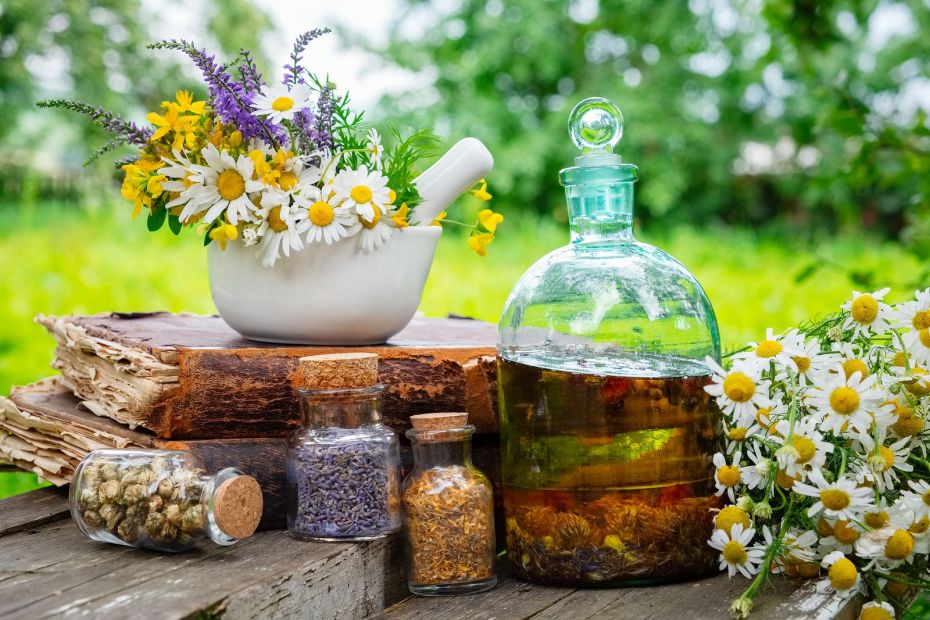
This is the reason why knowing how to prepare extracts in natural cosmetics is so interesting. We can prepare an extract from almost any plant with cosmetic properties, only in some cases we will use the flowers, in others the leaves, as in this case, and in others perhaps the roots or seeds.

 If we want an extract to integrate into the oily phase of our cream or cosmetic preparation, then we will prepare an oleate with the plant in question as we have done, then with the leaves of the bearberry.

If we want to integrate it into the aqueous phase, we can prepare a hydroalcoholic tincture or a glycerinated extract. This example that we have taken from the internet is interesting because it shows us a special combination of hydroalcoholic glycerinated extract for natural cosmetics that we can easily integrate into the aqueous phase of our creams and serums.
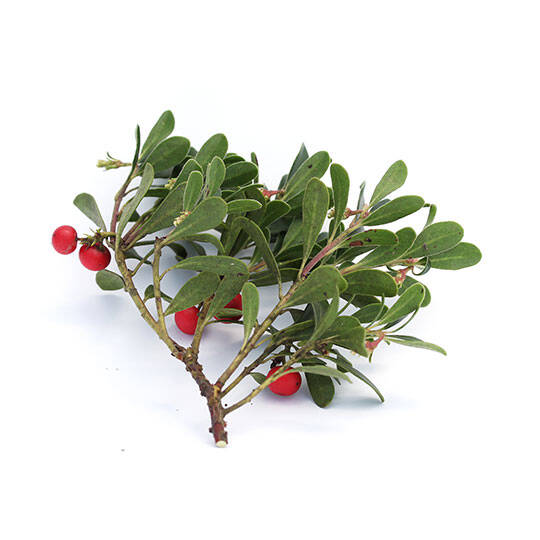
 

EXAMPLE OF HYDROALCOHOLIC GLYCERINATED EXTRACT OF GAYUBA (uva-ursi):

We will use the following ingredients:

Gayuba: 20gr

Mineral or distilled water:33gr

Alcohol of 70º:33gr

Vegetable glycerin:33gr


The ratio will then be 1: 5 in a hydroalcoholic glycerinated extract, that is, an extract composed of plant, in this case gayuba, and solvent formed by water, alcohol and vegetable glycerin.

Just pour the ingredients into a glass jar and leave them for about 10-15 days in a cool, dry place, sheltered from light. We will shake from time to time to check that the solvent covers the entire plant. Then we will filter and you are ready to add in our cosmetic formulas.

We will add it around 7% in a cream of depigmenting effect.

As we said, we can also prepare an infused oil very easily with the dried leaves of the gayuba and a quality vegetable oil, and include it in our preparations.


EXAMPLE OF DEPIGMENTING FACIAL LOTION BASED ON GAYUBA OLEATE and cold infused because the sucre ester emulsifier allows it.

Ingredients to prepare about 100 ml of lotion:

5 tablespoons (10 grams) of hydrosol

4 tablespoons bearberry oleate

3 tablespoons of sucre ester

And a few drops of preservative and, optionally, some AE with depigmenting properties.

As you know, we like minimalist recipes with quality natural ingredients and selected active ingredients. Not by adding more ingredients the recipe will work better if the ingredients are not well combined or are natural.

We have seen many recipes for lotions, even formulated with sucre ester, that make life very complicated by adding a co-emulsifier to the sucre ester, or xanthan gum to thicken the solution, etc. It is not necessary if we add enough sucre ester. With this we simplify the recipe without reducing quality and make it accessible to everyone who wants to make easy and effective homemade cosmetics.

PROCESS:

1.-We will pour the oil into a bowl and then we will add the sugar ester, stirring very well with the rod. (If you see that it does not finish curdling, simply heat it a little in a water bath and you will see that it thickens very quickly).

2.-Now we will pour the hydrolate (we have chosen rockrose hydrolate, which combines very well in this anti-aging cream) and we will mix it vigorously for 2 minutes until the mixture begins to thicken and whiten.

3.-Finally, we will add the preservative, if we wish, to preserve our cream from microorganisms and, optionally, vitamin E or some treatment AE. Now we can bottle our moisturizing lotion.

We have chosen benzoin tincture as a preservative because we want it to also serve as an active principle to help unify facial tone.

We are going to use the tincture of benzoin, which we have previously prepared following Virginia’s guidelines, from natural tricks, in our facial lotion. And we are going to add it to 2%, which will mean about 20 drops of tincture, since the lotion that we are going to make has a total of approximately 100 ml.

Here we leave you the link to Virginia’s entrance in “trucos naturales” website, where she explains the clarifying and preservative properties of the tincture of benzoin:

https://escuelaherbal.com/benjui-que-es-y-para-que-sirve/

Plus, thanks to the benzoin tincture, our cream now smells delicious!


In a future post we will prepare a serum with niacinamide which, as we explained before, is a vitamin with very interesting antioxidant, anti-aging and facial tone properties.


Dihydroquercetin is also a depigmenting substance discovered in recent times and which has great potential since, in addition to being depigmenting, it is a powerful antioxidant.

This plant substance is an exception with great potential in the world of antioxidant substances and active principles for natural cosmetics. Dihydroquercetin extract, also known as taxifolin, is extracted from Russian dahurian larch (Larix dahurica) and is being used in natural cosmetics with great success given its comprehensive facial rejuvenation properties.

The molecule inhibits melanin synthesis measured in vitro more effectively than arbutin and kojic acid and is also a powerful protector against skin photoaging given its high antioxidant capacity, which in tests shows superior efficacy to vitamin E and resveratrol.

We, at the level of molecules of plant origin with depigmenting as well as antioxidant capacity, want to highlight the powerful effects of turmeric, available to everyone, and whose bioactive component, curcumin, has been recently proven (Ayurvedic cosmetics know this for millennia) that has anti-inflammatory and antioxidant properties that attenuate acne scars and dark spots.


BIBLIOGRAPHY:

A recent study found that turmeric essential oil can brighten the skin in three weeks. These brilliant benefits are likely the result of powerful antioxidants and anti-inflammatory compounds that work together to heal and enhance skin’s natural health.

https://www.sciencedirect.com/science/article/abs/pii/S0944711316302549?via%3Dihub

We know that the sun’s rays are the skin’s worst enemy, causing burns, skin cancer, hyperpigmentation and wrinkles. However, it has been seen that the powerful antioxidant effects of turmeric can help delay damage, thus acting as a potent anti-aging molecule.

https://www.sciencedirect.com/science/article/abs/pii/S0378874118305221?via%3Dihub

Anti-aging properties of Curcuma heyneana Valeton & Zipj: a scientific approach to its use in the Javanese tradition.


BATH AS MEDITATION

And a way to learn to love and take care of ourselves.

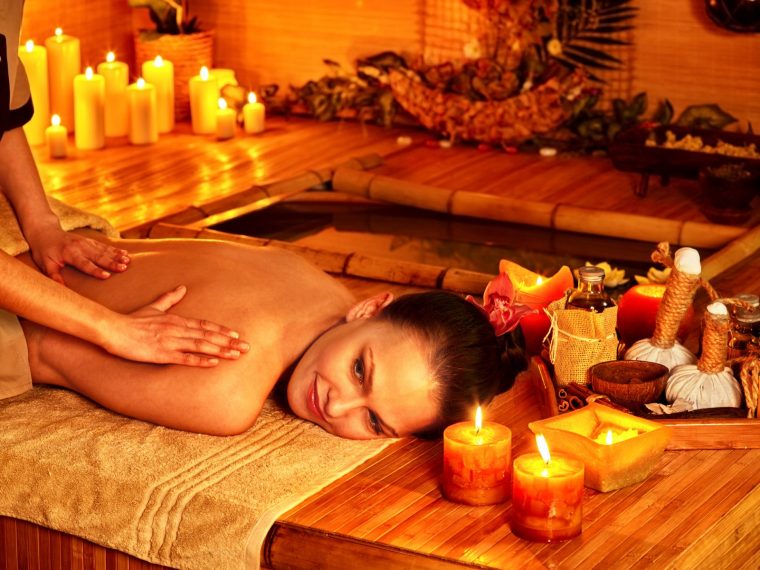
As our world goes global and cultures collide, there is a growing focus on happiness practices. Yoga, sound baths, drum circles, meditations, the list goes on. These practices can be life changing. But it is important that we treat daily tasks that we may consider “mundane” as an opportunity to grow as well. Taking a bath is one of those tasks that, if done with intention, can prepare us to experience greater happiness, self-love, and connection.

Meditation has been shown to promote happiness in those who practice it. However, there are many forms of flow that can be treated as a meditation. Taking a bath with salts is one of them.

Water, since ancient times has been highly valued for being the vital liquid necessary for the biological processes that make life on our planet, and speaking specifically of human beings, we need it to be able to carry out many activities. Without it, we simply could not survive. Water is vital for the processes at the cellular level that take place in our body and, it is well known, that our cells are made up of a significant percentage of this liquid.

This relaxing effect that water has on our body helps us fight stress and sleep better, in addition to reducing some discomfort that we may have at the muscular level, such as back and leg pain and it can also provide us with relief from joint pain. Although, when we take a shower we can feel these effects, there is nothing like immersing ourselves in a bathtub to feel them to the fullest.

This is due to the fact that by being able to submerge our entire body in water, the temperature acts globally and because of the position we can be more comfortable for longer. This type of hydrotherapy bath is called an immersion bath and many people like to use bath salts that also have specific effects on the body acting from the skin.


HOW TO TAKE A BATH WITH THERAPEUTIC SALTS PROMOTES A BETTER SLEEP

Lack of sleep and insomnia can cause a lot of negative symptoms including impatience, anger, depression, weight gain, decreased brain capacity and higher risk behaviors.

One way the bathroom can help us sleep better is through thermoregulation. Body temperature  can affect our energy levels throughout the day. Studies have shown that a hot bath or shower between 30 and 90 minutes before bedtime raises the core temperature, triggering a drastic cooling afterwards and promoting better sleep.

The lighting of the bathing area is also important for the quality of sleep. According to the National Sleep Foundation, artificial light after dark can suppress the production of melatonin, the sleep-inducing hormone, and make it harder to fall asleep and stay asleep.

Also, the magazine “CuerpoMente” collects this idea:  “An excess of light in the hours before the rest or during the night, the emissions of the mobiles and the electromagnetic fields, can also affect the production of the hormone. The color of light influences the secretion of melatonin. Blue light, which corresponds to a wave with short length, is able to suppress melatonin at low intensities. This type of light dominates the LED screens of mobile phones, tablets and TVs”.

https://www.cuerpomente.com/salud-natural/tratamientos/como-producir-tener-mas-melatonina_1676

It is therefore necessary for us to make sure that we use soft lights and that we stay away from mobile phones and screens a few hours before going to bed.


THERAPEUTIC BATH ROUTINE

Before starting our night bath, we will prepare everything necessary to go to bed immediately afterwards. For example, towels, skin care products, socks, slippers, and pajamas. We will charge and silence the phone. We will brush our teeth. In short, everything you need to leave the bathroom relaxed and ready to sleep better.

Even during the bath, it is possible to recite mantras that help us relax and empower ourselves:

I give myself permission to live more slowly.

I passionately indulge in this moment of supreme relaxation.

Everything I need to be happy is in me.

I deserve the love that I give to everyone else.

Finishing the bath with a self-massage is one more way to promote a positive message of self-esteem towards ourselves.


THE PREPARATION OF BATH SALTS

Nowadays it is possible to find different centers specialized in the sale of bath salts that have a wide variety of them; so, we can choose those indicated to treat different conditions, from skin fungus and irritation, to joint inflammation and other types of discomforts.

And we can also prepare our own bath salts as we like to do on our blog😊

To prepare a bath with salts, it is recommended that we fill the bathtub three-quarters with hot water and that we add one or two cups of salts to dissolve them. Next, we can add a little cold water to regulate the water temperature before we dive.

These salts can be prepared with essential oils that have different relaxing and stimulating properties, such as lavender, rosemary, roses, jasmine, chamomile, almond, mint, among others.

We suggest that to prevent your skin from drying out excessively, do not take baths with salts more than twice a week. Of course, you can also prepare salts and bath bombs with added delicious oils that will avoid this problem. Better yet, you can slather on your favorite body oil right out of the bathroom, before you dry off. The water will help your oil spread very quickly, providing you with a high level of hydration that will counteract the dryness that bath salts may have caused.


Sometimes, just a little extra virgin olive oil, if it’s what you have at home, can already solve the question since olive oil is emollient and softening and, due to its high level of antioxidants, turns out to be a good anti-aging oil.

To make basic bath salts we will only need:

1kg of coarse sea salt (it must be coarse), salts from the dead sea, etc, or it is also possible with a slightly lower amount of pink Himalayan salts.

Optional: * Food coloring (we can choose the color we want but we will have to add enough drops of it if we want it to have a little color).

Essential oils (they are the ones that will give smell to our mineral salts and provide therapeutic qualities. We will choose those that we consider appropriate to the situation we want to treat; it is always advisable that we do not exceed 10 to 12 drops).

Optional: * About 10 grams of dried flowers (for example rose petals) or other herbs such as dried lavender flowers, lemon or orange zest, etc …


Homemade bath salts step by step:

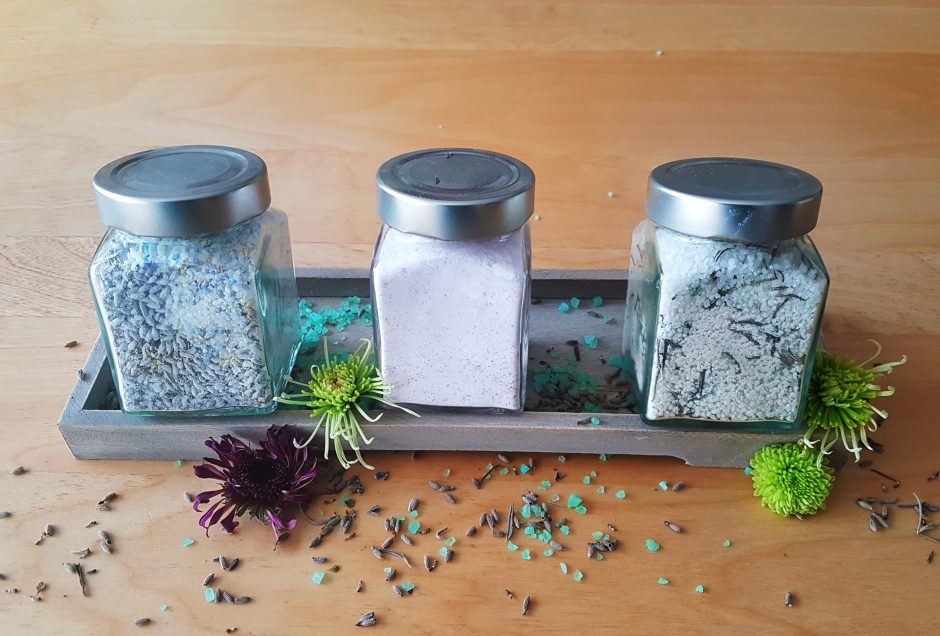
The first thing to look for is a suitable container for the process of making the salts. You can serve any glass container, typical of any kitchen, but always with a lid.

In this container we will add the coarse salt and little by little the drops of coloring. These drops will be responsible for giving this particular color that bath salts present. We will close the container and shake it until the coarse salt, little by little, has a uniform color.

Once we have the color, it is time to add the essential oils. After adding the drops of essential oils, we must shake our jar again so that the essence is evenly distributed throughout the salt.

After this step, it will be time to add our dried flowers or any other aromatic element that we want to incorporate into the homemade bath salts.

We will then let our salts dry for about a couple of hours. To do this, we will spread them on a tray.

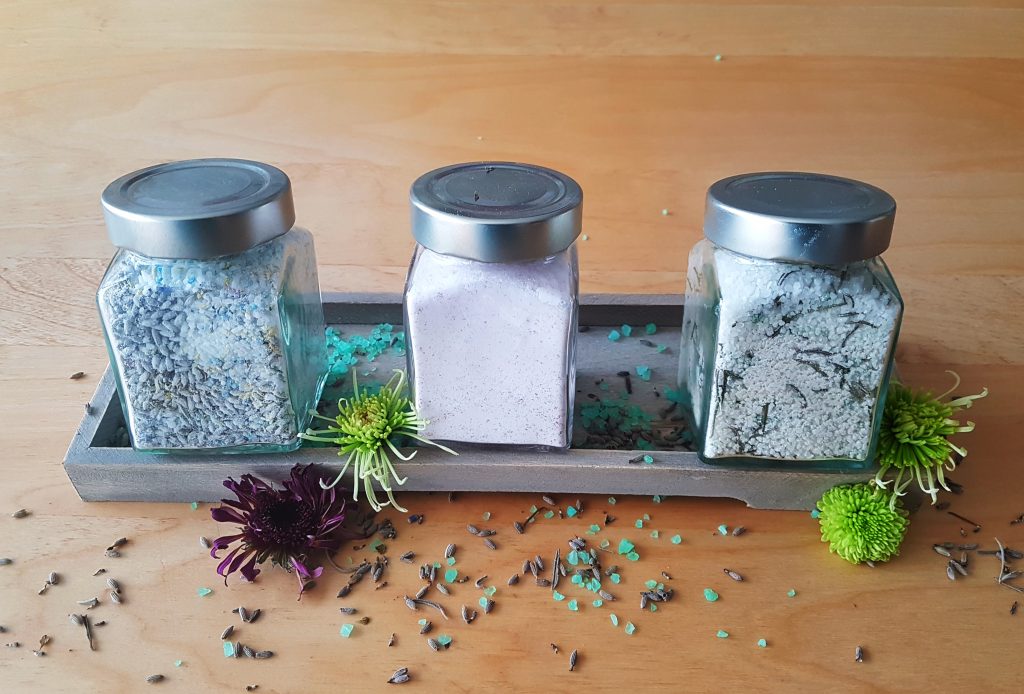
When they are completely dry, we can put them in a nice glass container and leave them as decoration in the bathroom. In addition, if we use them in the bathroom, (it is also possible in a tub for the feet) we will enjoy completely homemade bath salts, with an aroma and texture difficult to find and interesting cosmetic properties.

As you can see, it is a fairly simple process, in addition, we can also make them as a gift, placing them in a beautiful pot we will get a most original and handmade present.


And if we want to prepare salts for their healthy properties, in this section we provide you with three different recipes. And it is that, according to the essential oils and herbs that we add to our salts, we will achieve one effect or another.


BATH SALTS PROPOSAL FOR TIRED AND SORE MUSCLES

If you have tired and sore muscles, we suggest the following bath salts recipe:

What you will need:

Cup and a half of Epsom salts

1/2 cup coarse sea salt or pink Himalayan salt

1/2 cup of baking soda

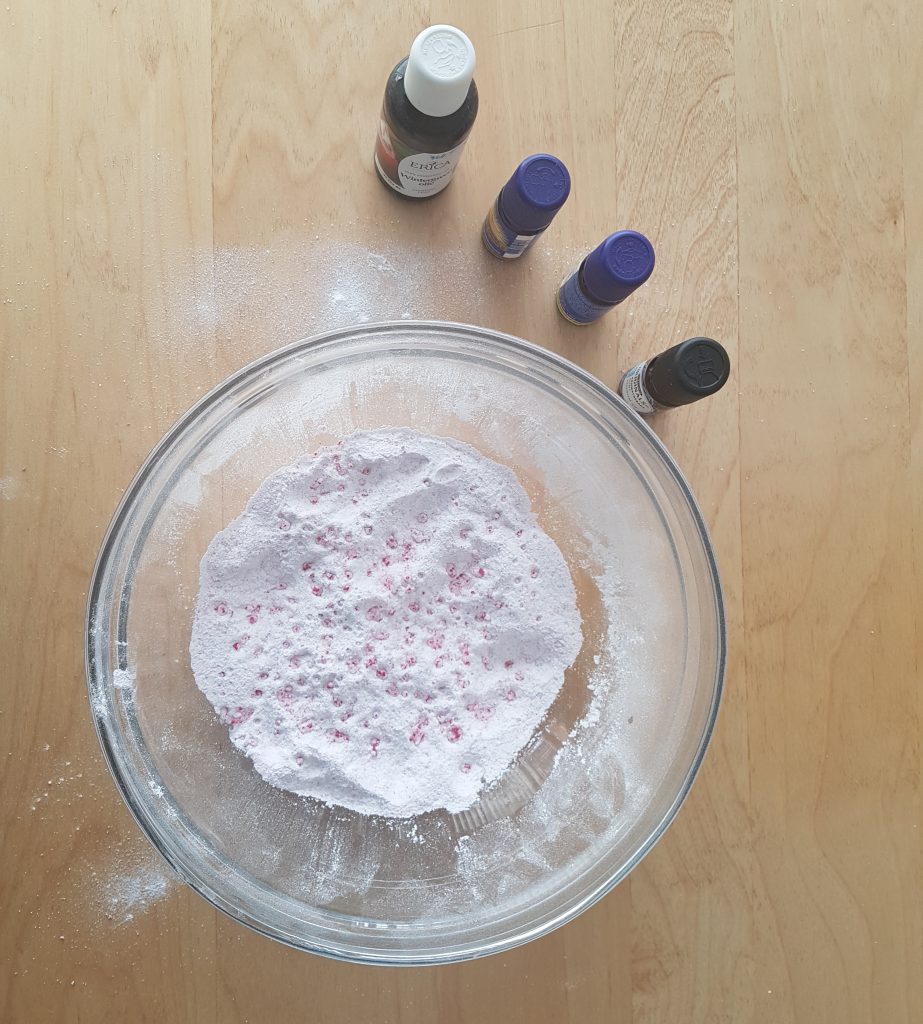
6-8 drops of Essential Oils to relieve muscle pain: Peppermint, clove, wintergreen and Helichrysum

Blue food coloring (optional)

PROCESS:

Mix the Epsom salt, sea salt, and baking soda until well combined. Add essential oils and food coloring (optional) for soap or food and continue stirring until the oil and color are evenly distributed. Store the salts in a large glass jar.

When you feel your muscles sore due to a strong training, also rheumatic pains, etc., you can immerse yourself in this salt bath that will undoubtedly help you to recover and sleep better.


DISTRESSING AND RELAXING BATH SALTS PROPOSAL WITH LEMON AND LAVENDER

If you are stressed and cannot fall asleep, these salts will help you to achieve it: The scent of lavender is calming and relaxing, and is often used in insomnia and stress reliever products. Lemon radiates a clean, fresh fragrance, and lemon oil is often added to skincare products to reduce the appearance of blemishes and increase circulation. The combination of lemon and lavender is an ideal complement in the bathroom when we want to guarantee a good night’s sleep!

What you will need:

3/4 cup Epsom salt

1 tablespoon pink Himalayan salt

1 tablespoon dried lavender buds (or 5 drops of lavender essential oil)

The zest of half a medium lemon (or 5 drops of lemon essential oil)

PROCESS:

If you wish, you can substitute 5 drops of lavender essential oil and 5 drops of lemon essential oil for dried lavender flowers and fresh lemon. Essential oils are very stable, so our salts will have a longer shelf life without fresh ingredients being replaced by essential oils. Logically, if we are going to use the salts soon, the fresh ingredients will add much more life and freshness to our salts.

Combine the Epsom salt along with the Himalayan salt, then carefully mix the lavender flowers and / or essential oil. Grate the lemon into the salts (or add lemon essential oil), stir, and then let it sit for about 20 minutes so the ingredients mix well.

You can now store your salts in a glass jar and use them by adding them to warm bath water to enjoy a stress-free bath.


ANTI-FLU AND DETOXICANT BATH PROPOSAL WITH GINGER AND ROSEMARY

The addition of dried rosemary and ginger powder to these salts is very suitable in cases of respiratory infections and fever, as it stimulates sweating, helps lower fever, and also provides powerful antibiotic principles such as gingerols from ginger and carnosol from rosemary. It is also indicated in cases of bronchitis and cough.

Ginger baths help increase circulation, warm us up in winter and fight our pain, colds or flu.

To these salts it is also possible, in case we really have colds, add essential oils of peppermint, eucalyptus and camphor. This synergy of oils, together with rosemary and ginger, will exert a very powerful action when it comes to lowering our fever and enhancing our defenses against winter viruses.

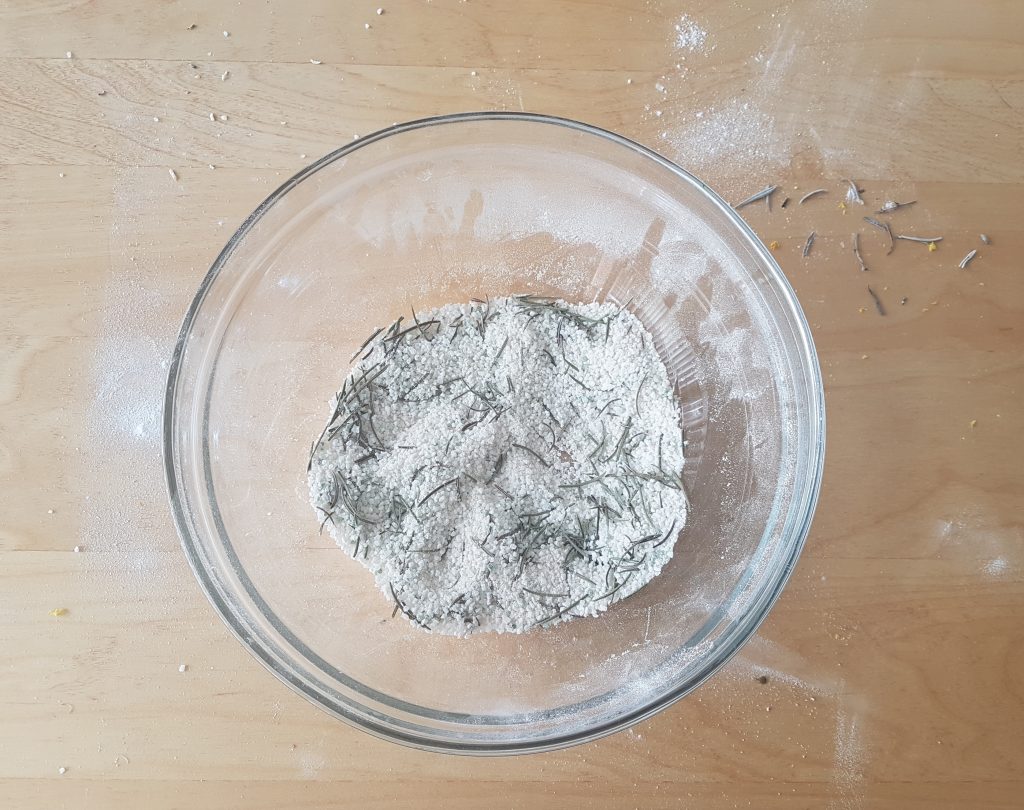
These salts are also very easy to prepare. Simply, we prepare a hot bath and pour out our already prepared bottle of salts, which will contain:

1 cup Epsom salt (or sea salt)

1 tablespoon ground ginger

2 to 3 tablespoons of dried rosemary

Regarding the antibiotic and decongestant benefits of rosemary, it is not necessary to explain anything else, as they are well known by all, that is why we wanted to endorse the benefits of ginger as a useful spice to “warm up” ailments due to winter cold:

Potential Ginger Benefits: Ginger has been found to be anti-inflammatory and helpful in treating rheumatic and arthritic conditions that feel better when heat is applied. Ginger helps warm and energize the body when you are cold and is therefore also a great help with colds and flu when chills and congestion are among the symptoms. It is also a great relief from stomach upset, nausea and vomiting caused by stomach viruses.

Here are just a few of the interesting scientific studies on dried ginger on PubMed:

Dried ginger and inflammation (PubMed ID 23935687)

Dried ginger and antioxidants (PubMed ID 26799205)

Plus dozens more studies on ginger (PubMed search dry + ginger)

It is important for us to know that if we have blood pressure problems, bleeding disorders, or are taking blood thinners or other similar medications; we may want to consult a healthcare professional before using large amounts of ginger in therapeutic doses.

As with all medicine, natural remedies are highly effective, but not harmless. It is advisable not to exceed the amounts and act prudently, especially because with a hot bath our body temperature can increase considerably and also the stimulating effect of all these remedies.

AYURVEDIC BEAUTY ROUTINES

Our mood and health is reflected not only in our skin, but also in our attitude to life and to others. That is why, when we talk about beauty, we do not speak from a superficial or aesthetic point of view, but as an attitude of life.

The secret of lasting beauty is not outside of us, but emanates from the depths of our body and mind. For Ayurveda, beauty is the projection of how we are internally, both physically, mentally and emotionally. And it is not, of course, to consume lots of products that assure us that they will work miracles in our body and in our skin, when, the truth is that that “magical” ingredient does not exist bottled.

All Ayurvedic beauty products that are applied to the skin are totally natural. For the most part, they are made with ingredients that we can easily find in any kitchen, and those that are somewhat less common, are just as easy to find. If we are also able to introduce certain daily routines on a regular basis, these products not only provide cleaning, hydration and nutrition, but also calm and eliminate tensions.

The principles of cleansing, nourishing and moisturizing apply to facial care.

According to Melanie Sachs, author of “Ayurvedic Beauty Care“, a five-minute routine like this is enough:

1.- Wash your face well with warm water. “Dead skin cells will absorb water like small sponges and swell, making them easy to remove,” she says.

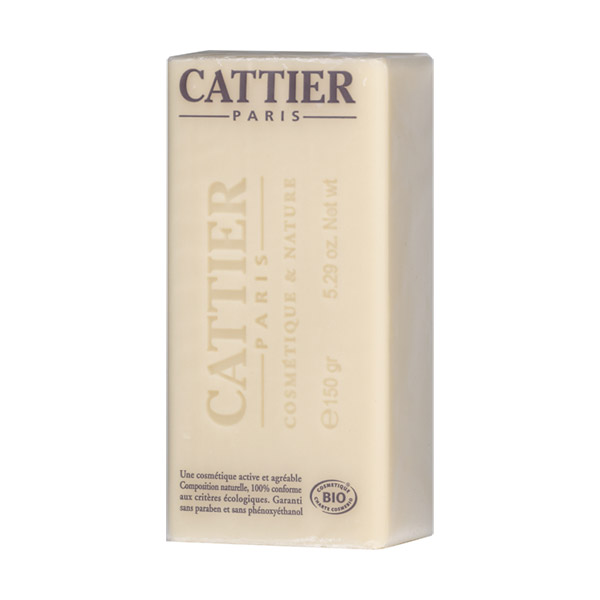
Normally, Ayurvedic cosmetics recommend using chickpea flour or oatmeal paste with water to wash the face. Undoubtedly, they will not be bad for us, but if as many Westerners you are used to the use of soap all of your life, make sure it is a neutral soap, glycerin soap, or cold saponified soap, like those of the Cattier house (which leave the skin as the bottom of a baby), or those that we teach you to make in this blog, to prevent your skin from drying out excessively since soaps are very alkalizing in general.

If, beforehand, you need to remove your make-up, use a soft and natural micellar water or, better yet, a vegetable oil, as Sara Montiel (famous Spanish actress) did, who removed her make-up with the old-fashioned olive oil.


2.- Place a little running water or rose water in an atomizer and spray your face a few times to moisten your skin.

3.- While your face is still wet, apply a thin layer of jojoba oil to seal the moisture. According to Sachs, jojoba oil is the closest to skin fat, so it is very unlikely to cause irritation.

It is often thought that oil does not hydrate enough and that is better to use creams (which are also very good if they are natural or made by yourself); but it is not exactly like that. The oil moisturizes, it does not hydrate, and that is why in the previous step a hydrosol is used before applying the oil, and then, we have the perfect mixture! …

These herbs and vegetable oils that are used in the elaboration of creams, masks and other Ayurvedic beauty rituals are perfect foods for the skin. But beauty for Ayurveda goes beyond the skin, has to do with harmony, the balance between body, mind and spirit and proposes daily routines to achieve it through cleaning and internal nutrition, the use of spices, foods and oils favorable for each type of skin, rest, detoxification, yoga and meditation.

It is important to remember that the skin is the largest organ in the body, consisting of seven cellular layers and, in addition, each of these seven layers is directly related to one of the seven  dhatus (body tissues). Together, they are the main way to detoxify the body topically. According to Ayurveda, the skin is an important channel of secretion (elimination of toxins) and absorption of nutrients, regulates body temperature and produces a lot of endocrine hormones. It is the first line of defense against external attacks and reflects everything that happens within us.

Everything we put on our skin goes straight into the bloodstream, distributing throughout our body. For this reason Ayurveda tells us “don’t put anything on your skin that you can’t put in your mouth”.

We can say, then, that the state of our skin speaks to us of our state of health and that of our emotions. Its care not only brings us beauty, but is fundamental in our health, in the same way that we must take care of ourselves inside, both physically and mentally, to be able to radiate all our inner well-being. In short, we must take care of ourselves inside and out because they are parts of a whole.

The secret of absolute beauty is to live in harmony with our natural design and our base constitution, be it a Vata, Pitta, or  Kapha constitution:

Malnourished and dry skins (skins with predominance of Vata) need more earth, water and fire (more influence of  Kapha and Pitta).

Sensitive skins with a tendency to redness and dermatitis (skin with a predominance of Pitta) need more space, air and ground (more influence of Vata and Kapha).

Oily skins (skins with predominance of Kapha) need more fire, air and space (more influence of  Vata  and  Pitta).

NOURISH AND MOISTURIZE THE SKIN ACCORDING TO OUR CONSTITUTION

Prepare a body oil by mixing two tablespoons of almond oil with 10 drops of an essential oil indicated to your skin type:

To nourish and moisturize dry skin “vata”, we will use sweet orange or geranium.

To nourish and moisturize sensitive skin “pitta”, we will use jasmine or sandal.

To nourish and moisturize oily skin “kapha”, we will use lavender or bergamot.

Beauty is the perfect balance of the five elements that make up each person.

The way to achieve this balance is to find out what our base constitution is and follow some habits of life that allow us to stay in balance. We achieve this through the power of the flavors: sweet, sour, salty, bitter and astringent, since each of them also arises from the combination of the five elements and that will make our own elements hydrate, nourish, cleanse or simply rebalance. We will use one or the other, depending on what we need, both externally and internally.

Experts in Ayurvedic beauty agree: to cultivate radiant skin and a sense of inner balance you have to design a daily routine  with some activities that promote health.

DIET: In general, Ayurveda recommends a healthy and comprehensive diet (mainly vegetarian) for all constitutions. Fatty, fried, refined and processed foods, salt, sugar, seafood and red meats can cause skin problems, so it’s best to avoid them.

EXERCISE AND SLEEP HYGIENE:  Ayurvedic experts suggest exercising at least five times a week until you perspire along the spine and under your arms. Exercise promotes perspiration (which releases toxins from the body), increases circulation and calms the mind.

And going with a regular schedule of restful sleep like going to bed at the same time every night and getting up at the same time every day because, as Dr. Mehmet Oz explains in his book: “You: Being Beautiful“: “Sleep and exercise stimulate growth hormone, which promotes increased production of collagen and elastin to keep skin tight.”

PRACTICE YOGA TO HAVE RADIANT SKIN:  Incorporate a balanced practice of yoga in your daily routine (if we have not yet done it) improves lymphatic and blood circulation, tones the muscles and helps us connect with our breathing, three actions that improve our beauty to subtle, but important levels.

The recommendations, according to dr. Deepak Chopra’s Ayurvedic Center, also include drinking plenty of water and making our own cosmetics to moisturize the skin:

“-Know your skin type.

-Watch what you eat. If your body metabolizes food correctly you will increase your energy, avoid illness, have more mental clarity and your skin will look healthier.

-Enjoy a restful sleep. Light dinner, meditate before bed and lie down earlier to get up with renewed energy and glowing skin.

-Meditate to combat stress. Meditation is one of the best practices to reduce the anxiety and tension of the day, you will notice how you recover the shine in the look and in the face. Take a few minutes a day to breathe consciously and deeply. In addition to calming the nervous system you will improve the oxygenation of the skin and help it to purify.

-Drink plenty of water and moisturize your skin. We already know, but sometimes we forget that our body is composed of 60-70% water, so you have to drink abundantly to help the normal functions of the body (such as the elimination of toxins) and to return its good appearance.

-Make your own cosmetics to moisturize your skin. Choose a vegetable oil adapted to your skin (sesame for dry skin or almond for oily and normal skin) and massage yourself throughout the body without forgetting the head, neck, forehead, belly and soles of the feet. Your skin will regain elasticity, calm the nervous system and lubricate the joints.”

And it is important to lead a healthy lifestyle (which includes diet and activities), according to our constitution, but it is also important to pay attention to the quality of everything we consume, not only orally but also topically. In Ayurveda there is a saying that says, “Don’t put anything in your skin that you wouldn’t put in your mouth.”

Nothing better than cosmetics made by oneself to avoid introducing toxics into our body and to recover the natural shine of our skin. The raw materials with which we are going to make our recipes are important. A priori it seems very complicated, but, in reality, Ayurvedic beauty products are very basic and simple to make and, shortly after starting to use them, you start to notice how your skin is getting prettier.

Nowadays it is difficult to choose our cosmetic products since there are endless possibilities and, in addition, it is increasingly common to find labels that tell us that they are made with natural products of organic production. It is what in the article on “the movement of natural cosmetics ” we have called “greenwashing“, which is a strategy to sell more and better because consumers are increasingly more annoyed with the amount of chemicals that surround us and that are included in our shampoos, shower gels and other cosmetics and hygiene products.

The moment you ask yourself which cream to buy, stop and think if you understand and know the components that it carries, what they consist of, and if they are components that you could ingest without getting intoxicated.

Therefore, making your own cosmetics, in many cases with oils and ingredients from the pantry, will save your skin and the environment a lot of toxic chemicals.

We hope that these recommendations will inspire you and help you understand that the way to shine with all our splendor is much simpler than we think. 


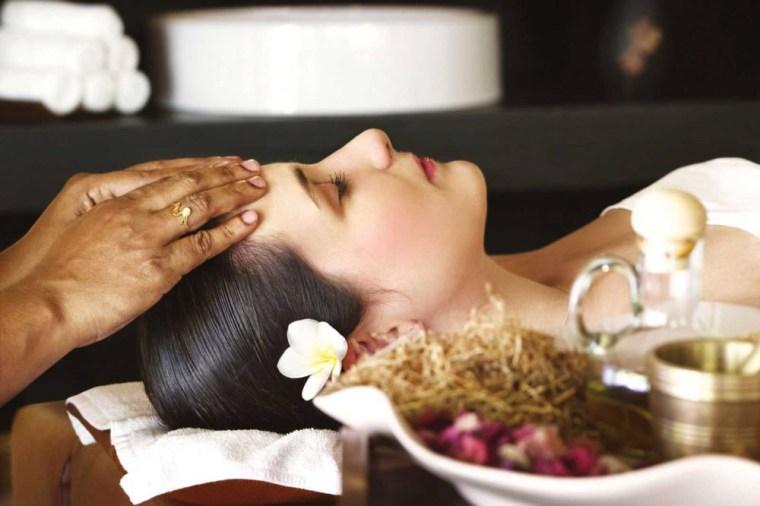
We want in this article to highlight the importance of some beauty and skin care routines that, normally, it is not convenient for us to perform on a daily basis, but that have a decisive importance in the care and regeneration of our skin in the long term.

In our post “Feeding your skin inside and out we talked about beauty routines to keep our skin cared for and toned.

Thus, we expressed the importance of wearing face masks and exfoliants once a week to cleanse the skin of dead cells and regenerate it.

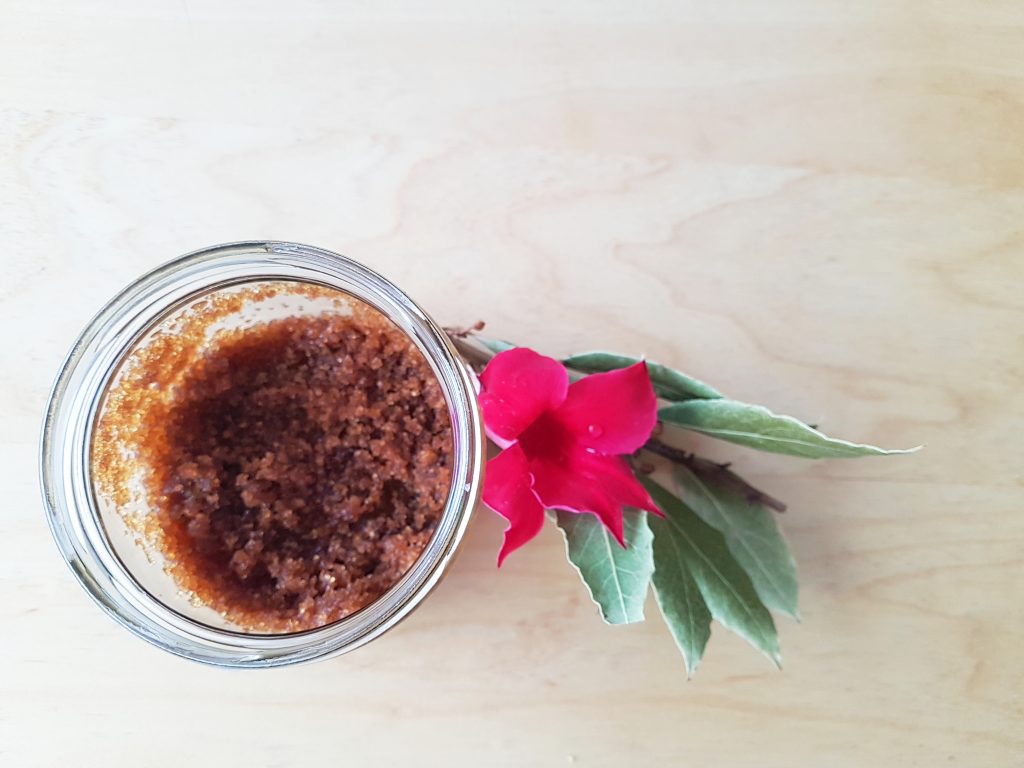
Facial exfoliation, and, if possible, body exfoliation with raw sugar and oil, is very interesting when it comes to regenerating our skin and standardizing the tone.

I also really like the body exfoliation with sea salt because it leaves my skin very hydrated and sea salt provides minerals and trace elements. However, I understand that exfoliating with brown sugar is especially interesting for the skin of our face since sugar contains a proportion of glycolic acid that chemically exfoliates the skin when it melts into the epidermis.

Just a tablespoon of a vegetable oil of your choice for a tablespoon of brown sugar. This combination can be applied directly by massaging well and then rinsing with water. After that, it would be great if you spread some serum or vegetable oil appropriate to your skin type.

If you prefer to prepare a container with exfoliant for a few occasions, an interesting ratio would be to use three parts of sugar for one of oil. Many people also like to add a small teaspoon of honey to enhance the regenerating effect of this combination.


And always, after a good body exfoliation, a massage with oils is very convenient.

Argan oil is anti-aging  and is perfect for all skin types, but we can vary the pleasures with hemp oil (avoids itching and redness) or apricot oil (tonifying), rosehip oil (regenerator), borage oils, macadamia or avocado(very moisturizing), or jojoba, and, perhaps, hazelnut oil if we have oily skin.

In any case, and as we always say, it is more important to massage yourself with a culinary olive oil if you have nothing else, than to use a synthetic body moisturizer.


According to the Charaka Samhita, massage with oils appeases the doshas, improves the complexion and shine of the skin, tones the muscles and acts as a natural moisturizer. For these reasons, he explains, Ayurvedic body massage is “one of the most effective means of slowing down the aging process of the skin…. It purifies, nourishes and tones the body at a deep cellular level.”

A few small gradual adjustments in our daily lives and spend more time taking care of us, can make us happier and healthier and, therefore, increase our beauty improving the way we see ourselves.


THE TRUTH ABOUT GRAPEFRUIT SEED EXTRACT

And why it seems to us to be a suitable preservative in natural cosmetics.


Much is being speculated lately about this synthetic preservative that is obtained from the polyphenols of grapefruit pulp and seeds.

The discredit about this preservative comes from sources that after analyzing the commercial extracts deduce that they are contaminated, mainly, of Benzethonium Chloride, which, according to these sources, is the true responsible for the bactericidal action of the grapefruit seed extract since this pure extract and without contaminating it has no effect against molds or bacteria.

In a blog post on natural cosmetics by Mar de Jabón this is very clear: https://mardejabon.wordpress.com/2020/07/19/extracto-de-semillas-de-pomelo

However, in this article we want to offer a different perspective.

To begin with, we want to clarify the exact and real composition of this extract and its synthesis process.

Logically, a natural extract of grapefruit seed and pulp in ethanol or glycerin, does not have any antibacterial properties. But is this really what the main brands producing GSE (grapefruit seed extract, in English) sell us ?: No, it is not this.

Mountain Rose Herbs, one of the most respected and trusted suppliers of organic herbs, extracts and essential oils, lists the composition of the pure GSE they sell (which is probably from the Citricidal brand):

Ascorbic acid- 3%

Glycerol- 36%

Diphenol hydroxybenzene (bioflavinoid grapefruit quaternary compound) — 58.5%

Heavy metals: none detected

Bencelthonium Chloride — None Detected

Methyl Hydroxybenzoate — None Detected

Propyl hydroxybenzoate — None detected

Triclosan- None detected

So even though GSE appears free of other contaminants, it is primarily made up of diphenol hydroxybenzene, a synthetic compound that is, in any case, not classified as certified organic on the Mountain Rose Herbs website.

So where is the deception? In its composition it is clearly specified that it is not a natural preservative, although it is originally one. To clarify it, we are going to detail the synthesis process of grapefruit seed extract.

The process of making grapefruit seed extract:

1.- The pulp and the grapefruit seed are dried and ground until obtaining a fine powder. The powder is dissolved in purified water and distilled to remove fiber and pectin.

2.- The distilled suspension is spray dried at low temperatures to form a concentrated flavonoid powder. This concentrated powder is dissolved in vegetable glycerin and heated.

3.- And here the synthesis phase begins: Food grade ammonium chloride and ascorbic acid (which, in case you didn’t know, is vitamin C of the same that can be purchased in a vitamin supplement) are added and this mixture is heated under pressure. The amount of ammonium chloride remaining in the finished GSE is 15–19%; the amount of ascorbic acid remaining is 2.5–3.0%.

4.- The ammonia mixture is subjected to catalytic conversion using natural catalysts, which include hydrochloric acid and natural enzymes. No hydrochloric acid residue remains after the reaction. The suspension is cooled, filtered and treated with ultraviolet light.

As you can see, this is not a truly natural process, since it is treated with hydrochloric acid and ammonium chloride. After all the chemical reactions occur, the final composition of the extract is made up of about 60% diphenol hydroxybenzene, a chemical classified as quaternary ammonium chloride, the same as bencelthonium chloride. In fact, it is chemically identical to bencelthonium chloride.

This is one possible reason that laboratory tests have shown GSE to be “contaminated” with benceltonium chloride: the laboratory tests possibly misinterpreted diphenol hydroxybenzene.

To continue with our argument, we want to clarify what a synthetic or synthetic compound is, as is the case here.

According to the RAE (Royal Academy of the Spanish Language) the compendium of one thing is called synthesis; to the creation of something from the union of its parts; and, in chemistry, to the process that allows to obtain a compound starting from substances that are simpler. The most common use of the concept is associated with the product manufactured using mechanisms and industrial techniques that allow the characteristics of a natural substance to be reproduced.

Thus, for example, a compound can have a natural origin, as this is the case, since we start from natural grapefruit pulp and seeds, and, from there, start a synthesis process in a laboratory that will turn it into a synthesis product.

And, taking into account its origin, it is possible to classify all known matter into natural substances and artificial substances. Natural substances are those that are commonly found in nature, whether organic or not, as is the case with minerals. Artificial or synthetic substances are those created or manufactured by man, in factories, metallurgies or laboratories, whether they are new and non-existent species, or synthetic replicas of natural compounds, such as resins and synthetic fabrics.

Not everything synthetic is bad, nor everything natural is harmless …

Let’s imagine a chemical substance produced by some plant; for example, vanillin, which is the essence of vanilla. Vanillin is natural and can be extracted from the pods of the plant, but demand exceeds production and therefore natural vanilla beans are very expensive. However, in the supermarket we can find vanilla flavorings at a reasonable price, whose essence is not extracted from the natural source, but synthesized in the laboratory, simply because it is cheaper to prepare it than to extract it from the plant. In addition, the environmental impact of doing it in the laboratory is less, since the overexploitation of natural sources is negative for the environment.

Now, is artificial vanilla worse than natural? Is it bad? The answer is no. The artificial molecule is a copy of the natural one (we are not going to claim that they are identical either because it has been proven many times with supplements that synthetic copies do not offer the same protection as natural elements). However, our vanilla copy molecule has the same taste, smell, and possible harmful effects. Since vanilla is non-toxic, this means that we would have to take several whole jars of vanilla essence at once or eat several kilos of vanilla beans for us to ask for a headache and skin irritation. Something similar could happen with something as natural as water; If we suddenly drank a 20-liter jug ​​of water, we would surely end up in the emergency room of some hospital. It all depends on the amount ingested, that is, the dose.

People call “synthetic” to harmful and bad “chemicals” … Public opinion accuses “chemical” substances of the fact that there are so many pesticides, diseases, poisoned food, etc … but people do not think sometimes in the substances and mixtures that heal, feed, decorate, embellish, dress us or form our homes and furnishings.

And it is that there is intelligent chemistry, which aims to imitate nature with all its successes, although it is not an easy task, and there is less intelligent chemistry, which we are going to call industrial chemistry. Why? Because it consists of those cheap synthetic vitamins that are counterproductive rather than favoring us, or of those compounds that try to imitate natural substances in large quantities and that become toxic substances due to their low bioavailability. We already discussed this issue in the article on alum stone in which we talked about the toxicity problem of toothpastes enriched with synthetic fluorides, and how, when bioavailable fluoride was used, which exists naturally as it is contained in many foods, such as green tea; the problem disappeared.

The problem with synthetic chemicals is that they are manufactured, in many cases, mainly from petroleum products that can be polluting; either because they alter physiological processes and ecosystems, or because they do not degrade adequately. And so we tend to see this harmful part of chemistry without thinking about all the good things that we enjoy today thanks to its development.

We do not think, for example, how difficult it would be to live without “preservatives” because fresh food is becoming popular everywhere as a source of health. But, in our current society, is it really possible to live only with fresh foods, or is it sometimes necessary to consume foods that contain preservatives?

You should know that even the boxes of whole grains for breakfast contain preservatives, as well as the breads or juices with the label of fresh from the supermarket. The fresh gazpacho soup that we now all buy packed in tetra brik, the vegetables for salad packed, etc, etc, etc … And if we decide, therefore, to buy the lettuce totally fresh, it will contain traces of pesticides unless it is from ecological agriculture, in which case, we will also have to wash it very well because it will contain remains of worms, slugs and larvae.

But that is another question. It is the question for which we have initiated this debate. The battle, as always, will be to use the least necessary preservatives and to make sure that they are as natural and beneficial as possible.

And, in natural cosmetics, which is the topic that concerns us in this blog, we must deal with these issues. Certainly, we can prepare creams based on oils and natural emulsifiers such as beeswax that do not need preservatives of any kind, but it is always possible to dispense with lighter and more moisturizing creams and lotions with a water phase that need conservation, with aloe vera commercial gels, containing preservatives, or with the wonderful natural soaps made with caustic soda, which is another synthetic substance?

Or, as has now been evidenced by the Covid 19 pandemic, can we all survive the pandemic without having to get a vaccine (another synthetic compound) and only reinforcing our defenses with natural food and exercise? This is another very controversial issue in the world of natural medicine and naturopathy.

Everything is chemical. What are we, the muscles, the DNA, the proteins, the nails, the hair? Chemical substances and mixtures. The point is that there is more intelligent chemistry, and the chemistry of nature contains great wisdom, and there is less intelligent chemistry.

We believe that it is in everyone’s interest to use less harmful and more biodegradable food additives and preservatives every day, more natural and comprehensive medicines, and better cosmetic preservatives.

And this is the point with the GSE that, as we know, is a synthetic compound but that can be ingested and that many naturopaths use to treat internal infections without suspicion of toxicity or environmental damage as detailed in the base of cosmetic ingredients:

https : //www.ewg.org/skindeep/ or in the publications of the Department of Health of Canada.

Health Canada. 2007. List of Prohibited and Restricted Cosmetic Ingredients. Canada’s Cosmetic Ingredient Hotlist. March 2007.

So let’s take a look at diphenol hydroxybenzone. Why exactly do we want to avoid it?

According to studies by the American National Toxicology Program, it showed no evidence of carcinogenicity or endocrine disruption in a two-year study in rats and mice. However, this study showed that animals treated with bencelthonium chloride had greater inflammation in the body and a slightly lower survival rate than the control group.

Our personal opinion on this is that it is considerably safer than other preservatives.

I, for example, who suffer from dermatitis, cannot tolerate other preservatives traditionally used (and certified ECOCERT) such as Cosgard or Geogard, which is the same (INCI: Dehydroacetic Acid, Benzyl Alcohol) and even essential oils (and we all know that they are totally natural substances), which, in many cases, can cause reactivity in sensitive skins.

Instead, the GSE, along with the Leucidal, are truly soft while still fulfilling their function. If you have sensitive and reactive skin, we recommend these two preservatives. Leucidal tends to work better with emulsions because GSE tends to destabilize them a bit. But, for example, to preserve natural aloe or some other liquid additives, GSE works especially well.

At home, it is possible to make preservative tinctures from resins such as rosin, colophony (or pine resin) and benzoin resin, which are totally natural and have many properties. This issue of preservatives in natural cosmetics is usually controversial, without a doubt, but it is necessary to know the preservatives we can safely dispose of in homemade natural cosmetics and, therefore, I am willing to prepare a new entry on preservatives.

However, we fully agree that as long as it is not necessary to use a preservative, since they are all more or less synthetic with the exception of essential oils, which, on the other hand, are also susceptible of causing reactivity, we will save ourselves a lot of problems.

And I think that in this blog of “slow” cosmetics (almost even Ayurvedic) we show off recipes and minimalist formulations, which many times do not even need preservatives at all.

And so we are determined to continue, making homemade cosmetics as natural as possible.


WHY AYURVEDIC COSMETICS OFFER SUCH GOOD SKIN RESULTS

Unlike Western conventional medicine, Ayurveda is a comprehensive health philosophy that not only aims to eliminate the symptoms of a disease, but also seeks to balance the body and mind to prevent new ailments from emerging. For ayurveda, well-being and the absence of disease are the natural state of a balanced being.

With a holistic and comprehensive view of health, Ayurvedic medicine prioritizes diet and healthy lifestyles as the main sources of health and well-being. And it combines healthy life practices and habits with de-stress (or stress-preventative) rituals of massages, natural oils, herbal treatments, and natural skin and hair care, among other things.

Ayurvedic cosmetics makes the English concept of “skin food” its own motto and develops cosmetic products that claim to be food for the skin with extensive nutritional benefits because it understands that skin cells get feed like the stomach and also understands that the skin is a huge and complex organ that fulfills important functions within the human body and in the balance of the inner being.

Ayurvedic cosmetics, therefore, do not use chemicals or preservatives. The trend of organic in Ayurveda begins with feeding because when you feed yourself well you understand that the skin needs also to get nourished, and that if you do not want to eat herbicides you do not want to put them on your skin either. The Ayurvedics say that the skin is the largest tongue that has our body, and that if there is something that we cannot put in the mouth we cannot put it on the skin either.

That is why Ayurvedic cosmetics are better for the skin and also for the planet, as is the case with natural medicine. Both concepts are indissoluble. Natural health or cosmetics cannot be done with practices that impair environmental health.

Thus, the philosophy of Ayurvedic cosmetics is radically opposed to the philosophy of conventional Western cosmetics since it is based on a different idea of health that prioritizes well-being as something from the inside of the being and not as something from the outside.

For Ayurveda, and equally for the “slow” movement, beauty is a matter of integral health and personal acceptance born of the maturity of being.

From the different concept of beauty and health of both trends are born their developments and their intervention strategies in natural health and cosmetics.

The strategy to look beautiful of Ayurveda is to take care of yourself from the inside, eat healthy and hydrate well to have a pretty skin and, of course, use cosmetics and hygiene products with natural ingredients.

The strategy of cosmetics and conventional medicine, which understand health and beauty as something alien to being, is by nature invasive, since it is an external strategy.

Botox, acids, and silicone will help you look better, no doubt, but at the cost of what? These strategies minimize the problem in the short term, but will your skin look better in the long run because it has put acids on it or because it is hydrated from the inside? And will a woman feel better and more beautiful at 50 years old for wearing silicone on her lips or breasts or for learning to accept who she is?

DIFFERENCE BETWEEN CONVENTIONAL COSMETICS AND AYURVEDIC COSMETICS OR “SLOW” COSMETICS

We explained in our post on the “slow” cosmetic movement that the movement was founded in 2012 by the Belgian Julien Kaibeck. The “slow” cosmetic movement would almost totally coincide with the framework of Ayurvedic cosmetics and with this idea of “food for the skin” of natural cosmetics by means of which we avoid smearing on our skin something more than a food in itself.

And it would coincide with the vision of natural medicine about “the human being” as a being connected with the planet whose balance is impossible to achieve if we intoxicate and alter the environment. That is why the cosmetic proposal of the “slow” movement is clearly ecological.

According to the natural “slow” cosmetics movement: “Cosmetics must be formulated and packaged in accordance with environmental protection rules. Natural and unprocessed organic ingredients must be privileged in formulas, excluding any ingredient in synthetic chemistry, petrochemicals, animal exploitation or any other potentially polluting ingredient for the environment. Cosmetics must be formulated, sold and used in compliance with nature, animals and humans in all their complexity. We condemn cosmetic products that are disrespectful to humans, animals or plants. We support certified organic products, but also fair-trade products and homemade recipes.”

Just as conventional western medicine addresses the disease with invasive drugs and drug-based treatments with the intention of correcting imbalances and combating a problem, “commercial conventional cosmetics” share this same philosophy and produce products loaded with synthetic vitamins, chemical preservatives, silicone and other synthesis ingredients.

However, let’s also be careful with some herbal cosmetics that are supposed to be natural, or with some of those recipes and pages that make natural cosmetics loaded with vitamins and synthetic ingredients that are supposed to optimize the final product and where the result is just the opposite of the expected one.

Or, perhaps, can we understand that foods laden with preservatives and stabilizers on supermarket shelves are healthier than fresh, organic fruits and vegetables? These highly processed foods are, exactly, like synthesis cosmetics.

A natural cosmetics recipe formulated with natural ingredients does not need to add such a vitamin or such an acid because the cold-pressed natural oils contained in the recipe already have those vitamins and trace elements naturally. And you don’t need to add rare acids or preservatives because the meaning of a natural cosmetic product is not to store it for months, but to consume it fresh to better take advantage of all its qualities.

Have it clear, they are two concepts and two very different philosophies of building health and making cosmetics.

“Slow” cosmetics, like Ayurveda, understand beauty as a natural thing that comes from our inner being and understands that it is necessary to reconnect with nature and learn all that it has to offer to our own health and inner beauty.

DIFFERENCE BETWEEN AYURVEDIC COSMETICS AND HOMEMADE NATURAL COSMETICS

In principle, there would be no difference. Both share the same purpose of nourishing our skin and balancing it with natural ingredients.

The philosophy of Ayurveda also applies to cosmetics. This field seeks to enhance the use of natural products (based on herbs, spices, minerals and essential oils) to protect the skin and hair, enhancing the overall well-being of each person. Ayurvedic Cosmetics are based on its relationship with Mother Nature and with all that it can offer us.

Both share the idea that natural medicines and the natural health that balances us cannot be harmful to the planet. They understand that if something balances our being and our skin cannot be a product with toxic ingredients that go to sea and destroy aquatic life, as is the case with conventional medicine and cosmetics.

The only difference would be that Ayurveda, with a deep integral vision of the human being, distinguishes three types of metabolism or “doshas” different from those derived from the three types of skin that we talk about in Western cosmetics.

According to the Ayurveda, we are composed of three unique energies (also called Doshas): Vata (air), Pitta (fire) and Kapha (water and soil). In a state of balance, energies coexist in harmony; unbalanced, on the contrary, create an unease.

And from these three types of energies derive the types of skin that would broadly match the three skin types we distinguish in our Western context.

Kapha would correspond to oily and acneic-prone skin and hair.

Vata would correspond with dry and dehydrated skin and fine hair.

Pitta with mixed skin and hair, sometimes irritated, sometimes hypersensitive and with a reactive tendency.

And, according to this classification, the different formulations are prepared to balance each skin type.

Thus, for example, almond oil, rosehip or sesame are ideal for the biotype Vata, for its calming and soothing properties for dry or irritated skin.

Olive oil or argan oil are very beneficial for Pitta to nourish and protect the dermis from external changes.

Jojoba and hazelnut oils are perfect for the Kapha type for their regulatory and moisturizing sebum properties.

As Ayurvedic cosmetics are based on their relationship with Mother Nature, the ingredients used in creams, oils or soaps come from plants and plant ingredients. In these natural cosmetics, we never work with chemicals that may have harmful effects on the health of our skin.

One of the main ingredients in all compositions of Ayurvedic cosmetics are oils, both vegetables and essentials. These must be of first quality, taking into account the mode of extraction (in the case of oils, by cold pressure*), their packaging and the raw materials that make up them.

*One of the first factors that we will take into account when purchasing a vegetable oil, will be its extraction mode. We will always tend to use oils extracted by cold pressure. With this technique the oil is obtained by means of a paste squeezed at room temperature. Thanks to the cold pressure all the characteristics of the seed or fruit from which the oil comes are preserved.

In future entries we will better clarify what types of products and ingredients Ayurveda uses to re-balance the different skin types.

The common thread of this Blog

The common thread of this Blog is natural cosmetics and well-being.

It is important to establish a link between the beauty of our skin, our lifestyle and our emotions. Many times, the cause of a dermatological or hair problem is found in our lifestyle, the hygienic and cosmetic products we use or our diet. That is why in this blog we will also discuss diet and naturopathy issues.


In the “entry” about the “slow” cosmetics movement, we talked about how this movement emerged in 2012 in imitation of the “slow food” movement. The “slow” movement advocates a new way of living and understanding cosmetics more in relation to the cycles of life and our health as well as the health of our environment.

My purpose in creating this page is not to invent a new hobby, such as creating natural handmade cosmetics; although this is something that can also be very good. I came to this because of my dermatitis problems that forced me to study hard and invent new solutions. In this sense, the problem helped me to find a different path in my life. My idea when creating this page is, therefore, to help those people, more and more due to the “toxic crisis” who have realized that they need to live in a different way if they want to be able to solve their health problems. For some people the “toxic crisis” may be causing allergic asthma, for others MCS (multiple chemical sensitivity), and for others arthritic pain or even fibromyalgia.


Whatever your condition, also if you have come this far because you want to prevent a future health problem and learn to take care of yourself; you’ve come to the right place.

My philosophy will never be to elaborate complicated recipes that the people that have to work do not have time to prepare, but to facilitate the day to day of those people who are aware of the importance of getting rid of the chemicals that surround us to preserve our health and the environment.

If you are looking for a blog to learn complicated and sophisticated cosmetic recipes, I can recommend other links. If you are interested in recycling, taking care of the environment, living in harmony with natural cycles and attending to the “real” needs of your skin, you have come to the right place.

The links that I can provide on my blog to buy a product or ingredient have the sole purpose of making it easier for everyone to find the organic raw materials that they need to make a specific recipe, since on this page we will talk so much about the preparation of natural soaps, shampoos, household cleaners, deodorants and hygiene products as well as facial and body care creams and lotions.

And all this made with totally natural ingredients formulated in simple but effective recipes.

The philosophy of our blog is also based on the philosophy of self-containment and sustainability endorsed by philosophers specialized in bioethics such as Jorge Riechmann and that I cannot fail to mention in this blog due to the admiration that his work causes me and the capacity that his work has to outline the bioethical framework in which all the current reflections on health or natural cosmetics are framed.


WHO IS JORGE RIECHMANN?

Jorge Riechmann (1962-) is above all a poet from Madrid (with a German grandfather). In addition, he has a degree in Mathematics, a doctor in Political Science, and a professor of moral philosophy at the University of Barcelona since 1995.

He is the author of what he calls the “trilogy of self-containment”, referring to the fact that today’s serious ecological problems must be treated in terms of “responsibility (taking charge of the consequences) and self-containment (consciously trying to moderate our hubris)”, proposing that humans must limit our natural tendency to excess, consumerism, hoarding and living with our backs to the serious problems of our neighbor. We must, according to this philosopher, “learn to care for the Earth, sometimes treating it with the love of a gardener.” Ultimately, we must “transform” ourselves, to change society.

He keeps saying: “It is necessary to design demand management strategies (not only in sectors where the idea is already in common use, such as the use of energy or water, but also in others where this new perspective has not yet penetrated: transport, consumption of meat and fish, the use of mineral resources, etc.) in order not to exceed the limits of sustainability, while preserving freedom of choice as much as possible”. “In short, far from finding ourselves faced with the “engineering” problems of always getting more water, energy, food, waste disposal systems, etc., in reality we have above all to solve philosophical, political and economic problems that refer to collective self-management of needs and the means for their satisfaction.

This “trilogy of self-containment” is made up of three works: “A Vulnerable World” (2000), “All Animals Are Brothers” (2003) and “People Who Don’t Want to Travel to Mars” (2004).

In a “full world”, it is no longer a question of an (impossible) indefinite increase in supply, but of global demand management”. “Eat the World.” is a book on Ecology, Ethics and Diet, Ediciones del Genal (2005).

In this book Reichman asks that just as there is a “new culture of water” a “new culture of meat” should be created, since the consumption of meat implies:

Greater world consumption of cereals and water: “Today, more than 40% of the cereals in the world and more than a third of the fisheries catch is used to feed the excessive cattle herds of the countries of the North”. In the US, more than 70% of cereals are used for livestock and that amount would serve “to feed a billion people” (source: M. Bekoff). One kilo of animal protein requires an average of 40 times more water than one kilo of cereal protein.

More spending on humanized land: To plant these cereals and for so many livestock, space is taken away from Nature (including areas as precious as the Amazon jungle).

Hunger: An indeterminable percentage of world hunger could end if the production of cereals were better distributed instead of using them in feeding livestock.

Soil contamination due to intensive agriculture and livestock: Erosion of the land, contamination by methane and slurry …

Animal abuse: To cut costs, they are crowded into tiny spaces and caused excessive suffering, as described by Peter Singer in his “Animal Liberation” and in his renowned “Practical Ethics”. For example: 600 million birds slaughtered in Spain each year and almost 10,000 in the US Riechmann agrees with Singer when stating that the consumption of meat would only be “morally lawful” in the case of “animals that have been slaughtered painlessly, after having lived a decent life” (extensive cattle ranching).

Excessive medication to animals (even when they are healthy): hormones, antibiotics … that pass to consumers through the consumption of poor-quality meat (but cheap, which is what the market demands).

Health: The consumption of bad and / or abundant meat is a diet with excess animal fat that causes cardiovascular problems, obesity, diabetes and various types of cancer…. And this point is one of the ones that we deal with especially in this blog.

Health expenses: The health expenses derived from the consumption of meat have been calculated in the US and have been evaluated between 29,000 and 61,000 million dollars (47,000 million are the expenses of smoking).

To know more about this author:

https://www.classicspanishbooks.com/contemporary-spanish-poetry-jorge-riechmann.html

https://everipedia.org/wiki/lang_en/jorge-riechmann

http://worldcat.org/identities/lccn-n89665596/

In the same vein as the Spanish philosopher J. Riechmann, bloggers like the Argentine Raúl Mannise speak of the economic theory of degrowth. According to Raúl Mannise’s blog ecocosas.com, the principles of degrowth, according to the French philosopher Serge Latouche, are summarized as follows:

https://ecocosas.com/ecologia/teoria-del-decrecimiento/

Replace individualistic and consumerist values ​​with ideals of cooperation and human development.
Conceptually change the current lifestyle.
Restructure all production systems and social relations according to the new scale of values.
Going back to the local: this way we can reduce the impact of intercontinental transport and simplify production.
Redistribute wealth.
Drastically reduce consumption, simplify our lifestyle.
Reuse and recycle: But without programmed obsolescence trying to make the best possible goods in terms of duration and always thinking about their reuse and disposal at the end of the life cycle.

This theory of degrowth, as you can see, is not very different from what we call sustainable development, since, given the limitations of the Earth’s resources, it is unsustainable for all the nations of the world to try to reach the level of consumption of the countries. dominant.

Currently 20 percent of the planet’s population accounts for 85 percent of natural resources.

HOLISTIC HEALTH AND ENVIRONMENT

A UN report warns that major changes in society are needed to preserve balance in nature and on Earth. Humans are making Earth a broken planet and increasingly uninhabitable due to climate change, loss of biodiversity, and pollution. Therefore, the world must make drastic changes in society, the economy and daily life, says a new report from the United Nations.

https://elcorreodelsol.com/articulo/necesimos-hacer-las-paces-con-la-naturaleza-dice-la-onu

And why does the UN say this?

Because human beings are connected to the planet and our health and that of other living creatures depends on the health of the planet. This is the great beauty of natural and holistic health. The more you try to take care of yourself and eat more naturally, the more you take care of world health and planetary health in turn.

The title of the 168-page report is blunt: “Making Peace with Nature.” Unlike previous UN reports that focused on one issue, the new report combines three intertwined environmental crises and tells world leaders and societies what they need to change. It requires modifying taxes, reconsidering the objectives of economic production, energy generation, the way people move, fish and farm, as well as what they eat.

Without the help of nature, we will not prosper or survive,” said Secretary General Antonio Guterres.
“Our children and their children will inherit a world of extreme weather events, rising sea levels, drastic loss of plants and animals, food and water insecurity and an increased likelihood of future pandemics,” said lead author Robert. Watson, who has chaired previous UN scientific reports on climate change and biodiversity loss.

According to a report from the University of East Anglia:

• The Earth is on track to a further warming of 3.5 degrees from now (1.9 degrees Celsius), far more than the internationally agreed targets in the Paris agreement.
• Approximately 9 million people die each year from pollution.
• About 1 million of the 8 million species of plants and animals on Earth are threatened with extinction.
• Up to 400 million tons of heavy metals, toxic sludge and other industrial wastes are dumped into the world’s waters each year.
• More than 3 billion people are affected by land degradation and only 15% of the Earth’s wetlands remain intact.
• Approximately 60% of fish stocks are fished without limit. There are more than 400 “dead zones” without oxygen in the sea and marine plastic pollution has increased tenfold since 1980.

Ultimately all of this will hit humanity,” said biologist Thomas Lovejoy, who was a scientific advisor to the report. “It is not what is happening to the elephants. It is not what is happening to the climate or to rising sea levels. Everything together is going to impact us. ”

The planet’s problems are so interconnected that they must work together to fix them properly, Warren said. And many of the solutions, such as eliminating the use of fossil fuels, combat multiple problems, including climate change and pollution, he said. The report offers specific solutions that “should” be taken.

The report calls for an end to the use of fossil fuels and says that governments should not tax labor or production, but rather the use of resources that harm nature.
Governments continue to play more to exploit nature than to protect it,” Guterres said. “Globally, countries spend between 4 and 6 trillion dollars a year on subsidies that damage the environment.

Getting there means change on the part of people, governments and businesses“, said Inger Andersen, director of the United Nations Environment Program.

WHY DO WE BELIEVE IN NATURAL MEDICINE BASED ON FRESH FOOD AND HERBS?

In recent times, it is becoming increasingly clear that vitamin supplements and synthetic drugs do not work as well as whole foods and herbal medicines.

WHY VITAMIN SUPPLEMENTS DON’T WORK AS WELL AS FOODS?

In Dr Greger’s own words from his book “How not to die”: “Consuming fructose, as nature intended, that is, in the form of fruit, has a beneficial effect. The fruit produces a gelling effect in the stomach and small intestine that slows down the release of sugars. Some specific phytonutrients in fruit appear to block the absorption of sugar in the intestine and thus prevent it from reaching the bloodstream.

Low-dose fructose may help control blood glucose, because eating a piece of fruit may reduce, rather than increase, the blood glucose response. What about people with type 2 diabetes?

Diabetics were randomly assigned to one group that could eat no more than two pieces of fruit a day, and another group was asked to eat a minimum of two pieces of fruit a day. The glucose level control of the first group was no better than that of the second. The researchers concluded that “fruit consumption should not be restricted in patients with type 2 diabetes.”

More recently, a group of researchers who developed a glycemic index concluded that following a diet based on fruits, vegetables and nuts that included about 20 daily servings of fruit for a couple of weeks had no adverse effects on weight, blood pressure or triglycerides, while reducing IDL (the “bad”) cholesterol by a staggering 38 points.

According to this doctor, diabetes can be prevented, stopped and even cured by following a healthy enough diet. “Unfortunately, doctors do not tend to educate their patients about how to prevent diabetes. Only one in three prediabetic patients reports that their doctors have recommended that they do more physical exercise or improve their diet. It is possible that some of the reasons for this lack of advice is that insurers do not financially compensate for the additional time that the consultation would take; the lack of resources; the lack of time; and lack of knowledge. The reality is that we do not train doctors to train the people they serve. The current medical educational system has not yet adapted to the great transformation of diseases, many of which have gone from being acute to being chronic. Medicine is no longer about fixing broken bones or treating pharyngitis. At present, chronic diseases such as diabetes are the leading cause of death and disability in Western countries ”.

Biopsies of the nerves of the legs of diabetics with severe progressive neuropathy have shown peripheral vascular disease in the sural nerve of the leg. However, within a few days of starting to eat healthier, blood circulation can improve so much that the neuropathy disappears. After an average of two years of following a vegetarian diet consisting mainly of rice and fruit, up to 30 percent of patients can regain vision lost as a result of diabetes.

So why don’t they teach any of this in medical schools? Because prescribing vegetables instead of pills doesn’t pay much. The study on the relief of neuropathic pain was published more than twenty years ago and the studies on recovery from blindness were published more than fifty years ago. As one commenter wrote, “That the majority medical community overlooks this fact is undoubtedly due to vested interests.”

Something similar happened with antioxidants. Antioxidant supplements do not appear to be of much help in preventing lung disease and activating the immune system. We cannot put the powers of Mother Nature in a pill.

For example, vitamin C was used to improve blood pressure because hesperidin in oranges and other antioxidant foods was found to be protective against strokes. With this in mind, the scientists set out to find the foods highest in antioxidants. Sixteen researchers from around the world published a database that captured the antioxidant power of 3,000 foods, beverages, herbs, spices, and supplements.

However, it was found that when subjects drank orange juice instead of hesperidin solution, blood flow improved even more than with hesperidin supplements. In other words, the stroke protection effect of oranges goes beyond hesperidin.

When we talk about food, it seems that the whole is usually more than the sum of its parts.

For the same reasons, it is being seen that resistance to certain viruses is being produced with the antibiotics of the conventional pharmacopoeia and; On the other hand, with natural antibiotics in the form of essential oils, the effectiveness remains the same.

The reason is that the conventional pharmacopoeia isolates the most effective components of a plant believing that this way the result will be more combative. But, contrary to what might be expected, the result is more aggressive, without a doubt, but not more effective because it happens that the other compounds that accompany a plant (and not only the component with antibiotic effect or the isolated vitamin), act in a synergistic way collaborating in the resolution of the problem that afflicts us in a surprisingly more effective way.

For this reason, it has been seen in different experiments carried out by scientists from the PCRM (acronym of the Committee of Physicians for Responsible Medicine, in English, and founded by Neal Barnard) on how a healthy diet can influence common diseases, which aircraft pilots who consumed more vitamin C from fruits and vegetables, seemed to be more protected against solar radiation (people who fly daily in the upper layers of the atmosphere have a greater risk of exposure to harmful solar radiation) than those who 500 mg of vitamin C were administered daily.

The conclusion of this experiment is that the antioxidants found naturally in food act synergistically and this is what tends to protect us, the combined and simultaneous action of many different compounds.

Isolated antioxidants, at high doses, which is what we find in supplements, do not have the same protection capacity.

Indeed, the pilots who ingested a cocktail of phytonutrients concentrated in various plant-based foods, such as citrus fruits, nuts, seeds, pumpkins and peppers, had the lowest levels of DNA damage in response to radiation with that the galaxy bombarded them daily.

Thus, the research team concluded that green leafy vegetables, such as spinach and kale, appear to outperform other fruits and vegetables in terms of this antioxidant and protective effect against solar radiation.


INTERESTING LINKS

Where to get the raw materials to elaborate cosmetics and higienic products?

When it comes to making our own creams, deodorants and household detergents, in a natural and biodegradable way, inevitably, we will need to acquire some ingredients and raw materials.

The objective of this page is to make it easier for readers to acquire these ingredients of natural origin. Many of these raw materials will also be possible to find on amazon, but since we do not receive any type of commission for our advice, we recommend some online stores that are dedicated exclusively to this and where you can find more competitive prices and shipping costs. , apart from top quality natural ingredients and materials.


In the north of Europe there are interesting stores to buy raw materials for natural cosmetics, like these German ones:


https://www.behawe.com shop, that you can also consult in English or French. Also, the skincare shop, although this one, unfortunately, you have to try to understand it in German: https://www.skincareonline.de  or also  https://www.cosmopura.de. And this one too: https://www.rosarome.de


In the NEDERLANDS:


You will find easily with a google search this store that offers good quality raw products: https://www.naturalheroes.nl

And also the dutch www.jojoli.nl store that distributes its products also in Belgium and Germany.

If you live in the Netherlands and understand a little French, I would also try the AROMA-ZONE store because it ships its products all over Europe at very competitive prices and they have good quality.
 

ABOUT ME

I like to read, I like to study, I like books and I’m generally quite self-taught and I suppose that says a lot about me. For someone who likes learning so much, the internet is a source of continuous fun because you can learn everything and that’s how I started to make my first cold saponified soaps through tutorials and videos that I found online.

Each person has to find the answer that best suits him or her at all times. My concern led me to find the answer through NATURISM.

More than an answer, naturopathy is a philosophy of life in which everyone ends up understanding that, in case it is not enough with what “we bring as standard”, we also have to ensure that unhealthy foods, environmental deterioration, chemical-laden hygiene products and toxic emotions do not end up drowning us in this battle to stay afloat in a balanced way. Battle that we all have to fight in one way or another.

The important thing is not to live longer, but to add quality of life to the years that one has to live. A life without health is not worth living, although this statement may seem a bit drastic. And this is why so many of us have embarked on the adventure of learning to truly care for ourselves. An adventure that has led us to discover that any way or possibility of prolonging our life and making it healthier begins with choosing a healthy diet.

The problem with the internet is that, although the information that we can find on any subject on the net is infinite; it is biased information that is completely dispersed and that is sometimes contradictory and, at other times, erroneous. Gathering all that information, classifying it, and discerning what is valid from what is not requires a lot of time and specialized reading. I think that it is not possible to order all this information if we do not expand it through expert readings.

That is why I started a long time ago with a lot of readings that, if you are interested in natural health, I highly recommend:

How not to die, Dr Michael Greger, http://www.nutritionfacts.org

The longevity diet, Dr. Valter Longo (Grijalbo, 2017)

The Vegetarian Bible, Sarah Brown (Integral, 2009)

The eternal secrets of health and rejuvenation, Andreas Moritz

Richard Gerber, Energy Healing. Robinbook

Energy of Health and Life. Scientific and philosophical bases of holistic disciplines / Víctor Manuel del Hoyo Arriaza

Eat to Heal, Dr William W. Li (Grijalbo 2019)

Petra Neumayer, Natural Antibiotics, Integral, Barcelona, ​​2000.

Stephen Ardo Buhner, Natural Antibiotics, Ediciones Obelisco, Barcelona, ​​2002.

Ma Bible des huiles essentielles, de Danièle Festy

Badoux, Dominique. Practical guide to family and scientific aromatherapy: my twelve preferred essential oils. Amyris Editions 2011

Kaibeck, Julien. Slow Cosmetics: recipes and beauty tips for conscious and natural cosmetics. Barcelona EDAF, 2014

For an intelligent cosmetic, Dominique Baudoux, Amyris editions, 2010.

Castelloti, Clara. The kit of the fairies. Madrid, Tikal 1999

Etc, etc, etc …


And it is that since what I thought was an atopic dermatitis became an MCS, I had to start rethinking my life if I did not want to suffer constant eruptions, indigestion, alopecia and a lot of things that derive from this reactivity towards the synthetic products (chemicals) that surround us everywhere.

* I want to make a point and clarify that natural is not the opposite of chemical. By definition all substances are chemical. Sometimes the chemical term is used in a pejorative way, when in fact it is meant to mean synthetic or artificial. Likewise, natural is not always synonymous of harmless.

Incredible as it may seem, all these disparate symptoms had a single cause, the chemicals present in the processed food we consume, in the hygiene products we use, in cosmetics, perfumes and other substances that, in some way, through the skin, the air, or the intake ends up in our bloodstream.

This problem led me to study and dive a lot online and I ended up discovering many very good pages and courses through which I learned how to make my own hygiene and cosmetic products, such as: VidaNaturalia’s natural cosmetics course, the course of Organicus mineral makeup, the course of natural saponified cold soap on the page of “how to make soaps”, etc …

Going to a face-to-face course or workshop, whenever possible, also has numerous advantages since you can consult all your doubts with an expert and obtain clear, certain, and immediate answers in addition to meeting many other people who share your same hobby.


Some links to the numerous and interesting pages that I have been discovering:

The spanish magazine Cuerpo-Mente; https://www.cuerpomente.com/

Spanish magazine Revista Integral.net;https://www.larevistaintegral.net/

The page about natural antibiotics in spanish: antibioticosnaturales.com; https://antibioticosnaturales.com/

The page about dietetics of Montse Bradford; https://montsebradford.es/, also in english.

The natural cosmetics blog of Victoria Moradell, etc…

Aromatherapy’s blog of Antonia Jover en https://aromaterapiafamiliar.wordpress.com/

The Instagram account of racó de la bruixeta: https://www.instagram.com/racodelabruixeta/

And the pages of trucosnaturales.com and comohacerjabones.com where you will find a «saponification calculator» very useful to formulate the recipes of your cold saponified soaps.

We spend our days working to get money to be able to buy these products (processed food, cosmetic and personal and domestic hygiene products, etc.) that save us some time but ruin our health. However, all these products can be prepared at home in a healthier way.

The solution is not to stop consuming, but to do it more consciously. When we buy we decide the society we want, change always begins with oneself.

Another economic model is possible, a model that prioritizes sustainable development, renewable energy, collaborative and local consumption, fairtrade, organic farming, the consumption of fresh and healthy food … And framed within this new paradigm of consumption is “this healthy learning space” that tries to propose small gestures and “green alternatives” in our daily lives leading to a simpler and more harmonious lifestyle.

So, although my life path began with academic studies in psychology and pedagogy, and, for many years I worked as a teacher, now I dedicate myself to cosmetics and natural health.

I make myself all my cosmetic products, as well as personal and domestic hygiene products like shampoos, soaps, deodorants, makeup, detergents and natural soaps for the washing machine or for the daily cleaning of the kitchen.

Our idea is to continue growing and learning with the contribution of all Internet users. We want this page to be a source of information and self-help and for this we want to have your suggestions and comments.

Any comment that may be useful to us to contribute to content and ideas will be well received.