Limestone-water

In a previous article we introduced the benefits of the bio lime liniment to treat babies’ bottoms and also as a body lotion in general, as it is a super greasy cream that absorbs very well and moisturises deeply.

In this article we would like to talk about a number of natural ingredients that are essential for natural health and for our homemade cosmetic preparations.

What do all these natural components have in common?

Not only are they all natural, unmanufactured ingredients with multiple properties for the care of our skin, but also, due to their intrinsic properties, they favour the final preservation of our homemade cosmetic products without the need to add synthetic preservatives.

Lime water, as explained in this previous article, is formed from slaked lime, or calcium hydroxide.

Lime is obtained from limestone rock extracted in quarries, which is transported to a factory where it is crushed and screened for subsequent calcination in kilns at a temperature of 900ºC. In this chemical reaction, CO2 is released and lime oxides remain. It is then cooled, stored and we have quicklime (lime oxide). This “quicklime” is then subjected to a hydration process, with the addition of water, to obtain hydrated lime powder, “slaked lime”, or calcium hydroxide.

For its cosmetic application, we add water to it again to form lime water.


WE REMIND YOU FROM OUR PREVIOUS ENTRY, FOR THIS, WE WILL NEED:

Half a litre of demineralised water and

About 5 grams of calcium hydroxide.

*If you do not have demineralised water, you can boil drinking water and let it cool.

INSTRUCTIONS:

Add a spoonful of 5 grams of calcium hydroxide (slaked lime) to the demineralised water, stirring well. After a short time you will see that the lime will sink to the bottom of the bottle.

Let it stand for an hour and then transfer the mixture with a funnel and a paper filter into a glass container.

This lime water can be stored for several months in a cool place. A part of it (100 ml) will be used to prepare our homemade liniment.
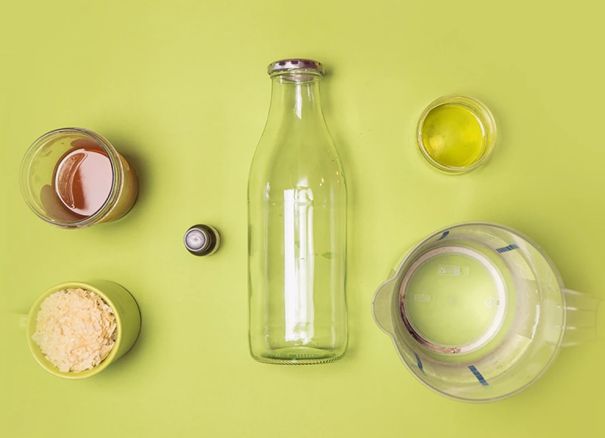
 INGREDIENTS:

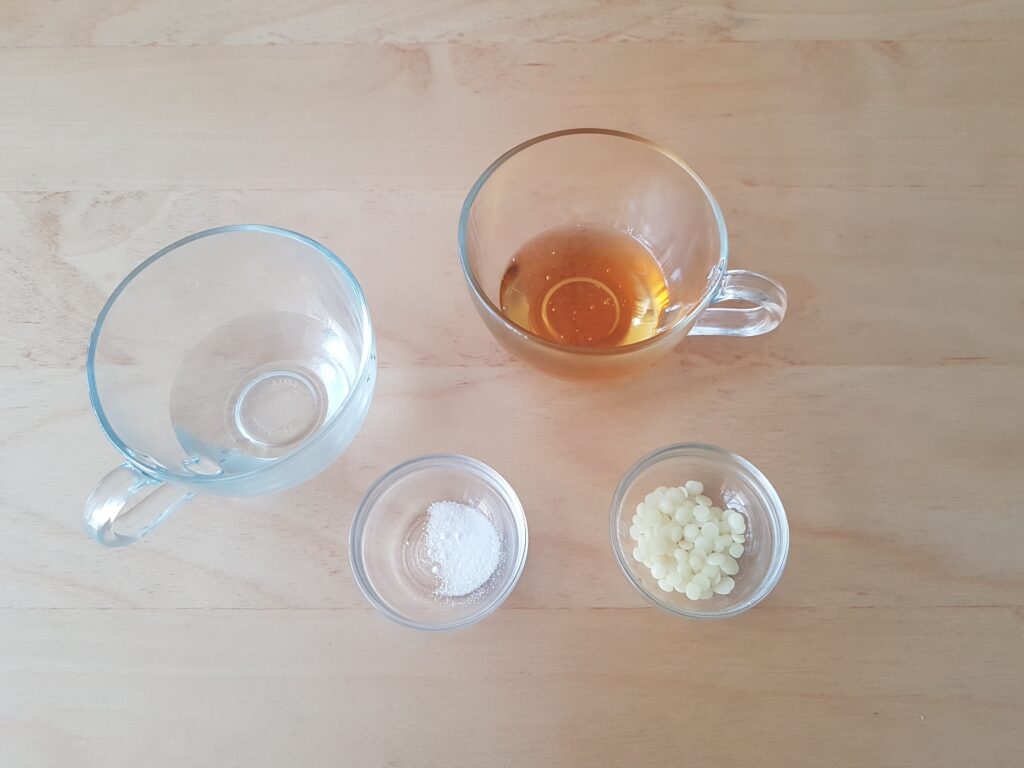
100 ml lime water

100 ml olive oil, lightly ozonised oil, or whatever oil you have available.

And about 5 grams of beeswax.

Procedure for preparing liniment:

Melt the beeswax in the olive oil in a bain-marie.

Remove from the heat and add the lime water, stirring constantly with an electric whisk. Leave to cool and then we can use our homemade liniment.
 

THE NATURAL COSMETICS OF THE INFLUENCERS

The web is full of blogs and recipes about natural homemade cosmetics that have very little to do with artisanal or sustainable cosmetics.

Mainly because the recipes they offer us are full of redundant or unnecessary, but expensive ingredients (here the suppliers of raw materials for natural cosmetics profit), synthetic preservatives (one gram or more is added per recipe) or, on the other hand, the miraculous essential oils.

And according to Ayurveda, Hippocrates’ maxim “let your food be your medicine” should also apply to the products we use to care for our skin and which, according to this age-old medical tradition, should also be food grade.

Your skin does not need medicines or essential oils, but nutrients, i.e. fats, oils and hydrolats, with a high capacity of absorption by our skin, and a high level of bioavailability.

We use essential oils* more with the idea of perfuming our preparations, always more advisable than a synthetic perfume for the properties they provide, and in minimal doses.  In any case, essential oils are a medicine with enormous antibiotic potential.

If we decide to use them, a few drops will suffice, as they have a high biocidal capacity and no one wants to take antibiotics as a preventive measure any more, as in the past. Not to mention the fact that they need to be used with great caution in young children or pregnant women.

As an alternative, we have the hydrolats, obtained in a similar way, but much milder and much more suitable for our daily cosmetic products.

And, furthermore, if it is a totally natural product, (as one of the great advantages of making homemade natural cosmetics is that we do not need to add legally established preservatives to it in order to market it), we do not need to add any type of aroma to it. It will probably smell like food, which is a wonderful smell because it is the smell of the nutrients our skin needs.

The following recipe, for example, smells of natural aloe.

COCONUT OIL AND CURED ALOE GEL CREAM

Prior to making this recipe, you will need to cure the natural aloe gel obtained from an aloe stalk.

As you know, it is enough to soak the stalk overnight for a few hours to release a yellowish toxin that can be irritating. The next morning, cut the sides of the stalk with a knife and split it down the middle. This will make it easier to extract the gel from each half of the stalk with a teaspoon.


CURED AND RECONSTITUTED ALOE VERA GEL

With some of these elements mentioned in the title of our article, such as lime water, we have created our own natural aloe vera gel (as it does not contain added silicones or synthetic preservatives, like commercial aloe gels) for personal use.

It is possible to use it, as in this case, as an ingredient to prepare another recipe, or also, in general, as a lotion after intensive sun exposure, or even as a gel for the treatment of skin acne, etc…

Ingredients:

3 parts natural aloe vera gel

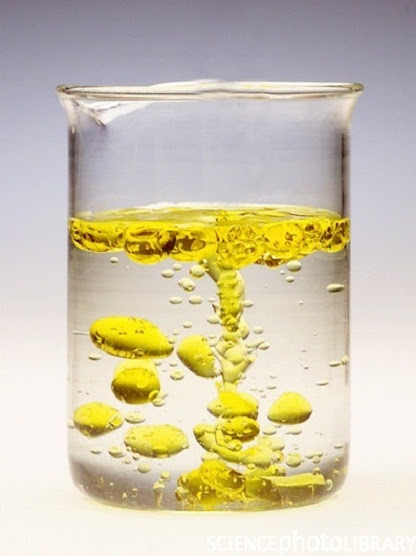
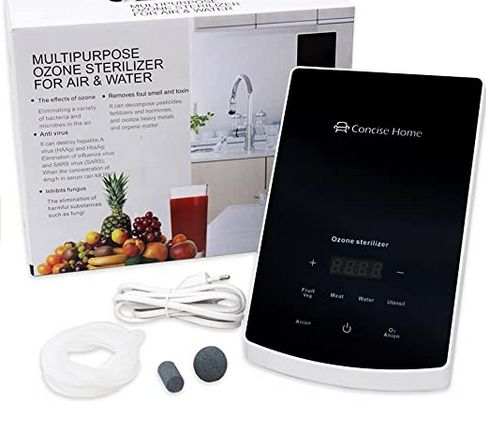
1 part lightly ozonised vegetable oil

1 part lime water and, optionally, with the addition of 0.1 g of borax per 10 ml of water.

-A small teaspoon of honey if you are going to use it as an aftersun, given the reinforcing effect of honey in treating sunburn.

If you are not going to use it as a post-sun treatment lotion, our advice is to thicken it a little with natural vegetable glycerine, which will also add emolliency to the final result.

However, there are also other natural thickeners that you can use, for example:

1.- Xanthan gum, in a percentage of 1% of the total amount of gel you have.

2.- Sodium alginate, also used as a thickener in sauces and gelling agent in modern cuisine, in a percentage of 2-5%.

3.- Silica powder, or silicic acid, suitable for gelling both water and oil, as well as other types of liquids. In cosmetics, it is commonly used to make toothpaste, powder make-up and it is particularly suitable for oily skin as it increases the absorption capacity. It is used in a proportion of 5-10 %.


NOW ON TO THE COCONUT OIL AND ALOE GEL CREAM

If you prepare this cream, you will find that the aloe it contains keeps all its properties intact for months, just like the rest of the cream. Just keep it in a glass jar at room temperature and away from heat sources.

Ingredients:

45 gr coconut oil

15 grams of beeswax

80 grams of aloe gel cured in lime water, with the addition of 1 gram of borax, as we are going to emulsify it with natural beeswax.

25 grams of lightly ozonised olive oil

*Just to remember that the addition of borax to our aloe gel, together with the lime water, although decidedly convenient in order to keep our gel in good condition, does not have the same emulsifying effect that is produced with beeswax without the addition of borax.

As we mentioned in our post on the calcareous bio-liniment, to emulsify a cream with an aqueous phase using beeswax, we will need to add one gram of borax for every 15 grams of beeswax.
However, in our case, we will observe that there is always a little residual water that is not emulsified because the synergy of lime water, borax and beeswax does not allow it.

It remains for a future article to check whether this same effect occurs using a different emulsifier, such as lanette wax, olivem 1000, or Emulsan …

PROCEDURE:

In a heat-resistant container, place the beeswax in a bain-marie until completely melted, and add the coconut oil and ozonised olive oil.

Next, add the 80 grams of aloe gel cured in lime water and borax and start to whisk the mixture.

Remove from the heat and pack. It’s as simple as that.

USES: You will find that this cream is almost an ointment with multiple uses that can be used daily without any contraindications.


WHAT IS THE BIOAVAILABILITY OF AN INGREDIENT?

In the context of nutrients and other dietary ingredients, bioavailability is similar to the absorption of the ingredient. You will find extensive information on this subject at this link.

https://bpspubs.onlinelibrary.wiley.com/doi/10.1111/j.1365-2125.2012.04425.x

Today, consumers of natural medicine are increasingly demanding the bioavailability of a product, which, in medical terms, refers to the ability of a drug or other substance to be absorbed and used by the body.

However, many of these consumers continue to consume commercial cosmetics and creams that, at the very least, leave the skin feeling “crusty”, if not irritated or reddened.

This often happens with the daily use (I want to clarify daily use because sometimes you try a cream one day and it seems to work well, but when you start using it daily then problems start to arise) of creams with a high load of synthetic ingredients whose bioavailability and therefore absorption level is low. What the skin cannot process, it expels in one way or another, as Hippocrates and Ayurvedic medicine explained thousands of years ago.

In addition, the use of toxic household cleaning products in our everyday environment, which are also likely to be inhaled, is also a major source of discomfort for people with asthma or allergies.

The success of the traditional calcareous bio-food based on lime water, beeswax and oil is undoubtedly due to the high bioavailability (and thus absorption and integration capacity) that results from the fusion of these three natural elements.

THE BIOAVAILABILITY OF MAGNESIUM OIL SPRAYS

As we mentioned, it often happens that a product gives us problems when we apply it because its composition uses elements and ingredients of synthetic or plastic origin, which are the ones that our organism and our skin rejects to a greater extent because it does not recognise them.

This is the case, for example, with magnesium sprays prepared from the magnesium chloride flakes that are sold for this purpose and which are obtained by chemical processes, as you know.

What is magnesium chloride and why is it so important?

Magnesium chloride, formula MgCl2, is an ionic mineral compound based on negatively charged chlorine and positively charged magnesium. Magnesium chloride can be extracted from brine or seawater and is a great source of magnesium.

As we said, it is found in unrefined salt and in various foods, and is very necessary for health as it is an essential mineral for the proper nutrition of our body. According to one study, it is estimated to be involved in 300 biochemical reactions. It regulates muscle and nerve function, supports immune system function, maintains heart rhythm and helps bones remain strong. It also helps to balance blood glucose and the production of energy and protein.
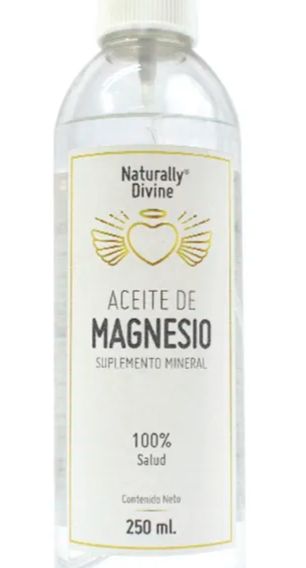
And although the magnesium chloride sold to us to make homemade magnesium oil is obtained, in principle, from seawater, it involves an electrolysis process known as the Dow process in which magnesium chloride is regenerated from magnesium hydroxide using hydrochloric acid: Mg(OH) 2(s) + 2 HCl(aq) → MgCl 2(aq) + 2 H 2O(l); or also from magnesium carbonate by a similar reaction.

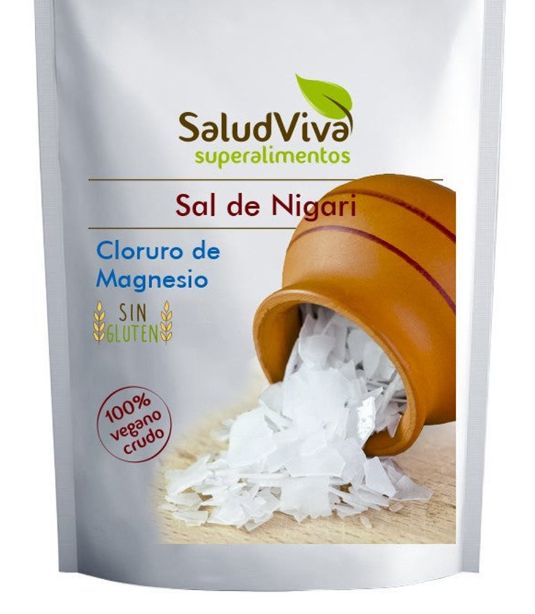
 On the other hand, if we use Nigari* salt, which is used not only as a coagulant in soya milk to make tofu in Japan, but also in the preparation of commercial breast milk formulas, we see that this salt is obtained completely naturally from the evaporation of seawater. It is therefore an all-natural magnesium chloride, so it is not fully refined (it contains up to 5% magnesium sulphate and various minerals).

*Nigari salt is a versatile product that can be used for a variety of purposes. It can be used as a food supplement, as a flavouring in food, as a bath salt, as a cleanser and as a medicine. It is also a good source of iodine, which is important for thyroid function.
The use of magnesium spray became extremely popular when it was realised that a large part of the population was deficient in this essential mineral element and that the use of a spray was more convenient and appropriate than taking supplements that did not always feel good.

However, if you have tried it, the commercial spray doesn’t feel good either and is itchy and sometimes tingling.

These sprays are prepared with magnesium chloride flakes, as follows, according to the “Mejor con salud” website: https://mejorconsalud.as.com/prepara-casa-propio-aceite-magnesio/

Ingredients:

 ½ cup magnesium chloride flakes.

 ½ cup water (125 ml).

 A spray bottle for storing the mixture.


MAGNESIUM OIL FROM NIGARI SALT

Try now to prepare the same magnesium oil spray, but using Nigari salt.

It is recommended to dilute one part Nigari salt to about 10 parts water for topical application to the skin.

Pack it, if possible, in a glass spray bottle and you can apply it at your discretion. You will see the difference.

You can even include this water base enriched with magnesium to prepare other types of products in contact with the skin such as deodorants, mosquito sprays, etc. …. without any problem and with the benefits of enriching your DIY product with natural magnesium.


WHY WERE CISTERNS COVERED WITH SLAKED LIME IN THE PAST?

The cistern was traditionally a reservoir for the collection and storage of rainwater. Cisterns take their meaning from the Spanish Arabic “algúbb”, which in turn comes from a classical Arabic term meaning cistern or well. It is a large reservoir that is generally located underground and its main function is to collect and conserve rainwater. Traditionally, these cisterns were made using construction materials that prevented water contamination. For this reason, its interior had to be well waterproofed and without cracks, to avoid water leaks.

The walls were plastered with a mortar of sand, lime and water and then painted with slaked lime. This ensured that the walls of the cistern were highly breathable and insulated against damp, as well as preventing mould and bacteria.

Although cisterns originated in Arabia, the Greeks and Romans also made good use of this invention. These Mediterranean peoples covered the internal walls of the cistern, in addition to this mortar of sand, lime and water, with red clay, iron oxide and mastic resin, a shrub that is common in Mediterranean areas and whose disinfectant properties are widely known in the field of natural medicine.

The combination of all these elements prevented leaks and water from rotting inside. This invention, as we said, was used for centuries to collect rainwater and then use it for domestic use, even to provide drinking water for animals or even humans.

Several decades ago in rural areas there were few households that did not have this receptacle to store water and save it for times of need.

https://materialesmodernos.com/construccion-de-un-aljibe-con-acabado-de-mortero-de-cal

Today, on small islands that do not have rivers or other sources of fresh water, rainwater is still collected and used for all kinds of purposes, thanks to the lining of the cistern walls with this purifying water.

TRADITIONAL USES OF LIME

This is why lime has traditionally been used extensively:

-It was used as a caustic and disinfectant to prevent insects from climbing fruit trees by applying lime to the trunk with a brush. It was also used to cauterise wounds on trees after pruning.

– As mortar or plaster, used in the construction of popular buildings, taking advantage of the quality of lime to acquire great hardness on contact with air. The slaked lime powder is mixed with sand and water to make mortar. The lime used in the mortar recovers CO2 from the atmosphere, recovering its original hardness and returning the water it took in during the slaking process.

– Production of mural paintings using the fresco technique. The process is the same, the layer of fine mortar is applied and while it is still soft, the fresco is made. The hard limestone layer, with the paint inside, makes the fresco highly resistant to external agents and the passage of time.

– For plastering, as in fresco, slaked lime mixed with fine sand is used to plaster buildings and give them a more aesthetic appearance and great protection against the weather elements, as this lime slurry, once dry, becomes a waterproof layer.

– In addition to the aesthetic factor, the whitening of walls also took into account their disinfectant power, so much so that on many occasions frescoes in churches were covered with layers of lime to prevent the spread of disease.

– Infection prevention in the case of burial of dead bodies during epidemics.

– Waterproofing of ponds and cisterns.

– Correction of the acidity of some agricultural soils.


THE INTERESTS OF THE PHARMACEUTICAL INDUSTRY

What we want to expose in this article is the fact that the pharmaceutical industry, the commercial cosmetics industry and, in general, commercial interests are not always aligned with our interests as consumers.

It is for this reason that today they try to sell us plastic cisterns as a measure for greater environmental sustainability of water resources when, as we have already seen, the Arabs, Greeks and Romans knew perfectly well how to build a cistern so that the water would be kept in the best conditions of healthiness.

https://rotoplascentroamerica.com/que-es-un-aljibe-y-para-que-sirve

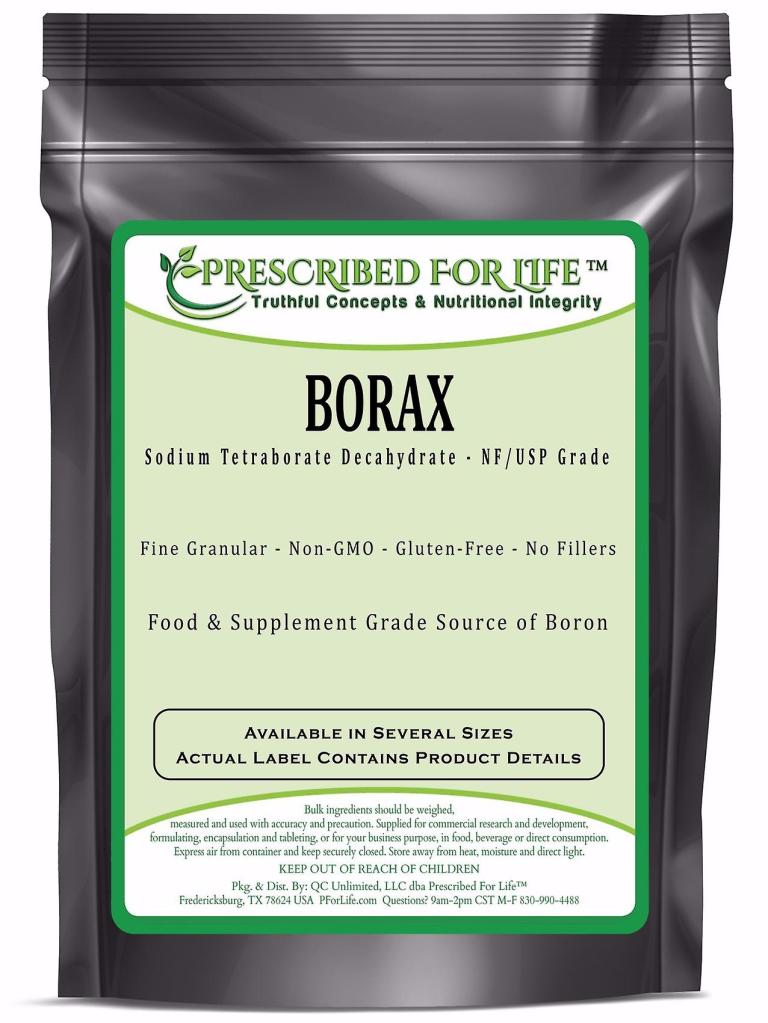
It is for the same reason that the use of borax has been demonised, while boron (food grade) is allowed to be sold, as it has been shown to be of interest for the health of bones and teeth, and in the prevention of arthritis and osteoporosis.

https://nemosnewsnetwork.com/the-borax-conspiracy-big-pharmas-latest-ploy-to-outlaw-a-natural-cure-for-arthritis-osteoporosis-and-tooth-decay

In fact, there is already talk that boron is to the parathyroid what iodine is to the thyroid.

The idea that borax is toxic is a myth perpetuated by the medical establishment, and the pharmaceutical industry because of the profit incentive to suppress natural medicines while patenting things that can treat, but not cure, hooking you into the medical and pharmaceutical system with the idea of maximum profits.

Borax is safer in toxicity than salt, and Dr Newnham’s work shows that it can actually cure arthritis and osteoporosis. The problem is that it is very cheap, even commercially available boron supplements are cheap.

Theoretically, you should be able to get it through dietary intake, except that the use of chemical fertilisers inhibits the uptake of boron from the soil by plants. Anyone who says you can get it in food doesn’t understand soil depletion.

According to this researcher, boron deficiency causes the parathyroids to become overactive, releasing too much parathyroid hormone which raises the level of calcium in the blood by releasing calcium from bones and teeth. This leads to osteoarthritis and other forms of arthritis, osteoporosis and tooth decay.

With age, high blood calcium levels lead to calcification of soft tissues, causing muscle contractions and stiffness; calcification of endocrine glands, especially the pineal gland and ovaries; arteriosclerosis, kidney stones and calcification of the kidneys, ultimately leading to kidney failure. Boron deficiency combined with magnesium deficiency appears to be particularly damaging to bones and teeth.

In the past, boron was used as a food preservative in many countries. Today, people have stopped using it for reasons that are unclear, and in the United States and China they prefer to use chlorine and arsenic to preserve vegetables and rice. Both are much less good for health (to put it mildly) than boron.

And it is the same idea that every year old patents for medicines, which in their day fulfilled their functions perfectly, are discarded and replaced by new patents, which are much more expensive because they are new, and which comply with the excuse of being more effective. More effective for what? To treat us chronically for ulcers, cholesterol, sugar or allergies without curing us of anything because now it is said that, as these disorders are chronic, we have to continue taking the pills all our lives.

However, the best cream that can be prepared with an aqueous phase, and to which no preservatives need to be added, is made from the chemical emulsion of boron with beeswax.

Borax is the only natural element that makes it possible to use beeswax, together with water, without it going out of phase, as it produces a chemical emulsion of the beeswax. The small addition of borax therefore allows us to use the most natural emulsifier there is, beeswax, to prepare a particularly moisturising cream for the driest skins.

https://naturamatters.com/2022/06/20/balsamic-resins-in-dermo-cosmetics


RECIPE FOR NATURAL CREAM MADE WITH BEESWAX AND BORAX

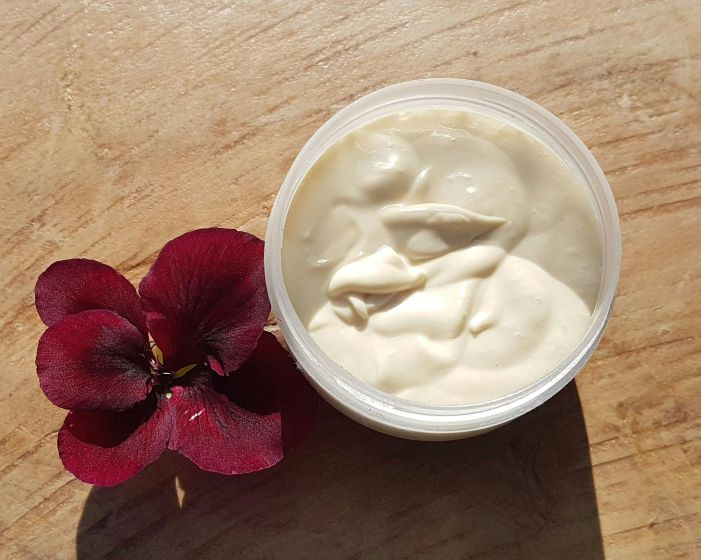
This cream, under a similar recipe, was in the Middle Ages a galenic preparation known as Cerate of Galen, the famous physician of antiquity.
Ingredients:

53.50 g of a quality vegetable oil.

33 g of a hydrolat of your choice, or distilled water.

13 g beeswax.

0.5 g borax* (which acts as an emulsifier as well as a preservative).

Optionally, a few drops of tincture of benzoin, which, in addition to its properties, gives this cream an excellent aroma.

PROCEDURE:

Melt the beeswax and the oil in a bain-marie. At the same time, heat the hydrosol to the same temperature and add the borax. Both phases should be at a maximum of 70 degrees.

When the wax and oil mixture is completely melted, add the water and borax mixture a little at a time, while whisking vigorously.

Finally, pour the cream into a glass container, if possible.

The only preservative, as well as co-emulsifier, in this aqueous phase preparation is borax, so using a glass container will extend its shelf life and keep our cream in better condition.
ABOUT HONEY

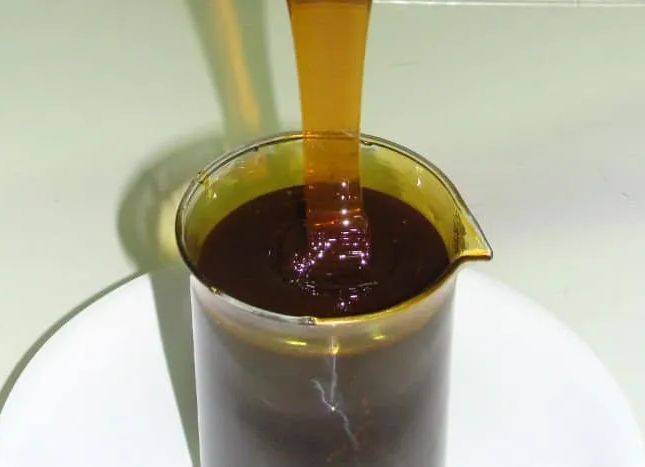
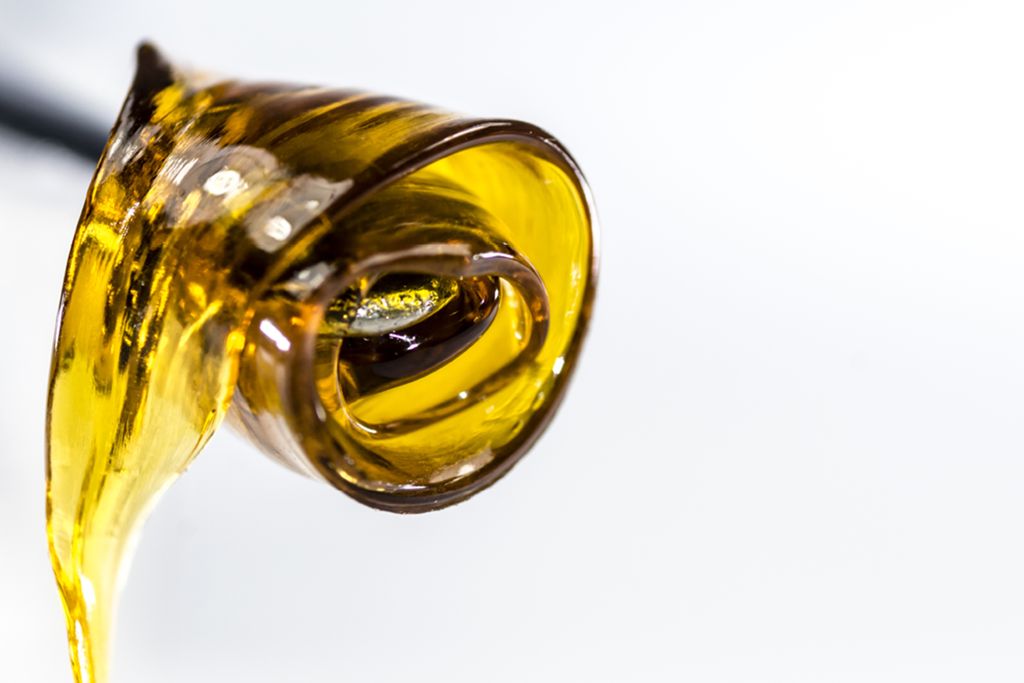
The other forgotten element of the natural pharmacopoeia is honey. Honey should never be missing in our natural cosmetic preparations.

Honey is a natural preservative, which means it can last a long time without spoiling. In fact, thousands of years old honey has been found in Egyptian tombs that have not lost their properties. The natural acidity and low moisture content of honey keeps it edible for a long time if it is properly sealed. Under the right conditions, even if it crystallises, a jar of honey could technically be edible forever.

Since ancient times, it has been used in many medicinal preparations. Hippocrates already spoke of herbal infusions in honey and vinegar, which he called “oxymeli”. “You will find that the drink called oxymeli is often very useful… because it promotes expectoration and respiratory freedom” (Hippocrates, 400 BC).

Derived from the Greek word oxymeli, which translates as ‘acid and honey’, the use of oxymel has been documented since the time of Hippocrates as a means of using and extracting herbs whose taste is unpleasant (Hippocrates, 400 BC). These herbs are often the more pungent aromatics, such as garlic (Allium sativa) and cayenne (Capsicum annuum), which also play a supportive role for the immune and respiratory systems (Green, 2000).

Both apple cider vinegar and raw honey are common kitchen allies that can be used to soothe the throat, calm a cough or boost the immune system in case of colds and flu. When combined with complementary herbs, oxymels offer potent – and tasty – support in times of illness or compromised immunity.

This is why many traditional oxymel recipes are known:

THE MOST BASIC OXYMEL

Ingredients

1 part herbal vinegar

1 part honey with herbal infusion

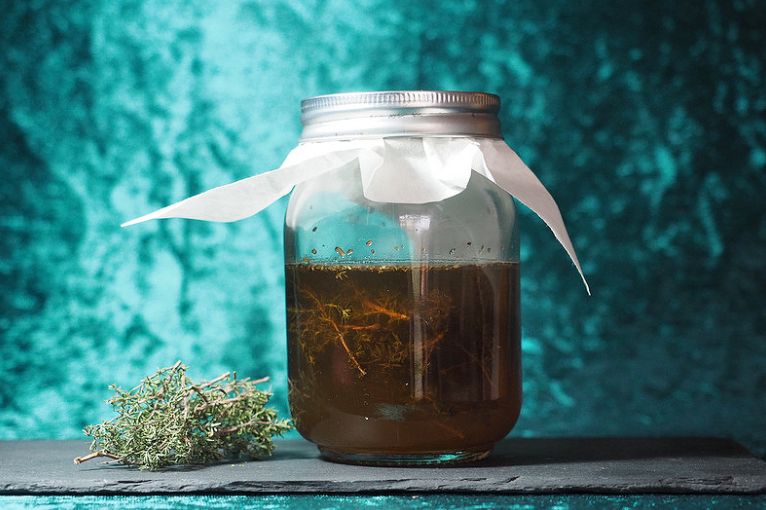
Instructions:  Combine the infused vinegar with the infused honey in a sterilised glass jar. Mix well with a clean, dry spoon until both preparations are completely combined. Label and store in a cool, dry place for 6 months.

Note: Oxymels should be stored in glass jars with plastic lids, as the vinegar in the mixture will corrode metal lids. If plastic lids are not available, a piece of parchment or wax paper can be placed between the jar and the lid.


THE TRADITIONAL PREPARATION OF OXYMEL

Ingredients

Dried herb of choice

1 part apple cider vinegar

1 part raw honey

Instructions: In a clean, dry one-litre jar, place enough dried herb to fill ¼ of its capacity.

Cover the herbs with the vinegar and honey until the jar is full or slightly less full (ensuring that the ratio of herbs to vinegar and honey mixture is approximately 1:3).

Stir the mixture with a clean, dry spoon, screw on an airtight plastic lid and shake until well mixed.

Store the jar in a cool, dark place and shake it every two days.

After a few weeks, simply strain the mixture and store it in a glass jar.
 

HONEY IN DAILY HYGIENE

Our daily use vaginal soap preparations based on honey and coconut betaine keep for months and months. Most importantly, they can be used daily without irritation.

https://naturamatters.com/es/2021/02/18/gel-de-higiene-intima-a-base-de-miel

In this previous article we showed you how to prepare a homemade daily intimate cleansing gel based on honey and coconut betaine.

Ingredients:

2 parts raw honey

1 part coconut betaine surfactant.

Optionally, some people add a few tablespoons of vegetable oil, but since oil and honey are immiscible, you will have to shake the mixture each time.

USAGE: A few drops in a tub of hot water will be enough to make you feel clean.

Always bear in mind that, although washing with this gel prevents infections and problems, if you have a recognised vaginal infection, you will need to use biocidal washing gels.


SHOWER GEL BASED ON HONEY AND COCONUT BETAINE

Also, if you have problems with dermatitis or atopic skin, it is important that you do not use aggressive shower gels; therefore, this gel based on honey and coconut betaine can be an excellent alternative for you.

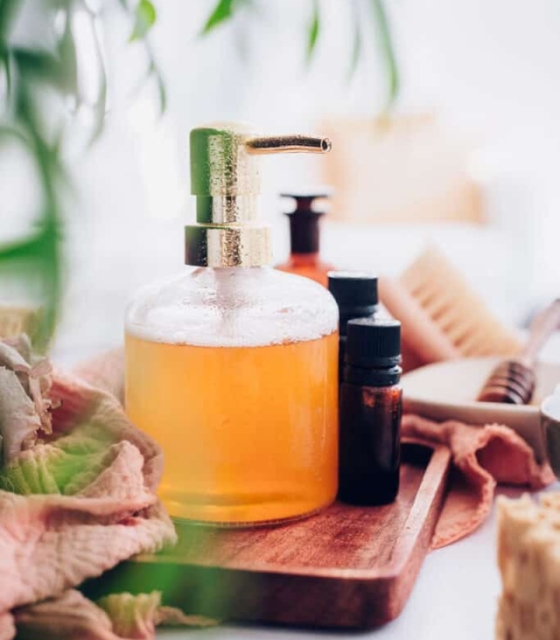
Honey and oil shower gel

As we said, natural honey is immiscible with vegetable oils, so if you decide to add oil to your honey and coconut betaine mixture, you will always have to shake it beforehand.

Personally, I have doubts that the addition of oil will actually be helpful in this mixture, so I simply use the familiar gel recipe with 2 parts honey to 1 part coconut betaine.

A few drops of this gel on the sponge bath will be enough to lather up without any problems, but if you find it sticky, you can adjust the quantities and add more of the surfactant betaine and less of the honey.

And while there are many other natural coconut oil-derived surfactants available today that lather better, coconut betaine is still the mildest and most natural surfactant I know of.
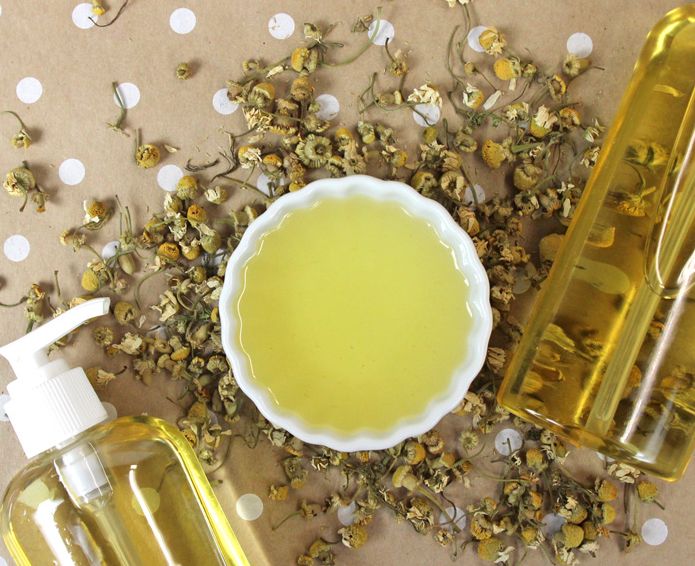


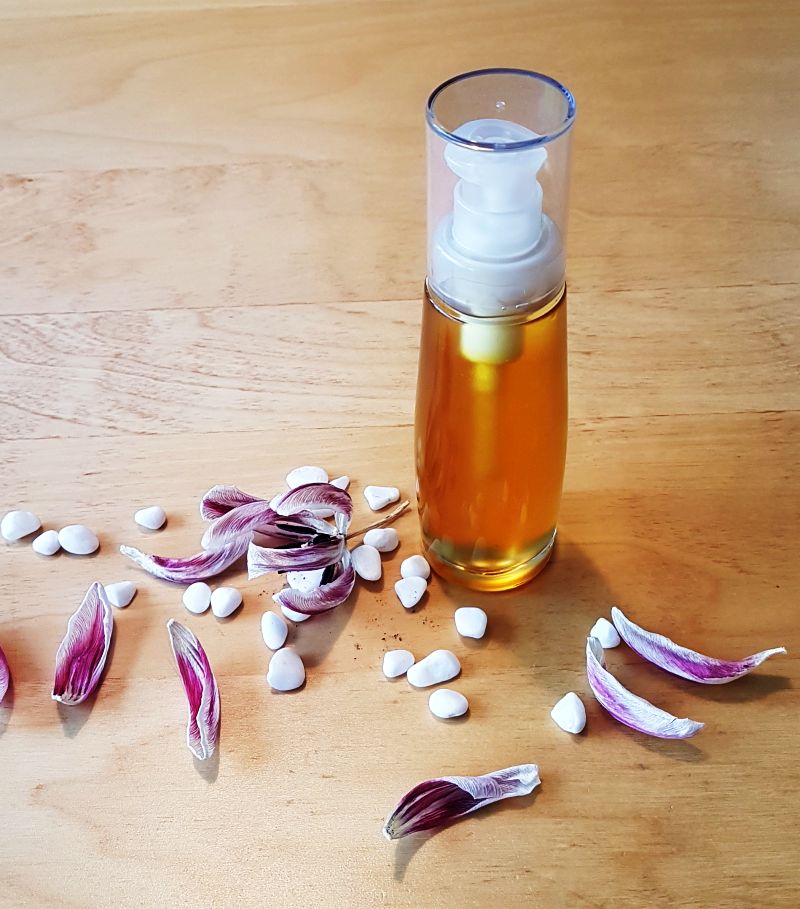
BATH OIL BASED ON RAW HONEY

Again, this recipe may not appeal to someone with normal skin, but if you have sensitive or atopic skin, you need to use specially formulated gels and bath oils to avoid destroying your skin’s lipid barrier and exacerbating the problem.

This bath oil has honey in it, because of its enormous skin-loving properties and its probiotic capacity; but, as we said, honey is immiscible with oils. However, there is a little trick to integrate it by using stearic acid and the liquid surfactant betaine. Although, in principle, stearic acid is not an emulsifier, in some cases it can act as one.

Ingredients:

One tablespoon of raw honey (about 15 g)

One teaspoon of stearic acid (about 10 g.)

About 150 ml of a mixture of oils of your choice. Example: 100 ml almond oil, 50 ml macadamia oil…

35 ml of coconut betaine. You can use another surfactant that produces more foam, but it must be liquid to emulsify the mixture of honey and oils.

Optionally, coconut C02 extract for its aroma and properties.

Procedure:

Start by heating the honey, in which we melt the tablespoon of stearic acid.

When everything is dissolved, add the oils and, finally, the coconut betaine, whisking well so that all the elements are integrated.

Optionally, add a few drops of the C02 extract of your choice.

USE: A few drops in the bath or on your bath sponge if you use it in the shower will suffice.


BIBLIOGRAPHY

Green, J. (2000). The herbal medicine-maker’s handbook: A home manual. Berkley, CA: Crossing Press.

Hippocrates (400 B.C.E.). On regimen in acute diseases. Retrieved from http://classics.mit.edu/Hippocrates/acutedis.html.
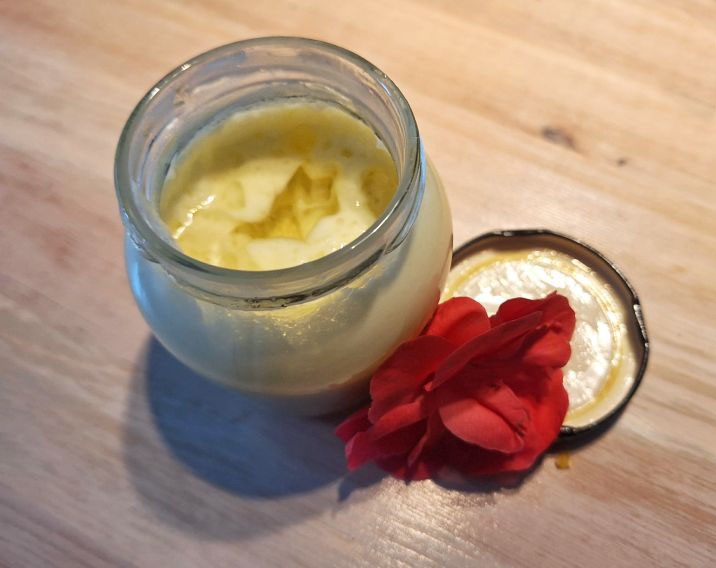
HOW TO PREPARE A HOMEMADE LINIMENT

The use of liniments dates back to the time of the Renaissance physician Paracelsus. Liniments became popular in the mid-1800s and early 1900s as “cure-alls”. Although they do not cure everything, today’s liniments are easily made at home with safe ingredients and can be very effective in treating some ailments.

Depending on the ingredients, liniments can be used to: disinfect cuts, minimise the appearance of varicose veins, rubbed on bruises to heal them more quickly, or for what they are best known for: helping to relieve arthritis, aches and pains and associated discomfort.

A liniment is a natural preparation that is less thick than an ointment and is based on oils or balsams and alcohols. It is usually applied externally as a treatment for rheumatism and bruises in combination with massages and frictions.

A wide variety of other uses are possible. In France, for example, a liniment traditionally used to cleanse and protect babies’ skin from nappy rashes has become very popular. It is as easy to prepare as combining olive oil and lime water, sometimes with a little beeswax. And it works very well because the liniment, which has a basic or alkaline pH (the opposite of acidic), when it comes into contact with acidic faeces and urine, neutralises them, thus preventing skin irritation.

THE OIL-LIMESTONE LINIMENT IN DETAIL

Liniment oleo-calcareous is an ancient liquid that was originally intended to combat superficial burns. Little by little, it has been used more and more for babies’ bottoms.

The brand mustela, for example, has a commercial version of this liniment. Of course, it is best to choose one without additives, so if you prepare it yourself, you can be sure of its composition.

The homemade oleo-lime liniment in our recipe is an oily, greenish-yellow mixture made from olive oil (or other vegetable oil) and lime water. The word comes from the Latin “linimentum”, which means “to anoint”, i.e. to rub with an oily substance.

This liniment, among other virtues, is super-fatty and leaves a protective film on baby’s skin, preventing skin irritation caused by wetness or rubbing from nappies. Therefore, there is no need to rinse it on the baby’s bottom, as its basic pH neutralises the acidity of urine. In short, the liniment cleanses the baby’s bottom (thanks to the action of the lime water) while nourishing, moisturising and protecting against future aggressions by leaving a protective film on the skin.

On a general level, as a skin care product, it has a great associated value because, as you know, the level of absorption and hydration of a cream in the skin depends on how natural its components are. This is what happens with this liniment made up of 3 totally natural ingredients: beeswax, oil and lime water. Such a simple product, but which turns out to be enormously emollient due to its great absorption capacity in the skin.

This is why it is not only ideal for treating babies’ sore bottoms in a natural way, but also has many other possible uses:

-It can help prevent the appearance of stretch marks, so it should be used on affected areas, especially for expectant mothers during pregnancy.

-It also soothes and softens episiotomy scars and sensitive nipples during the first days of breastfeeding.

It can also be used to treat baby cradle cap or even as a make-up remover as long as we take into account its basic pH and then rinse with water or a hydrosol adapted to our skin type.

-In personal care, if we use a little borax and ozonised oil, as we will see below, it can be very useful in the treatment of sensitive or itchy skin.

In fact, if you are looking for a multi-purpose skin care product, this liniment is what you need to prepare, because despite the mismatch of beeswax and lime water (we are talking about the original recipe) it is preserved for a long time due to the intrinsic antiseptic properties of this combination. As it avoids the use of chemical preservatives, it is an ideal product to spread on the skin of the whole body, and even on the face it is very moisturising.

AN ORGANIC HOMEMADE LINIMENT

In addition to being an ideal alternative for changing the baby, we must bear in mind that industrial baby cosmetics still too often contain toxic substances. In addition, sanitary towels generate a considerable amount of waste…

The recipe for this homemade liniment could not be simpler. Simply add 50% lime water and 50% olive oil, which are mixed vigorously in a bottle. The only drawback of this product is that the two phases of the solution tend to separate. You will need to shake the bottle before each use.

If you prefer to avoid this process of shaking the bottle before each use, you can add a cosmetic emulsifier such as lanette wax.

If you use beeswax, which as you know is not suitable for emulsifying oils and liquids, the phases will also end up separating, although, with a little more beeswax, it becomes quite thick and can be used as it is, as the lime water, after mixing, is also healing.

To prepare about 200 ml of this liniment, we will need:

100 ml of lime water

100 ml olive oil

And about 4 grams of beeswax

However, beeswax is the most natural and ecological alternative that also provides emolliency and innumerable properties to the skin, making our liniment, despite the gap, have a smoothness that is not possible to achieve without this addition.

As we said, the dis phase of the water solution is not really a problem since this combination of oil, wax and lime water has a long durability due to the antibacterial properties of lime water (the solution of sodium hydroxide* in water) which prevents our liniment from spoiling quickly.

*Water hydroxide dissolved in water is also known as slaked lime.

Therefore, here is our favourite recipe for preparing our chalky bio-liniment. It would be, like the previous one, with beeswax, but, instead of simple olive oil, we would prepare it with a marigold oil.
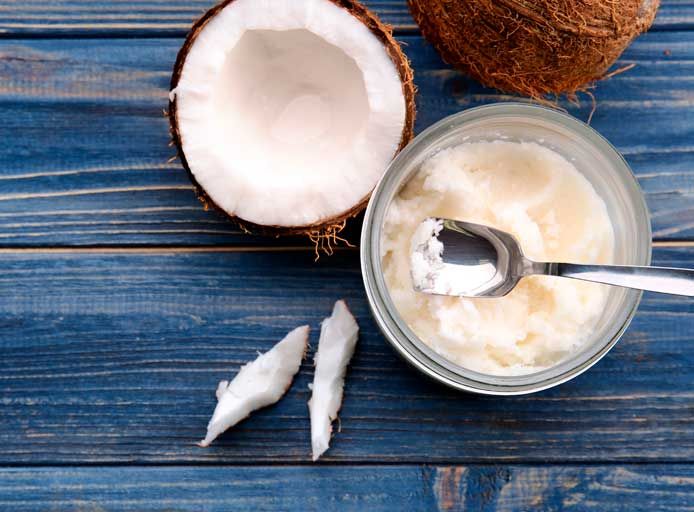
To prepare about 200 ml of this liniment, we will need:

100 ml of lime water

100 ml of marigold oil*, macerated for example in virgin sunflower oil.

And, optionally, about 6 grams of beeswax.

I have to add that if we decide to add borax to our liniment, to emulsify the beeswax, it will not emulsify completely because lime water has intrinsic preservative properties, as well as borax, which do not amalgamate well in this type of synergy.

A very different case is when we only use distilled water with borax, oil and beeswax. In this case, and as long as we respect the proportions (one gram of borax for every 15 grams of beeswax), we will obtain a complete emulsion in which there will be no traces of water left without emulsifying because there will be no dis phase.

In this blog we would also like to propose an alternative recipe with a slightly ozonised, edible-grade olive oil, which not only prolongs the shelf life of the recipe, but also provides extra care for babies with nappy rash or, if used for personal care, is particularly suitable for dermatitis with associated itching or pruritus.

Our recipe for about 200 ml of liniment would be:

100 ml of lime water

100 ml lightly ozonised olive oil (food grade)

And about 6 grams of beeswax.

INSTRUCTIONS:

Lime water must first be prepared. Lime water is a calcium hydroxide solution obtained by mixing air lime (slaked lime) and water. It has antiseptic and cleansing properties. It cleanses the skin and balances its pH, which tends to acidify with urine.

Although it is possible to replace olive oil with other vegetable oils, it is not possible to replace lime water.

To do this, we will need:

Half a litre of demineralised water and

About 5 grams of calcium hydroxide.

Preparation lime-water instructions: If you do not have demineralised water, you can boil drinking water and let it cool.
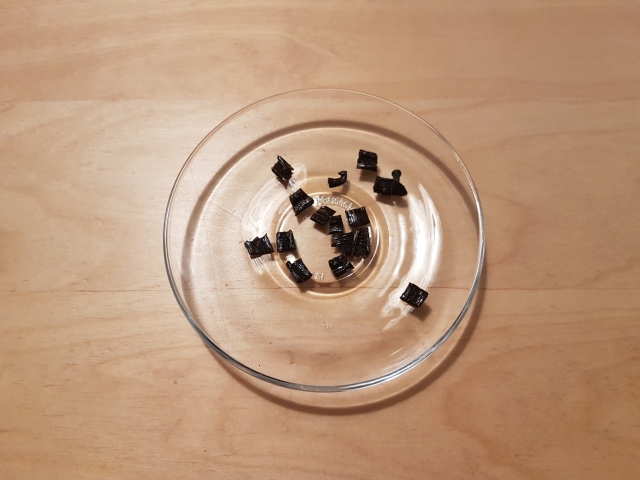
Once cold, you can add the tablespoon of calcium hydroxide, stirring well. After a short time you will see that the lime will sink to the bottom of the bottle.

Let it stand for an hour and then transfer the mixture with a funnel and a paper filter into a glass container. This lime water can be stored for several months in a cool place. A part of it (100 ml) is used to prepare our homemade liniment.

Avoid leaving the lime water in the water for more than an hour because then the water will take on too much of the lime smell, which is not unpleasant, but it is better for our preparation to have a good aroma.

Our lime water is now ready. There may be small, whitish calcium carbonate crystals that form in contact with the carbon dioxide (CO2) in the lime water. They are harmless and do not affect the water quality. If they really bother us, we can always filter the lime water again.

PROCEDURE TO MAKE THE LINIMENT:

Melt the beeswax in the olive oil in a bain-marie.

Remove from the heat and add the lime water, stirring constantly with an electric whisk. Leave to cool and then we can use our homemade liniment.

As always, it is best to have a glass container with a dispenser to ensure longer shelf life.

APPLICATION: Apply with cotton wool or a washable wipe, and do not rinse, it is not necessary. As a precaution, we always recommend testing the elbow crease before application to check for allergic reactions. Lime water has a high pH. It should therefore not be applied directly to the skin. However, mixed with an emulsified fatty substance, it is harmless.

PREPARATION OF A TRADITIONAL LINIMENT: BASIC RECIPE

We have taken as a reference to write this section of homemade liniment base recipe the blog of: “thenerdyfarmwife.com”.

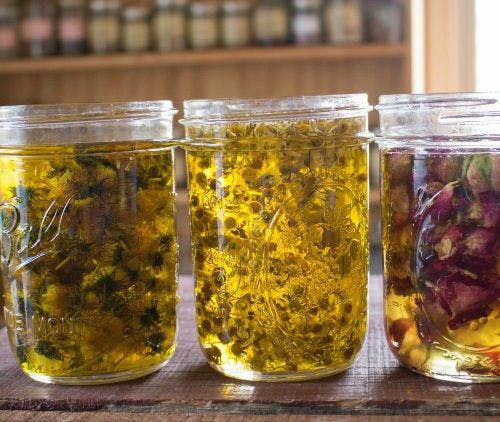
Unlike herbal oil macerates (known as oleates or oleates), traditional liniments, in the American herbalist tradition, are made with water-based ingredients that evaporate quickly from the skin.

According to the Central European herbalist tradition, as we will see below, herbal oils and tinctures infused in equal parts in alcohol are used. And, optionally, essential oils are added.

The following list details possible combinations based on natural components:

We have included a list of the most suitable substances as “vehicles” for the preparation of our homemade liniments.

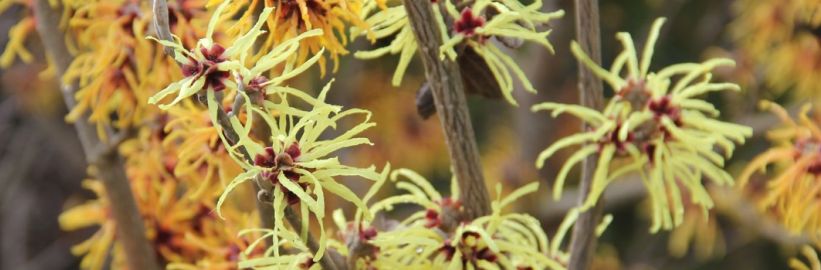
Witch Hazel Decoction: Calms and soothes redness and inflammation, helps reduce swelling, useful for bruises, insect bites, sunburn, varicose veins; the disadvantage is that witch hazel extracts herbs somewhat less effectively than stronger alcohol preparations; witch hazel is a good balancer that softens the drying effect of vodka/alcohol.

Vodka, whisky or high proof rum: Extracts most herbs very effectively, especially the resins; the drawback is that pure vodka/liquor dries out the skin; using a large proportion of witch hazel decoction (50 to 60%) combined with alcohol can give us the best of both ingredients.

Ethanol: Also known as ethyl alcohol or grain alcohol, ethanol is a clear, colourless liquid that serves as the main ingredient in alcoholic beverages such as beer, wine or brandy. It is a renewable product of organic origin. Because it can be easily dissolved in water and other organic compounds, ethanol is also an ingredient in a variety of products, including as a fuel substitute, hence it is also called burn alcohol. But be careful, because not all burning alcohols are natural like ethanol.

Isopropyl alcohol (rubbing alcohol): This is a classic liniment base, fast-acting and very effective, but also the least natural option on the list. In this case, many herbalists skip the “only natural ingredients” rules and use isopropyl alcohol for liniments because of its high level of efficacy. While it is not a natural option, as it volatilises quickly, it is hardly absorbed by our skin, making it an ideal vehicle for the herbal active ingredients that we actually absorb.

However, it is best to avoid using this alcohol, or even vodka, if you are sensitive to them. The safest bet in that case is apple cider vinegar or apple cider vinegar.

Apple cider vinegar: Liniments can be made with vinegar if alcohol is to be avoided; the main drawback is the strong vinegar smell, but this can be softened by diluting it with witch hazel.

Vegetable glycerine: Vegetable glycerine can also be added to some of the mixtures to soften them. If we feel that our homemade liniment dries out the skin too much, we can add a few drops of glycerine. Too much glycerine will make the texture too sticky, so it is best to try a few drops and add more, gradually, if necessary.

It is possible to mix and match ingredients; for example, it is possible to use half witch hazel and half vinegar. Or 75% witch hazel and 25% organic alcohol.

HERBS AND RESINS FOR HOMEMADE LINIMENTS

When preparing our liniments, as with almost any other homemade preparation, it is best to use dried herbs that will provide a longer shelf life for our ointments and liniments.

Many of the herbs listed below are warming, which means they stimulate circulation and reduce stiffness.

Cooling herbs can be useful when there is redness and swelling and we are looking for a cooling/warming effect.

Antimicrobial or antiseptic herbs are used in some liniment recipes to heal cuts and sores. The resins should be crushed or pulverised and are best extracted with some form of alcohol.


HERBS AND THEIR PROPERTIES

Arnica (Arnica montana) for bruises, swelling, pain, arthritis, aches, pains, do not use arnica on broken skin or cuts.

Juniper berries (Juniperus communis) to warm, stimulates circulation

Wild bergamot (Monarda fistulosa, M. spp.) Anti-inflammatory, antimicrobial, helps rheumatic joints

Calendula (Calendula officinalis) antimicrobial, repairs damaged skin, for varicose veins

Cayenne (Capsicum annuum) reduces the sensation of pain, gives warmth, use very little to avoid burning the skin.

Comfrey (Symphytum officinale) for bruises, sprains, relieves pain, useful for bone injuries, do not use on open wounds.

Willow bark (Salix alba) anti-inflammatory, rich in the analgesic salicin (a compound similar to aspirin), for persons over 16 years of age, not suitable for pregnant women, nursing mothers, consult a doctor if taking anticoagulants.

St. John’s wort (Hypericum perforatum) especially useful for nerve pains, varicose veins, swelling

Helichrysum flowers (Helichrysum italicum) for pain, bruises, sprains and varicose veins.

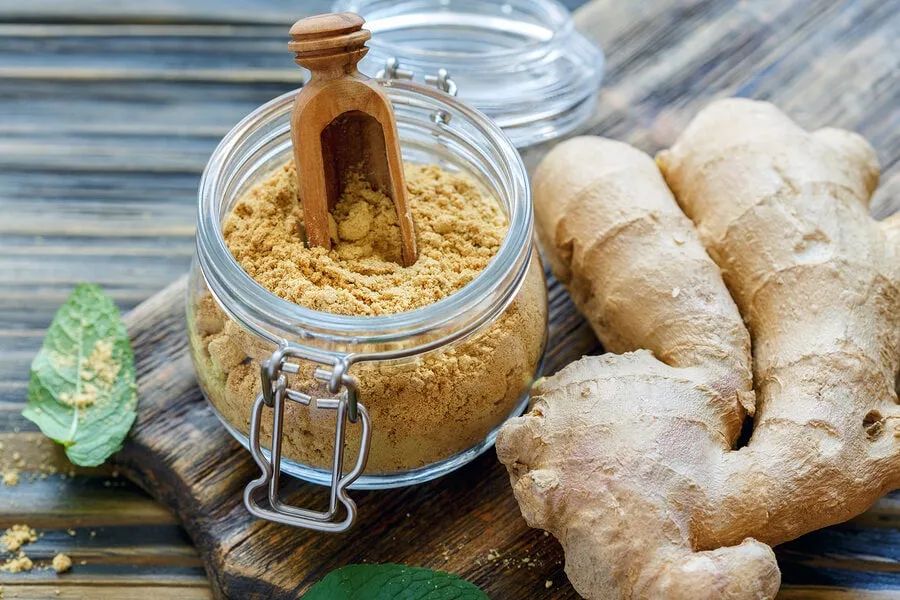
Ginger (Zingiber officinale), warming, increases circulation

Lavender (Lavandula angustifolia) leaves and flowers, refreshing, for all skin types.

Chamomile (Matricaria chamomilla) reduces inflammation, soothes irritated skin

Peppermint (Mentha x piperita) refreshing, pain relieving (although the herb is very mild, the menthol crystals will be much stronger)

Yarrow (Achillea millefolium) anti-inflammatory, helps with cramps, pain, varicose veins and irritated skin

Meadowsweet (Filipendula ulmaria) rich in pain-relieving salicylic acid; avoid or seek medical advice in advance if allergic to aspirin

Rosemary (Rosmarinus officinalis) stimulates circulation, helps with sore joints

Marshmallow root (Althaea officinalis) very soothing, refreshing

Valerian root (Valeriana officinalis) can be used externally as a mild relaxant and for sore muscles.

Goldenseal (Hydrastis canadensis) potent antiseptic, use small amounts (1/4 tsp at a time), slow-growing endangered woodland herb, use Oregon grape (Berberis nervosa) as a substitute if necessary.

Goldenrod (Solidago spp) for general aches and pains

Violets (Viola odorata, V. spp.) refreshing, soothing, helpful for lymphatic inflammation.


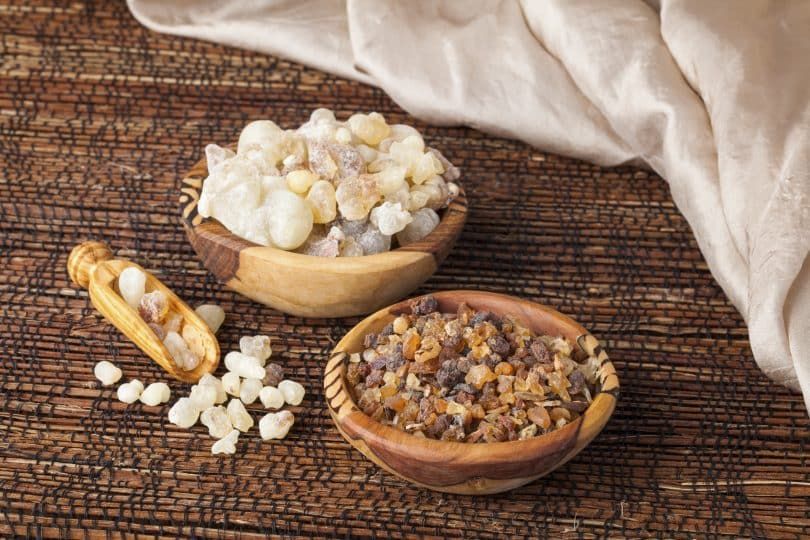
USEFUL RESINS

Frankincense resin (Boswellia sacra) anti-inflammatory, relieves pain

Myrrh resin (Commiphora myrrha) anti-inflammatory, antiseptic,…

Pine resin (Pinus strobus, P. spp.), warming, used for arthritis, joint stiffness and rheumatism; pine needles can also be used in infusion.

Dragon’s blood resin (Daemonorops draco, Croton spp., etc.) for wound healing, inflammations and rheumatism

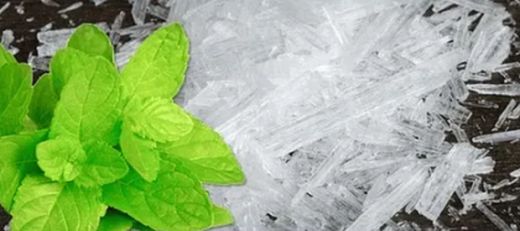
Menthol crystals: Menthol crystals add a cooling and analgesic sensation to homemade liniments.

HOW TO ADD MENTHOL CRYSTALS TO OUR HOMEMADE LINIMENT

Menthol crystals are strongly scented solid crystals that have been extracted from the essential oil of peppermint or spearmint. Menthol is a common ingredient in commercial pain preparations because it produces a cooling and analgesic sensation when applied to the skin.

Before adding to the liniment, the crystals should be dissolved in a small glass or glass bowl with a tablespoon of natural alcohol (ethanol) or vodka.

Once stirred and completely melted in the alcohol, we can add the menthol mixture to the finished liniment.

Menthol is used in small quantities, usually between 1 and 2% of the recipe. That is, between 0.6 and 1.2 ml of the mixture is added to the liniment. Higher amounts are usually too strong for sensitive skin.

THE TRADITIONAL BASIC FORMULA

Fill a jar with herbs, preferably dried, to 1/3 or 1/2 of its capacity.

Next, cover the herbs with alcohol, witch hazel and/or vinegar. Whatever combination you prefer, but make sure that the herbs are covered by at least several centimetres of liquid.

Stir well, cover and leave to infuse for 3 to 4 weeks, or even 6 weeks if desired.

Strain and you have your homemade liniment. It is best to label it with the date to avoid confusion.

Caution: If we have used vinegar in our recipe we will make sure that the lid is not made of metal, or the acid will start to form corrosion, which we do not want in our product.


HOW TO MAKE OUR OWN WITCH HAZEL EXTRACT

You will need about 20 grams (a couple of tablespoons) of witch hazel bark, but a mixture that includes the bark is better, and about 500 ml of water.

To make the decoction:

In a saucepan, bring the water to the boil with the 2 tablespoons of witch hazel bark. Keep it on a low heat, without boiling, for about 20-30 minutes.

The volume will be reduced by about half, and you will get about one cup of witch hazel extract, after filtering (paper filter) the remains of the plant.

While simmering, our house will smell a bit like a hospital.  The aroma is not unpleasant, but it smells strongly antiseptic, like an operating theatre after sterilisation.

The witch hazel water is now ready for use.  As it is not preserved with alcohol, it will spoil quickly. It should therefore be kept in the refrigerator and used within a week.

However, if we want our extract to remain stable, it is possible to add alcohol to it. In this case, instead of calling it witch hazel water, we will call it stable witch hazel extract.

How to prepare a long-lasting witch hazel extract.

If we want to make a stable witch hazel extract, we need to add an alcohol of organic origin. Vodka, whisky or high-proof rum work well (isopropyl alcohol also works, but then it is not suitable for internal use).

For good preservation, the mixture needs the addition of at least 20% alcohol.  Some sources suggest 25% to make the extract really stable.

In this case, assuming that we have about 250 ml of witch hazel water left after the decoction, we will need to add about 60-65 ml of vodka.


SOME TRADITIONAL RECIPES FOR HOMEMADE LINIMENTS

Well, we have found some interesting recipes in the alternative natural literature that have probably become famous for their effectiveness.

 KLOSS liniment

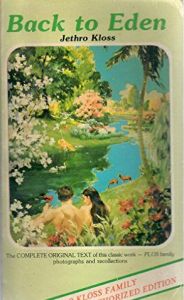
Available in Rosemary Gladstar’s book “Medicinal Herbs: A Beginners Guide”, this very old and effective recipe was first published by the famous herbalist Dr. Jethro Kloss in his classic book “Back to Eden” in 1939. Kloss’ liniment is very useful for relieving occasional muscle aches and pains. Instead of goldenseal, chaparral or Oregon grape root can also be substituted.

Ingredients:

Approx. 20 g of organically grown echinacea powder

about 20 g goldenseal powder (chaparral or Oregon grape root can be substituted)

about 20 grams of powdered myrrh resin

about 5 g cayenne pepper powder

Half a litre (500ml) rubbing alcohol.

INSTRUCTIONS:

Place the powder in a jar and cover it with rubbing alcohol (food alcohol can be used, but rubbing alcohol seems to work best), leaving a good 2 inches above the herbs.

Cover with an airtight lid and leave to stand for 4 weeks.

Strain it and re-bottle it and label it “For external use only” and you are ready to use it.

How to use: Remember that it is best to rub gently into the skin and allow it to evaporate. Always be careful not to rub too hard or vigorously, as this may cause irritation.


AN ARNICA AND MENTHOL LINIMENT TO TREAT MUSCLE ACHES AND PAINS

To prepare it, you will need:

20 grams of dried arnica flowers, can be replaced by goldenrod

1/3 cup vodka or ethanol

1/2 cup witch hazel water, or enough to fill the jar

Half a teaspoon of menthol crystals, dissolved in 1 tablespoon of vodka or ethanol.

PROCEDURE:

Place the herbs in the jar and cover them with the vodka or alcohol. Stir well and fill the jar to the bottom with witch hazel, leaving a space of a few centimetres at the top to allow the herbs to expand.

Cover and leave to infuse for 3-4 weeks, stirring frequently.

After the infusion time has elapsed, strain it through a paper filter into a clean jar.

In a small bowl, dissolve the menthol crystals in 1 tablespoon of vodka or alcohol until completely melted.

Add the menthol-alcohol mixture to the strained liniment and stir well.

USE: Test the finished liniment on the inside of the arm to prevent possible allergic reactions before spreading it on sore areas of the body. Menthol can sometimes cause slight irritation. This liniment should therefore never be applied to wounded or irritated skin. The sore areas are usually rubbed a couple of times a day to relieve the pain.

ANOTHER SOOTHING MUSCLE LINIMENT

Author: Agatha Noveille from the website https://scratchmommy.com/what-are-herbal-liniments-and-a-soothing-muscle-liniment-recipe/

Ingredients:

Witch hazel extract. If possible with the following percentages: 86% witch hazel extract and 14% organic alcohol or ethanol.

Dried herbs of your choice, such as: arnica, comfrey, goldenrod, mugwort, and/or St. John’s wort. Peppermint leaf is also great for cooling, and calendula is always a wonderful addition to liniments.

INSTRUCTIONS:

Fill a clean glass jar halfway with the herb or herbs of your choice and add enough witch hazel extract to completely cover the herbs, with alcohol about an inch or two above them.

Let the liniment infuse for at least two weeks (4-8 is optimal) in a cool, dark place. Every day or two, check the liniment and add more witch hazel if the herbs have absorbed it.

After the desired infusion time has elapsed, strain the liniment and pack it in a small spray bottle for easy application.

Notes: A good idea is to take note of the herbs we have used and the proportions. This way, we can prepare more easily when we find a mixture that works really well.


A LINIMENT TO TREAT VARICOSE VEINS AND IMPROVE BLOOD FLOW

We will need:

1 part yarrow

1 part marigold flowers

1 part St. John’s wort (fresh is ideal, but dried can be used)

1 part willow bark, optional.

1/4 part cayenne pepper or ginger pepper

PROCEDURE:

Put roughly equal amounts of yarrow, calendula and St. John’s wort in a glass jar and then add a smaller amount of cayenne pepper or ginger.

If willow bark is available, it would also be interesting to add some willow bark for its salicylic acid content.

As you know, it is usually better to use dried herbs in our cosmetic products and preparations because this avoids moulds. However, with hypericum we can make an exception if we have it fresh because it provides better properties.

Pour “stable witch hazel water” (i.e. one part alcohol) over the herbs until covered and leave to infuse for 2 to 3 weeks. Strain and re-bottle, this time in a permanent glass container.

USE: Apply it a couple of times a day to activate circulation and prevent tired legs, as well as muscular pains, strains and stiffness.

If it is to treat varicose veins, it should always be rubbed in the direction of the heart to help tighten and tone varicose veins and improve blood flow.


THE CENTRAL EUROPEAN HERBALIST TRADITION

As we mentioned earlier, in Europe, we have traditionally used tinctures and macerated oils (oleates) in the preparation of our homemade herbal liniments. We have taken this last section from the blog of naturopath Fátima Solé.

Our preparations have also been traditionally used to relieve all kinds of pain and discomfort, such as muscular pain, menstrual pain, arthritis, lumbago, sciatica, tendinitis…

They are also applied in the form of external frictions as they are absorbed quickly, like Anglo-Saxon liniments, facilitating the action of their components.

The plants used are usually more closely connected to our European and Mediterranean environment, and include dried plants such as rosemary, hypericum, as well as the exotic ginger, cayenne, arnica, comfrey root, juniper berries and marigold. A “hot” spice such as cayenne, ginger or cinnamon is also often included in the preparation to enhance its action.

And in the preparation, the alcohol macerate and the oil macerate are mixed in equal parts. In other words, for one part tincture, one part oil.

They can be simple macerates of a single plant, such as rosemary alcohol and arnica oil; or macerates composed of several plants, for example, mixing cayenne tincture and rosemary tincture together with hypericum oil and arnica oil. The important thing is that at the end half of the preparation is alcohol and half is oil.

These preparations are also left to infuse in closed, dark glass containers away from heat sources for a few weeks before they can be used.

Optionally, essential oils can be added, but in this case we must be more careful when using our liniment on children or pregnant women because they may find it excessively aggressive. In any case, in order for the addition of essential oils to be effective, only use 100% pure essential oils, preferably organic and extracted by steam distillation, always avoiding dermocaustic EOs such as cinnamon, oregano, savory, some species of thyme and eucalyptus, etc., and they should always be added with caution and in very low doses.

Among the essential oils that can be used in our homemade liniments, we have those of : clove, cinnamon, mint, rosemary, eucalyptus, lavender, basil, tarragon, helichrysum, pine, balsam fir, laurel, wintergreen, katafray…

USE: Shake the liniment well before use. Apply with a gentle massage, never on areas where the skin is irritated or there are wounds. Temporary reddening of the skin may occur, this is normal due to the action of the ingredients. Special care should be taken with liniments containing cayenne or strong essential oils such as cinnamon, and do not touch the eyes after handling.

Reference bibliography:

Nature’s Medicine Chest, Reader’s Digest, 1997.

Aromatherapy, The Art of Healing with Essential Oils, Dominique Baudoux, Editions Amyris, 2008.

STONEWASHING: GLOBAL TREATMENT FOR SENSITIVE SKIN

Dermatological diseases are now one of the main reasons for consultation in primary care, which is indicative of the prevalence of these conditions among the population in developed countries.

Some of the most common skin diseases are:

Acne: A common disease that causes pimples.

Psoriasis: This condition causes itchy or painful patches of red, inflamed skin with silvery scales.

Dermatitis: also called eczema, encompasses several different types of skin rash. Most types cause dry, itchy skin.

Anything that inflames, clogs, or irritates the skin can cause symptoms such as redness, swelling, burning or itching.

https://www.ncbi.nlm.nih.gov/pmc/articles/PMC3535073/

Our skin is a kind of ecosystem made up of living biological and physical components that occupy diverse habitats. Disturbances in the balance on either side of the equation can lead to skin disorders or infections. In the past, poor hygiene has led to a number of skin diseases such as leprosy, smallpox, plague, and even today in Latin America, Chagas disease. And sometimes still some forms of herpes, pool fungus or molluscs.

Nowadays, however, the equation is shifting more towards excessive hygiene or the use of overly aggressive soaps and cosmetic products that disrupt the natural balance of our skin’s bacterial barrier. This is leading to a completely different type of skin ailments.

Interestingly, the common element in most skin diseases in industrialised countries has to do with the regulation of the skin’s sebum. In the case of acne, there is an overproduction of sebum coupled with poor detoxification by the body or insufficient elimination of toxic waste through the body’s natural pathways. In these cases, the skin would not be adequately fulfilling its function of eliminating waste in the form of salts through sweat or through the sebum secreted by the sweat and sebaceous glands, although deficient elimination through the kidneys (urine) or liver (bile) could also be involved. In the case of dermatitis, the problem of sebum regulation is often rather the opposite, with deficient elimination of toxic substances. And this internal problem of purification and regulation of the skin’s sebum is dramatically aggravated by inflammation, swelling and scaling in the case of psoriasis.

Therefore, to return to the subject at hand, atopic skin or skin affected by eczema generally has a problem of skin sebum regulation combined with deficient internal detoxification.

For this reason, in order to treat them, it is very important to intervene on three different fronts:

  1. Daily hygiene with “soap-free soaps”, i.e. with products that do not alter the skin’s natural bacterial barrier and, therefore, its protective lipid layer.
  2. The application of emollient cosmetic products and regulators of the skin’s natural skin barrier.
  3. And internal supplementation that contributes to detoxification and regulation of the skin’s natural sebum.


STONEWASHING: GLOBAL TREATMENT FOR SENSITIVE, ATOPIC OR DERMATITIS-AFFECTED SKINS

If you suffer from dermatitis or, more complicated still, psoriasis, have you thought about the option of stonewashing like jeans?


No, we’re not kidding. We want you to know that recipes for mild soaps and gels may be necessary when we come back from the gym after working up a sweat. But, let’s face it, are we really that dirty when we shower every morning?

Hasn’t it occurred to you that a little hot water and a couple of “hygienic” stones, which I’ll tell you about next, might be enough to keep you clean during a 20-degree spring day?

And, best of all, without the need to use harsh soaps that alter our natural skin barrier and aggravate our dermatitis problems.

These stones are:

Himalayan salt stone: We recommend it especially between the toes to avoid fungal problems and blisters as this salt stone has the ability to purify and harden the skin of the feet. It can also be used on any other area we feel we need to cleanse.

Natural alum stone: It is especially recommended to use it every morning in the shower in the underarm area. If you follow this ritual, you will probably not need any other type of external deodorant, unless you go on a trip to the African savannah and sweat like a bull.


And after your daily shower, there is nothing better than using a moisturising body oil in a spray bottle.

Immediately after getting out of the shower, and before drying off, we apply the oil which, as we are still wet, spreads very easily. In addition, the oils do not need preservatives, just a few drops of vitamin E to prevent them from going rancid. And if we use jojoba oil, not even that, because this oil practically does not go rancid.


Making a homemade after-shower body lotion is much more complicated because, due to the high-water content of a body lotion, it is necessary to use strong preservatives, and this always complicates tolerance in the case of atopic skin.

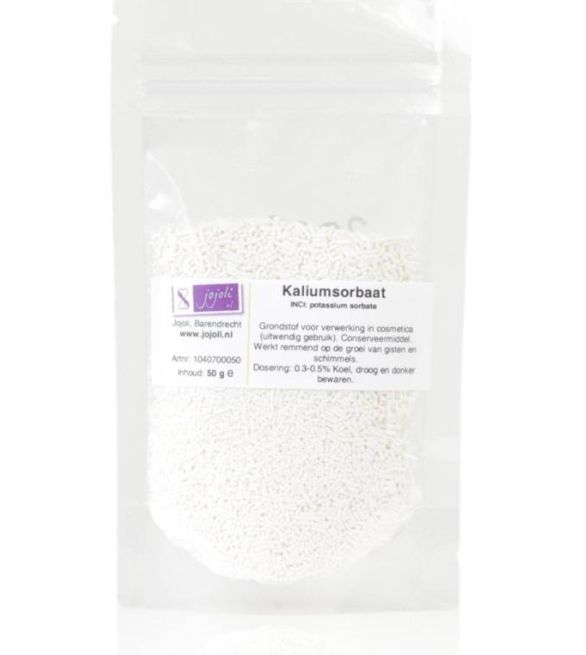
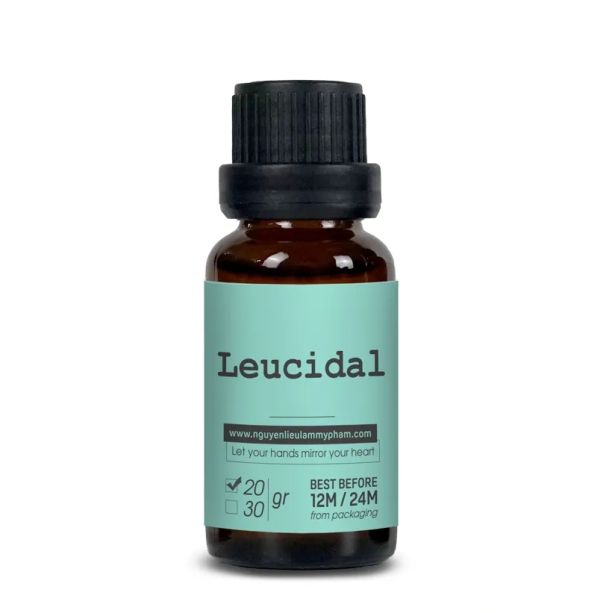
If you want to make a body lotion, it is advisable to use only hypoallergenic preservatives such as Leucidal, GSE (grapefruit seed extract) or potassium sorbate. There is talk of a new broad-spectrum hypoallergenic preservative, as the ones mentioned above are not as effective as Cosgard, Geogard, Rokonsal, etc., but personally we have not yet tried it.

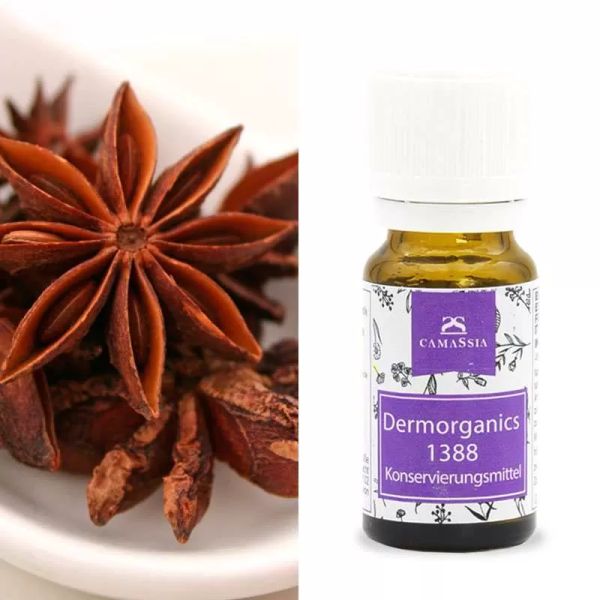
It would be DERMOSOFT 1388 eco, whose INCI: Glycerine, Aqua, Sodium Levulinate, Sodium Anisate… details a natural origin as the mixture of levulinic acid and anisic acid is obtained by fermentation.

In any case, it is possible to make very good light creams that can be applied indiscriminately all over the body and that can be preserved without the use of extra synthetic preservation agents. This subject will be developed at length in a future article dedicated to recipes for hypoallergenic creams and soaps. In this post we did not want to include them because we considered that we would exceed the normal length of an article in this category. Therefore, we recommend that you read our next article on hypoallergenic recipes for sensitive skin in which we discuss in depth the topic of smart homemade formulations to treat this skin type.


RULES FOR MAKING HYPOALLERGENIC HOMEMADE COSMETICS

Arguably, today, with the urgency of climate change and the importance of implementing eco-friendly and environmentally sustainable solutions, natural cosmetics is becoming an increasingly desirable trend for a wider audience.


In the case of problem skin, as well as being fashionable, it is an absolute necessity. Atopic skins or skins affected by dermatitis are skins with an internal problem of repairing the natural skin barrier and it is important not only to treat them topically with the appropriate creams and products but also the internal use of supplements that contribute to this repair, which we will discuss in the following section.

As far as topical products are concerned, it is very important that we minimise the use of products containing aggressive preservatives or a large amount of essential oils, whose biocidal capacity should not be disregarded. We should also avoid perfumed cosmetics, i.e. fragrances, or the use of active ingredients of chemical origin. With sensitive skin, we can apply the maxim “the more natural the better” one hundred percent.

Avoiding the use of commercial antiperspirant deodorants is also especially important because these skins have a problem of toxic elimination and if we use a deodorant that prevents the natural perspiration of our skin, we will logically find an aggravation of the problems and, probably, greater skin itching and dryness.

In practical terms, simple creams with butters and oils are particularly favourable as they do not contain preservatives or chemical active ingredients.


HYPOALLERGENIC RECIPES WITHOUT AQUEOUS PHASE

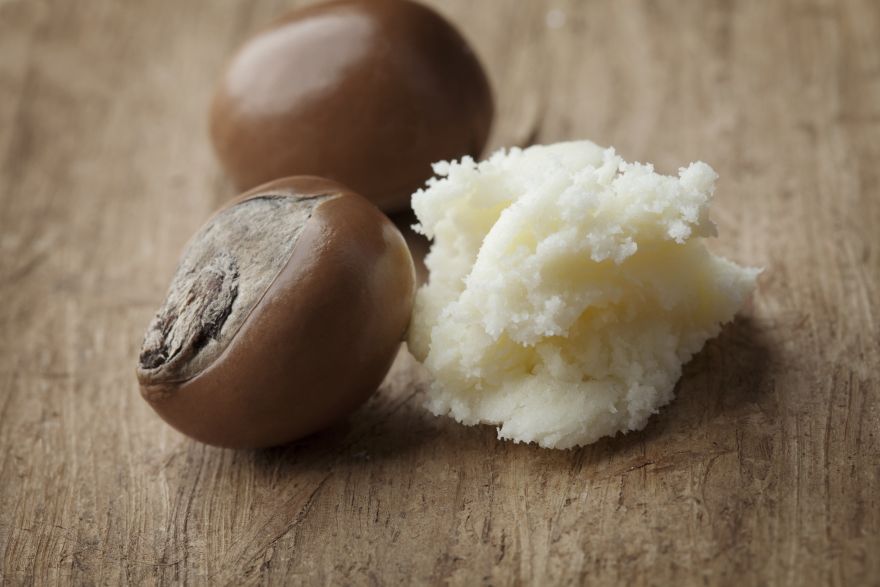
A universal recipe that will never give you any problems consists of taking 50 grams of shea butter to which we add a little almond oil (about a third) and working it in a bowl with a wooden spoon until both ingredients amalgamate perfectly and we are left with a light paste that we can apply to the driest areas of our face and body.


Another idea, perhaps easier to keep out of the fridge, is to melt beeswax and oil and add a little shea butter. In this case, we would take three parts of a cold pressed oil of our choice and a third of the amount of oil in the form of beeswax and shea butter. We would start by melting the wax in a bain-marie, to which we would add the oil and, finally, the third part of shea butter.


As you will see, shea butter appears in almost every recipe for treating this type of skin, as it is probably the best treatment butter for dry and sensitive skin that we know of.


And for body lotion you can use solid cosmetics and make these solid body lotion sticks, which do not need synthetic preservatives and are 100% moisturising.

Ingredients:

For a batch of about 100 grams, we will need:

80 g cocoa butter

20 g cold-pressed sunflower oil (or any other quality oil)

A few drops of vitamin E

And, optionally, if you add a couple of drops of orange EO, they will smell great.

Preparation procedure: Start by melting the cocoa butter in a bain-marie and, when it is melted, add the sunflower oil and integrate it with the butter. Remove from the heat and add the vitamin E and then you can mould it. Remember that you will need silicone moulds to pour the mixture once it has melted.


And if we want to make a cream with an aqueous phase, given that they are especially moisturising, we will try to prepare small quantities to avoid the use of preservatives or we will make intelligent cosmetic formulations with minimally aggressive preservatives such as natural Leucidal or Grapefruit Seed Extract. As mentioned above, we will expand on these recipes in our next post on hypoallergenic cosmetic recipes.

If we are going to include an essential oil for treatment, we should always remember to use, preferably, a hydrolat that contains the qualities of this essential oil, but in a milder form.

And only a very small amount of the essential oil (a couple of drops are usually enough) because, as we know, essential oils are highly concentrated, and their rule of use can be summed up as follows: “less is more”.

For example, four drops of EO would be more than enough in a 100-gram cream, and in a 50-gram cream, two drops of essential oil would also be enough. It would be more important, for example, to use a desensitising hydrolat such as German chamomile or a regenerating one such as rose geranium in our preparation. Patchouli, cedar or frankincense may also be of interest depending on the type of eczema and skin type.

Neutral, nourishing oils, such as sweet almond oil, tend to work well for all skin types, especially sensitive or atopic skin. And natural, non-deodorised shea butter is possibly the best treatment butter for these skins.

Apricot kernel oil, jojoba oil, evening primrose oil, borage oil or even coconut oil may also be of interest, as well as, of course, hemp oil. Some people claim that black seed oil (nigella sativa) has worked very well for them in treating this type of problem.

In the case of psoriasis, olive, safflower, tamanu or avocado oils seem to be among the preferred oils.


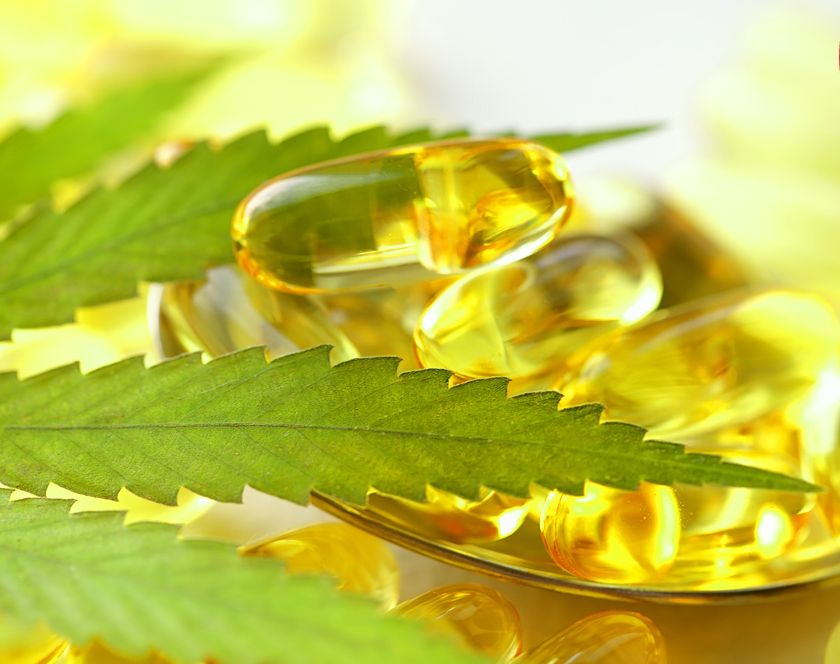
And the additive par excellence for treating this type of skin is cannabidiol for its excellent antioxidant, moisturising and anti-inflammatory benefits. This cannabidiol, extracted from hemp (sometimes grown organically), is suitable for treating dry, oily and problematic skin, as it helps to eliminate skin disorders such as pimples or rashes caused by herpes, repairing and restoring the skin more quickly.

Hemp oil is particularly suitable for oily or acne-prone skin (hemp seed oil is an excellent sebum regulator), according to expert Nuria Tenas Marín, Biotechnological Development Manager at PFC Cosmetics. But it is also recommended for dry and devitalised skin as it strengthens the skin barrier, says the expert:


CBD cosmetics can be suitable for both dry and oily skin, as they contain beneficial properties for both. And in the case of sensitive skin, cosmetics based on cannabis sativa seed extract, being rich in fatty acids (Omega3) and antioxidants such as vitamin E, are able to soothe skin irritations, eczema problems, reduce trans-epidermal water loss, increase hydration and elasticity, and reduce flaking and roughness”.


INTERNAL SUPPLEMENTATION: NUTRACEUTICALS. VITAMINS FOR THE SKIN

You will tell me that using natural emollient creams and washing with non-aggressive products is enough to keep the problems at bay. But this is not always the case, sometimes the problem can be quite serious. If this is your case, do not hesitate to inform yourself and implement the necessary supplements to improve your quality of life.


Supplementation begins with eating a diet that is appropriate to our needs. This means that if we have acne, we will avoid saturated fats, and if, on the other hand, as is the subject of this article, our skin is rather dry or sensitive, we will try to provide it with the healthy fats it needs. And, in this sense, when the daily diet is not enough, we can provide ourselves with supplements according to our deficiencies. For example, a very useful supplement for this type of skin is evening primrose and borage capsules which, taken daily, contribute to the internal regulation of our skin’s lipid barrier.

Another problem that dermatitis and atopic skin sufferers often have is the problem of itching and irritation, as this same problem of elimination of toxins and impurities that they suffer from contributes to their hypersensitive reaction to numerous stimuli called allergens. In these cases, we are talking about chronic allergies or an allergic background, as we like to call it, which is the case with eczema, allergic asthma or autoimmune diseases.

These allergens can be anything from plant pollen to pet hair, insect bites, dust or certain types of food. Under normal circumstances, your body would not react to these basically harmless stimuli, but if you have an allergic background, your immune system regards allergens as a threat. The allergic condition revolves around the body’s hypersensitivity to these types of stimuli which, when they occur, trigger the immune system to start acting accordingly and, as a result, the following symptoms may appear: watery eyes, itching, difficulty breathing, skin rashes, sneezing and even nasal congestion…

Conventional treatment of allergy usually consists of antihistamines often combined with corticosteroids. Unfortunately, this type of medication produces high side effects. This explains why science is turning to more natural substances such as cannabidiols (CBD or hemp oil) to treat allergies naturally. The natural support provided by cannabidiol contributes to the quality of life and well-being of people affected by dermatological problems, which is why thousands of patients use various CBD products to support the daily care of their skin conditions.

In addition, internal cannabinoid supplementation has been shown to have not only an anti-allergic effect but also an anti-inflammatory and skin sebum-regulating effect that has alleviated skin problems for many people.


Cannabidiol-based products are offered by a variety of shops and brands. In general, when purchasing a product, it is worth knowing that CBD supplements can be found in the form of the isolated CBD cannabinoid, which tends to be the least interesting; or in the form of full-spectrum CBD, which contains different cannabinoids in small amounts in addition to CBD, making it the most similar type to the cannabis plant. This type of supplement may contain THC, although it will not cause the psychotropic effects of THC (the effect of being high) because it will not exceed 0.3% of the total.

For example: https://nordicoil.es/collections/suplementos-cbd

From the list of supplements offered by this shop, we have found the supplementation of CBD oil, together with a small part of melatonin to improve night-time sleep, to be particularly effective. This type of drops, or suckable tablets, are available in different formats and brands.

Simply put, the use of a lightly ozonated (edible grade) hemp oil has enormous benefits in treating atopic skin and psoriasis.

Healtline reviews the best supplements: https://www.healthline.com/health/best-cbd-capsule

Personally, I also find the daily use of evening primrose and borage capsules, as well as drinking oat milk, which contains mucilage that is very valuable in preventing skin irritation and inflammation, very interesting for the regulation of fatty acids and sebum in the skin. Colloidal oatmeal, apart from being a very interesting complement to our topical creams and masks, in its vegetable milk form, also has a very favourable internal emollient effect on the intestinal mucosa.


References:

Healthline. September 2020. Full-Spectrum vs. Broad-Spectrum CBD: Which One Is Right for You? https://www.healthline.com/health/full-spectrum-vs-broad-spectrum-cbd

MedlinePlus. December 2020. Skin diseases. https://medlineplus.gov/spanish/skinconditions.html

National Library of Medicine. 2006. Cannabinoids inhibit human keratinocyte proliferation through a non-CB1/CB2 mechanism and have a potential therapeutic value in the treatment of psoriasis https://pubmed.ncbi.nlm.nih.gov/17157480/

Canna Foundation. Cannabinoids and Inflammatory Skin Diseases. Eduardo Muñoz, PhD in Medicine and Surgery, Professor of Immunology at the Department of Cell Biology, Physiology and Immunology of the University of Cordoba https://www.fundacion-canna.es/cannabinoides-y-enfermedades-inflamatorias-de-la-piel


We hope this article has been of interest to you.


HOMEMADE TOOTHPASTE

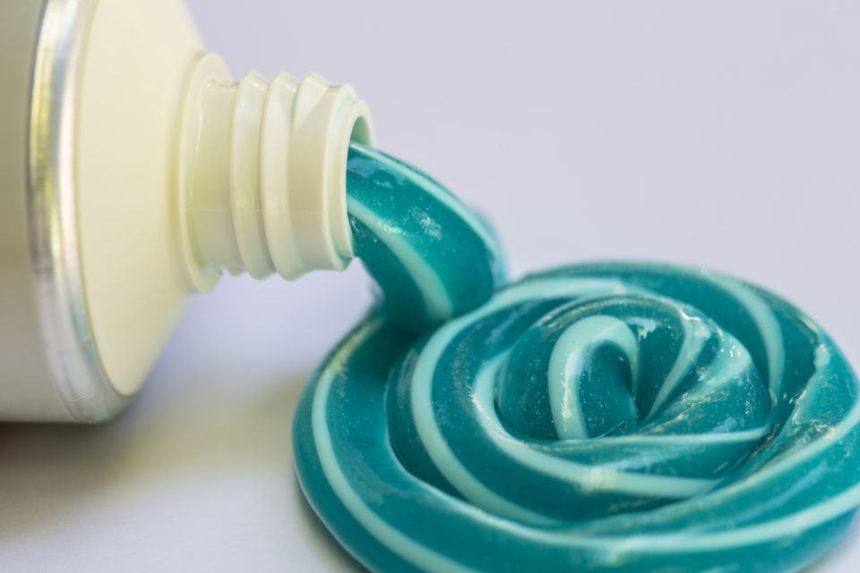
It is curious to observe how many people buy only organic and non-toxic mineral sunscreens, yet do not think that using a “bright blue” toothpaste every day might also be a problem.

There are many good reasons to make your own toothpaste, but the main one is that commercial brands of toothpaste contain toxic ingredients that are harmful to your health, such as fluoride, which is more than proven to be poisonous.

THIS ARTICLE IS THEREFORE BASED ON THE ADVICE OF DENTAL EXPERTS

“Don’t let toothpaste be an afterthought. The toothpaste you use can have a tremendous effect not only on your teeth, but also on your overall health.” Mark Burhenne, DDS. Source: https://askthedentist.com/diy-toothpaste/

Dr. Burhenne has been a practicing dentist for 35 years. He graduated from the Dugoni School of Dentistry in San Francisco, CA in 1987 and is a member of the American Academy of Dental Sleep Medicine (AADSM), the Academy of General Dentistry (Chicago, IL), the American Academy of Oral Systemic Health (AAOSH), and the Dental Board of California.

This same dentist, Dr. Burhenne, talks in his blog about the best ingredients to use when making your own toothpaste and the ingredients to avoid. Because, just because we make our own homemade toothpaste doesn’t mean that we will automatically get a perfect recipe that won’t harm our teeth. We know a lot of blogs with recipes that are harmful to tooth enamel and even damage our microbiome.

So what is the point of avoiding fluoride toothpastes that damage our oral microbiome if we then make our own homemade toothpaste that has the same effects?

It is therefore important to know which ingredients to avoid and, on the contrary, which ingredients should be used in our homemade toothpaste.

WHY MAKE DIY TOOTHPASTE?

According to the same US dentist: “Many conventional brands of toothpaste contain harmful or even toxic ingredients, including:

-Triclosan. A pesticide and hormone disruptor.

-Sodium lauryl sulphate (SLS). Causes canker sores in many people.

-Artificial colours. Linked to ADHD and hyperactivity in children. Toothpaste does not have to be blue.

-Fluorine*. Toxic if ingested and not even effective in toothpaste.

-Highly abrasive ingredients that damage enamel making teeth sensitive and more prone to gum recession and tooth decay.

Toothpaste should be only slightly abrasive: this graininess helps the brushing movement to remove biofilm from the tooth. In this case, glycerin, without being toxic, acts as a soap that strips the body’s natural oral mucosa of its healthy components, thereby altering the natural microbiome or biofilm of the mouth and gums. Unfortunately, there are almost no commercial toothpaste brands that do not contain glycerin and, even more seriously, many homemade toothpaste recipes also include glycerin.

*Today, the benefits of fluoride are strongly questioned even though it has long been proposed to prevent tooth decay. Fluoride has now been found to be a dangerous substance above a certain dose, with children being particularly vulnerable to it. Among other adverse effects, it may cause brain damage and hypothyroidism and the development of bone cancers in young boys. In 2010, the WHO also ranked fluoride among the top 10 most toxic products for the environment.

In itself, the composition of a toothpaste is not as important as the method of brushing, avoiding refined foods, highly vinegary foods, white sugar and alcohol. Furthermore, if we take a look at the ingredients of a toothpaste we will see that most of them contain some of the toxic ingredients listed above: sodium lauryl sulphate, triclosan, fluoride, petroleum derivatives or parabens, which have a proven long-term toxicity from chronic use.

BEST INGREDIENTS TO USE IN A HOMEMADE TOOTHPASTE

Coconut oil. Coconut oil has a depurative effect, mainly due to the lauric acid component. This oil respects and improves the gut microbiome (remember that the gut starts in the mouth) and naturally prevents candida in the oral cavity. It has been shown to help heal sore and bleeding gums and reduce oral fungal infections. Therefore, this component prevents tooth decay and bad breath and reduces gum inflammation.

Bay laurel berry oil. Like coconut oil, this oil has a high percentage of lauric acid, which makes it ideal for oral hygiene. However, it has the advantage that it hardens less than coconut oil in cold temperatures, which makes it easier to use in the preparation of our homemade toothpastes.

Sesame oil. The main advantage of sesame oil is that it does not harden like the previous ones, which greatly favours the preparation and packaging of our homemade toothpaste recipes. Sesame oil has also been widely used in the Ayurvedic tradition for its oral hygiene properties. Sesame oil is an excellent tool for neutralising acid and improving dental health. Sesame seeds are known to reduce plaque and help remineralise tooth enamel. Sesame oil forms a kind of soap in the mouth that helps to wash away plaque while polishing tooth enamel and preventing tooth decay, thus preventing bad breath and bleeding gums.

Partially ozonised oil. In principle, any quality cold-pressed oil will do. The most important thing in this case would be that the oil we use is partially ozonised, i.e. one that is safe to ingest. If you are going to prepare it yourself at home because you have the ozoniser device and a quality first cold-pressed oil, personally, we would not leave it in contact with the ozone for more than half an hour. A virgin olive oil, or linseed oil, for its richness in omegas, would probably be a good choice. Or, as we said, sesame oil, which is also widely used in the “oil pulling” technique to remove toxins from the oral cavity.

Cocoa powder. The theobromine in cocoa appears to promote remineralisation of tooth enamel rather than attacking it as fluoride does. A research team at the Massachusetts Institute of Technology (MIT) found that one of the tannins in cocoa, theobromine, inhibits the activity of the oral enzyme dextransucrase, a key element in the formation of dental plaque, without which tooth decay would not occur.

https://pubmed.ncbi.nlm.nih.gov/19397954/

Bentonite clay. A natural polish rich in minerals and not too abrasive. It is also alkaline, so it helps to reduce acidity in the mouth. Don’t be afraid to put “dirt” in your mouth: we’ve been brainwashed into thinking we have to sterilise our mouths with mouthwashes that kill “99% of germs”, but optimal dental health is actually about achieving a balanced ecosystem of bacteria in the mouth that protects us from disease and promotes remineralisation of our teeth. Clay contributes to the detoxification of heavy metals and toxins present in the mouth. On its own, bentonite clay has a negative charge, so it easily binds to toxins and carries them away. In industry, it is used to clean and polish exotic cars without damaging the finish.

Hydroxyapatite. Hydroxyapatite is a form of calcium that is part of the composition of our tooth enamel and dentine. The remaining enamel is composed of water, collagen and other proteins. It is considered an effective component for remineralisation of teeth, which can help heal cavities and prevent new ones. Furthermore, in a 2019 study published in BDJ Open, researchers found that hydroxyapatite was as effective as fluoride in preventing and reversing tooth decay in children.

Activated charcoal. Activated charcoal binds to the coating on our tooth enamel, which is usually bacterial plaque, let’s not kid ourselves, and extracts the toxins and chemicals that have adhered to it just as it does in hospitals where it is used to treat patients who have been poisoned. However, do not expect miracles, as it does not “whiten” the teeth and does not address the deeper damage and stains that occur inside the tooth.

Xylitol. Xylitol reduces bacteria in the oral cavity and makes it harder for them to adhere to tooth enamel. But you don’t want to add too much, as it is a sweetener: too much can reprogramme our taste buds to crave too much sweetness.

Erythritol. It belongs to the group of so-called polyalcohols, a group of chemical molecules that have the property of sweetening foods and beverages. Like xylitol, it is of completely natural origin as it comes from fruits and fermented foods. It has the property of inhibiting the proliferation of bacterial plaque and also prevents the formation of the fungus Candida Albicans. Stevia is another plant-based sweetener with similar properties to the above.

Sea salt. A pinch of salt rich in minerals and trace elements such as sea salts or Himalayan salts that provide us with the necessary minerals that are good for our teeth.

Food grade diatomaceous earth. For the same reason as sea salt, diatomaceous earth provides a large amount of minerals such as silica which are very important for remineralising teeth.

Sodium bicarbonate. Our teeth and mouth are constantly attacked by acids from the foods we eat. Neutralising these acids with vegetables and water is essential to maintain a proper pH in the mouth to support the right bacteria, as well as to protect the enamel from decay. Baking soda has a pH of 9 to 11 (alkaline), so it alkalises and helps neutralise acids without being too abrasive to teeth.

Vitamin E oil. Helps protect the body from free radicals with its antioxidant and anti-inflammatory properties.

Herbal extracts and active ingredients of plant origin. Each one with its different properties, personally, we think it may be interesting to include some of them, either in powder form or in the form of an oleate made with a base of vitamin E oil.

For example, extracts of parsley, mint, coriander, sage and even propolis powder have a mild antiseptic activity that fights harmful bacteria without disturbing the good bacteria.


ALTHOUGH, WITHOUT DOUBT, THE ONES WE WOULD CLASSIFY AS STAR HERBAL ACTIVES WOULD BE THE FOLLOWING:

Turmeric extract. Recent research suggests that turmeric promotes good oral health. For example, if we suffer from a gum infection, turmeric can be an effective remedy for our periodontal problems. According to an article published by Mejor con Salud, turmeric gum gel is effective in treating gingival inflammation because the action of curcumin is comparable to that of chlorhexidine.

Studies also suggest that turmeric can be used to fight plaque, which may explain turmeric’s reputation as an effective tooth whitening ingredient.

Ginger extract. This extract reduces gum inflammation and its antioxidant properties fight harmful oral bacteria and preserve the healthy oral microbiome.

Miswak extract. This extract is extracted from the Arak tree (Salvadora persica) and several scientific studies have shown that it has antibacterial, antifungal, antiviral, cariogenic and anti-plaque properties. They have also claimed that miswak has antioxidant, analgesic and anti-inflammatory effects. The use of a miswak has an immediate effect on the composition of saliva. And finally, they have confirmed that the chemical and mechanical cleaning efficacy of miswak chewing sticks are equal to and sometimes greater than that of a toothbrush.

Neem extract. Traditionally in India, Neem extract has been used for its extraordinary virtues in preventing periodontal diseases. Hindus chew Neem twigs as a toothbrush. The sap from the twigs helps to clean the teeth while protecting the mouth from disease. Neem oil has astringent and antiseptic properties to prevent bad breath, destroy micro-organisms on the teeth and fight tooth decay. Neem is a powerful antioxidant that neutralises free radicals that can influence the development of infections and is a potent anti-inflammatory agent. It has antimicrobial effects and can be effective against various types of bacteria, viruses and fungi.

And the combination of clove and cinnamon extracts works to cleanse the liver and intestines from the inside, thus preventing dental plaque and halitosis. Cinnamon contains cinnamaldehyde, which according to an article in the National Center for Medical Science Information has been proven to have an antimicrobial effect in the field of dentistry.

https://www.redalyc.org/journal/3786/378663205009/html/

As mentioned above, naturopathic medicine has traditionally used a whitening toothpaste recipe with equal amounts of calcium powder, cinnamon powder, bentonite clay and cloves.

RECIPE FOR HOMEMADE HERBAL TOOTHPASTE ACCORDING TO NATUROPATHIC TRADITION

The ingredients needed for this recipe are:

Two tablespoons of bentonite clay

Half a teaspoon of calcium powder (hydroxyapatite is the best option, but if you can’t find it, calcium carbonate is readily available).

Half a teaspoon of ground cinnamon and half a teaspoon of ground cloves.

And coconut oil.

PROCEDURE:

Grind the herbs in equal parts to a fine powder. Add the coconut oil and clay and mix in a glass bowl to the desired consistency. The herbal mixture alone can be stored in a jar by adding coconut oil to the toothbrush each time it is used. This unique paste is very beneficial for teeth, gums and mouth. It smells great and freshens breath.

The paste will only keep for a week at room temperature if the coconut oil and herbs are mixed together. It will last much longer if mixed with the oil on the spot.

INGREDIENTS TO AVOID IN OUR HOMEMADE TOOTHPASTE

Anything acidic. This American dentist recommends getting pH strips from Amazon to test the acidity of any homemade toothpaste. Ideally, anything we make should have a pH of 7 (neutral) or higher. Tooth enamel is made to resist acids, but teeth are often under constant acid due to the junk foods we eat on a regular basis. We know that tooth enamel is mainly made up of hydroxyapatite (calcium phosphate), so a diet rich in this mineral and in vitamin D, so that calcium is well absorbed, is essential for healthy teeth. Foods rich in calcium are green leafy vegetables, such as chard, kale, or nuts, such as almonds or sesame seeds.

Hydrogen peroxide. Yes, it is the same ingredient used in whitening products and it works, but not in the form of toothpaste and not as a mouthwash. For hydrogen peroxide to whiten teeth, it needs to be held against the tooth for a long time and it is also very important that hydrogen peroxide is only applied to the tooth enamel; ideally it should not come into contact with the gums, tongue and soft tissues of the mouth, where it creates ageing free radicals.

In itself, it is not a very healthy tooth whitening solution and its effects are short term. A few weeks after hydrogen peroxide teeth whitening, the teeth become stained again due to drinks such as tea or coffee, red wine or even berries. A safer and more effective way to remove these surface stains from teeth caused by food or drink would be to use a toothpaste based on activated charcoal*, which is used in natural medicine for its ability to remove toxins.

Glycerine. We know that most commercial toothpastes contain glycerine, but if we are going to make our own homemade toothpaste, we should avoid it. Glycerine is not at all advisable as its use leaves a slippery coating that becomes a magnet for plaque. Instead of cleaning and protecting teeth, it makes our mouths more prone to cavities and other oral health problems. It is much better to replace it with bentonite clay, which not only remineralises our tooth enamel, but also cleans it very gently.

Essential oils should be avoided. This may come as a surprise, but essential oils have antibacterial properties that attack the delicate balance of bacteria in our mouth. We aim to restore the healthy oral microbiome, not kill it. Killing the good bacteria can set the stage for poor oral health, bad breath and other imbalances. Good bacteria are very important. There are exceptions to this rule, such as anise or fennel essential oils.

And for this same reason, to respect the skin microbiome, this blog does not encourage the indiscriminate use of EOs in cosmetic products as other bloggers do on their pages. Only in deodorants and some shampoos and tonics in very small quantities so that the benefits of using them outweigh the disadvantages of their biocidal effect on our natural skin barrier.


WHAT ARE THE BASIC INGREDIENTS FOR A HOMEMADE TOOTHPASTE?

Green clay or bentonite because it remineralises our tooth enamel by dragging bacteria and toxins without harming the natural bacterial plaque on our teeth.

A teaspoon of bicarbonate to help clean our teeth by combating the acids that attack the enamel.

And a little oil to combine both ingredients (the clay and the bicarbonate) for easy packaging and subsequent use.

As we have been saying, coconut oil, due to its high lauric acid content, which promotes dental health, is the ideal oil for making homemade toothpaste. In case we do not want to use coconut oil because of its hardening problems, laurel berry oil also has a high lauric acid content and sesame oil is also frequently used in Ayurvedic medicine to care for oral health.

Babassu oil also has a high lauric acid content, but precisely because of this high lauric acid content, it also hardens like coconut oil and has the same problems. It is better to use laurel berry oil, which remains semi-solid and is more malleable for our recipes, or even cold-pressed sesame oil.

Another key ingredient when making homemade toothpaste is baking soda, which has become the main component of commercial fluoride-free toothpastes such as Parodontax brand toothpaste.

Sodium bicarbonate is a natural and gentle cleaning agent with a very low abrasion coefficient. Secondly, it is alkaline and therefore neutralises the acids in the mouth that are often the cause of tooth decay. Baking soda also helps to keep breath fresh. In Germany it is widely sold under the name natron and, as in England, is often used as baking powder. For toothpaste, it is best to take a baking soda with a very fine grain structure.

In principle, the use of essential oils should be avoided unless it is a couple of drops, for example of anise or fennel EO, which, as we said, fight harmful bacteria without altering the healthy microbiota. Or, in our opinion, it is even possible to add a couple of drops of lemon EO, which is very refreshing and hardly affects the final result. Of course, it is advisable to use pure organic essential oils of therapeutic quality.

*And, although tea tree oil is widely advertised for oral hygiene, personally, we would never use it because it is considered too strong, as our American dentist rightly points out.

Optionally, it is also possible to add a little xylitol. Xylitol helps to prevent caries and is particularly interesting in children’s toothpastes because of its pleasant sweetness. Its action is based on the fact that the bacteria responsible for tooth decay, Streptococcus Mutans, cannot digest xylitol and therefore dies. In addition, xylitol prevents bacteria from adhering to tooth enamel in the form of plaque. In addition, xylitol promotes the production of saliva (which is antibacterial).

Stevia or erythritol would have similar properties. *However, if we are going to add one of these sweeteners it would probably be better to replace the oil in our recipe with a more suitable base (e.g. aloe vera) as sugar (xylitol, etc.) tends to degrade the composition of our toothpaste more quickly and we would therefore not be able to keep it out of the fridge.

As you will see below, it is possible to add all the extras you consider most interesting to a basic pasta and thus complete the recipe to your liking.


POSSIBLE EXTRAS:

A teaspoon of bentonite clay to remineralise tooth enamel. This is the extra we like best because of the green clay’s ability to carry away oral toxins while remineralising the tooth enamel and alkalising the oral cavity to protect it from future infections.

A teaspoon of food grade diatomaceous earth, which provides silica and other interesting minerals but also gives our toothpaste a spongy consistency that makes it easier to use.

One or two teaspoons of aloe vera gel, which makes the toothpaste a little more liquid and helps to care for the gums.

A teaspoon of cocoa powder, which, as mentioned above, inhibits the formation of dental plaque, preventing tooth decay more effectively than fluoride.

A teaspoon of activated charcoal, which helps to remove toxins from dental plaque.

A teaspoon of calcium carbonate or, better, hydroxyapatite. Obviously, to add calcium to the tooth enamel.

Half a teaspoon of xylitol, erythritol or stevia. These sugars have been shown not to be fermented by the bacteria in the oral cavity that cause tooth decay. As they are not fermented, they prevent the demineralisation of enamel and the proliferation of bacteria that produce dental plaque.

Half a teaspoon of any of the active plant ingredients mentioned above, e.g. half a teaspoon of turmeric powder, ginger, neem, miswak, etc…

LET’S GO WITH THE MOST BASIC AND EFFECTIVE RECIPE

The homemade toothpastes proposed by this American dentist in his blog include water, we don’t know if this is to make the incorporation of coconut oil easier as we have doubts that two teaspoons of water would be enough to soften the oil. In any case, the addition of water forces us to use preservatives in our homemade toothpaste.

If we live in a tropical paradise with a constant temperature above 20 degrees Celsius, it is advisable to prepare our usual toothpaste with coconut oil. But if this is not our case, we advise you to reconsider using bay berry oil as a substitute. This way you can easily pack your toothpaste, take it with you on trips and extend its shelf life by avoiding the daily unhygienic scratching in the glass jar as with coconut oil-based toothpastes.

BASIC RECIPE WITH BAY BERRY OIL

Our alternative recipe with bay berry oil forms a much more malleable paste than coconut oil and avoids the addition of the ever problematic preservatives.

Ingredients:

3 tablespoons bentonite clay

Half a tablespoon of bicarbonate of soda

Half a teaspoon of hydroxyapatite, if available.

Bay berry oil (usually 1/3 of the mixture) to make a malleable paste.

It is that simple to prepare a basic, effective and easy-to-apply homemade paste that can also be packaged for hygienic application, prolonged viability and travel.

PROCEDURE:

Put the clay, the bicarbonate and the hydroxyapatite in a small ceramic mortar and pestle, stirring well so that it all becomes a very fine powder and when the bay berry oil is added, it all becomes a mass that is easy to apply and pack.

We have packaged it in this little plastic dosing tube that they sell in the aroma-zone online shop.

But if you don’t have a small tube like this one, it is also possible to pack it very conveniently in an aluminium one of those that are sold for home-made sauces.

These tubes are relatively easy to close with universal pliers by folding them at the back.

EXAMPLES OF HOMEMADE TOOTHPASTE RECIPES

It is important to understand that all these homemade pastes that we propose below do not contain preservatives and that it is therefore important to preserve them in measuring jars or glass containers to keep them in good condition. In some cases, depending on the composition of the recipe, it may be necessary to keep them in the refrigerator to prevent the proliferation of bacteria.

It is also interesting to know that toothpaste powders (based, for example, on active plant ingredients such as turmeric, miswak, etc.), as they do not contain water, remain in perfect condition indefinitely. And, in many cases, they can also be used, with the addition of water, as base mixtures for mouthwashes and mouthwashes.

HOMEMADE SEA SALT WHITENING TOOTHPASTE RECIPE

Ingredients:                           

Two tablespoons of coconut oil.

A spoonful of clay.

One teaspoon of bicarbonate of soda.

Half a teaspoon of fine sea salt.

A few drops of aniseed essential oil, optionally.

This is a very basic recipe but it works very well as a whitener due to the sea salt that has this effect on our tooth enamel. And you can use any type of quality salt. Also, if we want to whiten, we can add half a teaspoon of turmeric powder which reinforces the whitening effect and cleans deeply.

PROCEDURE:

The easiest way to work is when the coconut oil is at room temperature and soft. If it is hard, put it in a bain-marie. Then add the clay, baking soda and sea salt, and finally the essential oil droplets. Continue stirring well until the coconut oil has thickened.

When the mixture has a creamy consistency, put it in a clean glass jar and let it cool. To use the toothpaste, use a spoon or spatula to scoop some out of the jar.

We do not advise you to pack this coconut oil mixture in a measuring tube, because when the coconut oil hardens it is impossible to extract. However, you can leave the glass jar in your sink without refrigerating it, because the coconut oil keeps the mixture very well.

RECIPE FOR HOMEMADE PASTE BASED ON MISWAK EXTRACT AND ACTIVATED CHARCOAL

Ingredients for about 50 grams of product:

Half a teaspoon of calcium carbonate or hydroxyapatite.

Two tablespoons of bentonite clay.

1 tablespoon miswak extract powder.

Half a teaspoon of powdered activated charcoal.

Neem oleate in cold pressed olive oil.

*In this recipe we wanted to use neem oil instead of coconut oil because of the properties of neem for the gums, as well as the fact that neem oil does not rancidity and remains in good condition indefinitely. But you could also use, for example, jojoba oil, which does not rancid either, or even ozonated oil.


PROCEDURE:

Previously, we have crushed all the extracts and powders in a ceramic mortar to ensure that they are well integrated and to avoid the formation of lumps.

We then added the Neem macerate to our powders until a paste was formed. The ratio is usually 3/1. In other words, for every three parts of powder, there is more or less one part of oil, so that the mixture does not become too fluid. It is best to add the oil a little at a time and see how it thickens.

HOMEMADE TOOTHPASTE POWDER

It is also possible to use powder instead of paste, and in this case, by avoiding the addition of oil, the shelf life of our product is extended indefinitely. In this case, we will need a container like this one to be able to use the powder properly.

This toothpaste powder recipe does not contain coconut oil because it is a powder recipe. However, when brushing, we can mix our powder with coconut oil if it is melted or, if not, with any other oil with the properties mentioned at the beginning of our article.

Basic ingredients:

70 g of white clay or bentonite powder

30 g xylitol (= birch sugar, prevents tooth decay)

3 g bicarbonate of soda

PROCEDURE: Grind the xylitol to a fine powder in a mortar and pestle, add the white clay and bicarbonate and mix well. And pack in a glass jar if you do not have a powder dosing container.

ADDED: In a toothpaste powder recipe it is very easy to add herbal extracts. We will choose one or two herbal extracts to make our mixture more effective.

Turmeric, for example, is highly effective in addition to whitening teeth, combined with ginger powder even more so.

But adding miswak powder is also a very good idea because it contains natural fluorides. Or neem powder, which protects the gums and reduces inflammation. Etc…

NATURAL MOUTHWASH RECIPES FOR MOUTHWASHES

Mouth rinses can be used before or after brushing your teeth. They can also be used between brushings when it is not possible to brush easily during the day. They are also used as a gargle for a sore throat.

INGREDIENTS:

1 teaspoon sea salt

1 teaspoon baking soda

2 drops of fennel or anise essential oil (optional)

One cup of distilled water or ozonated water

*This rinse can be kept indefinitely if we set the powders aside and add the water to them at the time of use. Even if we do not do this, it is also unlikely to spoil due to the alkalinity of the salt and baking soda.

INSTRUCTIONS:

Add all ingredients to a glass bottle with a lid and mix well. Shake the mouthwash well before each use, as the baking soda and salt settle to the bottom when not in use.

HERBAL MOUTHWASH FOR THE THROAT

Ingredients:

200 ml of water boiled in thyme or any other herb of your choice.

1 tbsp bicarbonate

1 tbsp salt

PROCEDURE:

Boil the water with the thyme. Add the bicarbonate and leave to cool. When it is cold, add 2 or 3 drops of lemon essential oil. Keep it in a glass bottle in the fridge between uses.

USES:

Mouthwashes can be used before or after brushing teeth. Also, in this case, to gargle if you have a sore throat, as one of the properties of thyme is to relieve this type of symptom.

Alternatively, it is also possible to use other types of herbs and extracts depending on the properties we are looking for in our mouthwash.

For example, thyme is known to have antiseptic properties, rosemary and chamomile are anti-inflammatory and ginger is analgesic. It is also possible to use hydroglycerine extracts or herbs infused in ethanol, vinegar or glycerine.

CONSERVATION:

While the salt and alkalinity of baking soda help to preserve this type of mouthwash, it is better to make small batches more frequently rather than keeping a large supply for a longer period of time.


SMART HOMECOSMETICS: Or how to avoid preservatives in our home preparations.


Current literature on “Slow Cosmetics” and new cosmetic and hygiene trends aim to preserve the proper functioning of our skin’s natural barrier by avoiding the use of harsh soaps and cosmetics. https://www.mdpi.com/1420-3049/26/5/1249/htm

In our homemade cosmetic preparations, the ingredient that can be the most aggressive and that we need to watch out for the most are preservatives.

I find it rather sad to observe that when the best cosmetic laboratories of today (Welleda, Colgate Palmolive (Sanex line) strive to improve the composition of their soaps and cosmetic products to make them less aggressive and respectful of the natural bacterial flora of our skin, bloggers and authors of homemade natural cosmetics continue to design recipes for creams and other homemade cosmetic products to which they happily add a gram of synthetic preservatives such as Cosgard, Geogard, Rokonsal…

And some of you will tell me that you make these recipes and that you don’t notice anything aggressive. My question is: do you notice that your skin feels more stiff after a few days of use, have you developed skin redness, is your skin more sensitive to the sun and the appearance of sunspots? All these phenomena are side effects caused by the use of aggressive preservatives or excessive amounts of preservatives in your creams and products for daily use, as synthetic preservatives deteriorate the natural protective layer of our skin and alter its functioning. It is for this reason that today’s soaps strive to use less aggressive detergents with the addition of probiotic ingredients and natural skin barrier protectors. And today’s good creams, which are tolerated by all skin types, such as Welleda’s, do not even contain synthetic preservatives, just a few derivatives of natural essential oils.


Weleda is a Swiss-German company founded in 1921. With 90 years of experience, the company is dedicated to the production of anthroposophically oriented master preparations and natural cosmetics. Compare, for example, the composition of Welleda’s Skin Food cream with some of the conventional creams you will find on the market.

WELLEDA SKIN FOOD CREAM INGREDIENTS

INCI: Water (Aqua), Helianthus Annuus (Sunflower) Seed Oil, Lanolin, Prunus Amygdalus Dulcis (Sweet Almond) Oil, Beeswax (Cera Alba), Alcohol, Polyglyceryl-3 Polyricinoleate (emulsifier of vegetable origin), Glycerin, Limonene* , Viola Tricolor Extract, Hydrolyzed Beeswax,  Sorbitan Olivate (lipids derived from olive oil), Rosmarinus Officinalis (Rosemary) Leaf Extract , Chamomilla Recutita (Matricaria) Flower Extract , Calendula Officinalis Flower Extract, Arginine, Zinc Sulfate, Fragrance (Parfum*) Linalool* Geraniol * Citral* Coumarin* *From natural essential oils.


THE WELLEDA PHILOSOPHY IS ALSO THE PHILOSOPHY OF THIS BLOG

We wanted to include here some lines about the philosophy of this brand because we consider that this same philosophy is totally applicable to the natural homemade cosmetics that we emphasize from this our blog.

“Parabens, esters of hydroxybenzoic acid, are one of the most common preservatives in conventional cosmetics due to their low price. They appear on INCI labelling under names such as ethylparaben, propylparaben, isopropylparaben, butylparaben.

Although they are of natural origin, they are produced synthetically and are mainly used to delay the expiry of natural elements. In recent years there has been an increase in cases of skin allergies, rosacea, among others, due to the use of parabens in food and cosmetics (…) Other commonly used synthetic preservatives are benzoic acid, which appears as benzoic acid, or benzyl alcohol, which appears as benzyl alcohol”. Source: welleda

“Preserving a cosmetic naturally is a very complicated task, almost an art, which requires a great deal of experience and knowledge of the principles of natural cosmetics. The process begins with the raw materials, which are subjected to rigorous quality controls.

It is necessary to have a thorough knowledge of natural raw materials, their properties, their character and how to combine them to achieve a natural, stable, safe, effective and long-lasting formula without resorting to synthetic additives.

It also takes advantage of elements such as the type of packaging, natural alcohol or essential oils to contribute to the preservation of the product. (…) Source: Welleda

The most commonly used alcohol, which comes from a long tradition in homeopathy and anthroposophic medicine, is ethanol, which is a completely natural alcohol obtained by fermenting sugars from grains of different plants. It is included in some formulas in very low concentrations, makes the texture lighter and, being volatile, does not penetrate the skin.

Essential oils, in addition to serving as a scent and having multiple physical and emotional benefits, such as stimulating microcirculation, have a fungicidal and bactericidal effect. They are included in very low concentrations between 0.5 and 2%.

It is possible to enjoy effective, safe and 100% natural cosmetics without putting our health at risk by introducing unnecessary chemicals“. Source: Welleda


So, with these ideas in mind, we have intended to write this article on optimising our cosmetic formulations to make them smart like the cosmetics designed by Welleda and thus avoid the use of unnecessary preservatives and chemical additives. That is why we thought we would dedicate this article to “smart cosmetic ingredients” in our homemade preparations.


The best natural preservative that can be used in natural homemade cosmetics is, of course, not to use any preservatives at all.

https://www.ncbi.nlm.nih.gov/pmc/articles/PMC5583239/


To achieve this, as we always say, there are several strategies:

1.-Prepare a very small amount of product that we are going to consume in a few days and, in this case, we will not need to add anything to our homemade formulation.

2.-Keep our homemade product cool and protected from sunlight and temperature changes, e.g. in the fridge, and package it in dark glass containers.

3.-Design a formulation that will keep well for a few weeks without the need to add any preservatives. As we all know, if our formulation does not contain water, this is very easy to achieve, but the problem arises when we want to formulate a cream or body lotion with an aqueous phase, which are undoubtedly more moisturising.

It is therefore necessary to design our formulation well if we want to do without preservatives.

To achieve this, it is possible, for example, to use in our products oils that have been altered to lengthen their rancidity, such as fractionated coconut oil, derived from natural coconut oil, or squalene, derived from the fatty acids in olive oil.

Better still, it is possible to use partially ozonised oils which retain all the properties of the vegetable oil but do not become rancid or contaminated, thus preserving our formulation.

Oils macerated in balsamic resins also have a longer shelf life.

And, of course, since the problem of contamination of our creams comes from bacteria and moulds in the water in products containing an aqueous phase, we can treat the water we are going to use.

We can start, for example, by using hydrolats to which we can add a few drops of the same essential oil to enhance its preservative capacity or even alcohol (preferably ethanol, or even vodka, which has a high natural alcohol content and is also used to make homemade tinctures) as in Welleda’s cream, which is not absorbed into the skin but prevents our cream from deteriorating.

Of course, if we do not have hydrolats, we will have to use distilled water. And why not? Treated water, for example with ozone, as we do with oils. Instead of using ozonated oils, we can use ozonated water in our preparations to avoid fungi and bacteria and, above all, to avoid the need to use synthetic preservatives.

And, in any case, when designing our products, we can consider the idea of making a solid cosmetic since solid cosmetics, by definition, contain little or no water. We will talk about solid cosmetics in a later post.


OZONATED WATER AND HEALTH

Numerous studies have shown that drinking ozonated water provides health benefits and has positive effects on the circulatory system, the nervous system, the skin, the …

Washing fruit, vegetables, fish and other perishable foods with ozonised water guarantees their total disinfection. The same disinfecting and sterilising effect of ozone can be applied to containers, bottles, teats, bottles, contact lenses… Simply immerse them in ozone purified water for 5 minutes.


Ozone-treated water also has a beneficial effect on the gastric mucosa, which is favourable as an adjuvant factor in the treatment of gastritis, gastroduodenal ulcers and some parasitosis.

In general, ozone therapy considers the use of ozone water to be very beneficial for: the circulatory system, the nervous system (depression, stress, insomnia, exhaustion), obesity and cellulite, allergies, eczema and other skin conditions, anaemia, liver problems, rheumatism, arthritis and gout.

Medical ozone therapy eliminates the free radicals that cause premature ageing. Dr. Pérez de León, a renowned doctor from the Biological Institute of Health, includes ozone therapy among his therapeutic methods, stating that it increases immunity by 25-30% and that “it is beneficial for any illness”. Proof of this is that it is currently being used as part of the treatment for AIDS patients.

You can see that your ozonising machine for oils and water can even help you to increase your defences and avoid contagion by coronavirus. Who would have thought it?

On the other hand, if you use ozonised water in the preparation of soaps and household detergents, you will achieve better whitening results than with bleach, as ozone enhances the action of detergents by neutralising the action of other chemical pollutants such as bleach and chlorine, thus preserving the environment.

The cosmetics and hygiene industry has accustomed us to buying synthetic preservatives and synthetic sanitisers based on chlorine, which nowadays, with the technology available to us, are not even necessary and, moreover, pollute. But they do keep the wheel of the capitalist-consumerist system running.


RECIPES THAT DO NOT NEED PRESERVATIVES TO BE PRESERVED

Here are some examples of homemade formulations that can last for several months without the use of preservatives.

BB-CREAM Facial

Along the lines of what we were talking about how to formulate smart homemade cosmetics without using preservatives or using minimal preservatives.

For example, it is possible to formulate a BB-Cream Facial without using an aqueous phase.

Therefore, it is not necessary to add preservatives. We have only taken the precaution of using fractionated coconut oil, which is more stable than natural oil, and will last about 6 months in perfect condition. In addition, this BB-cream includes a high sun protection factor due to the 20 grams of zinc oxide with which we have prepared the line. This makes it an ideal day cream.

Ingredients for 100 g of product:

0.8 g pink ochre pigment (or a mixture of red and yellow iron oxide)

20 g of zinc oxide previously micronised in the ceramic mortar to avoid lumps

63 g fractionated coconut oil

8 g of silica microspheres

8 g beeswax


PROCEDURE:

Put the red iron oxide and the yellow iron oxide in a heat-resistant container. Then add the zinc oxide.

Add the fractionated coconut oil to the mixture, stir and blend. Add the silica microspheres, stir and finally add the beeswax.

Put the mixture in a bain-marie to melt the wax, stir well and pack.

In this first cosmetic formulation we have not used an aqueous phase, which makes it much easier to do without preservatives, but in this second case, we present a body lotion formulation that does contain a lot of water.


LIPID BARRIER PROTECTIVE BODY MILK FORMULATION

This body milk keeps for weeks without adding any preservatives thanks to the combination of lanolin and beeswax. You will certainly finish it before it deteriorates. But if you expect to use it for months, it is best to add a few drops of GSE to your distilled water or use ozonated water instead. Of course, it is also possible to use a mildly ozonated almond oil.

Ingredients for about 250 ml of body milk:

10 grs lanolin

12 grs beeswax

10 grams of emulsifying wax #3 (INCI: Glyceryl Stearate Citrate)

120 g distilled/ozonised water with a few drops of GSE

80 grams of almond oil


PROCEDURE:

Heat the beeswax in a bain-marie until it melts and add the lanolin.

Separately, heat the emulsifying wax No. 3 in a bain-marie in another container and when it melts, add the almond oil and the ozonised water until it reaches a temperature of 70 degrees.

Now add the oil + ozonised water to the lanolin and beeswax mixture while whisking until the mixture is integrated and the emulsion is stabilised. It should be a light emulsion like a fine custard.

If it is too light after whipping, don’t worry, because when it cools down it will thicken much more. If you add more wax, it will be too thick and you will not be able to use it smoothly afterwards.

This is a very interesting body milk because the combination of lanolin and beeswax generates a kind of film on the skin that reinforces its lipidic barrier, thus protecting our skin from dehydration. You will notice it immediately if you decide to make it.


HOMEMADE SOYBEAN LECITHIN EMULSIFIER with base of ozonised oil

It is advisable to first pulverise the soya lecithin you have purchased with a ceramic pestle and mortar, which usually comes in granulated form.

I say this because crushing the granules well helps a lot later with the process of incorporating the soya into the sunflower oil.

Ingredients:

40% cold-pressed sunflower oil (sorry, but supermarket oil is not suitable) or sweet almond oil, in our case, ozonised sunflower oil.

60% non-GMO soy lecithin, usually granulated.

PROCEDURE:

The pulverised soya lecithin is added to a heat-resistant glass container, which is to be placed in a bain-marie.

Then add the sunflower oil that has already been weighed and place in a bain-marie for about 15 minutes.

After this time, the granules may not have dissolved completely. Some people blend them in a blender, but if you find this process too messy and messy, we simply keep stirring for a few more minutes until they are completely dissolved.

Finally, pour the mixture into a glass jar with a lid and leave it to stand for 3 hours. After this time, our lecithin will be ready.


This is an emulsifier that can be used for cold or hot emulsions. However, it is recommended to use another agent that can give consistency to the emulsion (co-emulsifier), e.g. beeswax, which, although it is not an emulsifier itself, helps to make the emulsion more stable. It is also possible to use cetyl alcohol or a thickening gum such as xanthan in the aqueous phase.


The advantage of this soy lecithin emulsifier is that, in addition to being an emulsion coadjuvant, it provides a soft touch and a higher level of hydration and anti-wrinkle protection to our creams due to the phytoestrogens contained in soy lecithin. And, the biggest advantage of preparing it with ozonised oil is, without a doubt, that it does not go rancid as is usually the case with homemade soya lecithin made with conventional sunflower oil.


ANTI-MOSQUITO SPRAY

Ingredients:

50 ml of seawater reconstituted from Dead Sea salt, or Celtic salt, or any other salt with properties. As you know, salt is another great natural preservative. However, you can substitute this recipe with ozonated water, of course.

6 drops of Citronella Java EO

6 drops of EO of Eucalyptus citriodora

5 drops of Geranium of Egypt essential oil

5 drops of Immortelle de Corsica or Helichrysum or Immortelle de Corsica E.O.

1 g vegetable glycerine


INSTRUCTIONS

First, reconstitute the seawater by adding a teaspoon of salt to 50 ml of a mineral water that you have at home.

Now, we will calculate one gram of glycerine* which will serve as the basis for dissolving the essential oils and combining them.

So, to this gram of glycerine we will add the EOs and stir.

Finally, we add the glycerine mixture with the essential oils to the seawater and package it in a spray bottle, preferably in dark glass, to keep it in good condition for a longer period of time. Although, as you have probably gathered from our clever formulation, this combination of water with salt and essential oils needs virtually no additives to keep it stable indefinitely.

*If we did not use glycerine, we would have to use a natural solubiliser to emulsify the essential oils with the seawater to avoid having to shake our bottle every time we use it.


TIPS:

Avoid adding more EO than indicated because, although you may think that this will make your spray more effective against mosquitoes and other flying beasts, this is not entirely true and you may also cause a skin reactivity problem for children or sensitive people.

Although the ingredients used are all natural, as we always say, just because they are natural does not mean they have no effect. This spray contains essential oils, which are powerful therapeutic weapons that should be used with caution and respect.

In this case, we will avoid using higher doses than those recommended for the 50 ml of product and, at the same time, we will avoid direct contact of the EOs with the skin. This is why we have diluted them in the glycerine and water contained in our spray bottle.


THE NATURAL PRESERVATION ALTERNATIVES THAT WE KNOW OF

As we have been talking about, ozonated oils, ozonated waters and hydrolats, sea salt added to our waters, oleates based on balsamic resins, essential oils added to our compositions, tinctures such as benzoin tincture or propolis tincture; all these options constitute authentic natural conservation strategies for our homemade cosmetic products as long as we include them in our formulations.

In the event that it is essential to use some kind of preservative in our preparation, as is perhaps the case for the preservation of natural aloe vera gel or some creams and lotions with aqueous phase, we can look to the natural cosmetics industry and the organic food industry to find preservatives that are less aggressive to our skin but still do their job effectively.

https://fbcindustries.com/what-are-the-most-common-food-additives-and-preservatives/

Natural preservatives such as potassium sorbate are, in principle, not harmful to the body. Potassium sorbate (E202) consists of the potassium salt of sorbic acid and is used as a preservative in both the cosmetics and food industries. It is considered safe because it is converted to water and CO2 in the human body. It protects cosmetic products against yeasts and moulds and is very skin friendly. The dosage of this preservative would be between 1.5% to 2%.

https://www.feelinggoods.nl/weet-jij-wat-je-smeert/

We prefer to use mild preservatives such as potassium sorbate combined with ethanol or preservatives of natural origin that also contain probiotics, such as Leucidal, as well as those used in naturopathy to fight infections, such as grapefruit seed extract and propolis tincture, which is also used to disinfect wounds and as an adjuvant in infectious processes.

Using potassium sorbate as a preservative in dermo-cosmetics is certainly an option, although as is often the case with milder, biodegradable options, it is not a very effective option.

“Potassium sorbate inhibits the growth of yeasts and moulds, but has only moderate efficacy against bacteria. It is therefore useful to use potassium sorbate in combination with natural alcohol (ethanol) for a wide range of applications. Potassium sorbate is one of the few preservatives accepted by the BDIH. The optimum pH value of the final product should not exceed 5 for proper functioning. Up to a pH value of 7, the operation is also safe. Lactic acid can be used to achieve the correct pH level. Potassium sorbate is also soluble in water”.


NEW GENERATION OF MORE ENVIRONMENTALLY FRIENDLY PRESERVATIVES

The following study analyses the preservatives used in conventional dermo-cosmetics and also in herbal dermo-cosmetics. Unfortunately, as far as preservatives are concerned, there is not much difference.

https://www.actasdermo.org/es-conservantes-productos-higiene-cosmeticos-medicamentos-articulo-S0001731017302053

Approximately 6% of the population is sensitised to some cosmetic ingredient, especially preservatives and fragrances. When a risk of sensitisation to a preservative is described, expert committees (Scientific Committee on Consumer Products and Cosmetic Ingredient Review, in Europe and North America respectively) issue opinions that lead to legislative changes determining restrictions on maximum permitted concentrations or even a ban. As a result, the cosmetic industry promotes preservative alternatives (new molecules or combinations). Occasionally, newer preservatives end up triggering new cases of sensitisation, as serious or more serious than those secondary to the preservative they replaced. Thus, over the years, there have been several “epidemics” of sensitisation to preservatives: formaldehyde (1950s and 1960s), methylchloroisothiazolinone/methylisothiazolinone (MCI/MI) (1970s-80s), or methyldibromoglutaronitrile (1990s). We are currently immersed in an “epidemic” of allergy to MI since its use in cosmetics was approved in 2005, at a concentration <100ppm, in the belief that it was less sensitising than MCI, and despite the fact that the first cases of dermatitis to methylisothiazolinone had already been reported at the time“.


However, we are happy to see that new generation preservatives are starting to be seen in online home cosmetics shops whose naturally sourced compositions are not only more environmentally friendly but also, in some cases, 100% biodegradable.

This is the case with the above-mentioned Leucidal, whose INCI is Lactobacillus Ferment. It is a probiotic-based preservative created by the fermentation of Lactobacillus in a defined growth medium. Lactobacillus is one of the species of microorganisms used to produce fermented products, such as kimchi and sauerkraut, a staple of the Korean diet, from cabbage. Like many members of the lactic acid bacteria family, Lactobacillus is able to restrict the growth of other microorganisms by acidifying its environment. However, Lactobacillus also produces novel antimicrobial peptides, known as bacteriocins, which are able to provide broad-spectrum antimicrobial protection capable of restricting the growth of other microorganisms by acidifying their environment.


It is best incorporated into our formulations during the cooling phase of the process at temperatures below 70°C. Suggested use levels are typically between 2-4%.

Dermorganics 1388 (INCI: Glycerin, Aqua, Sodium Levulinate, Sodium Anisate) is a natural preservative approved by ECOCERT that not only increases the shelf life of our cosmetics, but also provides important skin care properties as it helps to moisturise and reduce inflammation, making it suitable even for irritated skin or skin with acne. It has a mild odour that does not interfere with formulations, just like Leucidal.  In addition, all components are also of vegetable origin (star anise, sugar cane, non-GMO soy/corn) and glycerine.


Its most effective application would be at a dosage of 2-4 % of the final product and its shelf life is up to three months, more or less the same as Leucidal. And, of course, it meets the ECOCERT criteria (100 % natural and 46 % organic/ecological origin). Dermorganics is available in the cremascaseras.es online shop.

However, be wary of preservatives based on benzyl alcohol and advertised as environmentally friendly when it has been known for years that benzyl alcohol is an allergenic substance that can cause skin irritation as stated in the EU classification of allergenic substances.

Source: https://single-market-economy.ec.europa.eu/sectors/cosmetics/cosmetic-products-specific-topics/fragrance-allergens-labelling_en


The French Aroma-Zone shop of course has Leucidal and GSE, but also offers an environmentally friendly preservative alternative known as Plantaserv Q, which they call Naticide. It is a broad-spectrum antibacterial and antifungal preservative that ensures the preservation of cosmetic preparations containing an aqueous phase. This colourless-yellow liquid with a sweet vanilla smell is of natural origin and its composition includes aromatic compounds with antibacterial and antifungal properties. That is why its INCI is as simple as this: Fragrance.


It is mainly used in milks and lotions and in shampoos and shower gels at a maximum dosage of 1%. It is difficult to dissolve in water, but it can be added when the emulsion is still warm (it can handle the temperature well) so that it integrates better and dissolves in the oils.

And of course, of course, we cannot forget the famous grapefruit seed extract that has caused so much controversy (include link to grapefruit seed extract article) and which is known as ESP in Spanish (GSE in English). If possible, try to get it like this one (for example, in the Aroma-Zone shop) which is specially designed for use as a dermo-cosmetic preservative and contains an addition of organic acids (lactic, citric and ascorbic acid) that make it especially suitable for use in home cosmetics.

This one by Aroma-Zone in particular is of natural origin, contains no benzethonium chloride, no parabens, no triclosan, and is completely biodegradable. However, it cannot be used internally as an antibiotic, although it can prolong the life of our “homemade” water-based cosmetics for approximately 1 month.


We also found this other GSE product especially for home cosmetics in a Dutch shop. In this case, it contains 60% GSE and 40% vegetable glycerine.

Those normally found on the market contain a maximum of 33% GSE and, of course, no added glycerin if they are not designed for cosmetic use. INCI Nomenclature: Grapefruit (Citrus Grandis) Extract (and) Glycerin.


Grapefruit Seed Extract (GSE) for internal use is a broad-spectrum antimicrobial agent based on citrus seeds and pulp. It is blended with vegetable glycerin to be non-irritating to skin and mucous membranes when used in cosmetic formulations. The antibacterial and antifungal properties of grapefruit seed extract make it an ideal cosmetic preservative in products such as shampoos, creams, lotions, scrubs and soaps.

This therapeutic agent, in its internal use version, is used worldwide for its natural antibacterial and antifungal properties. In laboratory studies, this particular extract has shown activity against gram-positive and gram-negative bacteria, including E. coli, Staph. Aureus, as well as fungi such as Pseudomonas Aeruginosa, Aspergillus Flavus and Aspergillus Niger. It is very safe to use and is completely biodegradable. It has a 30-year track record of safety and efficacy as a human therapeutic agent. GSE for internal use is even safe enough to use as a drinking water disinfectant when necessary.


SMART HOMEMADE COSMETICS AND OZONATED OILS

Preservatives in food are certainly a problem, but the same situation applies to our skin.

Dr Alejandro Junger’s famous therapeutic method, which he described in detail in his book “CLEAN” and in which he proclaimed the need to abandon processed food with all its preservatives and added chemical additives in order to restore the functioning of the intestinal microbiota, could be said to have a parallel in the current literature on “Slow Cosmetics” and the new cosmetic and hygiene trends that aim to preserve the proper functioning of our skin’s natural barrier.

https://www.mdpi.com/1420-3049/26/5/1249/htm

With this idea in mind of optimising our cosmetic preparations by avoiding unnecessary preservatives and chemical additives, we thought we would dedicate this article to ozonated oils as a “smart cosmetic ingredient” in our homemade preparations.

OZONATED OILS IN OUR HOMEMADE PREPARATIONS

Ozonated oils, in addition to all the properties that a natural vegetable oil already contains, are excellent for healing and regenerating the skin. We can therefore use them directly in cosmetic preparations, just as we would use non-ozonated vegetable oils. Moreover, they retain their properties much better thanks to ozone.

WHAT IS OZONE?

Ozone is a highly oxidising, bluish-coloured gas, which forms in the ozonosphere and protects the Earth from the action of the Sun’s ultraviolet rays; it is an allotropic state of oxygen produced by electricity. It is therefore a gas that is naturally present in our atmosphere. Each ozone molecule contains three oxygen atoms, and its chemical formula is O3. The oxygen molecules (O2) contained in the air we breathe consist of only two oxygen atoms.

Ozonated oils can be applied directly to the skin. If you have read carefully what ozone is, you will be able to directly deduce some of the fundamental properties of ozonated oils in their topical use.

-On the skin of our face, they improve the appearance of the complexion because, paradoxically, they prevent oxidation and free radicals, protecting it from the sun’s harmful rays and thus preventing the appearance of pigmentation spots.

-It is possible to apply them to the body to deeply moisturise it, but this can be a bit expensive if you have to buy them, it is better, as I explain below, to prepare your own oils with an ozoniser or to dilute them in a moisturising body milk recipe like the ones we provide on our website.

-As ozonated oils are moisturising by nature, but also contain the antifungal and antibacterial properties of ozone, you can also use them to moisturise your intimate body areas, thus avoiding itching and possible infections derived from vaginal dryness that all women sometimes suffer from at different stages of our lives.

-Applied to the toenails, they not only prevent redness and irritation, but also prevent and cure nail fungus. Your nails will be a little blue for a few days, of course, because ozone is a blue gas as we explained before, but they will be as healthy as apples.

 And if, in addition, you want to use ozonised oils in your natural cosmetics recipes, the advantages are even greater because by using these oils you will avoid the need to use preservatives in your homemade preparations. Ozone ensures that these oils are better preserved, preventing oxidation for much longer than non-ozonated vegetable oils.

“The ozonation of the olive oil resulted in changes in its chemical composition. Although a decrease in unsaturated acids was observed, several additional compounds detected in the ozonated olive oil positively affect physicochemical, sensory, and functional properties of cosmetic emulsions. Emulsions based on the ozonated olive oil retain their properties much longer compared to emulsions based on the refined olive oil. Ozonated olive oil treated with 0.10 mole O3/100 g oil allowed increasing the shelf life of the non-preserved formulation up to six months. A weak inhibitory effect against C. albicans and A. brasiliensis was also demonstrated for this emulsion in the challenge test. An interesting aroma and lack of cytotoxicity at concentrations 625µg mL-1 make the ozonated olive oil a promising raw material for the cosmetics and pharmaceutical industries”.

Source:

https://www.researchgate.net/publication/351748534_Olive_Oil_with_Ozone-Modified_Properties_and_Its_Application

PROPERTIES OF PARTIALLY OZONATED OILS

The ozone contained in the carrier oil enhances the properties of the oils to their maximum expression. In other words, if Hypericum oil is in itself a good anti-inflammatory, ozonated Hypericum oil is a much better anti-inflammatory.

Ozonated oils are generally used to provide oxygen to the skin. Ozonated olive oil, for example, can be useful for the following conditions: Scrapes, cuts, burns, psoriasis, eczema, cold sores, anal fistulas, seborrheic dermatitis, ringworm, athlete’s foot, toenail and foot fungus, poison oak or poison ivy, bee stings, insect bites, bruises and generally any part of the skin that needs healing.

New uses for ozonated oils are being discovered every day. For example, they are now also being introduced in alternative dentistry as they have proven to be useful in the healing of gum abscesses, periodontal problems, and gingivitis.

-Ozonated oils not only oxygenate the tissues, improving the skin’s blood microcirculation, but also deeply moisturise the skin, as they have a high absorption capacity, preventing trans epidermal water loss and skin flaking.

-On the other hand, they act as precursors of the metabolic mediator nitric oxide, prostaglandins and arachidonic acid, thereby contributing to the regulation of cell division and differentiation of the epidermis, i.e. they regenerate tissues.

-It is very important to bear in mind that in the summer they can be particularly useful in our homemade sun preparations as they help to prevent excess free radicals, avoiding damage to endothelial tissue. The hyper-oxygenation of the essential fatty acids in the carrier oil produced by ozone facilitates anti-radical activity in the process of oxidative stress in the cells and so it delays skin ageing.

Its broad-spectrum germicidal capacity, since this process of hyper-oxygenation creates ozonides and peroxides, is scientifically proven as you can read in the following reports:

https://www.ncbi.nlm.nih.gov/pmc/articles/PMC7024311/

https://onlinelibrary.wiley.com/doi/full/10.1111/iwj.13760

In short: In all ozonated oils something very characteristic is produced; their healing and germicidal properties become excellent. Therefore ozonated oils are very good for wounds, irritations or skin scars.

WHAT WE ARE INTERESTED IN WITH REGARD TO NATURAL HOMEMADE COSMETICS

If we add enough ozonated oil to our cosmetic preparations, we manage to ozonate the entire oil phase. Thus, the use of preservatives, even in products containing an aqueous phase, becomes redundant.

And what do you think of the idea of preparing our macerates and oleates with one of these partially ozonated oils?

For example, with ozonated sunflower oil, which otherwise, without ozonation, tends to go rancid very quickly. However, ozonated sunflower oil will allow us to preserve our oleates and macerations, such as calendula oil, for a long period of time without worrying about oxidation and consequent rancidity.

https://www.researchgate.net/publication/233283510_Germicidal_Properties_of_Ozonated_Sunflower_Oil

https://pubmed.ncbi.nlm.nih.gov/25623845/

THE CHARACTERISTICS AND PROPERTIES OF OZONATED VEGETABLE OILS

(we have taken this section from the Jabonarium website), which is pioneer in Spain in the commercialization of ozonated oils for natural homemade cosmetics. Please note, I do not receive any kind of commission for advertising this, so I don’t care if you decide to buy ozonated oils on this website or not.

Just keep in mind that you should buy “partially ozonated natural oils” or oils suitable for internal consumption because, although you may think that oils suitable for topical use can be useful, fully ozonated oils, in addition to being thick, are too strong to be used in your homemade preparations and can even irritate the skin and cause flaking due to their strong antibacterial and antifungal activity.

Ozonated Olive Oil. It helps to reduce the effects of cellulite and is also a good anti-acne oil, as it regulates sebum secretion, preventing pimples from appearing.

Ozonated Hypericum Oil. It is highly recommended for mature and tired skin. This oil is a great healing agent, helping to heal wounds. It is also anti-inflammatory and soothing for burns.

Ozonated Rosehip Oil. It is highly recommended for dry skin, as it has a great nourishing power. It helps to improve dermatitis problems. This oil is a great stimulus for the natural production of collagen and elastin in our skin, and acts as a cellular renewer.

Ozonated Sunflower Oil. It is a very powerful natural regenerator, which also eliminates bacteria and fungi. It also helps to restore the pH of the skin and is effective against cellulite.

Ozonated Chamomile Oil. Chamomile oil has great antibacterial power. This oil is also anti-inflammatory. It is also effective against skin infections.

Ozonated Arnica Oil. Ozonated arnica oil has a great anti-inflammatory action. This oil is a great antioxidant and photoprotector. It is also very good for relieving insect bites or irritations.

Ozonated Calendula Oil. Ozonised calendula oil provides elasticity to the skin, especially for sensitive skin. Very suitable for chapped skin. This ozonised oil also has anti-acne properties.

Ozonated coconut oil. This oil, although not found in the Jabonarium shop, is interesting to include in this classification because of its outstanding qualities. In general, natural cold-pressed vegetable oils are always hypoallergenic, but this is a particularly outstanding quality of coconut oil that makes it especially suitable for the most delicate skins. Also because of its excellent emollient and moisturising properties, coconut oil is particularly suitable for those with sensitive skin.

Coconut oil is a safe way to combat dry, flaky skin and has been used for years for eczema, psoriasis, dermatitis and other skin problems. These properties are undoubtedly optimised by partially ozonating this oil. When coconut oil is ozonated (infused with active oxygen), its antioxidant capacity is boosted while it acquires a luxurious consistency that is easily absorbed into the skin.

THE ORIGIN OF THE FIRST OZONATED OILS

And here we must talk about the great sage Tesla, of whom so much has been said lately since all his discoveries have become better known.

Nikola Tesla (in 1900) patented his first ozone generator, which he immediately began to use by ozonating olive oil that he sold to doctors. Tesla created his ozonated oil by bubbling ozone through pure olive oil in the presence of a magnetic field for eight weeks. In 1904, ozonated olive oil, also known as Glycozone, began to appear in the medical literature: “The Medical Uses of Hydrozone and Glycozone”, 9th edition, by New York chemist Charles Marchland.

Ozone is a very reactive gas and difficult to stabilise for long periods of time in a usable form. It has long been known as a universal disinfectant agent that fights bacteria, viruses, and other germs. However, when ozone is bubbled through an ozone-resistant container (such as a glass container), the ozone gas is trapped and begins to react with the oil.

Ozonated oil is actually created by a redox reaction. The ozone literally burns the oil, and three primary organic peroxides are actually created throughout the process. In other words, the first peroxide created reacts a second time to produce a second peroxide, and finally once more to form C10H18O3. The final process is quite remarkable, as the whole substance will turn into a white foam. Once this white foam settles, there is no point in further ozonation, as the original oil is no longer present, and the compounds have been brought to a state that no longer reacts with ozone.

What is the shelf life of ozonated oils?

The oil is reported to be stable for up to 17 years. For long-term preservation it should be stored in the refrigerator or freezer. Ozonated olive oil has been tested after 10 years of refrigeration and has been found to be 98% more effective in its germicidal power.

HOME OZONATION

If you have your own ozone generator, which is nowadays available on amazon for less than 100 euros, the possibilities are vast.

From ozonating your oils, as commercial ozonated oils are quite expensive, to ozonating the water in your cosmetic preparations or even ozonating seawater for use in your homemade soaps, facial lotions, and topical sprays.

Ozonated oil has many benefits for daily use and for body and skin care (regeneration, healing). Its use is widespread because its capabilities are limitless: Bactericidal, virucidal, fungicidal, effective against parasites…

How is ozonated oil made?

The most commonly used oil is olive oil, which has many interesting properties, but it is possible to use any type of oil, such as sunflower or coconut oil. However, it seems necessary to use oils with a high concentration of oleic and linoleic fatty acids. The acidity of the oil should also be low.

What equipment is needed to make home-made ozonated oil?

You will need an ozone generator. There are many models available on the market. They range from a few tens of euros to several hundred or even thousands of euros if you need to produce large quantities. However, for home use, an ozone generator that generates 500 to 600 mg/h is sufficient. This is available on the market for a modest price.

However, the ozone generator must be equipped with a tube to introduce the ozone into the oil. It must also have a porous stone to fix the end of the tube. This stone will allow a better diffusion of the ozone into the oil and thus ensure a better mixing and integration of the gas into the liquid. The bubbles resulting from the ozone injection must be small. This is the main interest of this stone. If the bubbles formed are too large, the injection will not be perfect. Not to mention the risk of splashing, which is always unpleasant…

Of course, you need oil. The oil you choose must be of good quality and cold-pressed.

And finally, you need a container such as a glass jar or bottle for the ozone to bind to the oil. As a rule, it only takes one day (24 hours) to ozonate the oil. After one hour of ozonation, the ozone starts to integrate the oil.

And the interesting thing about being able to use our own generator is that we can choose the power we want for our homemade oil. As we mentioned, ozonated oil is a powerful bactericide, if instead of ozonating it for 24 hours you do it for less time you have the possibility of deciding the power you want for your oil. Less time, less ozone, and a softer oil. Keep in mind that after the ozonation process, your oil will acquire a strong ozone smell, so you can certainly make it less potent by using less time. The best oils for cosmetic preparations are partially ozonated oils.

It is also possible to add essential oils to scent the result, but of course this will also increase its bactericidal and fungicidal potency. So, as we always say, moderation is a great virtue when you are trying to design a product that has properties for the skin without being aggressive.

Once the ozonation process is complete, the container in which the oil is stored should be sealed if you are not going to use it immediately. The shelf life varies from 1 to 10 years, depending on the quality of the ozonation. Logically, if you are going to use it to prepare your products, you can keep it, like the rest of your oils, in a cool place away from light and high temperatures.

ADVANTAGES OF OZONATING THE OIL YOURSELF

If you have an ozoniser, even a cheap one from amazon, it might be interesting to try ozonating the oil you want to use yourself, for example, to prepare homemade soya lecithin. In this way, you will extend the life of your homemade lecithin enormously since you will prevent the sunflower oil, which is the base of the lecithin, from going rancid.

The possibility of ozonating a homemade oil at our disposal not only reduces the cost of the procedure, but also, having our own machine, as mentioned above, allows us to control the degree of ozonisation of our final product.

If we are looking for a slightly purified oil, we will apply, for example, a few hours of ozonisation.

If, on the other hand, we are looking to extend the life of a final product such as homemade soy lecithin emulsifier, we may need to leave the sunflower oil in contact with ozone for a slightly longer period.

HOMEMADE PREPARATIONS BASED ON OZONATED OIL

In the section on the cosmetic properties of ozonated oils, we talked about the skin regenerative capacity of ozonated oils.

With this in mind, we have designed a recipe for a facial repair suncream that can be very interesting for everyone now that summer is over, and we need to recover from the ravages of high sun exposure on our skin.

Our regenerating cream is based on two key ingredients: ozonated olive oil* and gamma oryzanol*. Both components prevent sun damage and at the same time repair the skin.

*Ozonated oil: The interesting thing about ozonated oil with regard to sun protection is that, without forming a total protective screen as mineral sunscreens do (zinc oxide and titanium dioxide), it allows the skin to tan without getting sunburnt. We might therefore think that its degree of protection (SPF) is lower than that of mineral filters, but this is not entirely true because ozonated oil prevents sunspots and corrects pigmentary alterations of the skin. In addition, a posteriori, after exposure to the sun without filters, it acts by regenerating the skin and healing possible sunburns. As you can see, ozonated oils are very interesting sunscreens.

*Gamma-oryzanol: Gamma oryzanol is derived from rice bran oil and is composed of sterols and ferulic acid. This compound demonstrates a high antioxidant and anti-ageing capacity. Its ferulic acid content makes it a powerful antioxidant that prevents oxidative stress on the skin. It reinforces the skin barrier and is suitable for use in products for dry and mature skin. It also has a high capacity to absorb UV radiation (UV-A and UV-B) and is ideal for combining with physical sunscreens (vegetable oils) in creams and milks. In this case, with our physical ozone-filter oil.

With these two ingredients, we aim, in a simple and smart way, to obtain a sun protection and repair product for our facial skin that does not need preservatives or any other type of synthetic additives.


Ingredients for about 50 grams of product:

30 grams of a hydrolat of your choice or distilled water

15 grams of partially ozonated olive oil

1 gram of gamma-oryzanol powder

6 grams of emulsifying wax number 2*.

*The emulsifying wax number 2 normally has this INCI: Cetearyl wheat straw glycosides, cetearyl alcohol. You can find it in different shops like Aroma-Zone or La Redoma Creativa.

PROCEDURE:

Previously, the powdered gamma-oryzanol should be crushed with a ceramic mortar to improve its dissolution in the oily phase and to avoid possible lumps, because as you have just read, this product does not dissolve in water.

Next, dissolve the emulsifying wax in a bain-marie together with the partially ozonated oil.

In a separate container, heat the aqueous phase with the hydrolat or distilled water. When the temperature of the hydrolat reaches about 70 degrees, add it to the oil phase and begin to whisk with a cosmetic mixer until the whole is well integrated. And we do not need to add anything else, apart from a few drops of essential oil if we prefer to scent our cream, as the ozone contained in the oil gives it a strong aroma that some people may find somewhat unpleasant. However, if the oil is only partially ozonated, the aroma is usually very mild and pleasant.

Personally, we have added a few drops of jasmine EO which, in addition to deliciously perfuming our sun cream, also gives the skin elasticity.

What do you think? Have you ever heard of the possibility of using ozonated oil to prepare your sunscreen creams? We are looking forward to hear from you.

BALSAMIC RESINS IN DERMO-COSMETICS

Everyone knows about the use of aromatic resins in burners, perfumes and incense, but did you know that it is also possible to take advantage of their properties in our cosmetic preparations?

The use of benzoin resin to flavour and preserve many cosmetic preparations such as the famous virgin milk is legendary. However, it is also possible to successfully use other resins such as sangre de drago or copal to benefit from their properties for the skin.


RESINS

Resins are sticky, liquid, aromatic organic substances that flow from a plant, either spontaneously (as in the case of rosin or pine resin) or through an incision made to obtain the resin from certain tree species. This yellow or brownish-yellow substance hardens in contact with air and takes on a shiny, amorphous appearance. When burned, it gives off a smoke with a very aromatic odour. The resins are soluble in alcohol, ether, oil and other organic solvents, but not in water.

Taking advantage of the ease with which resins dissolve in oil, we are going to show you how to make oleates with the different resins in order to take advantage of their properties in our cosmetic preparations.


THERAPEUTIC PROPERTIES OF BALSAMIC RESINS

There are many types and varieties of resins around the world which, since ancient times, have enjoyed a great reputation for their therapeutic properties.

TYPES OF RESINS

There is a great variety of them and depending on their characteristics they can be hard, oleoresins and gumoresins.

Hard resins are brittle like glass and shiny. Among them are Amber, Lentiscus (or mastic) and Sandarac…

Oleoresins are semi-solid, amorphous and sticky and contain essential oils such as Sangre de Drago, Balsam of Copaiba or Copal and Trementina…

And finally, there are the gum-containing gomorresins, including myrrh, galbanum, benzoin resin, asafoetida and frankincense…

Examples of plant resins include Canada balsam (Abies Balsamea), boswellia (or frankincense) resin, copal resin from Protium copal and Hymenaea courbaril trees, dammar gum from trees of the Dipterocarpaceae family, dragon’s blood from dragon trees (Dracaena species), elemi, galbanum from Ferula gummosa, hashish (cannabis resin) from Cannabis indica, labdanum from the Mediterranean species of Cistus, lentiscus (plant resin also called mastic) from the mastic tree Pistacia lentiscus, myrrh from Commiphora shrubs, styrax (benzoin resin from various species of Styrax) and Storax, which is another resin from the styrax family …

As we said, it is well known that natural resins provide natural aromas that not only perfume the atmosphere, but also disinfect it naturally. Boswellia resin, known as frankincense, is possibly the most popular and sought-after resin. It has traditionally been used in churches to purify and scent the air.


PREPARATION OF OLEATES FROM BALSAMIC RESINS

However, it is possible to make tinctures from the resins, as is done with benzoin tincture, but in this case, we would have to use perfumery alcohol or, better still, 70 degrees ethanol. So, we are going to propose you to elaborate oleates as they are easier to emulsify and to include in cosmetic compositions.

HOW TO PREPARE AN INFUSED OIL BASED IN RESIN

First, the resin is thoroughly ground in a ceramic mortar.


Next, place the oil in a bain-marie for about 40 minutes over a medium heat so that the oil does not heat up to a temperature of over 70 degrees and the properties of the whole are lost. Then add the previously pulverised resin.

-link to: https://naturamatters.com/2021/03/05/how-to-make-infused-oil-2/

For a quantity of 200 ml of oil, we can use, for example, between 15 and 20 grams of raw resin, previously crushed.

Depending on the therapeutic properties that we want to endow our cream with, we will use some oils or others. For example, interesting oils in dermo-cosmetics are the following:

For dry skin:

Sweet almond vegetable oil: Soothing, softening and nourishing, this vegetable oil is ideal for delicate and dry skin. Very gentle, it is very pleasant to apply and leaves a velvety look and soft feel on the skin.

Avocado vegetable oil: Obtained from avocado pulp, this oil is nourishing, protective and restructuring. Repairing and soothing, it works wonders on dry or mature skin.

Wheat germ vegetable oil: Repairing, rich and regenerating, it is a particularly remarkable oil for dry and dehydrated skin. With a thick and very soft consistency, it gives the skin a velvety feel.

Argan oil: Ultra-nourishing, this beauty oil is ideal for mature, dry or devitalised skin. Rich in antioxidants, it helps maintain skin hydration and fights the effects of time.

For sensitive and atopic skin:

Chaulmoogra vegetable oil: This oil soothes irritated, damaged and flaky skin. Purifying and non-comedogenic, it cleanses the skin and normalises sebaceous secretions. Ideal for the care of scaly, atopic-prone or blemished skin.

Camelina vegetable oil: Rich in omega-3, camelina vegetable oil is nowadays a noble ingredient in the production of anti-ageing care products or soothing and revitalising care products for sensitive and atopy-prone skin.

Borage care oil: Ideal for delicate or atopic-prone skin, it soothes and relieves tightness. The skin regains suppleness and comfort.

Black cumin or nigella sativa vegetable oil: Purifying, black cumin oil is used in the composition of care products for acne-prone skin to prevent the formation of small pimples. Soothing and repairing, it is a wonderful treatment for irritated skin.

The best anti-wrinkle facial oils are those of:

Rosehip oil: Exceptional anti-ageing treatment, this rare Patagonian oil is a real concentrate of benefits for dry and mature skin. Rich in essential fatty acids, antioxidants and carotenoids, it nourishes, regenerates and tones the skin.

Argan oil: This Moroccan oil, rich in omega-9 and omega-6, protects the skin from external aggressions and helps maintain its elasticity. Thanks to its concentration of antioxidants such as polyphenols and tocopherols, this virgin oil fights free radicals involved in skin ageing.

Apricot kernel oil: Illuminating, regenerating and revitalising oil, it combats the signs of ageing by toning and softening the driest skins. It nourishes the skin, reinforcing its hydrolipidic film and protecting it from dehydration.

Evening primrose vegetable oil: A restructuring and anti-ageing active par excellence, evening primrose vegetable oil fights against the signs of skin ageing and restores suppleness to the epidermis. It also has softening and revitalising properties.

However, if you have oily skin, you should use jojoba vegetable oil: Soothing and rebalancing, this oil regulates sebum secretion. Nourishing, it penetrates without leaving a greasy film on the surface.

Oily skin with blemishes and imperfections due to acne benefit from the oils:

Grape seed oil: Sebum regulator, it is known to be exfoliating and very penetrating without leaving a greasy film. It is ideal for skin prone to blemishes.

Hazelnut vegetable oil: Balancing and softening, this oil has a penetrating, non-greasy touch, appreciated for preparing the care of oily and acne-prone skin. This non-comedogenic oil balances the sebum production of oily skin and promotes the regeneration of the skin’s hydrolipidic film.

If the imperfections are due to redness associated with couperose, the best oils to prevent redness are those from:

Safflower vegetable oil: Thanks to its vitamin K content, it is known to soothe atopic and redness-prone skin. Soothing, nourishing and emollient, it helps to restore the skin’s moisture and preserve its elasticity.

Calophyllum or tamanu vegetable oil: Rich in powerful soothing active ingredients, this oil is an ingredient of choice for the care of tight skin or skin prone to redness. Also known as a restorative, it promotes the regeneration of cutaneous tissue and gives the skin suppleness and elasticity.


CONTINUING WITH THE PRODUCTION OF THE OLEATE:

Thirdly, we filter our oleate with a coffee filter to remove resin residues.

Once filtered, we can use it in our cosmetic preparations.

The saturated oil remains of the crushed resin should not be thrown away, as they make an excellent home exfoliator.


DIFFERENT RESINS AND THEIR PROPERTIES FOR THE SKIN

Resins, as we said at the beginning, can be used as active ingredients in our creams and preparations to treat the skin.

However, it is not advisable to use such potent active ingredients during pregnancy, while breastfeeding or in children under 6 years of age. And of course, as with some essential oils, the resins should not, in principle, be ingested, even if they are well tolerated by the skin.

Natural resins, in contrast to synthetic perfumes, not only bring therapeutic skin care properties to our cosmetic preparations, but also their excellent aroma and natural preservative properties.

We start with Drago’s blood resin, as its uses are particularly interesting in cosmetology.

DRAGO’S BLOOD:

Drago’s blood (croton lechleri) has important medicinal healing, disinfectant and anti-inflammatory properties. When it comes to using it in our cosmetic preparations, its enormous antioxidant capacity stands out, making this resin a powerful rejuvenating treatment. Drago’s blood is known to be rich in compounds of the proanthocyanidin family, which have been shown, in experiments, to be 20 times more potent than vitamin C and 50 times more potent than vitamin E.

This resin was used for millennia by the Indians of the upper Amazon, who extracted the red sap of this tree for its healing properties, as a great restorative of tissues, which is why it was highly sought after to heal wounds. Current science has been able to prove that with the application of this sap the skin regenerates 20 times faster than normal.

This reddish sap, which contains high doses of proanthocyanidins, not only binds natural collagen fibres, but also inhibits the action of enzymes that tend to break down collagen as we age. As a result, this sap has a long-lasting effect in reducing wrinkles, which are ultimately the visible expression of tissue deterioration.

ITS USES IN COSMETOLOGY: Very interesting for the production of anti-wrinkle creams, products for mature skin, antioxidant creams, lotions for the prevention of stretch marks and post-sun care…

If we are going to use the tincture of Sangre de Drago, it is important to respect a maximum dosage of 2-5% of the product, as it is a very potent active ingredient.

However, if, as in our case, you decide to make an infused oil (oleate) with this resin, you can completely replace the amount of oil in your cosmetic with the oleate of Drago’s blood.

RECIPE FOR A NATURAL CREAM MADE WITH OLEATE OF SANGRE DE DRAGO

We are going to make our cream with an aqueous phase to incorporate the resins because creams with water not only moisturise more and better than ointments and balms based on oils, but they are also easier to incorporate active ingredients such as resins.

The only disadvantage of aqueous phase creams is the need to add preservatives, and we will overcome this obstacle thanks to natural balsamic resins combined with borax salts.


INGREDIENTS

53.50 g of Drago’s blood infused oil.

33 g of a hydrolat of your choice or distilled water, to avoid bacterial proliferation.

13 g white beeswax (only if it is naturally bleached with charcoal, if it is not and is bleached with chemical bleaches, it is better to use regular beeswax)

0.5 g borax* (which acts as an emulsifier as well as a preservative).

*Borax is necessary to properly emulsify the beeswax, otherwise a good O/A emulsion would not be possible, and the phases would separate. As you know, beeswax cannot be used to emulsify creams with an aqueous phase. Moreover, borax, at such a low level of concentration, is not attributed with any risk of reprotoxicity, as the French ANSM recognises. https://naturamatters.com/2022/05/22/about-borax-salts/

PROCEDURE:

Melt the beeswax and the oil in a bain-marie. At the same time, heat the hydrosol to the same temperature and add the borax. Both phases should be at a maximum of 70 degrees.

When the wax and oil mixture is completely melted, add the water and borax mixture a little at a time and keep whisking vigorously. Now we can put the mixture in a bowl of cold water (immersed in a bain-marie of cold water) and continue whisking until it is completely condensed.

Finally, pour the cream into a glass container, if possible. The only preservative, as well as co-emulsifier, in this preparation with aqueous phase is borax, so using a glass container will extend its shelf life and preserve our cream in better condition. It is also important to prepare small quantities as we do not use any preservatives other than borax.

It is always better to avoid the problem than to use preservatives which, however natural they may be, can alter the microbiota of our skin, reducing the regenerative capacity of the active ingredients and the bioavailability of the product.

Take advantage of the fact that you don’t have to sell your cream to prepare it as naturally as possible. You will notice the difference.

Specifically, this cream based on Sangre de Drago resin is very regenerating and when you apply it you will notice an important warming effect as it increases cell metabolism and favours the formation of collagen, which also depigments and evens out facial tone.

Wow, a home treatment much more effective than any expensive cream you can buy at the chemist. Drago’s resin is so regenerative and healing that I have sometimes used this cream when my shoes have rubbed against my feet and the problem has improved in a matter of hours, believe me.


Another resin with interesting cosmetological properties that we have already discussed in previous posts is benzoin resin.

BENZOIN RESIN:

Benzoin is a balsamic resin obtained from the bark of several species of trees of the genus Styrax. It is used in perfumes and some types of incense and as a flavouring and medicine in the form of benzoin tincture*.  *Benzoin tincture is a solution of benzoin resin in ethanol that is applied to the skin under an adhesive bandage. It protects the skin from allergy to the adhesive and makes the bandage stick longer. It is also used by athletes because of its reputation for toughening the skin. Orthopaedists often apply it under a cast because it protects the skin and reduces itching.

Benzoin tincture can be easily made at home.

According to the Codex of the French Pharmacopoeia of 1835, we will use:

12.5 grams of Benzoin resin, previously crushed in a mortar

And 50 grams of 70-80 degrees ethanol

Dilute the 12.5 grams of previously pulverised resin in 50 ml of 80-70 degrees ethanol and close the glass bottle. The preparation should macerate for about 15 days, during which time it should be shaken periodically. Then filter it through a coffee filter, for example, and reserve the mixture thus obtained.

If we want 80º ethanol alcohol, we must mix it like this (41.5 ml of 96º ethanol + 8.5 ml of distilled water).

If we want 70º ethanol, the proportions would be: (36.3 ml of 96º ethanol + 13.7 ml of distilled water).

We do not advise you to try to make the mixture without reducing the alcohol because it can become excessively gummy and difficult to filter.


Benzoin resin is said to have antiseptic, antifungal, healing, soothing and moisturising properties. Benzoin acts as a skin protectant as well as a natural preservative, and as a resin, it acts as an essence fixative in the production of natural perfumes.

Its skin therapeutic effects help to nourish very dry and dehydrated skin and to soothe and improve the skin’s texture and appearance. It serves to remove impurities and make-up, along with a skin moisturising function. Benzoin tincture can be used in conjunction with a daily cream for its excellent moisturising and soothing properties, both for the face and body.

It is recommended for use in lotions and creams for better penetration and absorption into the skin, thus achieving the full action and benefits of benzoin.

For all these reasons, we have decided to offer you a recipe for a facial tonic made from rose hydrolat and benzoin resin, which has been known since time immemorial as virgin milk.


RECIPE FOR HOMEMADE VIRGIN MILK

Virgin milk is an ancient cosmetic. It is said to be one of Queen Cleopatra’s beauty secrets. It is classically made using rose hydrolate and tincture of benzoin, which, when in contact with the rose hydrolate, tints the liquid into a beautiful milk-like white colour. The smell of this resin is very reminiscent of vanilla and, together with the rose, the scent of the mixture is deliciously captivating.

The recipe is very simple, and although many variations have appeared in which people have added glycerines, oils, etc., we have preferred to keep the original recipe which, as well as being simple to make, works very well. As it contains no preservatives other than benzoin tincture, we advise you to prepare small quantities that you can use within a few days or to keep it in the fridge in a glass spray bottle so that it is less contaminated.

INGREDIENTS:

50 ml rose hydrolat.

A maximum of 10 drops of tincture of benzoin.

Please note that a maximum ratio of 2% benzoin tincture to 98% rose hydrolat is normally recommended.

For example, for 100 ml of virgin milk:

2 ml of tincture of benzoin (about 20 drops) and

98 ml rose hydrolat.

Some of the virtues of virgin milk are to eliminate fatigue and facial stress, regenerate, moisturise and protect the skin, especially sensitive, irritated, asphyxiated, reddened, pimples. It also can refresh and reduce inflammation of the eyelids.

Its whitening effect on the skin has made it very popular. In addition to smoothing the skin, this milk makes it look more even.

USE: It is usually used after removing make-up as a facial tonic or before applying our daily cream or serum.


INCENSE RESIN

Frankincense, also known as olibanum, is obtained from the resin which, when its trunk is cut, sprouts from trees called Boswellia sacra, which grow in the arid soils of Somalia. Distillation of this resin yields an essential oil that is widely used in perfumery.

Frankincense oil promotes cell regeneration and keeps tissues and cells healthy. It is useful for skin health and can help treat dry skin, reverse the signs of ageing, and reduce the appearance of stretch marks.

Frankincense or boswellia resin, as we know, is also used as one of the main essential oils for anti-wrinkle creams because of its powerful toning effect, which helps to keep the skin elastic and firm and to prevent the signs of ageing.

Its essential oil, extracted from frankincense resin, has the following properties: anti-inflammatory, dermoprotective, antiseptic, astringent, moisturising, promotes the regeneration of tissues, gums and hair and helps to stop the bleeding of wounds.

For this recipe we are going to use frankincense essential oil, extracted from frankincense resin. Essential oils can be distilled at home with a still, although most of us usually buy them.


HOMEMADE LIPSTICK RECIPE

The advantages of making our own lipsticks are not only the fact that we can choose our own personalised colour, but also that we avoid many chemical ingredients, some of which are toxic, such as the lead in the pigments contained in commercial lipsticks, which are responsible for drying out the skin on our lips.

INGREDIENTS:

The dosage of ingredients for a single lipstick will be:

Almond oil 4’8 grams,

Beeswax 1.8 grams,

1 capsule of vitamin E

1 drop of Egyptian Geranium EO

1 drop of frankincense EO

One tablespoon of DASH (about 0.15 grams) of mica mineral pigment in the shade you have chosen to colour your lipstick.


Normally, this lipstick can be prepared without the pigment, just with the almond oil, wax, and essential oils and will be perfectly moisturising.

*The pigment will need to be obtained online in shops specially dedicated to make-up and natural home cosmetics.

PROCEDURE:

Start by dissolving the pigment in the oil, if you have decided to do so, and stirring well so that the pigment is added to the oil. Then, melt the wax and add the mixture of oil and pigment. In case we are not going to use pigment, this previous step, logically, will not be necessary.

Then, before it cools down too much, add the thermolabile ingredients such as vitamin E and essential oils, and finally add the mixture to the lipstick mould. After half an hour or so, we will check that our mixture is hard enough to take it out and put it, now, into our empty lipstick container.

COPAL RESIN or COPAIBA:

It is a resin extracted by exudation from Copal plants. Its origin is American, and it was widely used as incense by ancient Mexicans during ceremonies held in temples. It is the colour of amber, but has no smell, so it is highly recommended for use mixed with essences and aromatic oils.

In the Amazon, copaiba resin is still used today by indigenous tribes as a wound healer, to stop bleeding, for skin sores and psoriasis, and to treat gonorrhoea. Healers in the Amazon today use copaiba resin for all kinds of pain, for skin disorders and insect bites, and to soothe inflammation.

Copaiba is cited as having diuretic, antibacterial, anti-inflammatory, expectorant, disinfectant, and stimulant activities.

Copaiba resin was first recorded in European medicine in 1625 (brought from the New World by the Jesuits and called “Jesuit balsam”) and has been used there in the treatment of chronic cystitis, bronchitis, chronic diarrhoea and as a topical remedy for haemorrhoids.

Non-medicinal uses: The balsam and its oil are used commercially as fixatives in perfumes and soap fragrances.

Modern medicinal uses: Used sparingly and sparingly, it is a wonderful natural remedy for stomach ulcers, inflammation of all kinds, bladder irritation, bronchitis, chilblains, constipation, cystitis, diarrhoea, excessive mucus (bladder, vagina, respiratory tract), oedema, gonorrhoea, haemorrhoids, intestinal gas, itching, venereal diseases and as an antiseptic, antimicrobial, and diuretic. Therefore, when applied topically, it also effectively combats nail fungus.

In natural cosmetics: It is easy to deduce from its healing, antiseptic, and anti-inflammatory properties that it could be used as an active ingredient (in small doses) to prevent and treat skin problems involving inflammation such as psoriasis and dermatitis. In this case, it is applied directly to the skin to treat skin problems and wounds (usually a preparation of 1 part copaiba resin infused in 5 parts grape seed oil or 5 parts vegetable glycerine is used).


BALM RECIPE FOR SKIN AFFECTED BY DERMATITIS

As we have been saying, copal resin is particularly suitable for treating skin problems. We are going to use it in the form of an oleate to make a serum that can be applied directly to the skin.

INGREDIENTS:

Based on the above list of vegetable oils recommended to treat different skin types, we will choose one of them according to our skin type.

For example, we have chosen apricot kernel oil to infuse our copaiba resin because of its omega 6 and omega 9 fatty acids, which improve the appearance of the skin by hydrating and nourishing it from within. In addition, this oil is ideal now that summer is upon us because it has a high carotenoid content that reinforces the skin’s protective barrier, preventing ageing caused by free radicals, i.e. the effects of solar radiation and pollution. It also has anti-inflammatory and soothing properties for any itching or redness.

Previously, as we know, we will pulverise the resin in a mortar or coffee grinder.

For example, we will use about 10 grams of resin per 50 ml of oil.

It is then very important that we infuse the resin cold, i.e. leave it to macerate for a few days in the oil; or, if we infuse it hot, that the temperature never exceeds 70 degrees so that the exceptional qualities of this apricot kernel oil do not deteriorate.

-link to: https://naturamatters.com/2021/03/05/how-to-make-infused-oil-2/

Finally, we filter our oil through a coffee filter and put it in a glass bottle with a dropper so that we can easily dose it and use it as a serum.


OTHER RESINS WITH NO LESS COSMETOLOGICAL AND AROMATIC PROPERTIES

Next, we extend the list of balsamic resins with some resins that are no less important for their cosmetic uses, although perhaps less frequently found.

ELEMI RESIN: Elemi resin from the Canarium luzonicum tree is a pale-yellow substance with a honey-like consistency and a strong pine and lemon scent. One of the components of the resin is called amyrin. Elemi resin is used as a medicine to treat bronchitis, colds, extreme coughs, mature skin, scars, stress and wounds.

“The name Elemi is derived from an Arabic phrase meaning ‘above and below’, an abbreviation of ‘As above, so below’ and this tells us something about its action on the emotional and spiritual planes.”

ALMACIGA: This is the aromatic resin obtained from the branches of the “mastic” shrub that grows throughout the Mediterranean region. It represents purity because of its white and transparent grains. The Greeks used this resin to preserve wine because of its enormous qualities against fungus and fermentation.

MYRRH RESIN: It is an aromatic gum, resin and essential oil (myrtle), which gives it its characteristic aroma. In ancient times it was widely used to make incense, perfumes and ointments. It was one of the gifts that the three wise men from the East offered to Jesus when he was born, according to the Bible.

In pharmacology, myrrh is used as an antiseptic in mouthwashes, gargles and toothpastes as it strengthens and regenerates the gums. It is also used in some liniments and healing ointments that can be applied to abrasions and other minor skin ailments. Myrrh has been used as an analgesic for toothaches and can be used in liniments for bruises, aches and sprains.

Its analgesic, anti-inflammatory and disinfectant properties have led to its successful use in psoriasis treatments. Ayurvedic medicine attributes tonic and rejuvenating properties to myrrh resin.

GALBANUM: Galbanum is a very aromatic yellowish-grey resin. It comes from a plant of the Umbelliferae family. It has a very strong and penetrating aroma. Galbanum-producing plants grow abundantly on the slopes of the mountain ranges of northern Iran.

In the Bible, galbanum was referred to as the sacred “mother resin”.  Galbanum was also highly prized as a sacred substance by the ancient Egyptians. It is believed that the ‘green’ incense of ancient Egypt was galbanum. Galbanum resin has a very intense green smell accompanied by a turpentine odour.

Today, a galbanum absolute is extracted with solvent from the oleoresin of the plant. It is a brown viscous liquid that acts as a base note in perfume compositions, one of the few green base notes of natural origin. Because it is both green and sweet, it finds a more specific role in creating a special effect in compositions such as Chypre green, floral green, Chypre coniferous, Woody Fougères and Aquatic Fougères.

LABDANUM: Labdanum, also called ladanum, is a sticky brown resin obtained from the shrubs Cistus ladanifer (western Mediterranean) and Cistus creticus (eastern Mediterranean), a species of rockrose. Historically it was used in herbal medicine and today it is still used in the preparation of some perfumes and vermouths.

Labdanum was produced on the shores of the Mediterranean in ancient times. The resin was used as an ingredient for incense and for medicinal purposes to treat colds, coughs, menstrual problems and rheumatism. The Book of Genesis contains two mentions of labdanum brought to Egypt from Canaan. Labdanum is produced today mainly for the perfume industry. The raw resin is usually extracted by boiling the leaves and twigs. Labdanum is prized in perfumery for its resemblance to ambergris, the use of which has been banned in many countries because it originates from the endangered sperm whale. Labdanum is the main ingredient used to make ambergris scent in perfumery.

COLOPHONY RESIN: Rosin is a solid form of resin obtained from pine and some other plants, mostly conifers. It is brittle and has a slight piney odour.

It is highly flammable, burning with a smoky flame, so care must be taken when melting it. It is soluble in alcohol, ether, benzene, and chloroform and combines with caustic alkalis to form salts (rosinates or pinates) which are known as rosin soaps. In pharmaceuticals, rosin forms an ingredient in various plasters and ointments. Turpentine is a liquid obtained by distillation of this resin collected from living trees, mainly pines.

The turpentine obtained from this resin has been used topically on abrasions and wounds, and as a treatment for lice. Mixed with fats it was used as a chest rub or as an inhaler for nasal and throat complaints. Vicks chest rubs still contain turpentine in their formulations, although not as an active ingredient as it has now been found that its absorption is not without slight toxicity.

ESTORAQUE RESIN: The resin of the American storax (Liquidambar styraciflua) is chewed like gum to freshen the breath and clean the teeth. Plinio (Historia Naturalis 12.98, 15.26; 24.24) notes the use of storax as a perfume. Dioscorides (De materia medica 1.79) reports its use as incense, similar to olibanum, which has expectorant and soothing properties.

RUDA: Ruda is a very aromatic plant that gives off a very particular smell. It is native to eastern Mediterranean countries and Asia Minor. It is used as incense, but in reality, it is its essence, extracted from its leaves, which, when mixed with other types of odourless resins, such as gum arabic or tragacanth, gives it its characteristic perfume.


ABOUT BORAX SALTS

Boric acid, or sassolite, is found mainly in its free state in some volcanic districts, for example, in the Italian region of Tuscany, the Lipari Islands and the US state of Nevada. In these volcanic settings it issues, mixed with steam, from fissures in the ground. It is also found as a constituent of many naturally occurring minerals – borax, boracite, ulexite (boronatrocalcite) and colemanite. Boric acid and its salts are found in seawater. It is also found in plants, including almost all fruits.


Borax salt is a soft white crystal that dissolves easily in water. It originates naturally in evaporite deposits produced by continuous evaporation from stationary lakes.

Source Wikipedia: https://en.wikipedia.org/wiki/Boric_acid

Boric acid was first prepared by Wilhelm Homberg (1652–1715) from borax, by the action of mineral acids, and was given the name sal sedativum Hombergi (“sedative salt of Homberg”). However, borates, including boric acid, have been used since the time of the ancient Greeks for cleaning, preserving food, and other activities.

Boric acid was first recorded in the U.S. as an insecticide in 1948 for pest control of cockroaches, termites, fire ants, fleas, silverfish, and many other insects. The product is generally considered to be safe to use in household kitchens to control cockroaches and ants. Boric acid is added to salt in the curing of cattle hides, calfskins, and sheepskins. This helps control bacterial development and helps control insects.

In combination with its use as an insecticide, boric acid also has preservative qualities. And it is that the borax prevents and destroys the dry and wet rot existing in the woods. Borate-based treatment concentrates can be used to prevent the growth of silt, mycelium, and algae, even in marine environments.  Also in medicine, the preservative of urine sample bottles in the UK is boric acid.  And in natural cosmetics, this is also one of the uses that we are going to give it given its great effectiveness and its few side effects.

Boric acid can be used as an antiseptic for burns or minor cuts and is sometimes used in ointments and bandages.  Boric acid is applied in a very dilute solution as an eye wash. Dilute boric acid can be used as a douche to treat bacterial vaginosis due to excessive alkalinity, as well as candidiasis due to non-albicans candida. As an antibacterial compound, boric acid can also be used as a treatment for acne. It is also used as a prevention of athlete’s foot, by inserting talc into socks or stockings. Several preparations can be used to treat some types of otitis externa (ear infection) in both humans and animals.

Apparently, with borax salts, that ancient Hippocratic medical claim that a substance is poison or medicine depending on the dose used gets clear.


On the next page, major wonders of borax salts and the main element that composes them, boron, are still spoken. The page is in Dutch, but contains comprehensive information on the medicinal properties of borax as well as plenty of bibliographic links to support this information. It is worth going to the page and translating it with Google Translate, for example. https://natuurlijkegenezing.eu/index.php/borax-boron/

A brief summary of the information that this page offers us:

Boron (borax) is an increasingly popular natural remedy for a wide range of health problems. Borax is often used as a natural cleaning agent and is also easy to find and very inexpensive. Borax is used to treat widespread chronic diseases, including autoimmune disorders, hormonal problems, and chronic pain. As an anti-inflammatory agent, borax effectively treats arthritis, gout, swollen gums and other inflammatory diseases. In addition, the substance eliminates infections such as cystitis, urinary tract infection and others. Borax has also been used to treat Candida, cancer, obesity, high blood pressure and osteoporosi.”

Some of the research mentioned in the bibliography of this page is found in the American National Library of Medicine: https://pubmed.ncbi.nlm.nih.gov/9638606/ We include the “Abstract”:

“Boron is ubiquitously present in soils and water. Associated with pectin it is essential for vascular plants as a component of cell walls, and it stabilizes cell membranes. It is required for the growth of pollen tubes and is involved in membrane transport, stimulating H (+)-pumping ATPase activity and K+ uptake. However, a high boron concentration in the soils is toxic to plants and some boronated derivatives are used as herbicides. An absolute requirement for boron has not been definitively demonstrated in animals and humans. However, experiments with boron supplementation or deprivation show that boron is involved in calcium and bone metabolism, and its effects are more marked when other nutrients (cholecalciferol, magnesium) are deficient. Boron supplementation increases the serum concentration of 17 beta-estradiol and testosterone, but boron excess has toxic effects on reproductive function. Boron may be involved in cerebral function via its effects on the transport across membranes. It affects the synthesis of the extracellular matrix and is beneficial in wound healing. Usual dietary boron consumption in humans is 1-2 mg/day for adults. As boron has been shown to have biological activity, research into the chemistry of boronated compounds has increased. Boronated compounds have been shown to be potent anti-osteoporotic, anti-inflammatory, hypolipemic, anti-coagulant and anti-neoplastic agents both in vitro and in vivo in animals”.


The World Health Organization is also clear about this.  We include below the translated conclusions of the WHO document (WHO: World Health Organization) on the toxicity of boron and its salts.

https://apps.who.int/iris/bitstream/handle/10665/42046/9241572043_eng.pdf

“Boron is a naturally occurring element that is found in nature in the form of borates in the oceans, sedimentary rocks, coal, shale, and some soils.

Boron is an essential micronutrient for higher plants, with interspecies differences in the levels required for optimum growth.

The symptoms of boron deficiency in plants include cessation of root and leaf growth, necrosis, retardation of enzyme reactions, and reduced pollen germination. Boron deficiencies in terrestrial plants have been reported in many countries.

Comparison of the environmental no-effect concentration (1 mg/litre) with the general ambient environmental boron levels indicates that the risk of adverse effects of boron on the aquatic ecosystem is low”.


Also, the American Agency for Toxic Substances and Disease Registration

https://www.atsdr.cdc.gov/es/phs/es_phs26.html

makes it clear that naturally occurring boron and boron salts do not present toxicity problems in general in the doses that we all absorb naturally through food and water.


After reading all this research that supports the therapeutic effects of borax and its bioavailability in the appropriate doses, we cannot understand how there are so many pages that deal with the subject of borax in a pseudoscientific way and that have spread a bad reputation of borax that lies in its toxicity at high doses or in case of inhalation.

“Borax in the usual form of sodium tetraborate decaborate is not extremely toxic, which means that a large amount would need to be inhaled or ingested to produce health effects. As for pesticides, it is one of the safest chemicals available. A 2006 U.S. evaluation of the chemical found no signs of exposure toxicity or evidence of cytotoxicity in humans. Unlike many salts, exposure of the skin to borax does not result in skin irritation. However, this does not make borax categorically safe. The most common problem with exposure is that inhaling the dust can cause respiratory irritation, particularly in children. Ingesting large amounts of borax can cause nausea, vomiting and diarrhea.”


As everybody knows, there are many plants and natural substances that, in the right doses, have a beneficial effect on the body. However, in high doses they can be toxic like poisons.  This is the case, for example, of the plant digitalis purpurea whose active ingredient (digitoxin) is an effective medicine against heart problems.  https://cienciasycosas.com/2011/08/30/digitalis-purpurea-una-planta-saludable-que-paso-a-ser-venenosa/

“Today it is known that an amount greater than 2 mg of digitoxin causes the heartbeat to go at a lower rate, but soon arrhythmias occur until reaching a cardiac arrest that in the vast majority of cases ends up leading to death, by inhibiting the activity of the sodium-potassium enzyme ATPase,  which causes an immediate increase in intracellular calcium levels. However, several drugs used by patients with heart problems are still based on digitoxin, being highly valued by many cardiologists.”

It is a pity that due to the “possible risks” of intoxication with borax used in high doses we cannot benefit from its multiple properties in natural cosmetics where a very small amount of this substance is needed to obtain spectacular results, both in the elaboration of handmade soaps and in its combination as an adjuvant of emulsions in creams and homemade body lotions.

And, despite its unjustified bad reputation, the industrial applications of borax do not stop growing:

https://www.possehl.mx/crecimiento-industria-acido-borico/


As far as we are concerned, we are going to deal with its applications at the level of natural cosmetics.

USES OF BORAX SALT IN NATURAL COSMETICS

In natural cosmetics we will use, in principle, borax salt and not boric acid which is somewhat stronger and there is no need.

Borax is a soft white crystal that dissolves easily in water. It originates naturally in evaporite deposits produced by continuous evaporation from stationary lakes.

In natural cosmetics it is possible to acquire it in powder or in the form of granules that are white or almost colorless. Among its physical characteristics, borax salt is soluble in hot water and glycerin and insoluble in alcohol.  And its melting point is 75ºC. Its ph. is 9.24 (1% solution at 20ºC temperature).

Cosmetic properties: Bonding agent between vegetable waxes. It acts as a co-emulsifier together with beeswax (they must be found in a good proportion to obtain a stable emulsion).

It can act as a preservative and when losing evaporative water in dry weather or elevated temperatures, it acts as an antiseptic.

It behaves as an anionic and therefore has cleaning and detergent capacity, or as a cationic, and acts as a conditioner. This function depends on the concentration used. In addition, it softens the water, facilitating the suspension of soap particles in the bath water and leaving a softer skin.

It is for these properties that it is widely used to emulsify soaps or balance the pH of cosmetic products since it reduces their alkalinity while acting as a preservative and increasing the viscosity of the final product.

COSMETIC USES IN GENERAL:

Thus, borax is widely used in shampoos and hair lotions, cleansing creams for the hands, moisturizing ointments, oral elixirs, astringents, lotions to combat wrinkles, beauty masks, detergents, softeners, soaps …

AS A CO-EMULSIFIER OF BEESWAX IN WATER-CONTAINING EMULSIONS

Proportions of use: The ratio of beeswax and borax is between 16:1 to 20:1. The typical ratio is 18:1. (This ratio keeps a type A/O emulsion stable, or aqueous emulsion, since the aqueous phase predominates). It is advisable never to exceed 5% of borax on the total product.

In the case of lotions, it can be used as a co-emulsifier of guar gum to form viscous gels and lotions.  It is always incorporated into the aqueous phase of an emulsion, when it has already gained some temperature.  In addition, creams emulsified with beeswax and borax do not need any additional preservative agent.


And in this line the recipe of facial cream emulsified with beeswax and borax that we propose:

INGREDIENTS:

27 g of almond oil.

17 g of a hydrolat of our choice or mineral water.

7 g beeswax.

0.3 g borax* (which acts as an emulsifier as well as a preservative).

Optionally, a few drops of vitamin E

*Borax is necessary to properly emulsify beeswax, otherwise a good emulsion would not be possible and the phases would be separated. As you know, beeswax cannot be used to emulsify creams with aqueous phase.

PROCEDURE:

Melt the beeswax and the oil in a water bath. At the same time, we heat the hydrosol to the same temperature and add the borax to it. Both phases must be at a maximum of 70 degrees.

When the mixture of wax and oil is completely melted, we add the mixture of water and borax little by little and without stopping beating vigorously. Now we can put the mixture in a container with cold water and continue beating until our emulsion is completely condensed.

USES:

This cream is kept for weeks at room temperature and without the need to add any other type of preservative aparte of the borax, which has a high index of skin tolerance so it is susceptible to be used on the most sensitive skin.

In any case, preparing small amounts of the product and packaging them in glass containers will extend its shelf life and keep our cream in better condition.

So simple is to prepare this facial cream with aqueous phase and beeswax. Beeswax is a natural emulsifier that combined with borax provides numerous properties, including promoting the synthesis of skin collagen and preventing solar aging of the skin.


It’s amazing to see how this cream is so simple and easy to make. If you prepare it, it will surely become one of your favorites because of the softness it brings to your skin.


BIBLIOGRAPHY:

(1) http://www.ncbi.nlm.nih.gov/pubmed/9638606

(2) http://www.cirugia-osteoarticular.org/adaptingsystem/intercambio/revistas/articulos/320_Art.88.pdf

(3) http://www.whale.to/w/boron.html

(4) http://www.ncbi.nlm.nih.gov/pmc/articles/PMC1566627

/pdf/envhper00403-0084.pdf

(5) http://nah.sagepub.com/content/7/2/89.full.pdf

(6) http://www.arthritistrust.org/Articles/Boron and Arthritis.pdf

(7) http://www.ncbi.nlm.nih.gov/pubmed/172591209

(8) http://www.ithyroid.com/boron.htm

(9) http://www.ncbi.nlm.nih.gov/pubmed/21129941

(10) http://www.lef.org/magazine/mag2006/aug2006_aas_01.htm

(11) http://www.earthclinic.com/Remedies/borax.html

(12) http://jac.oxfordjournals.org/content/63/2/325.long

(13) http://www.ncbi.nlm.nih.gov/pubmed/21774671

(14) http://www.ncbi.nlm.nih.gov/pmc/articles/PMC2873987/

(15) http://www.earthclinic.com/CURES/fluoride.html

(16) http://www.supergenial.ch/pi1/pd2.html

(17) http://www.health-science-spirit.com/ultimatecleanse.html

(18) http://www.sciencelab.com/msds.php?msdsId=9927593

(19) http://www.hillbrothers.com/msds/pdf/n/borax-decahydrate.pdf

(20) http://www.atsdr.cdc.gov/toxprofiles/tp26-c2.pdf

(21) http://www.regulations.gov/#!documentDetail;D=EPA-HQ-OPP-2005-0062-0004

(22) http://echa.europa.eu/documents/10162/17230/supdoc_boric_acid_20100609_en.pdf

(23) http://www.inchem.org/documents/sids/sids/15630894.pdf

(24) http://www.sciencelab.com/msds.php?msdsId=9927258


HOW TO MAKE NATURAL BATH OIL

Much is being said lately about the benefits of not using soap. Experts are now beginning to examine this issue more closely. Apparently, soaps are designed to disaggregate oils and fats. When we are really dirty this is essential to be able to get rid of dirt, but what if we are not so dirty? It happens then that the soap removes our natural body oils and the sebaceous secretions that emanate through the pores of the skin. And, the problem is that those sebaceous secretions help moisturize the skin and maintain the correct pH, as well as maintain a complex microbiome (a world of miniature bacteria and multiple species) in our skin that experts are just beginning to understand.

Having an unbalanced skin pH can cause inflammation and dryness, and while we learn more about the skin microbiome all the time, professors like Dr. Jack Gilbert say that eliminating it can also influence immune responses and inflammation. “Diseases like psoriasis are often associated with an alteration of these skin and microbiome properties,” according to Jack Gilbert, a renowned professor of microbial ecology at the University of California and co-author of the book “Dirt Is Good: The Advantage of Germs for Your Child’s Developing Immune System.”

James Hamblin, a physician and author of “Clean: The New Science of Skin” says we didn’t really know how much was going on in our own skin until about 10 years ago. All of that is starting to change now that genomic sequencing allows scientists to see the bigger picture regarding the entire biome and how many bacteria are actually there.

According to these authors, keeping the skin microbiome balanced also prevents the appearance of skin eczema and acne. “The idea is, if you stop destroying those microbes or constantly changing their habitat, you get them to reach a kind of steady state, more similar to gut microbes, Hamblin says, and then the microbiome becomes more balanced”.

The problem with soap, then, is that it basically destroys this natural skin microbiome. The skin becomes dry, sterile and temporarily lifeless after a decent application of soap. That said, both Hamblin and Gilbert want to emphasize that they still use soap to wash their hands, especially in these days of the pandemic.  Logically, when the skin is dirty or in danger of infections, it is necessary to wash it well.

But is it possible to do it with milder soaps, such as the well-known “soaps without soap”, which lately are starting to spread everywhere.


And while it is true that after all this new information from scientists and experts, some people with atopic skin or affected by dermatitis prefer to shower only with water, this, in the long term, is a bit counterproductive because, how could we avoid using some soap to wash our hands when we touch something very dirty or,  for example, when  we use the toilet?; or how could we avoid using some shampoo on our hair so that it does not present that dirty and greasy appearance that concurs when we have not been able to wash it for a few days?; or how could we avoid washing our armpits or our parts to avoid bad odors when we come from the gym and we have sweated abundantly?…

It is for this reason that we want to insist on our blog on the preparation of homemade natural soaps, much softer than commercial soaps. Or, also, the well-known glycerin soaps, less alkaline even than cold saponified soaps, or the already known “micellar water” based on soft and natural surfactants to wash the skin of the face.

Dermatologist Dr. Laura Wheller often advises her patients to abandon commercial soaps. For certain patients, such as infants, the elderly, and people with sensitive skin, soap can be “extremely irritating.” But instead of giving up soap altogether, he recommends soap-free alternatives.

Unlike commercial bar soaps, there are milder surfactants that don’t contain strong alkaline compounds, Says Dr. Wheller. The surfactants in these “softer” products are closer to the skin’s natural pH (around 5.5). They are also less likely to contain potential allergens or irritants, thereby drying out the skin less. If we have sensitive skin, according to this doctor,  we should also avoid fragrances and preservatives.

Dr. Benjamin Barankin, a Toronto dermatologist and medical director of the Toronto Dermatology Centre, opines that 80% of germs and bacteria that can cause odors will clean themselves simply with water. However, stopping using soap altogether would be an unnecessarily drastic measure since there are numerous soaps that contain mild surfactants and cleansers (such as micellar water) that can eliminate the risk of drying out the skin while also avoiding the likelihood of developing eczema.

Dr Clare Ballingall, president of the Royal Australian College of General Practitioners in Tasmania, believes that while washing hands with soap is vital to preventing the spread of disease, using soap on the rest of our body has less merit. If we remove the natural oils from our skin (and the “amazing ecosystem” that lives in it), we leave our skin dry, irritated, and vulnerable to infection. When it comes to “dirt” (or other contaminants), Dr.  Ballingall  recognizes that soap can be helpful. But, he adds, most people don’t wake up dirty, or come back dirty from their office jobs. It’s also important to avoid soaping up parts of the body that don’t need as much attention. For example, he says that the arms and legs contain little oil, so they need nothing but water. Instead, the groin and armpits contain bacteria that can smell when sweat particles break down, so if we’re going to use soap, she suggests we focus on those areas.


CURRENT COMMERCIAL PROPOSALS

At present, therefore, many proposals for biodegradable shower gels and shampoos are appearing that are not only less polluting for the environment but also, as with all biodegradable hygiene products, are kinder to the microbiome of our skin.


This shower gel, for example, is suitable for all skin types.

It contains no parabens or SLES and is fully biodegradable.

It also does not contain preservatives or artificial colors, so its pH is totally neutral.


This other indicates that its composition is of vegetable origin in 99%, so it is also totally biodegradable.

As we said, these new soaps “without soap” are not only kinder to the environment but also, in general, to our skin because it is proven that everything that is harmful to the environment and the aquatic life is equally harmful to our body, and vice versa.


OUR BIODEGRADABLE HOMEMADE BATH OIL PROPOSAL

We are going to use a vanilla maceration in sunflower oil that we have previously elaborated together with an ecological and biodegradable emulsifier such as Gelisucre.

To make this vanilla in oil macerate, we simply used a chopped vanilla bean so that the properties could pass more easily into the oil and we had leave it to macerate for a few weeks.


You can read a more detailed explanation of how a macerate is made at this link:

https://naturamatters.com/2021/03/05/how-to-make-infused-oil-2/


Ingredients:

Vanilla maceration 20 ml

Macadamia vegetable oil 60 ml (combined with vanilla maceration a very pleasant aromatic result is obtained without the need to add synthetic fragrances)

Organic emulsifier Gelisucre 20 ml

Operating mode:

1 / Put in a bowl phase A (oily vanilla maceration + macadamia vegetable oil).

2 / In another bowl put phase B (emulsifier geli-sucre).

3 / We will gradually add phase A to phase B, mixing vigorously between each addition with the mini-whisk.

The mixture will begin to gel and, then, we can transfer it to the container we have chosen.


PRODUCT STABILITY: Under normal conditions, this shower and bath oil is kept for a minimum of three months, so it is very likely that we will run it out before it can spoil and, in this way, it is not necessary that we add preservatives.

ABOUT THE EMULSIFIER GELISUCRE: The emulsifier Gelisucre, as with other new generation emulsifiers such as the polyglycerol 4 caprate, has the ability to form new textures of rinseable oily gels, which are emulsified with water and oils to form very soft creamy milks and emulsions, as well as micellar waters and, in this case, a bath oil. This emulsifier is especially interesting to make shower oils that nourish the skin in a natural way because it is an emulsifier made from organic ingredients. The bath oils made with this emulsifier lighten perfectly without leaving a greasy effect and are very soft on the skin.

INCI of Gelisucre: Glycerin, Prunus Amygdalus Dulcis oil (sweet almond), sucrose laurate, citrus aurantium Dulcis fruit water (orange); * made from organic ingredients) …


LET’S SEE THE COMPOSITION OF A COMMERCIAL BATH OIL

In the line of our speech, and “as everything that glitters is not gold” we want to show you the composition of a commercial shower oil of the old generation, that is, of the “non-biodegradable”.


Nivea Bath Oil INCI: Aqua, Glycerin, Triisostearin,  Octocrylene,  Isopropyl  Stearate,   Talc,  Cetearyl  Alcohol,  Methylpropanediol,  Hydrogenated  Coco-Glycerides,  Butyrospermum  Parkii  Butter,  Glyceryl  Stearate,  Palmitic  Acid,  Stearic  Acid,  Panthenol,  Butyl  Methoxydibenzoylmethane,  Dimethicone,  Tocopheryl  Acetate,  Oleic  Acid,  Myristic  Acid,  Arachidic  Acid,  Sodium Carbomer,  Xanthan  Gum,  Glyceryl  Glucoside,  Trisodium  EDTA,  Methylparaben,  Phenoxyethanol,  Benzyl  Salicylate,  Hexyl  Cinnamal,  Butylphenyl  Methylpropional,  Linalool,  Benzyl  Alcohol,  Hydroxyisohexyl  3-Cyclohexene  Carboxaldehyde,  Citronellol,  Geraniol,Alpha-Isomethyl  Ionone,  Limonene,  Parfum, CI77891, CI 77491, CI 77492

And, although Nivea is one of the most reliable trademarks (excluding, of course, natural cosmetic brands such as Weleda or Dra Hauschka) that exist, don’t you think that this Nivea bath oil could do without a few less components? In addition, it has the dreaded preservative phenoxyethanol, which is beginning to be banned in the legislations of some European countries, especially in its use in hygiene products for babies and infants.


HOW TO MAKE NATURAL BATH OIL WITH TWO INGREDIENTS

We have another proposal to make a very easy and biodegradable shower oil with only two ingredients: an emollient or skin softening agent (vegetable oil) and a surfactant with cleaning power (sulfated castor oil).

To make this shower oil, it is important that we make sure to obtain a sulfated castor oil that is natural and biodegradable.

In any case, this is a very interesting proposal for the stability of its formulation, which does not require any type of preservatives or added agents to remain stable for months. Surely, we will run out of shower oil sooner that it can spoil.

As we said, the surfactant that we will use to prepare this natural bath oil is sulfated castor oil, which should not be confused with vegetable castor oil. In English it is called “Turkey red oil”. It is a water-soluble surfactant. This feature makes it a preferred ingredient when it comes to enriching shower gel formulas and shampoos with oil. It also allows essential oils and other vegetable oils to disperse in water; therefore, it is very useful for formulating bath oils. And it is also often used in the formulation of micellar waters.


THE SULFATION PROCESS

Sulfation is the act of attaching one or more “sulfate” groups into a molecule. Castor oil is predominantly composed of ricinoleic acid and the particular structure of this fatty acid allows for easy “sulfation” of the oil. Sulfate is a hydrophilic (negatively charged) anionic group (which has good affinity for water); the sulfation of castor oil will therefore give it a hydrophilic part that makes it soluble in water.

An oil is normally hydrophobic and cannot be mixed with water. Therefore, sulfated castor oil has surfactant properties, that is, it has a certain affinity for oil and a good affinity for water.

Turkey oil is a PEG that, however, has been used for decades without toxicity problems, it seems.

https://www.ewg.org/skindeep/ingredients/706382-SULFATED_CASTOR_OIL-SULFATED_CASTOR_OIL-SULFATED_CASTOR_OIL-SULFATED_CASTOR_OIL-SULFATED_CASTOR_OIL-SULFATED_CASTOR_OIL-SULFATED_CASTOR_OIL-SULFATED_CASTOR_OIL-SULFATED_CASTOR_OIL/

As an emollient agent we will use natural vegetable oils rich in properties and vitamins for the skin. We have chosen almond oil and wheat germ oil that, in addition, serves as an antioxidant due to its high content of vitamin E, but you can choose the ones that are more of your preference.


We will prepare our bath oil with a maximum of 20% oily preparation for 80% sulfated castor oil.

EXAMPLE OF BATH OIL

Sulfated castor oil surfactant 80 ml

Vegetable almond oils, for example, 10 ml

Vegetable oil from wheat germ, 10 ml, or a few drops of vitamin E oil to enrich the mixture.

A few drops of your favorite essential oil. We have chosen Litsea Cubeba for its incredible citrus aroma, which is also very relaxing at bath time!


Operating mode:

First we will transfer all the ingredients to a dosing bottle stirring them well so that they integrate.

At this point we can add the droplets of essential oil, which will always be optional.

We can now bottle and start using it. It’s that easy!

How to use: There are people who add a tablespoon of this oil in the hot water of the bathtub to take an emollient and restorative bath.

It is also possible, with a suitable dispenser, to simply use a few drops in the shower.

Almond oil, combined with the surfactant of sulfated castor oil, brings softness to the skin. Wheat germ oil, in addition to acting as an antioxidant in the mixture, provides vitamin E.

This product is very stable and does not need preservatives. The addition of essential oils is always optional and, in this case, for the purpose of aromatizing.


RECIPE FOR BATH LOTION WITH ESSENTIAL OILS

These soap-free lotions are very interesting for the most delicate skin because in addition to not being irritating, essential oils provide them with restorative properties.

To prepare this type of bath and shower lotions, which would also serve as micellar waters and homemade make-up remover lotions, an emulsifying agent is used that combines essential oils with vegetable oils in bath water.

Depending on where we buy this emulsifying agent, it will have one name or another. For example, in the AROMA-ZONE store they call it Solubol, although itis also possible (respecting the prescribed doses for each emulsifier) to use sulfated castor oil, Gelisucre emulsifier or even Bellin Wax…


AN EXAMPLE OF A BATH FORMULATION WITH ESSENTIAL OILS

Normally, for an amount of about 25 ml of bath oil, 20 ml of vegetable oil and 5 ml of emulsifier are dedicated:

Composition for 25 ml of bath oil:

20ml of apricot kernel vegetable oil, for example.

5ml of Solubol type bath emulsifier

Between 12-15 drops of a combination of essential oils according to the therapeutic result we want to obtain.

*We, for example, as we wanted a combination of oils for “a warm foot bath“, have used:

6 drops of ginger EO

3 drops of anise EO and

3 drops of incense EO


A RECIPE FOR BATH OIL WITH BELLINA WAX AS AN EMULSIFYING AGENT

Ingredients:

Belline wax  3 g

Vegetable glycerin 42 ml

Fractionated coconut oil 5 ml

Rosemary essential oil, for example, 30  drops

A few drops of antioxidant vitamin E

Operating mode:

Melt the belline wax and glycerin in a water bath over low heat and remove from heat.

Add the rest of the ingredients, mixing well between each addition.

If we immerse the mixture in a cold water bath (in a separate container) and beat well, the preparation will become cloudy and thick.


All of them are luxury bath oils, we hope you like them:)


BLUSH WITH ULTRA-FINE WHITE CLAY BASE

Has it happened to you that when you apply commercial blushes on a daily basis, your skin dries out more or, even, that you get redness?

Well, with these bases for blush that we detail here that does not happen.


As you know, we follow the Ayurvedic maxim of not putting anything on our skin that we cannot ingest ourselves. And, if you notice, this base for blush, with the exception of mineral pigments, is totally edible.

In addition, if you vary the pigments slightly, you can turn it into a powdered makeup background base. In this case, we would reduce the pink ochre pigment and increase the proportion of the brown oxide pigment. Of course, as a whole, it would have to be a mixture with less amount of pigment so that it did not remain dark like blush. Maybe two teaspoons SMIGDEN of brown oxide and just one of pink ochre? You must always check the mixture on the torso of your arm to adapt the proportions.


NATURAL BLUSH TODAY

Blush, like most makeup products, has its origin in ancient Egypt, where even then they used a paste based on fruits and red ochre to give a touch of colour to their lips and cheeks. Also today, in a very simple way, it is possible to apply the juice of a red beet, for example, to give colour to lips and cheeks. Maybe the effect will not last us all day, but surely it will not cause us any type of contraindications.

The composition of a blush a little more sophisticated, such as the ones we can find in shops, varies slightly depending on the format of the blush, but they have some common elements:

Dyes: Those that give colour to the blush, several are used to achieve the desired shade. E.g., red 6, yellow 5 lake, carmine… As we have already mentioned other times, these colorants are synthetic and, in many cases, harmful to the skin. In natural cosmetics, we use natural mineral oxides.

Base powders: They cover the skin disguising our natural colour and enhancing that of the blush. They also give it shine and that silky texture so characteristic of the product. E.g., talc, titanium dioxide, zinc oxide, rice powders, and even kaolin which also acts as an opacity agent in addition to as a moisture absorber.

Binders: The components that get the pigments to be fixed in the skin and improve the adhesion of the product. In natural cosmetics we usually use corn starches, arrow root powder, etc. They can be emollient and also help condition the skin, e.g., castor oil, wax, cetearyl alcohol, and, in commercial cosmetics, also octyl dodecyl lactate or metal stearates such as zinc stearate.

Commercial blushes also usually have added synthetic perfumes that we are going to omit because of the toxicity they imply.

And, of course, they also carry preservatives (parabens) that in a formulation of natural cosmetics without water and just fatty emollients, we will not need.


THE CHEMICALS THAT OUR MAKEUP CONTAIN

We have consulted the labelling of the fluid blush of a trademark that we prefer to ignore so as not to disturb anyone and it is terrifying the amount of foreign chemicals that a simple blush contains.

INCI: G2015747 AQUA / WATER / EAU BUTYLENE GLYCOL ETHYLHEXYL PALMITATE DIMETHICONE PEG-240/HDI COPOLYMER BIS-DECYLTETRADECETH-20 ETHER TREHALOSE TRIETHYLHEXANOIN CAPRYLIC/CAPRIC GLYCERIDES PEG-10 DIMETHICONE SILICA PHENOXYETHANOL SYNTHETIC FLUORPHLOGOPITE GLYCERIN SODIUM POLYACRYLATE TOCOPHERYL ACETATE.

And, as we know, most of the ingredients used in cosmetic products are derived from petroleum, or are produced by synthetic chemistry. In the “previous studies” that are carried out to see the safety of the ingredients for human use, in many cases undesirable effects are observed in high doses, so studies are done in different percentages, until the dose that is “safe” for use in humans is reached.

But what the chemical and cosmetic industry does not usually take into account is the bioaccumulative effect of many of these chemicals in the body since a person does not use a single cosmetic a day, but, on average, uses 10 cosmetic products a day.

Thus, for example, and although according to these “previous studies”, it is safe to use a product with parabens at 0.4% (maximum authorized dose), it turns out that parabens are preservatives that are carried by practically all cosmetic products. Therefore, if we use a shower gel, a shampoo, a softener, a deodorant, a toothpaste and a facial cream, which each of them carries parabens, we are therefore quintupling the daily dose of parabens.


NATURAL BLUSH WITH VEGETABLE PIGMENTS

There are people who prefer to use vegetable pigments to make simple make-up bases such as a blush.

Personally, although these totally vegetable bases are sure to be very natural and certainly provide many properties to the skin of the face, we have preferred to use mineral pigments because we have seen that adding a very small amount has a great penetration capacity and the powders are very fine. and soft.

If you prefer to experiment with vegetable pigments. Here we indicate a possible recipe.

This vegetable blush uses arrowroot powder as a base. And as pigments it uses a custom combination of ground cocoa and red beet powders.

Arrowroot Powder: Arrowroot is a starch that is a common gluten-free alternative to cornstarch. It is also less likely to be GMO than most cornmeal. Arrowroot is used as the base of this blush and also to lighten the mixture if necessary.

Beet Root Powder: Beet root powder is exactly what it sounds like; dried beets. Beets have amazing colour and therefore beet root powder is perfect for giving this homemade natural blush that rosy colour.

Cocoa powder: Cocoa powder is used when you want your blush to have more brown tones. It is also beneficial for the skin, as it contains antioxidants that help heal it.


It is possible to use other shades and try other ingredients such as ginger (yellow / gold tones), cinnamon (golden brown tones), red clay, alkaneta root (magenta tones), turmeric (orange tones).

INGREDIENTS

Light pink blush:

2 teaspoons arrowroot powder

1 teaspoon beet root powder

Pink blush:

2 teaspoons arrowroot powder

2 teaspoons beet root powder

Mauve blush:

2 teaspoons arrowroot powder

2 teaspoons beet root powder

1 teaspoon cocoa powder

Procedure: Simply, mix all the ingredients in a small jar and stir well until everything is completely integrated. Modify the mix of pigments as needed.


THE COMPONENTS OF OUR RECIPE FOR FACIAL BLUSH WITH MINERAL PIGMENTS

We have used only powders that are harmless to our skin or, what is even better, with an extra contribution of cosmetic properties such as kaolin clay or pearl powder.

As dyes, we have used natural mineral oxide pigments, such as pink ochre oxide or brown oxide from which you can get from any supplier of natural cosmetic raw materials.

https://www.cremas-caseras.es/36-pigmentos-minerales-y-micas


Why have we used kaolin clay?

As we said, we have used ultrafine white clay as the main component of our base. White clay or kaolin, as it is known, when it is of food grade, has multiple therapeutic properties.

Among them, remove impurities and avoid the appearance of a rough touch or matte appearance that does not reflect the light of the face. In fact, its continued use manages to give the skin a more youthful, soft and smooth appearance. These are some of the benefits that white clay brings to the skin:

-Softens the skin of the face, refining its texture and facilitating the elimination of impurities.

-Recharges the skin with minerals, especially since it is rich in silica.

-Provides luminosity in case of dull skin.

-In oily skin and with pimples, it favours the elimination of the same due to its astringent and deeply cleansing action.


So, we used a base with half white clay and half arrowroot starch. And to this base we have added the mineral pigments and a teaspoon of pearl powder to enrich it.


BLUSH FORMULATION in a 40 g container and with an ultrafine clay base

Ingredients:

Italy Pink Ochre Oxide Mineral Colorant 3 or 4 Large TAD Scoops

Ultrafine kaolin powder 15 grs

Arrowroot powder (starch) 15 grs

Freshwater pearl powder cosmetic active 1g or 4 scoops DASH

ELABORATION:

In a ceramic mortar, we will transfer all the powders (pink ochre + arrowroot powder + white clay + pearl powder) and then we will carefully crush them with the pestle for a few minutes to obtain a homogeneous colour mixture. Adjust the amount of pigment according to your skin tone.

Tip: The longer you mix, the more colour will develop. Think that these pigments are minerals and are fixed to the skin much better than the commercial blushes that you may know, so do not be fooled by the light colour of the mixture of powders because once you apply them with the brush of hair on the cheekbones you will see that the colour rises a lot in intensity.

Now you can transfer the preparation to the container.


Why pearl powder?

Pearl powder is a magical ingredient for the skin. Not without reasons, pearl is known in gem therapy as a mental stabilizer that generates beautiful skin and eliminates toxins.

The healing power of pearls has been popular for centuries, and in past times it was used to heal dementia and depression among other problems related to our mind and our mood. In India he received multiple attributes, as a perfect ally against phthisis, haemorrhages and ophthalmological problems; in the East, it was assigned an aphrodisiac power and was said to promote fertility; in Hindu medicine, pearl powder is used precisely to revive sexual energy.

Powdered powders are used as a Shen tonic in Chinese medicine to stabilize emotions, resolve fears, relieve frustration and anger, lighten eyes and help regenerate tissue. They can relieve discomfort, nervousness, anxiety, and tension. They promote healthy sleep, prevent nervous disorders and are commonly used to prevent or overcome fatigue. They are also used as an important beauty tonic because oral consumption is believed to result in glowing and pure beautiful skin.

Pearls contain dozens of amino acids (eight of the amino acids are “essential”, in other words, they cannot be produced in the body, but are required for health), and dozens of minerals, including: calcium, zinc, magnesium, iron, strontium, copper, selenium, silicon, titanium. It contains calcium carbonate, magnesium carbonate, calcium phosphate, ferric oxide, silica. Several components of the pearl participate in the activities of DNA and RNA metabolism that promote and accelerate cell renewal preventing the formation of wrinkles.

Pearl powder has been used by women and men for more than 2000 years by traditional Chinese medicine to restore tonicity, smooth wrinkles, cleanse the skin of roughness, toxins and erase stains. It is currently a highly valued principle in the world of Asian cosmetics, although somewhat less known in the West.  It confers luminosity and elasticity, eliminates skin spots of all kinds, dries pimples, treats acne and prevents redness.

The continued use of pearl powder improves immunity, accelerates the growth of new cells that make the skin softer and more elastic and favours the elimination of roughness and skin toxins with which hyperpigmentations are attenuated. It is, therefore, ideal for all skin types. Both for dry skin, as well as mixed, oily, sensitive … all skin types benefit from this exceptional product.

For all these reasons we have decided to include this powder in our blush base or makeup for daily use. Although it would also be very good as an ingredient of a natural homemade cream.


Why the arrow root starch?

Starches are generally added to powder mixtures for blush or makeup bases for their ability to amalgamate, soften and compact the mixture. They are binders that are also added to bath bomb powder mixtures for the same reasons.

It is therefore possible to use this wrinkle starch that provides softening and absorbent properties. In addition, it is possible to use it in place of clay to make body powders since the arrow root powder is itself light, soft and absorbent. It can also help dry out imperfections, rashes, or other sores or wounds. In short, it softens the skin and absorbs excess moisture.

However, it is also possible to use corn starch or rice starch powder…

Corn starch, for example, has a very powerful astringent effect so it can also be an excellent treatment to help improve other conditions caused by excess sebum in the skin such as acne, open pores, pimples and blackheads.

Its astringent power combined with its antiseptic properties thanks to the richness in vitamins and minerals, make corn flour a facial purifier. Corn-starch also boasts incredible antioxidant properties that prevent aging symptoms like wrinkles and fine lines and give the skin a younger look. It is also a home remedy against sunburn or insect bites. Corn-starch helps relieve some symptoms caused by this type of case such as irritation, itching, inflammation and redness of the affected area.


IT IS ALSO POSSIBLE TO MAKE IT WITH THE TALCUM POWDER OF ALWAYS

Talc is used to absorb sweat and moisture from the body and acts as a deodorant. It is also used to relieve baby diaper rash and reduce friction.

It is used in multiple cosmetics: such as lipsticks, mascaras, face powders, blushes, eye shadows, or powdered foundations. Talc is usually added to cosmetics to create a silky sensation and for the absorption of sebum, which is what allows cosmetic pigments to be fixed on the skin surface and thus offer a matte appearance in skin with an oily tendency.

The American FDA has stated that talcum powder remains safe for personal and cosmetic use. This product, which is harmless to health when properly used in the form of cosmetic powders or even powders to dry excess perspiration (or diaper moisture, for example) and prevent skin irritations, could pose health risks only if inhaled or accidentally ingested. In these cases, due to improper use, it could present problems.

Considering these reasons that rule out its possible skin toxicity, and given its inestimable use when fixing pigments for colours and powdered makeup on the skin, we think it is also a reasonable idea to use it on a base for blush.


HOW THE BASE WOULD LOOK

Ingredients for a powder of about 40 grams of capacity:

Italy Pink Ochre Oxide Mineral Colorant 3 or 4 Large TAD Scoops

Talc powder 15 grs

Arrowroot powder (starch) 15 grs

Freshwater pearl powder cosmetic active 1g or 4 scoops DASH


PROCEDURE:

In a mortar, transfer all the powders (pink ochre + arrow root powder + cosmetic talc + pearl powder) and then carefully crush them with the hand of the mortar for a few minutes to obtain a homogeneous colour mixture.

Tip: the longer you mix, the more colour it will develop. Think that these pigments are minerals and are fixed to the skin much better than the commercial blushes that you may know, so do not be fooled by the light colour of the mixture of powders because once you apply them with the brush of hair on the cheekbones you will see that the colour rises a lot in intensity.

Now you can transfer the preparation to the container.