
Our skin is the ultimate barrier between our body and the environment. It is an intelligent, protective shield with billions of microorganisms. Despite the stress it is subjected to and its surface resistance, the microbiome is extremely delicate. Moreover, we are only now realizing how important it is.
The public has heard about the importance of the gut microbiome for years. However, research on the skin microbiome pales in comparison. But like the gut, the skin flora is like a rainforest. Its diversity is the key to healthy skin and overall good health.
The type and number of pathogens vary greatly. Variations depend on location, environment, and hormones. They also depend on the amount of light, whether the environment is moist or dry, age, and gender. Although the skin acts as a barrier, we are now discovering that flora penetrates deeper. These micro-animals exist in the deepest layers of the skin, down to the subcutaneous fat layer. More research is needed. Our basic understanding is that communication between the microbiome and our immune system takes place at this level.
What happens when our skin’s microbiome becomes unbalanced?
This can manifest itself as acne, eczema, rosacea, or psoriasis. It can also be seen as premature aging, uneven skin tone, and loss of elasticity. Unfortunately, our modern lifestyle does not help.
Highly processed and preservative-laden foods, indiscriminate use of antibiotics, invasive medications, overly strict hygiene standards, products with aggressive active ingredients… In general, the higher stress levels of today’s population increase the skin’s susceptibility to imbalances in the microbiome. Their lower exposure to the outdoors also contributes to this sensitivity.
WHY DO WE ELABORATE HOMEMADE NATURAL COSMETICS WITHOUT PRESERVATIVES AS IT HAS ALWAYS BEEN DONE IN THE AYURVEDIC MEDICAL CURRENT?
Ayurvedic medicine has known for millennia the importance of preserving the skin microbiome in optimal conditions. Although it was probably not called that, this preservation is essential to take better care of our skin. It helps prevent problems like dryness, erythema, flaking, dermatitis, atopy, and premature wrinkles. Therefore it was always said: “Do not put anything on your skin that you can not eat”.
We need to avoid chemical preservatives for a healthy intestinal flora. This will also ensure we have a healthy skin flora. Nourish our skin with organic fats and pure vegetable oils. This is the same reason why, in this blog, we only use essential oils in our natural cosmetics with many precautions. We apply them in very low doses to benefit from their properties. This prevents their intrinsic biocidal capacity from altering the flora of our skin and causing problems.
For this very reason, new-generation commercial soaps and shower gels are much less aggressive to the skin. They are gentler than those used a few decades ago. The idea is to better preserve the skin microbiome so as to dry out the skin less.

BY TAKING BETTER CARE OF OUR SKIN, WE ALSO TAKE CARE OF THE ENVIRONMENT.
When we formulate in this more natural and skin-friendly way, we gain a secondary benefit. We also take care of the environment because these new formulations of surfactants and detergents are more biodegradable.
Undoubtedly, making homemade natural cosmetics is a luxury. It allows us to take care of our skin without the need to use preservatives. This is unlike commercial cosmetics, whether they are from the perfumery or herbalist. The repertoire of creams, balms, and ointments we can make is quite extensive. We achieve this without adding a drop of water to our product. You will have seen it in the different articles of our blog.
Cosmetics that do not contain water in their composition, such as balms, ointments, salves, lipsticks, body oils, dehydrated powders… and in general all fatty cosmetics that do not contain water, do not require the use of antimicrobial preservatives. Only antioxidants are recommended. These include vitamin E or rosemary extract CO2. They prevent the rancidity of fats and extend the shelf life of this type of cosmetic products.
In the end, after all, what we want is that our skin looks good and is nourished and in good condition to avoid problems of dryness, irritation, etc … Let alone if our skin is atopic, finally, what we are looking for is a product that nourishes and maintains its elasticity without altering it more. In short, what we are really looking for are natural fats and vitamins that keep our skin elastic and healthy in order to prevent skin problems and premature aging.
And for that, really, isn’t it better to try to understand how we can bring good fats and vitamins to our skin at the level of home cosmetics? Isn’t it a bit pretentious to try to understand how the whole process of making commercial cosmetics works, to understand what preservatives to use, what pH level to implement with each preservative in each formulation and in what ratio/percentage?
NATURAL BRANDS INNOVATE AND OFFER QUALITY PRODUCTS WITHOUT SYNTHETIC PRESERVATIVES
There are traditional natural brands of great renown. Certainly, some brands have made a more recent appearance, such as Welleda and Dra Hauschka, etc … that produce commercial creams that people with dermatitis and sensitive skin can also use without causing us problems. Apparently, the trick is to use several preservatives synergistically but in tiny doses. This is entirely different from the recipes of home cosmetics blogs. These blogs propose broad-spectrum preservatives in percentages between 1 and 2% of the formulation.
Welleda is said to use only essential oils in their formulations to preserve their products. I am not familiar with the subject. In any case, I think you need to be at least a chemist specialized in cosmetics. This is necessary to be able to design such a product.
Isn’t it too adventurous, at the amateur level of homemade cosmetics, to try to understand how the whole process of making commercial cosmetics works? Because in the end, all this stuff about the different types of synthetic preservatives and in what percentage we have to add them to our product, pH controls, etc. is only necessary if we are going to commercialize our product.

All ingredients: Aqua, Anthyllis Vulneraria Extract, Prunus Armeniaca Kernel Oil, Alcohol, Hamamelis Virginiana Bark/Leaf Extract, Prunus Amygdalus Dulcis Oil, Olea Europaea Fruit Oil, Arachis Hypogaea Oil, Helianthus Annuus Seed Oil, Hypericum Perforatum Flower/Leaf/Stem Extract, Glycerin, Calendula Officinalis Flower Extract, Lecithin, Daucus Carota Sativa Root Extract, Triticum Vulgare Bran Extract, Simmondsia Chinensis Seed Oil, Parfum*, Linalool*, Citral*, Farnesol*, Limonene*, Citronellol*, Geraniol*, Benzyl Benzoate*, Eugenol*, Benzyl Salicylate*, Algin, Xanthan Gum.*from natural essential oils
Let’s not kid ourselves. Homemade cosmetic recipes that appear on blogs and on the net in general do not work well. This is especially true for sensitive and problematic skin.
Most of these recipes use synthetic waxes and compounds. They avoid natural emulsifiers. These include beeswax, candelilla wax or carnauba wax. They also avoid soy lecithin. Even lanolin, which comes from sheep, is avoided. In the words of Google’s AI: “Among the most common cosmetic emulsifiers are polysorbate 20, 60 or 80. Other common ones include ceteareth-20, hydrogenated castor oil PEG-40, steareth-2 and steareth-21. You can also find cetearyl alcohol and ceteareth-33, and PEG-100 stearate.” Other popular emulsifiers include sucrose stearate, xylityl glucoside, polyglyceryl-3 polyricinoleate, cetearyl olivate and sorbitan olivate” Do any of these names sound like a natural compound in any way?
To emulsify oils with water, synthetic emulsifiers are necessary. These emulsifiers are needed for O/W emulsions, as they are known worldwide. However, did you know that they do not always fulfill the intended function?
A synthetic emulsifier can accumulate when it is used in a skin care product. It gathers in the upper layers of the skin. Washing and cleansing the skin carries a risk. The accumulated emulsifiers may dissolve the skin’s own oils. They can also remove these oils. This is known as the “washing effect“, which can cause the skin to become very dry and flaky. If you use one of these synthetically emulsified creams daily, your skin may look more “stiff” after a while. Don’t be surprised by this change.
And, after all, those of us who make homemade cosmetics, and those of us who like creativity above all else, don’t care about all that because we know we don’t design products that we have to market.
We design/formulate products to share them with our blog followers and those who like the idea of natural in their homemade products. And for this we do not need to use preservatives, even when we elaborate creams with aqueous phase, because there are plenty of ways to do it without using synthetic preservatives.
HOW TO CARE FOR OUR SKIN WITHOUT USING SYNTHETIC PRESERVATIVES AND SYNTHETIC EMULSIFIERS
The idea that preserving the skin microbiome is important is becoming more or less clear to everyone. However, few natural cosmetics blogs consider the fact that using natural and biodegradable self-emulsifying waxes is equally important. In the previous section, we saw how waxes create a “washing effect” on our skin. Synthetic products also contribute to this effect.
That’s right. The key is the bioavailability of the ingredients used. Ayurvedic cosmetics says: “Do not put anything on your skin that cannot be ingested“. Components and ingredients that are not of organic origin are usually not biodegradable. And what is not biodegradable is not bioavailable either, that’s for sure. Taking care of the environment is also taking care of our skin and our organism.
Therefore, when it comes to emulsifying our homemade cosmetic products, natural cosmetic waxes can be a more sustainable option. These waxes come from natural sources and can break down in nature, unlike synthetic waxes. The most common biodegradable cosmetic waxes are carnauba wax, jojoba wax, candelilla wax and beeswax. These waxes can decompose in nature without leaving residues.
Another common misconception is that skin care ingredients have to penetrate the skin to be effective. However, this is not always the case. Even ingredients that “just sit” on the outer layer can make a big difference in the appearance of the skin. For example, emollient and occlusive ingredients hydrate the skin. They can improve its appearance and soften it even if they do not penetrate. In any case, ingredients with higher bioavailability have also been found to offer a higher degree of penetration.
Going back to penetration, the skin is made up of three layers: epidermis, dermis and subcutaneous tissue. And it is really complicated to access the deeper layers of the skin topically. So why worry about penetrating cosmetics with complicated formulations? These formulations have active ingredients that require an aqueous phase. They also need synthetic preservatives. Isn’t it more appropriate in that case to take supplements? Because, in the end, what you want is for your skin to look healthy. We need something that works for us. We don’t need to formulate the perfect natural cosmetic which we don’t even intend to market it.
Vitamin supplements for the skin have been found lately to work even better than topically administered products. However, supplements should never replace a healthy diet. This diet should include pure, unadulterated fruits, vegetables, nuts, seeds, legumes, herbs, and spices. All of these foods have medicinal properties for the skin. For example, turmeric helps slow or reverse the aging process. Diet has a direct impact on the quality of our skin and that, too, in the long term.
Let’s also remember to take supplements with our overall health in mind, not just our beauty goals. Not that there is anything wrong with vanity, but we should consider our body as a whole instead of focusing only on our skin, hair and nails.
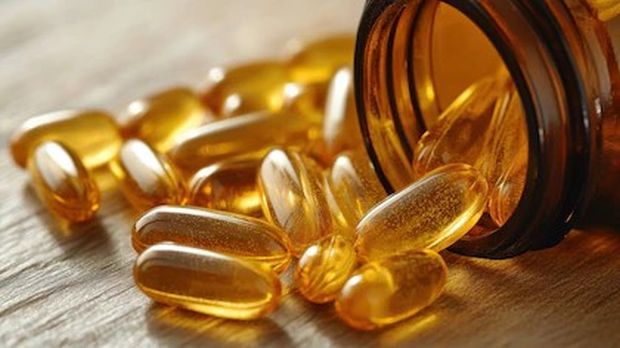
Yet, we are not saying that it is not necessary to use water and hydrolats in our beauty routines. On the contrary.
WHY IT IS IMPORTANT TO USE PRODUCTS CONTAINING WATER IN OUR BEAUTY RITUALS, AND HOW WE CAN RESPECT THIS RULE WITHOUT USING SYNTHETIC PRESERVATIVES.
To have soft and smooth skin, the first and most important thing is to protect the skin barrier. The skin barrier is responsible for ensuring that our skin can retain water. It also acts as a protective shield against harmful microorganisms by producing antimicrobial peptides and proteins. In addition, it regulates inflammation. When the skin barrier is healthy, the complexion appears smooth, clear and even-toned.
Skin care products containing ceramides and cholesterol help repair the skin barrier. Ceramides are basic components of the skin barrier. Cholesterol and other lipids and fatty acids are also crucial components of a healthy barrier. Cholesterol is often found in moisturizers rich in organic fats and fatty acids in vegetable oils. Niacinamide is also a skin care ingredient that strengthens the skin barrier by promoting ceramide synthesis. Although this is only one of the many skin benefits of niacinamide or vitaminB3. In addition, vitamin B3:
1. Evens out skin tone by improving the appearance of dark spots and other sun-damaged areas.
2. Reduces the size of enlarged pores and improves skin texture.
3. Reinforces the cutaneous barrier by promoting ceramide synthesis.
4. Improves redness and skin blemishes.
5. Protects against UV damage (ideal if combined with vitamin C).
HOW TO IMPLEMENT VITAMINS IN OUR HOMEMADE FORMULATIONS TO BRIGHTEN THE SKIN
First, we have to take into account that there are fat-soluble vitamins. These include vitamins A and E, which we can easily add to the oily phase of our preparations. There are water-soluble vitamins. Vitamins like B (niacinamide) or C require water-containing formulations to be dissolved. The best formulations will use synergistic ingredients.
Serums are, in principle, formulated with water. However, it is possible to replace water with more interesting alternatives. These alternatives include hydrosols, aloe vera liquid (gel or juice), and even purified seawater.
1. The easiest way to do it from natural home cosmetics is to use distilled water. You can also use facial tonics such as hydrolats, rose water, aloe vera juice, etc … and then one of your fatty creams without aqueous phase.
For example, from a base of purified seawater* and vegetable glycerin to which we can easily add water-soluble active ingredients. *Purified seawater bases sold for cosmetic use, for example as facial toners, usually have very mild preservatives incorporated, which saves us from having to add more invasive broad-spectrum preservatives such as those used in cosmetic blogging.
NIACINAMIDE-BASED FACIAL SERUM
Did you know that you can easily prepare a serum base with distilled water, a teaspoon of Celtic or nigari salt, rich in magnesium, and a teaspoon of glycerin?
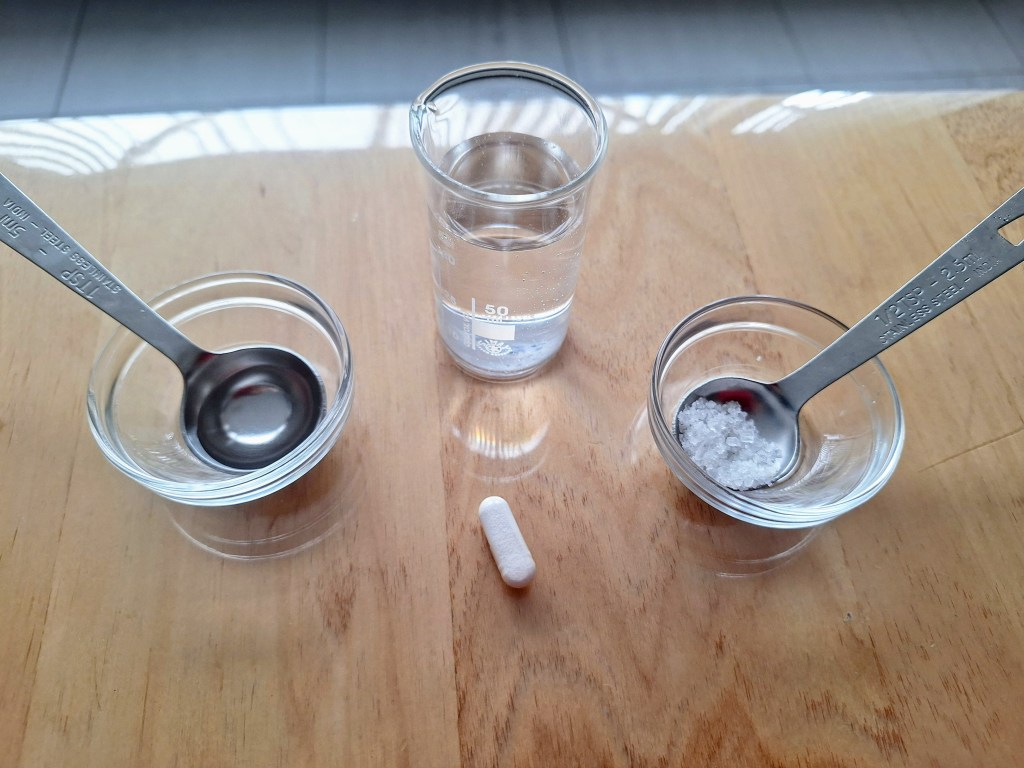
Salt and glycerin are natural preservatives. Your facial serum will remain in good condition without synthetic preservatives. You can add vitamins or water-soluble active ingredients to this serum base. In this case, we have added a capsule of vitamin B3 (niacinamide) for internal use. The results are noticeable.
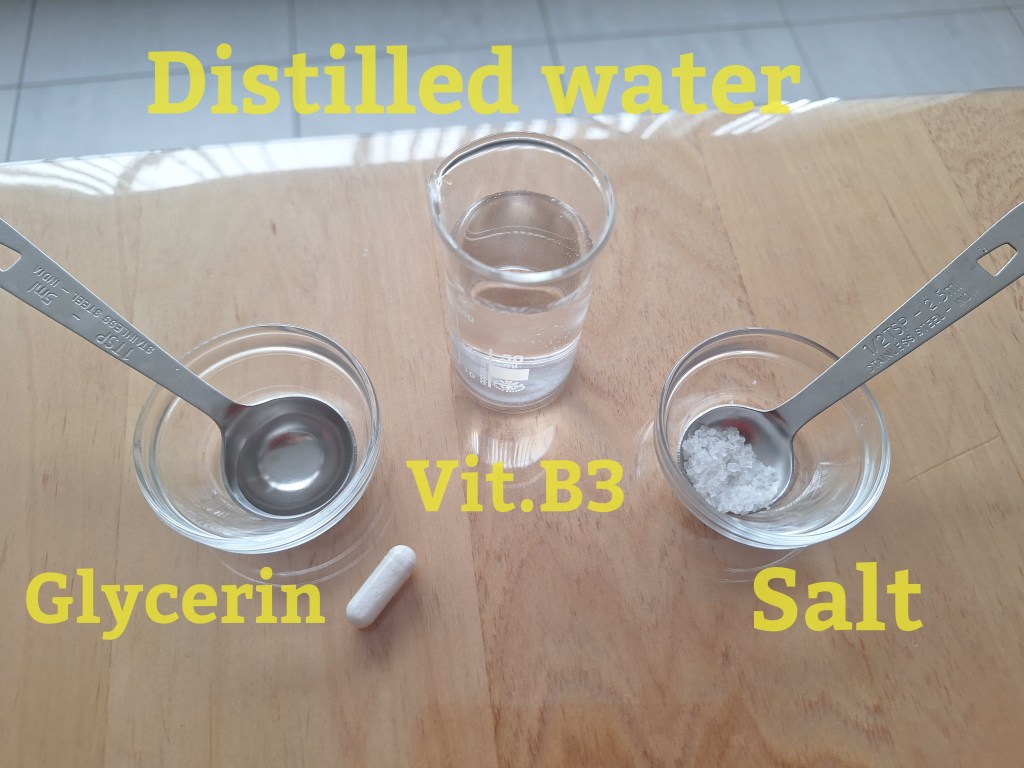
In this simple way, we’ve given our skin a drink without using a single preservative. It’s all about implementing a smart beauty routine. Likewise, we apply a natural vegetable oil all over our bodies when we get out of the shower. We do this even without drying off. It’s a smart way to nourish and moisturize at the same time.
2. It is also possible to create our own facial serums and toners without the need for synthetic preservatives using some smart cosmetics tricks such as:
–Use a hydrolate that you like as a facial tonic in which you can easily pour 1/2 teaspoon of ascorbic acid (i.e. vitamin C that they also sell for internal use) and thus take advantage of all its properties without adding preservatives to your tonic. In addition, formulating products with vitamin C is very complicated because vitamin C is very unstable. However, this method allows you to easily take advantage of its properties. It directly helps to illuminate the skin of your face.
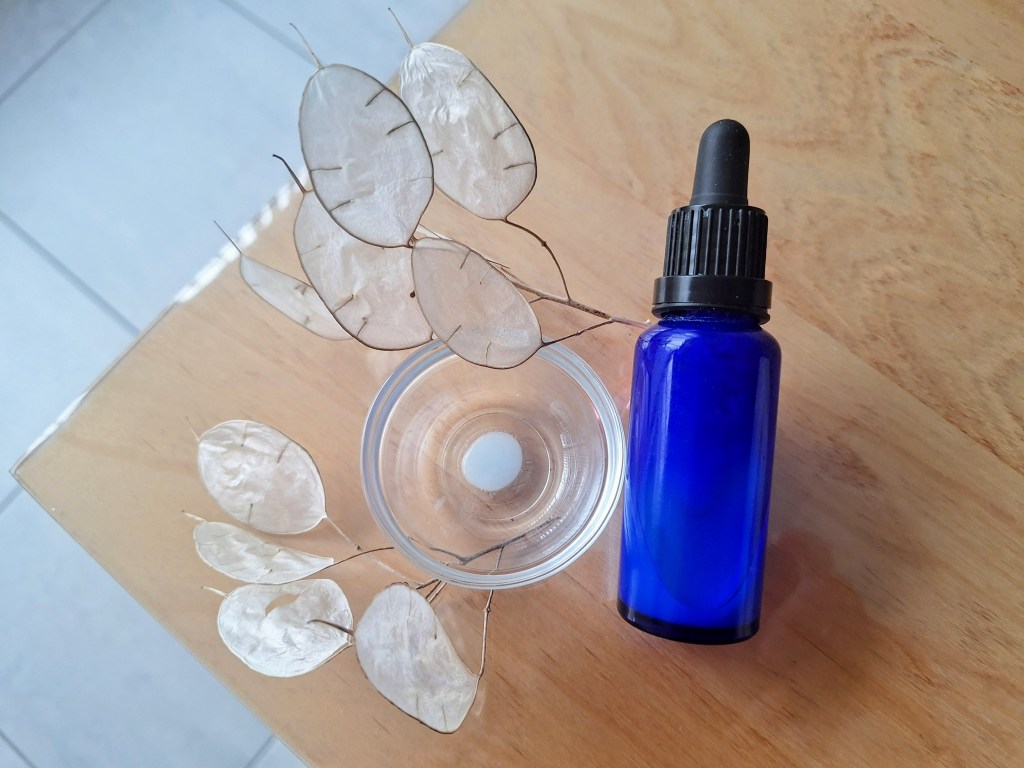
–Use commercial aloe vera gel. It already contains its own preservatives. These are much gentler on the skin than those we can buy in cosmetic stores. It is very easy to add active ingredients to it such as vegetable oils, vitamins and glycerin.
Like in this recipe:
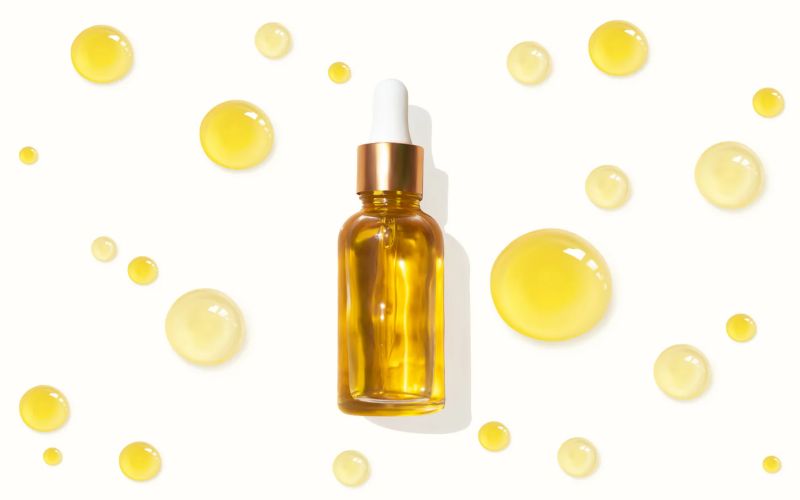
–Use a vegetable oil, such as aloe vera oil, or almond’s oil. You can add a capsule of vitamin A for internal use to it. This is possible because vitamine A is fat-soluble. It will be enough to introduce our vitaminized oil in a dropper bottle. Then we already have a natural facial serum without the need to complicate with retinol *, etc… We can also use our capsule of vitamin A for internal intake. It will be very good for our skin.
*According to the IA: “Vitamin A and retinol are different names for the same compound, or rather, for a family of related compounds. Vitamin A is the generic name, while retinol is a specific form of this vitamin. In other words, retinol is an active form of vitamin A.”
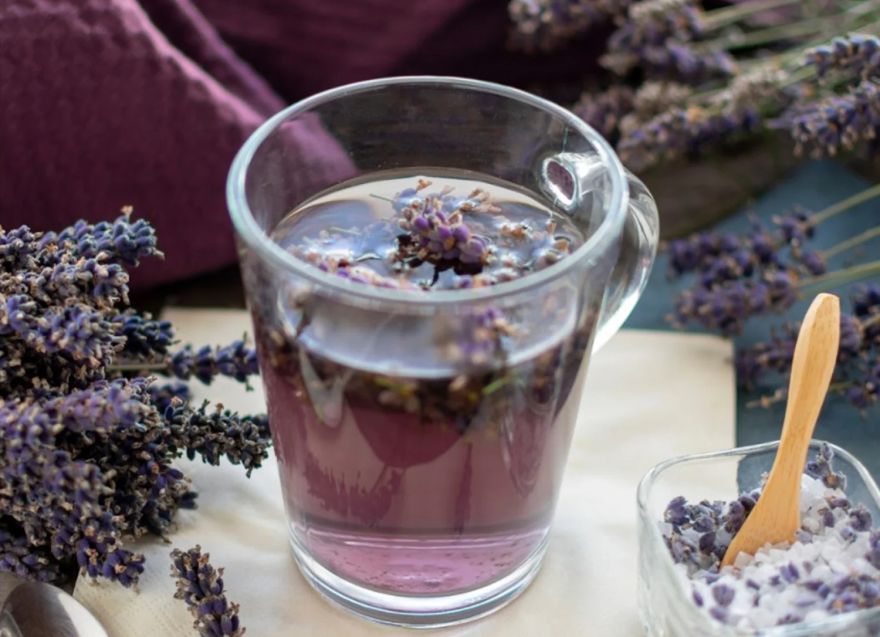
–Prepare an infusion, with lavender flowers, for example, and then filter it and add 25% vodka. The ethanol added in this percentage will act as a preservative of our infusion. This allows us to extend the shelf life of our natural lavender facial tonic for several days. After the application of our facial tonic, we spread one of our non-aqueous phase creams. It is emulsified with natural emulsifiers, such as beeswax. Our skin will be glowing.
3.- It is also very easy to prepare vitaminized exfoliants and masks for immediate use. Without the need to complicate, we will be adding water and fresh vitamins to our skin. Some examples:
ILLUMINATING EXFOLIANT of RICE FLOUR
Rice flour with a teaspoon of milk and a few drops (half a teaspoon) of lemon juice. Mix and then exfoliate your face.

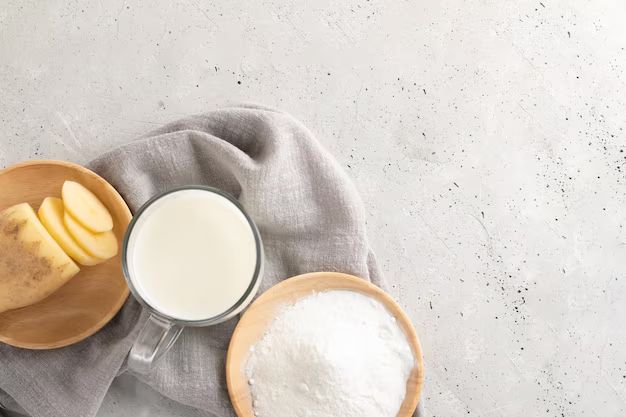
DEPIGMENTING TREATMENT MASK with fresh potato.
Grate half a peeled potato into a puree.
Add a spoonful of rice flour that will provide exfoliating capacity.
Stir, add a spoonful of milk and form a paste that can be applied to the face.
We will try to prepare a minimum amount to use it at once. If it’s not possible, we can always refrigerate it. This all-natural product loses its properties after a few hours. Its texture also changes, that’s why we do not intend to keep it, but to use it immediately.
RICE AND LEMON DEPIGMENTING TONER
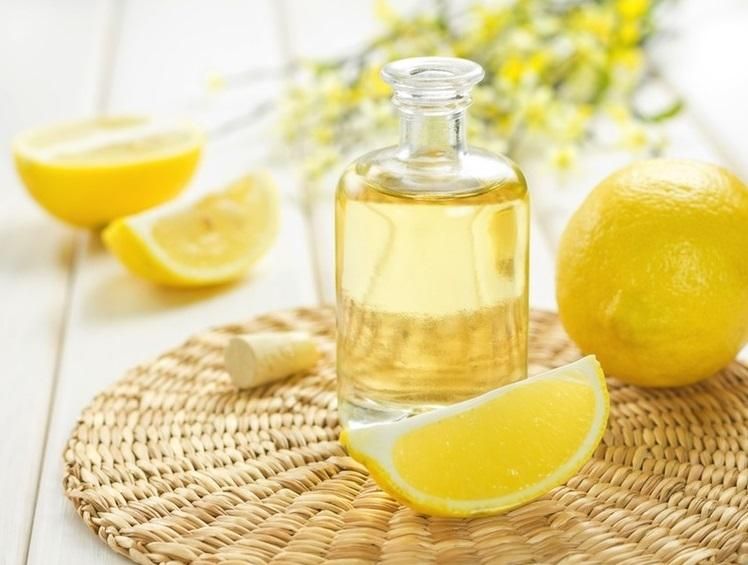
A rice and lemon toner is a natural skin solution that can help clarify, soothe and tone. The combination of rice and lemon can help reduce the appearance of blemishes and improve hydration. As you know, rice water has a natural depigmenting effect due to the kojic acid that rice contains. This combines with the ascorbic acid from the vitamin C in the lemon. Together, they create a synergistic effect that enhances the depigmenting character of this facial toner.
You will need: a cup of rice, 1 cup of water and the juice of half a lemon.
As easy as: Add the cup of rice to the water and the lemon juice. Let the mixture stand for 24 hours in a glass container. After 24 hours, remove the mixture and bring it to a low heat to boil for about 5 minutes. Let the mixture cool and strain it.
There are people who add the lemon juice to the rice water after a few hours, and after filtering the rice, and then they apply it directly without boiling it to better take advantage of the vitamin C in the lemon. It is also possible, although in this case it is necessary to be even more careful not to apply the tonic during the day so that the lemon does not come into contact with sunlight.
Use: Dip a cotton pad in the rice water and apply it on a clean face. Let it dry on the face and do not rinse.
TIPS: It is best to use the rice and lemon tonic at night because lemon is photo-sensitizing. It is possible to use this solution as a daily toner or several times a week.
4. It is possible to obtain a “creamy texture” to moisturize our skin without using emulsifying waxes of any kind. This happens when we use a natural vegetable butter. For example, shea butter. We then add a couple of teaspoons of one or two vitamin-rich vegetable oils. All we have to do is stir and beat the mixture well for a few minutes. This helps us obtain a fantastic creamy consistency without the use of preservatives or synthetic self-emulsifying waxes.
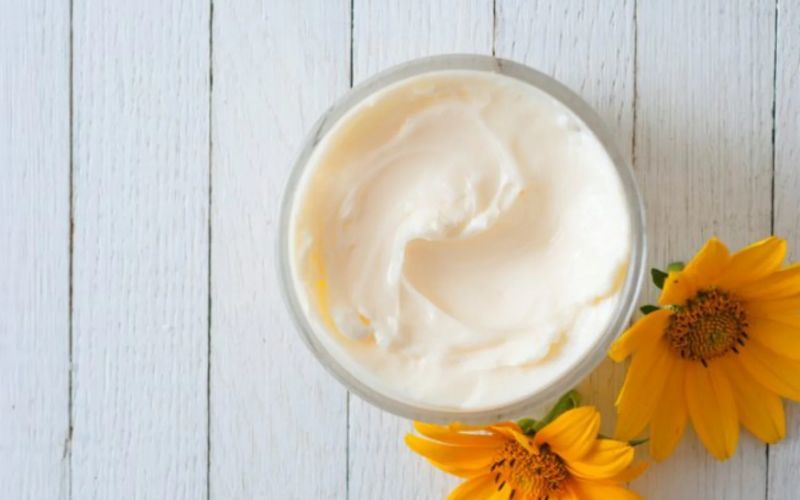
5. Finally, creams with an aqueous phase emulsified with beeswax and borax can be created. These do not require synthetic preservatives. They can keep for up to 3 months without refrigeration. This is more than enough time to finish the product without having to complicate ourselves.
CREAMS WITH AQUEOUS PHASE AND BEESWAX as emulsifier
To design this type of creams, it is necessary to consider the proportions of borax. We need to implement these proportions according to the amount of beeswax. Beeswax will be used as an emulsifier.
PROPORTIONS WITH BORAX
If we know that for every 15 grams of beeswax we will need approximately one gram of borax to produce the chemical emulsion between beeswax, oil and water; then it is easy to deduce by a simple rule of three. For example, for 3 grams of beeswax we will need about 0.2 grams of borax.
15 g wax ——– 0.9 g borax
3 g wax ———– X
PROPORTIONS WITH THE BEESWAX AND THE OIL
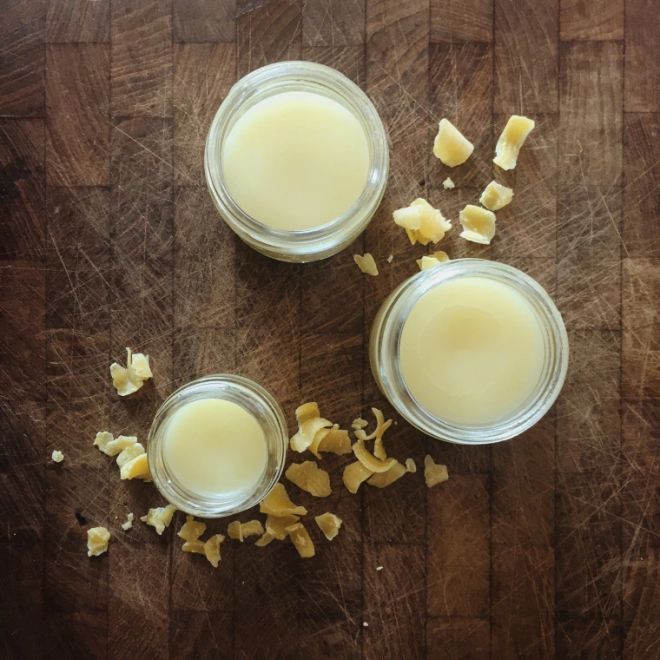
90% of macerated-oil (oleado)
10% beeswax
PROPORTIONS WITH BEESWAX AND BORAX
In a cream recipe using beeswax and borax as co-emulsifier, a common ratio is 60% oils or fats such as shea butter, 10% beeswax and 30% water. To prepare a richer cream, a maximum of 80% oils/fats, 5% beeswax and the rest water can be used. In the water we will include the borax in a percentage of 1% of the total product. In other words, for 100 grams of cream, we will use approximately one gram of borax, depending also on the ratio of beeswax, as mentioned above.
For example: An ointment recipe might include 80% oil, 5% beeswax, 1% borax and 15% water. The exact proportions can be adjusted to achieve the desired consistency and texture. For a creamier texture, increase the oil phase. Decrease the water phase correspondingly.
LET’S GO TO OUR RECIPE
Ingredients to prepare about 100 grams of product:
OIL PHASE
40 grams of oat oleate
12 grams of shea butter
8 g vegetable glycerin
8 grams of beeswax
AQUEOUS PHASE
30 grams of distilled water to which, previously, we will add 0.75 grams of borax (which acts as emulsifier and preservative).
PROCEDURE:
Melt the beeswax and the oil/fat in a bain-marie. At the same time, we heat the distilled water, to which we have previously added the borax. Both phases should be at a maximum temperature of 70 degrees.
When the mixture of wax and oil (oily phase) is completely melted, we will gradually add the mixture of water and borax (aqueous phase). We should continue beating vigorously. Now, we will pour the mixture into a bowl with cold water. We’ll continue whisking until our cream is fully condensed.
Finally, we will introduce the cream in a glass container, if possible. The only preservative, as well as co-emulsifier of this preparation with aqueous phase, is borax. Therefore, the use of a glass container will prolong its preservation and keep our cream in the best conditions. Also, for this reason, we should prepare small quantities of product. This way, we can consume them in just a few months.
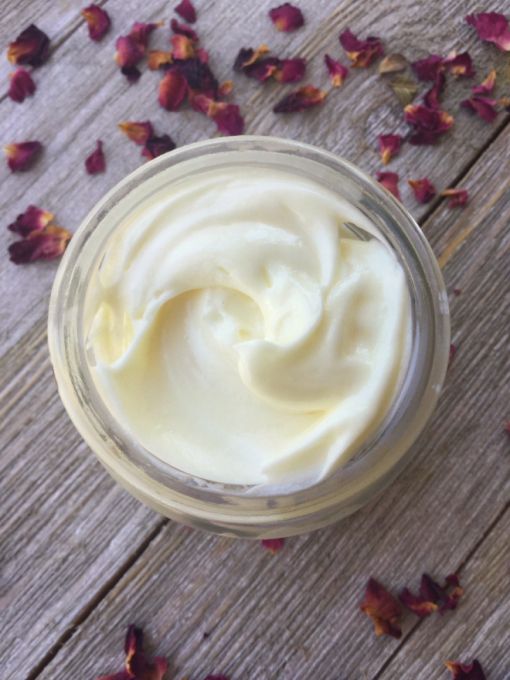
THE COMPONENTS OF OUR 100% NATURAL CREAM
This type of cream has been known since the time of the physician Galen (galenic creams). Even then they were made with beeswax and borax. Galenic creams proved to be a good treatment for skin problems such as irritation, inflammation and itching.
BEESWAX: Beeswax is a natural wax that provides a solid, waxy texture to the cream. It acts as a humectant, helping to retain moisture and soften the skin. And it has antioxidant properties helping to protect the skin from free radical damage.
OATMEAL OLEADO: We have used an oat oleate* (oil macerated in oats’ meal). It is prepared in a homemade way with oatmeal as we introduced in our post on “How to make herbal creams at home”. Oatmeal is rich in beta-glucans. Its cosmetic use has been found to have a much more moisturizing effect than hyaluronic acid. This is because it is much better absorbed. In addition, oatmeal soothes sensitive skin and moisturizes it naturally, preventing redness and irritation.
SHEA BUTTER: It is rich in fatty acids. This richness makes it ideal to moisturize and nourish the skin in depth. It improves the skin’s elasticity and softness. It is especially recommended to treat dry and mature skin and even to prevent itching and irritation of sensitive skin. Especially if you get it without deodorizing or processing, it is in itself a natural balm for the skin.
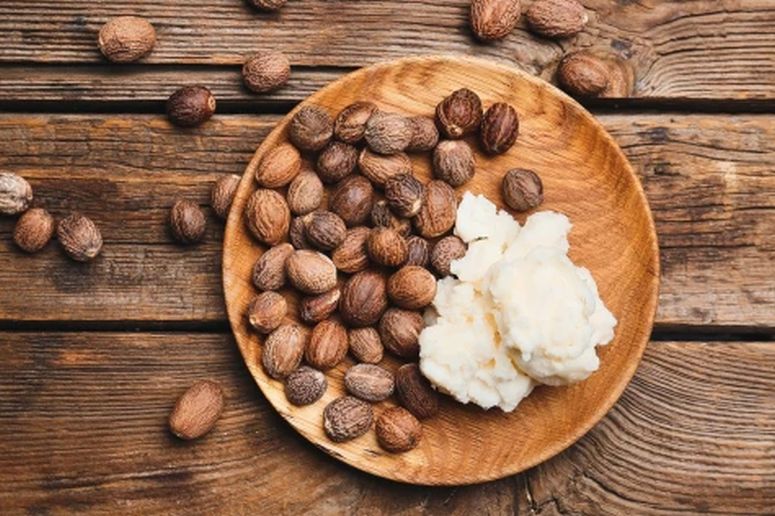
VEGETAL GLYCERIN: Glycerin is a humectant that attracts and retains moisture, making it very beneficial to the skin. Its main properties include moisturizing, protecting, softening and improving the skin barrier, making the skin feel smooth and healthy. When applied, glycerin does not simply stay on the skin. It penetrates and allows the skin to breathe while retaining moisture. Glycerin is really a safe and natural skin care product that works very simply to keep skin soft, beautiful and moisturized.
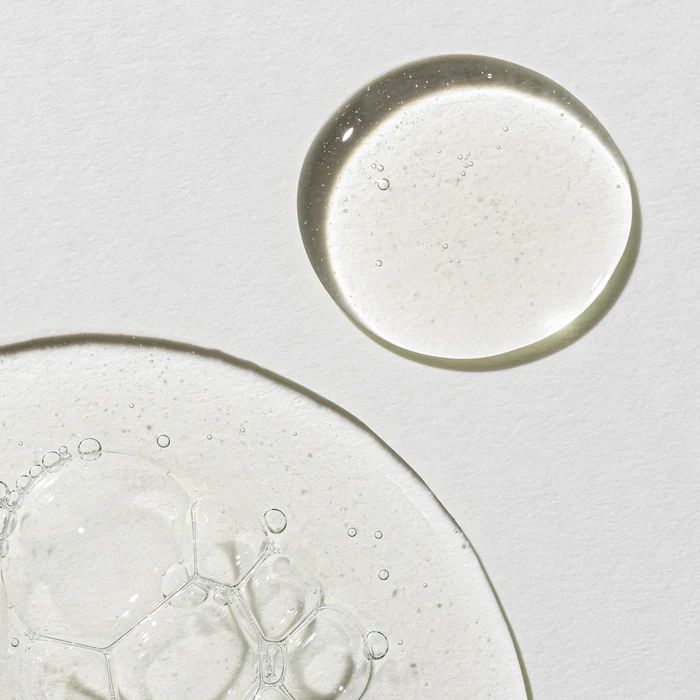
Food-grade vegetable glycerin is used to prepare “glycerites“, also known as glycerol extracts. Glycerin, or glycerol, is a sweet alcohol and is used as an extraction medium to obtain extracts from plants or other substances. Vegetable glycerin is produced from vegetable oils by processes such as hydrolysis, which separates the fatty acids from the glycerin.
In natural cosmetics, vegetable glycerin can be used to create and preserve various vegetable extracts. These extracts can be used in cosmetic preparations without the need for added preservatives. For example: Use aloe vera powder by placing it in a glass container. Cover it with glycerin for a few weeks. Once ready, filter it, and it’s prepared for use in our cosmetic preparations. The same with dried turmeric, with geranium petals powder, with dried chamomile flowers, etc … the creativity is endless.
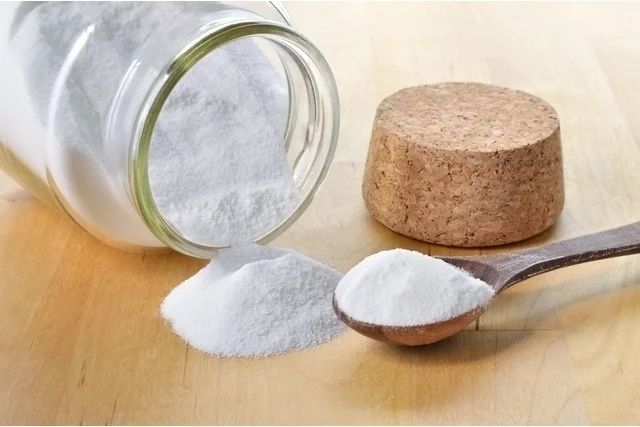
BORAX: Borax is an alkaline mineral salt. It is a natural mineral element that helps beeswax to emulsify with water and oil. Borax, on the other hand, has disinfectant and anti-inflammatory properties, which can help soothe irritation and inflammation in case of eczema, psoriasis or dermatitis.
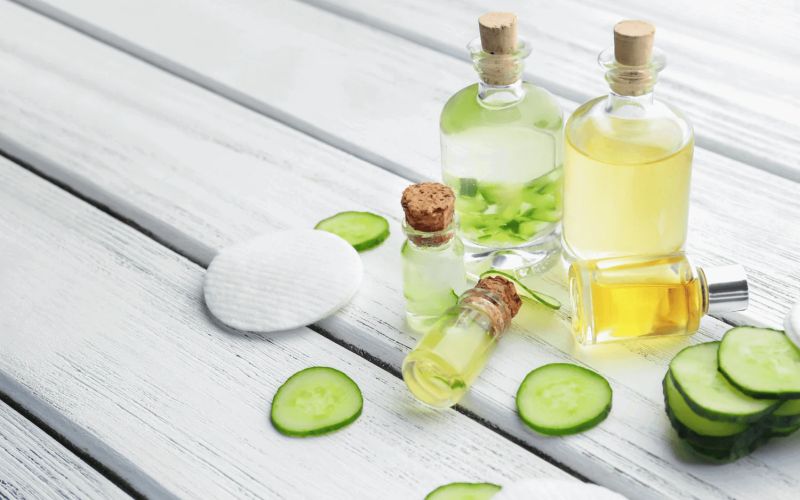
OIL PHASE: The oil phase provides the moisturizing and emollient properties of the cream. The most common oils are sweet almond oil or shea butter. In this case, we have used chamomile oil for its properties to soothe irritated skin. We also included shea butter and glycerin. Glycerin is an all-natural moisturizer and moisturizer.
AQUEOUS PHASE: The aqueous phase provides the hydration and helps to create the emulsion. It is also possible to use hydrolates. These can be combined with borax and beeswax. However, we have preferred to keep it simple by using only distilled water.
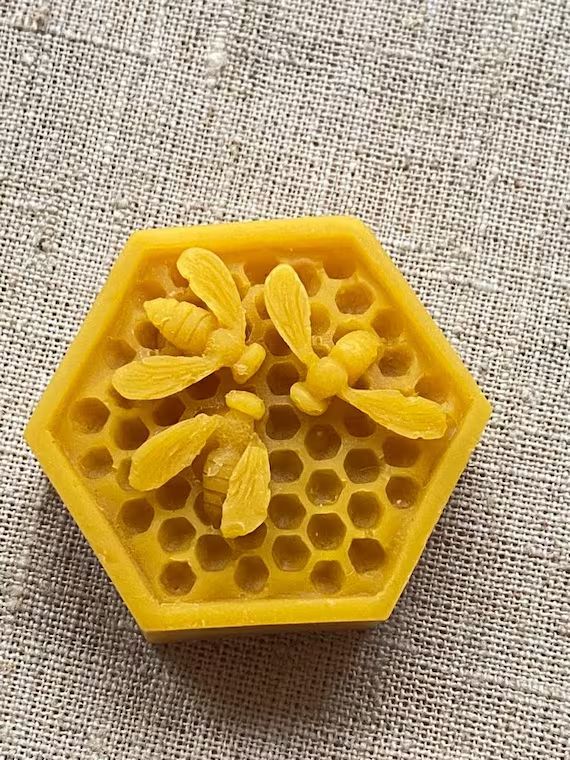
NATURAL EMULSIFIER: The ratio of oil, beeswax and water is crucial to create a stable emulsion. Beeswax and borax, when combined, act as emulsifiers. They allow the oil and water to mix without mismatching. A chemical bond is produced between them. The ceronic acid in the beeswax reacts chemically with the sodium hydroxide. This sodium hydroxide is produced by the hydrolysis of the borax. Together, they produce the emulsion of the water with the oil.
Discover more from Naturamatters blog
Subscribe to get the latest posts sent to your email.
 Naturamatters blog