
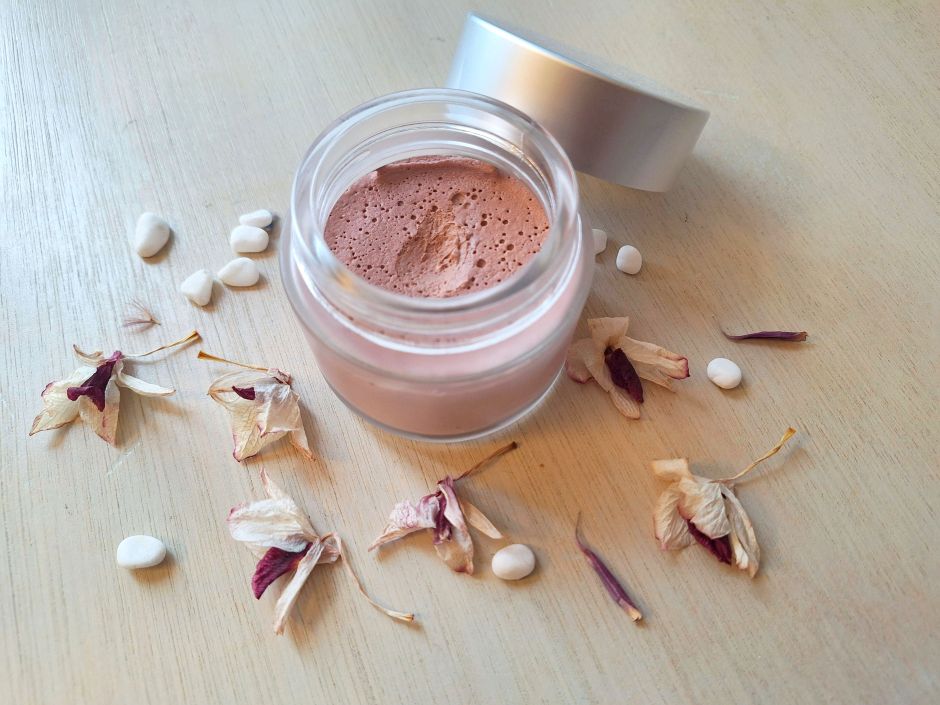
Are you worried about the problem of synthetic preservatives in your homemade preparations, but fear that if you leave them out of the refrigerator they will spoil in a short time?
Believe it or not, we have a natural solution for this that won’t leave your complexion looking stiff and won’t cause irritation or dermatitis.
And it’s super cheap too. Forget about buying preservatives other than simple Leucidal, which is the only commercial preservative that is natural enough not to cause any problems, and which you will need to add to this moisturizing colour cream. Otherwise, all you need is mineral water, optionally dried herbs, and a small packet of calcium hydroxide.
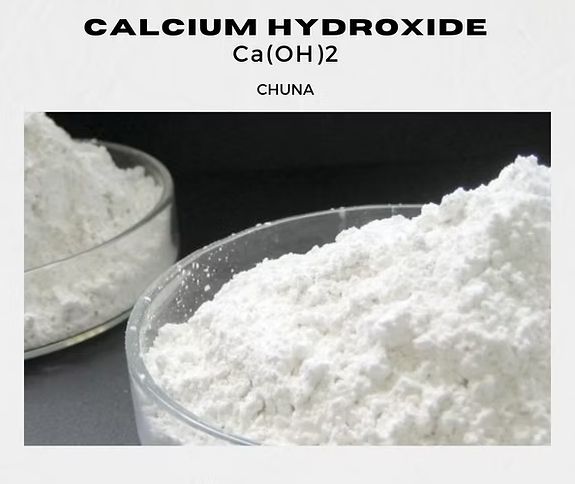
https://www.healthline.com/health/calcium-hydroxide
If you read the linked article, you will see that calcium hydroxide is so safe that it has been widely used in the food industry and traditionally in food preparation since time immemorial, for example in Central America, where calcium hydroxide has been used for thousands of years to process maize.

AROMATIC LAVENDER WATER WITH PRESERVATIVE PROPERTIES
We had set out to make a tinted moisturiser with a sun protection factor for daily use and we needed a preservative that wouldn’t give us any problems.
And as we had already seen that creams with lime water in the aqueous phase are like good wine, which over time ferments and improves instead of spoiling, we decided to prepare an herbal infusion to which we would later add the lime. It is possible to do this with just mineral water, as you know, but with herbs it has a better aroma.
So we start by making an infusion of dried lavender to which, after cooling, we add a teaspoon of food-grade calcium hydroxide.
The ratio is about 5 grams of calcium hydroxide per half litre of demineralised water, or in this case cold herbal tea.
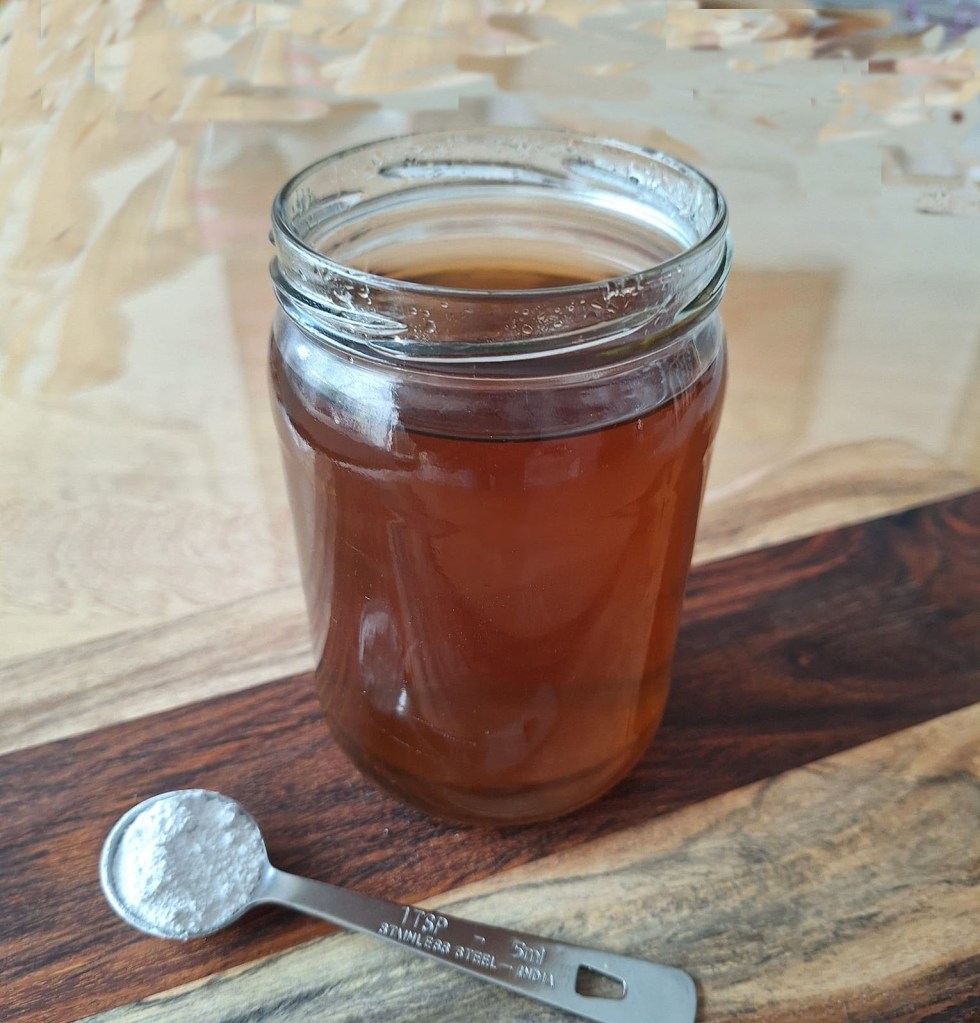
After filtering the lavender water, we add a few drops of lavender essential oil to enhance its aroma.
After an hour’s rest, during which the lime remained at the bottom of the container, we used a coffee filter to filter the lime from our infusion and thus obtain our lavender water with the properties of the dead lime.
TINTED MOISTURISING FPS CREAM
As we said, the recipe below is, as we like in this blog, a minimalist and simple recipe to make a colour cream with sun protection factor.
INGREDIENTS to make about 100 ml of cream:
About 20 grams of quality cold pressed oil, such as sesame oil, grape seed oil, etc …
About 5 grams of oat powder, which, in addition to providing properties, will fluff up the final result, as creams with zinc oxide tend to become caked.
About 70 grams of our aromatic lavender water
8 grams of emulsan, a new ecological emulsifier that is very natural.
8 g zinc oxide
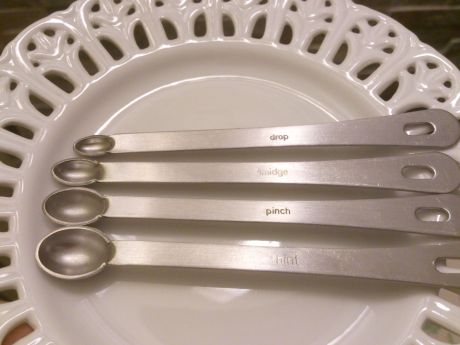
For pigment, we used 5 DASH teaspoons of light brown oxide and one DASH teaspoon of pink oxide, the DASH measure is also known as PINCH.
And finally, 15 to 20 drops of plain Leucidal*.
*This is a precaution because when the lime water, in a recipe like this one, is completely absorbed and fully integrated into the emulsion, it can happen that our cream, with use, when we run our fingers over it, becomes contaminated. It is also possible to use a small plastic spatula to avoid this problem.
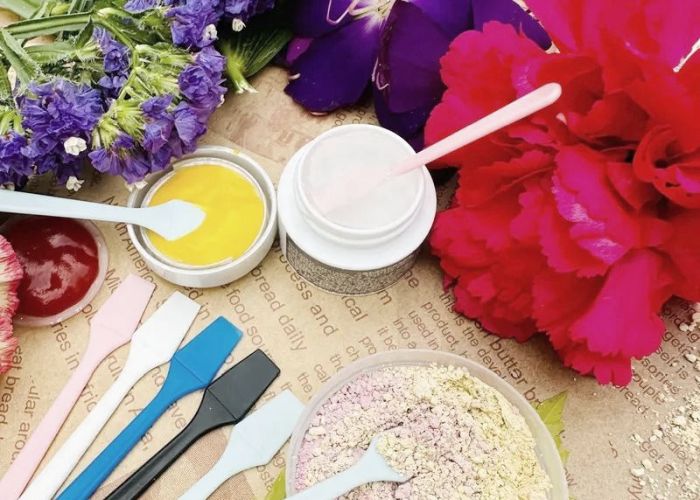
In any case, if our cream is emulsified with beeswax, as is the case with the calcareous bio-liniment, and the water is out of phase, this problem does not occur. We have more than proved this.
This is a picture of our BIO-LINIMENT, after months of frequent use, as it is a product that we highly recommend, especially for the most sensitive and dry skins.

We remind you of the recipe of the BIO-LINIMENT calcareous
To prepare about 200 ml of this liniment, we will need:
100 ml of lime water
100 ml olive oil
And about 4 grams of beeswax
And you don’t need to add anything else at all to get a very moisturising and natural face and body balm that will never give you any problems.
*Just remember not to leave the calcium hydroxide in the distilled water for more than an hour so that the water does not take on too much aroma and your liniment smells good.
THE STEP-BY-STEP PREPARATION OF THE COLOUR CREAM RECIPE:
Weigh the ingredients.
In a heat-resistant container, such as a pyrex, etc., place the emulsifying wax (Emulsan), the 20 grams of grape seed oil, the 8 grams of zinc oxide and the 5 grams of oat powder in a bain-marie, in that order, adding each component once the previous one is dissolved and integrated into the mixture.
In another container, we will warm our aromatic lavender water.
When both phases are hot, add the aqueous phase, i.e. the lavender water, to the oily phase, whisking vigorously so that everything is integrated. It is advisable to use a small cosmetic mixer, such as a coffee skimmer, etc…
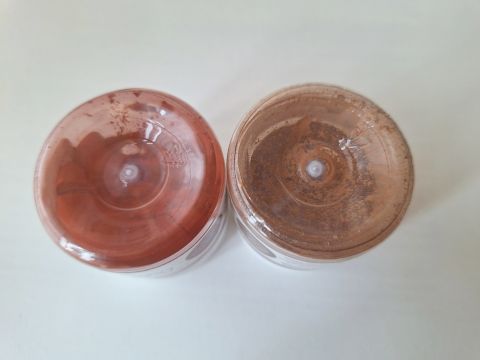
Finally, add the pigments, stirring well and checking each time on the back of your hand to see if the colour you obtain matches your skin tone.
And, if we have so decided, 15-20 drops of simple Leucidal, which is the INCI: Leuconostoc/Radish Root Ferment. It is the most skin-friendly, effective and ecological preservative that we know of.
And this was the result.
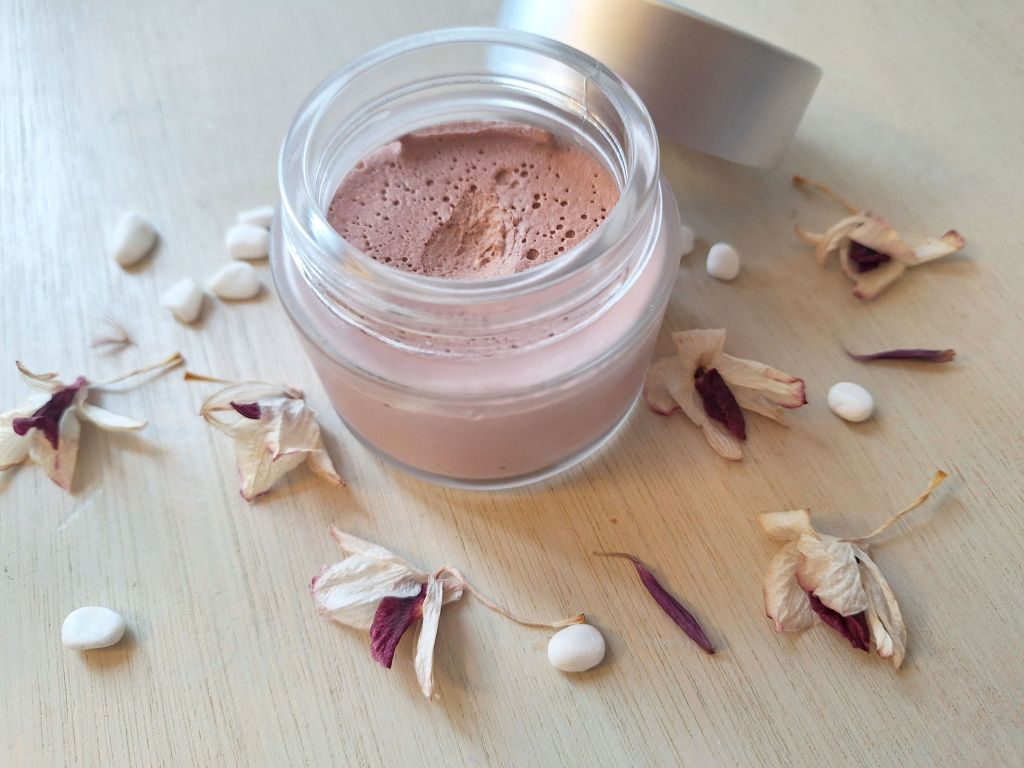
A tinted cream with a sun protection factor adapted for daily use to prevent facial skin blemishes.
We have prepared our moisturising colour cream without adding essential oils, just a few drops of lavender water, before preparing our cream, to give it a little more aroma and properties.
But if you want to add essential oils, it is advisable to take into account the advice of the experts:
According to the blog of the French Institution Robert Tisserand:
“But if you are going to use essential oils orally following the recommendations you saw on social networks, with a 99% probability I assure you that those recommendations will not be correct. If you don’t believe me, let’s take a look at a few:
- Add one or two drops of essential oil in a glass of water and then drink it: essential oils do not mix with water! This is the same as ingesting them undiluted, with a high risk of irritation or burning of your digestive mucosa, gastric ulcers, etc.
- Take essential oils every morning as a self-care routine: Essential oils taken orally have the highest bioavailability and should only be used for a short time to reduce the risk of internal toxicity and liver overload.
- Adding essential oils to a shotglass because you think it’s cool: you will only be giving your liver even more work!”
What Robert Tisserand is saying is that essential oils, like any other chemical substance, whether of natural origin or not, whether intended for medicinal use or not, produce their effects when administered.
Tisserand, in his blog, would ratify the maxim of Paracelsus, the great physician of antiquity: “Everything is poison and nothing is without poison; only the dose makes a thing not poison”.
Paracelsus (1493-1541) was one of the many physicians who used distillation to separate essential oils from plants. It was he who coined the famous phrase “Everything is poison and nothing is without poison; only the dose makes a thing not poison”, meaning that a substance containing toxic properties can only cause harm if it is present in a sufficiently high concentration. In other words, any chemical – even water – can be toxic if the body ingests or absorbs too much of it.
And we could continue with the same recommendations taken from the blogs of some influencers who offer recipes for natural cosmetics in which large doses of essential oils abound in products designed to be absorbed by our skin and which, if we follow them to the letter, are potentially very irritating. Such as, for example, those recipes with doses of essential oils and synthetic preservatives of one gram, etc. …
Antonia Jover, who also quotes Tisserand in her blog on scientific aromatherapy, discusses the proper use of essential oils which, as we have commented on other occasions, are a medicine and not a cosmetic product, and should therefore be used as such.
https://aromaterapiafamiliar.wordpress.com/category/aromaterapia-cientifica/

In this blog you can find extensive information of great value on essential oils and their uses in the field of health, which is not the same field as that of natural cosmetics, which is why the doses must be different. Cosmetics, as we always say, are not a medicine, unless we design them for that purpose, for example, balms, treatment shampoos, etc…
NEW GENERATION COMMERCIAL CREAMS
On the other hand, if you look at the composition of new-generation commercial natural creams, when essential oils are used, they appear at the end of the INCI because they are used in very small doses and with the precaution of not overloading the recipe with other potentially irritating elements, such as synthetic preservatives. In addition, in this recipe, lactobacillus ferments have been added to improve the overall tolerance of the product.

All these improvements make today’s synthetic creams much more tolerable than the old recipes were. For example, WELLEDA is also making use of such recipes with very low doses of essential oils and without the addition of extra synthetic preservatives to improve tolerability.
The INCI listed below is for a new serum from the Purèz brand, which is advertised, however, from 40 euros: Phytotherapy Revitalizing Face & Eye Serum/Cream BIO € 41,28 – € 82,60 Excl. BTW
Ingrediënten
Algae extract*, Dicaprylyl Carbonate, Aqua (Water), Ricinus communis* (Castor oil), Hyaluronic acid, Hydrolyzed Oat Protein, Glyceryl oleate, Cetearyl alcohol, Glyceryl stearate (Olive Oil*), Silica, CI77019 , Lactobacillus Ferment, Tocopherol (Natural Vitamin E*). Contains the essential oils of Citrus sinensis* (Sweet Orange), Pelargonium graveolens* (Rose Geranium), Rosa damascena* (Rose) Immortelle* (Helichrysum italicum).
*** In certified natural cosmetics – such as Purèz – the term perfume means ‘mixture of various natural essential oils’. In conventional cosmetics, the same term means “any possible mixture of fragrances, including chemicals and/or synthetic and even toxic fragrances”.
Such a composition would be comparable to the composition of Dr. Hauschka’s ROSE CREAM, which is included below:
Rose Cream, INCI: Aqua, Arachis Hypogaea Oil, Cera Alba, Althaea Officinalis Root Extract, Rosa Damascena Flower Water, Hypericum Perforatum Flower/Leaf/Stem Extract, Butyrospermum Parkii Butter, Sorbitan Olivate, Persea Gratissima Oil, Polyglyceryl-3 Polyricinoleate, Parfum*, Citronellol*, Geraniol*, Linalool*, Limonene*, Citral*, Farnesol*, Benzyl Alcohol*, Eugenol*, Rosa Damascena Flower Extract, Rosa Canina Fruit Extract, Copernicia Cerifera Cera, Zinc Sulfate, Lecithin, Rosa Damascena Flower Wax

In this image it is clear that the ingredients are natural, only a couple of strange names are emulsifiers, such as Sorbitol Olivate, which is also usually part of OLIVEM 1000, or Polyglyceryl-3 Polyricinoleate.
The following composition of the otherwise very popular OLAY REGENERIST cream shows a considerable difference in its composition:
INGREDIENTS: Water, Glycerin, Isohexadecane, Niacinamide*, Distarch Phosphate, Isopropyl Isostearate, Dimethicone, Panthenol**, Palmitoyl Pentapeptide-4***, Sodium Hyaluronate, Caprylic/Capric Triglyceride, Ethylhexylglycerin, Hydroxyacetophenone, Dimethiconol, Cetearyl Glucoside, Cetearyl Alcohol, Stearic Acid, Palmitic Acid, Stearyl Alcohol, Cetyl Alcohol, Behenyl Alcohol, Disodium EDTA, Sodium Acrylates Copolymer, PEG-100 Stearate, Titanium Dioxide, Mica, Phenoxyethanol, Fragrance, *Vitamin B3, **Pro-Vitamin B5, ***Peptide
Because, what is the point of making homemade natural cosmetics if not to create our own products for everyday use, adapted to our skin type, ecological, cheap, and that do not give us problems in frequent use because they only contain ingredients of vegetable origin and natural emulsifiers?
SOLID NATURAL MAKE-UP
We also wanted to contribute a recipe for solid make-up, which we think is a great idea because, as it is solid, it does not require packaging or a water phase, which is the one that always causes conservation problems, given that water is the one that corrupts in the composition of any product that we are going to make by hand.
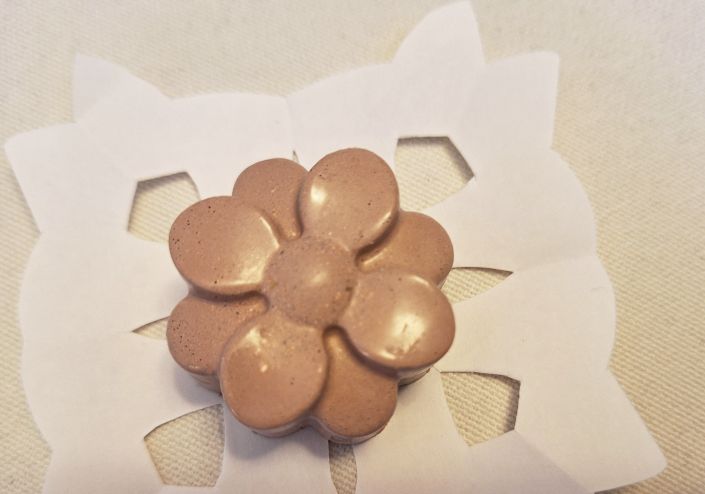
We have solved this, to a large extent, with our idea of using lime water in our compositions with aqueous phase, as it prevents the recipes from becoming corrupted. However, whenever we can prepare a recipe without using an aqueous phase, all the better, because we avoid the problem from the start.
In this case, we only need to add a little vitamin E, which will act as an antioxidant to extend the durability of the fats we use in our composition and prevent them from going rancid.
As we said, as it is a solid make-up base, it does not require preservatives😊.
And its second great advantage is that it already contains mineral sunscreen filters (zinc oxide), which means that it is no longer necessary to use other day creams with protection factors.

INGREDIENTS:
Beeswax, 10 g
Shea butter, 20 grs.
Zinc oxide, 15 g
Cosmetic grade iron oxide pigment, usually a ratio of 4 teaspoons Pinch brown oxide to 1 teaspoon pink oxide, and always testing and adapting to your natural skin tone.
And a few drops of vitamin E
PROCEDURE:
First, put the beeswax, shea butter and zinc oxide in a heat-resistant container, in this order. Place this container in a bain-marie until everything is melted and liquid.
When the base ingredients are melted, turn down the heat and it is time to add the pigments while whisking with a mini electric mixer so that the pigments are well integrated.
Now that we have our pigment well integrated, you will see that the mixture has risen in colour, remove from the heat and add the vitamin E (not before because the vitamin is thermosensitive).
Now we can pour our mixture into a silicone mould, and wait until it cools and solidifies before unmoulding.
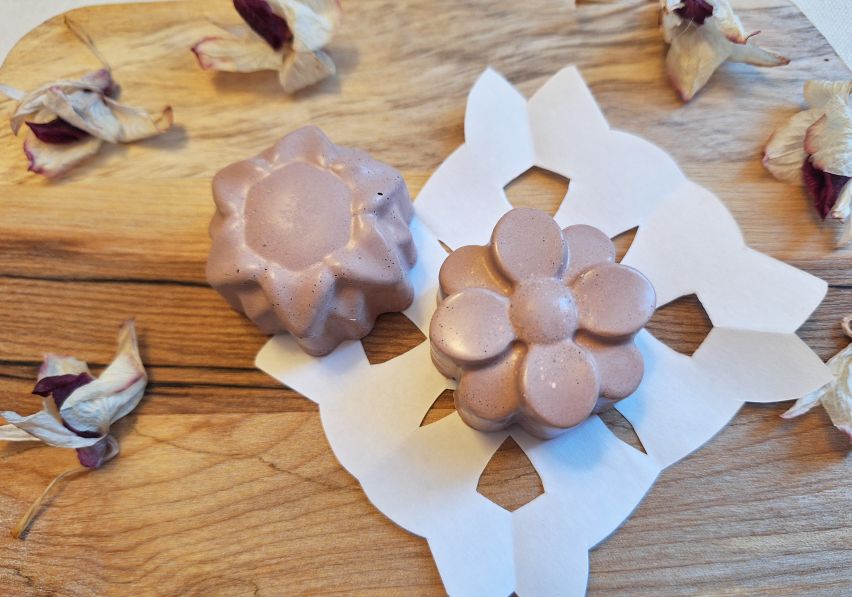
It’s that simple and, with this mixture, you get a spectacular foundation that covers all the imperfections of the face, even dark circles under the eyes. As it is super-covering, we advise you to use it sparingly.
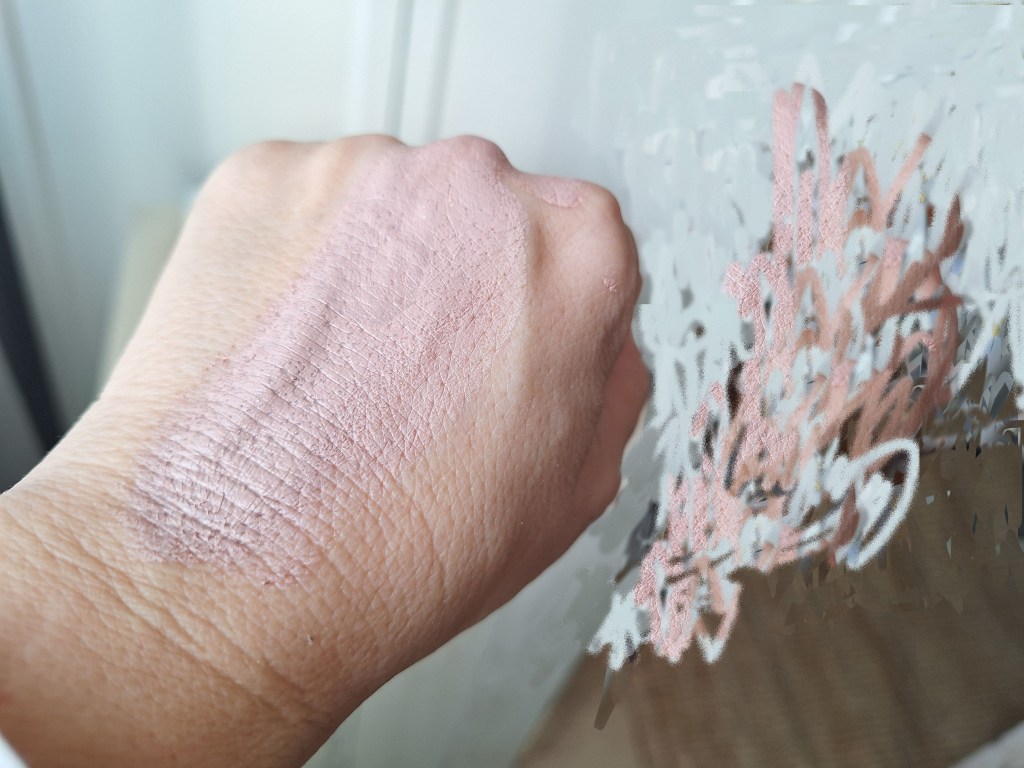
We like to use it on holidays, and the previous, gentler one, can be used every day as it is also photoprotective!
Discover more from Naturamatters blog
Subscribe to get the latest posts sent to your email.
 Naturamatters blog